Linear Actuators
Linear actuators turn a motor's spin into a straight push or pull, which makes them the part you reach for when the job is not moving a load across the floor but building powered motion into a machine, fixture, or platform you own. This collection is a focused Duff-Norton line, the actuator brand under Columbus McKinnon with close to 150 years of screw-jack heritage behind it. The range covers electromechanical units from a 27 lb positioner up to 1,500 lb workhorses, on 12 and 24 volt DC for mobile and off-highway builds and 115 volt AC for plug-in industrial gear, priced from a few hundred dollars to the high four figures at the top. Because an actuator lives inside your equipment rather than beside it, the buy hinges on three numbers: how hard it pushes, how far it travels, and how often it runs. The guide below walks those decisions in order so you land on the right screw type and rating instead of the closest headline capacity.
Compare Linear Actuators
| Model | Price | Capacity | Power | Voltage | Stroke Range | |
|---|---|---|---|---|---|---|
| Duff Norton SPA Series Linear Actuator | $2,093 | 1,500-2,000 lb | 115 AC / 220 AC | 115 AC / 220 AC | 3in. - 36in. | View → |
| Duff Norton SPD Series Linear Actuators | $2,087 | 1,500-2,000 lb | 12 VDC / 24VDC | 12 VDC / 24VDC | 3in. - 36in. | View → |
| Duff Norton MPB Series Linear Actuator | $1,087 | 250-500 lb | 115 VAC / 220 VAC | 115 VAC / 220 VAC | 3in. - 18in. | View → |
| Duff Norton SPB Series Linear Actuators | $1,004 | 250-500 lb | 115 AC / 220 AC | 115 AC / 220 AC | 3in. - 18in. | View → |
| Duff Norton TA Series Linear Actuators | $934 | 500-1,000 lb | 12, 24 VDC ; 115, 220/230 VAC | 12, 24 VDC ; 115, 220/230 VAC | — | View → |
| Duff Norton MPD Linear Actuator | $721 | 250-500 lb | 12 VDC / 24 VDC | 12 VDC / 24 VDC | 3in. - 18in. | View → |
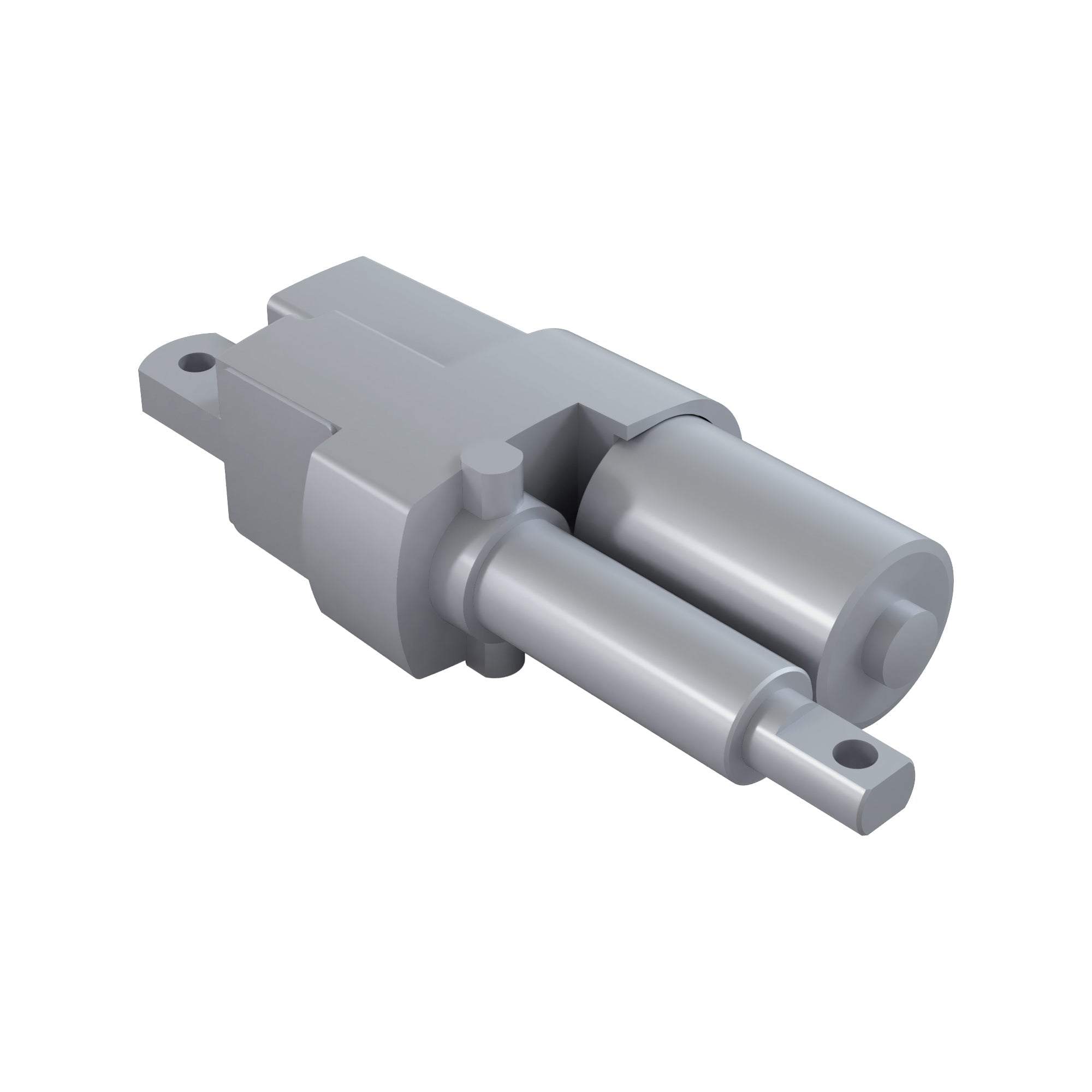 In Stock
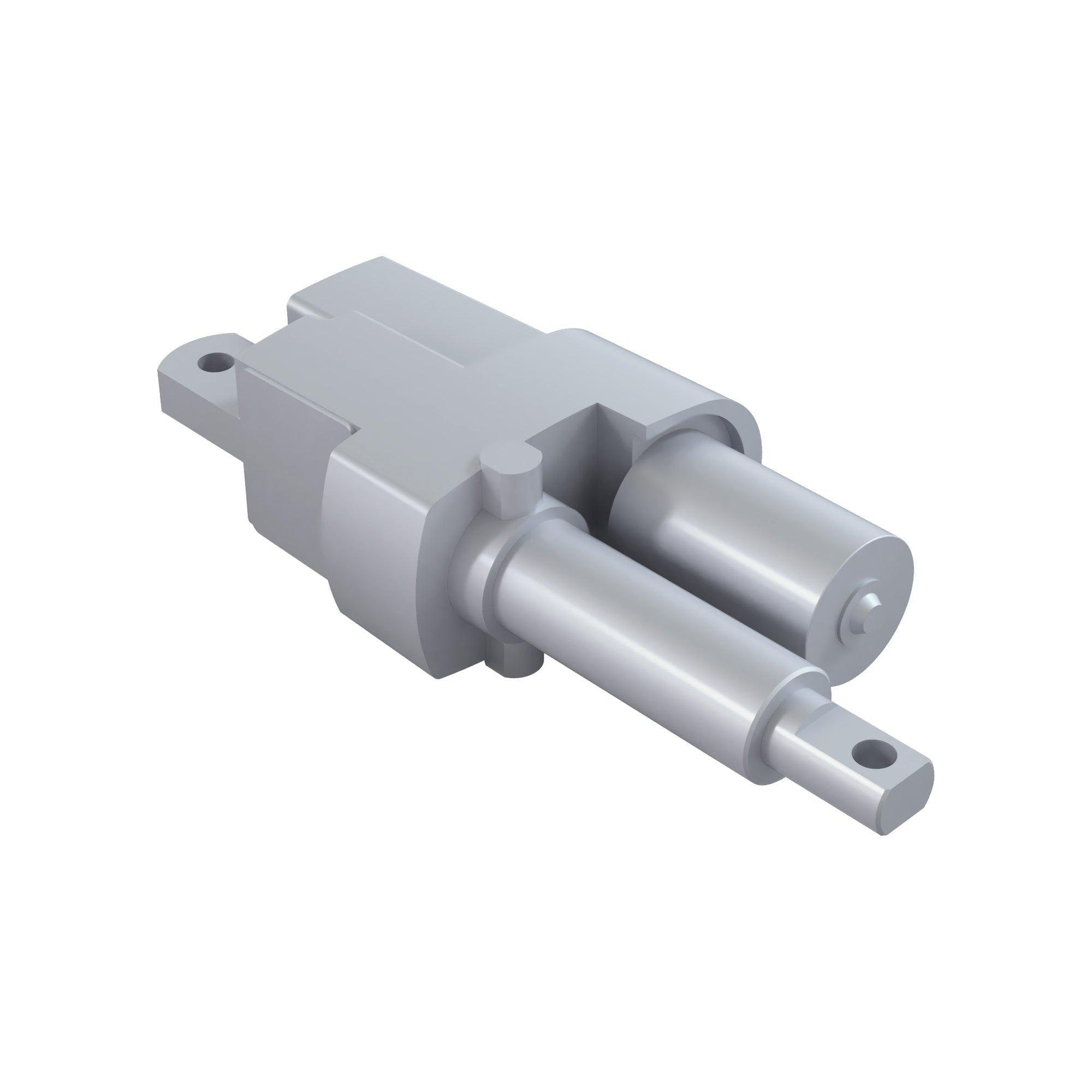 In Stock
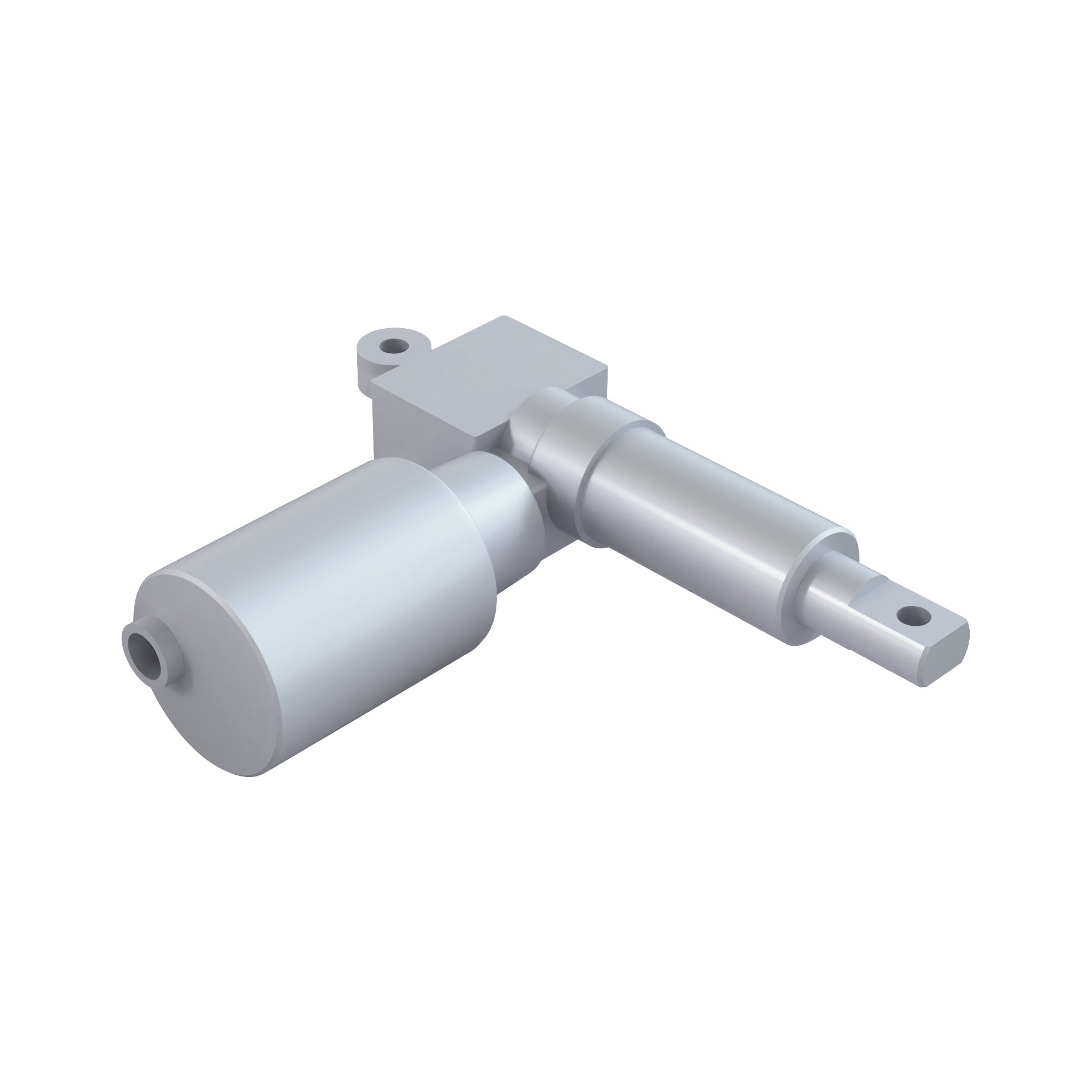 In Stock
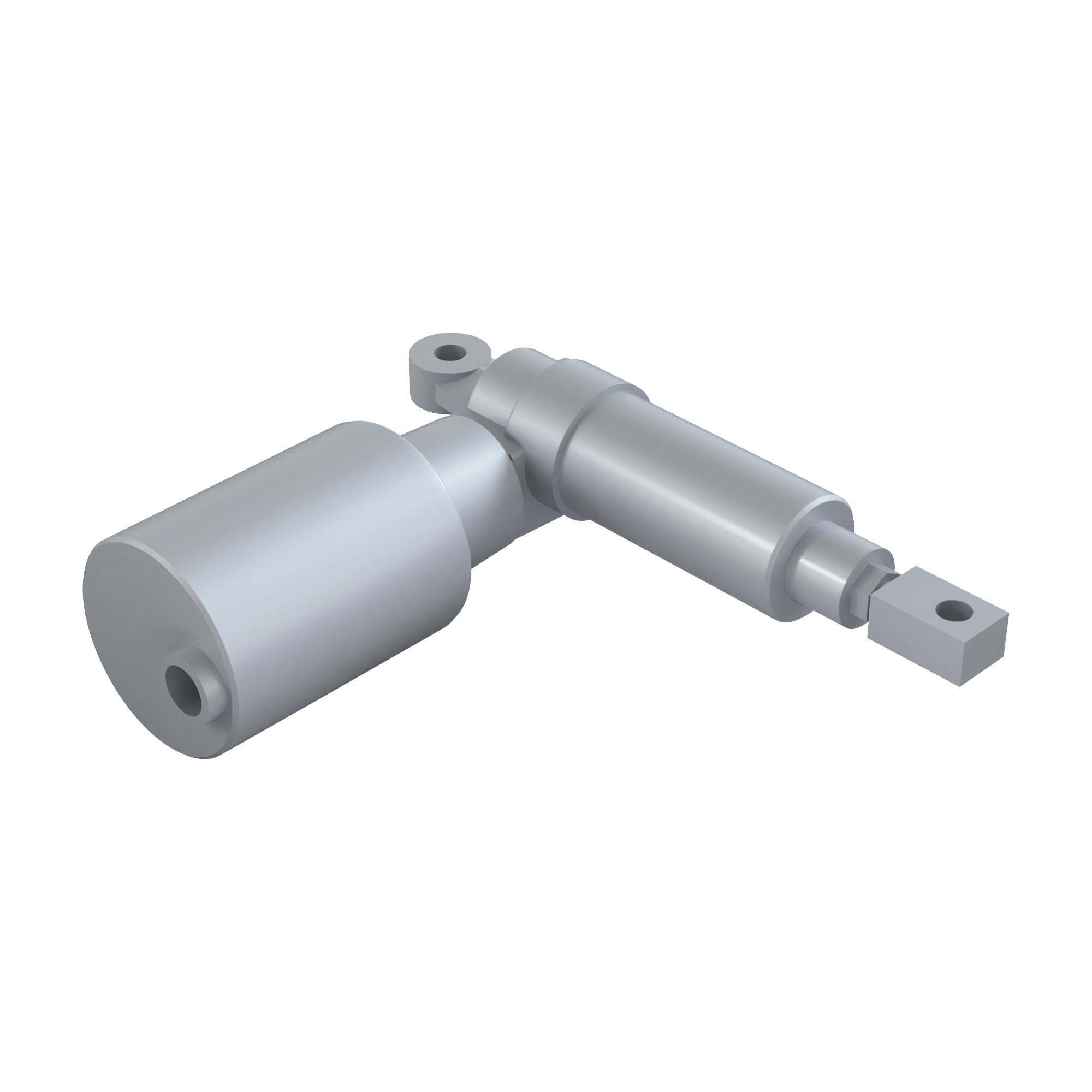 In Stock
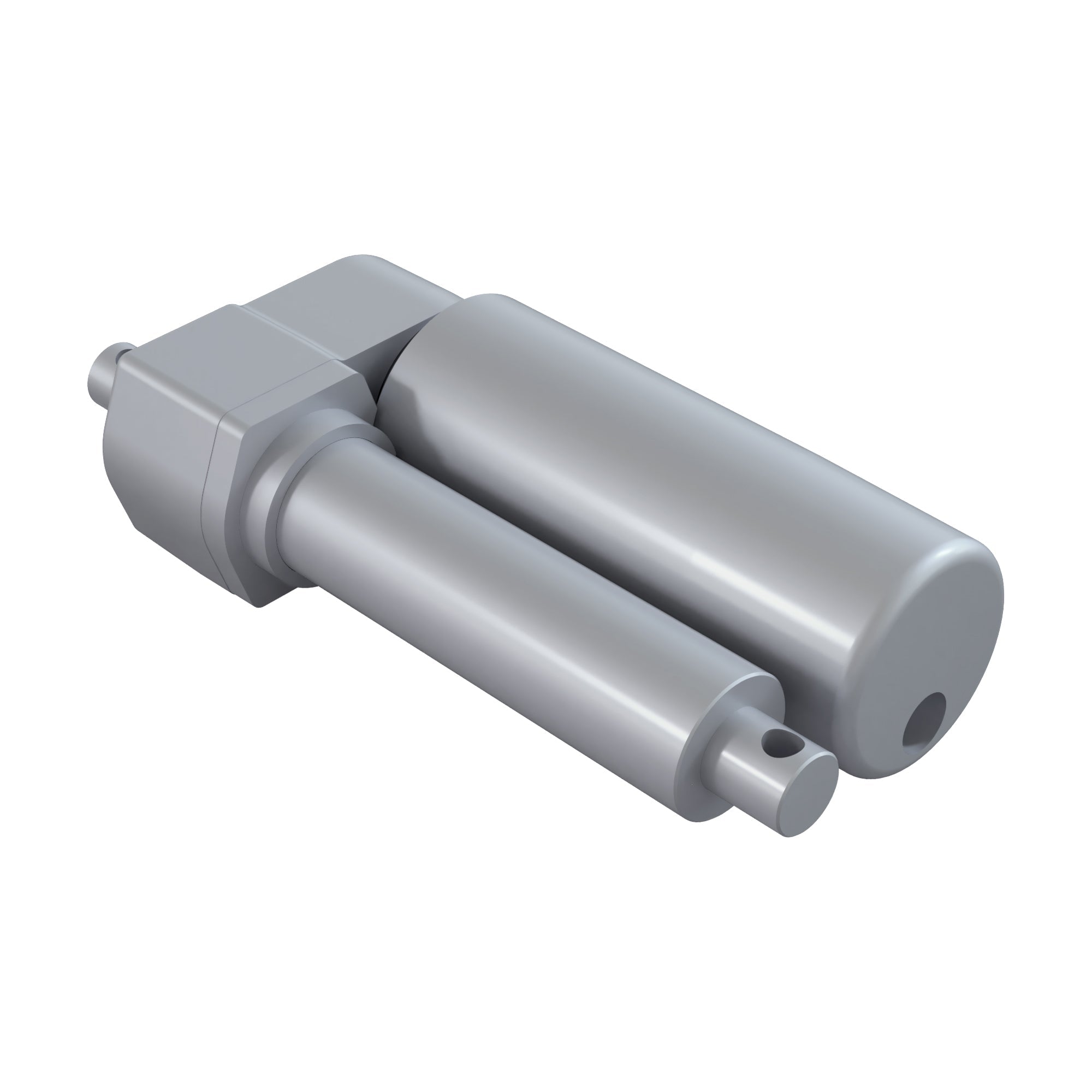 In Stock
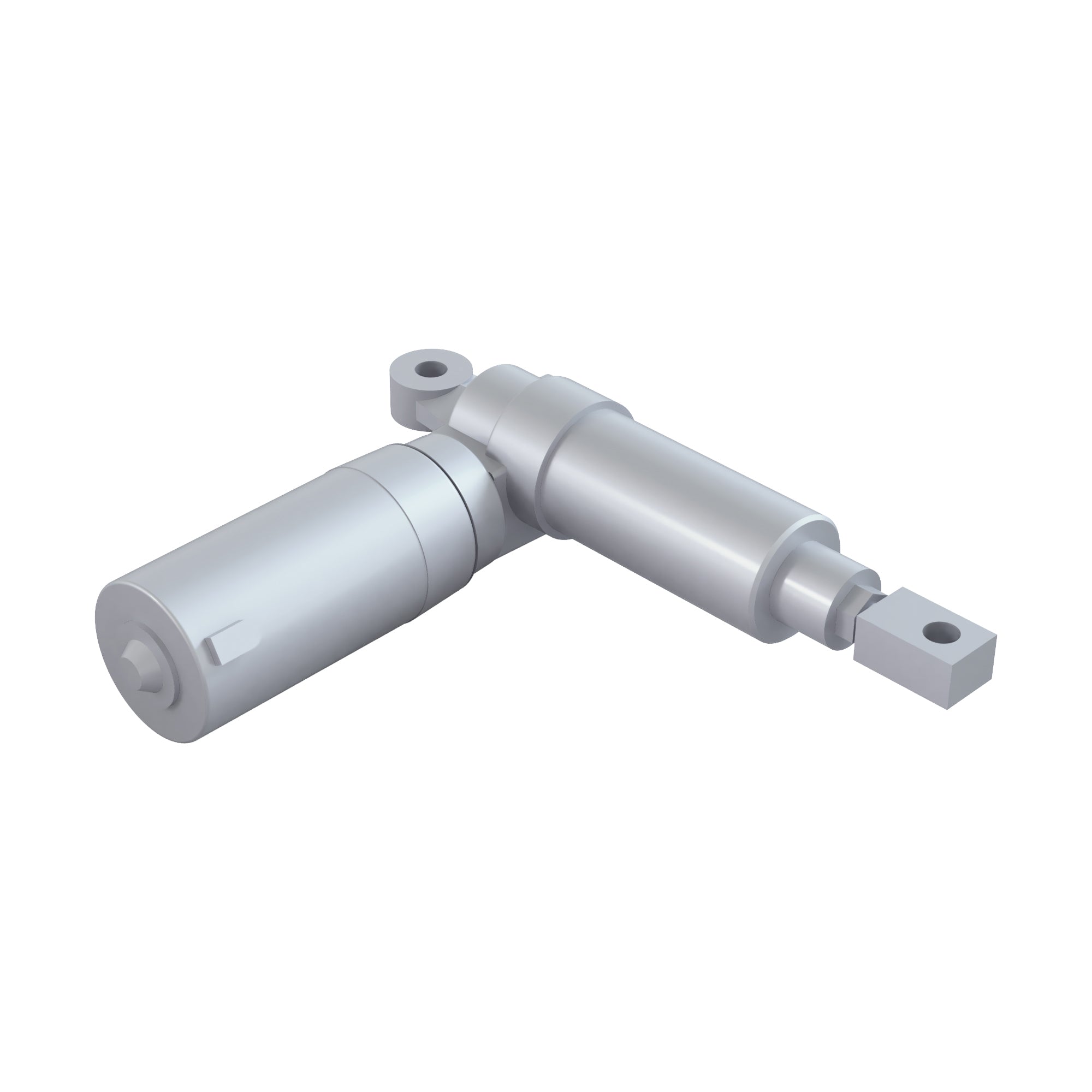 In Stock
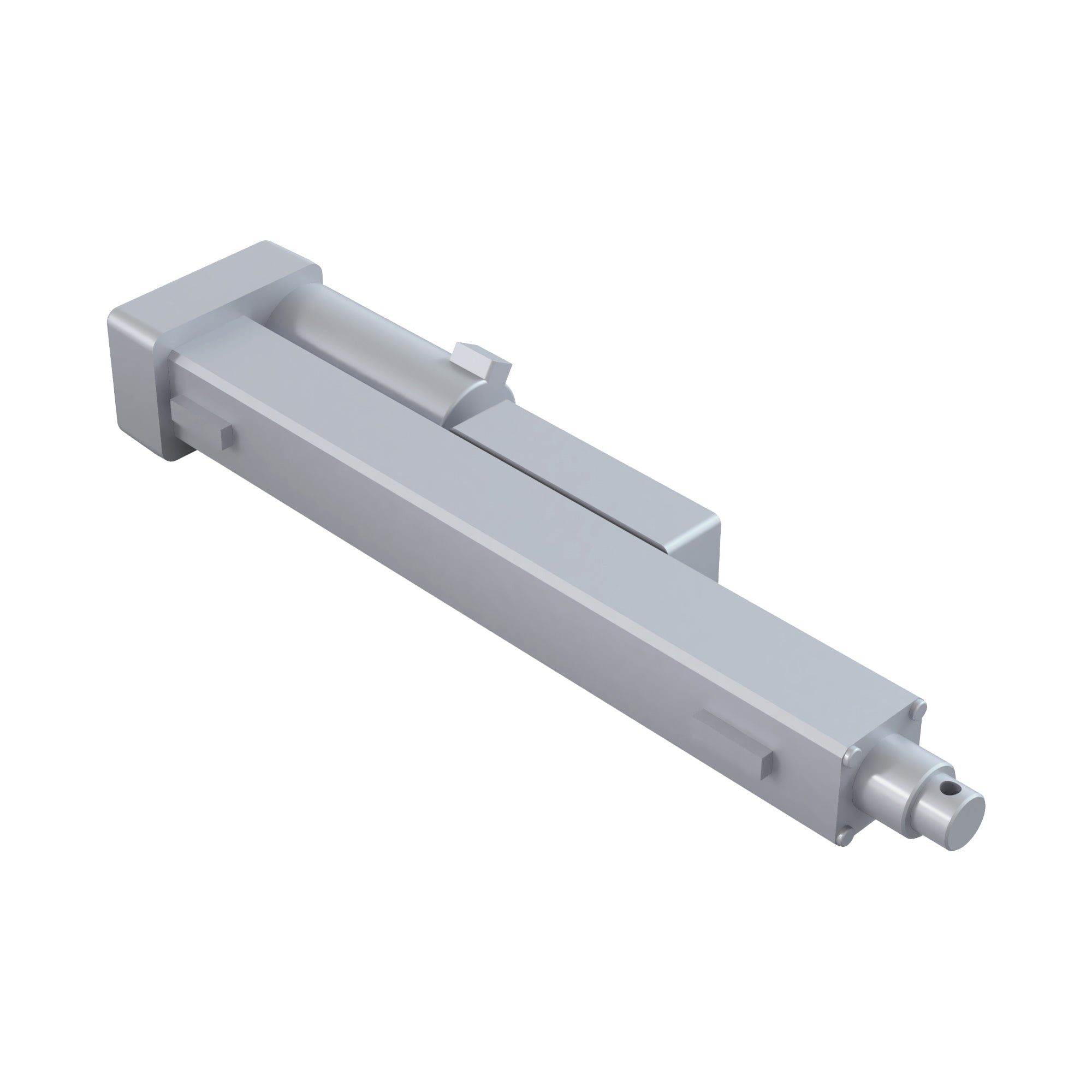 In Stock
 In Stock
 In Stock
Linear Actuators Buying Guide
Where a linear actuator fits. Most of the material handling equipment in this store is a finished machine you push, ride, or hang a load from. A linear actuator is the opposite: a component you design into your own equipment to give it a controlled stroke. It replaces the hand crank on an adjustable frame, the hydraulic cylinder on a positioner you would rather run on electricity, or the manual pin and hole on a guard that now indexes at the push of a button. If your problem is holding work at a set height, a self-contained lift table is the packaged answer and usually the cheaper one. Reach for an actuator when the motion has to live inside a frame you are building or modifying, when several axes need to run from one control panel, or when you are converting hydraulic motion to clean electric drive. That framing, component rather than appliance, is what separates this collection from everything else on the floor.
Acme or ball screw: the first fork in the road. Every unit here converts rotary motion to linear travel through a screw, and the screw type decides most of the behavior. Acme, or machine-screw, actuators run a threaded nut on a trapezoidal screw. The high thread friction wastes some input as heat, which caps their speed, force, and duty cycle, but it buys the single most useful trait in lifting work: the screw is self-locking and will not back-drive, so the load stays put when power is cut, with no brake required. Ball-screw actuators run recirculating bearings between nut and screw, cutting friction so efficiency can reach the high eighties or better. That yields more speed, more force, and a longer duty cycle from the same motor, at the cost of the self-locking property. A vertical ball-screw actuator will back-drive under load when power is removed, so it needs a holding brake or constant motor power to stay in position. Match the screw to the job: slow, load-holding positioning that sits still for long stretches wants acme, while fast, high-cycle motion wants ball screw with a brake.
Size to force, stroke, and load direction. Three numbers size an actuator. Capacity is the force it must exert, and it should clear your heaviest real load with margin, the same discipline as any rated lifting gear. This line spans a wide band, from a 27 lb unit for light positioning through 250 and 500 lb mid-range models to 1,500 lb units for structural moves. Stroke is how far the rod travels, set by the actual open-to-closed distance your mechanism needs. Longer strokes cost travel time and can invite column buckling in compression, so specify the shortest stroke that does the job. Load direction is the number people forget. Actuators are built to push and pull along their own axis, in tension and compression, and they hate side load: a rod pushed off-axis wears the bushings and bends the screw. Mount so the force runs straight through the rod, use clevis or trunnion ends that let the unit pivot with the mechanism, and if the geometry swings through its travel, let the actuator float rather than fight a fixed pin.
Power supply and duty cycle. Power comes in two families here. The 12 and 24 volt DC units suit mobile, off-highway, and battery equipment, or any panel already running low-voltage control, and they make up the bulk of this line. The 115 volt AC models plug into standard industrial single-phase power for stationary gear. Whichever you pick, read the duty cycle before you trust the capacity. Duty cycle is the share of a given period the actuator can run before it needs to rest and shed heat, and it is not a fixed figure: a unit run well under its rated load stays cool and tolerates long on-times, while the same unit at full rating heats fast and wants more rest between strokes. Sealed, weather-rated units also give up some practical duty cycle to their own insulation. If the application cycles hard all shift, size the force generously so each stroke runs cool, or step up to a ball-screw model built to move the heat, rather than an acme unit run past its comfortable window.
Environment, mounting, and controls. Last, settle the environment and the wiring. An actuator's ingress rating, the IP number, tells you what it shrugs off: a control-cabinet unit is happy indoors and dry, while washdown, dust, and outdoor duty want a sealed housing rated for the exposure. Confirm the temperature range if the machine lives in a freezer or near an oven. On control, decide up front how the stroke stops and reports itself. Built-in limit switches end travel cleanly at each end of stroke, and potentiometer or Hall-effect feedback lets a controller land the rod at any point in between for repeatable positioning. Those choices ripple straight into the panel, so pin them down before wiring day. Actuators like these often build motion into equipment that also carries forklift attachments or machine-moving gear, so keep voltage, connector, and control scheme consistent across the whole build instead of specifying one unit at a time.
Frequently Asked Questions
An acme actuator drives a nut on a trapezoidal screw. The higher thread friction limits speed, force, and duty cycle, but it makes the screw self-locking, so the load holds when power is cut without a brake. A ball-screw actuator uses recirculating bearings for much lower friction and higher efficiency, giving more speed, force, and duty cycle from the same motor. The tradeoff is that a ball screw back-drives under load, so a vertical one needs a holding brake or constant power to stay put. Choose acme for slow load-holding, ball screw for fast, high-cycle work.
It depends on the screw. Acme, or machine-screw, actuators are self-locking and hold the load in place with no power and no brake, which is why they suit lifting and positioning that sits still for long stretches. Ball-screw actuators are efficient enough to back-drive under load when power is removed, so a vertical ball-screw unit needs a spring-set holding brake or continuous motor power to stay in position. Confirm which behavior your model has before you rely on it to hold overhead or above people.
Start from your heaviest real load and add margin, then match it to the rated force. This line runs from 27 lb light-duty positioners through 250 and 500 lb mid-range models to 1,500 lb units. Remember that the rating is a force, not merely a weight: if the actuator pushes against friction, a spring, or an angled linkage, the real demand can be well above the deadweight it moves. Size to the toughest point in the stroke, not the easiest.
Yes, actuators run in any orientation as long as the load acts along the rod's axis. The failure mode to avoid is side load, where force pushes the rod off-axis and wears the bushings or bends the screw. Use clevis or trunnion mounts at both ends so the unit can pivot and stay aligned as the mechanism moves, and keep the pull or push straight through the rod. If the geometry changes angle through the stroke, let the actuator float on its mounts rather than pinning both ends rigidly.
Duty cycle is the fraction of a given period the actuator can run before it needs to rest and cool. It moves with load: run well under the rated force and a unit stays cool and tolerates long on-times, sometimes near continuous, while running at full rating heats it fast and demands more rest. Sealed weather-rated units also lose some practical duty cycle to their insulation. For hard, all-shift cycling, oversize the force so each stroke runs cool, or move up to a ball-screw model built to handle the heat.