Load Cells
A load cell reads the tension inside a lifting line while the load is in the air, turning a shackle or a link in the rig into a live force gauge you can trust for the pick. This collection is built around Crosby Straightpoint, the load-monitoring specialist whose tension cells run from around 1 ton up through several hundred tons, with wireless, cabled, and Bluetooth versions of the same proven strain-gauge core. Some read on a rugged handheld, some talk to a phone, and some hard-wire to a display or feed a laptop running Straightpoint software that watches many cells at once. A few are shaped for one job, such as arborist rigging or towbar pull. Prices run from a Bluetooth tension cell near $1,400 up into the tens of thousands at the largest capacities. The guide below sorts them the way you actually choose: how the cell rigs into the line, how you want to read it, and the accuracy the job demands.
Compare Load Cells
| Model | Price | Capacity | |
|---|---|---|---|
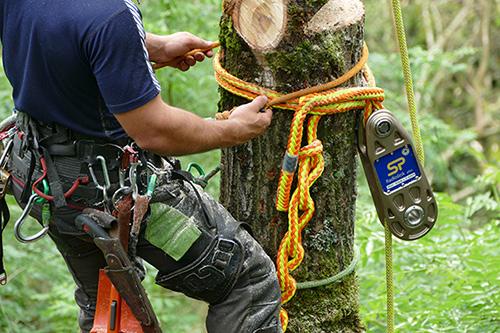
| Straightpoint Arborist Load Cell Impact Block | $7,539 | 6 ton | View → |
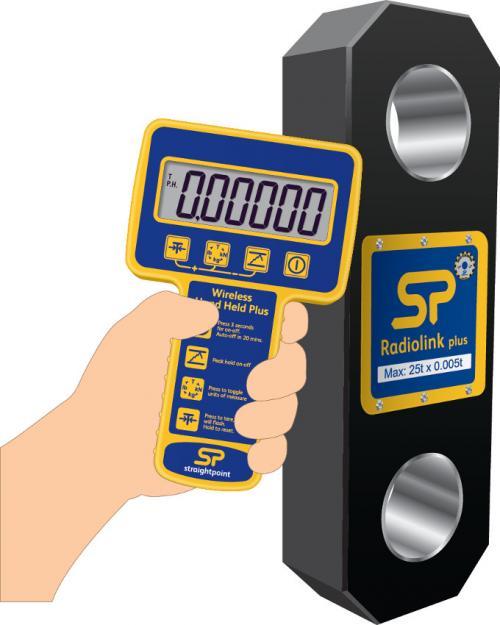
| StraightPoint Radiolink Plus Handheld Wireless Load Cell | $5,600 | 1-300 ton | View → |
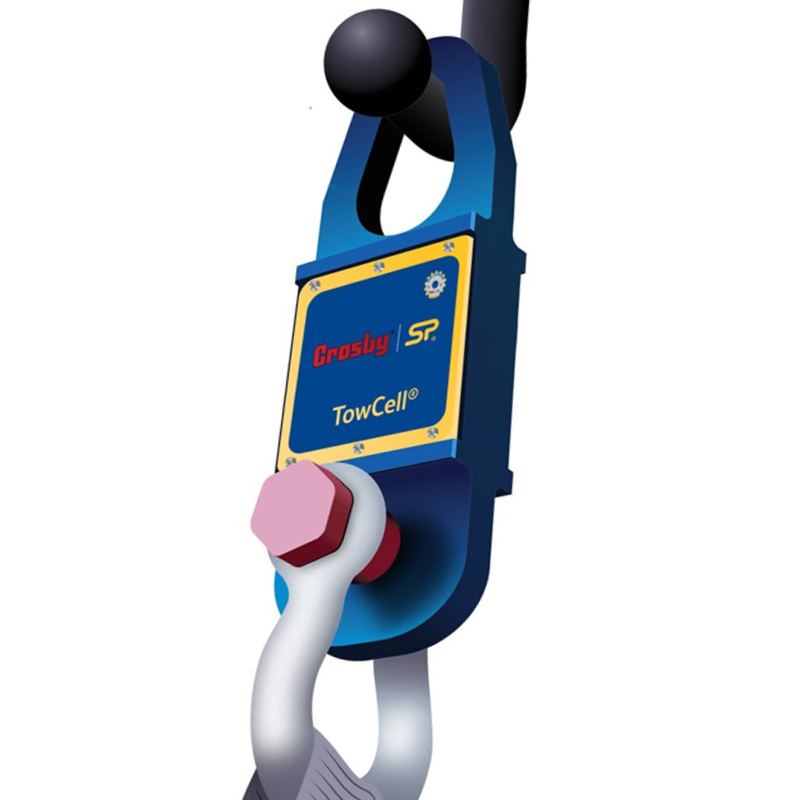
| Straightpoint Towcell Towbar Load Cell | $4,930 | 2.5 ton | View → |
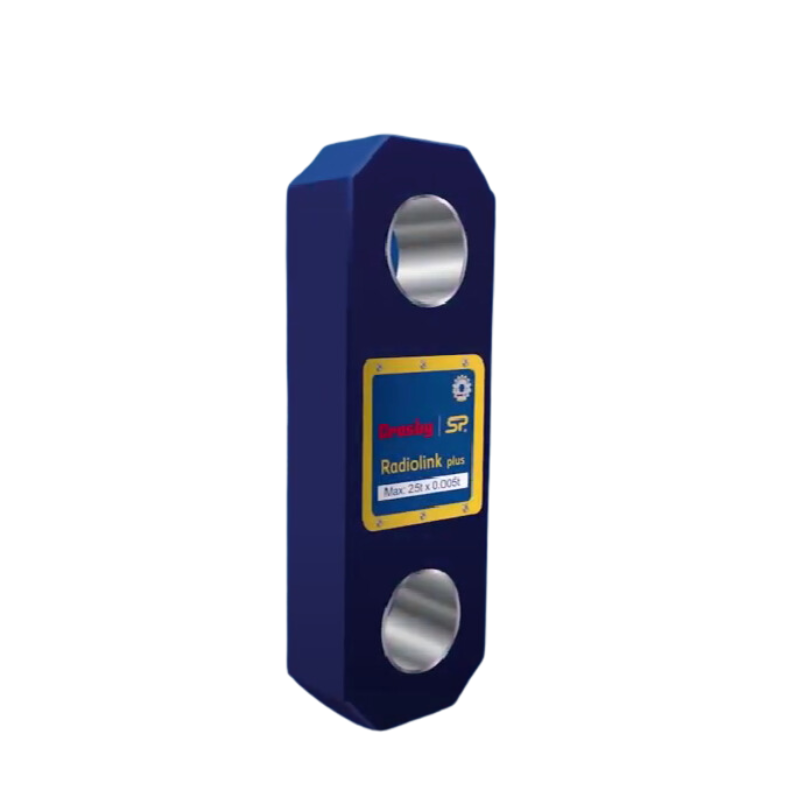
| Straightpoint Radiolink Plus Compound Wireless Load Cell (NO HANDHELD) | $4,097 | 1-300 ton | View → |
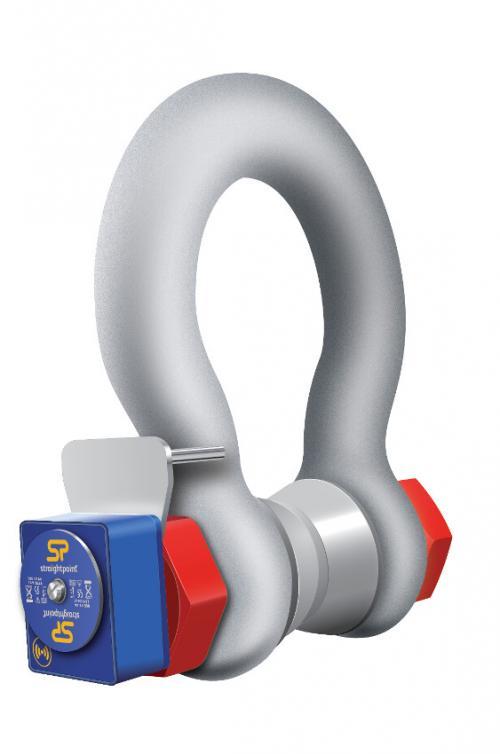
| Straightpoint Wireless Loadshackles | $4,067 | 3.25-400 ton | View → |
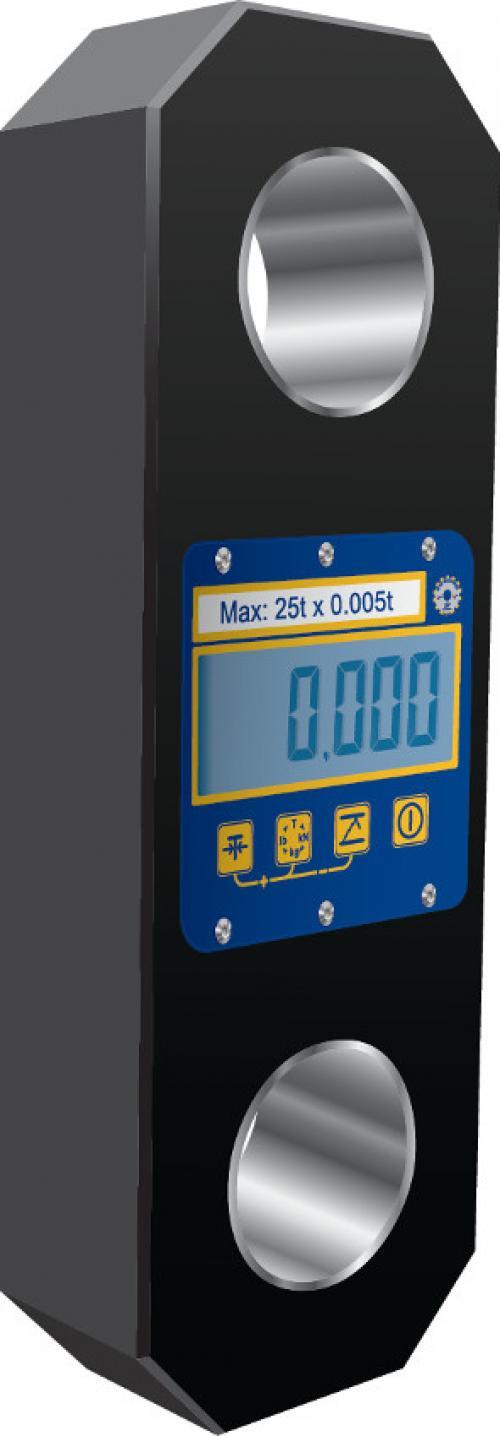
| Straightpoint LoadLink Plus Load Cell | $3,447 | 1-300 ton | View → |
 In Stock
 In Stock
 In Stock
 In Stock
 In Stock
 In Stock
 In Stock
 In Stock
 In Stock
 In Stock
 In Stock
Load Cells Buying Guide
Load cell or crane scale: read the line or weigh the hook. Both put a number on a load, but they answer different questions. A crane scale hangs between the hook and the sling and tells you what the whole load weighs before you commit to the lift. A load cell sits inside the rigging and reports the tension in that one line right now, which is what you want when a load rides on several legs or when you are proof loading a structure. If your job is simply knowing the weight off the hook, start in crane scales. If you need the force in a specific line, or in each of several lines at once, you are in the right place. The two overlap on the small end, since a link-style load cell rigged single-line effectively becomes a very accurate crane scale, but the load cell earns its keep the moment the load stops hanging from one clean point.
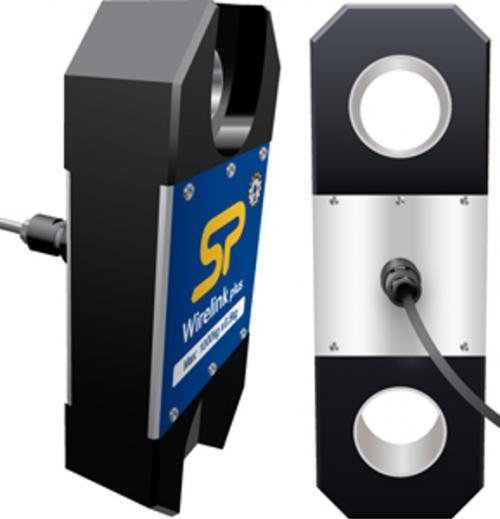
Link style or shackle style: accuracy against headroom. The two body shapes decide both how the cell rigs and how tight the reading is. A link-style cell like the Radiolink Plus or the cabled WireLink Plus takes a shackle at each end, so it adds its own length plus two shackles to the rig, and it reads to plus or minus 0.1 percent of full scale. The wireless Loadshackle instead replaces a shackle you were already going to use, so it adds almost no height, which is why it is the answer for low-headroom picks and super heavy lifts where a link simply will not fit. The trade is accuracy: the shackle style reads to plus or minus 1 percent of full scale. Pick the link when you have the height and want the tightest number, and the shackle when the ceiling or the geometry is the constraint.
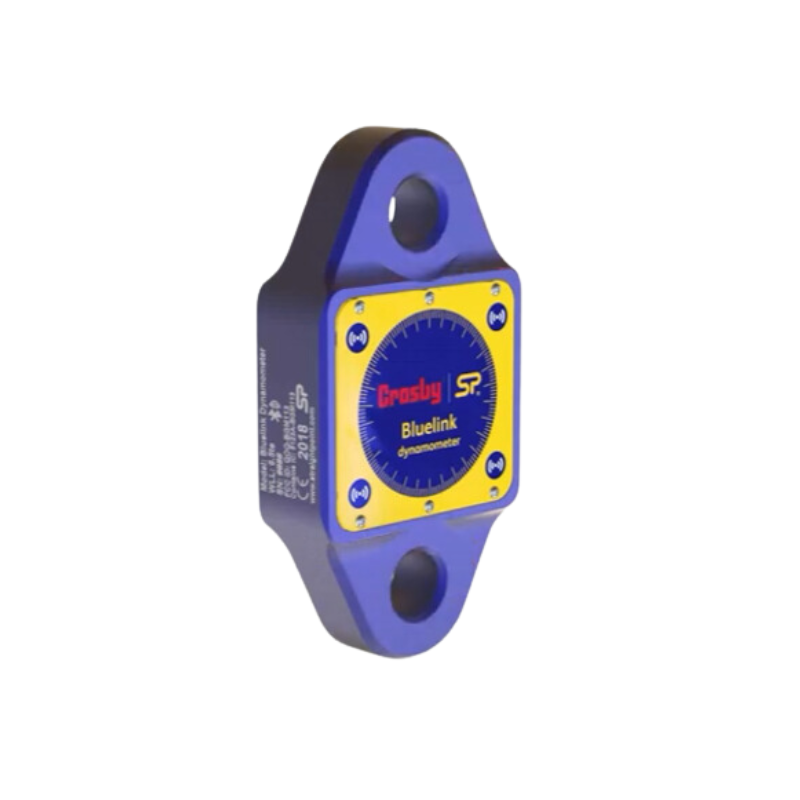
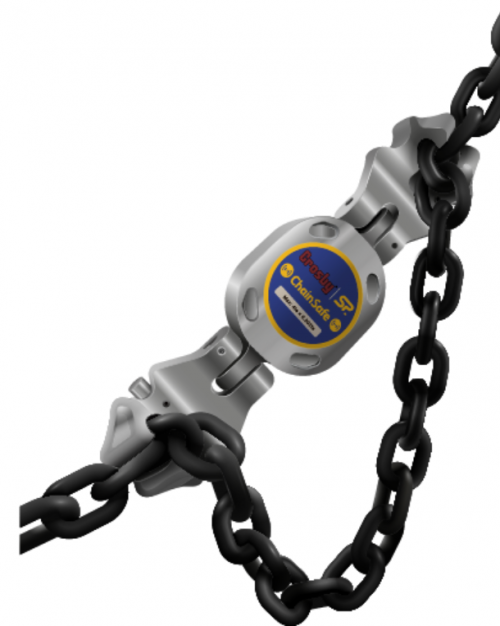
Wireless, cabled, or Bluetooth: how the number reaches you. Straightpoint builds the same core three ways. The Radiolink Plus and Wireless Loadshackle are 2.4 GHz radio units with a line-of-sight range up to about 3,280 feet, so the operator can stand well clear of the load. The WireLink Plus is the cabled version of the same link cell, hard-wired to a display or a control system when a plant wants no radio in the loop. The Bluelink dynamometer and the inline ChainSafe are Bluetooth cells that connect straight to any iOS or Android phone through Straightpoint's free app, which is the cheapest way into real load monitoring for one line. Match the link to the site: radio for reach, cable for a fixed installation or a no-radio policy, Bluetooth for a fast handheld check.
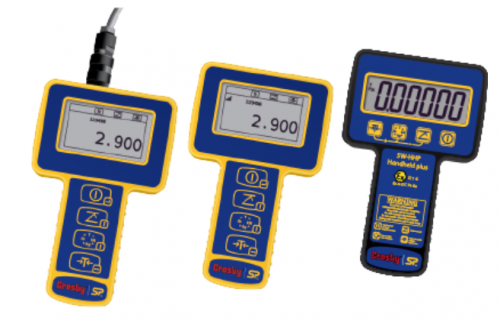
Reading many cells at once. A single wireless cell reads on a rugged handheld such as the Handheld Plus, which pairs with SP wireless cells and shows live load. When a lift runs on multiple points, the picture changes: Straightpoint's INSIGHT software ships with a USB dongle and connects up to 126 wireless cells to one Windows laptop or tablet, logging every line in real time. That is how a rig with four or eight pick points gets watched from one screen, with alarms if any leg runs high. The inline ChainSafe is built for this along a chain, reporting the tension in that leg so a multi-leg chain sling can be balanced instead of guessed. If your work is genuinely multi-line or unusual in geometry, the specialist instruments in specialist load and tension monitoring extend the same system further.
Capacity, design factor, and the shackles that carry the load. Straightpoint's tension cells cover roughly 1 ton to 300 tons in the common link and cabled models, with shackle-style units reaching 500 tons from stock and larger to order. They are built on a 5:1 design factor and rig with genuine Crosby shackles, so the load path is rated hardware rather than a proprietary pin you cannot source. Operating range runs about 14 to 122 degrees Fahrenheit, and the wireless tension cells are DNV type approved for offshore and marine work. Size the cell so your working load sits comfortably inside its rated capacity, since accuracy is quoted against full scale and a cell run near its ceiling gives you the tightest absolute reading. Confirm the shackle size the model expects before you rig it.
Proof testing and the specialty cells. A load cell is the tool that turns a proof test into a documented number. OSHA requires custom-designed lifting accessories to be proof tested before use, and rigging shops load test slings and hardware to a multiple of the working load limit, all of which needs a calibrated cell in the line to witness the force. Straightpoint ships each cell with a traceable calibration certificate and an RFID tag for inspection tracking, so the reading stands up on paper. Two cells here are shaped for one job: the Arborist Impact Block, made with DMM, is a rope-friendly block that captures the dynamic peak forces of tree rigging, and the Towcell is a towbar cell that measures pull force for vehicle recovery and towing. Both use the same strain-gauge and wireless core as the lifting cells, aimed at a different force.
Frequently Asked Questions
A crane scale hangs between the hook and the sling to weigh the whole load before a lift. A load cell sits inside the rigging and measures the tension in that single line as it happens, which matters when a load is shared across several legs or when you are proof loading a structure. A link-style load cell rigged on one line reads much like a very accurate crane scale, but the load cell is what you reach for once the load no longer hangs from one clean point.
It depends on the body style. Link-style cells such as the Radiolink Plus and cabled WireLink Plus read to plus or minus 0.1 percent of full scale. The Wireless Loadshackle trades some accuracy for headroom, reading to plus or minus 1 percent of full scale, because it replaces a shackle already in the rig instead of adding a link. Accuracy is quoted against full scale, so a cell sized so your working load sits well inside its capacity gives the tightest absolute reading.
The 2.4 GHz Radiolink Plus and Wireless Loadshackle reach up to about 3,280 feet line of sight, so the operator can stand clear of the load during monitoring. Bluetooth cells like the Bluelink dynamometer and ChainSafe are shorter range and connect to a phone within roughly a hundred meters. For a hard-wired option with no radio at all, the WireLink Plus is the cabled version of the same link cell.
Yes. Straightpoint's INSIGHT software comes with a USB dongle and connects up to 126 wireless load cells to a single Windows laptop or tablet, logging every line in real time with high and low alarms. A rig with four or eight pick points can then be watched from one screen. For monitoring individual chain legs, the inline ChainSafe reports the tension in that leg so a multi-leg sling can be balanced rather than guessed.
Each cell ships with a traceable calibration certificate and an RFID tag that supports inspection and re-certification tracking. That paper trail is what lets the cell witness a proof test, since OSHA requires custom-designed lifting accessories to be proof tested before use and rigging shops load test slings and hardware to a multiple of the working load limit. Plan on periodic recalibration to keep the certificate current.