Crane Load Cells
A crane load cell drops into the load path between the hook and the load and reads the actual force of a pick in real time, so you stop trusting a weight scrawled on a shipping manifest and start measuring it. This collection is the Crosby Straightpoint force-measurement line, the brand most riggers know for wireless load links, and it covers about every way there is to catch a load. Shackle-to-shackle tension links like the LoadLink Plus run 1 to 300 tonnes for the standard under-hook weigh; load pins replace an axle or shackle pin you already run when there is no room for a link; compression cells read a squeeze under a jack or a support; self-indicating and Bluetooth dynamometers give a quick dial or phone readout; the COLT clamps onto a wire rope already under tension; and INSIGHT software watches an array of wireless cells at once. Prices run from roughly $1,400 into five figures on the larger pins and links.
Compare Specialist Load/Tension Monitoring
| Model | Price | Capacity | |
|---|---|---|---|
| Straightpoint 5000kg Clamp On Line Tensionmeter (COLT) | $5,267 | 11,000 lb | View → |
| Straightpoint LoadSafe Wireless Compression Loadcells | $4,370 | 5-150 ton | View → |
| Straightpoint Loadpins | $4,065 | 1-1,500 ton | View → |
| Straightpoint LoadLink Plus Load Cell | $3,447 | 1-300 ton | View → |
| Straightpoint LoadBlock Plus Compression Load Cell | $3,368 | 1-5 ton | View → |
| Straightpoint INSIGHT Software for Wireless Loadcells | $2,499 | — | View → |
 In Stock
 In Stock
 In Stock
 In Stock
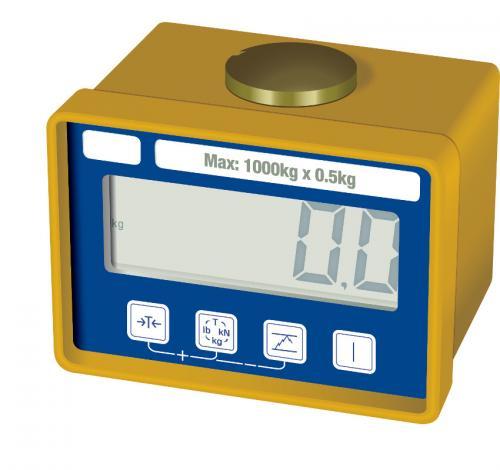 In Stock
 In Stock
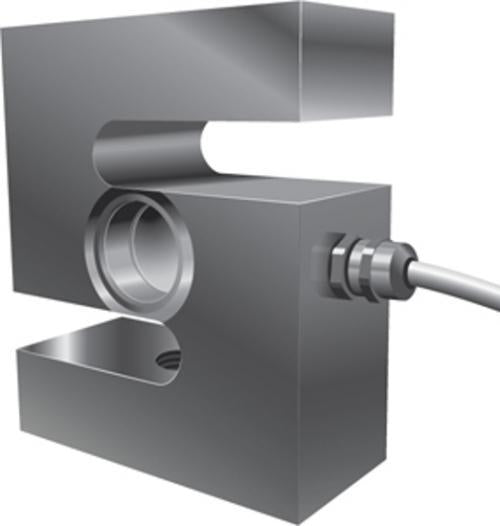 In Stock
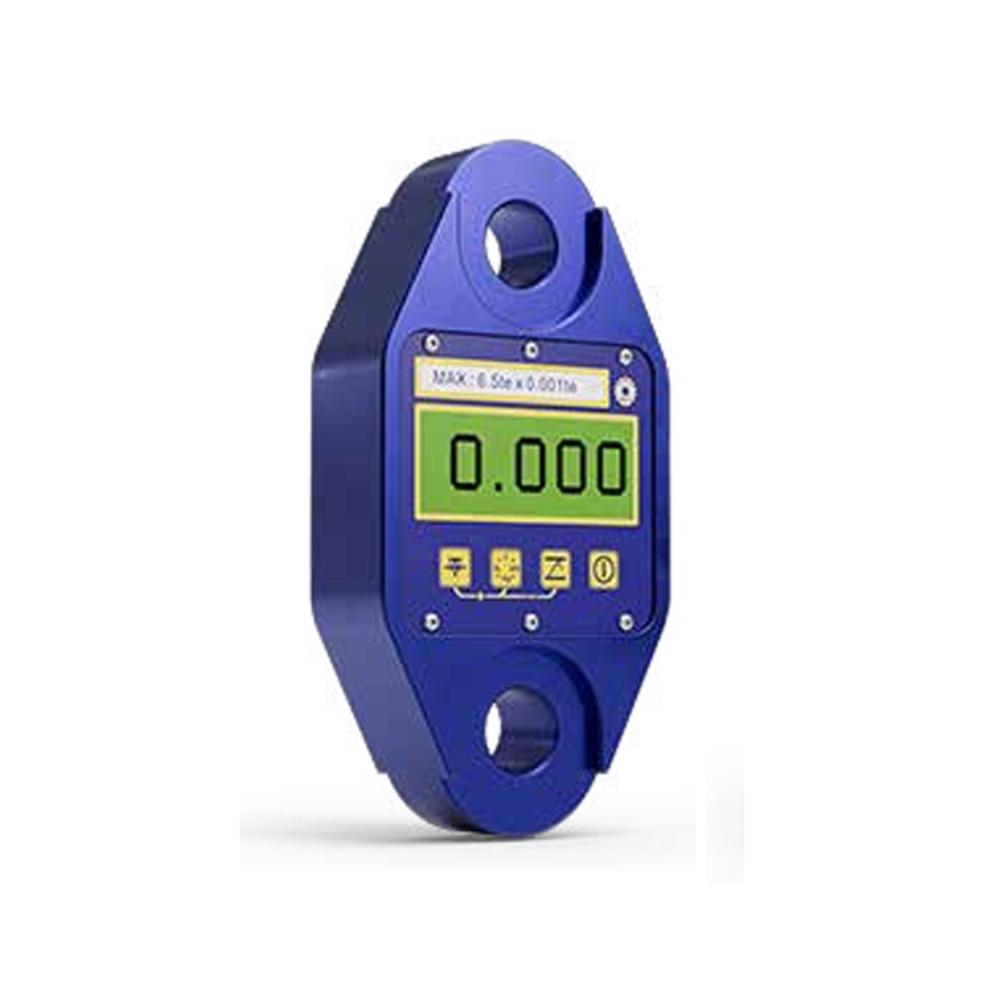 In Stock
 In Stock
 In Stock
Specialist Load/Tension Monitoring Buying Guide
What a crane load cell reads, and how well. A crane load cell is a strain-gauged element you put in the load path so it reads the force running through that path, not an estimate off a drawing. Put it between the hook and the load and it weighs the pick; put it in a line and it reads that line's tension. The Straightpoint cells here read to plus or minus 0.1 percent of full scale and ship with a calibration certificate, so the number on the display is a measurement you can defend. Because the housings carry high IP and NEMA ratings, the cell can stay rigged in weather through a whole job like any other piece of hardware. One habit worth building: a load cell tells you the force, so use it to confirm a load before the crane commits, not to discover a problem after the pick has left the ground.
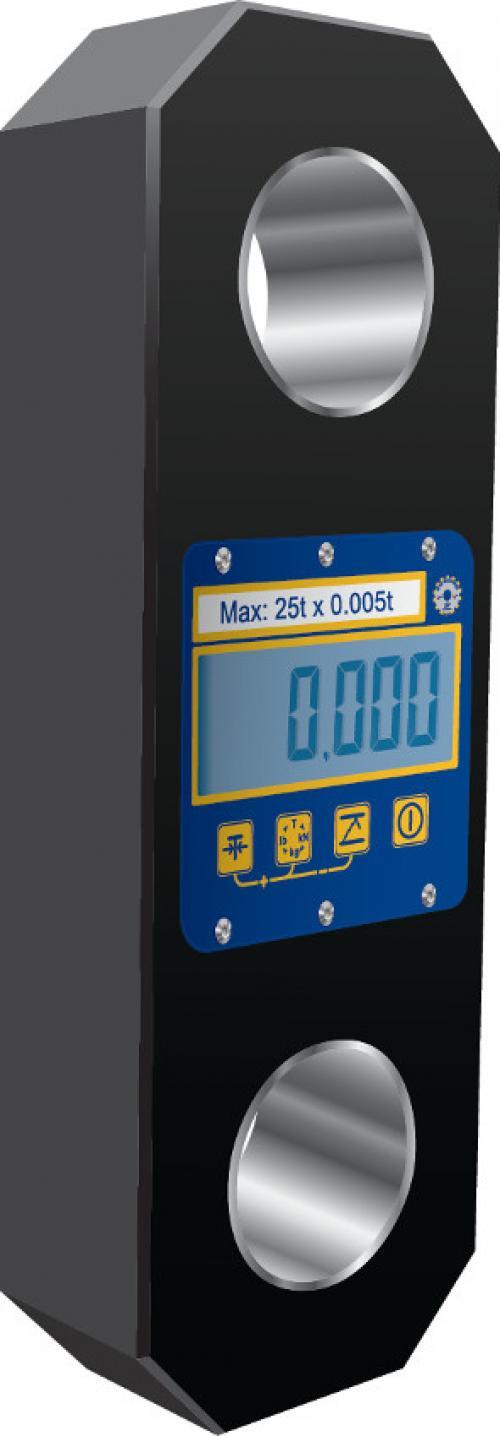
Tension links: the standard under-hook cell. The LoadLink Plus is the shape most people picture for a crane load cell, a shackle-to-shackle link you hang between the crane hook and the sling with a Crosby shackle at each end. It covers 1 to 300 tonnes, reads on a built-in LCD, and its resolution runs past 5,000 divisions, which is why it works as both a weigh point and a dynamic load monitor. The thing to keep straight is that this link is a structural member in your rig, not an instrument bolted to the side of one. It carries a working load limit, it takes the full force of the lift, and it gets shackled, rated, and inspected like the rest of your rigging hardware, with the shackle connections following ASME B30.26. Size the link to the load, not to the reading you want.
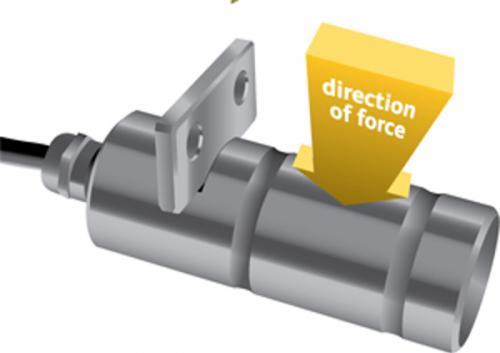
Load pins: measure force where a link will not fit. When the pick has no spare height for a link, or the joint you want to measure is already built, a load pin is the answer. It is a shear pin machined to drop straight into a pinned joint you already run, a sheave axle, a shackle jaw, a clevis, or a winch anchor, with strain gauges set in a bore down its center that read the force across it. Straightpoint builds them from 500 kg up past 1,000 tonnes, cabled or wireless, so the cell disappears into the machine instead of adding length to the rig. This is the route for cranes, davits, and winches that need permanent monitoring, and for any pick where two shackles plus a link would eat headroom you do not have. Match the pin diameter and grip length to the joint before anything else.
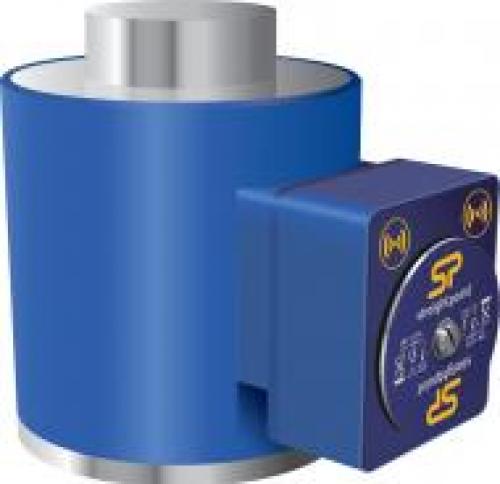
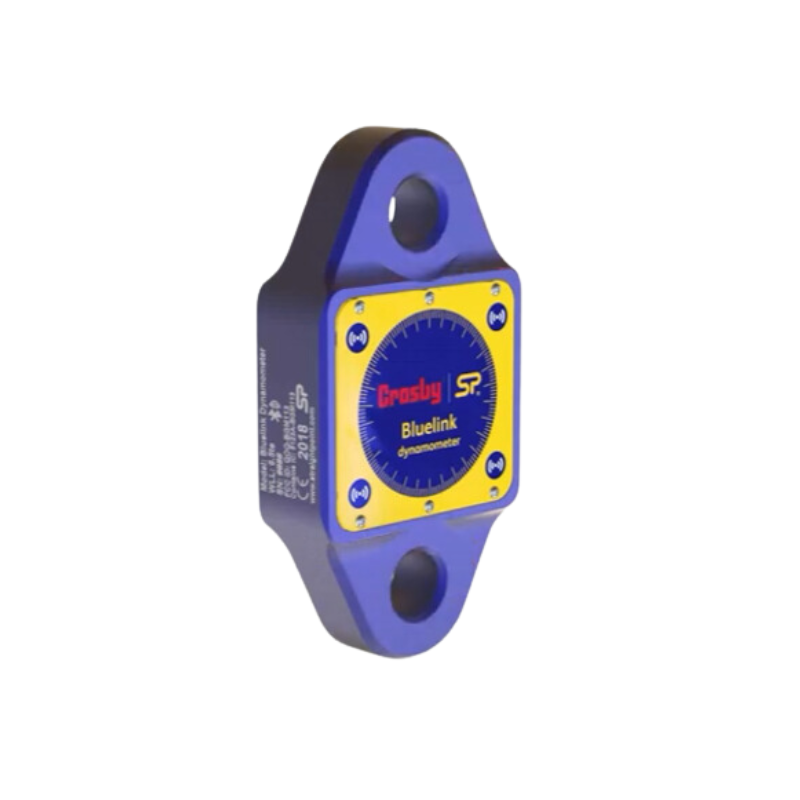
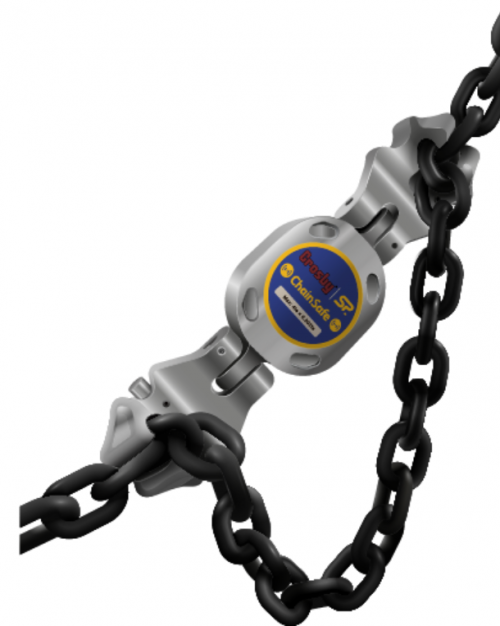
Compression cells and dynamometers. Not every force is a pull. Compression cells like the LoadBlock Plus and the wireless LoadSafe read a squeeze instead, sitting under a hydraulic jack, a structural support, or a proof-test bed from 250 kg to 150 tonnes, which is how you weigh a structure by its supports or confirm its center of gravity. On the tension side, when you want a fast readout rather than a full monitoring rig, the self-indicating dynamometer gives a mechanical dial that needs no power and rigs on a Crosby G2130 shackle with only about 156 mm eye to eye, and the Bluelink sends the same reading to a phone over Bluetooth. The ChainSafe is the specialist here, a Bluetooth tension cell up to 4 tonnes built to sit in a run of Crosby chain fittings so you can read the tension in a chain sling or tie-down.
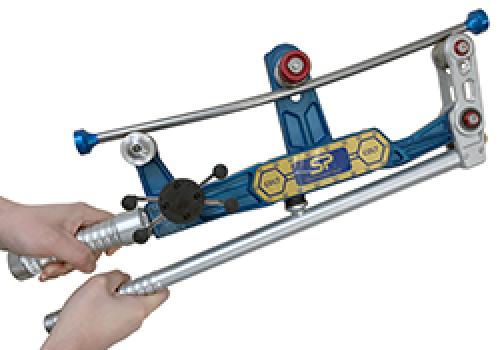
The COLT: read a line you cannot take apart. Sometimes the line is already under load and you cannot open it to insert a link. The Straightpoint COLT, a clamp-on line tensionmeter, solves that by clamping onto a standing wire rope and reading its tension through a calibrated shunt, up to 11,000 lb or 5,000 kg on rope up to 1 inch or 25 mm in diameter. That makes it the tool for tuning guy wires on a mast, checking a stay or a standing rigging line, or verifying a line on a structure that is already holding load. Because the reading depends on the rope, calibrate the COLT to the diameter and construction you are actually measuring. It is the one instrument in this group that reads a line you never disconnect, which is a large part of why it costs more than a link of similar capacity.
Wireless, displays, and monitoring several cells. Most of these cells come in a wireless build, and the radio matters as much as the sensor. Straightpoint's wireless range reaches up to about 1,000 m or 3,280 ft on the standard system, dropping to 700 m or 2,300 ft on ATEX units for hazardous areas, so an operator can stand well clear of the load and still read it. For a single cell, a handheld or a large scoreboard display does the job; when you are running an array, INSIGHT software connects up to 126 cells at once on a Windows laptop or tablet, logs them at timed intervals, and averages several weighings into a center-of-gravity report. Whatever the display, hold to two disciplines: recalibrate on a documented schedule so the accuracy figure stays true, and inspect any cell in the load path before every lift.
Frequently Asked Questions
They overlap, and the line is about the load path. A crane scale is built to hang off the hook and weigh whatever you sling below it. A crane load cell, in the tension-link form here, does the same weigh but is really a force sensor you can also use to monitor a dynamic load, read a line's tension, or measure a compression. If you only need the weight off the hook, a crane scale is simpler; if you need the force in a specific line or pin, or accuracy to plus or minus 0.1 percent with a calibration certificate, a load cell is the tool.
A load pin or a compression cell. A load pin replaces a sheave axle, shackle pin, or clevis pin you already run and adds no length to the rig, and Straightpoint builds them from 500 kg past 1,000 tonnes. If the force you care about is a squeeze rather than a pull, a compression cell sits under the jack or support instead. And when the line is already tensioned and cannot be opened, the COLT clamps on without inserting anything.
Yes, with the COLT. It clamps onto a standing wire rope and reads the tension through a calibrated shunt, up to 11,000 lb or 5,000 kg on rope up to 1 inch or 25 mm, without disconnecting the line or adding a link. It is the standard tool for tuning guy wires and checking standing rigging. Calibrate it to the rope diameter and construction you are measuring, because the reading depends on the rope itself.
The load cells here read to plus or minus 0.1 percent of full scale and ship with a calibration certificate, and the link cells give over 5,000 divisions of resolution. That accuracy is only as good as the last calibration, so recalibrate on a documented schedule, usually annually, and any time a cell is shock loaded or damaged. Keep the certificate with your rigging records.
Yes. INSIGHT software connects up to 126 Straightpoint wireless cells at the same time on a Windows laptop or tablet, logs them at set intervals, and can average several weighings into a center-of-gravity report, which is how you weigh and balance a large structure across its support points. For a single cell, a handheld or scoreboard display is enough. Wireless range reaches roughly 1,000 m or 3,280 ft, or 700 m or 2,300 ft on ATEX units.
When the cell sits in the load path, yes. A tension link or a load pin takes the full force of the lift, so it carries a working load limit and gets rated, shackled, and inspected like the rest of your hardware, with shackle connections following ASME B30.26. Inspect it before every lift the same way you would a shackle or a sling, and keep the calibration and inspection paperwork together.