The short answer
There are two overlapping inspection requirements for rigging, and you need to follow both. First, a visual inspection before each shift, and as necessary during the work, to catch obvious damage before every use. Second, a documented periodic inspection at least once a year, performed by a competent person, that formally records the condition of each piece. In demanding conditions this annual inspection tightens to monthly or quarterly. And at any point, gear found defective must come out of service right away. Together these keep worn rigging from ever making a lift.
Before each shift: OSHA 1926.251
OSHA 29 CFR 1926.251(a)(1) requires that rigging equipment for material handling be inspected before use on each shift, and as necessary during use, to ensure it's safe. Defective equipment must be removed from service. This is the frontline check: before you rig a load, someone looks over the slings, shackles, hooks, and hardware for visible damage, wear, deformation, or missing markings. It doesn't need to be documented like the annual inspection, but it does need to actually happen every shift. Most rigging failures could have been caught by this simple, routine check.
At least annually: ASME B30.9 and OSHA 1910.184
On top of the shift check, standards require a documented periodic inspection at least every 12 months. ASME B30.9 (slings), B30.20 and B30.26 (below-the-hook devices and rigging hardware), and OSHA 1910.184 call for this annual inspection by a designated competent person, with records kept. This is a thorough, formal examination, measuring wear, checking for deformation and damage, and recording the results, that goes well beyond the quick pre-shift look. The documentation matters: it proves the inspection happened and tracks each piece's condition over time.
More often in severe service
The annual minimum applies to normal service. In severe or special service, harsh environments, heavy cycling, exposure to heat or chemicals, the documented inspection must happen more frequently, typically monthly to quarterly. The idea is that gear working hard wears faster, so it needs to be checked more often. Determining service severity and the right interval is part of the competent person's job. If your rigging works in a foundry, outdoors, or under constant heavy use, plan on inspecting well more often than once a year, and follow the schedule your competent person sets.
Who can inspect rigging
The periodic inspection must be done by a competent person, someone with the training and experience to identify existing and predictable hazards and the authority to take corrective action, per OSHA's definition. This isn't just anyone; it's a person who knows the gear, the standards, and what wear and damage to look for. The pre-shift visual check can be done by the trained user, but the formal annual (or more frequent) inspection requires that qualified competent person. Getting the right people doing the right inspections is part of a compliant, safe rigging program.
What an inspection looks for
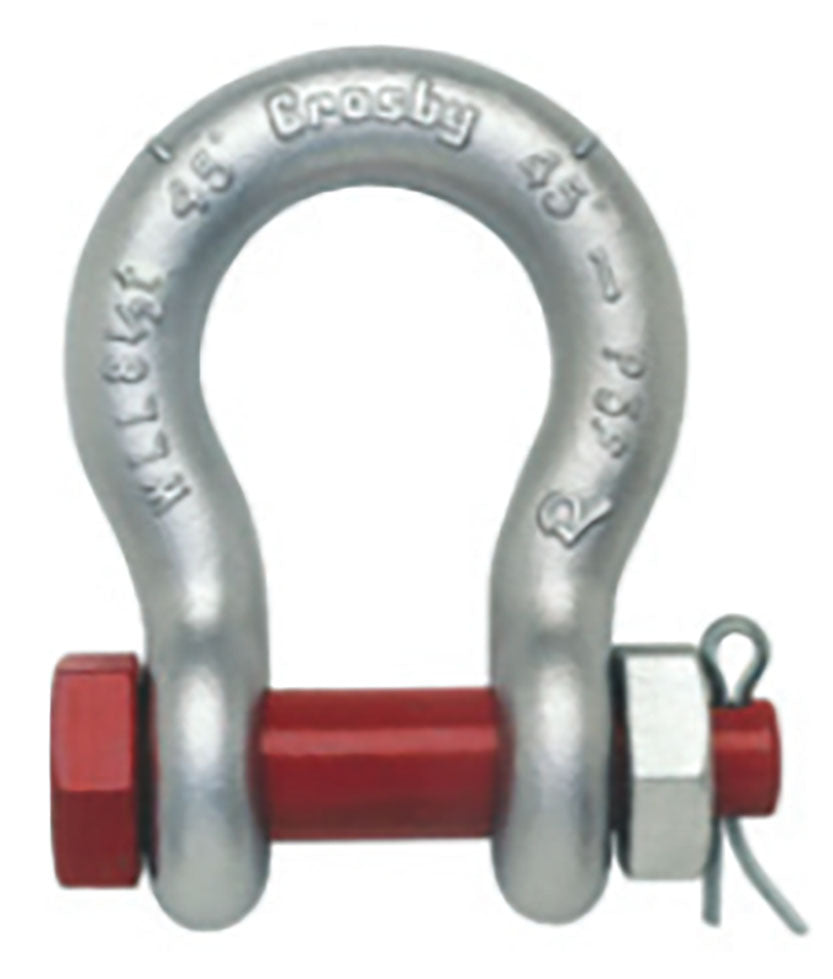
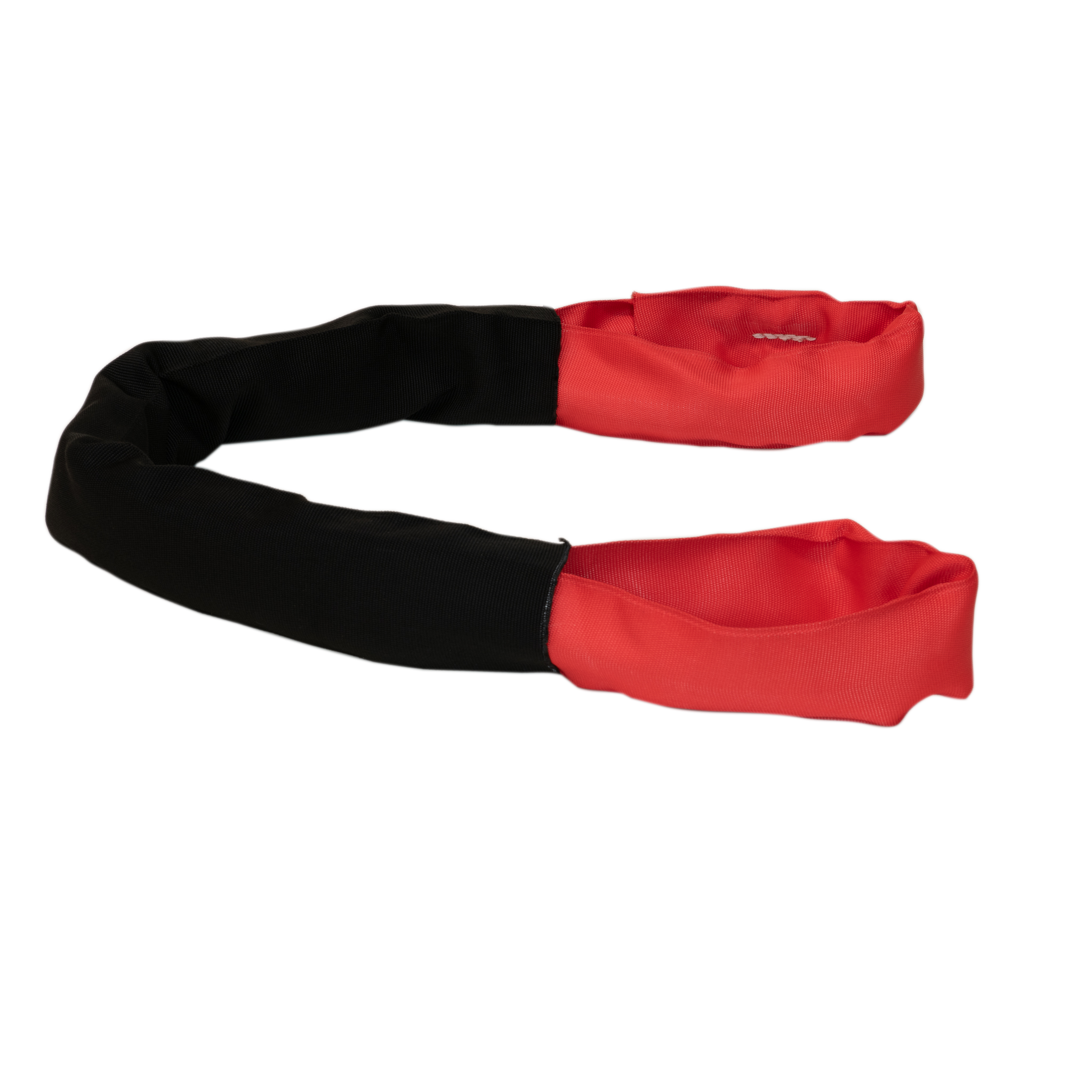
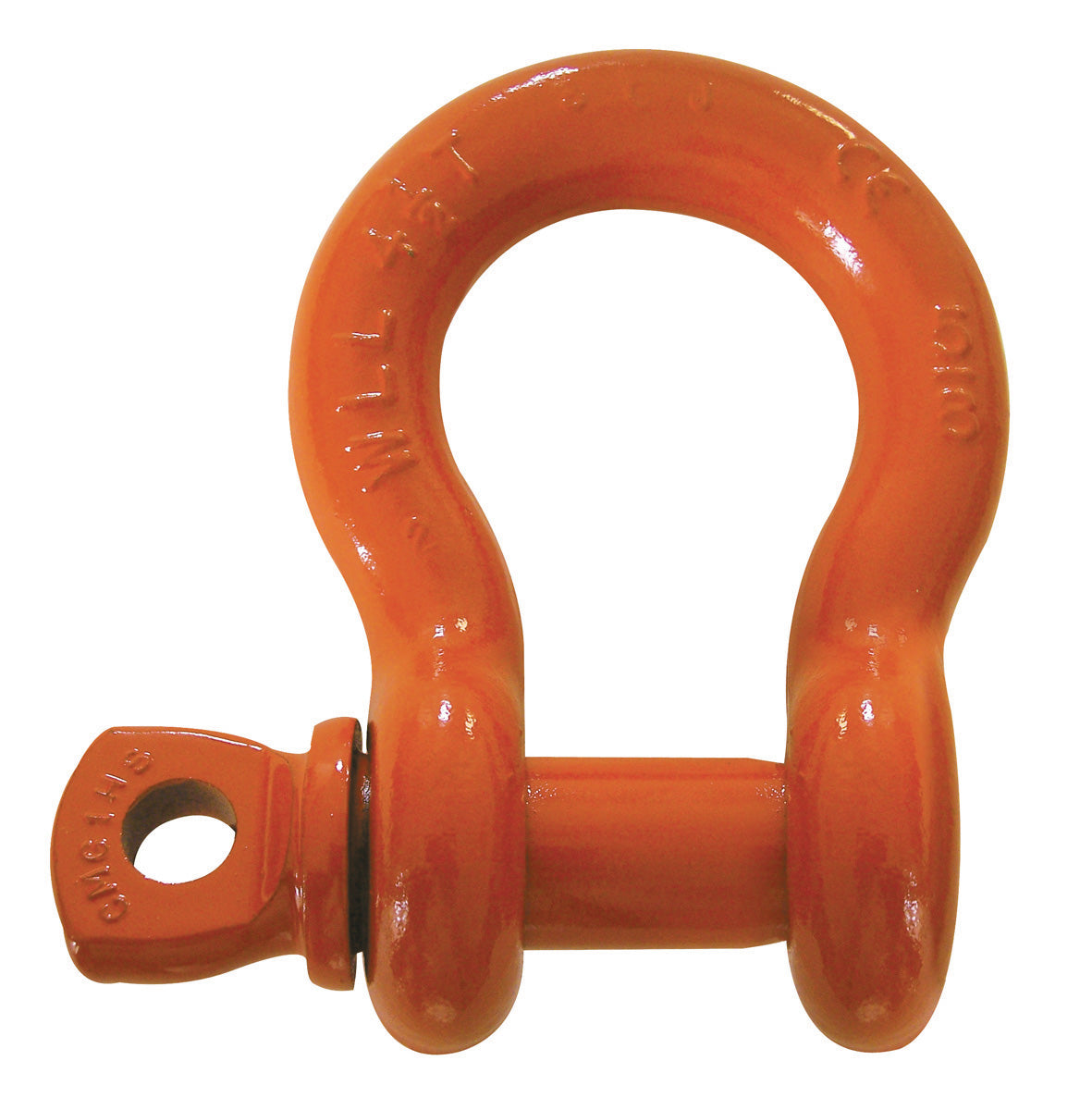
Inspectors check for the damage that makes rigging unsafe. On slings: broken wires or crushing on wire rope, worn or stretched links on chain, cuts, abrasion, or heat damage on synthetic web and round slings. On hardware: bent, cracked, or deformed shackles and hooks, worn pins, and illegible or missing markings and load ratings. Anything that reduces the gear's strength below its rating, or that can't be verified, is cause to remove it from service. Missing or unreadable capacity markings alone can disqualify a piece, since you can't safely use rigging whose rating you can't confirm.
Remove defective gear immediately
The rule that ties it all together: any rigging found defective, at any inspection or during use, must be removed from service immediately and not used again until repaired (where repairable) or destroyed. Damaged rigging doesn't get one more lift. Synthetic slings and most hardware aren't field-repairable and should be discarded; chain slings can sometimes be repaired by a qualified party. The point is to make sure compromised gear never makes another lift. Tagging and physically separating removed gear prevents it from accidentally going back into use.
Building an inspection program
For an operation, the practical answer is a simple program: train users to do the pre-shift visual check every shift, schedule the documented competent-person inspection at least annually (more often for severe service), keep records, and enforce immediate removal of defective gear. Uniquely identify each piece so its inspection history can be tracked. This isn't bureaucracy for its own sake, it's what keeps a sling from failing over someone's head. Our what is rigging equipment guide covers the gear these inspections apply to.
The bottom line
Rigging equipment must be inspected before every shift under OSHA 1926.251, and formally at least once a year by a competent person under ASME B30.9 and OSHA 1910.184, with more frequent inspection in severe service and immediate removal of any defective gear. Because a failed sling or shackle drops the load, these inspections are non-negotiable. Buy quality, rated rigging hardware and slings with clear markings, and build inspection into your routine from day one.
Keep records and tag your gear
Documentation is a real requirement, not a formality. The annual competent-person inspection must be recorded, and to make that work, each piece of rigging should be uniquely identified, by serial number or a durable tag, so its inspection history can be tracked over time. Records prove compliance in an audit and, more importantly, let you spot a piece that's due for inspection or nearing the end of its life. A simple system, unique IDs, dated inspection records, and tags showing the last and next inspection, turns the requirement into a genuine safety tool rather than paperwork.
Inspection frequency varies by sling type
While the before-each-shift and annual minimums apply across the board, the practical wear patterns differ by material. Synthetic web and round slings are easily cut, abraded, and heat-damaged, so they warrant especially careful pre-use checks. Wire rope slings show broken wires and crushing that a trained eye catches. Alloy chain slings stretch and wear at the links. Knowing what fails on each type sharpens every inspection. The schedule is the same, but the specific damage you're hunting for depends on the sling, which is part of why a competent person, who knows these patterns, must do the formal inspection.