The short version
Rigging equipment is everything that connects a load to a lifting machine and keeps it stable and secure during the lift. When a crane or hoist lowers its hook, rigging is what actually attaches to the load: the slings that wrap or hook onto it, the shackles and hooks that join everything together, and the beams and bars that keep wide loads balanced. It's the most safety-critical part of any lift, because if the rigging fails, the load falls. That's why rigging is rated, standardized, and inspected far more strictly than most equipment.
The main categories
Riggers usually sort the gear into a few groups. Slings are the flexible connectors that go around or hook onto the load. Rigging hardware, shackles, hooks, eye bolts, turnbuckles, and hoist rings, joins the slings to the load and the hook. Below-the-hook devices, spreader bars, lifting beams, clamps, magnets, and vacuum lifters, handle loads that need special support. And hoists and blocks provide the lifting force itself. Together these cover almost any lift, from a single sling on a hook to a complex multi-point setup with a spreader bar.
Slings: the flexible link
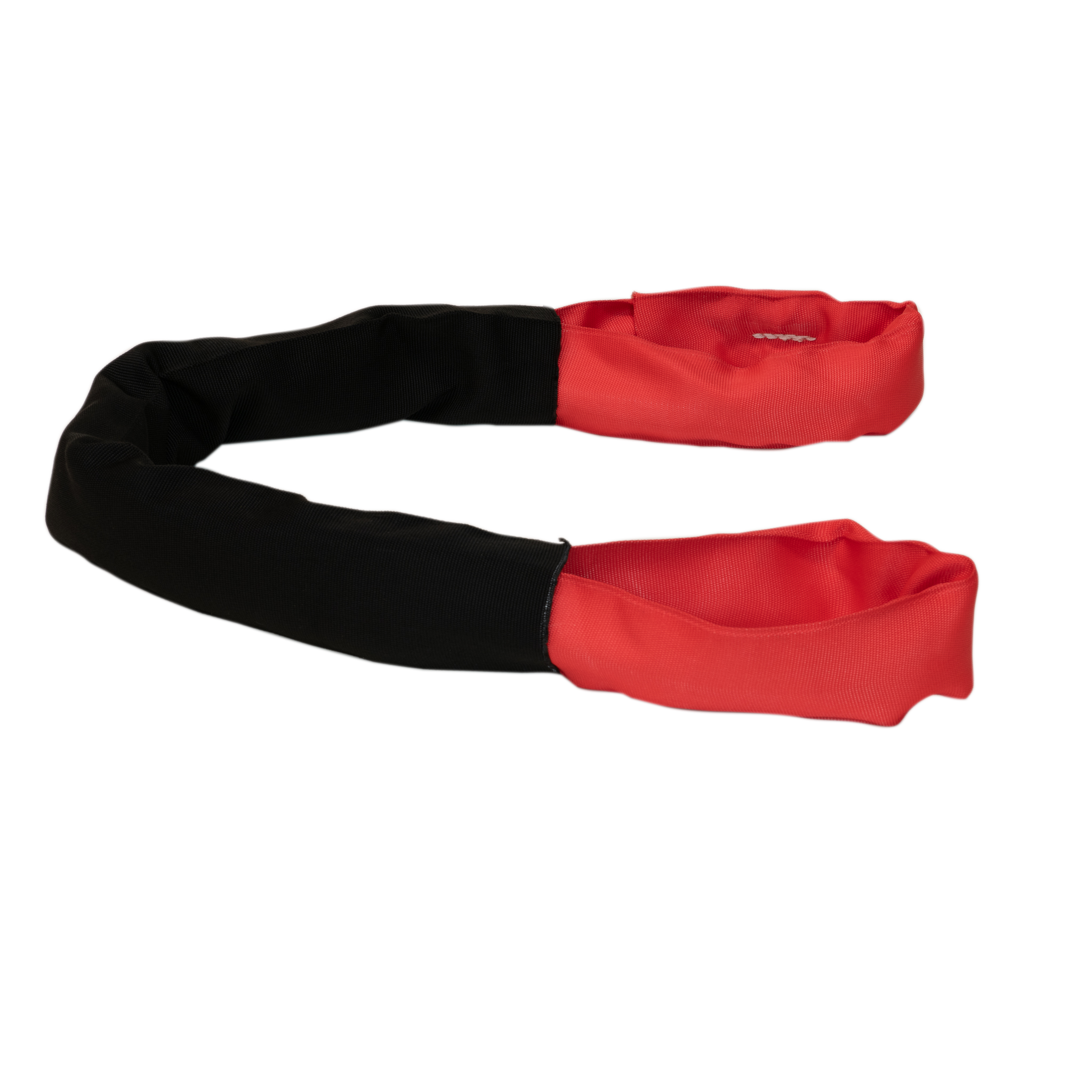
Slings are the most common rigging component, and they come in four main types. Wire rope slings use multi-strand steel cable and resist abrasion, good for heavy, rough, or repetitive lifts. Alloy chain slings handle heat and harsh environments and can be repaired link by link. Synthetic web slings are flat straps that protect delicate or finished surfaces. And synthetic round slings are flexible and gentle on the load. Choosing the right one is its own decision, covered in our how do I choose a lifting sling guide. Browse the full sling collection.
Rigging hardware: shackles, hooks, and fittings
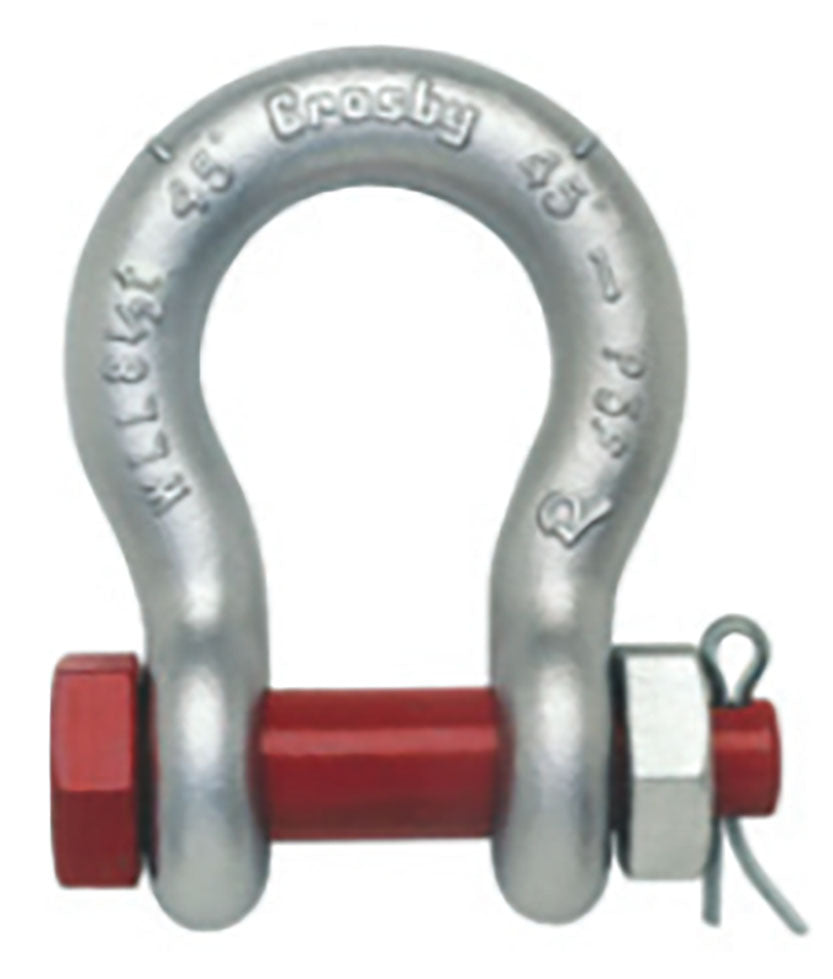
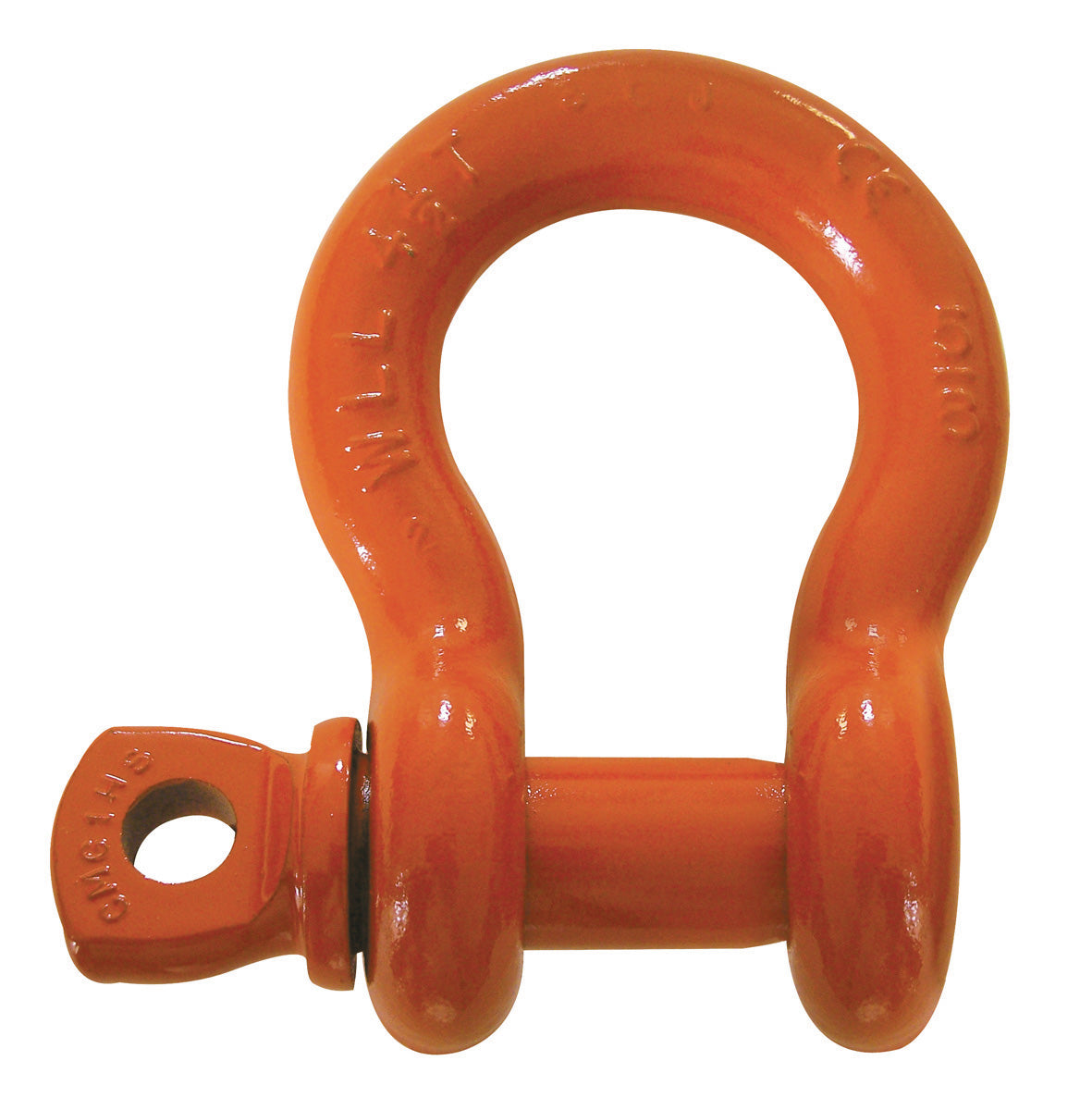
Hardware is the connective tissue of a lift. Shackles, like the widely used Crosby G-2130 bolt-type and G-209 screw-pin anchor shackles, join slings to loads and hooks. Hooks, eye bolts, turnbuckles, and hoist rings each provide a rated connection point. The two dominant brands are Crosby, whose G-209 and G-2130 shackles are near-generic references, and CM (Columbus McKinnon), which also makes a full line of rated shackles. Every piece carries a working load limit that must never be exceeded. See our rigging hardware collection.
Below-the-hook: spreader bars and beams
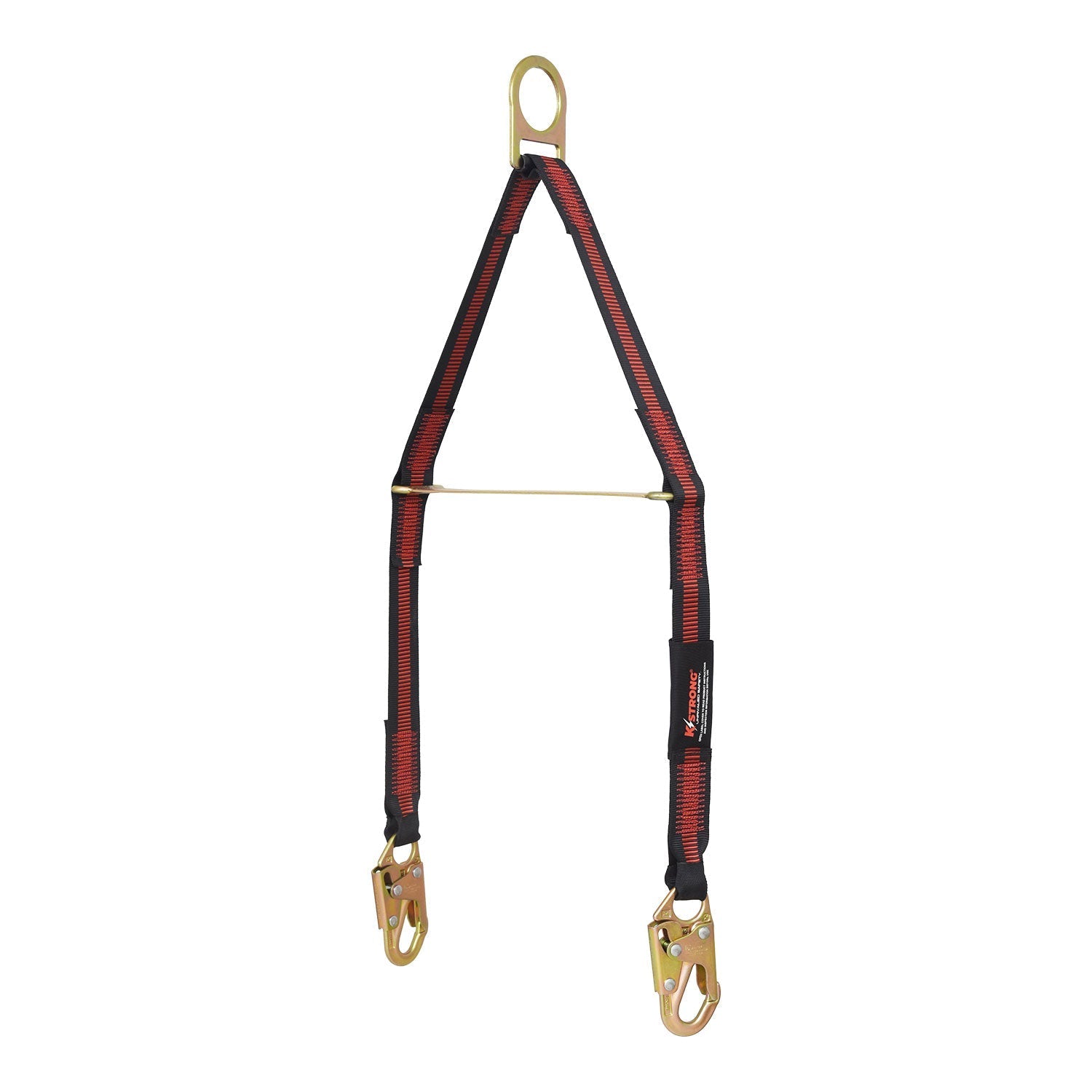
Some loads can't hang from a single point without being crushed or tipping, and that's where below-the-hook devices come in. A spreader bar holds the lifting points apart so the slings stay vertical, which prevents the inward crushing force that angled slings would apply to a wide load. Lifting beams do a similar job from a single top pick point when headroom is tight. These devices turn an awkward or dangerous lift into a controlled one, and they're essential for long, wide, or delicate loads. Our spreader bar collection has the options.
Working load limit is everything
The single most important number in rigging is the working load limit (WLL), the maximum load a piece of equipment is rated to handle. Every sling, shackle, hook, and bar has one, and it must never be exceeded, with a safety margin built in beyond it. Overloading rigging is a leading cause of lifting accidents, and it can fail without warning. This is why riggers calculate load weights, account for sling angles (which multiply the force on each leg), and always choose gear rated well above the actual load. Respecting the WLL is the foundation of safe rigging.
Inspection keeps rigging safe
Rigging equipment wears, and worn rigging fails, so inspection is mandatory, not optional. Regulations require rigging to be inspected before each shift and formally at least once a year by a competent person, with defective gear removed from service immediately. A frayed sling, a bent shackle, or a cracked hook can drop a load, so catching damage early is critical. Our how often must rigging equipment be inspected guide covers the OSHA and ASME requirements in detail. Treat inspection as a core part of owning rigging, not an afterthought.
Who uses rigging equipment
Rigging is used anywhere heavy or awkward loads are lifted: construction sites, steel mills, foundries, machine shops, ports, utilities, and manufacturing plants. The people who do it, riggers, are trained in load calculation, gear selection, and safe practice, because the work is genuinely dangerous when done wrong. Even a simple lift, a machine moved with a sling and a hook, relies on choosing rated gear and using it correctly. If your work involves lifting anything a person can't safely handle, you're in rigging territory, and the right, rated equipment matters.
Choosing rigging equipment
Start with the load: how heavy, how big, how delicate, and how it needs to be attached. That tells you the sling type, the hardware, and whether you need a spreader bar. Then choose gear with a working load limit comfortably above the actual load, from established makers like Crosby and Columbus McKinnon, never unrated imports. Confirm the fittings match, a shackle sized to the sling and hook, and factor in sling angles when they apply. When in doubt on a heavy or complex lift, get expert help. Browse our rigging hardware and slings to start.
The bottom line
Rigging equipment, slings, shackles, hooks, eye bolts, and below-the-hook devices like spreader bars, is the critical link between a lifting machine and its load. It must be rated for the load with margin, matched correctly, and inspected before each shift and annually. Because a rigging failure drops the load, this is the one area of material handling where cutting corners is never acceptable. Learn how to use a spreader bar, choose a sling, and inspect your gear, and browse our full rigging collection.
Why rigging quality is non-negotiable
Rigging is the one area of material handling where a failure is almost always catastrophic, because a dropped load can kill. That's why rigging is held to strict standards, carries mandatory load ratings, and must be inspected on a schedule, and why buying rated gear from established makers like Crosby and Columbus McKinnon matters so much. Unrated or grey-market rigging that saves a few dollars is a genuine hazard: you can't verify its strength, and it may fail without warning. Treat the load rating and the source of every sling, shackle, and hook as safety-critical, never as a place to economize.