Start with the working load limit
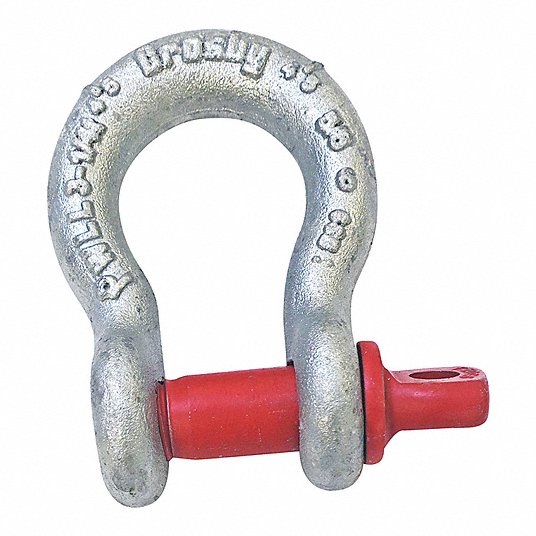
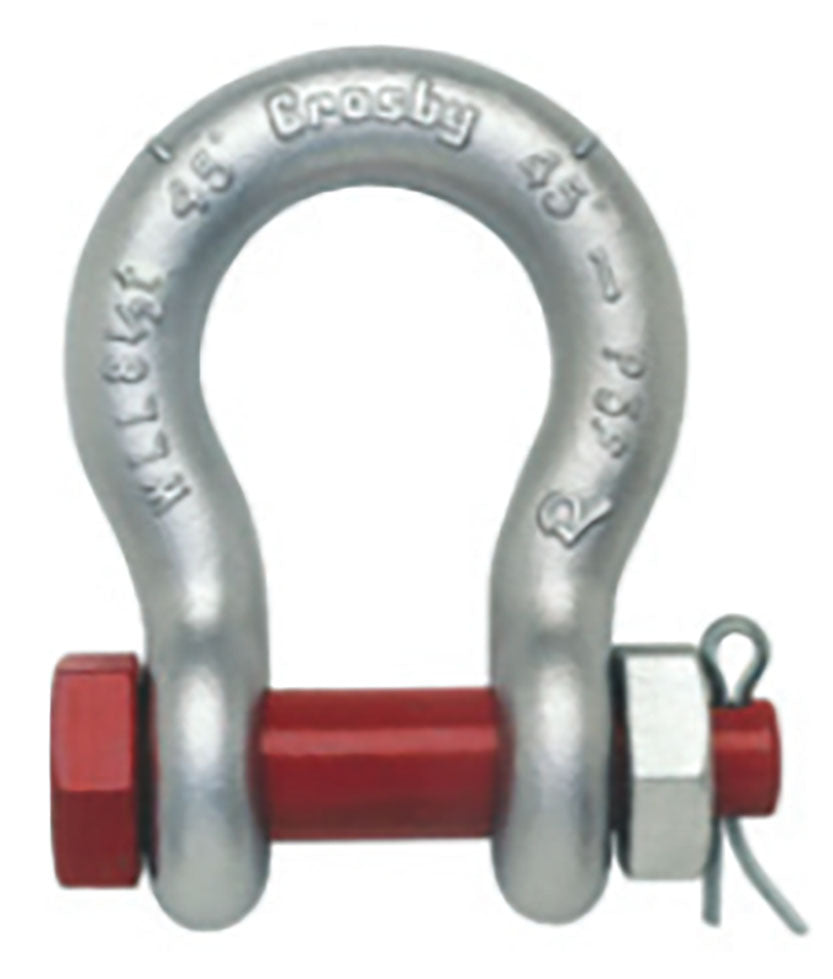
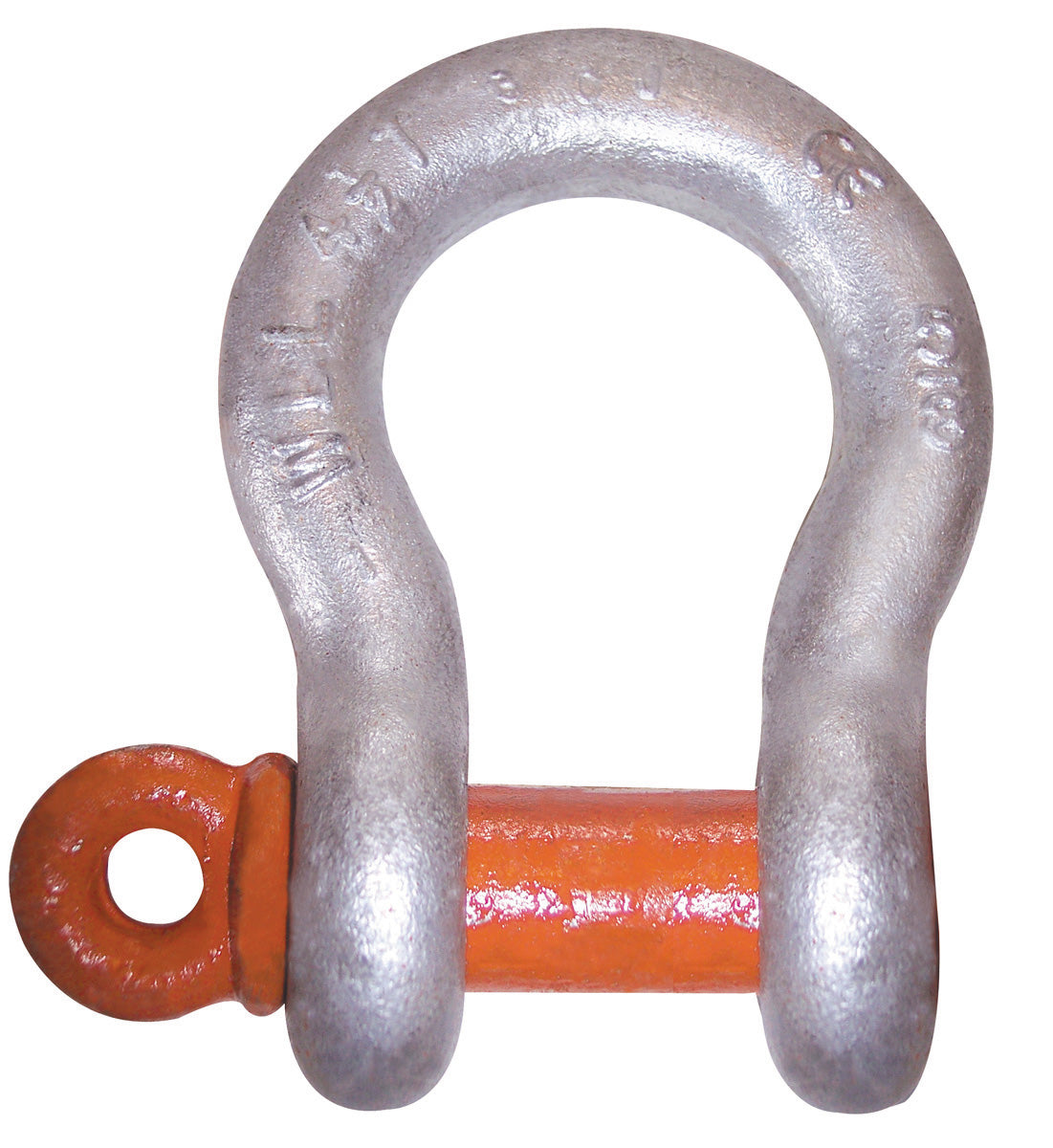
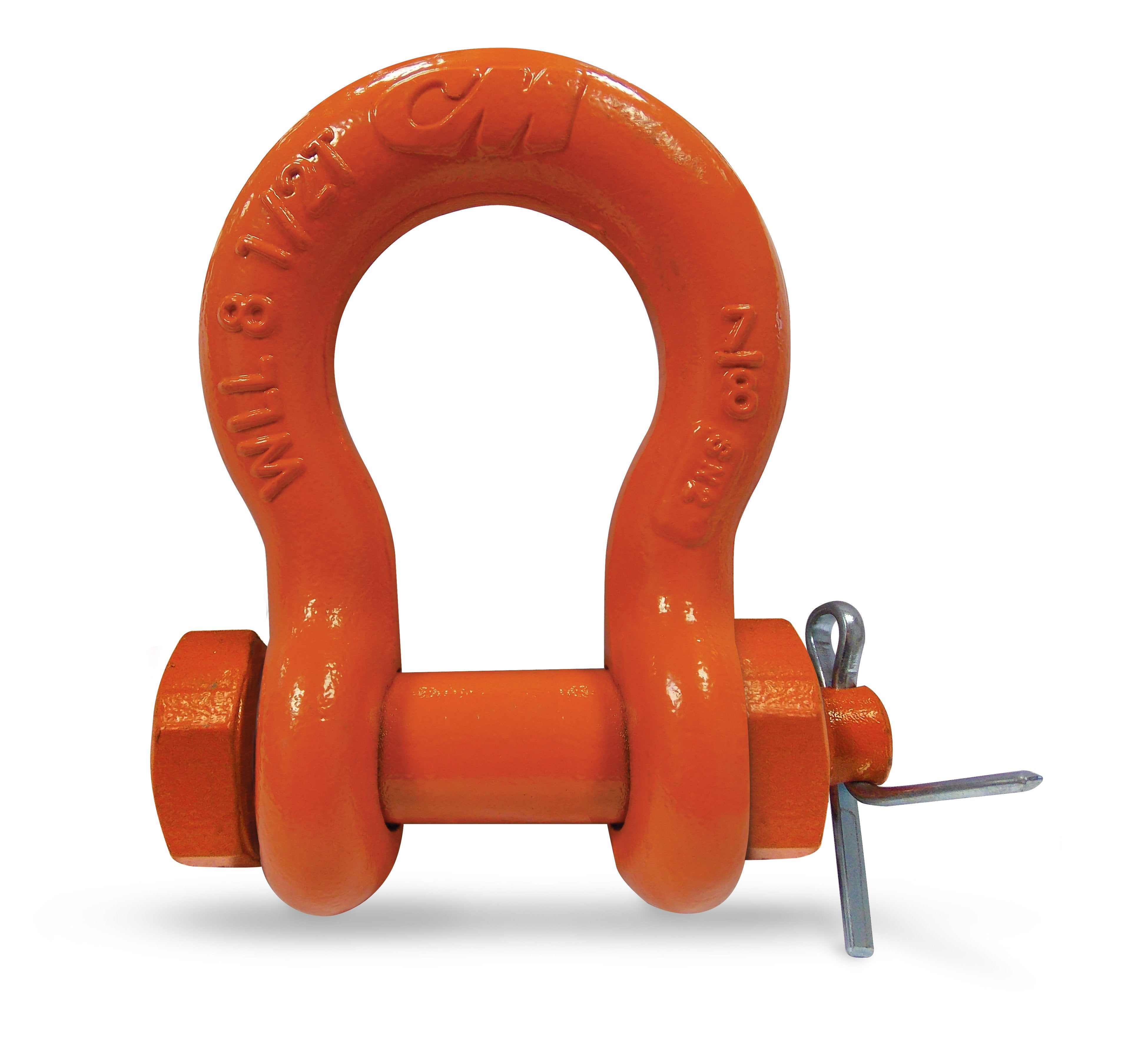
Sizing a shackle begins with capacity. Every rated shackle is forge-stamped on the body with its working load limit (WLL), the maximum load it may carry, along with a size and grade mark. Your job is to choose a shackle whose WLL meets or exceeds the load it will see, with margin to spare, never right at the limit. Crucially, in a multi-leg lift, size to the tension in each leg, which sling angle can push well above a simple division of the load, not just the total weight. Read the stamp on the shackle; never guess its capacity.
Read the stamp, don't estimate
It's worth emphasizing: you cannot safely size a shackle by appearance. Two shackles that look similar can carry very different ratings, and a shackle's WLL depends on its exact size, grade, and manufacturer. The forge-stamped WLL on the body is the authoritative figure, and if it's missing or illegible, the shackle must be removed from service, because you can't use rigging whose rating you can't confirm. So the first physical step of sizing is simply reading the stamp and confirming it's legible, then verifying that rating against your load.
Understand the design factor
Quality lifting shackles are built with a 6-to-1 design factor, meaning the shackle's ultimate breaking strength is about six times its rated WLL, and they're proof-tested to twice the WLL before sale. That margin exists to absorb the real-world uncertainties of rigging, dynamic loading, wear, and imperfect conditions, not to be spent by overloading. So when you size to the WLL with margin, you're building safety on top of a rating that already includes a large factor. Respect the WLL as the working limit; the design factor is protection, not extra capacity to use.
Match the jaw and pin to the sling
Capacity is only half of sizing, the shackle also has to fit. The jaw width and bow must accept the sling eye or fitting without pinching or crowding it, and the pin diameter must suit the connection. Too small a shackle won't fit the sling; too large and the sling eye can slip on the pin or seat poorly. The load should bear on the shackle's bow, not directly on the pin. So after confirming the WLL, check the physical fit: the shackle jaw should cradle your sling eye cleanly, with the load path through the bow.
Match capacity across the whole assembly
A shackle is one link in a chain of rigging, and the lift is only as strong as its weakest rated part. Size the shackle so its WLL is compatible with the sling, the hook, and any other hardware, ideally every element rated above the load with margin. There's no benefit in a heavily rated shackle joined to an under-rated sling, and vice versa. When you size the shackle, glance at the ratings of everything it connects to, and make sure no single component is the weak link. Reputable CM and Crosby hardware makes this straightforward, since ratings are clearly marked.
Account for side-loading
If the load won't pull straight in-line with the shackle, sizing has to account for side-loading, which reduces the rated capacity. A load pulling at an angle to the shackle's normal load path can cut its usable WLL significantly, and the manufacturer publishes a chart showing the reduction by angle (a load within about 5 degrees of in-line is treated as full capacity; beyond that, de-rate). So if your rigging geometry side-loads the shackle, size up accordingly, or re-rig to load it in-line. Never assume the full stamped WLL applies to an off-axis load.
Common sizing mistakes
A few errors recur. Sizing to total load weight instead of per-leg tension in a multi-leg lift, which underestimates the load on each shackle. Choosing by appearance instead of the stamped WLL. Ignoring side-loading. Mismatching the jaw to the sling so the eye pinches or slips. And pairing a strong shackle with weaker slings or hardware. Each is avoidable by working the checklist: read the WLL, size to leg tension, fit the jaw to the sling, account for angle, and match the whole assembly. Sizing a shackle correctly is quick once you know what to check.
The bottom line
Size a shackle by reading its stamped working load limit and confirming it exceeds the load, or the tension in each sling leg, with margin, then checking that the jaw and pin fit your sling without pinching and the load bears on the bow. Account for side-loading by de-rating per the chart, and make sure the shackle's rating matches the rest of the assembly. Never estimate capacity by eye. Buy clearly-rated shackles from reputable makers, and see our full lifting shackles guide.
Pin diameter and sling fit
One practical sizing detail trips people up: the pin diameter relative to the sling. The shackle pin should suit the sling's eye or fitting so the sling seats properly on the pin without being too loose or crowded, and the sling should never bear on the threaded portion of a screw pin. For synthetic slings, avoid a pin so small it concentrates load and cuts the sling. Matching the shackle pin and jaw to the specific sling is part of correct sizing, and it's why you consider the shackle and sling together, not in isolation.
When to involve an engineer
For routine lifts within standard rigging practice, the sizing checklist, read the WLL, size to leg tension, fit the jaw, account for angle, match the assembly, is enough. But for engineered or critical lifts, unusual geometries, very heavy or high-consequence loads, or complex multi-point picks, have a qualified person or engineer confirm the shackle selection and the whole rigging plan. The cost of expert review is trivial against the cost of a failed critical lift. Knowing when a lift exceeds routine practice, and calling in help then, is itself part of competent rigging.