The core difference
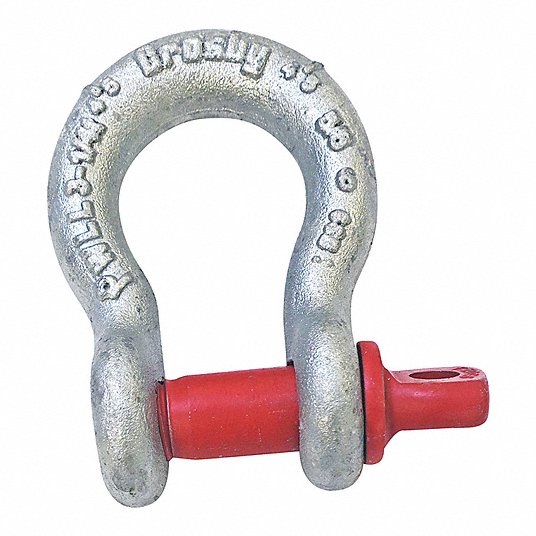
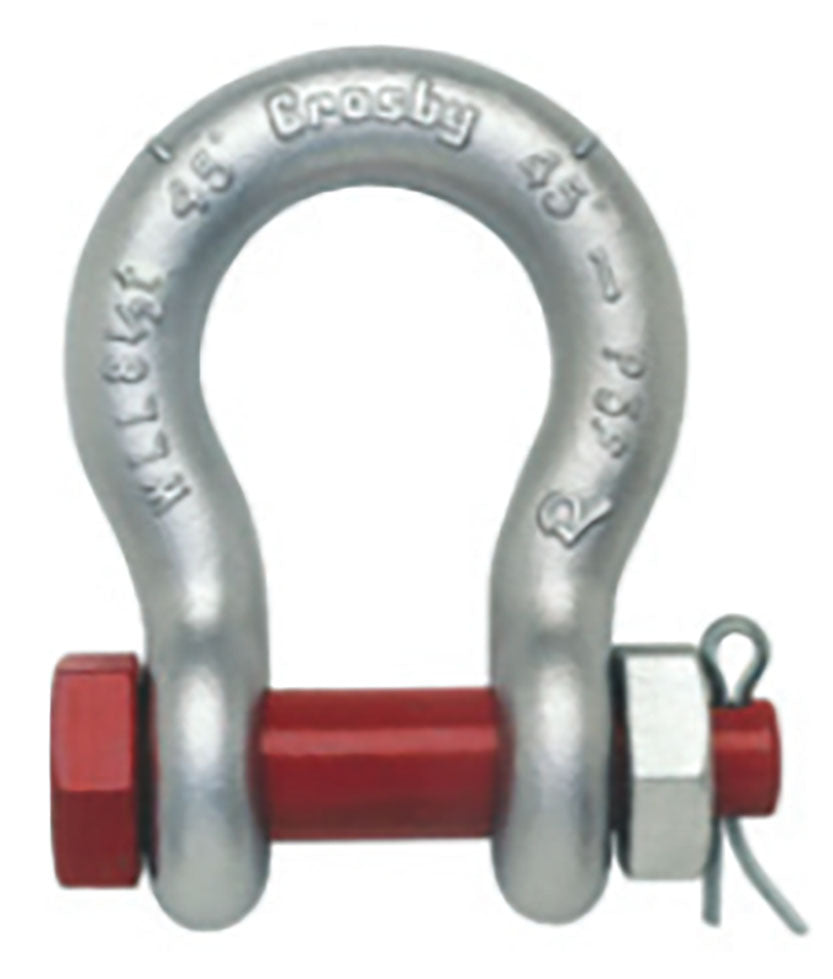
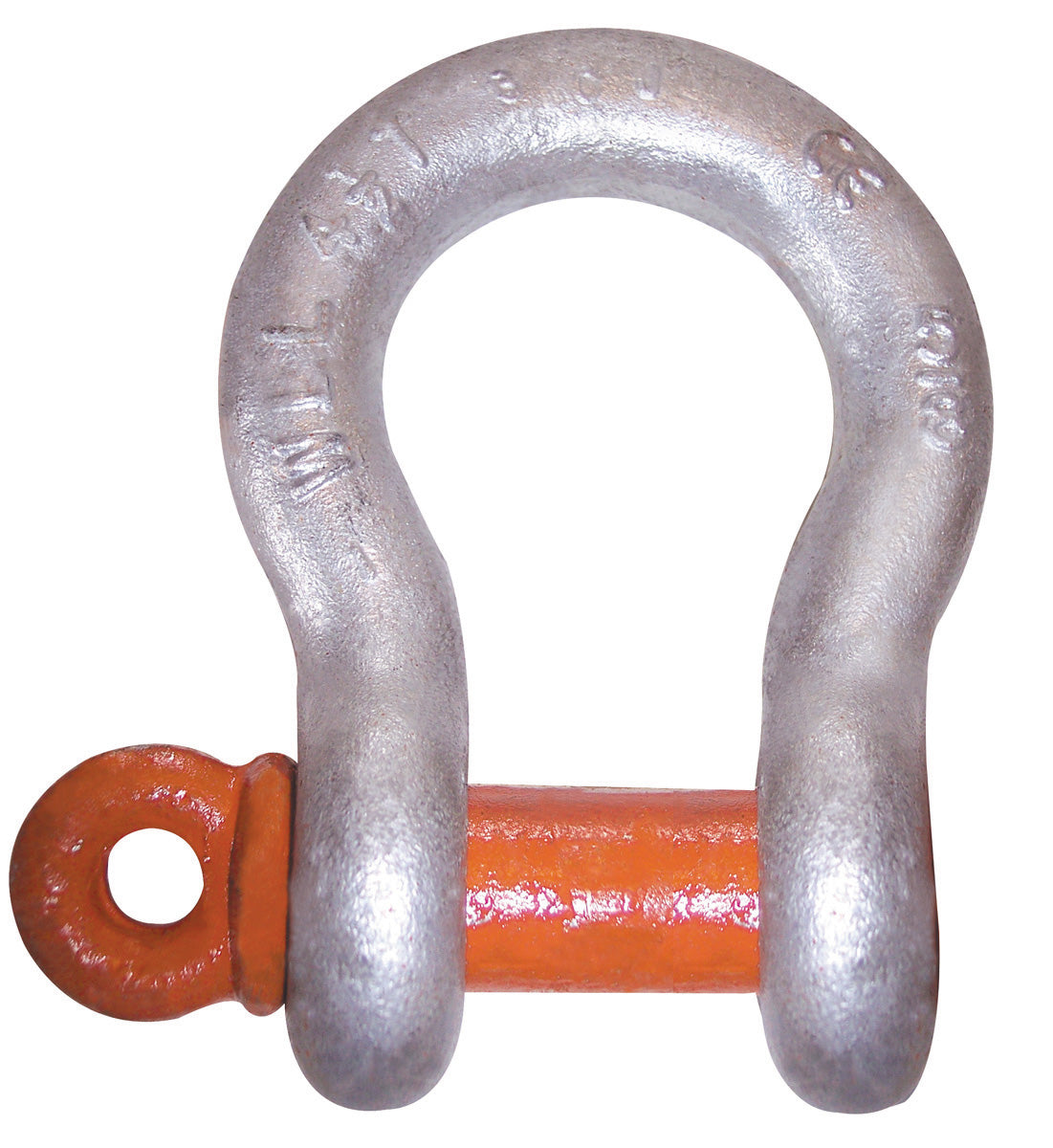
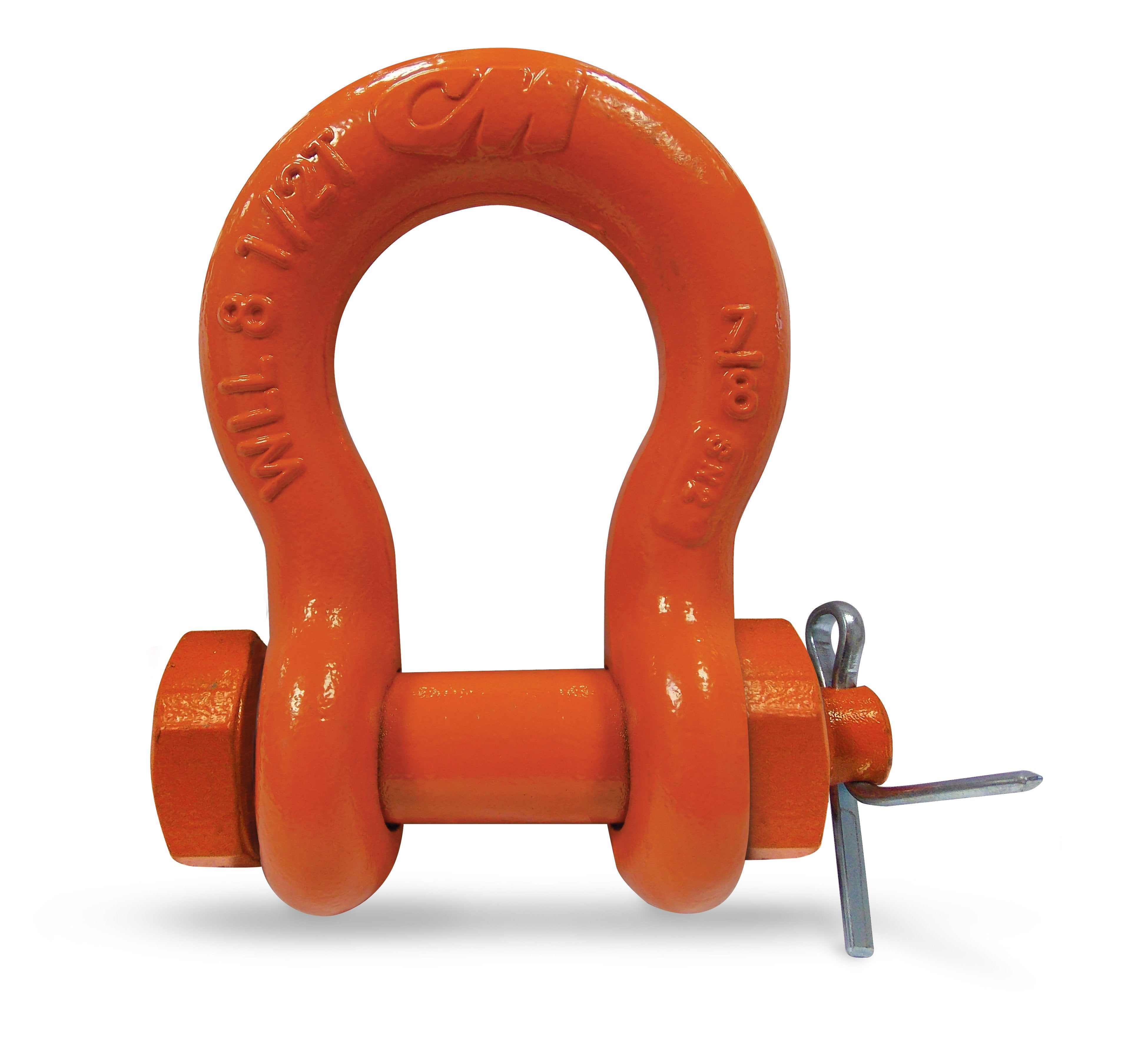
Both shackles do the same job, joining rigging, but they close differently, and that changes where each belongs. A screw-pin shackle has a threaded pin you simply thread in and hand-tighten, fast to install and remove. A bolt-type shackle uses a bolt secured with a nut and a cotter pin, which takes longer to fit but stays locked even under rotation and vibration. So the trade-off is convenience versus security: screw-pin for speed, bolt-type for staying put. Choosing correctly comes down to how the shackle will be used.
When to use a screw-pin shackle
A screw-pin shackle is the right choice for temporary, short-duration connections, especially ones you install and remove frequently. If you're rigging a lift, making the pick, and then breaking the connection down, the screw pin's quick threading saves real time. Screw-pin shackles handle static loads and can take multi-leg sling directions and, within limits and proper de-rating, some side loading. For everyday rigging where shackles come on and off often and the connection isn't subject to constant motion, the screw-pin is the convenient, standard pick.
When to use a bolt-type shackle
A bolt-type shackle is the choice for semi-permanent or permanent installations, and for any application where movement, rotation, torque, or vibration could loosen a threaded pin. Left in place on a fixed rigging point, subjected to a load that turns or oscillates, or used in a long-term below-the-hook assembly, a screw pin can gradually unthread, but a bolt-type pin, locked by its nut and cotter, cannot. It's also favored for heavy and blind lifts where you can't easily check the pin. When security over time matters more than quick removal, use bolt-type.
The overlap: bolt-type does both
Here's a useful simplification: a bolt-type shackle can be used anywhere a screw-pin (or round-pin) shackle can, but not the other way around. The bolt-type's secure closure covers both temporary and permanent uses; it's just slower to fit. So if you're standardizing on one shackle for a mix of jobs, or you're unsure, the bolt-type is the safer default, at the cost of a little convenience on connections you break often. Many operations keep both: screw-pins for frequent-change rigging and bolt-types for anything that stays put or moves under load.
Avoid side-loading a screw-pin
One caution applies especially to screw-pin shackles: side-loading. A shackle is strongest when the load pulls in-line with the pin and bow; loading it off-axis reduces its rated capacity and, on a screw-pin, can also work the pin loose over the lift. If a load must come in at an angle, de-rate the shackle per the manufacturer's side-load chart, and consider a bolt-type for security. Never assume a shackle carries its full stamped WLL when side-loaded, the rating assumes in-line loading, and the reduction for off-axis loads is significant.
Which should you buy?
For general rigging where shackles come on and off frequently and loads are in-line and static, buy screw-pin shackles for their convenience. For permanent or long-term connections, or anything subject to rotation, vibration, or torque, buy bolt-type shackles for their locked security. If you want one type to cover a mix of jobs, bolt-type is the safer standard. Most operations stock both. Whatever you choose, buy rated shackles from reputable makers and match the WLL and jaw size to your load and sling. See our best lifting shackles guide.
The bottom line
Screw-pin shackles suit temporary, frequently-changed, in-line connections; bolt-type shackles suit permanent installations and anything with movement, rotation, or vibration. Bolt-type can be used anywhere a screw-pin can, making it the safer default when in doubt. The choice is about closure security, not strength, both carry the same rating in a given size. Confirm the WLL, fit the jaw to your sling, avoid side-loading screw-pins, and inspect before use. Read the full picture in our lifting shackles guide.
Securing a screw-pin against rotation
If you must use a screw-pin shackle where there's some risk of the pin rotating loose, there are accepted ways to secure it, such as mousing (wiring) the pin to prevent it backing out. But this is a workaround, not a substitute for the right tool: for genuine long-term or vibration-prone connections, a bolt-type shackle is the correct choice, because its nut and cotter pin are designed to stay locked. Reach for moused screw-pins only as a temporary measure, and standardize on bolt-type where the application truly calls for it.
Round-pin shackles
There's a third pin style worth knowing: the round-pin shackle, secured by a cotter pin rather than threads or a bolt-and-nut. Round-pin shackles are suited to applications with in-line loading and some side-loading, and they can't unscrew because the pin isn't threaded. They're less common in general lifting than screw-pin and bolt-type, but you'll encounter them, especially in tie-down and towing contexts. For most overhead rigging, the screw-pin versus bolt-type choice covers the field; round-pin is a specialized option for particular in-line uses.