Coil Chocks
Coil chocks are the steel cradles that keep a rolled steel coil from doing the one thing a coil most wants to do on a moving deck, which is roll. This collection carries Kinedyne's coil chock line, sold under the coil bunk and coil rack names as well, from a standard-duty 33 inch rack in 10-gauge hot rolled steel at around $17, up to an adjustable ASTM A36 heavy-duty chock near $46 with multiple bracing positions for different coil diameters. A rubber friction mat rounds out the setup for under $10. These are cheap parts guarding a load that is anything but cheap to lose: a single steel coil concentrates tens of thousands of pounds on a small patch of deck, and once it breaks loose it takes trailers, guardrails, and people with it. The guide below covers where the FMCSA coil rule begins, how chocks, timbers, and mats work together, and which chock fits the coil you are hauling.
Compare Coil Chocks
| Model | Price | Part Number | Type | Material | Finish | |
|---|---|---|---|---|---|---|
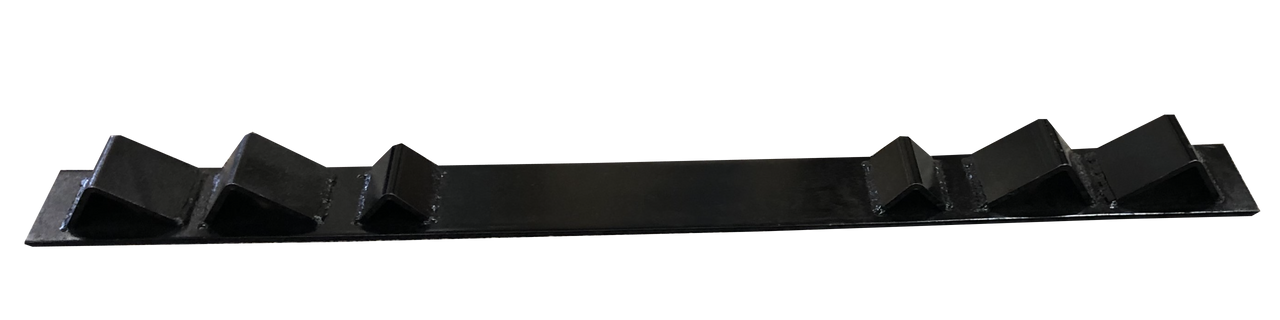
| Kinedyne ASTM A36 Steel Heavy Duty Coil Chock | $46 | 80209 | Adjustable Bracing Coil Chock | 1/4" ASTM A36 grade steel sheet | Black epoxy | View → |
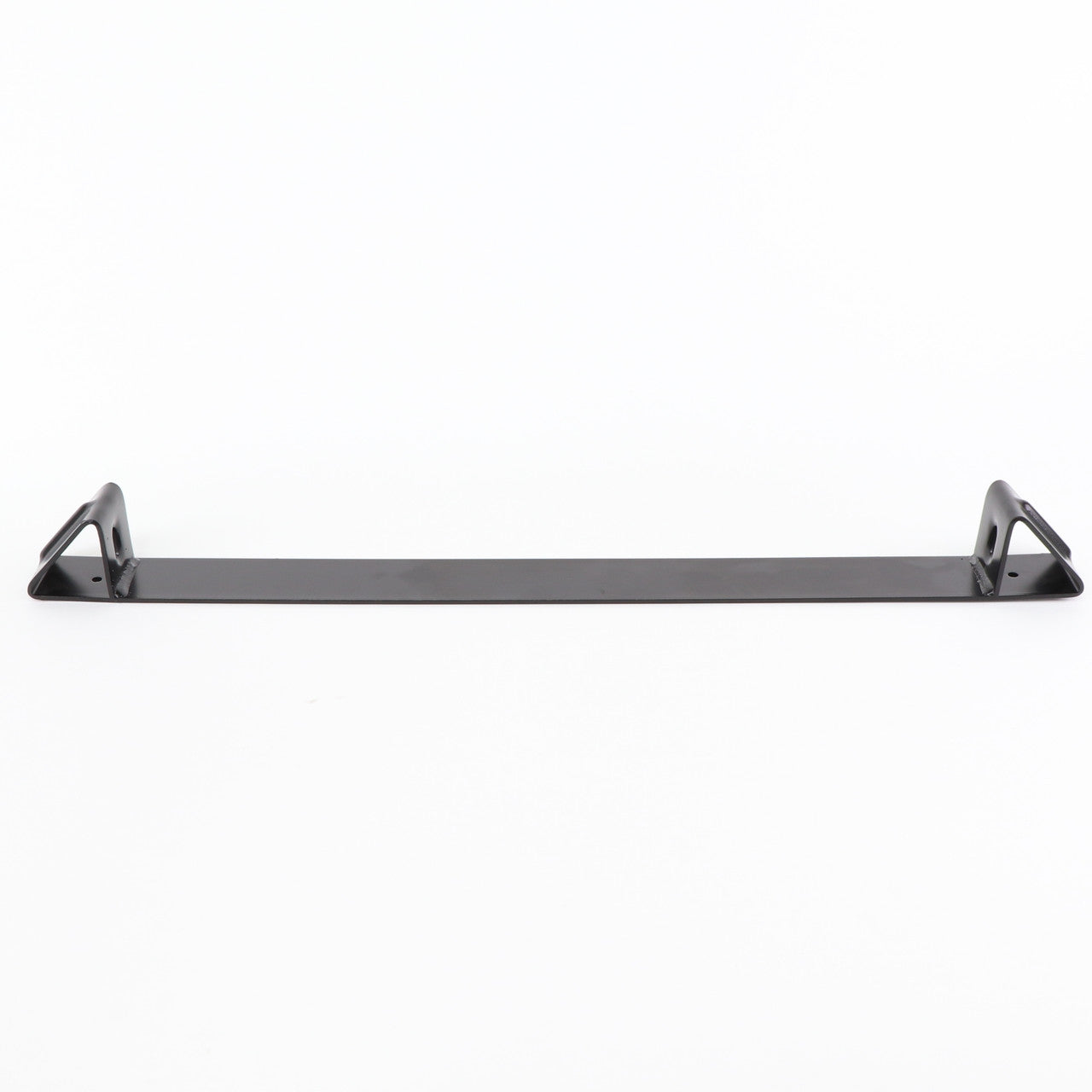
| Kinedyne Heavy-Duty Coil Chock or Coil Bunk | $21 | 80044 | Heavy-Duty Coil Chock (Coil Bunk) | Hot rolled steel, 8 gauge | Painted black | View → |
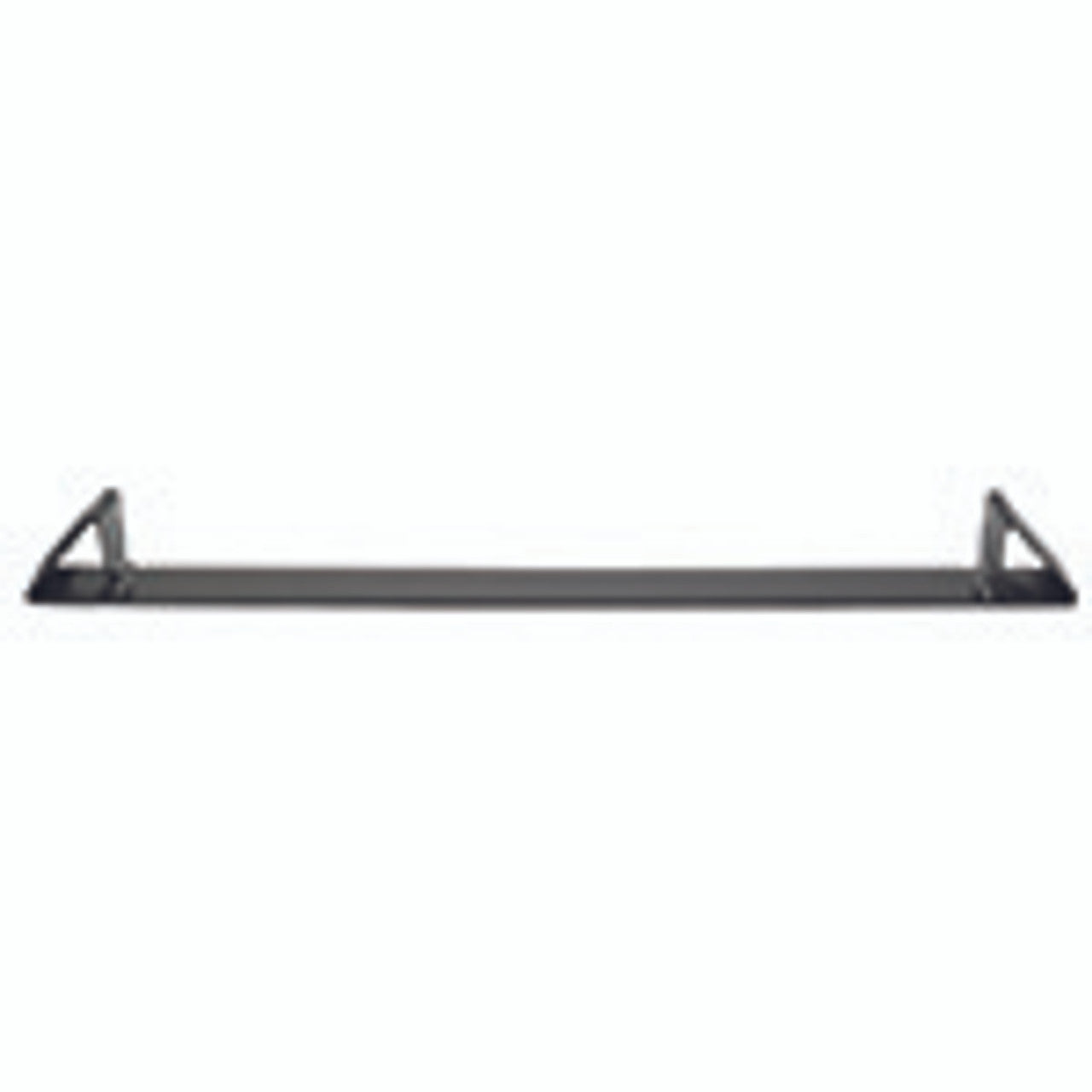
| Kinedyne Standard-Duty Coil Chock or Coil Bunk | $17 | 8656 | Standard-Duty Coil Chock (Coil Bunk) | Hot rolled steel, 10 gauge | Painted black | View → |
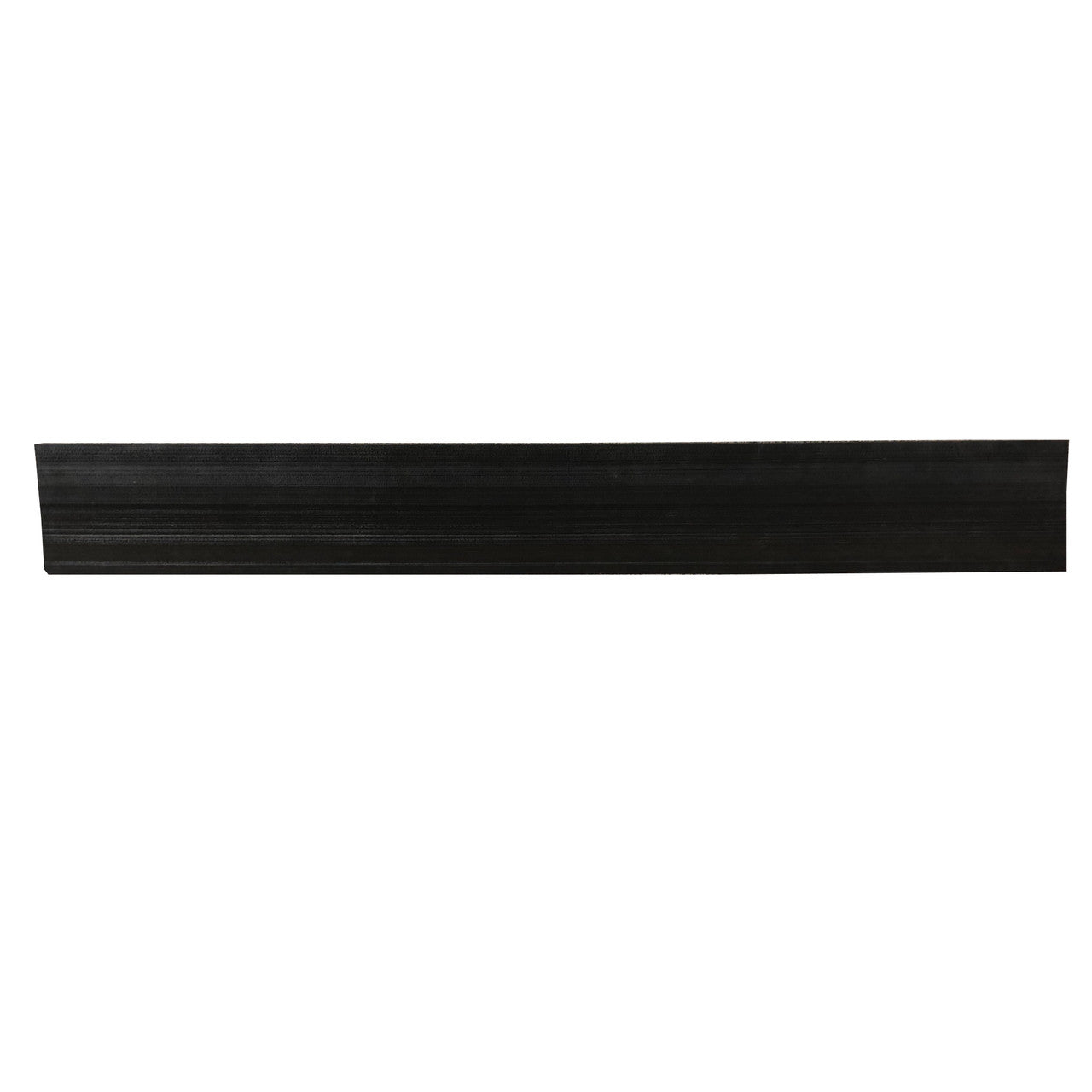
| Kinedyne Friction Mat | $10 | — | — | Steel belting sandwiched between rubber layers | — | View → |
Coil Chocks Buying Guide
Why steel coils get their own federal rule. Metal coils are the one commodity dense and mobile enough that the FMCSA wrote a securement section just for them. Federal rule 49 CFR 393.120 governs coils that weigh 5,000 lb or more; lighter coils can be secured under the general rules in 393.100 through 393.114. The reason is geometry. A coil puts tens of thousands of pounds on a contact patch a few inches wide, and a cylinder on a flat deck is a wheel waiting for a reason to turn. The rule names no brand and no part; it requires a means to keep the coil from rolling and, for coils carried with the eye lengthwise, a means to support them above the deck. Timbers, chocks or wedges, and cradles are the examples the regulation itself lists. A coil chock is the purpose-built version of that means, so it does the job an inspector expects without you improvising from scrap lumber.
Chock, timber, and friction mat as one system. A coil chock rarely works alone. The field method Kinedyne prints on the rack is to lay a rubber friction mat first, set the chocks against the coil, then wedge 4 by 4 hardwood timbers into the chock's bracing slots to build a cradle sized to that coil. The mat does real work: under 49 CFR 393.108, a friction mat carrying no manufacturer rating is credited with resisting horizontal movement equal to 50 percent of the weight sitting on it, so it earns a place in the securement math without a tag. The chock and timber stop the roll; the mat fights the slide. None of it replaces tiedowns, and none of the three parts is allowed to work loose in transit, which is why the steel is heavy gauge and the timber has to seat tight against both the chock and the coil.
Standard duty, heavy duty, and the adjustable A36 chock. Three chocks cover the range. The Kinedyne Standard-Duty Coil Chock, also called a coil bunk, runs about $17 in a 33 inch, 10-gauge hot rolled steel body for light and mid-weight coils. The Heavy-Duty Coil Chock keeps the same 33 inch footprint in heavier 8-gauge steel at around $21, the pick for heavier coils or harder daily service. At the top, the Kinedyne ASTM A36 Steel Heavy Duty Coil Chock is near $46 and runs longer, roughly 40 inches, with three bracing positions so one chock cradles a range of coil diameters instead of a single size. A36 is the standard specification for carbon structural steel, the same grade used for structural plate. Buy the gauge and length the coil weight demands, and let the adjustable chock earn its higher price on a truck that hauls mixed coil sizes day to day.
Eyes vertical, crosswise, or lengthwise. How the coil sits decides how you chock it. A coil rides eyes vertical (eye to the sky), eyes crosswise, or eyes lengthwise (eye to the side, down the length of the trailer), and 393.120 sets a different tiedown pattern for each. Chocks matter most when the eye runs crosswise or lengthwise, because that is when the coil lies on its side as a cylinder, free to roll fore and aft or side to side. An eye-to-the-sky coil sits flat and is blocked mainly against sliding rather than rolling. Carriers pick the orientation by coil weight and whether the material can take the compression of resting on its own edge, since some product deforms eye up. Whatever the orientation, the chock and timber cradle has to match the coil diameter so it genuinely blocks the coil rather than just touching it.
The chock is blocking, not the whole securement. A coil chock is blocking and bracing, not a tiedown, and it carries no working load limit you get to count toward the requirement. The straps and chains over the coil still have to make the numbers on their own. Steel coils are heavy and sharp-edged, which pushes most coil work onto Grade 70 transport chain and binders from chain binders and lashing chains rather than webbing, though ratchet straps cover lighter coils and hold-downs. Anywhere a strap or chain crosses the coil's edge, corner and web protection keeps the coil from cutting the tiedown before the road does. For the full FMCSA tie-down count and the half-weight math that sets how much securement a coil needs, the parent cargo control and tie-downs hub lays it out. The chock's job is narrow and critical: take rolling off the table so the tiedowns only fight the slide.
Frequently Asked Questions
They are three names for the same part. A coil chock, also sold as a coil bunk or coil rack, is a purpose-built steel block that sits on the trailer deck and holds a rolled metal coil from rolling. It is used with hardwood timbers wedged into its bracing slots to build a cradle sized to the coil, and usually over a rubber friction mat. Kinedyne's line runs from a 10-gauge standard-duty rack up to an adjustable ASTM A36 heavy-duty chock.
No. A coil chock is blocking and bracing, not a tiedown, so it carries no working load limit that counts toward the aggregate securement your load needs. Its job is to stop the coil from rolling. You still have to meet the tiedown pattern and half-weight math in 49 CFR 393.120 and 393.106 with straps or chains over the coil. The chock makes those tiedowns effective by taking rolling motion out of the picture.
Federal rule 49 CFR 393.120 applies to shipments of metal coils that weigh 2,268 kg (5,000 lb) or more. Coils under that weight may instead be secured under the general cargo rules in 393.100 through 393.114. Either way, the coil has to be prevented from rolling, and coils carried with the eye lengthwise have to be supported above the deck by timbers, chocks, a cradle, or an equivalent means that cannot work loose in transit.
The rubber friction mat goes under the coil and the chocks to resist sliding. Under 49 CFR 393.108, a friction mat that is not rated by its manufacturer is credited with resisting horizontal movement equal to 50 percent of the weight placed on it, so it contributes to your securement even without a tag. It works alongside the chock and timber, not in place of them: the chock stops the roll and the mat fights the slide.
Match the chock to coil weight and how varied your loads are. The standard-duty coil chock in 10-gauge steel (around $17) handles light and mid-weight coils. The heavy-duty version in thicker 8-gauge steel (around $21) suits heavier coils and steady daily service. The adjustable ASTM A36 heavy-duty chock (near $46) is longer with three bracing positions, so one chock cradles several coil diameters, which is the buy for a truck that hauls mixed coil sizes.