Tarp Straps
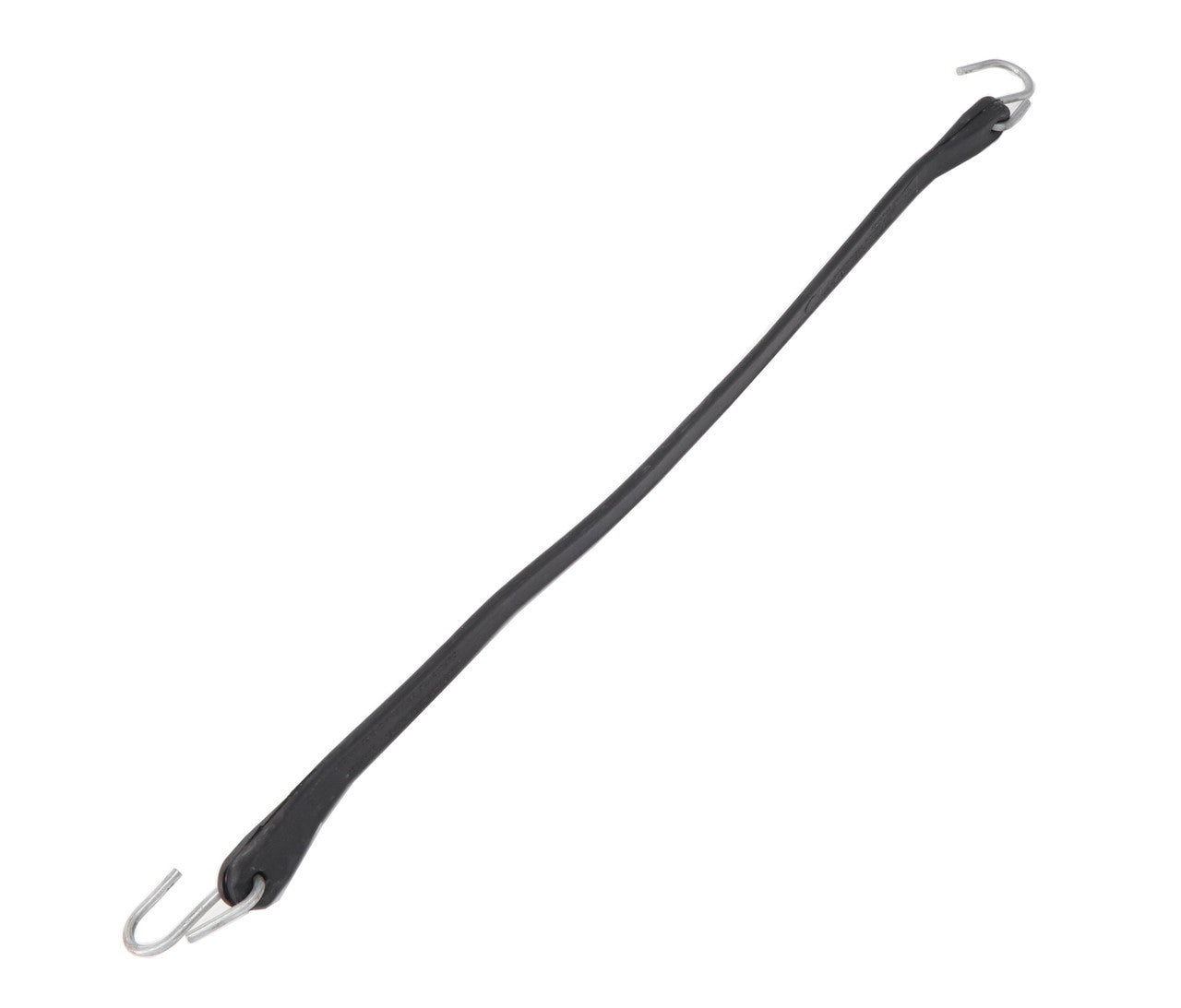
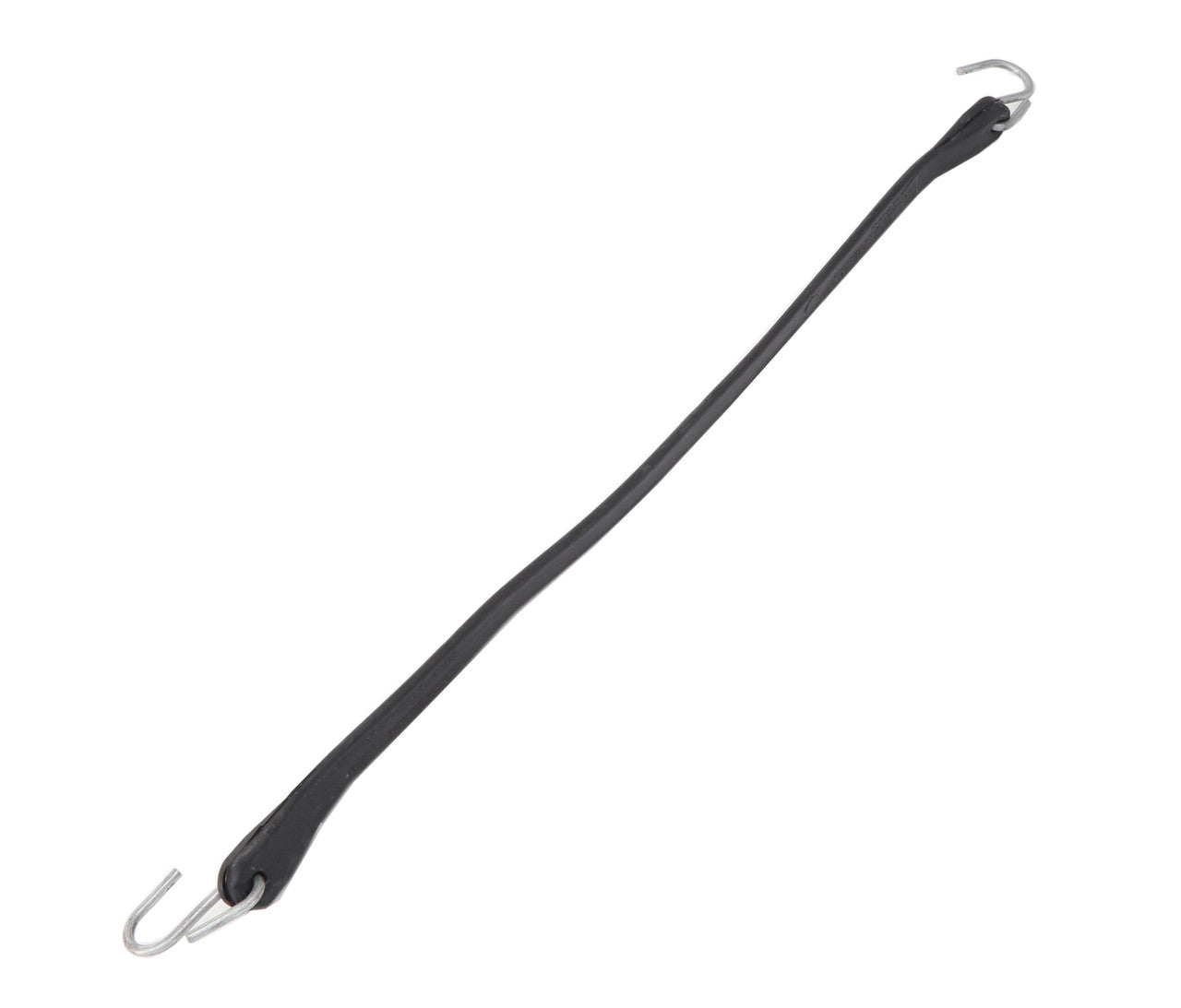
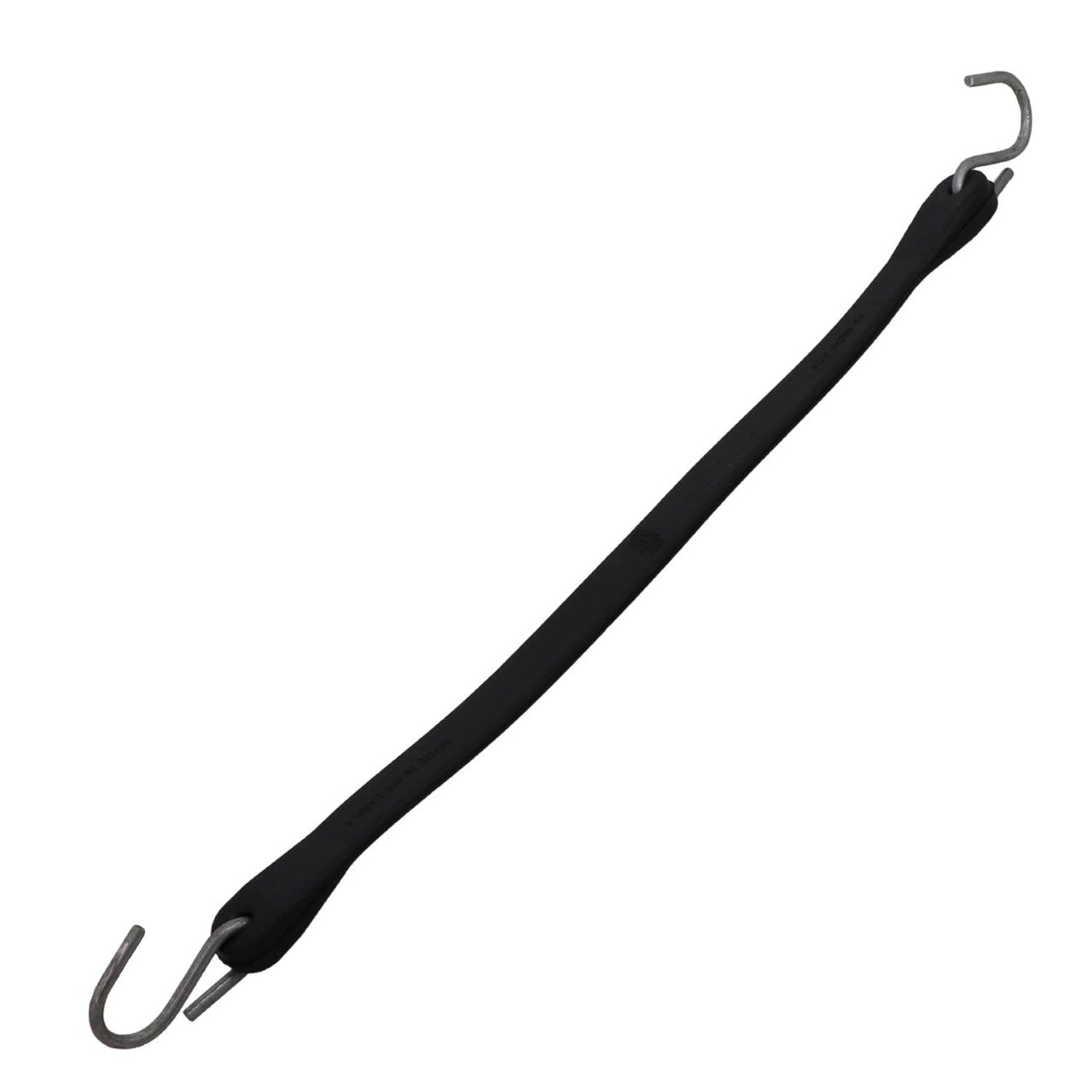
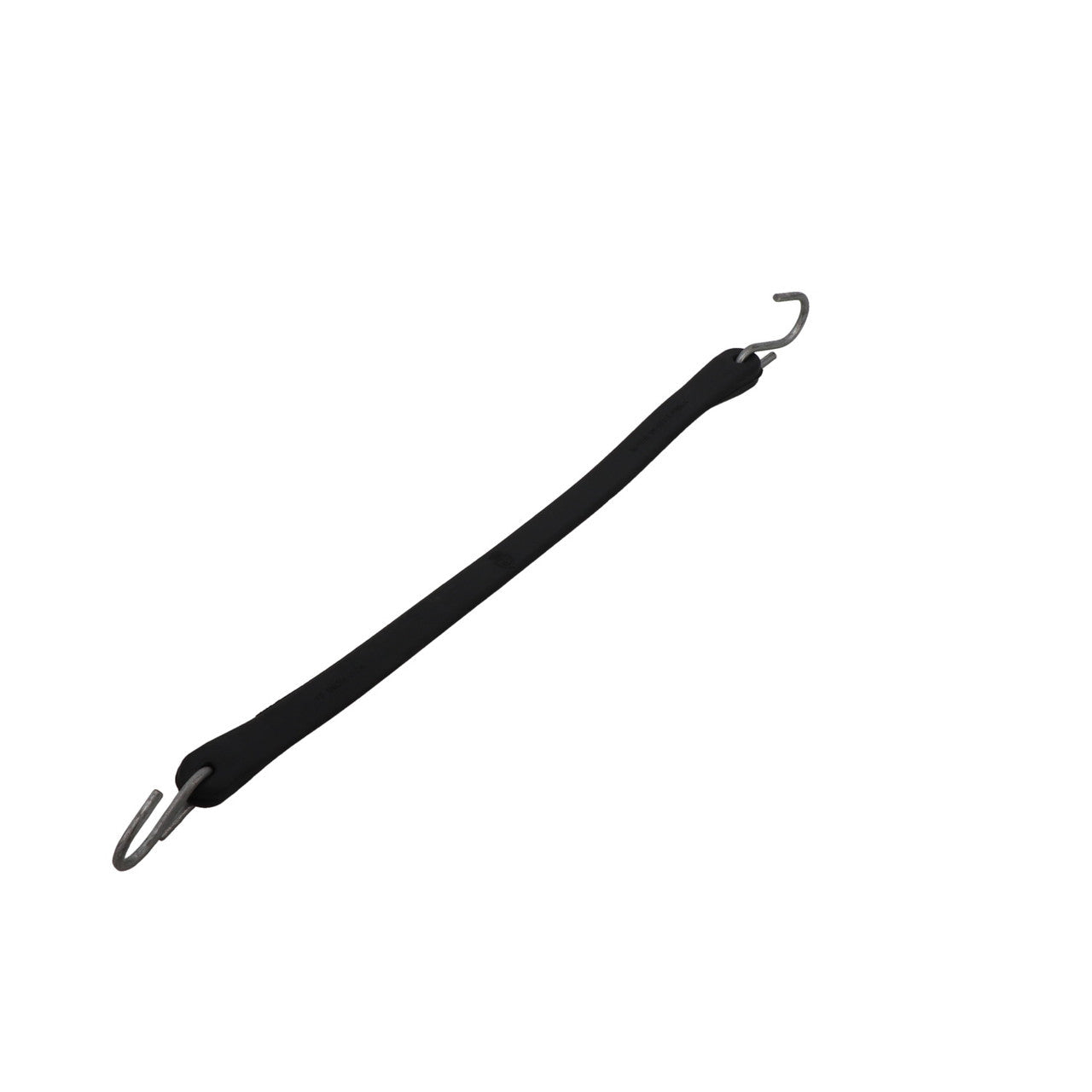
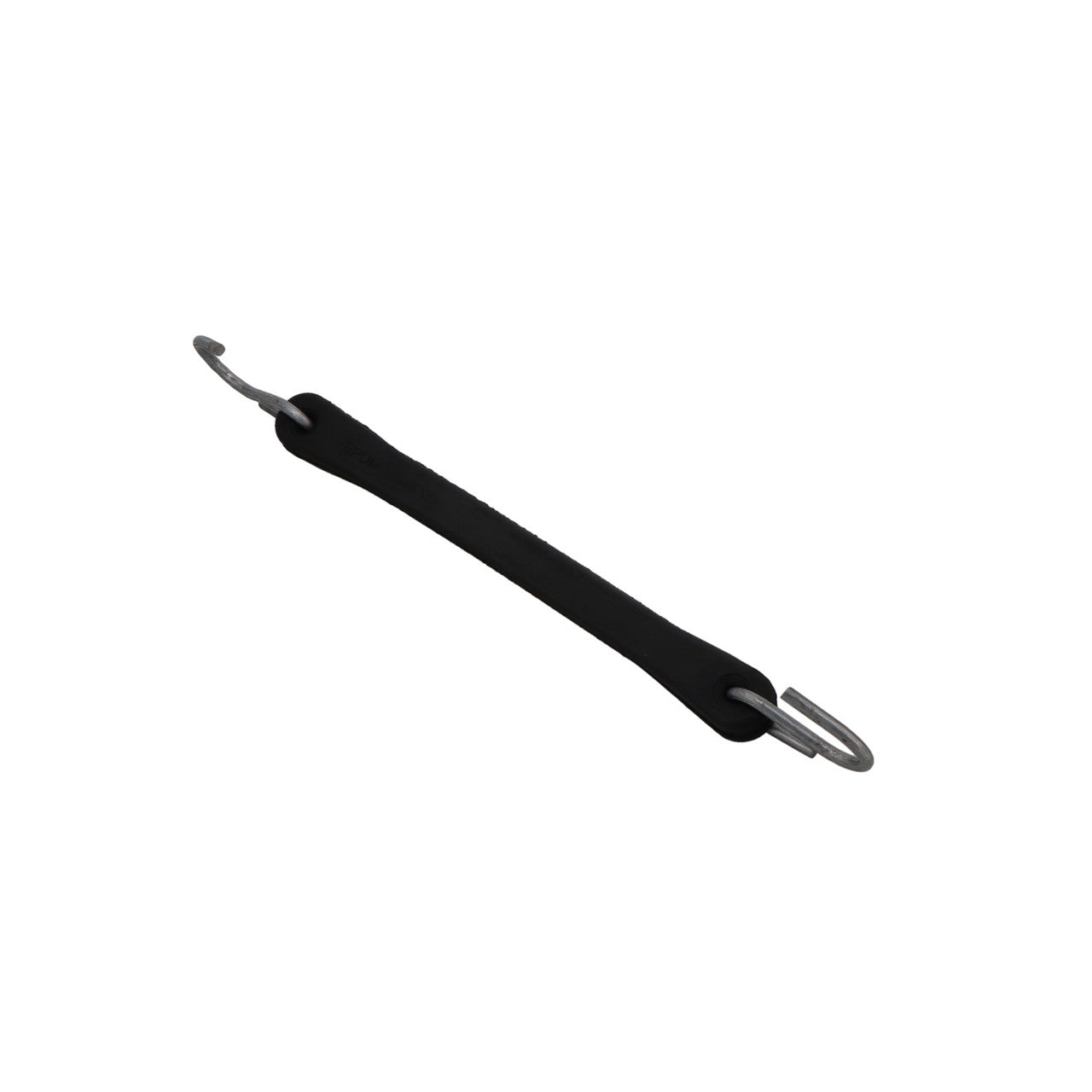
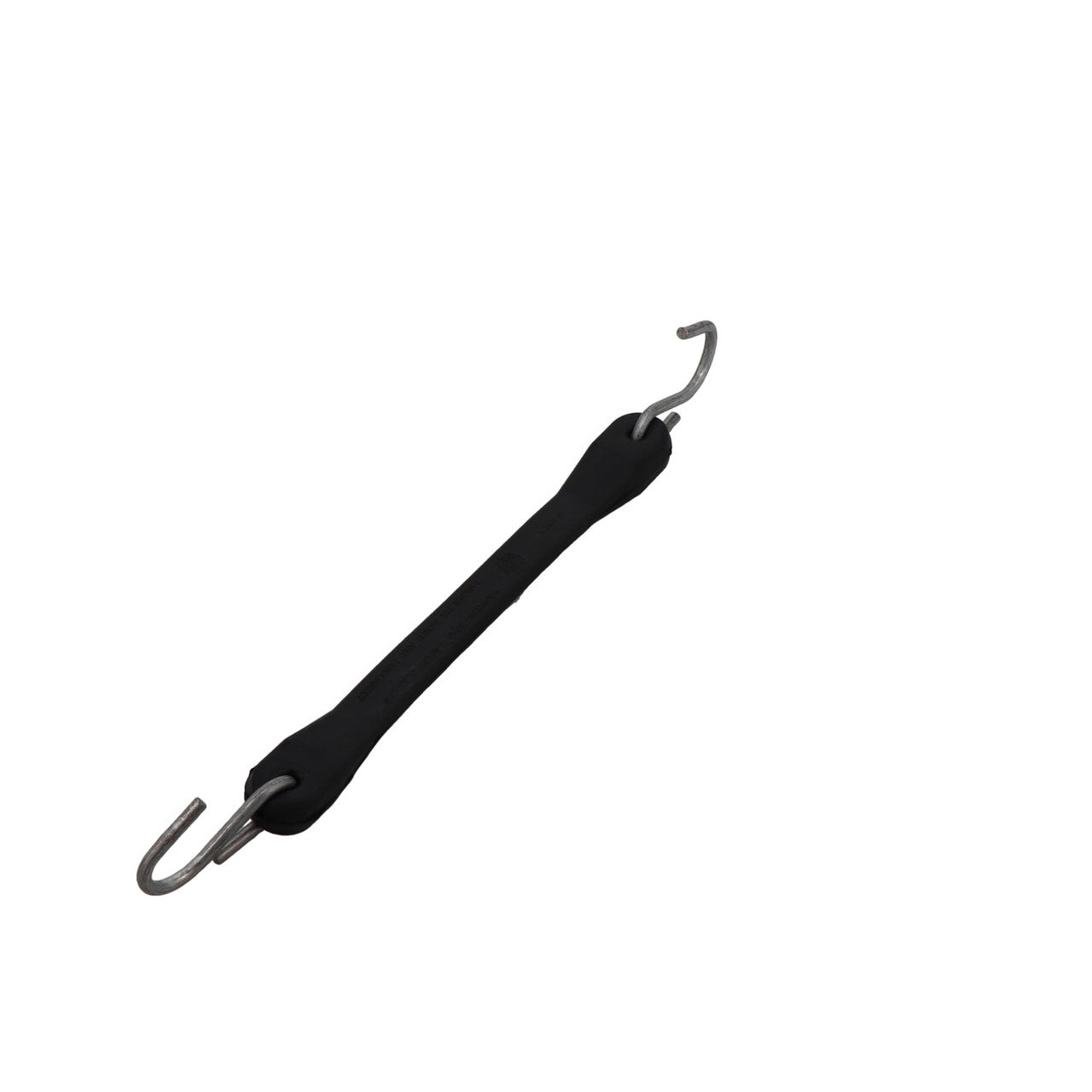
Tarp straps are the rubber tie-downs that keep a flatbed tarp flat and quiet at highway speed, and this collection carries Kinedyne's full run of them in both rubber compounds. These are not load securement. The ratchet straps, chain, and winch straps do the DOT-rated work of holding cargo to the deck; a tarp strap's whole job is to pull the tarp itself drum tight over that load so wind cannot get under a corner and start it flapping, chafing, or peeling off down the interstate. You choose along two axes here: the compound, natural rubber or EPDM, and the length, from a short 9 inch tie for a tight grommet gap up to a 41 inch strap that reaches across a wide bow. Everything ships by the box of 50 with tempered, zinc-plated S-hooks already crimped on both ends. The guide below walks the compound choice, the sizing, and how you actually rig them.
Compare Tarp Ties
| Model | Price | Part Number | Strap Length | Overall Length | Maximum Safe Stretch (End to End) | |
|---|---|---|---|---|---|---|
| Kinedyne 41" EPDM Rubber Tarp Tie | $129 | 2241EPDM | 41" | 45" | 62" | View → |
| Kinedyne 41" Natural Rubber Tarp Tie | $114 | 2241NR | 41" | 45" | 62" | View → |
| Kinedyne 31" EPDM Rubber Tarp Tie | $95 | 2231EPDM | 31" | 35" | 47" | View → |
| Kinedyne 31" Natural Rubber Tarp Tie | $77 | 2231NR | 31" | 35" | 47" | View → |
| Kinedyne 21" EPDM Rubber (Ethylene Propylene Diene Monomer) Tarp Tie | $68 | 2221EPDM | 21" | 25" | 32" | View → |
| Kinedyne 21" Natural Rubber Tarp Tie | $58 | 2221NR | 21" | 25" | 32" | View → |
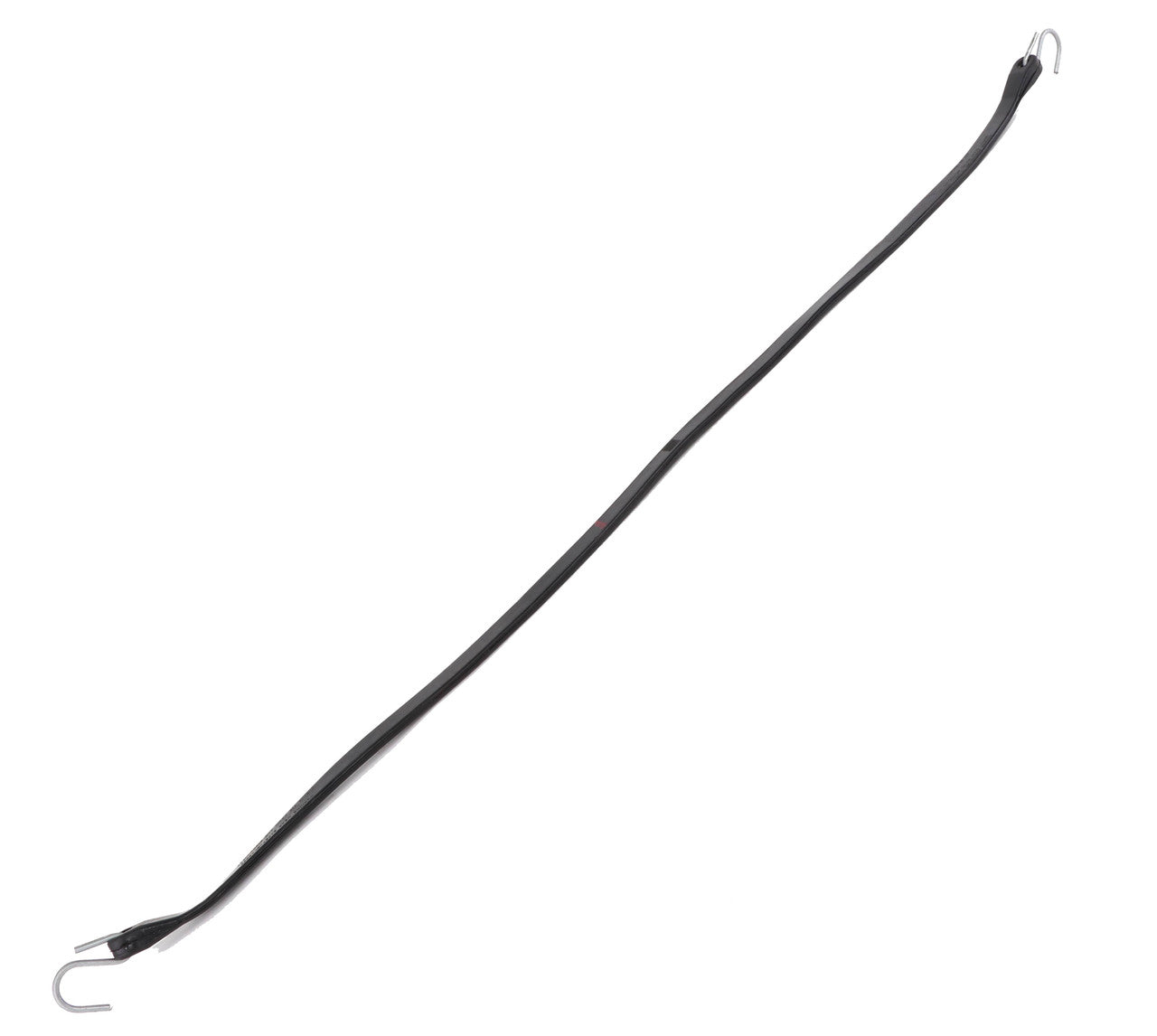 In Stock
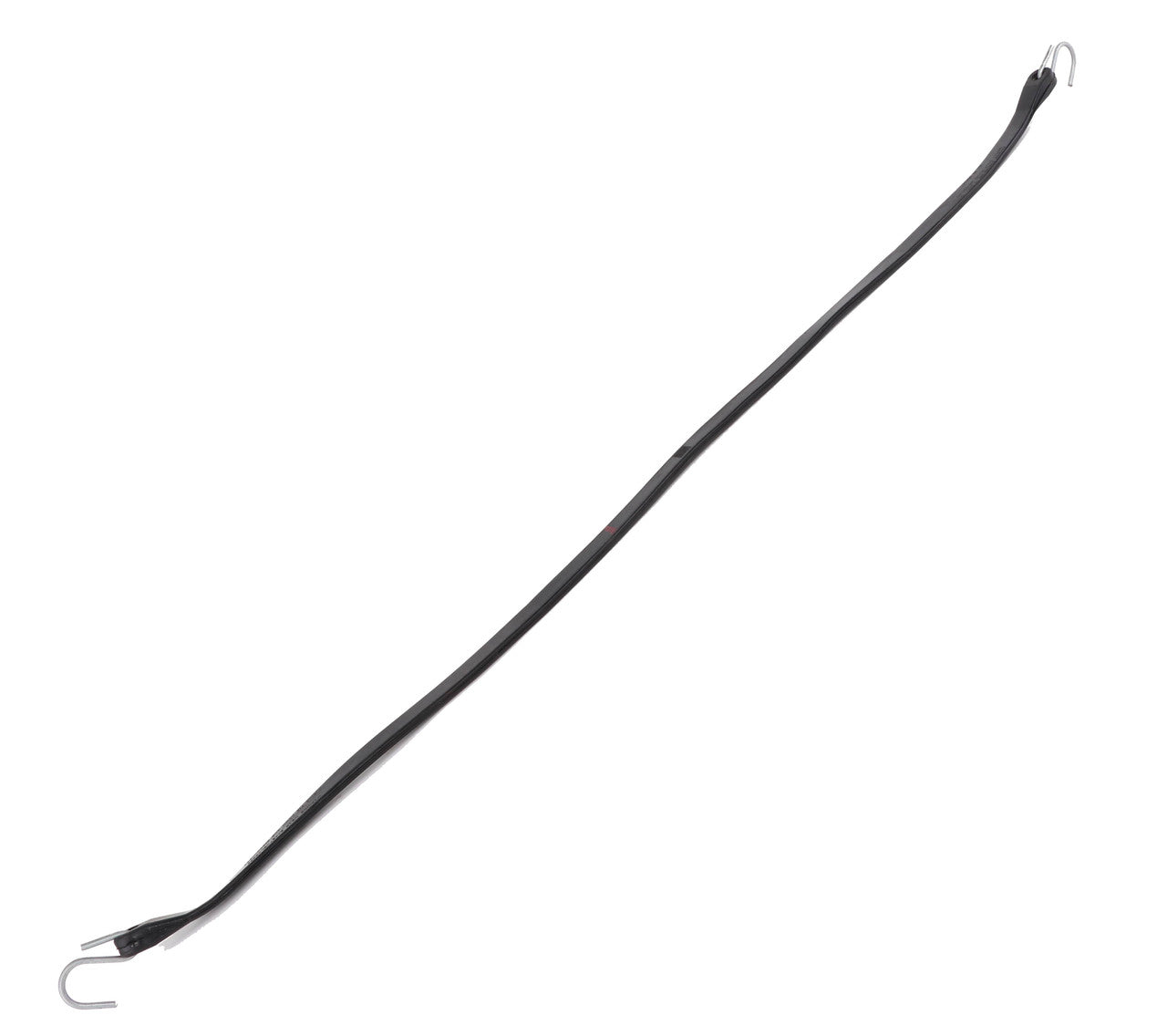 In Stock
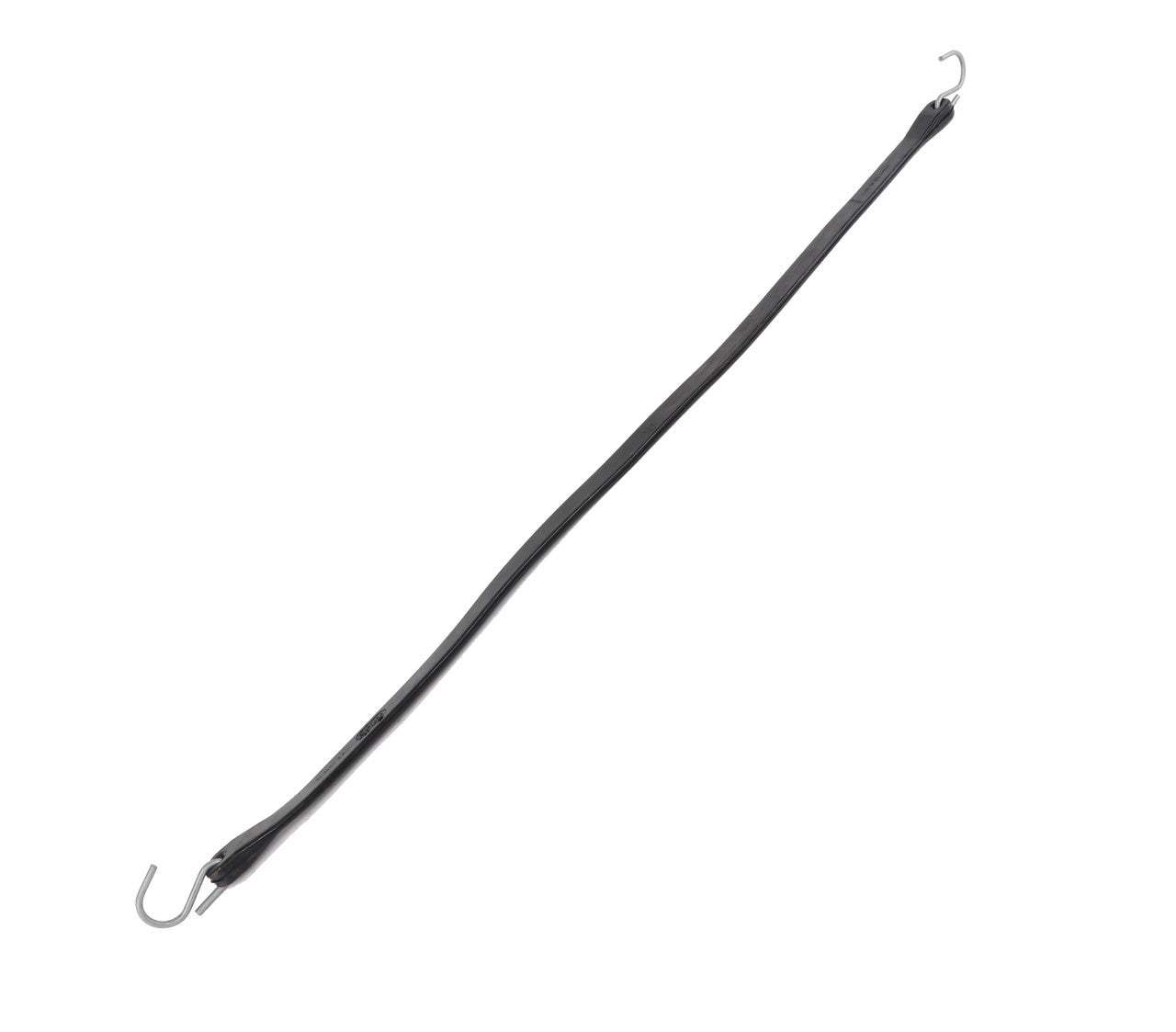 In Stock
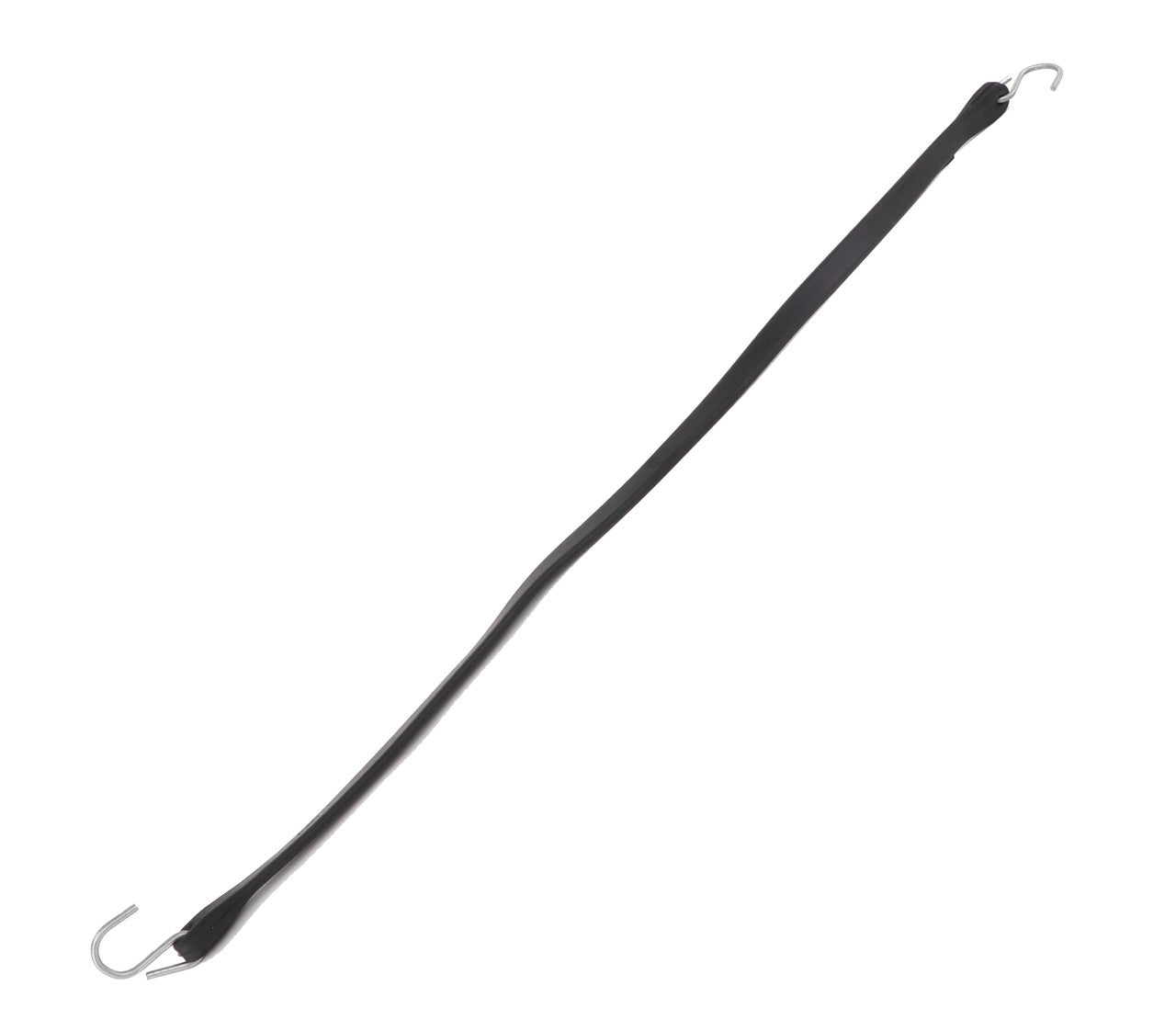 In Stock
 In Stock
 In Stock
 In Stock
 In Stock
 In Stock
 In Stock
Tarp Ties Buying Guide
A tarp strap holds the tarp, not the cargo. Keep the two jobs separate. Cargo securement is arithmetic with legal consequences, and the hardware that does it lives elsewhere in this hub: ratchet straps over the load, and chain binders and lashing chains on the loads with edges that saw through webbing. Those hold the freight to the deck and count toward the FMCSA aggregate working load limit. Tarp straps come after that, once the cargo is already tied and the tarp is pulled over it. Their only job is to keep that tarp tight against wind, so it protects the load from rain, road spray, and debris instead of ballooning loose and tearing itself apart. Treat a tarp strap as a load tie-down and you have an unsecured load, because a stretch of rubber has no rated working load limit.
Natural rubber or EPDM: the compound sets the lifespan. This is the real decision, and every tie here is offered both ways. Natural rubber is the more elastic compound, stretches farther and snaps back harder for the money, and it stays pliable in the cold, which is why it is the default for general trucking and the lower-priced option in each length. What it does not love is sun. Ultraviolet light and ozone attack natural rubber over time, drying it out until it checks and cracks. EPDM, ethylene propylene diene monomer, is engineered for exactly that exposure: it shrugs off UV, ozone, and heat, so it holds its stretch far longer on trucks that live outdoors, run the sun belt, or cross the desert. Pay the small EPDM premium for straps that see hard sun and heat all year; run natural rubber where cost and cold-weather flex matter more than service life.
Size by the gap you span, not the weight. Length here is the strap body, and you pick it by the distance from your tarp grommet to the anchor point at rest, then leave room to stretch. The run goes 9, 15, 21, 31, and 41 inches. The usable reach is longer than the name: the 9 inch tie measures about 12.5 inches over the crimped hooks and stretches safely to roughly 16.5 inches, the 31 inch runs about 35 inches overall with a max safe stretch near 47 inches, and the 41 inch reaches about 45 inches overall and stretches to roughly 62 inches. Short ties handle tight grommet-to-rub-rail gaps and hold the most tension; the long ones bridge wide bows and deep side drops. A strap stretched near its safe limit holds its bite; one that hangs slack lets the tarp flap. Keep a couple of lengths on the truck rather than forcing one size to do everything.
The S-hook, the grommet, and even tension. Both ends arrive with a crimped, tempered-steel S-hook finished in zinc plating to fight corrosion in road salt and weather. The temper leaves them formable, so you can bend a hook open or tighter to match a stubborn grommet or a D-ring without it failing. Rigging is simple: hook one end into a tarp grommet or side D-ring, stretch across to the opposite anchor, set the second hook, and repeat at even intervals so the tension is uniform and no single section carries the whole tarp. Space them close along the leading edge and any seam, since that is where wind gets its first grip. Where a tarp edge rides over a sharp corner or an exposed strap crosses one, add corner and web protection so neither the tarp nor the tie abrades through, and reach for the reversible banners in flags when the tarped load runs oversize.
Buying by the box and pulling the cracked ones. Tarp ties are a consumable, and Kinedyne packages them 50 to a box, fully assembled, so a box runs from around $49 for the 9 inch natural rubber up to about $130 for the 41 inch EPDM, roughly a dollar or two per tie depending on length and compound. Keep spares in the side box, because these are the item you lose and wear out fastest. Inspect them the way you inspect everything else: pull any tie that shows surface cracking, dry rot, or UV checking, that has gone stretched-out and lost its snap, or whose S-hook has straightened or corroded through the plating. A dead tarp strap lets the tarp lift, and a lifting tarp at speed can shred itself and whatever it was protecting long before you notice in the mirror. At these prices, retire the questionable ones and move on.
Frequently Asked Questions
No. Rubber tarp straps hold the tarp in place; they carry no rated working load limit and do not count toward FMCSA securement. Secure the freight first with ratchet straps, winch straps, or chain and binders to meet the aggregate working load limit, then pull the tarp over the load and use tarp ties only to keep that tarp tight.
Choose EPDM when the straps see hard sun, heat, and ozone, such as year-round outdoor storage or sun belt and desert runs, because EPDM resists UV and ozone and keeps its stretch far longer. Choose natural rubber for maximum stretch and snap-back, better cold-weather flexibility, and a lower price where the ties are not baking in the sun for months on end.
Measure the gap from your tarp grommet to the anchor point with the tarp in place, then pick a length that reaches with stretch to spare. The lineup runs 9, 15, 21, 31, and 41 inches; usable reach is longer than the name, so a 9 inch tie stretches to about 16.5 inches and a 41 inch tie to roughly 62 inches. Short ties give the most tension across tight gaps, long ties bridge wide bows and deep side drops. Carrying two or three lengths covers most loads.
They ship fully assembled, 50 to a box, with crimped zinc-plated tempered-steel S-hooks on both ends. A box runs from about $49 for the shortest natural rubber tie up to roughly $130 for the longest EPDM, which works out to around one to two dollars per tie depending on length and compound.
Pull any tie that shows cracking, dry rot, or UV checking in the rubber, that has stretched out and lost its snap, or whose S-hook has straightened, cracked, or corroded through its zinc plating. Because they are cheap and sold by the box, replace the questionable ones on sight rather than trusting a tired strap to hold a tarp at highway speed.