Davit Crane
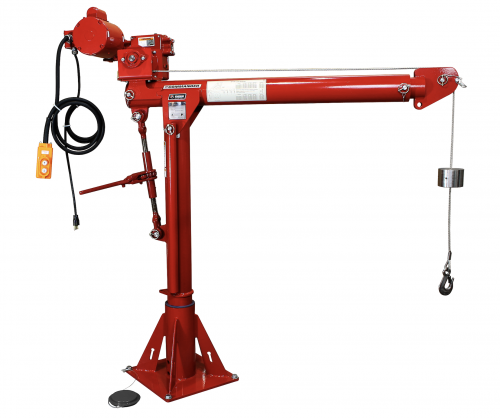
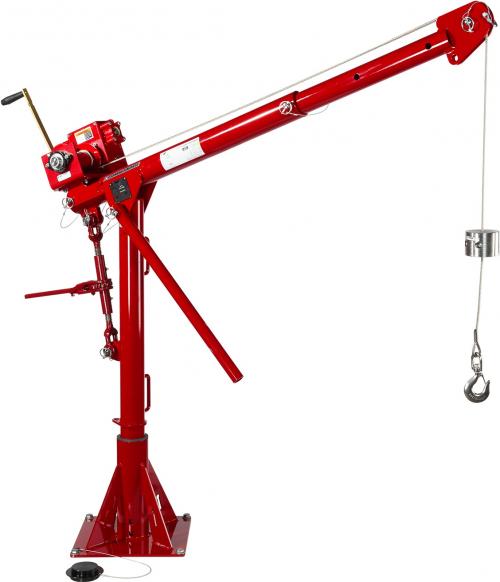
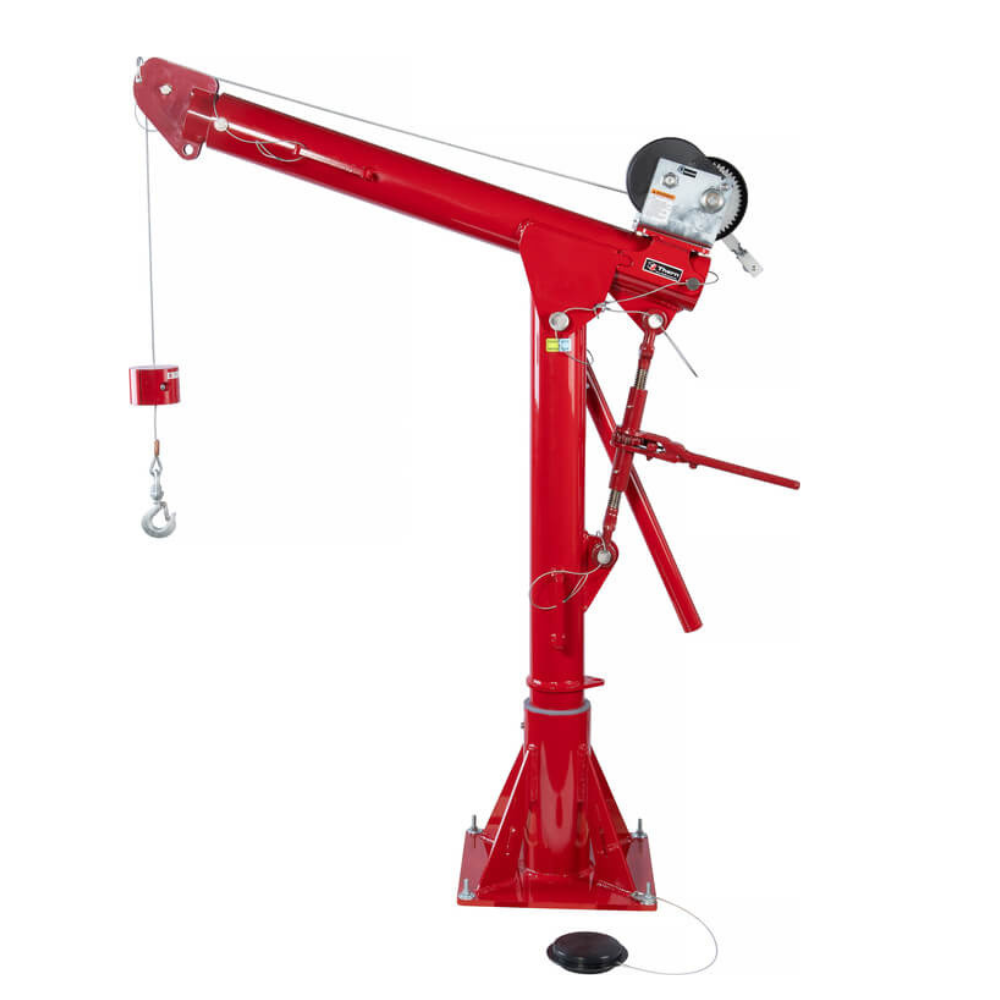
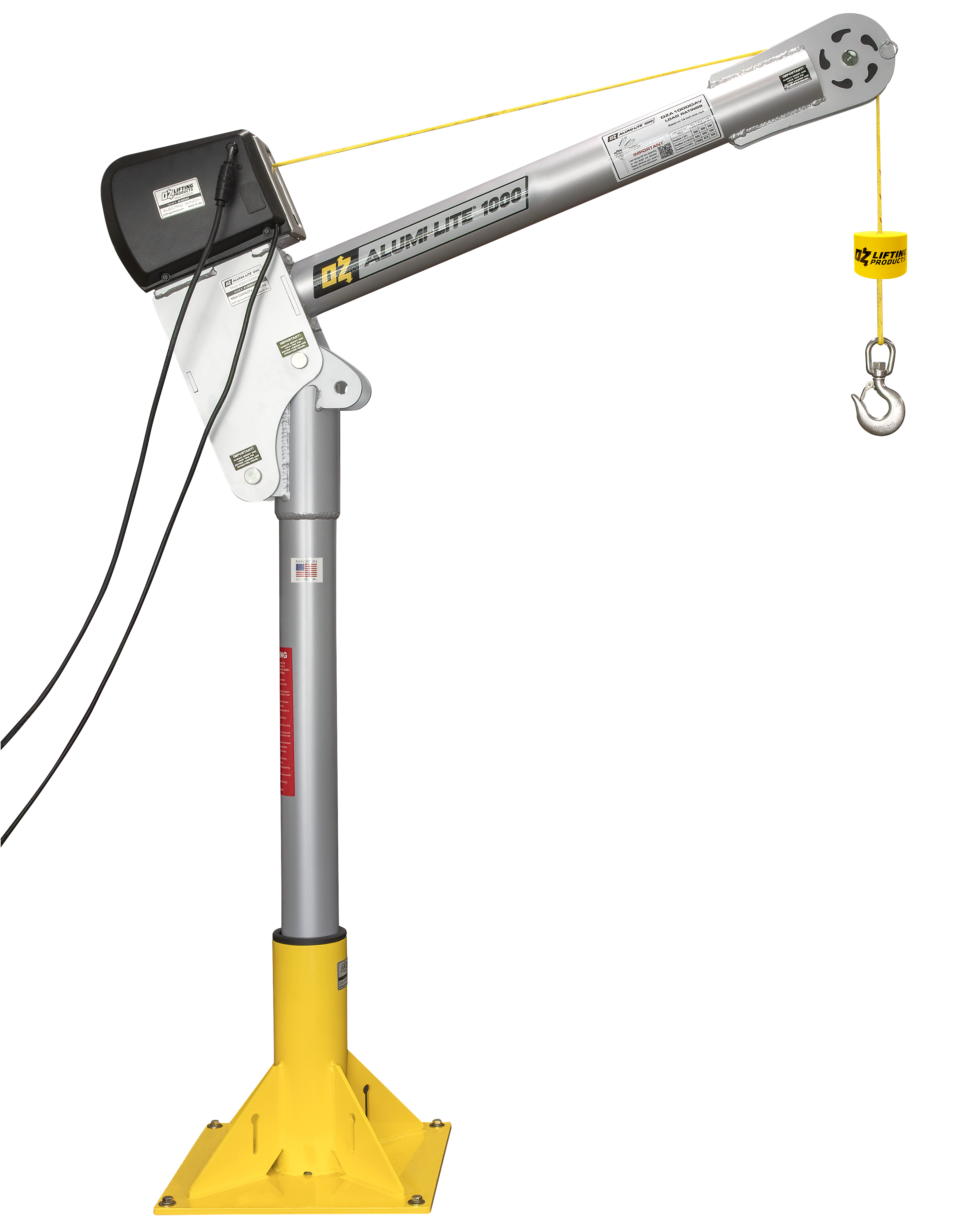
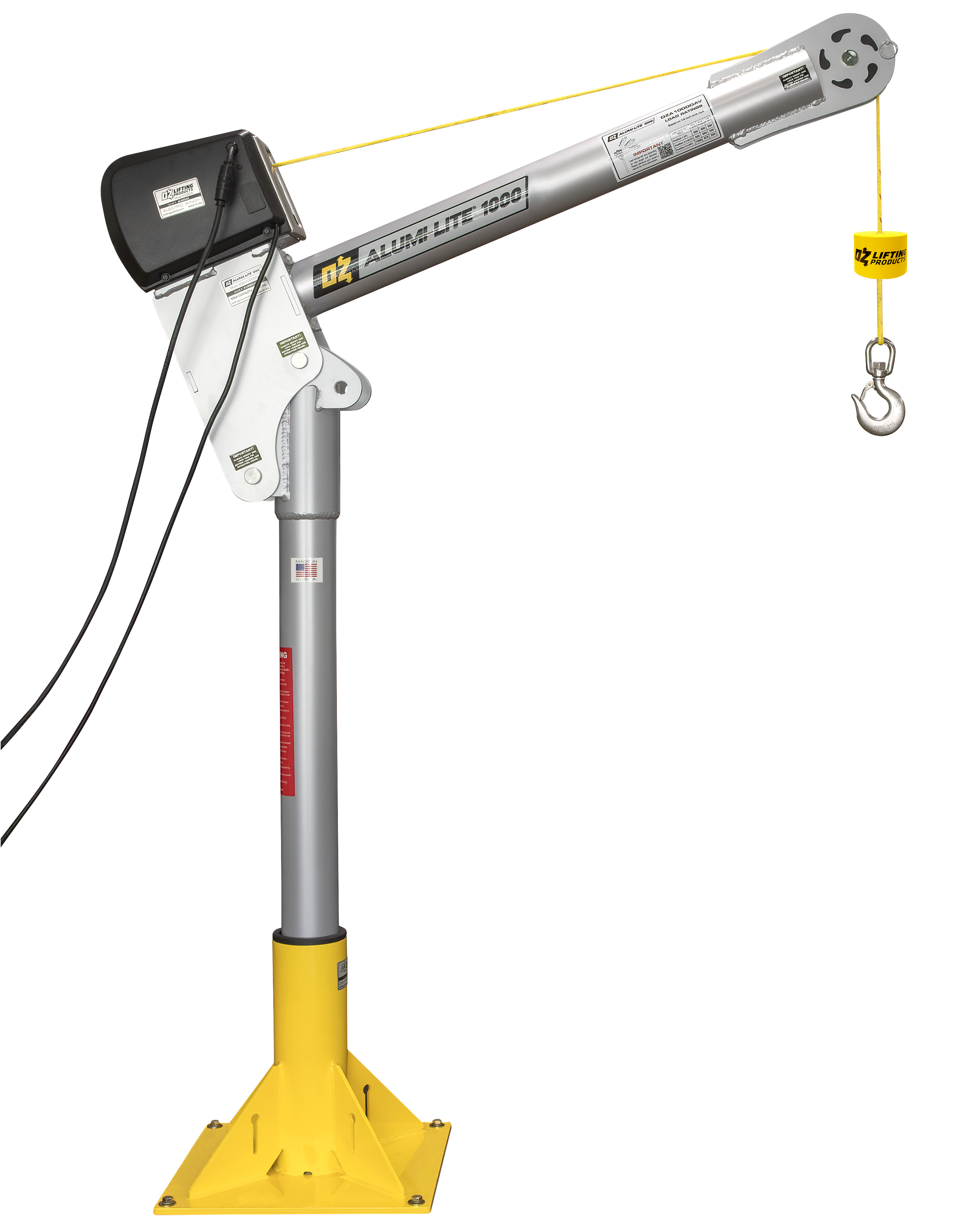
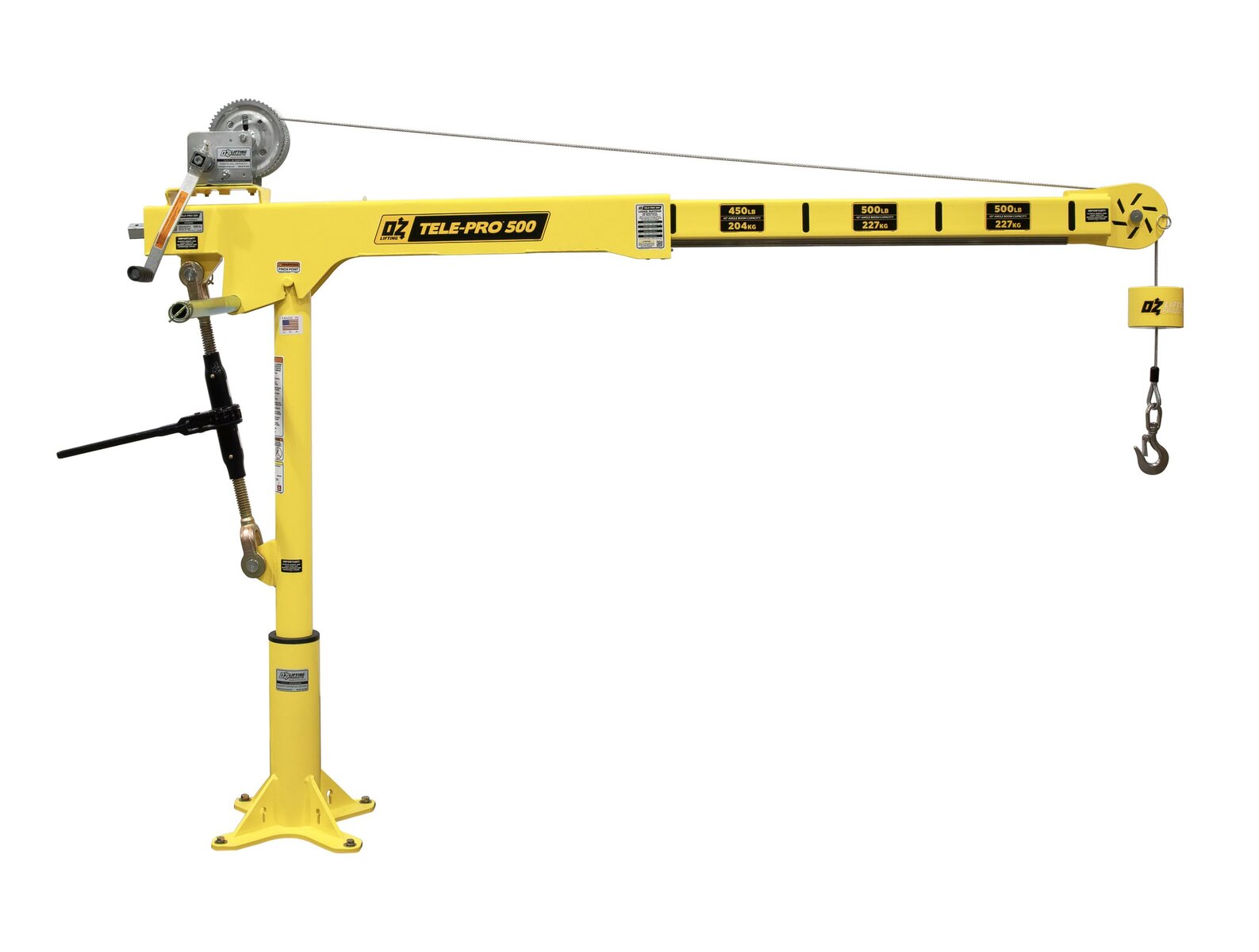
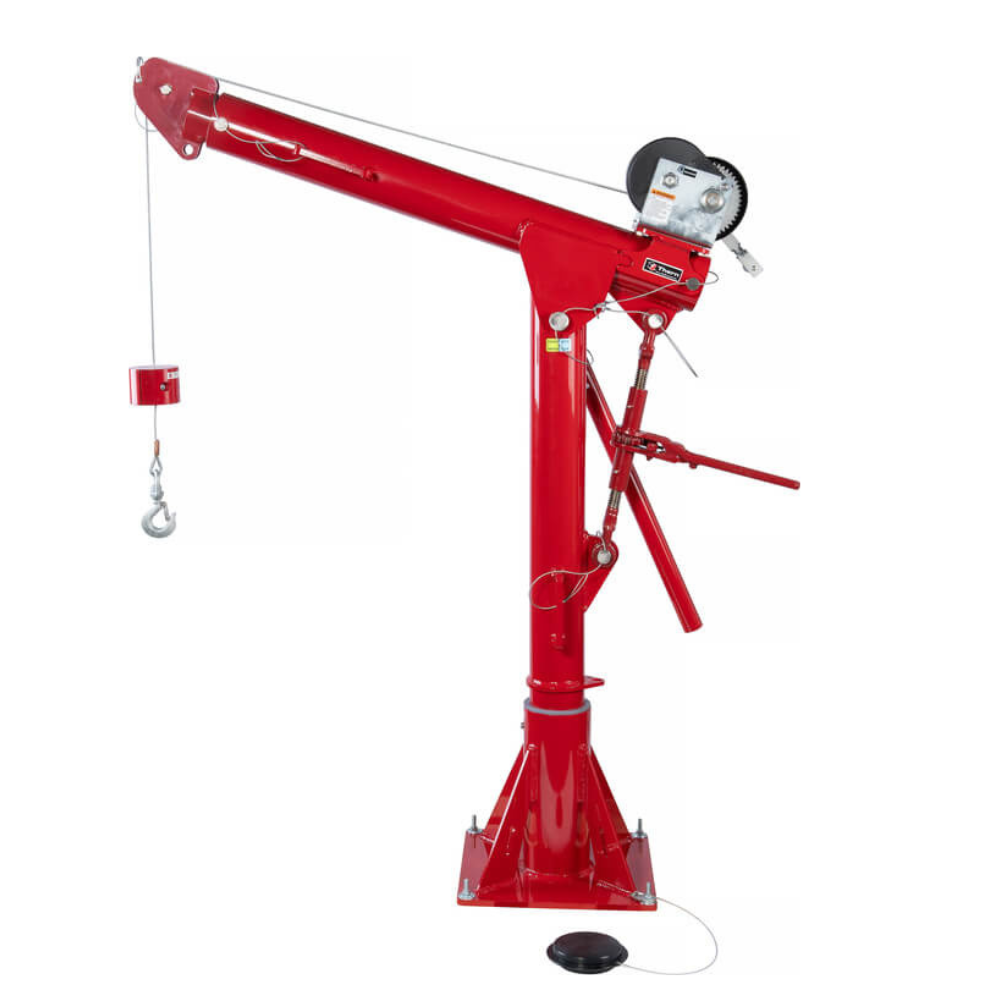
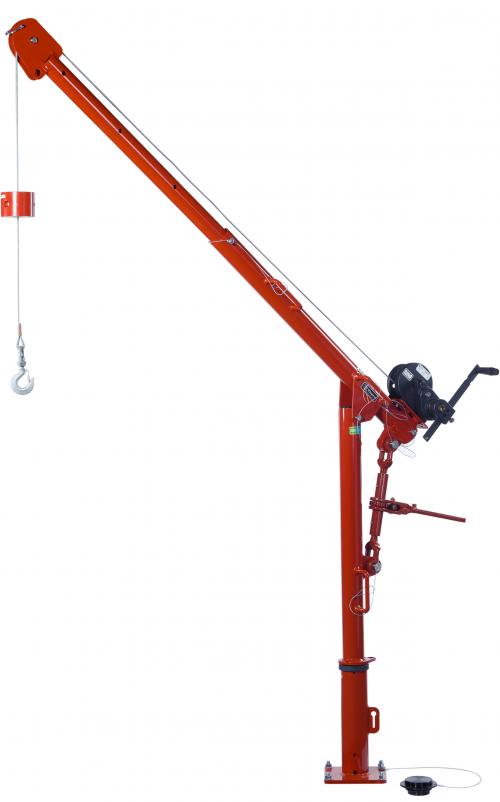
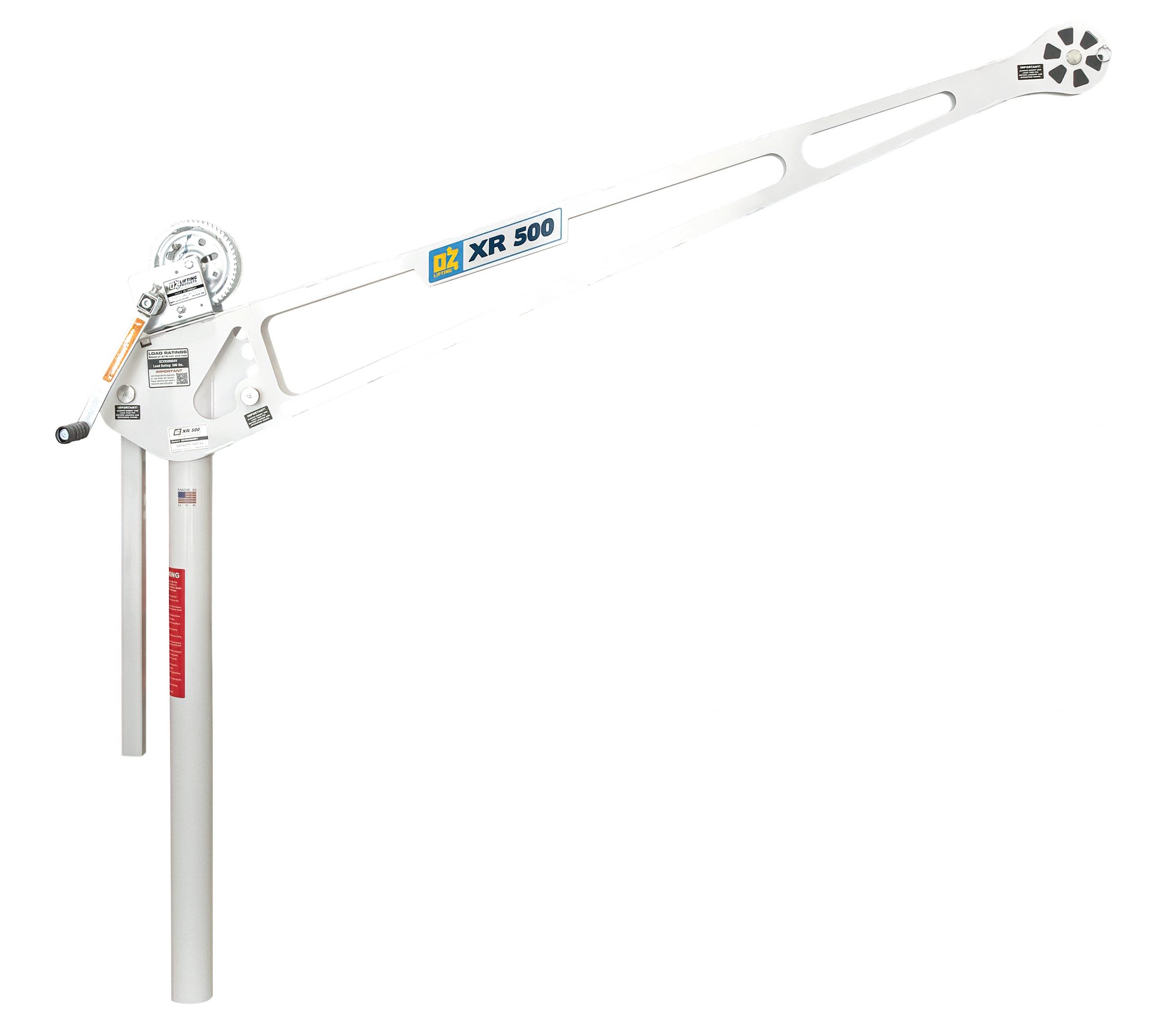
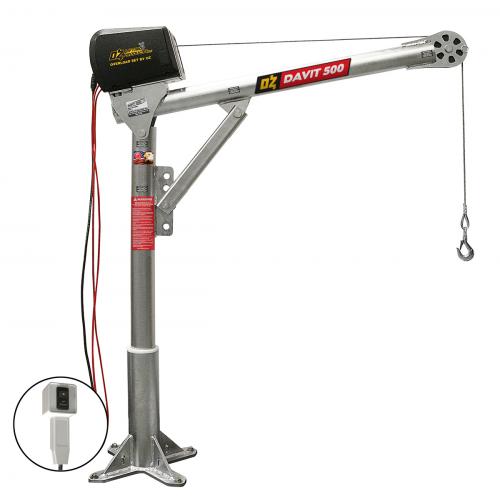
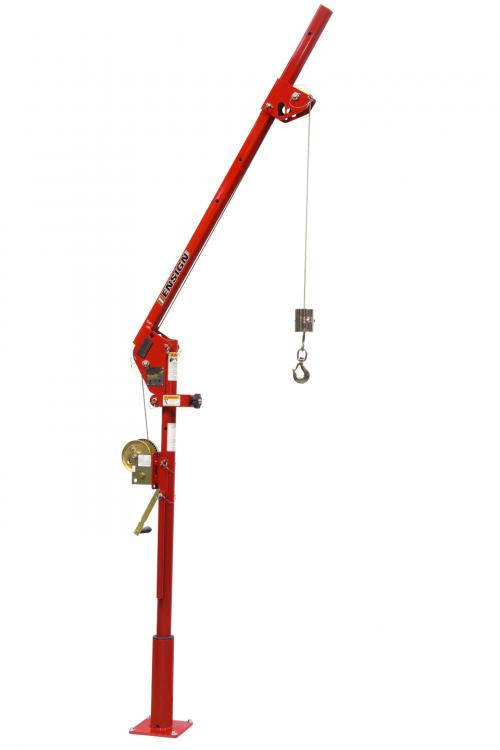
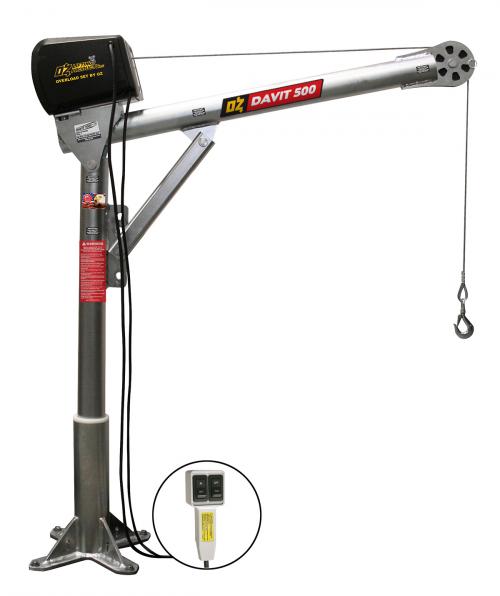
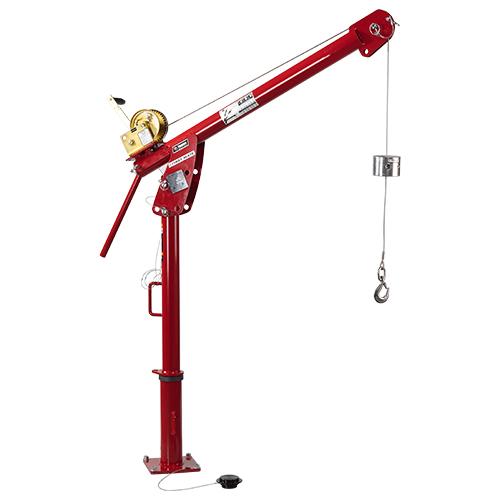
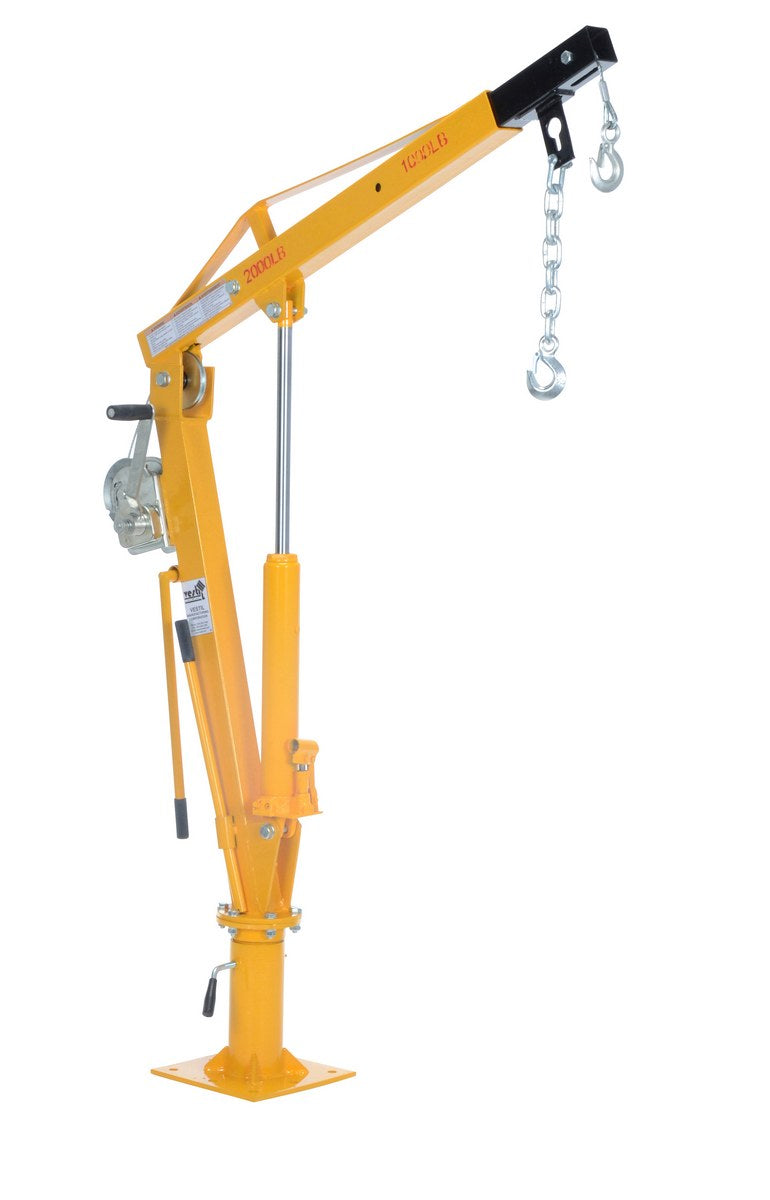
A davit crane is a compact lifting boom that drops into a fixed base, picks a load from a few hundred to a few thousand pounds, and lifts back out so one crane can serve many locations. It is the tool for a lift that repeats at scattered points, over a tank hatch, off a dock, down into a pit, onto a truck bed, or through a manway. We carry the four lines that define the category. Thern builds portable, stationary, and transportable steel davits from 500 to 5,500 lb. OZ Lifting spans steel, aluminum Alumi-LITE, composite, and carbon fiber ELITE, plus the telescoping Tele-Pro and the boat-lifting XR series. REID Lifting makes one-person aluminum PDQ and TDavit units, and Vestil mounts a compact davit to a pickup. The right unit comes down to four calls: how much you lift, where the base goes, how you power the winch, and whether a person ever rides the hook.
Compare Davit Cranes
| Model | Price | Capacity | Drum Layer | |
|---|---|---|---|---|
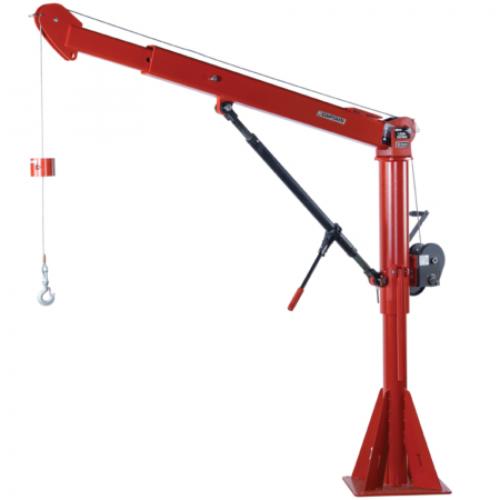
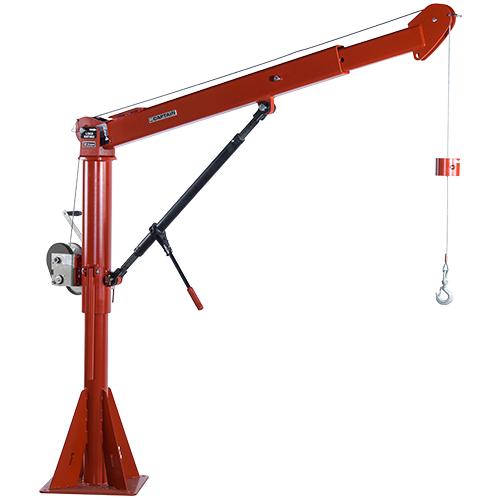
| Thern 5PT30 SERIES 3,000lbs Transportable Davit Crane with Winch | $13,320 | up to 3,000 lb — derates to 2,400 lb; see load rating table | — | View → |
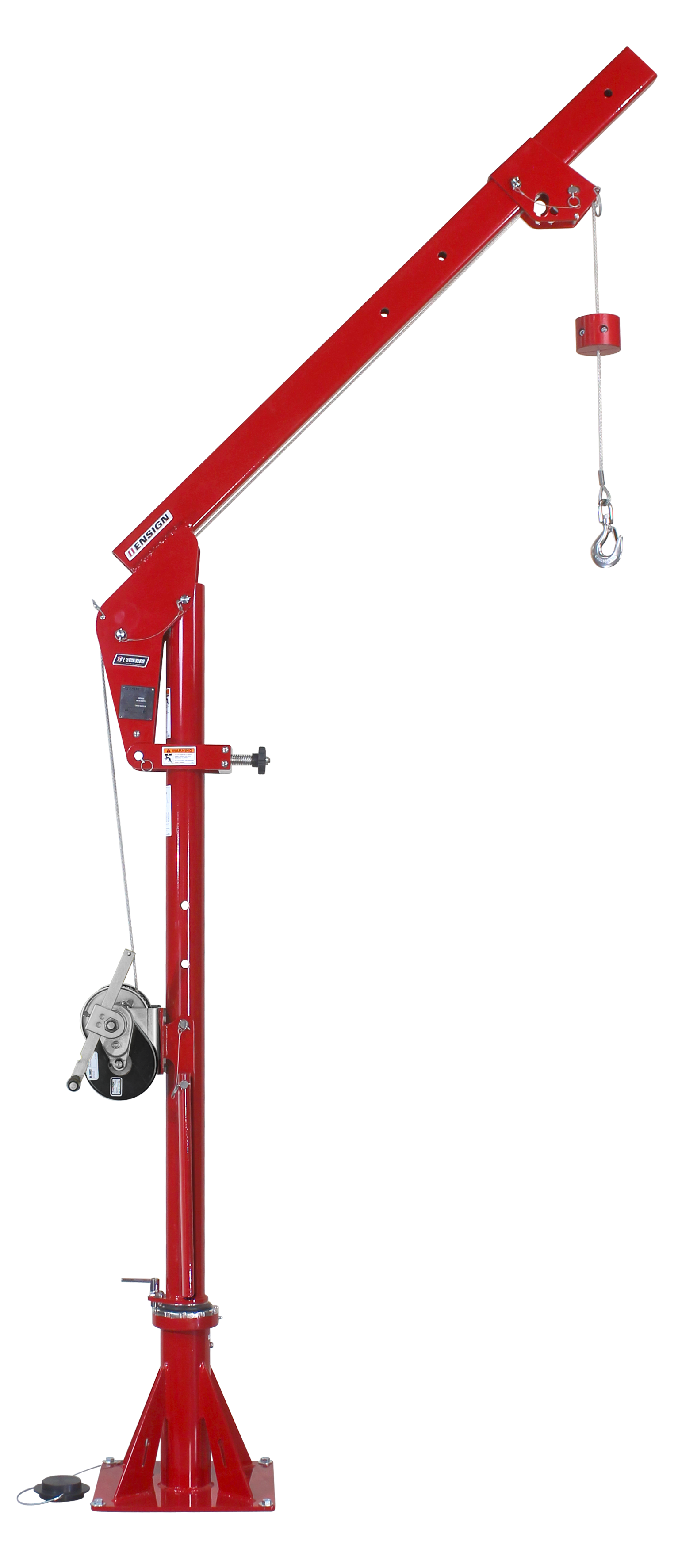
| Thern 5FT40 Series 5,500lbs Stationary Davit Crane with Winch | $12,685 | up to 5,500 lb — derates to 3,000 lb; see load rating table | Figures are 1st-layer ratings; per Thern, load rating may decrease as rope winds onto the winch drum | View → |
| Thern 5FT25 Series 2,800lbs Stationary Davit Crane with Winch | $8,275 | up to 2,800 lb — derates to 1,500 lb; see load rating table | Figures are 1st-layer ratings; per Thern, load rating may decrease as rope winds onto the winch drum | View → |
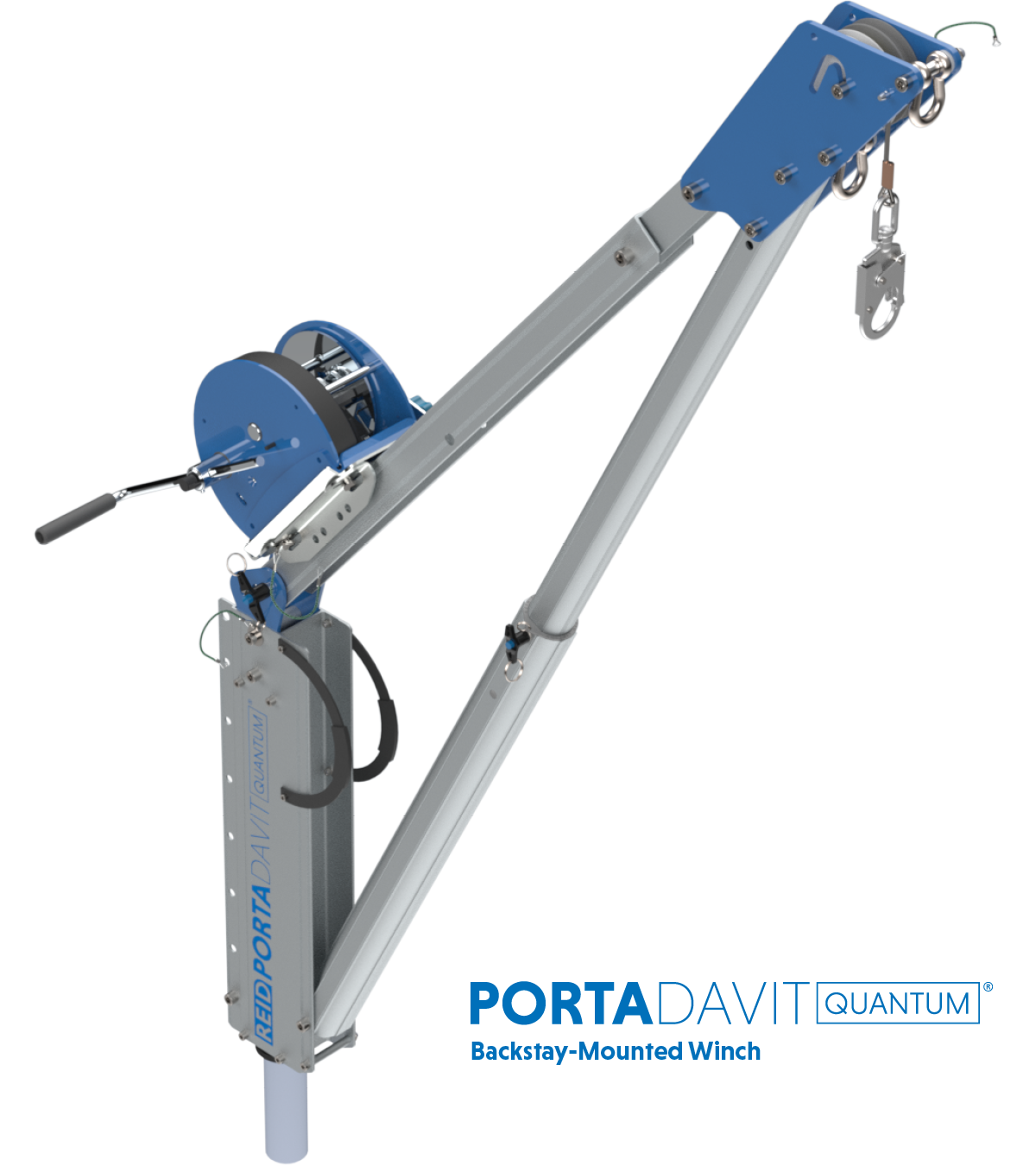
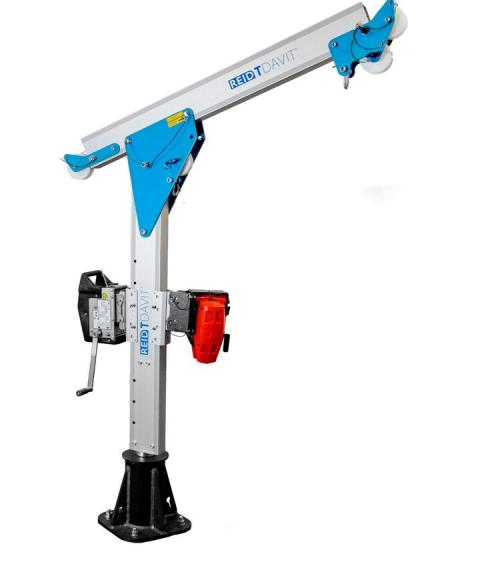
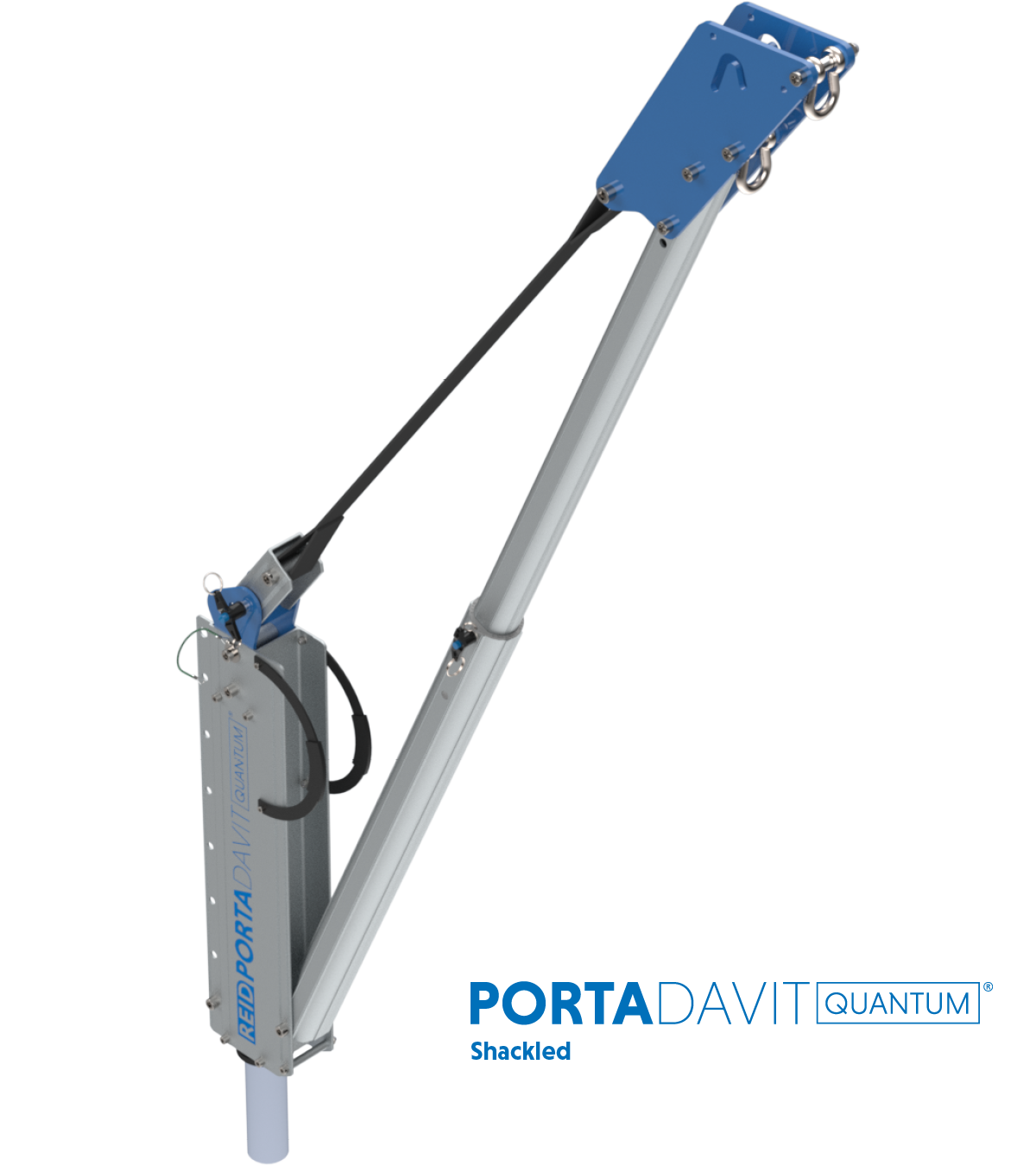
| Reid Lifting PDQ 1100lb Portable Aluminum Davit Crane – Winch & Shackle | $5,967 | 1100 lb | — | View → |
| Thern 5FT20 Series 2,000lbs Stationary Davit Crane with Winch | $5,960 | up to 2,000 lb — derates to 1,000 lb; see load rating table | Figures are 1st-layer ratings; per Thern, load rating may decrease as rope winds onto the winch drum | View → |
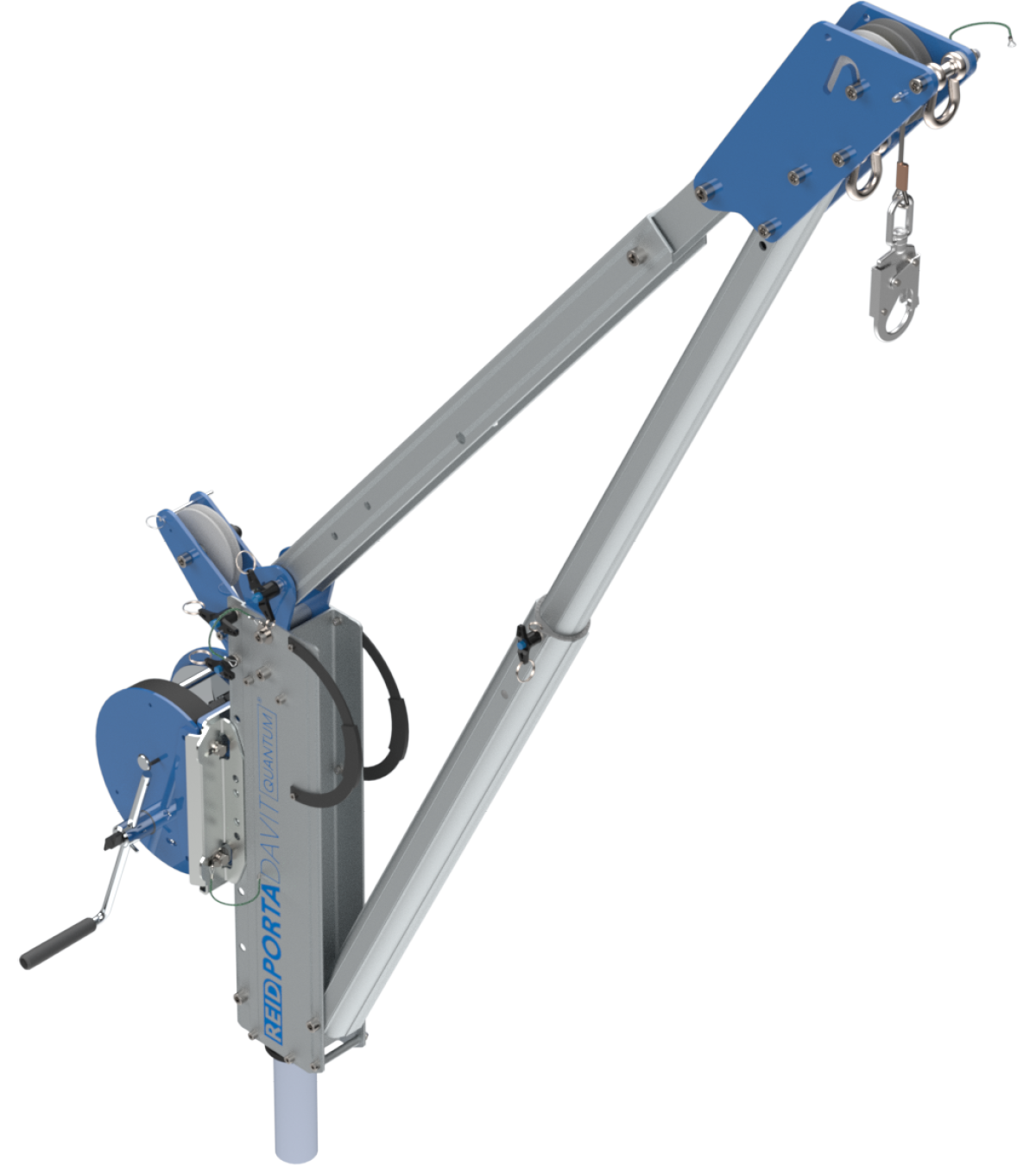
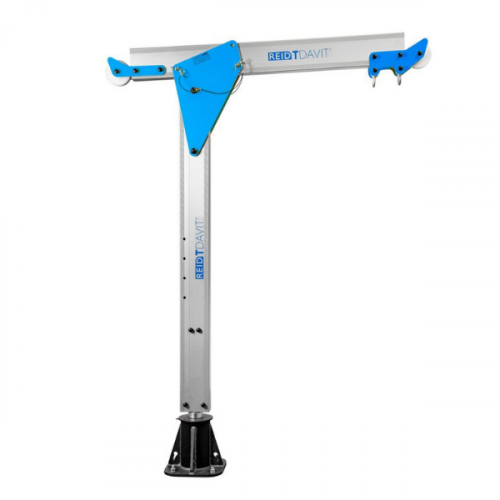
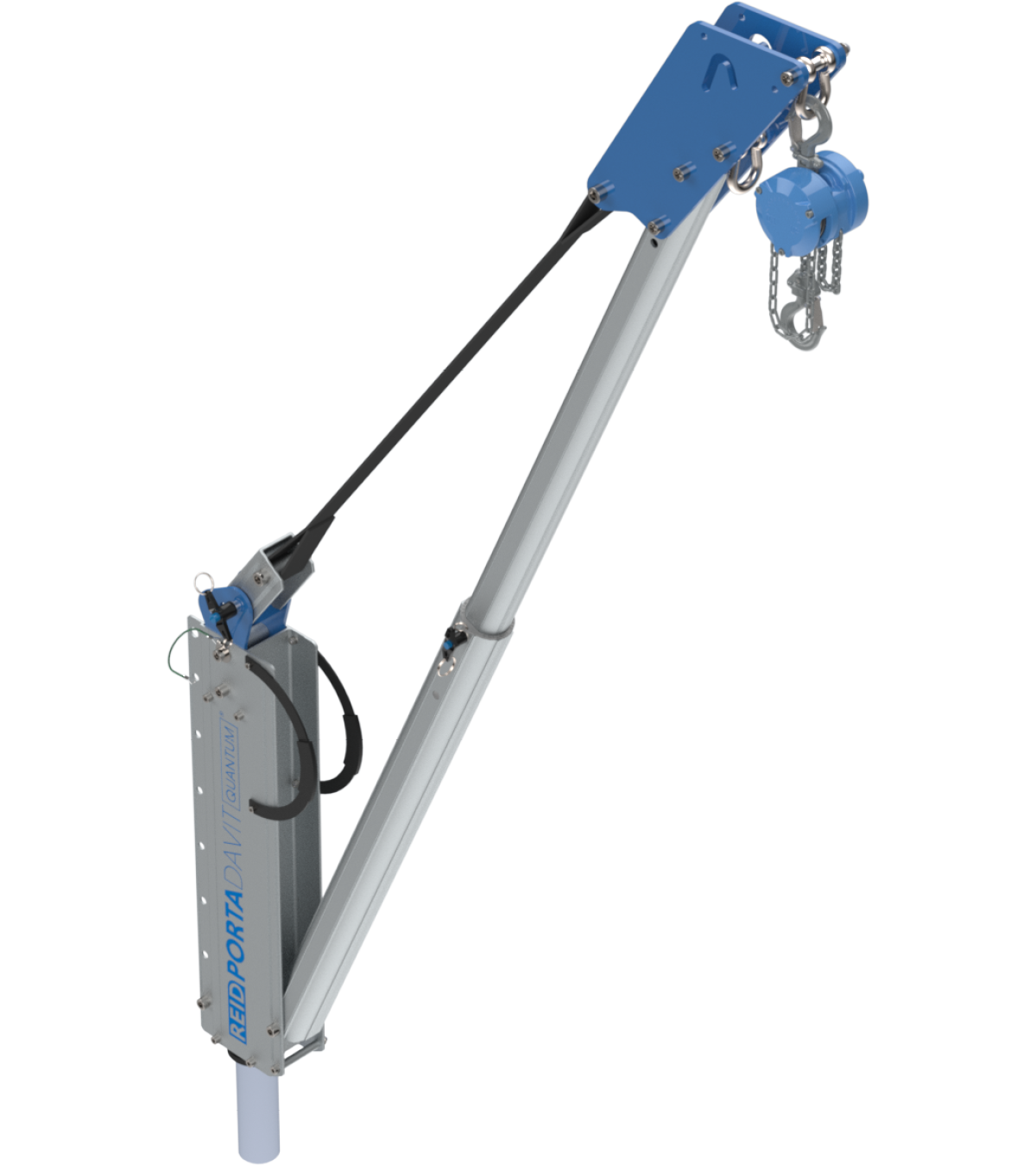
| REID Lifting Winched TDavit Portable Davit Crane | $4,169 | 820-1,100 lb | — | View → |
 In Stock
 In Stock
 In Stock
 In Stock
 In Stock
 In Stock
 In Stock
 In Stock
 In Stock
 In Stock
 In Stock
 In Stock
 In Stock
 In Stock
 In Stock
 In Stock
 In Stock
 In Stock
 In Stock
 In Stock
 In Stock
 In Stock
 In Stock
 In Stock
 In Stock
 In Stock
 In Stock
 In Stock
 In Stock
 In Stock
 In Stock
 In Stock
 In Stock
 In Stock
 In Stock
 In Stock
 In Stock
 In Stock
 In Stock
 In Stock
 In Stock
 In Stock
 In Stock
 In Stock
 In Stock
 In Stock
 In Stock
 In Stock
 In Stock
 In Stock
 In Stock
 In Stock
 In Stock
 In Stock
 In Stock
 In Stock
 In Stock
 In Stock
 In Stock
Davit Cranes Buying Guide
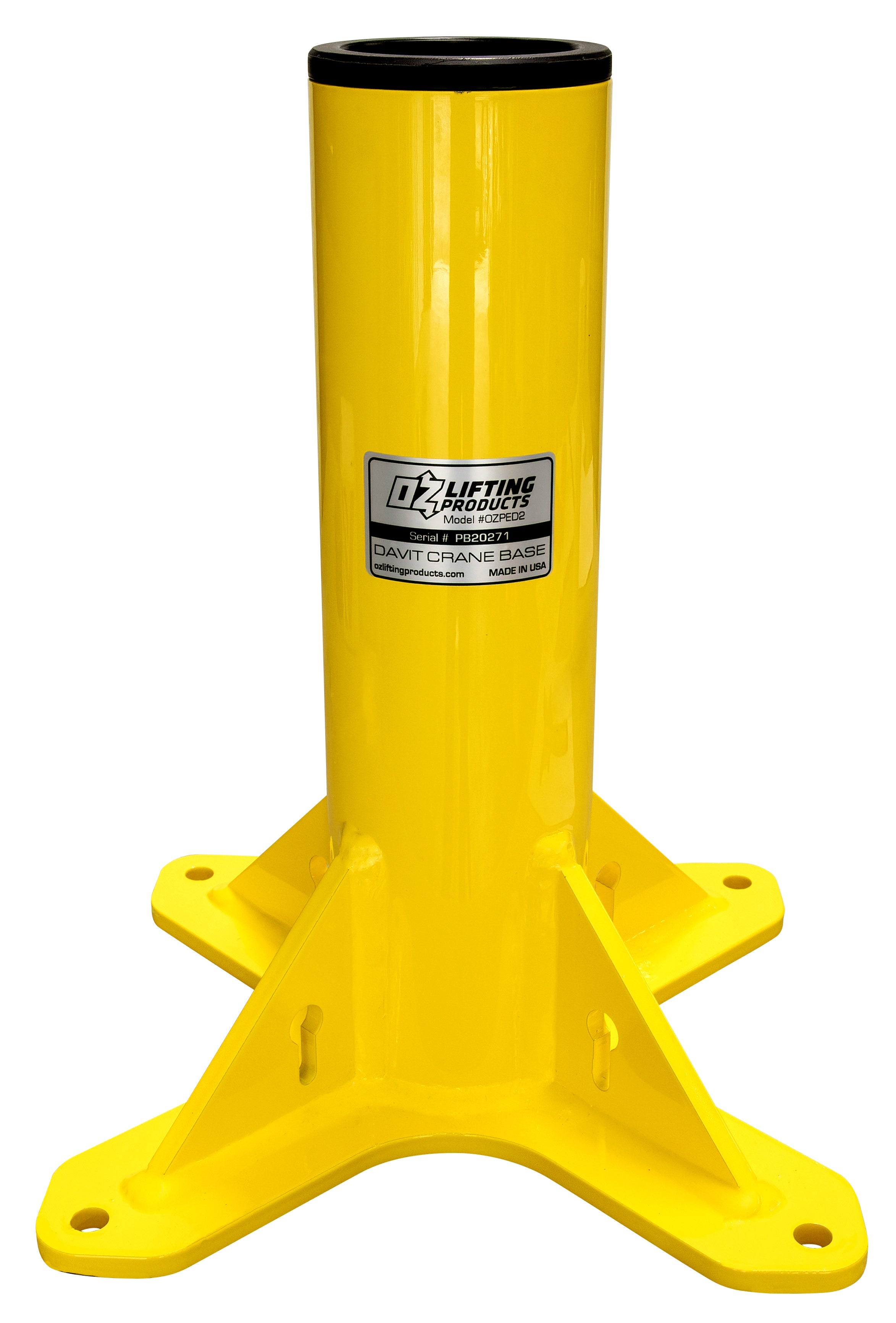
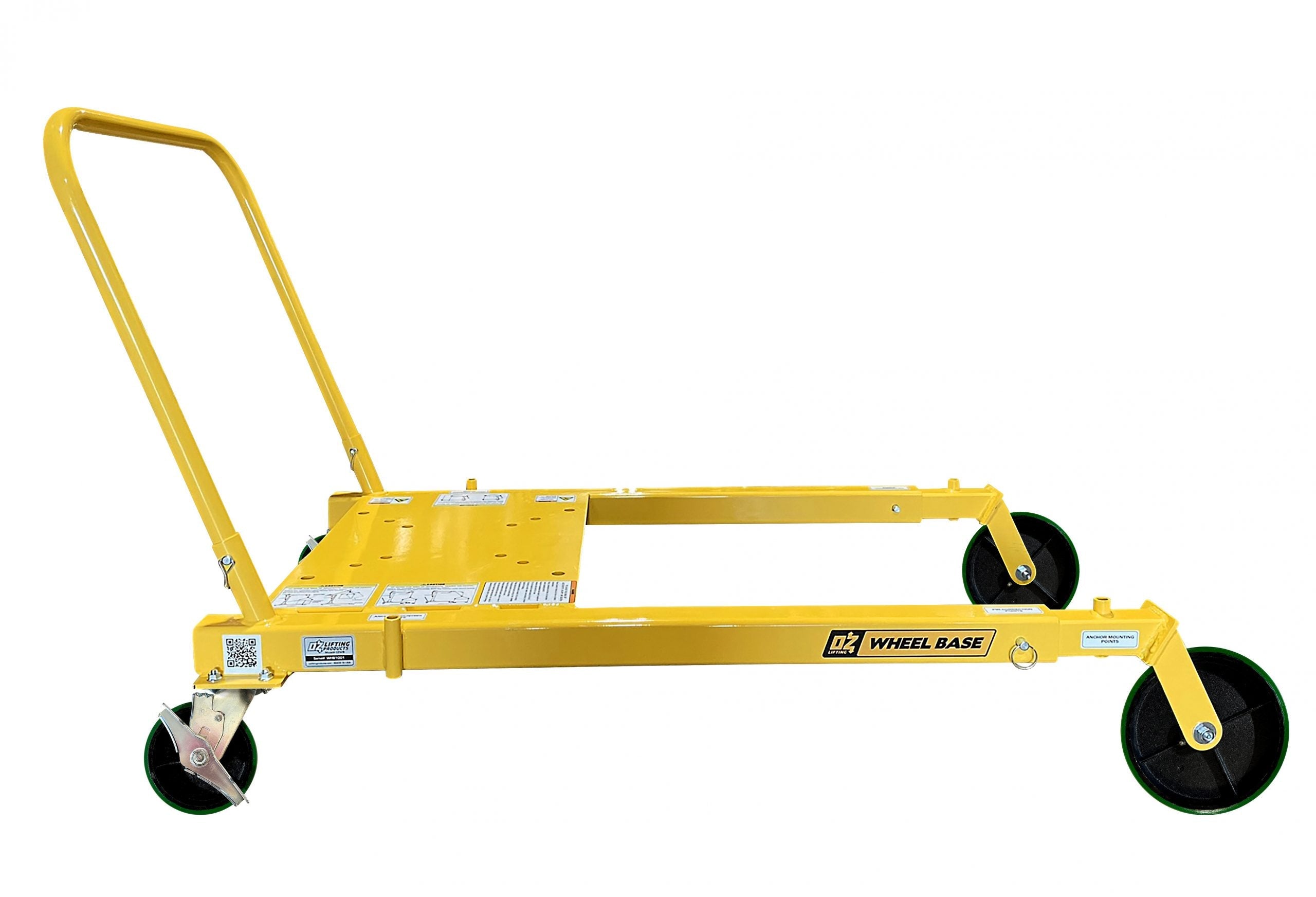
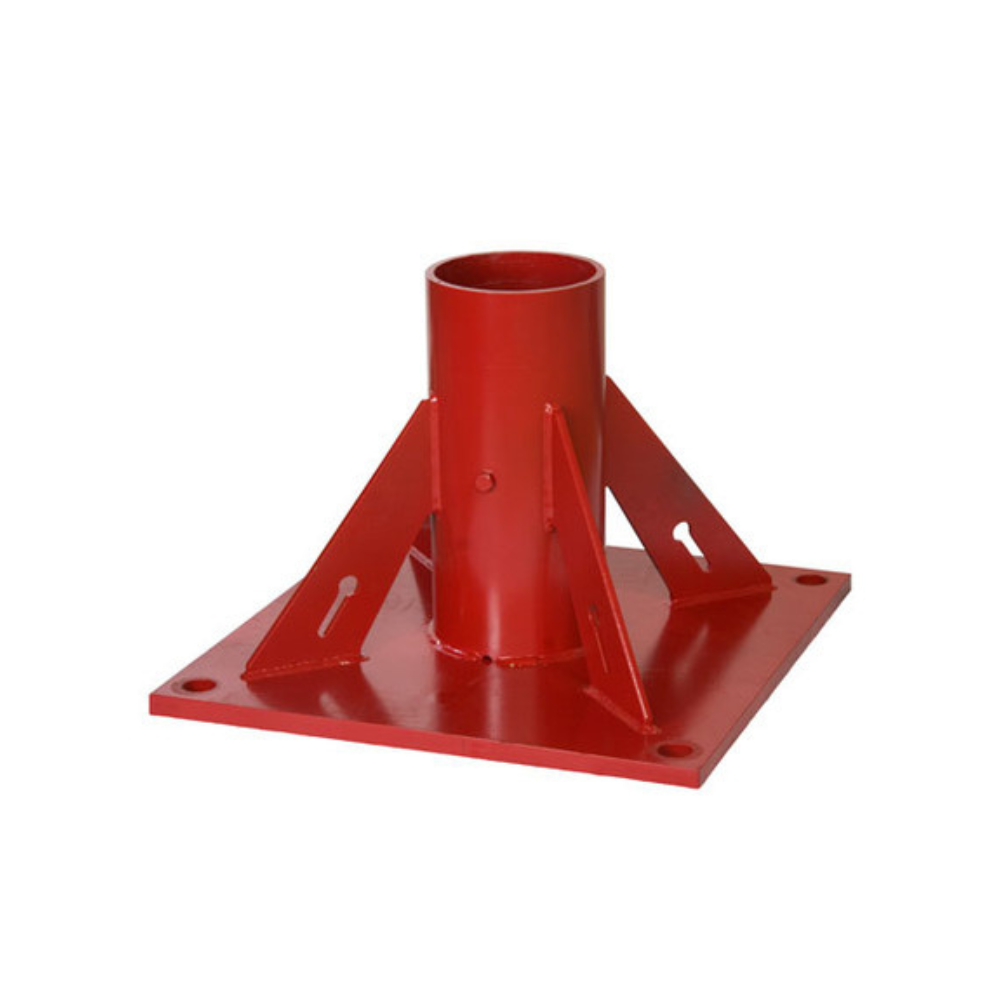
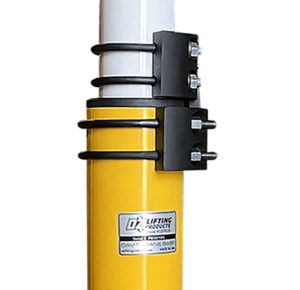
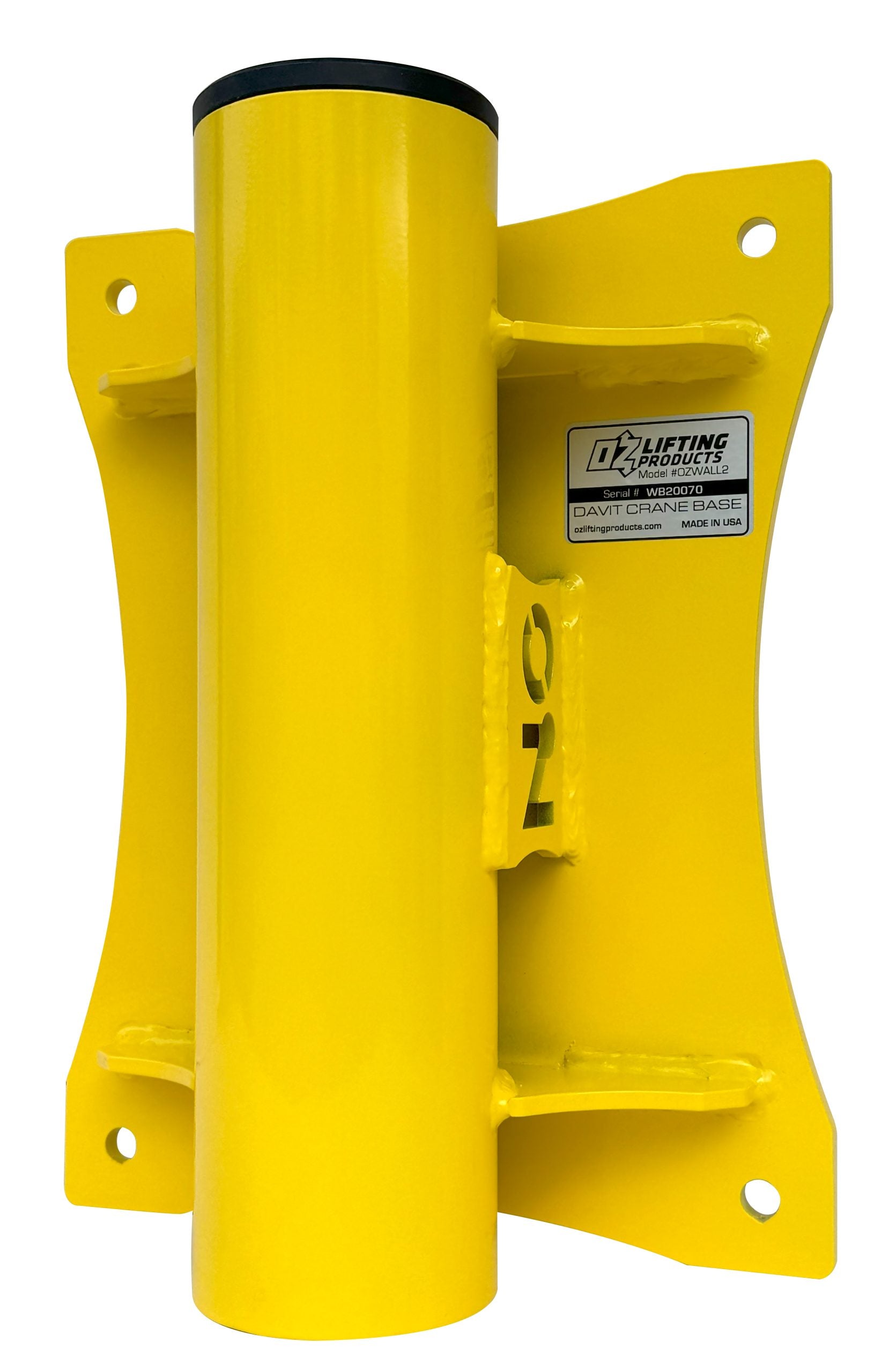
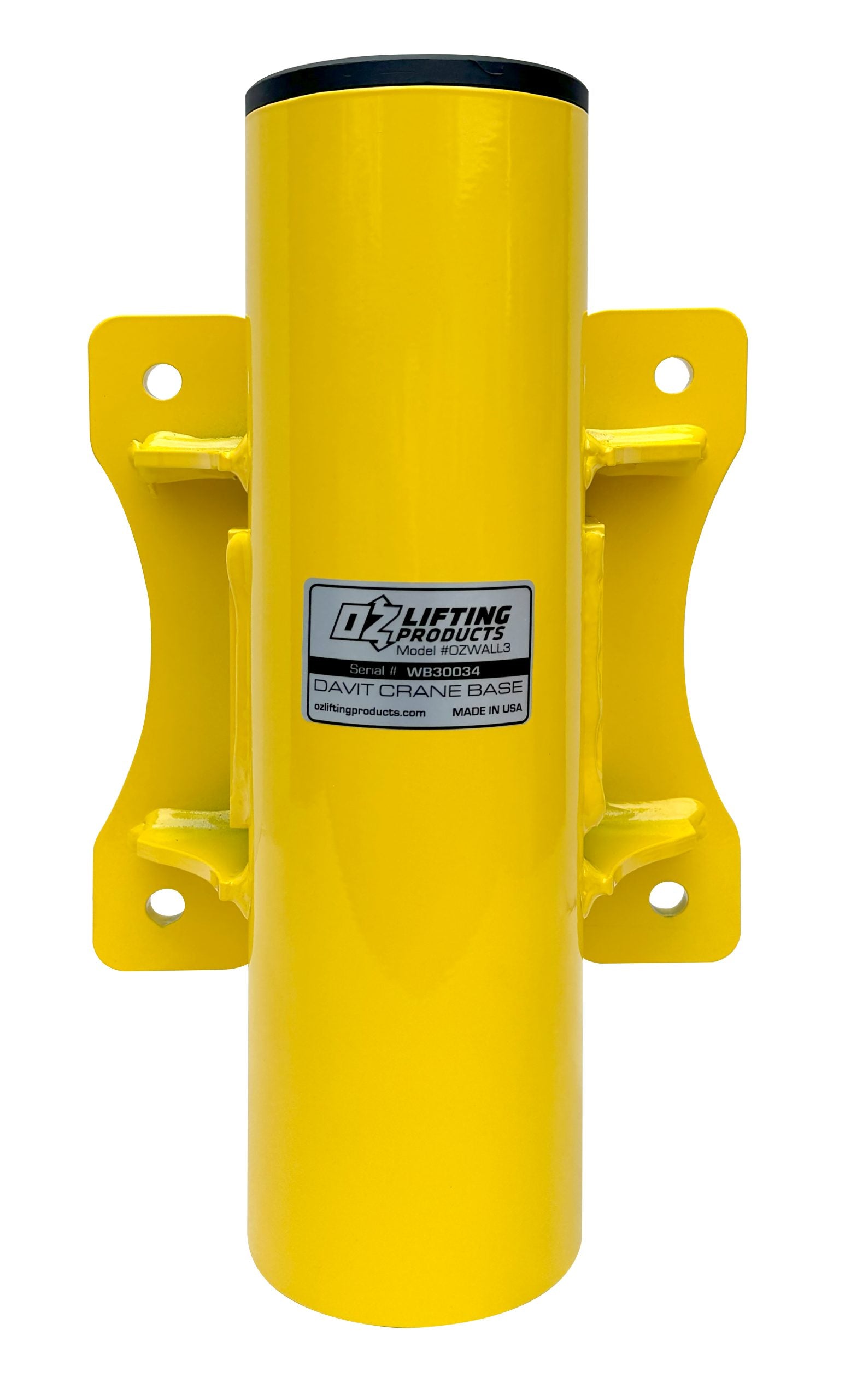
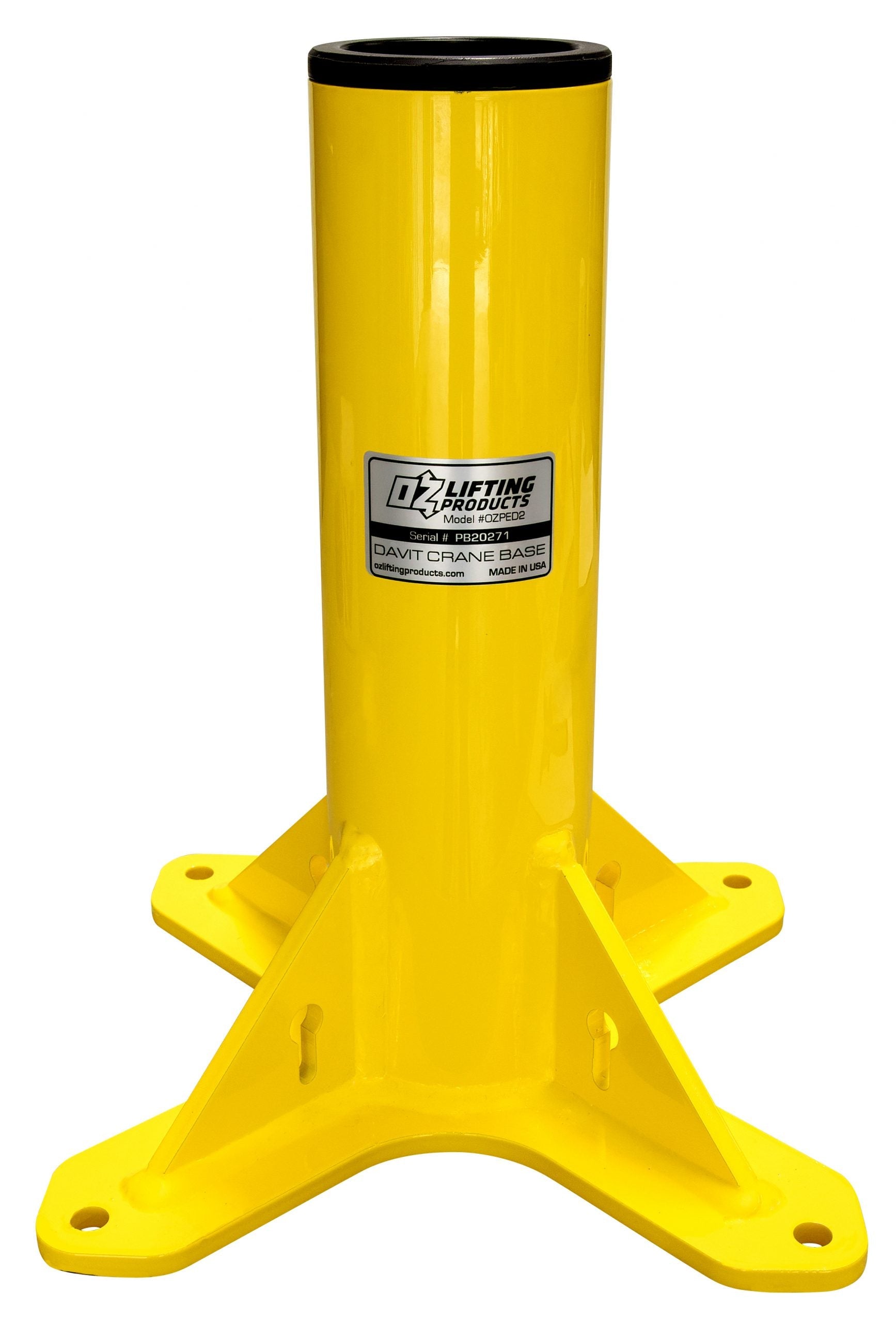
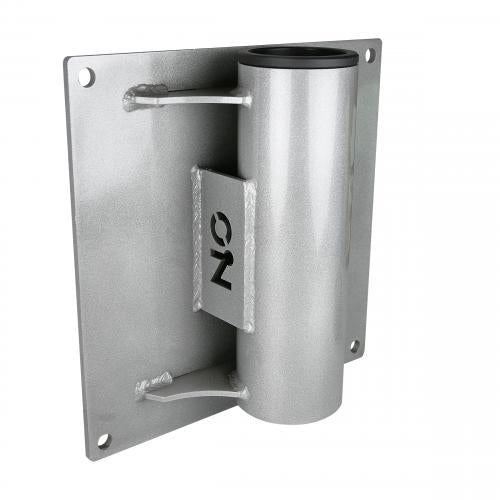
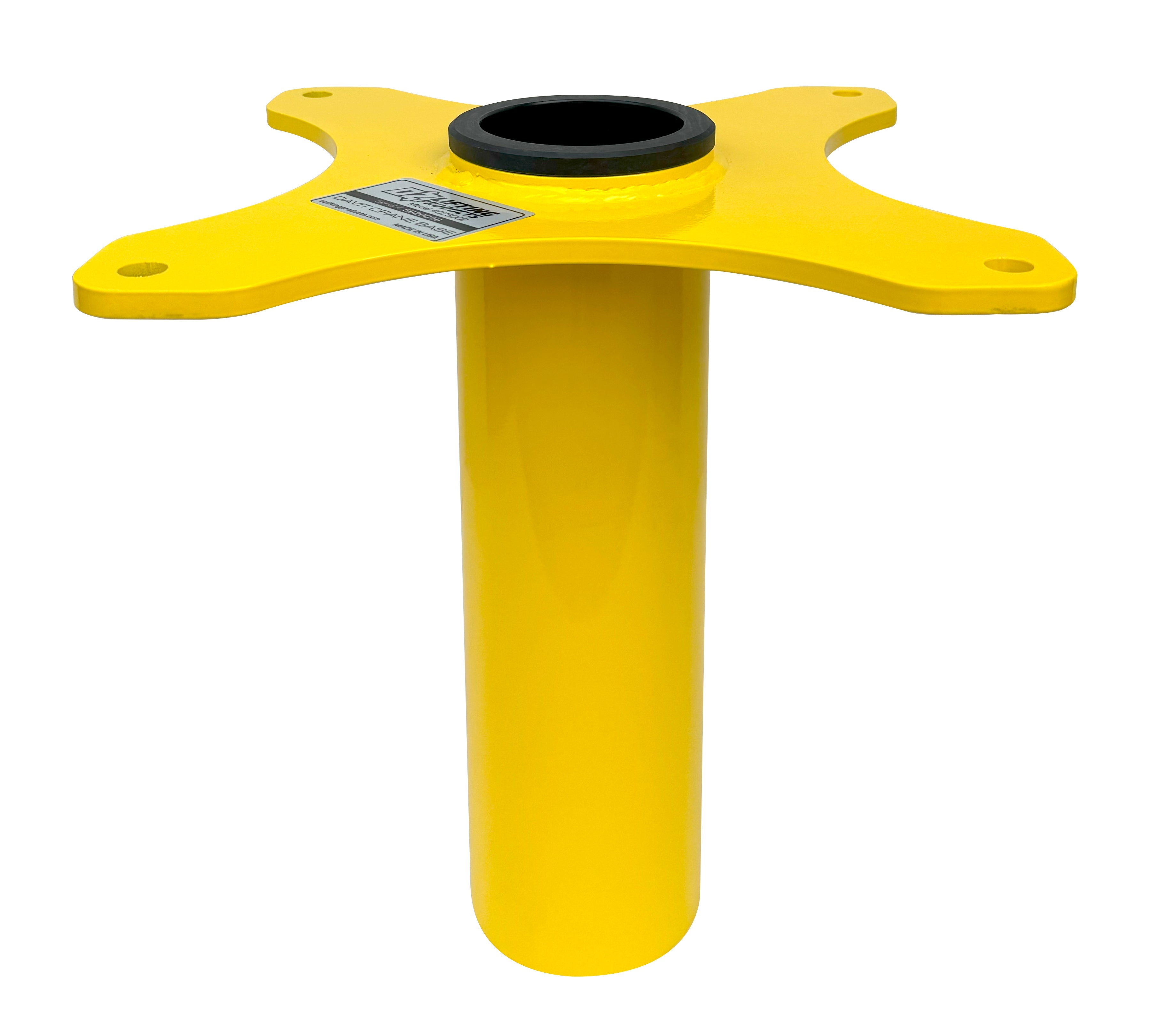
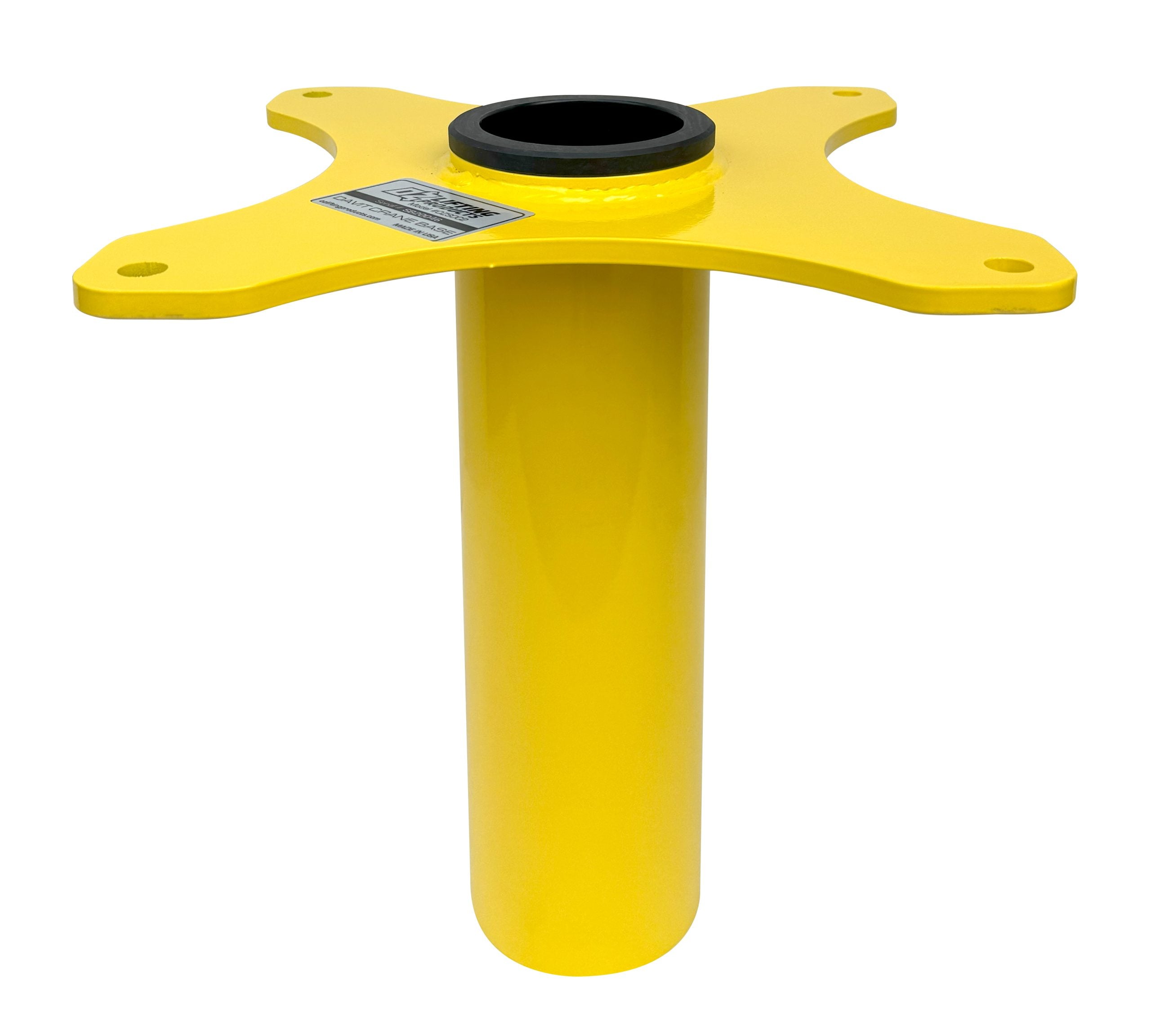
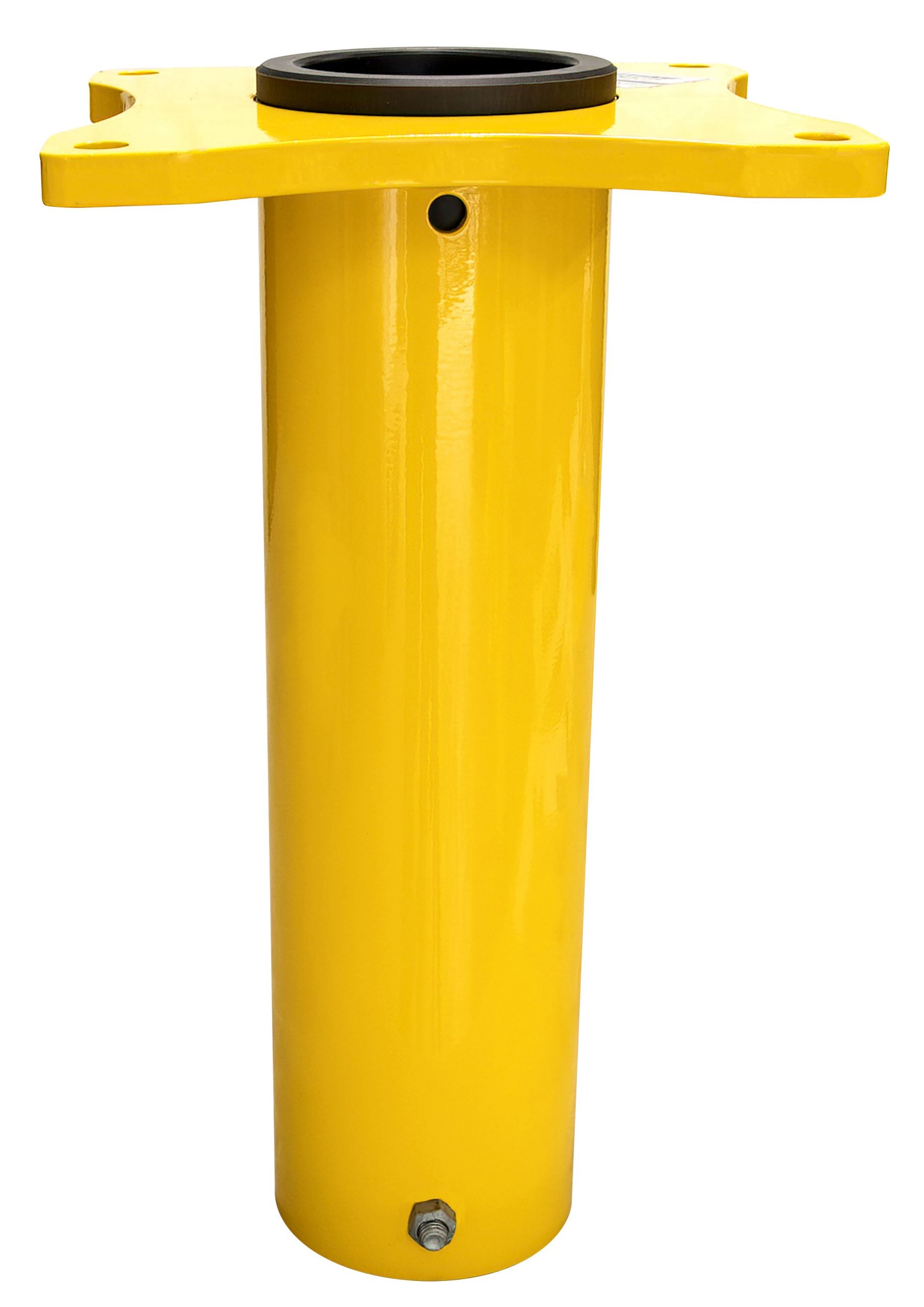
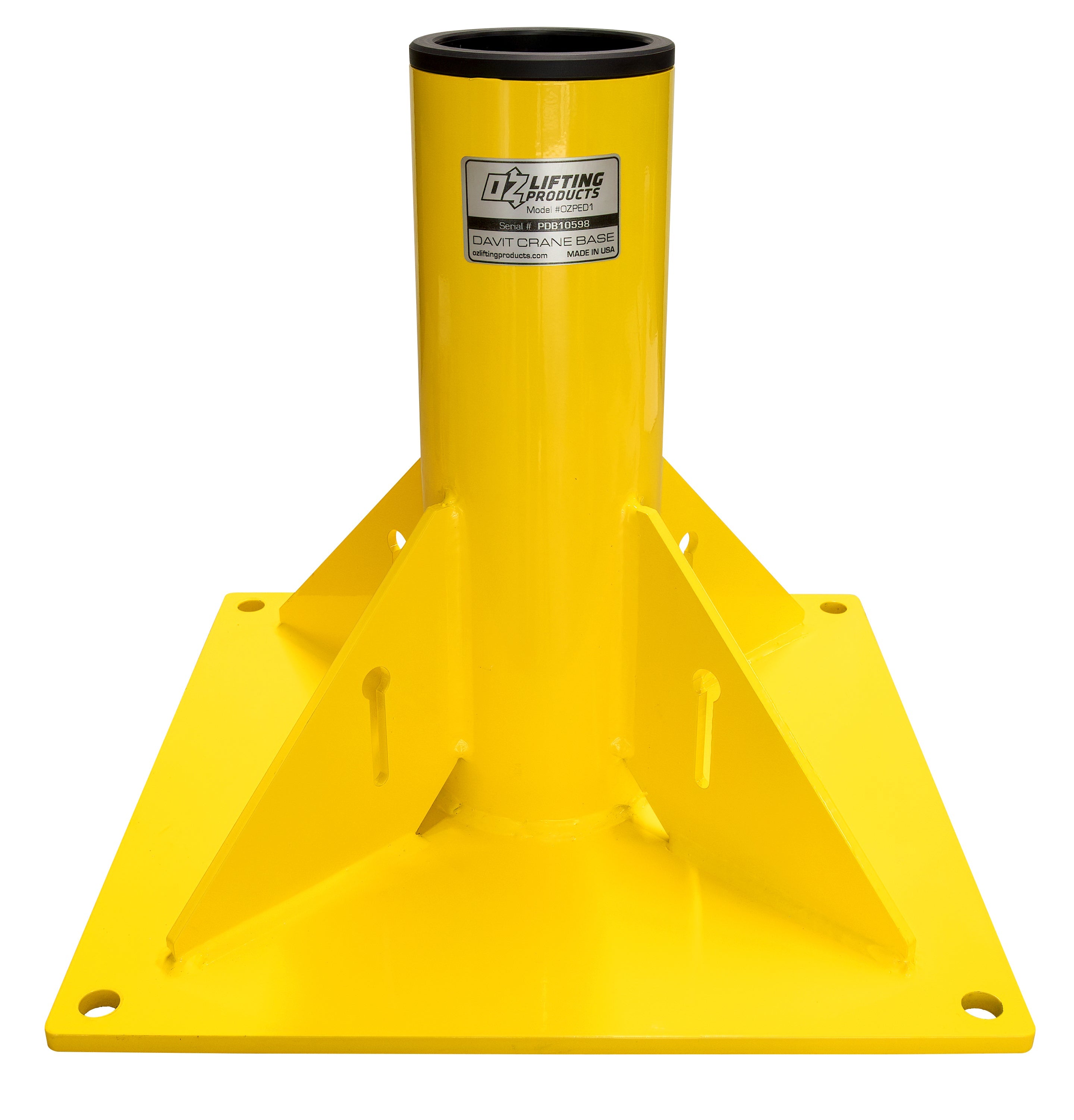
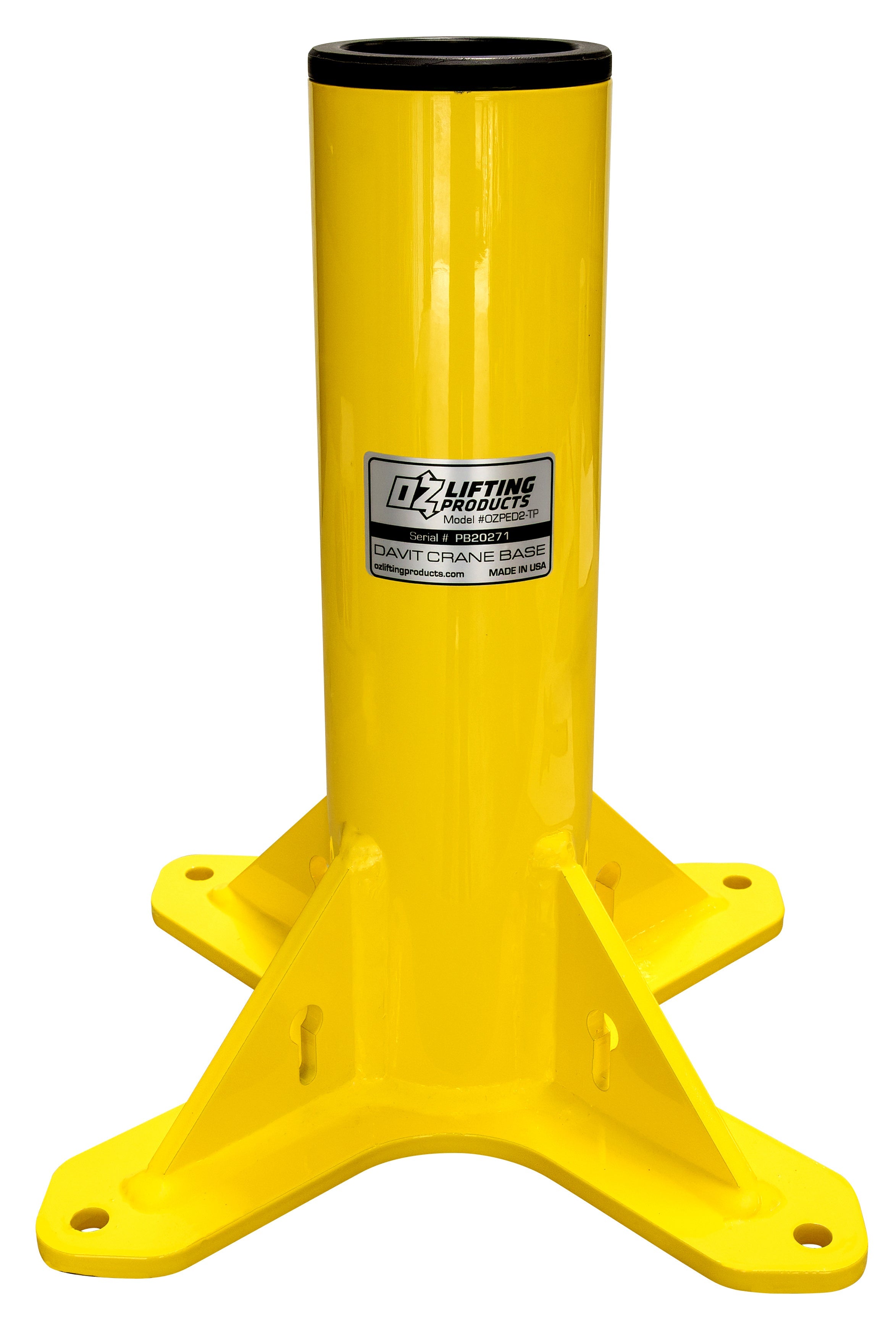
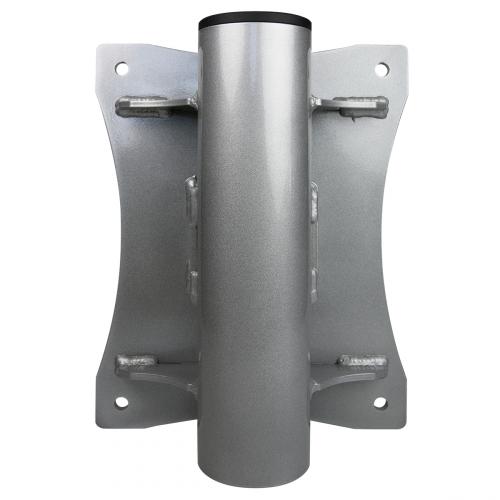
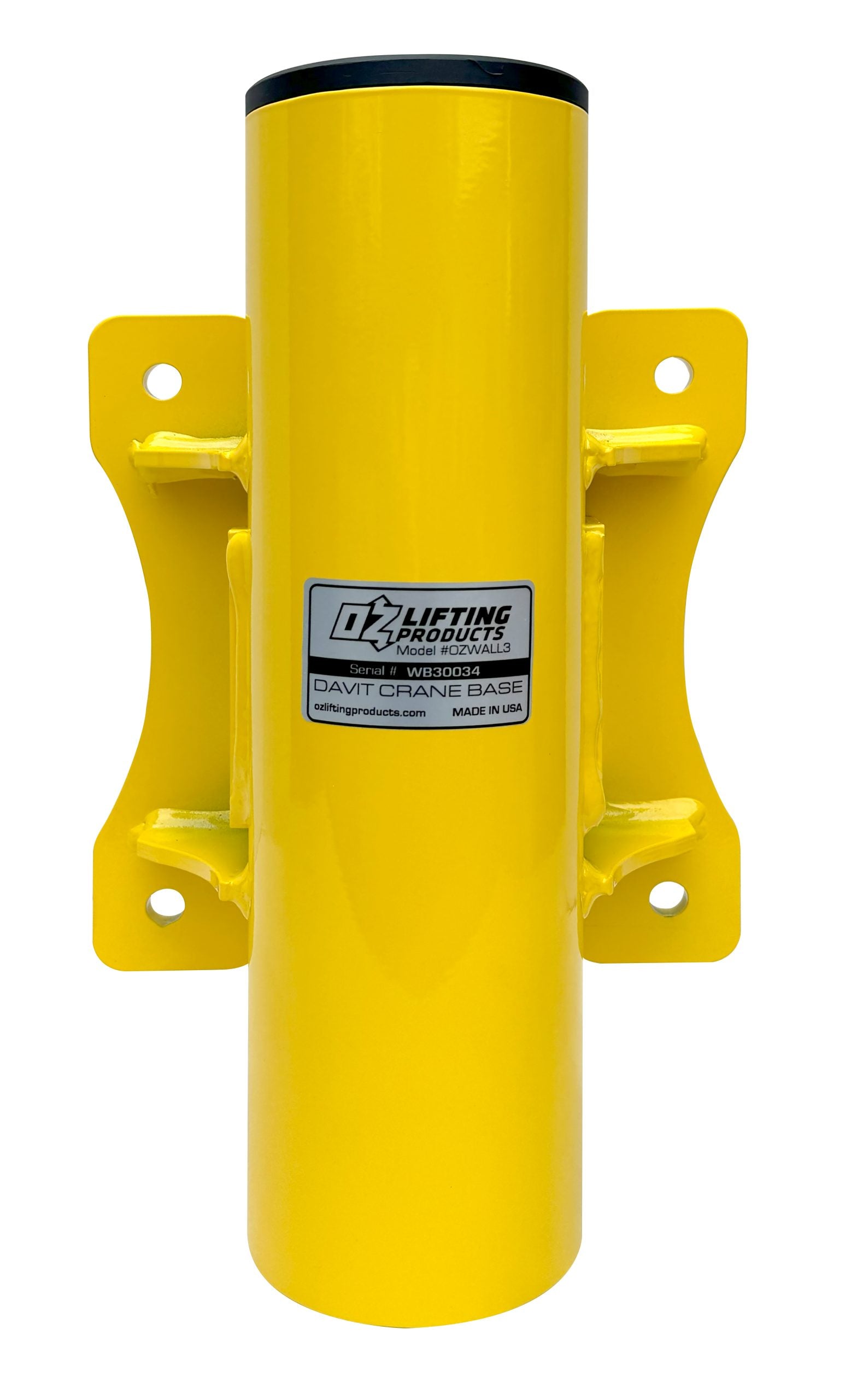
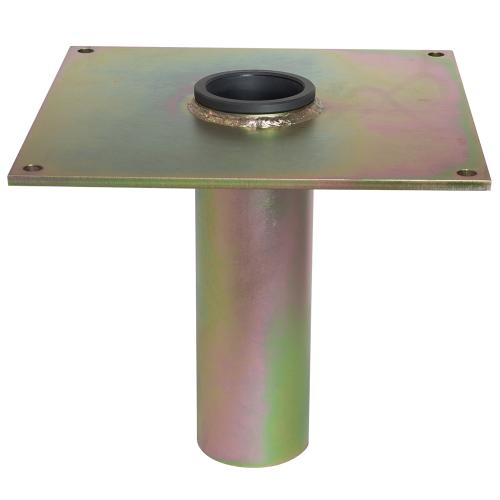
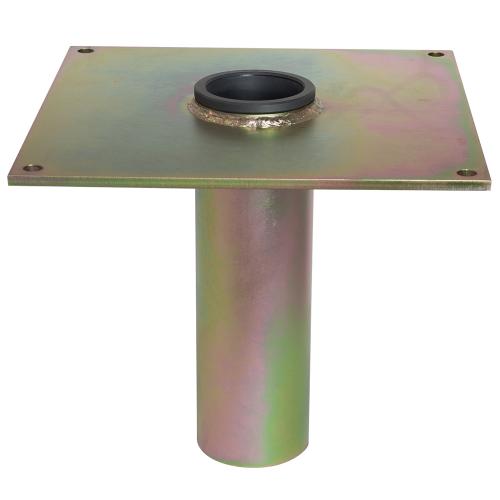
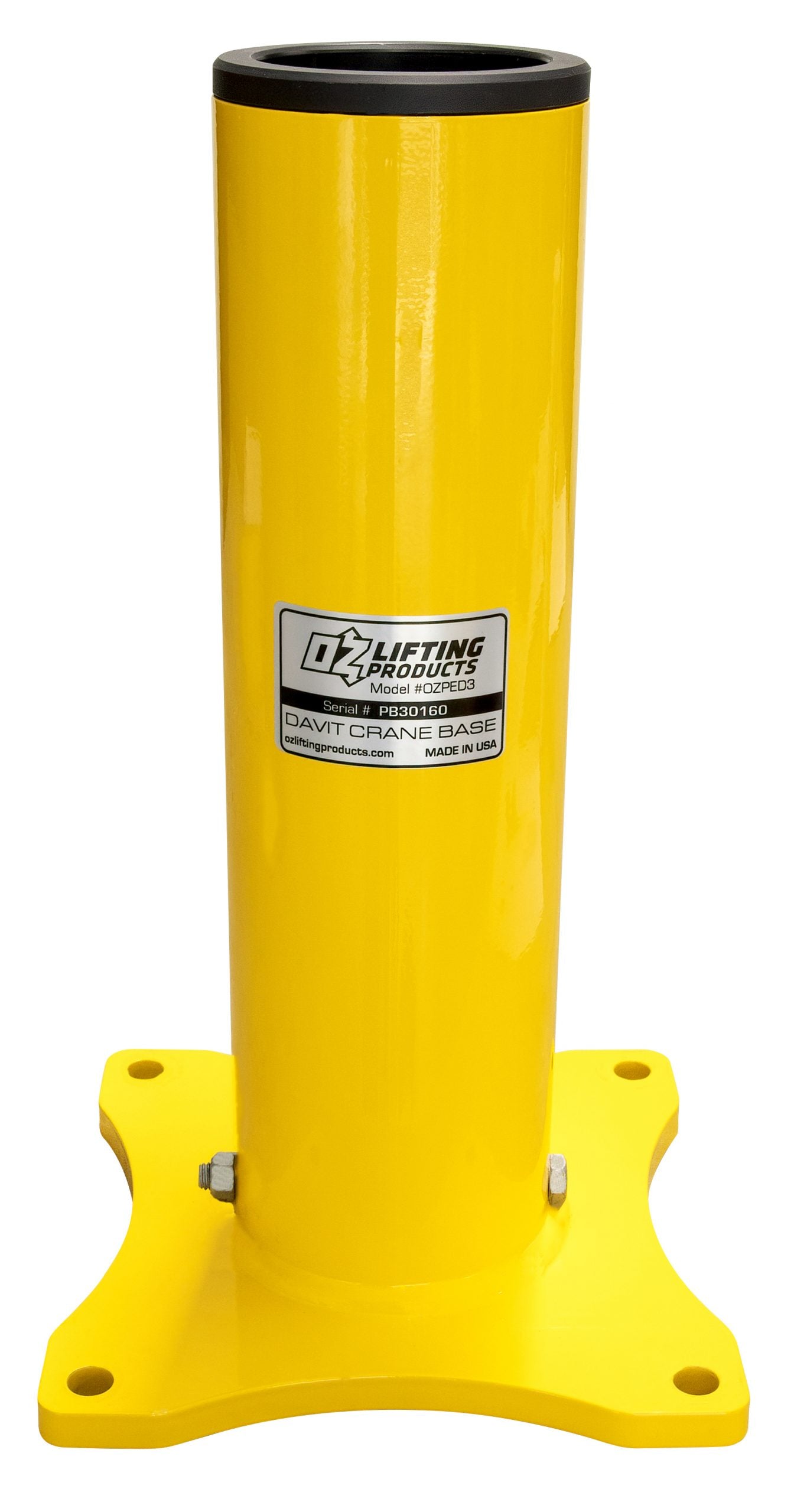
One crane, many bases: how a davit earns its keep. The point of a davit crane is that the boom and its winch are portable while the base stays put. Buy one crane, drop a base at every spot the lift repeats, and carry the boom from station to station instead of buying a fixed crane for each. Our OZ Lifting and Thern lines are built around that split: the crane ships with a winch and wire rope, and the base is a separate line item you order per location. OZ offers a socket base that sets into a floor or structure, a bolt-down pedestal base, a wall mount base, and a wheel base that rolls the crane on casters where the floor is smooth and level. Thern sells matching bases across its portable and transportable series. Size the number of bases to the job rather than the crane, because a handful of sockets at scattered stations still costs a fraction of a dedicated crane at each one.
Rate the crane to the whole lift, at the reach you actually use. The rated capacity has to cover the load plus the rigging, hook, and any block hanging below the boom, so total the worst case and round up to the next size. The lines here stack neatly by weight. OZ Lifting's steel davit comes in 500, 1,000, and 2,500 lb, and the telescoping Tele-Pro matches that spread. Thern's portable and transportable series run 500 to 3,000 lb, with the stationary 5FT davits reaching 2,000, 2,800, and 5,500 lb. REID's PDQ aluminum davits are rated 1,100 and 1,320 lb. Vestil's truck-mounted unit handles 500 to 1,000 lb. One trap catches first-time buyers: a davit's safe rating often drops as the boom extends, so read the capacity at the reach and boom angle your work needs, not the headline number on the tallest, shortest-reach setting.
Pick the base before you pick the boom. The base decides the install, so choose it first. A socket base sets flush into a floor or welds to a structure, and the crane lifts straight out when the lift is done, which is the setup that makes one crane serve many points. A pedestal base bolts down as a permanent fixed station. A wall mount base hangs the davit off building steel where floor space is tight. A wheel base puts the whole crane on casters for a unit that rolls between bays. Vestil's davit instead drops into a pickup for field service and roadside work. Whatever the base, it carries the full overturning moment of a loaded boom, so the slab, wall, or vehicle has to be sound and, for a fixed install, verified by a qualified engineer before the crane goes up.
Winch: hand crank, 12V DC, or 110V AC. Match the winch to where the lift happens. A manual carbon steel brake winch is the cheapest and needs no power, which suits occasional or remote lifts. A 12V DC winch runs off a truck or battery for mobile and outdoor work with no outlet nearby. A 110V or 115V AC winch is the choice for daily duty within reach of power. OZ Lifting offers all three across its steel, Alumi-LITE, CompOZite, and ELITE davits, and Thern includes a winch and wire rope on every crane. Order spare wire rope and a rope holder with the unit. Winches carry their own safety standard, ASME B30.7, which covers construction, inspection, and maintenance, so keep the winch inspected on the same schedule as the crane and never side-wind or shock-load it. Manual and powered options both live in winches.
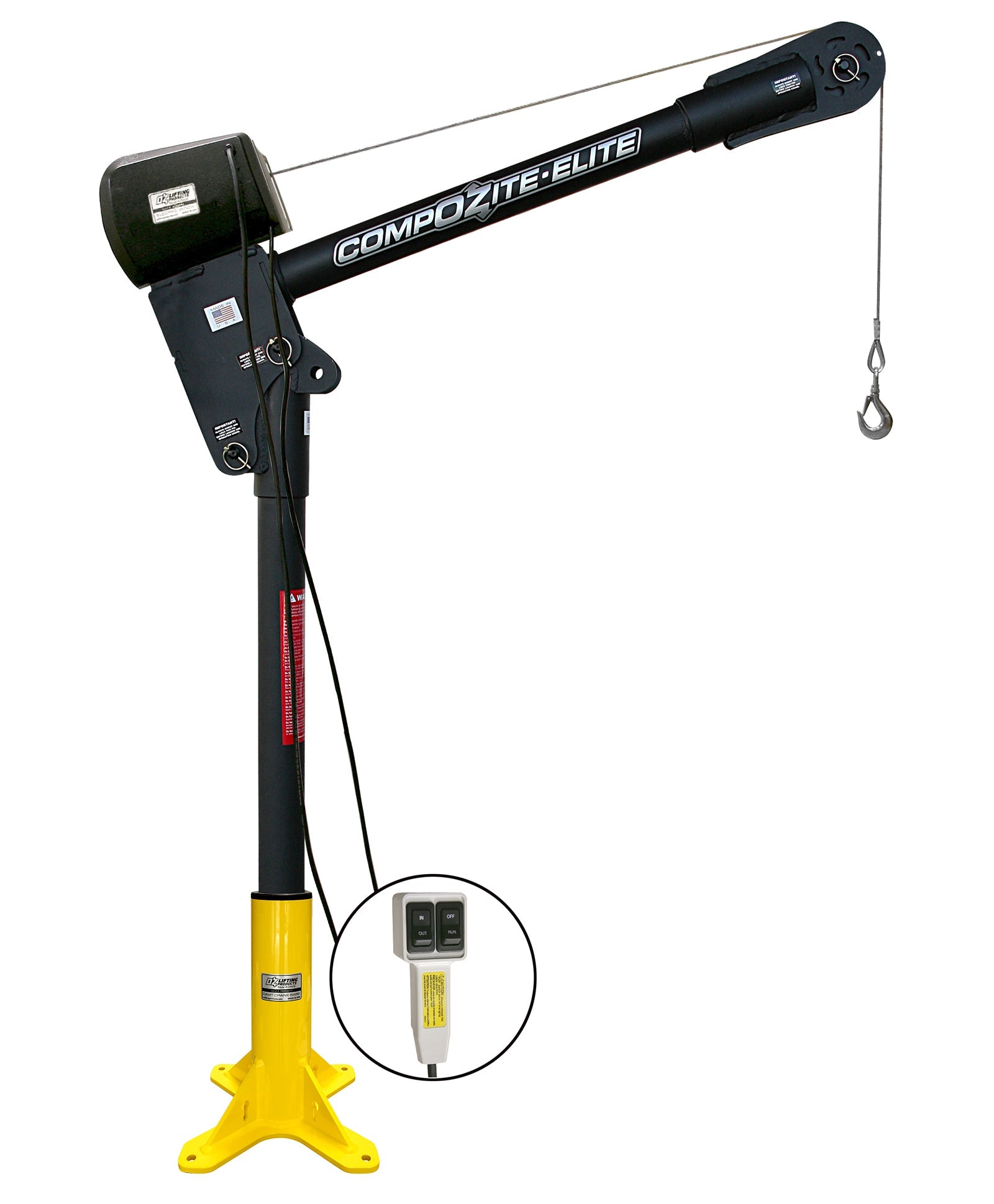
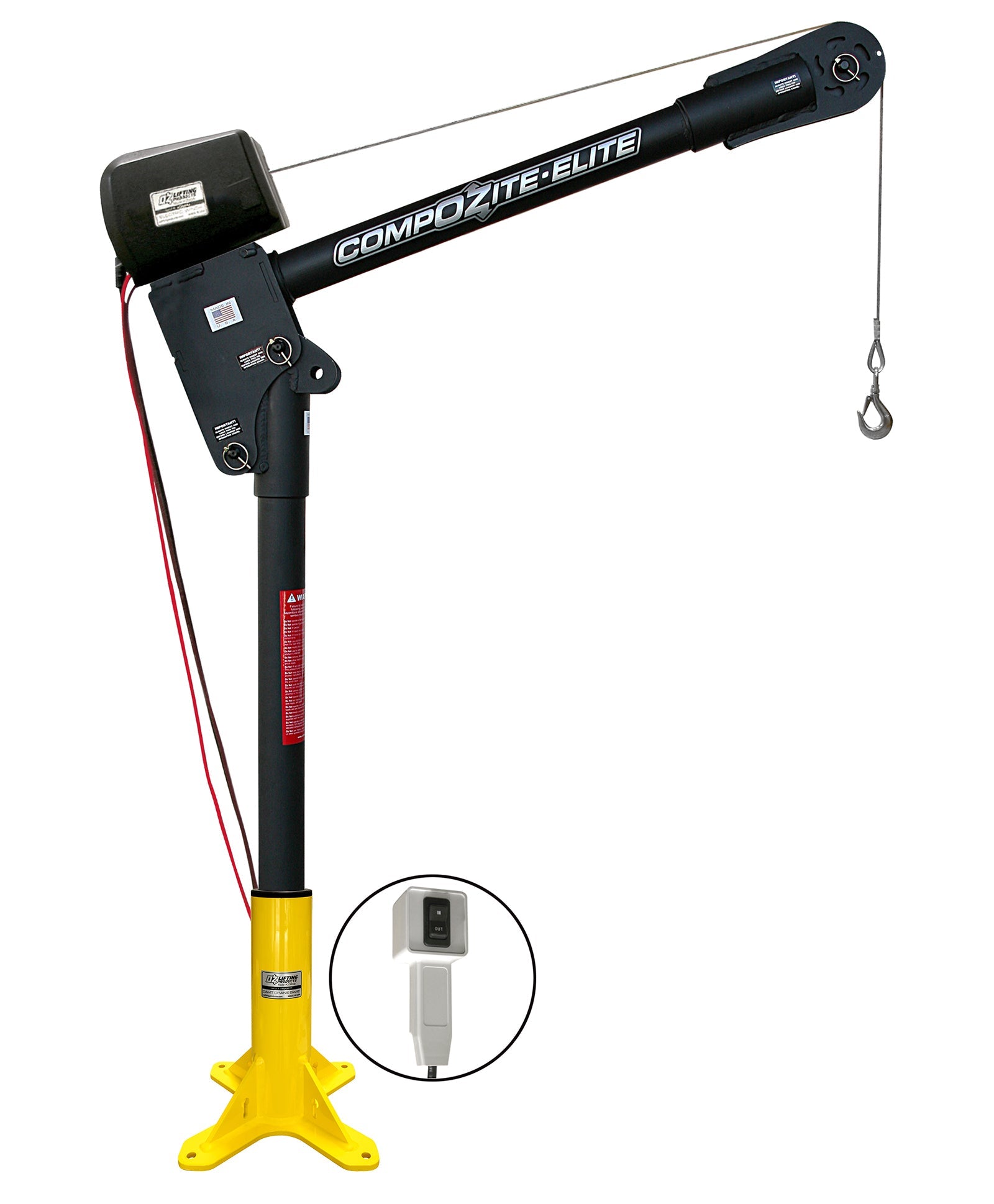
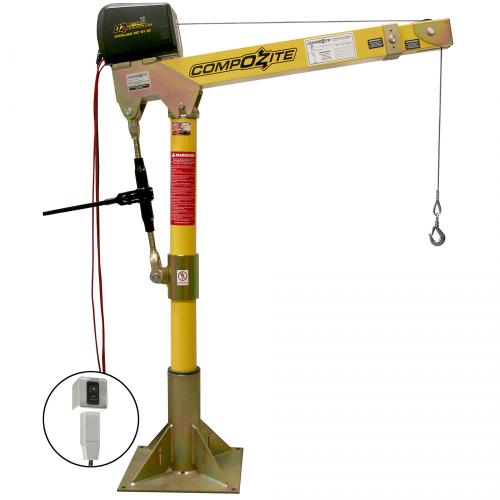
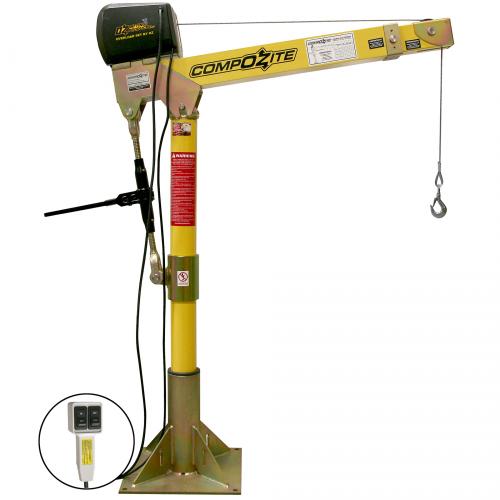
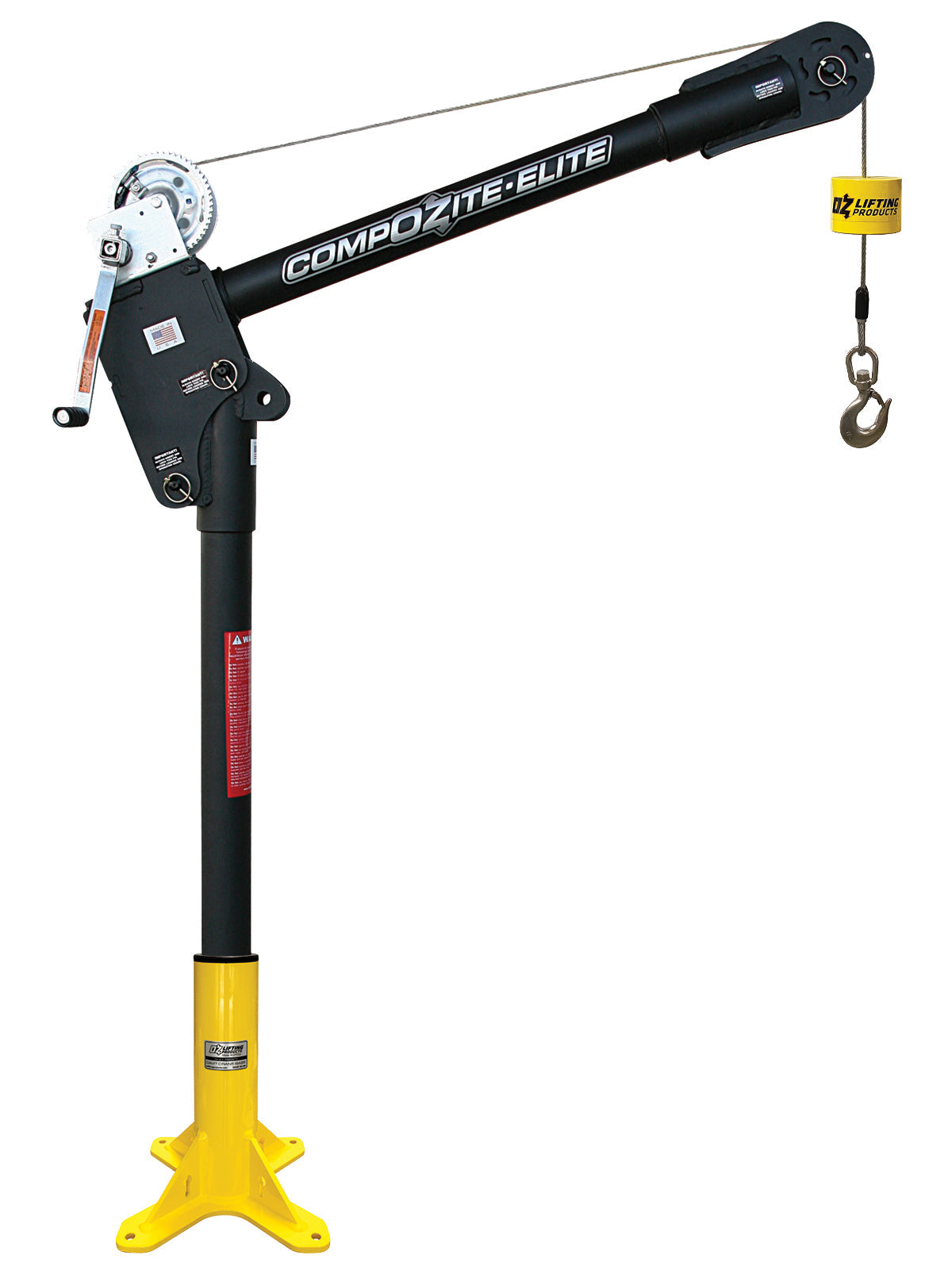
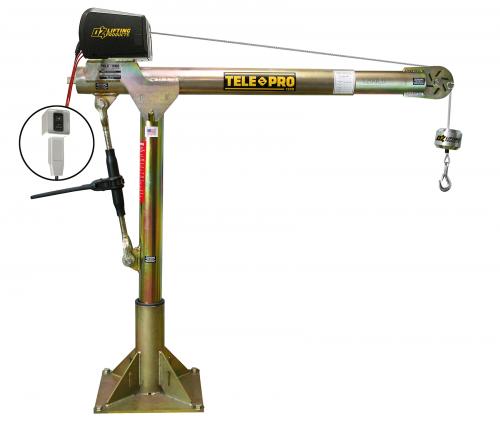
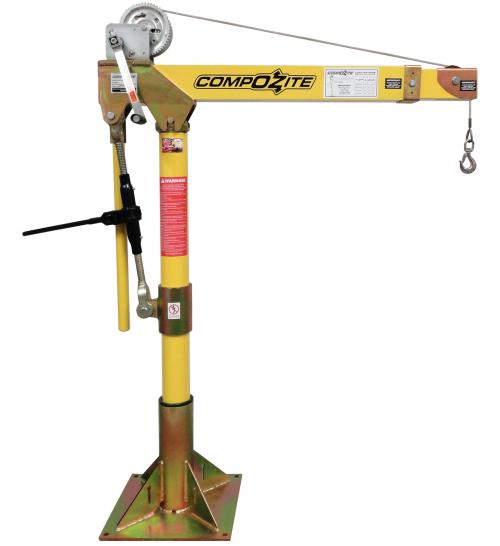
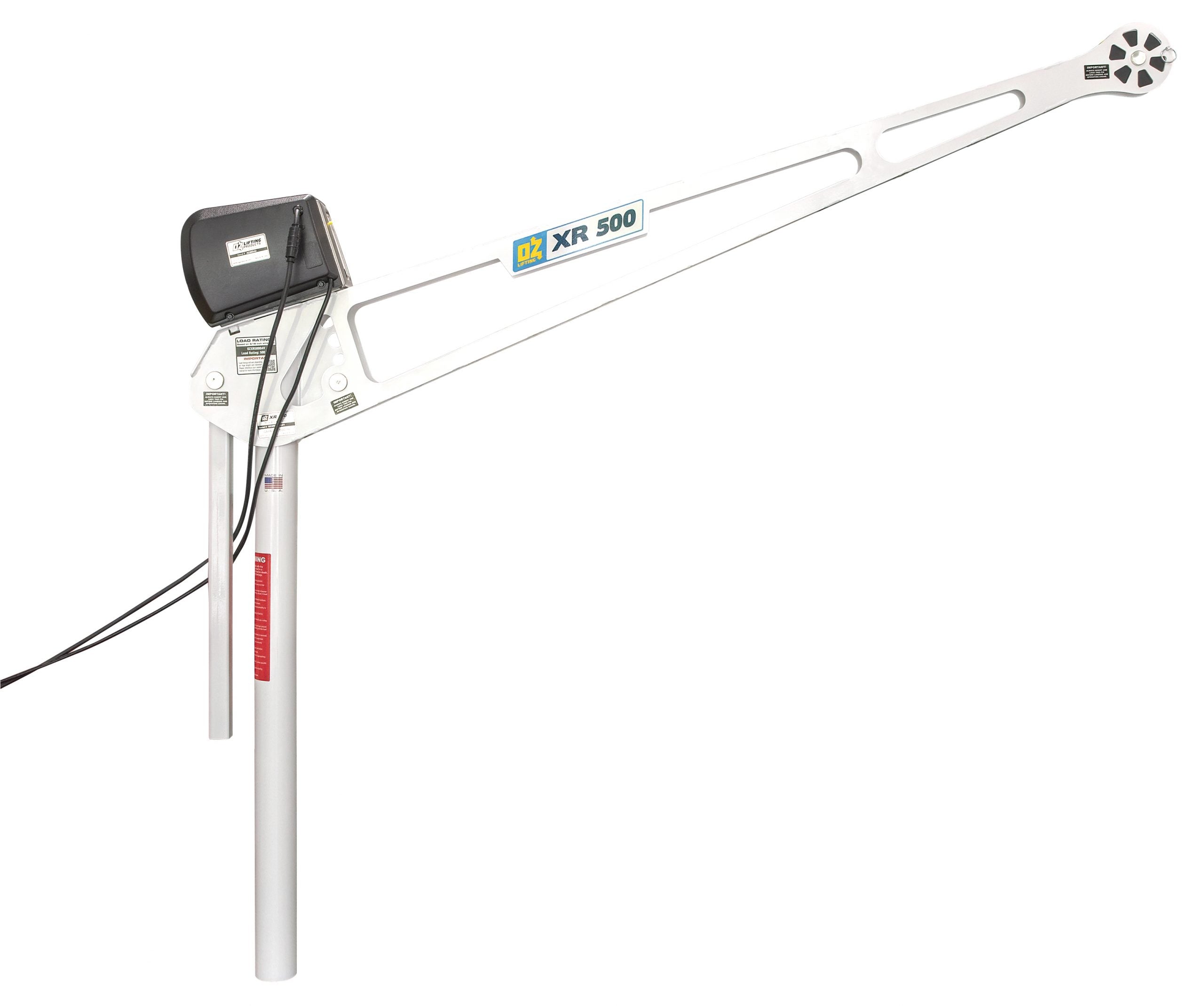
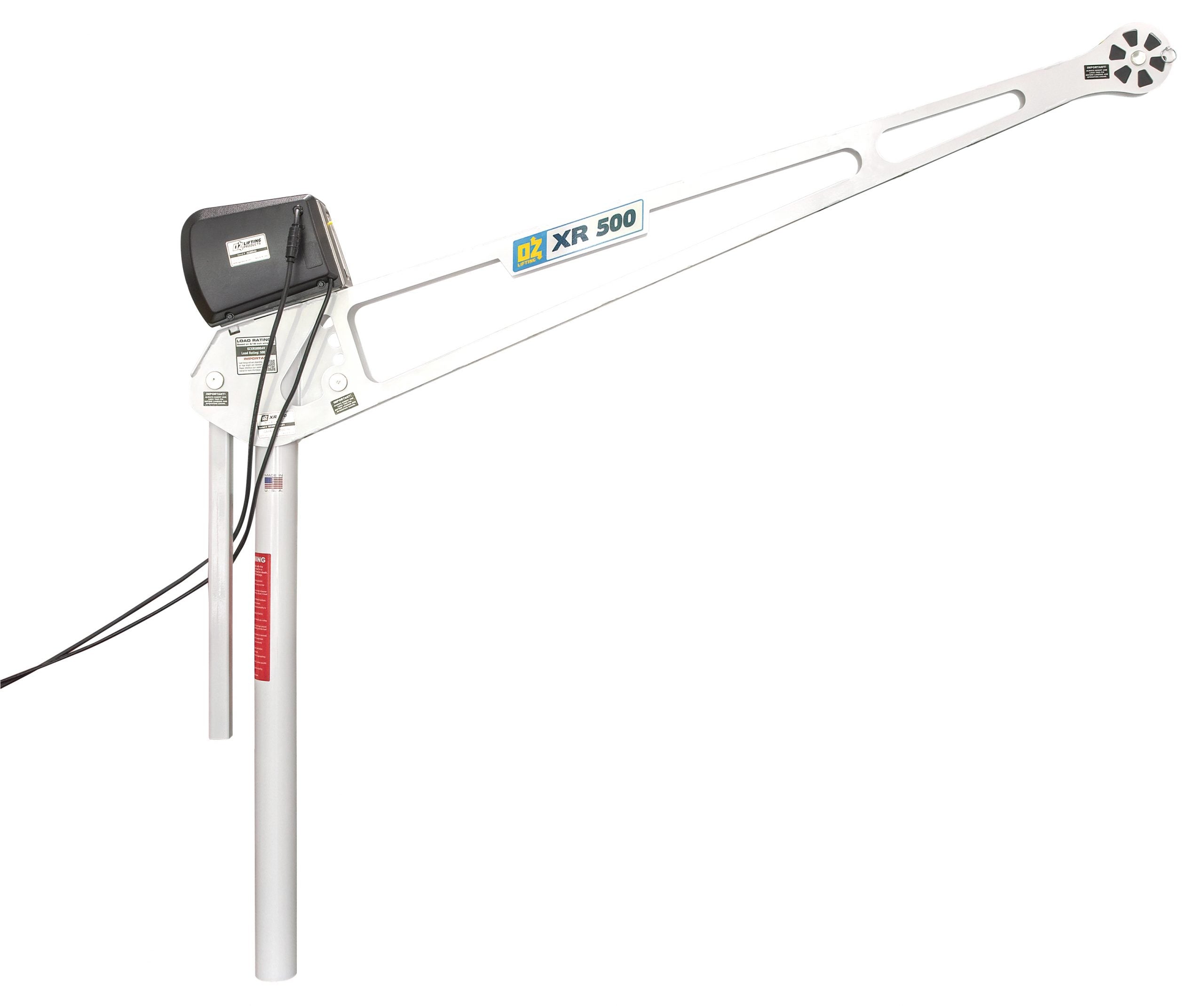
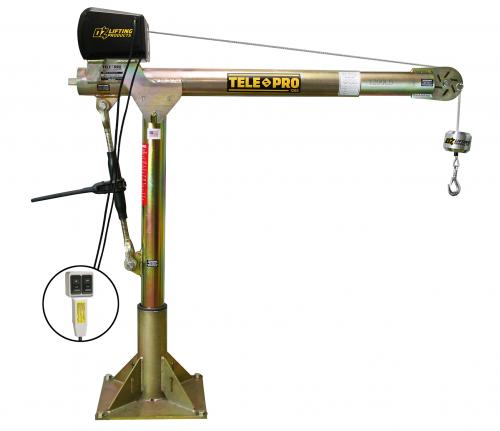
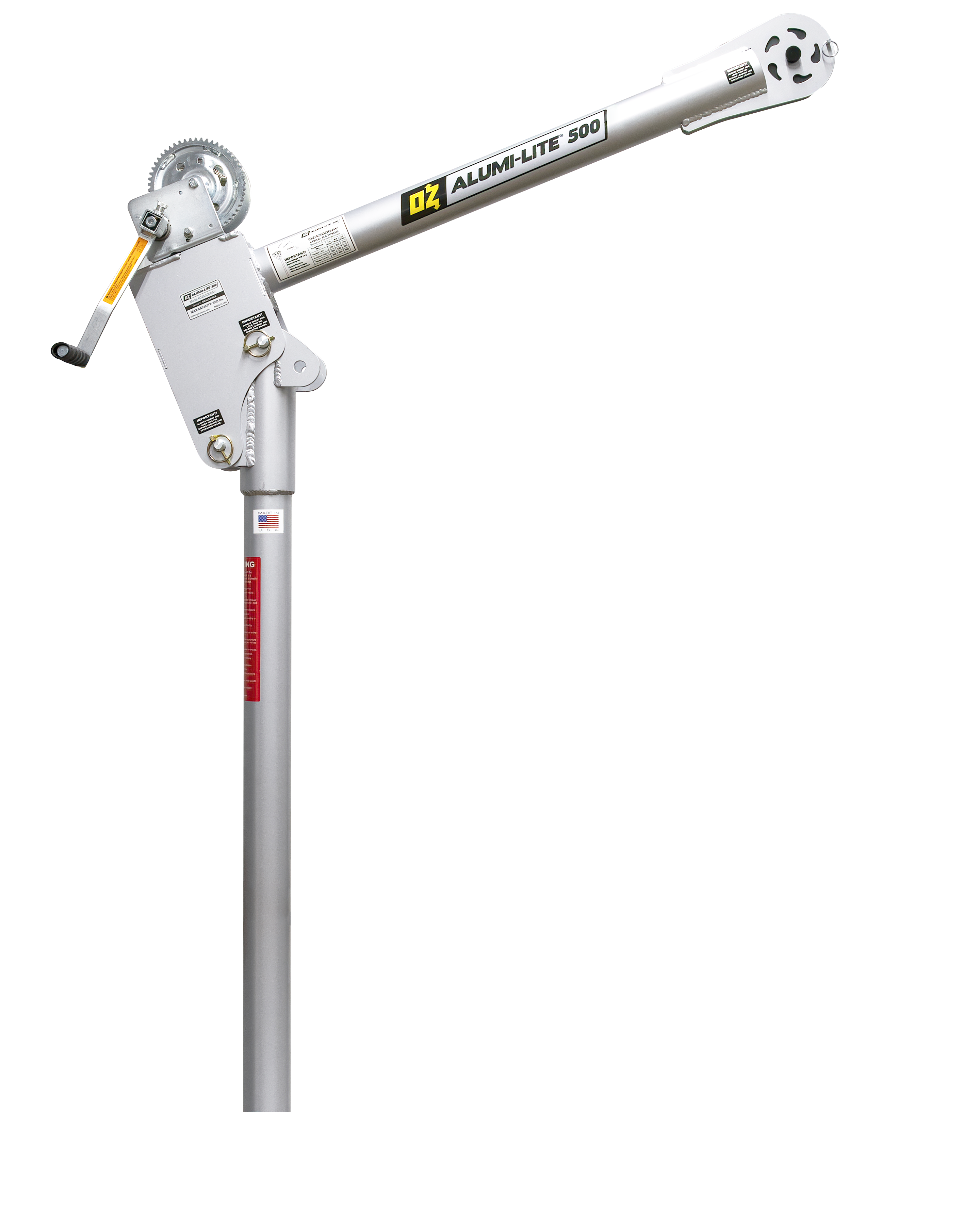
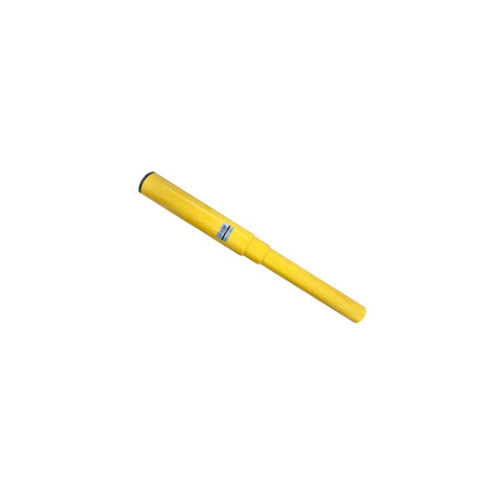
Steel, aluminum, composite, and the special-reach models. Material sets the price and the handling. Steel is cheapest for the capacity, with OZ Lifting's steel davit starting under $900, and it takes shop abuse, but it is heavy to move by hand. Aluminum flips that: REID's one-person PDQ, Thern's Commander AL, and OZ's Alumi-LITE weigh a fraction of steel so a single worker sets them up. Composite and carbon fiber solve a different problem: OZ's CompOZite and the carbon fiber CompOZite-ELITE are non-conductive and corrosion-proof, which is why they earn their higher price around marinas, water treatment, and live electrical work. Two models cover special reach. The Tele-Pro telescopes so one crane covers a range of boom heights and reaches, and the XR series is purpose-built for hoisting dinghies and small boats off a dock or seawall.
Standards, and the line between lifting material and lifting people. Everything above is material handling, and those davits and winches follow ASME B30.7 for winches. The moment a person rides the hook, the rules change and the equipment has to change with them. OSHA's permit-required confined space standard, 29 CFR 1910.146, calls for a mechanical retrieval device on vertical permit spaces more than 5 feet deep, and it requires the retrieval gear to be designed and rated for human use, meaning a full-body harness, a retrieval line, and an anchor built for personnel. Rescue-rated davits pair a personnel winch and anchorage built to the ANSI Z359 family: REID's Dual Winched TDavit, for one, is designed for fall protection and confined space entry and is tested to ANSI Z359.18. A material-rated brake or electric winch is never a substitute. If your davit does double duty for entry and rescue, spec the personnel side deliberately and pair it with the harnesses and lifelines in fall protection.
Frequently Asked Questions
Add up the load plus the rigging, hook, and any block hanging below the boom, then round up to the next rating. Just as important, check the capacity at the reach you plan to use, since a davit's safe rating usually drops as the boom extends. Across our lines that means OZ Lifting steel at 500, 1,000, and 2,500 lb, Thern portable and transportable davits from 500 to 3,000 lb, Thern stationary units to 5,500 lb, and REID's aluminum PDQ at 1,100 and 1,320 lb.
Yes, and that is the whole point of a davit. The crane and winch are portable, the base stays fixed, so you order one crane and a base at every spot the lift repeats. OZ Lifting and Thern both sell the base as a separate line item: socket, pedestal, wall mount, and wheel bases for OZ, plus matching bases for Thern's portable and transportable series. A few sockets at scattered stations cost a fraction of a dedicated crane at each one.
Only if the entire system is rated for personnel. OSHA 1910.146 requires a mechanical retrieval device on vertical permit spaces more than 5 feet deep, and the gear must be designed and rated for human use, with a full-body harness, retrieval line, and personnel anchor. A material-rated brake or electric winch is not a substitute. Rescue-rated davits use a personnel winch and anchorage built to the ANSI Z359 family, such as REID's Dual Winched TDavit, which is tested to ANSI Z359.18 for fall protection and confined space entry.
Match it to the site. A manual carbon steel brake winch is cheapest and needs no power, so it fits occasional or remote lifts. A 12V DC winch runs off a truck or battery for mobile and outdoor work. A 110V or 115V AC winch is the pick for daily duty near an outlet. OZ Lifting offers all three across its steel, Alumi-LITE, CompOZite, and ELITE davits, and Thern includes a winch and wire rope with every crane. Winches follow ASME B30.7, so inspect them on the same schedule as the crane.
Steel is the lowest price for the capacity and shrugs off abuse, but it is heavy to reposition by hand; OZ Lifting's steel davit starts under $900. Aluminum davits like REID's PDQ, Thern's Commander AL, and OZ's Alumi-LITE weigh far less, so one person can set them up. Composite and carbon fiber, such as OZ's CompOZite and CompOZite-ELITE, are non-conductive and corrosion-proof, which earns their higher price around marinas, water treatment, and live electrical work.
A jib crane bolts to a spot and rotates a boom over one work area for decades, with capacities up to 10,000 lb. A davit crane follows the work: it lifts out of a socket, moves by hand or truck, and handles picks to 3,000 lb portable or 5,500 lb stationary. If one location gets lifted to all day, buy the jib. If the same lift happens at many stations, one davit and several bases cost a fraction of the alternative.