Davit Crane Accessories
Davit crane accessories are what turn a single REID Lifting davit into a system that covers a whole site. The davit itself is one portable mast and boom; the accessories are the sockets it drops into, the extensions that raise it, the PLUSWINCH that does the lifting, and the PortX mounts that clamp it to a trench edge or a parapet. This collection is the REID Lifting side of that hardware, sized to the 65mm and 95mm kingpins that fit the PortaDavit, Quantum, TDavit, and PortX cranes. The idea behind it is simple: buy one davit, install a socket at every station where a lift happens, and move the crane between them instead of buying a crane for each spot. Prices run from under $300 for a flush socket to four figures for the winch and the PortX barrel mount. The guide below settles the mounting choice first, because that is what decides everything else.
Compare Reid Davit Crane Accessories
| Model | Price | Capacity | Function | |
|---|---|---|---|---|
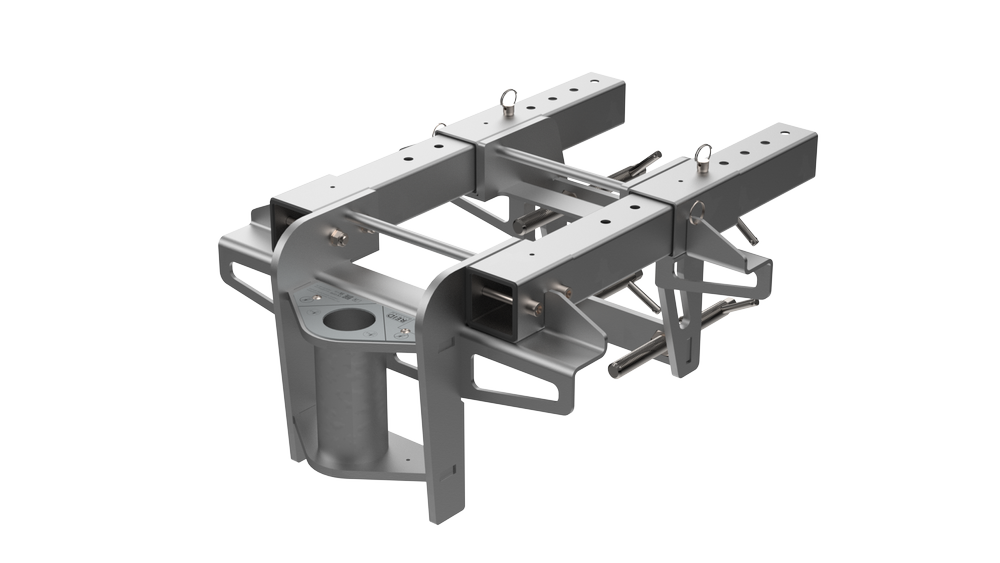
| REID Lifting PortX Barrel Mount | $4,150 | 350 lb | — | View → |
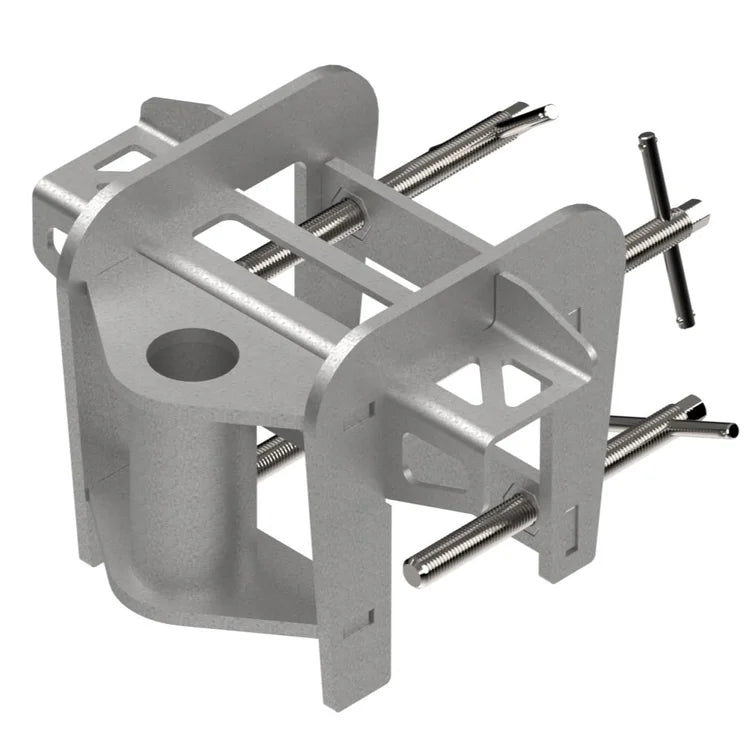
| REID Lifting PortX Saddle Mount | $1,507 | 660 lb | — | View → |
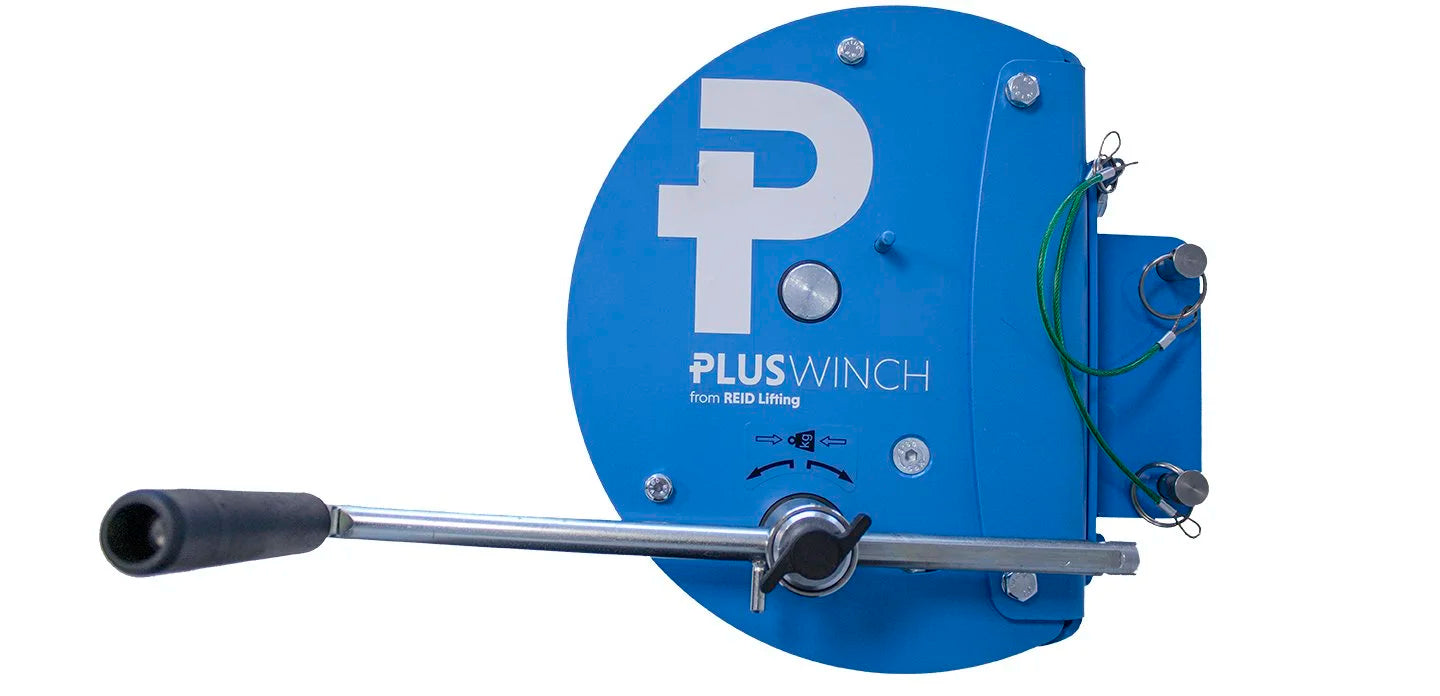
| REID Lifting PLUSWINCH 1100lbs Manual Goods Winch | $1,503 | 880-1,100 lb | — | View → |
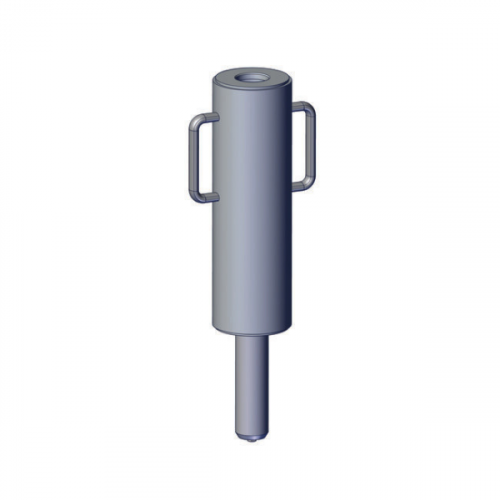
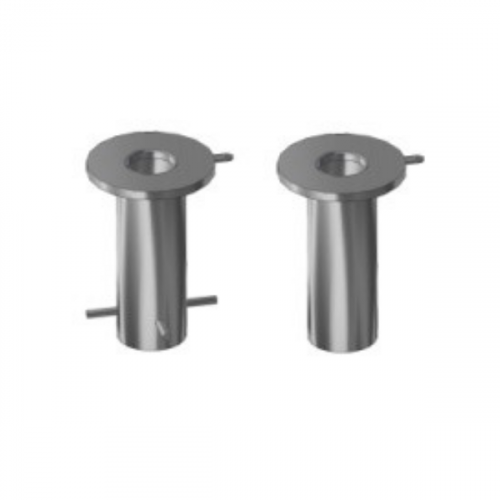
| REID Lifting Aluminum Davit Socket Extensions | $462 | — | Aluminum socket extension — inserts into an existing 65mm socket to provide additional lift height or reach over obstacles/rails/walls; not compatible with pedestals | View → |
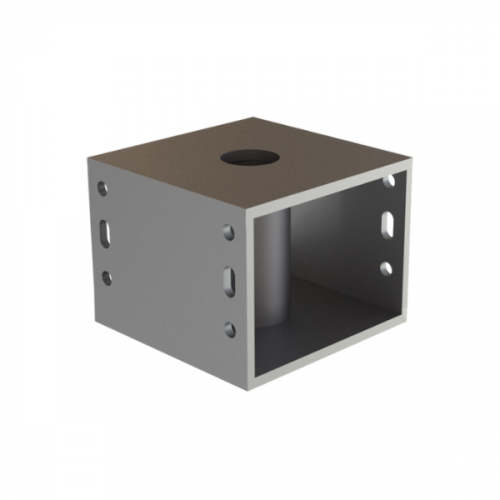
| REID Lifting Bridge-Mount Davit Socket | $462 | — | Bridge-mount davit socket, designed to fit open mesh grating or similar bridging structures | View → |
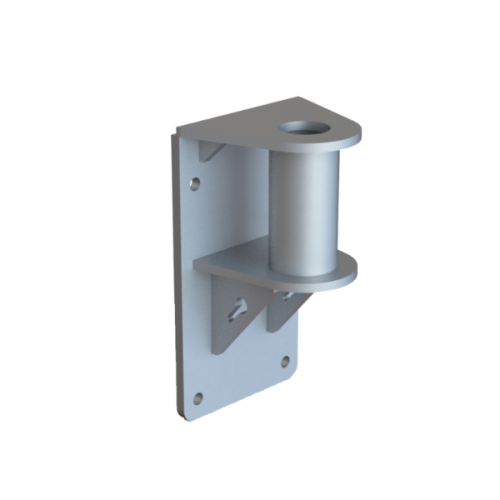
| REID Lifting Side-Mounted Davit Socket | $462 | — | Side-mount davit socket | View → |
 In Stock
 In Stock
 In Stock
 In Stock
 In Stock
 In Stock
 In Stock
 In Stock
Reid Davit Crane Accessories Buying Guide
The socket is the system, not the crane. On a REID setup the crane is the thing you carry and the socket is the thing you install, and the sockets are sold separately from the davit for exactly that reason. You buy one davit from the davit cranes range, then fit a socket at every point where a lift needs to happen: a loading bay, a pump pit, a rooftop plant deck, a tank hatch. When the job moves, one person lifts the davit out of one socket and drops it into the next, and the sockets you are not using sit flush and capped until you need them. The math is the whole appeal. Six sockets and one davit cost a fraction of six fixed cranes, and every station still gets the davit's full rated capacity whenever the crane is in it.
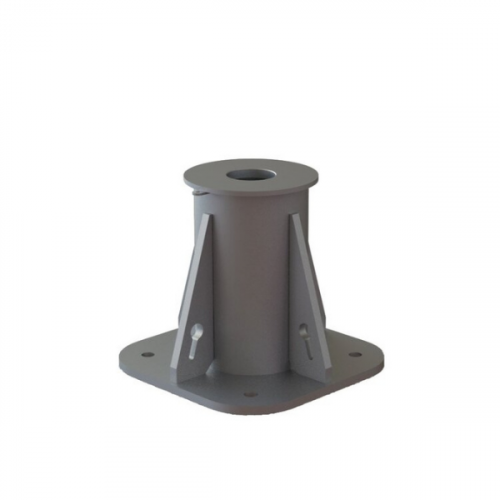
Match the socket to your mounting surface. Sockets differ by the surface they attach to, and that is the first thing to settle. The flush-mount socket, the lowest-cost option on the page at about $277, casts into a concrete pad with the supplied rebars, or resin-bonds into an existing slab, and sits flush under a cover so nothing protrudes when the davit is out. The top-mounted socket bolts to a horizontal surface, the side-mounted socket bolts to a vertical face such as a wall or column, and the bridge-mount socket suits an edge or parapet where the davit works over the side; each of these runs about $462. All are galvanized steel as standard, with 316 stainless available where washdown, marine air, or chemical exposure would eat a galvanized finish. Whatever the mount, the structure behind it has to carry the davit's full working moment, so confirm the concrete or steel before you drill.
Kingpin size and getting the pivot height right. Two numbers decide compatibility: the kingpin diameter and the pivot height. REID builds sockets in 65mm and 95mm kingpin sizes, and they do not interchange. The 65mm socket fits the PortaDavit 500, Quantum, and TDavit; the 95mm socket fits the heavier PortaDavit 1000, so read your davit's kingpin before you order a matching socket. Height is the second half. The aluminum socket extensions insert into an installed socket and become the new socket at a raised height, which lifts the boom over a railing, a tank lip, or a trench shield instead of forcing you to reposition the whole crane. They come in three standard lengths, roughly 19 3/4, 31 1/2, and 43 1/4 inches, priced from about $462 for the shortest to around $1,392 for the tallest, and REID will build custom lengths when the standard sizes miss.
The PLUSWINCH does the lifting. The PLUSWINCH is REID's manual goods winch for the davit, rated to 1,100 lb and driven by a spur-gear mechanism with a load-pressure brake that holds the load the moment you stop cranking. It is a goods winch, not a personnel winch, so it lifts materials rather than people. It ships with 6mm wire rope in three lengths, roughly 33, 49, and 66 feet, in galvanized steel or 316 stainless, with the stainless cable available up to 880 lb rather than the full rating. Order the mounting bracket that matches your davit, because the winch bolts to a specific point on each model: there are separate brackets for the TDavit, the PortX davit, the PortaDavit Quantum column, and the PortaDavit 500 backstay. Winches like this fall under ASME B30.7, which covers their construction, installation, and operation.
PortX mounts for trenches, shoring, and parapet walls. The PortX mounts solve a different job: temporary lifting and fall protection at a trench, a shored excavation, or a parapet wall where there is nothing to bolt a permanent socket to. These are the davit mounts for confined space and trenching work. The saddle mount is a clamp-on galvanized steel base, rated around 330 lb, that grips a trench box or shoring frame with hand-tightened clamping bars, so there is no drilling and no concrete. The barrel mount, rated around 350 lb, is the heavier seat for parapet walls and mounting surfaces thicker than about 2 1/2 inches. Both are built for the PortX davit, which also provides fall arrest for a worker entering and leaving the space, and both need a mounting structure able to take the davit's design load, so confirm the shoring or wall rating before the lift.
Buy the mounting hardware with the crane. Order the mounting hardware with the crane, not after it. A davit that arrives before its socket is stranded, and retrofitting the right winch bracket or a taller extension means a second freight charge and a second wait. Plan the whole path in one order: the socket type for each station, a spare cover for the empty ones, an extension if a lip or rail sits in the way, and the winch with the bracket that matches your model. If your davit is a Thern rather than a REID, the equivalent bases, winches, and wire rope assemblies live under Thern davit crane accessories, because the two brands' sockets and kingpins do not cross over. Get the structure signed off at the same time, whether that is a concrete pad for a flush socket or a shoring frame rated for a PortX clamp.
Frequently Asked Questions
Yes. The davit and its sockets are always bought separately, and that is the point of the system. You buy one davit, install a socket at every station where you lift, and move the single crane between them. Sockets you are not using sit flush under a cover until the davit comes back to that spot, so one crane can serve a whole facility.
It depends on the surface. Use a flush-mount socket to cast into or resin-bond into a concrete floor, a top-mounted socket to bolt onto a horizontal surface, a side-mounted socket to fix to a wall or column, and a bridge-mount socket for an edge or parapet where the davit works over the side. The flush socket is the cheapest at about $277; the others run about $462. All need the structure behind them to carry the davit's full moment.
The number is the kingpin diameter, and it sets which davit fits. The 65mm socket takes the PortaDavit 500, Quantum, and TDavit; the 95mm socket takes the heavier PortaDavit 1000. They do not interchange, so match the socket to the davit you own before ordering, and add a socket extension if you need to raise the pivot over a rail or lip.
No. The PLUSWINCH is a manual goods winch rated to 1,100 lb, built to move materials rather than personnel. It uses a spur-gear drive with a load-pressure brake that holds the load when you stop cranking, and it ships with 6mm galvanized or stainless wire rope in three lengths. For personnel lifting and fall arrest, the PortX davit is REID's fall-protection unit, which is a different configuration.
They clamp a PortX davit to a trench box, shoring frame, or parapet wall for temporary lifting and fall protection, with no drilling or concrete. The saddle mount grips a frame with hand-tightened bars at about 330 lb; the barrel mount is the heavier seat for parapet walls and surfaces thicker than about 2 1/2 inches at about 350 lb. Both need the shoring or wall to be rated for the davit's design load before the lift.