Drum Dollies
A drum dolly is the cheapest fix for one of the plant's worst objects: a full 55 gallon drum weighs around 500 lb, has no handles, and sits exactly where the last delivery left it. Put wheels under it once and every move after that is a push instead of a two-person wrestle. This collection is built around Morse, which has specialized in drum handling since 1923, with Vestil and Valley Craft filling out the dollies, carts, and drum trucks. The spread runs from a $104 Vestil steel dolly to stainless four-wheel trucks north of $1,400, and the differences that matter are fit, capacity, wheel material, and how the drum gets on and off. Those four questions are the guide below, in that order, because a dolly that fits your drum and floor gets used every day, and one that does not becomes shelf stock in a month.
Compare Drum Dollies & Carts
| Model | Price | Capacity | |
|---|---|---|---|
| Morse Stainless Steel Hydra-Lift Karrier | $11,000 | — | View → |
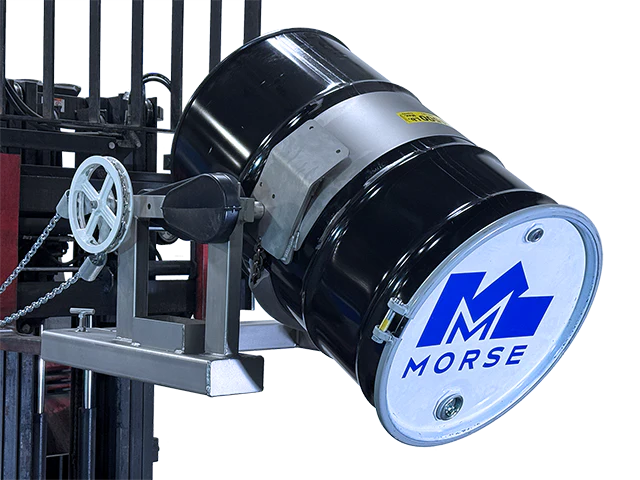
| Morse GRIP+GO Fork Mounted Drum Handler | $10,020 | — | View → |
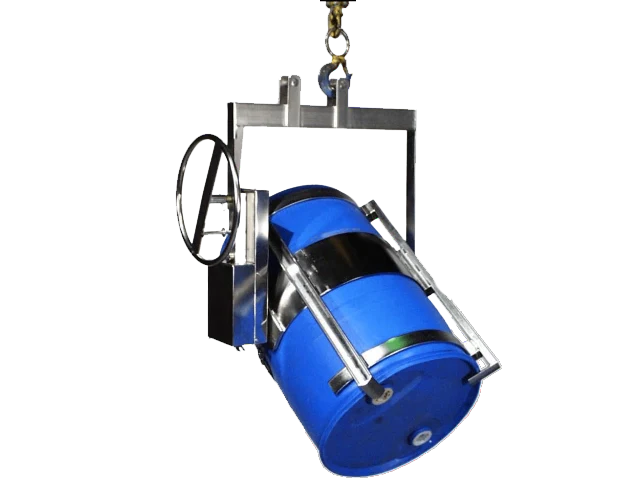
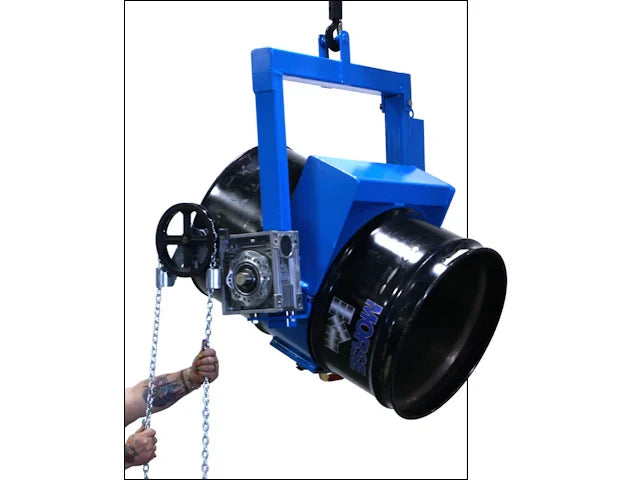
| Morse Power Tilt Below-Hook Kontrol Karrier with Toggle Clamp | $9,625 | 2000 lb (908 kg) full-drum; 1000 lb (454 kg) half-full | View → |
| Morse Stainless Steel Kontrol Karrier w/ Bead Blast Finish 900lbs | $9,600 | 900 lb | View → |
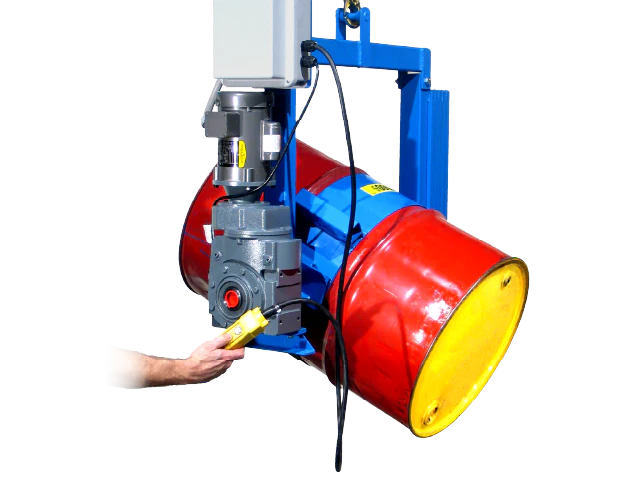
| Morse Kontrol Karrier with 3-Piece Drum Holder 1500lbs | $9,250 | 1500 lb | View → |
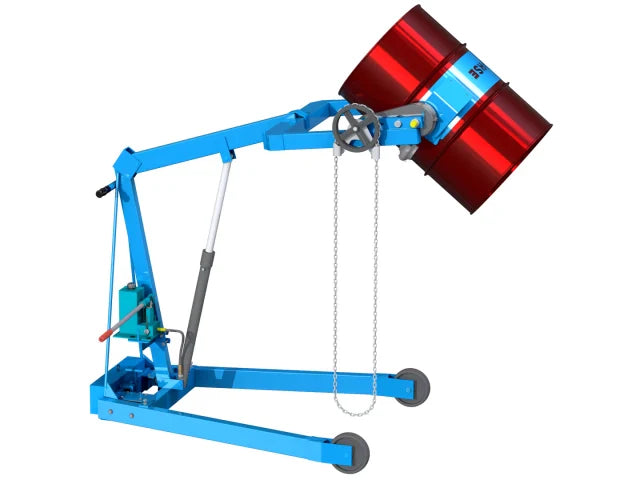
| Morse Power Tilt Below-Hook Knotrol Karrier with Web Straps | $8,820 | 1500 lb (681 kg) full-drum; 800 lb (363 kg) half-full | View → |
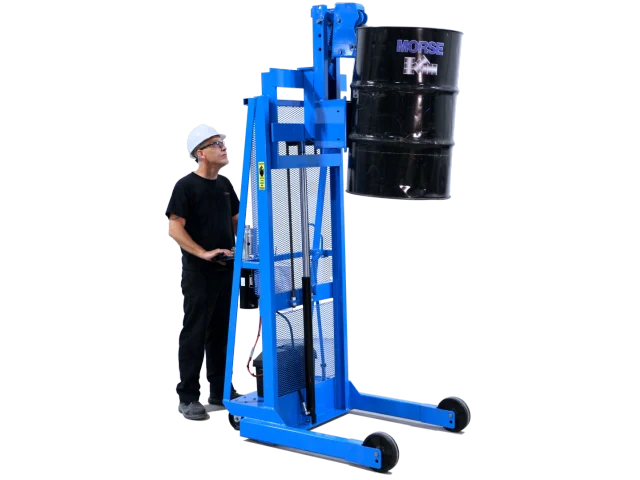 In Stock
 In Stock
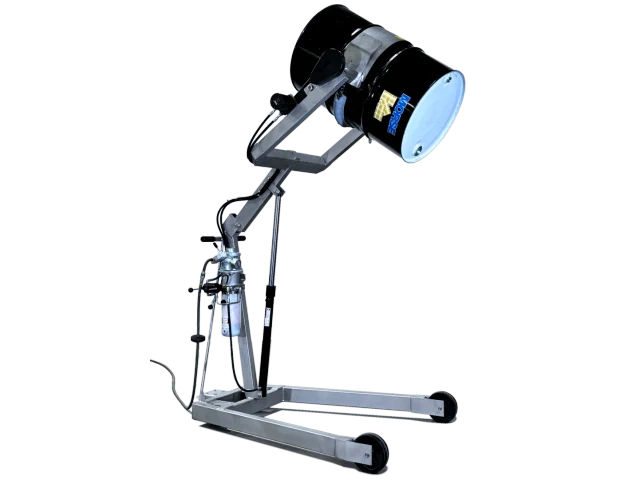 In Stock
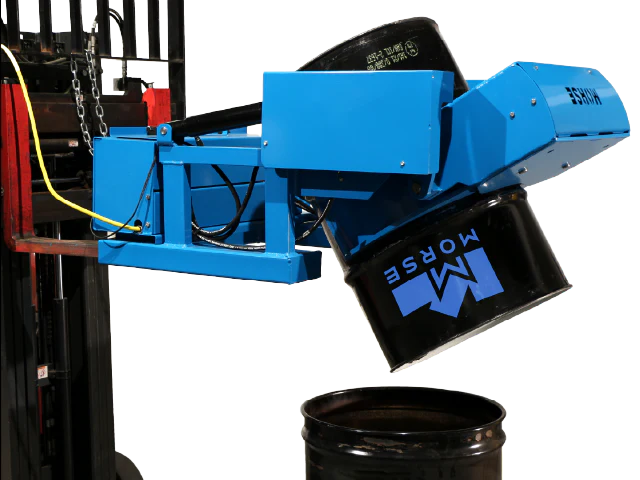 In Stock
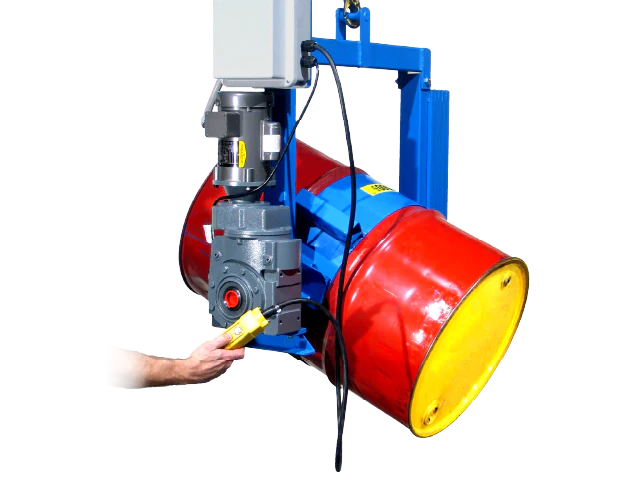 In Stock
 In Stock
 In Stock
 In Stock
 In Stock
 In Stock
 In Stock
 In Stock
 In Stock
 In Stock
 In Stock
 In Stock
 In Stock
 In Stock
 In Stock
 In Stock
 In Stock
 In Stock
 In Stock
 In Stock
 In Stock
 In Stock
 In Stock
 In Stock
 In Stock
 In Stock
 In Stock
 In Stock
 In Stock
 In Stock
 In Stock
 In Stock
 In Stock
 In Stock
 In Stock
 In Stock
 In Stock
 In Stock
 In Stock
 In Stock
 In Stock
 In Stock
 In Stock
 In Stock
 In Stock
 In Stock
 In Stock
 In Stock
 In Stock
 In Stock
 In Stock
 In Stock
 In Stock
 In Stock
 In Stock
Drum Dollies & Carts Buying Guide
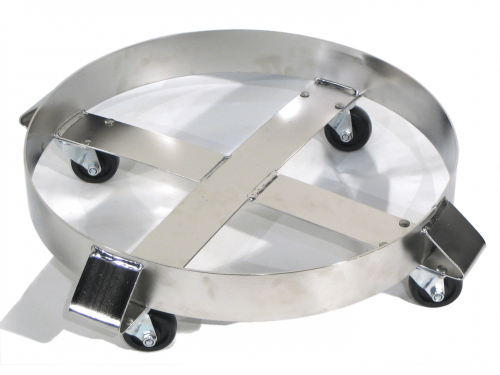
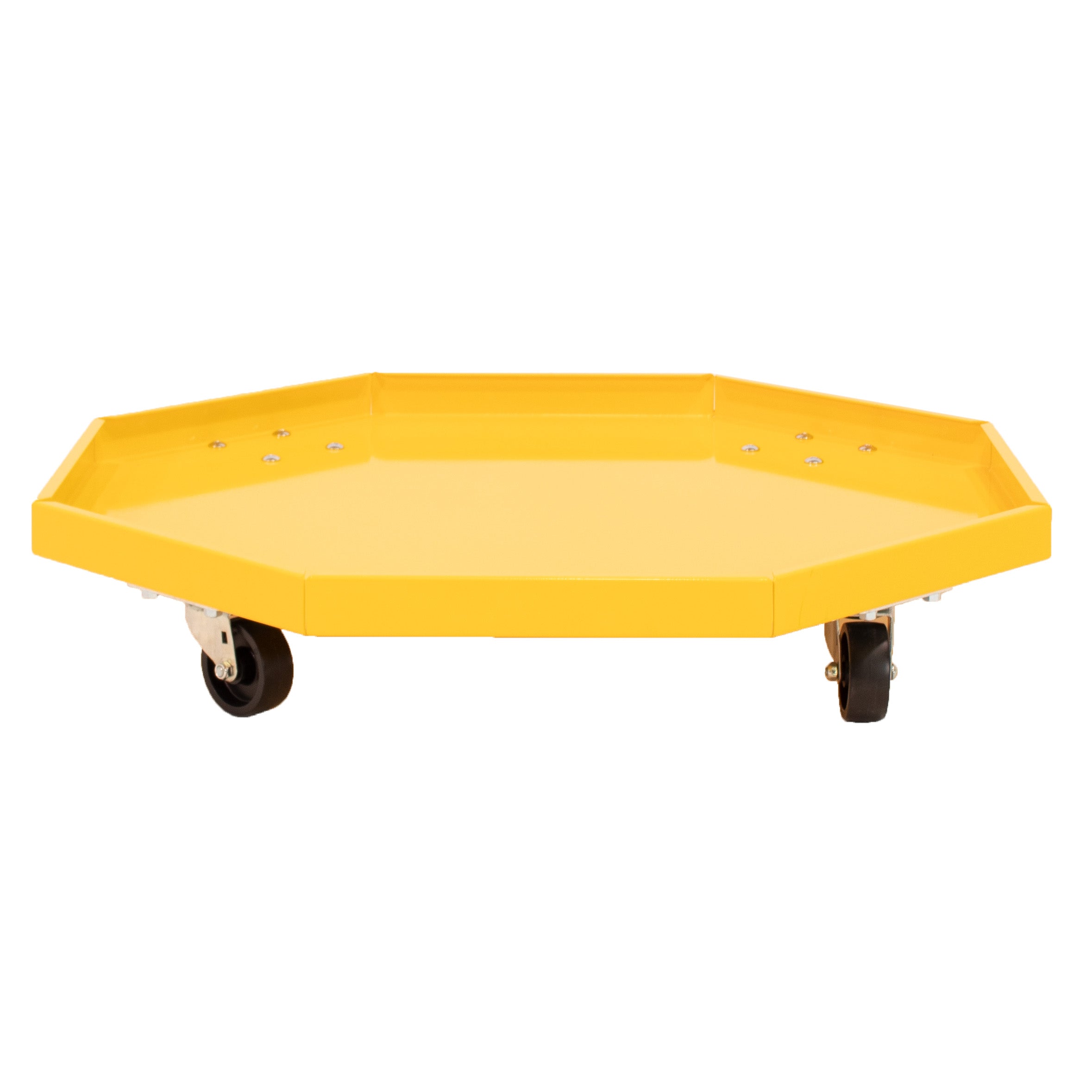
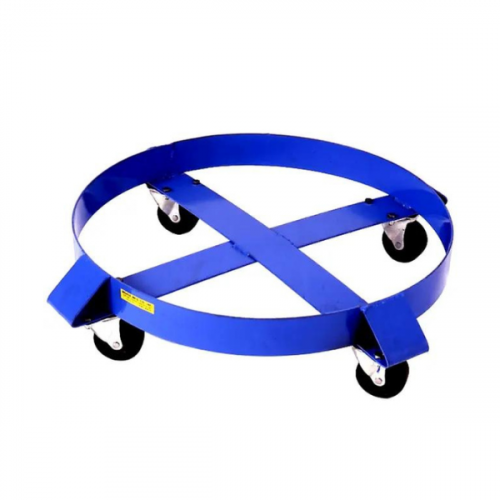
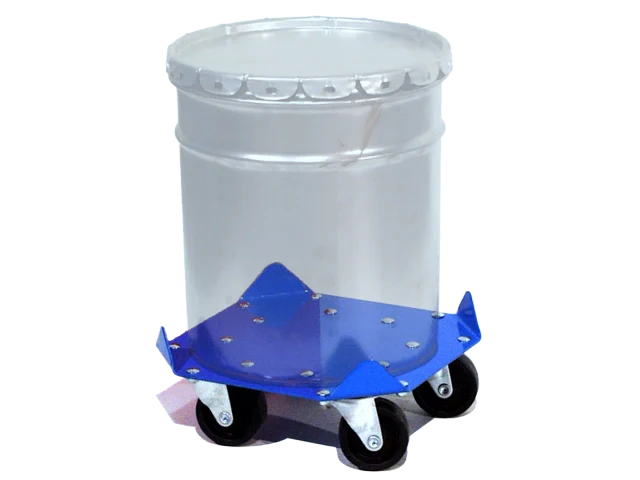
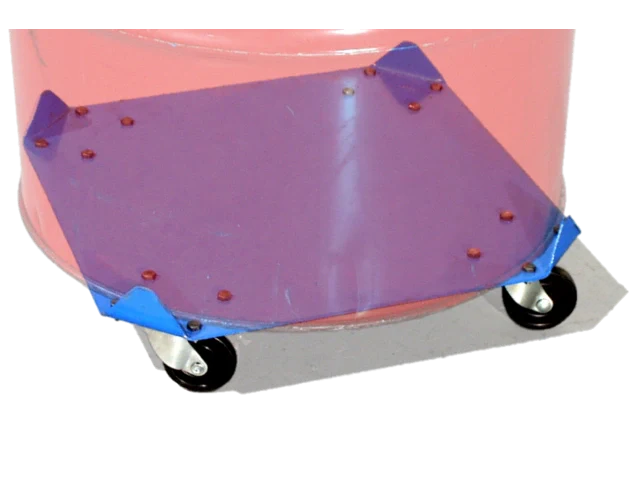
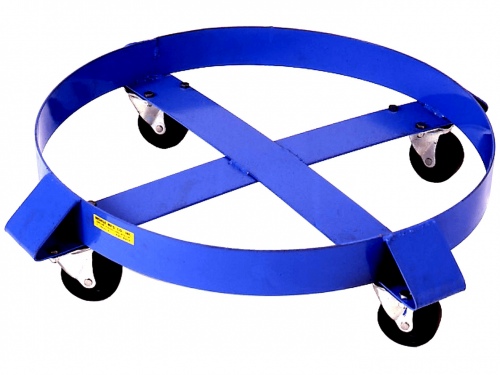
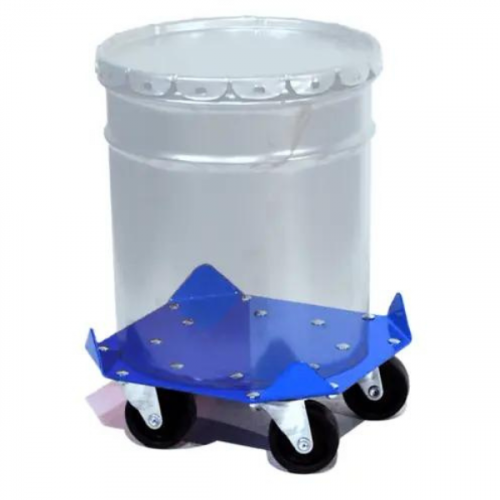
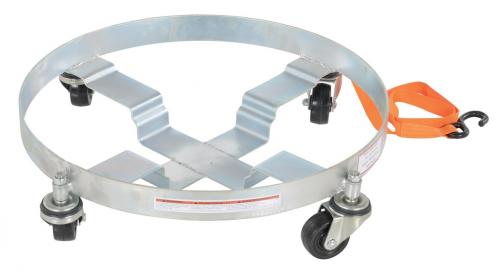
Fit the dolly to the drum, and measure before assuming. A standard closed-head 55 gallon steel drum runs about 22.5 inches in diameter, and the classic round dolly is a steel ring sized so that drum drops in and stays put. Morse builds the 55 gallon heavy duty dolly at $135 and a matching 30 gallon dolly for the smaller diameter, because a 30 gallon drum swimming in a 55 gallon ring will walk to the edge and tip on the first hard turn. Square containers get their own hardware, the Morse square drum dolly for 30 gallon square drums, and 5 gallon pails ride the PailPRO line, from the square drum dolly at about $131 to the pail dolly and pail truck. The trap is plastic: poly drums taper differently and run wider than steel at the same volume, some past 24 inches, so measure the actual drum at the base before ordering a ring dolly for anything that is not standard steel.
Capacity: the drum sets the floor, the rating sets the margin. Fifty-five gallons of water weighs 459 lb, and denser product pushes a full drum well past 500. The dollies here are rated with room to spare, 900 lb on the $104 Vestil multi-purpose steel dolly, 1,000 lb on the Morse heavy duty and Valley Craft models, and that margin is not decoration. A wheeled load bouncing over a floor joint or a cracked slab momentarily weighs more than it does standing still, and a dolly loaded to its sticker has nothing left for that. Match the rating to your heaviest full drum with headroom, not to the average one, and remember the rating assumes the load centered in the ring. An off-center drum on a moving dolly is how 500 lb ends up on its side.
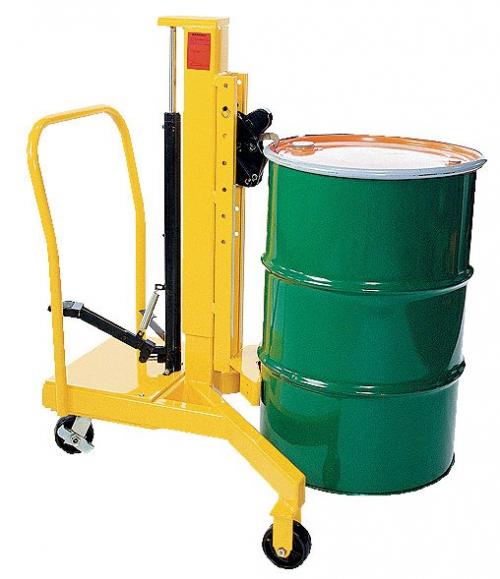
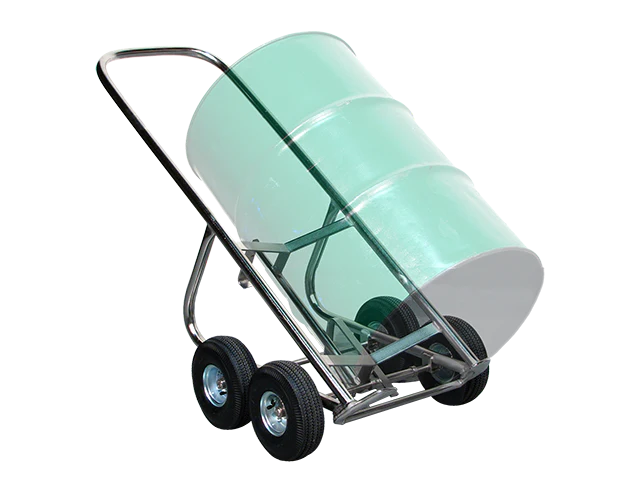
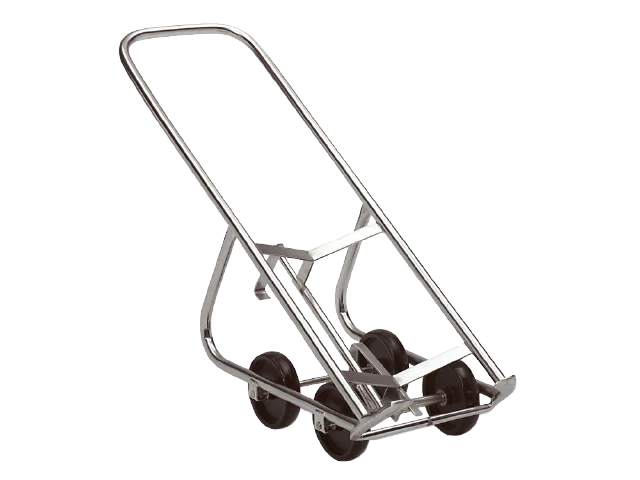
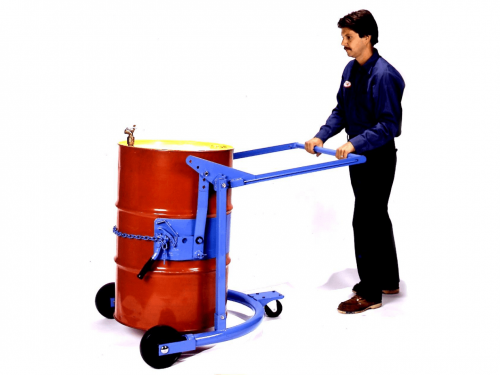
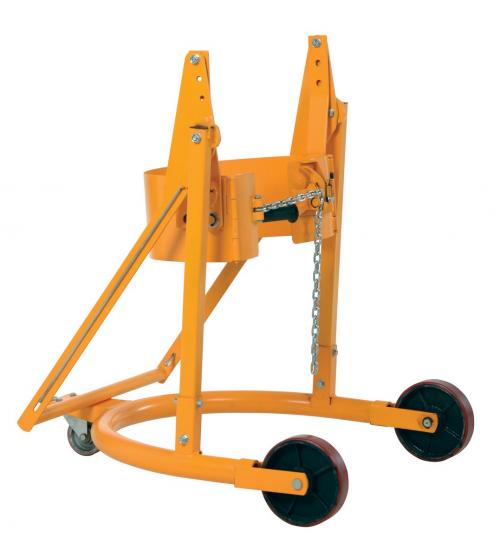
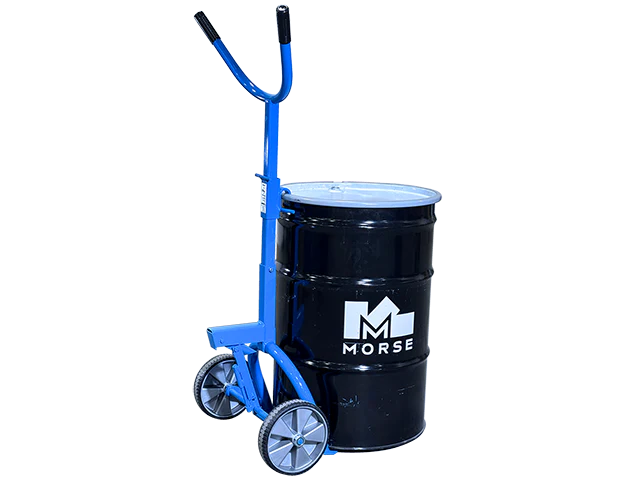
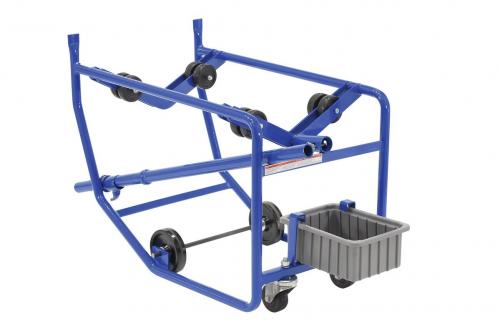
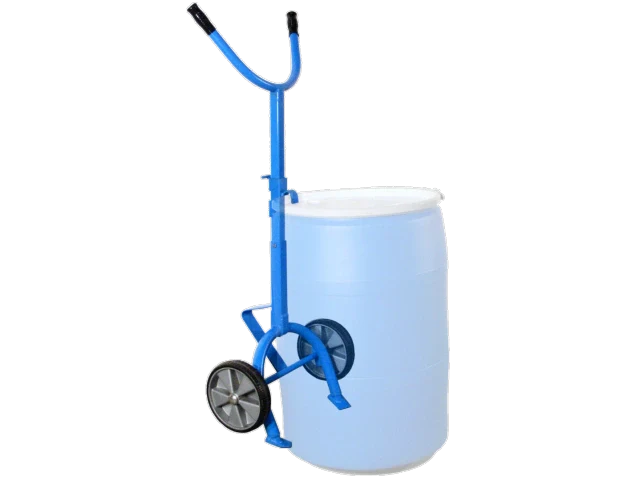
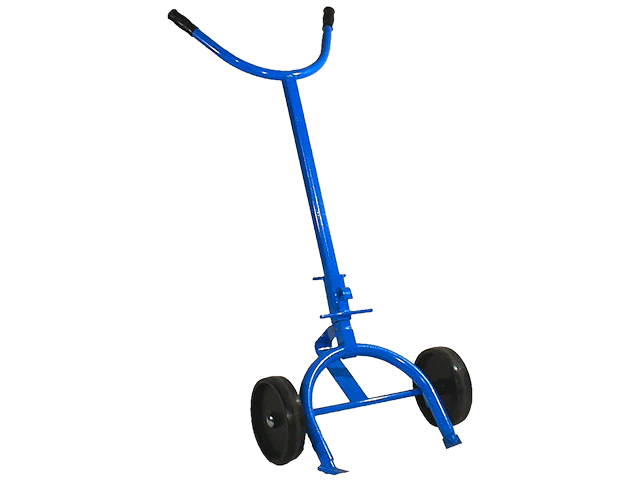
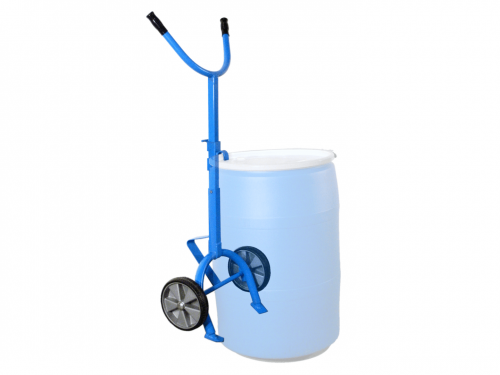
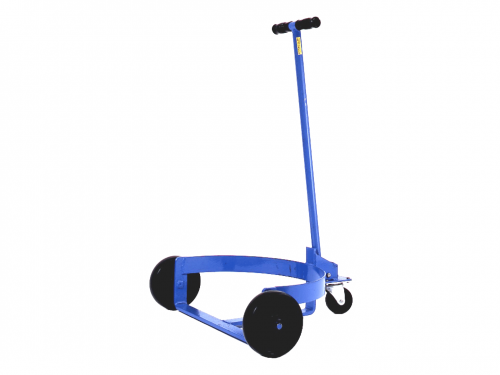
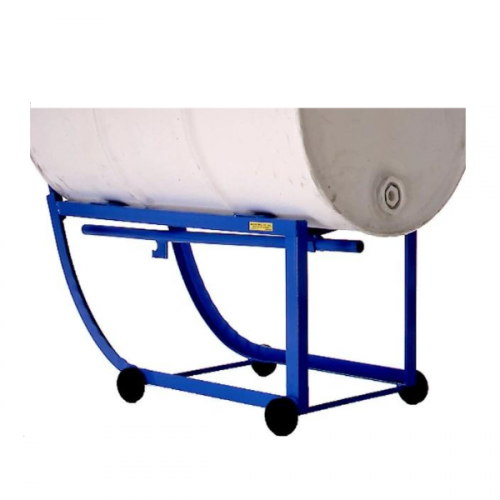
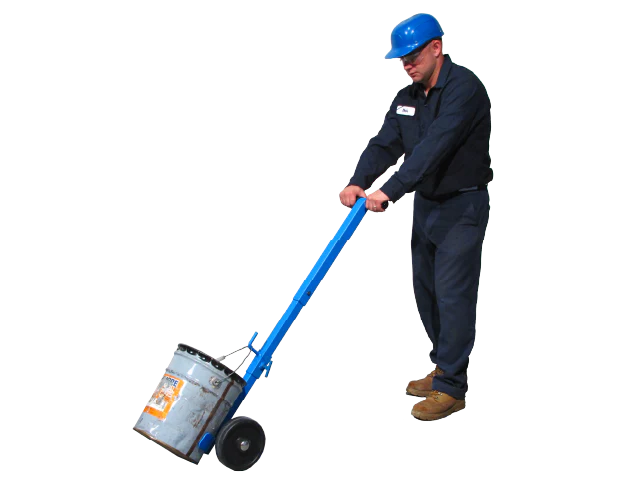
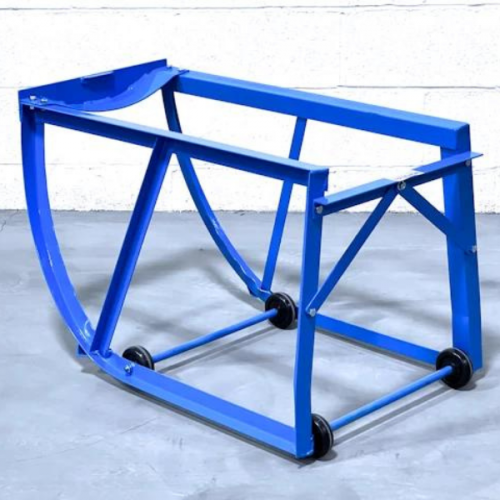
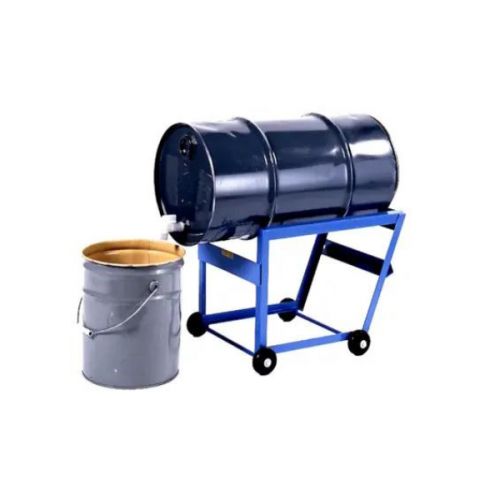
Dolly, two-wheel truck, or four-wheel truck. A dolly lives under the drum full time: lowest cost, zero lifting once the drum is aboard, and the drum stores on its wheels. A two-wheel drum truck works like a hand truck, tilting the drum back on its chime for the trip, and earns its price when drums come off a delivery truck and go to a dozen different spots; Morse's 30 and 55 gallon models run $354 to $376 at 1,000 lb capacity, with polyolefin or mold-on rubber wheel versions, a self-standing frame at $537, and a No-Spill model rated 1,200 lb for drums that must stay sealed and upright. Four-wheel drum trucks from about $525 add stability for longer hauls and rougher routes, and cradle trucks park the drum horizontally for tap dispensing, from the $128 15-gallon cradle truck through the 30/55 gallon cradle at about $220 to the 55 gallon cradle truck. If the drum makes one move a month, buy the dolly; if drum moving is somebody's job, buy the truck.
Wheels and casters decide the floor, the noise, and the push. The same 500 lb drum pushes very differently on different wheels. Polyolefin is the chemical-resistant default and rolls easily on smooth concrete; Morse offers its two-wheel trucks in polyolefin or mold-on rubber, and rubber is the pick where noise matters or the floor is finished, because it absorbs the joints instead of announcing them. Vestil's low profile drum cart at $159.99 runs poly-on-steel casters, a poly tread over a steel core that carries the rating without flat-spotting under a parked load. Swivel casters make a loaded dolly steerable in a tight drum room, and the low profile deck matters more than it looks like it should: every inch of deck height is an inch you have to lift or walk the drum up when loading.
Painted steel or stainless. Painted steel is the right answer for most of the building, which is why most of this collection is built from it. Stainless earns its premium in three places: washdown areas where paint fails and rust follows, corrosive storage where spilled product attacks carbon steel, and food or pharma floors where the finish is a compliance matter rather than a preference. The Morse 55 gallon stainless dolly runs $280.58 against $135 for the painted version, roughly double, and the stainless four-wheel drum truck at $1,470 and rough terrain model at $1,480 carry the same logic up the line. Buy stainless for the environment, not the look; in dry general storage the painted dolly does the identical job for half the money.
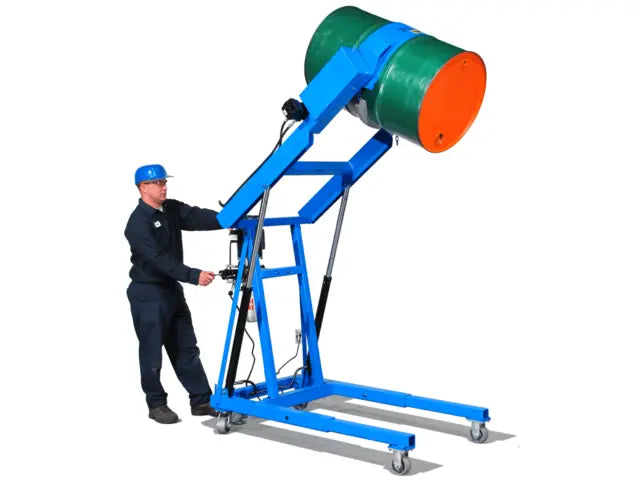
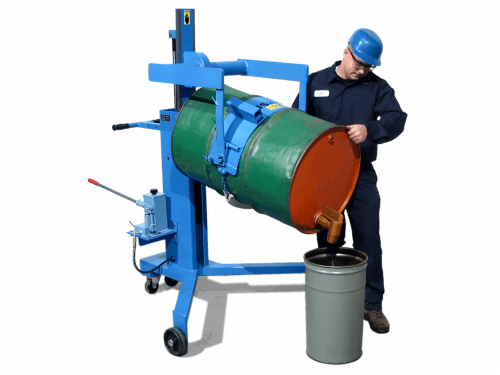
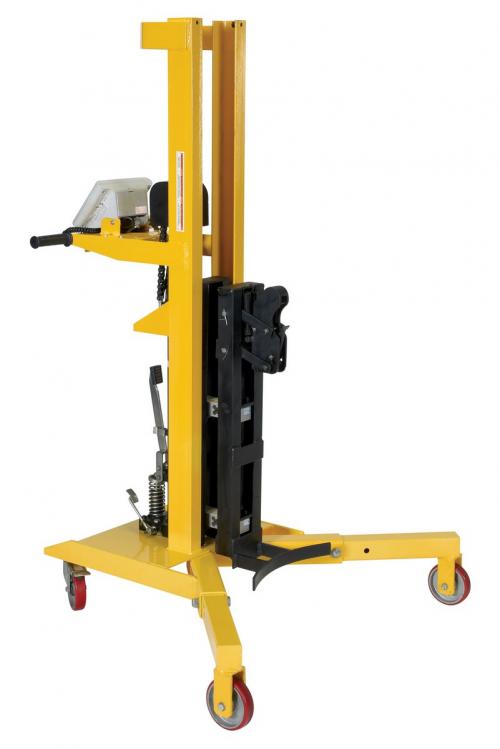
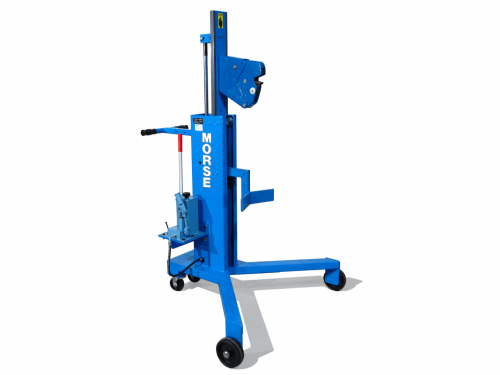
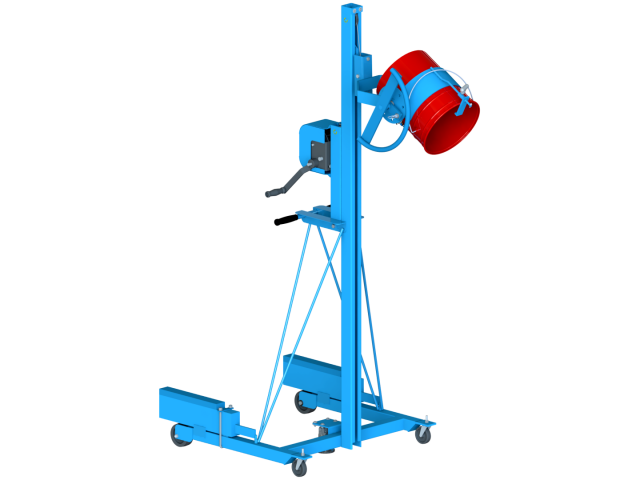
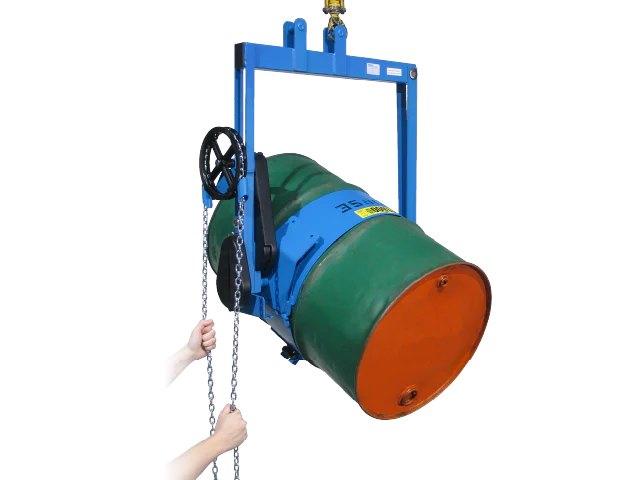
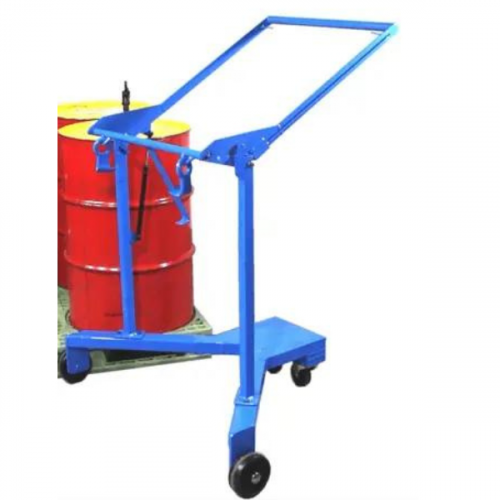
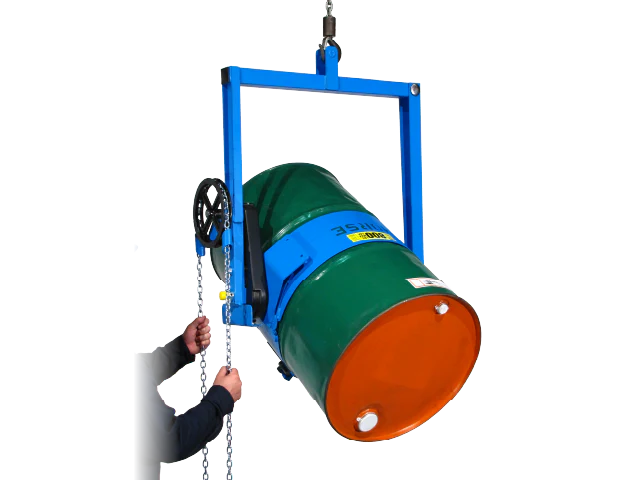
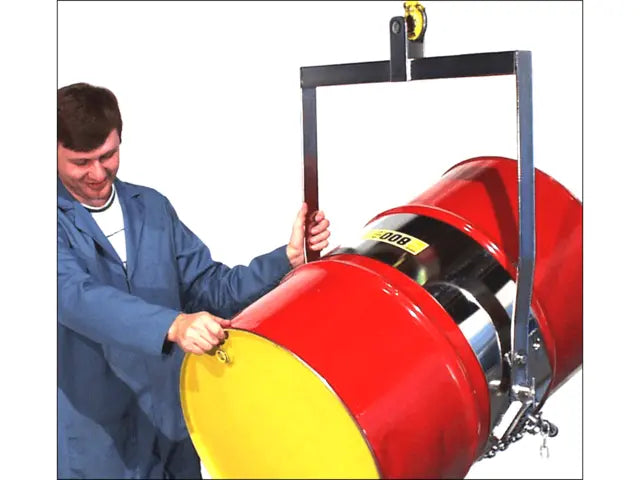
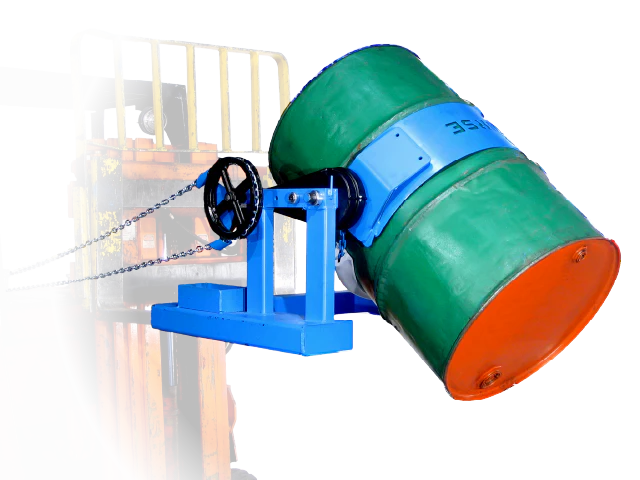
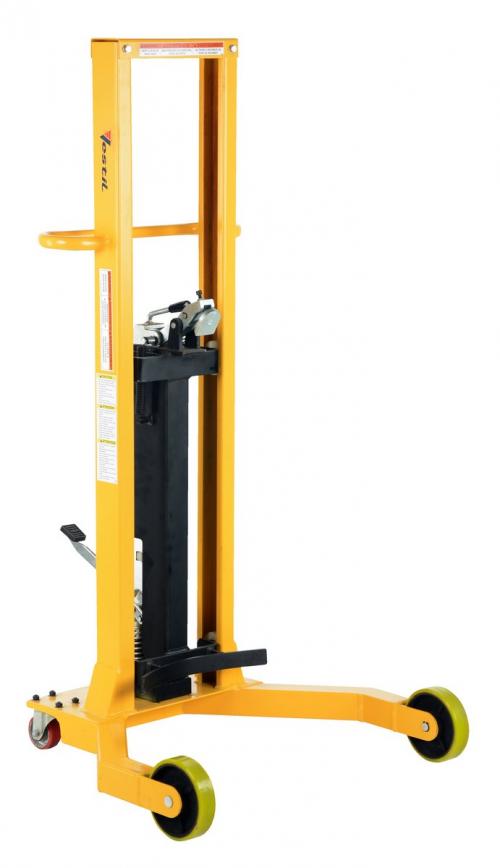
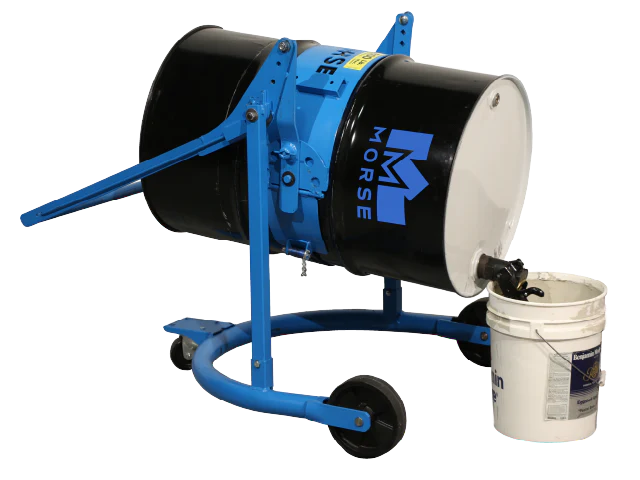
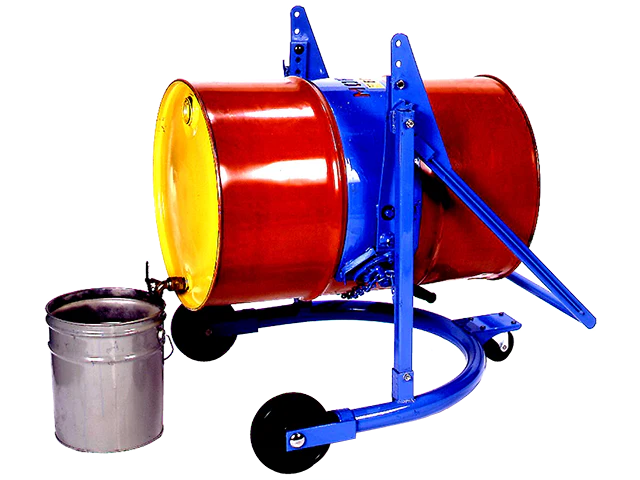
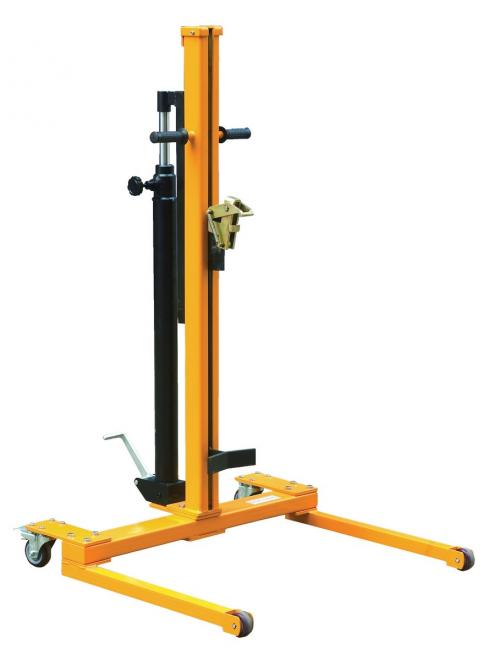
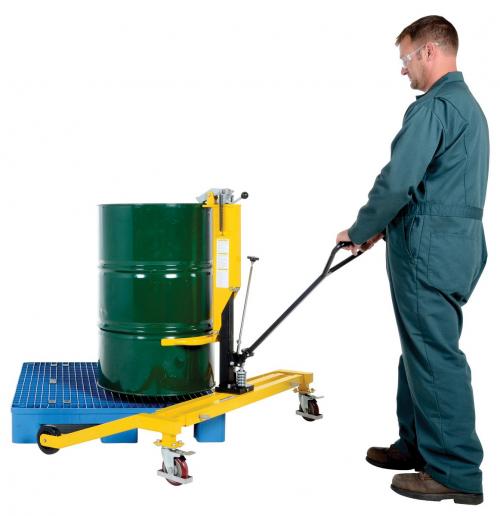
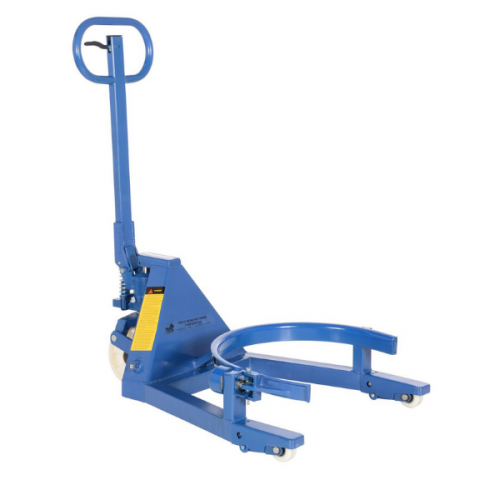
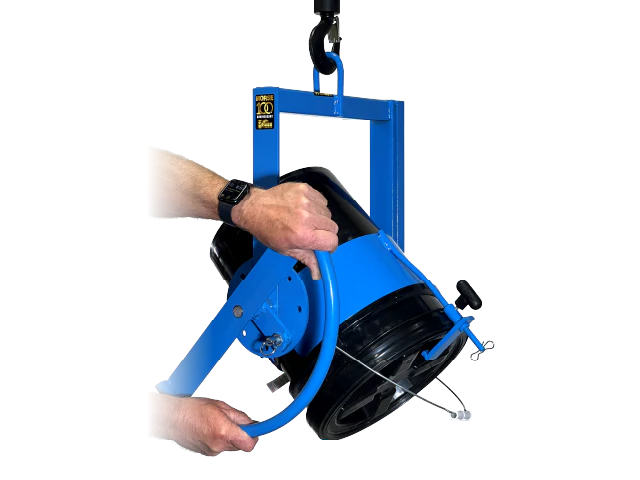
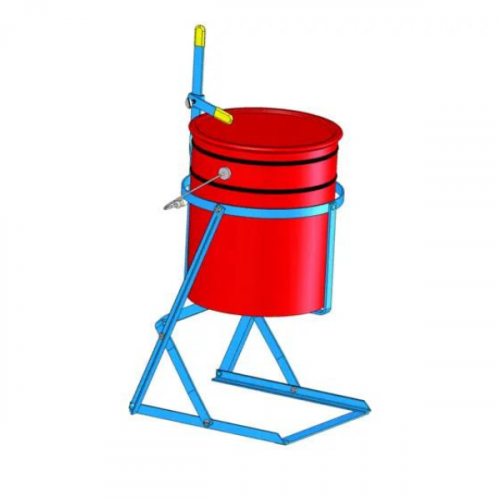
Getting the drum onto the wheels. The dolly solves the move, and loading is its own hazard: tipping and walking a 500 lb drum onto a 2 inch deck takes technique and two people. If that lift happens daily, buy it out. The Morse 55 gallon drum spotter at $1,505 grabs and spots a drum onto a dolly or into position at 800 lb capacity, the Vestil drum palletizer trolley at about $856 straddles a pallet and sets the drum on it, removing the single worst manual lift in most drum rooms, and the drum carrier, rotator and dispenser trolley at $544 clamps the drum, moves it, and tilts to pour from the same frame. The revolving drum cart spins a 600 lb drum in place for label and bung access without repositioning the cart. Past that point, hydraulic karriers, below-hook lifters, and forklift attachments take over, and they live in the neighboring drum handling collections.
Frequently Asked Questions
A standard 55 gallon steel drum is about 22.5 inches in diameter, and dollies sold as 55 gallon models are ringed for exactly that. Check before assuming with plastic drums: poly 55s run wider, some past 24 inches, and a drum that does not seat inside the ring rides the rim and tips. For 30 gallon drums, buy the 30 gallon dolly rather than letting the smaller drum float in an oversized ring.
A full 55 gallon drum of water-thin liquid weighs about 459 lb, and dense product runs heavier. The dollies here rate at 900 to 1,000 lb, which is the right kind of margin: it covers your heaviest drum plus the shock loads from floor joints and thresholds. Rate to your heaviest full drum with room to spare, never to the average.
A dolly is drum furniture: the drum lives on it and rolls anywhere for about $104 to $135. A drum truck is a moving tool: two-wheel models tilt the drum and take it across the building hand-truck style, four-wheel and cradle trucks carry it horizontally and double as dispensing stations. If a drum moves occasionally, dolly. If somebody moves drums all day, truck, and the $354 Morse two-wheel is the standard answer.
The manual method is a two-person tilt and walk: break the drum onto its edge, roll it over the dolly, and set it down centered. It works, and it is also where backs get hurt. If loading happens regularly, spend the money once: a drum spotter places drums at 800 lb capacity, and a palletizer trolley handles the drum-to-pallet lift that hurts the most.
Only in the environments that destroy painted steel: washdown, corrosive storage, food and pharma floors. There the stainless Morse dolly at $280.58 outlives two or three painted ones and keeps compliance simple. In dry general storage, the $135 painted version does the same work, and the difference buys a second dolly.