Drum Lifter
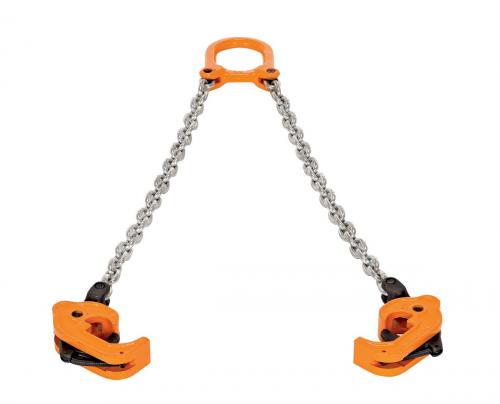
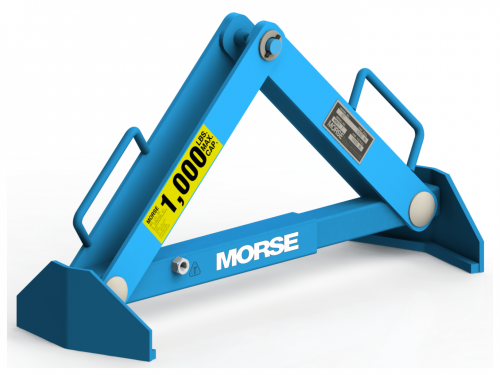
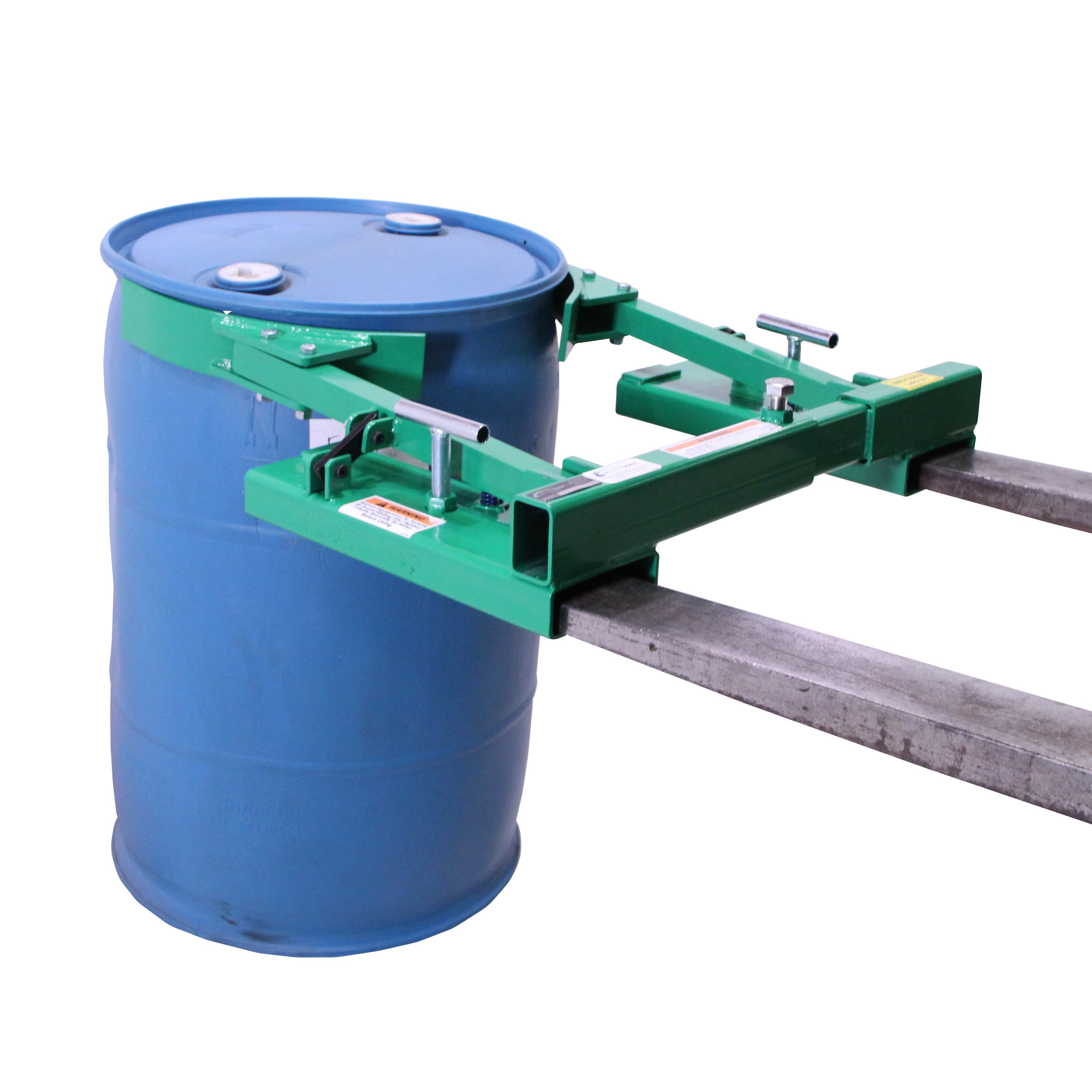
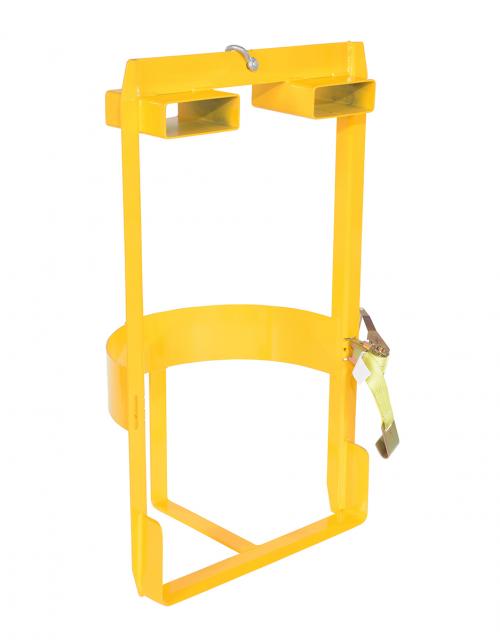
A drum lifter hangs a full drum from a hoist, crane, or forklift hook and holds it there by the chime, the rolled rim at the top of the barrel, so a 55 gallon drum rides upright with nobody's hands underneath it. This collection is the below-the-hook corner of drum handling: tong-style lifters and clutches that clamp the steel chime, chain slings built specifically for drums, and geared pouring lifters that raise a drum and then tilt it to dispense. Morse supplies most of the range, with Vestil covering the entry price on chain slings and clutches from about $85. Ratings cluster at 1,000 lb, comfortably over any full steel drum, and climb to 2,000 lb on the heavy chain sling. Every device here is a below-the-hook lifting device under ASME B30.20, rated and inspected like the rest of your rigging. The guide below sorts vertical lifters from lift-and-pour, steel drums from plastic, and the numbers that size the tool.
Compare Drum Lifting Attachments
| Model | Price | Capacity | Power | Lift Height | |
|---|---|---|---|---|---|
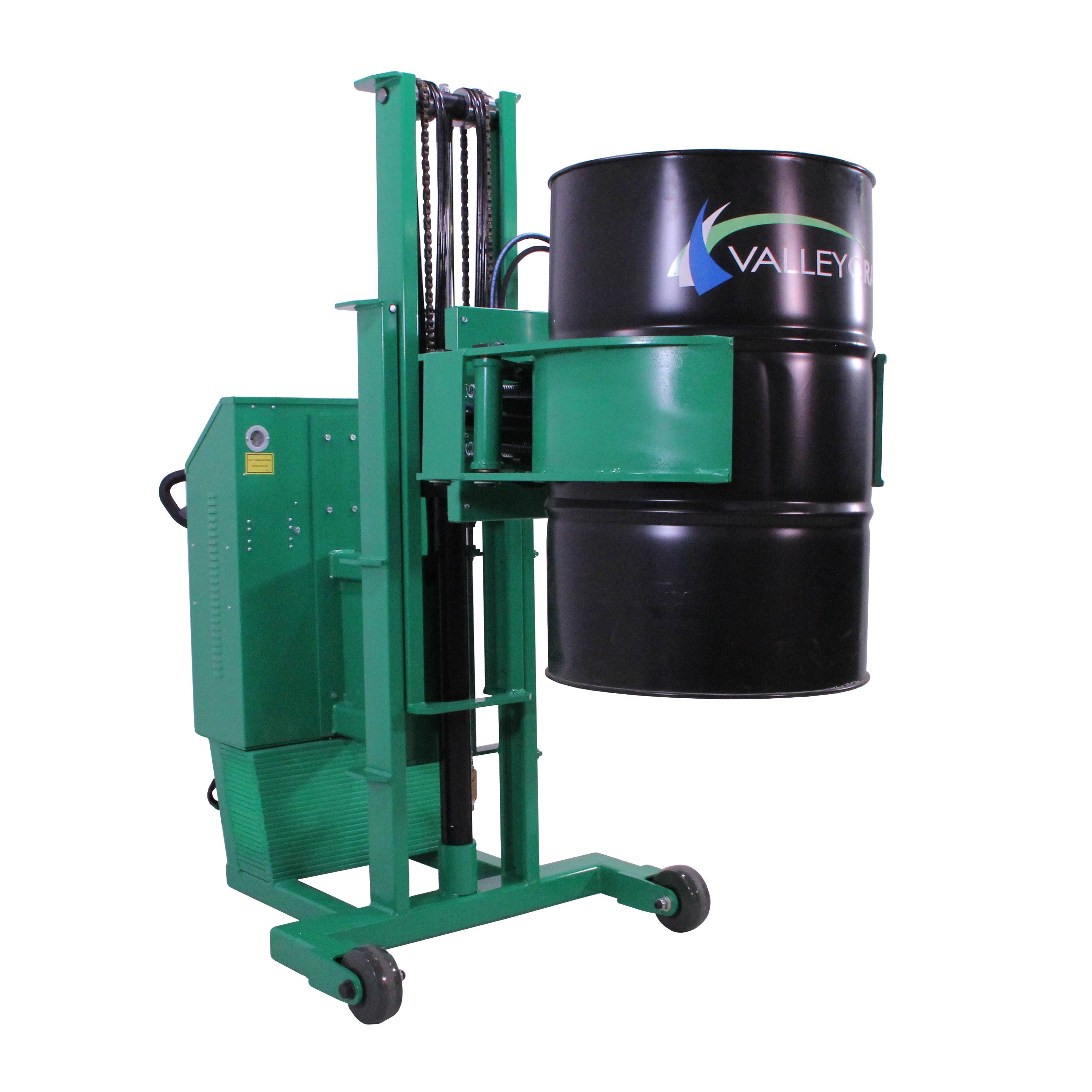
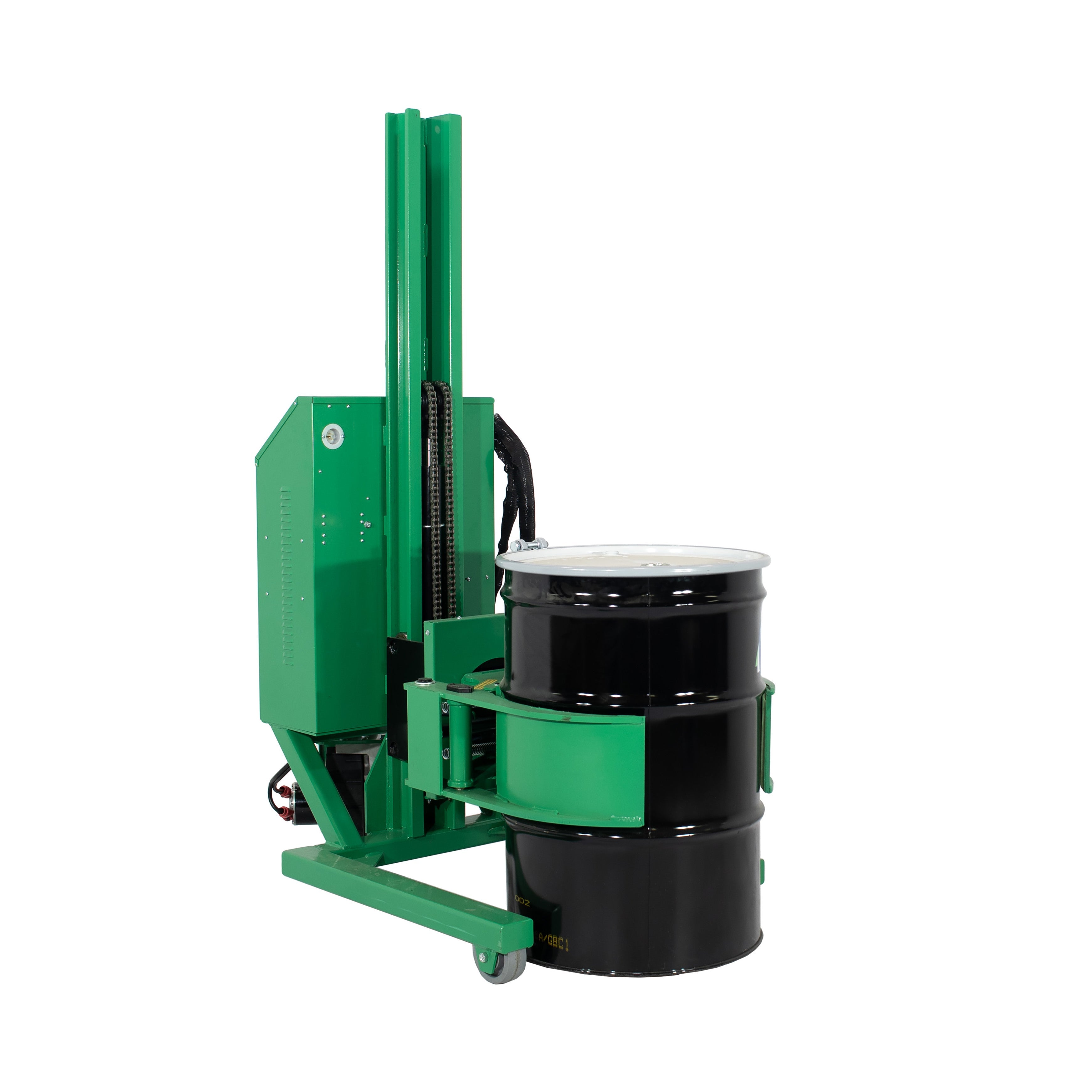
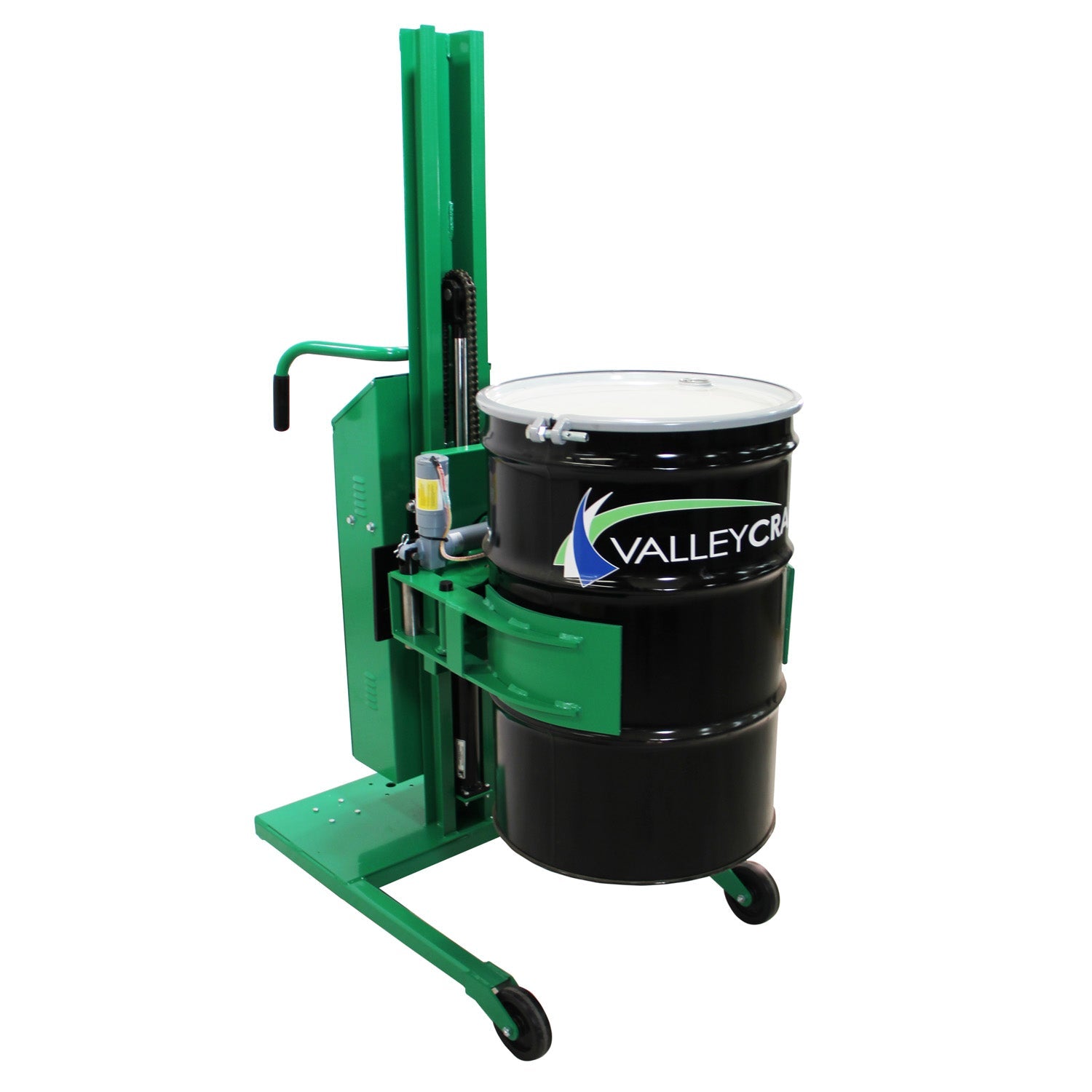
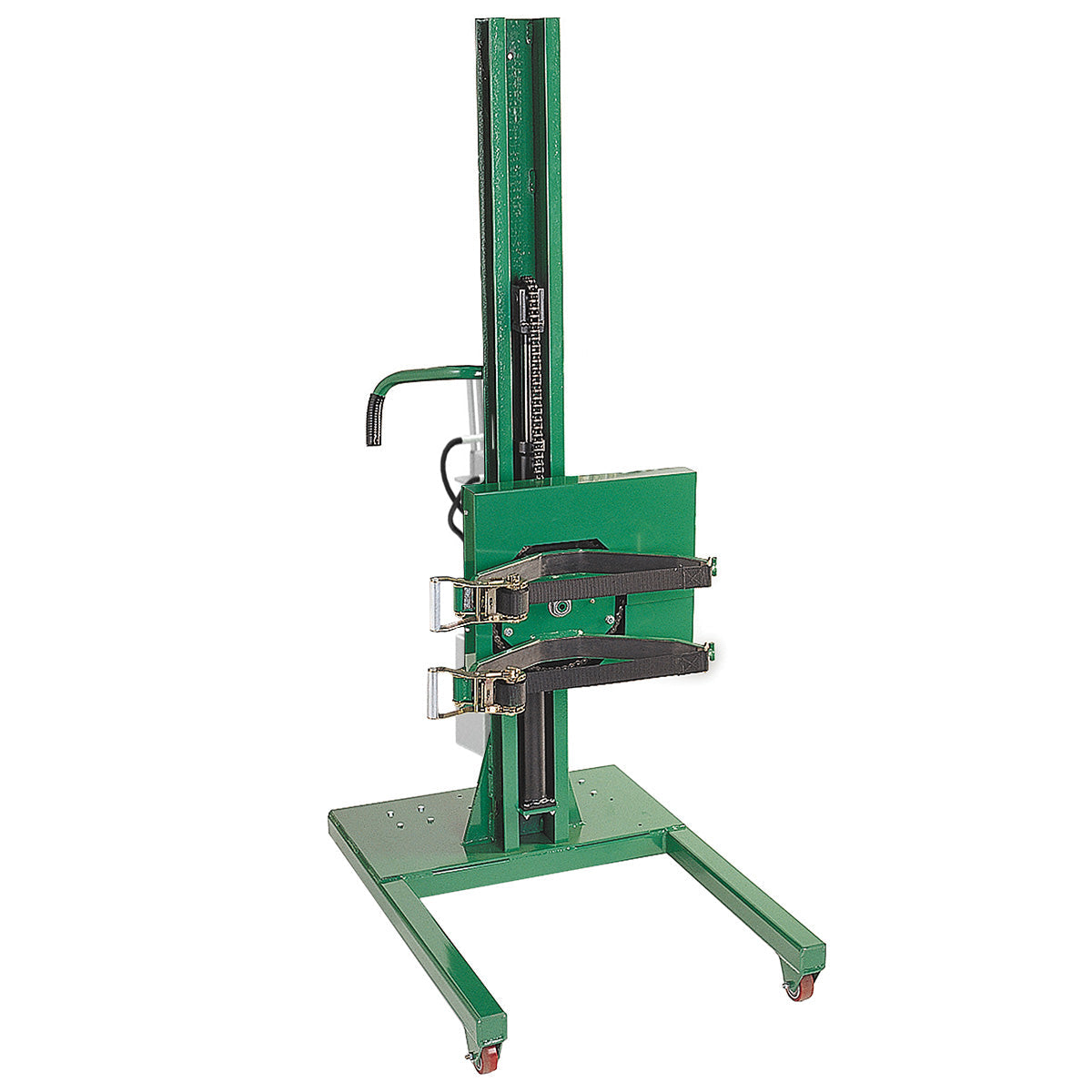
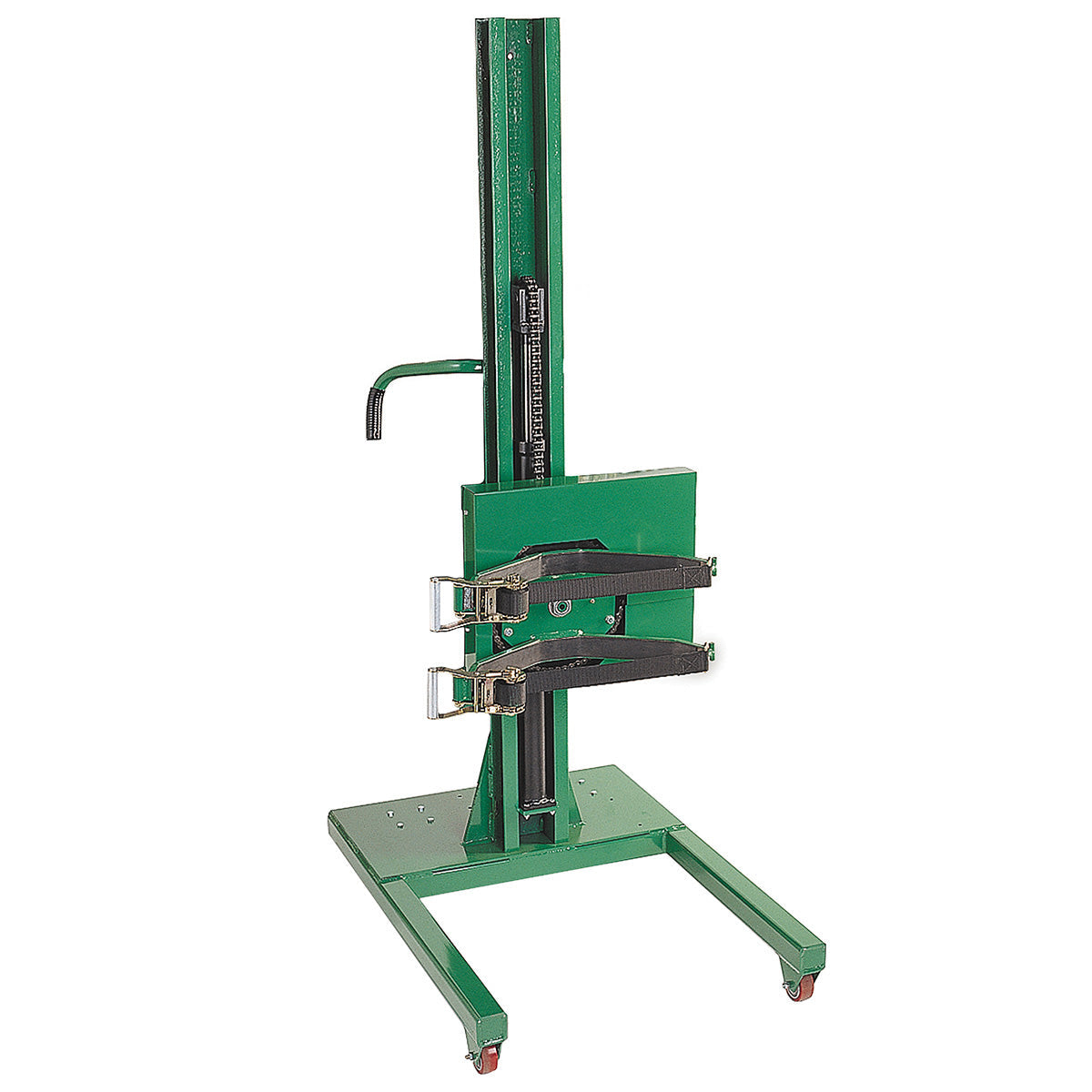
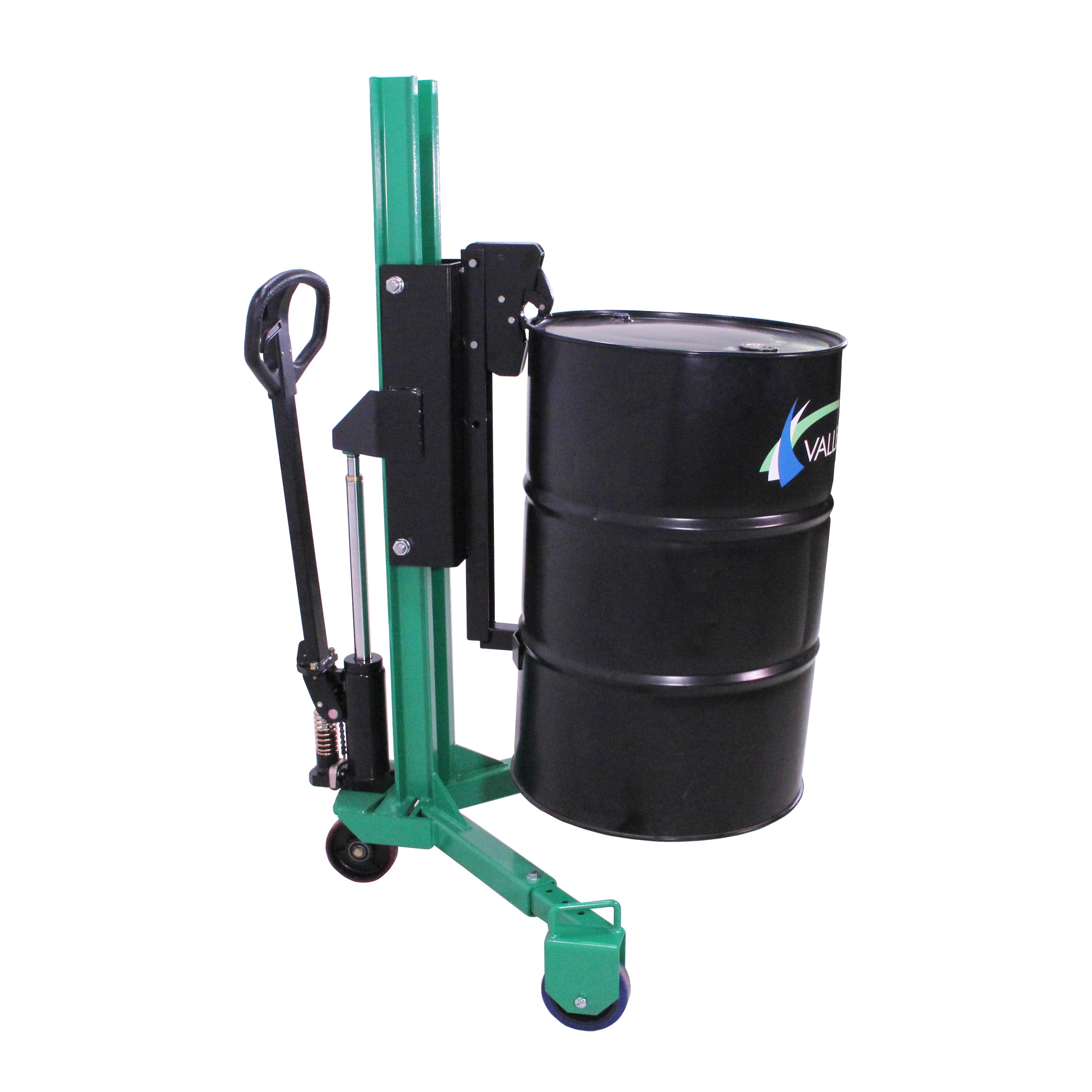
| Valley Craft Deluxe Telescopic Drum Lift & Rotator | $25,995 | 1,000 lb | 24V | — | View → |
| Valley Craft Fully Powered Drum Lifts & Rotators | $20,995 | 1,000 lb | 24V | 78-90 in | View → |
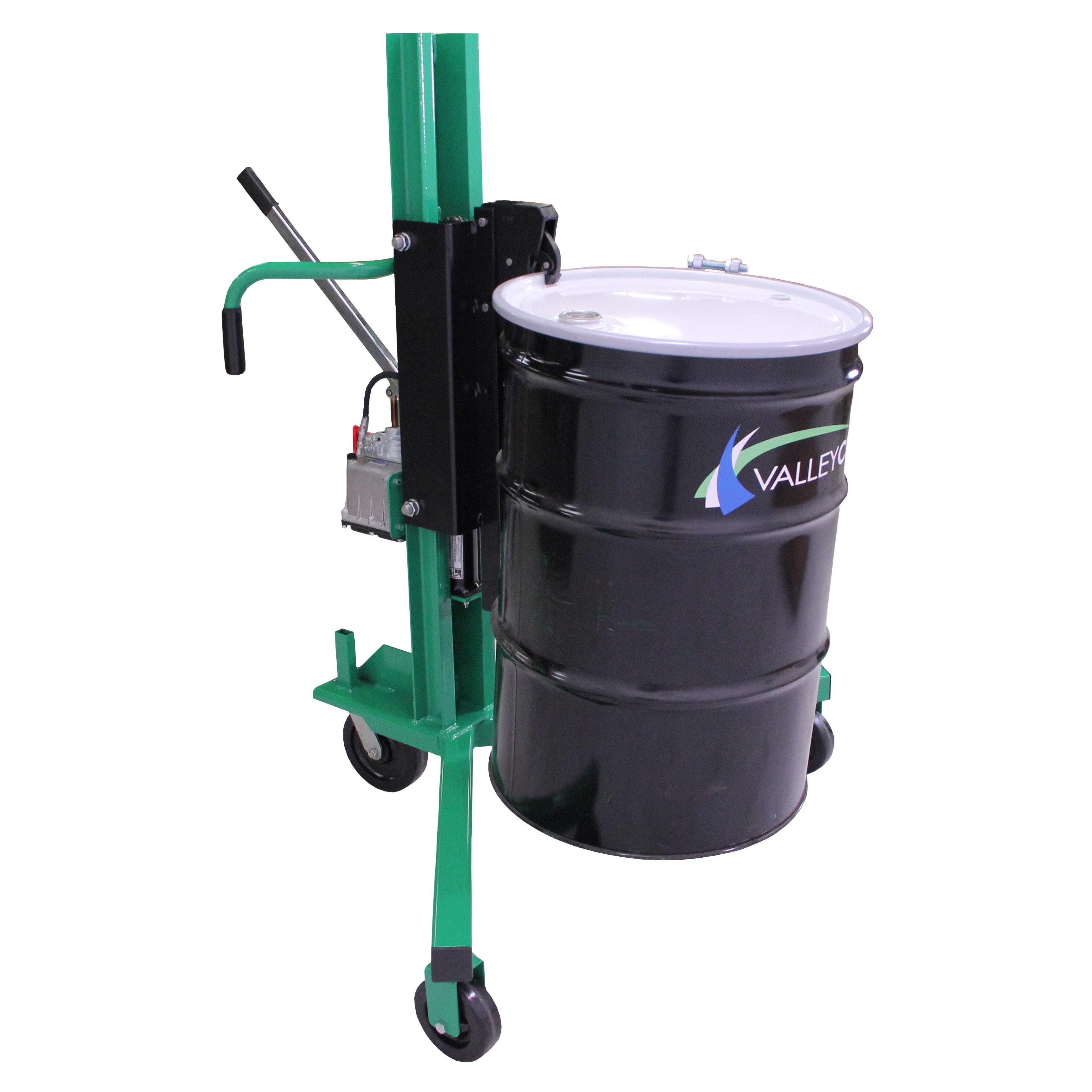
| Valley Craft Semi-Powered Drum Lifts & Rotators | $11,845 | 800 lb | 12V | 78-90 in | View → |
| Valley Craft Pneumatic Semi-Powered Drum Lifts & Rotators | $8,045 | 800 lb | — | 78-90 in | View → |
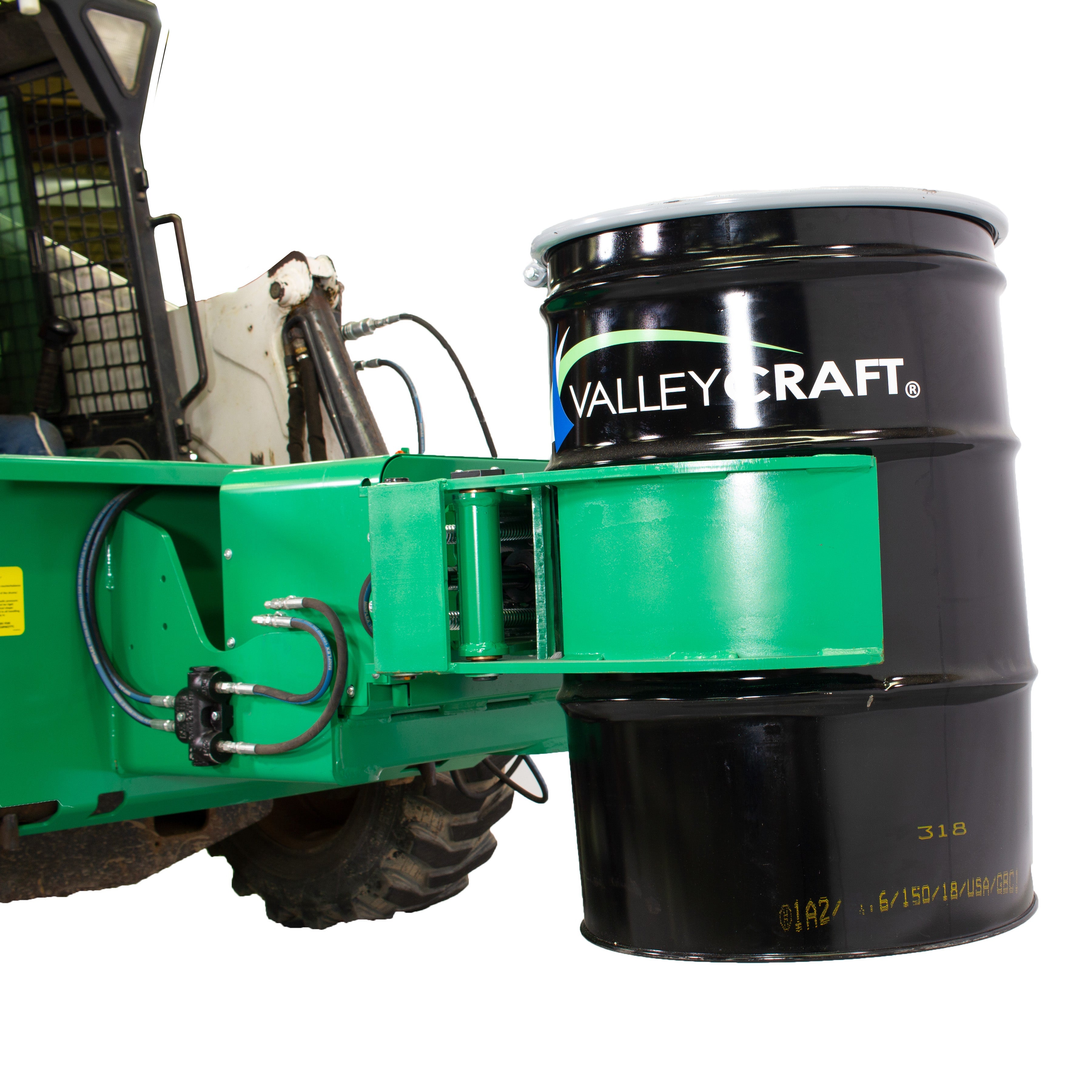
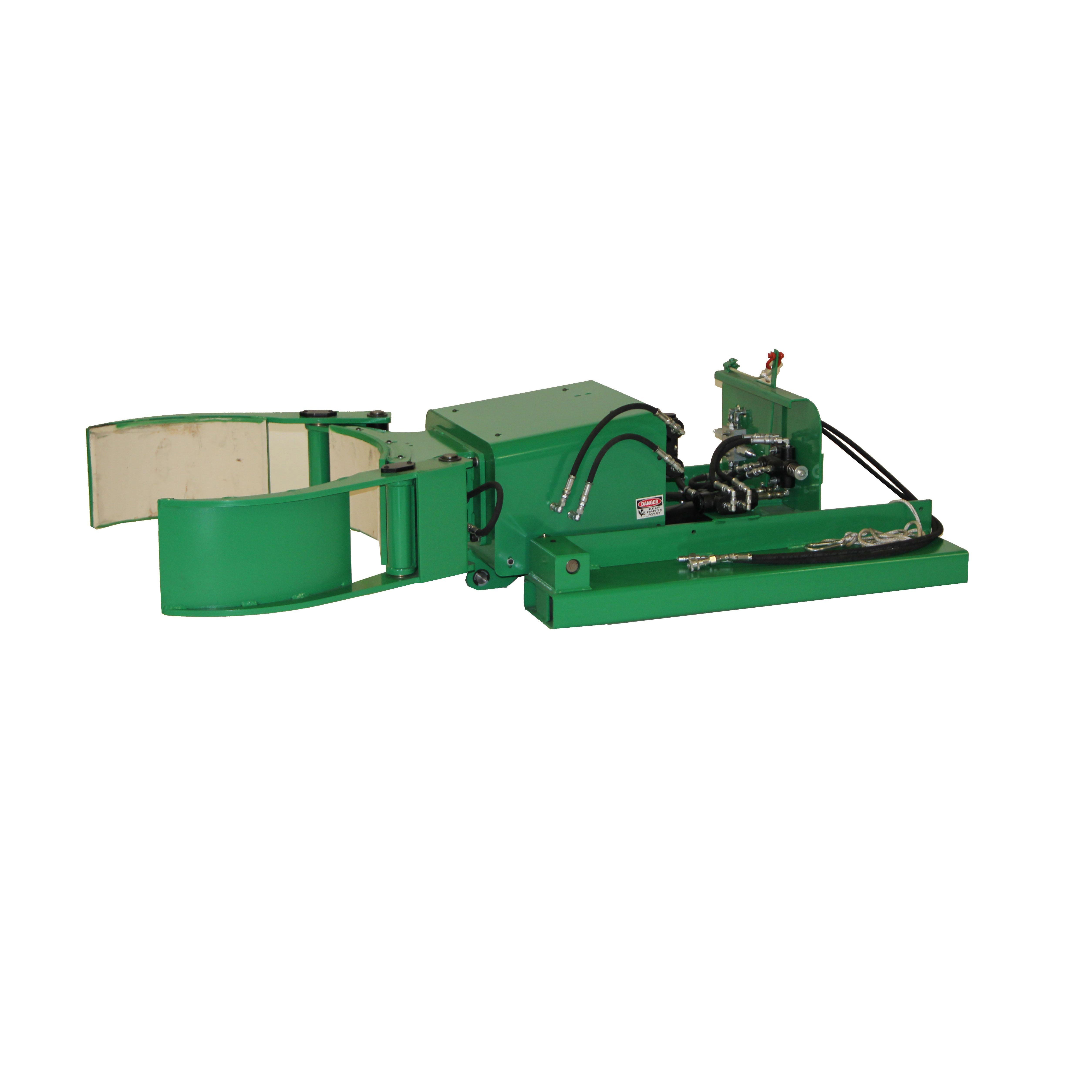
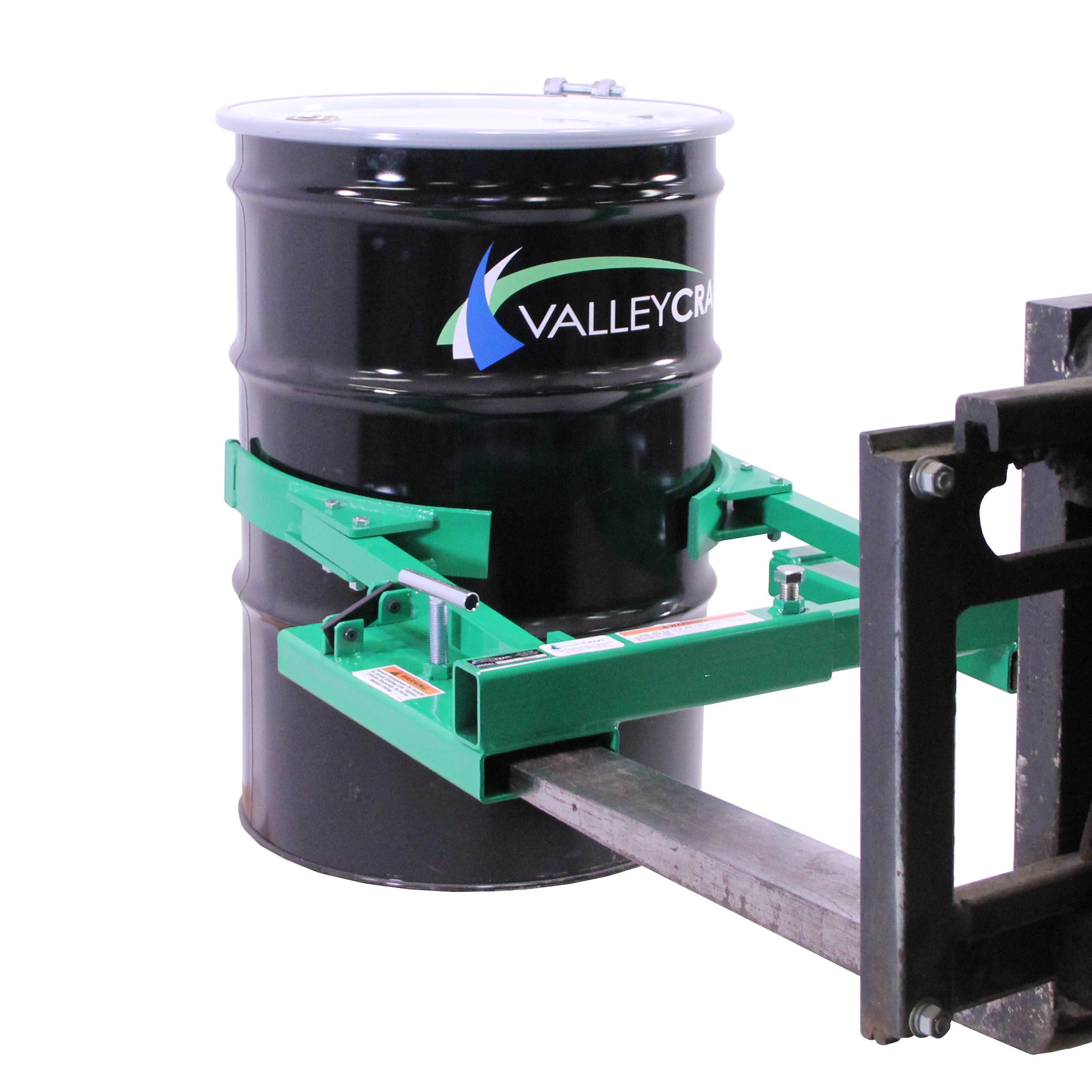
| Valley Craft Drum Clamp & Rotate Powered Skid Steer Attachments | $7,745 | 2,000 lb | — | — | View → |
| Morse Heavy-Duty Hydra-Lift 410 Series Drum Handler | $7,520 | 1,200 lb | — | — | View → |
 In Stock
 In Stock
 In Stock
 In Stock
 In Stock
 In Stock
 In Stock
 In Stock
 In Stock
 In Stock
 In Stock
 In Stock
 In Stock
 In Stock
 In Stock
 In Stock
 In Stock
 In Stock
 In Stock
 In Stock
 In Stock
 In Stock
 In Stock
 In Stock
 In Stock
 In Stock
 In Stock
 In Stock
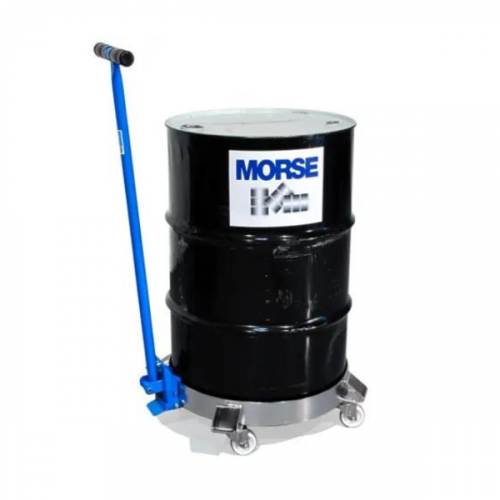 In Stock
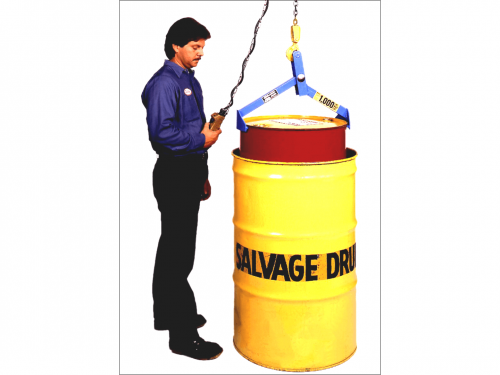 In Stock
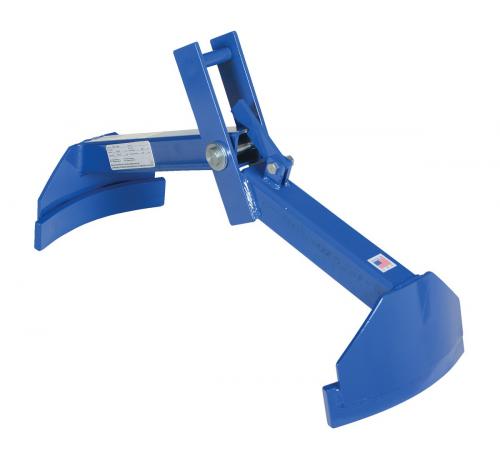 In Stock
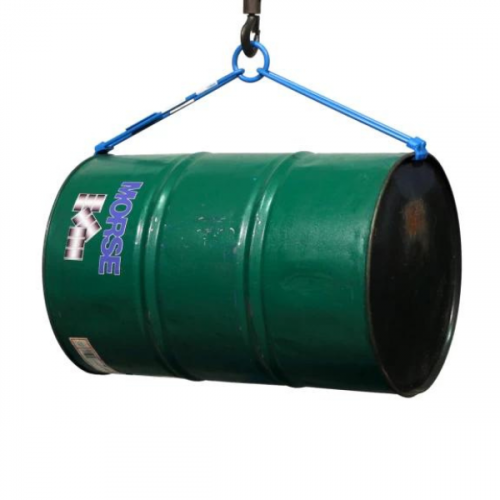 In Stock
 In Stock
 In Stock
Drum Lifting Attachments Buying Guide
What a drum lifter is, and what it is not. Everything on this page shares one trait: it hangs from a hook. A drum lifter is a below-the-hook device that takes a drum from an overhead hoist, a crane, or the hook plate on a forklift and carries it in the air. That is a different job from the two neighbors in the range. Fork-mounted grabs and rotators that ride on the carriage and never leave the truck live in forklift drum attachments, and wheeled gear that keeps a drum at floor level lives in drum dollies and carts. If the drum needs to go up, over an obstruction, into an overpack, or onto a mezzanine, it is a lifter you want, and the choice from there is how it grips and whether it also pours.
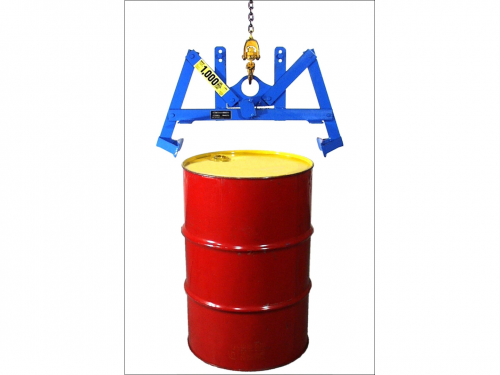
The chime does the holding. A steel drum carries a rolled chime, the reinforced hoop where the top head is seamed to the body, and it is the only feature on a barrel strong enough to lift from. Tong-style lifters and clutches clamp that chime and self-tighten under load, so the harder the drum pulls down, the harder the jaws bite. The Vestil drum lifter clutch and the Morse steel drum lifter are the plain version of this: a single-drum grip rated at 1,000 lb, from around $132 and $185, that latches on the chime and comes off in seconds. The Morse Verti-Karrier adds a remote grip and release so the operator sets and frees the drum without reaching into the lift zone, which matters when the hookup point is head height or higher. All of them assume an intact chime, so a dented or corroded rim is a reason to stop, not to muscle through.
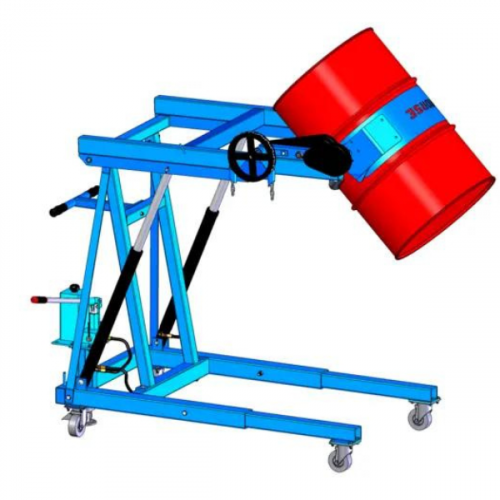
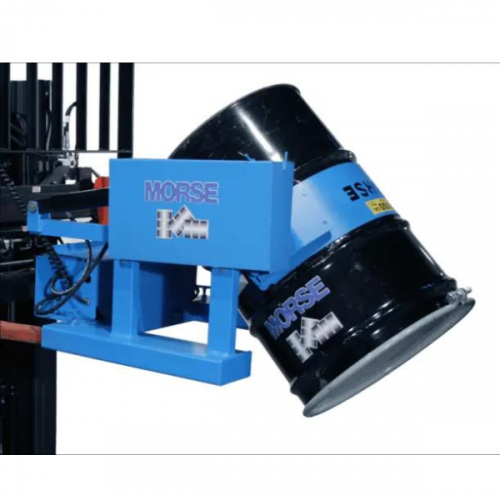
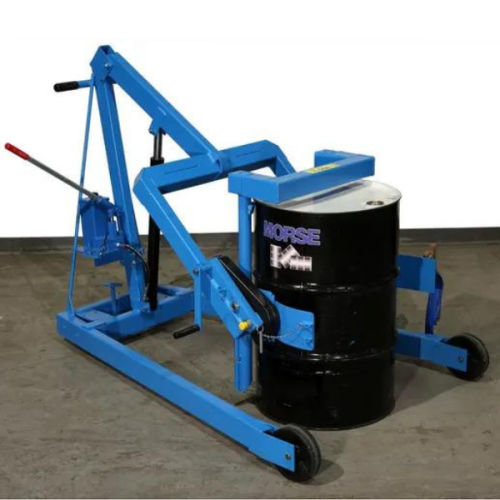
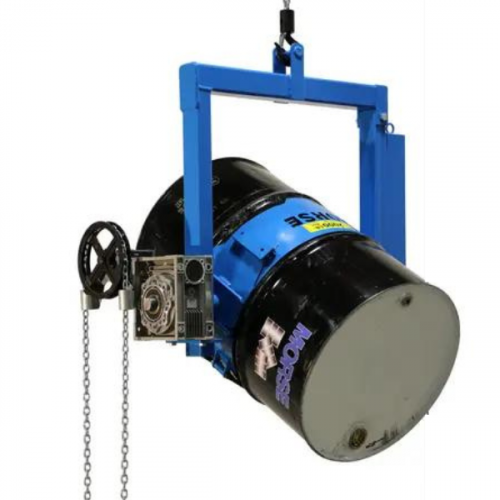
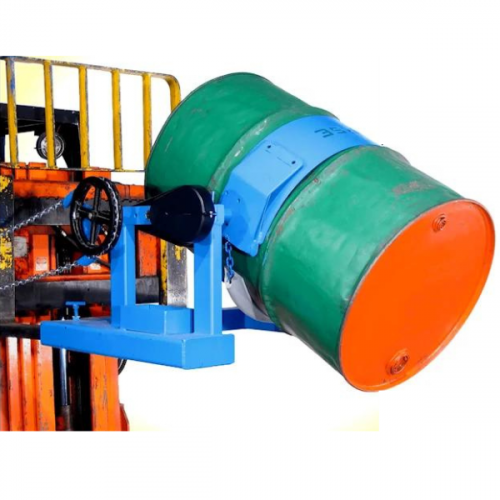
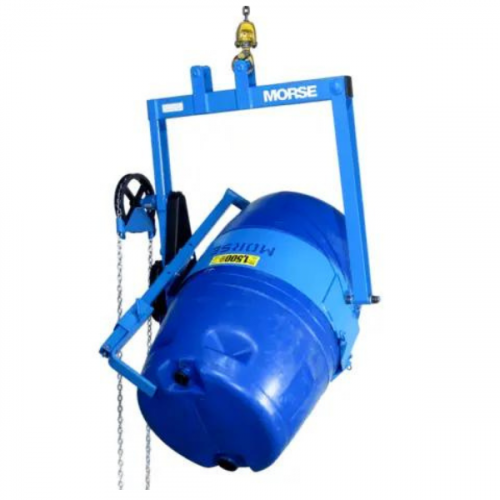
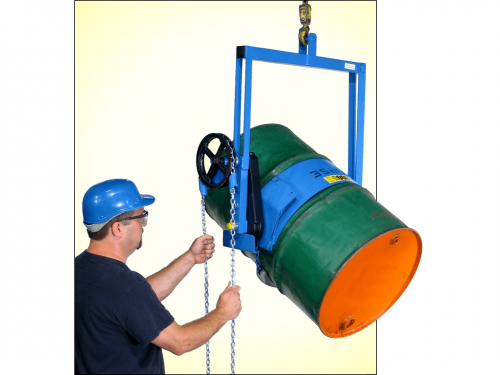
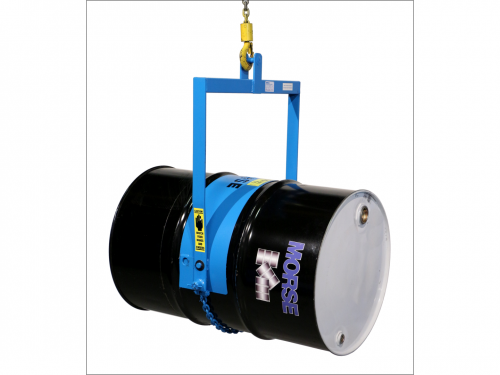
Vertical lift, or lift and pour. Two jobs hide inside this category. A plain lifter only raises and lowers: the Morse 55-gallon drum lifting hook from about $111, the Vestil drum lifter chain sling from about $85, and the clutch-style grabs all do this and nothing else, which is what you want for moving sealed drums between levels. A pouring drum lifter raises the drum and then tilts it, so one tool charges a tank or tote at height. Morse builds these manual from around $363, geared for finer control from about $916, and in a heavy-duty geared version rated to 1,500 lb near $1,090. Choose a pouring lifter only if the drum actually gets dispensed in the air; if it pours at a fixed station instead, a dedicated rack in drum pourers and rackers is steadier and cheaper, and if the goal is blending contents without opening the drum, that is drum rollers and tumblers.
Steel, plastic, or fiber decides the model. A lifter built for a steel chime is not automatically safe on a plastic or fiber drum. Poly drums flex, taper differently, and carry a molded lip instead of a rolled steel hoop, so a jaw shaped for steel can slip or crush the rim. Morse solves this with multi-material models: the adjustable drum lifter for plastic, fiber, and steel from about $257, and the fixed steel, plastic, and fiber lifter near $376, both rated 1,000 lb and set up to seat on the softer lip without deforming it. The rule is simple. Match the lifter to the drum you actually run, confirm it by drum type before the first lift, and when a plant mixes steel and poly on the same line, buy the multi-material lifter rather than keeping a steel-only tool honest by memory.
Capacity and the weight that fools people. Most drum lifters here are rated 1,000 lb, and that is not marketing headroom, it is the honest margin over a full drum. Fifty-five gallons of water weighs about 459 lb, so with the barrel you are near 500 lb for a water-thin liquid, less for fuels, and meaningfully more for dense product like resin, adhesive, or slurry. Size against your heaviest real drum, not the nominal one. When the contents run heavy or two drums move at once, the Morse heavy-duty drum lifting chain sling steps up to 2,000 lb from about $525, and the geared heavy-duty pouring lifter holds 1,500 lb. Every rating on this page assumes the drum is intact and the load sits evenly inside it; a slumped bag-in-drum or a partially frozen product shifts the center of gravity and is worth a second look before the hook takes the weight.
Below-the-hook means ASME B30.20. A drum lifter is a below-the-hook lifting device, which puts it under ASME B30.20 alongside your spreader bars and plate clamps. That means a rated capacity marked on the device, a check before every use, and a documented periodic inspection on a schedule set by how hard it works. Inspect the jaws or tong for spread and wear, the chain and welds on the sling models, and the release mechanism on the Verti-Karrier, and pull anything cracked, bent, or illegible out of service. The hook that carries the lifter and the connecting hardware between them get the same discipline: shackles and links belong to chain slings and lifting chains, and rated connection points to lifting points. Spare grips, chain, and Morse add-ons live in drum handling accessories when a lifter needs a part rather than a replacement.
Frequently Asked Questions
The common design is a tong-style jaw or clutch that clamps the drum chime, the rolled rim at the top of a steel barrel, and self-tightens as the load pulls down. The chain-sling versions do the same thing with hooks that catch the chime at several points. All of them depend on an intact, undamaged rim, so a dented or badly corroded chime is a reason to set the drum aside rather than lift it.
Not reliably. Plastic and fiber drums flex and carry a molded lip instead of a rolled steel chime, so a jaw shaped for steel can slip or deform the rim. Use a multi-material model instead, like the Morse adjustable drum lifter for plastic, fiber, and steel from about $257 or the fixed steel, plastic, and fiber lifter near $376, both of which seat on the softer lip without crushing it.
A 1,000 lb lifter covers any standard full drum with room to spare, since 55 gallons of a water-thin liquid plus the barrel lands near 500 lb. Dense product like resin or adhesive weighs more, so rate the tool against your heaviest real drum. When contents run heavy or you lift more than one drum at a time, step up to the 2,000 lb heavy-duty chain sling.
A plain drum lifter only raises and lowers a sealed drum, which is what you want for moving barrels between levels or into overpacks. A pouring drum lifter raises the drum and then tilts it, so the same tool can charge a tank or hopper at height. Morse builds pouring lifters manual from about $363 and geared for finer flow control from around $916. If the drum pours at a fixed spot rather than in the air, a dedicated racker is steadier.
Yes. A below-the-hook drum lifter falls under ASME B30.20, so it carries a marked rated capacity, gets a check before each use, and needs a documented periodic inspection. Inspect the jaws, chain, welds, and any release mechanism, and remove anything cracked, spread, bent, or unreadable from service until a qualified person clears it.
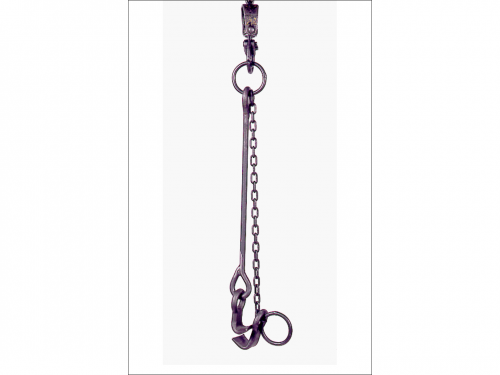
A general-purpose sling wrapped around a smooth drum body can roll or slide and is not a safe way to lift one. The drum-specific chain slings here, from the Vestil version around $85 to the Morse heavy-duty 2,000 lb sling, are built to catch the chime at fixed points so the drum stays upright and secure. Use a purpose-built drum lifter or drum chain sling rather than improvising with standard rigging.