Drum Rollers & Tumblers
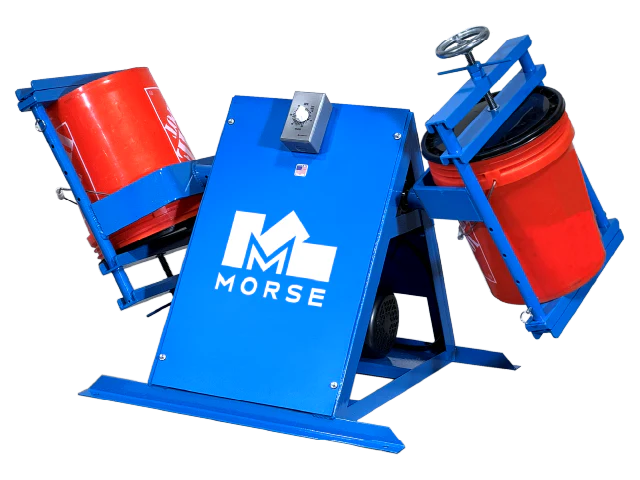
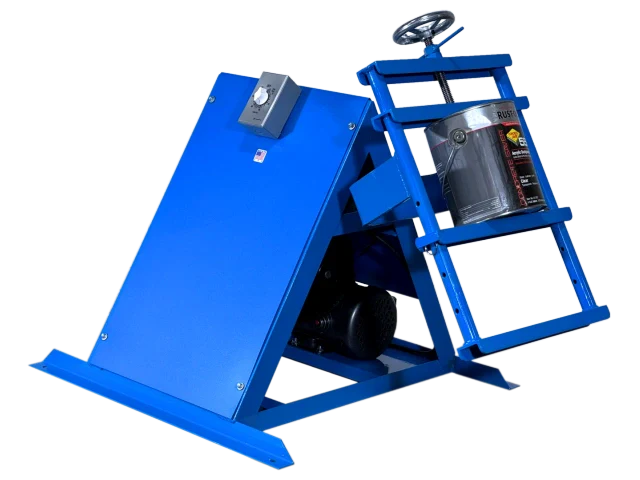
A drum roller spins a sealed drum on its side so the contents blend without anyone opening the lid, and a tumbler does the same job end over end for mixes that settle harder. This page collects the Morse rollers and tumblers built for exactly that work: paint, coatings, adhesives, resins, and slurries that separate in storage and have to be brought back together before they can be used. Morse has made drum and pail handling gear out of Syracuse, New York since 1923, and the range here runs from a roughly $2,000 single can tumbler for 5 gallon pails up to a tilt-to-load automated drum tumbler near $26,700, with portable rollers, stationary rollers, fiber-drum and stainless versions, and CE-marked builds for European voltage in between. The right pick comes down to three questions: how aggressively your product needs to be mixed, what the drum is made of, and where the machine has to run. The guide below works through them in that order.
Compare Drum Rollers & Tumblers
| Model | Price | Capacity | Drum Size/Type | Rotation Speed | Power | |
|---|---|---|---|---|---|---|
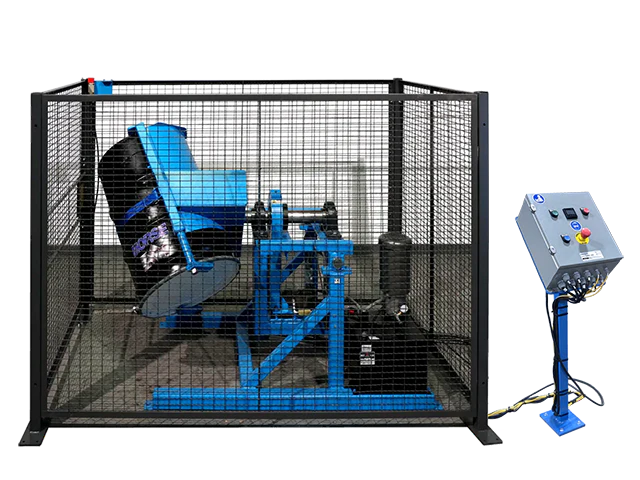
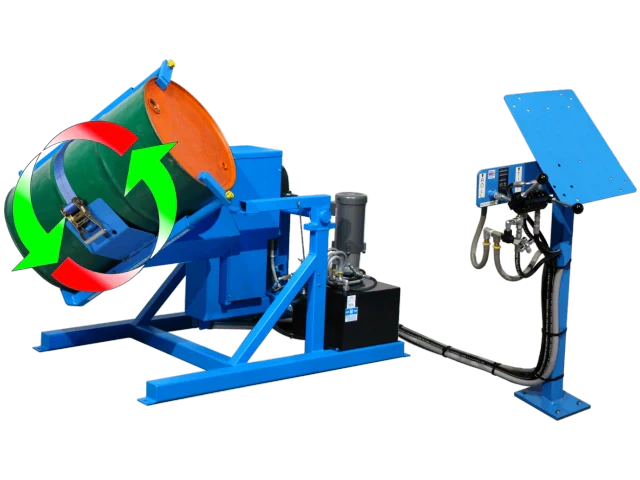
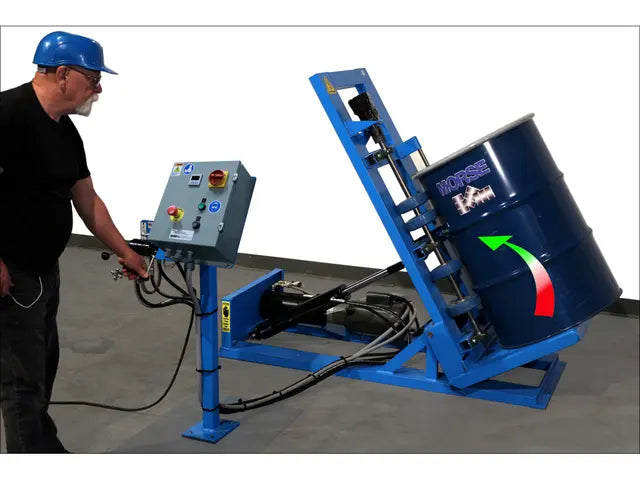
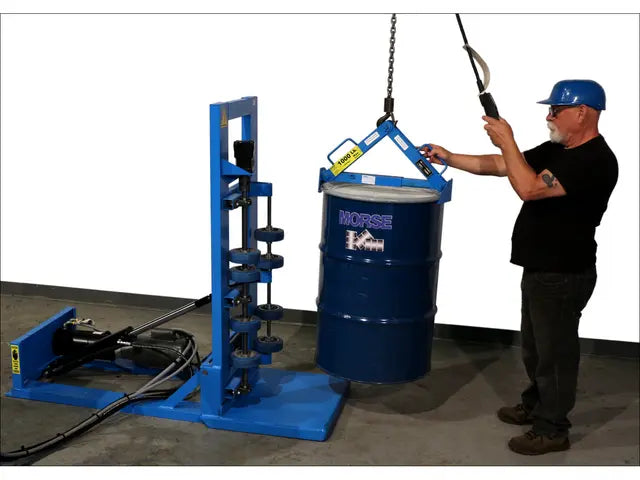
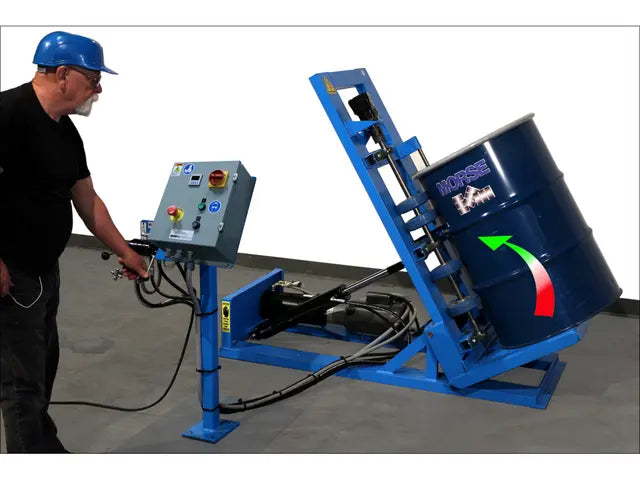
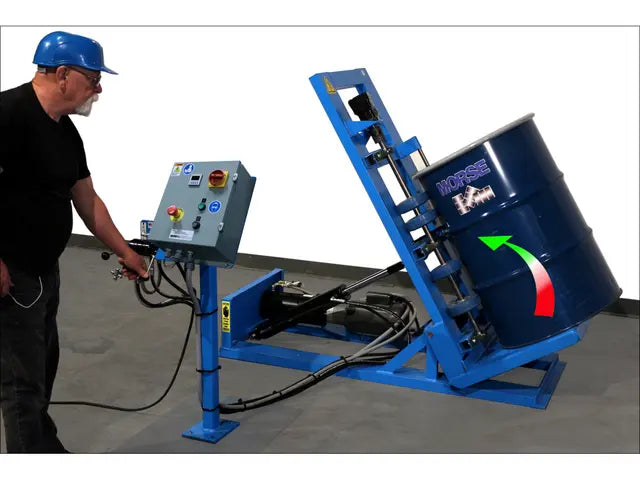
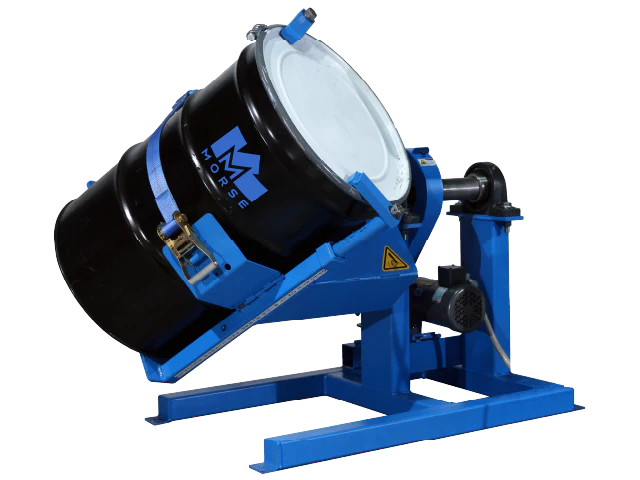
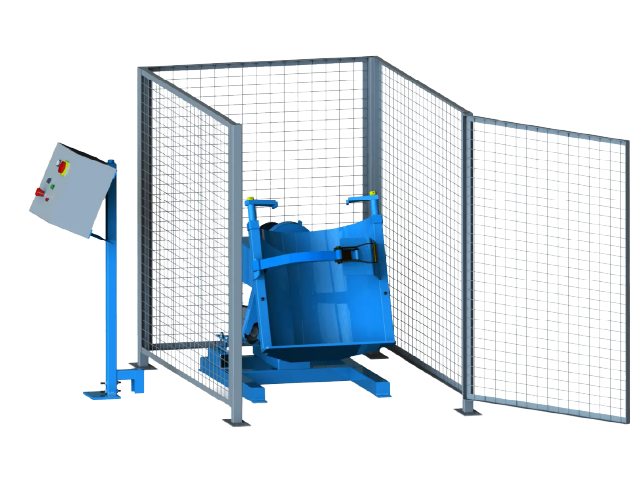
| Morse Tilt-to-Load Automated Control Drum Tumbler | $26,700 | 800 lb (363 kg) full drum; 400 lb (181 kg) half-full drum (half-full rating reflects the tilt mechanism's capacity for an unbalanced, bottom-heavy load) | Steel, plastic, or fiber drum; 18"-23.5" (457-597 mm) diameter, 28"-37" (711-940 mm) tall (typical 30- to 55-gallon / 114-210 L drum) | Variable 5 to 20 RPM; rotation time adjustable from a few seconds to 16 hours | — | View → |
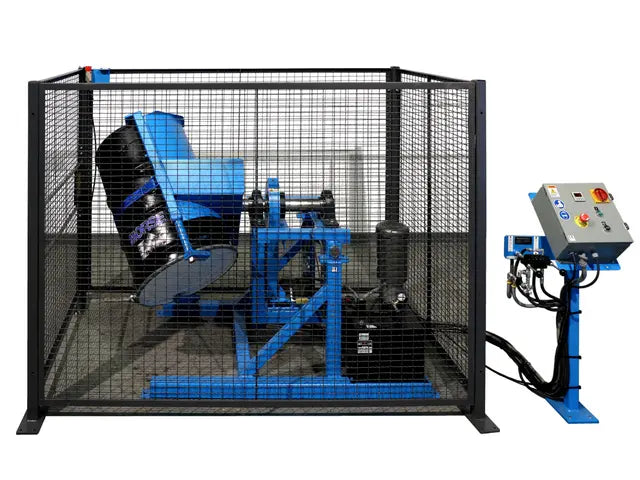
| Morse CE-Marked Tilt-To-Load Drum Tumbler | $23,100 | 800 lb full capacity (363 kg); 400 lb (182 kg) for uneven/half loads | Steel, plastic, or fiber drum, 30-55 gallon (114-210 L); 18"-23.5" (457-597mm) diameter, 28"-37" (711-940mm) tall | 4 to 16 RPM (based on 22.5" dia drum), 50Hz motor | — | View → |
| Morse CE Marked Hydra-Lift Drum Roller. 1-Phase 220V 50Hz 456-1-50-CE | $15,800 | — | — | — | 220V | View → |
| Morse CE-Marked Hydra-Lift Drum Roller. 3-Phase 400 V 50Hz | $15,500 | — | — | — | 400V | View → |
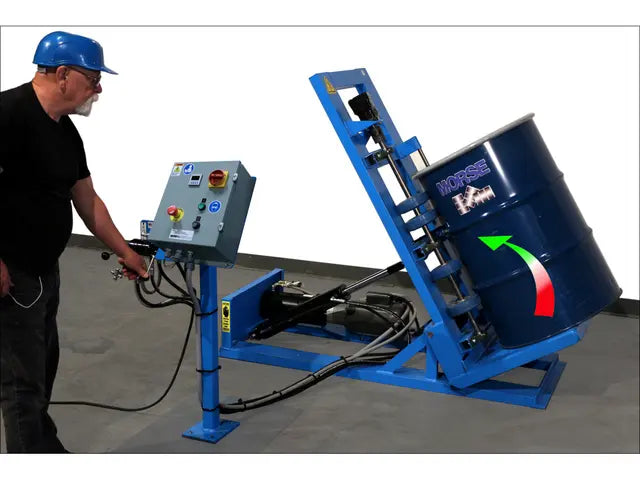
| Morse Tilt-to-Load Drum Tumbler | $14,200 | 800 lb (363 kg) full drum; 400 lb (181 kg) half-full drum (half-full rating reflects the tilt mechanism's capacity for an unbalanced, bottom-heavy load) | Steel, plastic, or fiber drum; 18"-23.5" (46-60 cm) diameter, 29"-37" (74-94 cm) tall (typical 30- to 55-gallon / 114-210 L drum) | 5 to 20 RPM (60Hz AC models); 4 to 16 RPM (50Hz AC models); 5 to 12 RPM (Air model) | — | View → |
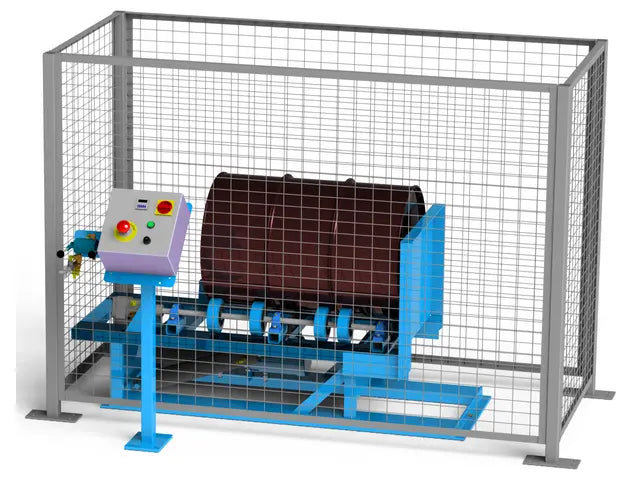
| Morse CE-Marked Single Drum Tumbler | $12,450 | — | — | — | 220V | View → |
 In Stock
 In Stock
 In Stock
 In Stock
 In Stock
 In Stock
 In Stock
 In Stock
 In Stock
 In Stock
 In Stock
 In Stock
 In Stock
 In Stock
 In Stock
 In Stock
 In Stock
 In Stock
 In Stock
 In Stock
 In Stock
 In Stock
 In Stock
 In Stock
 In Stock
 In Stock
 In Stock
 In Stock
 In Stock
 In Stock
 In Stock
 In Stock
 In Stock
 In Stock
 In Stock
Drum Rollers & Tumblers Buying Guide
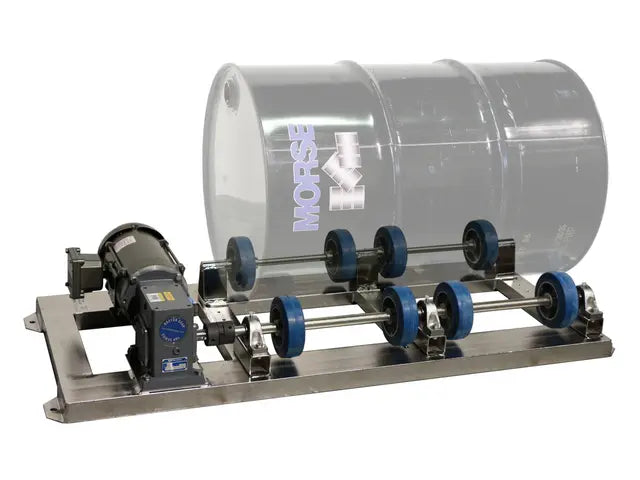
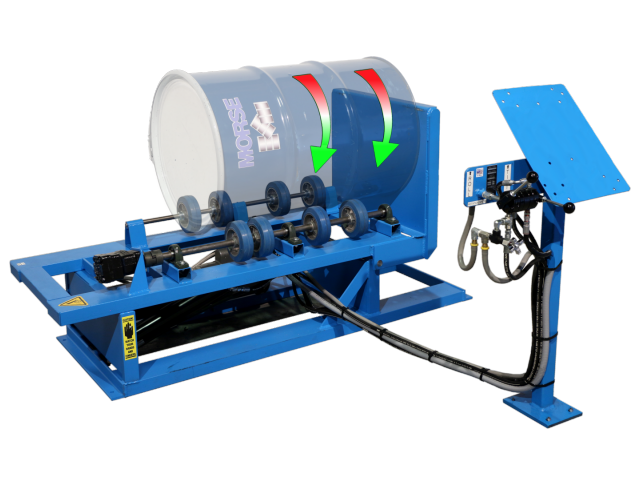
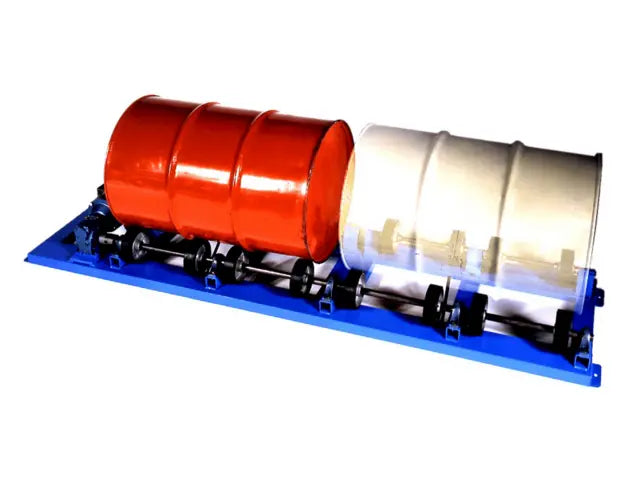
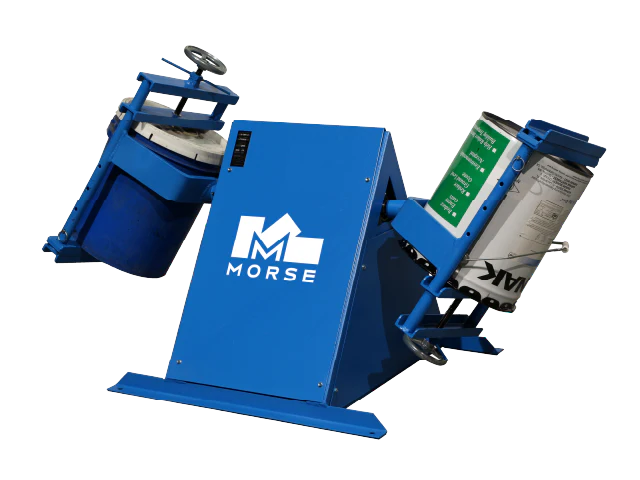
Roller or tumbler: match the motion to how hard your product settles. Both machines mix a closed drum, but they move it differently, and that difference decides which one you buy. A roller lays the drum horizontal and rotates it on drive and idler wheels, a gentle churn that re-homogenizes paints, light coatings, and anything that has only lightly separated. A tumbler turns the sealed drum end over end, a vigorous action that reaches heavy solids, wet grains, dense pigments, and product that has packed down at the bottom. If your material barely settles, the roller is lighter, cheaper, and often portable. If it stratifies hard or you are working thick, high-viscosity batches, the tumbler is worth the step up in price and footprint. Everything on this page sits under drum handling equipment, which also covers moving, lifting, and pouring the same drums once the mixing is done.
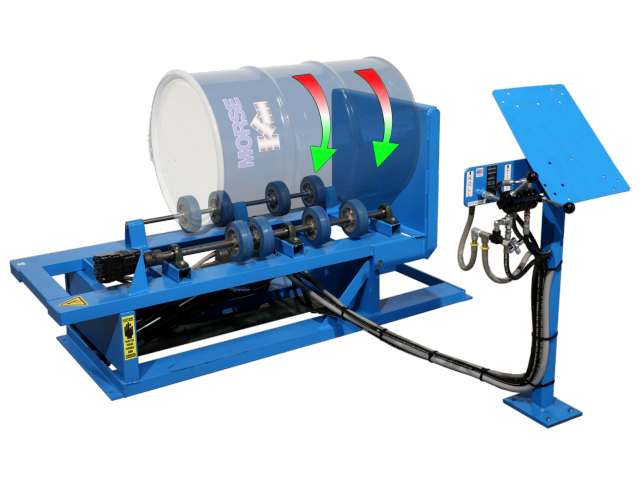
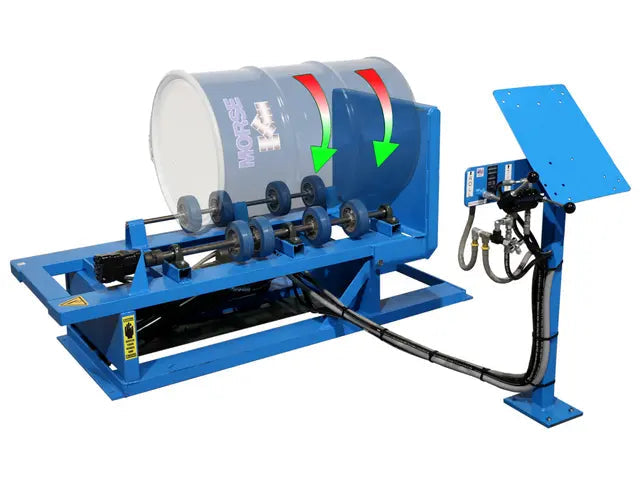
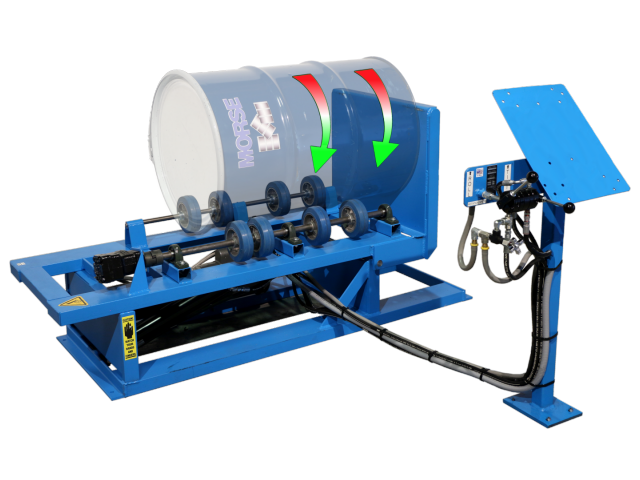
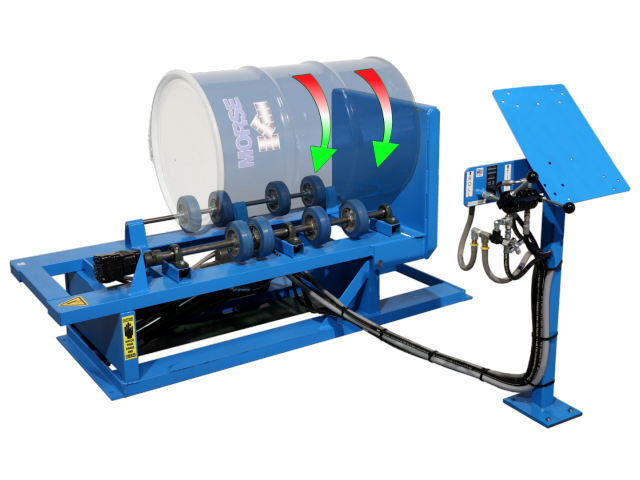
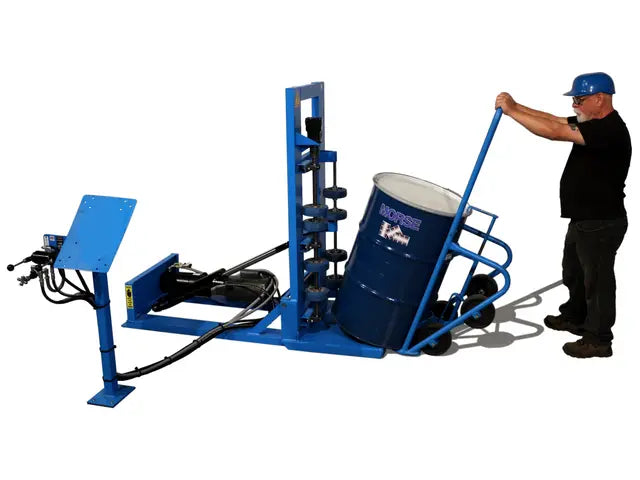
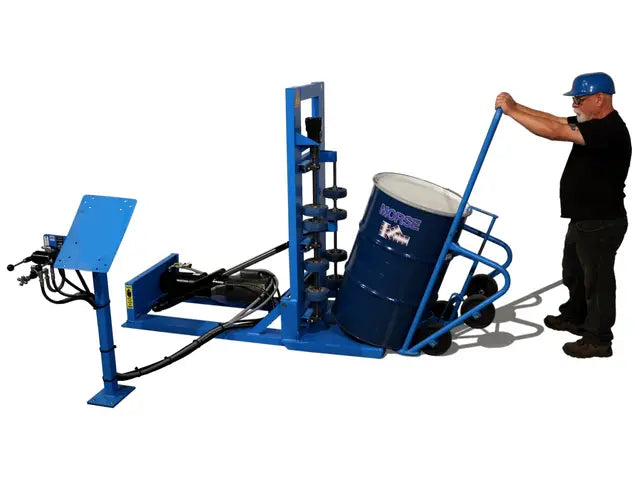
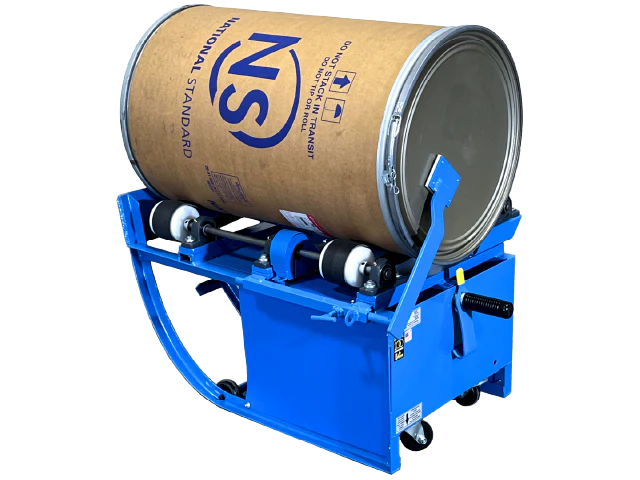
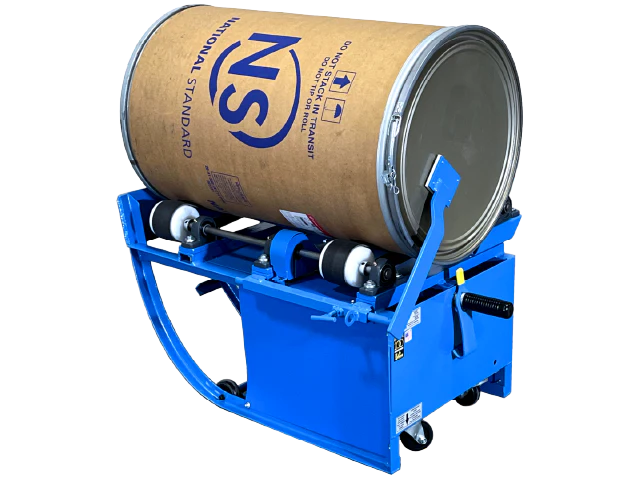
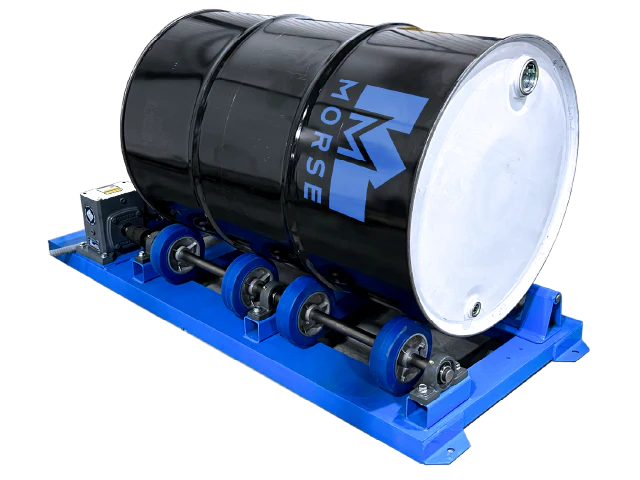
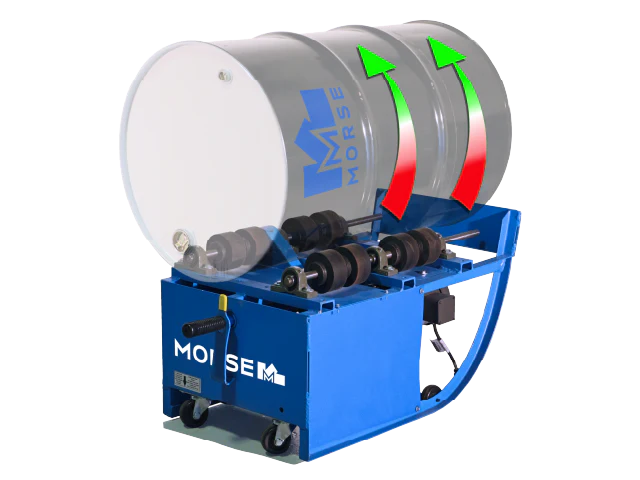
Portable, stationary, single, or double. Where the machine lives shapes the frame. Portable rollers ride on their own wheels and carry a built-in tipping lever, so an operator can stand a drum upright, tilt it, and lay it onto the rollers at floor level, then wheel the whole thing to the point of use. Stationary rollers bolt down as a fixed mixing station and take a hoist or drum truck to load, which suits a line that mixes all day in one spot. A double stationary roller runs two drums side by side off one drive when throughput is the constraint. On the tumbler side, standard end-over-end units expect the drum loaded near their axis, while tilt-to-load frames accept the drum at floor level and lift it into the tumbling position for you, removing the worst manual lift in the category and pushing the top of the price band.
Fixed speed or variable speed. Speed is the other lever. Fixed-speed rollers turn at a set rate, commonly around 20 RPM, and they are the simpler, cheaper choice when one product runs through the machine and the mix time is known. Variable-speed rollers let you dial the rotation with a knob to match viscosity, which matters when a fast spin would foam a coating, fling a thin solvent, or when different products share the same machine. Tumblers run slower, near 13 RPM, because the end-over-end motion does more work per turn. Whichever you pick, confirm the mix time against your own product rather than a catalog number, since a heavy pigment can need far longer to come back into suspension than a light latex.
The drum decides the machine: steel, fiber, plastic, or a small can. A roller sized for a steel drum is not automatically right for a fiber or plastic one. Fiber drums flex and cannot take the same wheel pressure, so Morse builds fixed and variable-speed rollers specifically for fiber drum only, and those are the models to buy if that is what you run. Steel is the default the standard rollers and tumblers are rated to, at roughly 30 to 55 gallon drums and about 800 lb. For washdown areas, food, or pharma, the stainless steel single stationary roller resists the cleaning chemistry that would corrode a painted frame. And when the batch is small, the 1 to 5 gallon can tumblers handle sealed pails and cans up to 100 lb with an aggressive corner-over-corner action, in single and double versions, for re-homogenizing settled ingredients or tumbling parts with media to deburr them.
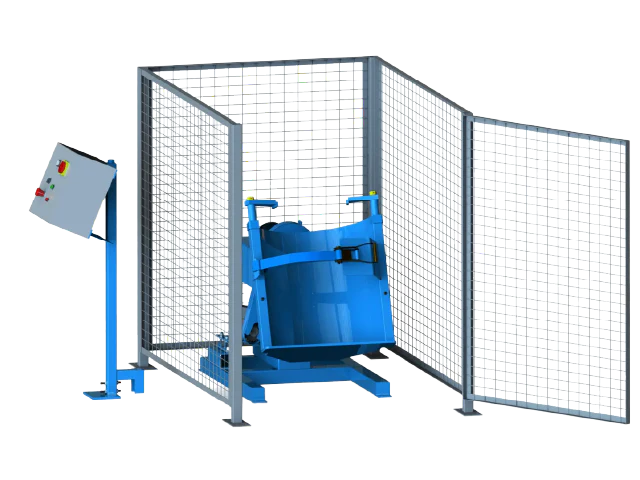
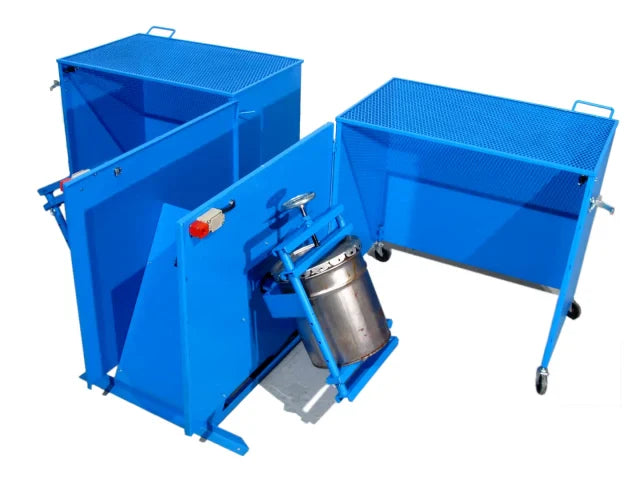
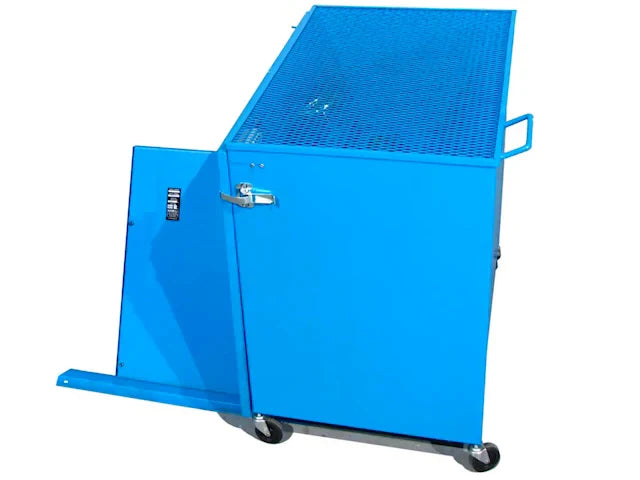
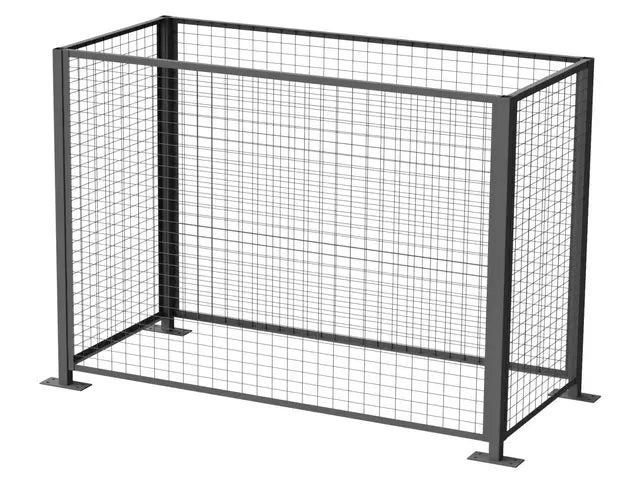
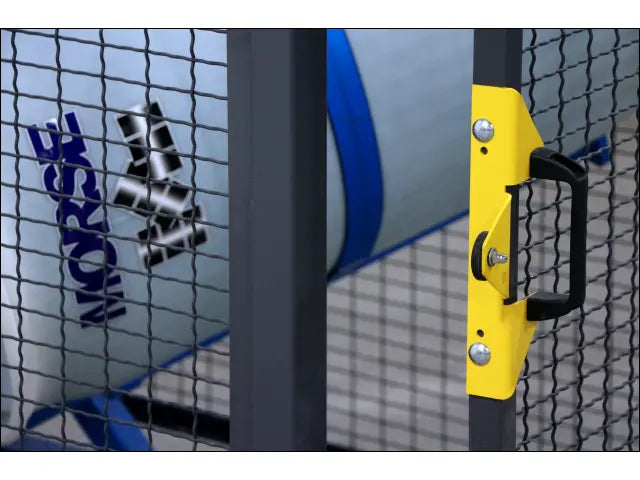
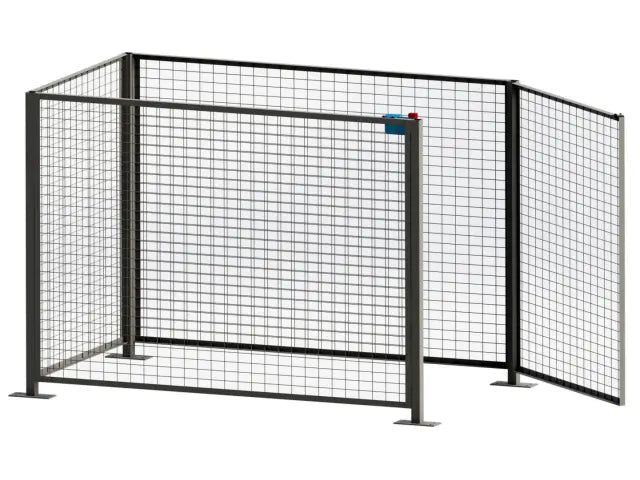
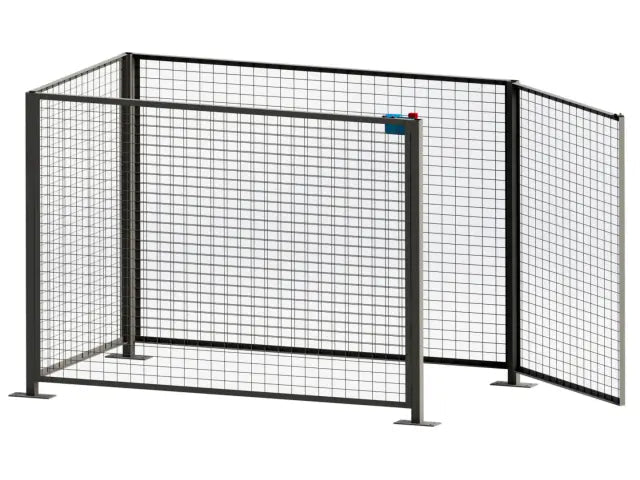
Guarding is not optional, it is federal law. This is the part buyers miss until an inspector arrives. OSHA 1910.212(a)(4) requires that revolving barrels, containers, and drums be guarded by an enclosure that is interlocked with the drive mechanism, so the drum cannot revolve unless the guard is in place. A roller or tumbler spinning an open workspace is a citation waiting to happen, which is why the self-install guard enclosure with safety interlock kit on this page is a genuine part of the machine, not a nicety. Size it to the model you buy, plan the floor space around it, and treat it as a line item in the purchase, not an afterthought. The interlock is what makes the installation compliant, and it is cheap next to the machine it protects the operator from.
Hazardous locations and getting the electricals right. Two more things settle before wiring day. First, motor controls often ship separately: several Morse rollers arrive without a starter, and the matched control packages, single and three phase across 208, 230, 400, and 575V, live in drum handling accessories so you can order the exact voltage and phase your building supplies. Second, if you are mixing flammable solvents, thinners, or anything with a low flash point, a standard motor is the wrong choice: you want the explosion-proof roller and its explosion-proof control package, also in the accessories, rated for the classified area. CE-marked builds cover 220V 50Hz European installations. Settle voltage, phase, hazard rating, and controls together with the machine, because sorting them out after the crate lands is how a mixing station sits idle for weeks.
Frequently Asked Questions
A roller lays the drum on its side and rotates it horizontally on wheels, a gentler blend that suits paints, coatings, and lightly separated product. A tumbler turns the sealed drum end over end, a more aggressive action for heavy solids, wet grains, dense pigments, and material that packs down hard. Rollers are lighter and often portable; tumblers cost more and take more floor space but reach mixes a roller cannot. Match the motion to how stubbornly your product settles.
Yes. OSHA 1910.212(a)(4) requires revolving drums and barrels to be guarded by an enclosure interlocked with the drive, so the drum cannot turn unless the guard is closed. Running a roller or tumbler without one is a citation risk and a real hazard to the operator. The self-install guard enclosure with safety interlock kit on this page provides that compliant, interlocked guard, sized to the machine you buy. Budget for it as part of the purchase.
Only with the right equipment. A standard motor is not rated for a classified area, so for flammable solvents, thinners, or low-flash-point product you need the explosion-proof roller together with its explosion-proof control package. Both are built for hazardous locations. Confirm the electrical classification of your space with an electrician, and never run a general-purpose motor where flammable vapors may be present.
Not always. Several Morse rollers ship without a starter so you can match the control package to your building's power. The single and three phase packages, spanning 208, 230, 400, and 575V plus the explosion-proof version, are in the drum handling accessories collection. Order the machine and the correct control package together so voltage, phase, and hazard rating are settled before installation, rather than discovering a mismatch when the machine arrives.
The standard steel rollers and tumblers take roughly 30 to 55 gallon drums up to about 800 lb. The 1 to 5 gallon can tumblers handle sealed pails and cans up to 100 lb. Fixed-speed rollers turn near 20 RPM, tumblers run slower at around 13 RPM because end-over-end motion does more per turn, and variable-speed rollers let you dial the rate to match viscosity. Fiber and plastic drums need their own rated models, so check drum type before you buy.