Horizontal Lifelines
Horizontal lifelines are the tensioned cable or rope runs strung between two anchors so a worker can travel along a roof edge, a beam, a pipe rack, or a tank top while staying tied off the whole way, the connector sliding along the line behind them. They exist for the one situation a single overhead anchor cannot cover: work that moves sideways across a span. What sets them apart as a category is the engineering burden. A fall anywhere on the line pulls the whole span taut and drives the load into both end anchors, so a horizontal lifeline is a designed system, not a length of cable clipped between two points. We carry the KStrong range across both halves of the shelf, the adjustable temporary systems that pack down between jobs and the permanent stainless steel runs that route through intermediate brackets, plus the coil shock absorbers, tensioners, cable extremities, and brackets that finish an install. Prices run from a replacement O-ring under ten dollars to a full temporary ANSI kit near two thousand. The guide below walks the OSHA and ANSI numbers that decide how a system gets specified.
Compare Horizontal Lifelines
| Model | Price | Model | Type | Length | Rated Capacity | |
|---|---|---|---|---|---|---|
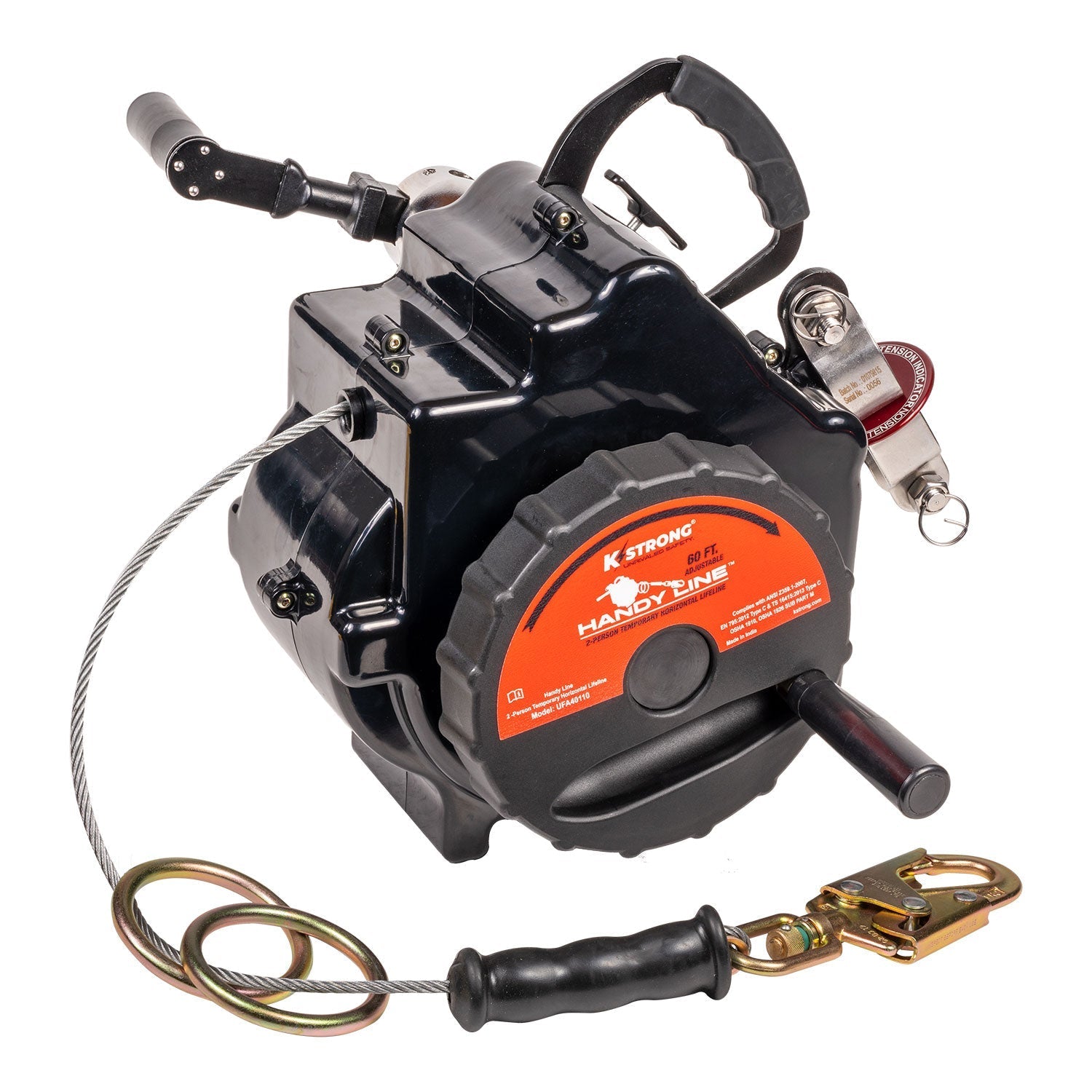
| KStrong® Handy Line™ 60 ft. Adjustable 2-Person Capacity Temporary Horizontal Lifeline System (ANSI) | $1,935 | UFA40110 | Handy Line Temporary Horizontal Lifeline System | 60 ft | 2-Person | View → |
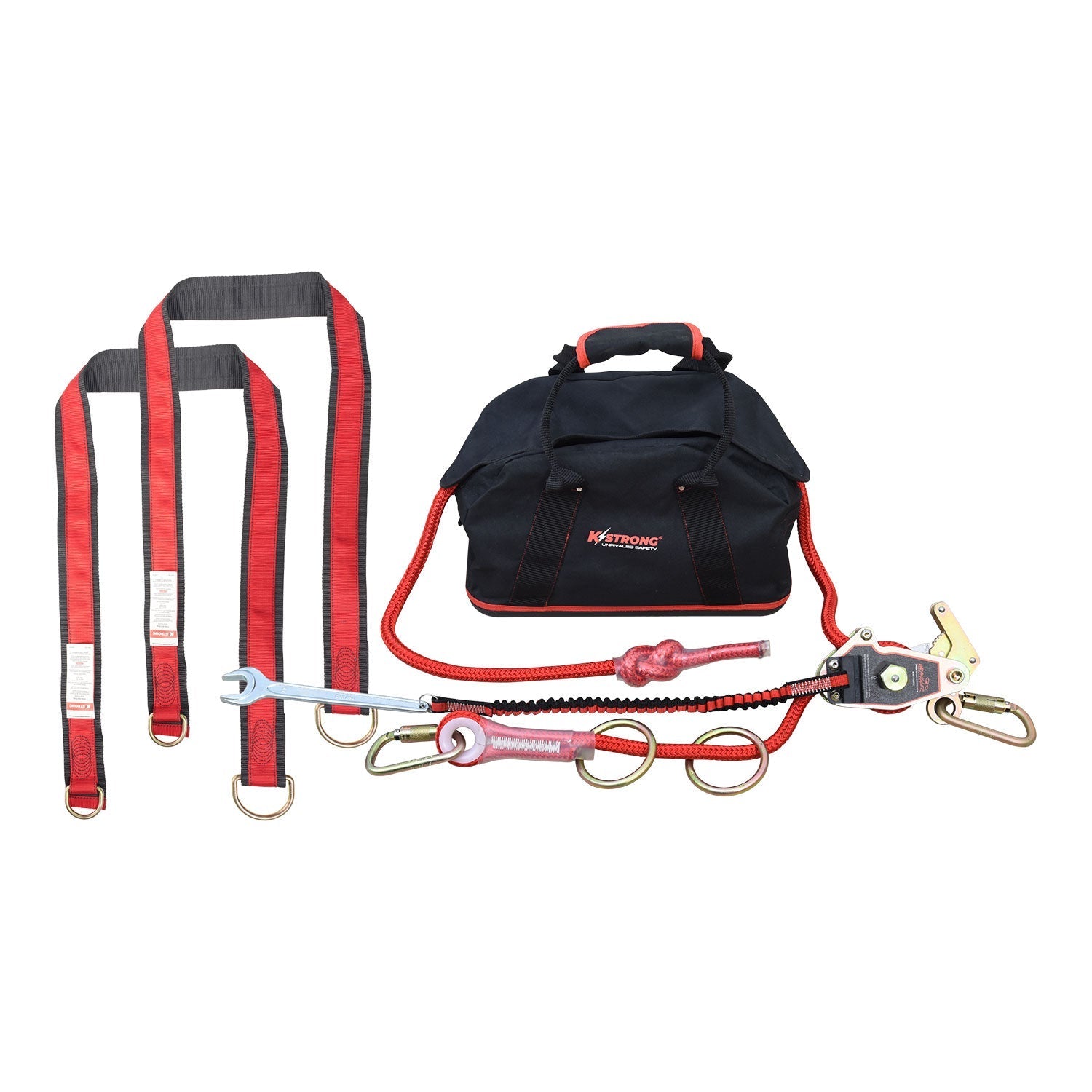
| KStrong® Wrangler Jr.™ 60 ft. Adjustable 2-person Capacity Horizontal Lifeline System | $745 | UFA40012 | Wrangler Jr. Horizontal Lifeline System | 60 ft | 2-Person | View → |
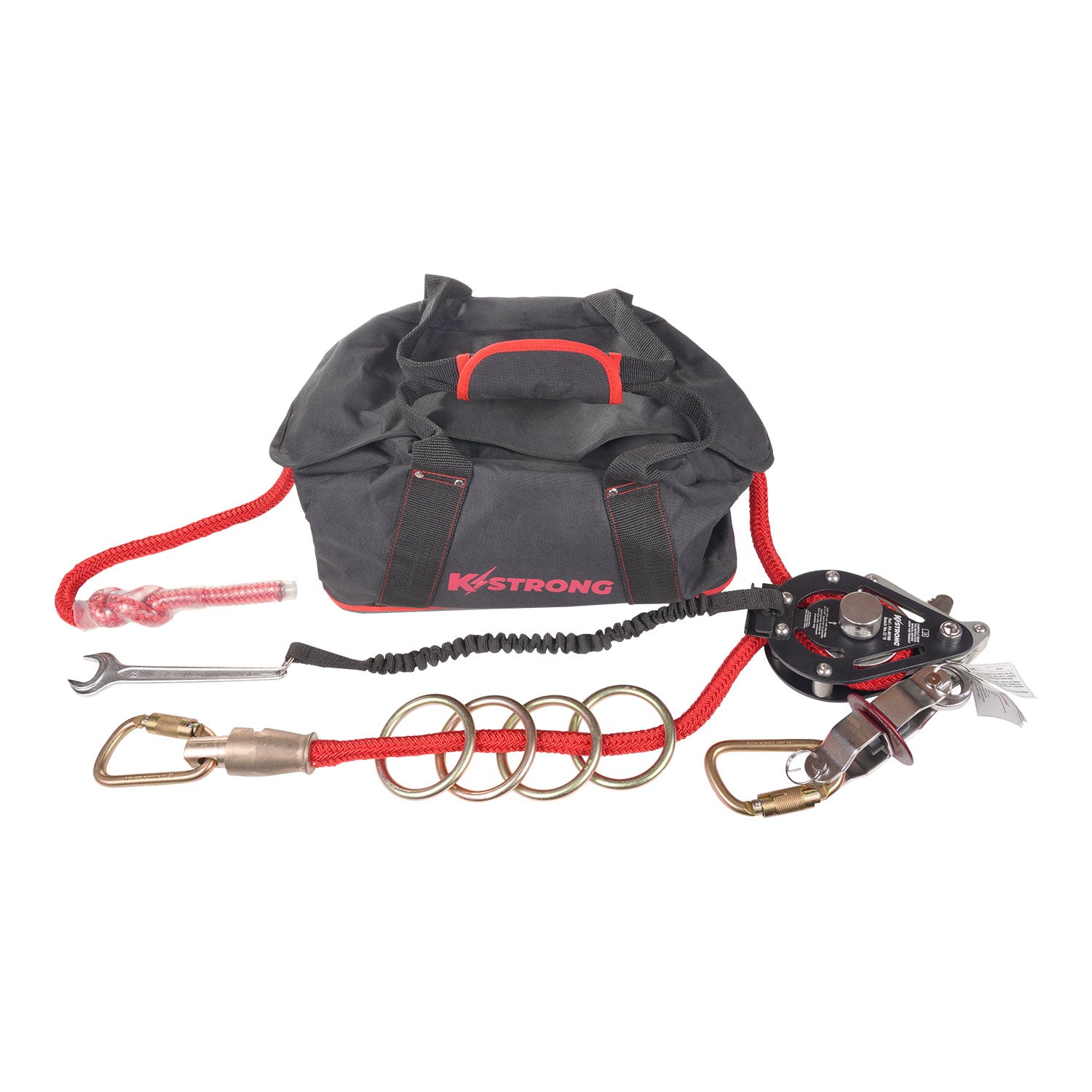
| KStrong® Wrangler™ 100 ft. Adjustable 4-person Capacity Horizontal Lifeline System | $738 | UFA40010 | Wrangler Horizontal Lifeline System | 100 ft | 4-Person | View → |
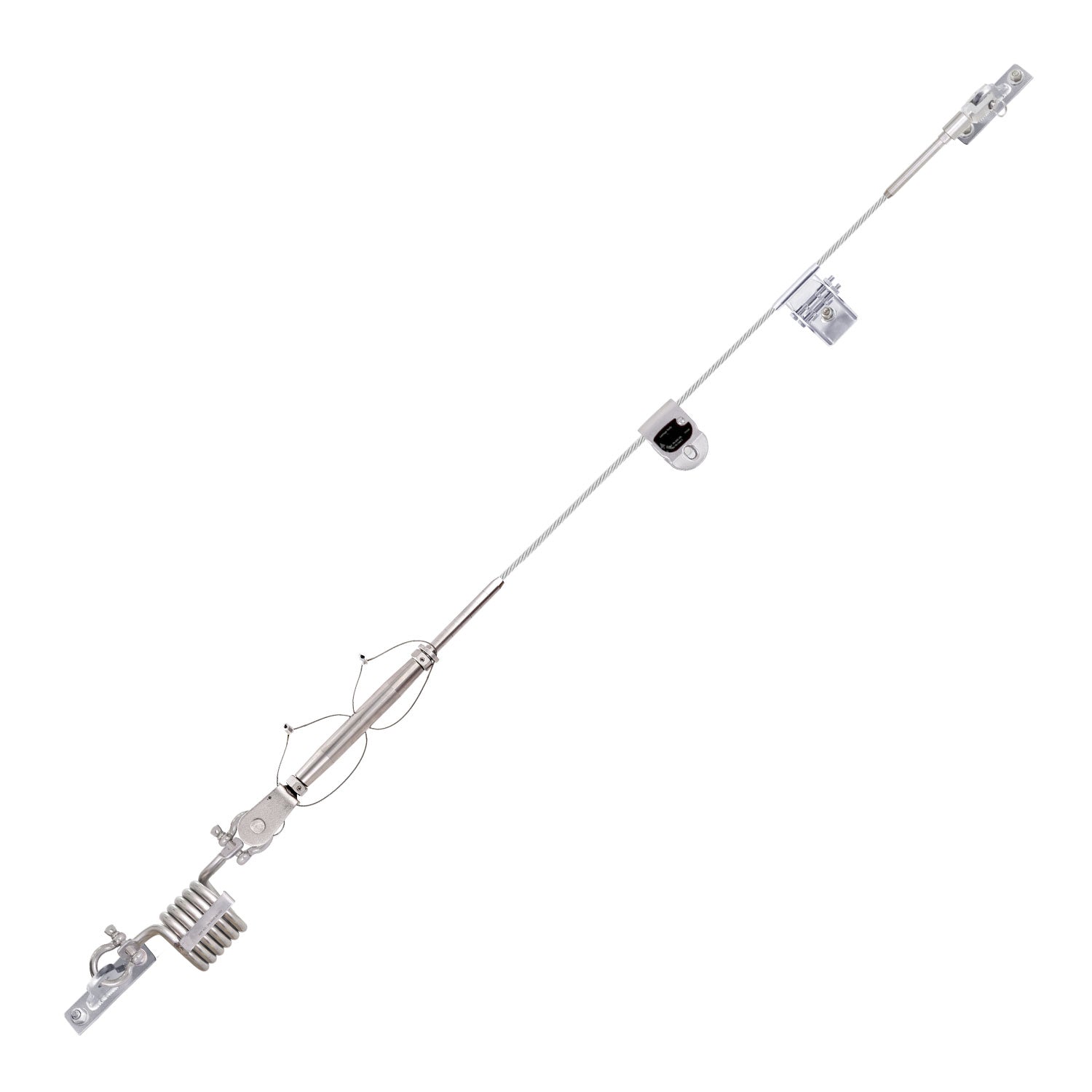
| KStrong® Stainless Steel 4-Person Horizontal Lifeline System | $607 | — | — | — | — | View → |
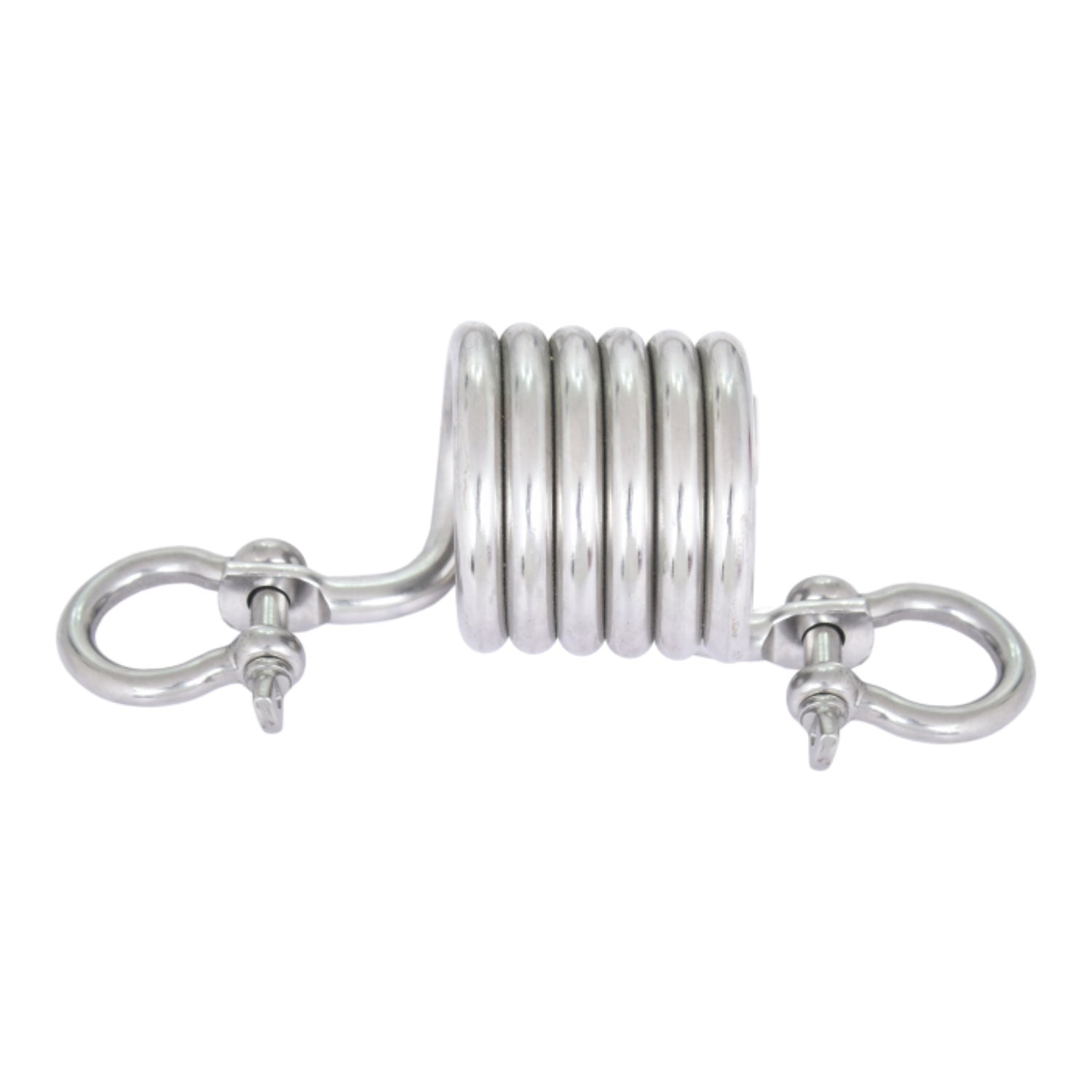
| KStrong® Coil Shock Absorber for HLL System | $265 | UFF112100 | IMPACT 12K Shock Absorber for HLL System | — | — | View → |
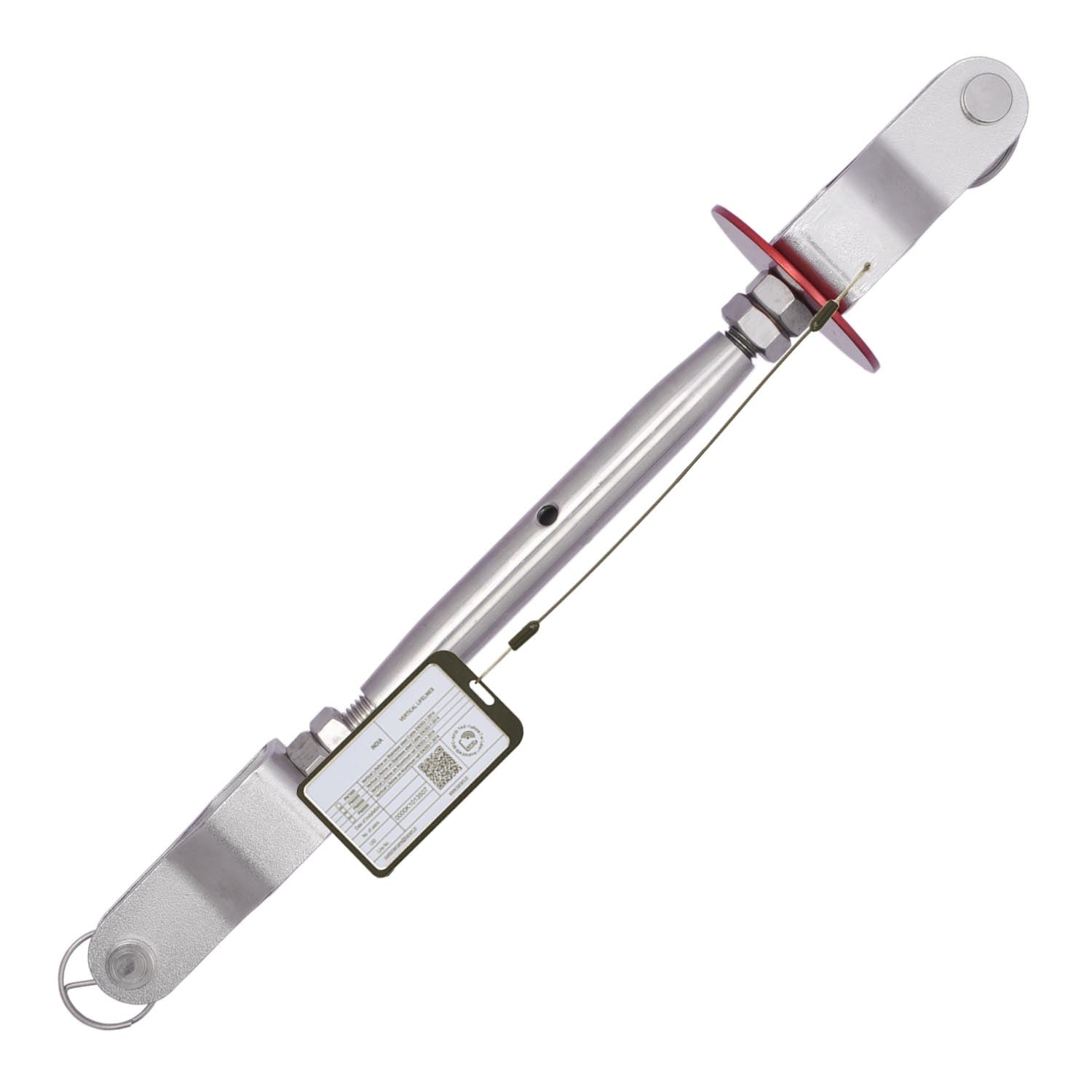
| KStrong Tensioner for KStrong® HLL and VLL Systems | $162 | UFF514000 | Tensioner for Ladder Climbing (VLL) / HLL Systems | — | — | View → |
 In Stock
 In Stock
 In Stock
 In Stock
 In Stock
 In Stock
 In Stock
 In Stock
 In Stock
 In Stock
Horizontal Lifelines Buying Guide
A horizontal lifeline is engineered, not assembled. This is the rule that separates a horizontal lifeline from a rope you tie off to. OSHA 1926.502(d)(8) requires that a horizontal lifeline be designed, installed, and used under the supervision of a qualified person, as part of a complete personal fall arrest system that maintains a safety factor of at least two. The reason is load path: a fall does not merely pull down on the nearest anchor, it tensions the entire span and multiplies the force into both ends, and a shallower line multiplies it harder. ANSI/ASSP Z359.6, the design standard for active fall protection systems, is written for engineers trained as qualified persons for exactly this calculation. What that means on the buying side is that the end anchors, the line, the tensioner, and the shock absorber are sized together as one system for the span and the worker count you actually have, not mixed from separate boxes on the day.
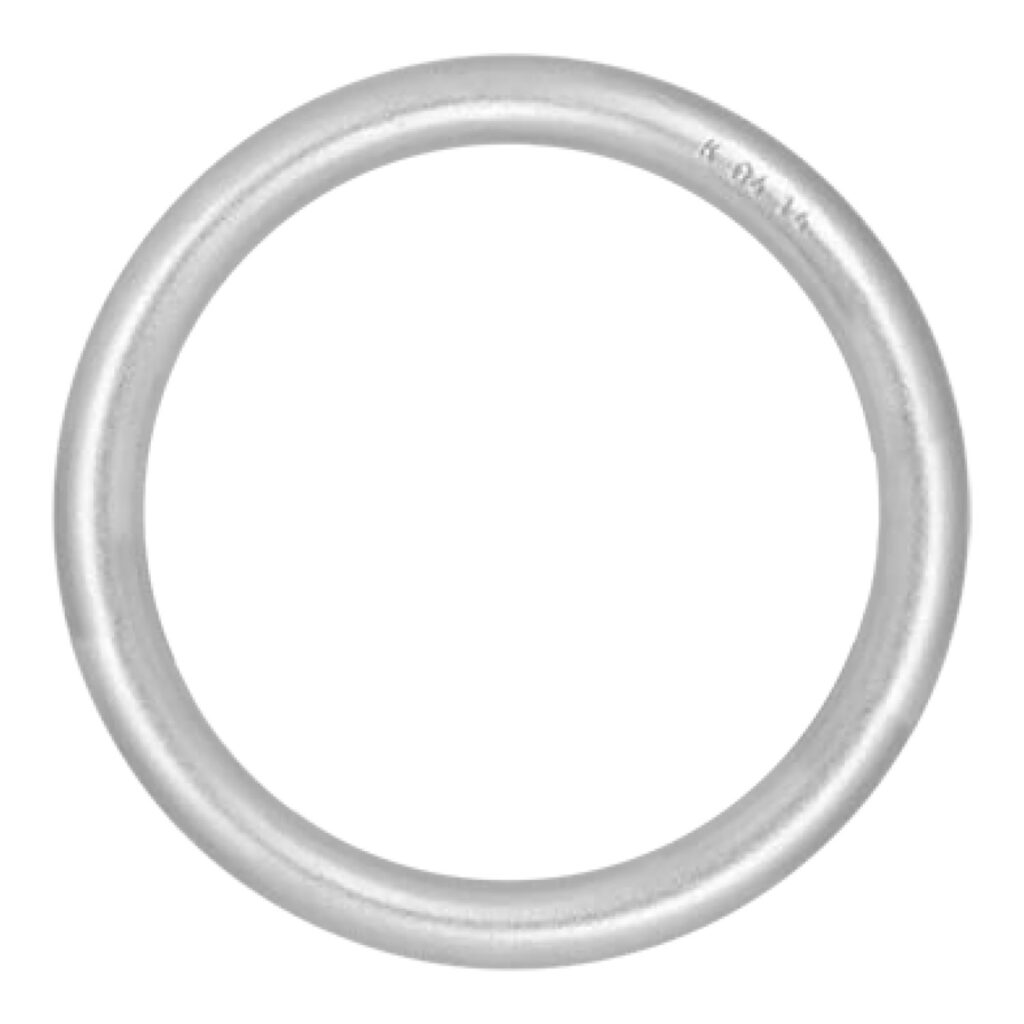
Temporary systems: adjustable, portable, reusable. For work that moves from job to job, the adjustable systems tension a line between two anchors, take the crew across the span, then pack down and move on. The KStrong Wrangler runs an adjustable 100 ft span rated for four workers, and the Wrangler Jr covers 60 ft for two, both built to tension by hand and reset quickly. The Handy Line is the temporary ANSI system for a 60 ft two-person span where you want the arrest components packaged as a tested kit rather than field-assembled. These are the systems for roofers, steel crews, and maintenance teams who need fall protection on a span today and gone tomorrow, and consumable parts like the Wrangler replacement steel O-ring keep a unit in service instead of retired over a single worn fitting. Match the length to the run and the person rating to the crew, and remember that rated capacity assumes the anchors at each end can take the load the system delivers.
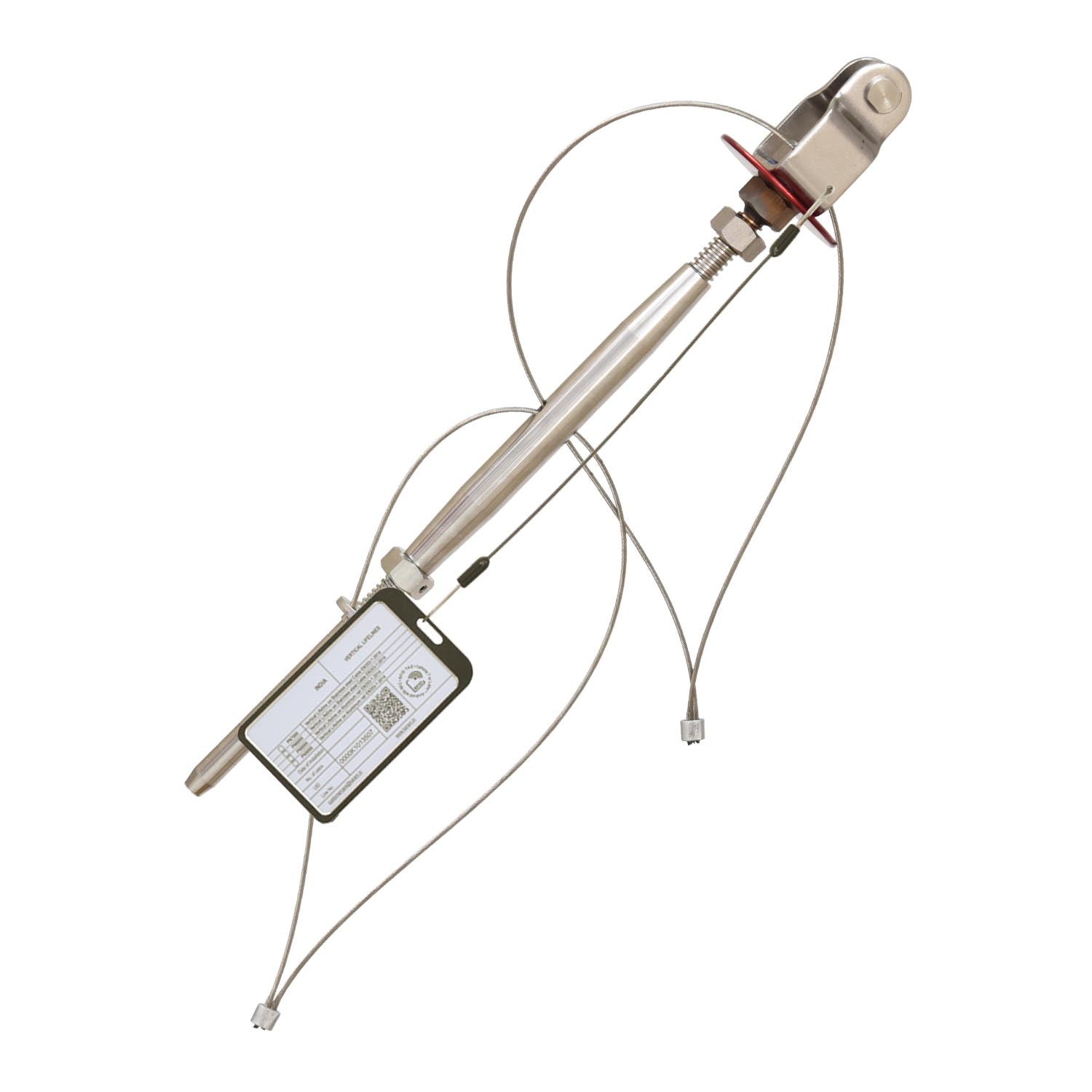
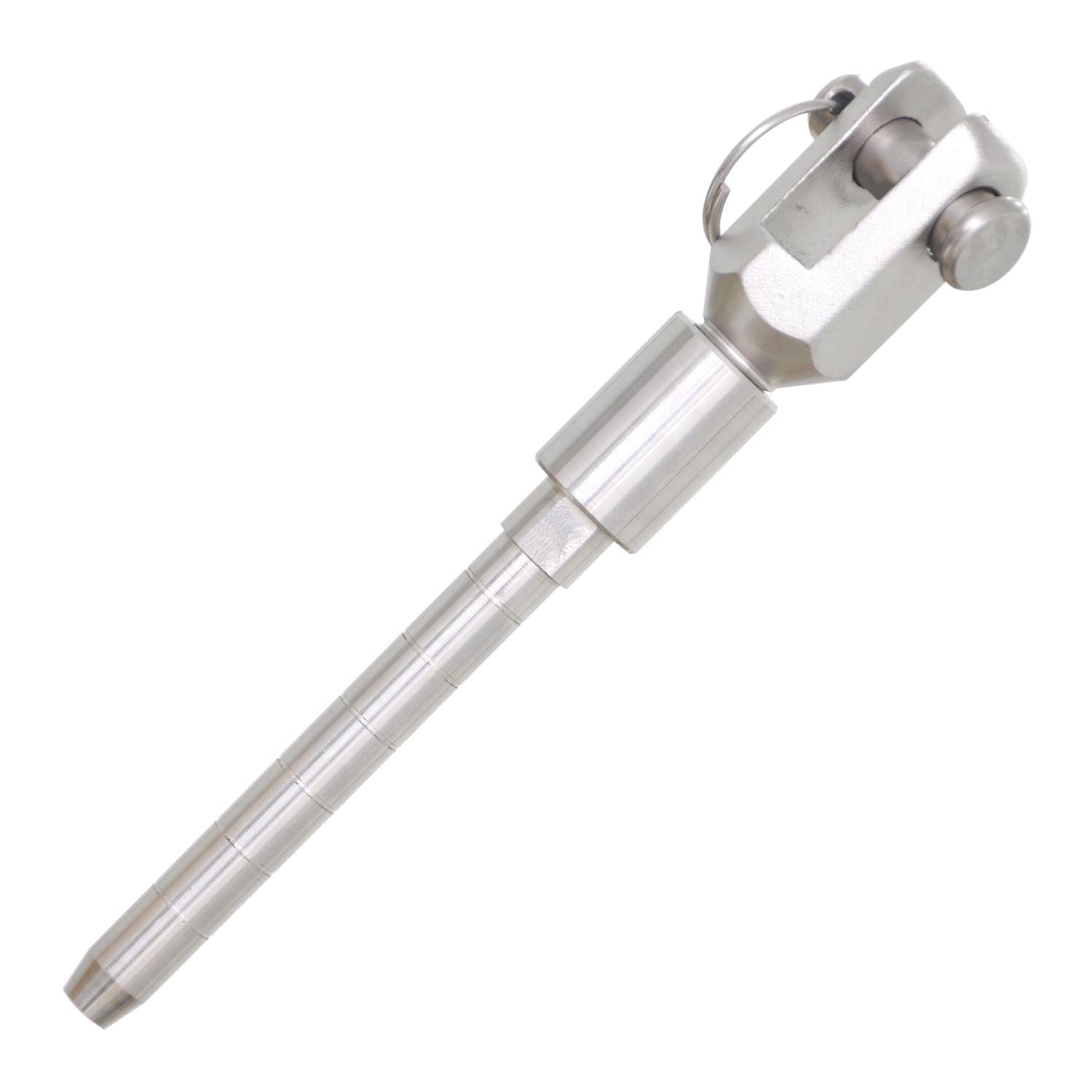
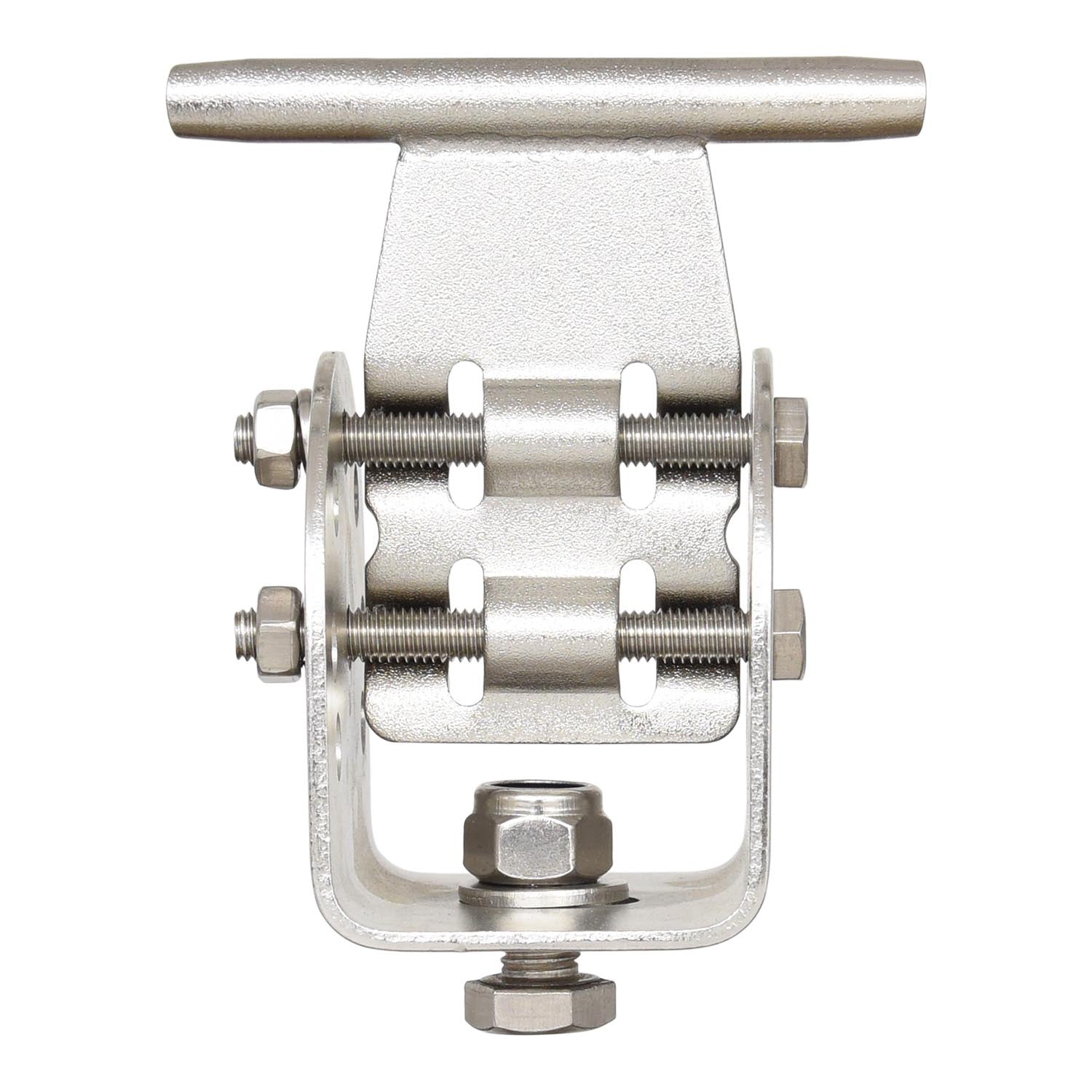
Permanent runs: stainless cable and the parts that build them. A permanent horizontal lifeline is a stainless steel installation meant to live on the structure, and it is sold as a system plus the components that route and terminate it. The KStrong Stainless Steel 4-Person Horizontal Lifeline System is the backbone, running corrosion-resistant 7x19 cable that stays flexible enough to tension cleanly. Around corners and along long walls, stainless intermediate brackets carry the line and let it change direction without a separate anchor at every turn, while cable extremities with swaged ends terminate the run at the structure and tensioners set and hold the line tension. The coil shock absorber is the part that caps arrest force, deforming under a fall so the load reaching the end anchors stays inside the design limit. The anchors those ends bolt to come from our connectors and accessories collection, and on a permanent install they are the piece a qualified person signs off on first.
Sag, span, and fall clearance. The number that catches crews out on a horizontal system is fall clearance, because the line sags. Under a fall the span deflects, and a worker drops that extra distance before the system arrests, so total clearance below the walking surface has to include the sag on top of free fall and deceleration. Span works against you two ways: a longer run needs more clearance for deeper sag, and a tighter, shallower line drives a higher impact force into the end anchors. Intermediate anchors or stanchions divide a long span into shorter sections and cut the sag, which is one reason permanent runs use the bracket set. When the surface below is close, a horizontal system may simply not fit the clearance no matter how you tension it, and the fix is a point-anchored self retracting lifeline that locks within inches instead. Work the clearance math for the real anchor height before committing to a horizontal run.
Inspection, and when a system comes out of service. Horizontal lifelines follow the same hard rule as the rest of a fall arrest system: any component subjected to impact loading, meaning it arrested a fall, comes out of service immediately and is not used again until a competent person inspects it and confirms it is safe, per OSHA 1910.140. Short of a fall, ANSI calls for a documented inspection at least once a year by a competent person, and before each use the crew should walk the visible parts. On a permanent run, check the end anchors and cable extremities for cracks and corrosion, the intermediate brackets for deformation, the tensioner for a set and holding tension, and the coil shock absorber for any sign it has deployed. On temporary systems, inspect the rope or cable for cuts, abrasion, and heat glaze, confirm the tensioner and O-ring are sound, and pull any unit with a missing or unreadable tag. Tag retired gear clearly so it stays off the next job.
Frequently Asked Questions
Yes. OSHA 1926.502(d)(8) requires that a horizontal lifeline be designed, installed, and used under the supervision of a qualified person, as part of a complete personal fall arrest system that maintains a safety factor of at least two. A fall anywhere on the span loads both end anchors heavily, and the force climbs as the line gets tighter, so the anchors, cable, tensioner, and shock absorber have to be sized together. ANSI/ASSP Z359.6 is the design standard written for engineers doing that calculation.
A temporary system, like the KStrong Wrangler, Wrangler Jr, or Handy Line, tensions a line between two anchors for the duration of a job, then packs down and moves to the next site. A permanent system is a stainless steel installation that stays on the structure, running 7x19 cable through intermediate brackets with swaged cable extremities, tensioners, and a coil shock absorber built in. Temporary systems suit crews who change locations; permanent runs suit a fixed hazard that gets worked repeatedly.
Because the line sags. When a fall loads the span, the cable deflects downward and the worker drops that extra distance before the system arrests, so you have to add the sag to free fall and deceleration when you calculate clearance below the surface. Longer spans sag more, and intermediate anchors help by dividing the run into shorter sections. If the surface below is too close for the sag, a point-anchored self-retracting lifeline that locks within inches is usually the better choice.
It depends on the system rating. The KStrong Wrangler Jr and Handy Line are rated for two workers on a 60 ft span, and the Wrangler and stainless steel systems are rated for four. That rating assumes the end anchors can take the force the system delivers under a fall, which is why the whole assembly has to be designed as one unit. Do not put more workers on a line than its label allows, since each added worker raises the load at the anchors.
Any component that has arrested a fall comes out of service immediately and stays out until a competent person inspects it and confirms it is safe, under OSHA 1910.140. Beyond that, ANSI calls for a documented inspection at least once a year by a competent person, plus a visual check before each use. Look at the end anchors, cable, intermediate brackets, tensioner, and shock absorber for cracks, corrosion, deformation, or any sign the absorber has deployed, and pull any system with an unreadable tag.