Self Retracting Lifeline
A self retracting lifeline is the connecting device that stays tensioned to your harness from a single anchor point and locks within inches of a fall, the way a seatbelt catches under a sudden pull. That short lockup is the whole reason to reach for one over a shock absorbing lanyard. Where a 6 ft lanyard lets you drop its full length before the energy absorber begins to pay out, an SRL keeps the line taut and arrests almost immediately, which shrinks the fall clearance you need below the working surface. We carry the KStrong range across web and cable, from a personal Micron web unit around two hundred dollars to a sealed stainless Brute in the low four figures, plus Globestock retrieval units for confined space entry. The right one depends on the lifeline media, the length, the anchor position, and the class rating the work demands. The sections below walk those choices in the order you actually make them, and flag the OSHA and ANSI numbers to check before anyone clips in.
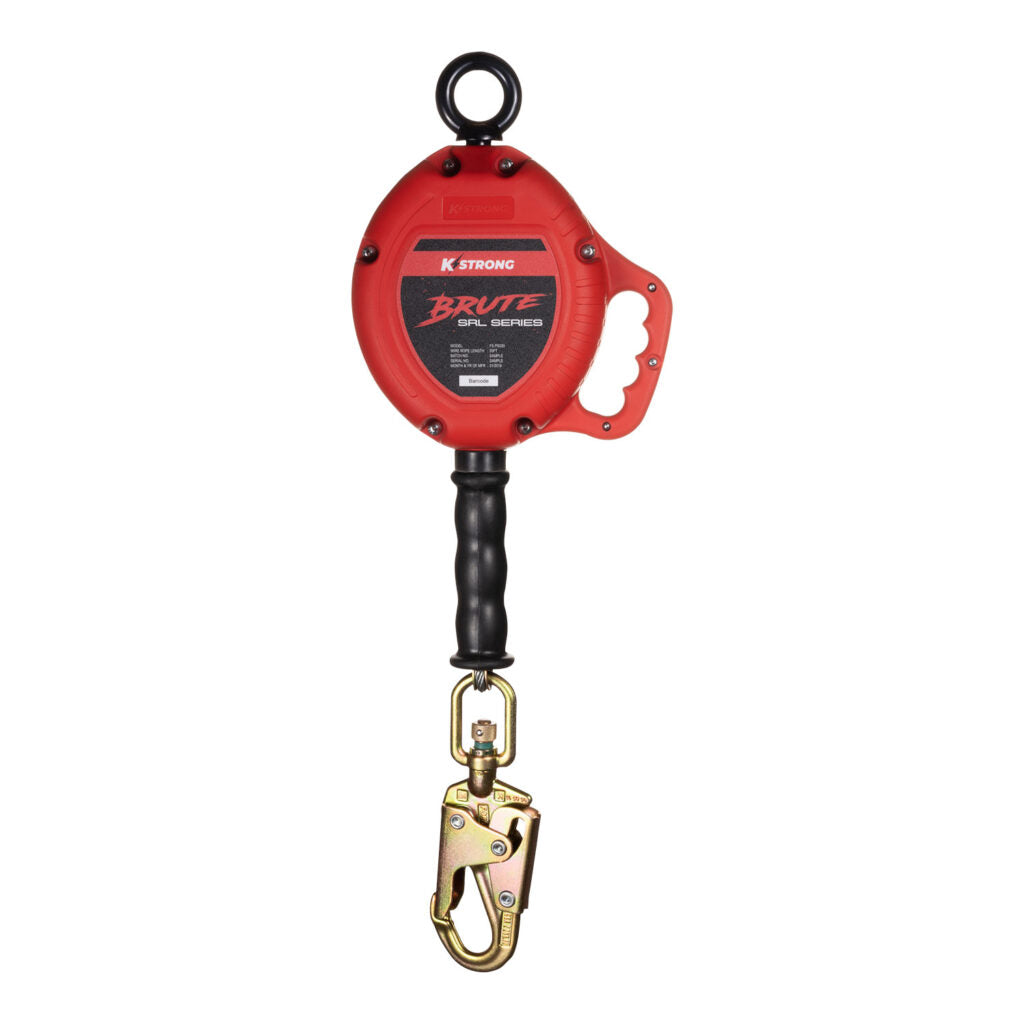 In Stock
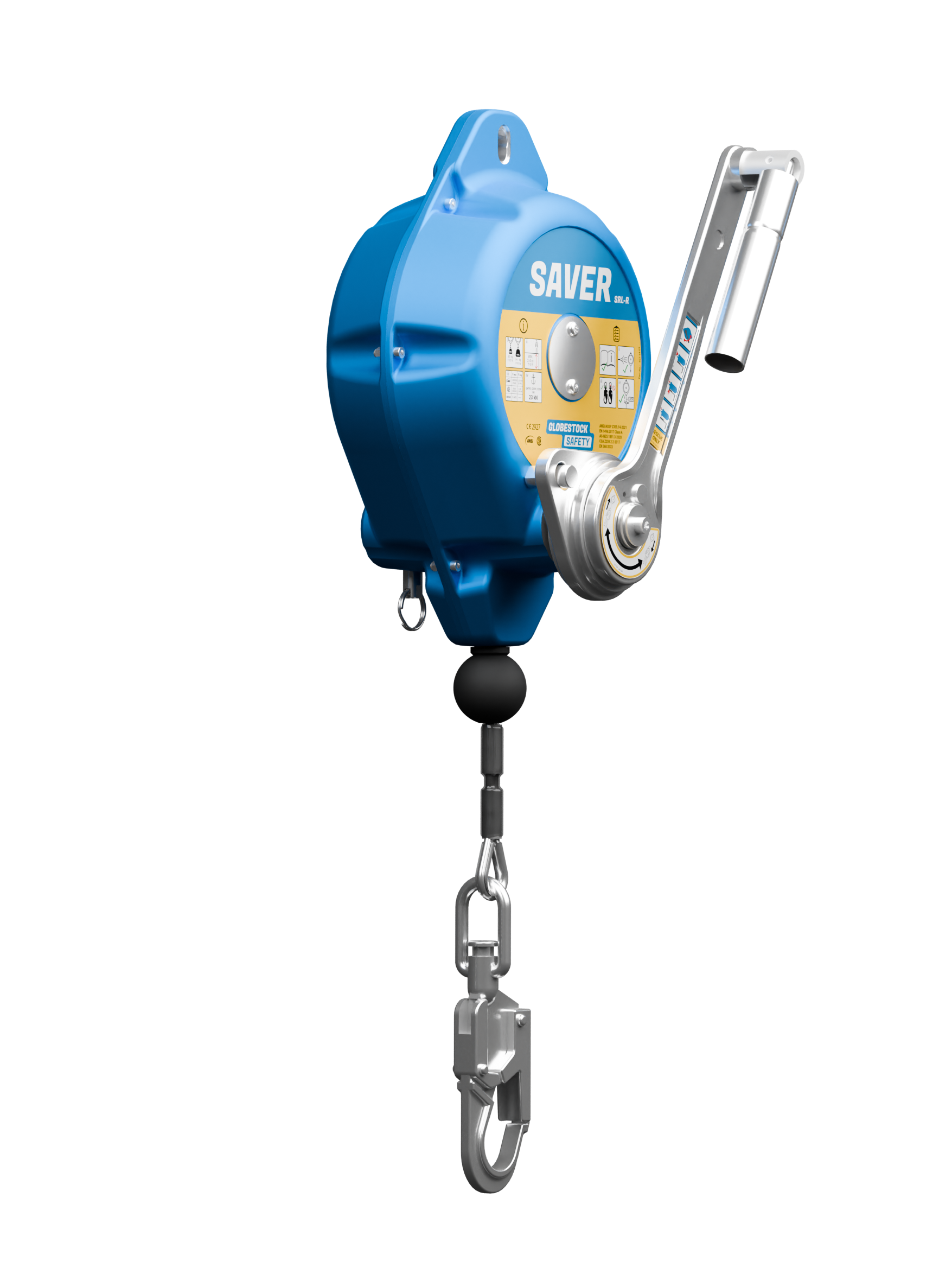 In Stock
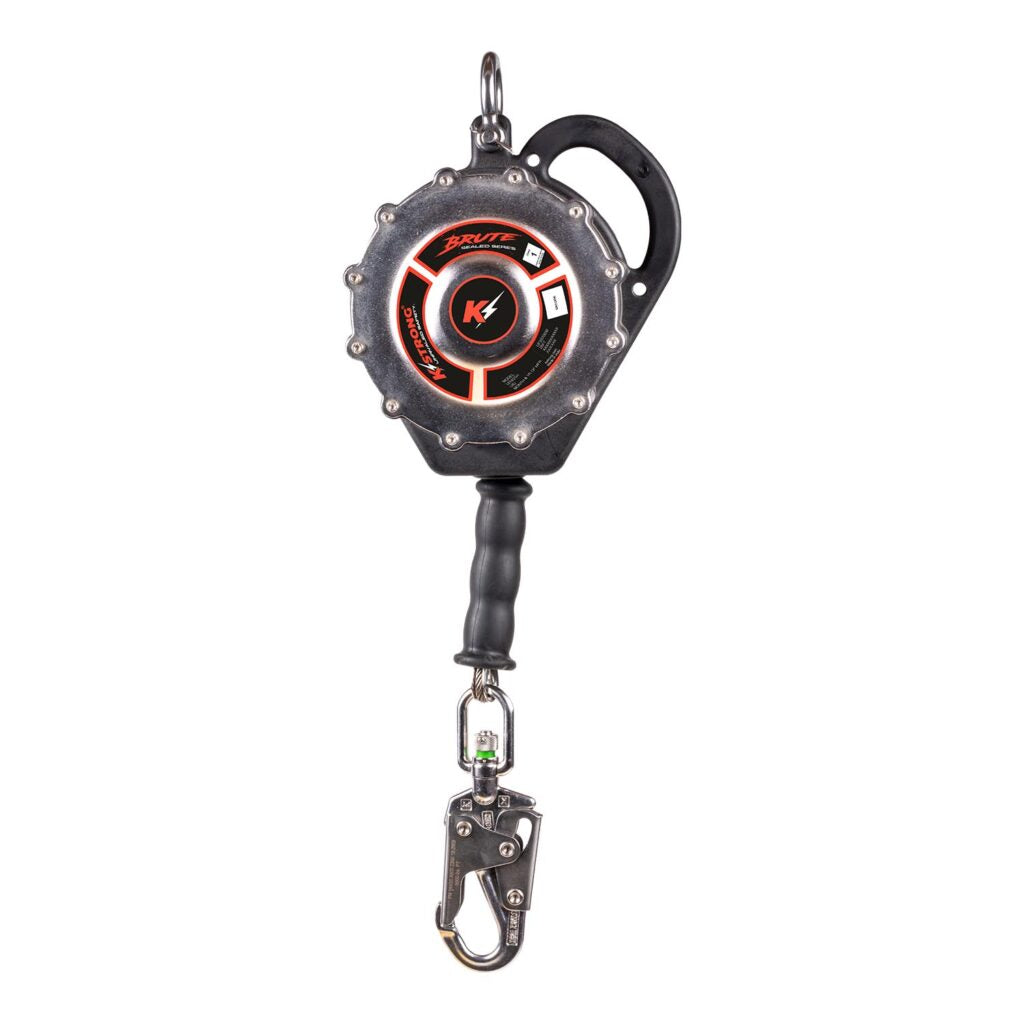 In Stock
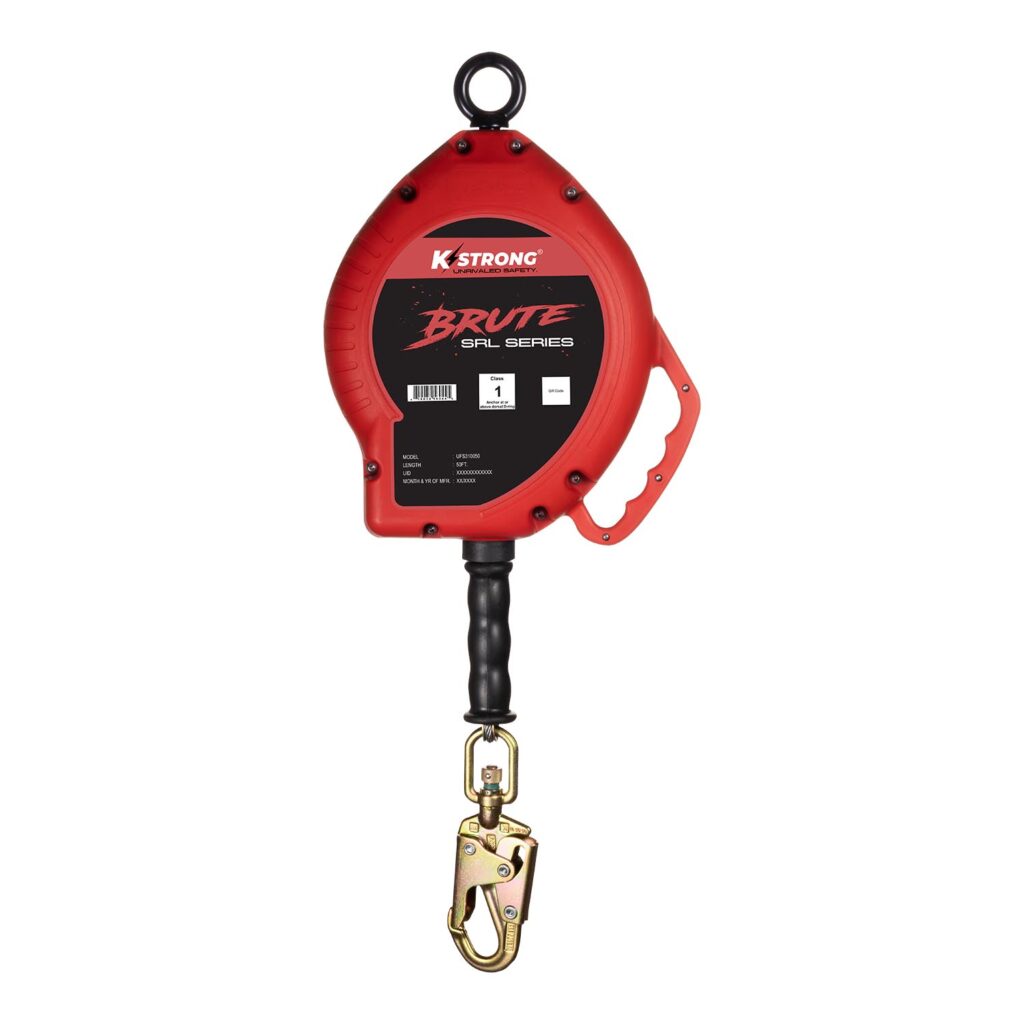 In Stock
 In Stock
 In Stock
 In Stock
 In Stock
 In Stock
 In Stock
 In Stock
 In Stock
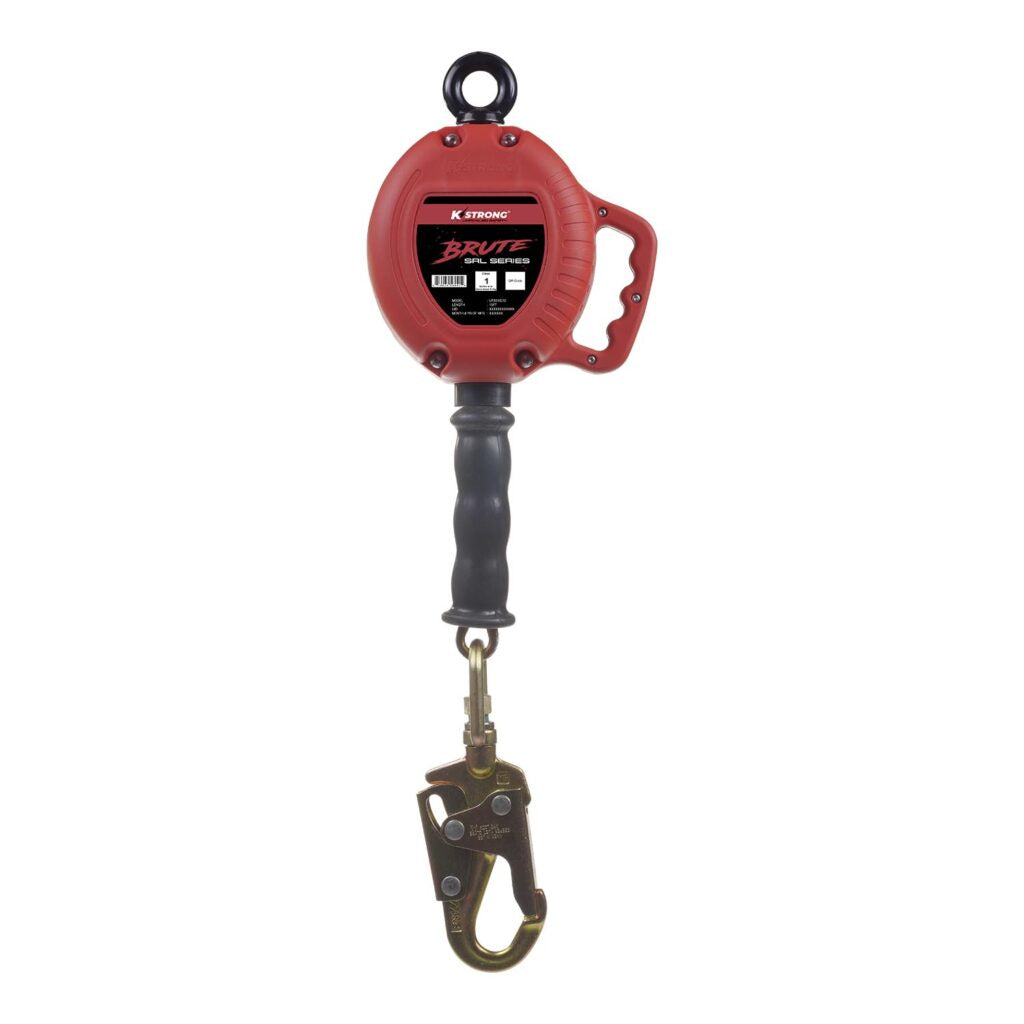 In Stock
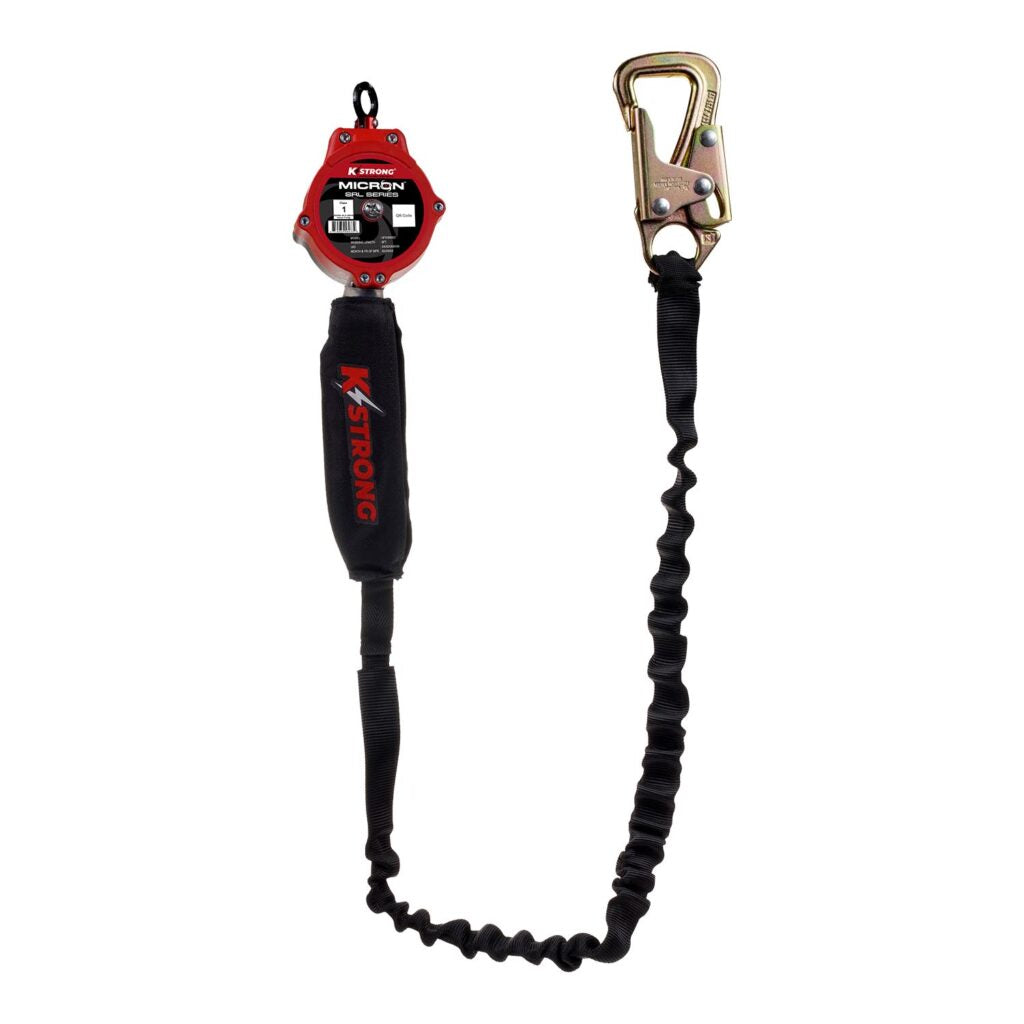 In Stock
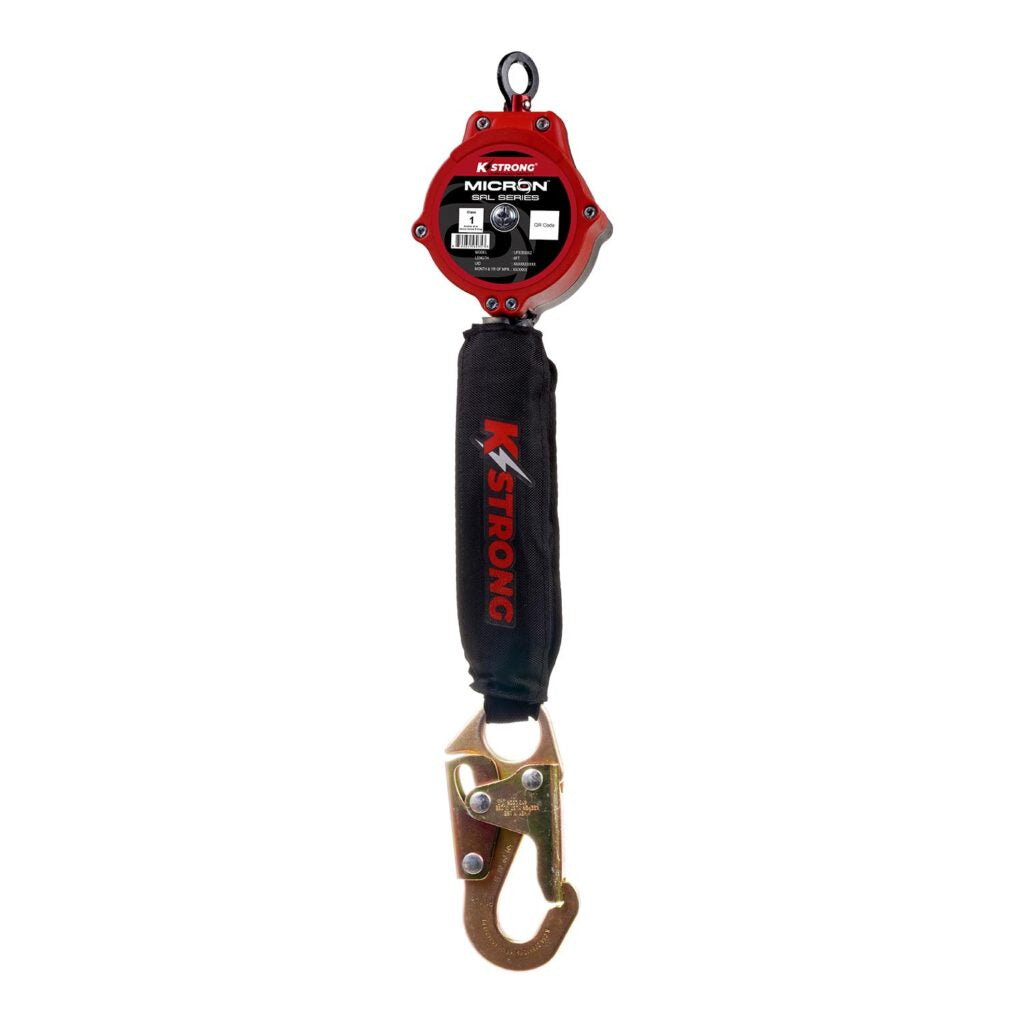 In Stock
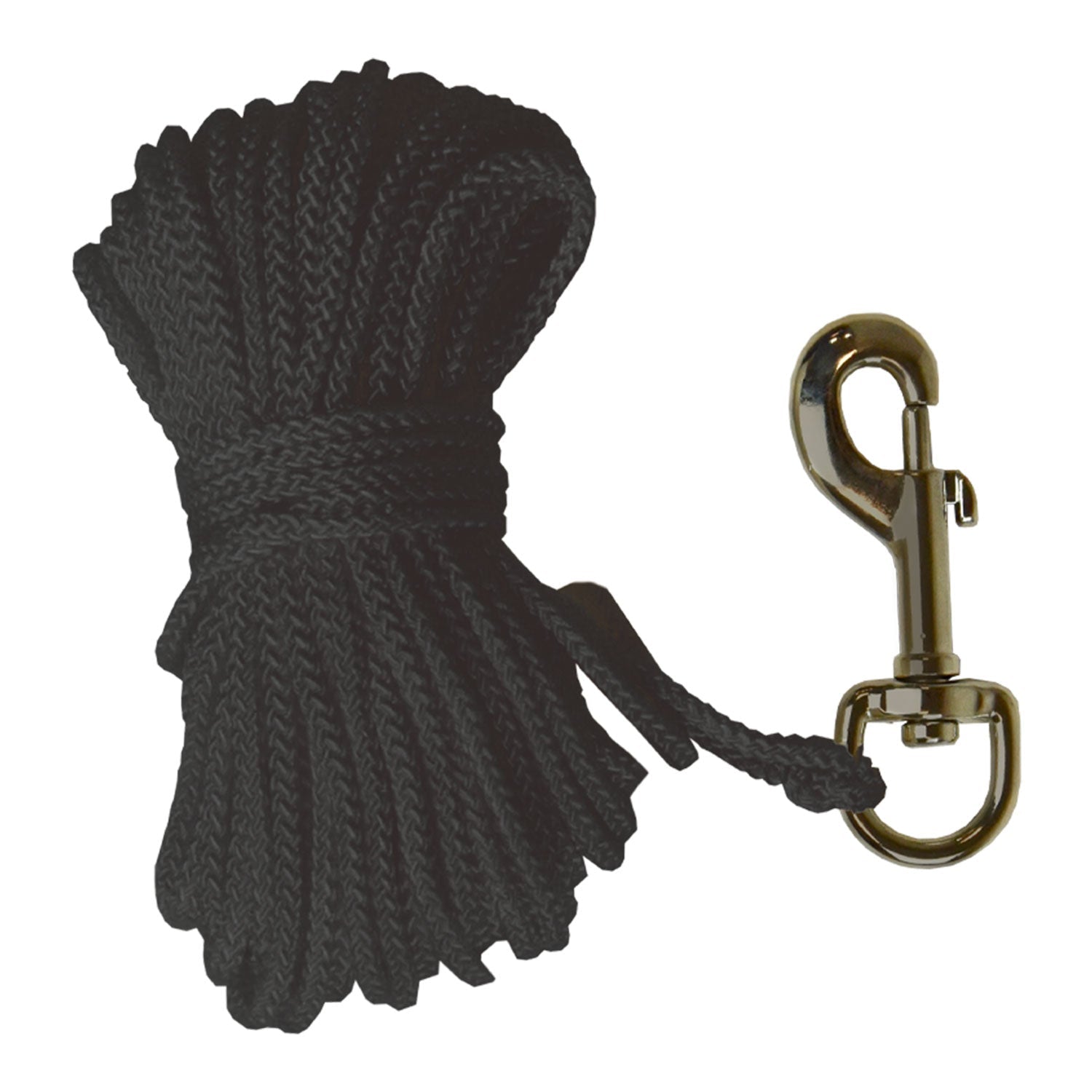 In Stock
Self Retracting Lifelines Buying Guide
SRL, SRL-LE, or SRL-R: know which device the job needs. ANSI/ASSP Z359.14-2021 sorts self-retracting devices into three functional types, and picking the wrong one is the most common mistake we see. A plain SRL is for overhead point work where the anchor sits above you and the line runs clean. An SRL-LE adds leading edge construction, a shock pack and an abrasion-resistant lifeline built to survive a fall that drags the line over the edge of a deck or beam. An SRL-R carries an integrated retrieval mechanism that raises or lowers a fallen worker, which is why it is the unit that belongs over a manhole or tank rather than a plain SRL. The KStrong Brute 100 ft wire cable 3-Way SRL-R and the Globestock SAVER 310 lb 3-way both pair arrest with retrieval, and they live alongside our tripods in confined space equipment. Name the exposure first, then the type follows.
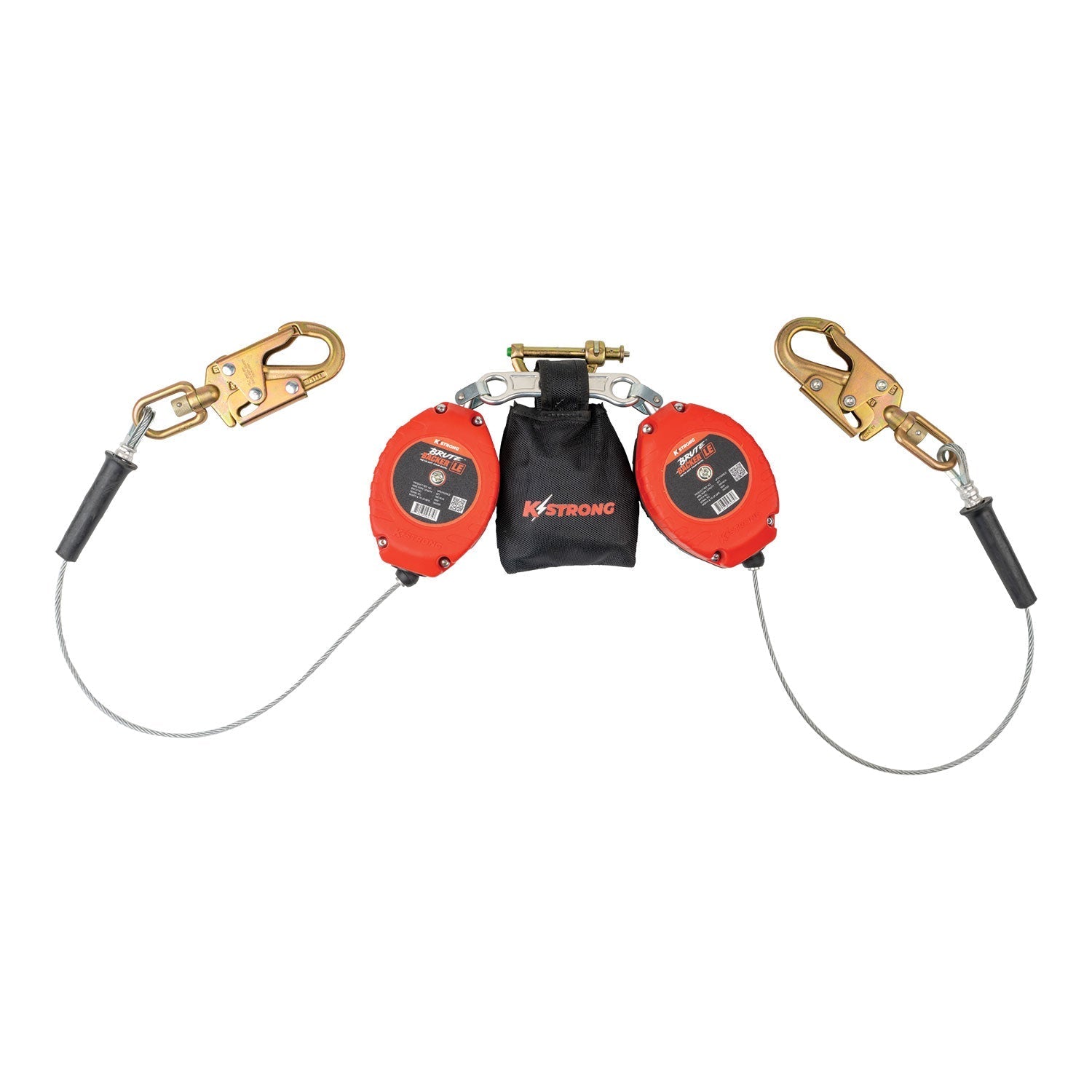
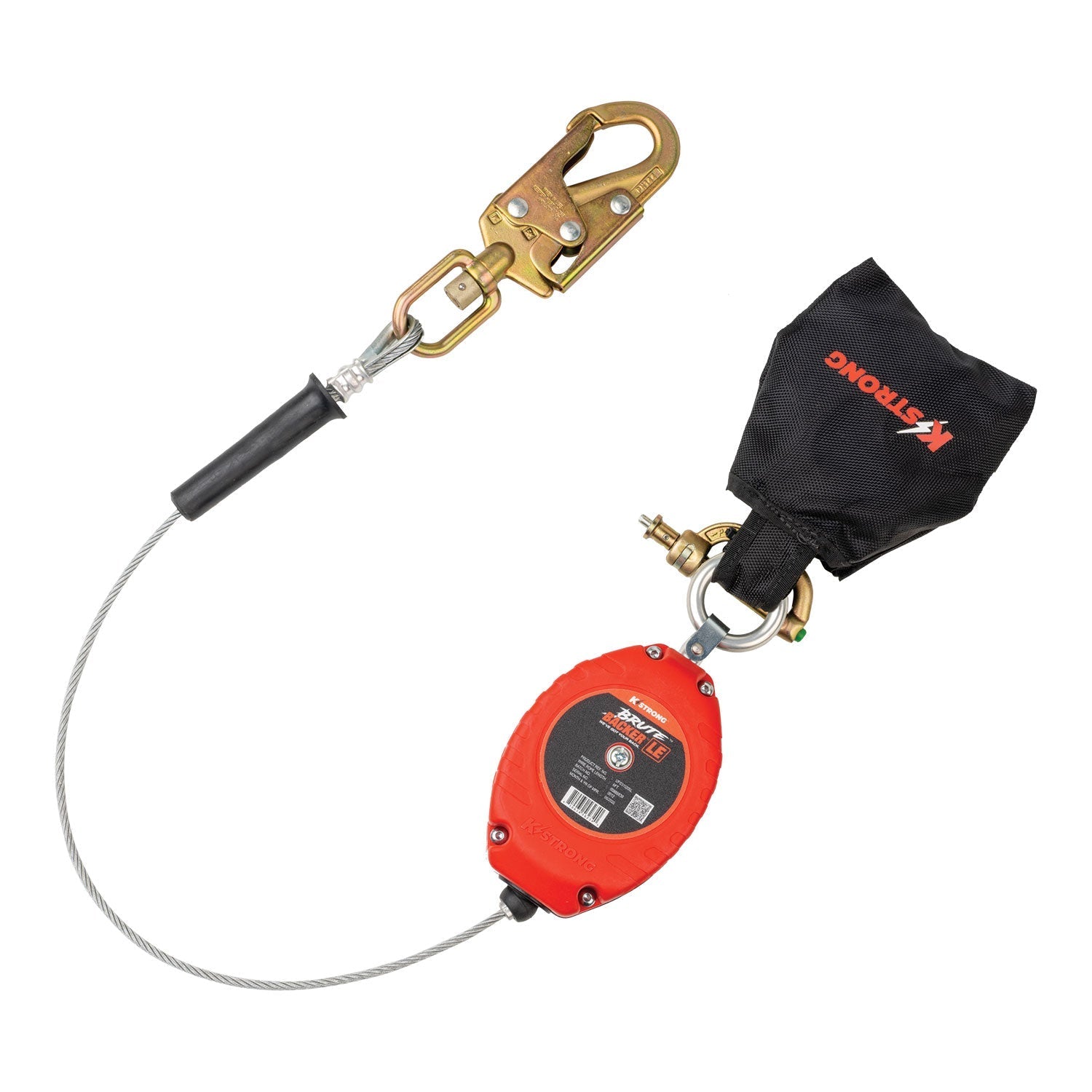
Class 1 or Class 2 decides where you are allowed to anchor. The 2021 revision replaced the old Class A and B labels with Class 1 and Class 2, and the split is about anchor height. A Class 1 device is rated for anchorages at or above your dorsal D-ring and permits a maximum free fall of 2 ft. A Class 2 device is tested for anchorage below the D-ring, down toward foot level, and for the leading edge case, with a maximum free fall of 6 ft. Anchor at your feet or where the line can load over an edge, and the label has to read Class 2. The Brute Backer LE single and dual 8.5 ft cable units are our Class 2 answer for that assignment, built to take the extra energy of a longer free fall. If you are unsure, the safe default is to anchor high and keep a Class 1 device working inside the range it was tested for.
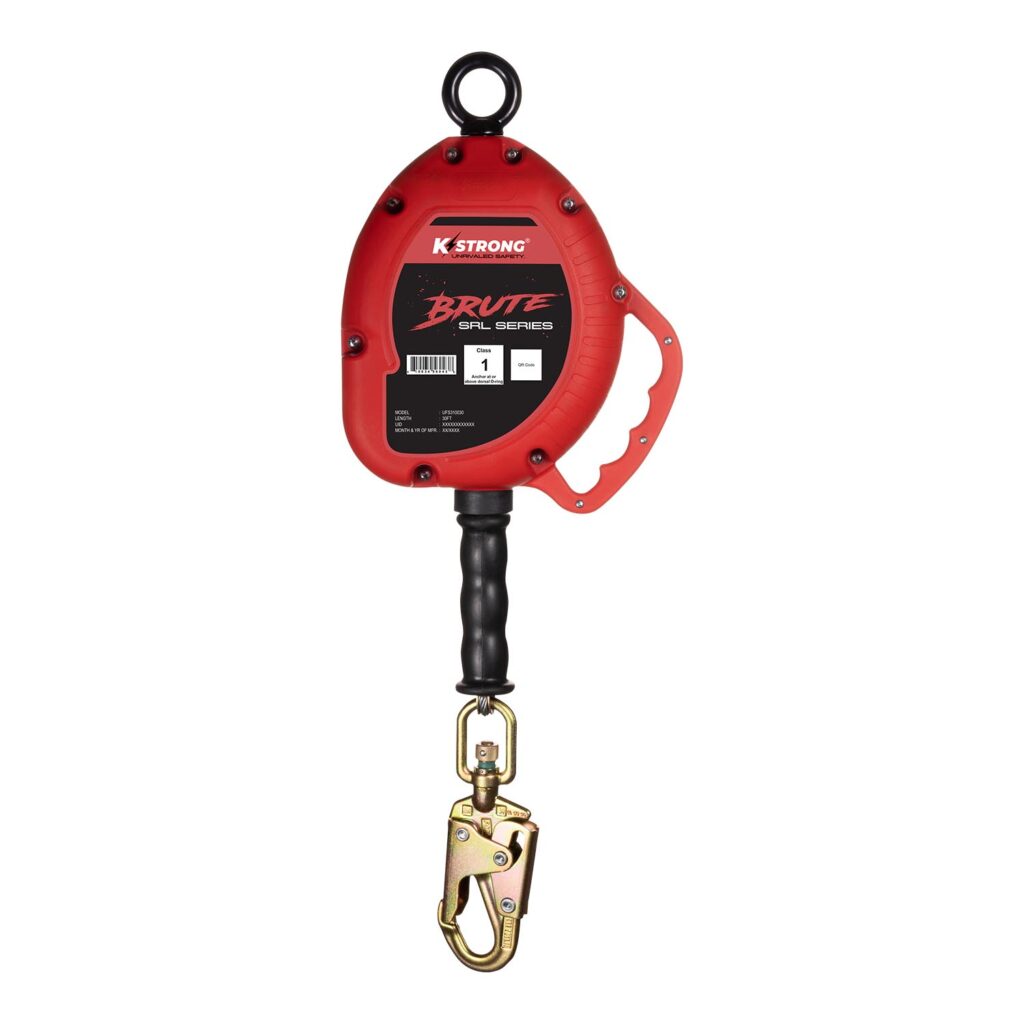
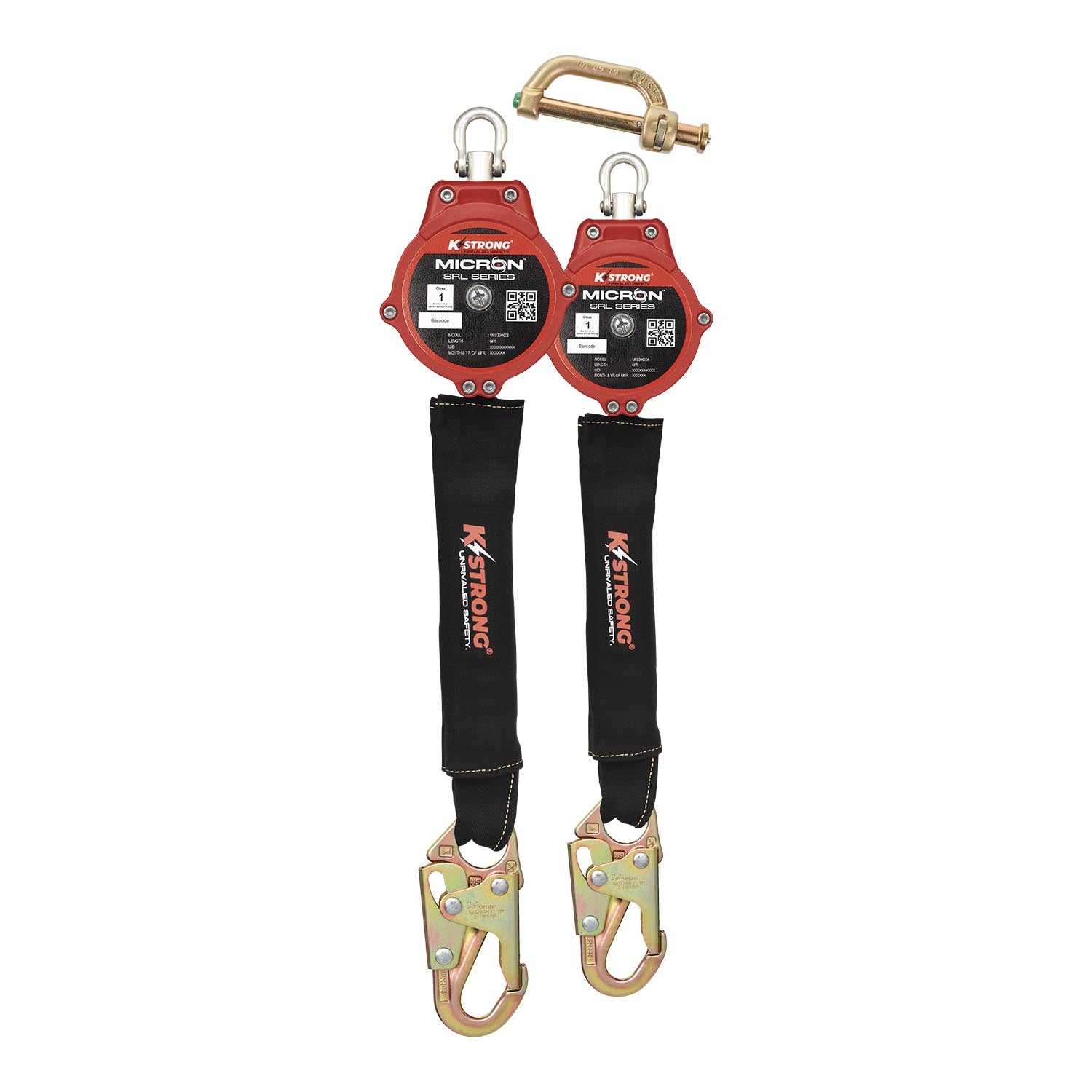
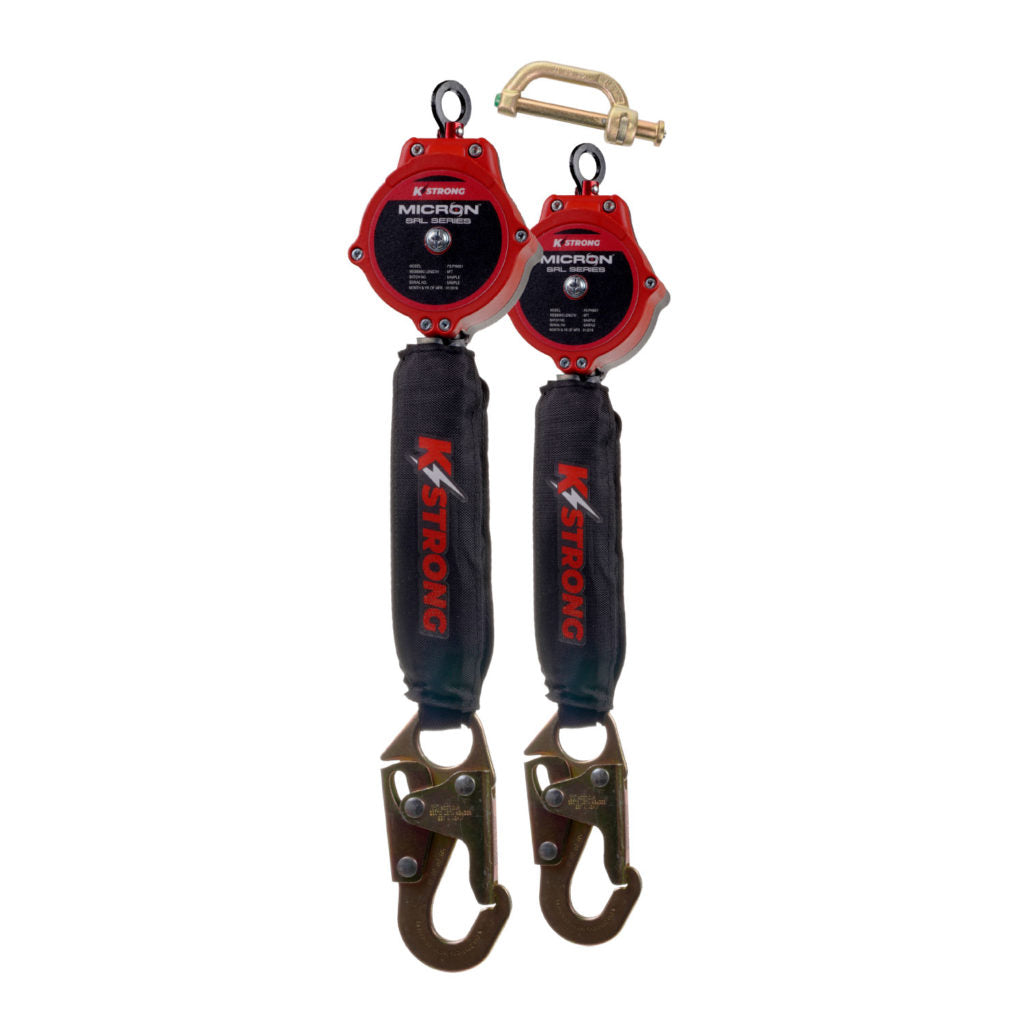
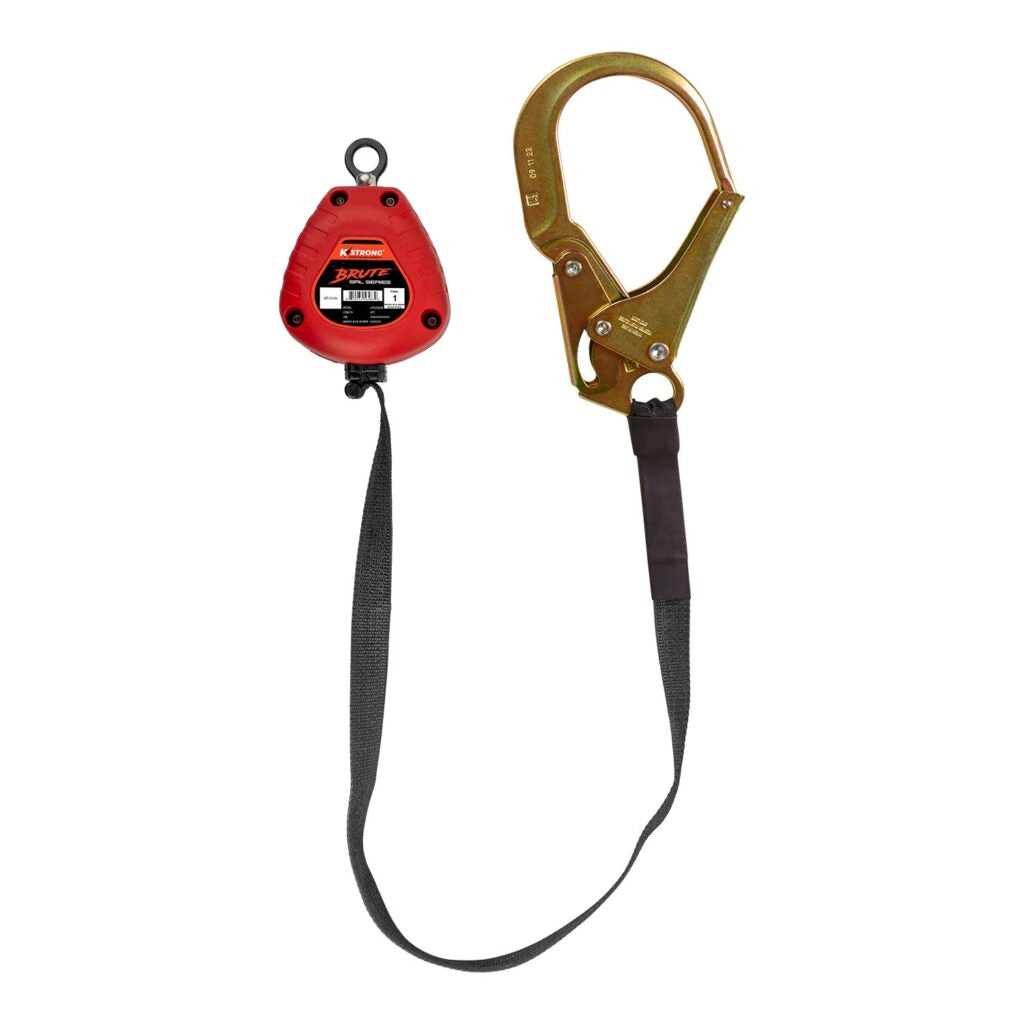
Web or cable: the lifeline media sets the reach and the durability. The Micron line runs a flat synthetic web lifeline, which keeps the unit light enough to hang off a harness attachment all shift. Personal Micron web SRLs come in 6 ft and 9 ft lengths and are the value pick for overhead work at a fixed station, priced from around two hundred dollars. The Brute line runs galvanized aircraft cable instead, which shrugs off heat, sparks, and abrasion far better than webbing and reaches much farther. Brute cable SRLs step from 10 ft up to 50 ft, so one anchor can cover a wide work zone, and a hi-abrasion Brute web version with a forged rebar hook suits rebar and rough steel. Web for light, close, personal work; cable for reach, heat, and grit. Both stay tensioned to the D-ring and lock the same way; the media is what changes.
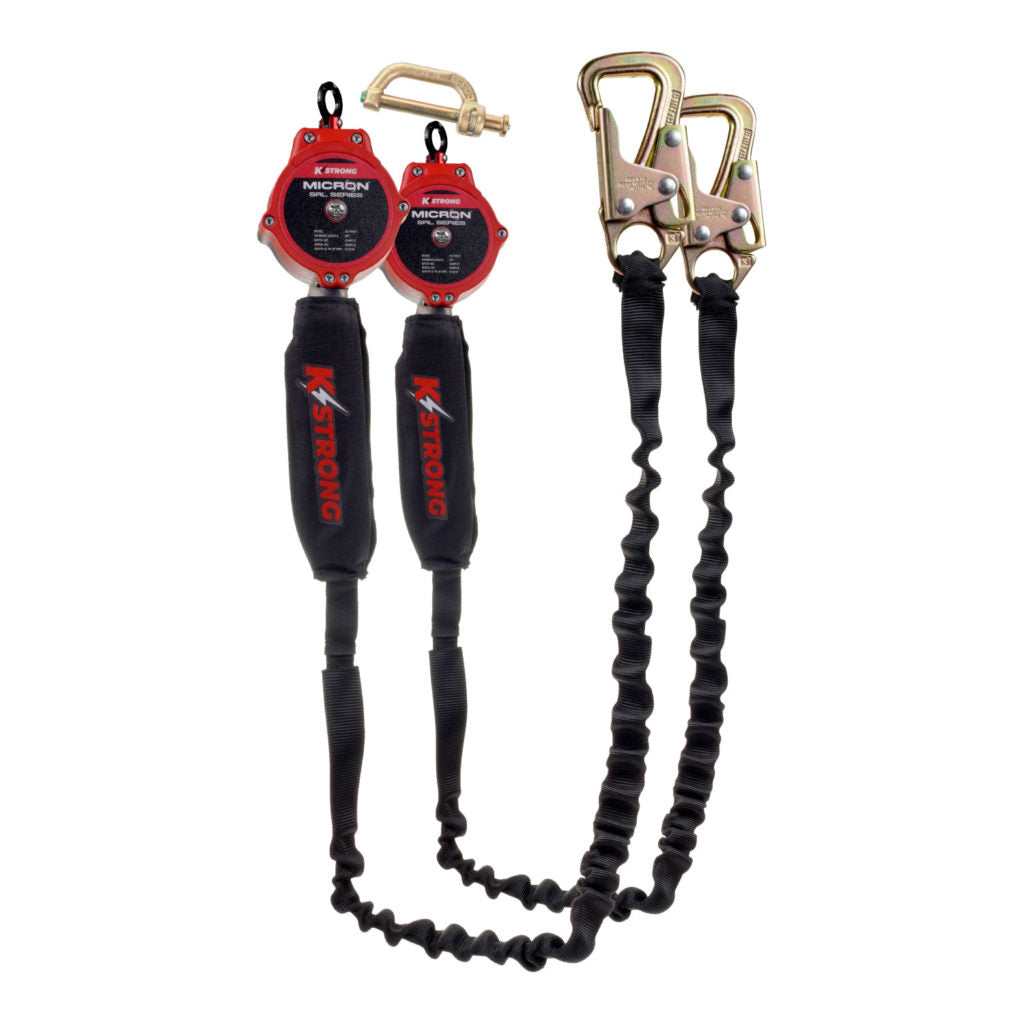
Length, single, and dual: cover the reach and the tie-off gaps. Length is a reach and clearance decision. A 6 to 9 ft personal SRL is right when you work within a small radius of one overhead anchor, while a 20, 30, or 50 ft cable unit lets a worker roam without moving the anchor. Whenever the task means unclipping to travel between points, a single SRL leaves you unprotected for those seconds, so a dual (twin) SRL solves it: two legs, so one stays connected while the other moves, giving 100 percent tie-off. We stock dual Micron 6 ft and 9 ft assemblies with tie-back hooks for exactly that. Where the work is travel along a run rather than a point, an SRL is the wrong tool and a horizontal system belongs there instead, which is why the parent fall protection lifelines range also covers horizontal lifelines for edge travel and vertical lifelines for ladder drops.
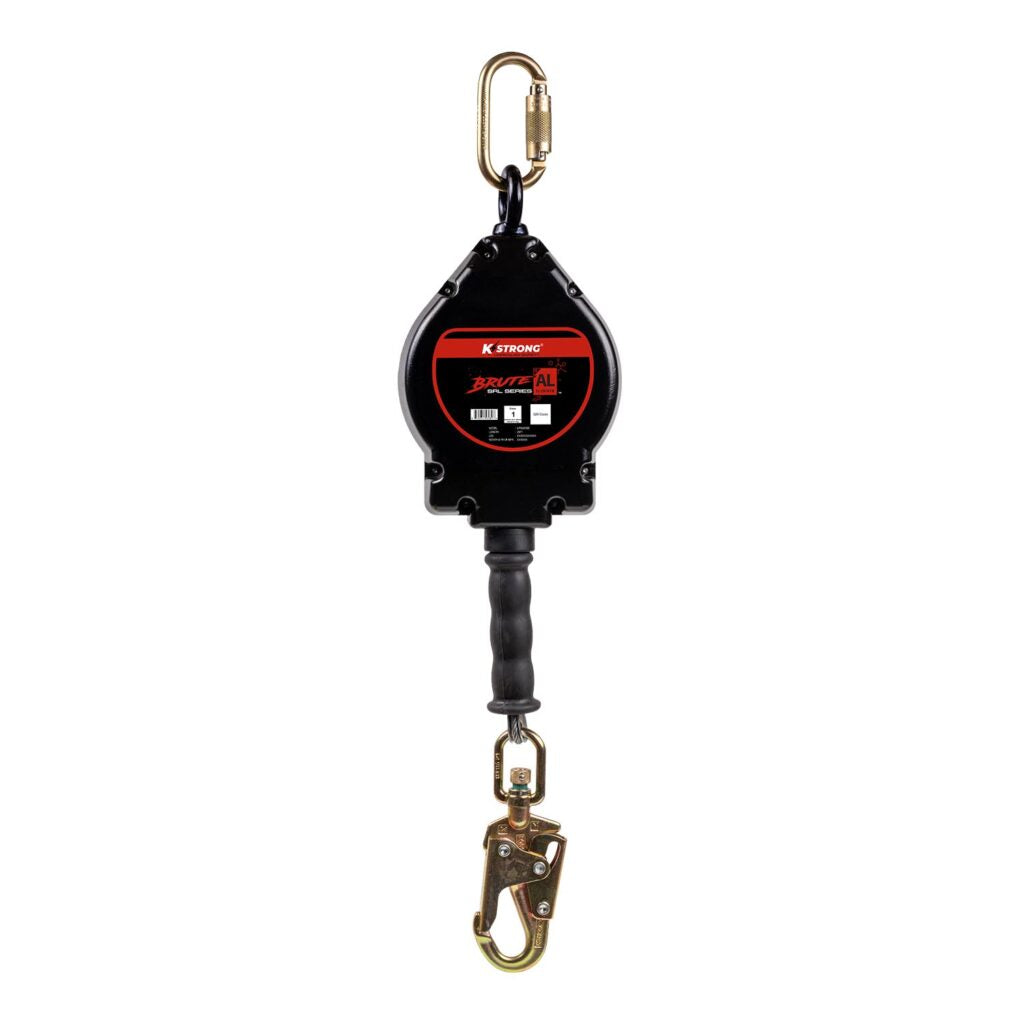
Match the housing to the environment. The standard housing is fine for general construction and maintenance, but harsh air calls for a build change. The Brute-AL aluminum housing cable SRL trims weight for crews carrying a unit up and down all day. The Brute Sealed stainless steel cable SRL closes the internals against water, dust, and salt for washdown, marine, and corrosive settings, which is where the low four-figure price earns itself back over a rusted-out unit. For live electrical work, the Micron Dual 6 ft Arc Flash Rated SRL uses non-conductive components so the connecting device does not become part of the circuit, and it pairs naturally with arc flash rated harnesses and lanyards in our fall arrest and restraint gear. Buy the housing for the atmosphere the unit actually lives in, not the one in the catalog photo.
Anchor overhead, size the clearance, and inspect every time. An SRL is designed to hang from an anchor at or above the dorsal D-ring, connected to the harness back with a snap hook, swivel snap, or rebar hook to suit the structure, and our swivel anchor and single/dual SRL connectors handle the mounting, alongside the beam and concrete anchors in connectors and accessories. Anchoring overhead keeps free fall near zero and pulls total fall clearance down toward a few feet, well under a lanyard's 15-plus, but only if the anchor is close to directly above you, because offset adds swing fall that can drop you into structure. The harness on the other end has to carry a rated dorsal D-ring, which every unit in safety harnesses does. OSHA 1926.502(d)(16) still governs the outcome: arresting force under 1,800 lb, deceleration distance under 3.5 ft, and no contact with a lower level. Before each use, check that the line pays out and retracts smoothly, locks solidly on a sharp pull, and shows no tripped load indicator on the hook. Any unit that has arrested a fall comes out of service, and SRLs go back to the manufacturer or an authorized center for internal inspection on the interval in their instructions.
Frequently Asked Questions
An SRL stays tensioned to your D-ring and locks within inches when you fall, the way a seatbelt does, while a 6 ft shock absorbing lanyard lets you drop its full length before the energy absorber even engages. That difference shows up as fall clearance: an overhead SRL can bring total clearance below the working surface down toward a few feet, where a lanyard can need 15 ft or more. Whenever a lower level sits close below, the SRL is the answer.
They come from ANSI/ASSP Z359.14-2021, which replaced the older Class A and B labels. Class 1 devices are rated only for anchorages at or above the dorsal D-ring, with a maximum free fall of 2 ft. Class 2 devices are tested for anchorage below the D-ring, down to foot level, and for leading edge exposure, with a maximum free fall of 6 ft. If your anchor sits below your shoulders or the line can load over an edge, the label has to read Class 2, such as the Brute Backer LE units.
Choose web, like the Micron line, for light personal work close to an overhead anchor, since a flat synthetic lifeline keeps the unit light enough to wear all shift, and lengths run 6 to 9 ft. Choose cable, like the Brute line, when you need reach of 10 to 50 ft from one anchor, or when heat, sparks, and abrasion would chew through webbing. Both lock the same way; the media changes the reach and the durability.
Only with a device rated for it. A standard Class 1 SRL is tested for anchorage at or above the dorsal D-ring. Anchoring lower, or where the line can drag over an edge, requires a Class 2 or SRL-LE unit built for the longer free fall and the leading edge load, such as the Brute Backer LE single or dual cable SRL. Using a Class 1 device below the D-ring defeats the testing behind its rating.
An SRL-R is a self-retracting lifeline with an integrated rescue and retrieval mechanism that lets a fallen worker be raised or lowered without a separate hoist. It is the device for permit-required confined space entry, where OSHA 1910.146 calls for a retrieval means. The KStrong Brute 100 ft 3-Way SRL-R and the Globestock SAVER 310 lb 3-way both provide it, and they mount to the tripods and davits in our confined space equipment.
Inspect before every use: the line should pay out and retract smoothly, lock solidly on a sharp pull, and show no tripped load indicator on the hook, with no cuts, corrosion, or cracked housing. Any SRL that has arrested a fall comes out of service immediately. Beyond that, SRLs carry internal mechanisms you cannot see, so they go back to the manufacturer or an authorized service center for internal inspection on the schedule stated in their instructions, and get destroyed or tagged out when they fail.