Forklift Safety Cage
A forklift safety cage is one answer to a problem every material-handling operation hits sooner or later: some loads are too awkward, too heavy, or too dangerous to trust to a bare fork or a wrapped sling. This collection gathers the purpose-built lifters and cages that solve the rest of those loads, each tool shaped around one job. There is a Machining and Welding bottle lifting device for compressed-gas cylinders, a 9,000 lb concrete barrier grab that clamps a Jersey barrier and picks it up, threaded ferrules for lifting precast concrete pipe and panels, toggle keys for manhole covers, a pallet lifting cage that contains a stacked pallet for an overhead move, and a reel lifter and turner for cable and wire spools. Prices run from a $62 ferrule up past $9,000. What ties them together is simple: the tool grabs the load the way its shape demands, so the operator never has to improvise a hitch on something that will not forgive one.
Compare Lifters & Cages
| Model | Price | Capacity | |
|---|---|---|---|
| Machining & Welding Concrete Barrier Grab | $8,980 | 9,000 lb | View → |
| Machining & Welding Pallet Lifting Cage | $5,014 | 4,400 lb | View → |
| Machining & Welding Bottle Lifting Device | $4,456 | 500-1,500 lb | View → |
| Machining & Welding Reel Lifter/Turner | $656 | 500-4,500 lb | View → |
| Machining & Welding Manhole Toggle Key | $172 | 2,200-3,500 lb | View → |
| Machining & Welding Concrete Pipe Lifting Ferrule | $62 | 4,400-50,000 lb | View → |
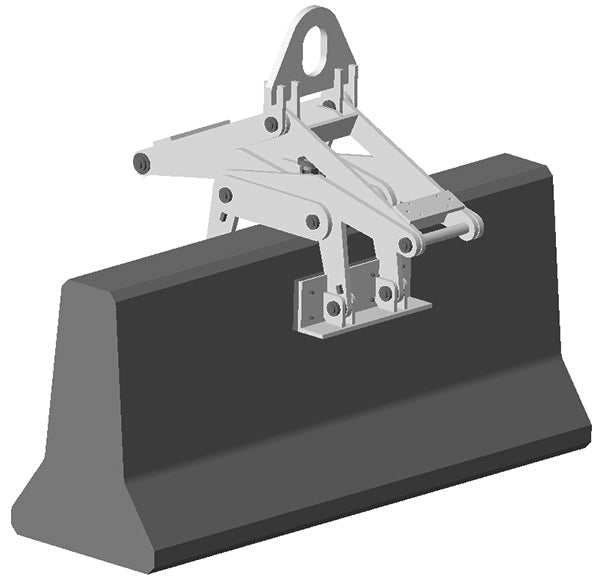 In Stock
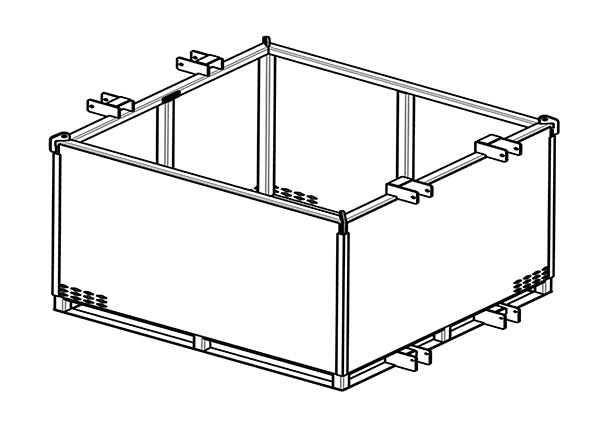 In Stock
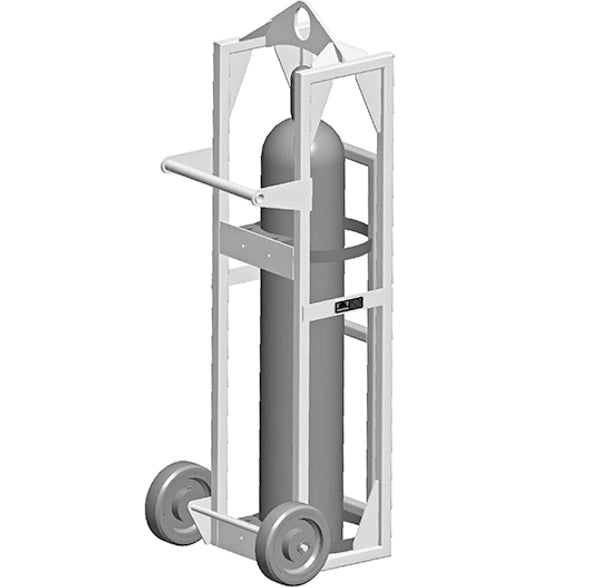 In Stock
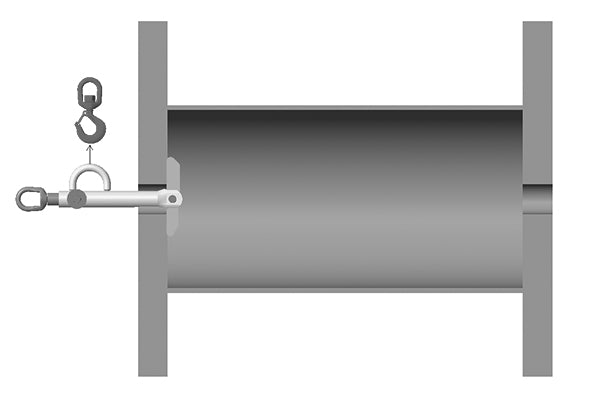 In Stock
 In Stock
 In Stock
Lifters & Cages Buying Guide
Match the lifter to the load, not the load to a lifter. Most overhead lifting runs on general-purpose gear: a sling, a shackle, a clamp. The loads on this page defeat that gear. A compressed-gas cylinder rolls out of a choker, a Jersey barrier has no rigging point at all, a manhole cover is a flush steel disc with nothing to grab, and a cable reel has to be lifted and then turned. Each product here is a lifter built around one of those problems, so the operator picks up the load the way its geometry demands instead of improvising a hitch that a round sling or a lifting clamp was never meant to make. That is the whole logic of the category: when a load is awkward or dangerous enough, the right answer is a tool shaped for it, and the money you spend buys a grab that engages correctly every time rather than a rig you have to think through on the ground under load.
Compressed-gas cylinders: the bottle lifter is a rule, not a preference. Lifting a gas bottle by wrapping a chain or sling around it is an OSHA violation, full stop. 29 CFR 1910.253 states that when cylinders are moved by a crane or derrick, a cradle, boat, or suitable platform has to be used, and that slings and electric magnets shall not be used for the purpose. The Machining and Welding bottle lifting device is that platform: it captures the cylinder body so nothing rides on friction or a valve cap, and it comes in 500, 750, and 1,500 lb working load limits to match a single bottle or a bank of them, starting at $4,455. Size it to the filled weight of your largest cylinder, keep the valve-protection cap in place as the same standard requires, and never lower it onto a hard surface fast enough to strike the valve. This is one of the few lifts where the equipment choice is written into the regulation rather than left to judgment.
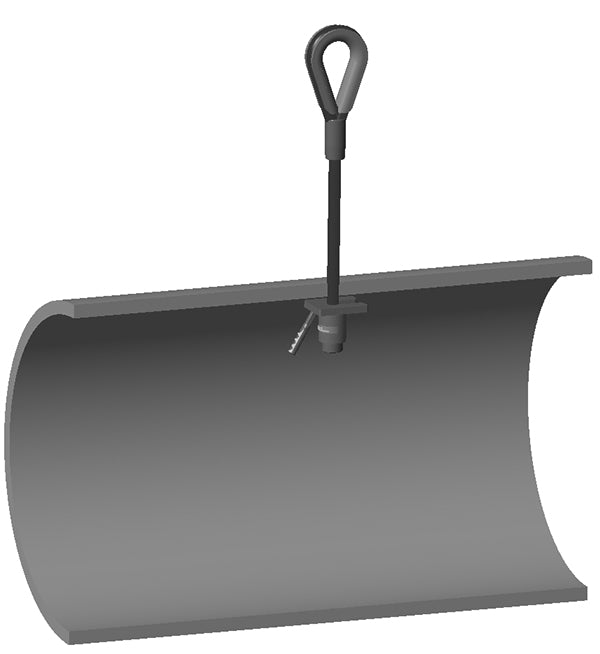
Precast and concrete: ferrules for pipe, a grab for barriers. Two products here handle concrete, and they work in opposite ways. The concrete pipe lifting ferrule is a threaded insert cast into the pipe or panel at the plant; you thread a lifting eye into it and pick the piece from a point the manufacturer engineered. OSHA 1926.704 requires that lifting inserts embedded in precast members support at least four times the maximum intended load, and precast makers commonly tell you to halve the anchor's safe working load again when a forklift carries the element over rough ground. Our ferrules run 1/2 inch through 1-3/4 inch, $62 to $640, so match the thread to your cast-in hardware. The concrete barrier grab takes the opposite approach for loads with no cast-in point: a mechanical scissor clamp that grips a Jersey barrier automatically as it lifts and releases when the barrier is set down, rated 9,000 lb at $8,980. One relies on engineered anchors, the other on clamping force, and neither job belongs to a wrapped sling.
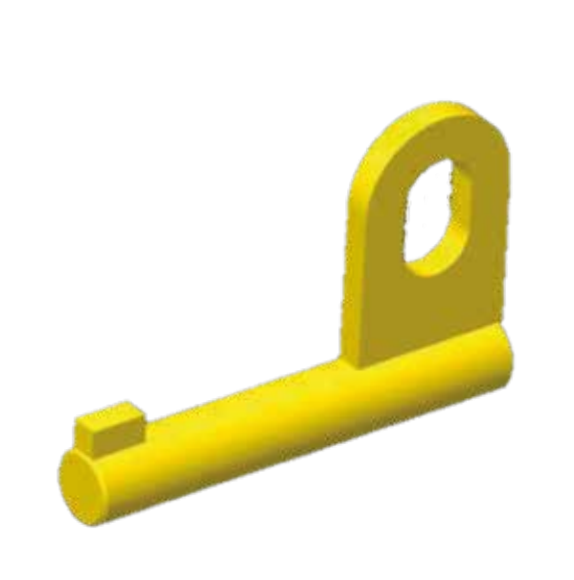
Manhole covers and cable reels: the small jobs that hurt people. A manhole cover is a flush, heavy steel disc with no obvious handhold, and lifting one by hand is a classic back-and-finger injury. The Machining and Welding manhole toggle key drops a tip into the cover's eyelet and toggles to a locked lift, sized 4 inch through 11 inch with working load limits from 2,200 to 3,500 lb depending on the key, from $171. Cable and wire reels are their own hazard: heavy, round, and quick to roll. The reel lifter and turner picks a spool by its arbor and lets you rotate it under control, offered at 500 lb for lifting only, 3,000 lb for 2 to 4 inch arbor diameters, and 4,500 lb for 3 to 6 inch arbors, from $655. Read the arbor rating closely, because the 500 lb setting is marked not for tipping reels; if the job includes turning a loaded spool you need one of the higher-rated arbor sizes, not the entry unit.
The pallet lifting cage, and where baskets belong. The pallet lifting cage contains a stacked or loose-topped pallet so it can travel overhead without shedding its load, which is the safe alternative to slinging under a shrink-wrapped stack and hoping. It lists at $5,014 and suits warehouse picks that move product between levels. Two neighbors handle the loads it does not. When you need to box in loose material for a crane lift, the crane forks and material baskets in crane attachments do that. When the job is raising people rather than product, that is a rated personnel basket and not a lifter from this page: the man baskets and material bins in material and personnel baskets cover it, and they hang below a crane hook, which is a different discipline from a work platform you mount on a forklift. That forklift-mounted platform is governed by ANSI/ITSDF B56.1 and belongs with the forklift attachments, so route that requirement there.
Below-the-hook devices: ASME B30.20, marking, and inspection. Almost everything here is a below-the-hook lifting device, which puts it under ASME B30.20 with design rules in ASME BTH-1, the same family as spreader bars and lifting beams. Three habits follow. The device has to stay marked with its manufacturer, serial number, and rated load, and those markings have to remain legible; the barrier grab and toggle keys are built to meet B30.20 for exactly that reason. Its own weight counts against your crane or hoist capacity, which starts to matter once the barrier grab or a loaded bottle lifter is on the hook. And it earns the same inspection rhythm as your slings: a frequent visual check before use plus a documented periodic inspection, on intervals that tighten as service gets heavier. File the certification and proof-test paperwork that ships with each unit next to those periodic records, and pull any lifter the moment a grab, clamp, or toggle stops seating and locking cleanly.
Frequently Asked Questions
No. OSHA 29 CFR 1910.253 requires a cradle or suitable platform whenever cylinders are moved by a crane or derrick, and it specifically bars slings and electric magnets for the job. The bottle lifting device here is that platform, rated 500, 750, or 1,500 lb. Keep the valve-protection cap on during the lift, which the same rule requires, and size the lifter to the filled weight of your largest bottle.
No. A powered platform that raises a worker on a forklift is governed by ANSI/ITSDF B56.1 and is a forklift attachment, and a personnel basket suspended from a crane hook lives in material and personnel baskets. The lifters and cages on this page grab loads, not people: gas cylinders, concrete, manhole covers, cable reels, and palletized product.
Match the ferrule thread to the cast-in insert your precast supplier specified, which is why we stock 1/2 inch through 1-3/4 inch. Keep in mind OSHA 1926.704 wants embedded lifting inserts good for at least four times the intended load, and precast handbooks tell you to halve the anchor's safe working load again when a forklift carries the piece over rough ground.
Yes. They are below-the-hook devices under ASME B30.20, so each one gets a frequent visual check before use and a documented periodic inspection on a schedule set by how hard it works. Keep the certification that ships with the unit, and retire any grab, clamp, or toggle key that will not seat and lock cleanly.
The barrier grab is a mechanical scissor clamp that grips a Jersey barrier by friction and geometry, self-latching as it lifts, rated 9,000 lb for loads that have no rigging point. The ferrule is the opposite: a threaded insert cast into the concrete at the plant that gives you an engineered lift point. Use the grab on existing barriers and curbs, and use ferrules on precast pieces made to accept them.