Lifting Hooks
Lifting hooks are the last link between your rigging and the load, the single component that opens to take a sling eye, a chain leg, or a lug and then has to hold it through the entire lift. This collection runs from Machining and Welding alloy steel hooks in the 3,200 to 6,400 lb range, through Grade 100 plate hooks rated past 22,000 lb, to insulated swivel hooks for work near energized equipment and the William Hackett HA ROV shank hook built for subsea rigging an operator assembles by remote vehicle. Prices start under $200 for a bare alloy hook and climb into four figures for the insulated and offshore builds. What ties the range together is that a hook carries its rating one way only, with the pull seated deep in the saddle and running straight in line. So the work on this page is picking the hook whose shape, closure, and connection match the load you actually grab, then confirming it against the standard that governs it.
Compare Lifting Hooks & Connectors
| Model | Price | Capacity | |
|---|---|---|---|
| Machining & Welding Insulated Swivel Hooks | $1,012 | 4,000-4,500 lb | View → |
| Machining & Welding Load Hooks (Pair) | $730 | 4,900-17,000 lb | View → |
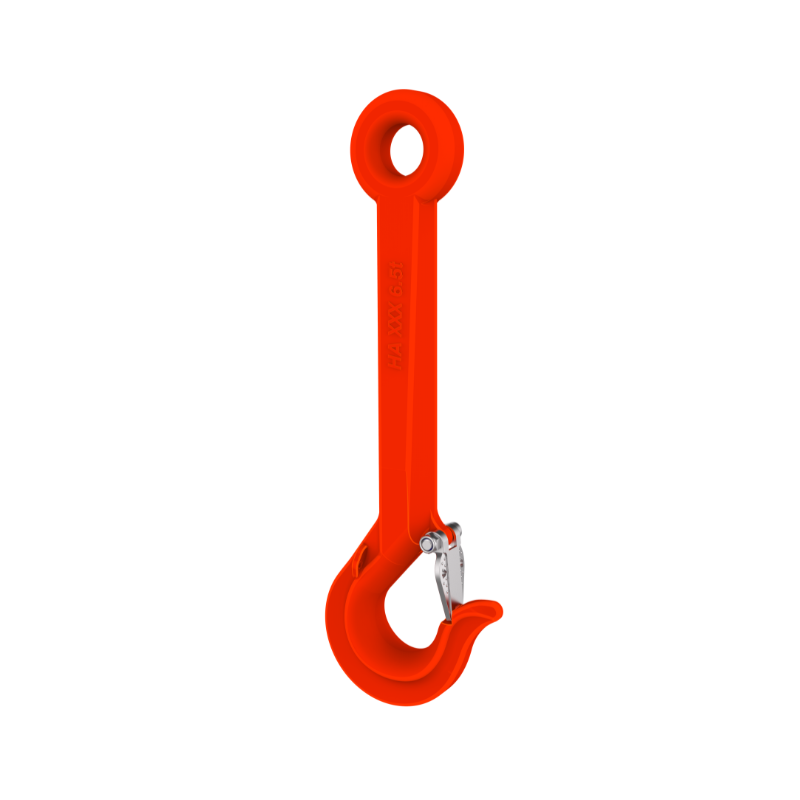
| William Hackett HA ROV Shank Hook | $710 | 6.5-12 ton | View → |
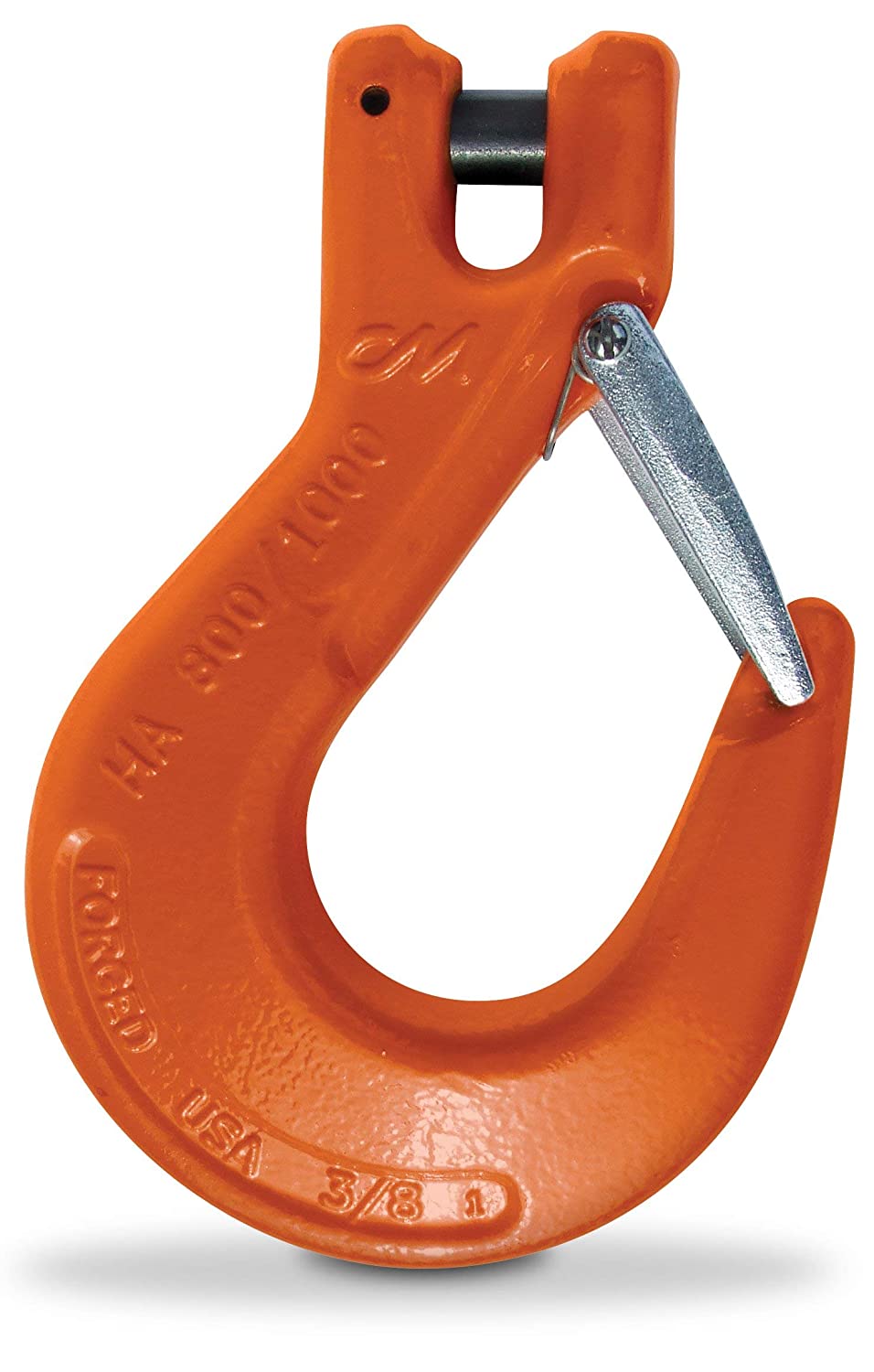
| Machining & Welding Oversized Clevis Lifting Hook | $539 | 3,200-4,300 lb | View → |
| Machining & Welding Pipe Lifting Hooks (Pair) | $450 | 4,000-10,000 lb | View → |
| Machining & Welding Grade 100 Plate Lifting Hooks | $398 | 4,300-22,600 lb | View → |
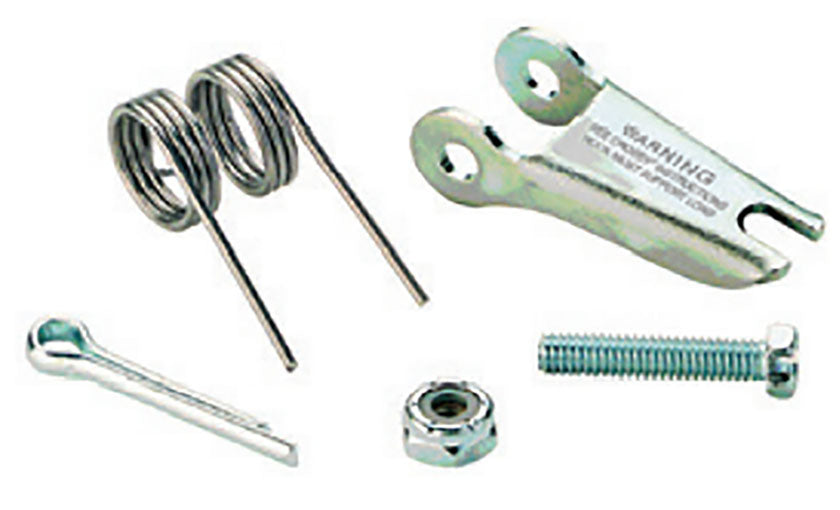 In Stock
 In Stock
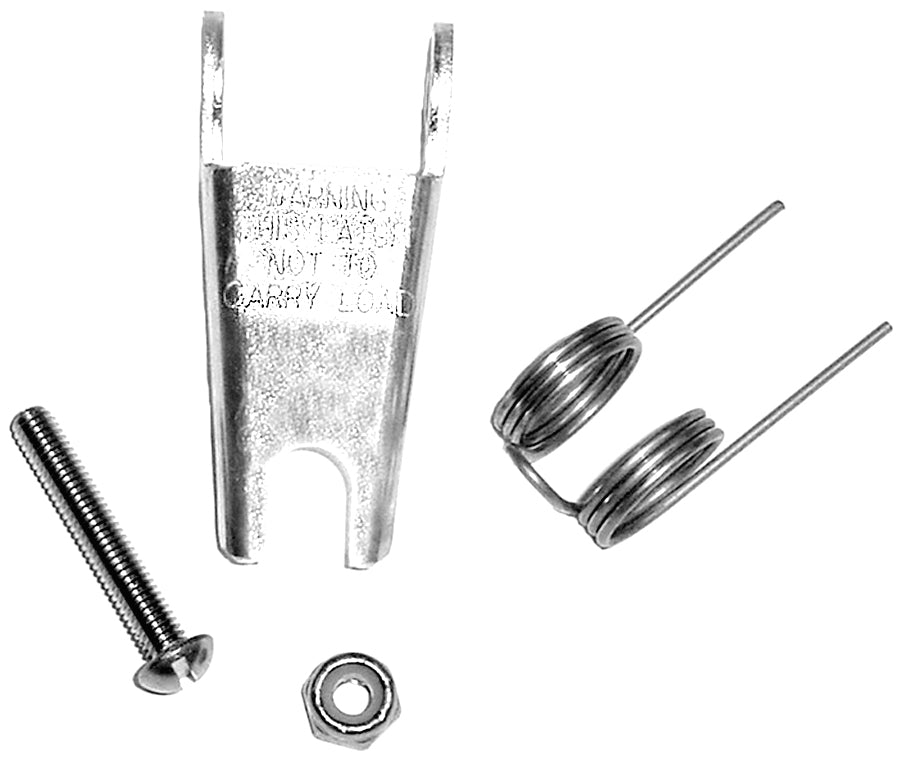 In Stock
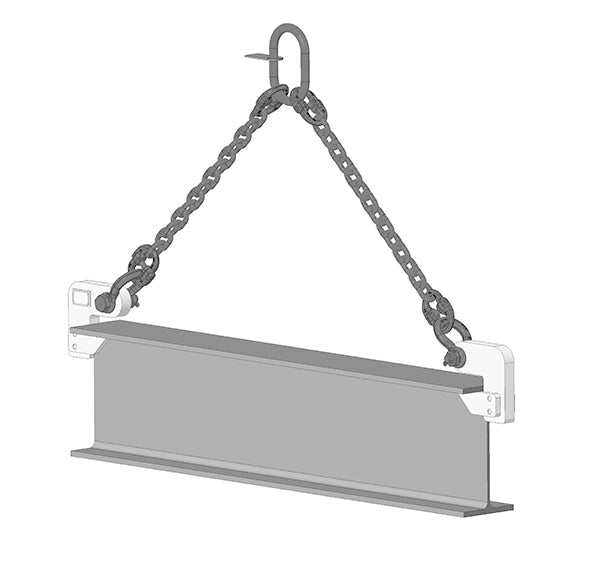 In Stock
 In Stock
 In Stock
 In Stock
 In Stock
 In Stock
 In Stock
 In Stock
 In Stock
 In Stock
 In Stock
 In Stock
 In Stock
 In Stock
 In Stock
 In Stock
Lifting Hooks & Connectors Buying Guide
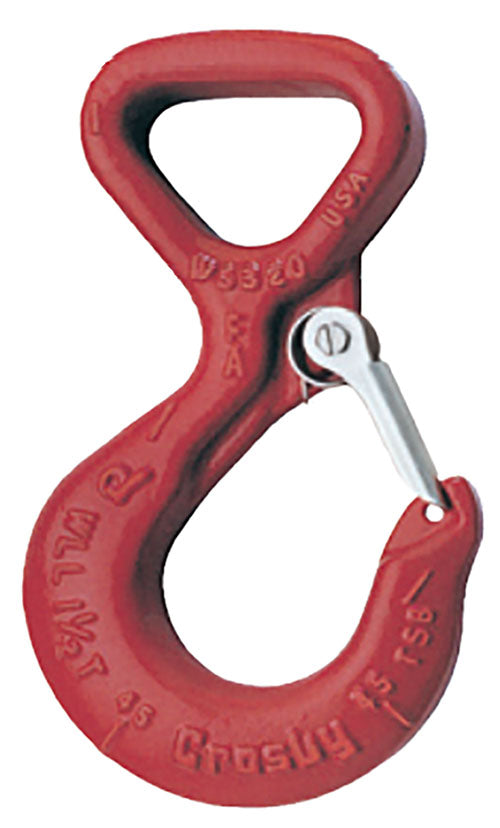
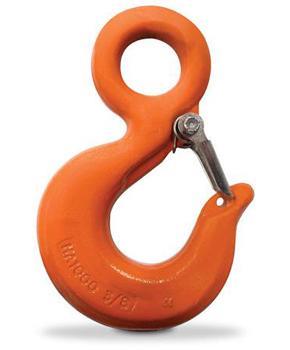
Match the hook to what it grabs. Every hook here is built around a specific grab, and buying by that job gets you to the right one faster than comparing spec sheets side by side. The alloy steel flat hooks and load hook pairs are general-purpose saddles for crane blocks and sling ends, rated 3,200 to 6,400 lb on the alloy hooks and 4,900 to 17,000 lb on the load hooks. The oversized clevis hook pins straight into a chain leg, so it lives with your chain slings and lifting chains. Pipe lifting hooks cradle a length of pipe or tube between a matched pair, and the Grade 100 plate hooks bite a steel plate. The insulated swivel hooks answer electrical work, and the William Hackett ROV shank hook answers subsea rigging. When the load is a plate or a coil you would rather clamp than hook, the lifting clamps one collection over are the other half of this decision.
Rate for an in-line pull on the saddle. Every rated hook here carries a working load limit that assumes one thing: the load sits deep in the bowl of the saddle and pulls straight in line with the shank. Move the load out toward the tip, pull it sideways across the throat, or back-load it against the closure, and the effective capacity drops fast because you are now bending the hook instead of stretching it. This is why a hook that swallows the load fully beats one the load perches on. It is also why sling angle matters at the hook the same way it matters at the sling: two legs crowded into one hook throat load the tip, so spread them onto separate connection points or a master link. Size the hook to at least match the sling and hardware it joins, since the weakest component sets the rig, and when you would rather read the tension than estimate it the load weighing equipment measures it directly.
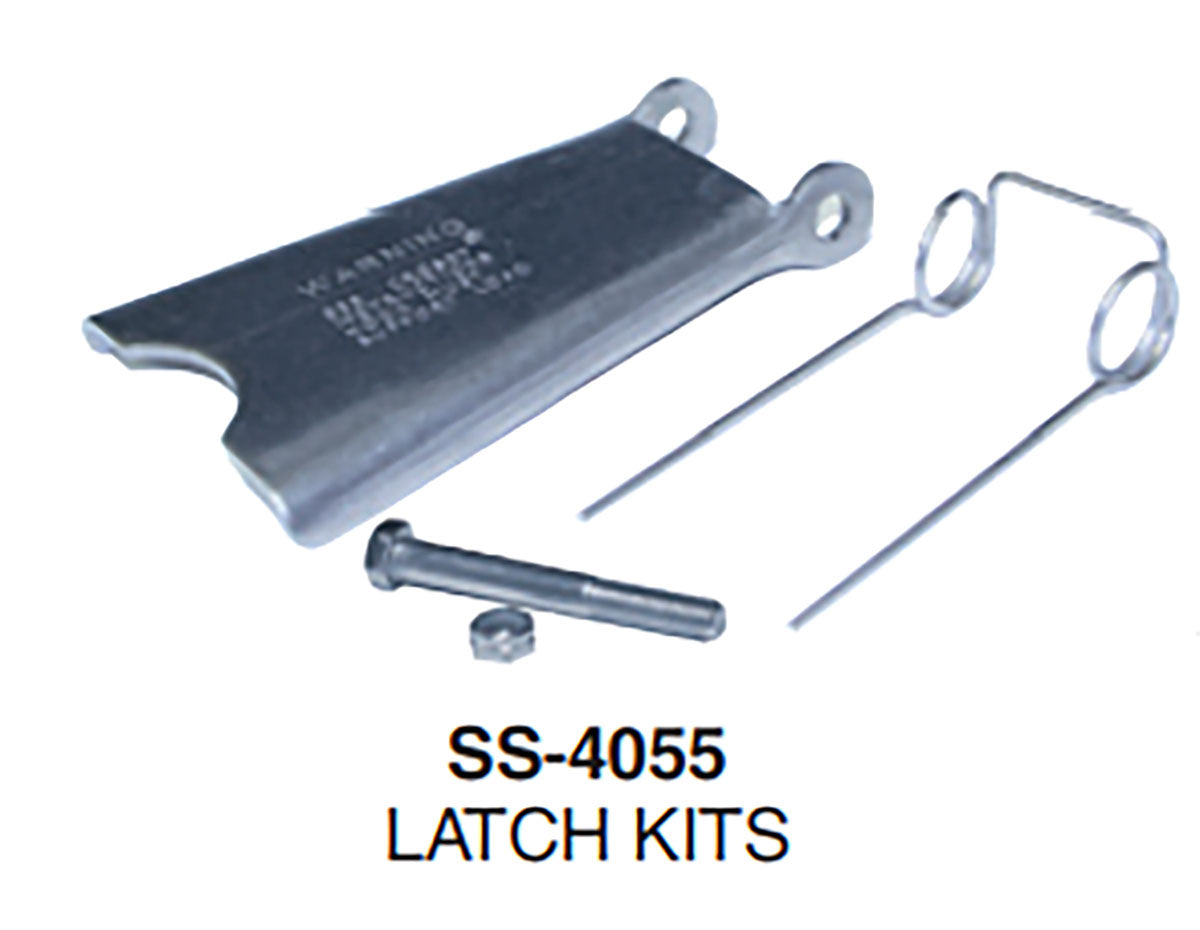
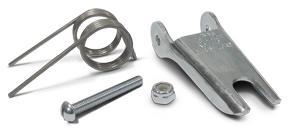
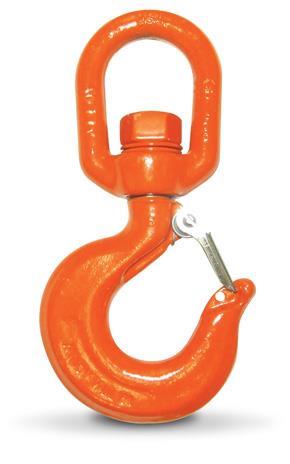
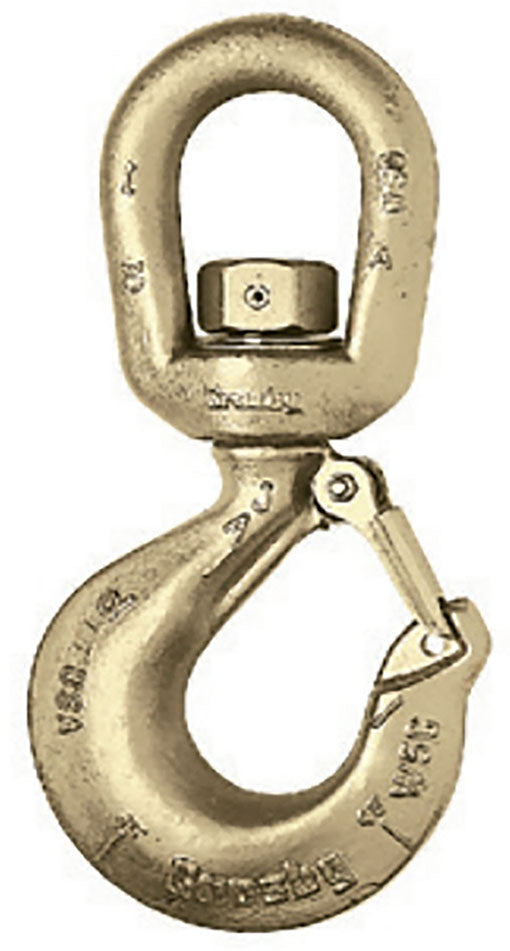
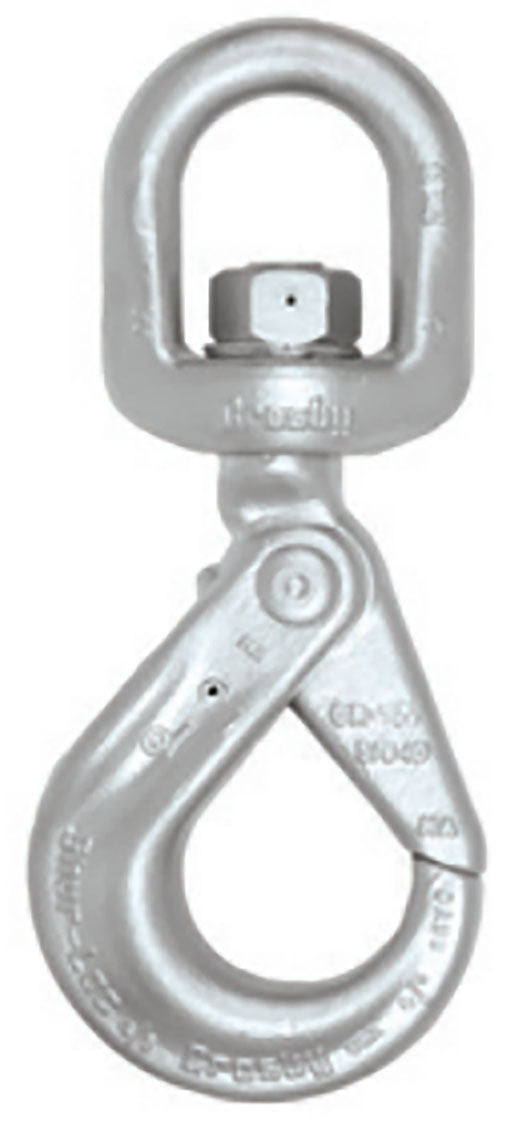
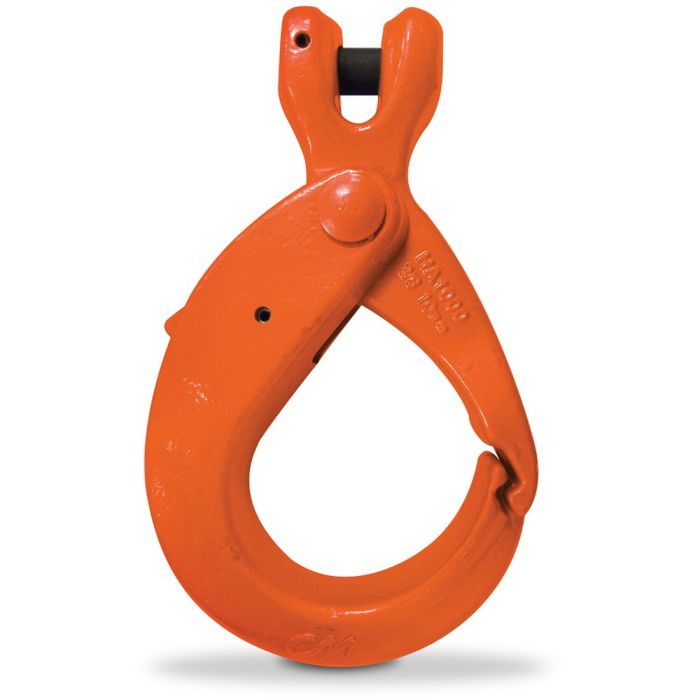
Latch, self-locking, or bare. OSHA does not flatly require a latch on every overhead hook; the standard leaves it to the owner and end user, with latches expected on most sling and crane hooks and effectively mandatory where a load could roll out. A spring latch bridges the throat and keeps a slack sling from jumping off, but it is not a load-bearing part and does nothing once the rig is tensioned. A self-locking hook goes further: it closes and locks itself when the load comes on, cannot be opened while loaded, and only releases when a person takes the weight off and works the mechanism by hand. That is the pick for loads that can shift, spin, or go slack mid-lift, and it is why the insulated swivel hooks are offered both ways, a latched 4,000 lb model and a self-locking 4,500 lb model. When in doubt on a dynamic or overhead-personnel-adjacent lift, buy the one that locks.
How the hook joins the rig. Look at the back of the hook, not the front, because the connection end decides where it belongs. A clevis hook, like the oversized model here, brackets the pin directly through a chain link, so it terminates a chain sling with no extra coupling. An eye or swivel hook takes a shackle, master link, or sling eye. The swivel on the insulated hooks lets the load find its own hang and relieves twist as it is picked, though a plain swivel is meant for positioning under no load rather than powered rotation unless it is a bearing type. The William Hackett HA ROV shank hook is a shank build, alloy grade 8 in offshore orange for visibility, with a long shank an ROV manipulator can grip to make and break the connection subsea. If you are assembling from parts, the lifting slings and crane attachments collections carry the master links and rated fittings that join to these hooks.
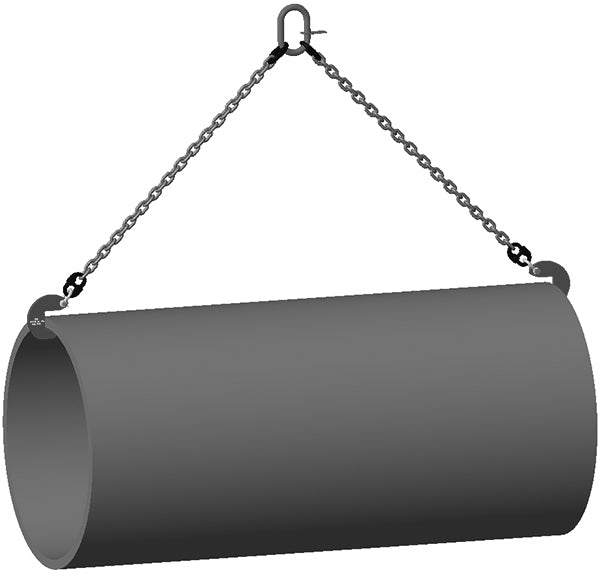
Hooks built for one load. Two hooks here are shaped for a single load type and repay that specialization. The Grade 100 plate lifting hooks, rated 4,300 to 22,600 lb, grab steel plate through a lifting hole or over an edge for vertical and turning work, the same job a plate clamp does with a cam instead of a hook, so weigh them against the lifting clamps if your plate lacks a hole. The pipe lifting hooks work as a pair, cradling pipe, tube, or bar so a single crane pick balances the length without a sling wrapped around a load that wants to slide. Both are jobs a general sling hook does badly, and both are cheaper to own than the downtime one dropped plate or rolled pipe costs. These hang from your hoists and cranes like any other below-the-hook connection, so their weight counts against the machine's rated capacity.
Insulated hooks near energized work. An insulated hook or link puts a barrier between the load and the crane's load line so a power line contact or an induced charge cannot travel down the rigging to the load and the people steering it. The catch worth stating plainly: the insulation protects the load side, while the crane structure itself stays energized, so an insulated hook is one layer of a plan, never the whole plan. OSHA governs the real hazard through minimum approach distances to energized lines under 1926.1408 and 1926.1410, and an insulating link is one of the measures that lets certain close work proceed. The insulated swivel hooks here suit lifting near energized equipment, motor and transformer work, and utility settings where a bare steel hook would complete a circuit you do not want completed. Treat them as rated lifting hardware first and inspect the insulation as carefully as the steel.
Inspection under ASME B30.10, and when to scrap a hook. Hooks fall under ASME B30.10, and the removal criteria are concrete enough to act on in the field. Take a hook out of service when distortion opens the throat more than 5%, not to exceed 1/4 inch, measured against the original stamped dimension; when the hook shows any visible bend or twist from the plane of the unbent hook; and for cracks, sharp nicks, gouges, or wear that reduces a section. A latch that no longer springs closed or seats against the tip pulls the hook too, as does a swivel that binds or a missing or illegible marking, since the manufacturer, size, and rated load all have to stay readable. The rhythm is a frequent visual check before use plus a documented periodic inspection at intervals that tighten as service gets heavier. This is the same discipline you run across the rest of your rigging equipment and lifting points, and a $200 hook is never worth defending past a doubt.
Frequently Asked Questions
OSHA does not set one blanket rule requiring a latch on every overhead hook; it leaves the call to the owner and end user based on the lift. In practice most sling and crane hooks carry a latch, and you want one, or a self-locking hook, any time a slack sling or a shifting load could jump the throat. A latch is not a load-bearing part, so it never adds capacity; it only keeps the connection from coming apart when the rig goes slack.
A latch is a spring-loaded gate that bridges the throat to hold a slack sling in place. It does nothing once the load is on, and it can be pushed open by hand at any time. A self-locking hook closes and locks itself when the load comes on, cannot be opened while it is loaded, and releases only when a person removes the weight and works the mechanism. Pick the self-locking version for loads that can spin, shift, or go slack in the air, which is why the insulated swivel hooks come in both a latched and a self-locking model.
Yes, and it is the most common way people quietly overload a hook. The rated working load limit assumes the load seats deep in the saddle and pulls straight in line with the shank. Slide it out toward the tip, pull it sideways across the throat, or load it against the back, and the capacity drops sharply because the hook is now bending rather than pulling. Always seat the load in the bowl, keep two sling legs off a single throat, and treat the rating as valid only for an in-line pull.
It isolates the load from the crane's load line so a power line contact or induced voltage cannot pass down the rigging to the load and the crew handling it. It suits lifting near energized equipment, transformer and motor work, and utility jobs. One caveat: the insulation protects the load side only, and the crane itself stays energized, so an insulated hook is one part of a power line safety plan built around OSHA's minimum approach distances, not a substitute for keeping clear of the lines.
Under ASME B30.10, retire a hook when the throat has opened more than 5% (not over 1/4 inch) versus its original dimension, when it shows any visible bend or twist, or when you find cracks, sharp gouges, or notable wear. Also pull it if the latch no longer closes and seats, a swivel binds, or the markings for manufacturer, size, and rated load are missing or unreadable. Run a visual check before every use and a documented periodic inspection on a schedule that tightens with heavier service.