Roll Handling Equipment
Roll handling equipment moves the loads a person should not wrestle by hand: a full roll of film, paper, carpet, or textile that is awkward to grip, heavy at the core, and happy to roll off in the wrong direction. This collection is built entirely around Vestil, the Angola, Indiana manufacturer that has made industrial material handling gear since 1957, and it splits into two clear jobs. The first is picking a roll off the floor and getting it to a machine: hydraulic and DC powered roll transporters, a stainless foot pump handler for washdown areas, a compact roll positioner that lets the roll keep turning, and roller stands that hold up long stock as it feeds. The second is tilting or raising the work to the operator, so a task once done bent over a bench happens at a comfortable angle. Pricing runs from a roller stand under $100 to a stainless roll handler over six thousand dollars, so sort by the job first, then by roll size and duty.
Compare Work Positioners
| Model | Price | Capacity | |
|---|---|---|---|
| Vestil Stainless Steel Hydraulic Foot Pump Roll Handler | $6,544 | 850 lb | View → |
| Vestil Roll Material Transporter with DC Powered Lift Feature | $6,248 | 600 lb | View → |
| Vestil Linear Actuated Mobile Tilting Work Table | $1,971 | — | View → |
| Vestil Roll Lifters and Transporters | $1,722 | — | View → |
| Vestil Hydraulic Roll Lifter & Roller Work Positioner | $838 | 400-800 lb | View → |
| Vestil Hydraulic Work Positioner | $461 | 330 lb | View → |
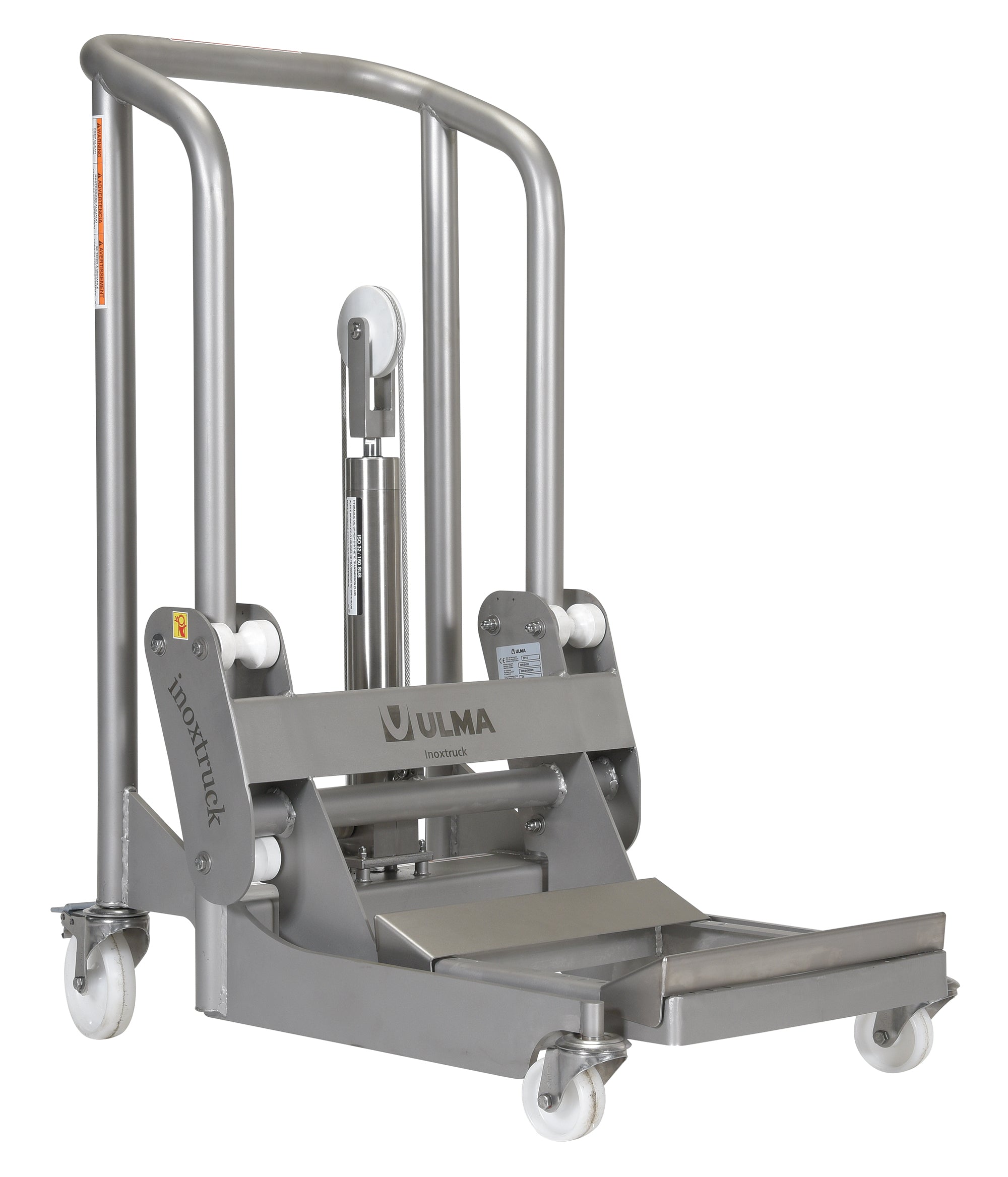 In Stock
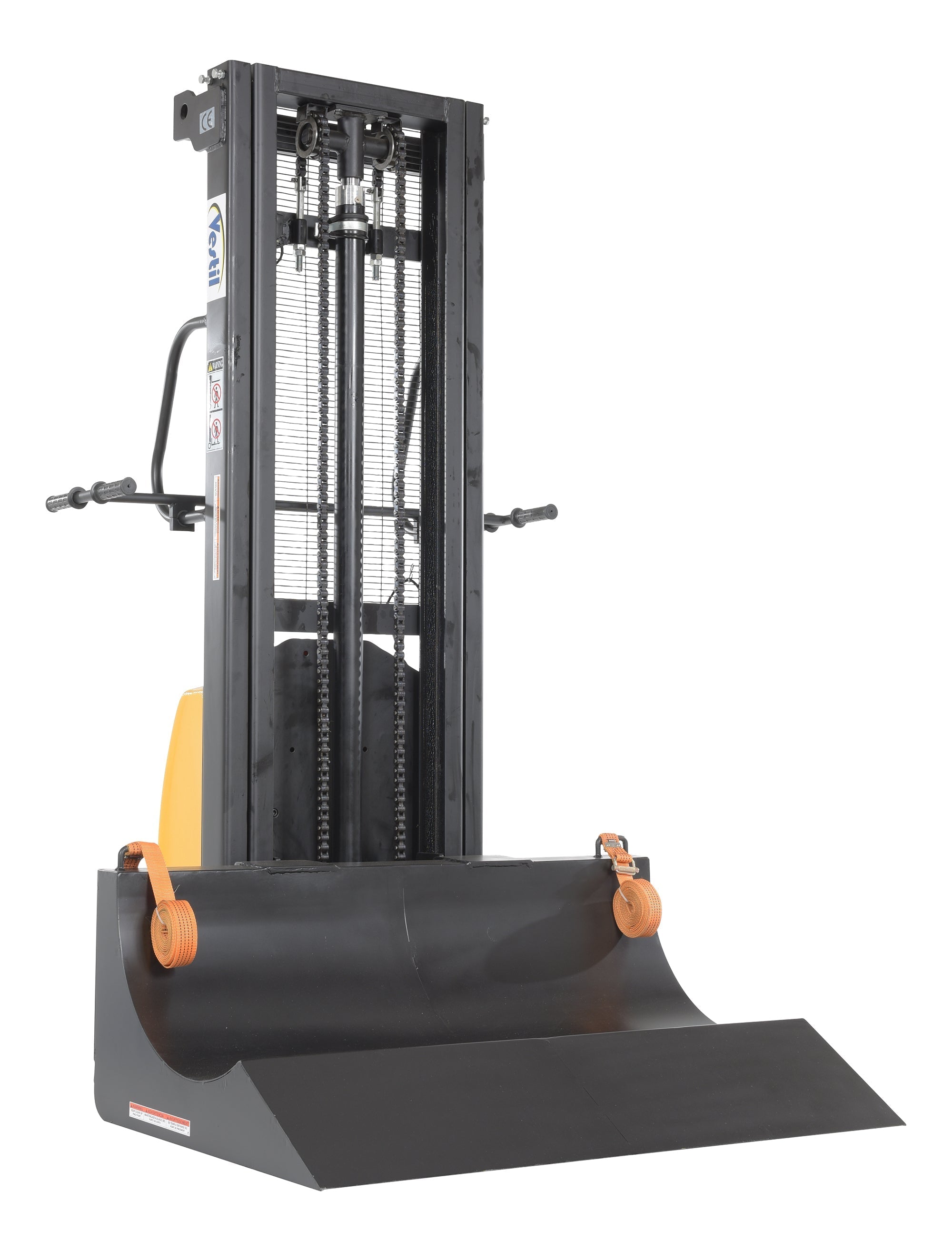 In Stock
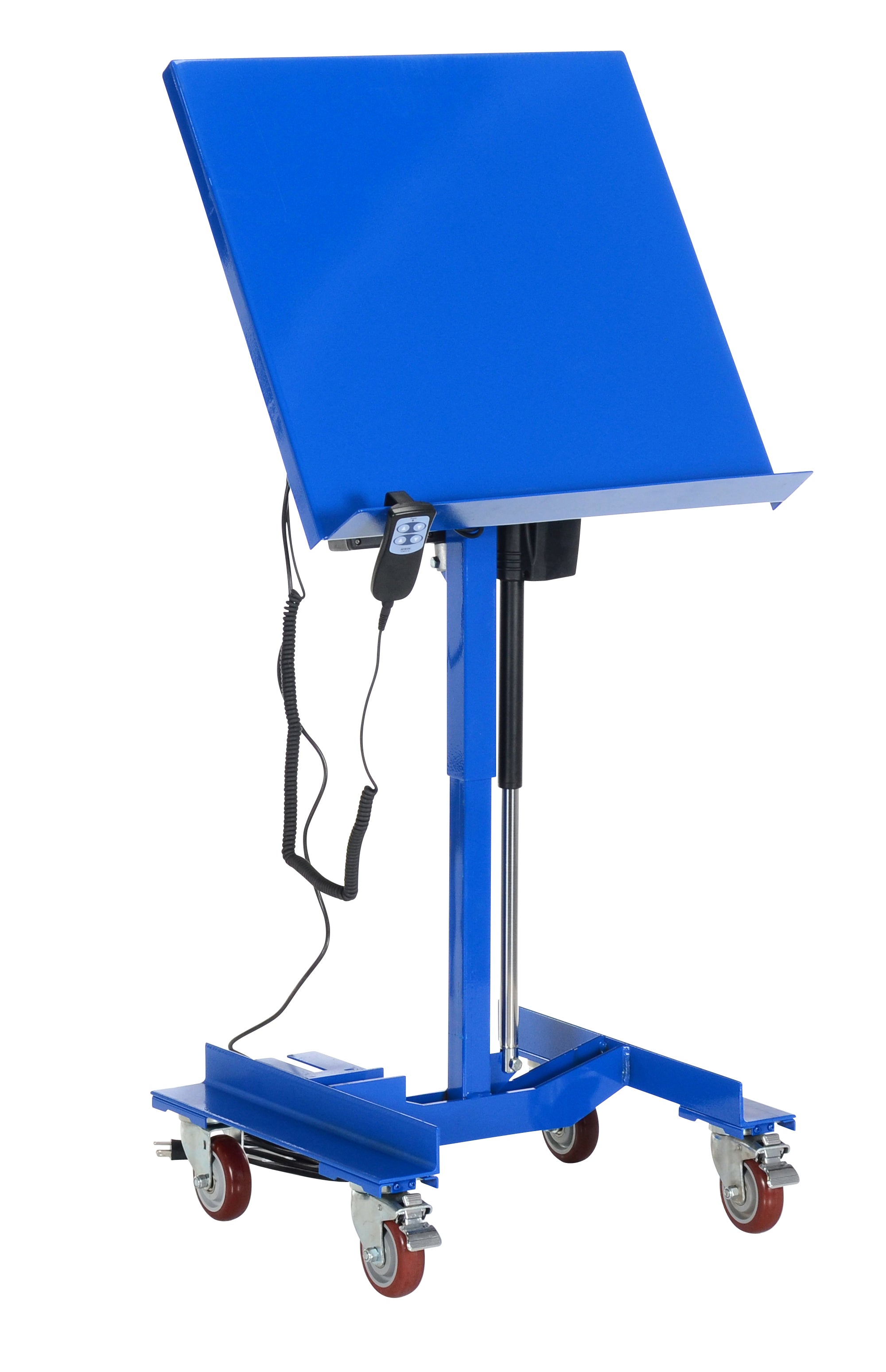 In Stock
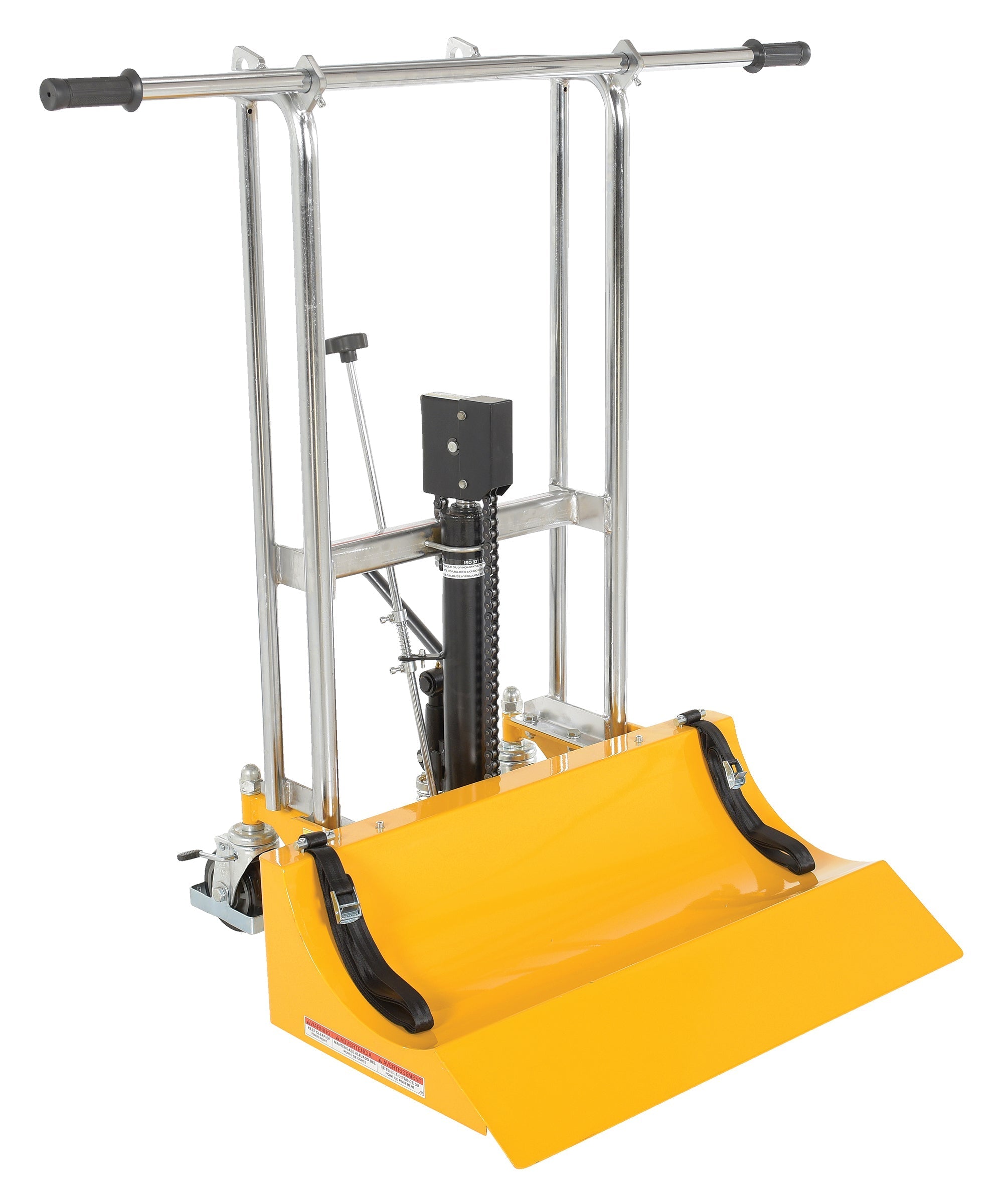 In Stock
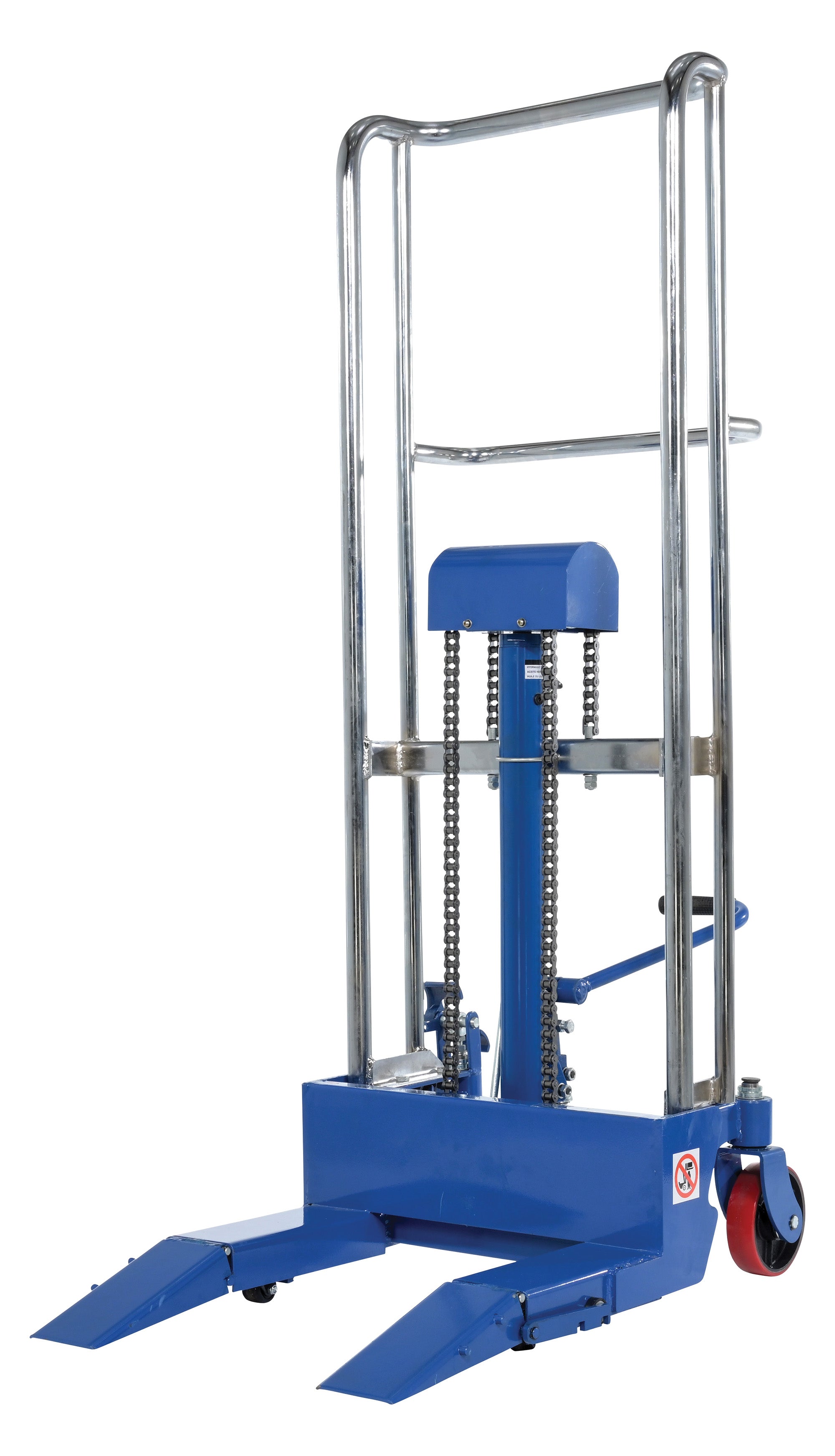 In Stock
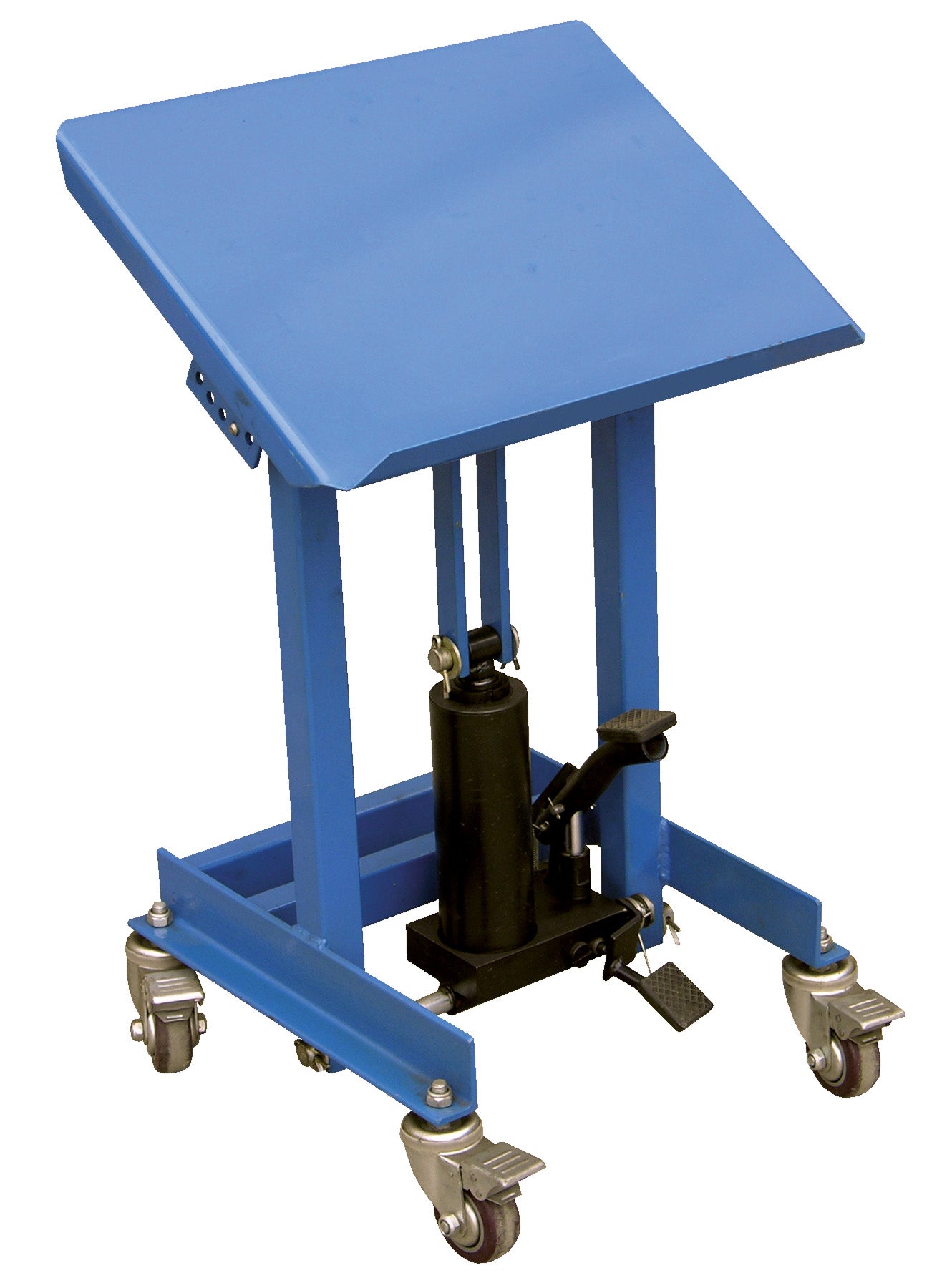 In Stock
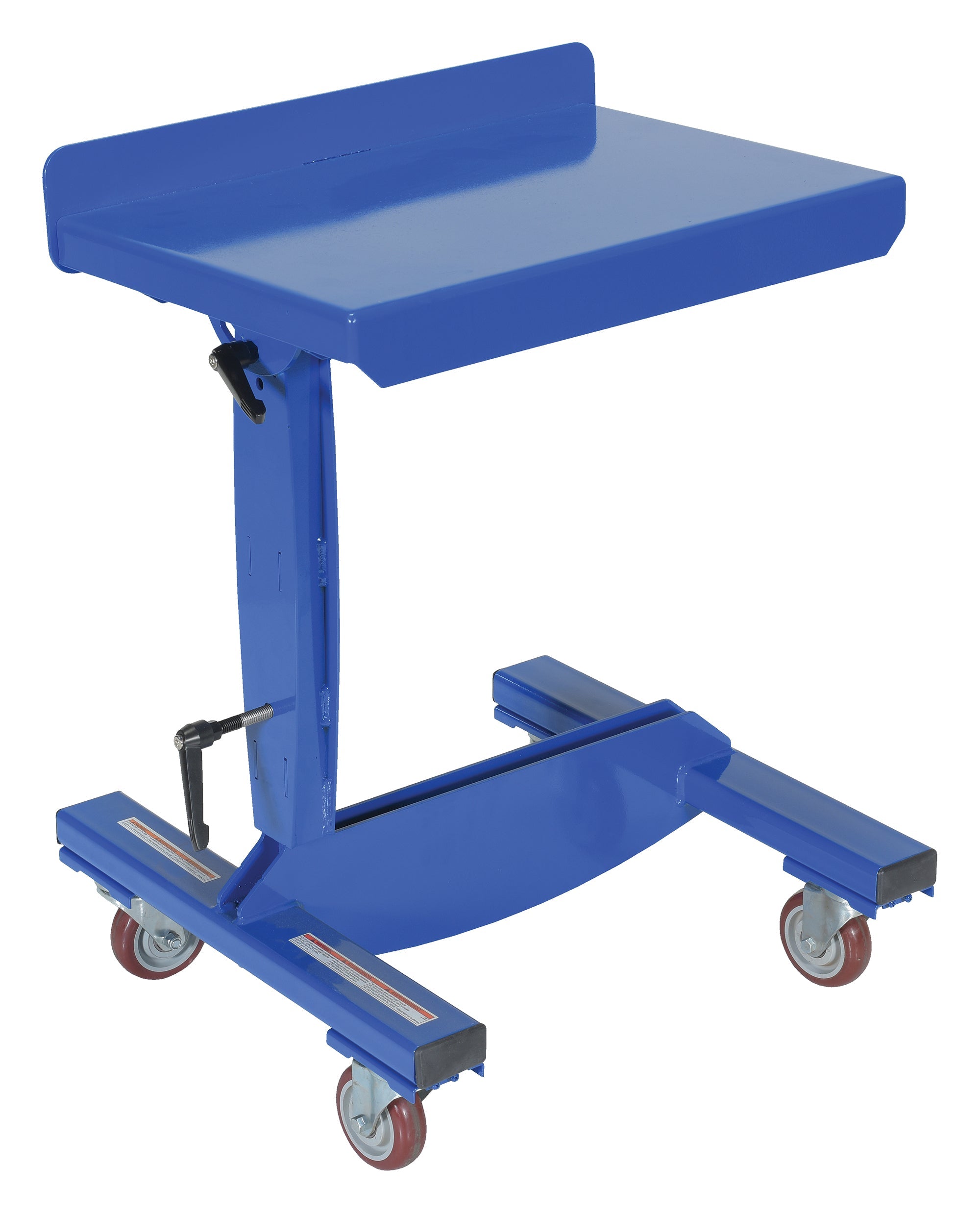 In Stock
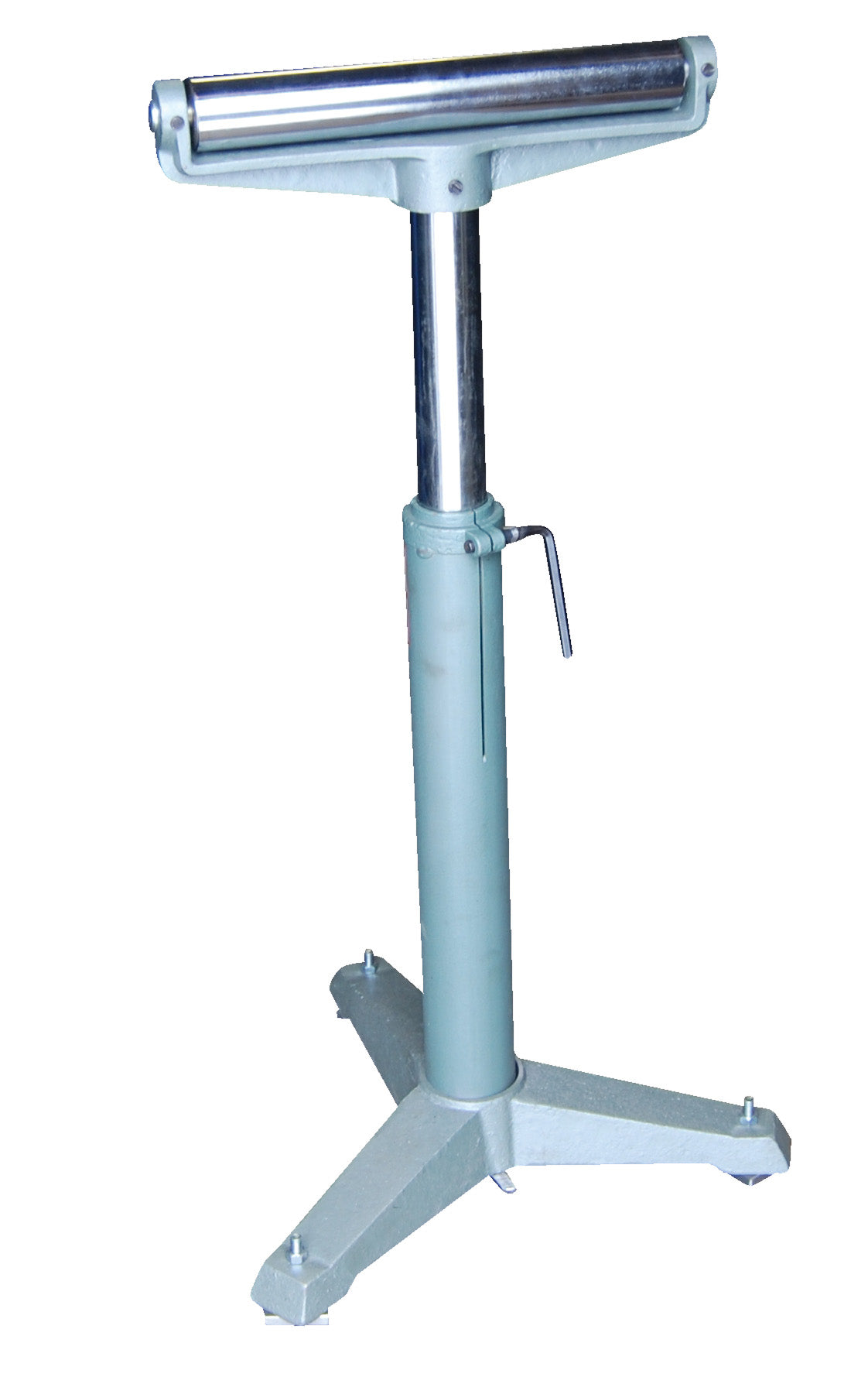 In Stock
Work Positioners Buying Guide
Two jobs on this page: move the roll, or lift the work to you. Everything here answers one of two questions. Do you need to get a heavy roll off the floor and over to a machine, or do you need to bring the work up to a height and angle that saves your operator's back? The roll transporters, the stainless handler, the hydraulic roll positioner, and the roller stands all handle the first. The mobile tilting tables and the foot pump work positioner handle the second. A few pieces earn their keep on both, so read the roll size and the working height together before you pick a model. Sorting by the job gets you to the right machine faster than comparing prices line by line.
Roll transporters: lift it off the floor and wheel it to the machine. The Vestil roll lifters and transporters are the core of this collection. Each one rolls up to a roll lying on the floor, cradles it on a probe or V support, and raises it on a hydraulic foot pump so a single worker can move it to an unwind stand, a press, or a rack without a forklift in the aisle. Prices sit in the fifteen hundred to seventeen hundred dollar range, with a low profile version that starts lower for tight clearances. When manual pumping is the bottleneck, the roll material transporter with DC powered lift does the same job on battery power, rated to 600 lb, at a little over six thousand dollars. Pick the DC unit where cycle counts are high enough that a foot pump slows the line.
Sizing a transporter: roll diameter first, then width. Two numbers decide whether a transporter fits your roll. The service range is the span of roll diameters the cradle can pick, roughly 3 to 33 inches across the models here, so measure your smallest and largest cores and confirm both fall inside it. The maximum roll width, offered up to 98 or 197 inches, tells you how long a roll the frame will straddle. A transporter that clears your diameter but is too narrow for the roll width will not balance the load, and one sized for wide rolls is wasted frame on a narrow line. Match both before you buy, and if your rolls vary, size to the widest and heaviest you actually run.
When you need stainless: washdown and clean areas. The Vestil stainless steel hydraulic foot pump roll handler exists for one reason, which is the room it works in. Food, beverage, pharmaceutical, and some print and coating lines get washed down or held to sanitation rules that painted steel will not survive. This handler is built in stainless with a foot pump lift so it stands up to moisture and cleaning chemicals that would rust a standard unit. It is the most expensive piece on the page, over six thousand five hundred dollars, and that premium is the corrosion resistance. If your rolls live in a dry warehouse, the standard transporters do the same lifting for far less; save the stainless for the environment that demands it.
The roll positioner: keep the roll turning while you work. The Vestil hydraulic roll lifter and roller work positioner does something the transporters do not. Instead of just carrying a roll, it holds the roll on free rollers and raises it on hydraulics so the roll can spin in place while you feed, splice, inspect, or dispense off it. It comes rated at 400 or 800 lb depending on the model, in the eight hundred dollar range, which makes it an affordable way to turn a static roll into a working one at a bench. The smaller compact foot pump work positioner, under five hundred dollars, raises a platform of work to height on the same simple hydraulics when the job needs lift rather than rotation.
Roller stands: hold up the long stock as it feeds. The Vestil deluxe roller stands are the least expensive tools here, from about $64 to a few hundred dollars, and they solve the outfeed problem. When you run long stock through a saw, a wrap machine, or a roll line, the far end needs support or it droops and binds. These stands adjust in raised height from roughly 36 to 44 inches to meet your machine's table, and the roller top comes three ways. The flat roller carries sheet and board, the V roller cradles pipe, tube, and round stock so it tracks straight, and the four way ball transfer top lets a load slide in any direction for positioning at an assembly bench. Buy a pair and set them to your table height.
Tilting work tables: bring the job to a comfortable angle. The mobile tilting work tables move the second half of this page from moving loads to positioning work. Each one puts a platform on casters that tilts to bring a job up to a comfortable working angle instead of leaving it flat on a bench. Platform sizes run 16 by 24, 22 by 21, and 24 by 24 inches, with an optional chrome top, priced from under three hundred to about six hundred fifty dollars. When you want the tilt powered rather than set by hand, the linear actuated mobile tilting work table runs on 115V and holds a 24 by 24 platform for just under two thousand dollars. The payoff is ergonomic: bending and reaching over flat work is a leading cause of back strain, and angling the piece up cuts both.
These are floor tools, not below-the-hook rigging. One honest distinction matters here. None of this equipment hangs from a crane or hoist, so it is not a below-the-hook lifting device and does not fall under the ASME B30.20 marking and inspection rules that govern spreader bars and slings. What governs it is manual handling ergonomics. NIOSH sets a recommended weight limit of about 51 lb for an ideal two-handed lift, and every number drops from there as you bend, twist, or reach, which is the whole case for a transporter or a tilting table. Inspection is mechanical and simple: check the hydraulics for leaks, the casters and locks for wear, the pins and welds for damage, and rate the tool against the heaviest roll or job you actually run.
Frequently Asked Questions
Both. Each Vestil roll transporter rolls up to a roll on the floor, cradles it, and raises it on a hydraulic foot pump, so one worker can lift the roll clear of the ground and wheel it to an unwind stand, press, or rack, then lower it into place. The lift is what separates these from a plain cart. If manual pumping is too slow for your cycle counts, the DC powered version does the same lift on battery power at 600 lb.
Check two dimensions. The service range is the span of roll diameters the cradle can pick, roughly 3 to 33 inches across these models, so both your smallest core and your largest full roll need to fall inside it. The maximum roll width, up to 98 or 197 inches depending on the model, tells you how long a roll the frame will straddle and balance. Size to the widest and heaviest roll you actually run, not the average one.
The manual units raise the roll on a hydraulic foot pump, which is reliable and costs less, in the fifteen hundred to seventeen hundred dollar range. The roll material transporter with DC powered lift does the same lifting on battery power, rated to 600 lb, at a little over six thousand dollars. Choose the DC unit when the number of lifts per shift is high enough that foot pumping slows the line or tires the operator; otherwise the manual units do the job for far less.
It depends on what you are feeding. The flat roller supports sheet, board, and flat stock coming off a saw or machine. The V roller cradles pipe, tube, and round bar so it tracks straight and does not wander. The four way ball transfer top lets a load slide in any direction, which suits positioning a workpiece at an assembly or inspection bench rather than feeding it in one line. All three adjust in raised height from about 36 to 44 inches to meet your machine table.
The standard mobile tilting work tables tilt by hand and roll on casters, in platform sizes from 16 by 24 to 24 by 24 inches, priced from under three hundred to about six hundred fifty dollars. If you want the tilt powered, the linear actuated mobile tilting work table runs on 115V and holds a 24 by 24 platform for just under two thousand dollars. Powered tilt is worth it when operators reposition the work often through a shift; manual tilt is fine when a job is set once and worked.
No. None of this equipment hangs from a crane or hoist, so it is not a below-the-hook device and does not fall under the ASME B30.20 rules that cover spreader bars and slings. Inspection here is mechanical: check the hydraulics for leaks, the casters and wheel locks for wear, and the pins and welds for damage, and keep every load inside the tool's rated capacity. The reason to own these at all is ergonomic, cutting the bending and manual lifting that NIOSH and OSHA flag as a leading source of back injuries.