Aluminum Work Platforms
An aluminum work platform earns its name from the trade-off buyers actually shop for: a raised standing surface light enough for one person to reposition, yet strong enough to hold a worker and tools at height. That search covers a wider category than the name suggests, and this page treats all of it. On the ergonomic end sit modular anti-fatigue decks and adjustable platforms that set a standing station to each operator, from Vestil Add-A-Level platforms around $68 to Posi-Crank worker platforms that crank to working height. On the access end sit electric order pickers that raise a picker to upper rack levels and forklift-mounted safety work platforms that convert a lift truck into an occasional aerial workspace. Materials run from steel and expanded metal on the load-rated units to rubber and composite on the floor pieces, so the guide below sorts by the job first, then flags where deck material, capacity, and the governing standard change the buy.
Compare Worker Platforms
| Model | Price | Capacity | |
|---|---|---|---|
| Vestil Electric Order Pickers | $4,868 | 440-500 lb | View → |
| Vestil Posi-Crank Worker Platforms | $1,263 | 500 lb | View → |
| Vestil Ergonomic Lumbar Support Stand | $262 | — | View → |
| Vestil Ergonomic Matting | $173 | — | View → |
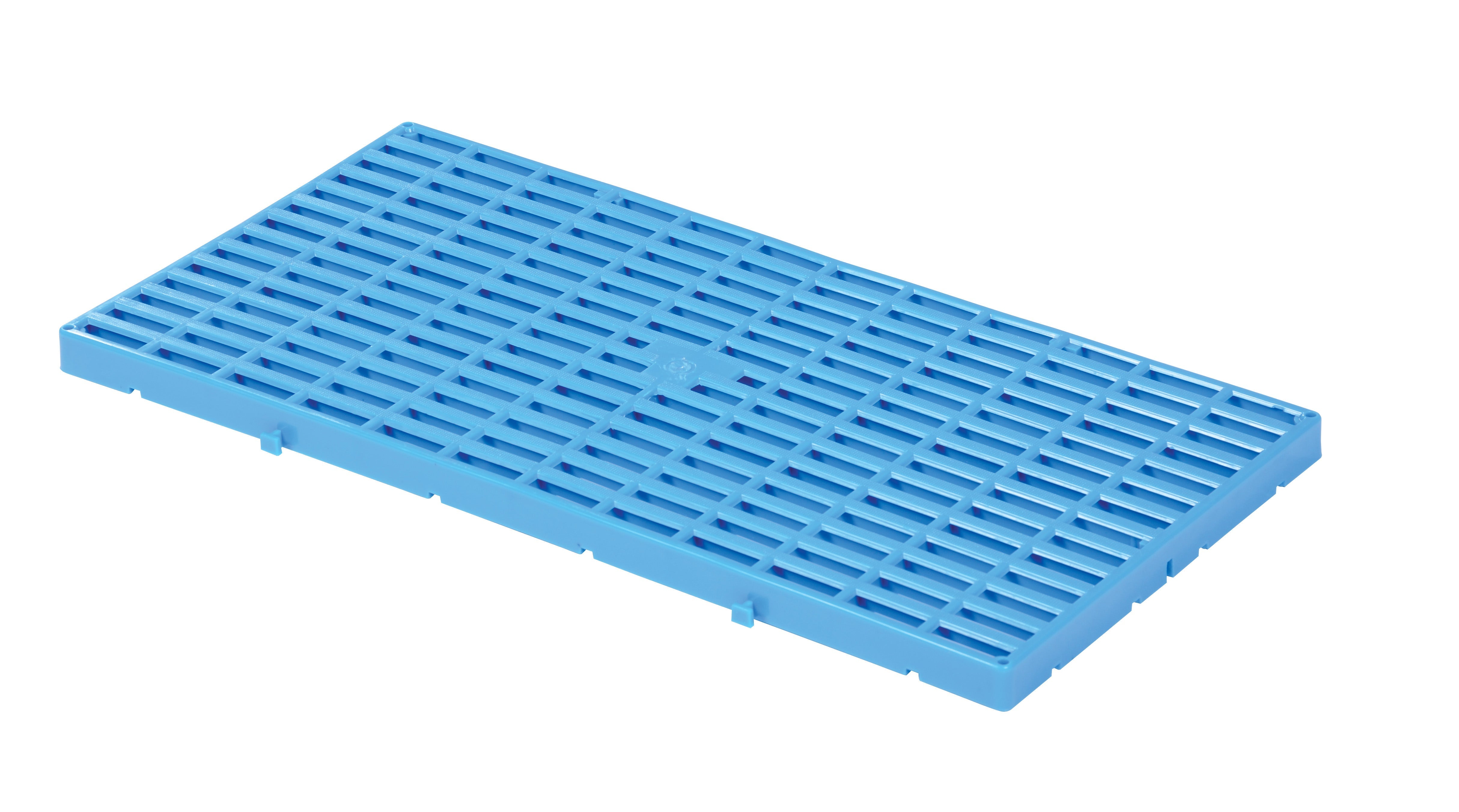
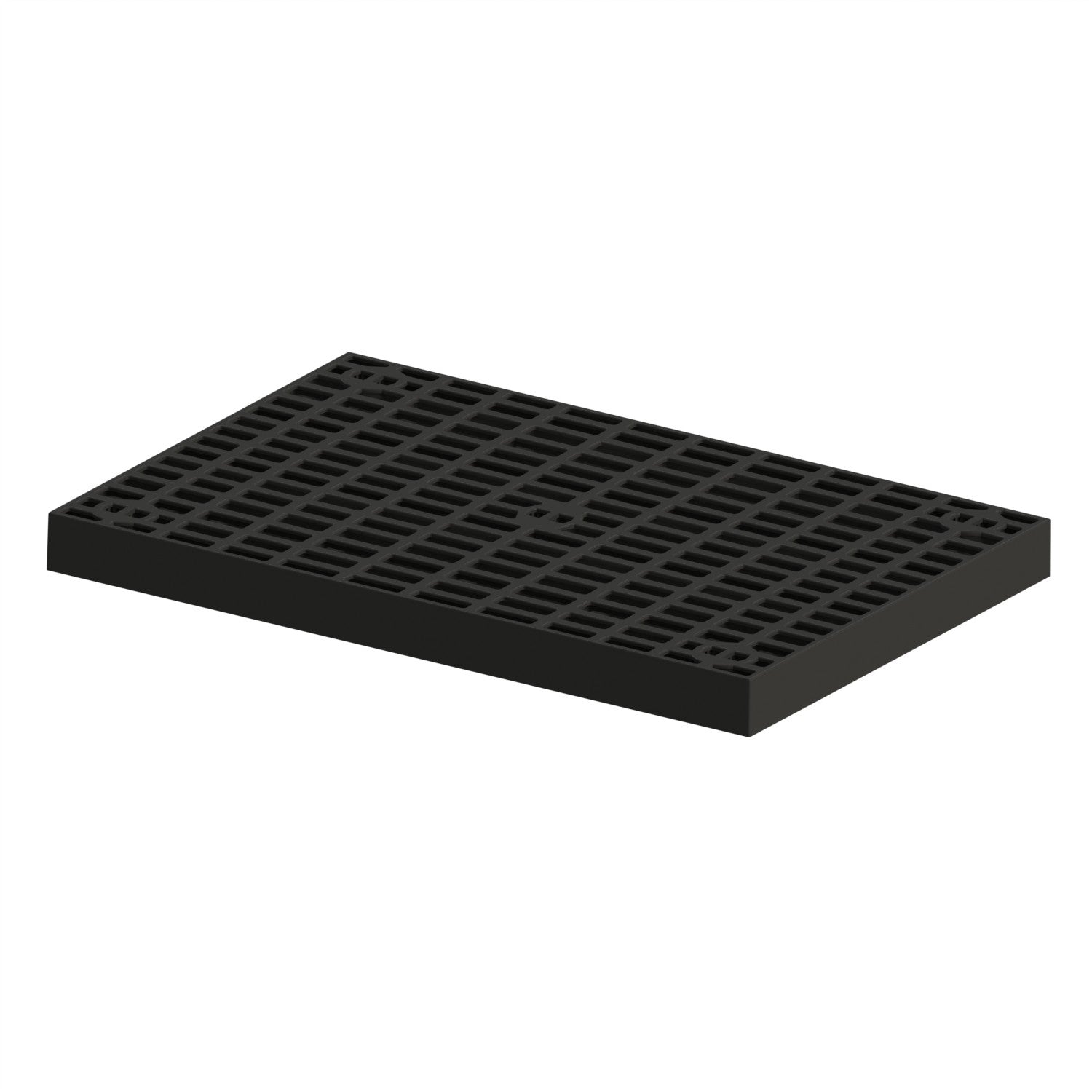
| Vestil Plastic Floor Grid | $157 | 1,100 lb | View → |
| Vestil Add-A-Level Anti-Fatigue Platforms | $68 | 250 lb | View → |
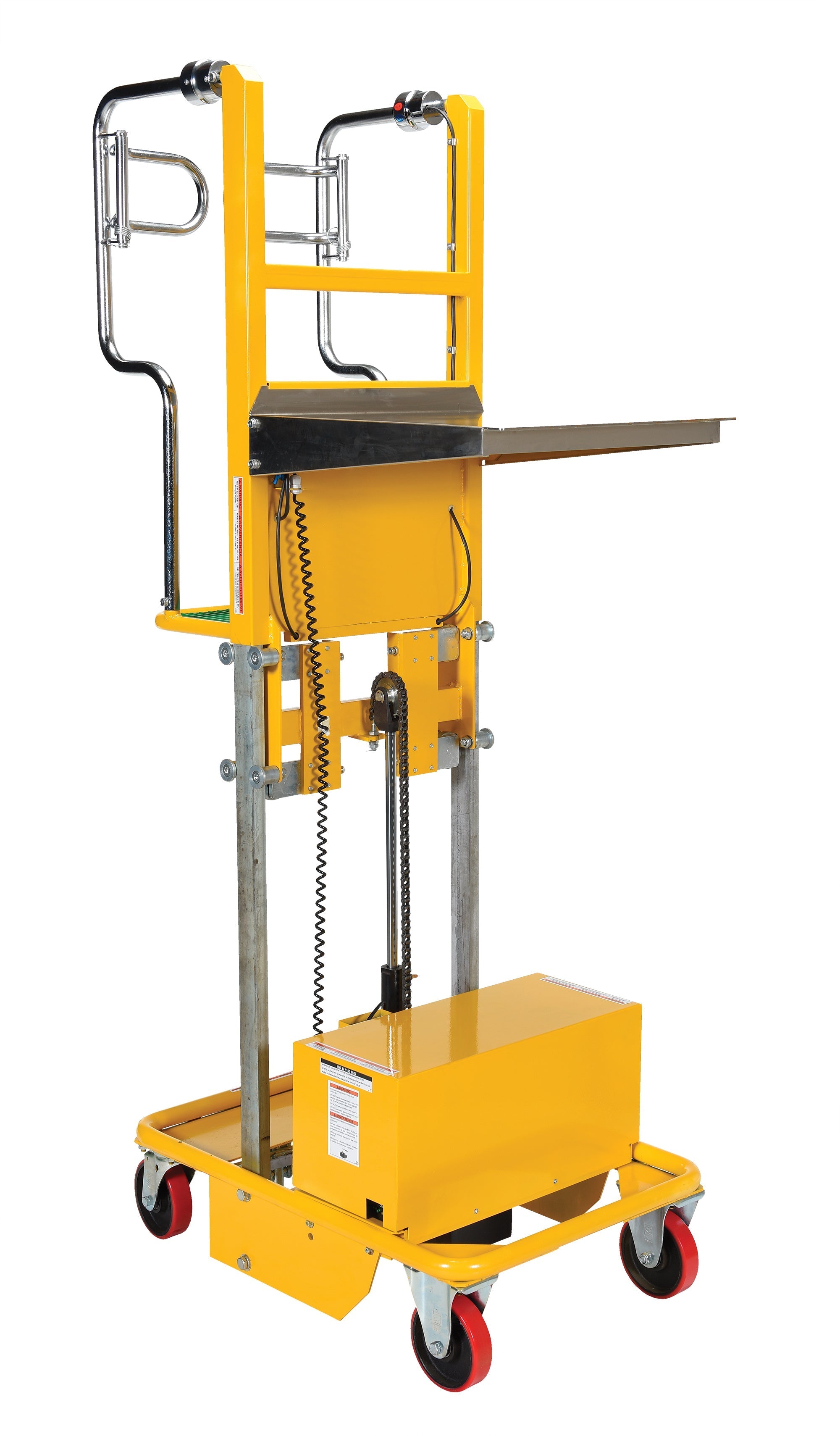 In Stock
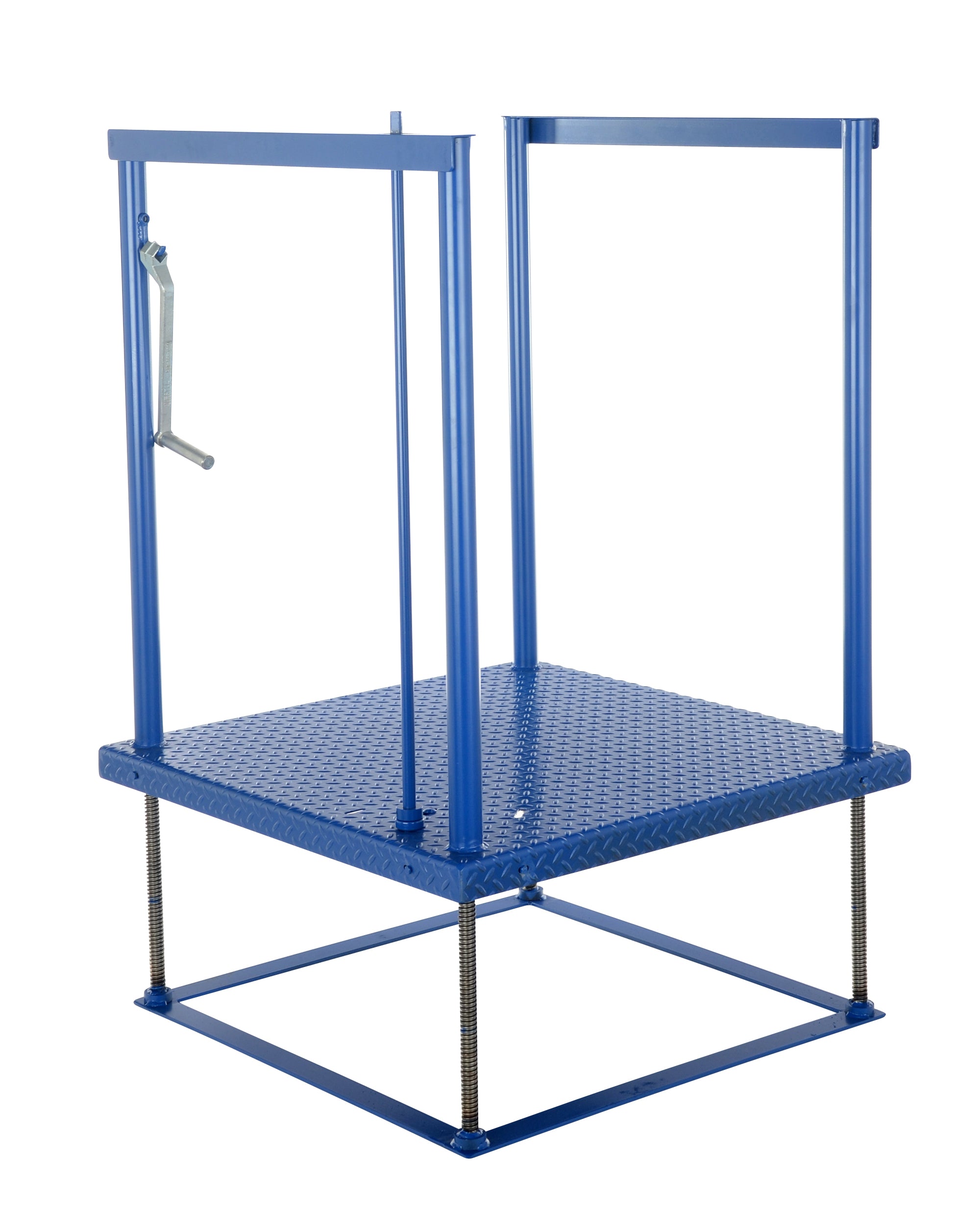 In Stock
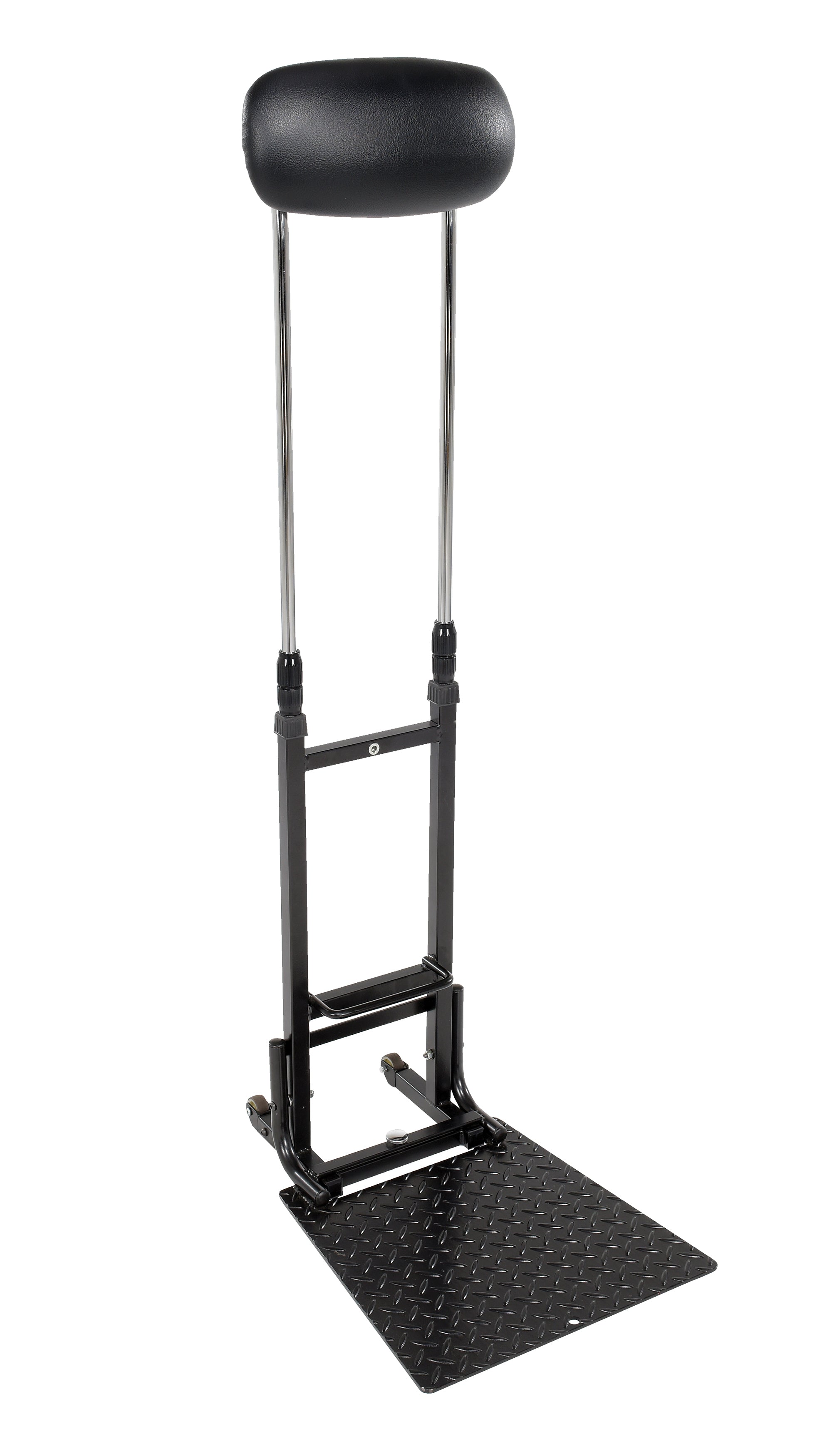 In Stock
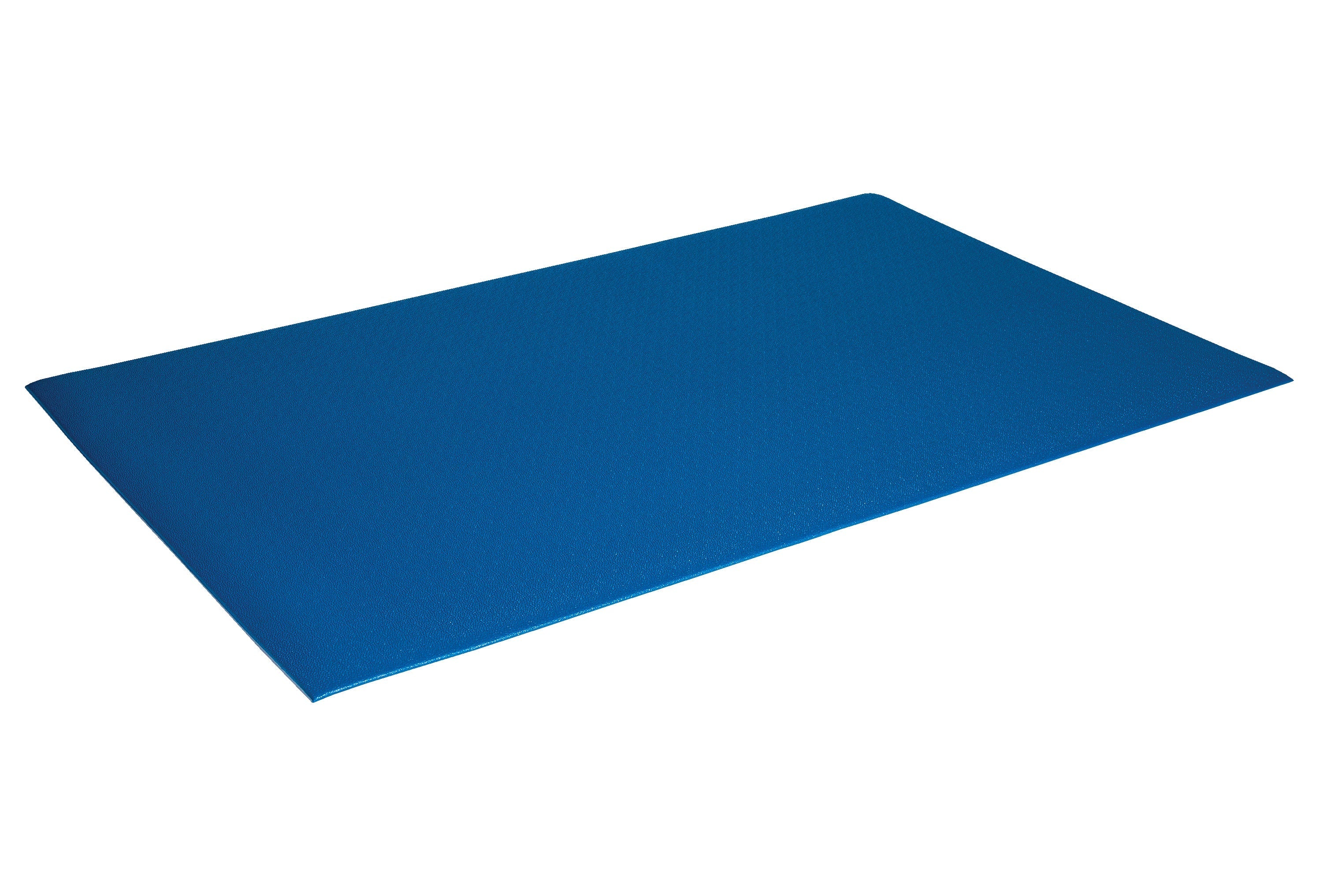 In Stock
 In Stock
 In Stock
 In Stock
Worker Platforms Buying Guide
Four ways a platform puts the worker where the work is. Everything on this page answers the same problem, that the work sits at a height the worker's body does not, and it solves it four different ways. The simplest is a fixed standing surface: an anti-fatigue deck or modular platform that raises the operator an inch or two and cushions a full shift on concrete. Next is a crank-adjusted platform that dials a standing station up or down to suit the person and the task. Third is an electric order picker, a pushed cart with a powered deck that lifts a picker to upper rack levels. Fourth is a forklift-mounted safety platform, a guardrailed cage that slips onto the forks and turns a lift truck into an occasional aerial workspace. Match the family to how high the worker goes and how often, then spec within it.
Anti-fatigue decks: the platform that barely leaves the floor. The lowest platform in the range is the one that stays on the floor. Vestil Add-A-Level anti-fatigue platforms are modular decks rated to 250 lb that lift the operator clear of a cold or wet floor and take the edge off standing all day; they come in 36, 48, and 96 in. lengths and 24 or 36 in. widths, and the add-on option lets you tile several into one continuous run at a long bench or line. From about $68, they are the cheapest ergonomic fix here. Alongside them sit rolled ergonomic matting in 60 and 120 in. lengths, a plastic floor grid that lifts feet above drainage and swarf, and a lumbar support stand near $262 for stations where a worker leans more than stands. None of these raise anyone to reach; they make the standing itself sustainable, and they pair naturally with the ergonomic solutions elsewhere on the site.
Crank-adjusted platforms set the height to the operator, not the average. When one standing height has to serve operators of different sizes, or one operator across seated and standing tasks, a crank-adjusted platform beats a fixed deck. Vestil Posi-Crank worker platforms raise and lower on acme threaded rods driven through a gear set, with a heavy-duty chain in place of a belt so the deck holds its set height without creep or slippage. The manual models (POS-3636, POS-3648, POS-3672) turn by hand crank; the EH versions run the same platform on 115V single-phase electric-hydraulic power for stations that adjust often. Platform sizes run 36 by 36, 48 by 36, and 72 by 36 in., with roughly 19 in. of height adjustment and an optional bonded ergo mat on the deck. Pricing spans about $1,263 to $3,038 across size and drive. This is the tool for an assembly or pack cell where the right working height changes with the person or the part.
Electric order pickers reach the upper shelves without a ladder. An electric order picker raises the picker, not a pallet, to the shelf. The Vestil order pickers here are manually pushed into position, then lift on a 12V DC powered mast over a service range of roughly 26 to 59 in. raised, carrying 440 or 500 lb of operator plus picked stock, with an on-board 115V charger to top the battery between shifts. Expect roughly $4,868 to $8,350 depending on capacity and configuration. Because the deck elevates a person, it falls under ANSI/ITSDF B56.1, the safety standard for low and high lift trucks, which calls for personal fall protection to be worn and maintained on trucks used to elevate personnel. Plan the harness and anchorage with the machine, not after it: pair the picker with the right safety harnesses and keep the fall gear on the same inspection schedule as the truck.
Forklift-mounted safety platforms and their spare parts. For occasional work at height where a scissor lift will not fit or is not worth renting, a forklift-mounted safety platform turns a lift truck you already own into an aerial workspace. The Star Industries safety work platform slips onto the forks and adds a full perimeter guardrail with self-closing gates, an expanded-metal deck rated to 1,000 lb, and lanyard tie-down points, in deck sizes from 4 by 4 through 4 by 10 ft (models 1204C, 1206C, 1208C, 1210C). We stock the spare parts for that platform rather than the whole cage: top rails in 44, 68, 92, and 113 in. lengths, matching mid rails, gate posts and latches, center posts, and backing plates, so a platform already in service stays compliant instead of getting retired over a bent rail. Whichever route you take, OSHA 1910.178(m)(12) governs the practice: the platform must be secured to the forks, the guardrails and gates intact, and a power shut-off provided at the deck.
Aluminum, steel, and the standards that keep a raised worker safe. Buyers search for an aluminum work platform because aluminum is light, and light is what lets one person carry or reposition a platform. That trade-off is real, and it is why portable single-person platforms and podium steps favor aluminum. The load-rated worker platforms and forklift cages here take the other side of the trade: their decks run steel and expanded metal because a 1,000 lb rating and daily shop abuse ask for it, while the floor pieces use rubber and composite where cushioning matters more than strength. So shop the material to the duty, not the keyword. On standards, three documents cover the category: OSHA 1910.29 fixes guardrail geometry (a top rail near 42 in., a mid rail near 21 in.), ANSI/ITSDF B56.1 governs the order pickers, and any deck that elevates a worker carries a fall-protection and inspection duty. Mark the rated capacity on the unit and never carry a rider on a platform built for material.
Frequently Asked Questions
Aluminum work platform is the term buyers use for a lightweight, portable platform one person can move and stand on, and aluminum is chosen there for weight. The worker platforms on this page cover the same job of putting a person at working height, but the load-rated units and forklift cages use steel and expanded-metal decks for strength and abuse tolerance, while the anti-fatigue pieces use rubber and composite. Match the deck material to the duty and portability you need rather than to the search term.
Yes. An order picker elevates the operator, so it falls under ANSI/ITSDF B56.1, which calls for personal fall protection to be worn and maintained on trucks used to lift personnel. Spec a full-body harness and a compatible anchorage with the machine, and keep the fall gear on the same inspection schedule as the truck itself.
Yes, but under conditions. OSHA 1910.178(m)(12) allows it when the platform is firmly secured to the lifting carriage or forks, fitted with guardrails and self-closing gates, and provided with a power shut-off at the deck. The Star Industries safety work platform is built to that pattern, with a 1,000 lb expanded-metal deck and a full perimeter guardrail. Keep the guardrails and gates intact, which is where the replacement rails and gate parts we stock come in.
Vestil Posi-Crank platforms come in 36 by 36, 48 by 36, and 72 by 36 in. deck sizes, with roughly 19 in. of height adjustment. Manual-crank models set the height by hand; the electric-hydraulic (EH) versions run on 115V single-phase power for stations that change height often. An optional bonded ergo mat adds cushioning on the deck.
An anti-fatigue platform, like the Vestil Add-A-Level, is a modular deck rated to 250 lb that raises the operator slightly off the floor and tiles into a continuous run at a bench or line, so it adds a small step up as well as cushioning. Rolled ergonomic matting lays flat for long runs and walkways. Both cut standing fatigue, so choose the platform where you want a defined station and a step off a cold or wet floor, and matting where you want to cover distance.