Work Stools
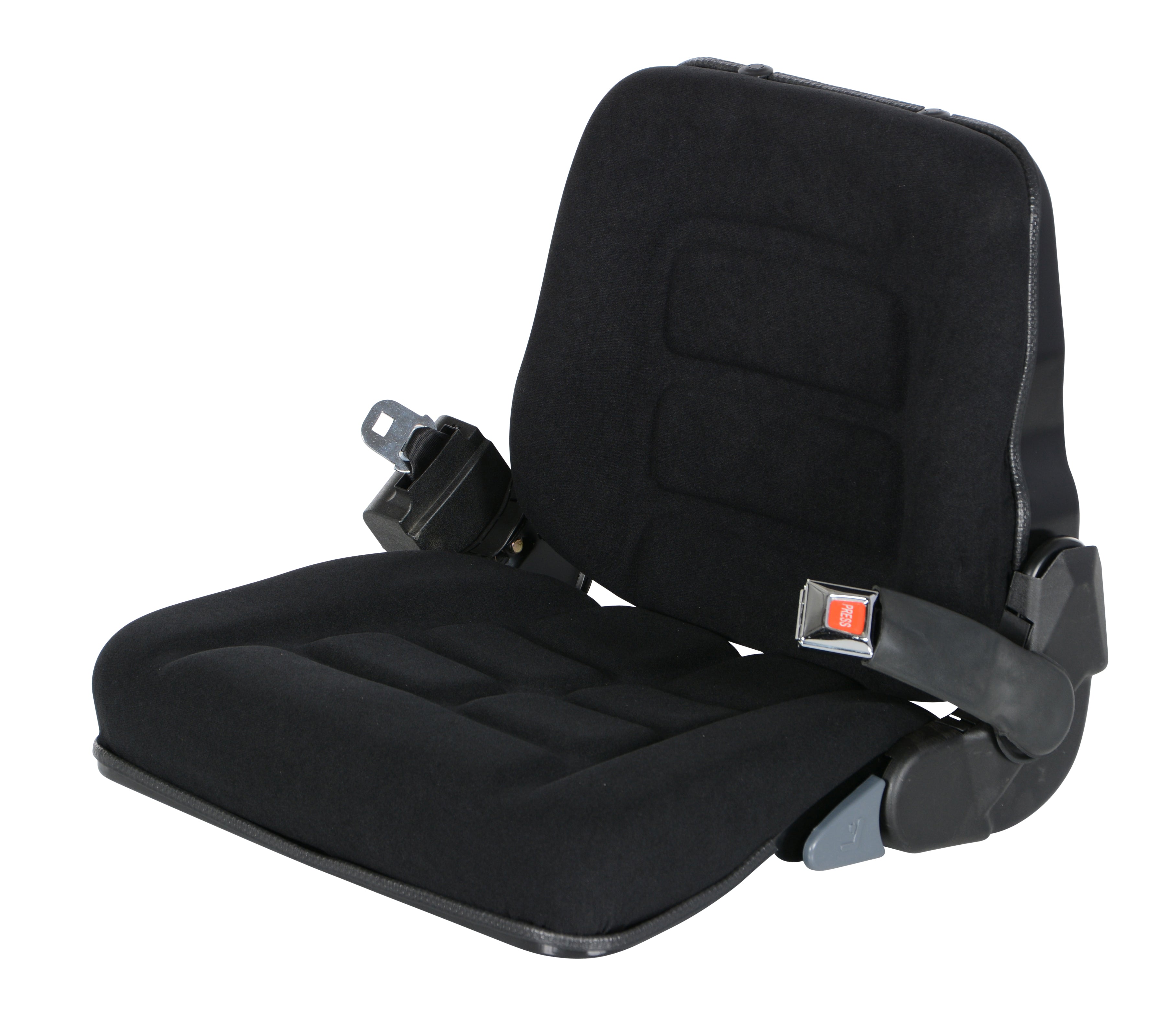
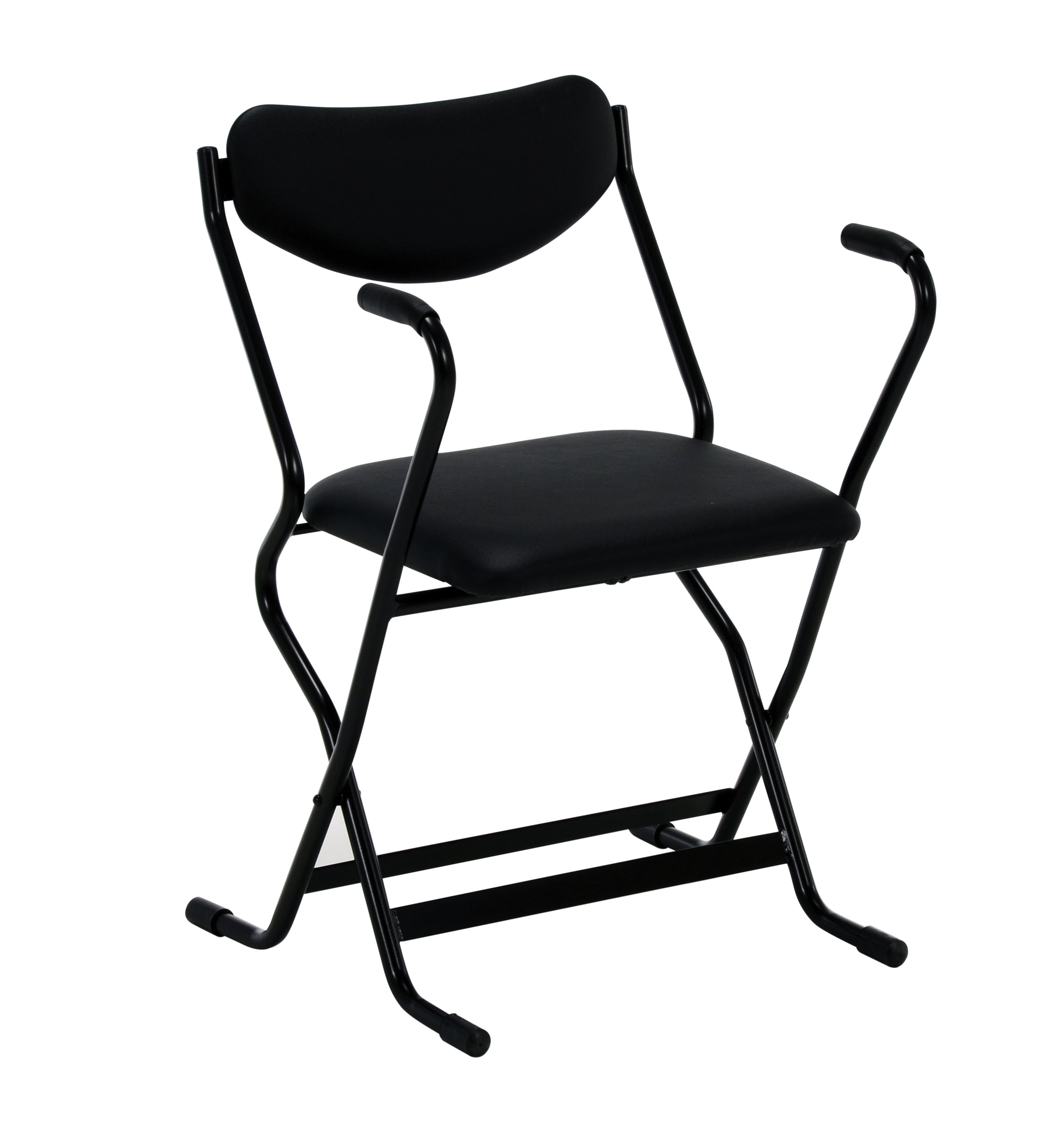
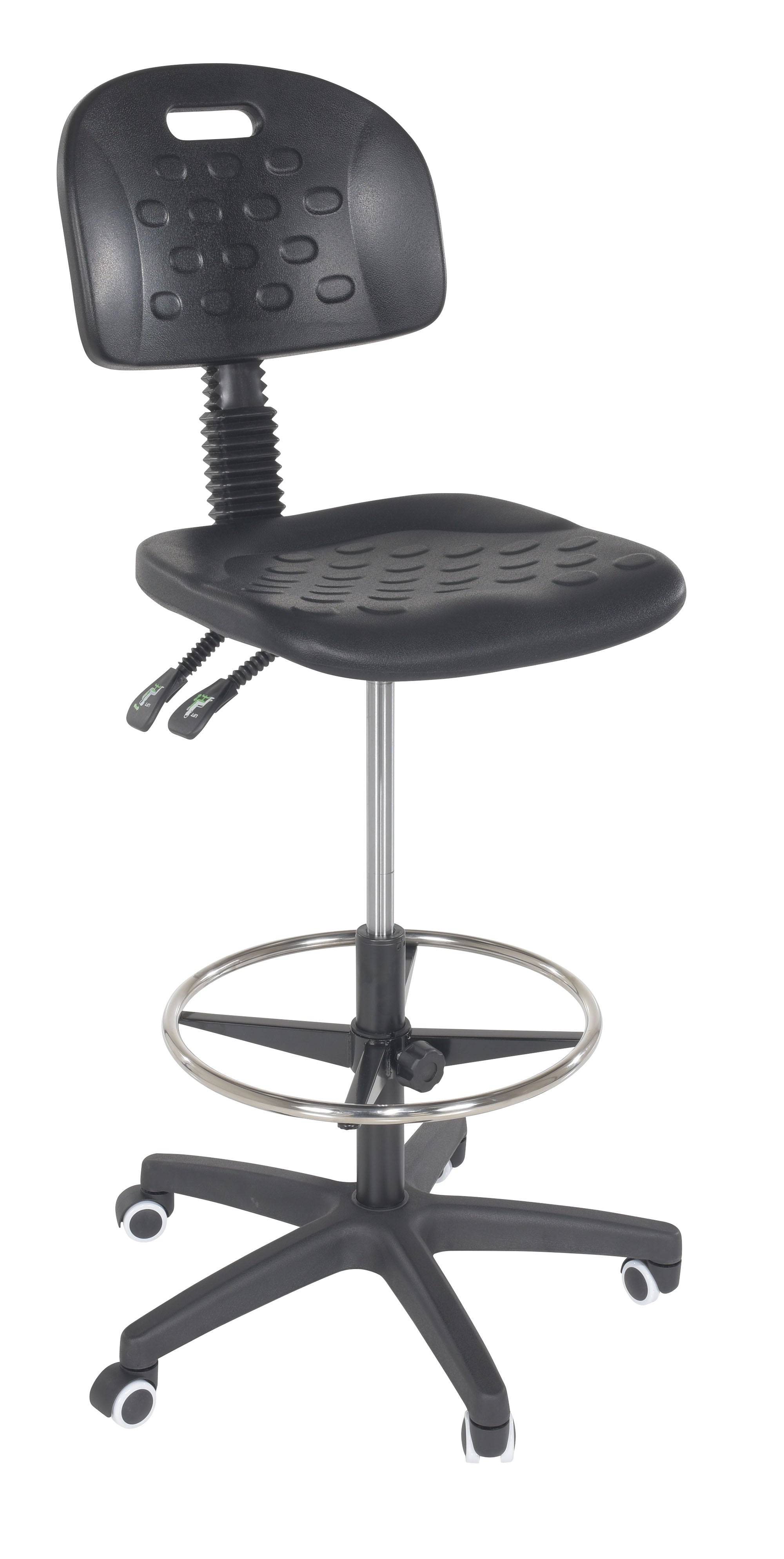
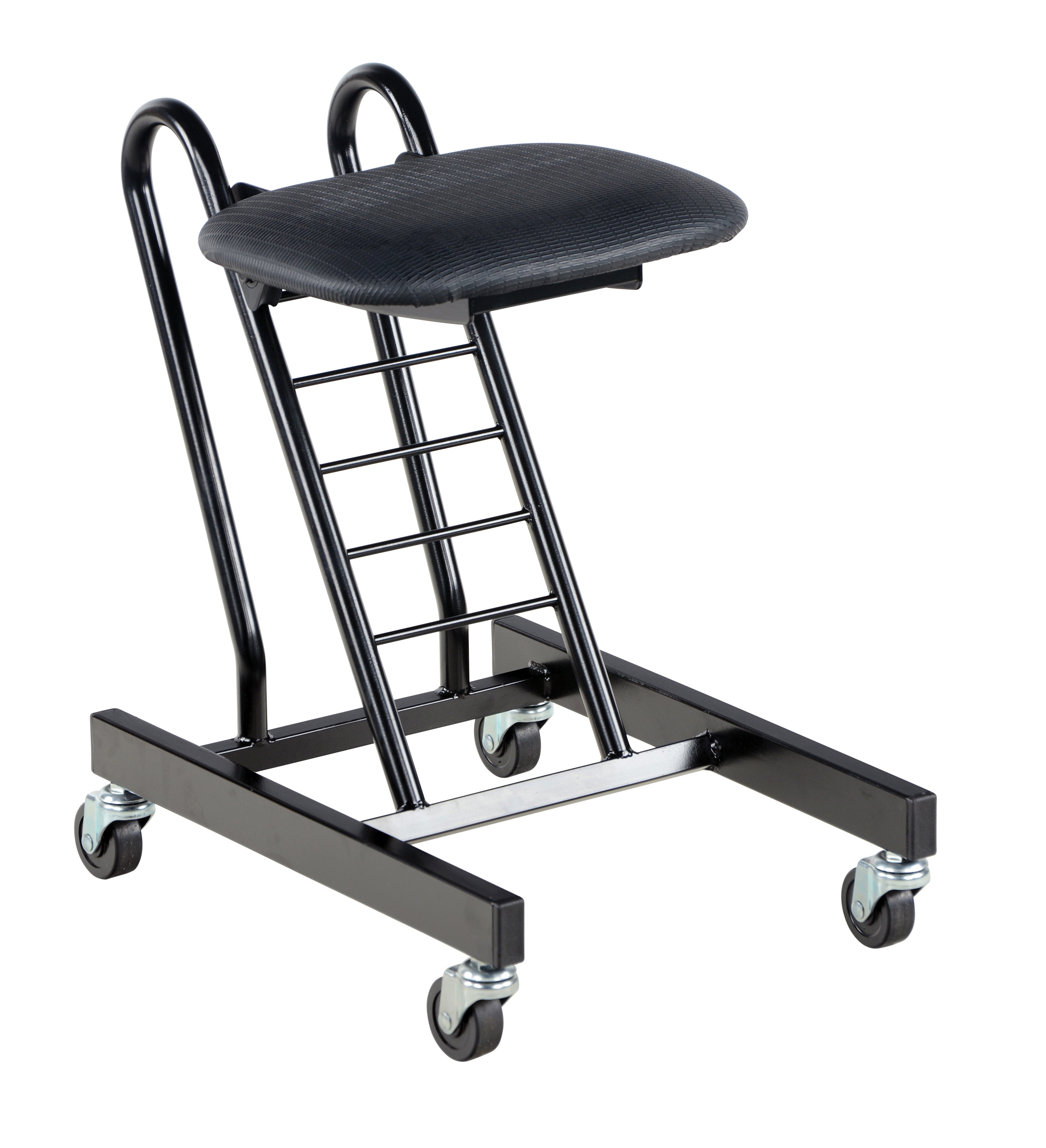
A work stool puts a seat under a job that keeps a person in one spot without pinning them to it, so an assembly tech, a bench worker, or a line inspector can perch, shift weight, and stand back up without walking away from the work. This collection is entirely Vestil, and it covers the full seated-worker kit rather than a single stool: pneumatic worker seats that spin and rise on a gas cylinder, plain stools and sit-stand chairs for assembly benches, a folding arm chair, replacement forklift seats with their belts and switches, and a back support cushion for the shifts that are already too long. Prices run from a sub-$50 cushion up to a cloth forklift seat past $500, so the page spans a quick accessory buy and a real equipment decision. Use it to match the seat to the posture the job forces: how high the work sits, how much the worker moves, and how long the shift runs.
Compare Worker Seats
| Model | Price | Capacity | |
|---|---|---|---|
| Vestil Fork Truck Seats and Accessories | $282 | — | View → |
| Vestil Folding Arm Chair | $222 | 220 lb | View → |
| Vestil Ergonomic Work Chair and Stool | $212 | 400-500 lb | View → |
| Vestil Ergonomic Worker Seats | $160 | 200-220 lb | View → |
| Vestil Assembly Chairs | $108 | 300-330 lb | View → |
| Vestil Back Support Cushion | $48 | — | View → |
 In Stock
 In Stock
 In Stock
 In Stock
 In Stock
 In Stock
Worker Seats Buying Guide
Start with the height the work sits at. The most useful question for this page is how high the work surface sits, because a seat only helps if it puts the hands at the job with the feet supported and the thighs roughly level. Vestil's pneumatic worker seats, the CPRO line, cover the widest range: a low CPRO-100 that adjusts from about 9 to 12-1/2 inches for floor-level and ground tasks, mid seats in the 13 to 26 and 13 to 34 inch bands for benches, and a tall model that reaches nearly 35-1/2 inches for standing-height lines and lab counters. Measure the work surface, subtract the clearance your legs need under it, and buy the range that brackets that number rather than topping out right at it. A seat pinned at its maximum height has no adjustment left for the next job or the next worker.
Sit, perch, or stand. Not every station wants a full sit. Where a job keeps a worker standing for hours, a plain chair is the wrong tool and a sit-stand stool is the right one: it lets the body lean and take weight off the legs while staying at standing height, which is the intervention NIOSH points to after its review found prolonged static standing drives real musculoskeletal and circulatory problems. Vestil's assembly chairs ship in exactly those two forms, a fixed stool (WLPS-2) around $108 and a sit/stand chair (WSS-60-N) around $132, so you can outfit a bench with whichever the task actually needs. Pair either with anti-fatigue matting and lift tables from the broader ergonomic products range when the goal is to redesign the whole station rather than seat it. And keep the grain straight: a seat is for working while seated, while a step stool is for reaching height and stepping back down, a different job with a different rating.
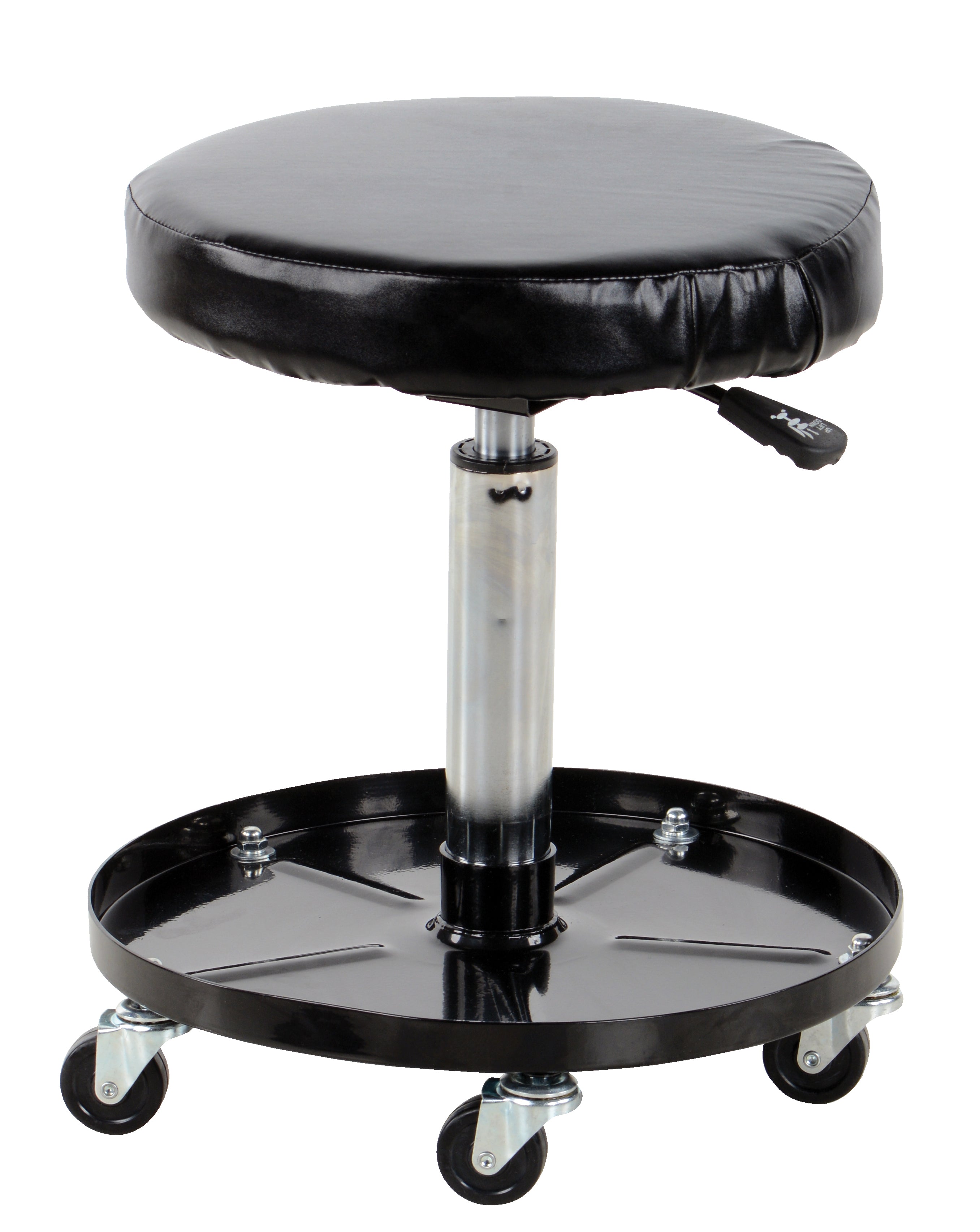
The pneumatic worker seats. The CPRO worker seats are the core of this collection and the closest thing here to a real equipment decision, running roughly $160 to $265. They spin on a swivel, rise and drop on a pneumatic gas cylinder like an office chair, and most add a foot ring so the feet rest when the seat is high. Two numbers govern the buy: the height range, covered above, and the capacity. These are rated 200 lb on the low seat and 220 lb on the rest, which sits under the 275 lb design occupant that ANSI/BIFMA X5.1 uses for general-purpose office chairs, so a heavier worker should confirm the rating before ordering, or look to seating built to the larger-occupant X5.11 standard. The folding arm chair (FAC-260, about $222) carries the same 220 lb rating in a chair that folds flat for storage or transport between stations.
Forklift seats are a safety part. The fork truck seats are a different animal from the rest of the page: they are a safety part. ASME B56.1 has required powered industrial trucks built after 1992 to carry a restraint device or enclosure that keeps the operator's head and torso from being caught between the truck and the ground in a tip-over, and while OSHA writes no standard mandating seat-belt installation, it enforces their use on any equipped truck under the general duty clause. So when you replace a worn seat, you are replacing safety equipment, and the belt and switch matter as much as the cushion. Vestil's LTS line covers cloth and vinyl seats in 17 and 24 inch back heights, from about $242 to $561, plus the pieces that go with them: bolt-on arm rests, hip restraints, a replacement safety belt, a swivel platform, and the seat safety switch that many trucks use for operator-presence sensing, the interlock that disables travel when nobody is in the seat. Match the seat and its mount to the specific truck, and treat a dead safety switch as a down-truck problem, not a nuisance.
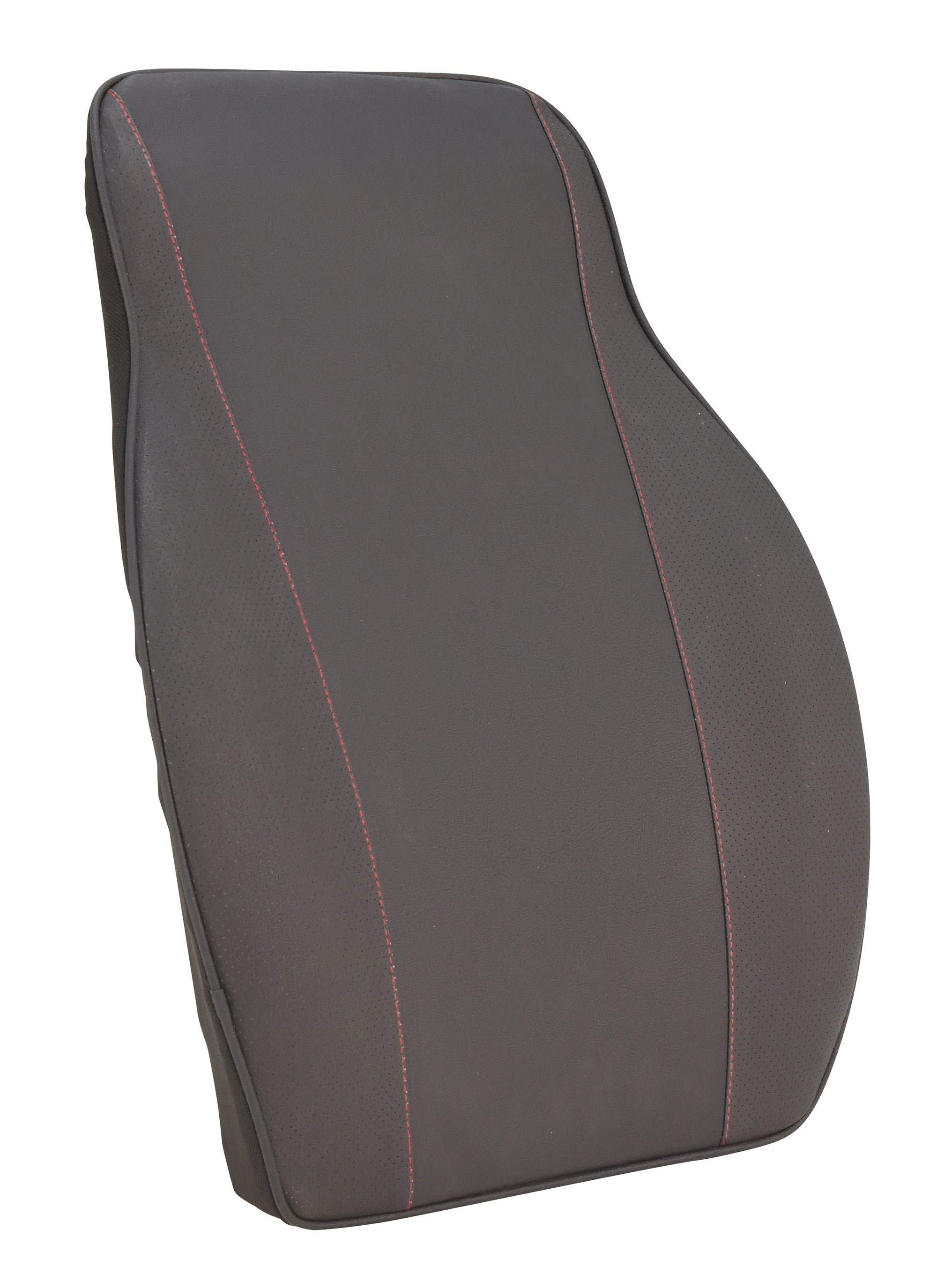
The back support cushion and the folding chair. Two smaller items round out the page. The back support cushion (BSC-BK-RS, under $50) is the cheapest thing here and often the fastest win: a lumbar cushion that straps to an existing seat, forklift bench, or work chair for the shifts that were already too long before anyone budgeted a new seat. And the folding arm chair earns its place anywhere seating has to appear and disappear, a QC bench used one shift in three, a training station, an inspection point that moves with the work. Neither is a heavy purchase, but both are the kind of thing a plant under-buys until a back complaint makes the case for it.
Frequently Asked Questions
Match the seat height to the work surface, not to your own height. Measure the bench or counter, allow the clearance your legs need underneath, and pick a seat whose range brackets that number with room to spare. Vestil's CPRO worker seats span from about 9 inches at the low floor-level seat up to nearly 35-1/2 inches for standing-height lines, so most stations are covered, but avoid a seat that only reaches the target at its top setting.
A stool is for sitting to work at a low or bench-height station. A sit-stand chair holds a worker at standing height and lets them lean and take weight off the legs without fully sitting, which is the better answer where the job keeps someone on their feet for hours. Vestil's assembly chairs come both ways, so you can spec each station for the posture the task forces rather than compromising on one.
The CPRO worker seats are rated 200 lb on the low model and 220 lb on the rest, and the folding arm chair holds 220 lb. Those ratings sit below the 275 lb occupant that ANSI/BIFMA X5.1 assumes for general-purpose office chairs, so a heavier worker should confirm the number before ordering or move up to seating built to the larger-occupant X5.11 standard. Never treat the rating as a soft figure.
The seats and the accessories are listed separately, so check the SKU. Vestil's LTS forklift line sells cloth and vinyl seats on their own and offers the replacement safety belt, hip restraints, arm rests, swivel platform, and operator-presence safety switch as individual parts. If you are replacing a seat because the restraint or switch failed, order those pieces too. Under ASME B56.1 and OSHA's general duty enforcement, the belt and interlock are safety equipment, not options.
Different jobs. A work stool is something you sit on to do the work, rated for a seated worker and built to adjust to bench or standing height. A step stool is something you stand on to reach height, rated for a person plus what they carry and built with a wide anti-tip base. Buy from [step stools](/collections/step-stools) when the need is reach, and from this page when the need is a seat.