Ergonomic Lifting Equipment
Ergonomic lifting equipment is the gear that takes the strain out of a repeated motion: it brings the load up to hand height, tips it toward the worker, carries the walk, or holds the body through a long shift. Every machine on this page is Vestil, and the collection is broad on purpose, running from an anti-fatigue platform under $70 and a back support cushion under $50, through foot-pump and powered lift tables, tilters, work positioners, and pallet trucks in the hundreds to low thousands, up to powered stackers, box dumpers, and a portable pallet inverter well past $20,000. The organizing idea behind all of it is the same. A worker who bends, reaches, or muscles a load hundreds of times a shift is the most expensive part of a plant to replace, and the fix almost always costs less than the injury. Use this page to match the machine to the motion you are trying to design out, whether that is a lift, a tilt, a walk, or the hours a body spends standing in one spot.
Shop Ergonomic Solutions by Category
Compare Ergonomic Solutions
| Model | Price | Power | |
|---|---|---|---|
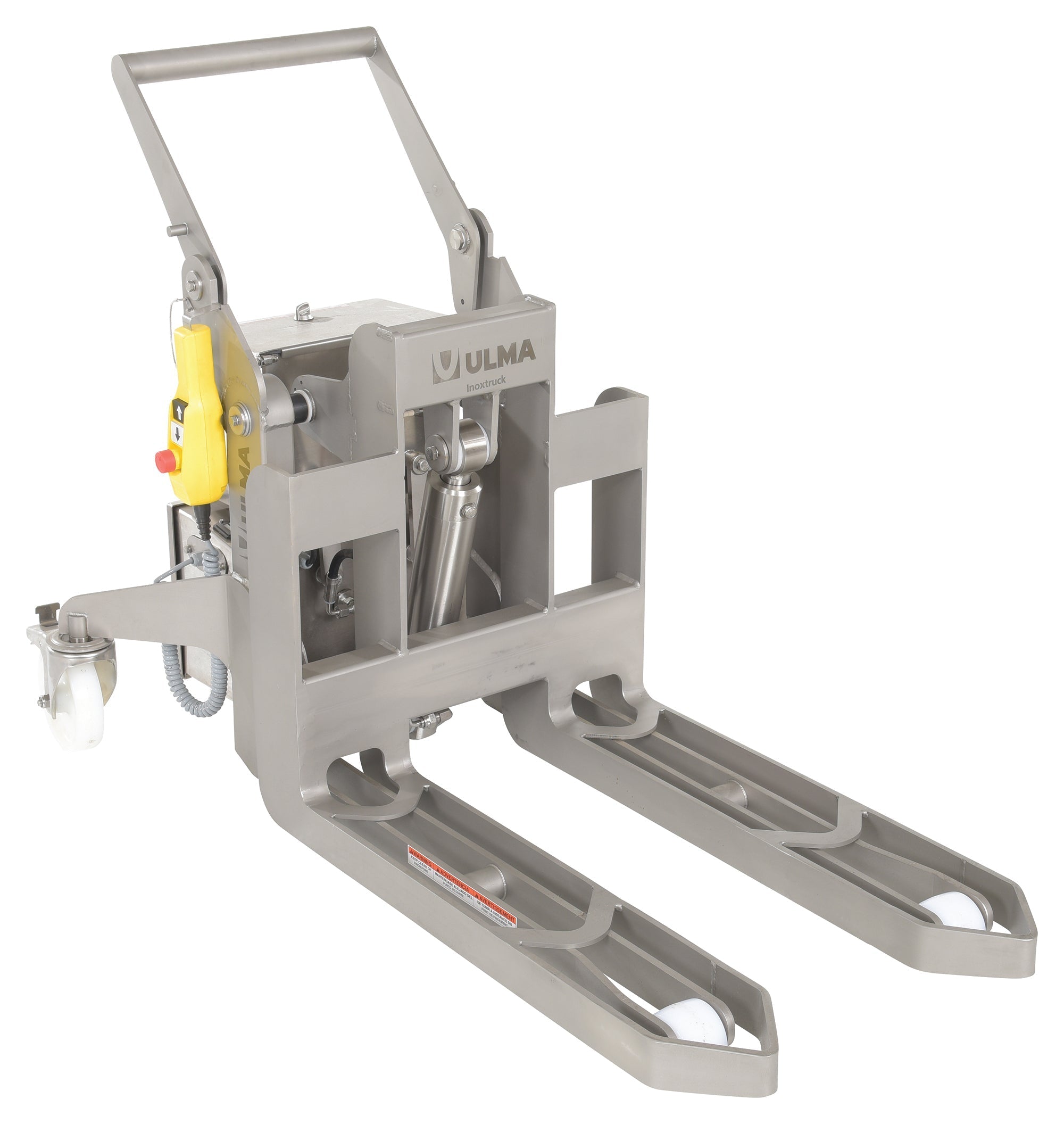
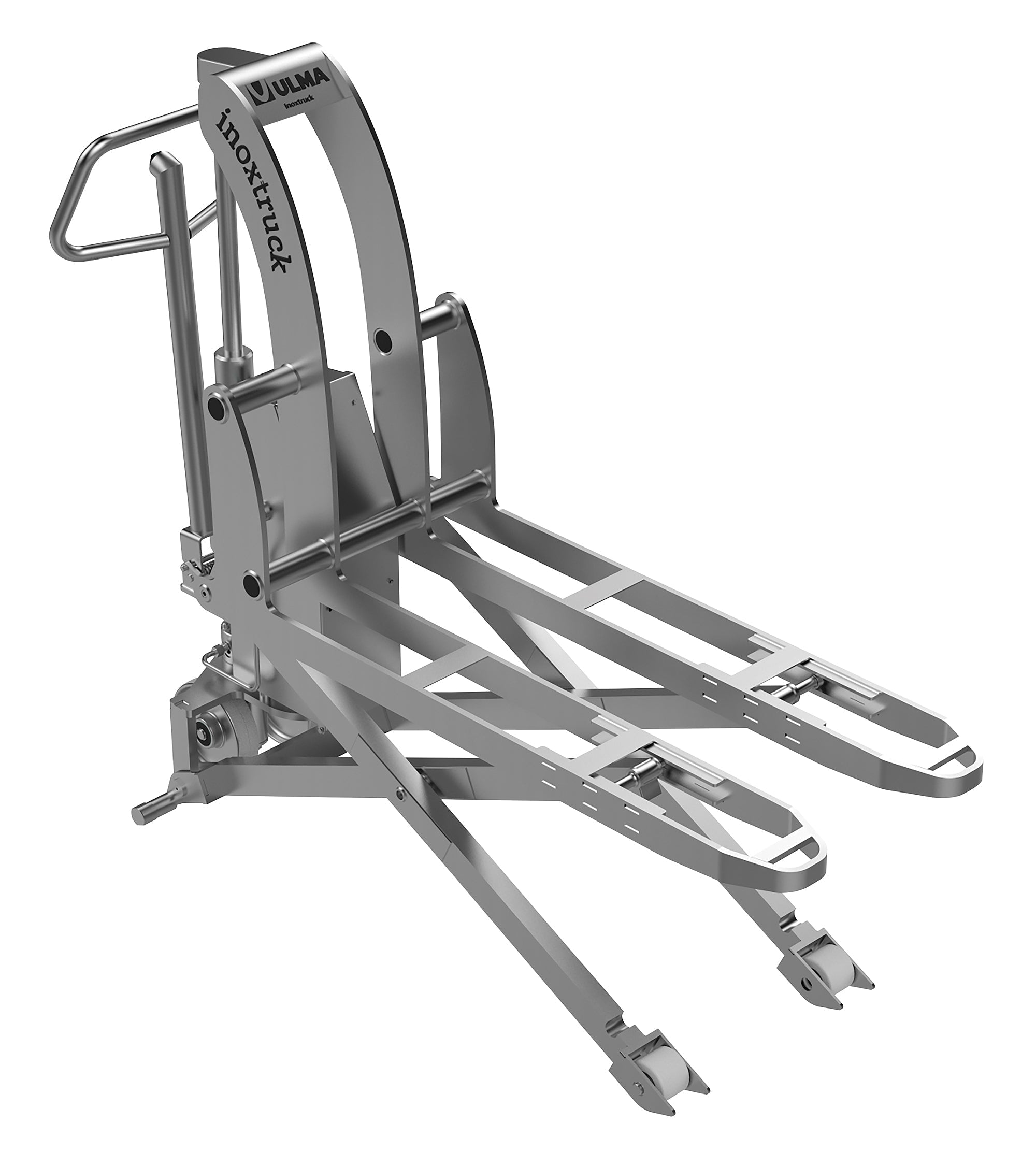
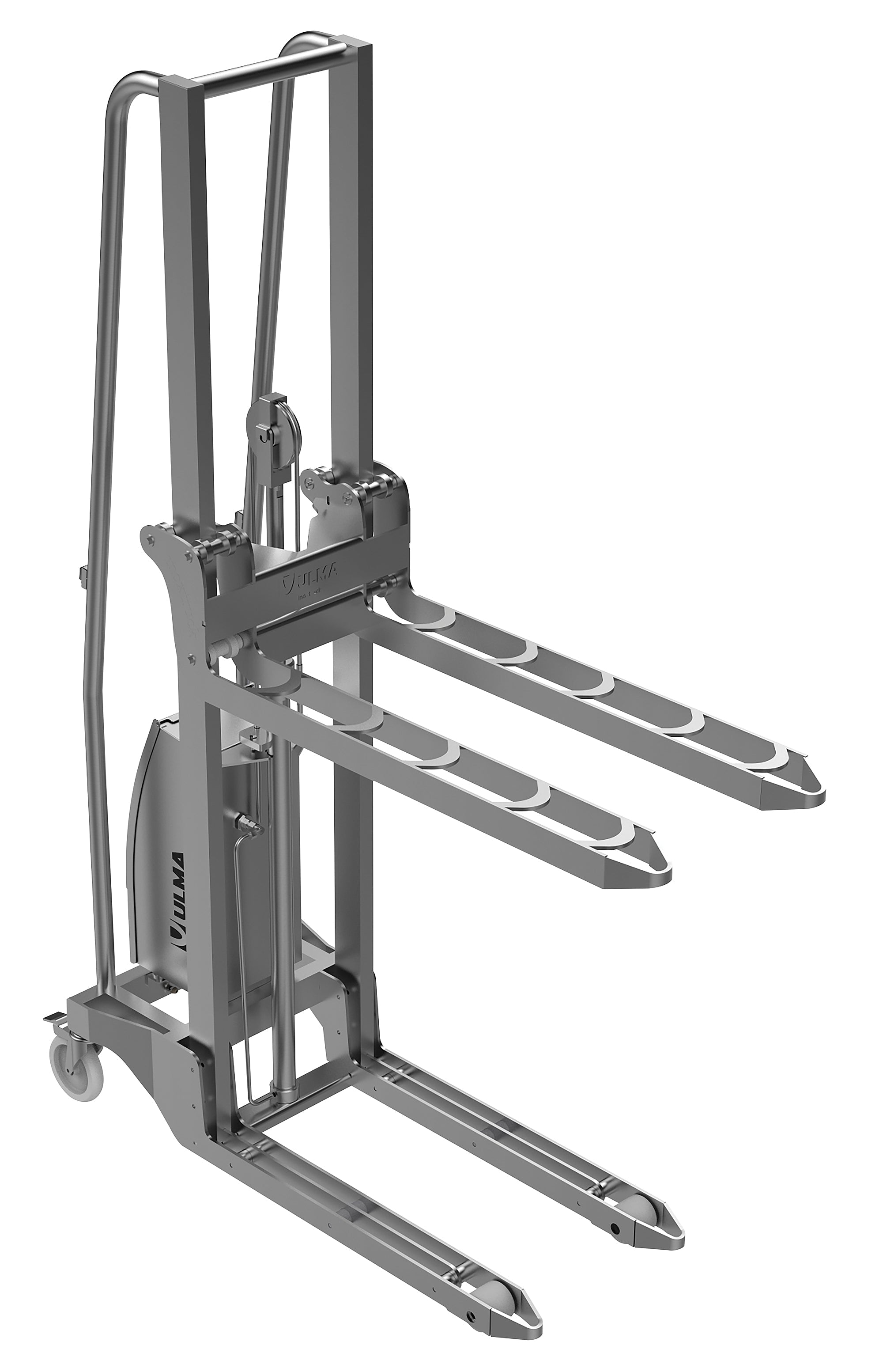
| Vestil ULMA Stainless Steel Tilt Master | $35,871 | 12V DC powered tilt, handheld pendant control, removable steering/driving handle | View → |
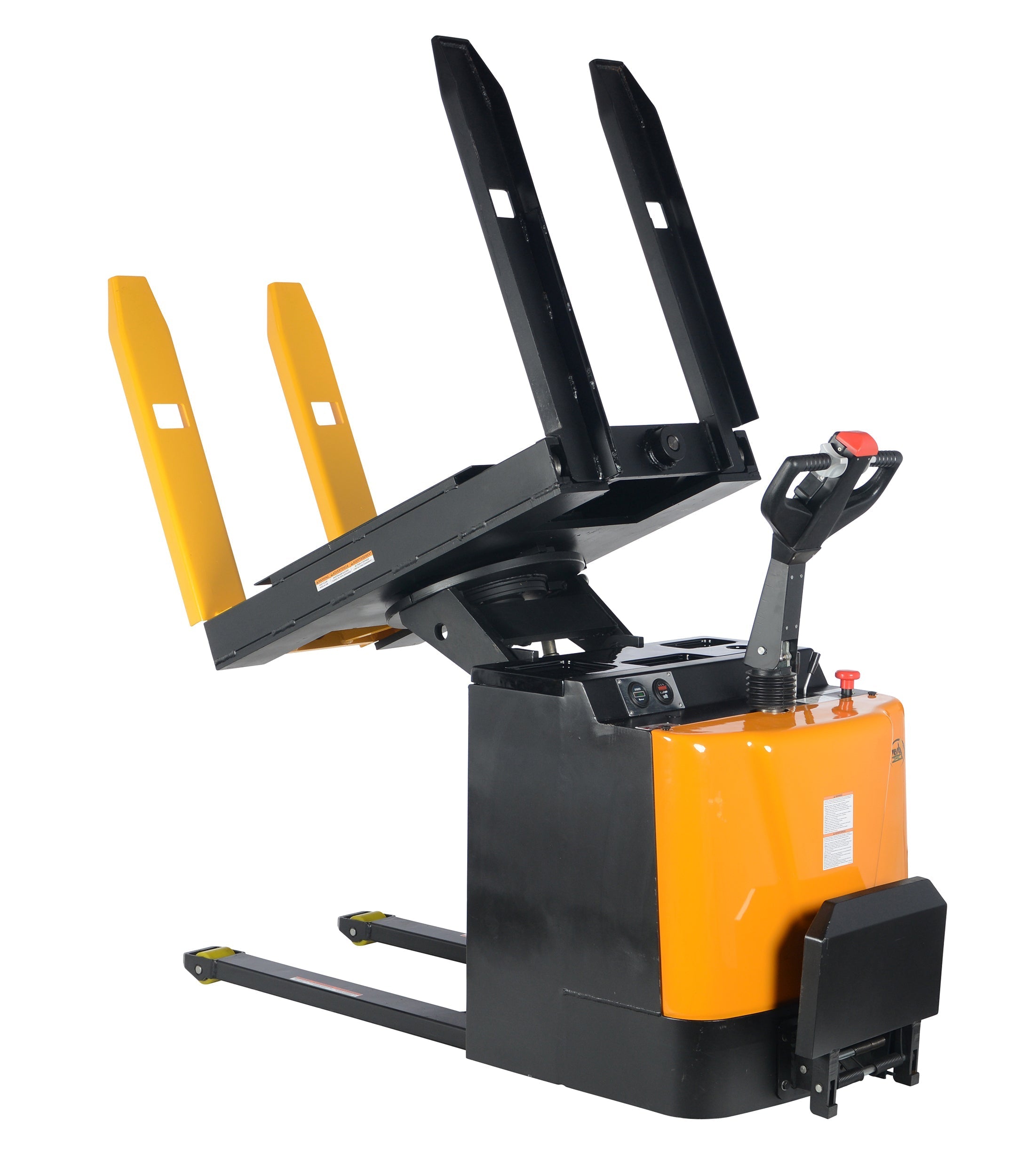
| Vestil Portable Pallet Inverters | $27,922 | 24V DC, (4) 6V batteries, onboard charger, battery gauge, emergency disconnect, horn | View → |
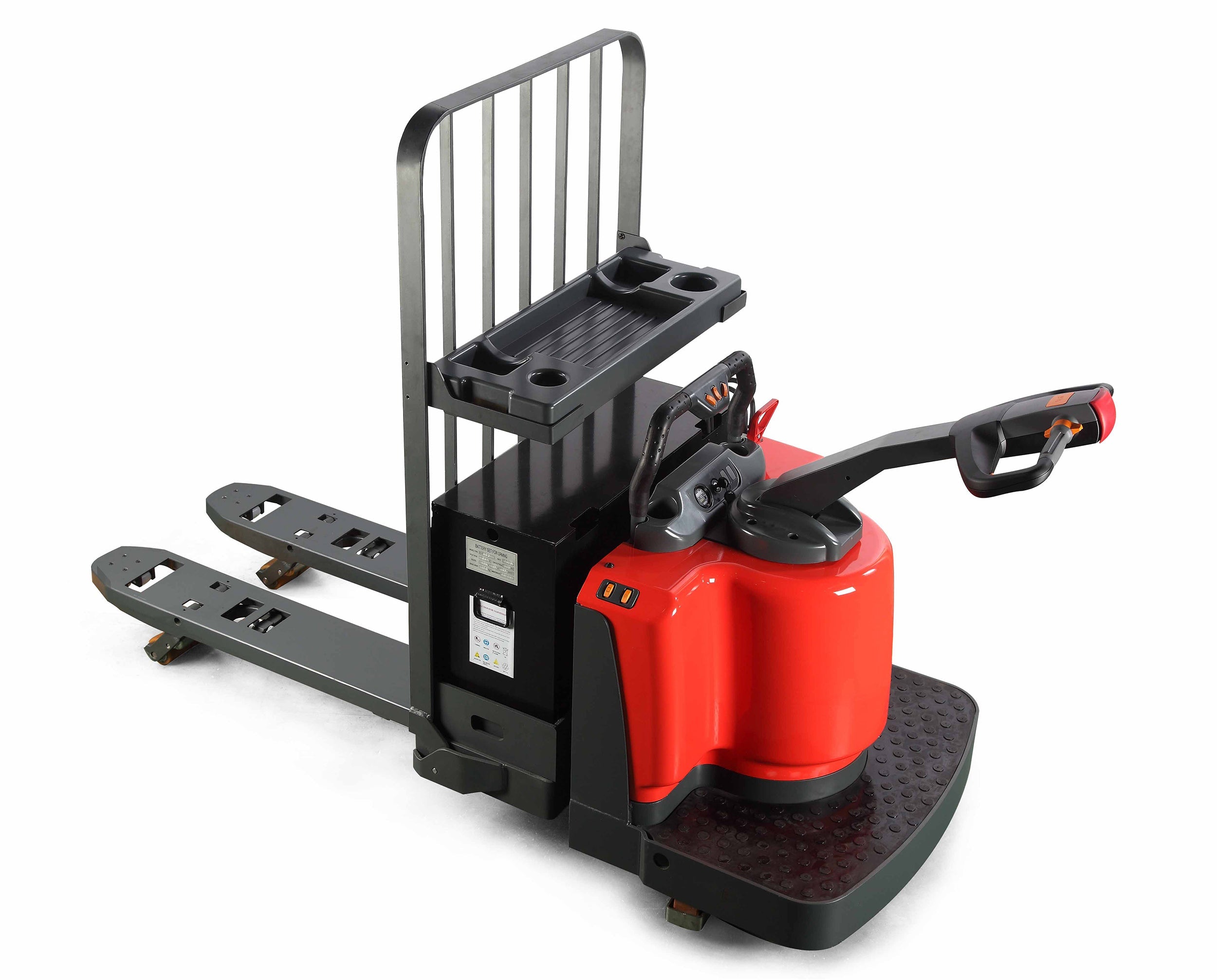
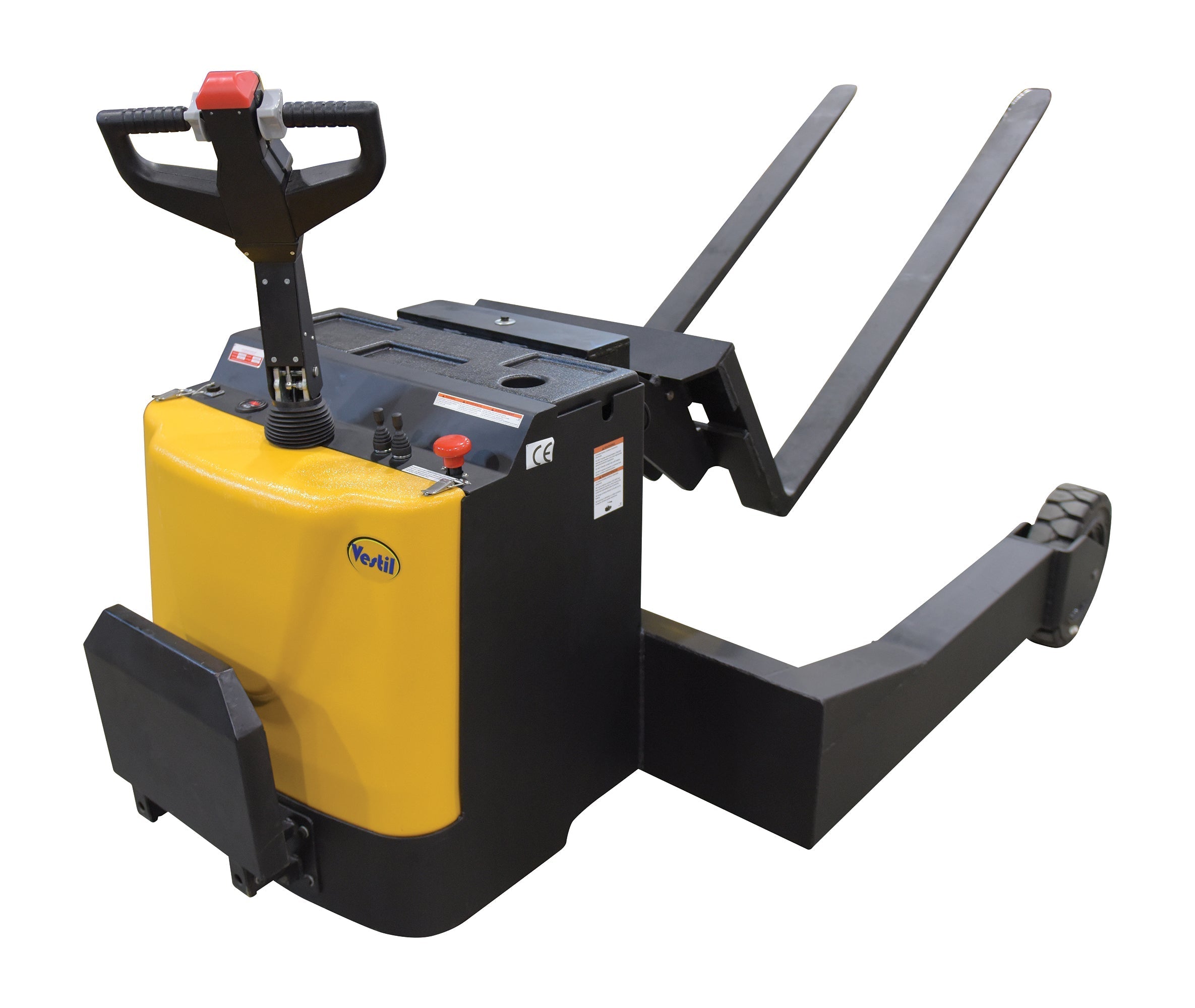
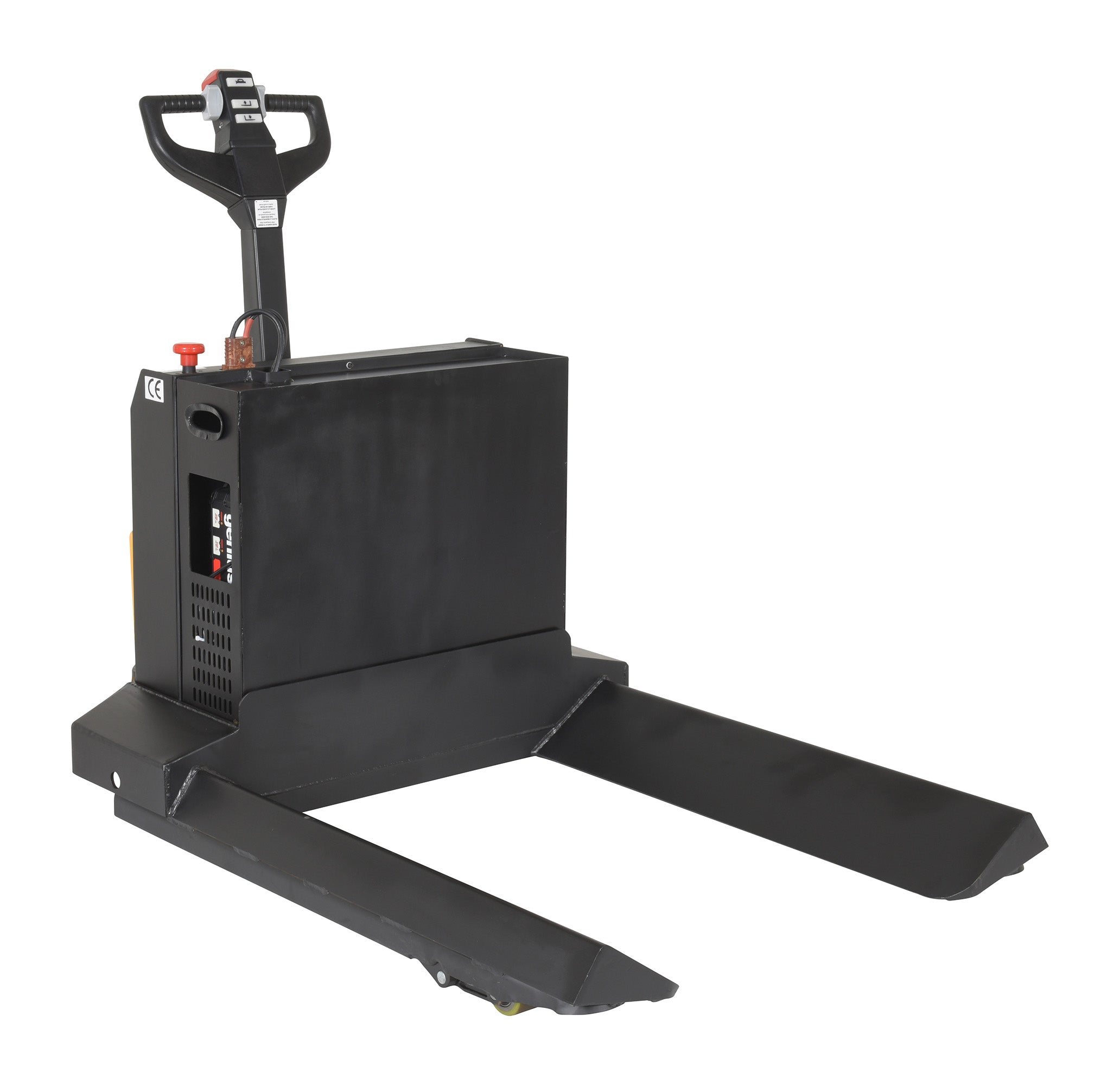
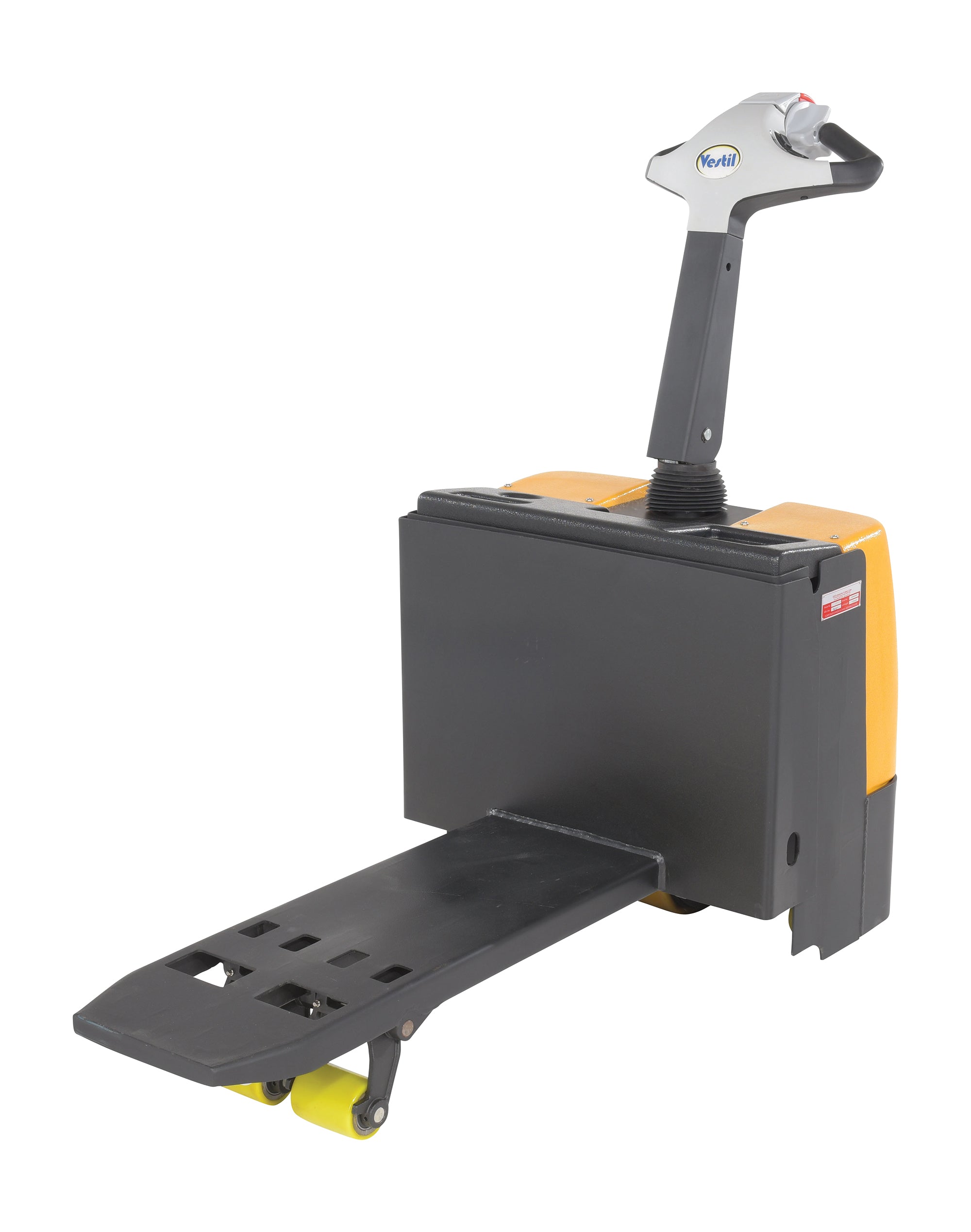
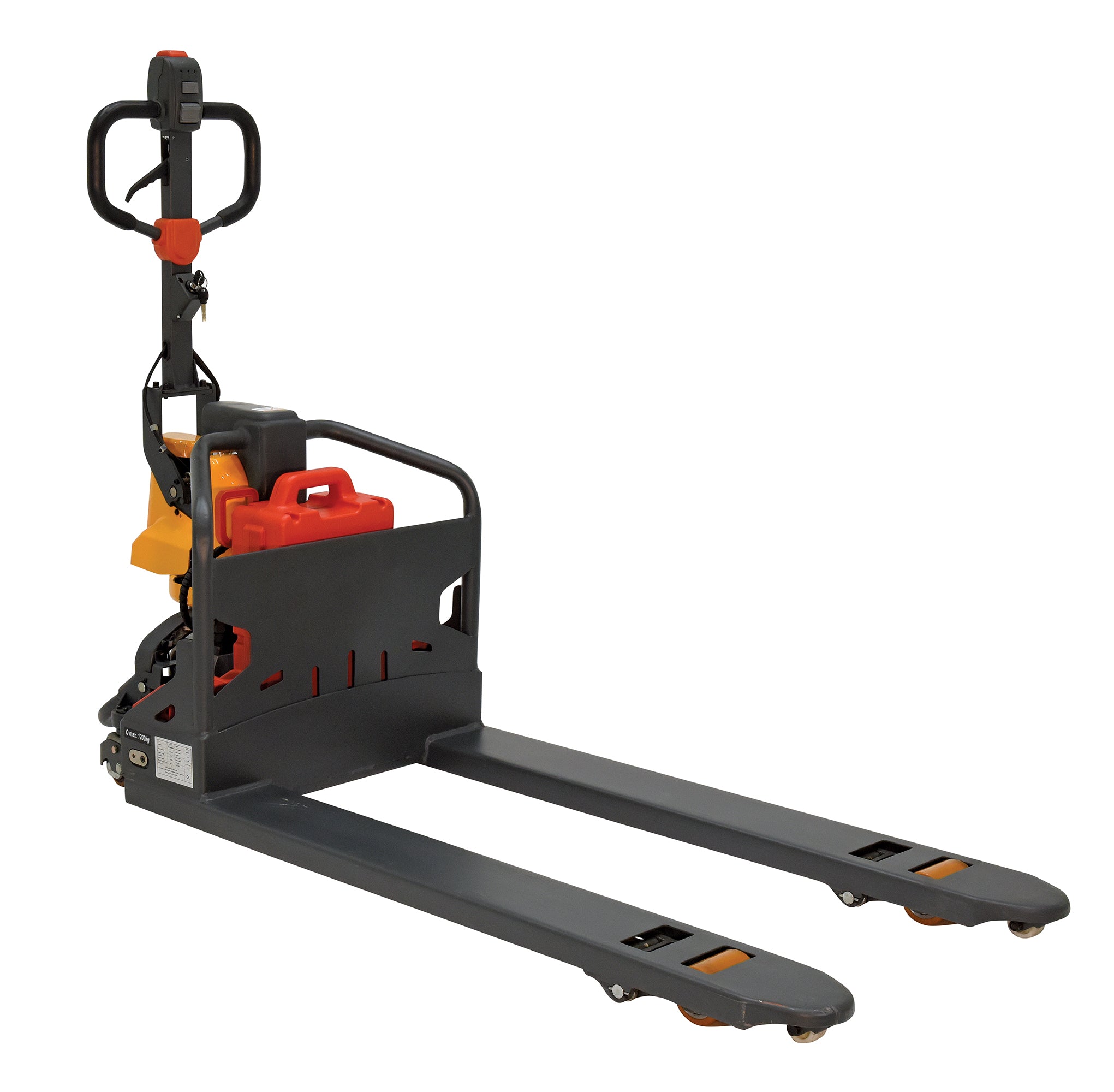
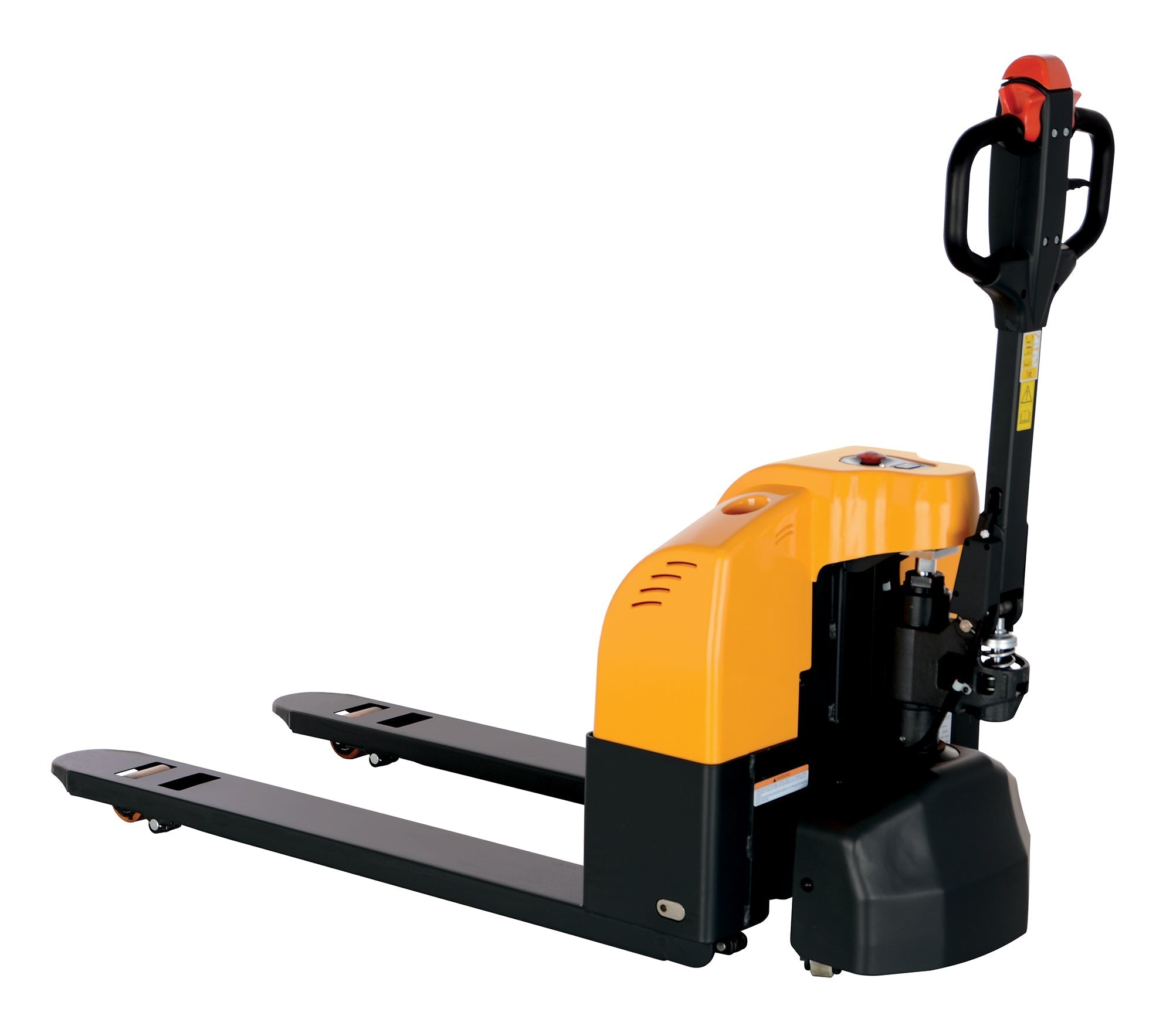
| Vestil Fully Electric Pallet Truck with Backrest | $22,966 | — | View → |
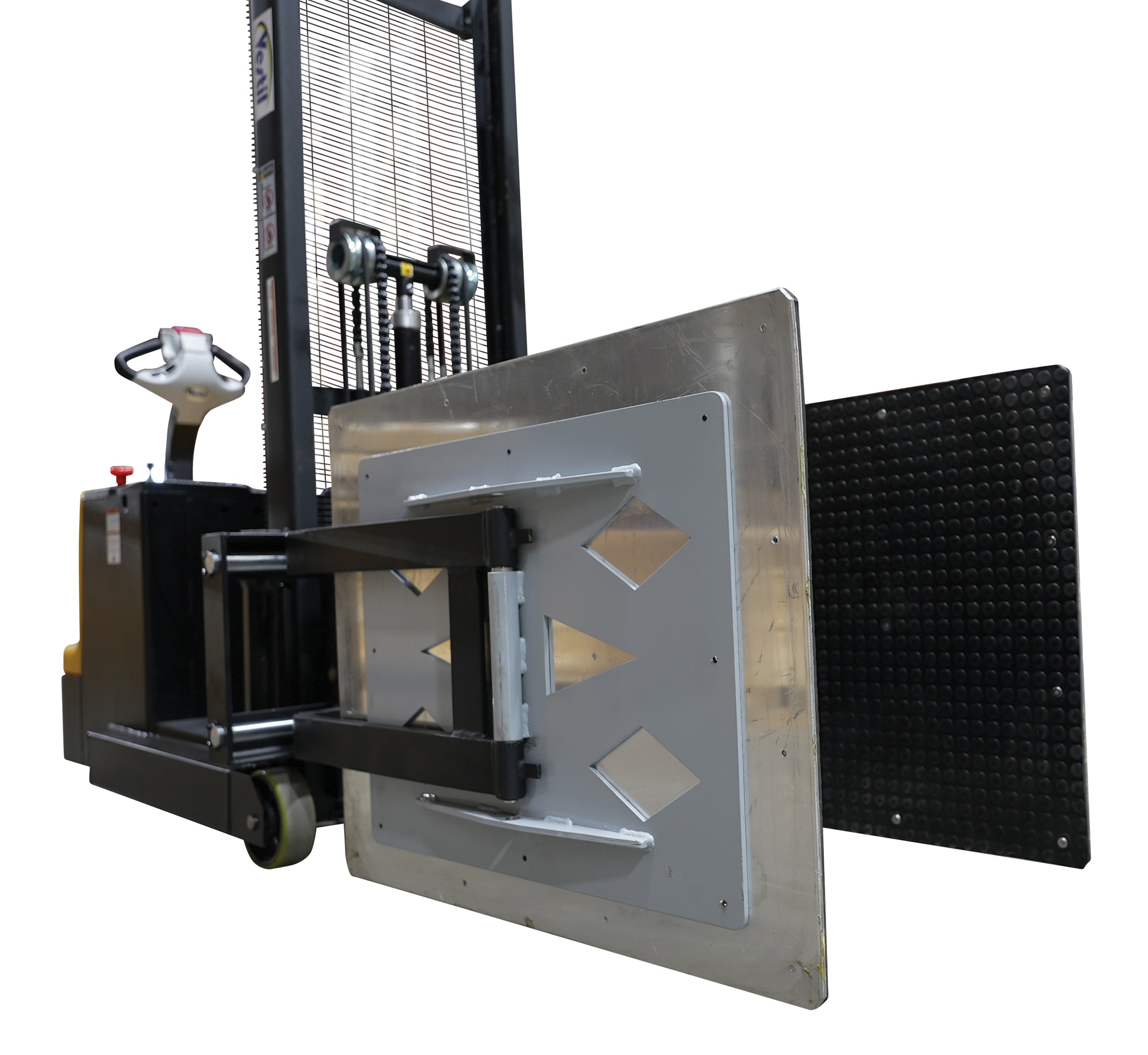
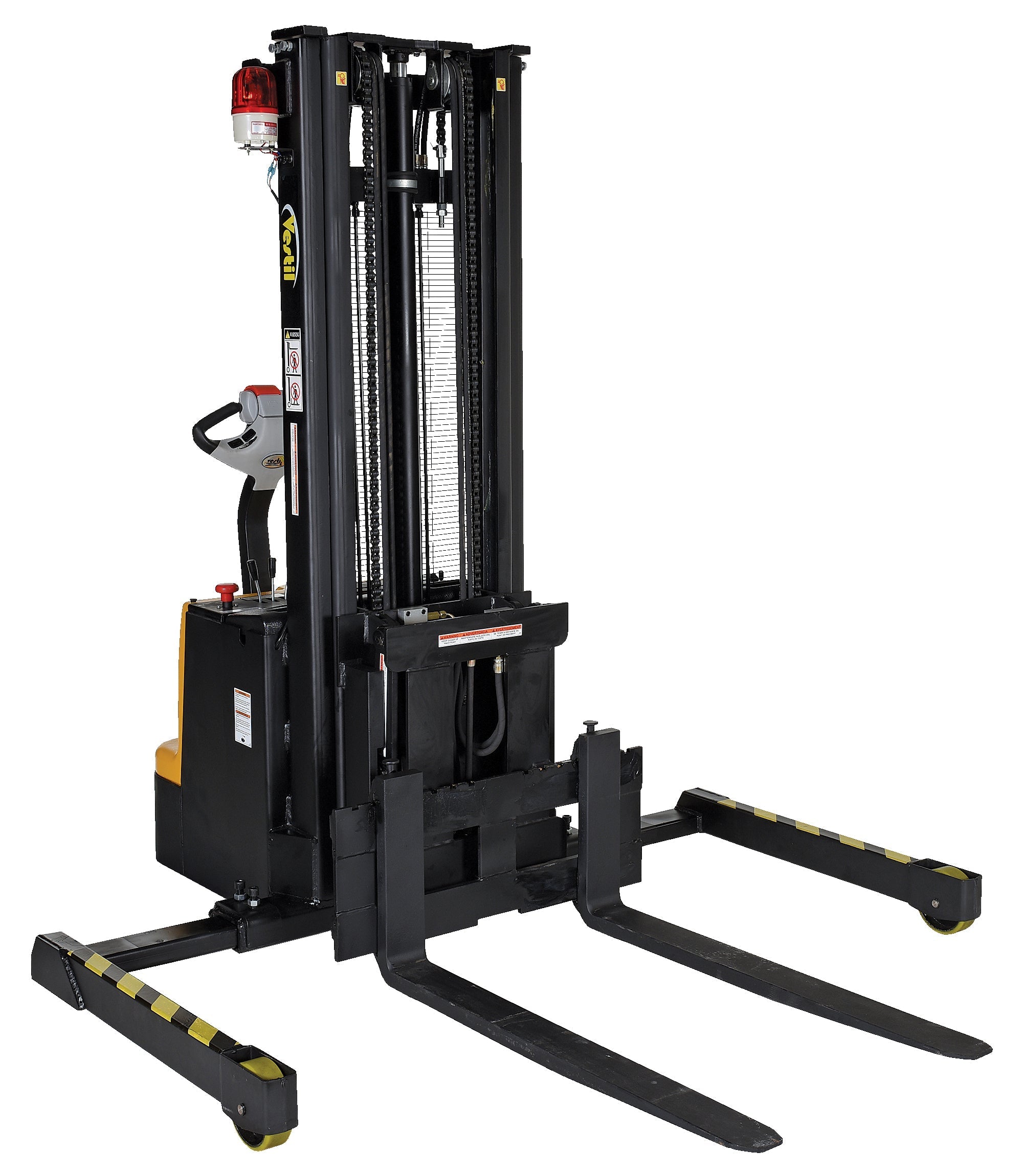
| Vestil Fully Powered Bale Clamp & Lift Stackers | $20,142 | 12V | View → |
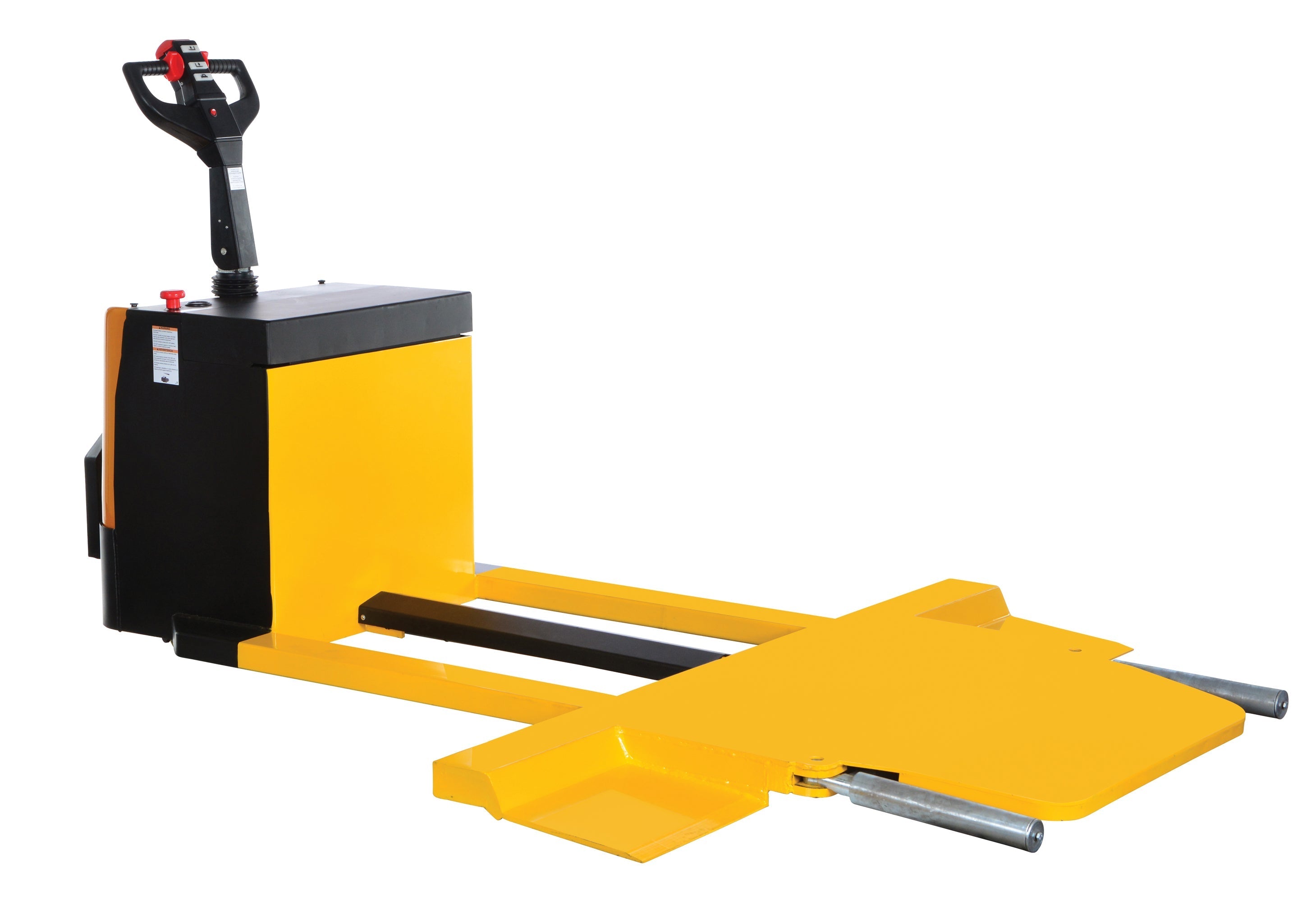
| Vestil Electric Car Mover | $18,451 | — | View → |
| Vestil High Tote Lifter | $17,356 | 12V | View → |
 In Stock
 In Stock
 In Stock
 In Stock
 In Stock
 In Stock
 In Stock
 In Stock
 In Stock
 In Stock
 In Stock
 In Stock
 In Stock
 In Stock
 In Stock
 In Stock
 In Stock
 In Stock
 In Stock
 In Stock
 In Stock
 In Stock
 In Stock
 In Stock
 In Stock
 In Stock
 In Stock
 In Stock
 In Stock
 In Stock
 In Stock
 In Stock
 In Stock
 In Stock
 In Stock
 In Stock
 In Stock
 In Stock
 In Stock
 In Stock
 In Stock
 In Stock
 In Stock
 In Stock
 In Stock
 In Stock
 In Stock
 In Stock
 In Stock
 In Stock
 In Stock
 In Stock
 In Stock
 In Stock
 In Stock
 In Stock
 In Stock
 In Stock
 In Stock
 In Stock
 In Stock
 In Stock
 In Stock
 In Stock
 In Stock
 In Stock
 In Stock
 In Stock
 In Stock
 In Stock
 In Stock
 In Stock
 In Stock
 In Stock
 In Stock
 In Stock
 In Stock
 In Stock
 In Stock
 In Stock
 In Stock
 In Stock
 In Stock
 In Stock
 In Stock
 In Stock
 In Stock
 In Stock
 In Stock
 In Stock
 In Stock
 In Stock
 In Stock
 In Stock
 In Stock
 In Stock
Ergonomic Solutions Buying Guide
Start with the motion, not the machine. Ergonomics is about the motion a worker repeats all day, not the single heavy pick. NIOSH sets the load constant in its lifting equation at 51 lb, the most a person should handle under ideal conditions, and every departure from ideal, a low start, a long reach, a twist, a fast repeat, drives the safe weight down from there. So the buying question is not how much can somebody lift, it is which motion is hurting people and how do we remove it. Four families of gear answer four motions: height-adjustment brings the work up so nobody bends, tilting rotates the load so nobody reaches into a bin, powered handling takes the push and the carry off the body, and support gear protects the worker during tasks that pin them in one place. Most floors need a mix, so walk the job before you buy the machine.
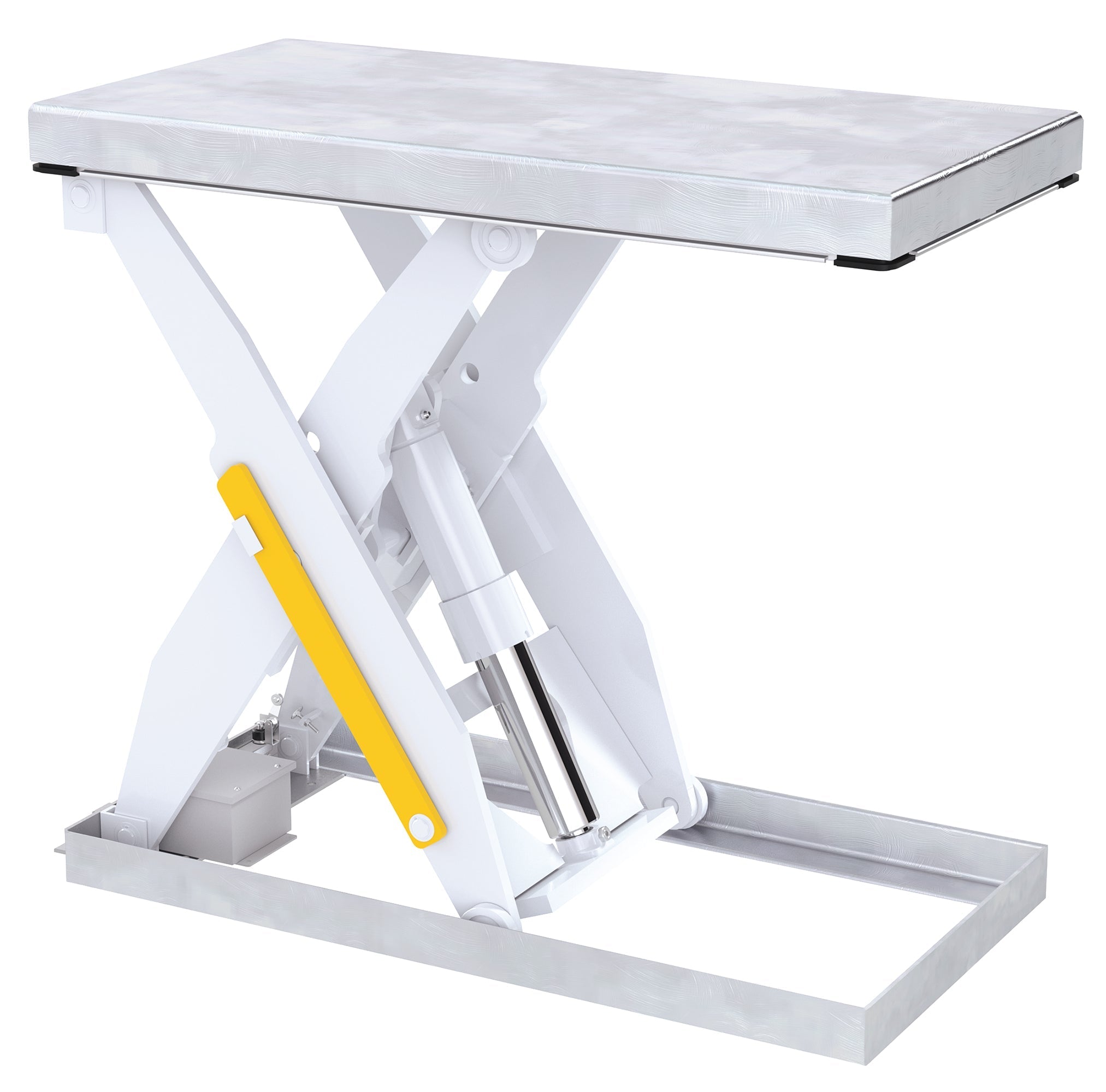
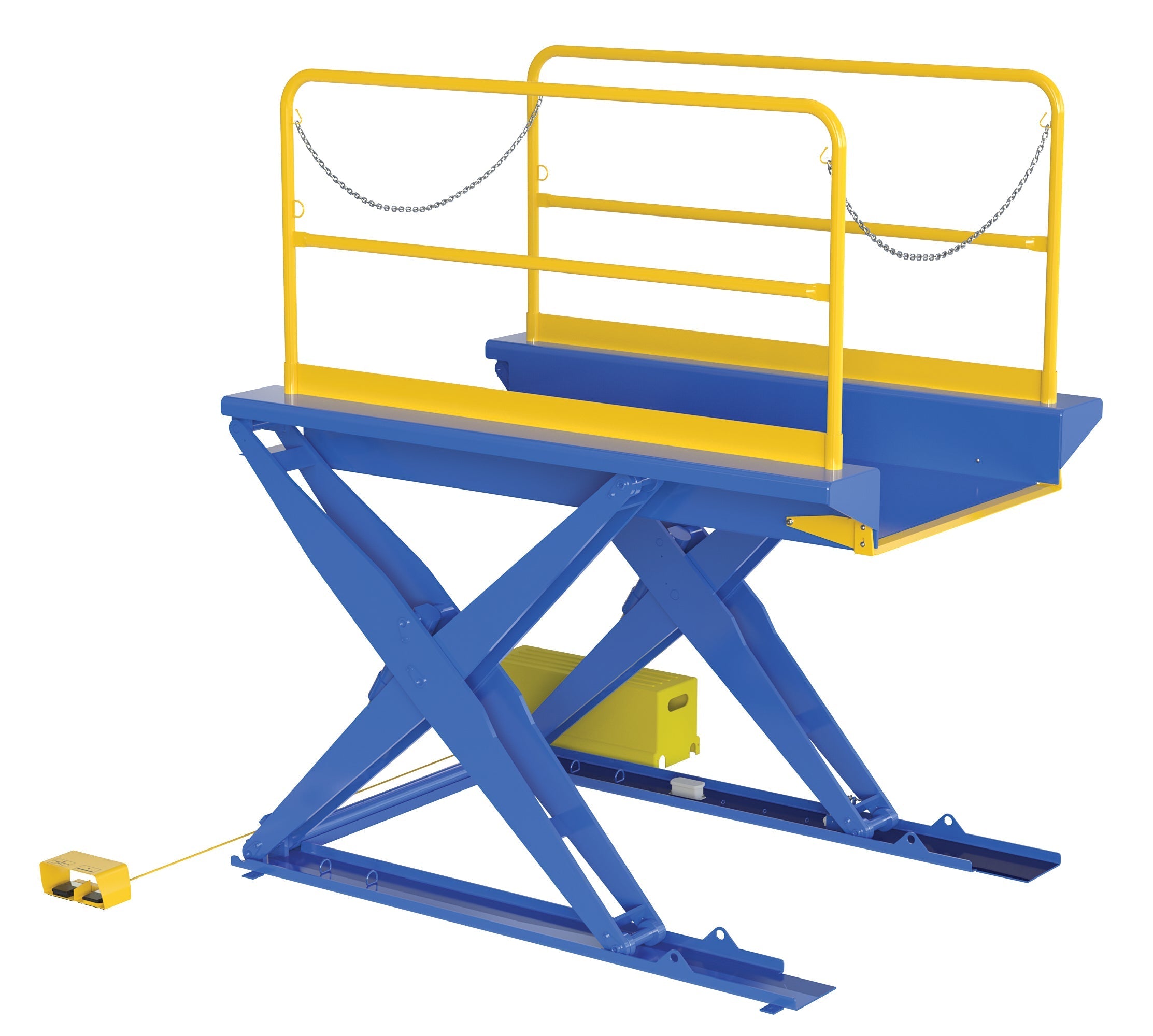
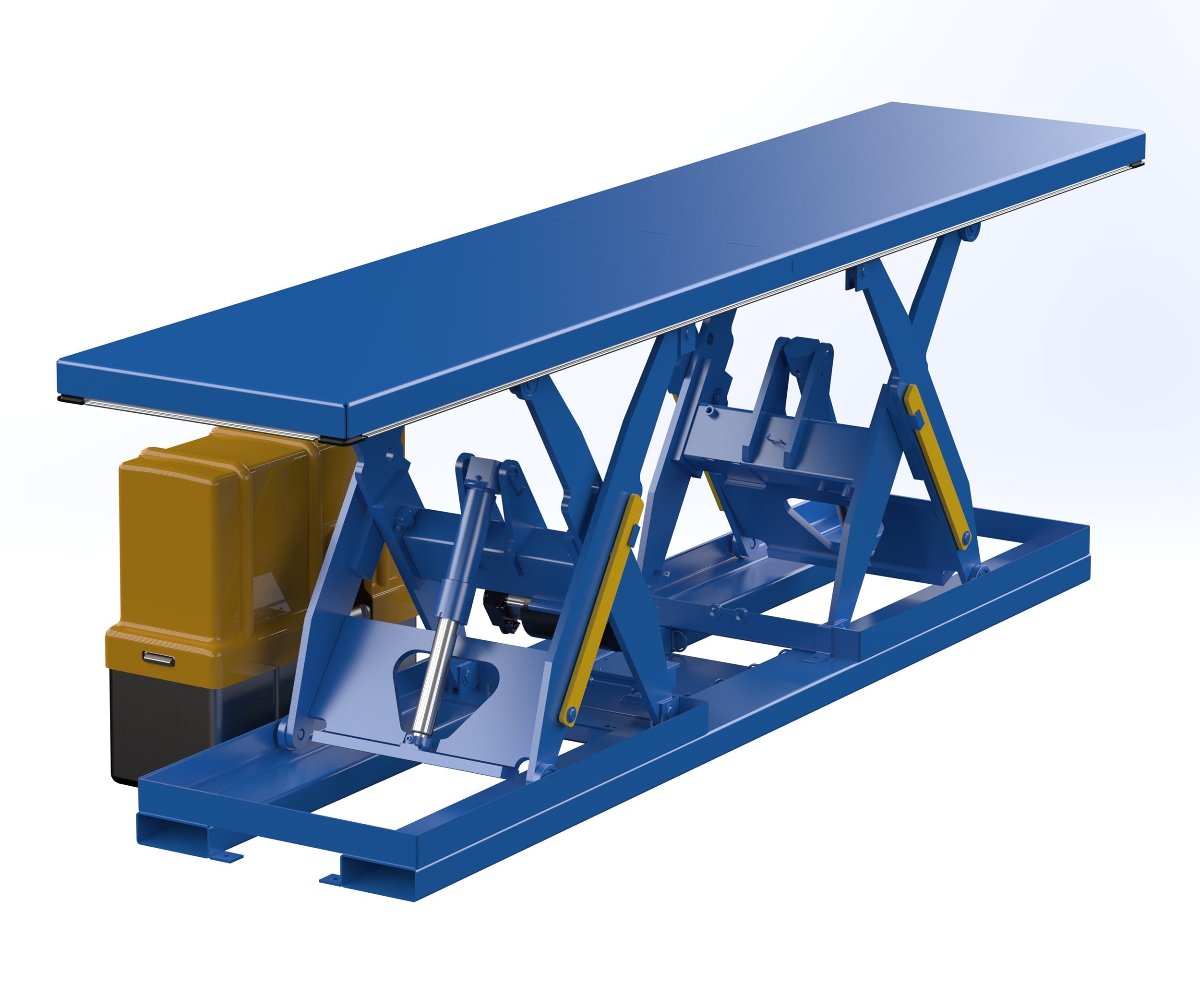
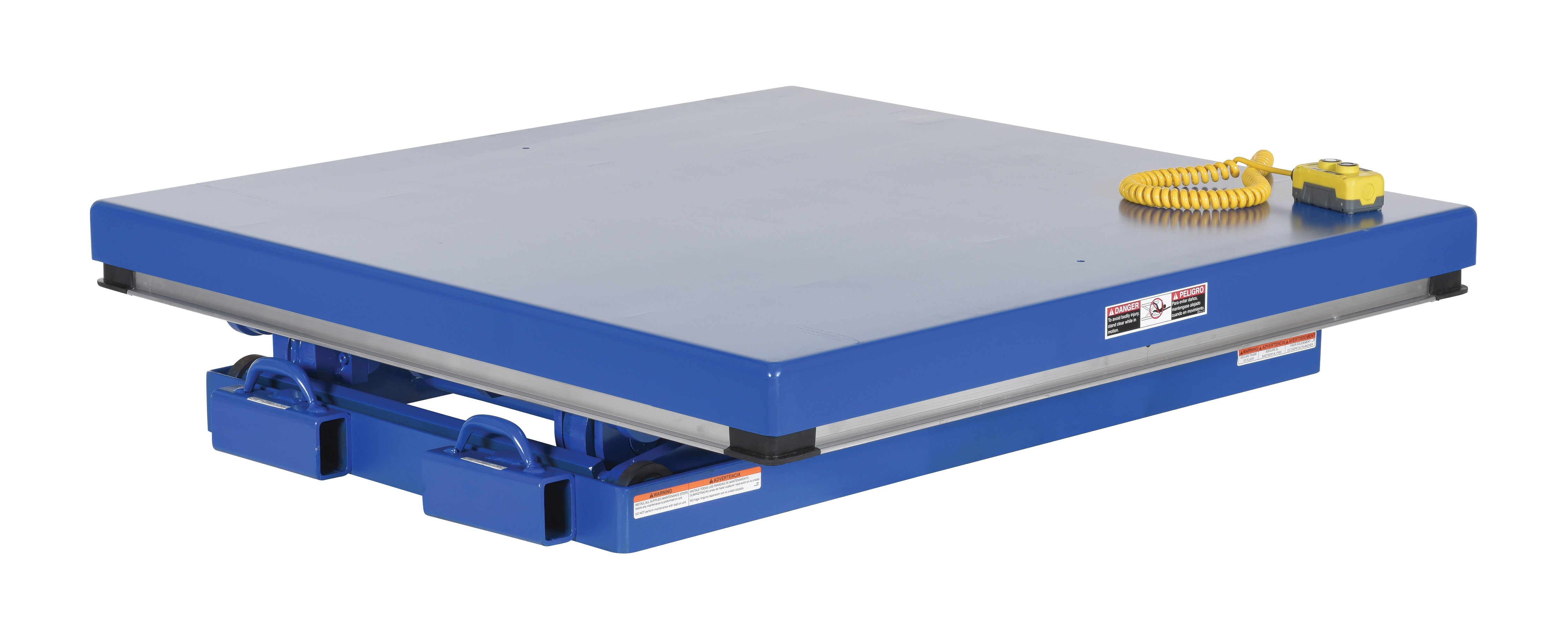
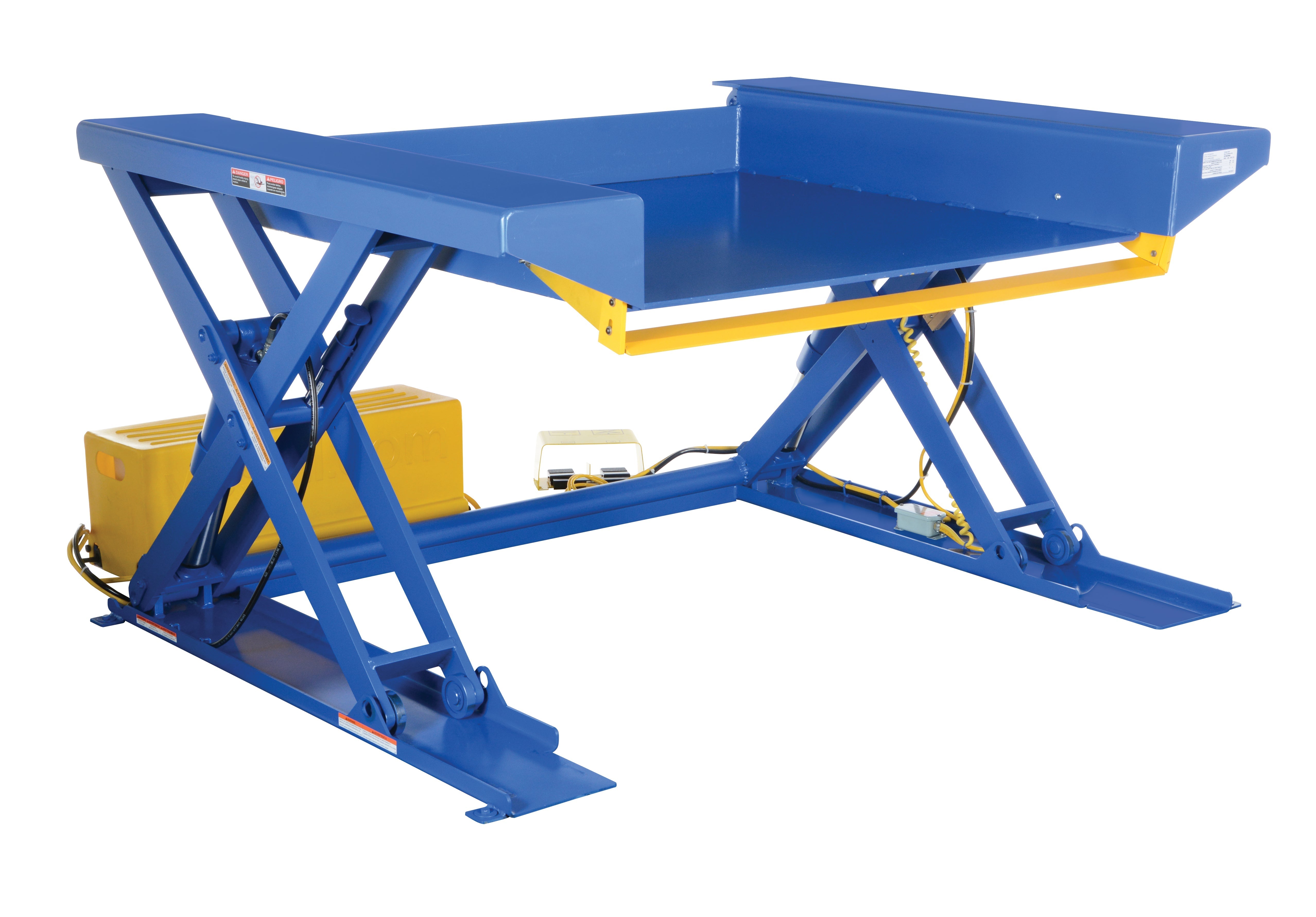
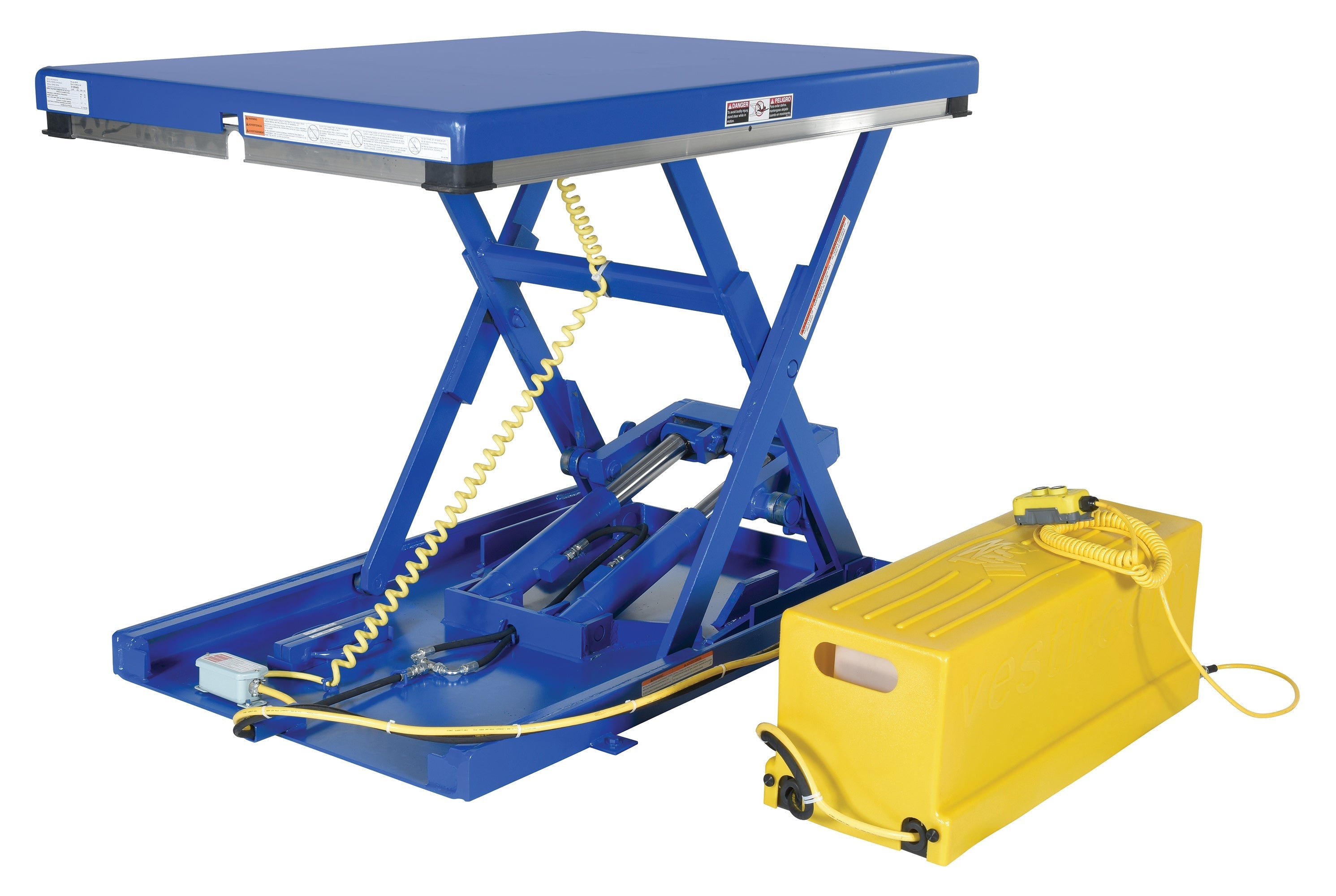
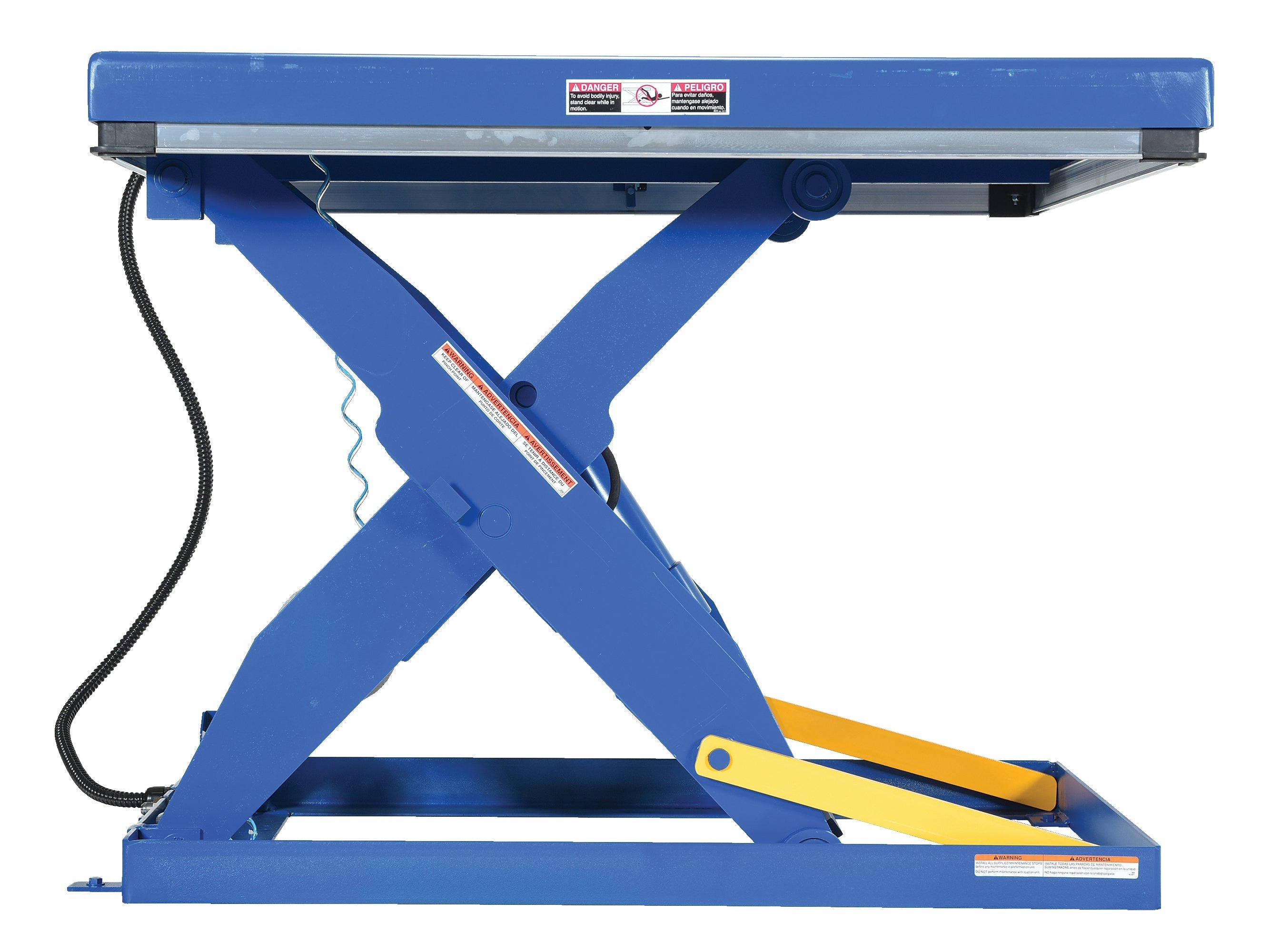
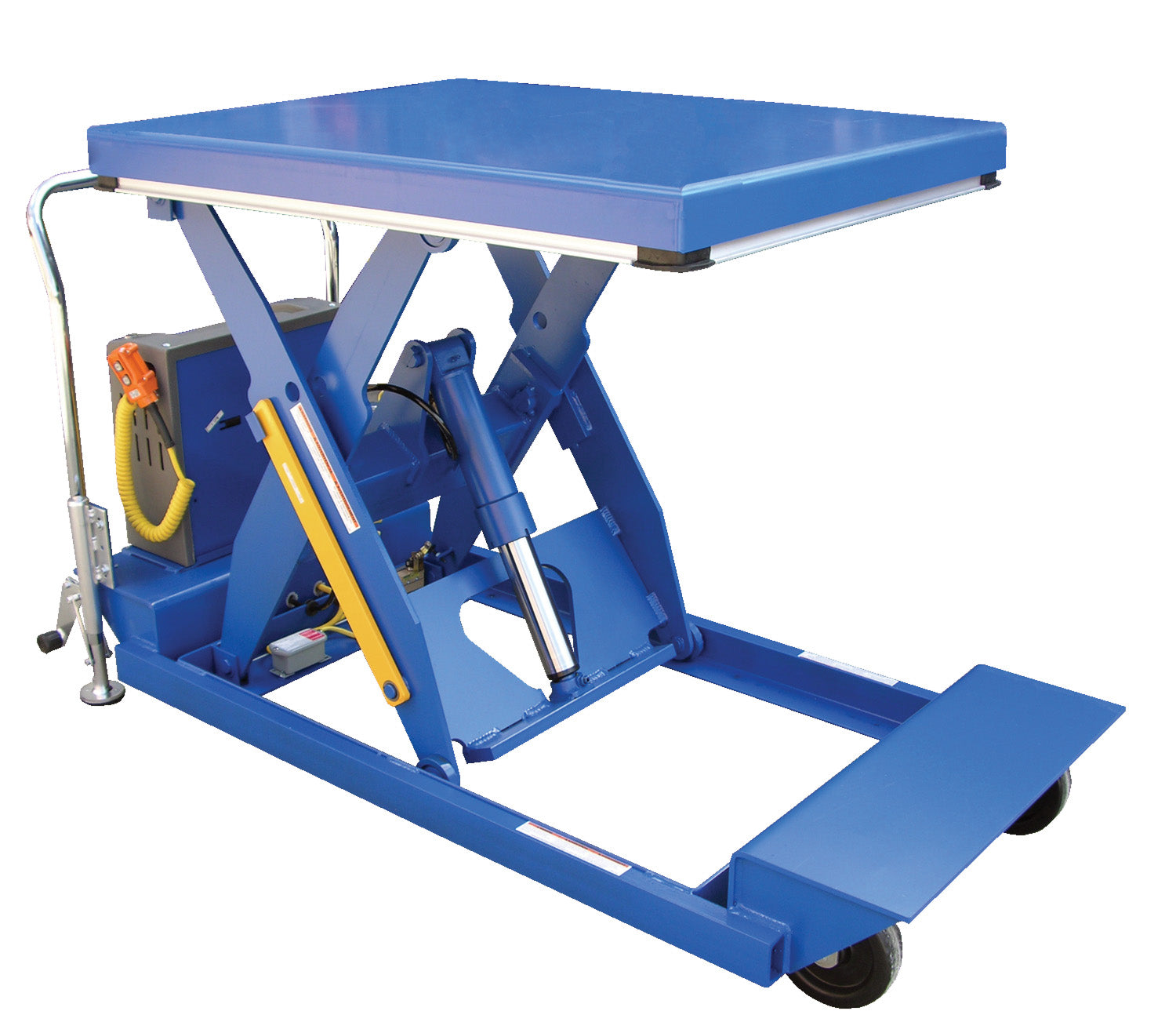
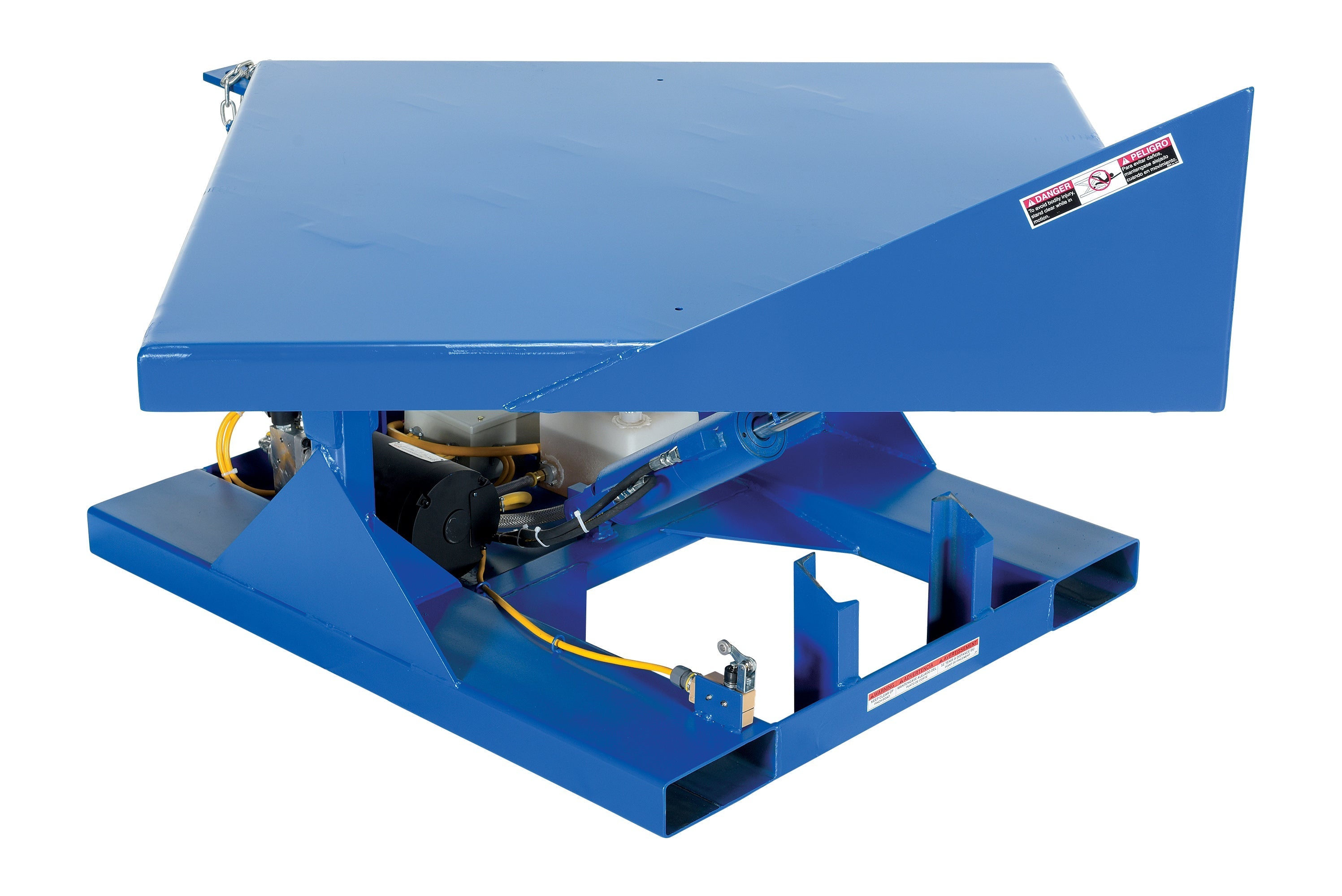
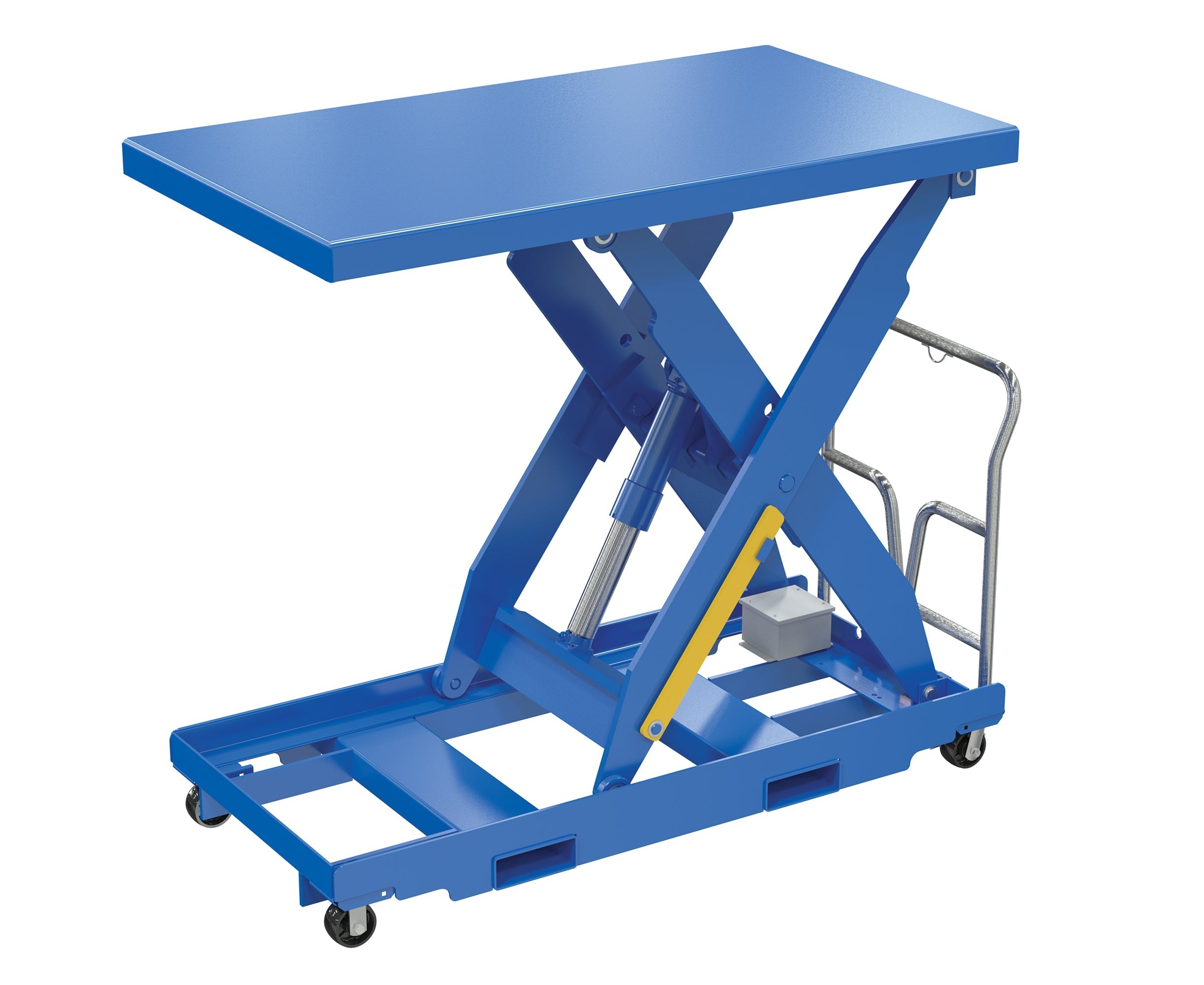
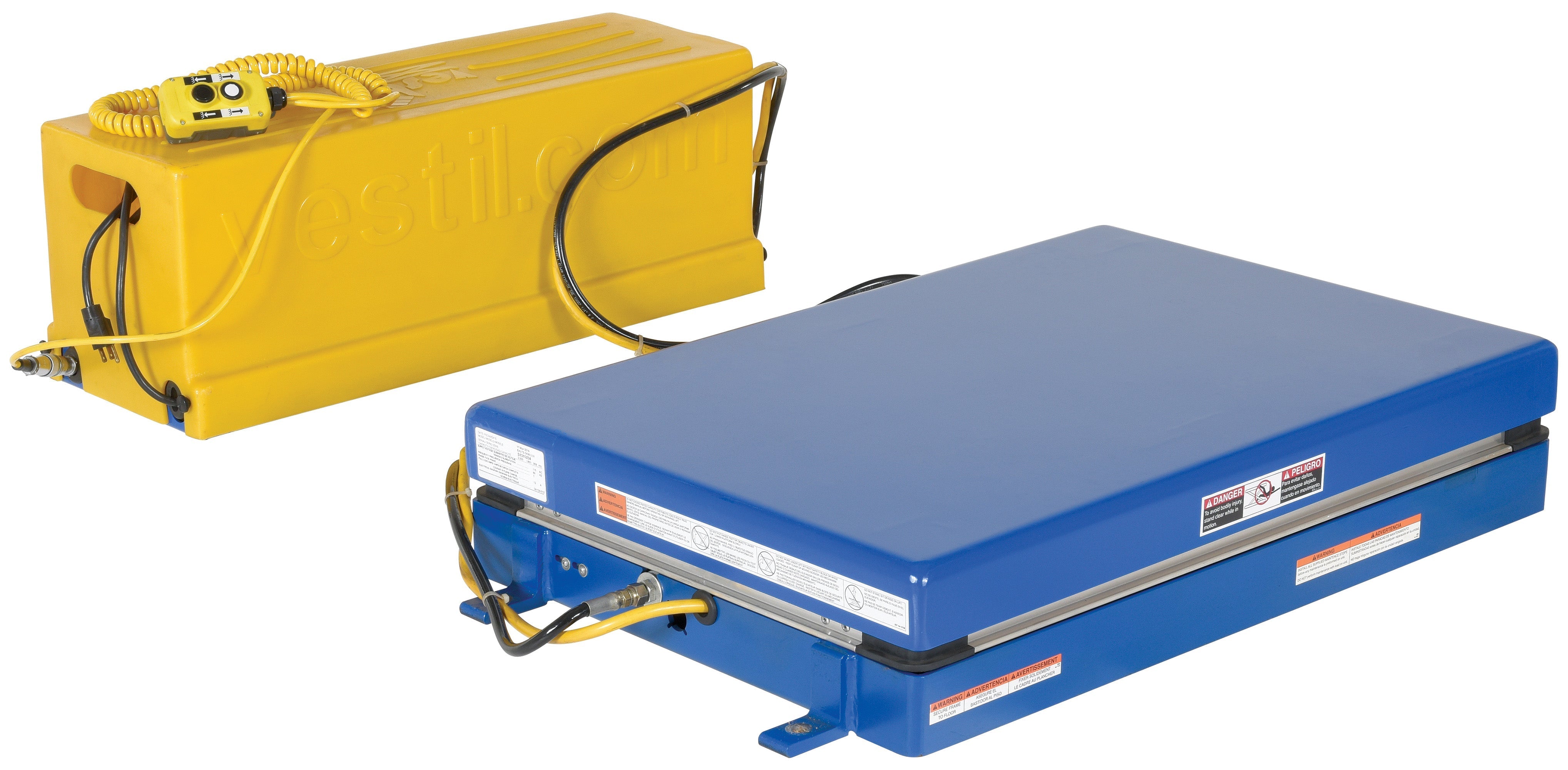
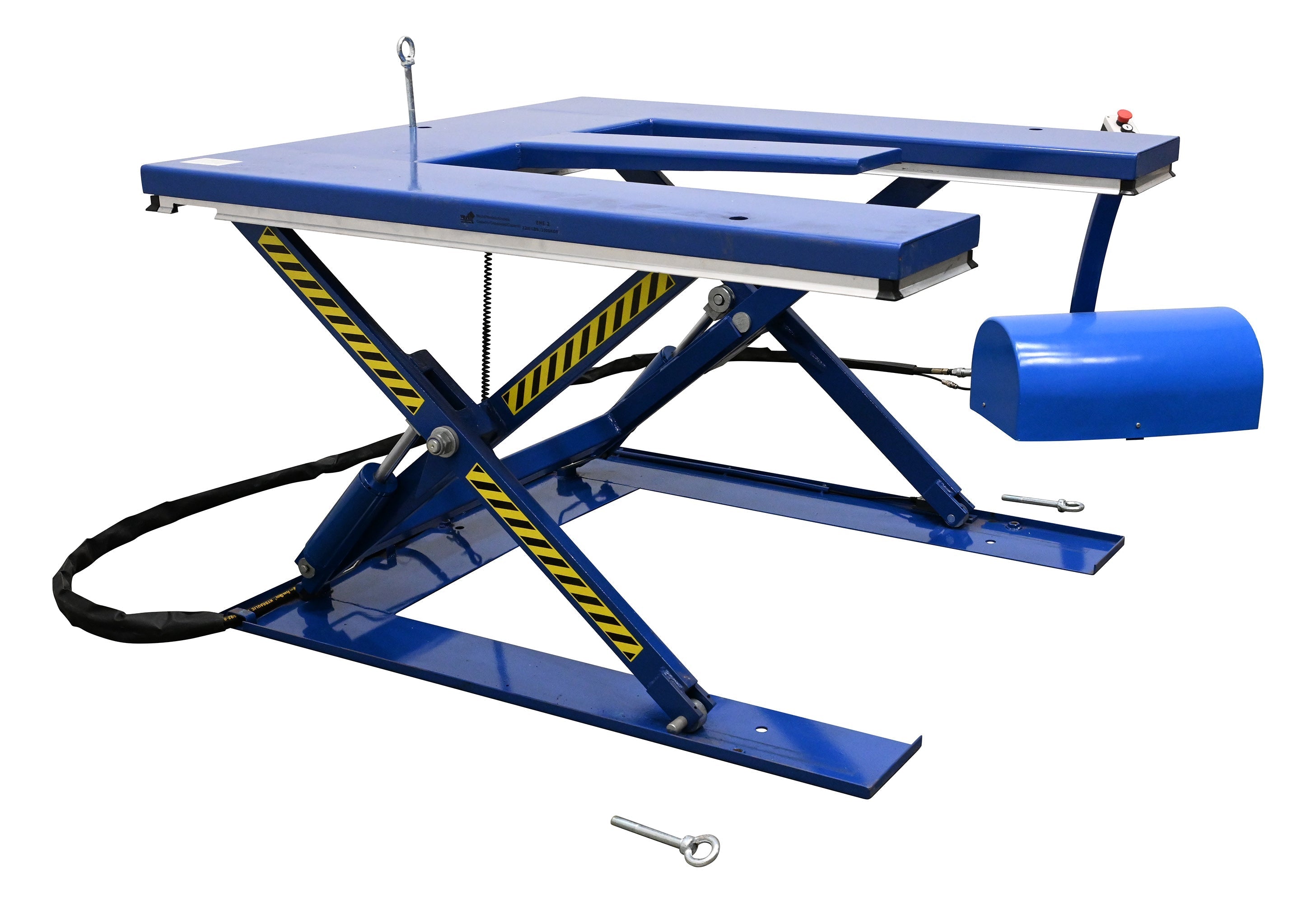
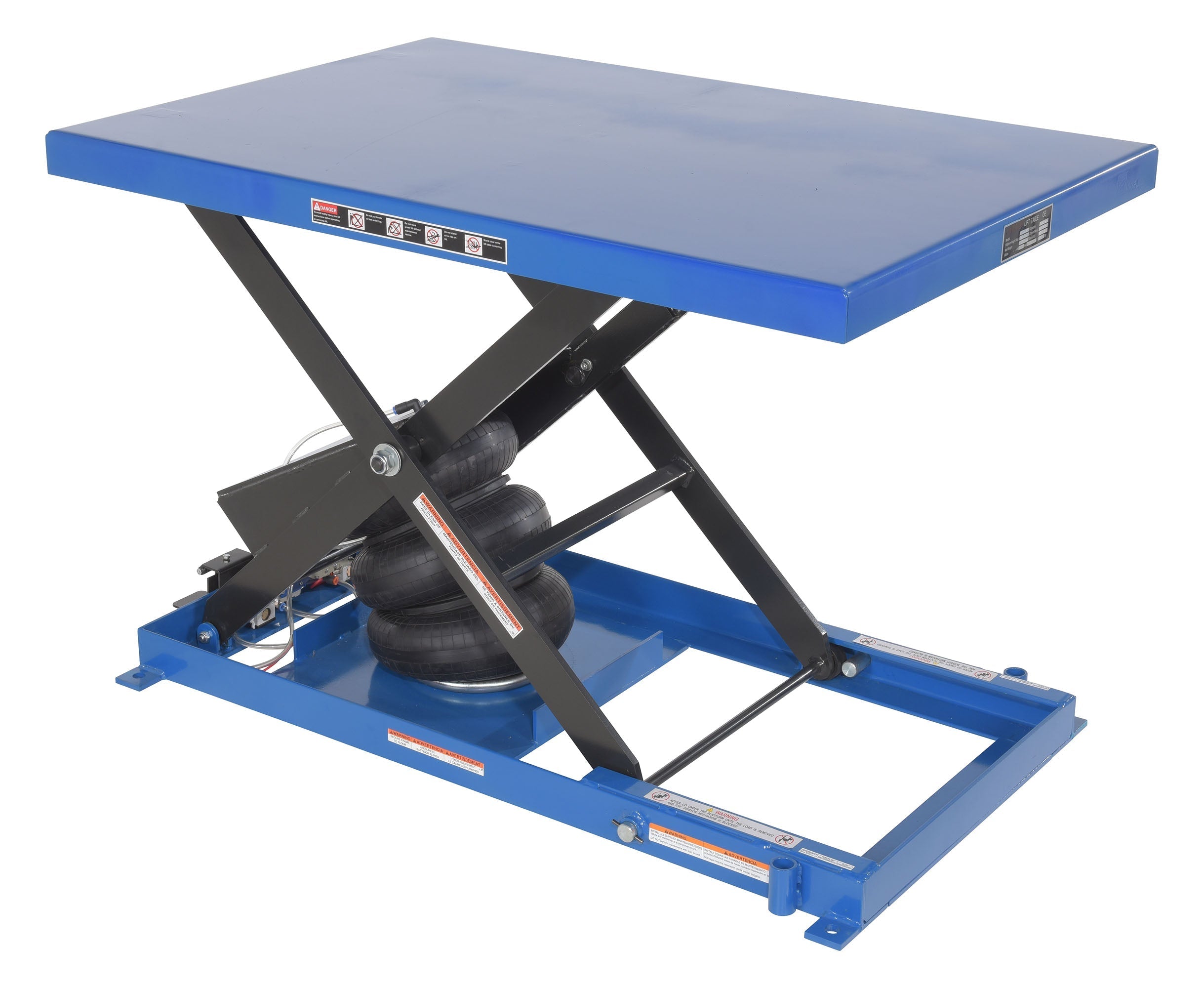
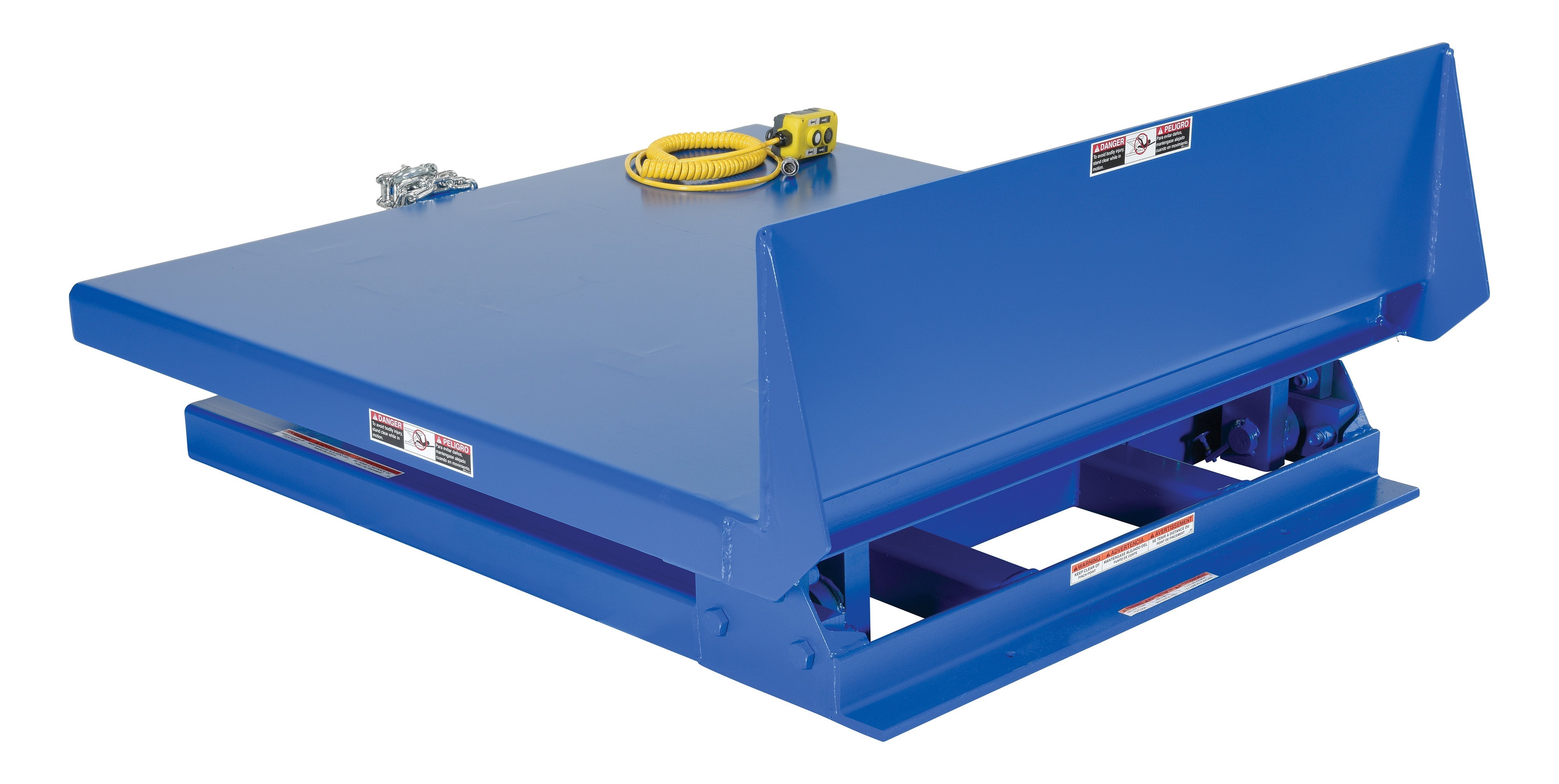
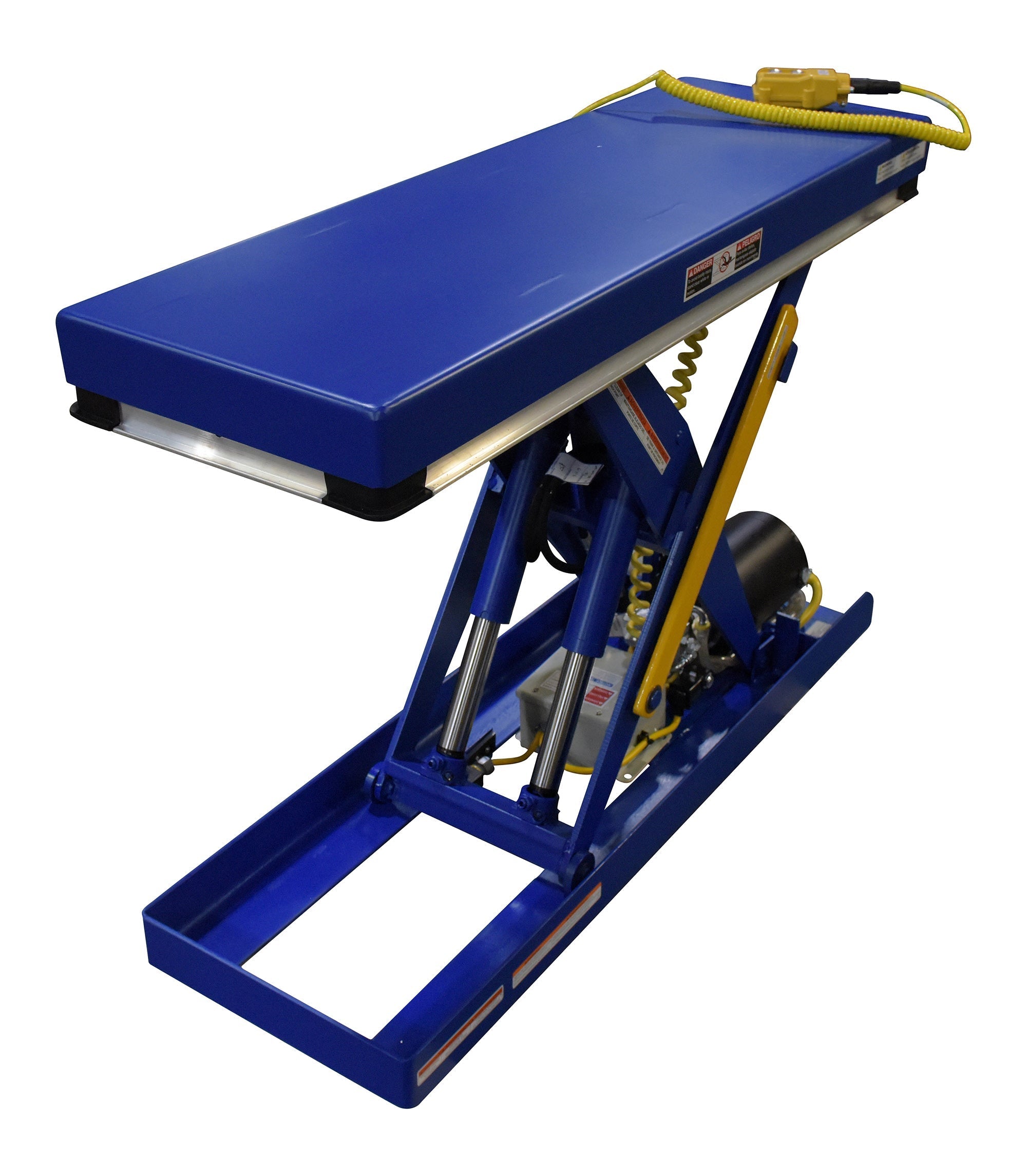
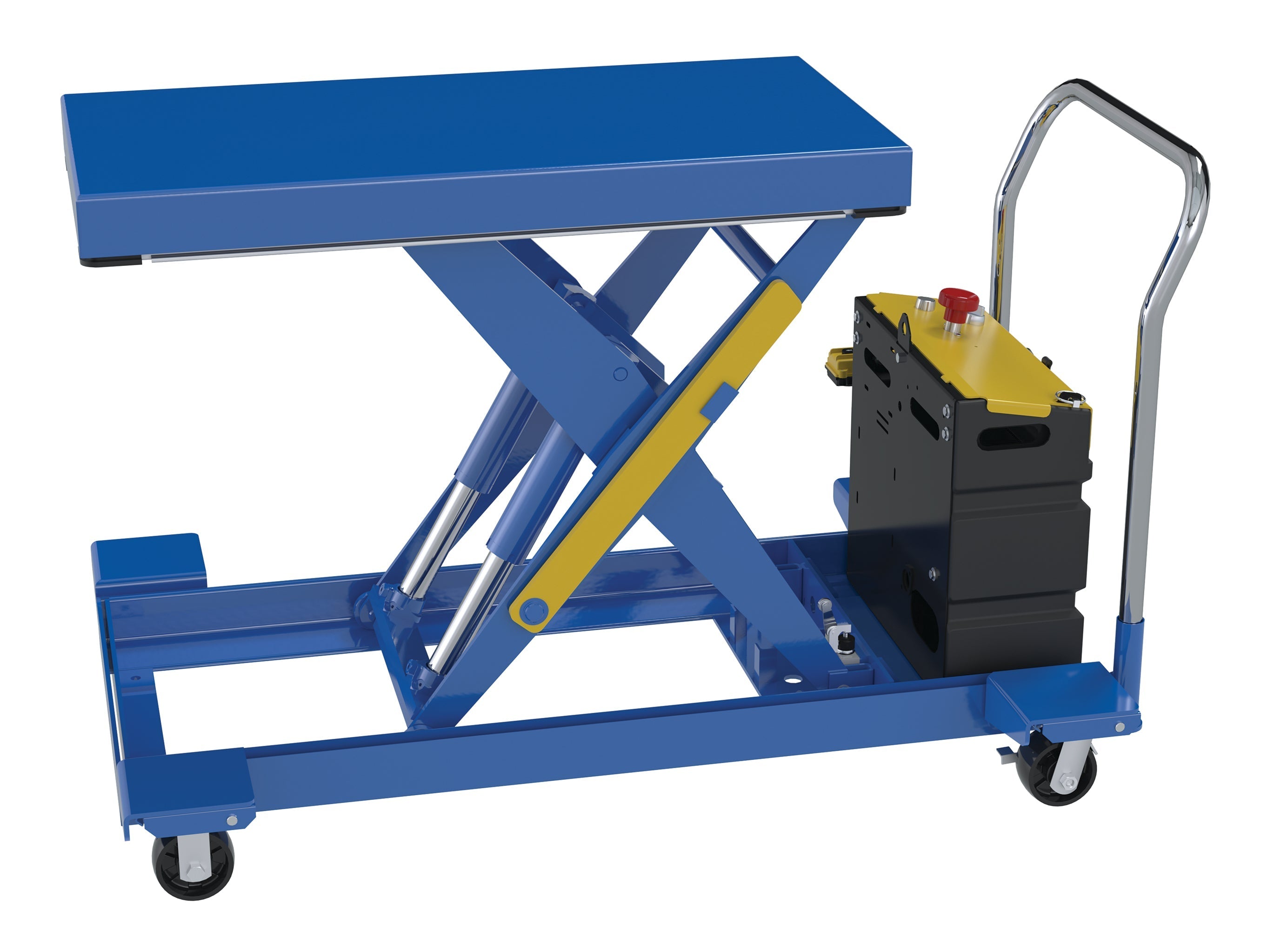
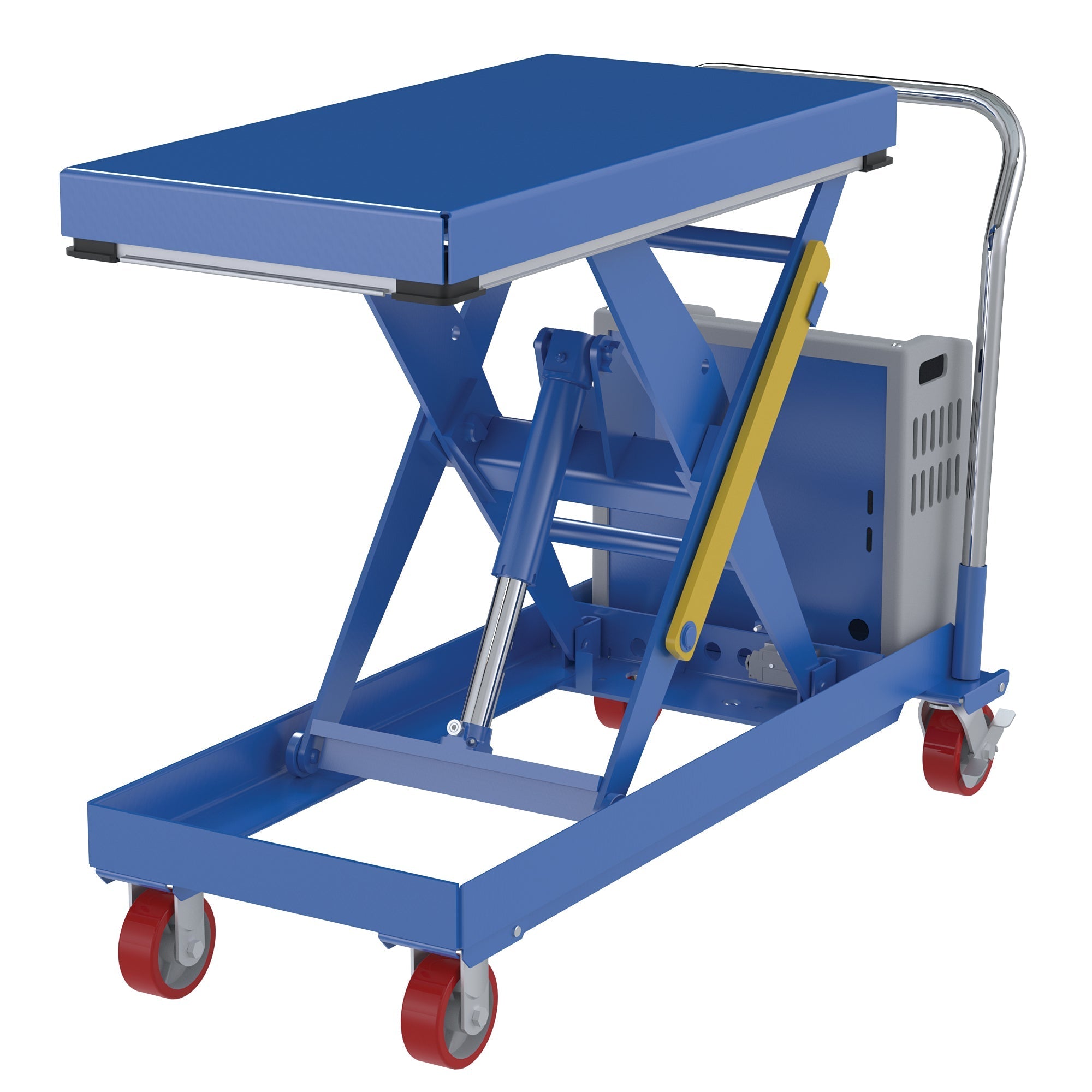
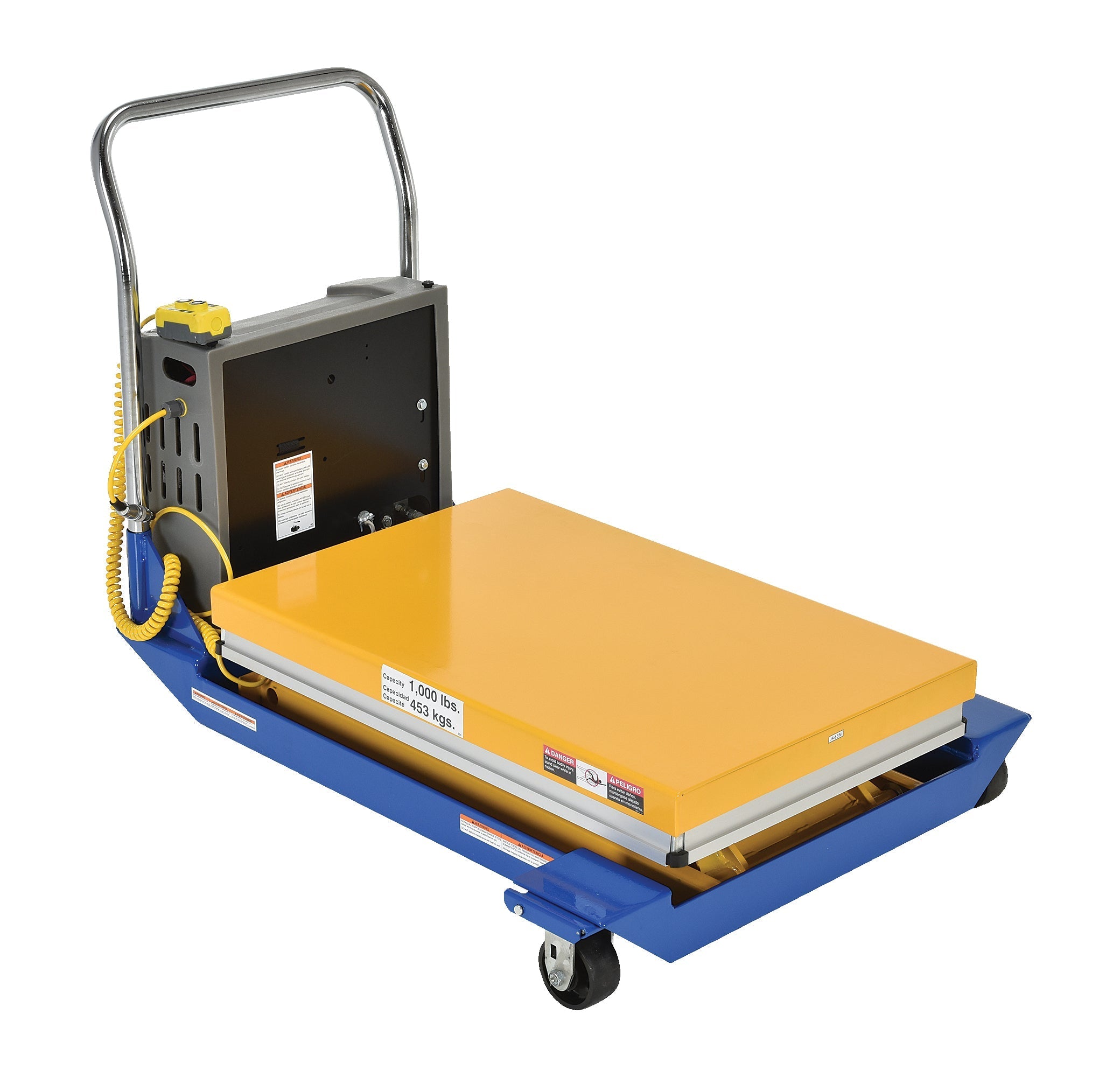
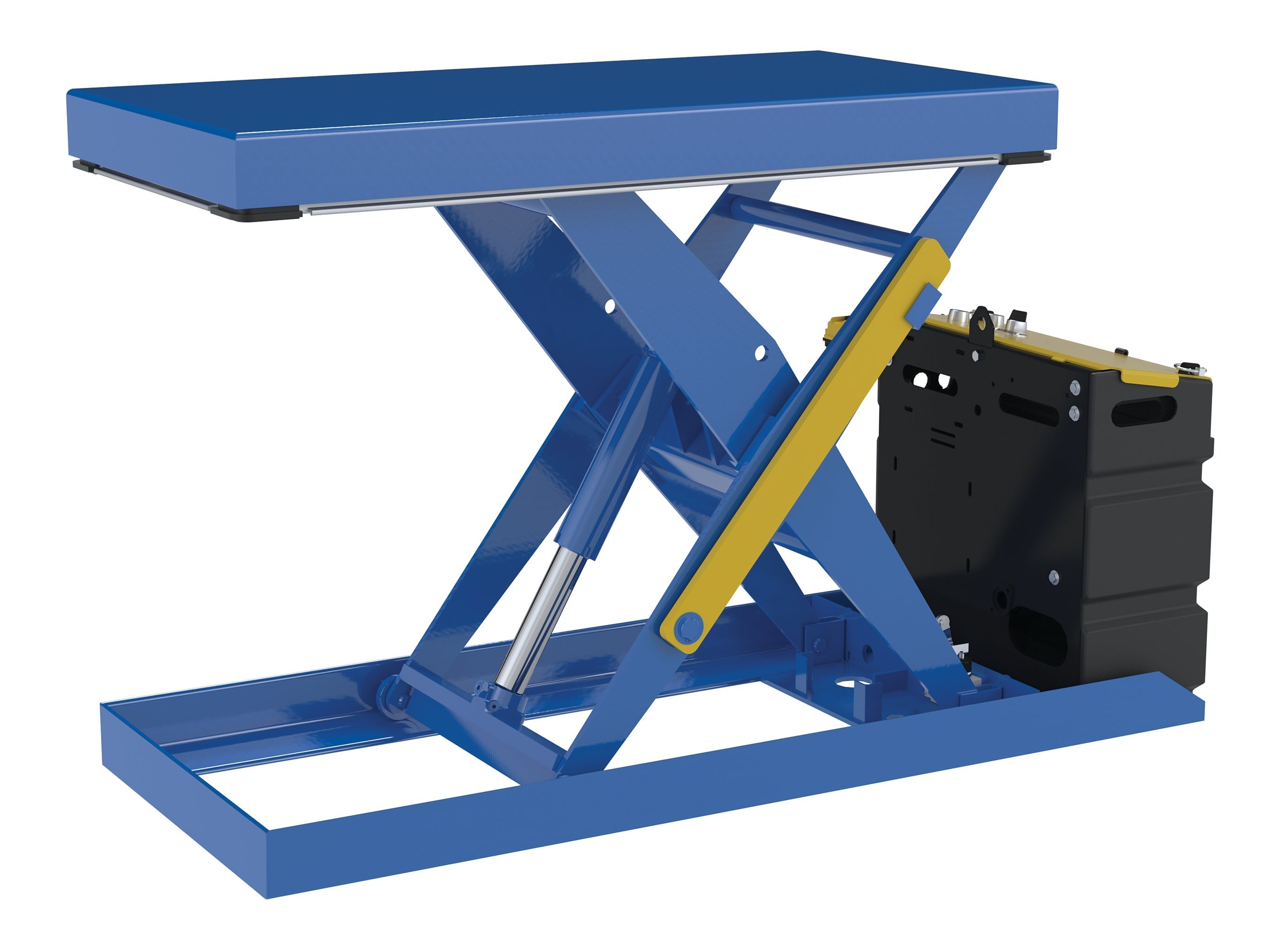
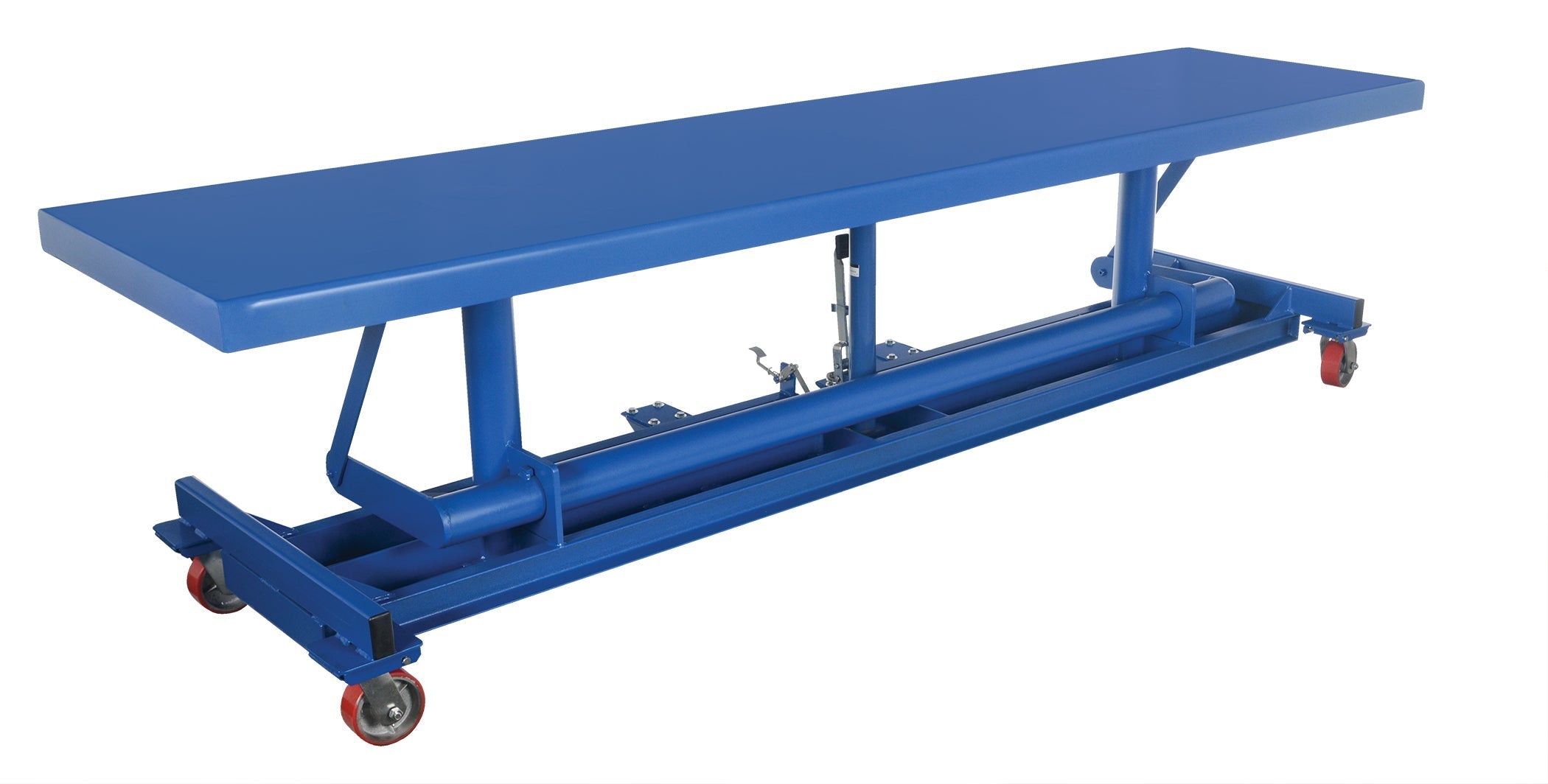
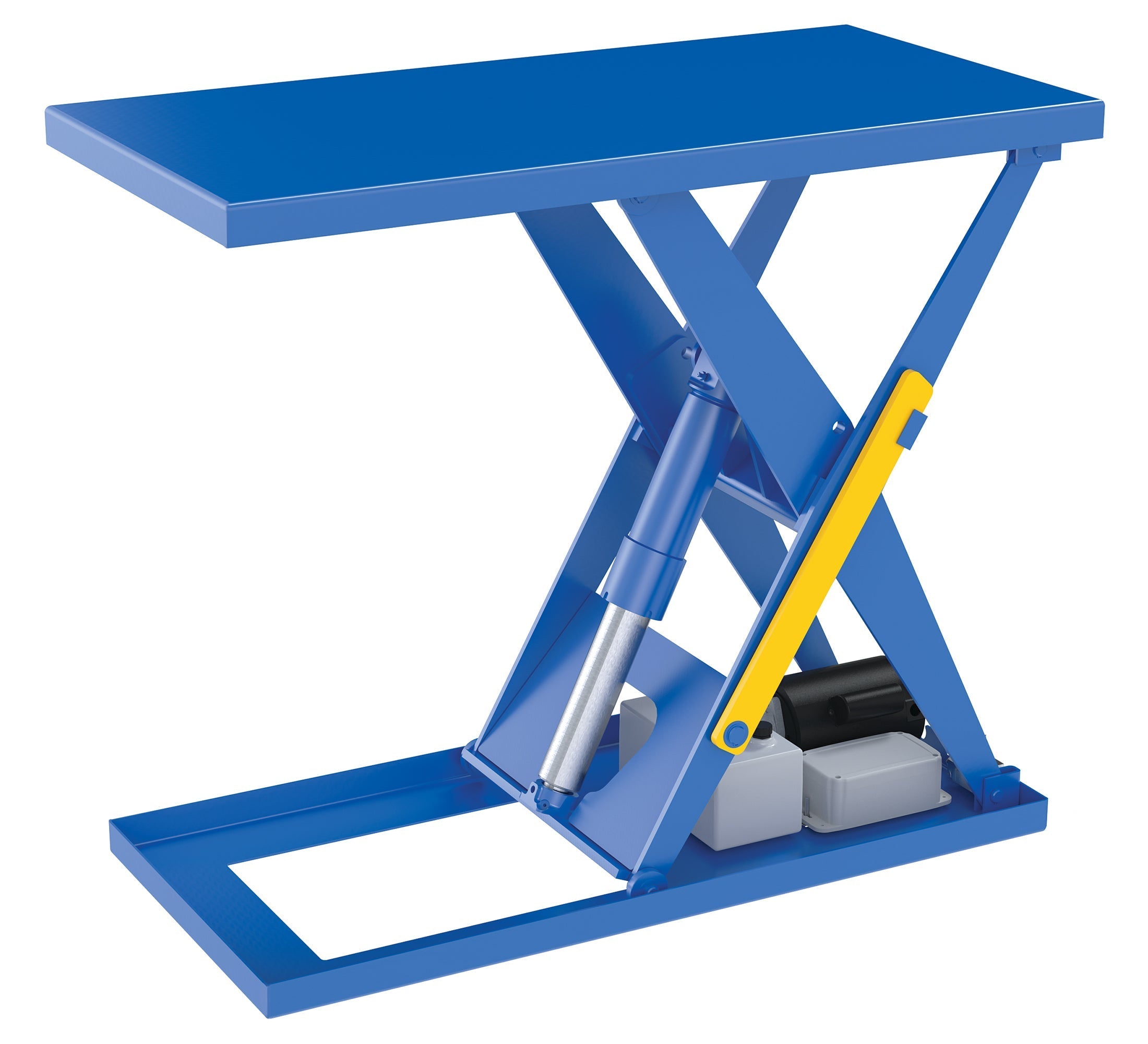
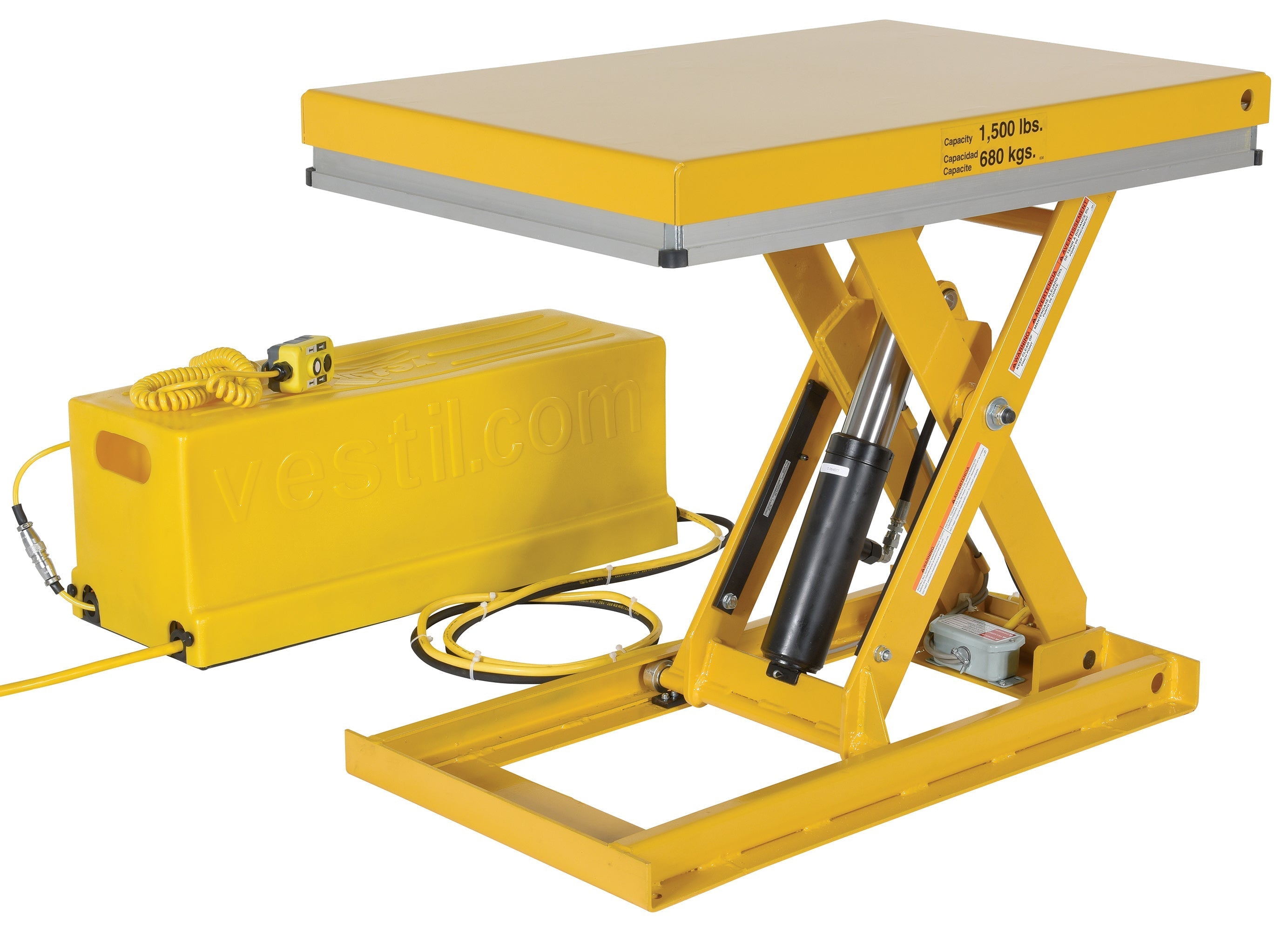
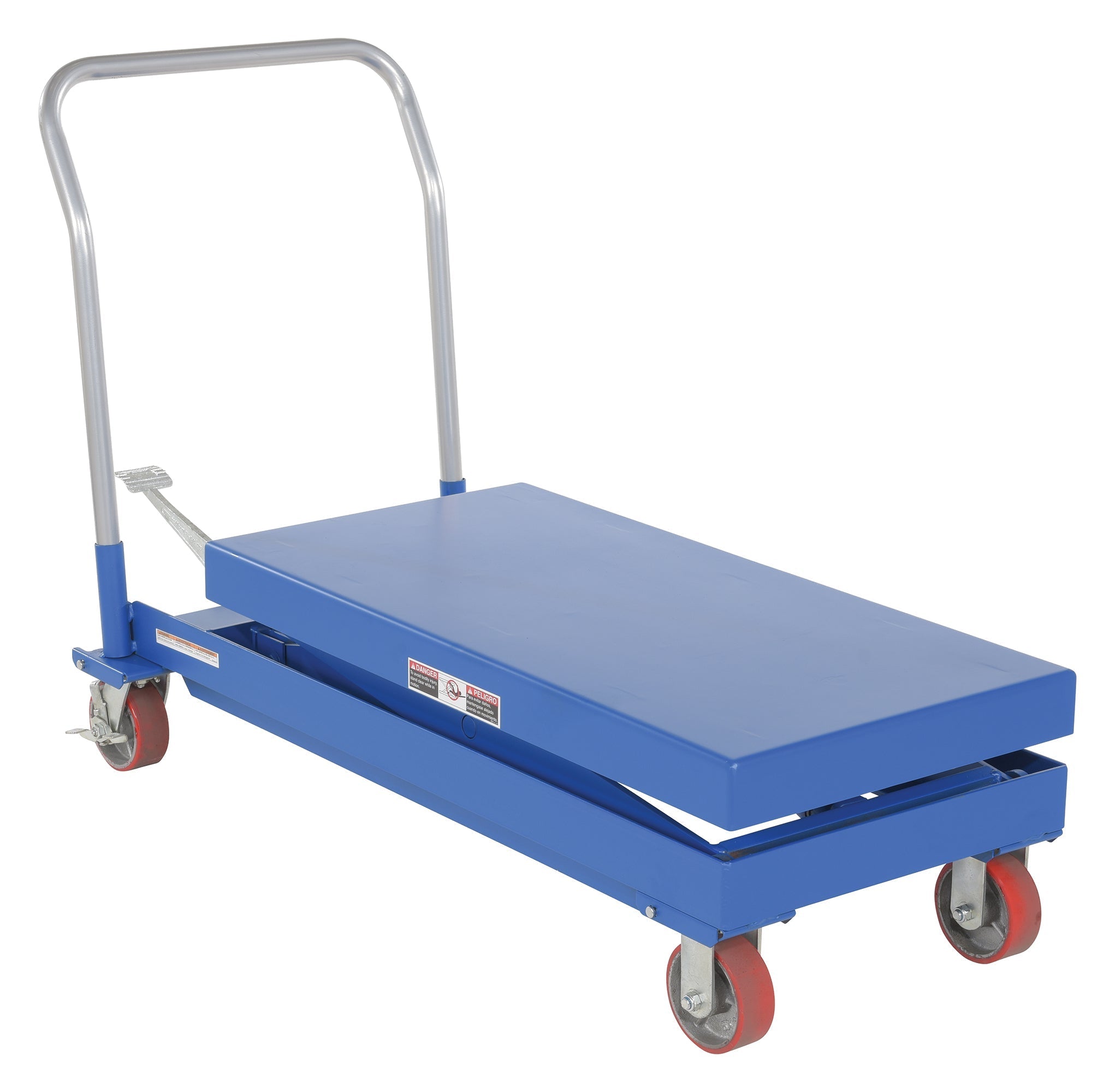
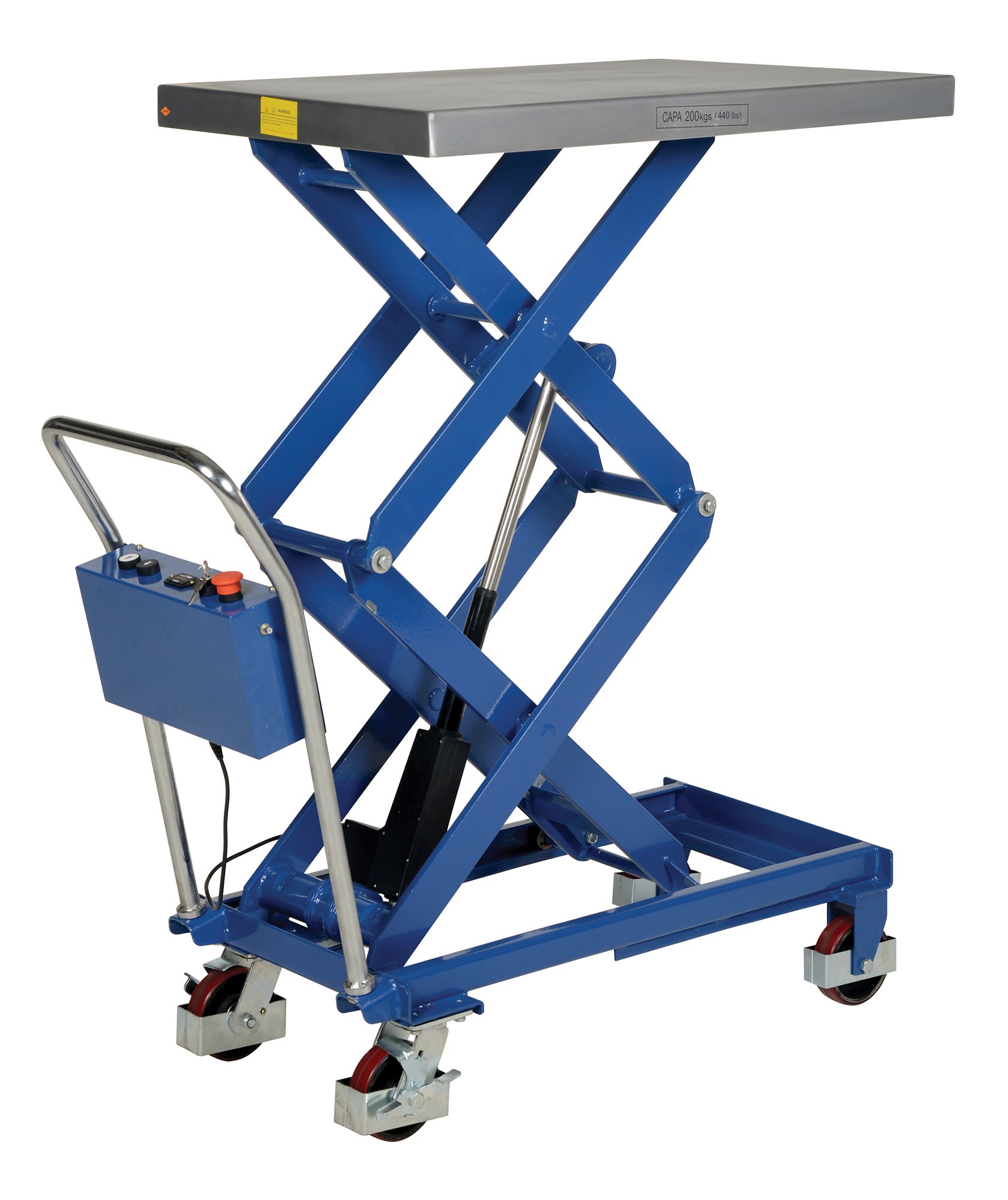
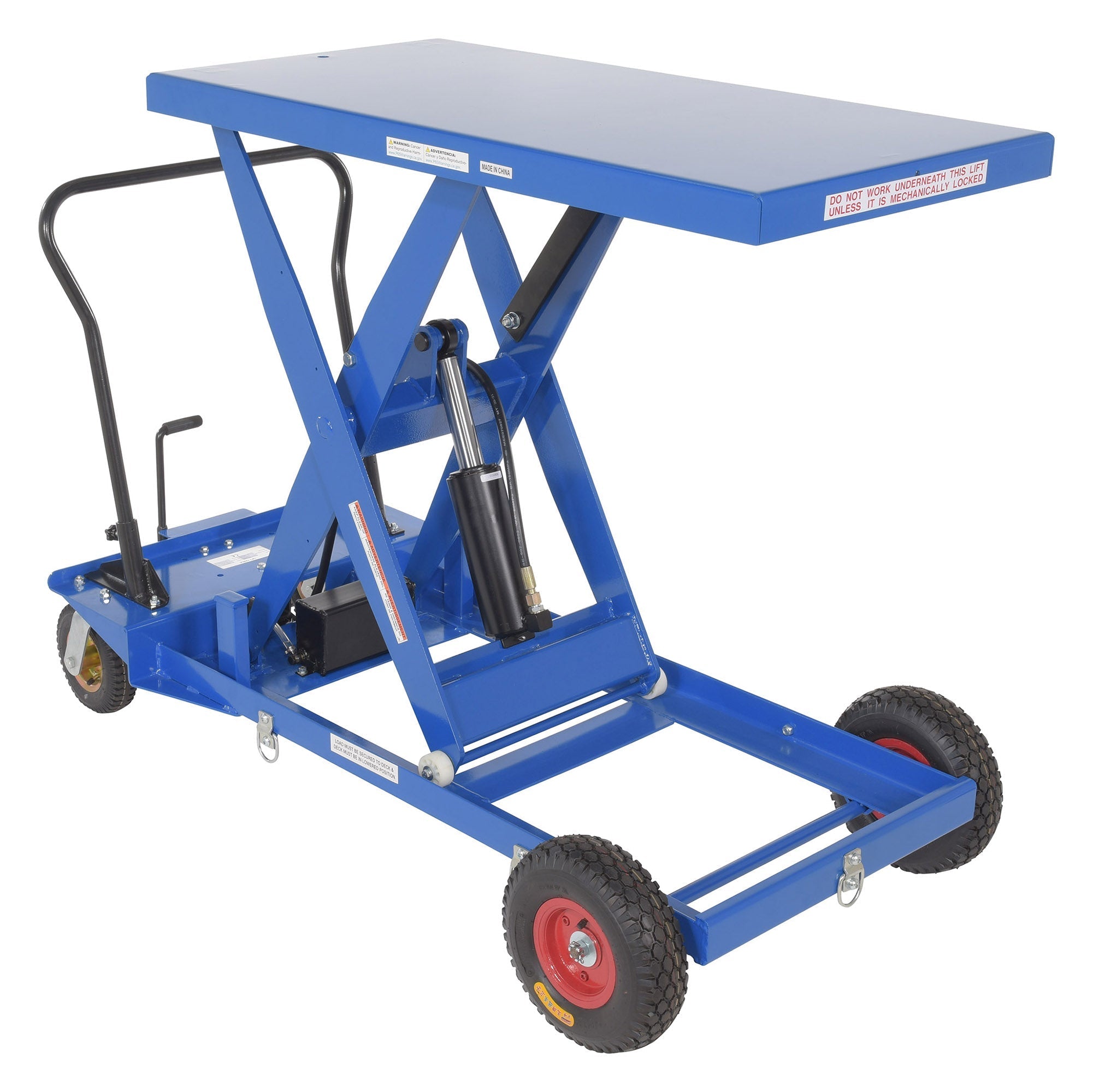
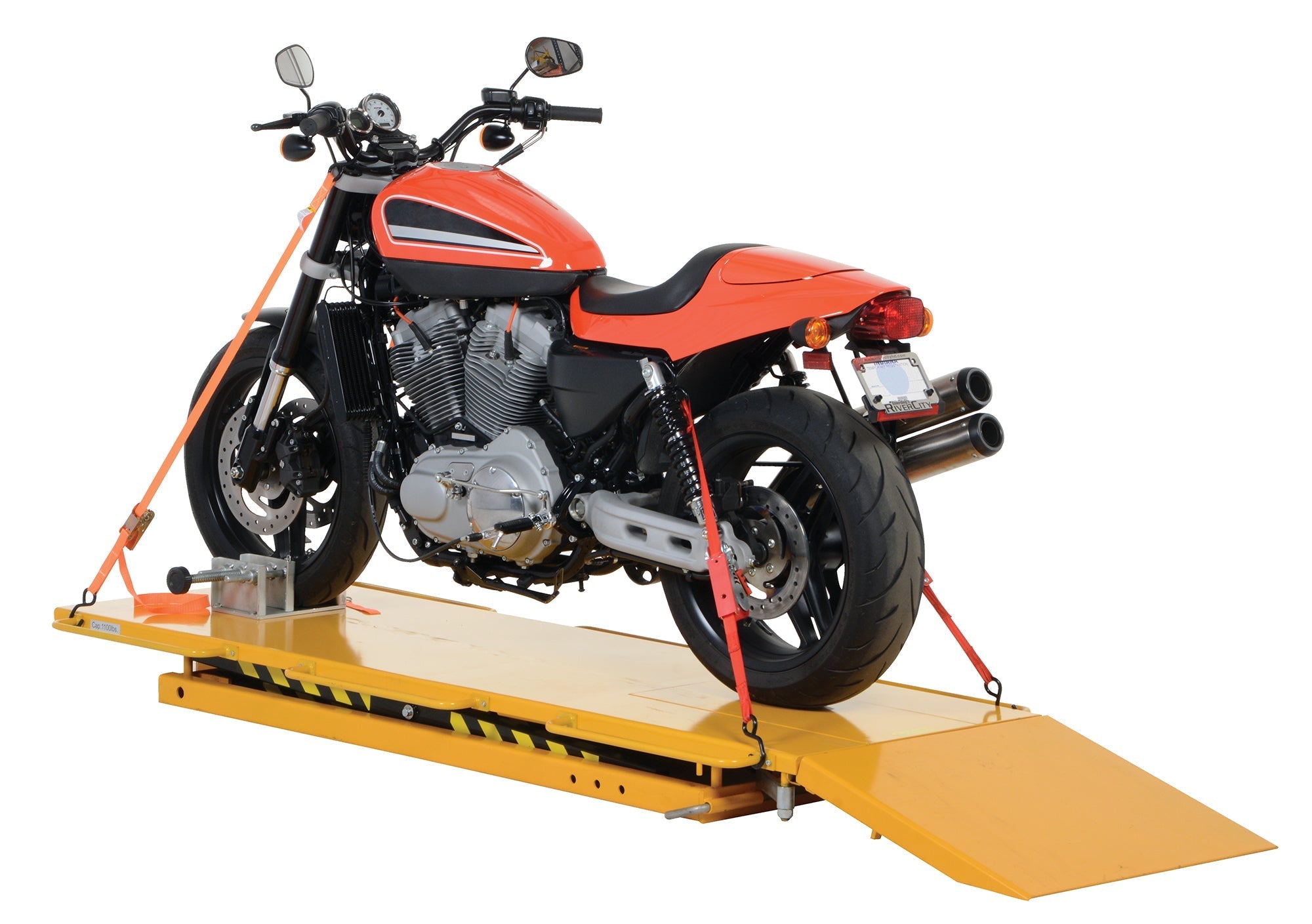
Bring the work up into the power zone. The highest-value fix is keeping the work between mid-thigh and mid-chest, the range OSHA calls the power zone, because a lift that starts below the knees or ends above the shoulders loads the back hardest. A lift table does exactly that, holding a pallet, die, or fixture at working height so the hands never leave the zone. Vestil's lift and tilt tables here run from around $1,060 for a compact unit through electric hydraulic scissor models past $10,000 for heavy duty cycles. Post tables trade travel for a smaller footprint, lifting on a column beside the deck for die handling and tight cells, from about $530. Where the load changes weight as it is built or picked, self-elevating spring tables do the adjusting for you: a calibrated spring pack sinks as boxes go on and rises as they come off, holding the top layer at a constant reach with no power and no pedal, from roughly $1,360. All of these are built to ANSI MH29.1, the safety standard for industrial scissors lifts.
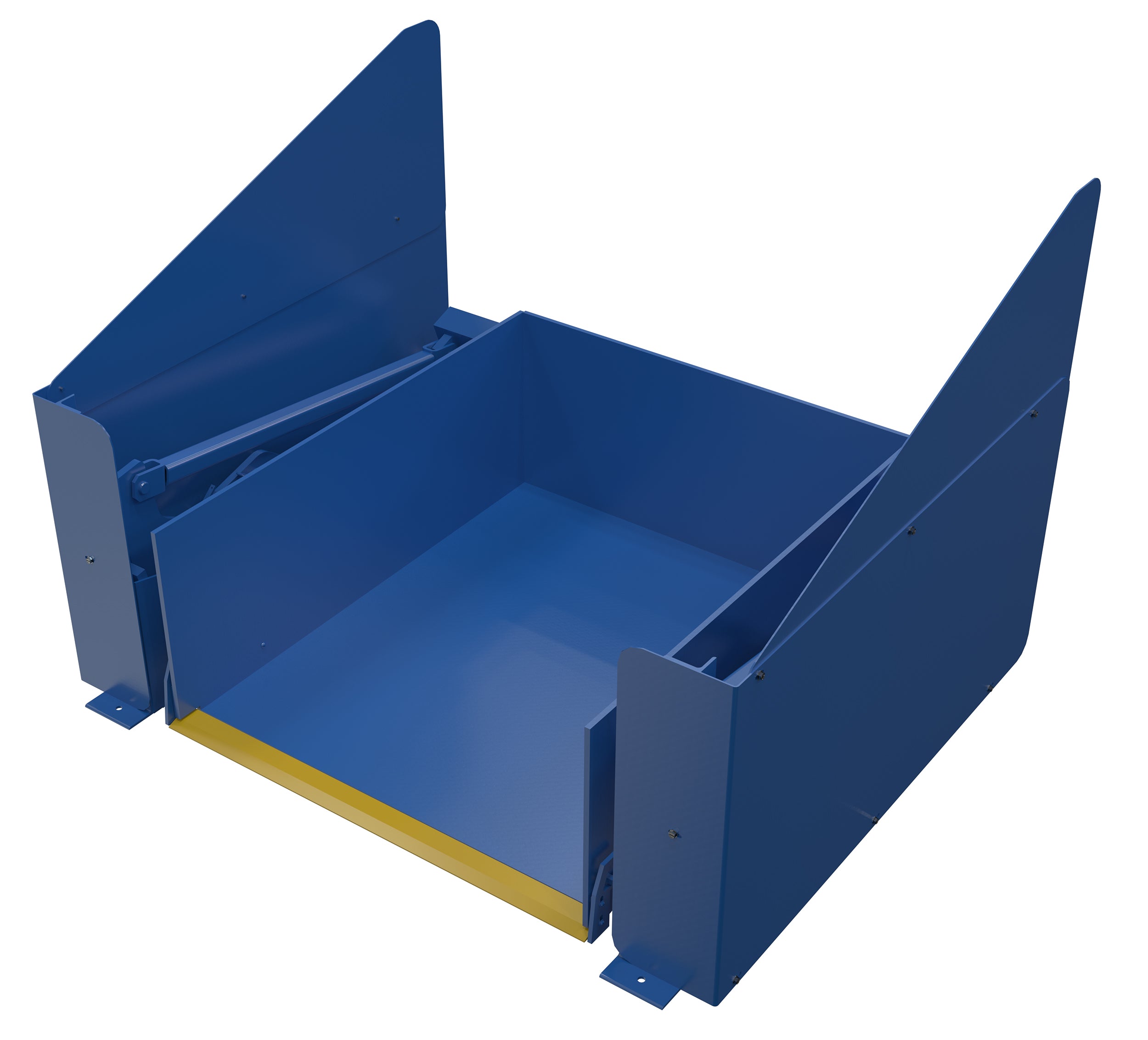
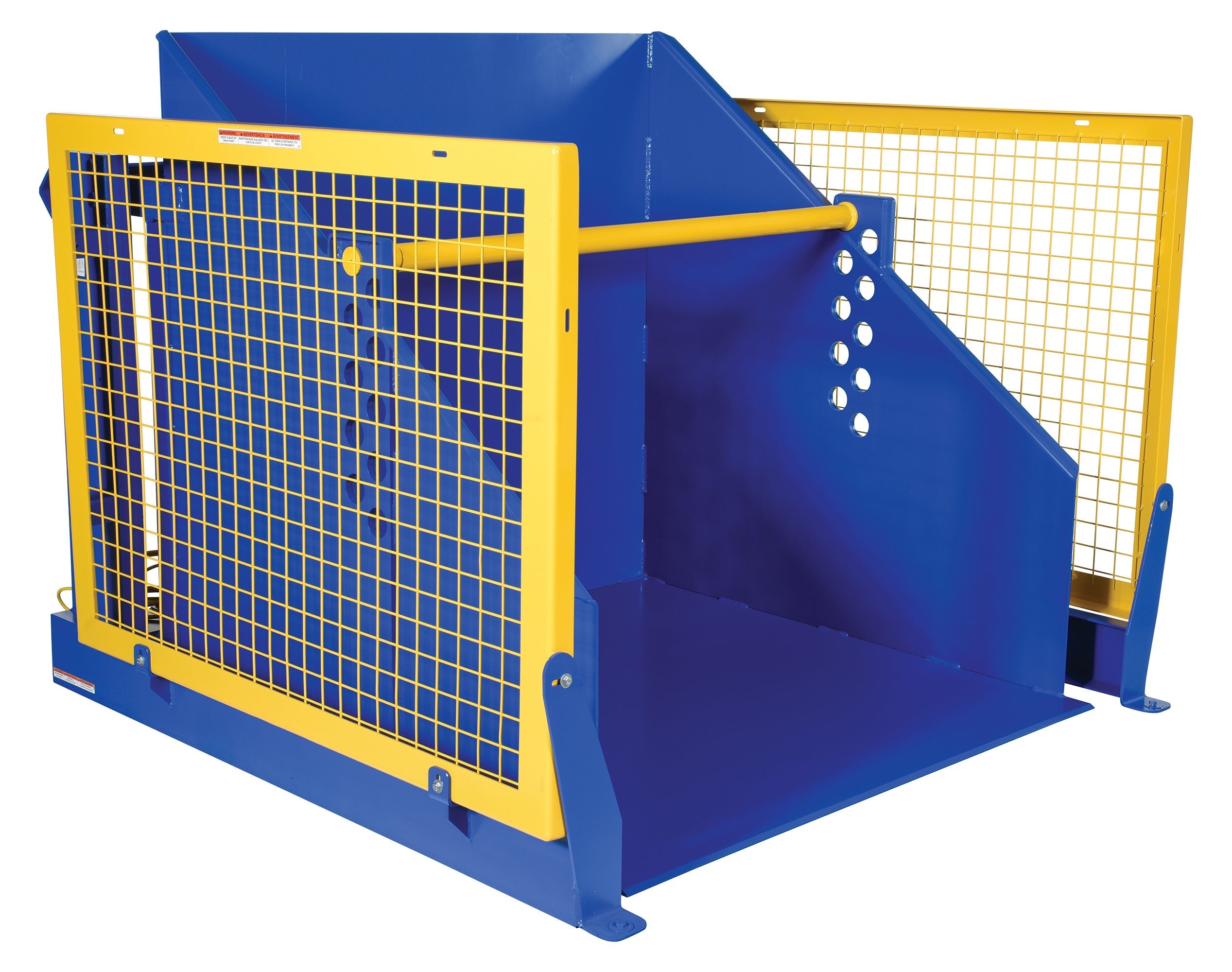
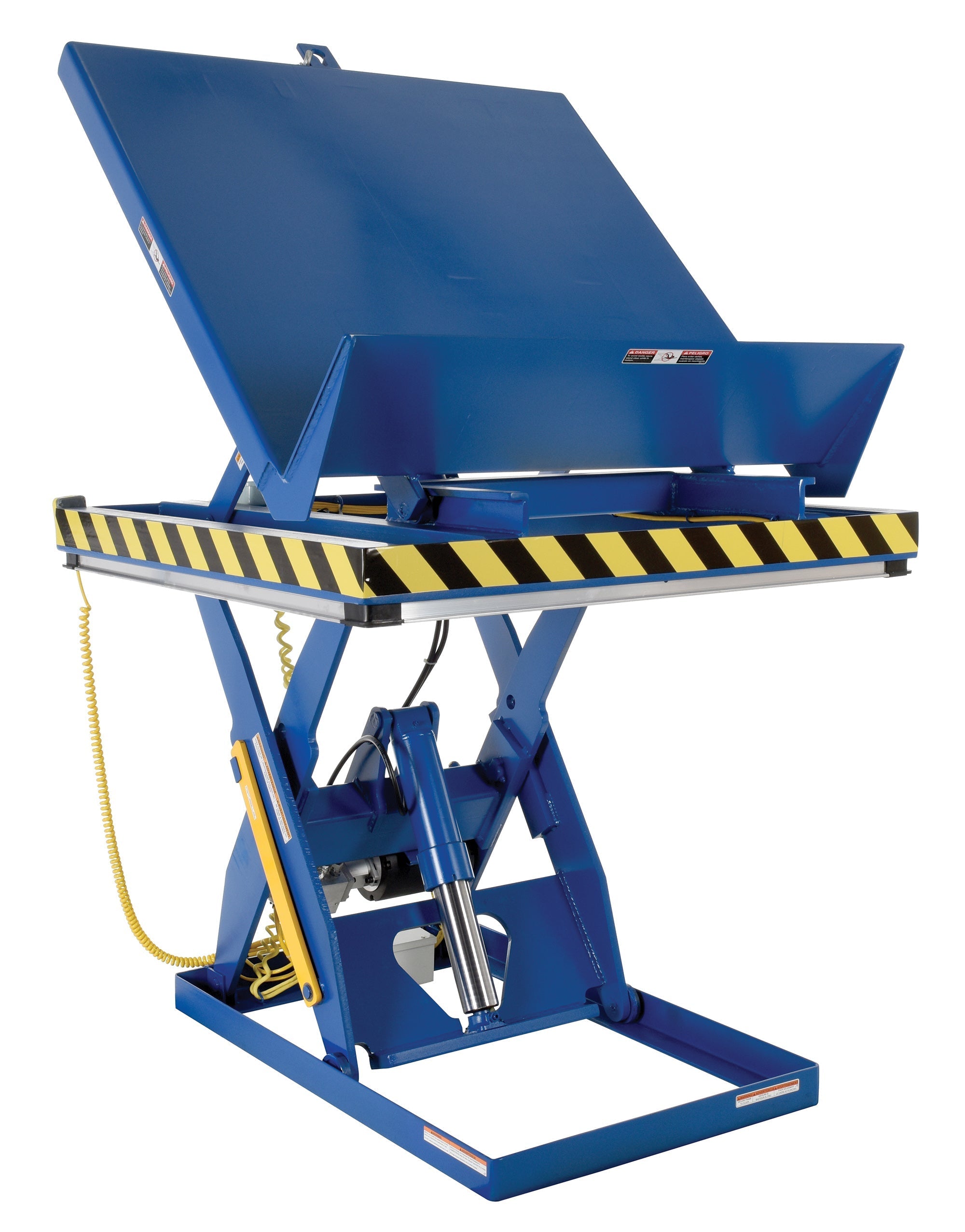
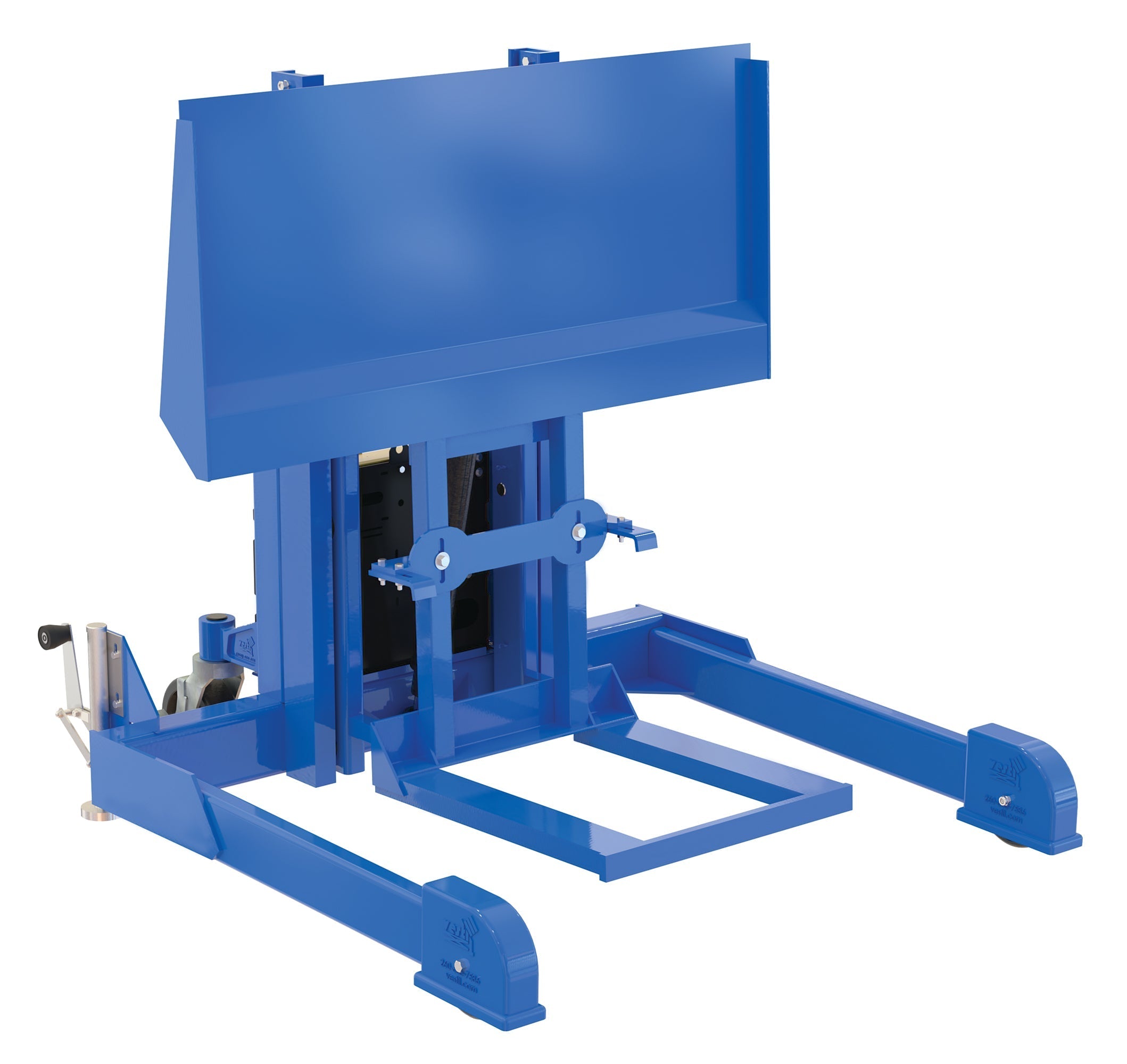
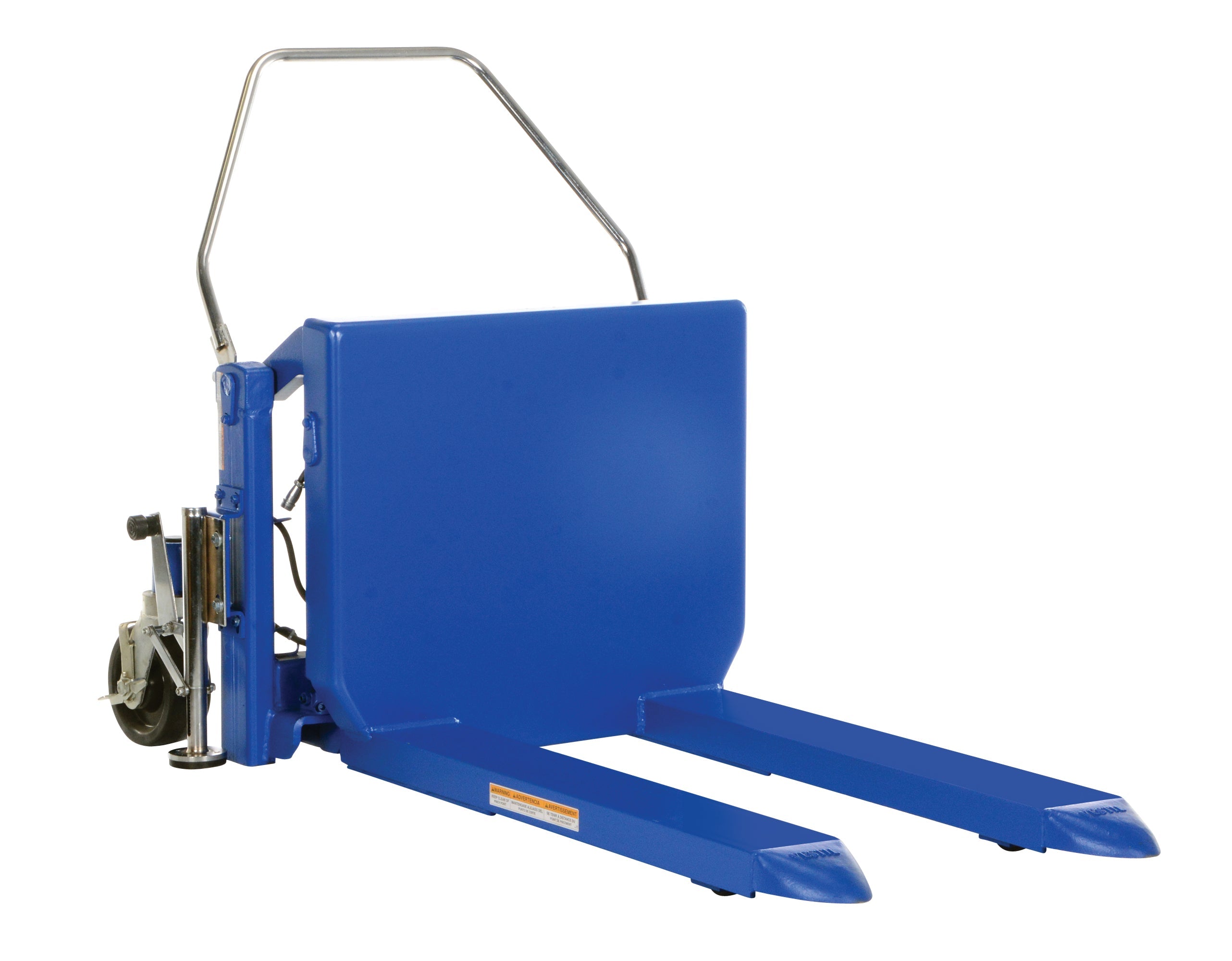
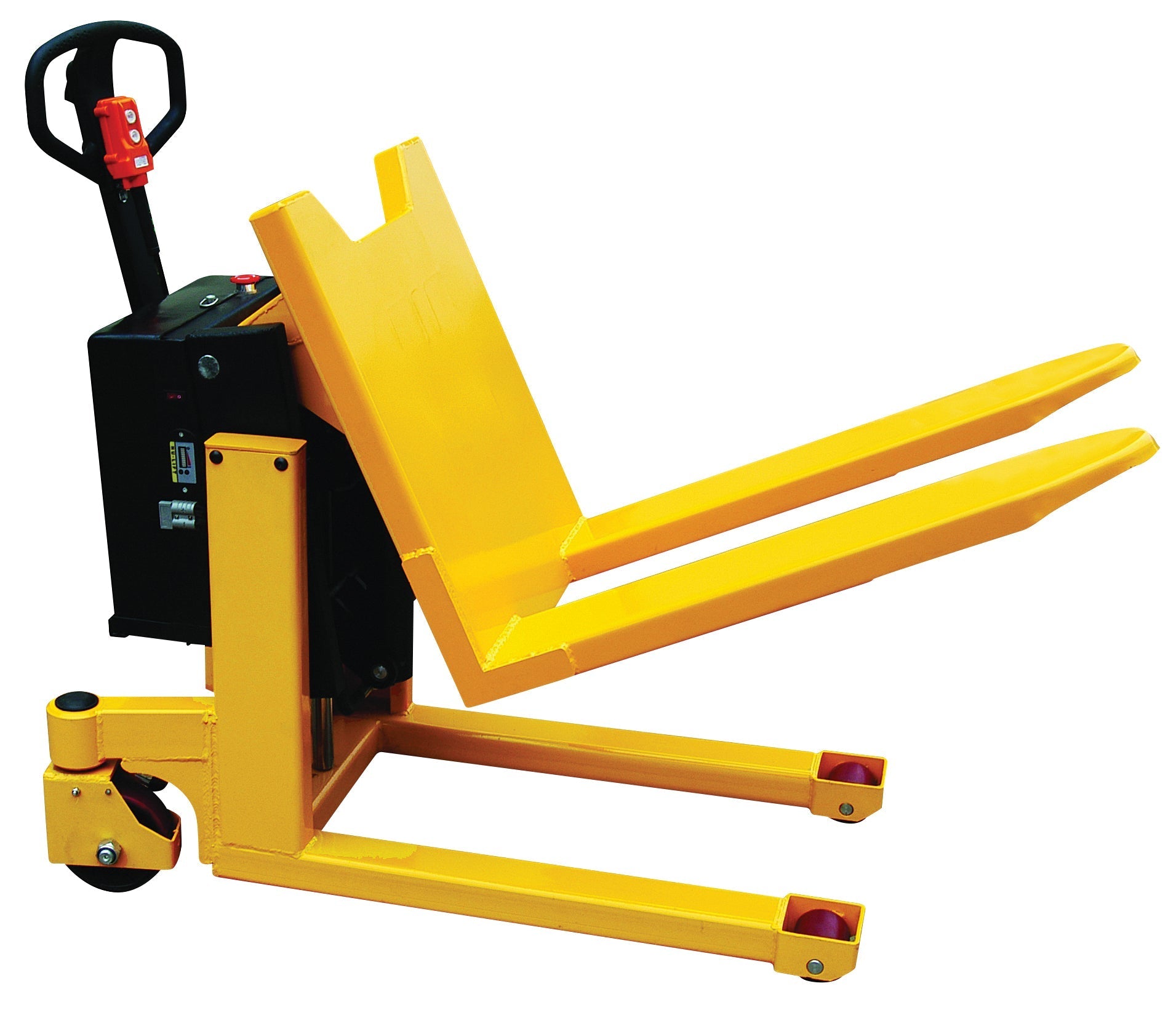
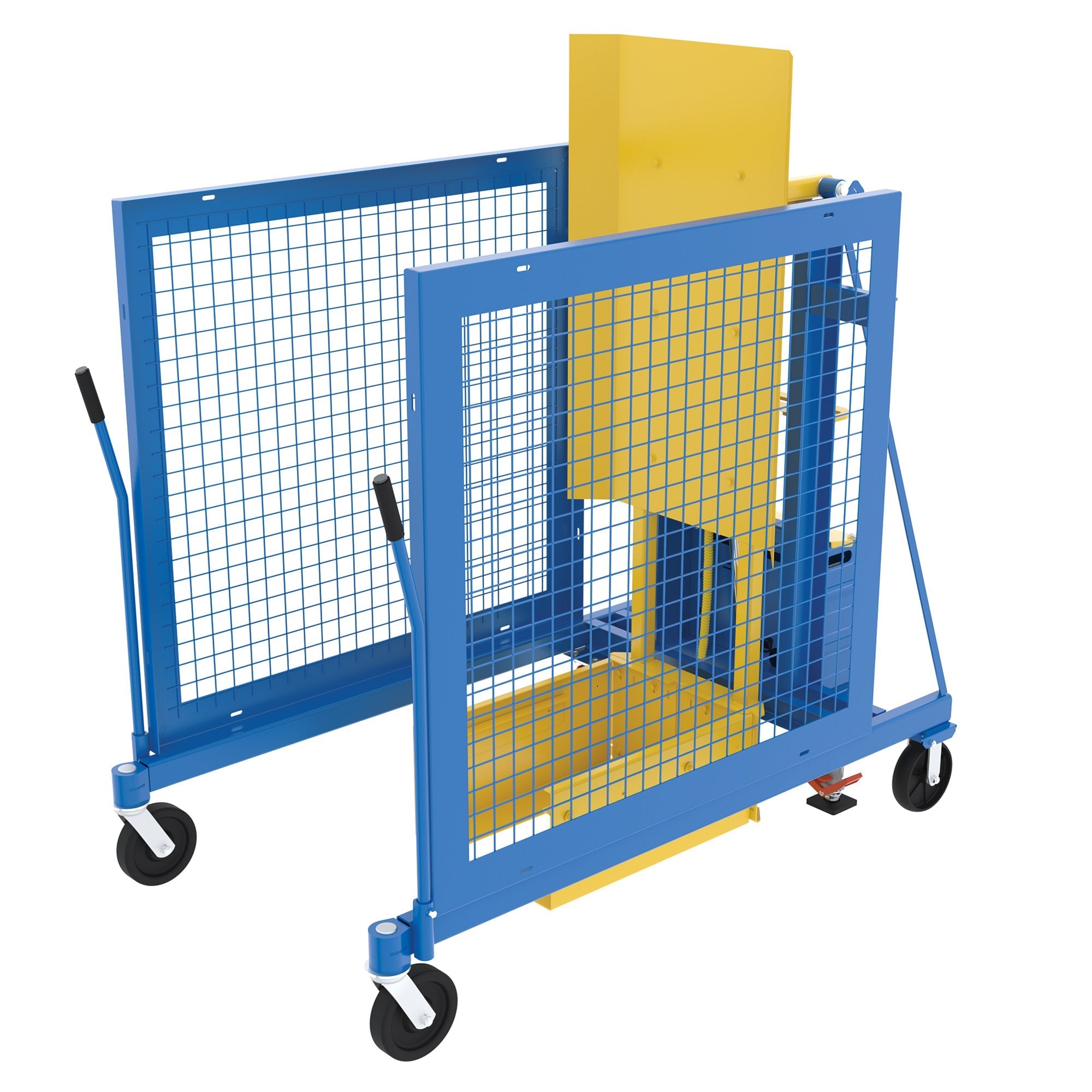
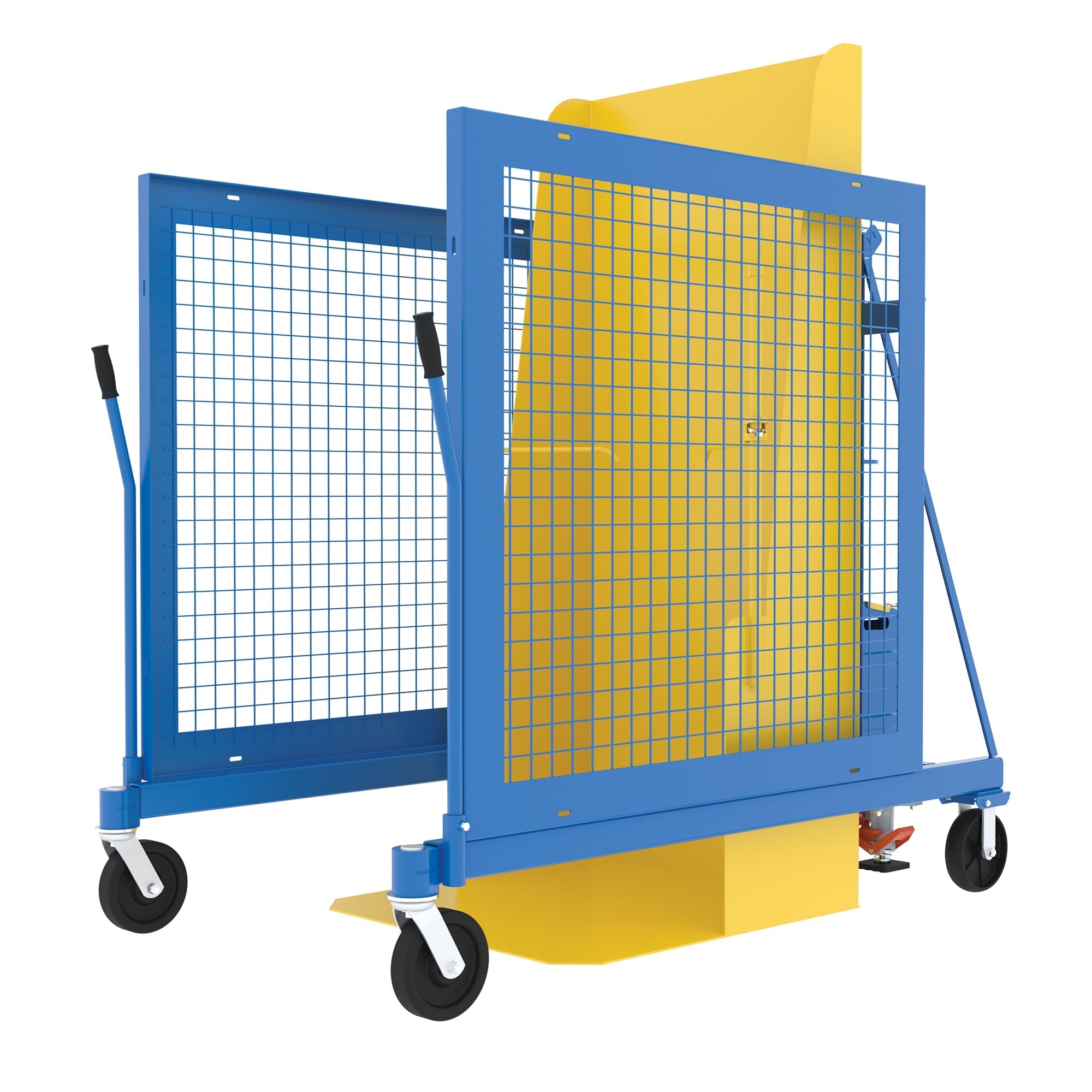
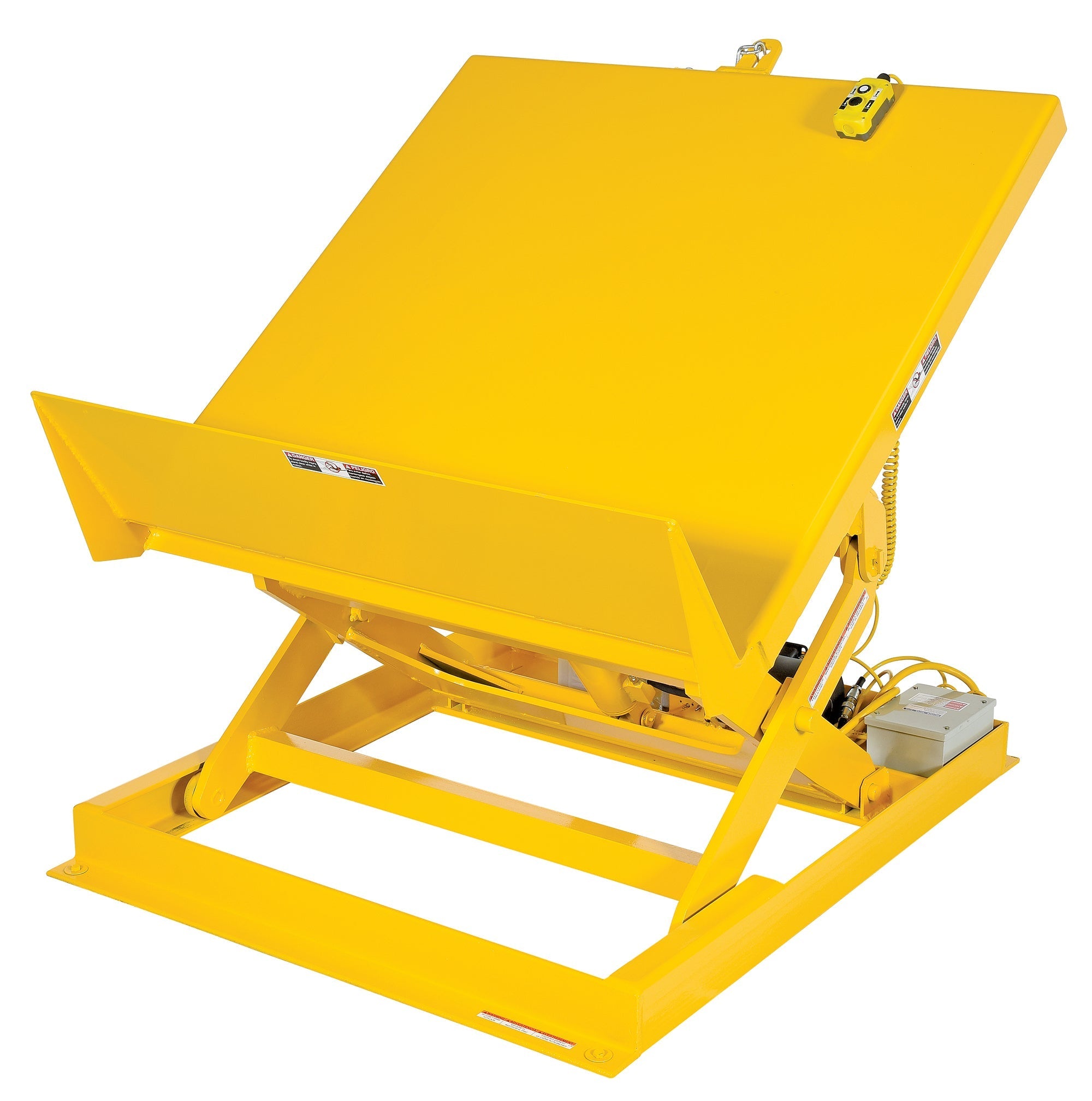
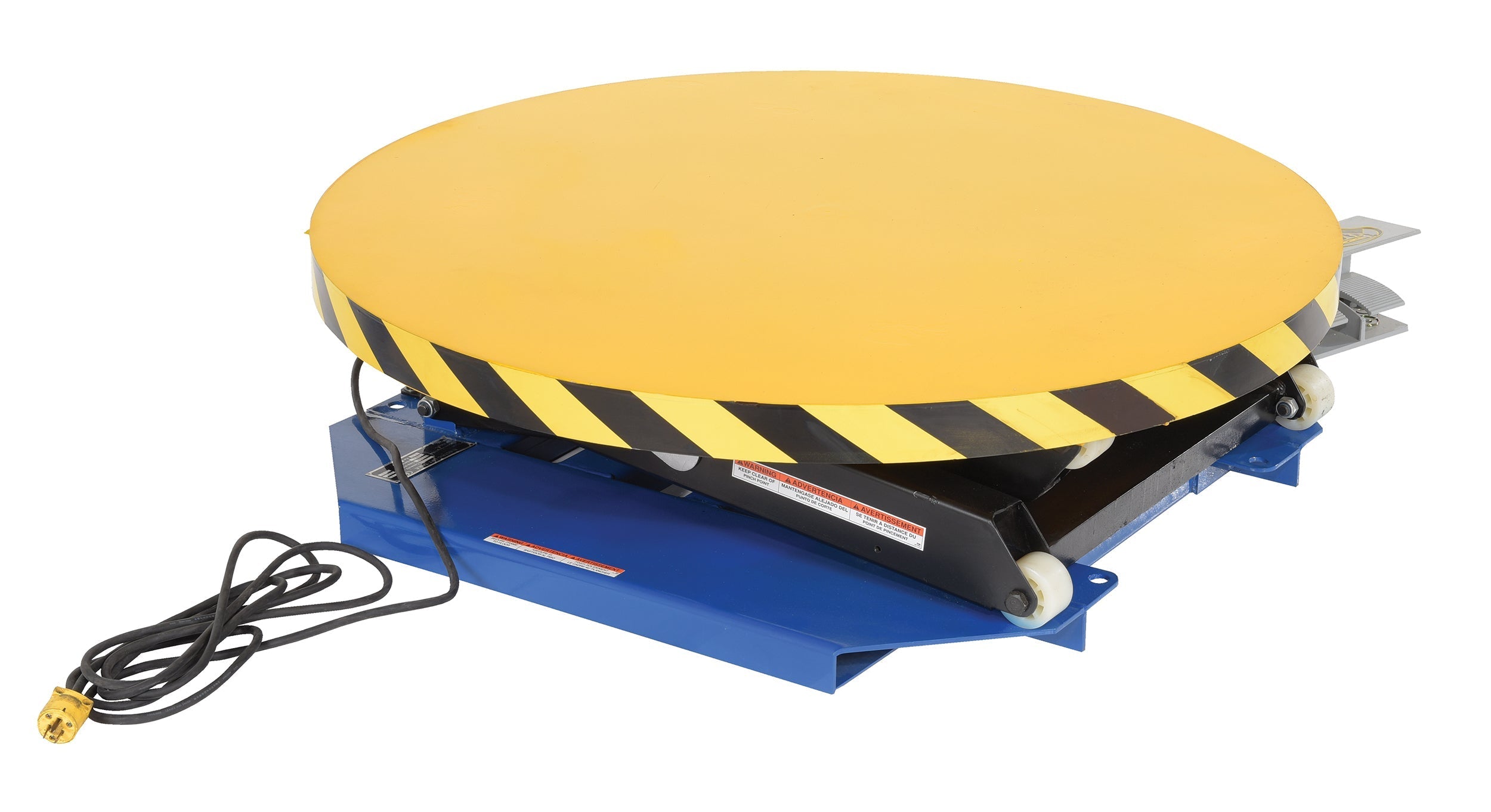
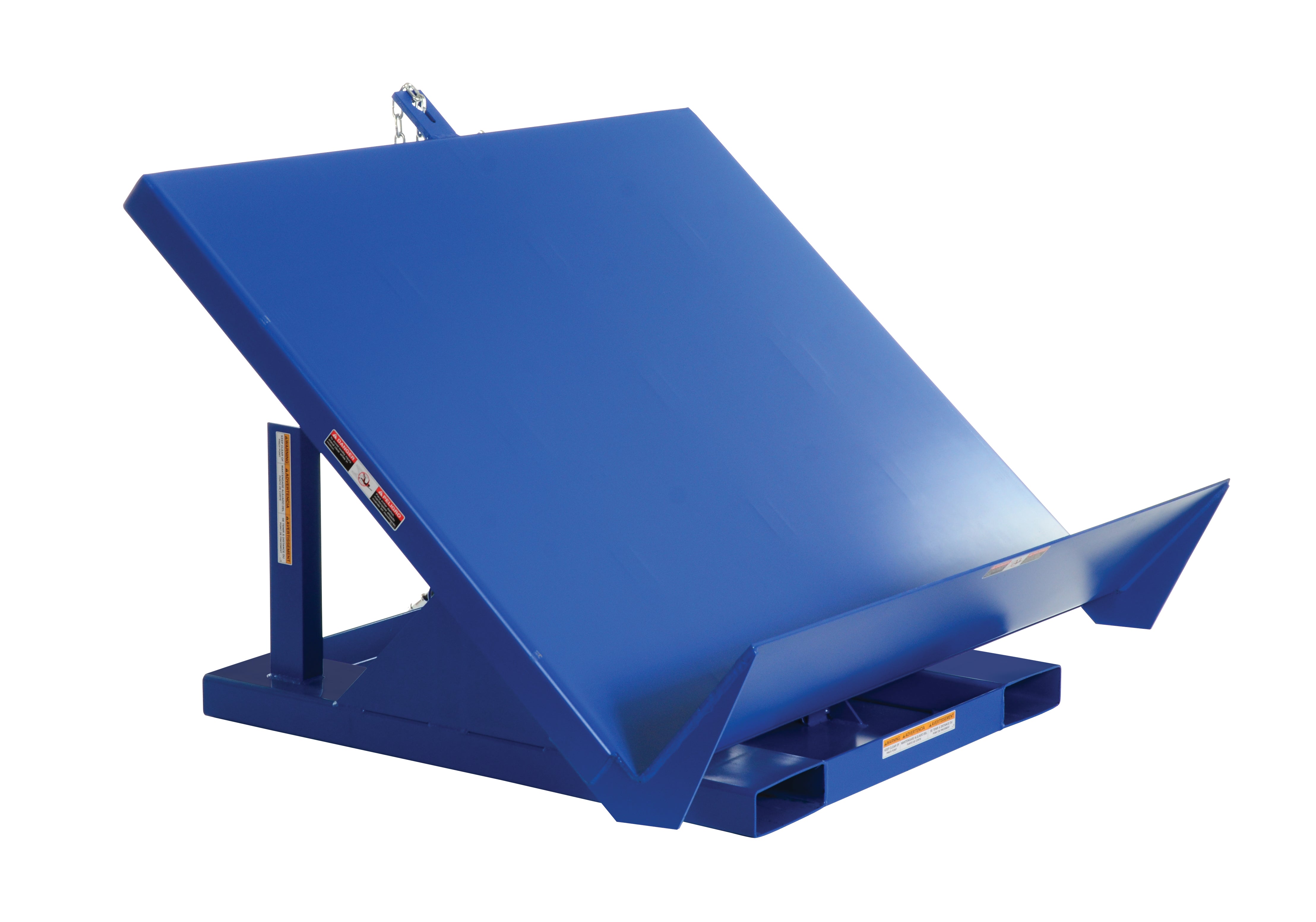
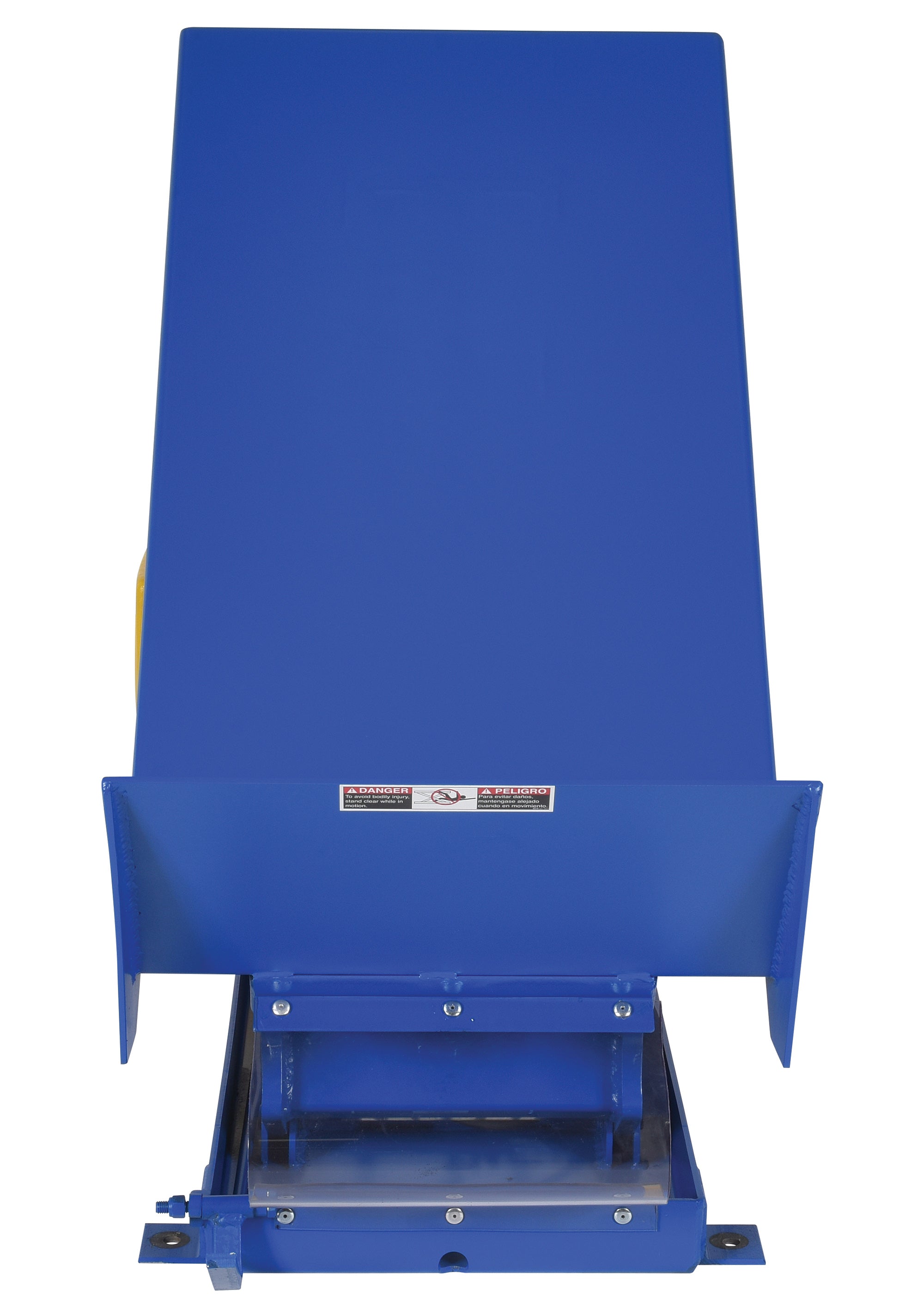
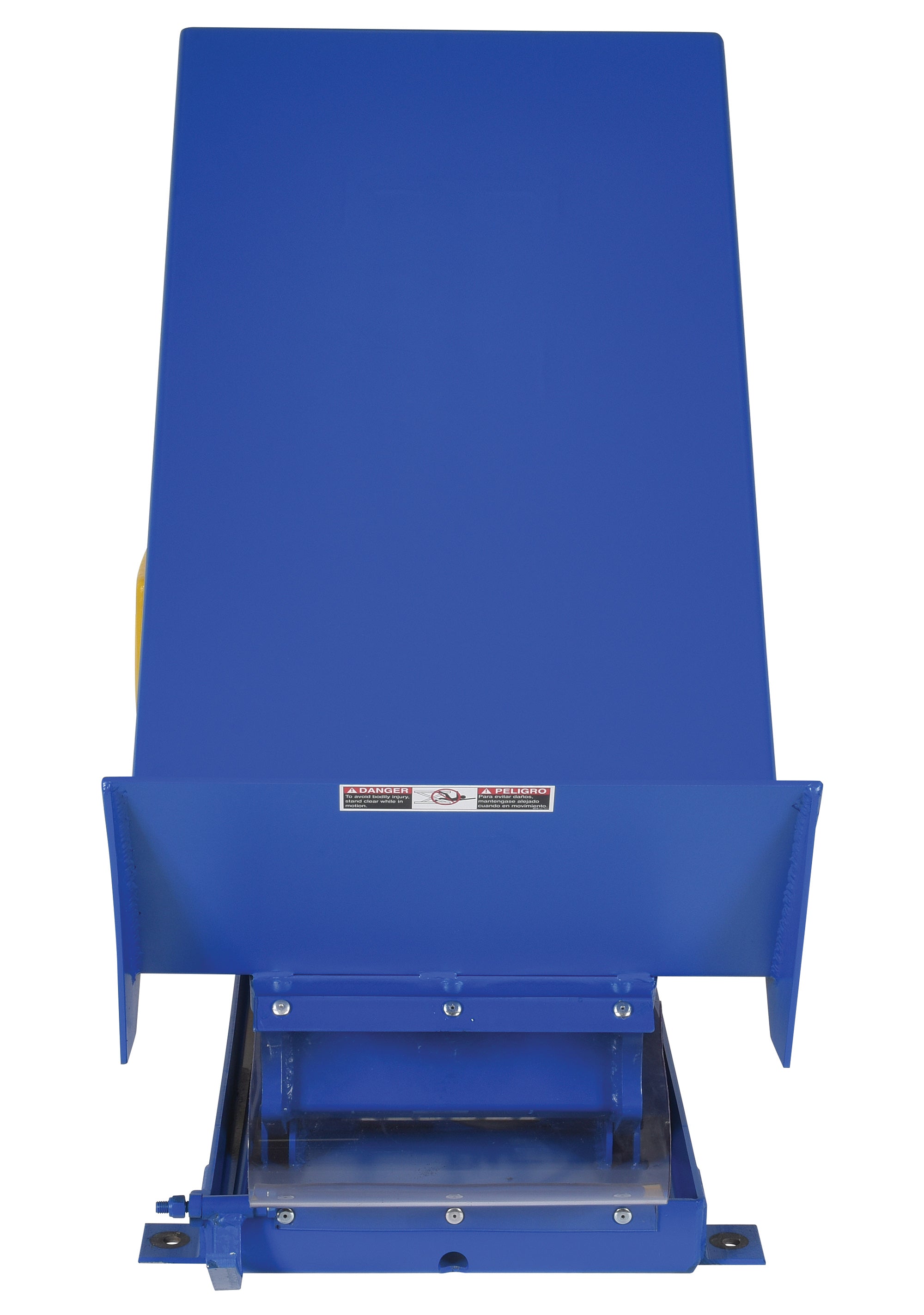
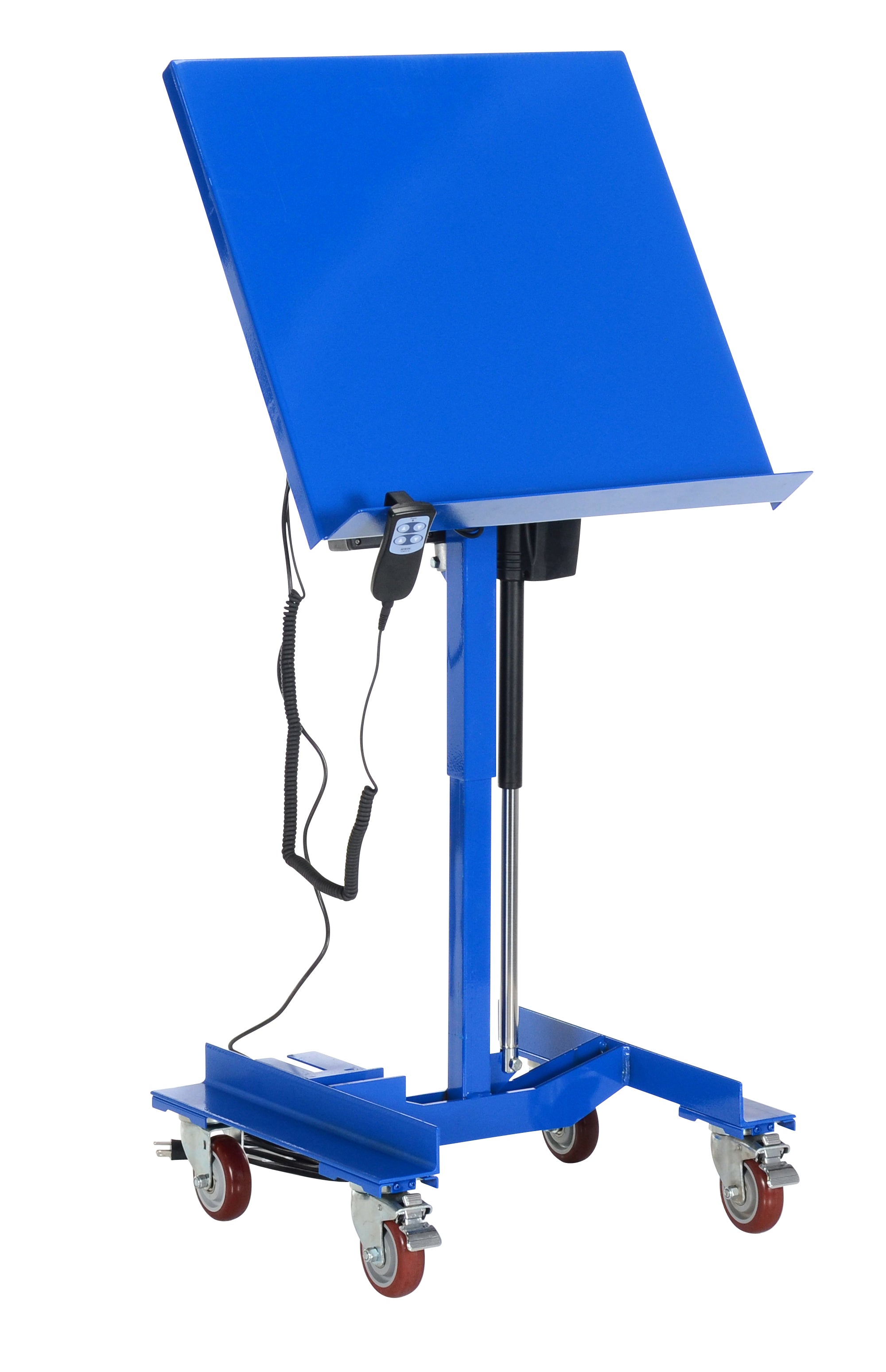
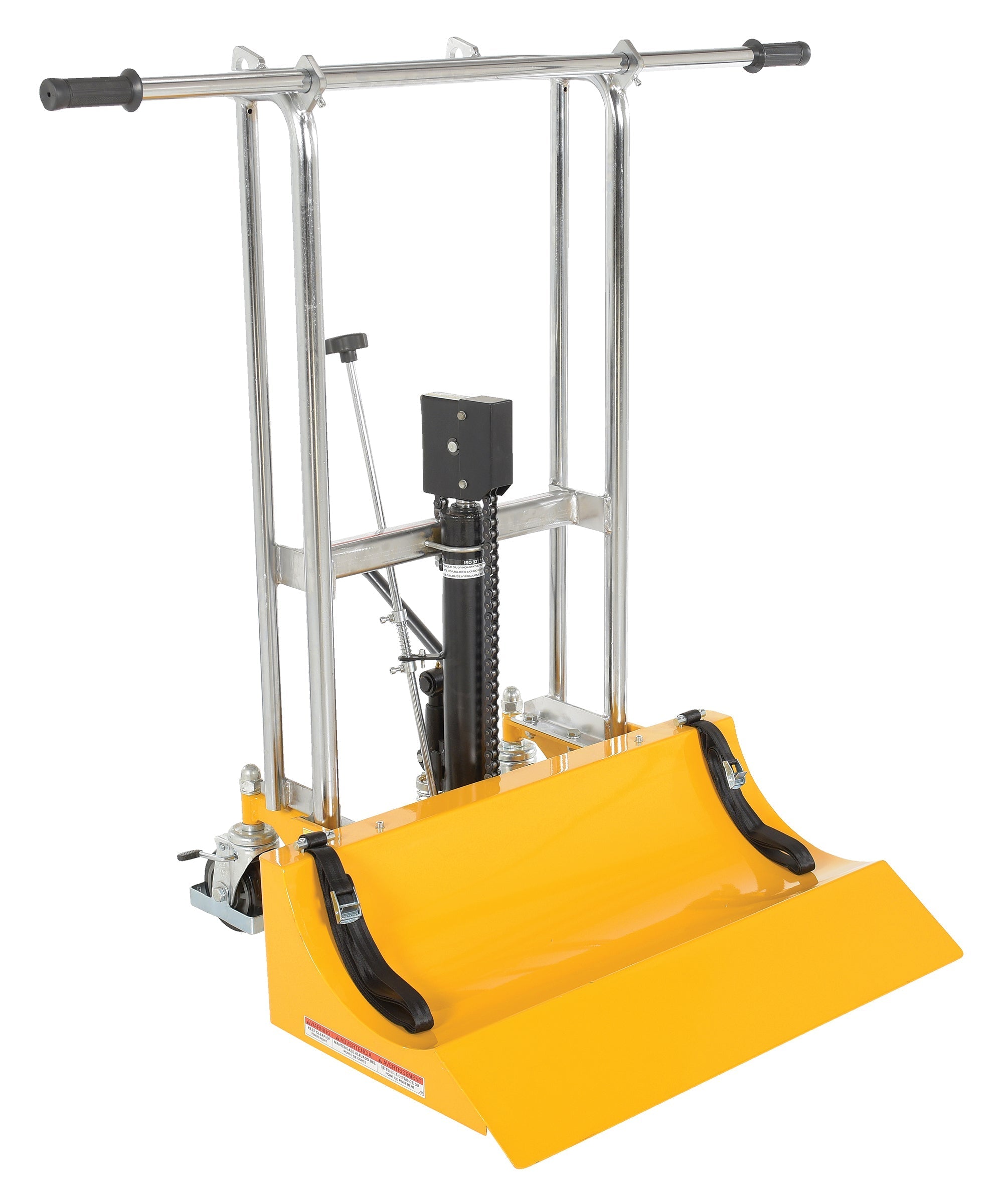
Tip the load toward the hands. Reaching down into a deep bin or over the far edge of a pallet is the motion behind a lot of shoulder and lower-back claims. Raising the container is half the fix; tipping it toward the worker is the other half. Tilters do that, from bench top units around $1,430 through the powered Tilt Master line past $4,600, with a stainless model for washdown floors. Vestil's lift and tilt tables combine both motions in one machine for cells where parts are picked from progressively lower layers. Work positioners hold rolls and workpieces at task height, from deluxe roller stands near $300 to hydraulic roll lifters that pick a roll off the floor and present it at the machine. And where the last motion is emptying a container rather than picking from it, the dumper line inverts totes, boxes, and trash cans on a powered hydraulic tip, running from small manual units into the $6,000 range for electric box dumpers.
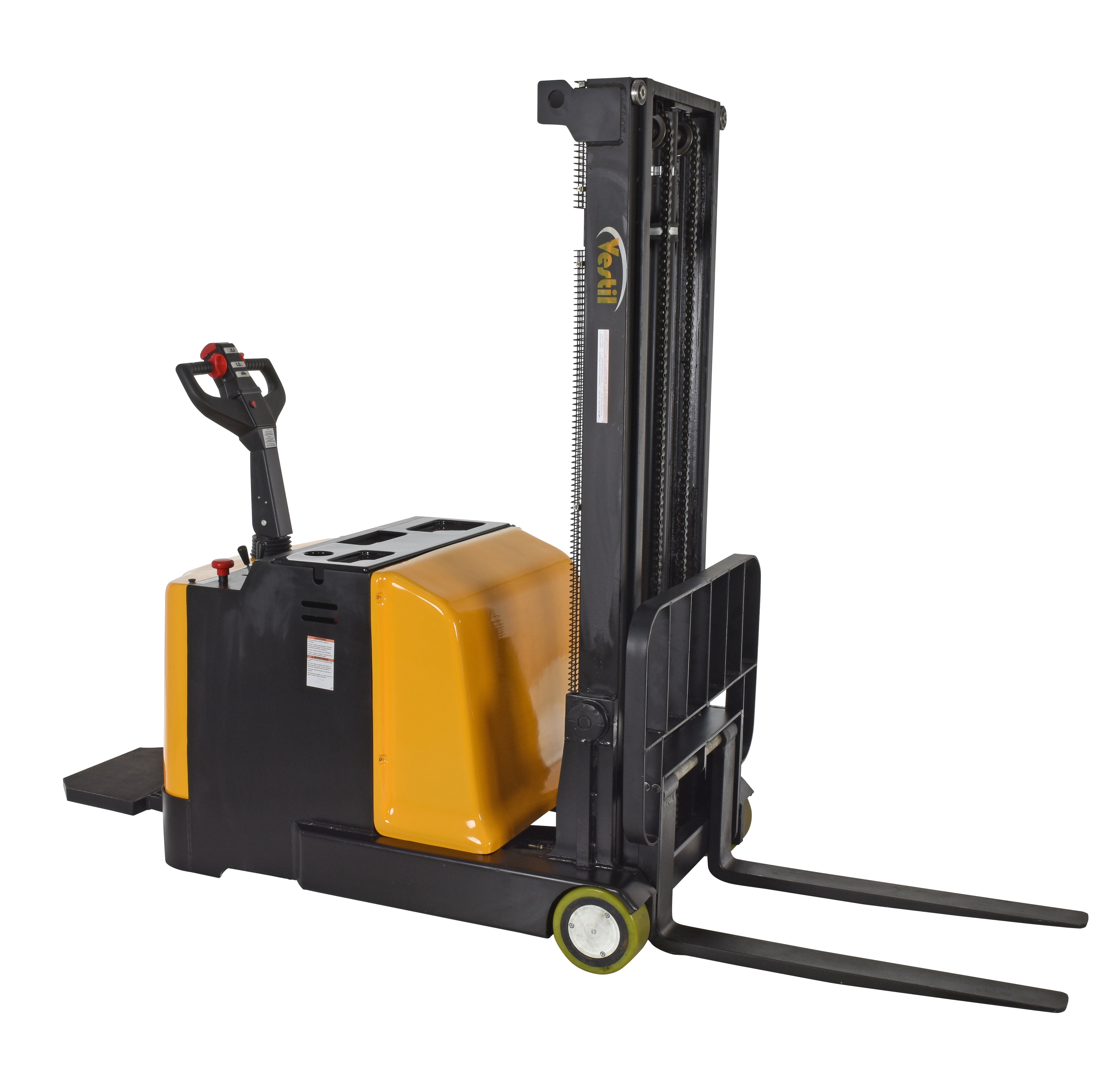
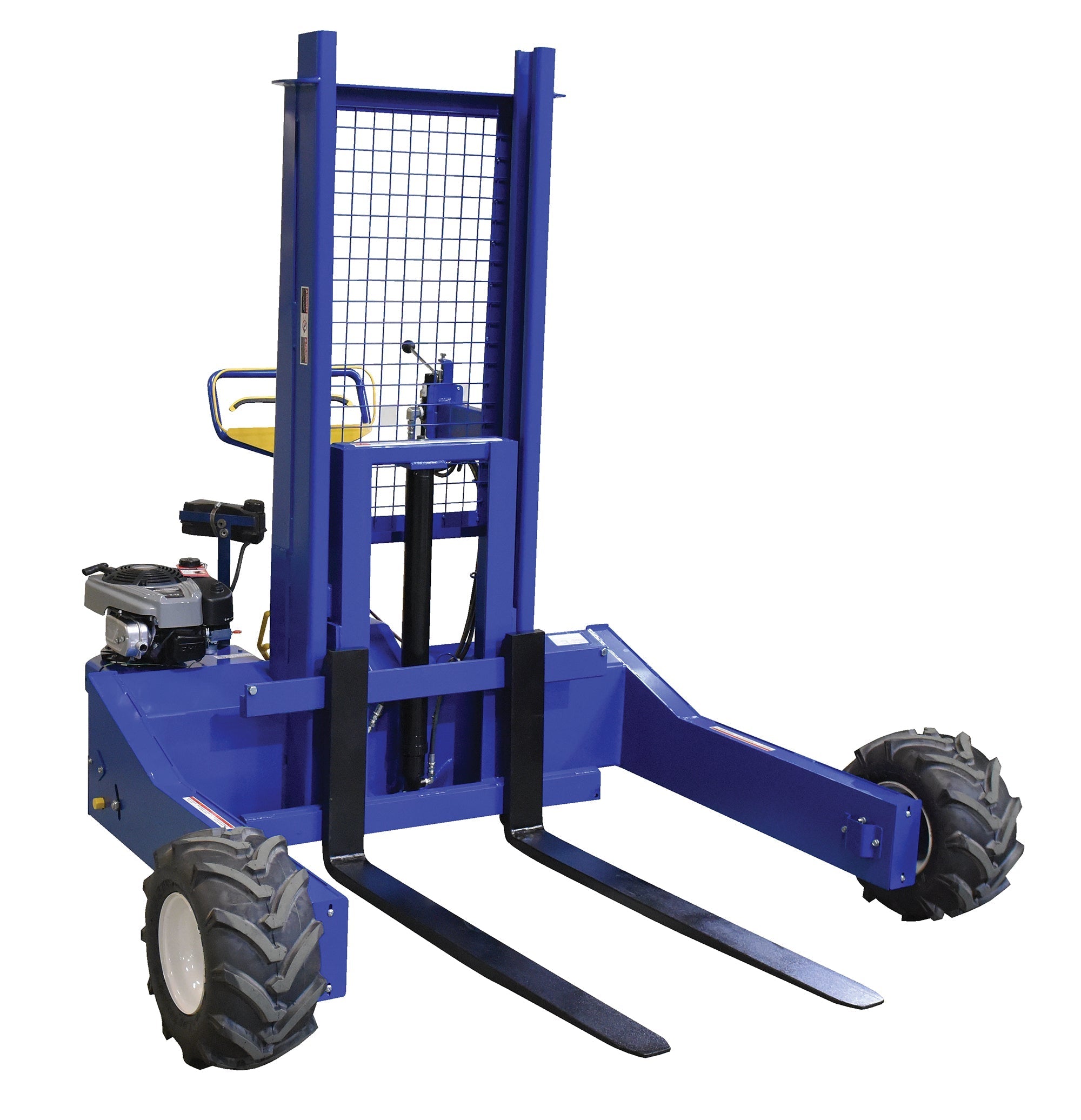
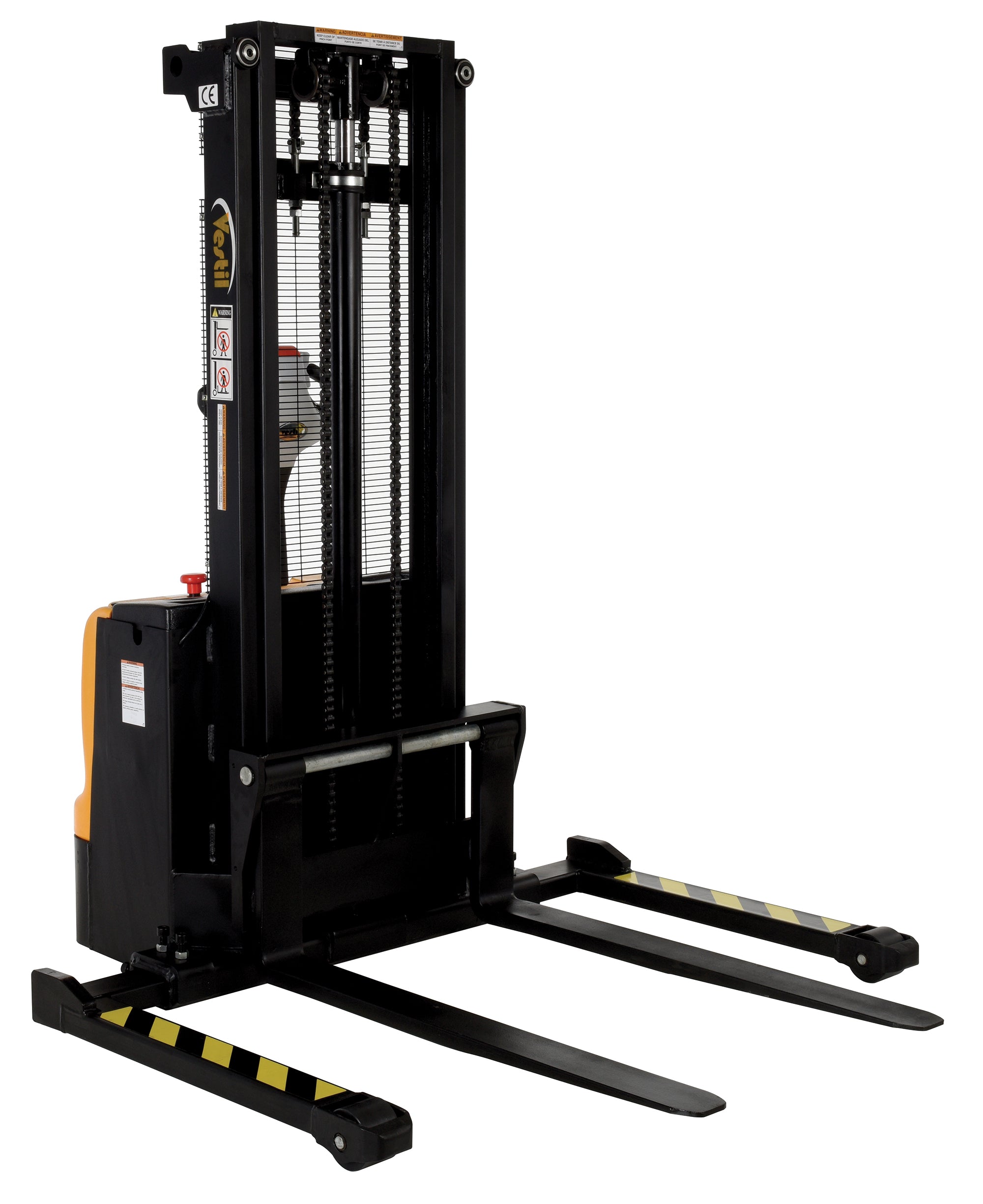
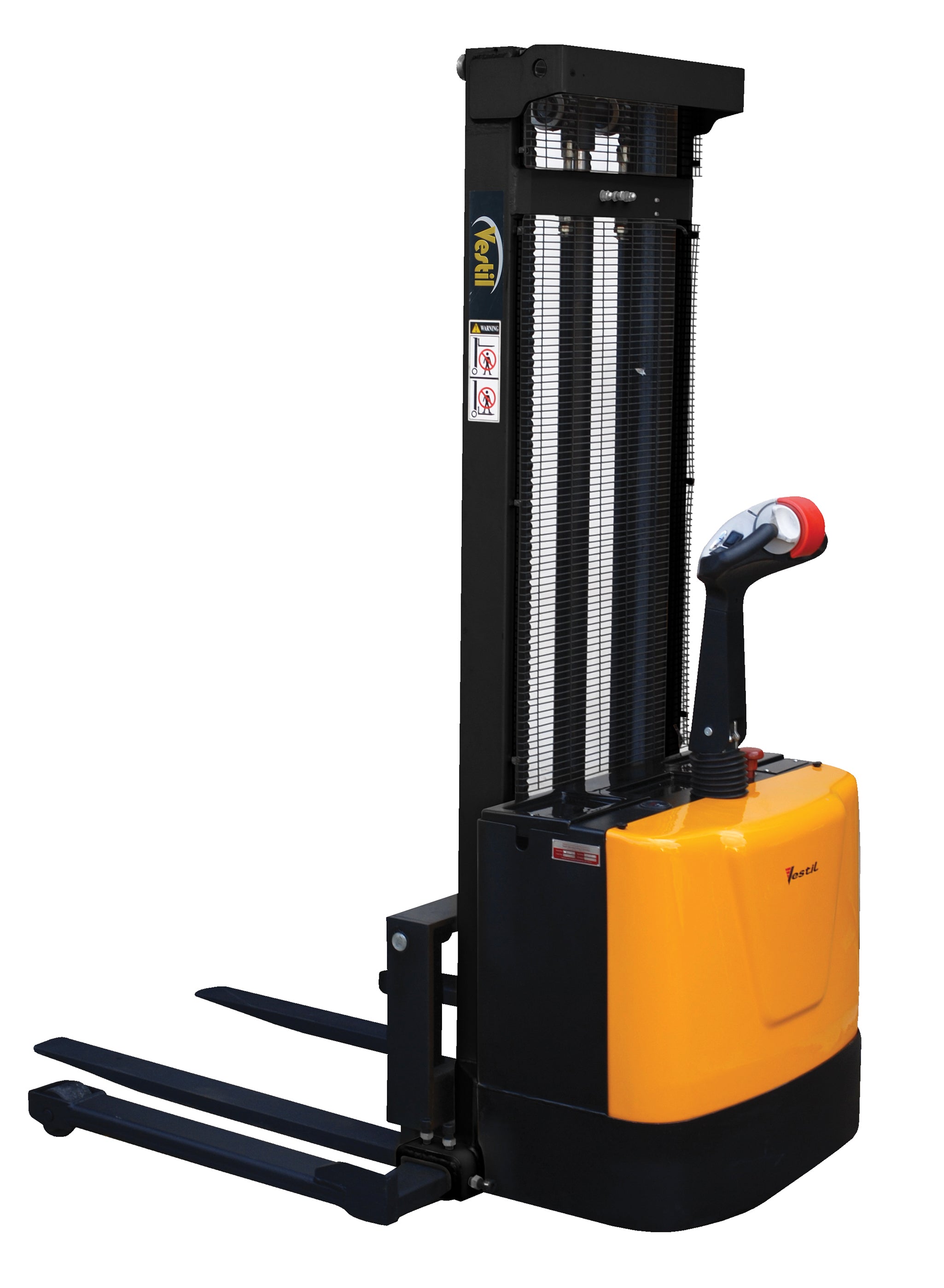
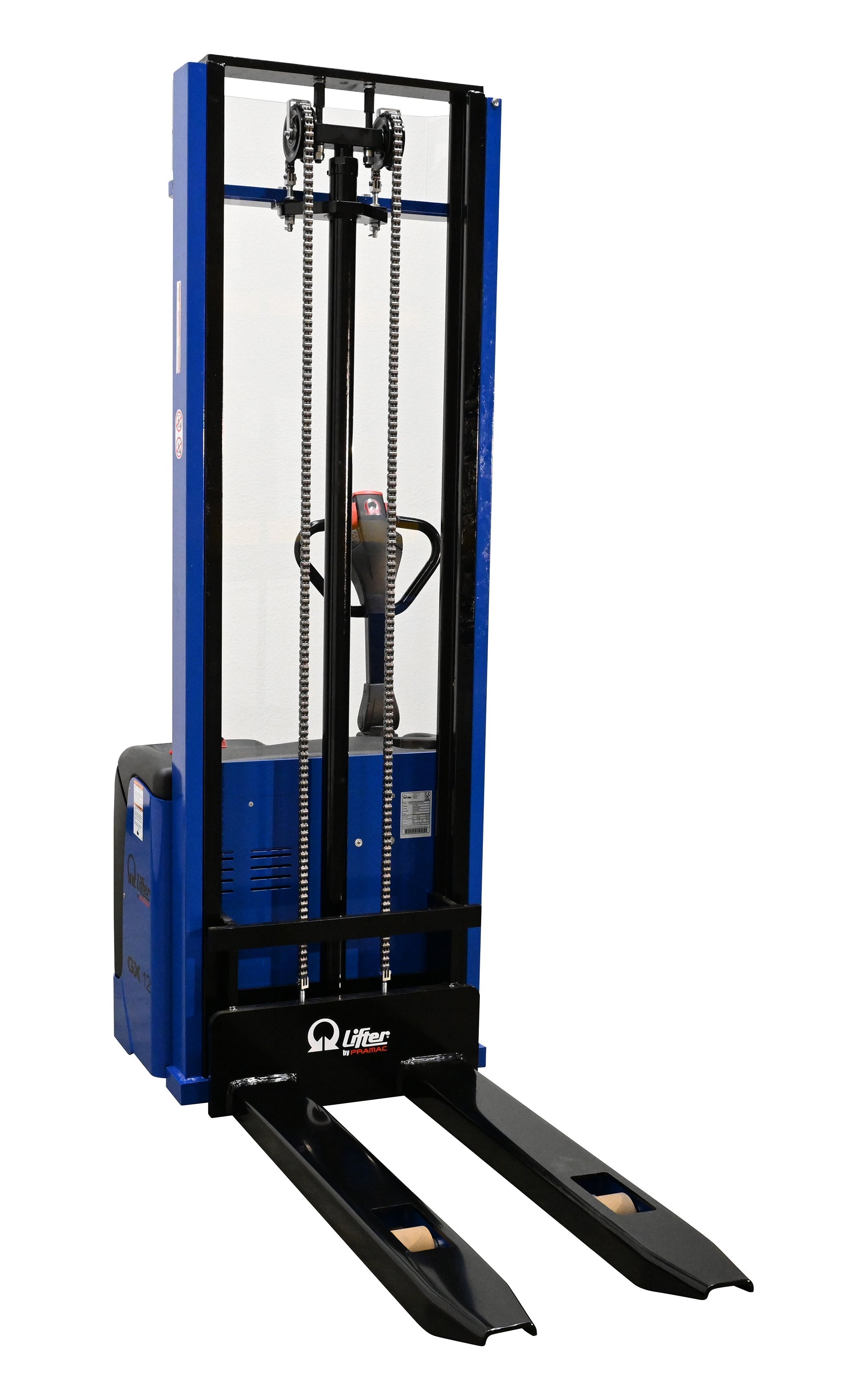
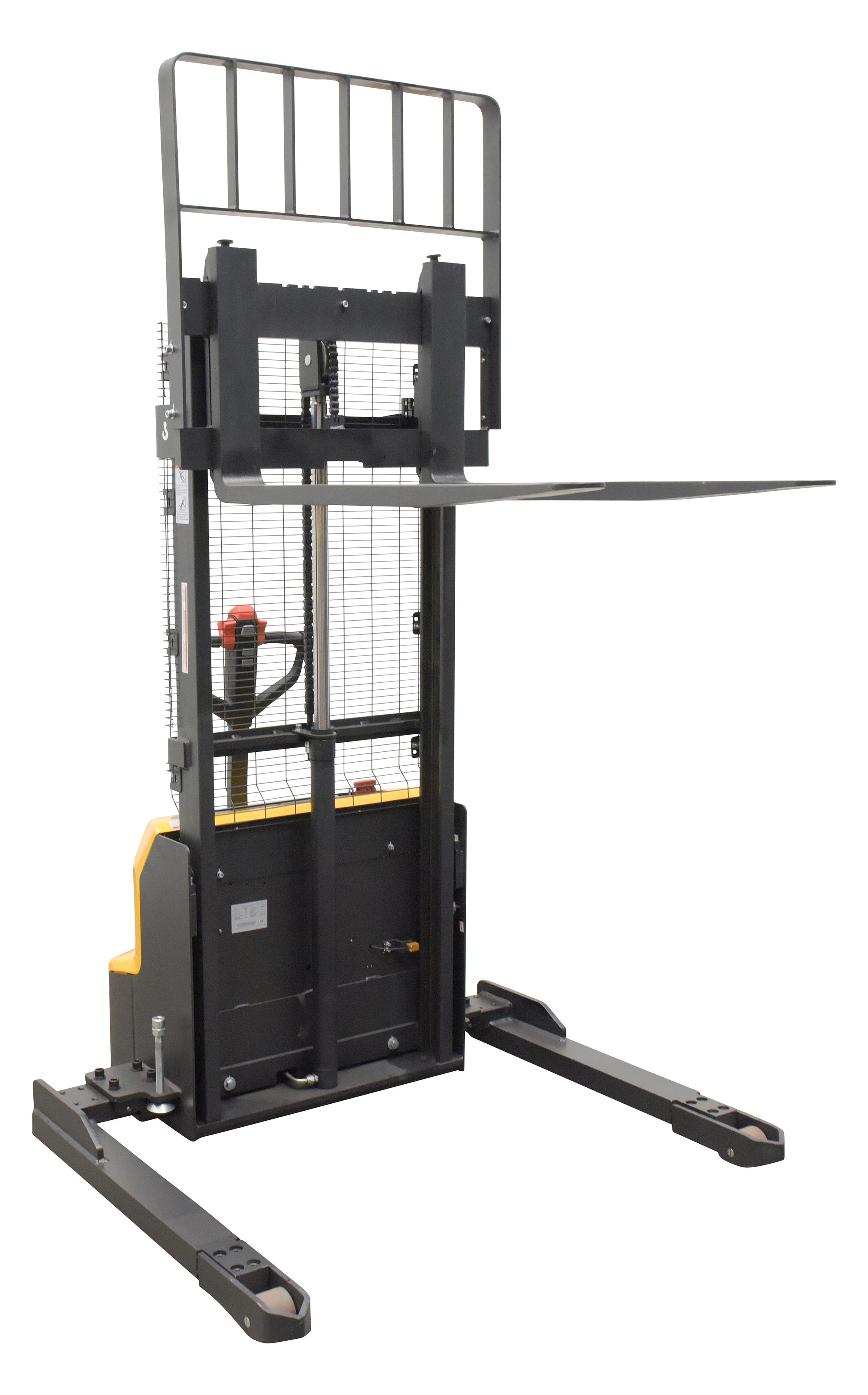
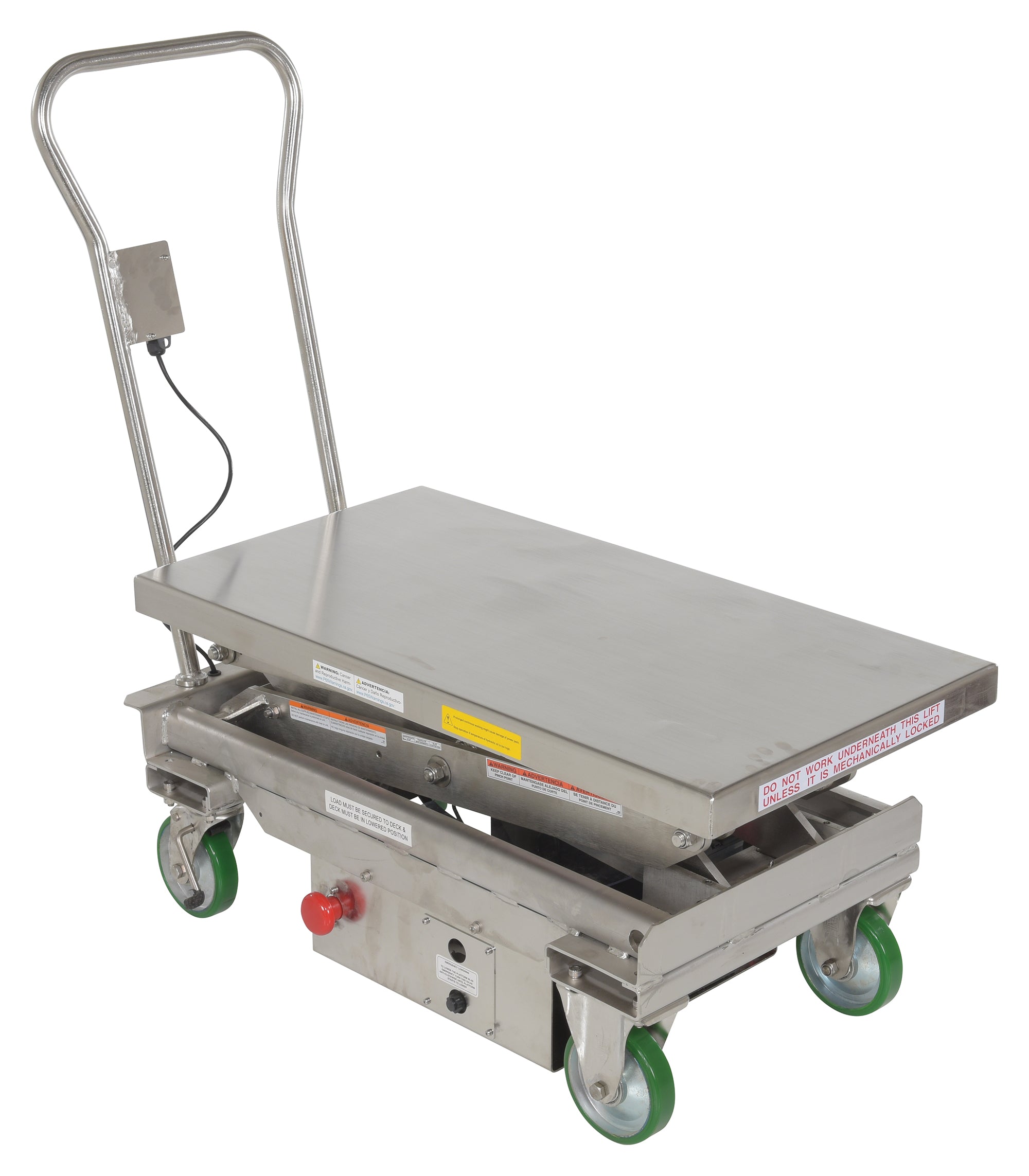
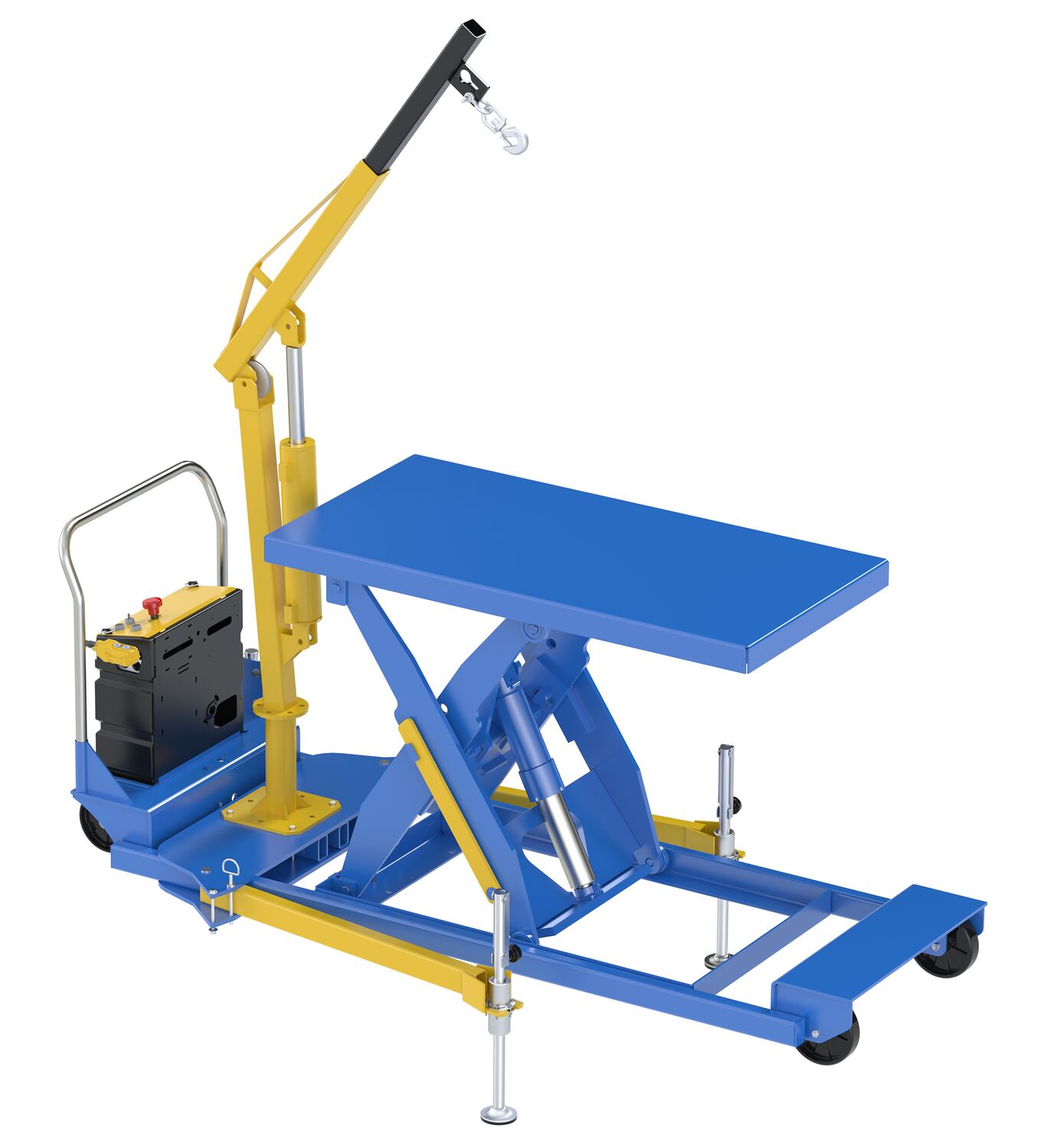
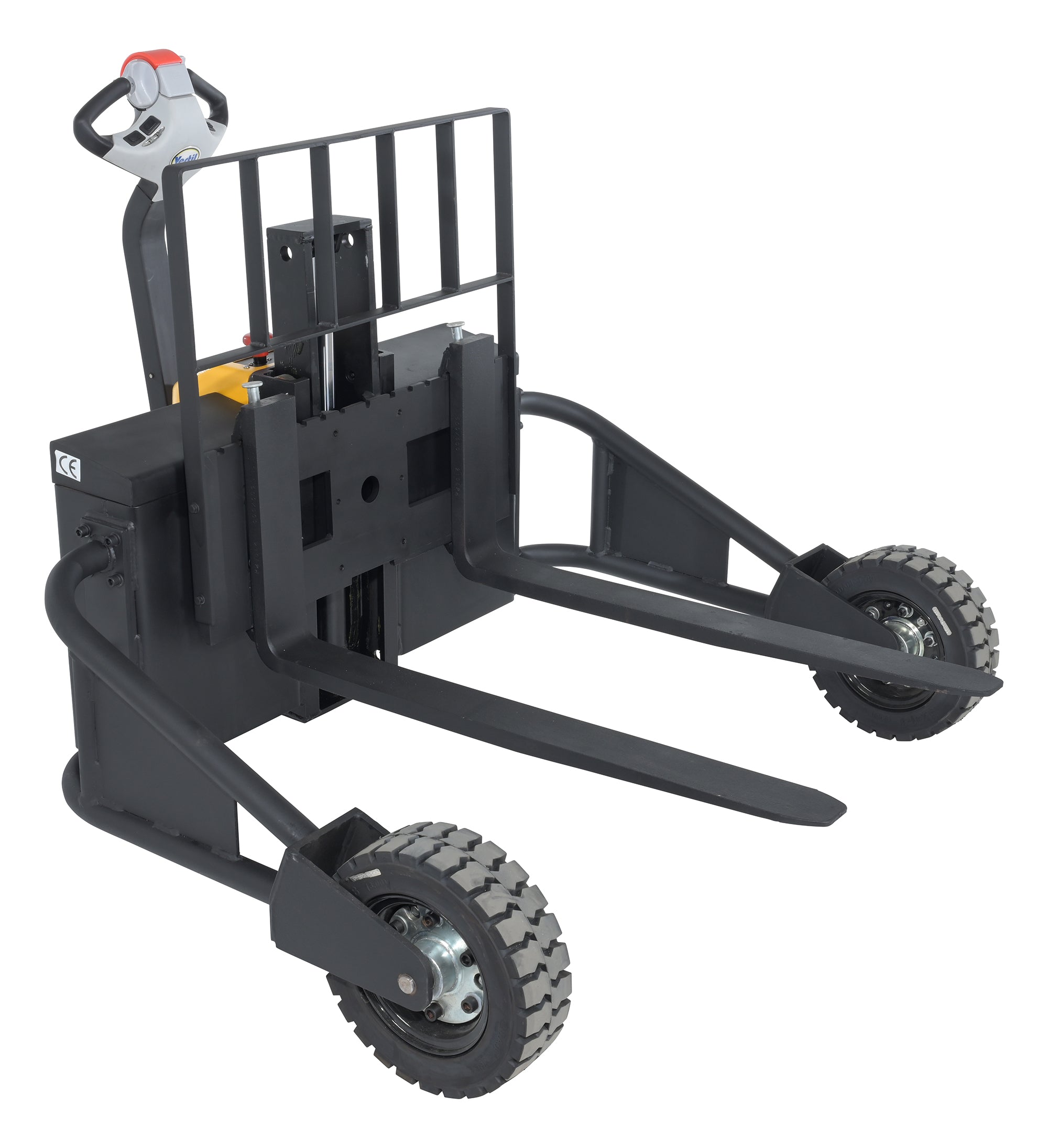
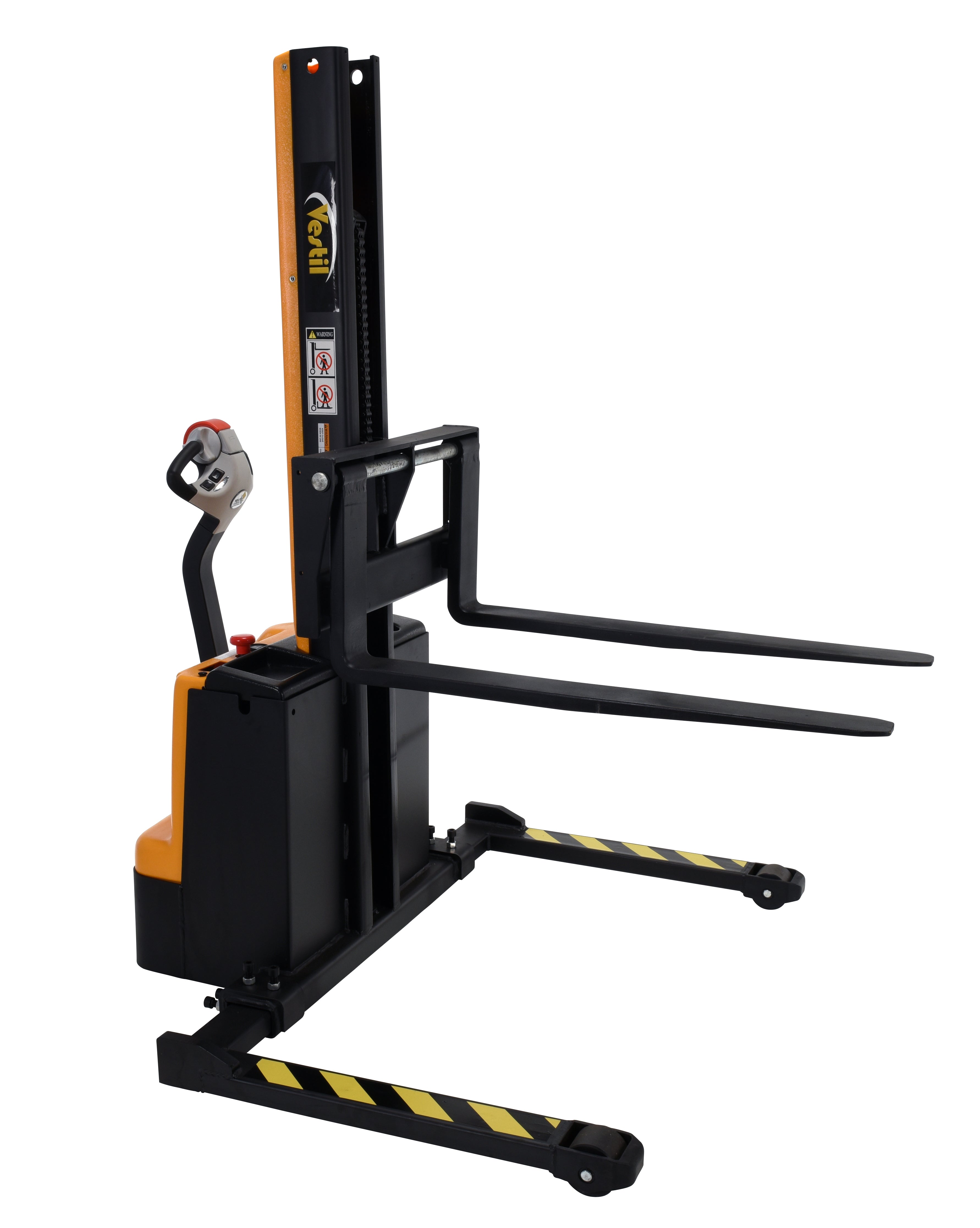
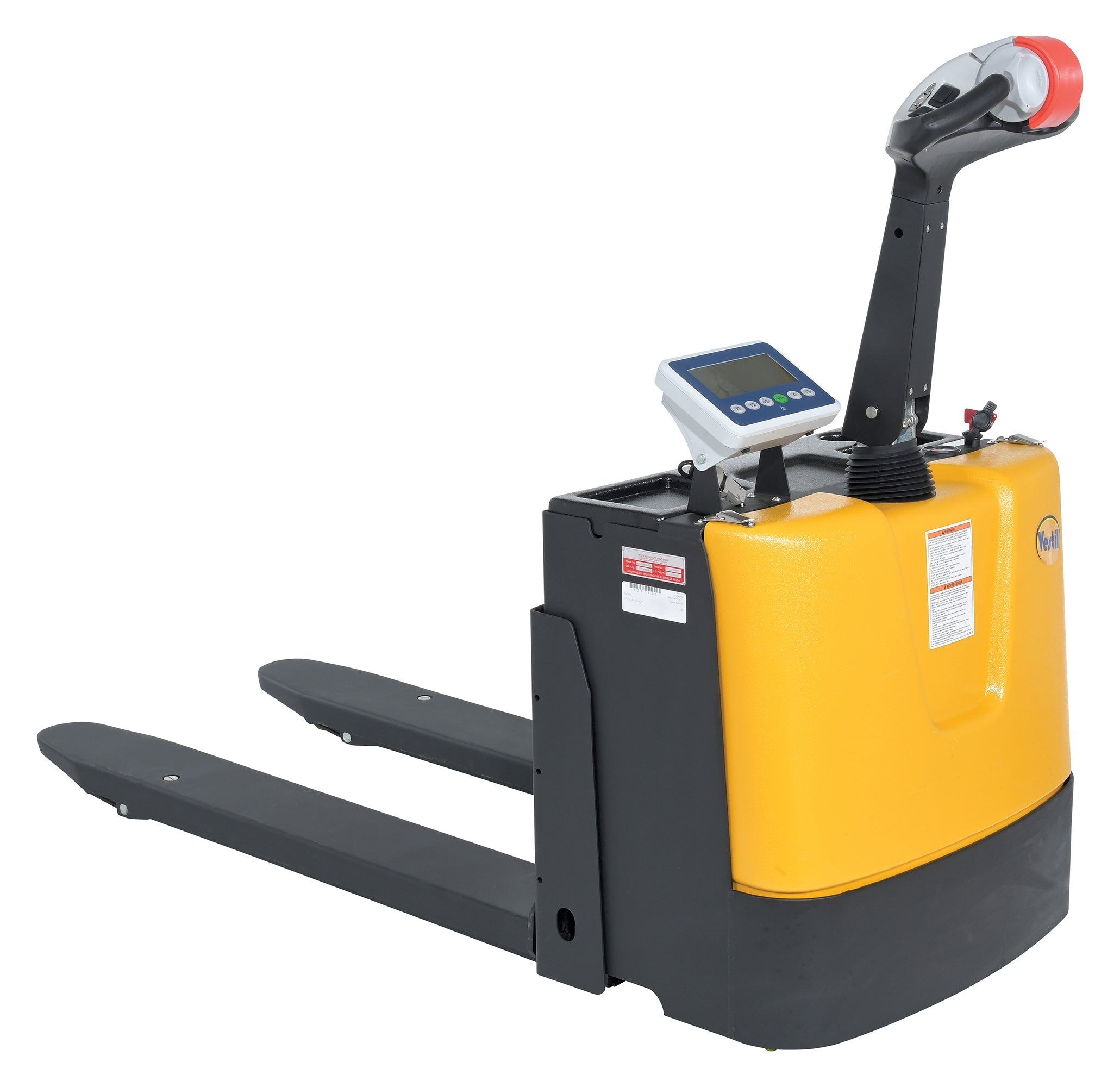
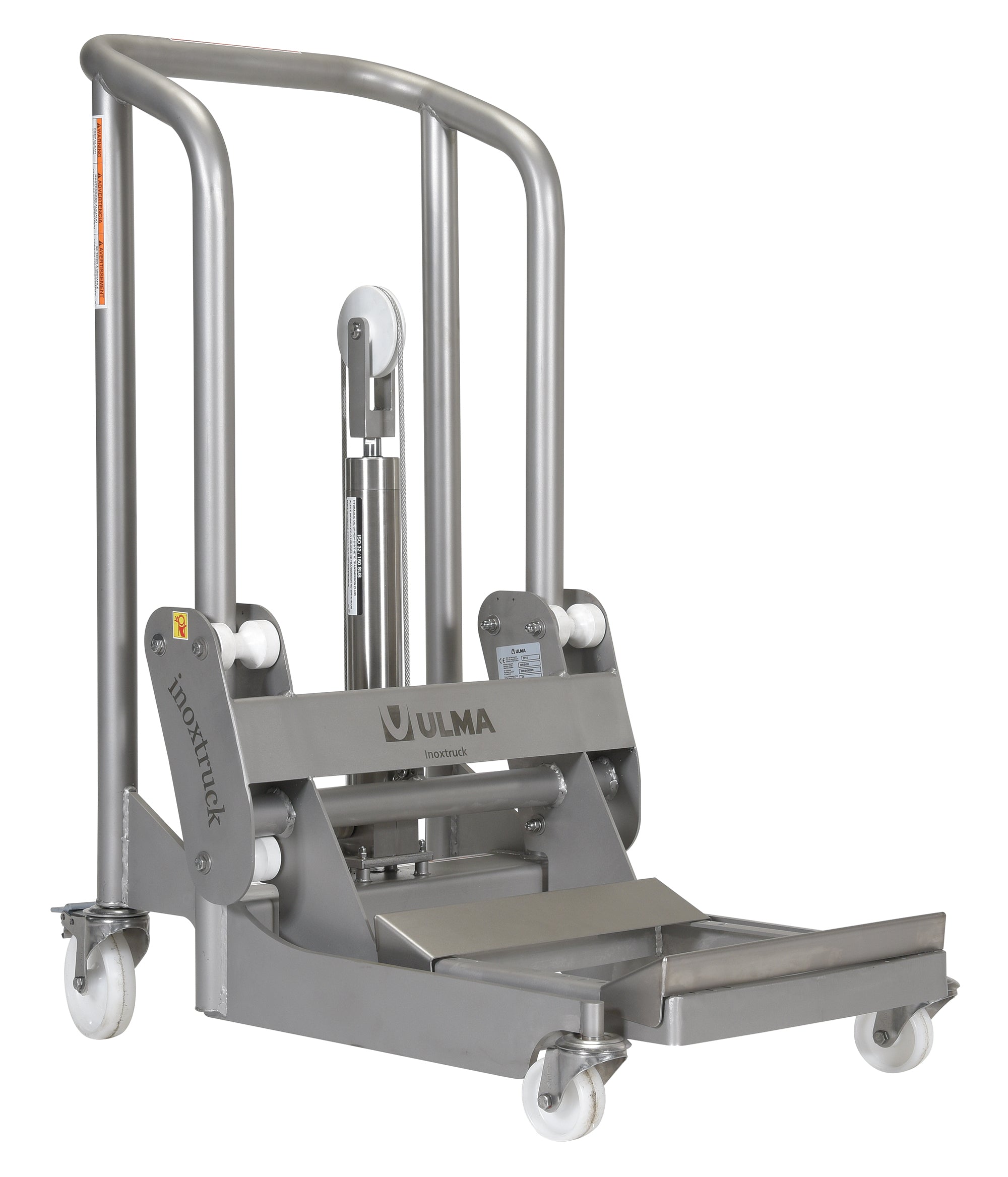
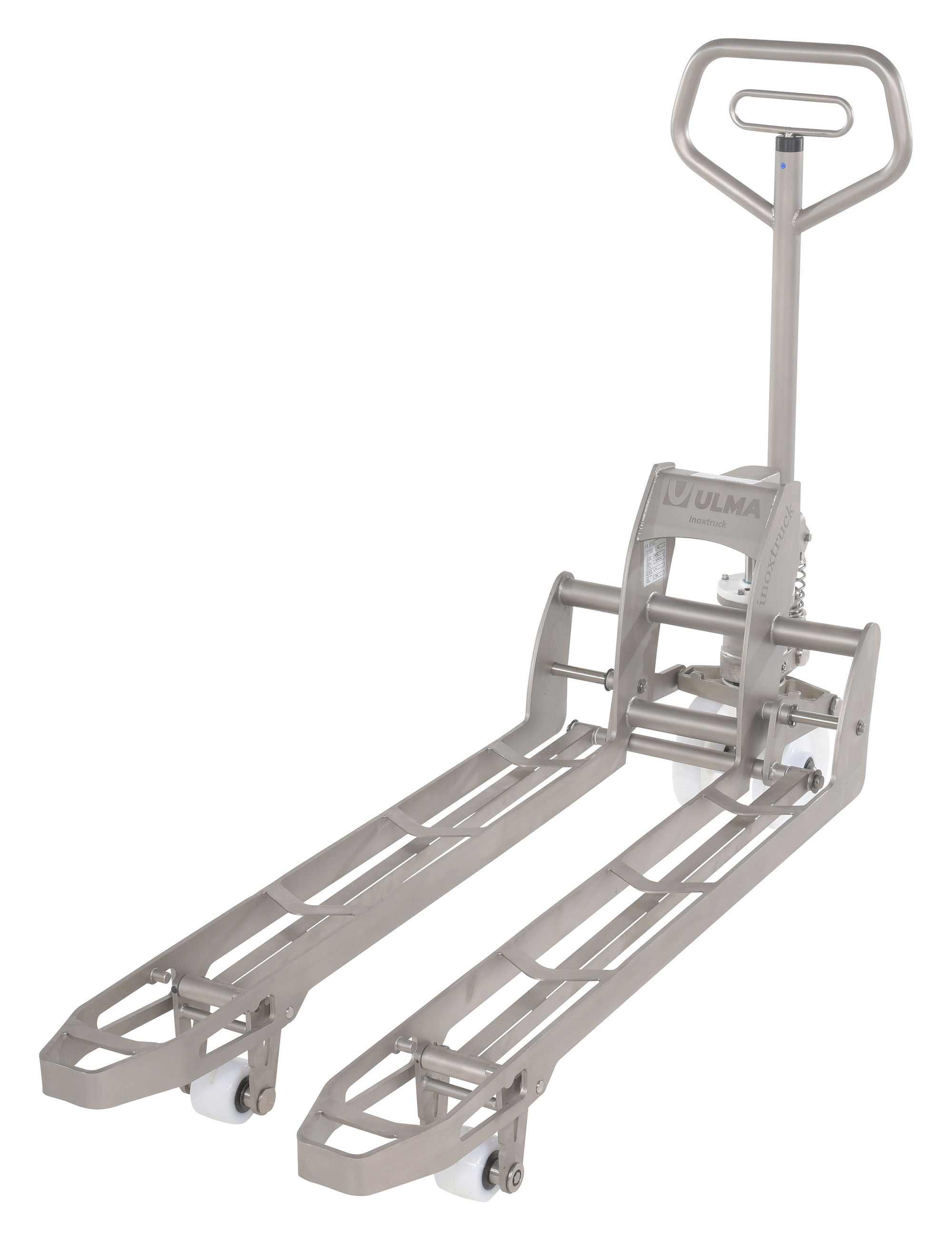
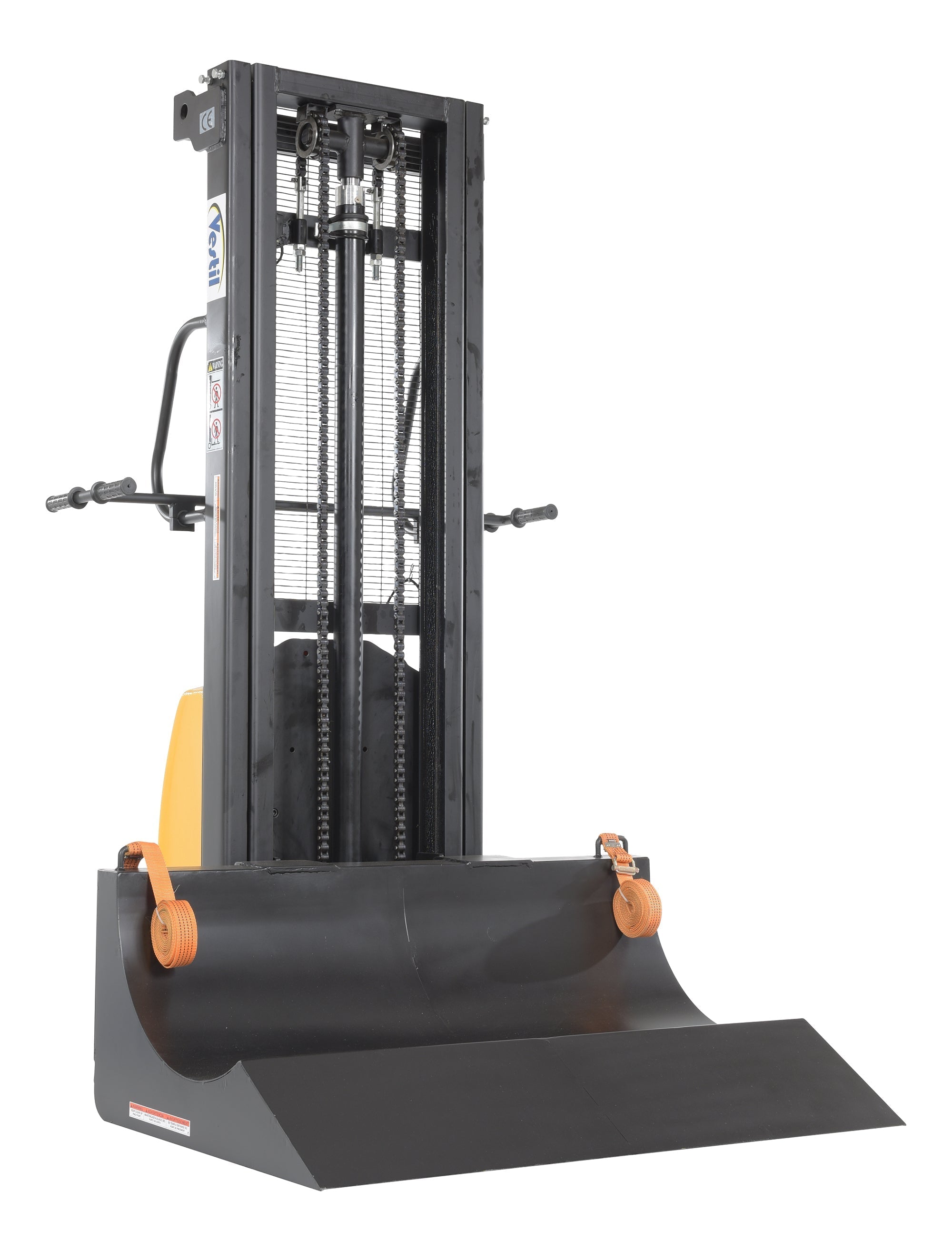
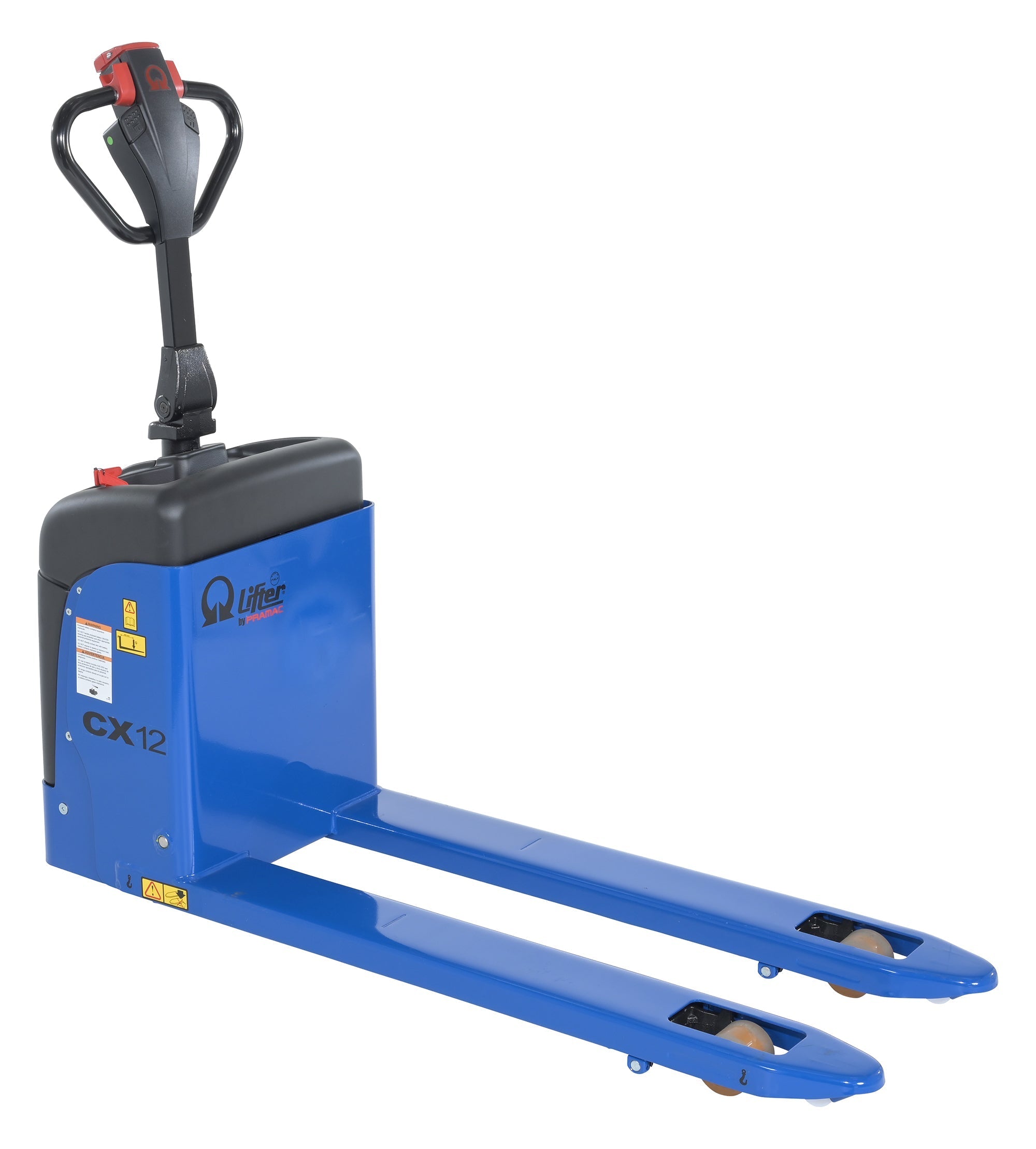
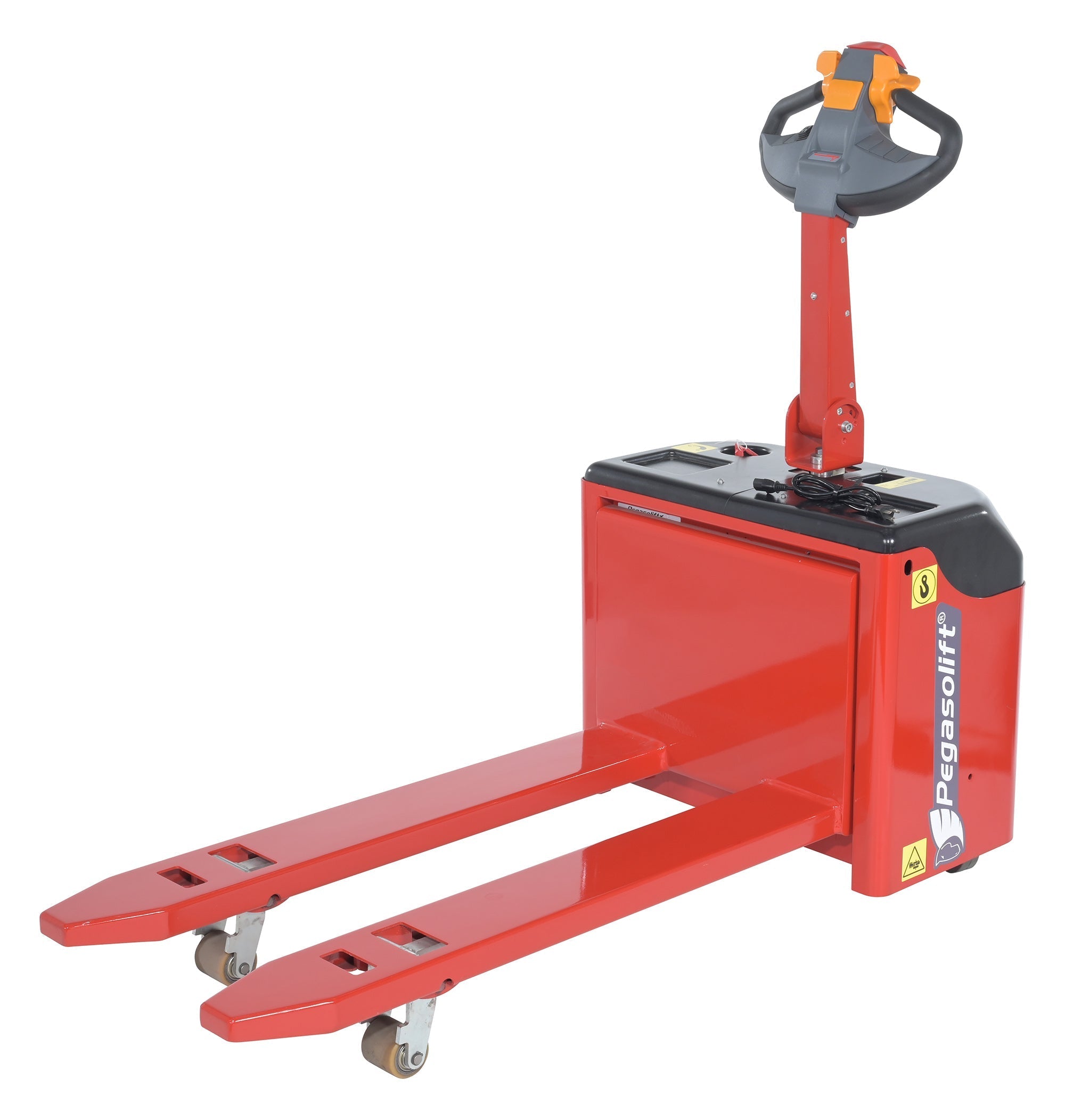
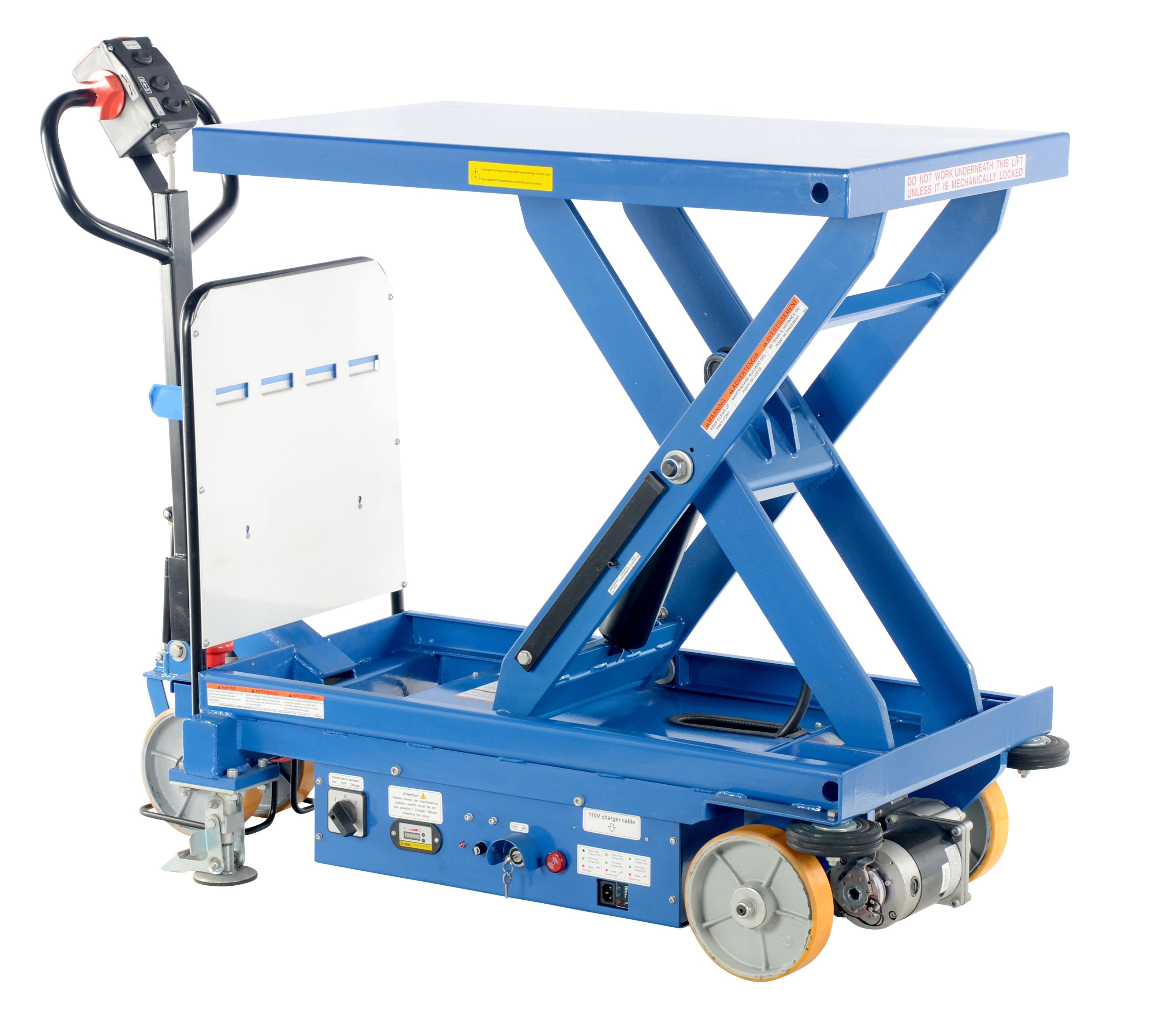
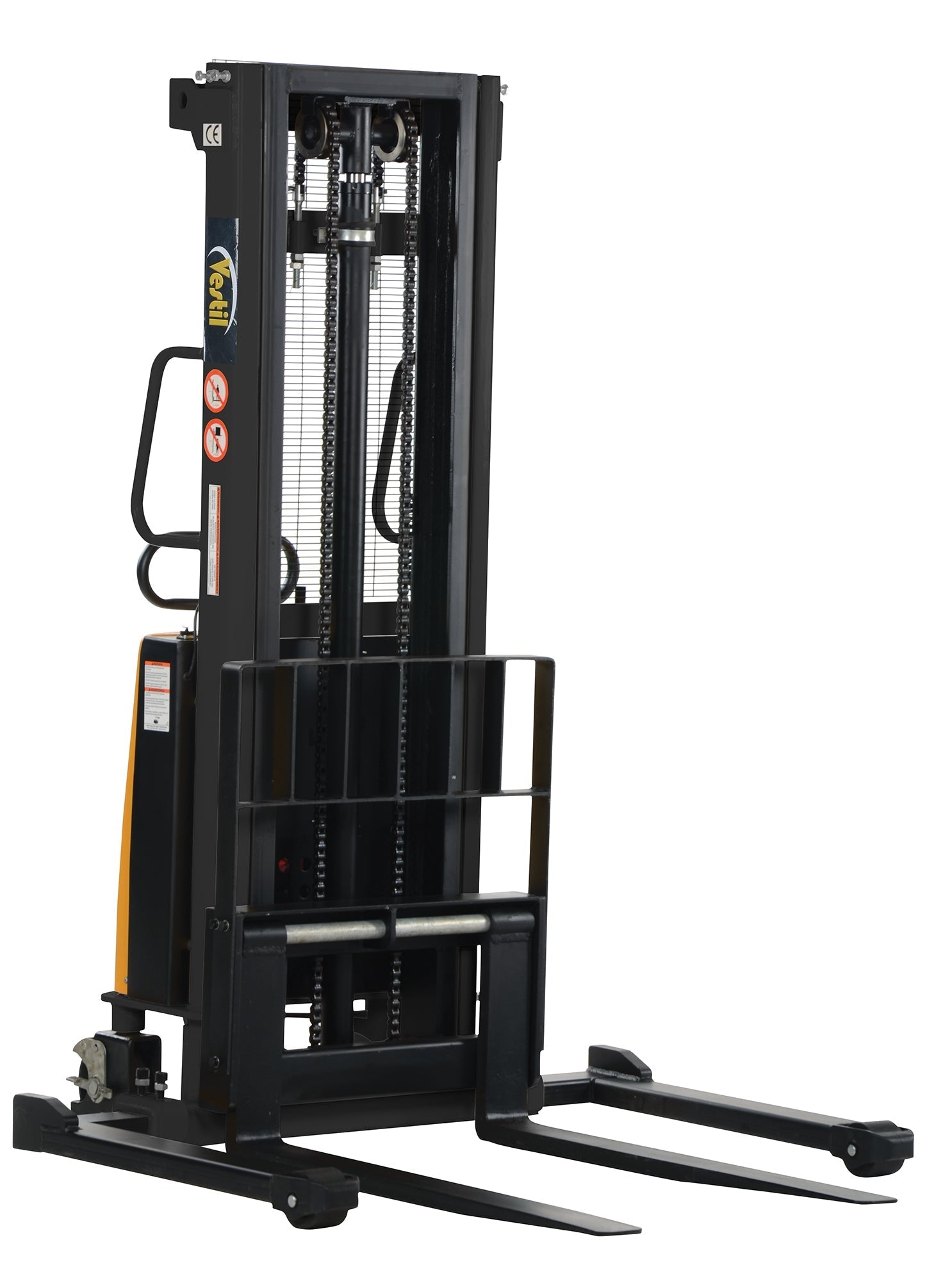
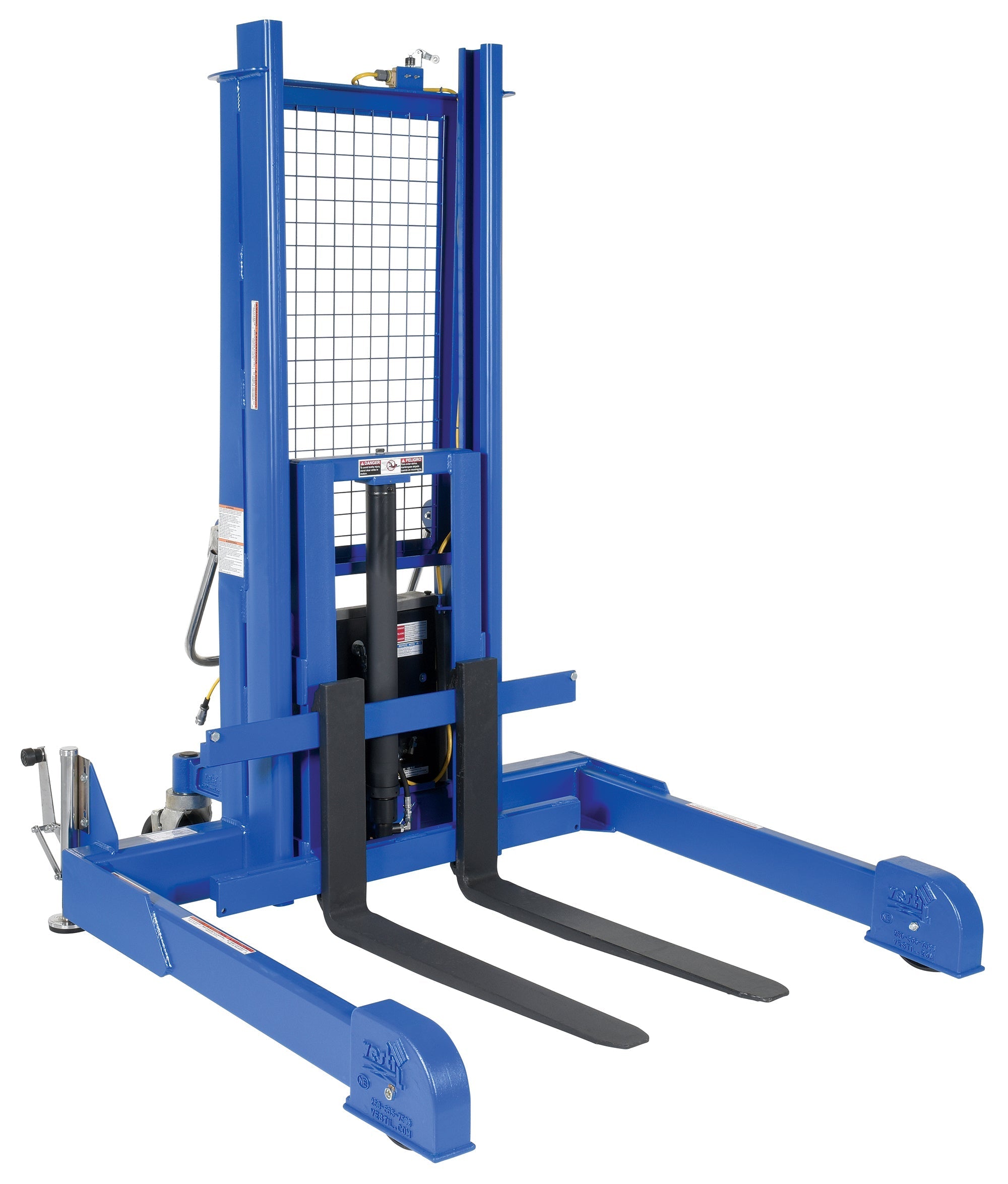
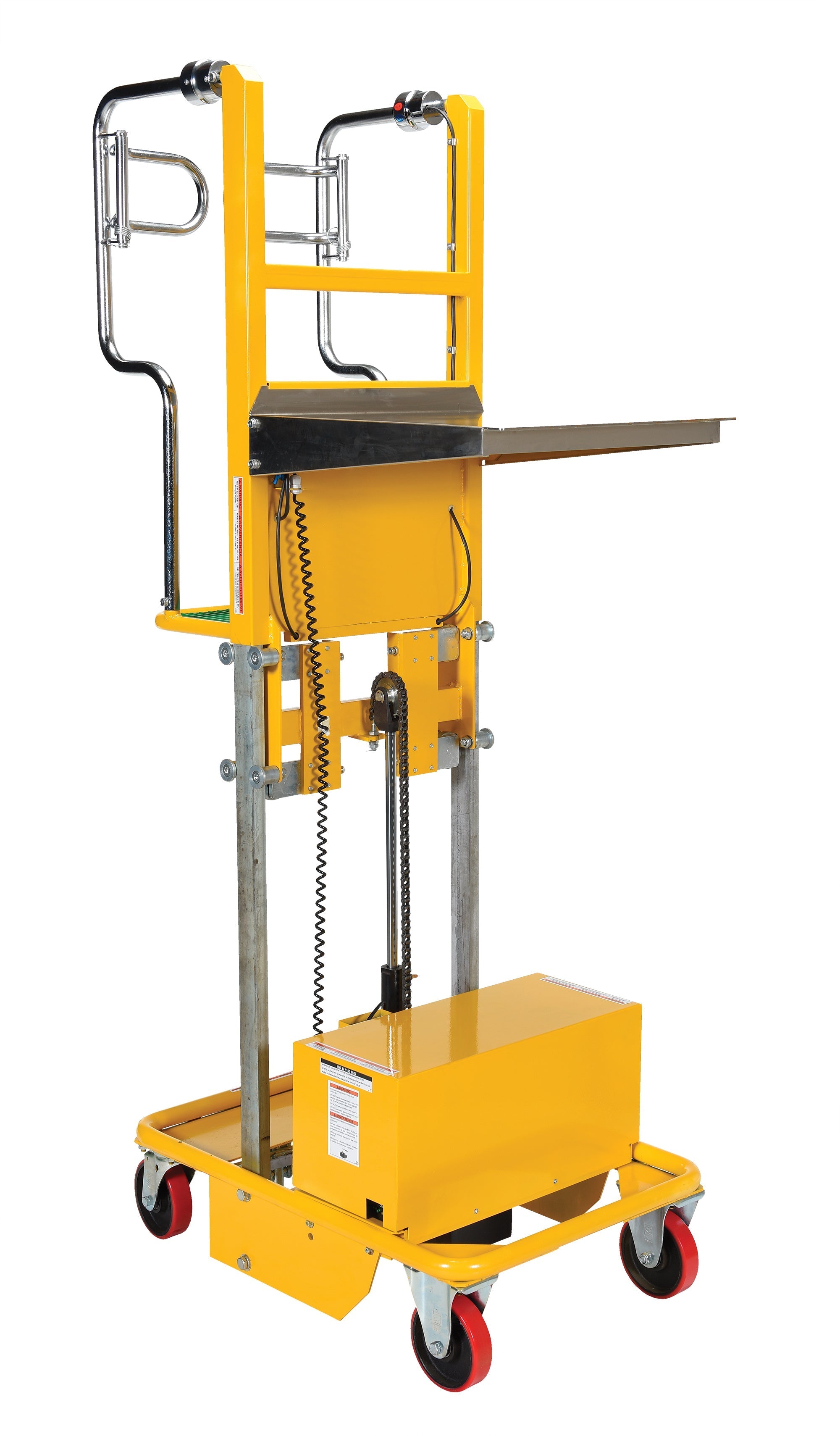
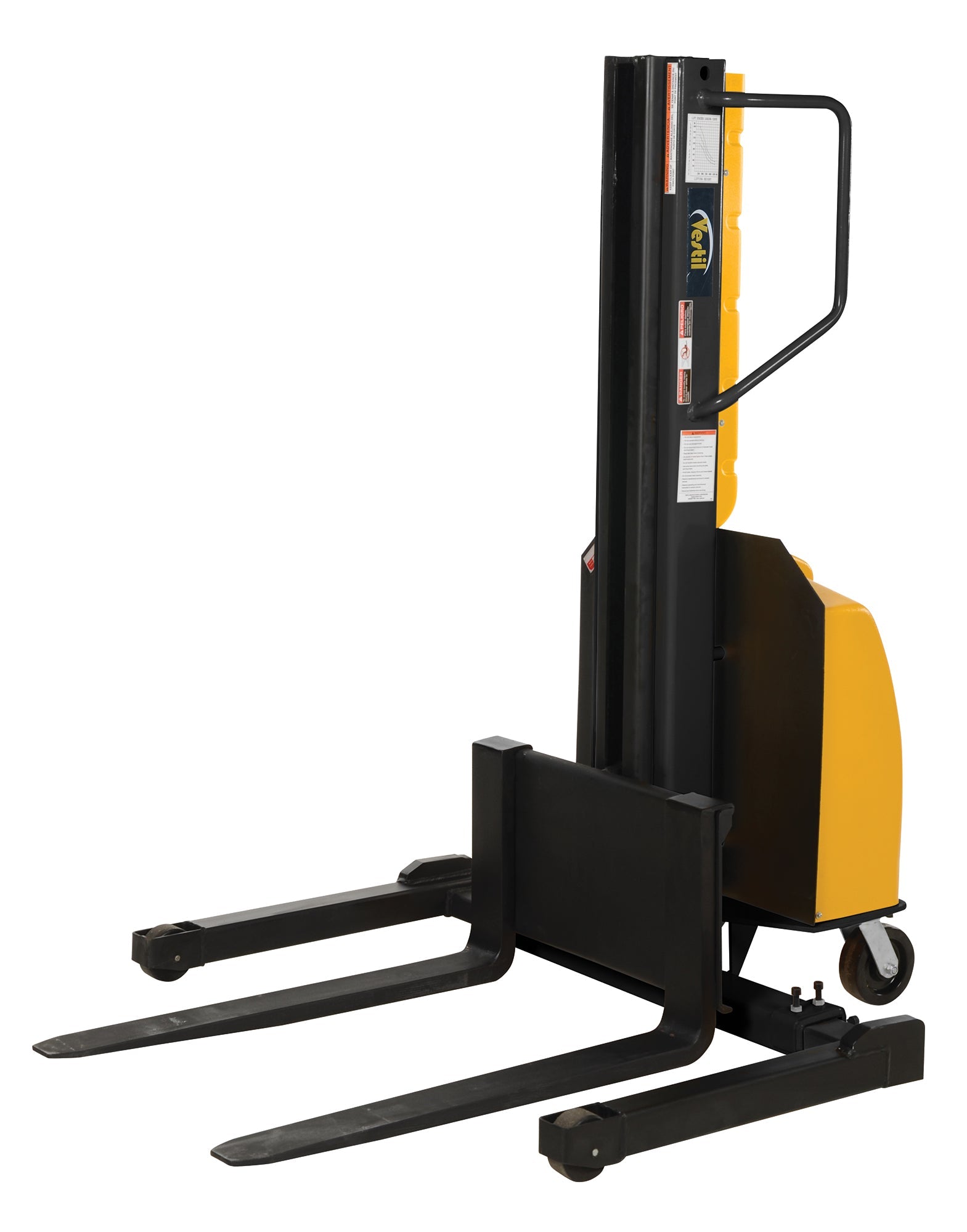
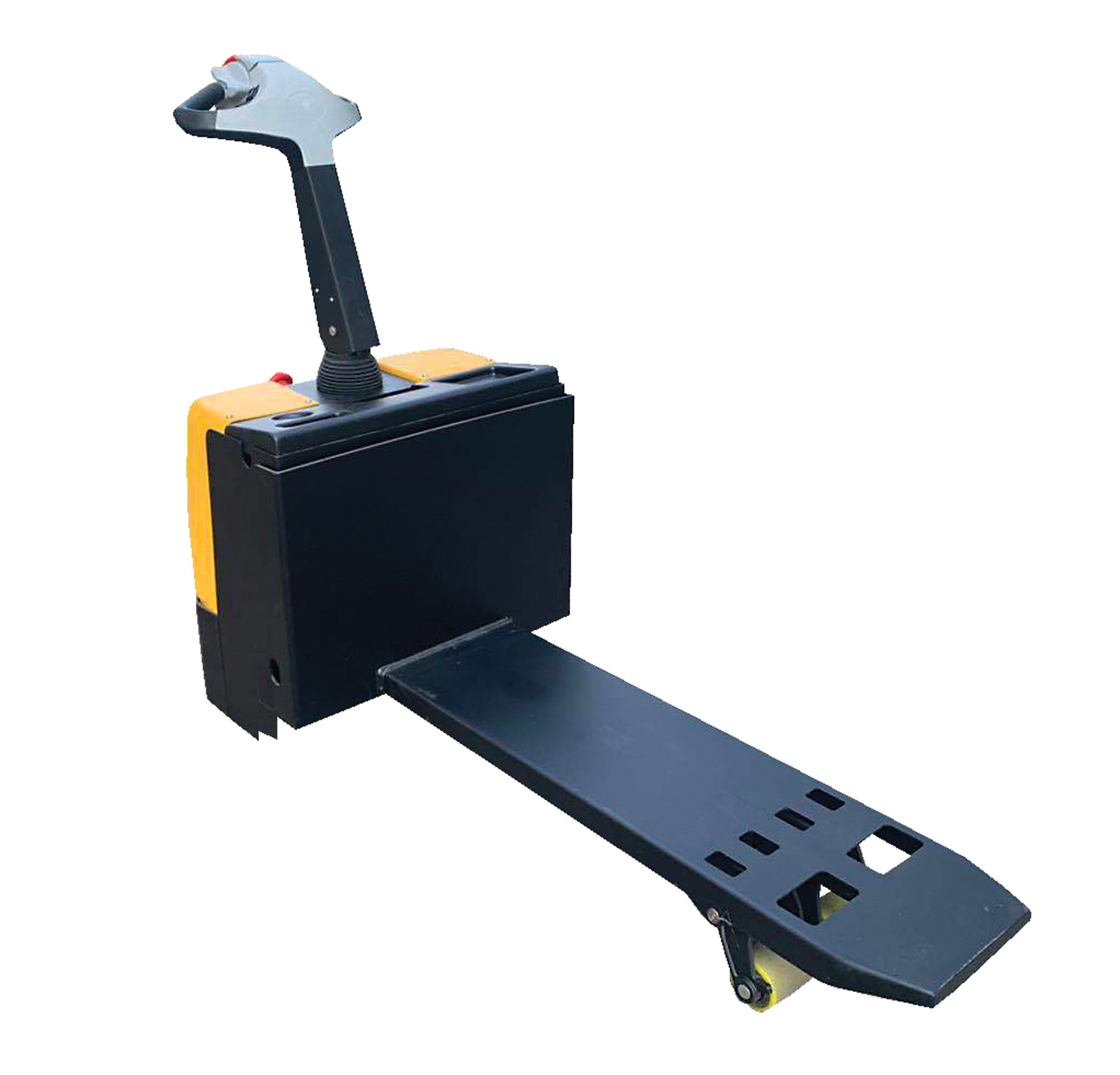
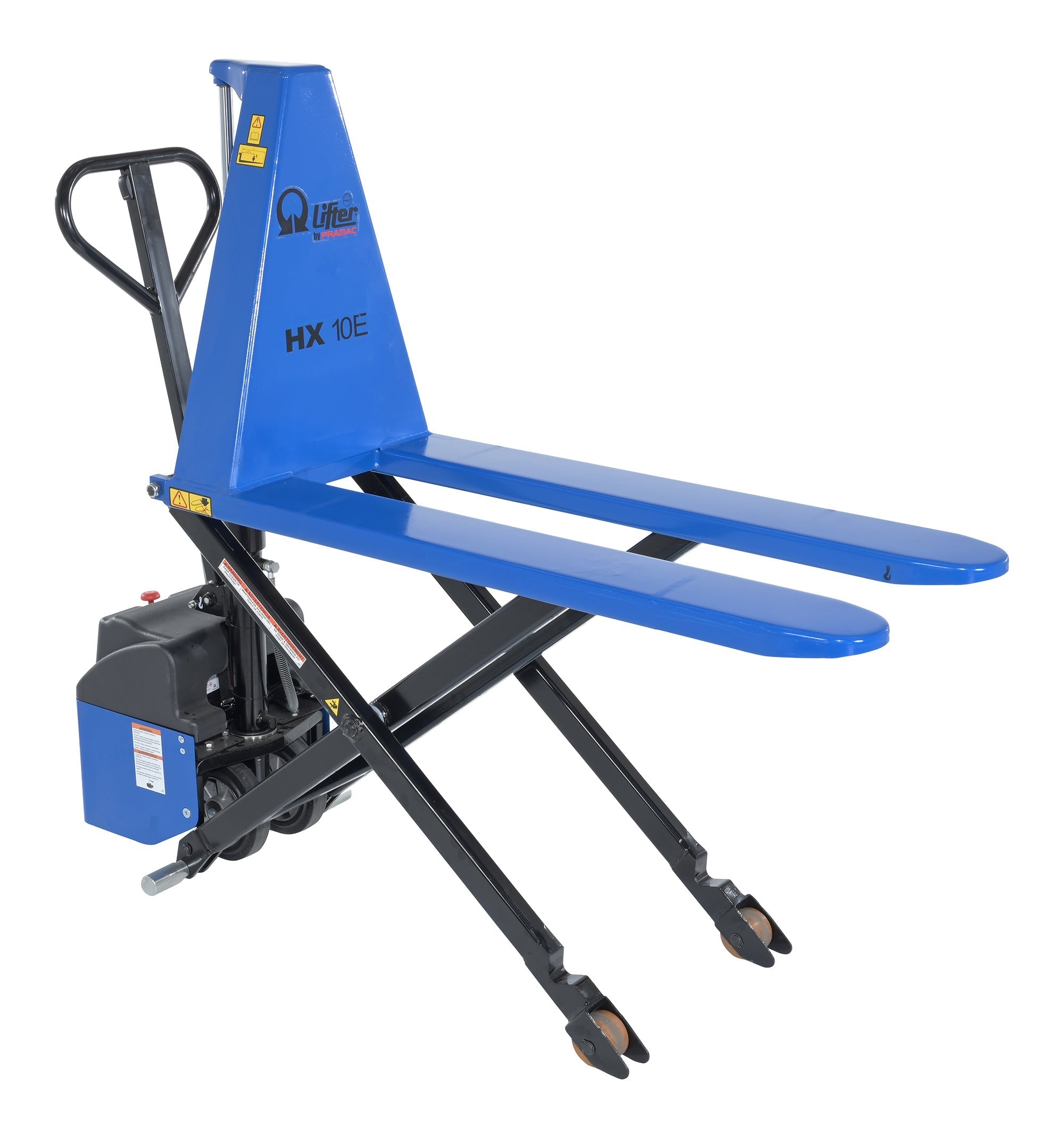
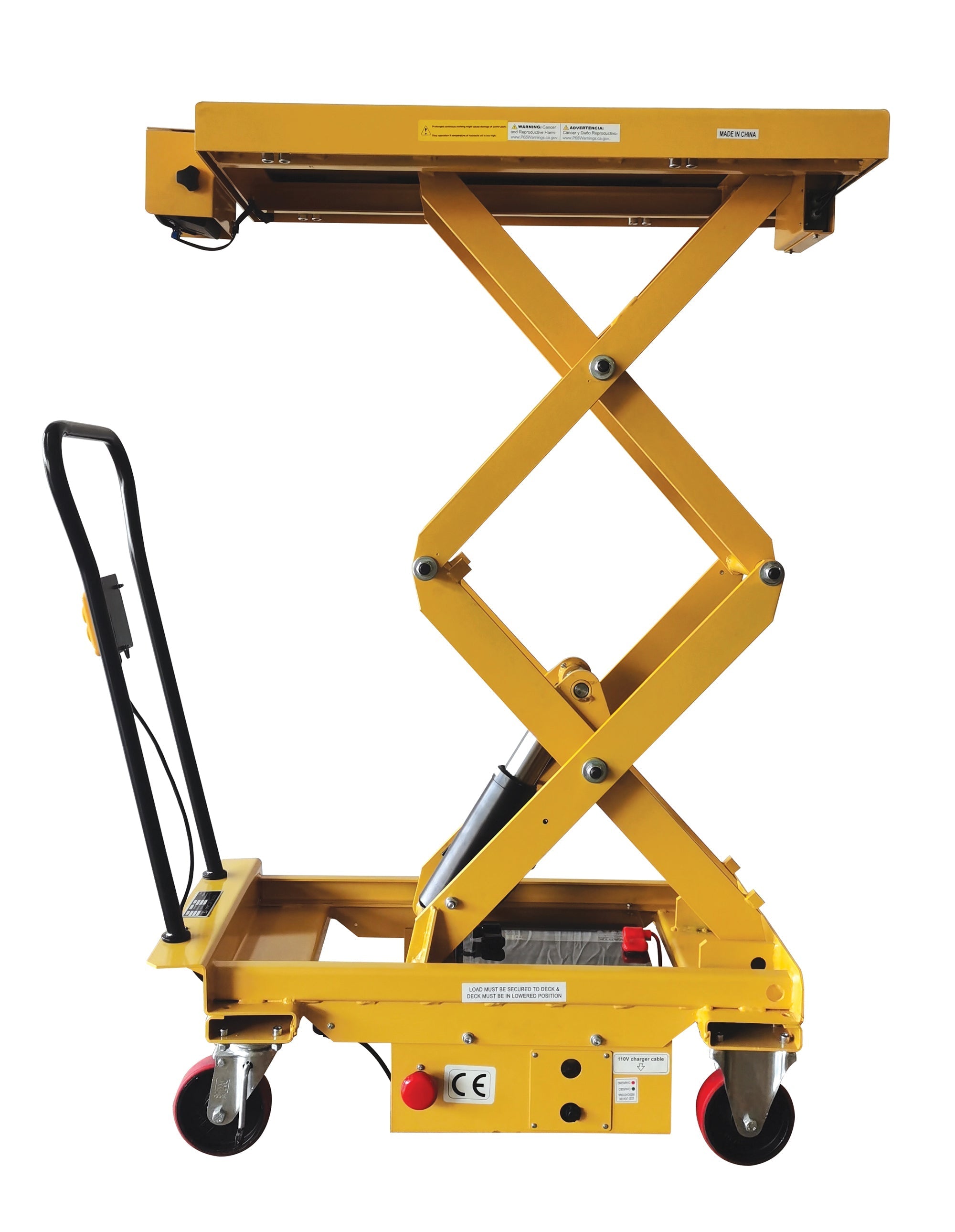
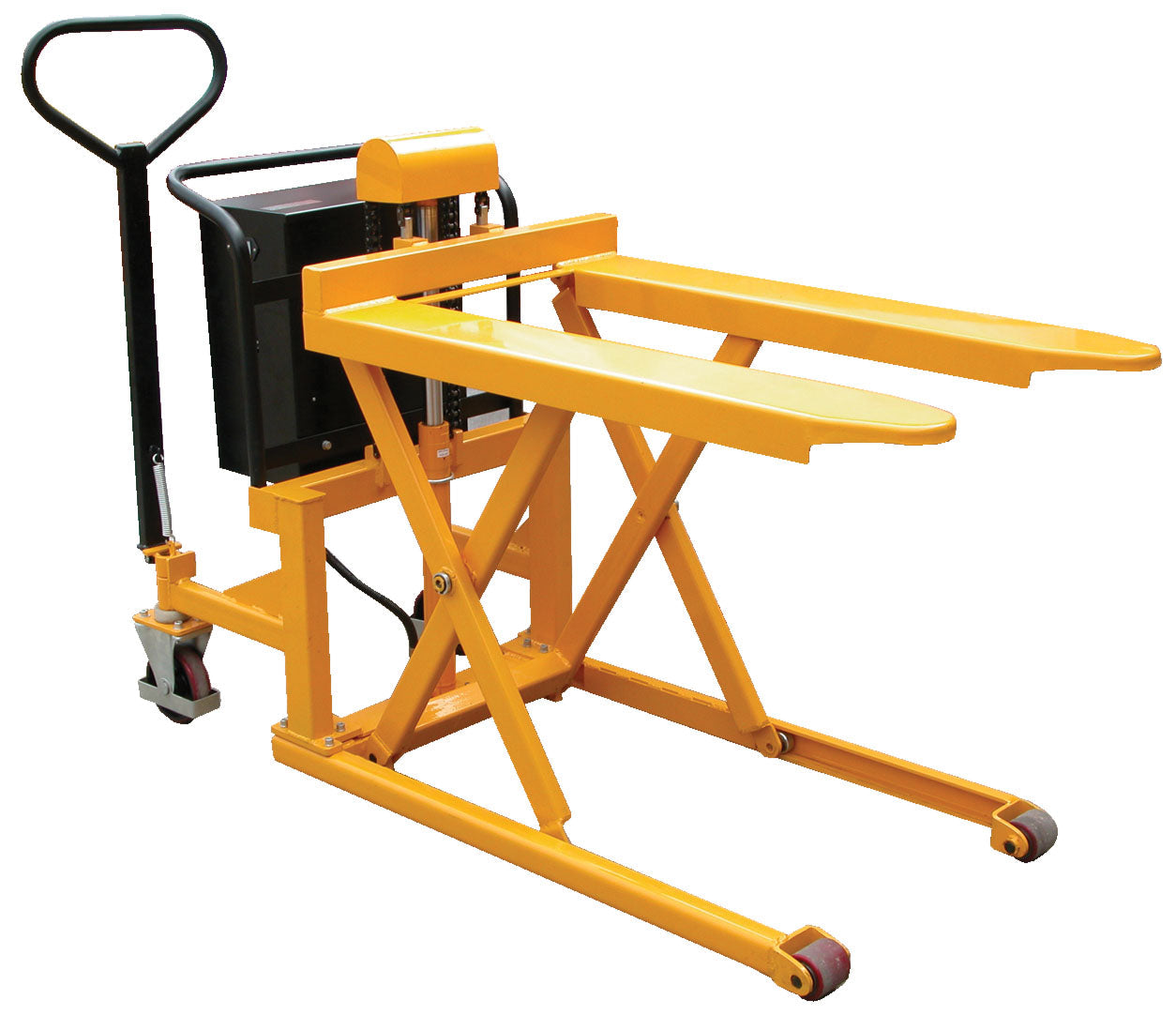
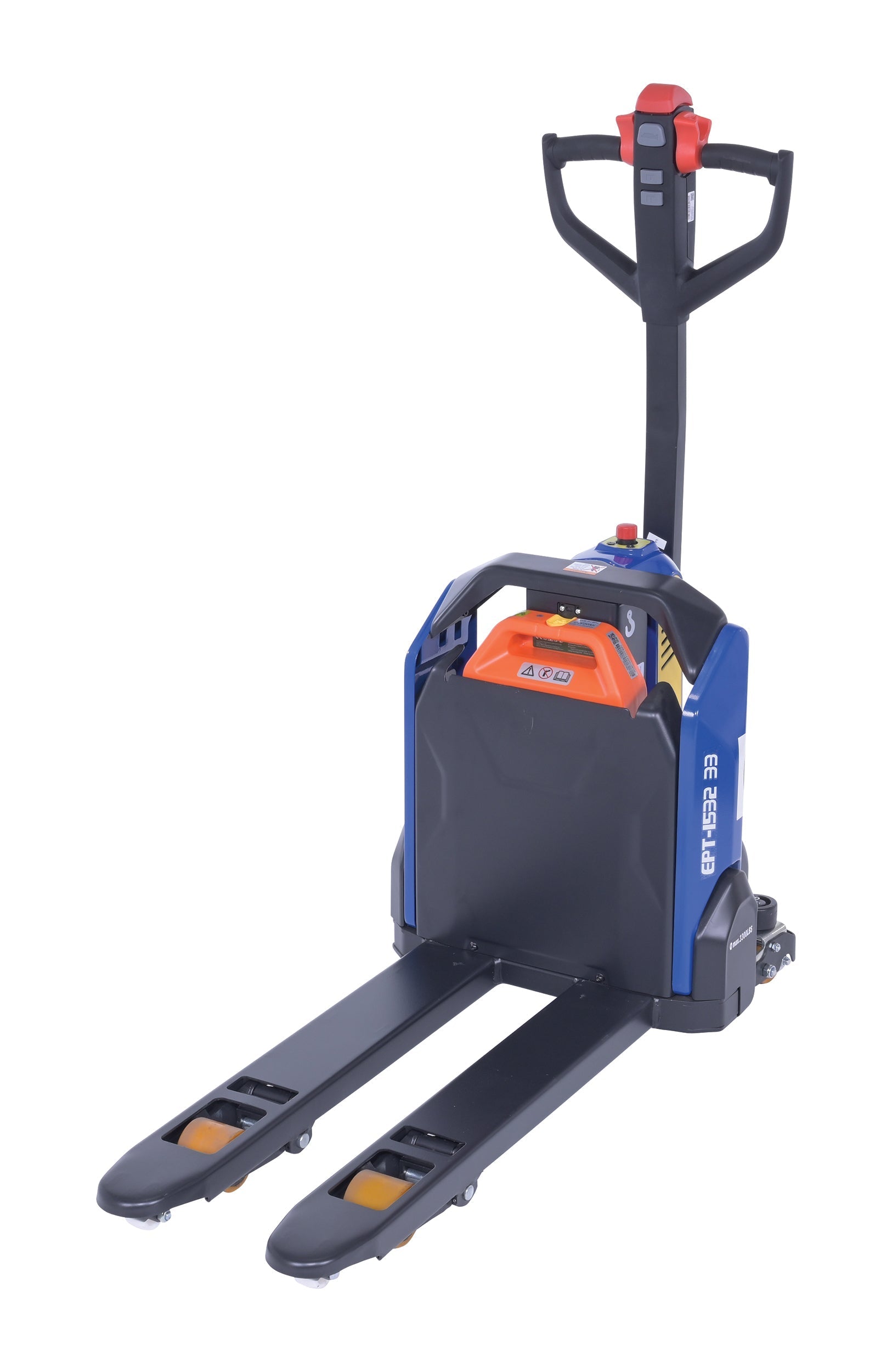
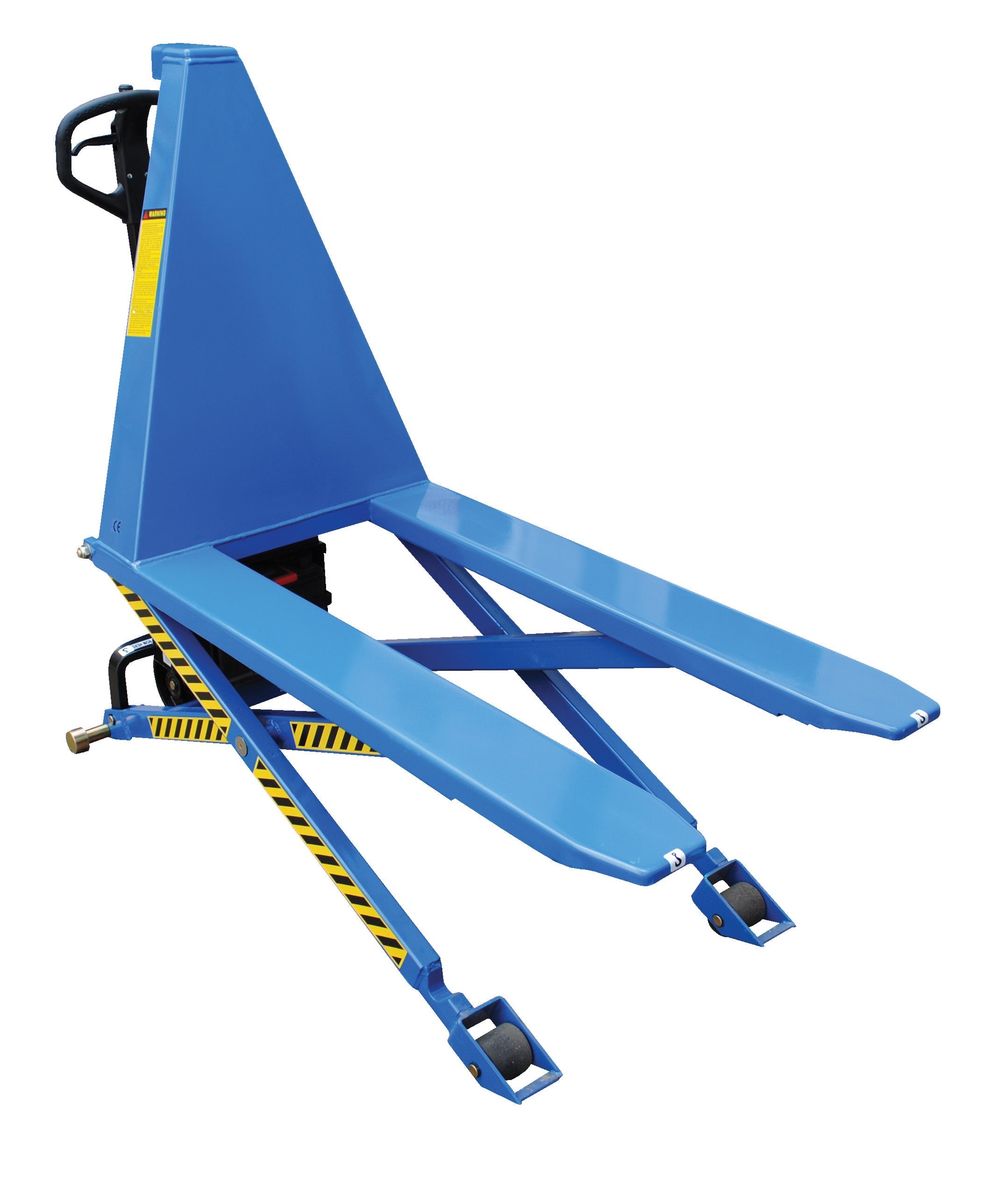
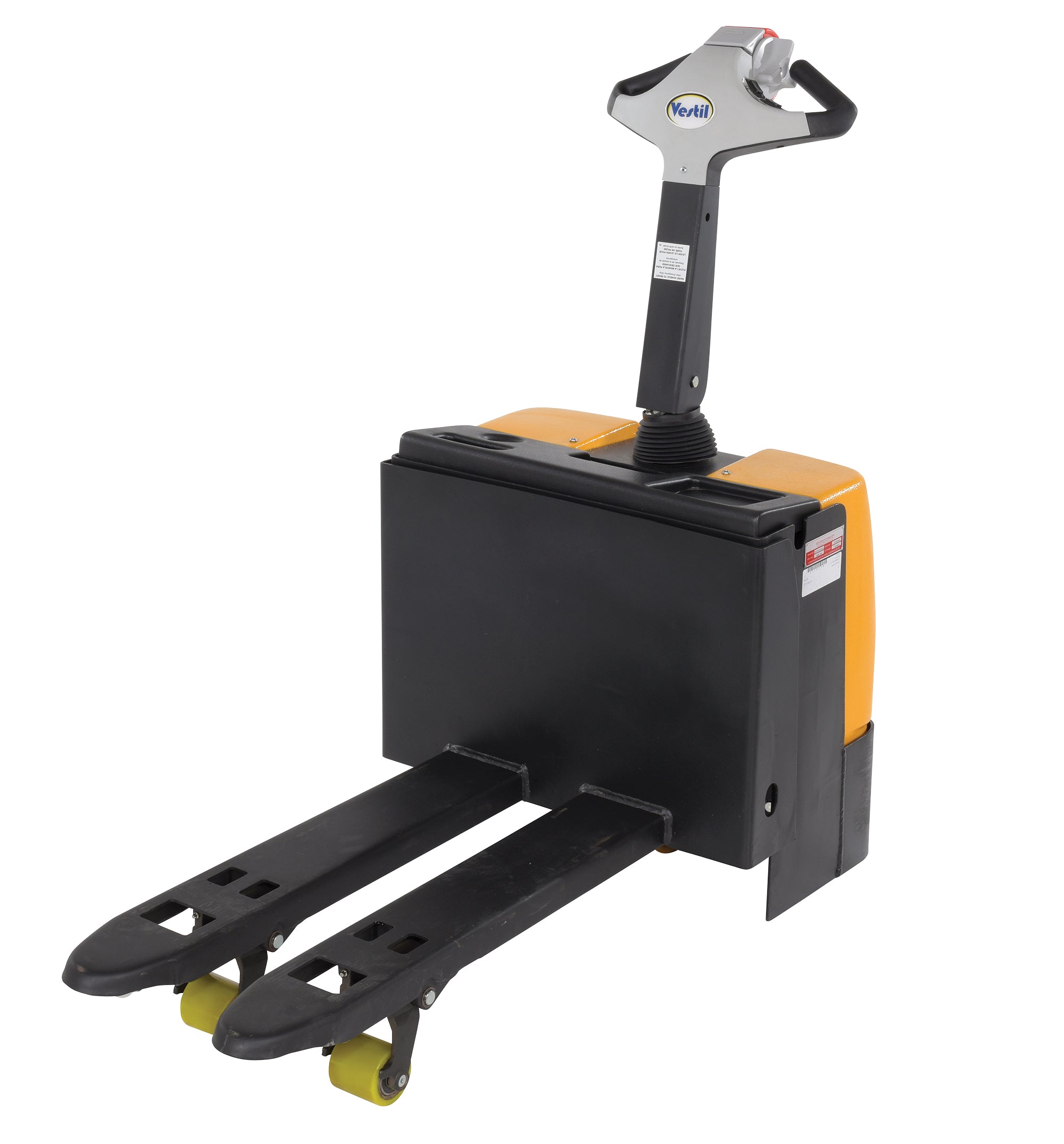
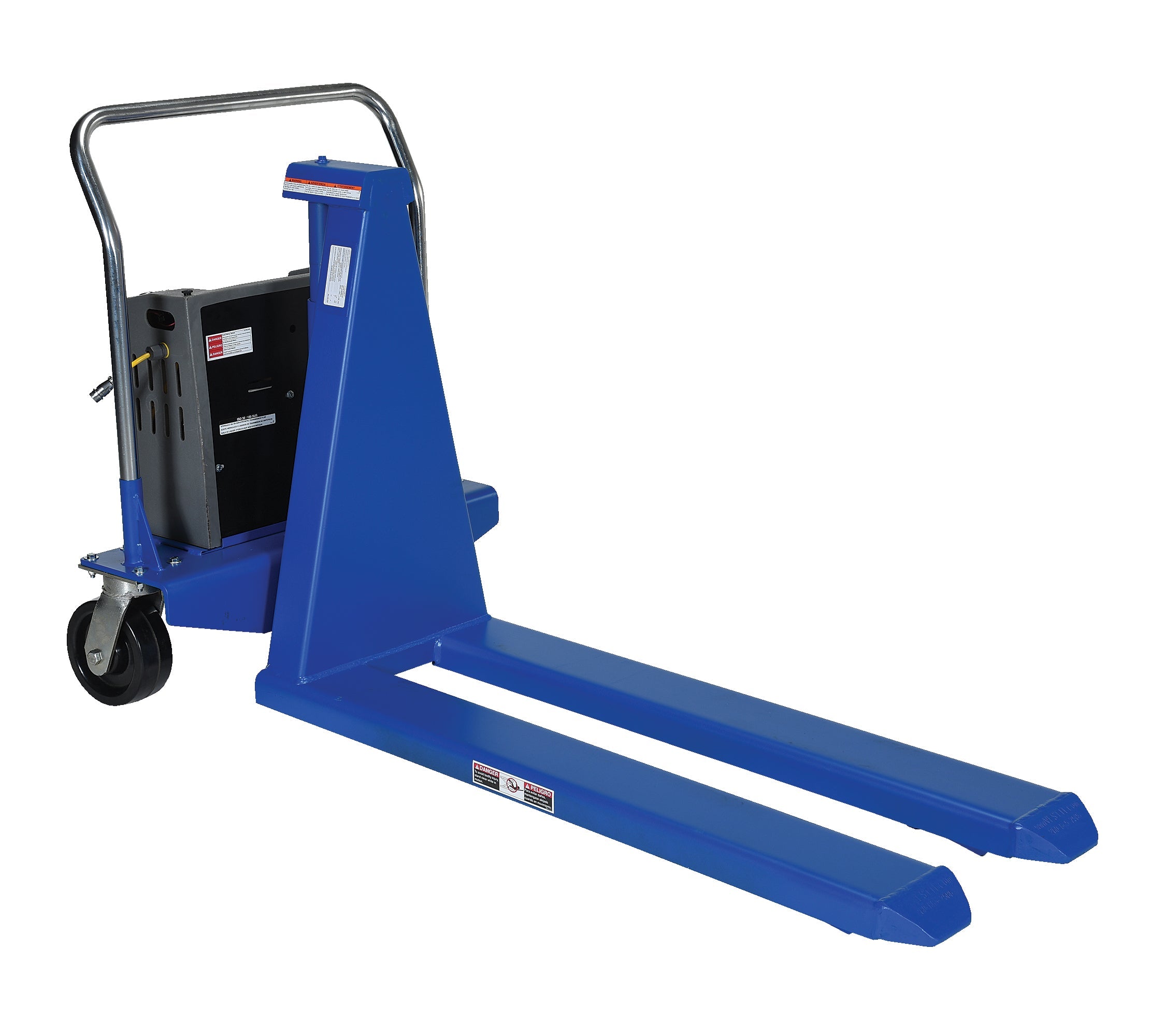
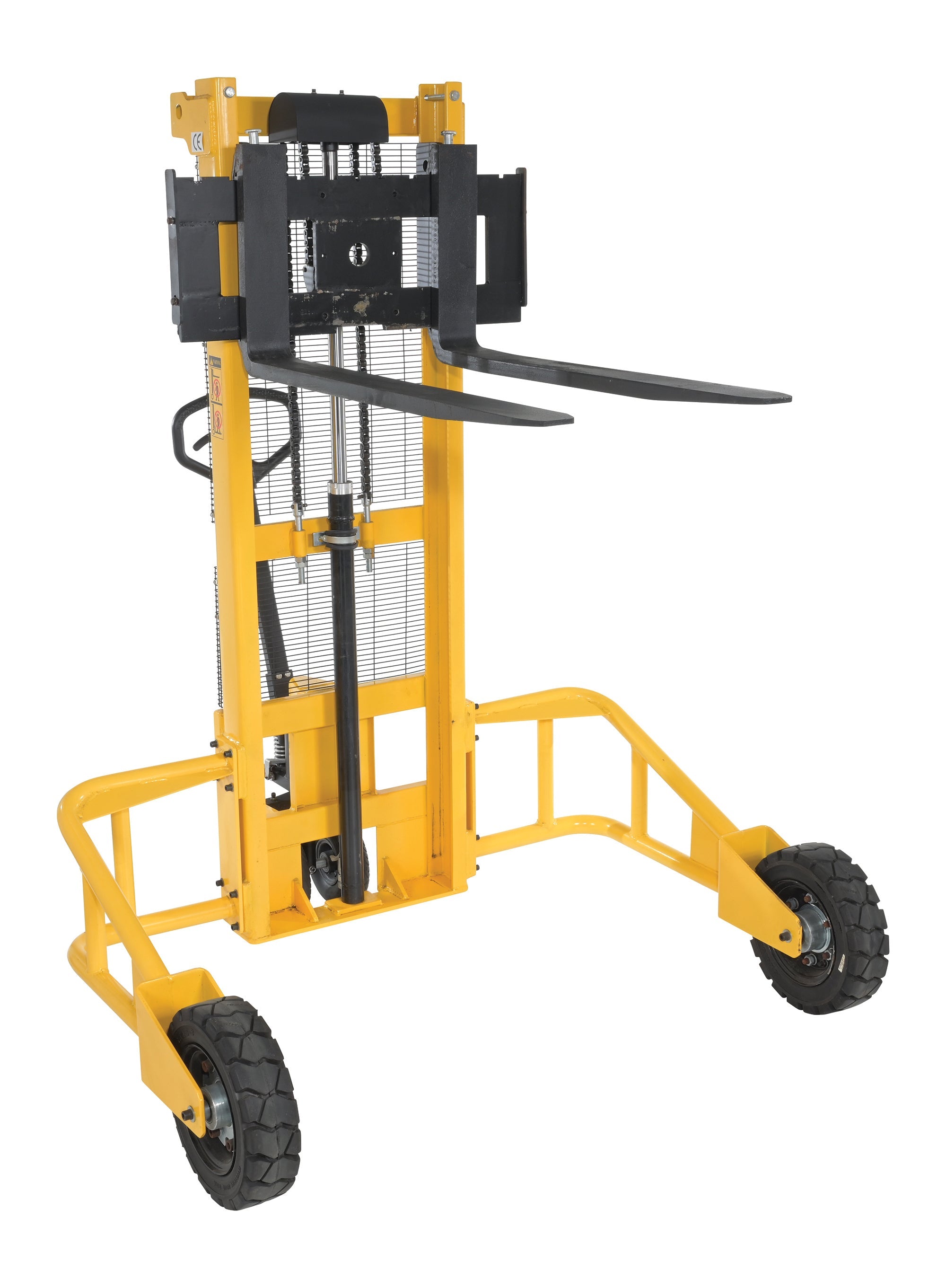
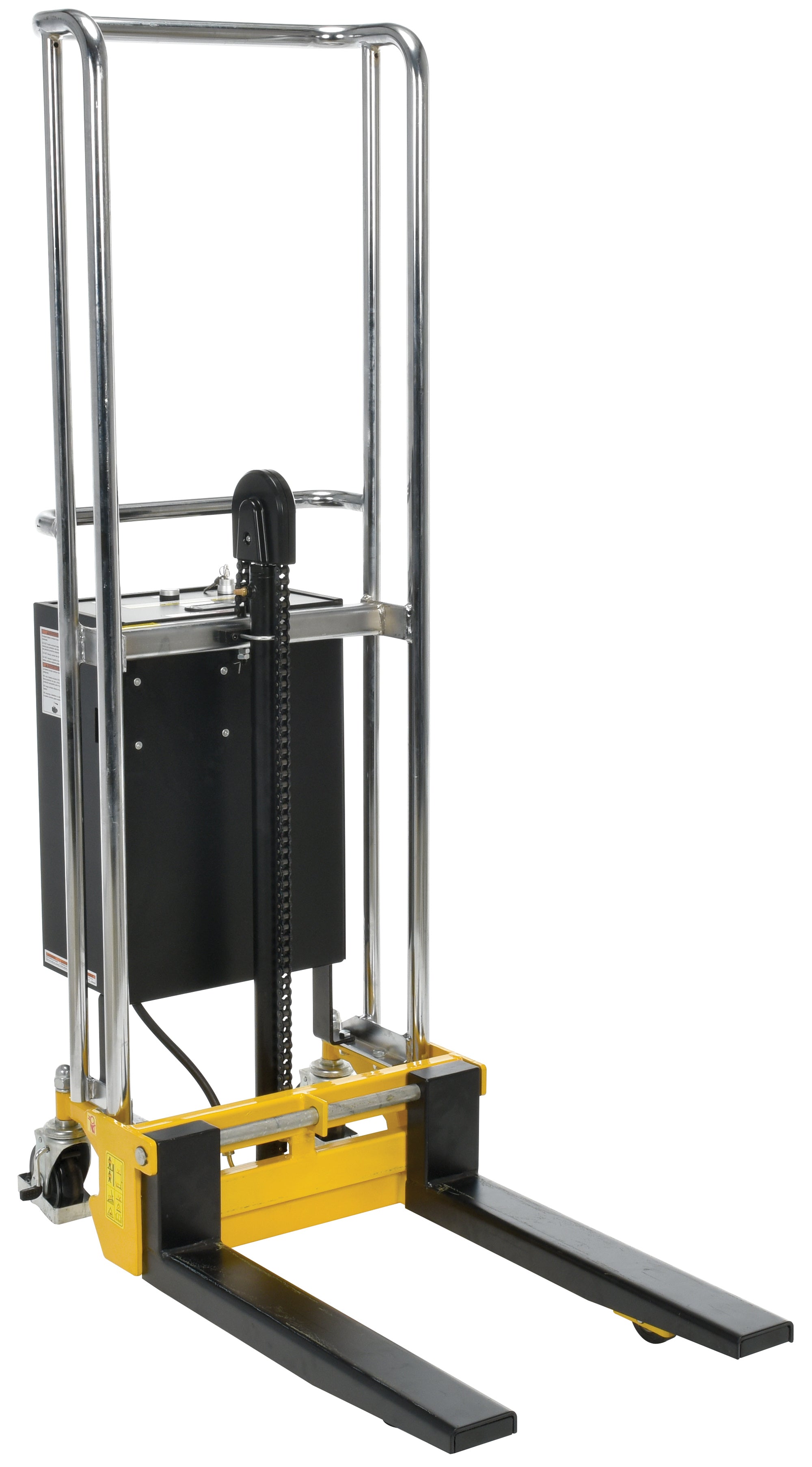
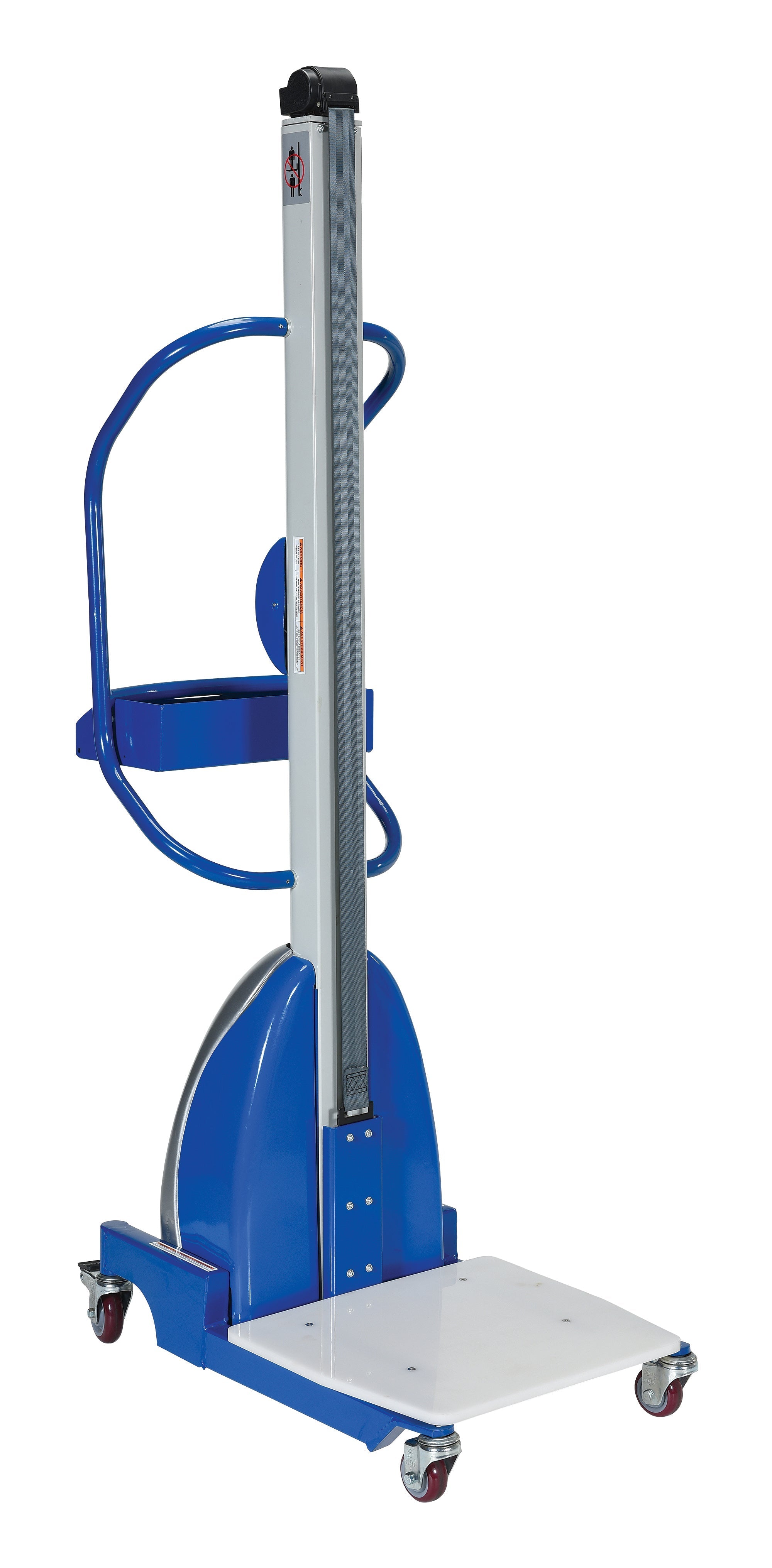
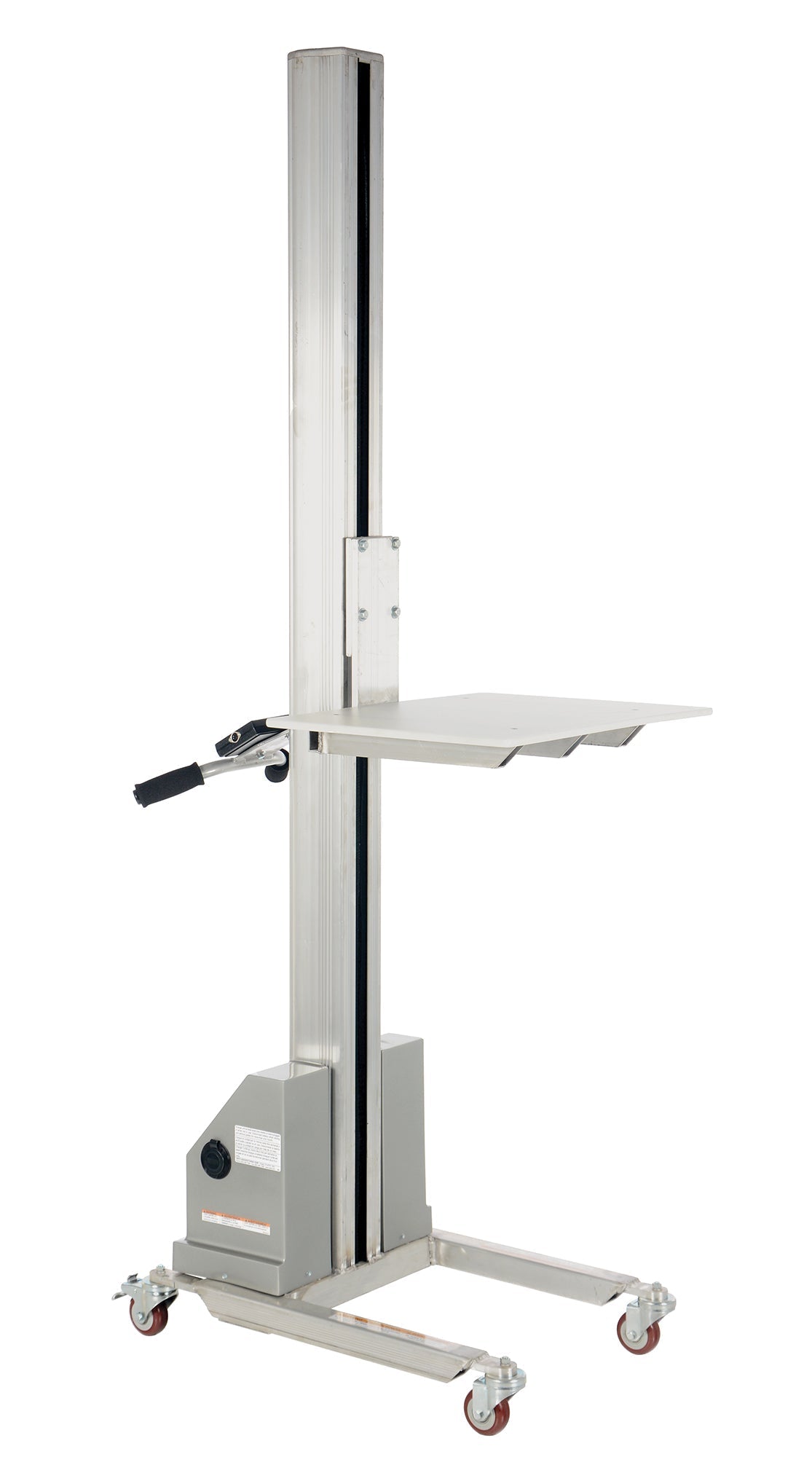
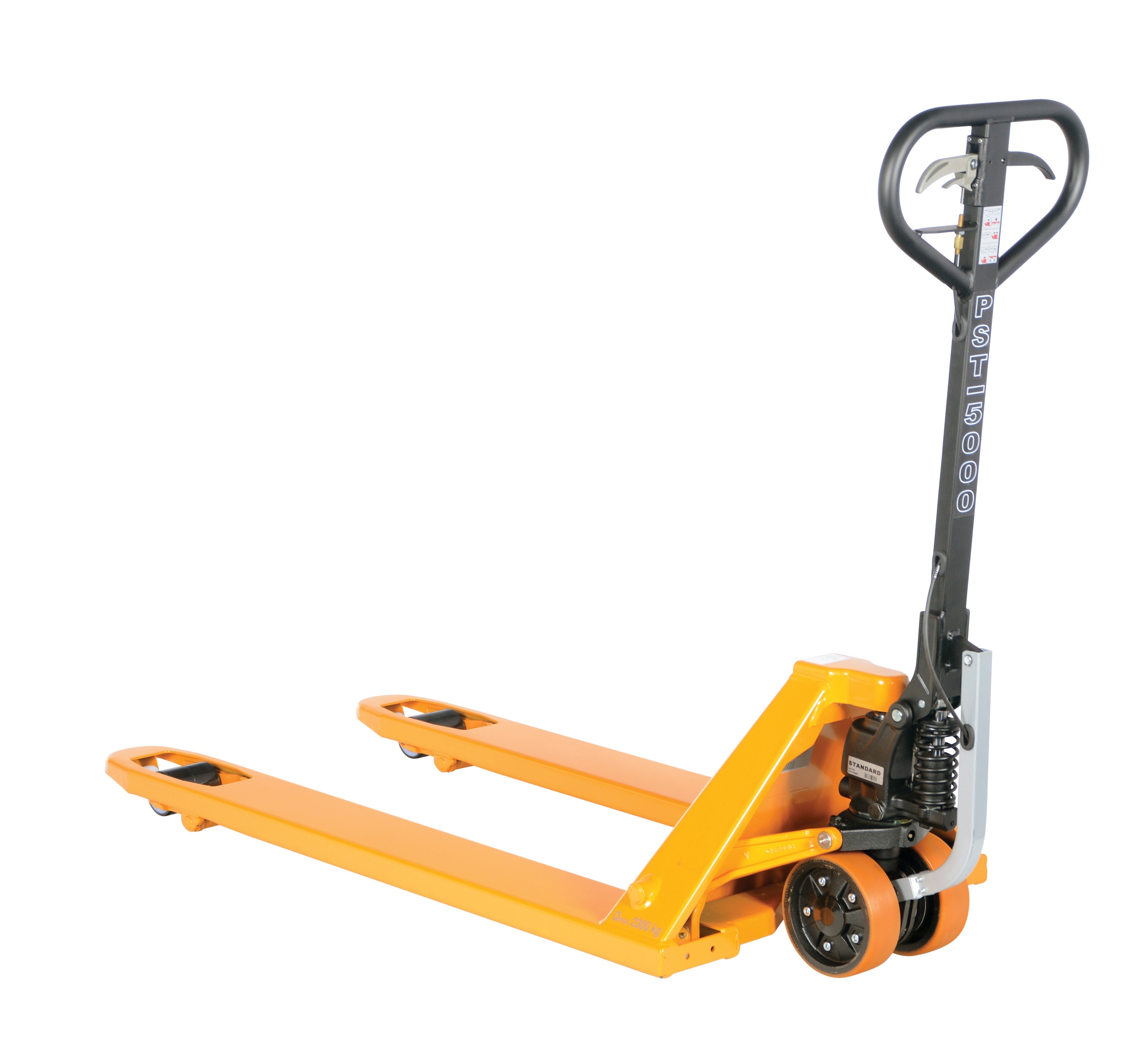
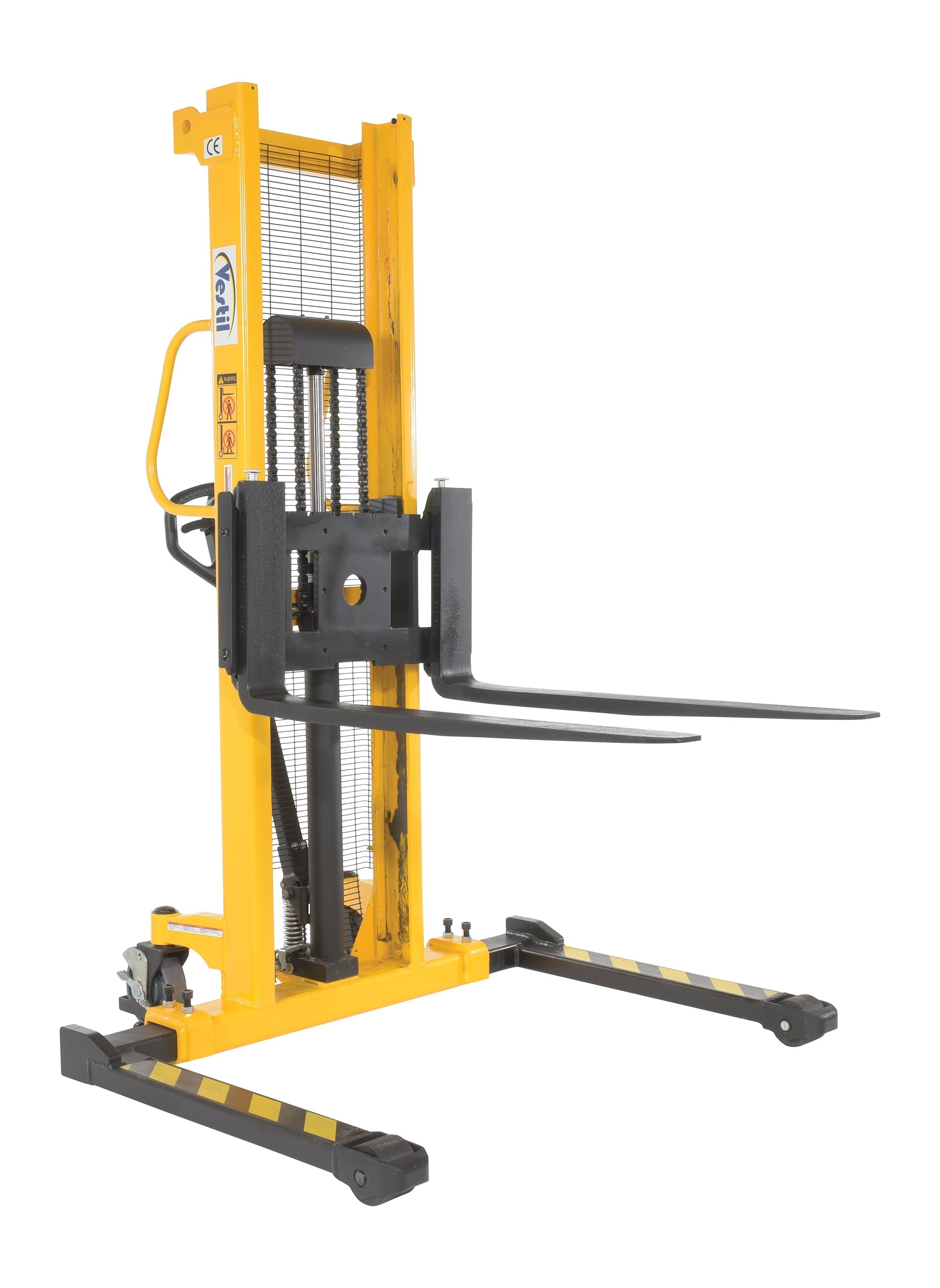
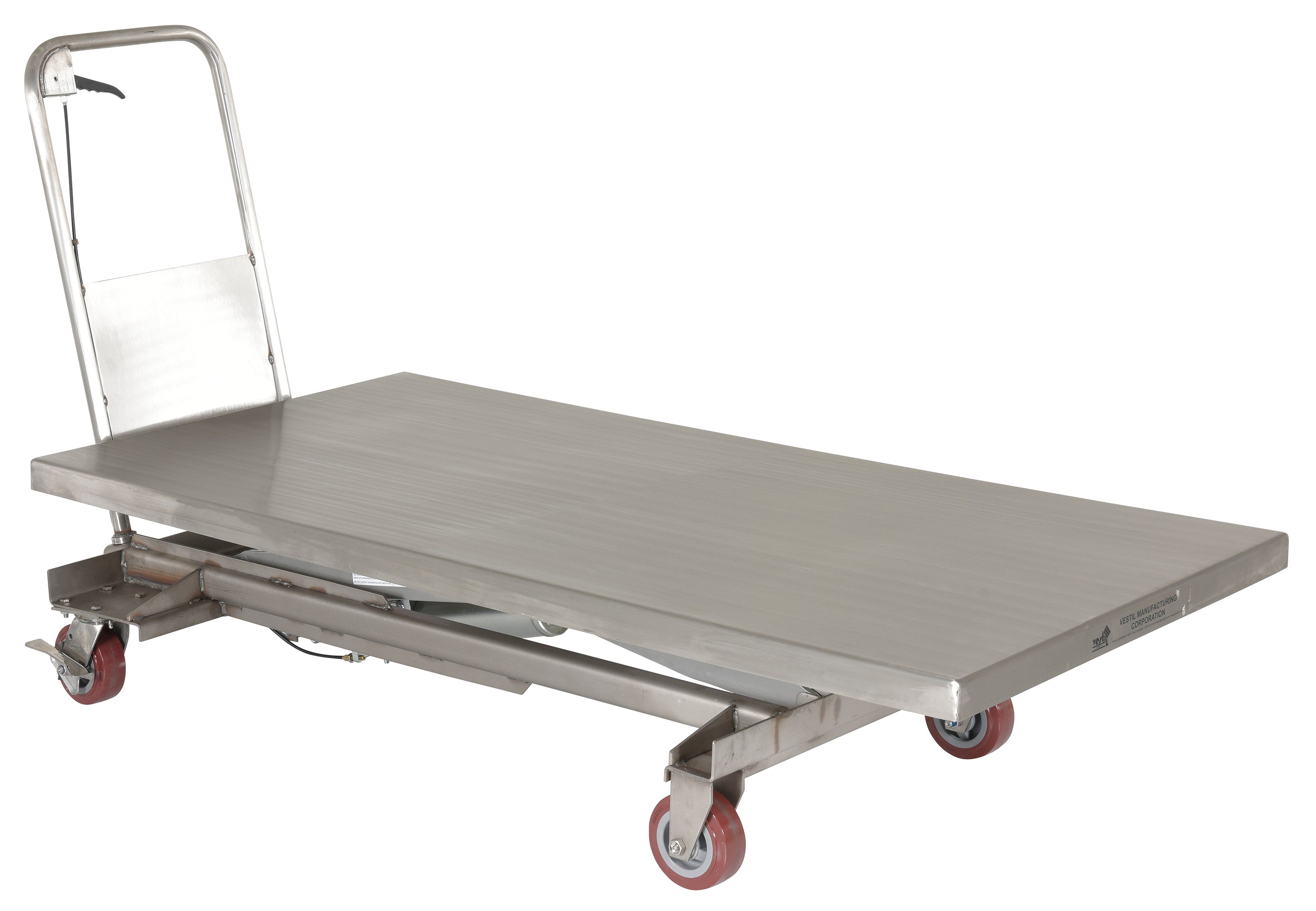
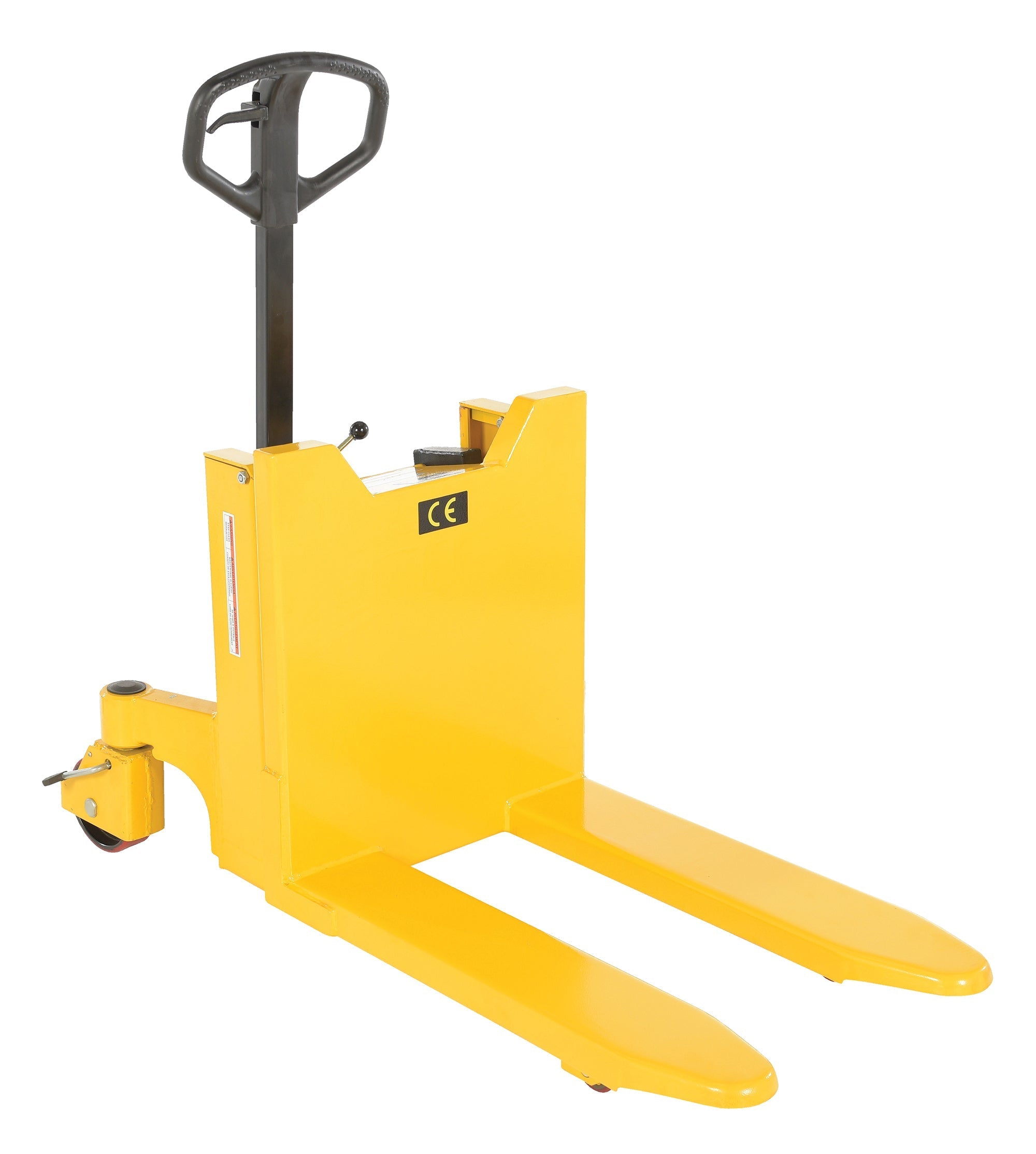
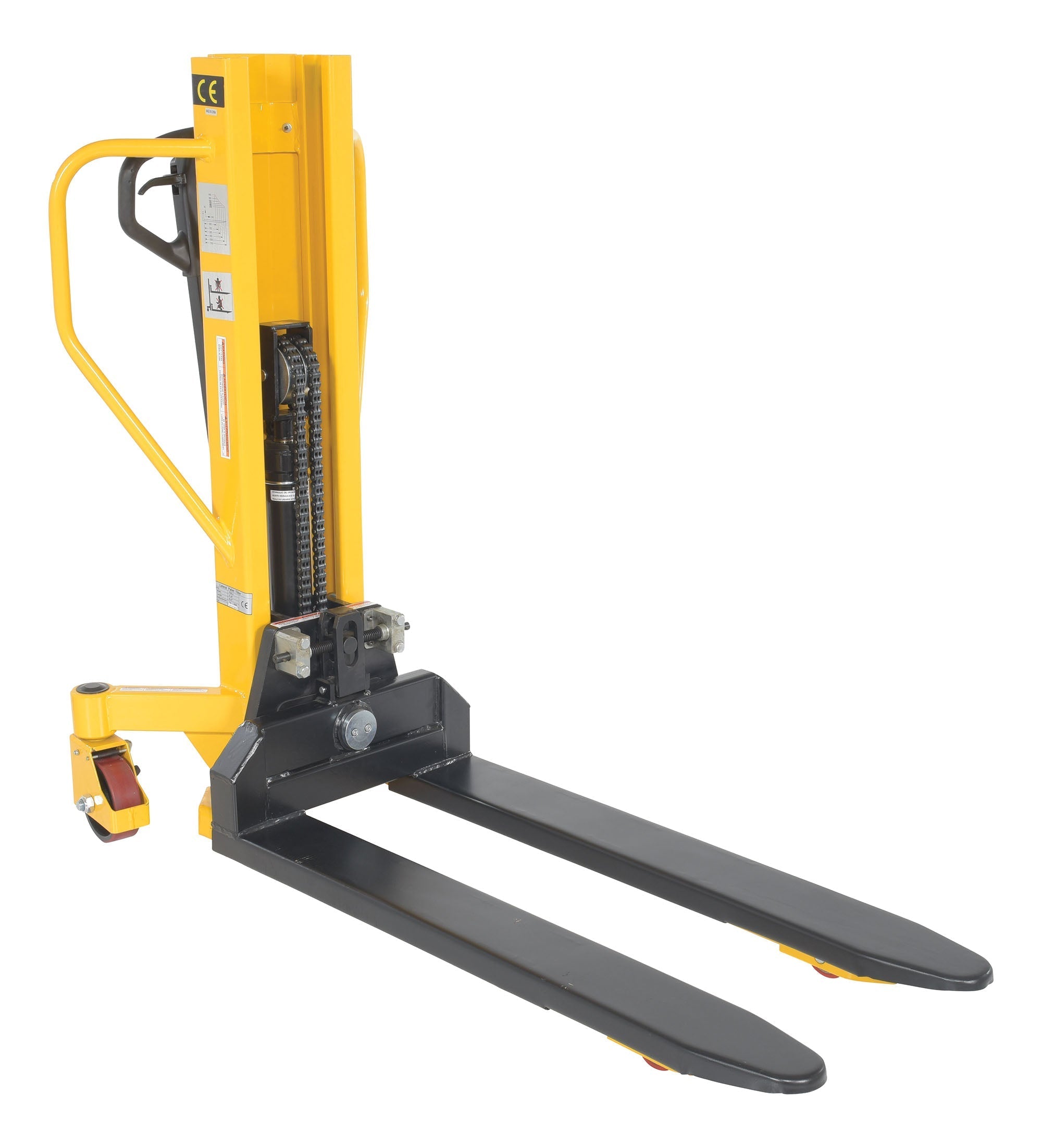
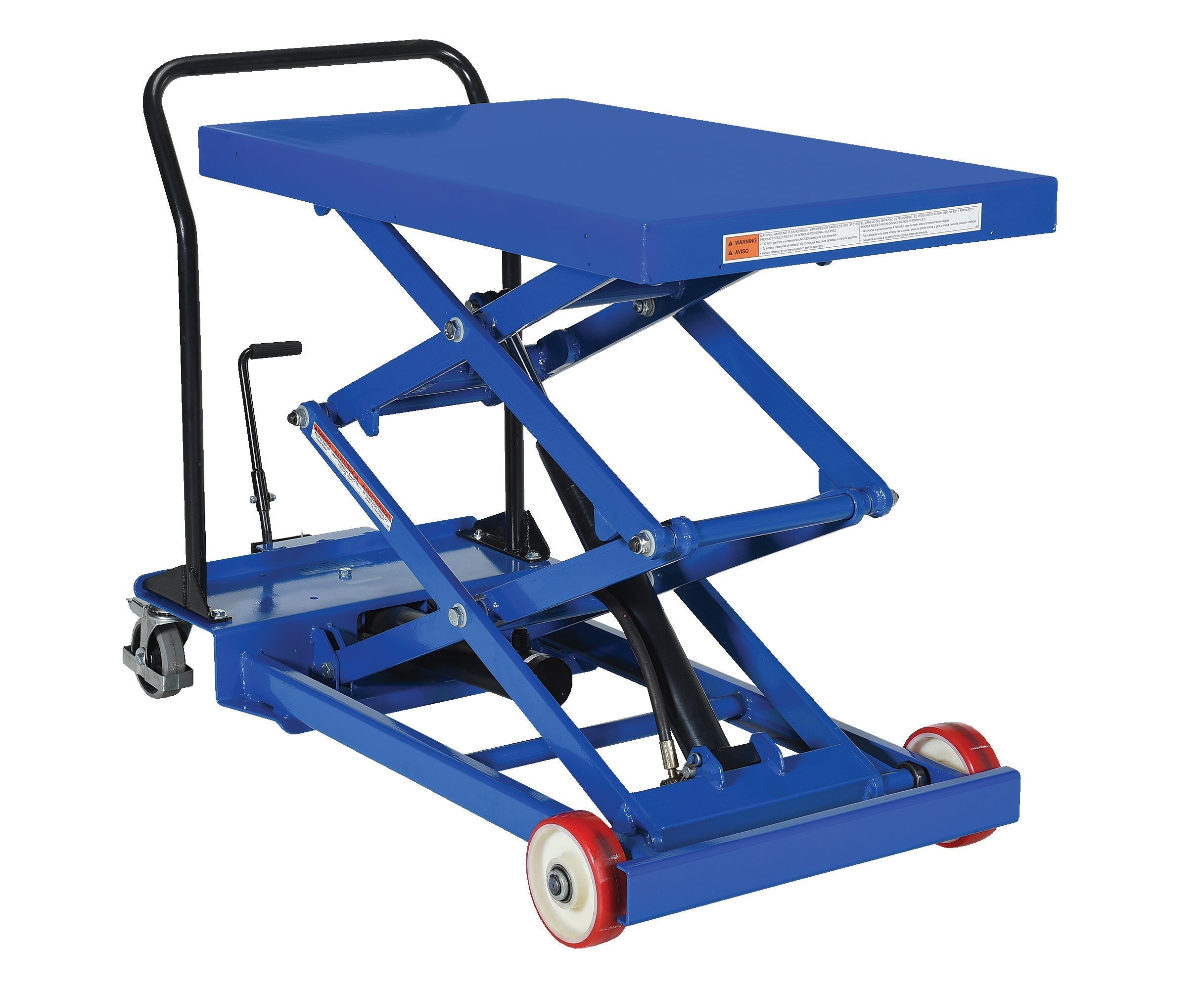
Take the push and the carry off the worker. Moving a load across the floor is its own strain, and the answer is a cycles-per-shift decision. A Vestil hand pallet truck handles occasional moves on smooth concrete from about $420, and all-terrain trucks around $1,665 add running gear for gravel and yards. Step up to an electric pallet truck past $5,000 when moves run all shift, routes get long, or a ramp sits anywhere in the path. When pallets also have to go up onto racking, a powered stacker with power drive and power lift covers it, from around $2,460 through counter-balanced and double-mast units past $20,000. For loads handled away from a fixed station, portable load lifters are compact winch and DC-powered units from about $745, and elevating lift carts put a scissor on casters so one operator lifts and rolls between stations, from manual carts near $270 up to DC powered and stainless builds. One rule rides along with the powered gear: an electric pallet truck or walkie stacker is a powered industrial truck under OSHA 29 CFR 1910.178, so every operator has to be trained and evaluated before running one, with a re-evaluation at least once every three years. Budget the training with the machine.
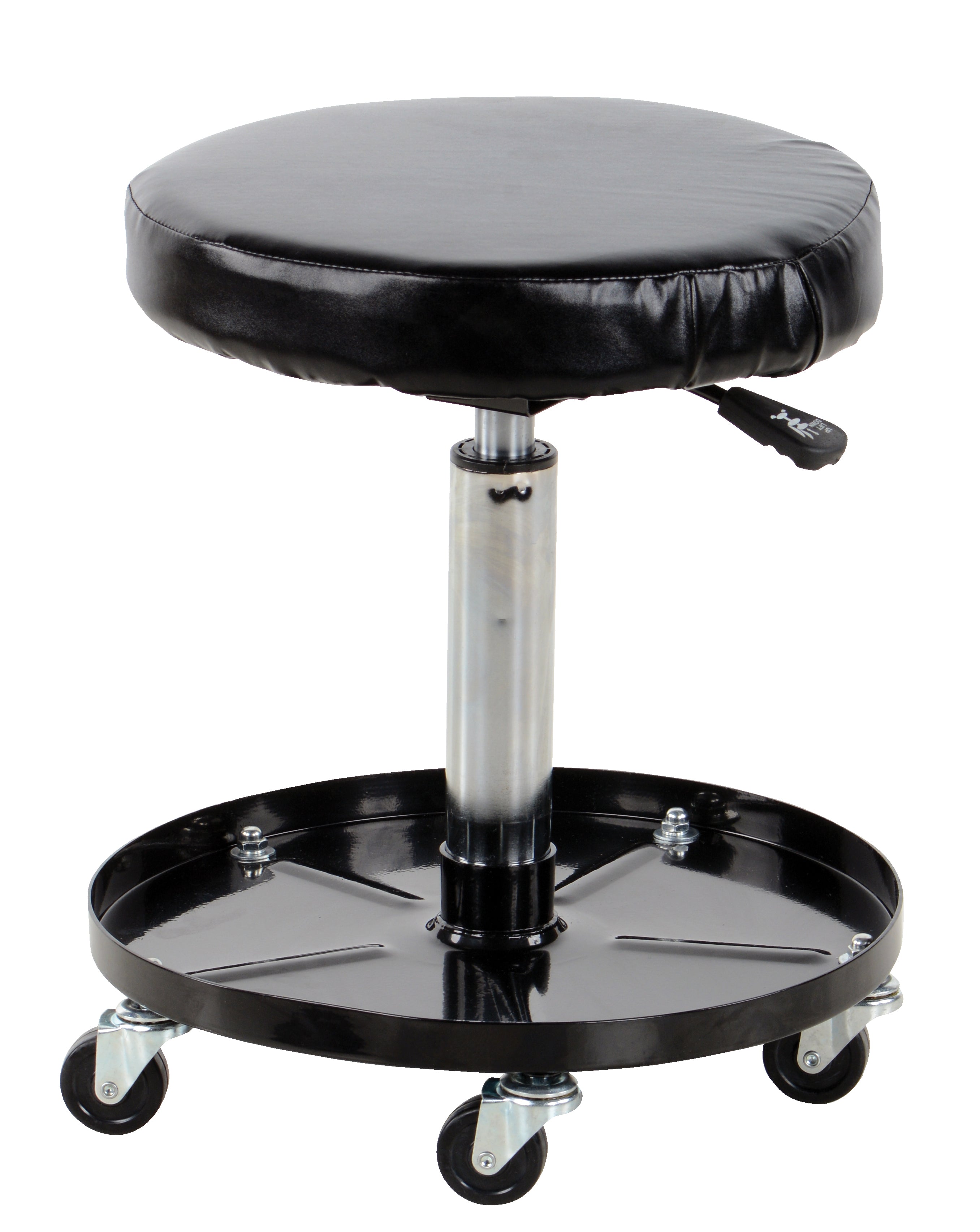
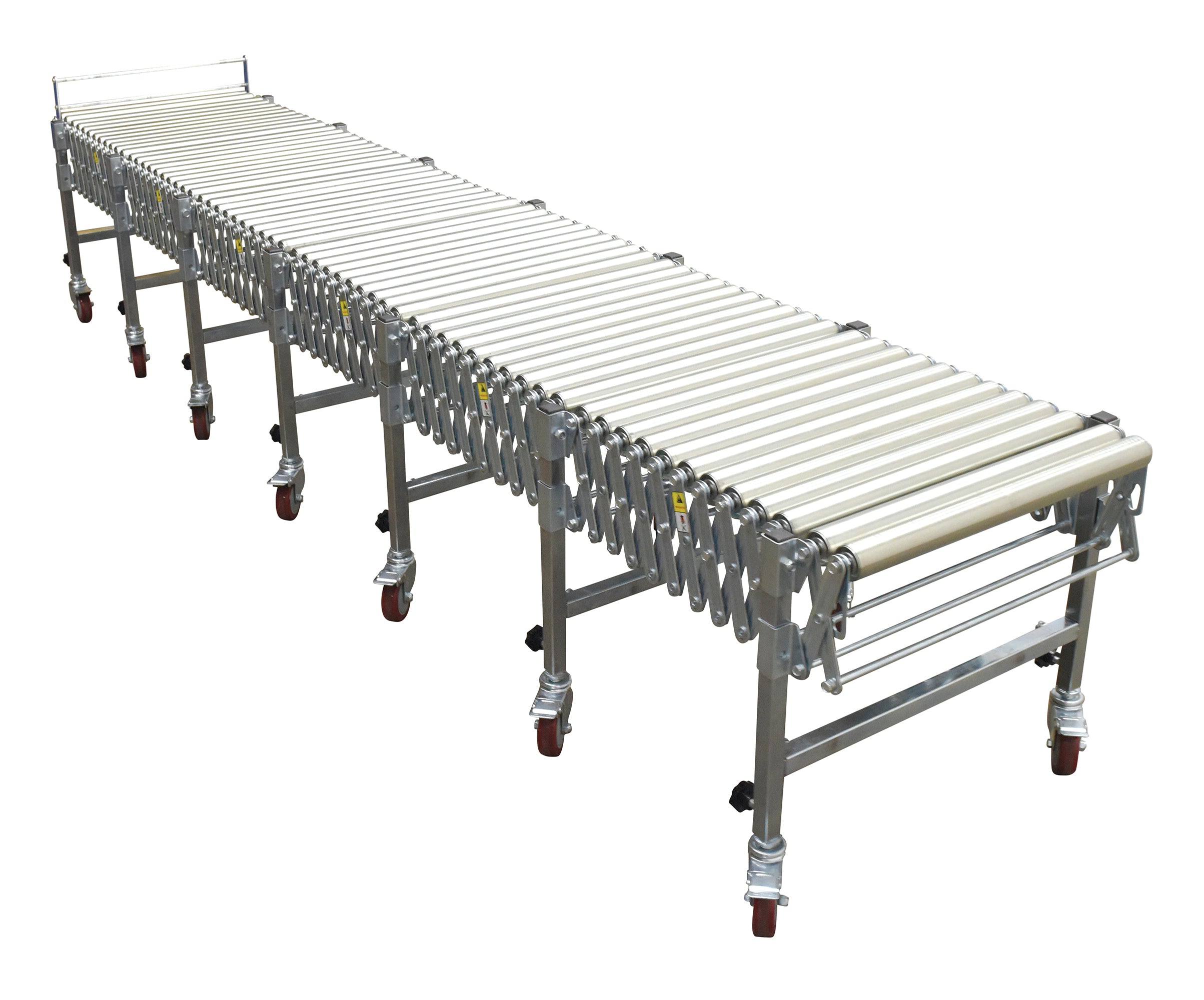
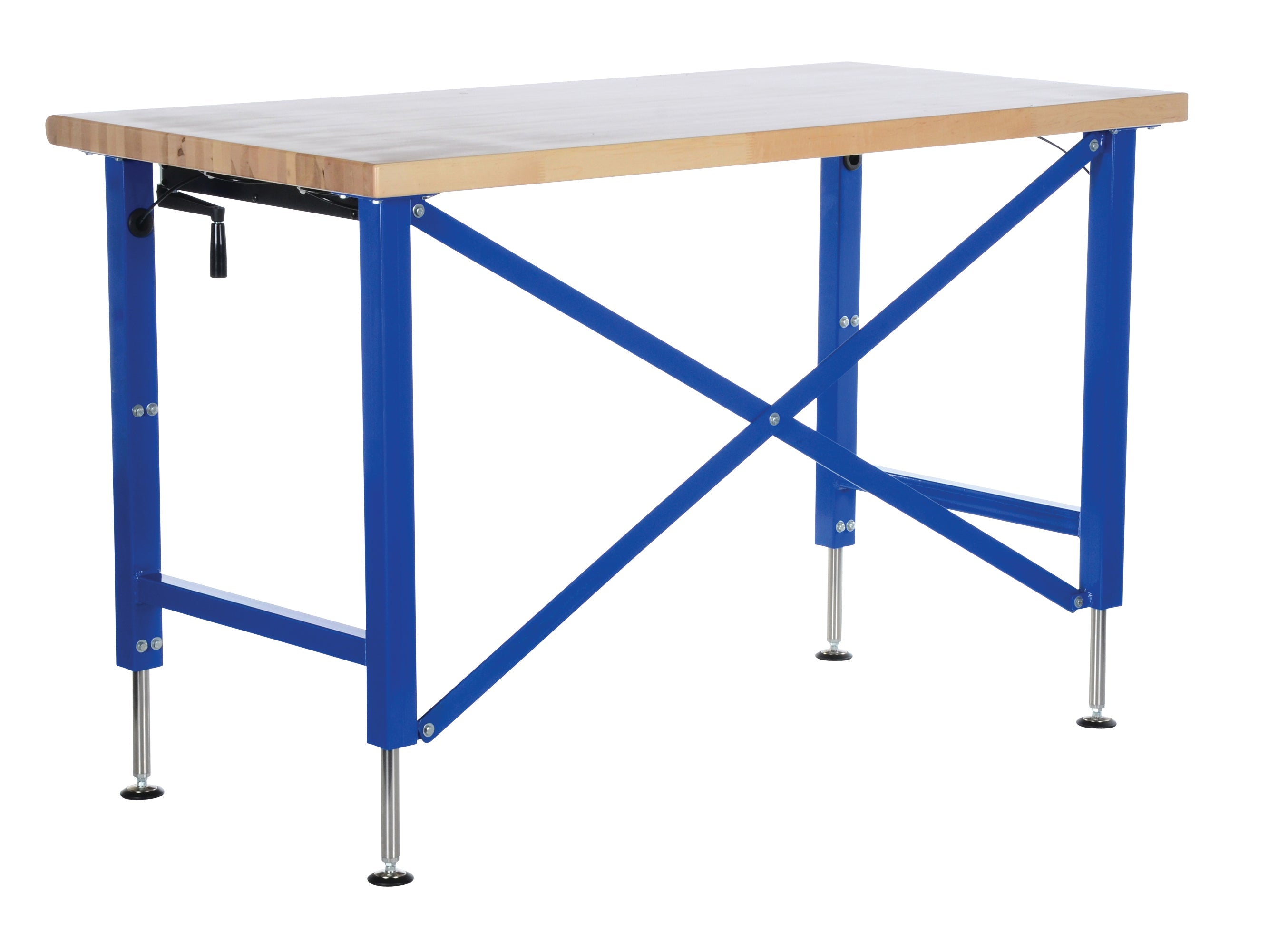
Support the body during static work. Not every strain comes from a lift. A worker who stands on bare concrete or leans into an assembly all shift takes a slower kind of damage, and this collection answers that too. Worker platforms raise the person instead of the part, from Add-A-Level anti-fatigue decks under $70 and lumbar support stands around $260 up to electric order pickers past $4,800. Worker seats give a sit-stand option at the bench, from a back support cushion under $50 through ergonomic work chairs and stools near $210. Manual adjustable ergonomic work benches around $2,090 set the whole work surface to the operator rather than the other way around. And where a load runs the same short path over and over, conveyor and ball transfer platforms let it slide instead of being carried, from single ball transfer strips at $65 to ball transfer platforms in the $500 range. Small money against a repetitive-strain claim.
Spec the numbers, the footprint, and the finish. Once the machine type is settled, four numbers decide the model: capacity, lowered height, raised height, and platform or deck size. Capacity is rated at the center of the deck, and pushing the weight to one edge or end drops the effective rating well below that number, so total the honest weight of the heaviest load plus its container, then look at how it will actually sit and buy the next capacity up if it hangs over one end. Lowered height decides what can load the table, since a pallet truck needs a low profile or ground-lift design to roll on, and raised height decides what the table can serve at press or bench level. Check aisle width and door height before any tall stacker. If the gear lives under washdown or in food and pharma work, pick the stainless models built for it. Everything here ships as an authorized Vestil distributor line with the full manufacturer warranty.
Frequently Asked Questions
It is the family of machines aimed at removing a repeated strain motion rather than a single heavy pick. On this page that means Vestil lift tables, tilt tables, work positioners, pallet trucks, stackers, elevating carts, dumpers, worker platforms, and seating, all sharing one purpose: bring the work to the body instead of asking the body to reach, bend, or muscle the load. Pick by the motion you are trying to design out.
Yes for the powered rolling gear. OSHA classifies electric pallet trucks and walkie stackers as powered industrial trucks, and 29 CFR 1910.178(l) requires documented training and evaluation before anyone operates one, with a re-evaluation at least once every three years. Manual pallet trucks, hand-pump lift tables, and worker seating carry no certification requirement.
Total the heaviest load plus its container or fixture, then look at placement. Ratings assume a centered load, and pushing the weight to one edge or end is rated far lower because the mechanism sees a moment the center rating never accounts for. If a fork truck loads from one side, or the work hangs over one end, buy the next capacity up. The cost step between adjacent ratings is small against a bent scissor leg.
It is a cycles-per-shift question. Manual gear wins on price, upkeep, and training overhead, and earns its keep at a station that moves or lifts a few times an hour. Powered wins on distance, frequency, and grades. A station that raises, lowers, or hauls all shift turns pedal and push effort into fatigue and slow cycles, so the powered unit pays back in output and in the back it protects.
Yes. Several lines, including tilters, lift tables, and elevating carts, come in stainless steel versions built for washdown, food, and pharmaceutical environments where standard painted steel would corrode. If the gear will live under regular sanitation, choose the stainless model rather than a coated one, and confirm the finish against your washdown chemistry before ordering.