The short answer
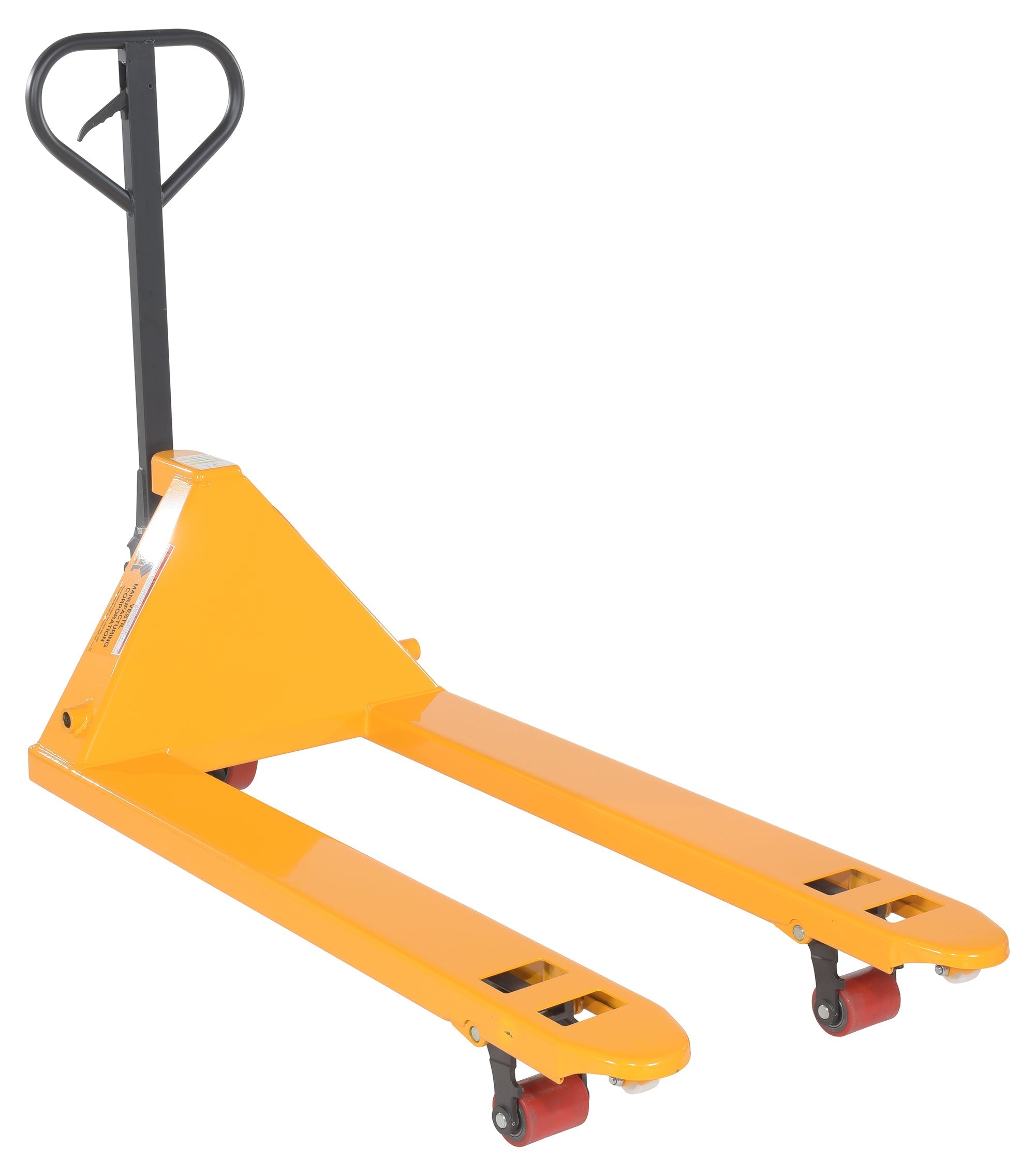
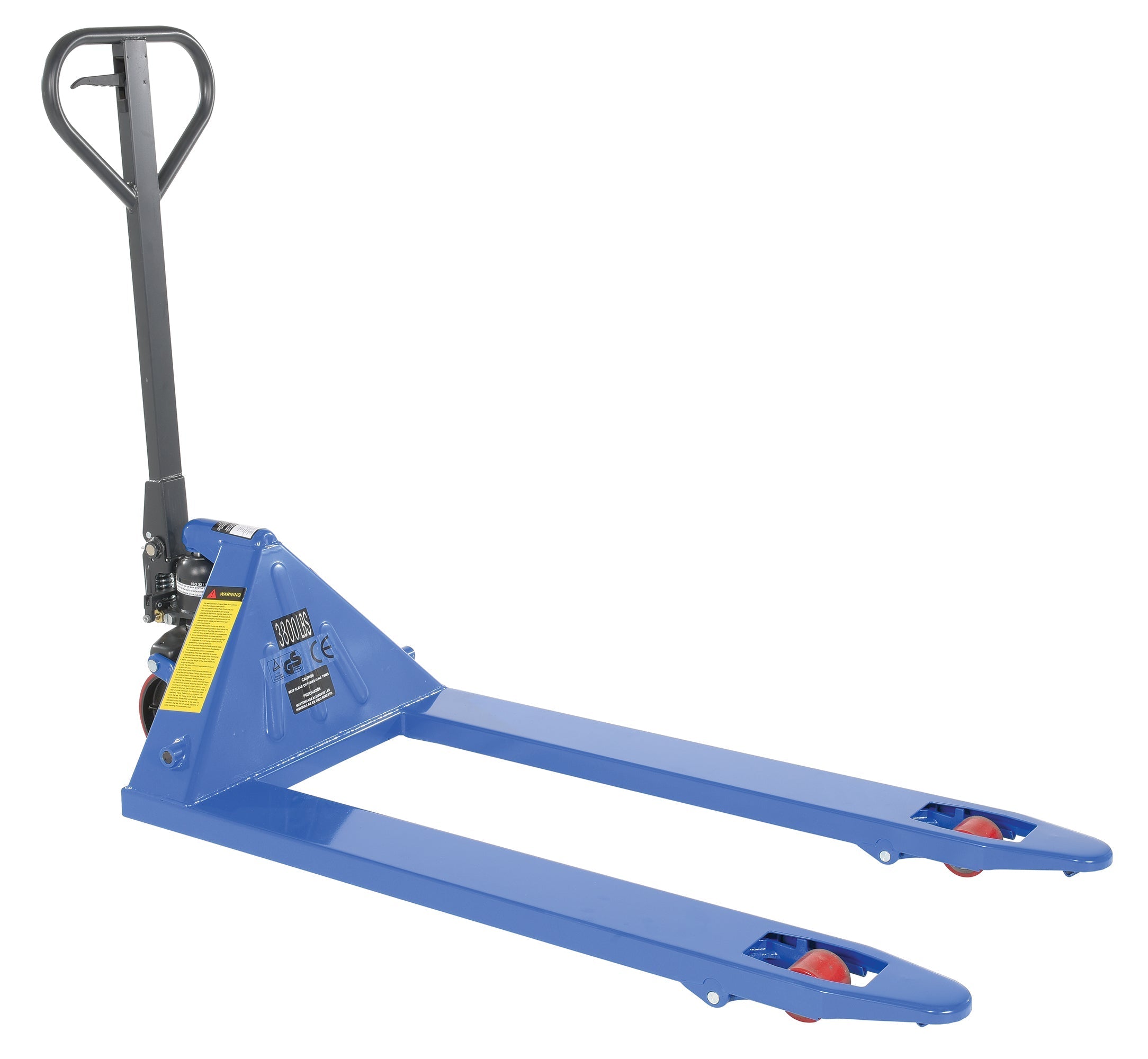
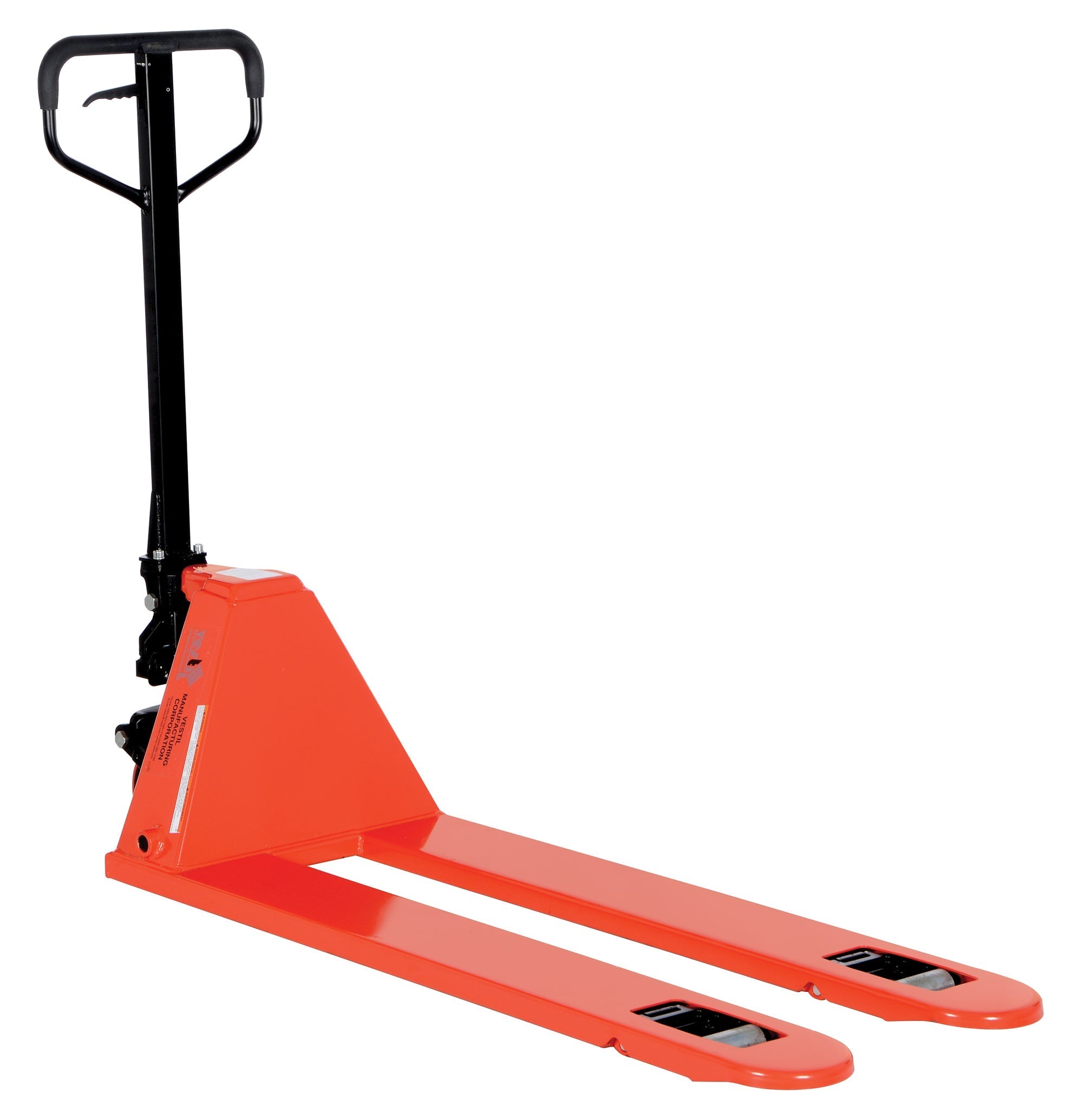
A manual pallet jack weighs more than people expect for its size, typically 150 to 200 lb, with heavy-duty units over 230 lb. That heft comes from solid steel forks, a steel frame, and the hydraulic pump assembly, all built to move thousands of pounds day after day. Electric pallet jacks are much heavier again, commonly 570 lb or more, because they add a battery pack and drive motor. The weight is a direct result of what these tools are built to do: handle serious loads reliably for years.
Why a pallet jack is so heavy
The weight is the durability. A pallet jack's forks and frame are solid steel because they support 4,500 to 5,500 lb repeatedly without flexing or failing. The hydraulic mechanism adds more mass. There's little reason to make a manual jack lighter, since it rolls on wheels and the operator rarely lifts the whole tool, so manufacturers prioritize strength over weight. That's why even a compact hand pallet jack tips the scales at 150-plus pounds. The heft you feel picking one up is the same heft that lets it shrug off heavy daily use.
Manual versus electric weight
The weight gap between manual and electric pallet jacks is large. A manual unit sits at 150 to 200 lb. An electric pallet jack often weighs 570 lb or more, because the battery alone can weigh over 100 lb and the motor, drive system, and heavier frame add the rest. That extra weight is one reason electric jacks are so much easier to use, the mass helps with traction and stability, but it also means they need more substantial floors and are far harder to move when not powered. It's a real consideration for lighter-duty floors.
Why the weight matters
Pallet jack weight affects a few practical things. It determines how easy the jack is to transport, loading a 180-lb manual jack into a truck is a two-person job or needs a ramp, and a 570-lb electric unit is a different challenge entirely. It affects the floors and surfaces the jack can safely run on, especially for heavier electric models on lighter structures like mezzanines. And it contributes to stability under load. For most users the manual jack's weight is a non-issue in daily use, since it rolls, but it matters the moment you need to lift or relocate the jack itself.
Weight and capacity are different things
Don't confuse how much a pallet jack weighs with how much it can lift. The tool's own weight is 150 to 200 lb for a manual unit; its rated capacity, the load it can carry, is 4,500 to 5,500 lb. Those are separate specs. A jack that weighs 180 lb lifting a 5,000-lb pallet is normal. When you shop, the number that matters for the job is the capacity, always confirm it covers your heaviest load with margin, while the tool's own weight matters mainly for transport and floor loading. Our what is a pallet jack guide covers capacity in more detail.
Transporting a pallet jack
Because a manual pallet jack weighs 150 to 200 lb, moving it without rolling, into a truck bed, up steps, onto a dock, takes planning. A ramp makes loading one into a vehicle straightforward; lifting it by hand is a two-person job and awkward given the shape. Electric units at 570-plus lb effectively require a ramp or lift and can't be manhandled at all. If you'll frequently transport the jack itself, the tool's weight is worth factoring in, and it's a point in favor of a manual unit for anyone who needs to move the jack between sites.
Weight by model type
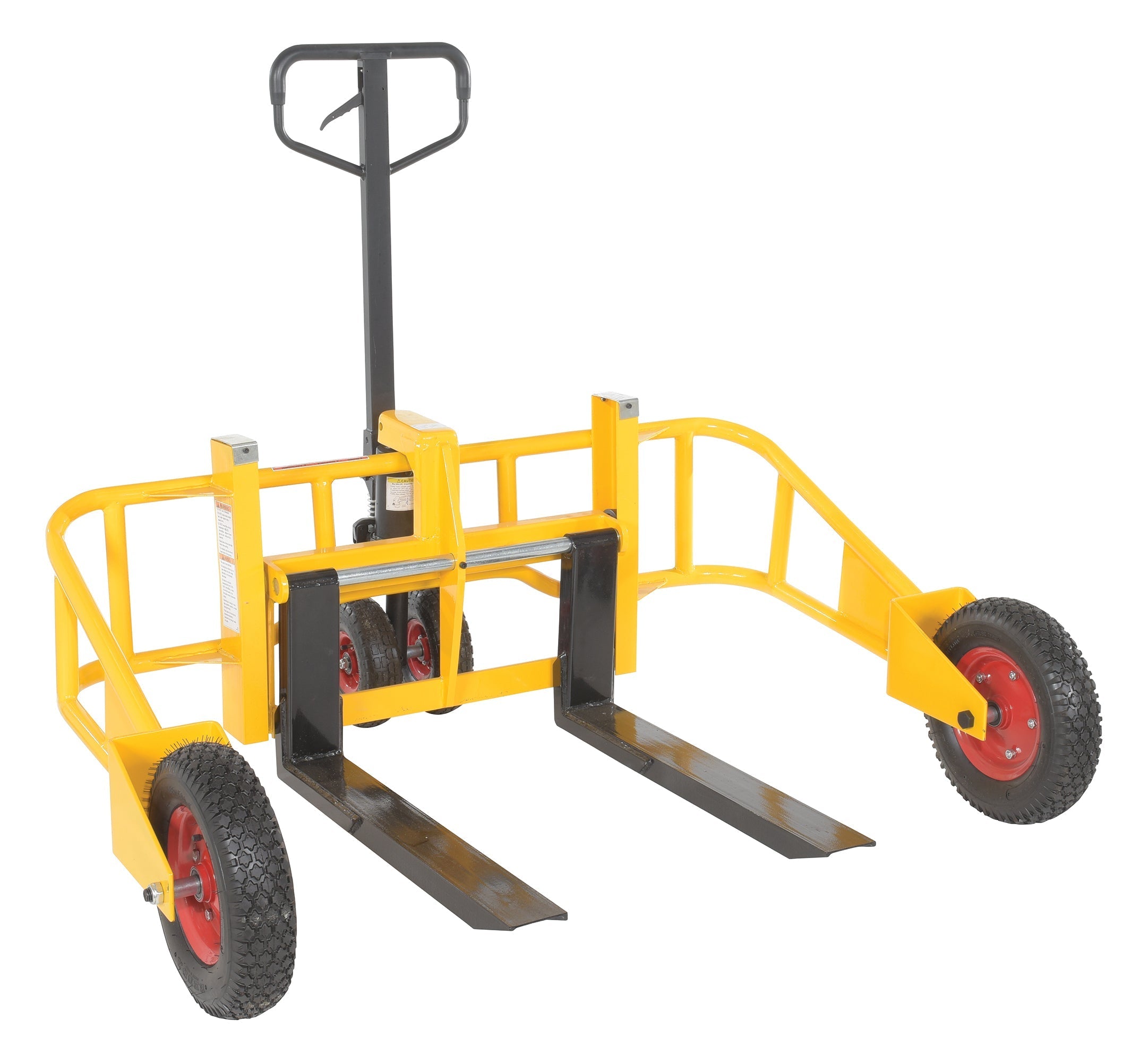
Weight varies with the jack's build and features. A basic economy or standard manual truck sits in the 150 to 200 lb range. Heavy-duty, all-terrain, and specialty models run heavier, over 230 lb, because they use more steel and bigger wheels. Low-profile units are similar. Electric jacks are in a different class at 570 lb and up. If weight is a concern for your floors or transport, check the spec on the specific model, and lean toward a standard manual unit, which balances strength and manageable weight.
Choosing with weight in mind
For most buyers, a pallet jack's own weight isn't a deciding factor, since it rolls on wheels and stays in one facility. It becomes important if you need to transport the jack often, or if you're running heavier electric units on lighter floors. In those cases, favor a standard manual truck for its manageable 150 to 200 lb, and confirm any electric unit's weight suits your floors before buying. Prioritize capacity and fit for the job first, then weigh the tool's own mass for your specific transport and flooring situation. Compare models in our best pallet jacks guide.
The bottom line
A manual pallet jack weighs 150 to 200 lb (heavy-duty units 230-plus), and an electric one 570 lb or more, weight that reflects the solid steel build and, for electric, the battery and motor. That heft is what makes these tools durable enough for years of heavy use. The weight matters mainly for transporting the jack and for floor loading, not for daily rolling use. Don't confuse it with capacity, the 4,500 to 5,500 lb the jack can lift. See our what is a pallet jack and best pallet jacks guides to choose.
Weight and your floors
For heavier electric pallet jacks especially, floor loading is worth a thought. A 570-plus-lb electric unit carrying a 4,000-lb load concentrates real weight, which matters on mezzanines, older floors, or raised structures rated for lighter loads. Manual jacks at 150 to 200 lb rarely raise concerns on a normal warehouse slab. If you're running heavy electric equipment on anything other than a ground-level concrete floor, confirm the floor's rated capacity handles the jack plus its load. On standard warehouse floors, none of this is an issue, but it's a genuine consideration for upper floors.