What an electric pallet jack costs
Electric pallet jacks cost far more than manual ones because they add a battery, a motor, and controls that lift and drive the load for you. A standard walk-behind electric unit most commonly runs $2,000 to $5,500. The full real-world range is broader, from around $900 for basic units to $7,000 and beyond, and premium or rider-style models climb past $10,000. Compared to a manual pallet jack at $200 to $600, that's a big jump, and it reflects everything the powered system does that a manual jack asks the operator to do by hand.
Why electric costs so much more than manual
The price gap comes down to what's inside. A manual pallet jack is essentially steel forks and a hydraulic pump, with nothing to power. An electric unit adds a battery pack (often the single most expensive component), an electric drive motor, a powered hydraulic lift, controls, and a heavier frame to carry it all. Each of those adds cost, and the battery in particular drives both the purchase price and the long-term ownership cost. You're paying for the machine to do the lifting and driving that a person does on a manual jack, which is worth it only when the workload justifies it.
What drives the electric price
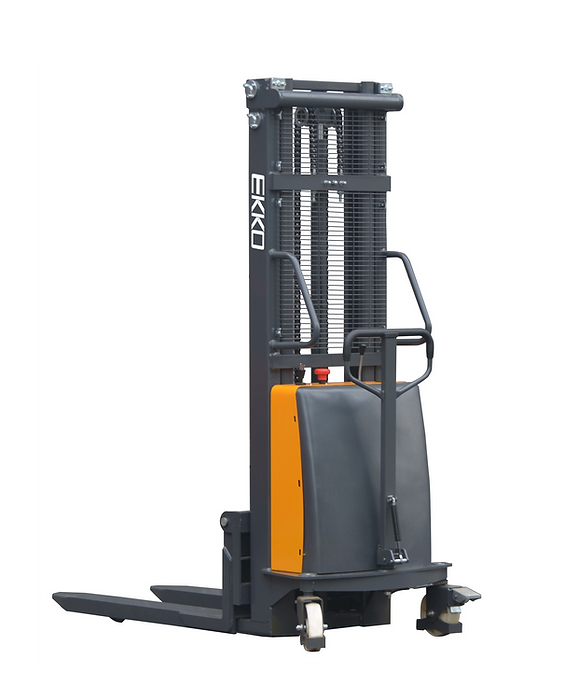
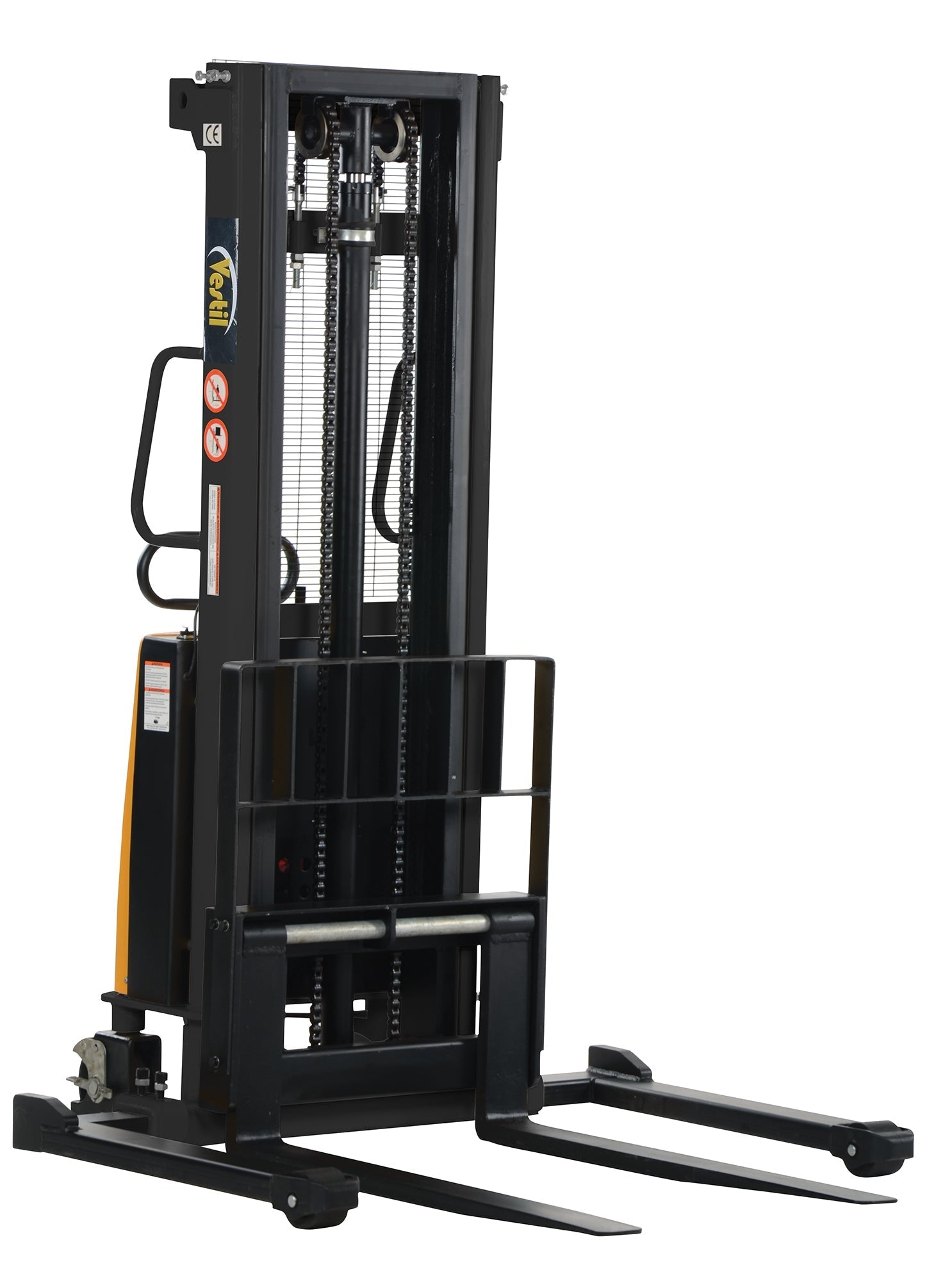
Within the electric category, a few factors swing the price. Capacity matters, higher-rated units cost more. Battery type is a big one: modern lithium batteries cost more up front than lead-acid but last longer and charge faster. Whether it's a walk-behind or a rider unit changes the price substantially, with riders at the top end. And features, like powered lift height on a powered stacker, add cost. Our powered handling equipment, such as semi-electric stackers, spans roughly $4,000 to $14,000 depending on capacity and power, illustrating how much configuration moves the number.
When an electric pallet jack is worth it
The electric premium pays back through labor, not lifting capacity, since a manual jack moves the same loads. Electric makes sense for high-volume operations where workers move many heavy pallets a shift, for long travel distances where pushing a manual jack is tiring, and for ramps or inclines where powered drive is safer. In those settings, the reduced fatigue, faster cycles, and lower injury risk justify the higher price. For a low-volume back-room moving a few pallets a day, a $500 manual jack does the job and the electric spend is hard to justify. Match the machine to the workload.
Total cost of ownership
The purchase price isn't the whole story for electric units. Batteries wear out and eventually need replacement, which is a significant recurring cost, and charging uses electricity and requires a charger and space. There's more to maintain than on a simple manual jack. Against that, a well-used electric jack saves real labor, which is the point. When you evaluate one, weigh the purchase price plus battery replacement and upkeep against the labor hours it saves. For high-volume work the math favors electric; for light use it rarely does.
Buying or renting
If your volume justifies an electric pallet jack, buying is usually right, since the labor savings compound over years of ownership. Renting a powered unit makes sense for a short-term surge or a one-off heavy project, though daily rates for powered equipment are higher than for a manual jack. If you only occasionally need to move pallets at all, a manual jack, bought or rented at roughly $50 to $60 a day, is almost always the better spend than an electric unit. Reserve the electric purchase for genuinely high-volume, high-distance work.
New versus used electric
Used electric pallet jacks can save meaningful money given the high price of new units, but the battery is the catch. A used jack with a tired battery may need a costly replacement soon, erasing the savings. If you buy used, inspect and test the battery thoroughly, check the drive and hydraulics, and factor a possible battery replacement into your budget. A used electric jack with a healthy battery and sound drive can be a good value; one with a worn battery is a hidden expense. This is the opposite of manual jacks, where new is usually the simple choice.
The bottom line
An electric pallet jack typically costs $2,000 to $5,500 for a walk-behind unit, with the range stretching from about $900 to over $10,000 for rider models, several times a manual jack's $200 to $600. The premium buys powered lifting and driving that pay back only in high-volume, long-distance, or ramp work. For most operations a manual jack is the better value, see our how much does a pallet jack cost guide, and reserve electric for genuinely heavy-use settings. Browse our powered handling equipment to compare.
Electric pallet jack versus a forklift
When you're spending electric-pallet-jack money, it's worth knowing where a forklift fits. An electric pallet jack moves loads at floor level, like a manual one but powered; it doesn't lift to height. A forklift, which costs more again, both moves and stacks loads up onto racking and trucks. If your only need is moving heavy pallets across a floor efficiently, an electric pallet jack is the cheaper, more maneuverable tool. If you also need to lift loads up, you're looking at a stacker or forklift instead. Buying an electric jack expecting it to stack is a common and costly mismatch.
Charging and battery considerations
The battery shapes both the price and the ongoing cost of an electric pallet jack. Lead-acid batteries cost less up front but are heavier, charge slower, and need watering and care; lithium batteries cost more initially but charge fast, last longer, and need less maintenance. You'll also need a charger and a place to charge, and eventually a replacement battery, which is a major expense. When comparing electric units, look past the sticker to the battery type and its lifecycle cost, since a cheaper jack with a lead-acid battery can cost more over years than a pricier lithium unit.