The core difference
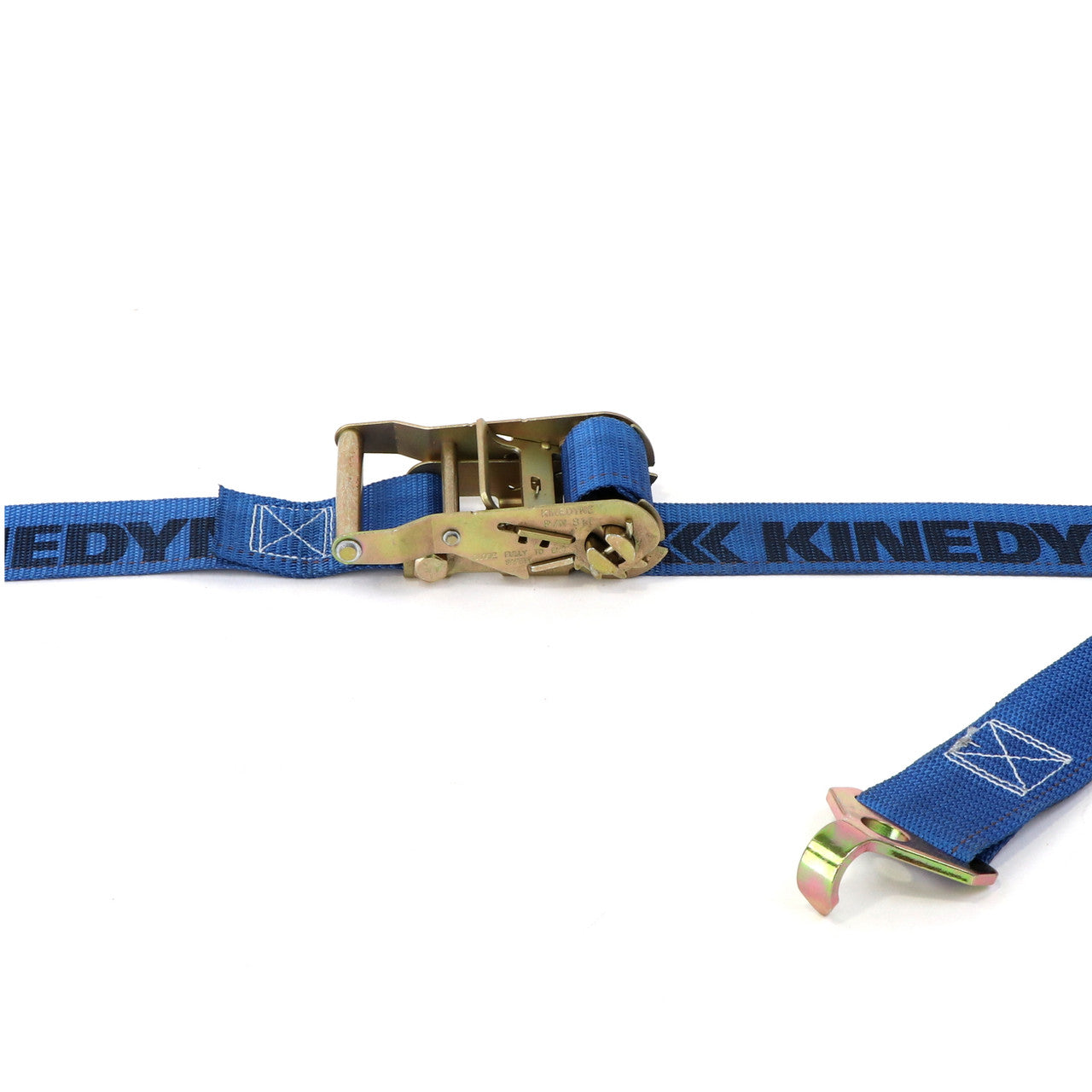
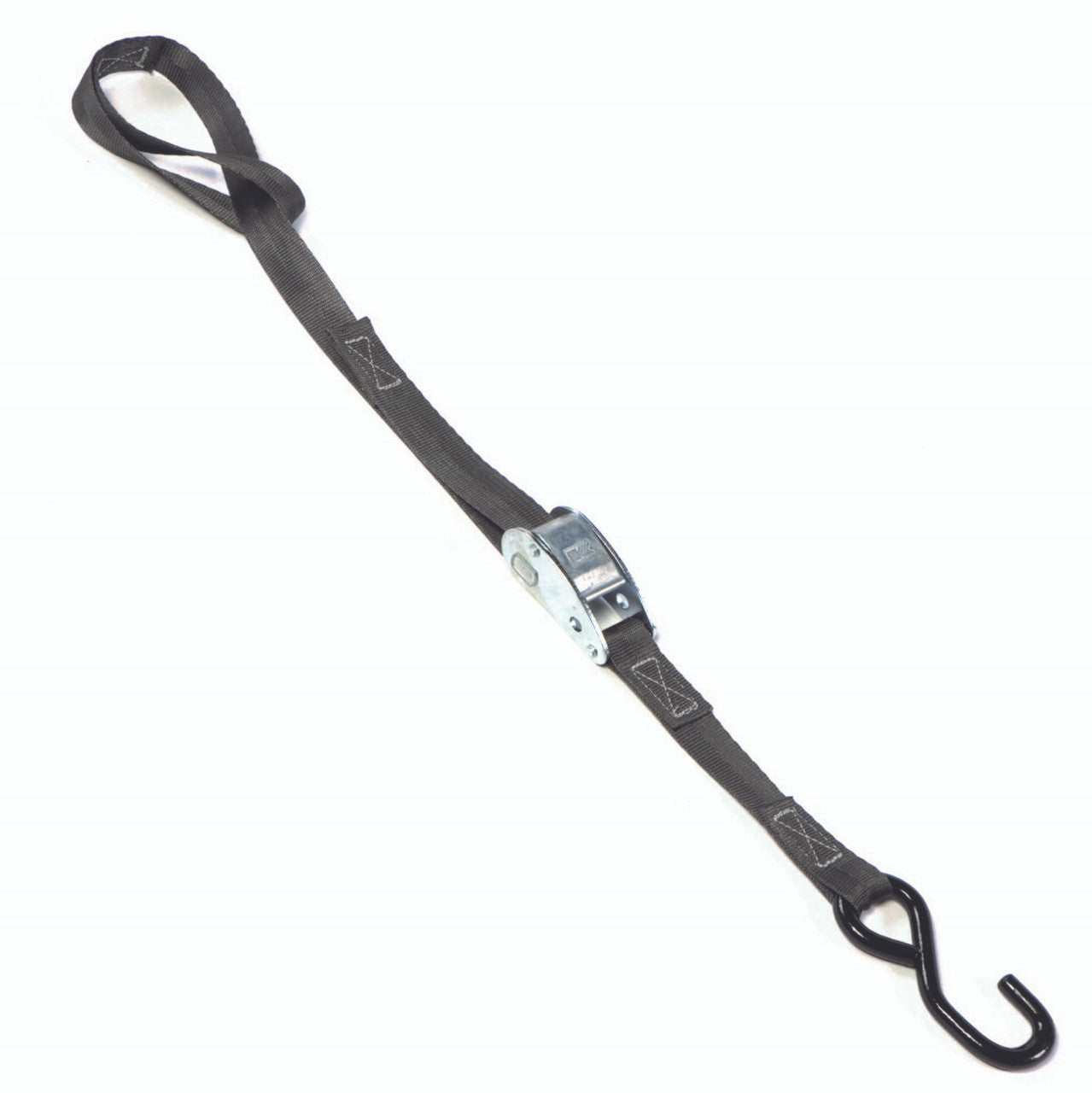
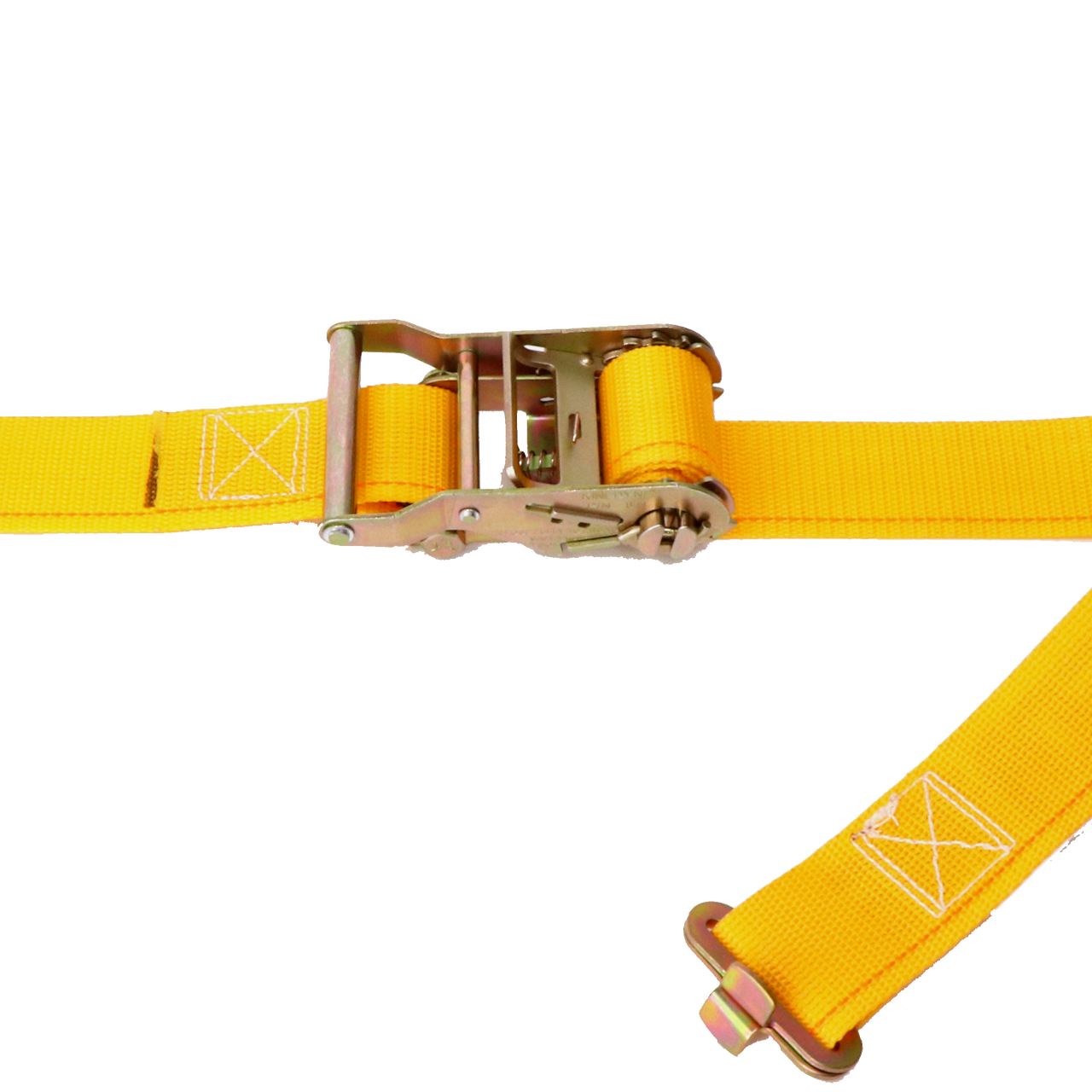
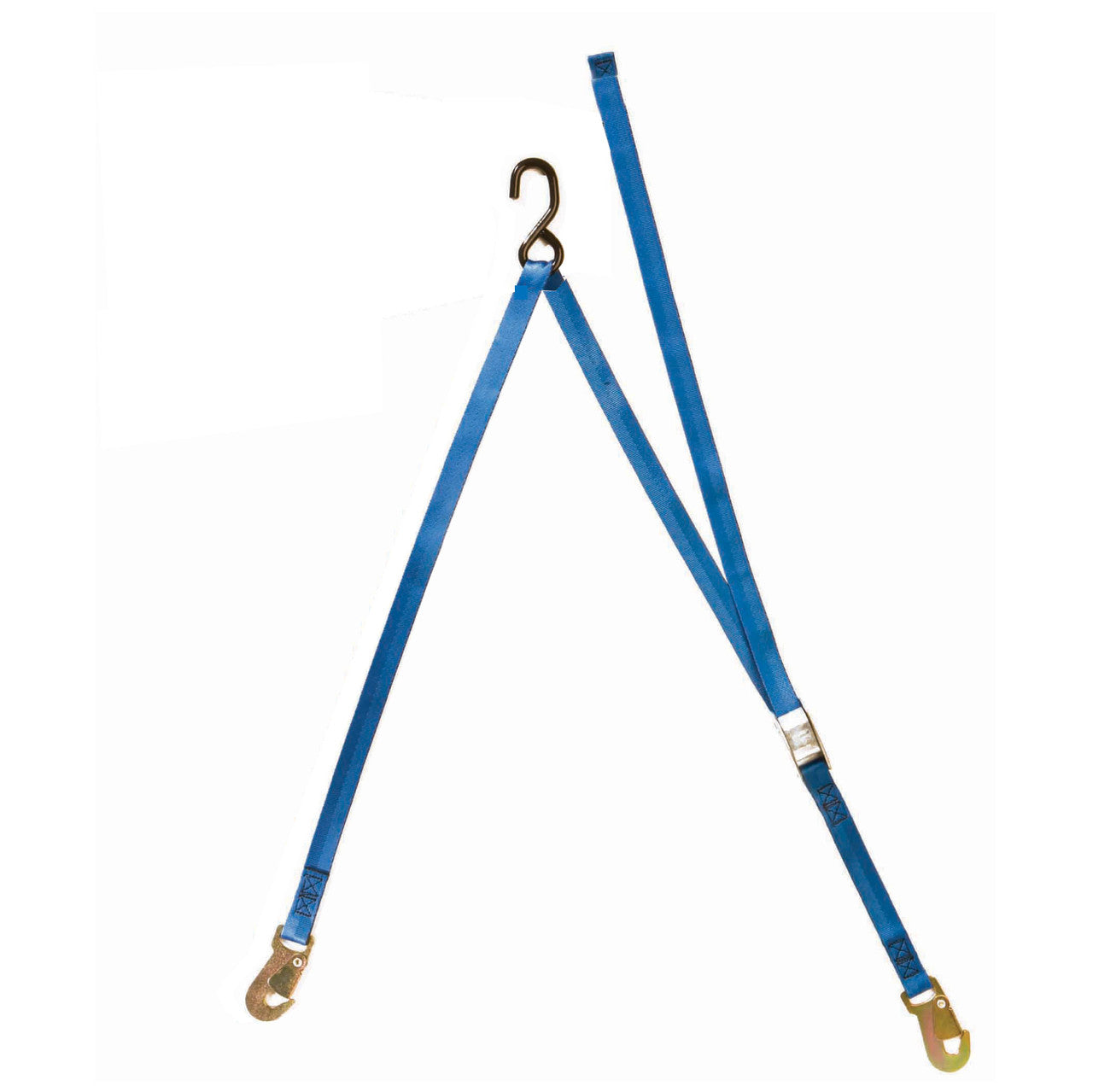
Both are webbing tie-downs, but they tension differently. A ratchet strap has a geared ratchet mechanism you crank with a handle, giving you mechanical advantage to reach high, firm tension. A cam-buckle strap has a spring-loaded cam that grips the webbing when you pull it tight by hand, no crank, no gears. That single difference, geared cranking versus hand-pull, determines everything else: the ratchet delivers more tension for heavier loads, while the cam applies gentler, self-limiting tension that protects delicate cargo. Choosing between them is really choosing how much tension your load needs and can tolerate.
When to use a ratchet strap
Choose a ratchet strap when you need high, secure tension, for heavy, dense, or valuable cargo on flatbeds, trucks, and trailers. The geared ratchet lets you crank the load down firmly, and it holds that tension reliably against road forces. Equipment, machinery, lumber, pallets, and any load that must not shift are ratchet-strap territory. The trade-off is that the ratchet's power makes it possible to over-tension, so you have to use judgment, but for loads that need to be held tight and secure, the ratchet strap's tensioning ability is exactly what you want.
When to use a cam-buckle strap
Choose a cam-buckle strapwhen the load is light or could be crushed by too much tension. Because you tighten a cam strap only by hand-pulling, it can't apply more force than your arm, which means it physically cannot over-tighten and damage the cargo. That makes it ideal for kayaks, canoes, furniture, motorcycles, and other delicate or crushable items, where a ratchet's power would risk denting or crushing. Cam straps are also faster to fasten and release for frequent use. For lighter loads and anything you're worried about over-tensioning, the cam buckle is the safer, simpler choice.
Tension and control compared
The tension each provides is the heart of the decision. A ratchet strap can reach much higher tension than you could by hand, and it holds it, which is essential for heavy loads but requires care not to overdo it. A cam-buckle strap self-limits to hand tension, which is a feature, not a shortcoming, for delicate loads: it gives you enough to secure light cargo without any risk of crushing. So the ratchet trades the possibility of over-tensioning for the power to hold heavy loads, and the cam trades outright holding power for foolproof, damage-free tensioning. Match that trade-off to your cargo.
Speed and ease of use
For frequent, repetitive strapping, ease matters. Cam-buckle straps are quicker to fasten, you just pull them tight, and quicker to release, you press the cam and pull free, which suits jobs where you strap and unstrap often, like a moving day or a delivery route with light loads. Ratchet straps take longer to crank and to release (you must fully open the ratchet), a worthwhile trade for the tension they provide on heavy loads, but slower for light, high-turnover use. If you're securing many light items repeatedly, the cam strap's speed is a real advantage.
Capacity
Ratchet straps generally reach higher Working Load Limits, in part because they come in heavier widths (up to 4 inches) and because their cranked tension suits heavier securement. Cam-buckle straps are typically lighter-duty, matched to the lighter loads they're meant for. So capacity tends to track the intended use: heavier, higher-WLL ratchet straps for heavy cargo, lighter cam straps for light loads. Always check the marked Working Load Limit on whichever you choose and secure to it, but as a rule, if your load's weight demands a high WLL, you'll be reaching for a ratchet strap.
Which should you buy?
Buy ratchet straps for heavy, dense, or valuable cargo that needs firm, high tension, they're the default for flatbed and trailer securement of serious loads. Buy cam-buckle straps for light or crushable cargo, kayaks, furniture, motorcycles, and for fast, frequent strapping where over-tensioning is a risk. Many people keep both: ratchets for the heavy jobs, cam straps for the light and delicate ones. Match the strap to the load's weight and fragility, and always secure to the Working Load Limit. Our what are ratchet straps guide covers straps in depth.
The bottom line
A ratchet strap cranks high, secure tension for heavy and valuable cargo; a cam-buckle strap applies gentle, self-limiting hand tension that can't over-tighten, for light or crushable loads. Choose the ratchet when you need firm holding power and the cam buckle when you need to avoid crushing the load or want fast, frequent use. Keep both for versatility, and always secure to the marked Working Load Limit. Compare specific straps in our best ratchet straps guide, and see the full cargo control guide.
Endless versus end-fitting straps
There's another strap distinction worth knowing: endless versus end-fitting. A standard strap has hooks or fittings on each end to anchor to fixed points. An endless (continuous-loop) strap has no fittings, it's a closed loop you wrap around the cargo and feed back through the ratchet or cam, ideal for bundling loose items like lumber or pipe, and for wrapping objects without metal hooks that could scratch them. Both ratchet and cam straps come in endless versions. So the ratchet-versus-cam choice is about tension, while endless-versus-end-fitting is about how you attach, wrapping and bundling versus anchoring to points.
Keep both on hand
For most people who haul a variety of loads, the practical answer isn't one or the other, it's keeping both. A set of ratchet straps handles the heavy, sturdy cargo that needs firm tension, while a few cam-buckle straps cover the light and delicate loads and the quick, frequent jobs. They're inexpensive enough that a mixed kit is easy to justify, and having the right type on hand means you never over-tension a kayak with a ratchet or under-secure a heavy load with a cam. Match the strap to each load from a small, well-chosen collection.