The core difference
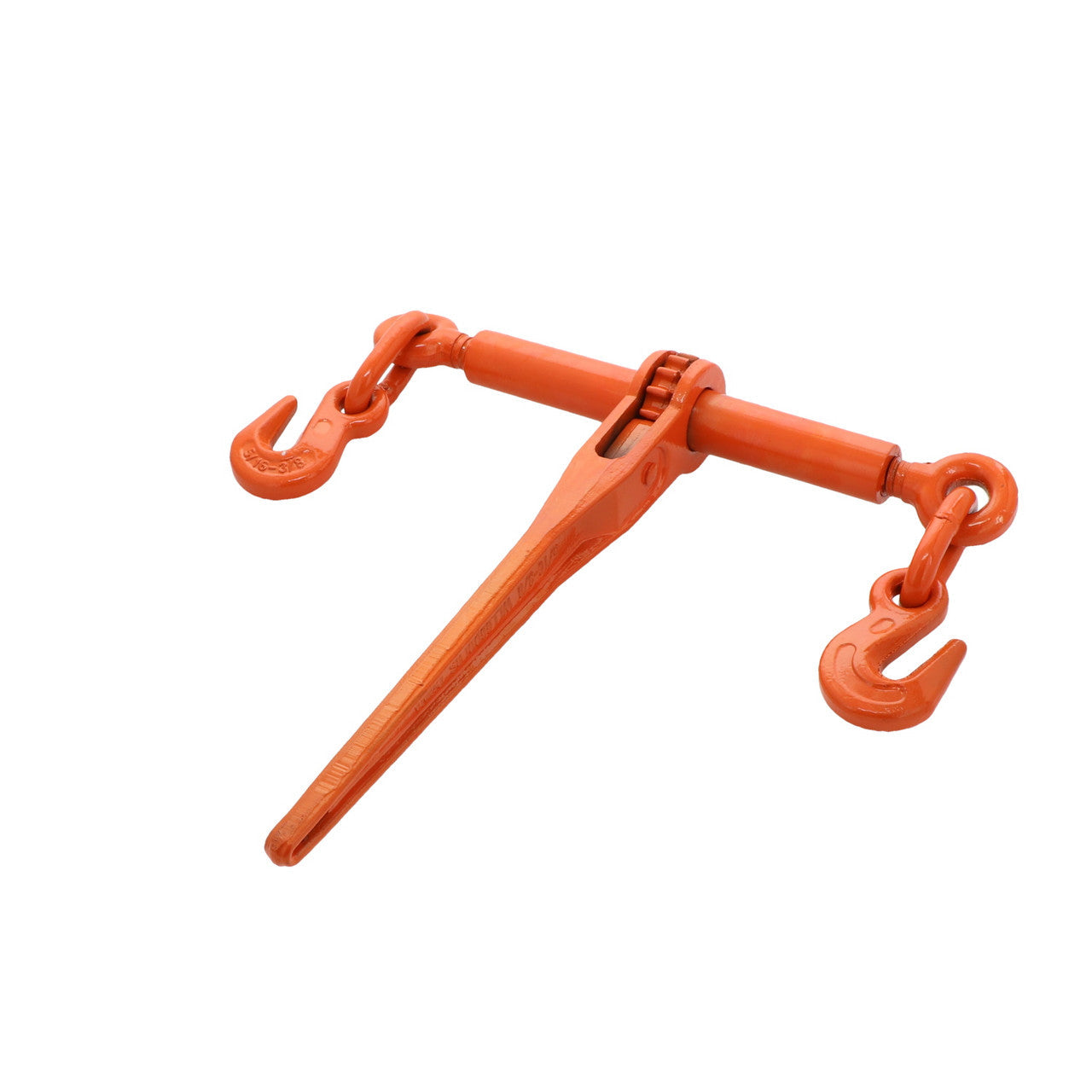
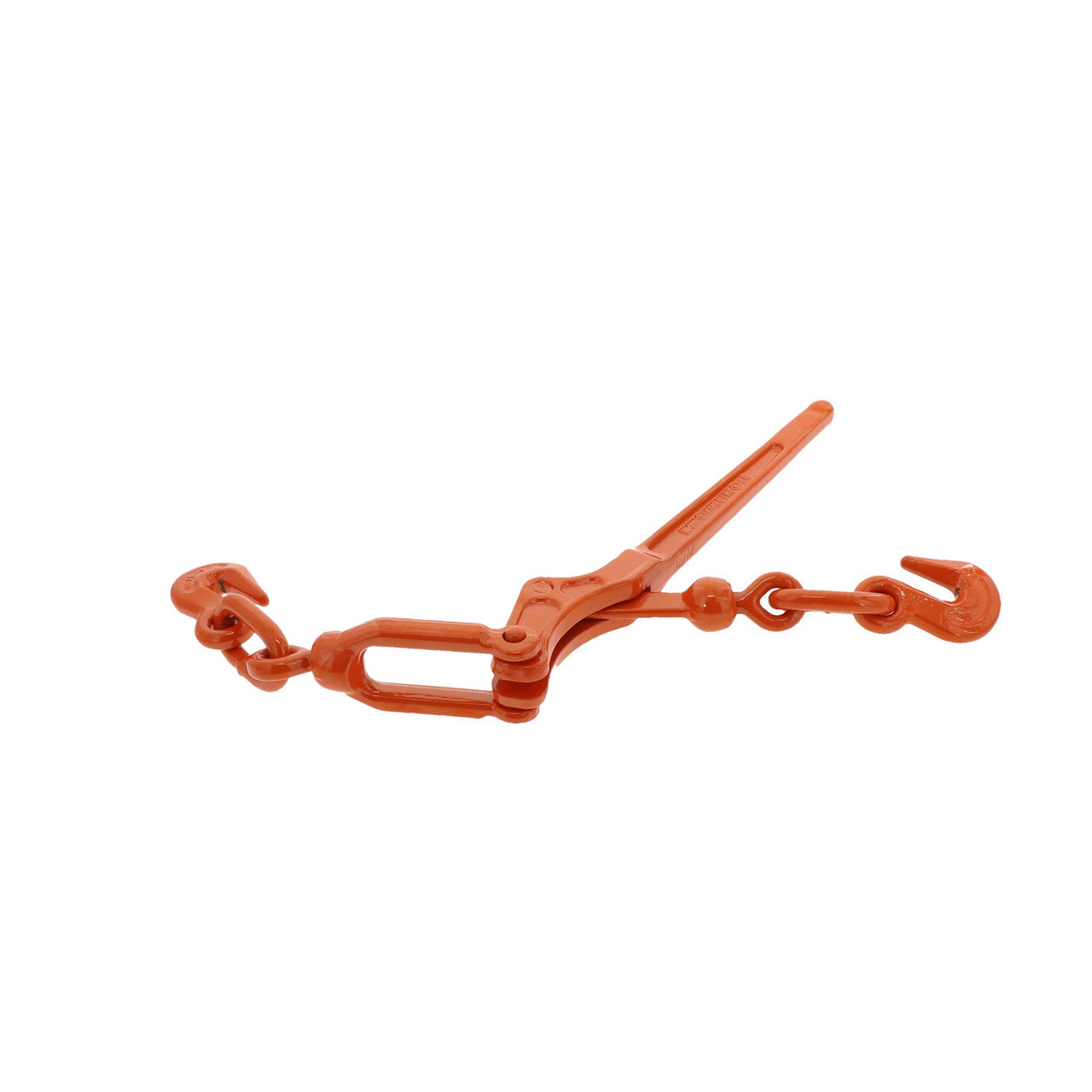
Both binders tension transport chain, but they work, and fail, very differently. A lever binder uses a single over-center lever you throw to snap the chain tight, fast and simple. A ratchet binder uses a threaded screw and a ratcheting gear you crank to tension gradually. The mechanical difference drives the crucial safety difference: the lever binder stores a lot of energy in its handle under load, while the ratchet binder stores much less. That's why, despite doing the same job, they're not equally safe, and the choice matters.
Why lever binders are dangerous
The lever binder's over-center action is the source of both its speed and its hazard. As you throw the handle past center to tension the chain, the mechanism stores substantial energy in that handle, energy that's released if the binder slips, if the chain shifts, or if you release it carelessly under load. When that happens, the handle can snap back with tremendous force, and lever-binder handle kickback has caused many serious injuries, broken bones, knocked-out teeth, worse. The binder isn't defective when this happens; it's the nature of the over-center design under load. Respect and correct technique are mandatory with lever binders.
Why ratchet binders are safer
The ratchet binder largely designs out the kickback hazard. Because it tensions and releases through a screw and a ratcheting gear, the energy is applied and let off gradually, tooth by tooth, rather than stored and released in one snap. There's no over-center handle waiting to fly back. You can stop cranking at any point and the ratchet holds; you release it gradually the same way. This makes the ratchet binder far safer to operate, which is why safety-conscious operations and regulations increasingly favor it. The trade is speed, but for most users the lower injury risk is well worth the extra time.
Speed and effort compared
The lever binder's advantage is speed and simplicity: one throw of the handle and the chain is tight, no cranking, which is why some experienced haulers prefer it for high-volume work. The ratchet binder takes longer, you crank it up, and requires more strokes, but the effort is steady and controlled rather than a single hard heave. So the lever binder is faster but riskier and can require significant force in that one throw; the ratchet binder is slower but safer and spreads the effort. For most users, the ratchet's controlled operation is easier as well as safer.
Tension and holding
Both binders can apply high tension, but the ratchet binder's screw mechanism lets you fine-tune and hold very high, precise tension, and it won't loosen the way a poorly-secured lever binder might. A lever binder holds via its over-center lock, which is secure when properly seated but must be secured (often tied off) so it can't work loose in transit. For controlled, high, reliable tension, the ratchet binder has the edge. Whichever you use, the chain must be tensioned rigid, and the binder handle and excess chain secured so nothing loosens on the road.
Match either to the chain
Regardless of type, the binder's grade and Working Load Limit must match the chain, since the weakest component limits the whole securement. A binder rated below the chain's WLL becomes the weak link and wastes the chain's capacity. So whether you choose lever or ratchet, size it to your chain, our binders are rated for specific chain sizes, like the ratchet binder for 3/8 and 1/2 chain. Confirm both the chain and binder are marked and compatible. Getting the type right for safety is one decision; matching the rating to the chain is a separate, equally important one.
Which should you choose?
Choose a ratchet binder for safety, controlled tensioning, and low kickback risk, it's the right default for most users and the safer choice by a wide margin. Choose a lever binder only if you're experienced, understand and respect the kickback hazard, and specifically value its speed for high-volume work. If you're newer to chain securement, or safety is the priority, the ratchet binder is clearly the better buy. Either way, match it to your chain's grade and WLL, and follow safe technique. Our what is a chain binder guide covers both in context.
The bottom line
A lever (snap) binder is fast and cheap but stores dangerous energy and can snap back with injurious force; a ratchet binder tensions gradually with far less stored energy and much lower kickback risk. The ratchet binder is the safer choice and the right default for most users; reserve the lever binder for experienced operators who value speed and respect the hazard. Match either to your chain's grade and WLL. See our what is a chain binder and transport chain grade 70 guides for the full picture.
Never use a cheater bar unsafely
A word on cheater bars, the pipe some operators slip over a binder handle for extra leverage. With a lever binder, a cheater bar increases both the tension and the stored energy, making the kickback hazard worse, and many manufacturers warn against or restrict their use. If you find you need a cheater bar to tension a lever binder, that's often a sign the setup is wrong or the binder is undersized. A ratchet binder reaches high tension through its gearing without a cheater bar and with far less risk. When in doubt, don't improvise leverage; use the right, properly-sized binder for the load.