What cargo control is
Cargo control, also called load securement or tie-down, is the equipment and practice of holding a load firmly to a truck, trailer, or flatbed so it can't shift, slide, or fall in transit. It spans flexible tie-downs, ratchet straps and cam-buckle straps, and heavy-duty transport chain worked by chain binders, plus the anchor points and edge protectors that complete a secure load. Getting it right isn't just good practice, it's a legal requirement under federal rules. Our cargo control range covers straps, binders, and chain for everything from light loads to heavy machinery.
Working Load Limit is the rule
The single most important concept in cargo control is the Working Load Limit (WLL): the maximum load a strap, chain, or binder is rated to secure in service. Every component is marked with a WLL, which is typically about one-third of its break strength (a roughly 3-to-1 safety factor). You always secure to the WLL, never the break strength, because the margin absorbs the shock, vibration, and wear of the road. Loading a tie-down above its WLL, even below breaking, weakens it for the future. Read the WLL on every component and never exceed it, that's the foundation of safe, legal load securement.
The FMCSA 50% rule
Federal law sets a hard minimum. Under FMCSA rules (49 CFR 393.106), the aggregate Working Load Limit of the tie-downs securing an article must be at least 50 percent of that article's weight. In other words, the combined rated strength of your straps or chains has to equal at least half of what you're hauling. This is a legal floor, not a target, and it works alongside minimum tie-down counts based on the load's length and weight. Our cargo securement rules guide covers the 50 percent rule and the counting requirements in full, since compliance protects both your cargo and your CDL.
Ratchet and cam-buckle straps
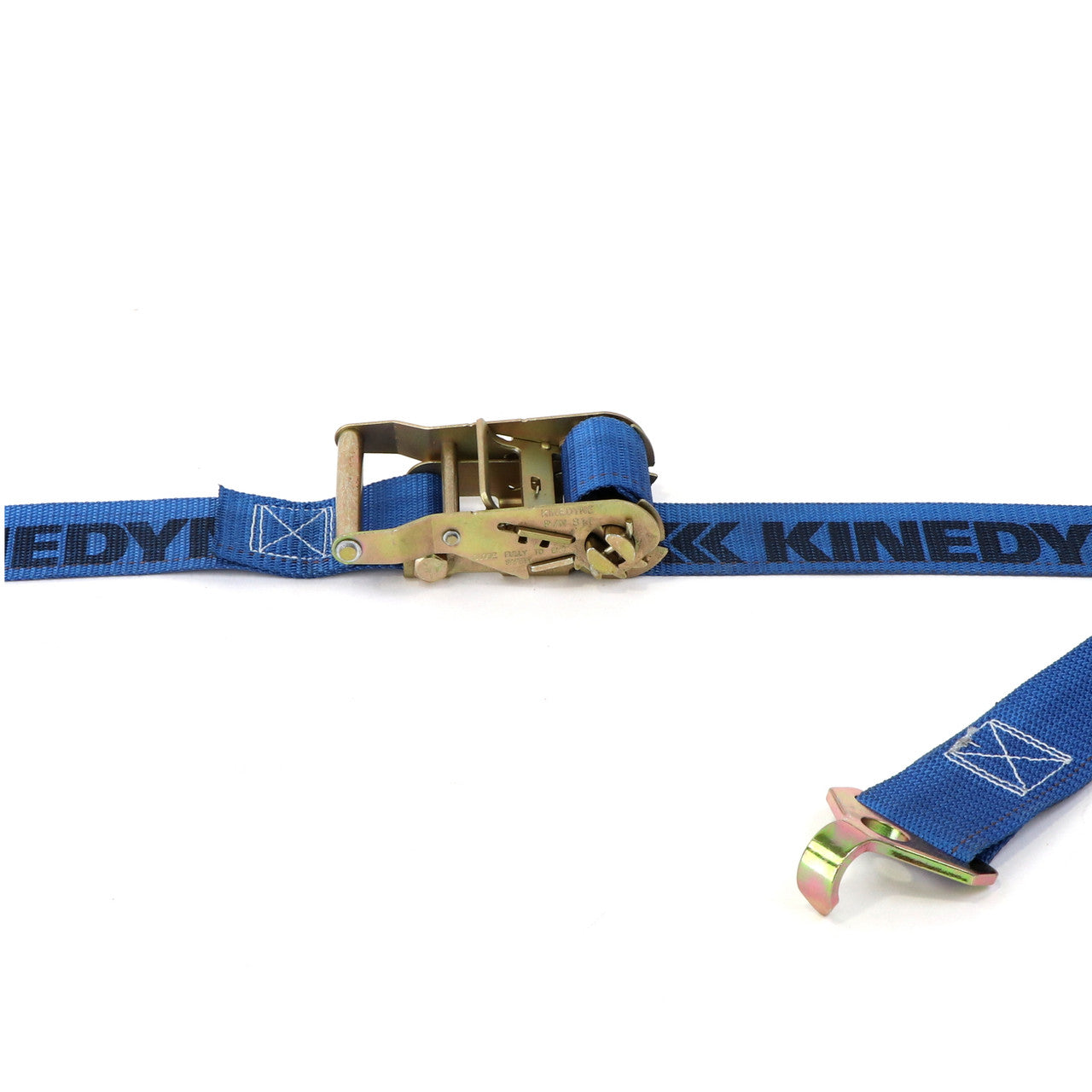
Flexible webbing tie-downs handle the majority of loads. A ratchet strap uses a geared ratchet to crank high, secure tension, ideal for heavy and valuable cargo on flatbeds and trailers. A cam-buckle strap tightens by hand only, so it can't over-tension and crush delicate loads, better for lighter or crushable items. Both come in 1-inch, 2-inch, and 4-inch widths with rising capacities. Our ratchet strap vs cam buckle guide covers which to use, and how to use a ratchet strap shows the correct technique. For most everyday securement, straps are the tool.
Transport chain and binders
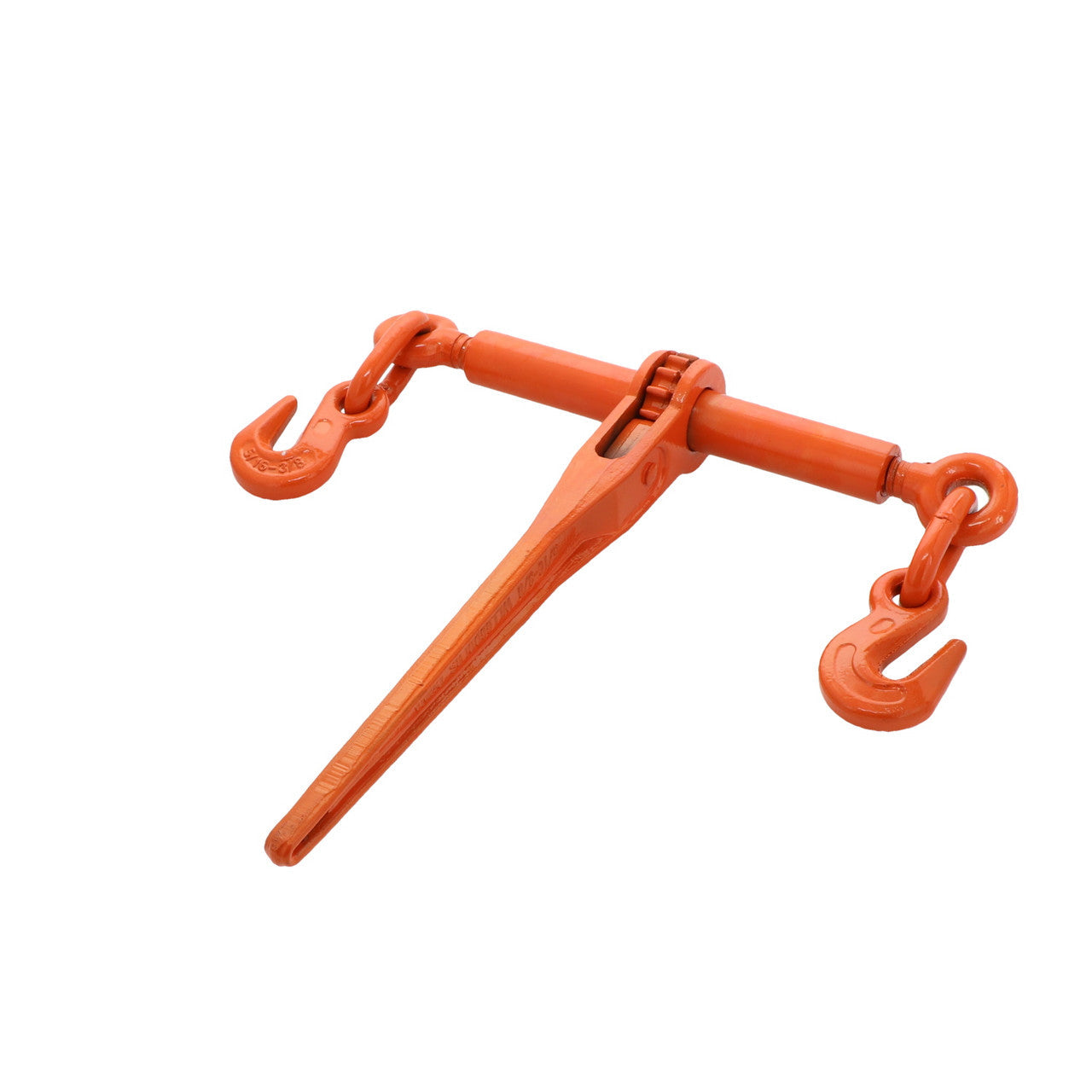
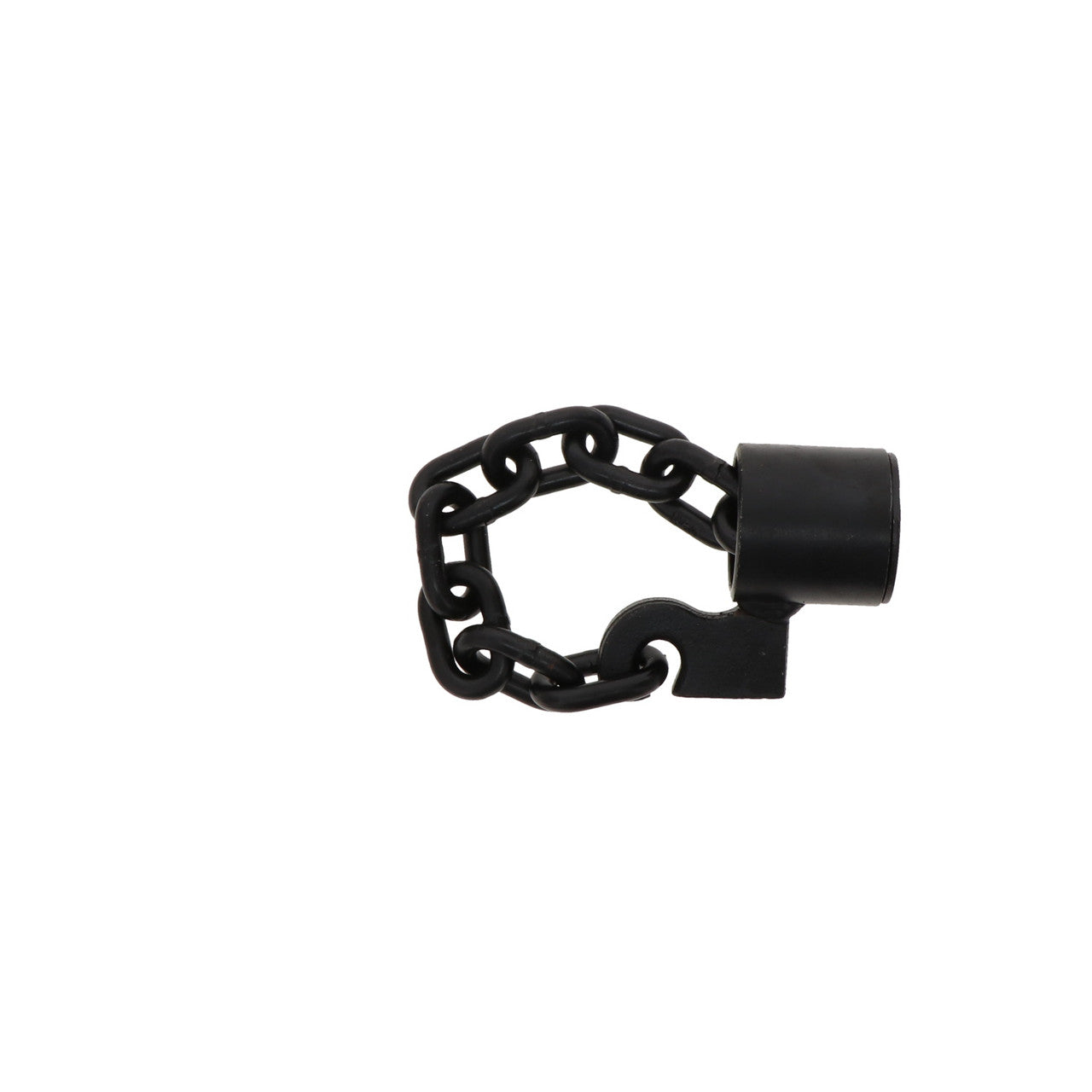
For heavy machinery, steel, and rough or hot loads that would abrade or cut webbing, transport chain and chain binders take over. Grade 70 transport chain is the industry-standard tie-down chain, and a binder, lever or ratchet, tensions it tight against the deck. Chain resists abrasion, heat, and sharp edges that would destroy a strap, which is why equipment haulers rely on it. One critical rule: transport chain is carbon steel for tie-down only, never for overhead lifting, only alloy chain lifts. We cover the safer lever vs ratchet binder choice too.
Straps or chain: which to use
The choice comes down to the load. Use ratchet straps for general cargo, lumber, boxes, pallets, equipment without sharp edges, where they're fast, light, and easy to inspect. Use transport chain and binders for heavy machinery, steel, coils, and any load with sharp edges, high heat, or rough surfaces that would cut or melt webbing. Many haulers carry both and match the securement to each load. The deciding factors are weight, edges, and abrasion: straps for the many lighter, gentler loads; chain for the heavy, sharp, or hot ones. Meeting the WLL and count rules matters whichever you choose.
Anchor points and edge protection
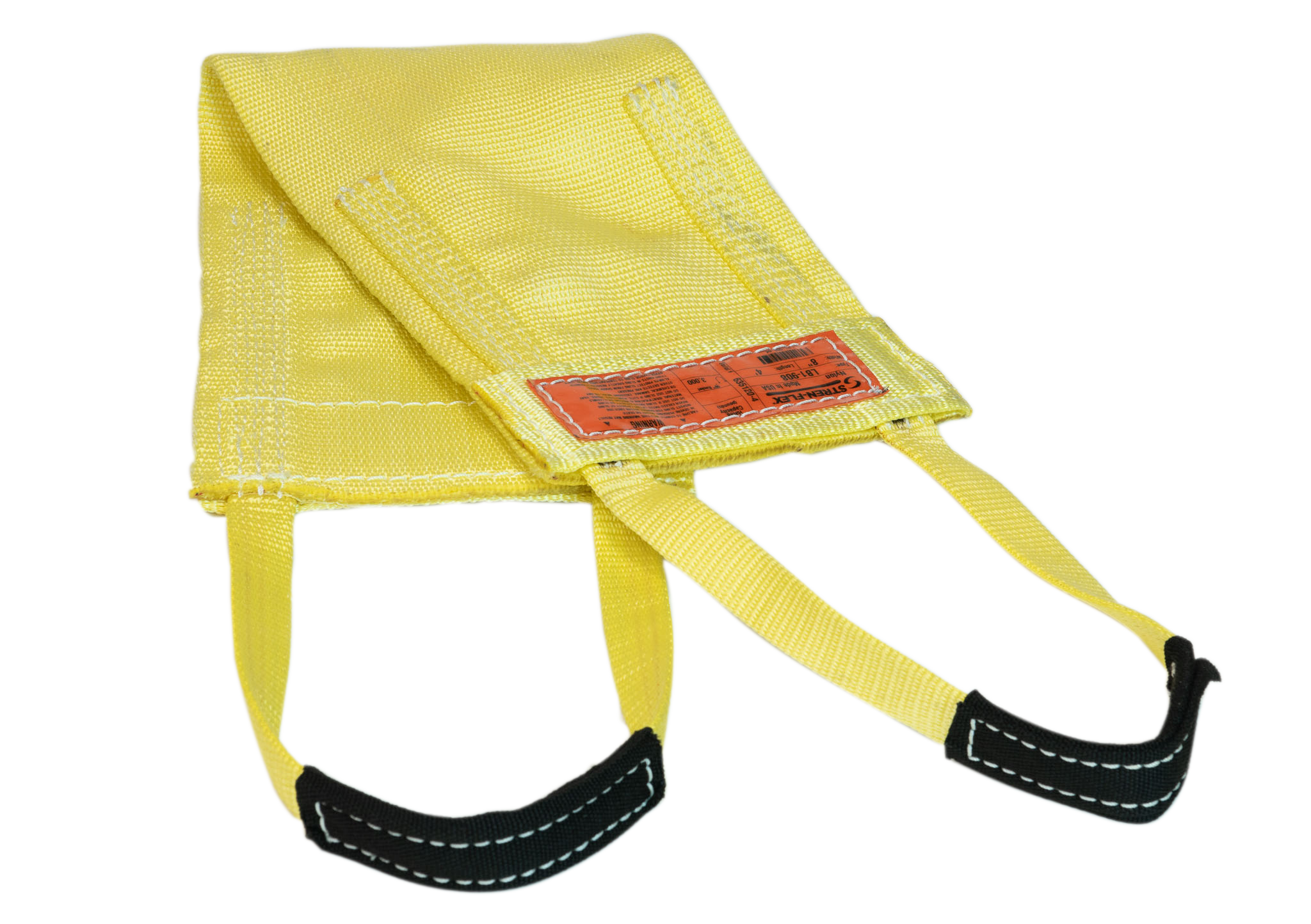
A tie-down is only as strong as what it connects to and what it passes over. Anchor points, D-rings, rope rings, stake pockets, e-track, must themselves be rated for the load, since an under-rated anchor is the weak link. And sharp cargo edges will cut a strap or damage a chain under tension, so corner and edge protectors are essential wherever the tie-down crosses an edge. These aren't optional extras: a load can meet the WLL and count rules on paper and still fail because a strap was cut on an unprotected corner. Rate your anchors and protect your edges as part of every secure load.
Inspection and safe practice
Cargo control gear wears and must be inspected. Check straps for cuts, abrasion, UV damage, and worn or bent hooks; check chain for cracks, stretch, and gouges; check binders for damage and proper function. Retire anything defective, a failing tie-down in transit is a serious hazard to you and everyone on the road. Beyond inspection, follow safe practice: use rated anchors, protect edges, don't over-tension, and never exceed the WLL. Re-check tension after the first few miles, since loads can settle. Good securement is a habit of inspection and technique, not just having the right gear.
The bottom line
Cargo control secures loads with ratchet and cam-buckle straps, transport chain, and binders, all governed by the Working Load Limit and the FMCSA rule that your tie-downs' combined WLL must reach at least half the cargo weight. Use straps for most loads and chain for heavy, sharp, or hot cargo; rate your anchors, protect edges, and inspect everything. Explore the specifics through the guides linked above, compare straps in our best ratchet straps guide, or browse the full cargo control range.
A note on towing versus securement
Cargo control overlaps with towing gear, and it's worth distinguishing them. Securement holds a load onto your own vehicle, straps, chain, and binders keeping cargo on the deck. Towing gear, tow straps, recovery straps, snatch blocks, and chains rated for towing, pulls or recovers a separate vehicle or load. Some equipment (like Grade 70 chain) serves both tie-down and towing, but the ratings and techniques differ, and neither should ever be confused with overhead lifting gear. Know which job you're doing, securing, towing, or lifting, and use equipment rated for that specific purpose, since crossing them is unsafe.