Fall Protection Anchors
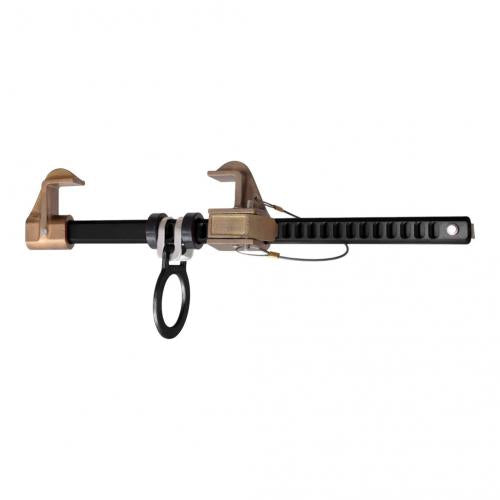
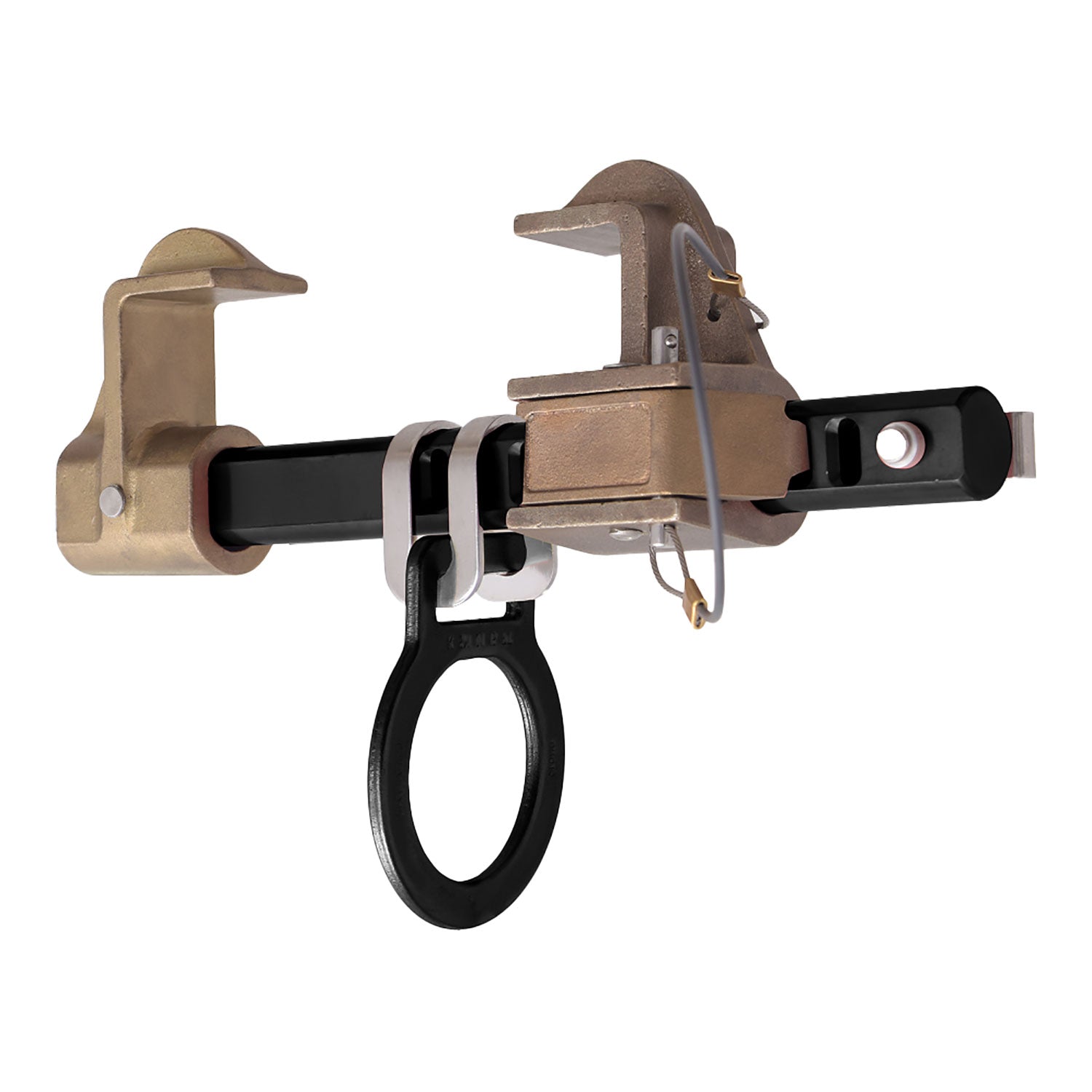
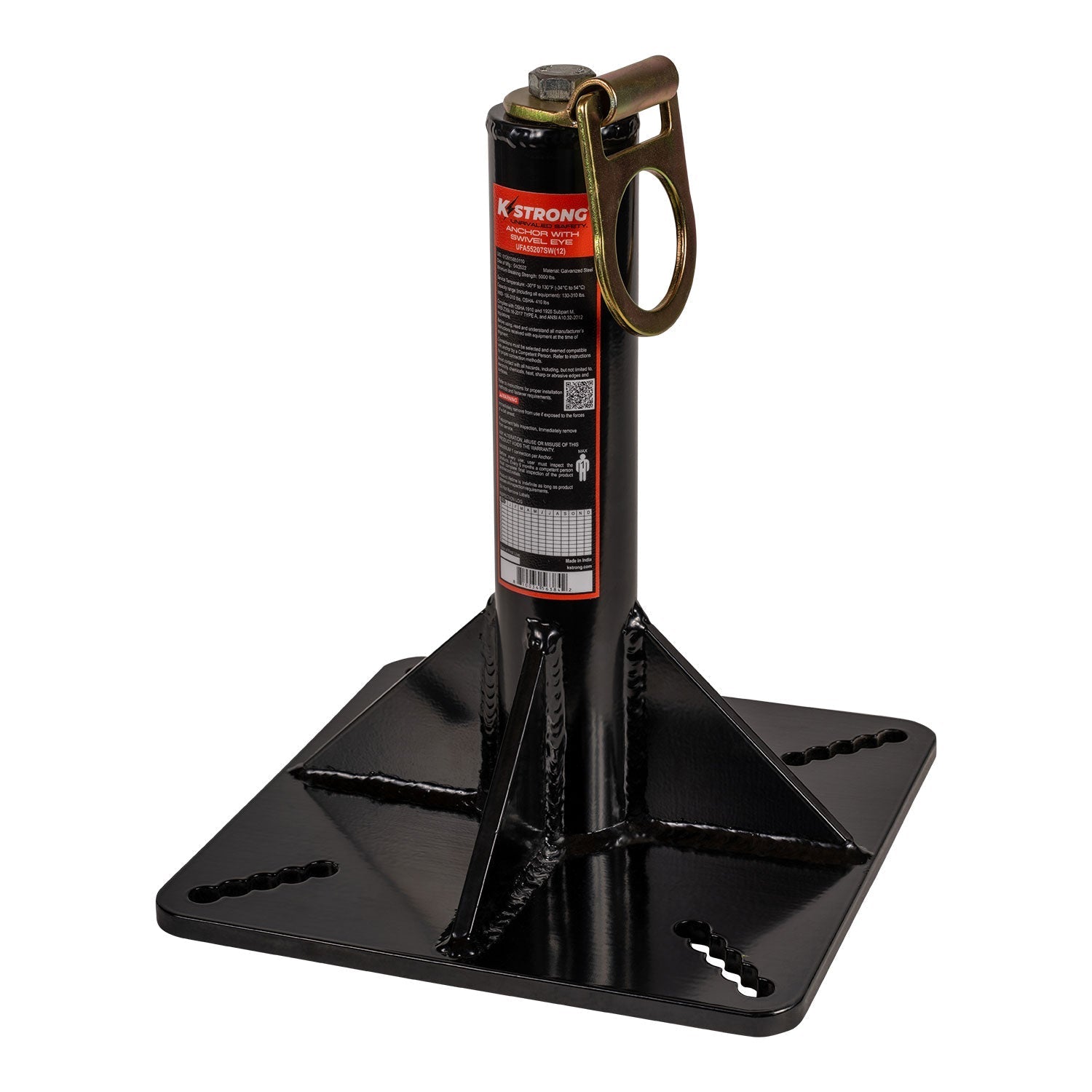
Fall protection anchors are the fixed point every personal fall arrest system hangs from, and this page is the anchorage layer on its own: the piece you attach a lanyard, self-retracting lifeline, or lifeline to before anyone leaves the ground. The shelf here is built almost entirely on the KStrong line, with sliding, rolling, and fixed I-beam anchors that clamp flanges from about 3 to 14 inches, removable concrete bolt anchors, adjustable parapet clamps, door and window jamb anchors, wood truss and girder anchors, bolt-on and weld-on D-ring plates, and drop-thru anchors with swivel D-rings. Alongside them sit RUD PSA Starpoint screw-in anchor points rated by the person, plus KStrong web and coated-wire anchor straps for wrapping a beam or column. Prices run from around $18 for a bolt-on plate to just over $500 for a rolling beam or stanchion anchor. The guide below sorts them by the structure you actually have overhead.
Compare Anchor Points
| Model | Price | Model | Type | Adjustable Range | Standard | |
|---|---|---|---|---|---|---|
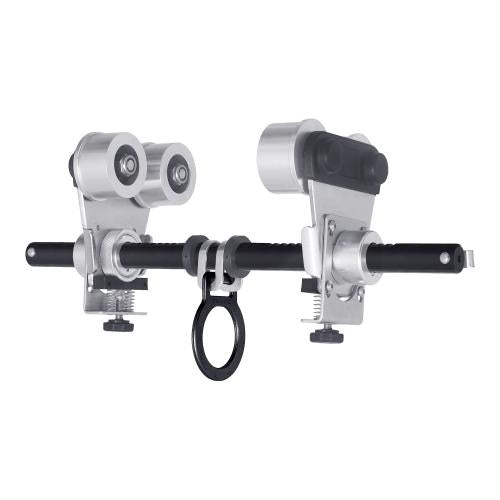
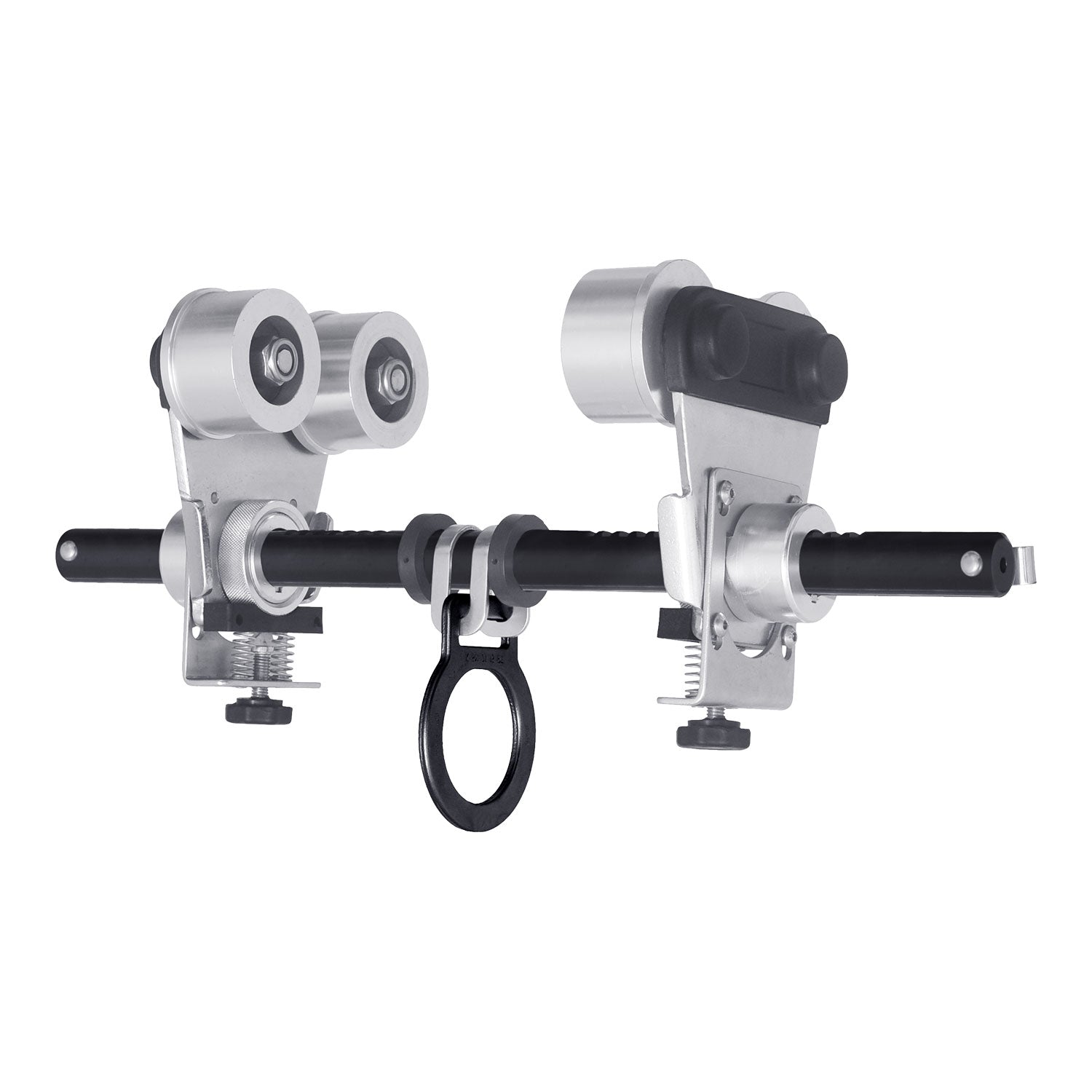
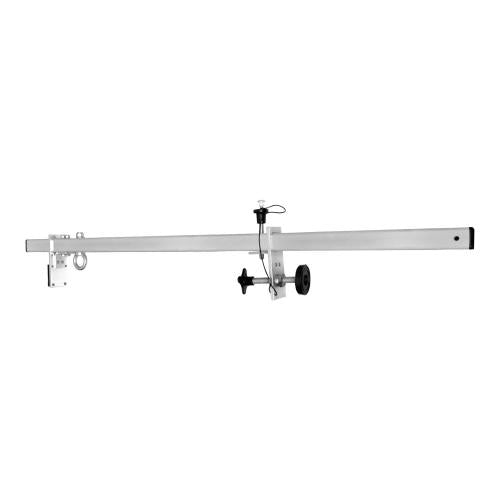
| KStrong Adjustable Aluminum and Steel Rolling Beam Anchor | $506 | UFA30130 | Rolling Beam Anchor | 3.14" - 9.84" | ANSI | View → |
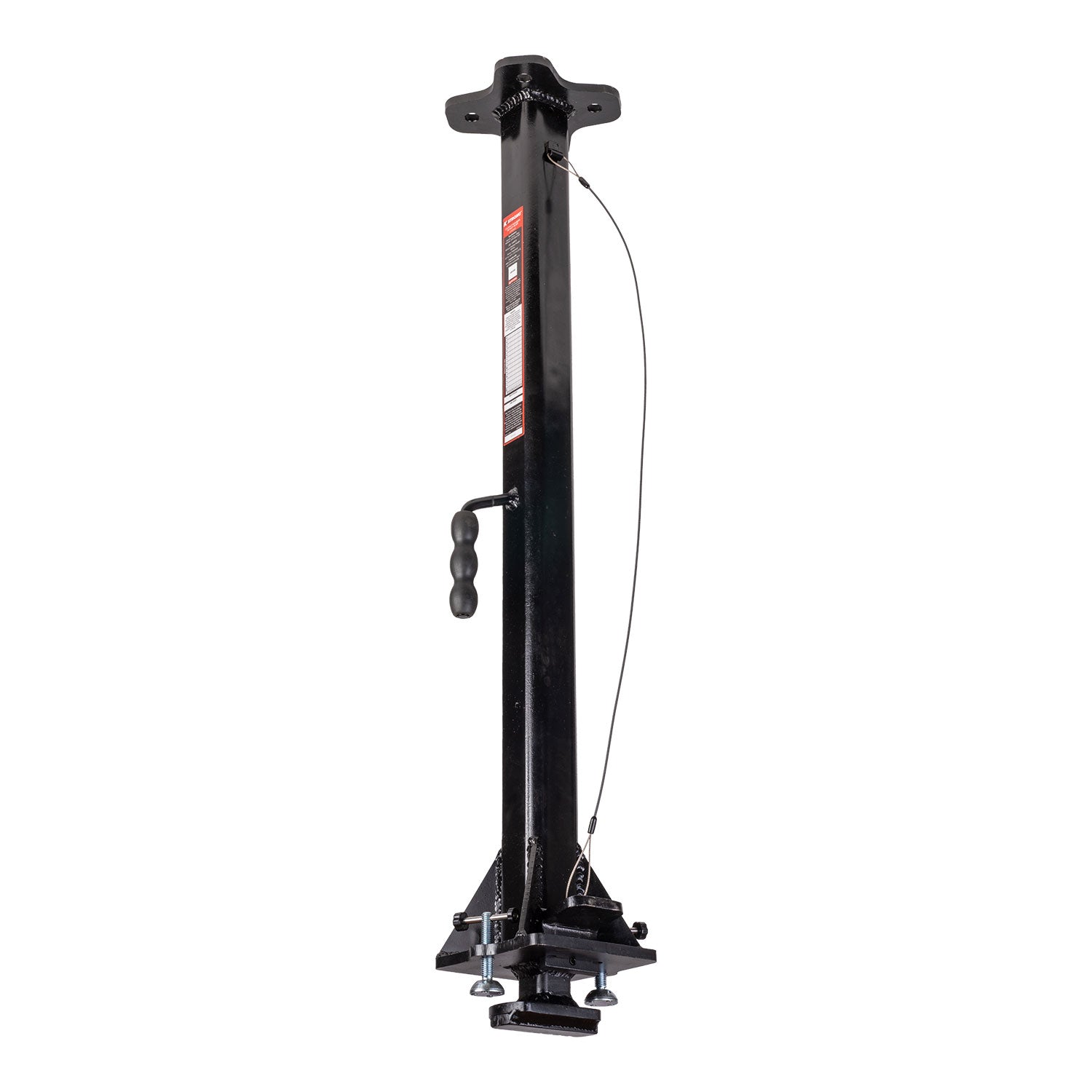
| KStrong® I-beam Stanchion Anchor (ANSI) | $503 | UFA30420 | Off-set I-beam Stanchion for approved horizontal lifelines | — | ANSI | View → |
| KStrong® Vertical Post for Containers (ANSI) | $495 | — | Vertical Post for Containers, for 20-40 ft shipping containers | — | Meets or Exceeds ANSI Z359.18-2017 Type D | View → |
| KStrong® Column Mount Vertical Beam Anchor (Adjustable) | $383 | UFA30111 | Column Mount Vertical Beam Anchor | 3.54" - 13.38" | — | View → |
| KStrong Adjustable Door Jamb/Window Anchor (ANSI) | $371 | UFA30401 | Door Jamb/Window Anchor | 23.6" - 49.2" | — | View → |
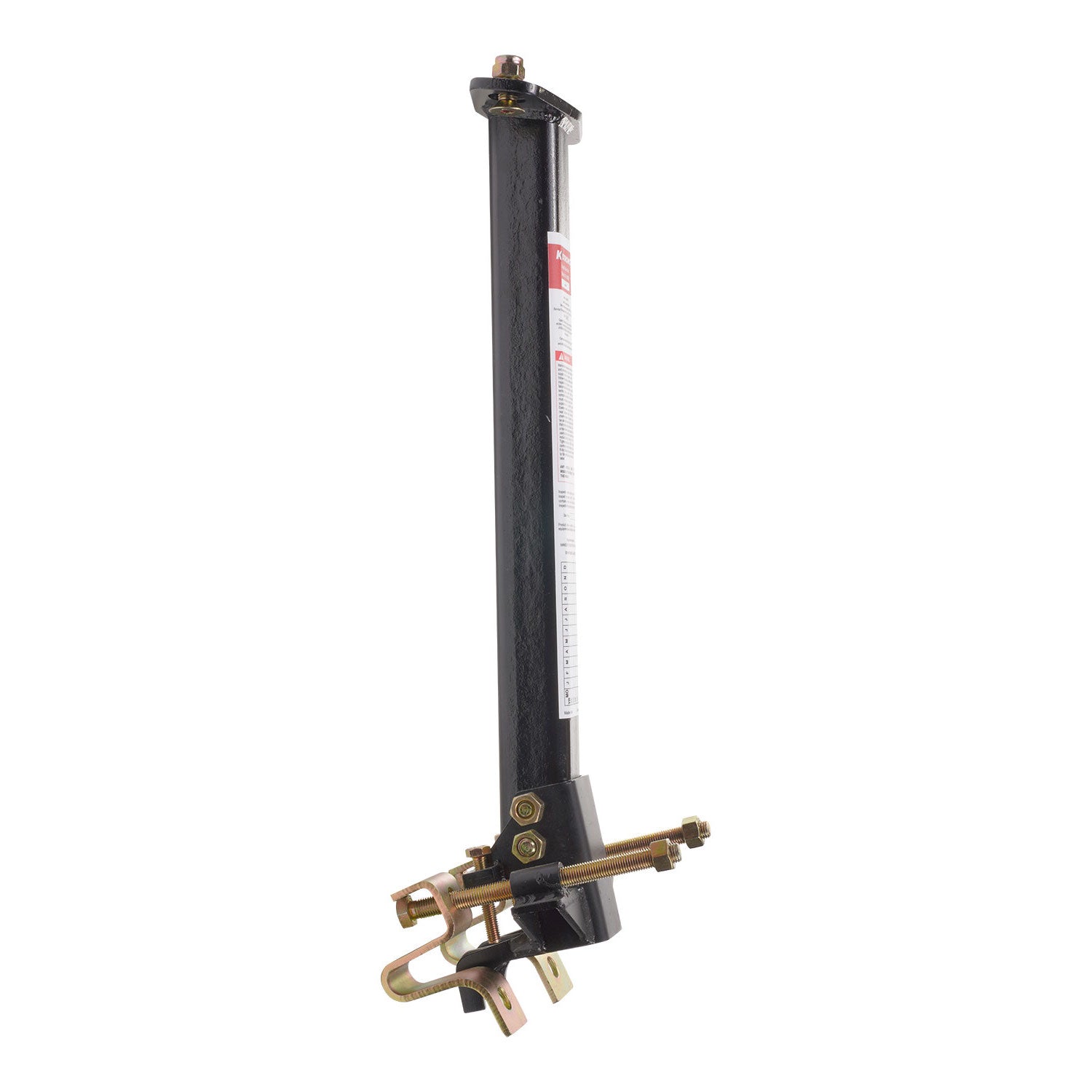
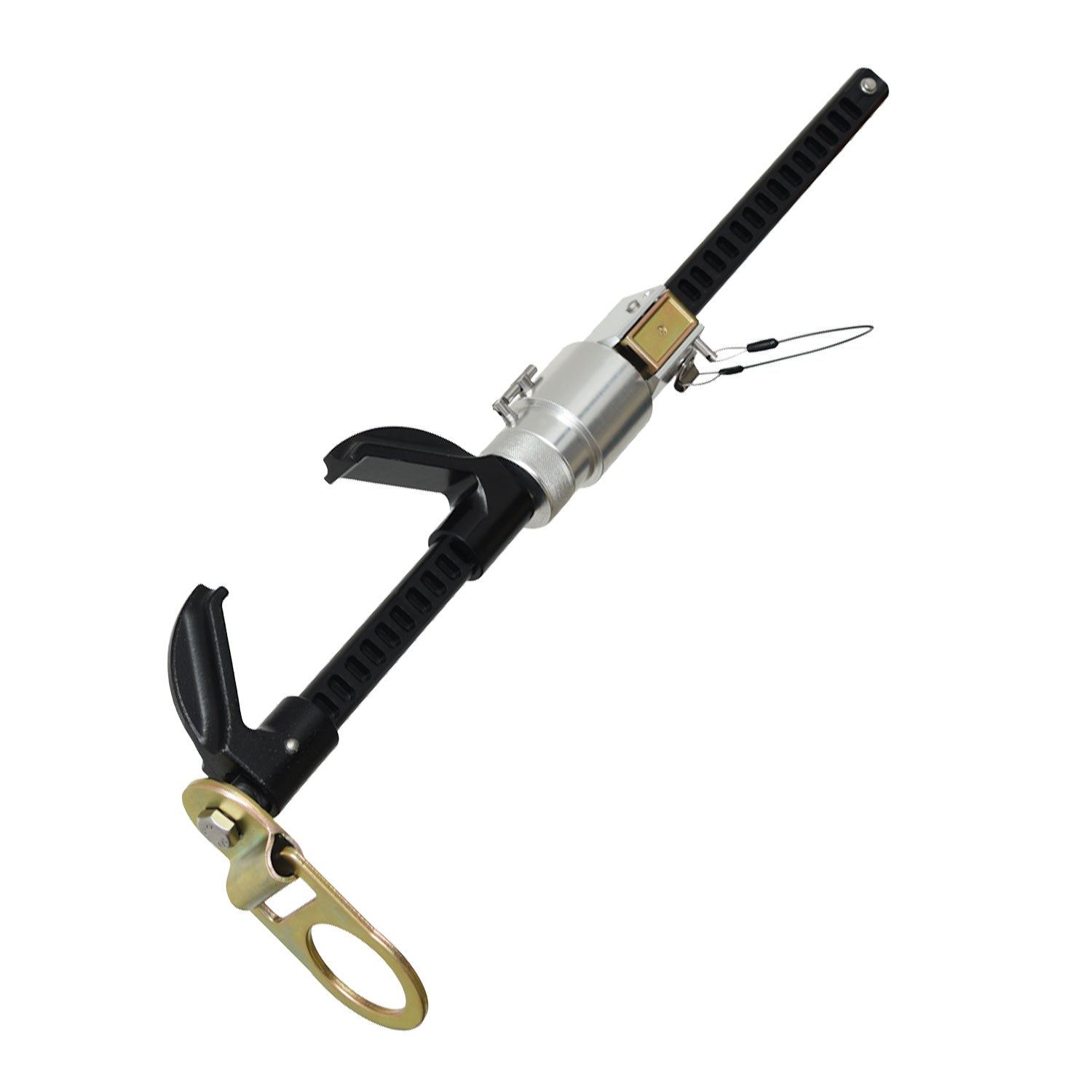
| KStrong Adjustable 3in.-14in. Fixed-Vertical I-Beam Anchor | $345 | — | — | — | — | View → |
 In Stock
 In Stock
 In Stock
 In Stock
 In Stock
 In Stock
 In Stock
 In Stock
 In Stock
 In Stock
 In Stock
 In Stock
 In Stock
 In Stock
 In Stock
 In Stock
 In Stock
 In Stock
 In Stock
 In Stock
 In Stock
 In Stock
 In Stock
 In Stock
 In Stock
 In Stock
 In Stock
 In Stock
 In Stock
 In Stock
 In Stock
 In Stock
 In Stock
 In Stock
 In Stock
Anchor Points Buying Guide
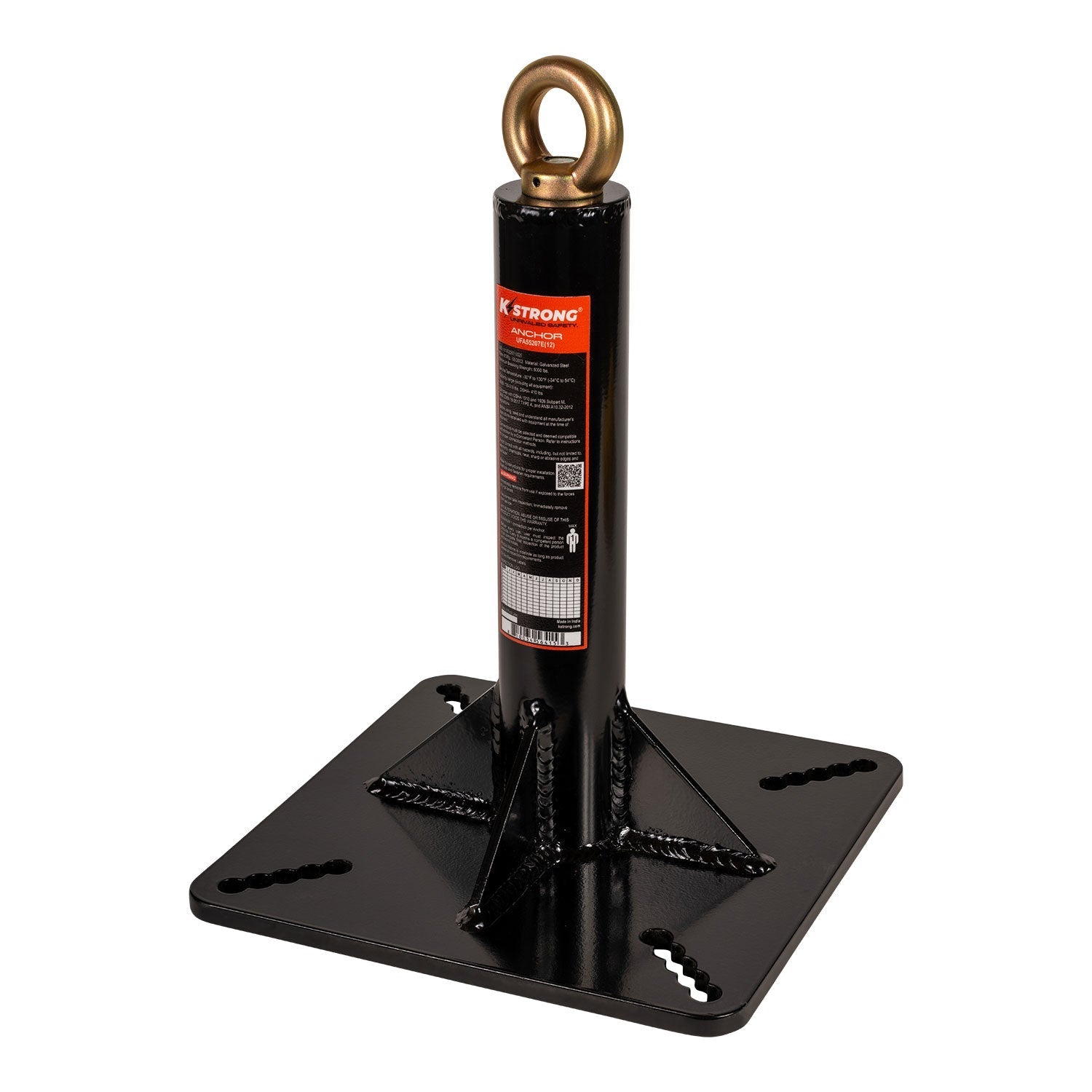
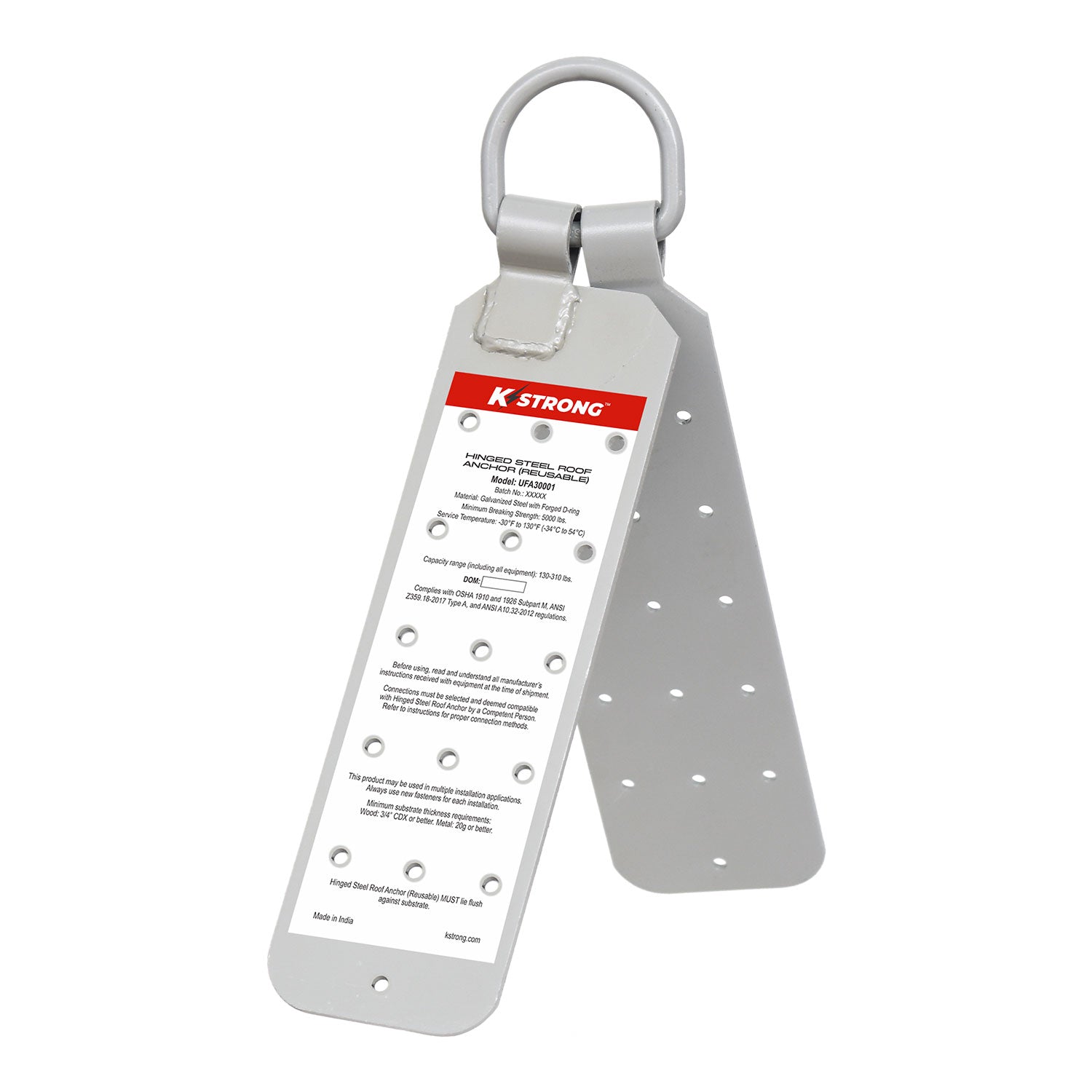
The number the anchor has to hold. Every arrest system loads its anchorage, and OSHA 1926.502(d)(15) gives an anchor two ways to qualify: it supports at least 5,000 lb per attached worker, or a qualified person designs it into a complete system with a safety factor of at least two. That 5,000 lb figure is why the same number repeats across the beam clamps, drop-thru plates, and concrete bolt anchors here, since each is stamped to it. A certified anchor built into an engineered system can sit below 5,000 lb, which is the case with the wood truss anchor rated 1,800 lbf / 8 kN, made for timber where a 5,000 lb pull off the structure is not realistic. Read the rating against how you plan to use it, and never assume a random beam or bolt hole qualifies without either the number or an engineer behind it.
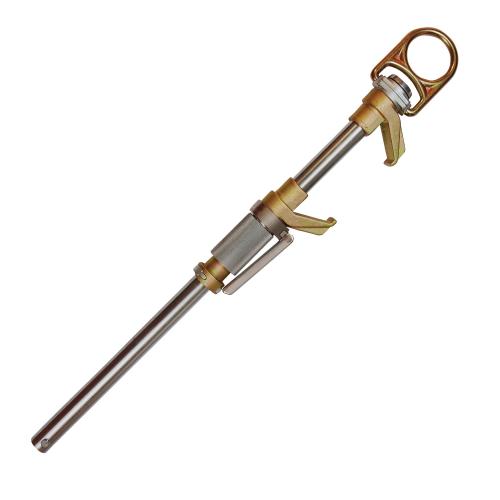
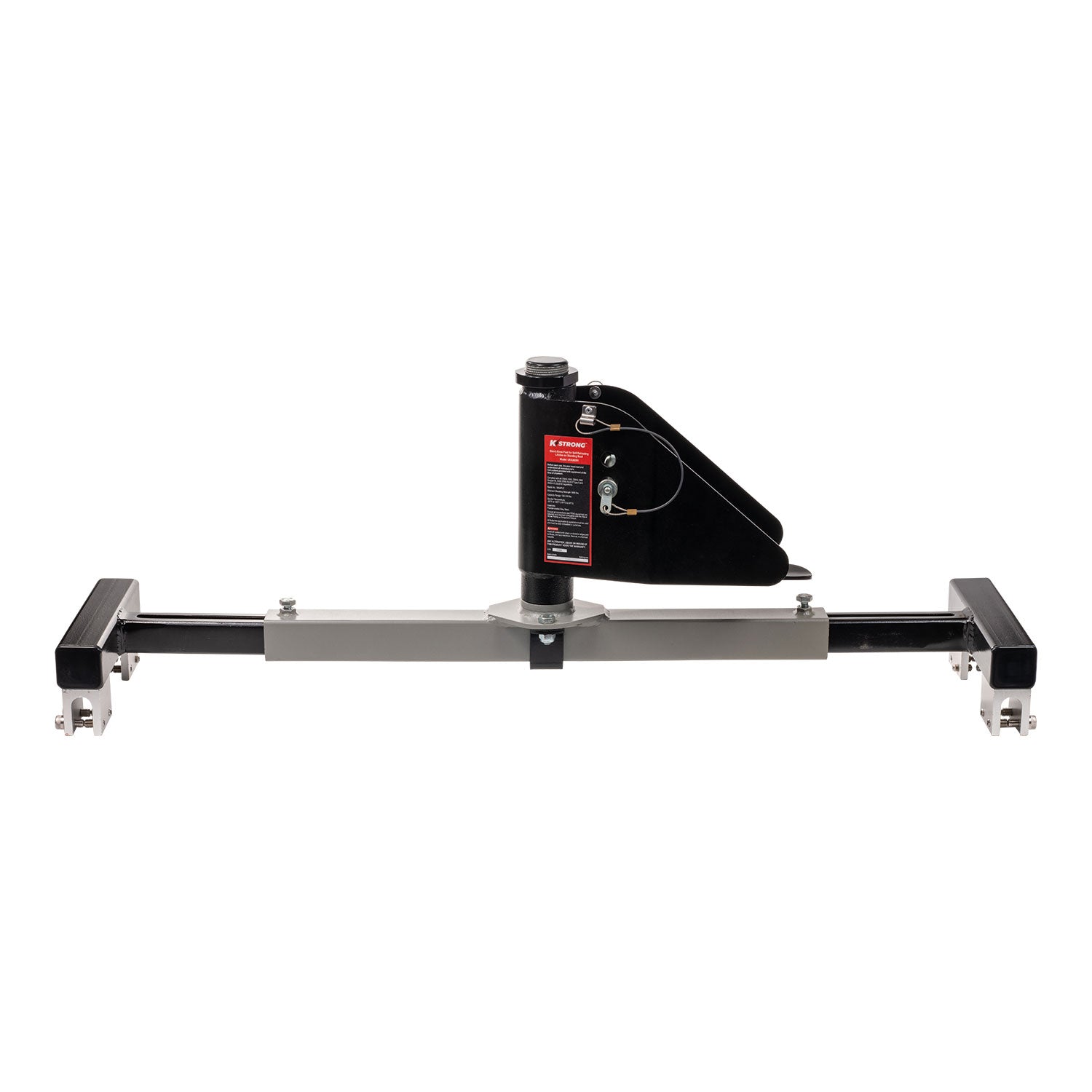
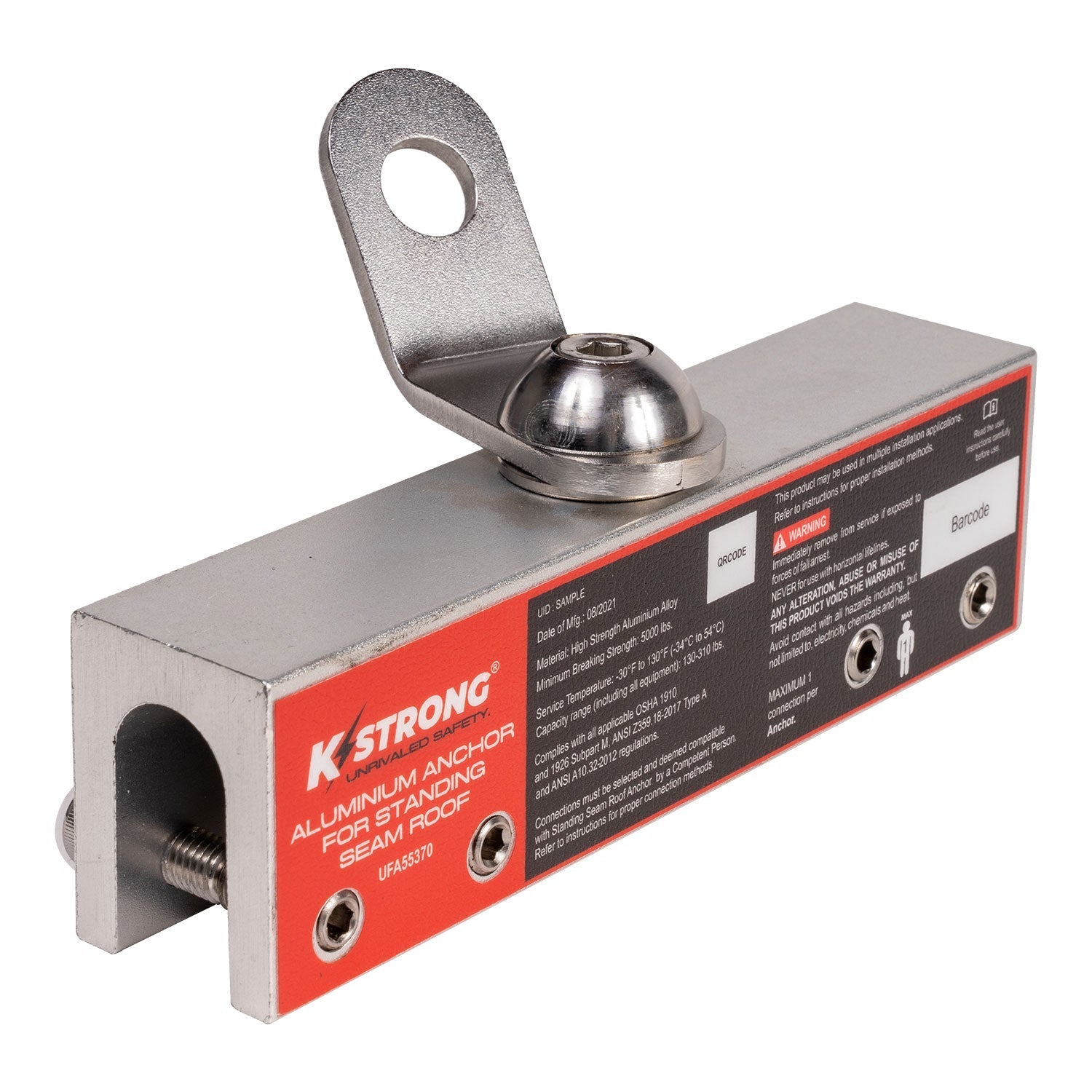
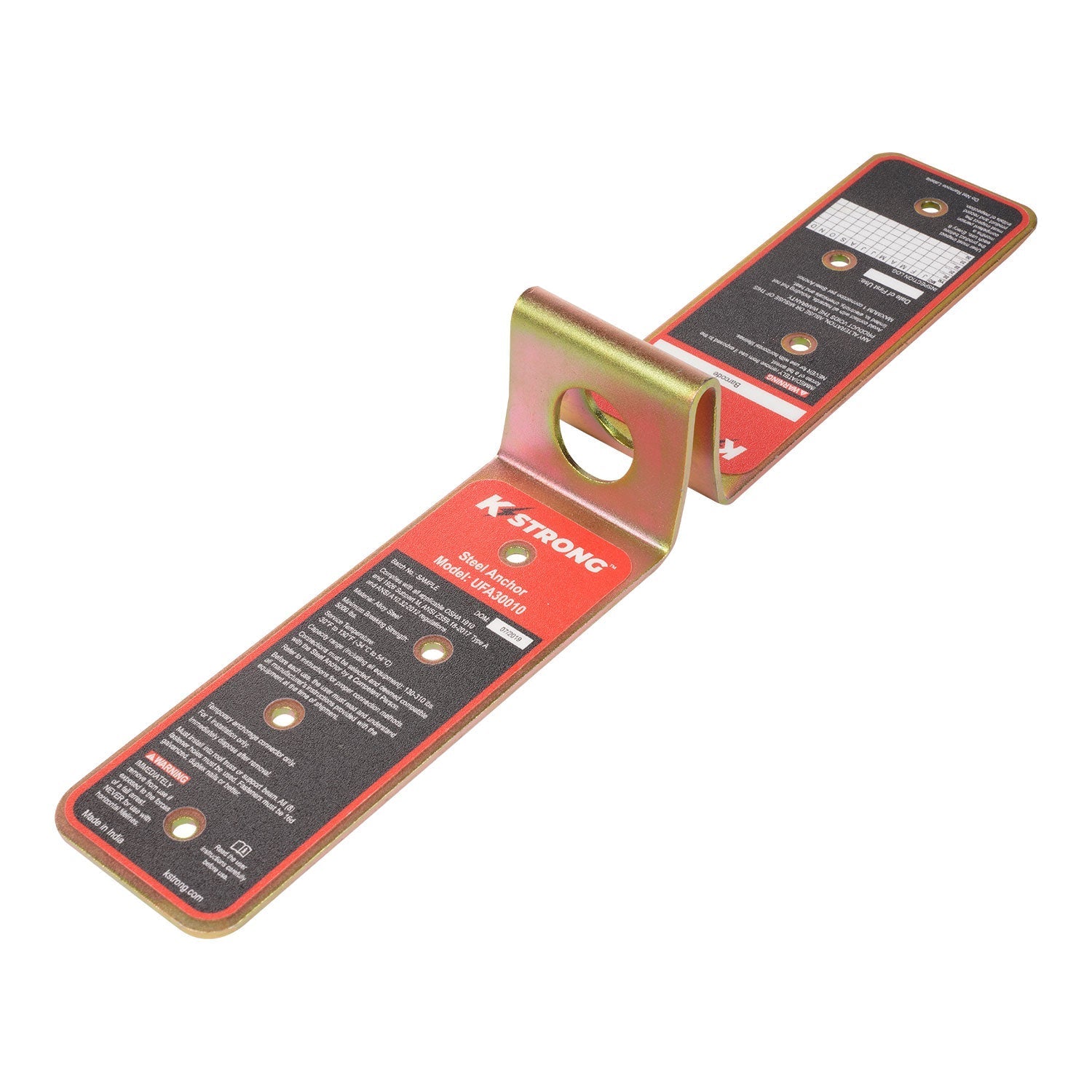
Match the anchor to the structure overhead. The fastest way to shortlist is by what you have to tie off to. Exposed steel I-beam or wide flange: the sliding I-beam anchors clamp flanges from 3 to 6 inches or 3.5 to 14 inches, and the rolling beam anchors ride the flange so a worker can travel without re-rigging. Concrete deck or wall: the 3/4 inch removable bolt anchor drops into a drilled hole and comes back out when the job ends. A roof edge with a parapet: the adjustable-arm parapet clamp grips the wall. An opening to work through: the door jamb and window anchor tensions across the frame. Timber gets the wood truss anchor, and shipping containers and posts get their own column-mount and vertical-post anchors. Pick for the real structure, not the one you wish you had over the work.
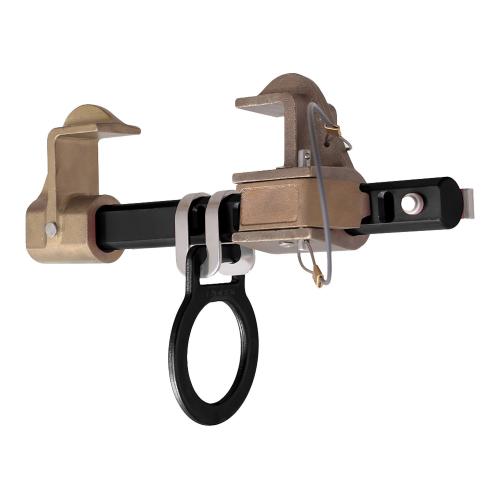
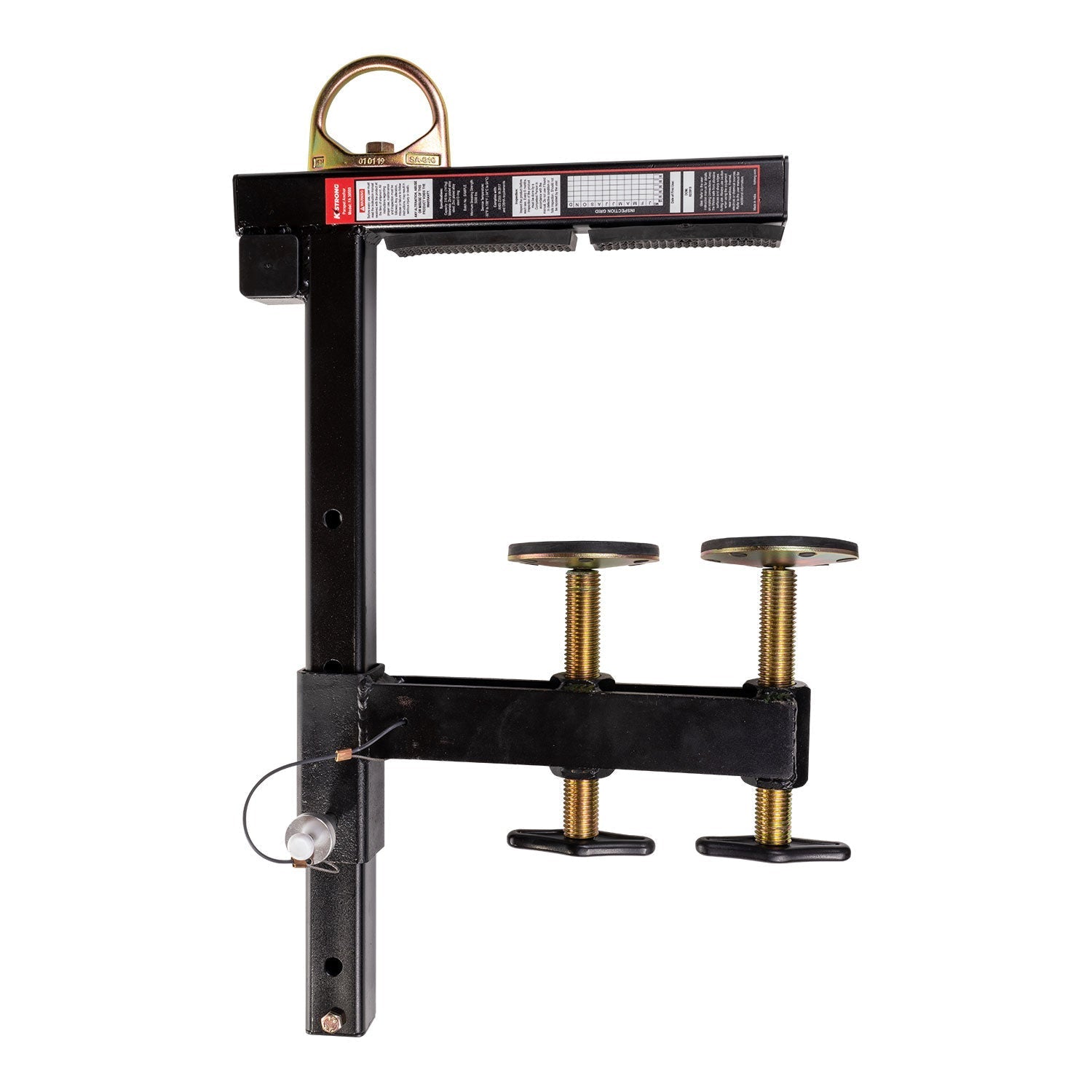
Sliding, rolling, or fixed on a beam. Beam anchors split three ways. A sliding beam anchor is set once and stays put, the cheapest way to get a compliant tie-off on a flange, and the 3 to 6 and 3.5 to 14 inch models cover most structural steel. A rolling beam anchor, aluminum and steel, tracks along the flange as the worker moves, which keeps the anchor overhead and cuts the swing fall that a fixed point invites the moment you walk away from it. A fixed-vertical I-beam anchor, plus the column-mount and stanchion versions, handles beams and columns where the attachment sits vertical rather than under a bottom flange. The rule of thumb holds across all three: the closer the anchor stays to directly above the work, the shorter the fall and the smaller the swing when the system is asked to do its job.
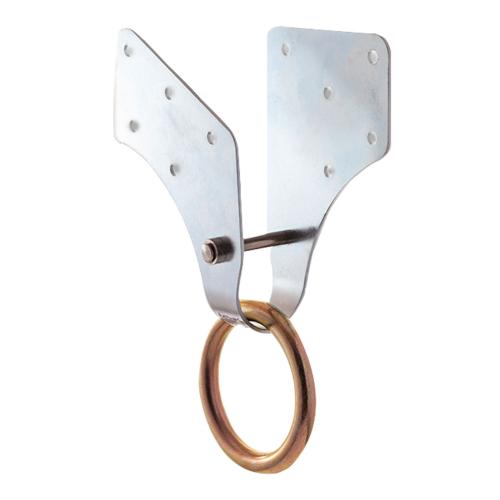
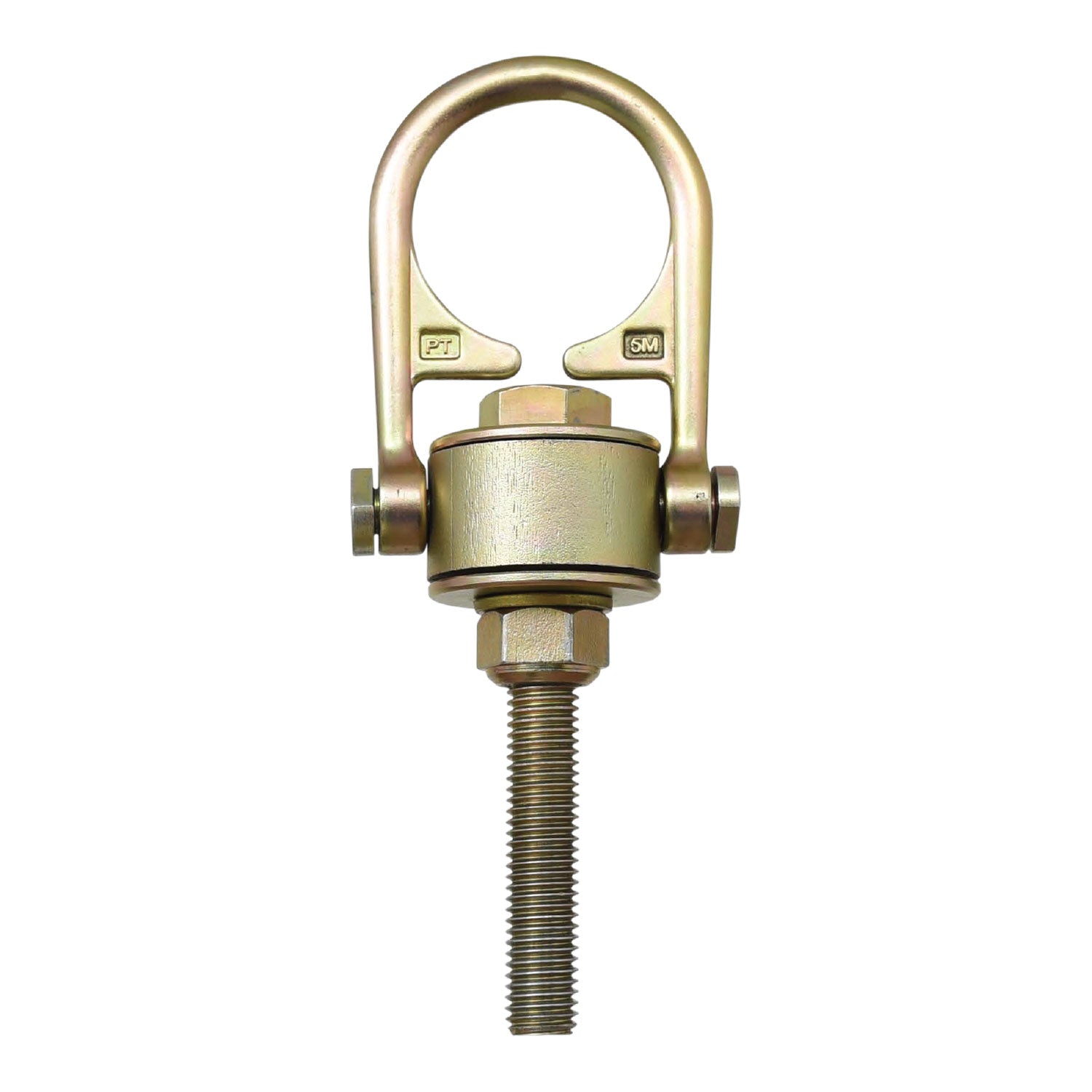
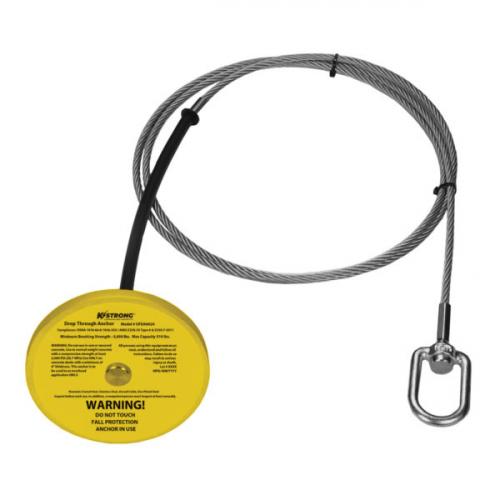
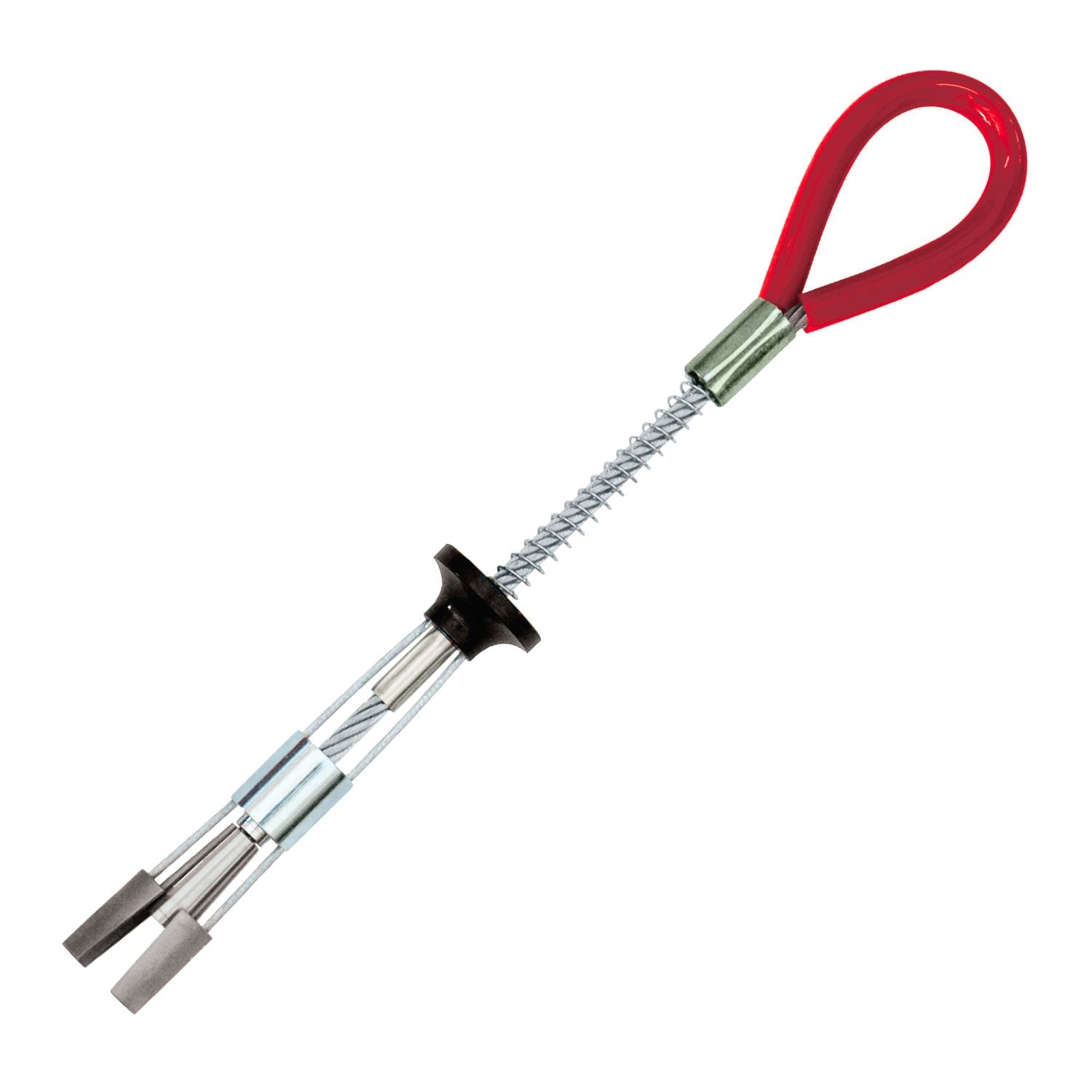
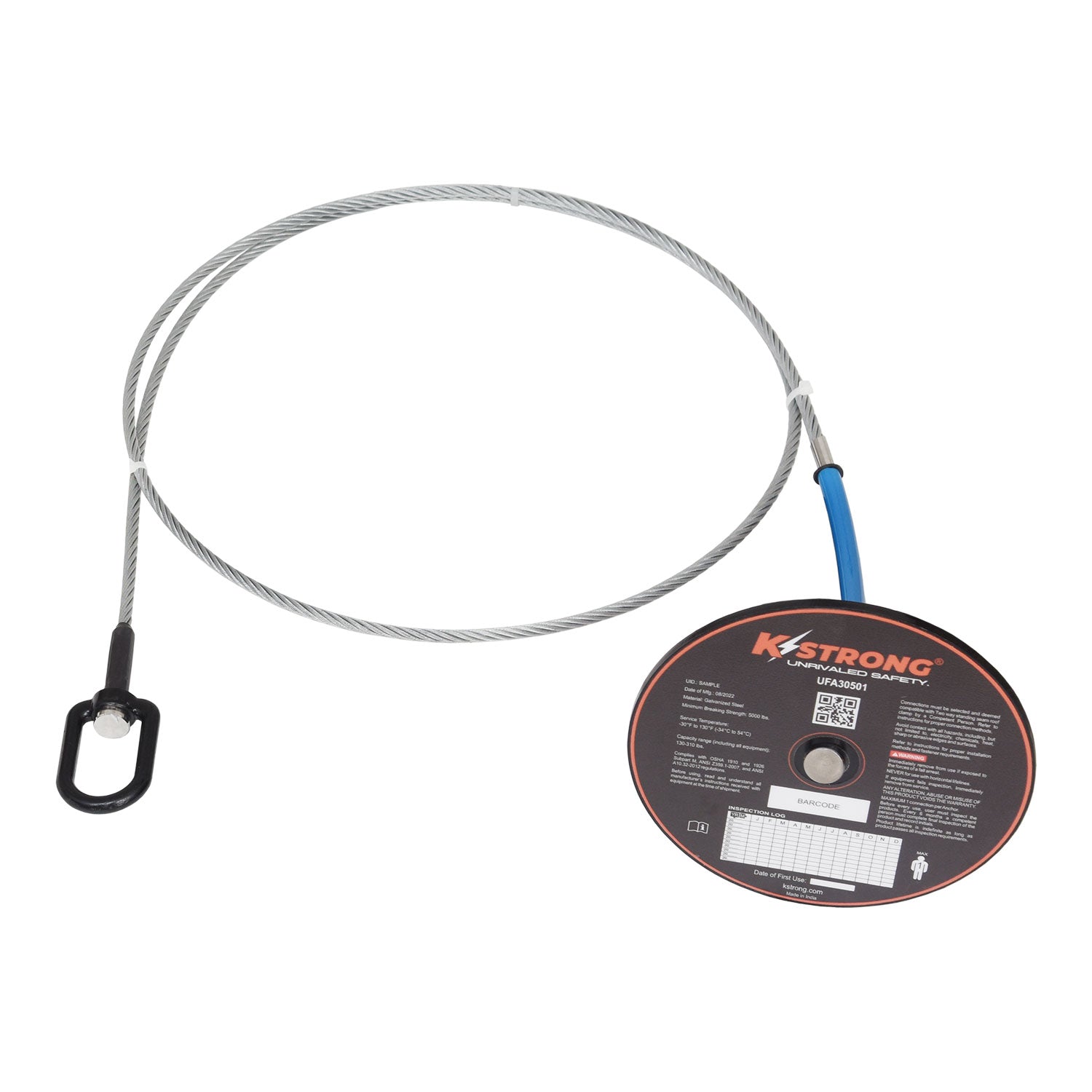
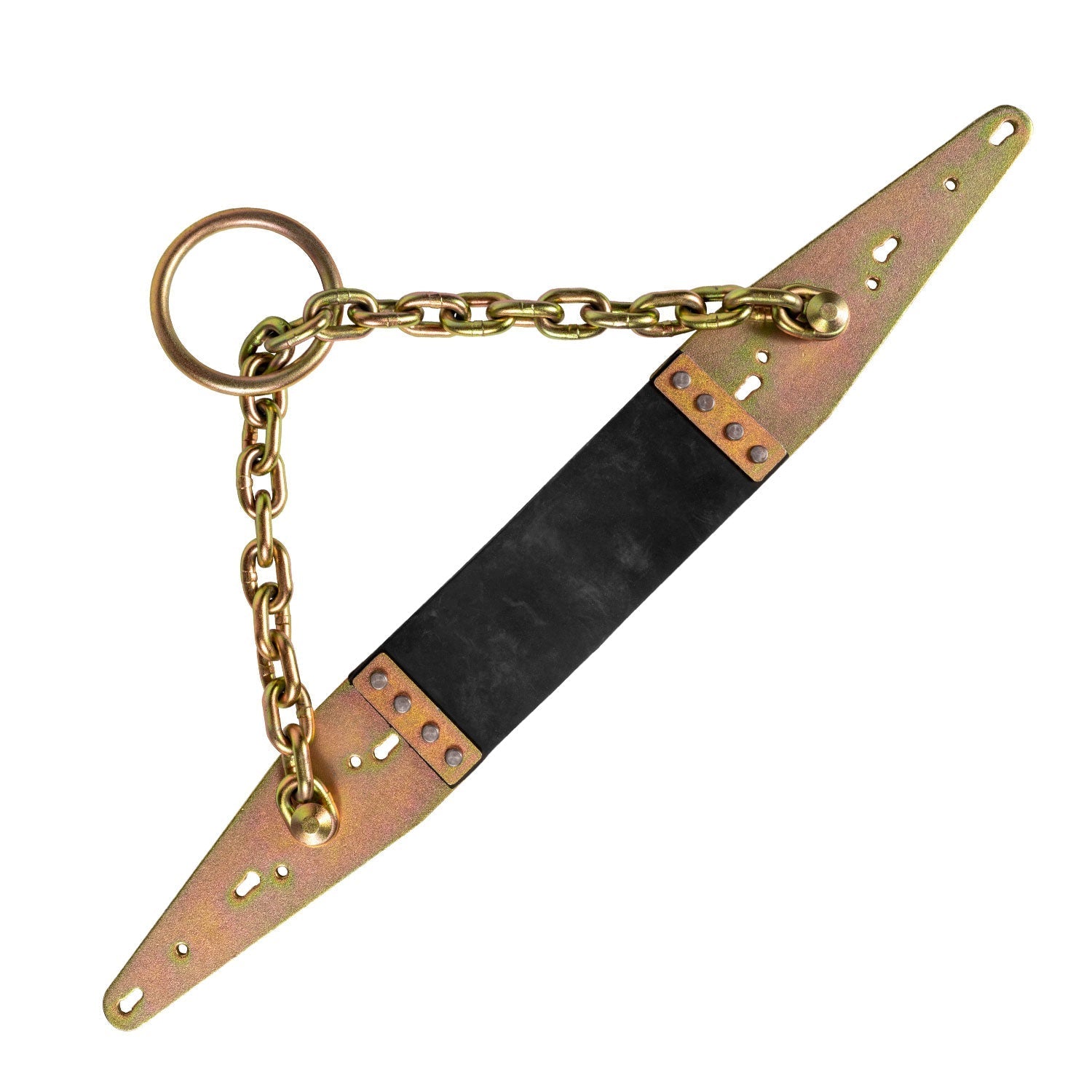
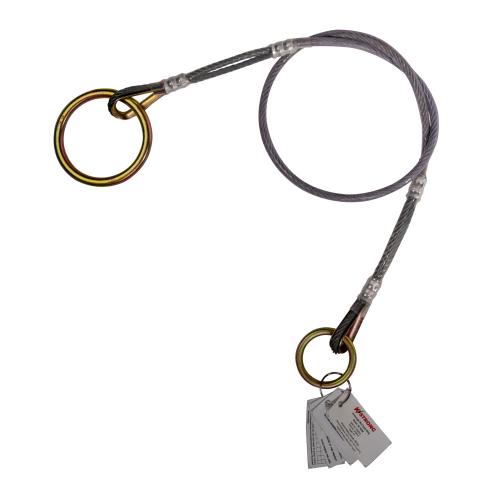
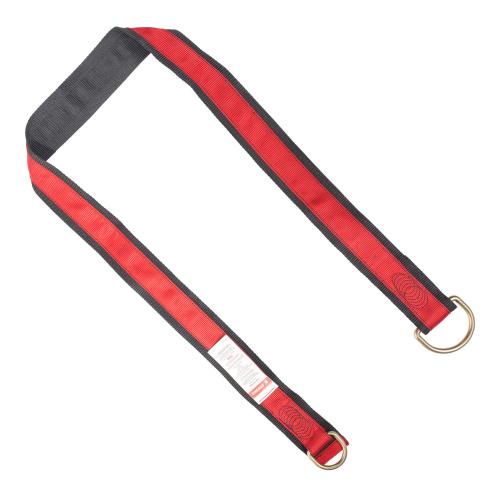
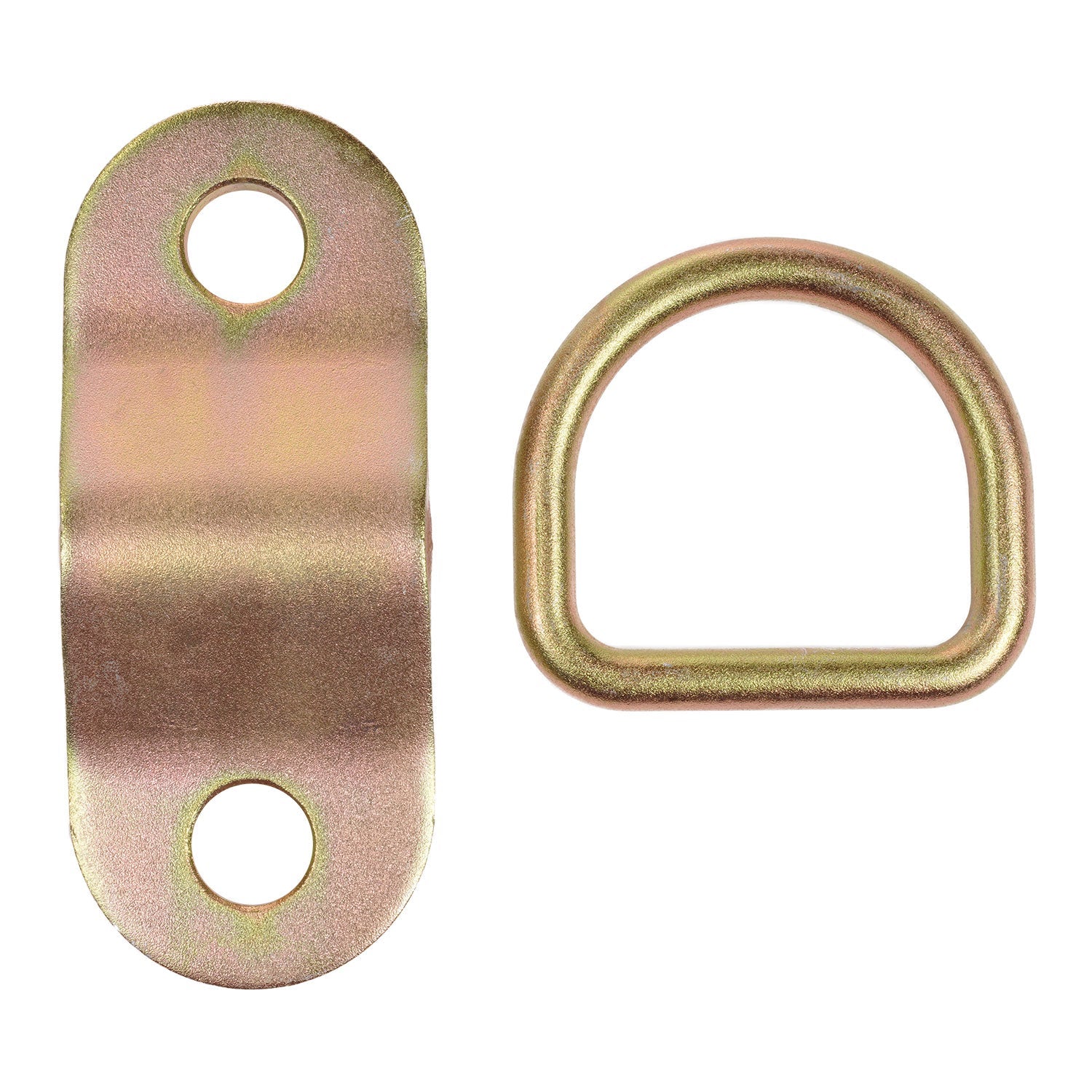
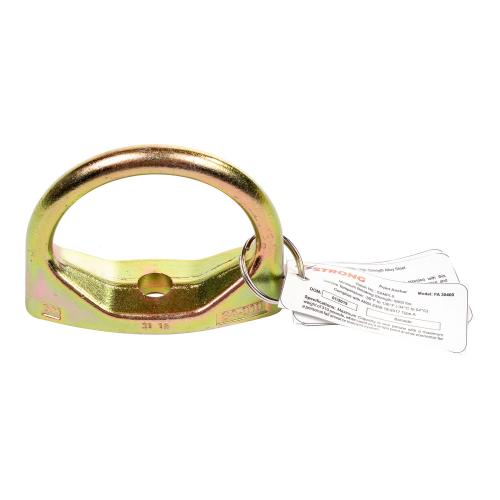
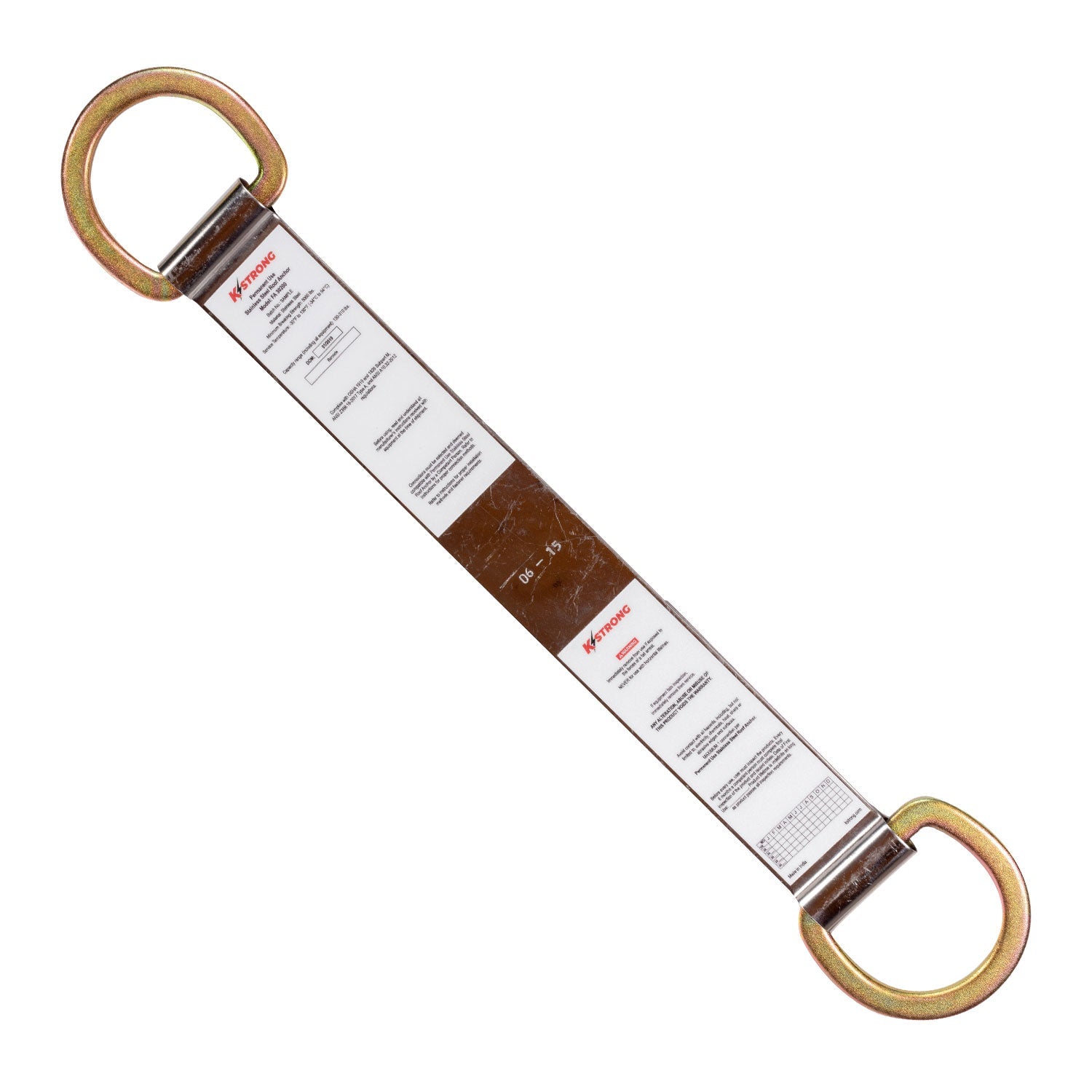
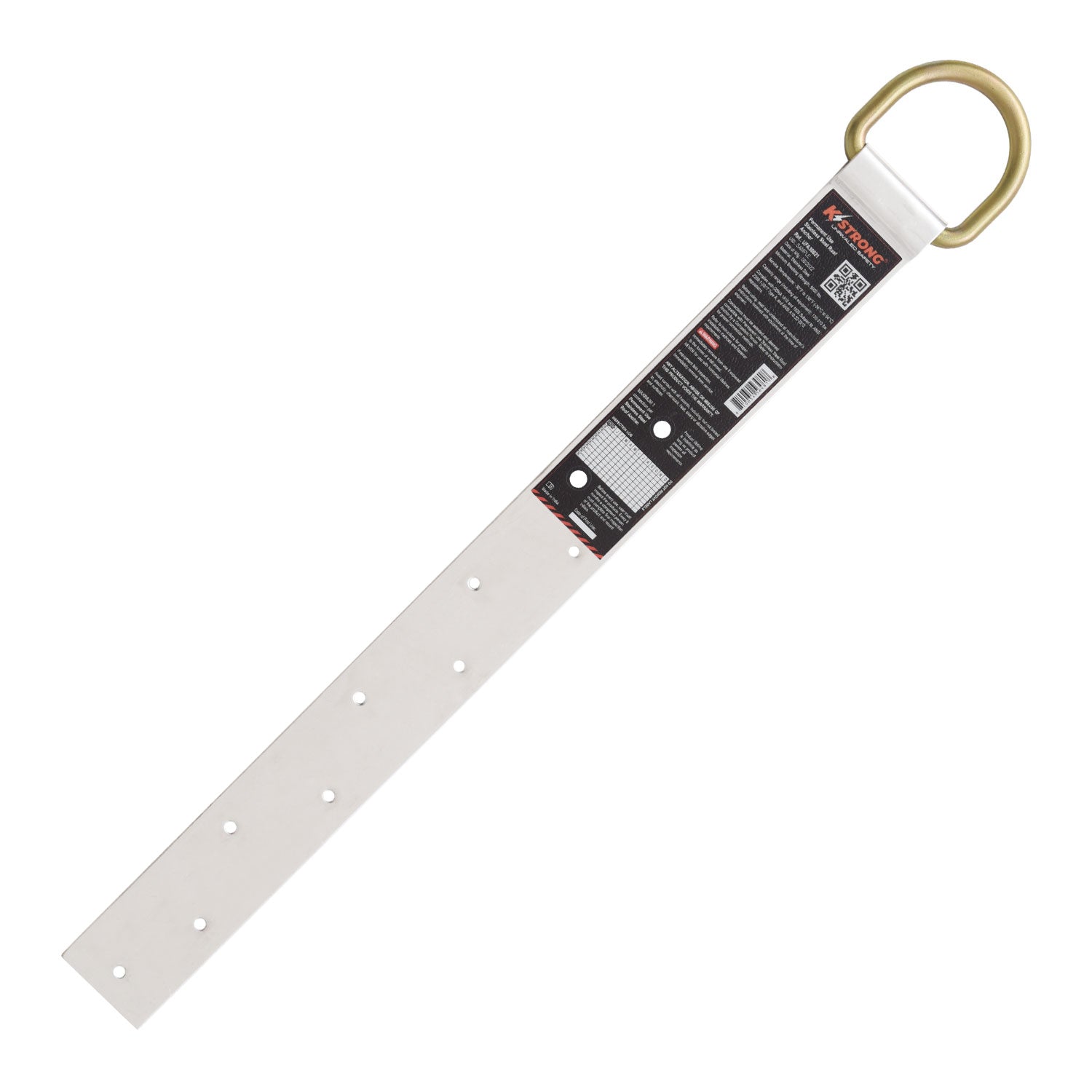
Permanent, removable, or wrapped. How long the anchor needs to stay decides the hardware. For a point that lives on the structure, the steel bolt-on and weld-on anchor point and the bolt-on D-ring plate fasten permanently for around $18 and become a fixed tie-off you can come back to. For jobs that leave, the removable steel girder anchor, the removable concrete bolt anchor, and the drop-thru anchors with swivel D-rings install and pull back out. When you want to tie off without drilling or clamping, the KStrong choker-style web anchor straps and coated-wire anchor straps wrap a beam or column and cinch back on themselves at a 5,000 lb rating, and they double as the connector on structures where a rigid anchor will not fit. The Bully swivel anchor for metal structure carries a 10,000 lb rating for the heaviest fixed points.
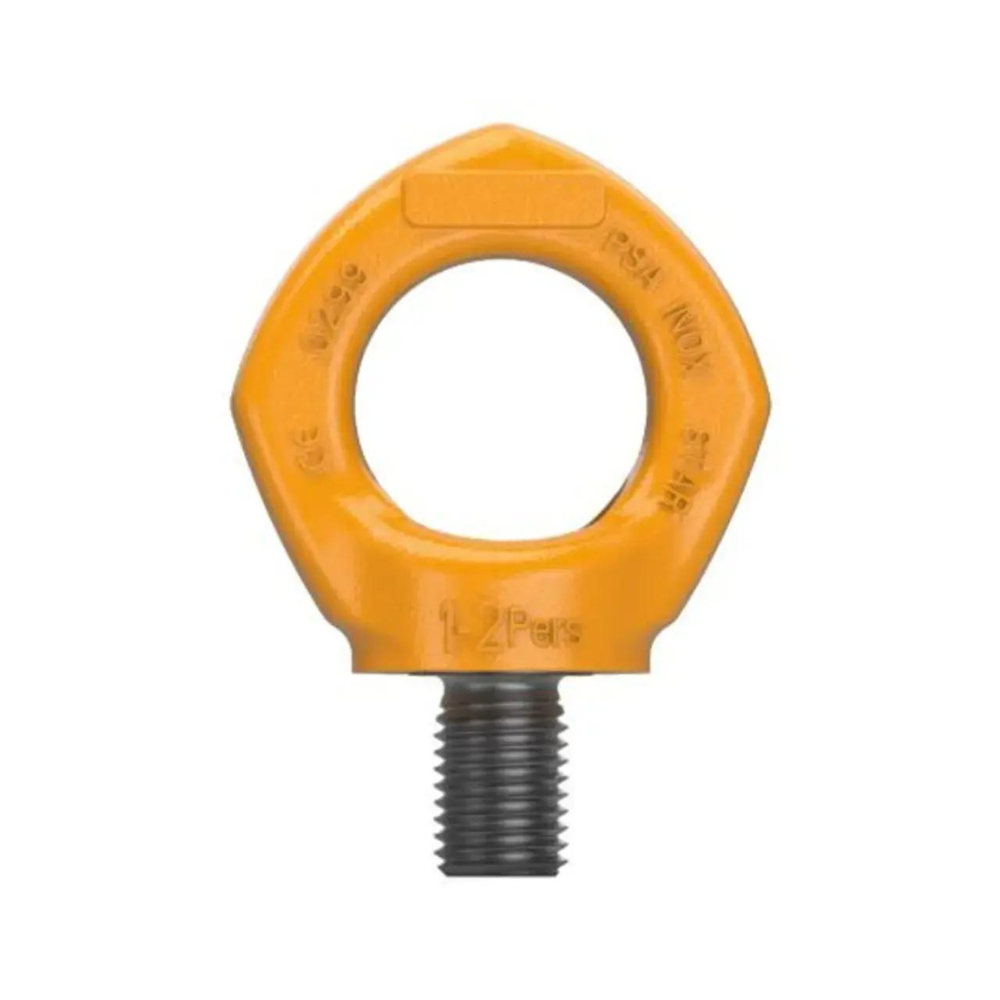
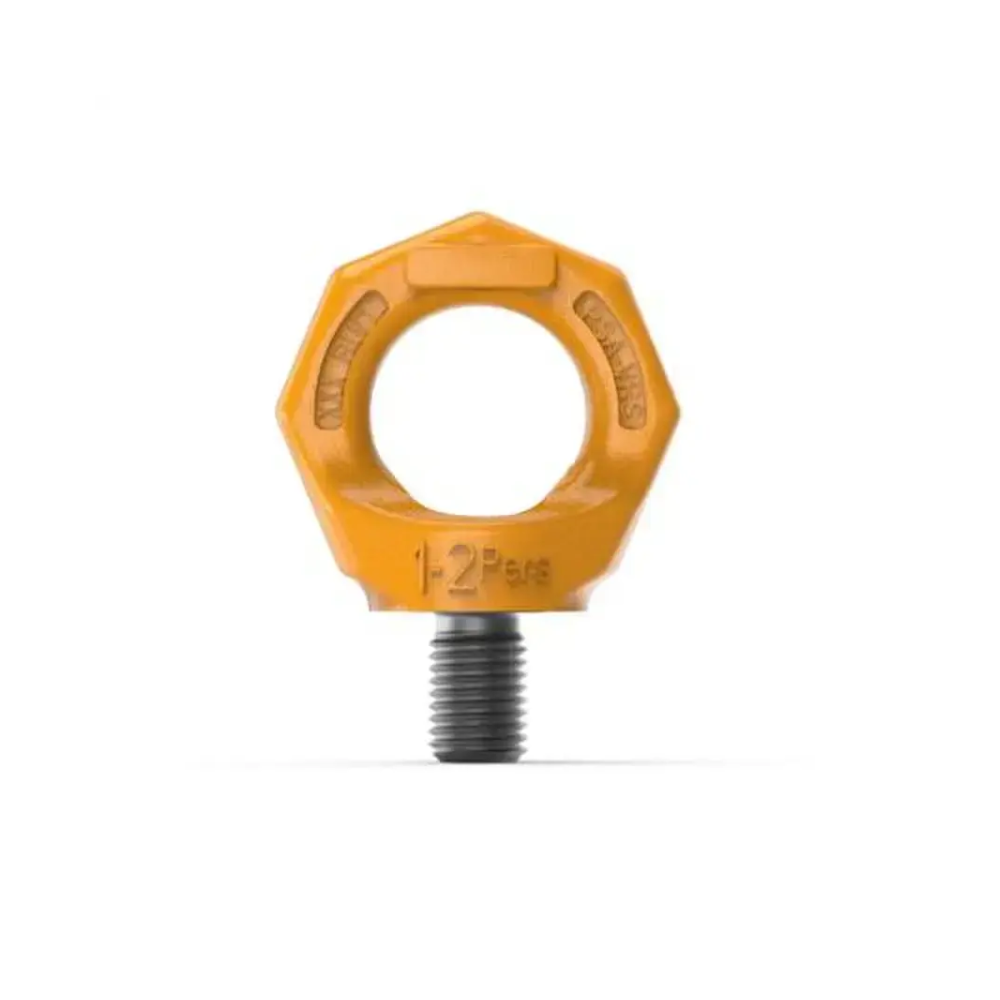
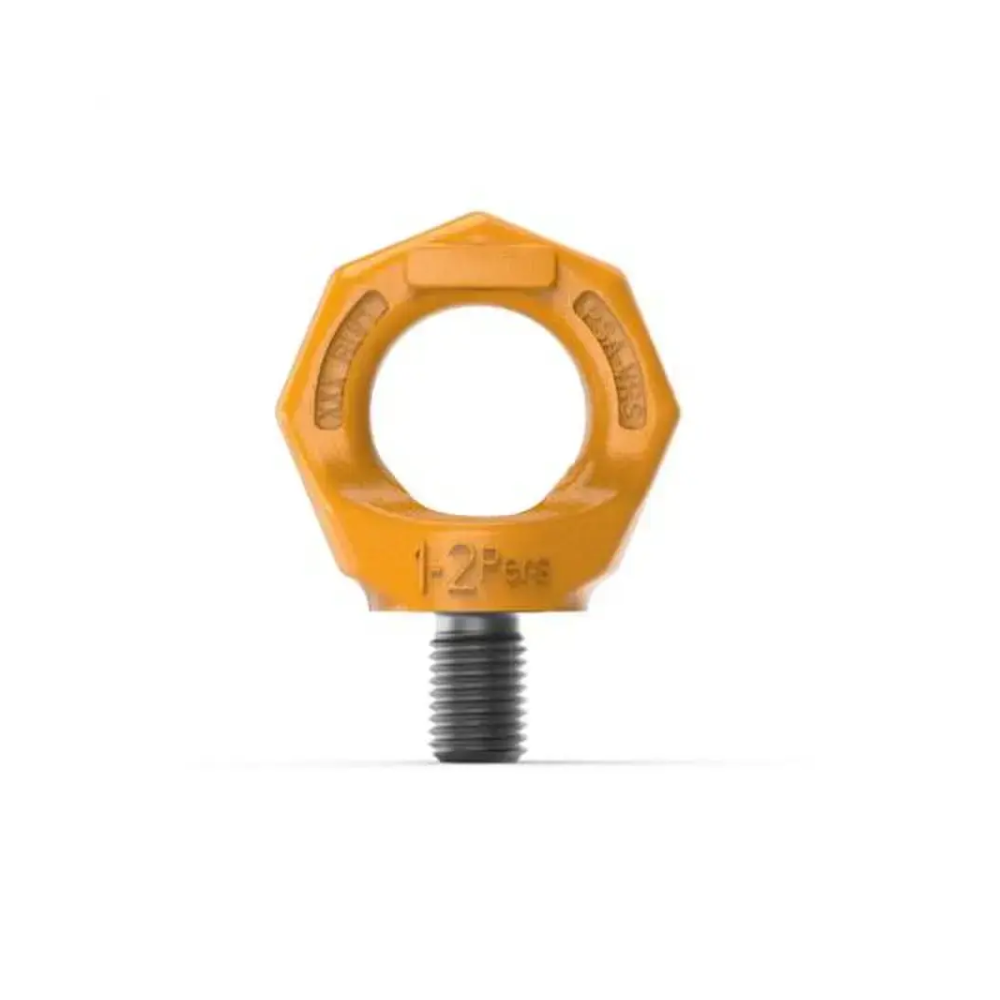
ANSI Z359.18, and the RUD person-rated points. Anchorage connectors have their own product standard now: ANSI/ASSE Z359.18-2017, which pulled anchors out of the old Z359.1 and set separate performance, corrosion, and marking rules. It sorts connectors into types, with Type A covering general anchorage connectors and Type T built to take a tie-back line that wraps and clips to itself. The KStrong anchors here carry ANSI markings against that family. The RUD PSA Starpoint screw-in points work on a different logic: they thread into a tapped hole to EN 795 and are rated by the number of people rather than a pound figure, one to two persons, and the INOX-Star version is stainless for corrosive or washdown settings. These are fall protection anchor points, not lifting points, even though RUD builds a lifting Starpoint that looks nearly identical, so check the marking before anyone clips in.
Inspection and single-use after a fall. Anchors follow the same discipline as the rest of the arrest system. Inspect before every use for cracks, corrosion, deformation, thread damage on the screw-in points, and cut or worn webbing on the anchor straps, and pull anything that fails. A competent person should run documented inspections on a set schedule. The hard rule is the one that catches people: any anchor that has been part of an arrested fall comes out of service, because a component can yield in ways you cannot see from the outside, and the drop-thru plates and web straps in particular are designed to take one event. Keep the manufacturer instructions with the gear, since the installation torque on the bolt and screw-in anchors is part of what earns the rating on the label.
Frequently Asked Questions
Under OSHA 1926.502(d)(15), an anchorage for personal fall arrest has to support at least 5,000 lb per attached worker, or be designed by a qualified person into a complete system with a safety factor of at least two. Most of the steel and concrete anchors on this page are stamped to 5,000 lb, which is why that number shows up again and again. The exception is a certified anchor like the wood truss anchor at 1,800 lbf, which is meant to be engineered into a system rather than trusted as a standalone 5,000 lb point.
For structural steel, use a beam anchor sized to the flange: the sliding I-beam anchors cover 3 to 6 and 3.5 to 14 inch flanges, and the rolling beam anchors ride along the flange so the tie-off stays overhead as you move. For concrete, the 3/4 inch removable bolt anchor drops into a drilled hole and comes back out at the end of the job. Matching the anchor to the actual structure is the whole decision, so confirm the flange width or the concrete before you order.
A sliding beam anchor is positioned once and stays fixed on the flange, the lower-cost way to get a compliant tie-off on steel. A rolling beam anchor travels along the flange with the worker, which keeps the anchor point close to directly overhead and reduces the swing fall you get when you move away from a fixed point. If the work covers a run of beam rather than one spot, the rolling anchor is usually worth the difference.
No. Wrapping a lanyard around bare steel is not a rated anchorage and can cut the webbing on an edge. Use a rated anchor strap instead: the KStrong choker-style web anchor straps and coated-wire anchor straps are built to wrap a beam or column and cinch back on themselves at a 5,000 lb rating, and they serve as the tie-back connector where a rigid clamp will not fit the structure.
No. The RUD PSA Starpoints are screw-in anchor points that thread into a tapped hole to EN 795 and are rated by the number of people, one to two persons, rather than a pound figure. They give you a permanent, low-profile tie-off on machinery, structures, and tanks. Note that RUD also makes lifting Starpoints that look similar, so confirm you are buying the PSA fall protection version and not a lifting point.
No. Any fall protection anchor that has been part of an arrested fall comes out of service immediately, because it can deform or yield internally in ways you cannot see. Short of an actual fall, inspect anchors before every use and put them through documented inspections by a competent person, checking for cracks, corrosion, thread damage, and cut or worn webbing on the strap-style anchors.