What fall protection is
Fall protection is the set of systems and equipment used to prevent a worker from falling, or to safely stop a fall that has begun, when working at height. Falls are one of the leading causes of workplace death, which is why fall protection is heavily regulated and treated as genuine life-safety equipment, not optional gear. It ranges from guardrails and safety nets to personal systems worn by the worker. Getting it right, the correct equipment, correctly rated, correctly used, is literally the difference between a near-miss and a fatality, which is why every part of this guide emphasizes doing it properly.
The Personal Fall Arrest System (PFAS)
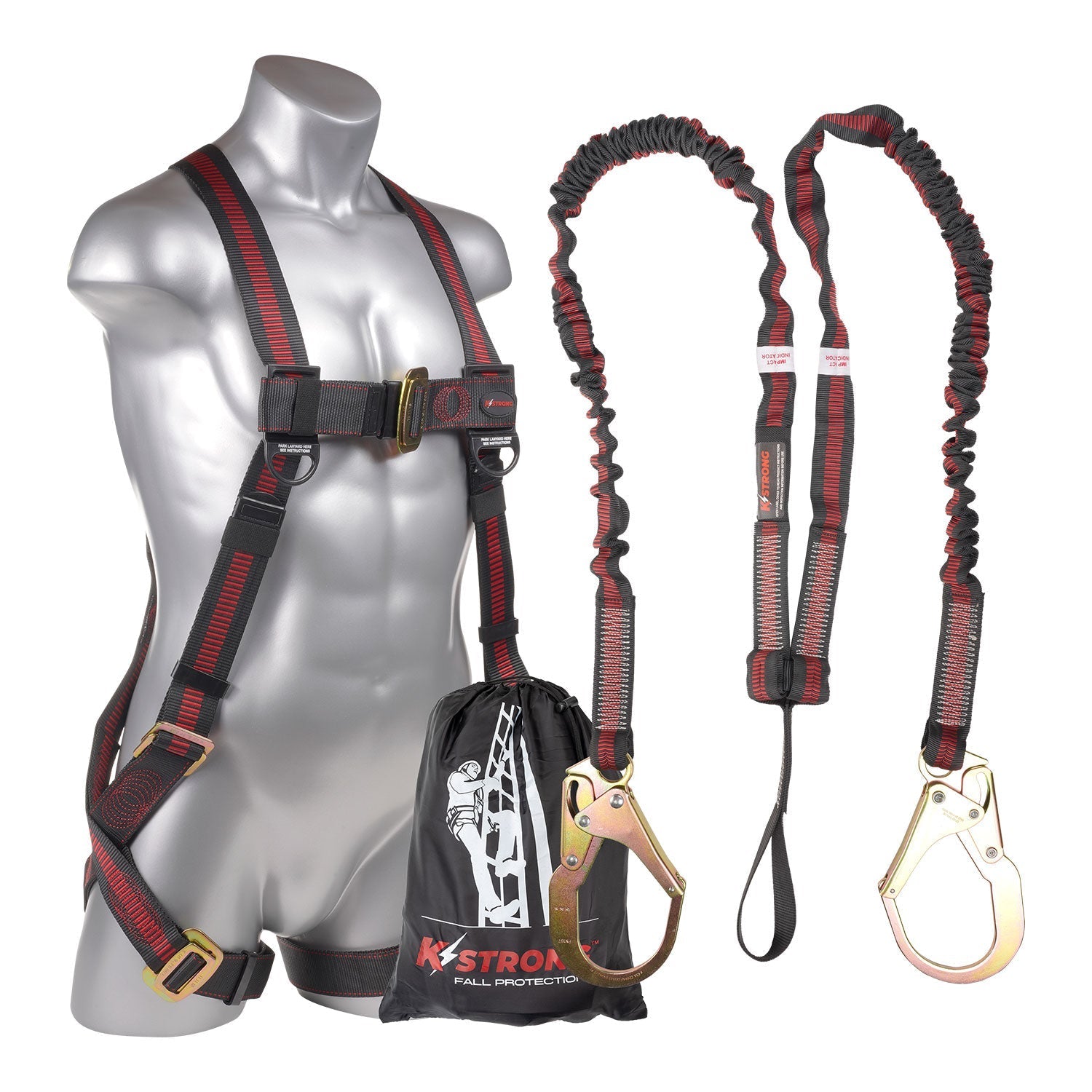
When a worker can't be protected by guardrails, they wear a Personal Fall Arrest System (PFAS), the equipment that arrests a fall after it starts. A compliant PFAS has three core parts: an anchorage (the secure attachment point), a full-body harness (worn by the worker), and connectors (a shock-absorbing lanyard or self-retracting lifeline linking the two). OSHA sets strict limits on how it must perform: free fall no more than 6 feet, maximum arresting force capped at 1,800 lb, deceleration distance under 3.5 feet, and rigging that keeps the worker from hitting a lower level.
The ABCD of fall protection
A common way to remember the parts of a fall arrest system is the ABCD. A, Anchorage: the secure structural point the system connects to, via an anchorage connector like a beam anchor or D-ring plate. B, Body support: the full-body harness that distributes arrest forces across the body. C, Connectors: the lanyards, SRLs, and snap hooks joining harness to anchorage. D, Descent and rescue: the plan and devices to retrieve a fallen, suspended worker promptly. (Some makers label the D as deceleration devices; both usages exist.) Every one of the ABCD must be present and rated.
Fall arrest, restraint, positioning, and suspension
Not all fall systems do the same thing, and confusing them is dangerous. Fall arrest stops a fall already in progress, for when a worker can reach an edge. Fall restraint prevents the worker from ever reaching the edge, the tether is too short to allow a fall. Work positioning holds a worker hands-free at a work face (like a pole or wall) and is not itself fall arrest, it requires a separate arrest backup. And suspension holds or lowers a worker to do work (window washing, rope access), also requiring an independent arrest backup. Know which system your task needs; positioning and suspension always need arrest backup.
OSHA height triggers
OSHA sets the heights at which fall protection becomes mandatory. In general industry (29 CFR 1910.28), protection is required at 4 feet above a lower level. In construction (29 CFR 1926.501), it's required at 6 feet. Regardless of height, protection is also required when working above dangerous equipment. And even where no specific standard applies, OSHA can cite unaddressed fall hazards under the General Duty Clause. These triggers are legal minimums, and knowing which applies to your work, general industry's 4 feet or construction's 6 feet, is the starting point for compliance.
Body support: the full-body harness
The worker's connection to the system is the full-body harness, and only a full-body harness is acceptable for fall arrest, body belts are prohibited because they concentrate force on the waist and can cause severe injury. The harness distributes arrest forces across the shoulders, chest, and thighs, the strongest parts of the body, through load-bearing D-rings. Fitting it correctly and inspecting it before every use are essential, covered in our what is a full-body harness and how to inspect a safety harness guides. The harness is the piece the worker lives or dies by, so it must fit and function perfectly.
Connectors: lanyards and SRLs
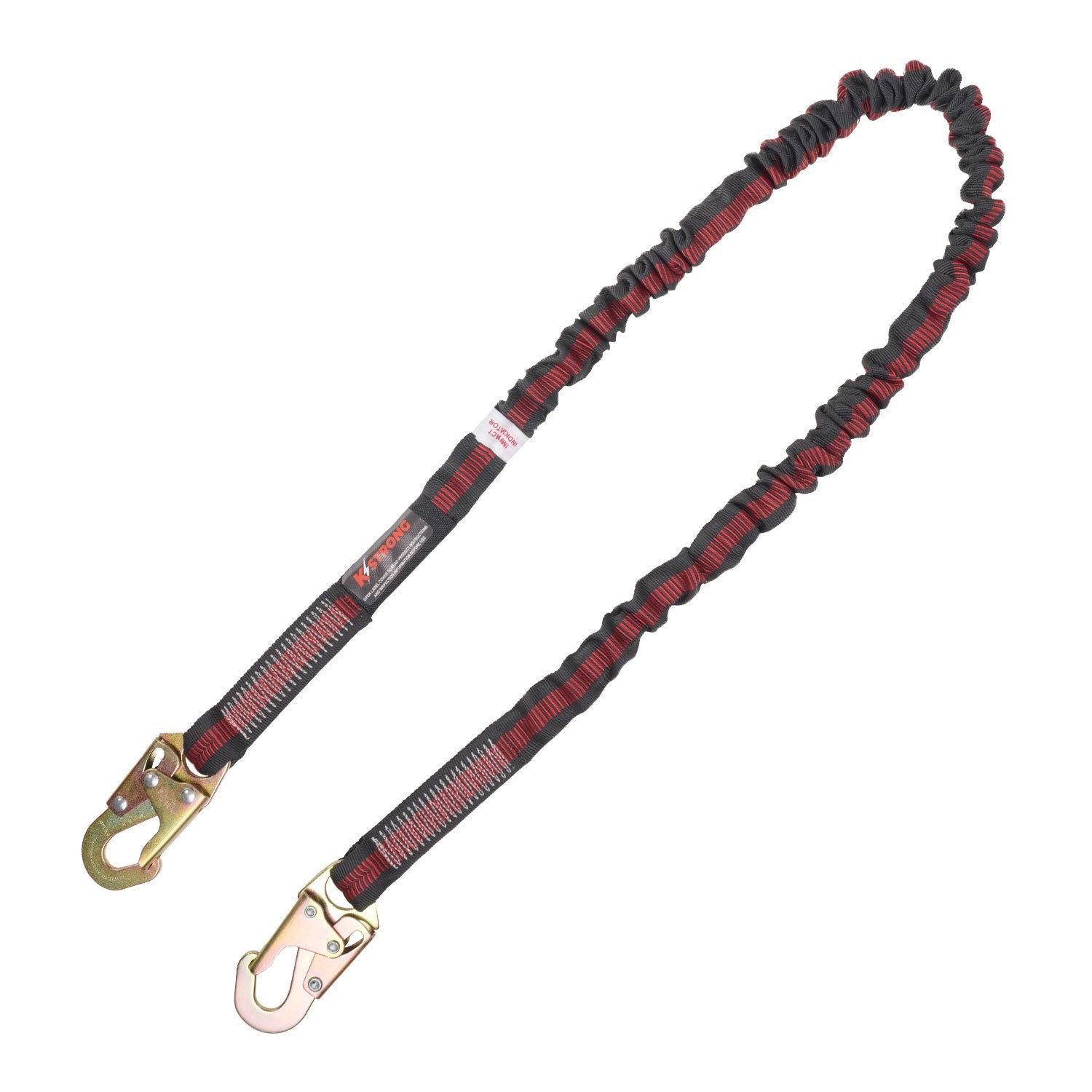
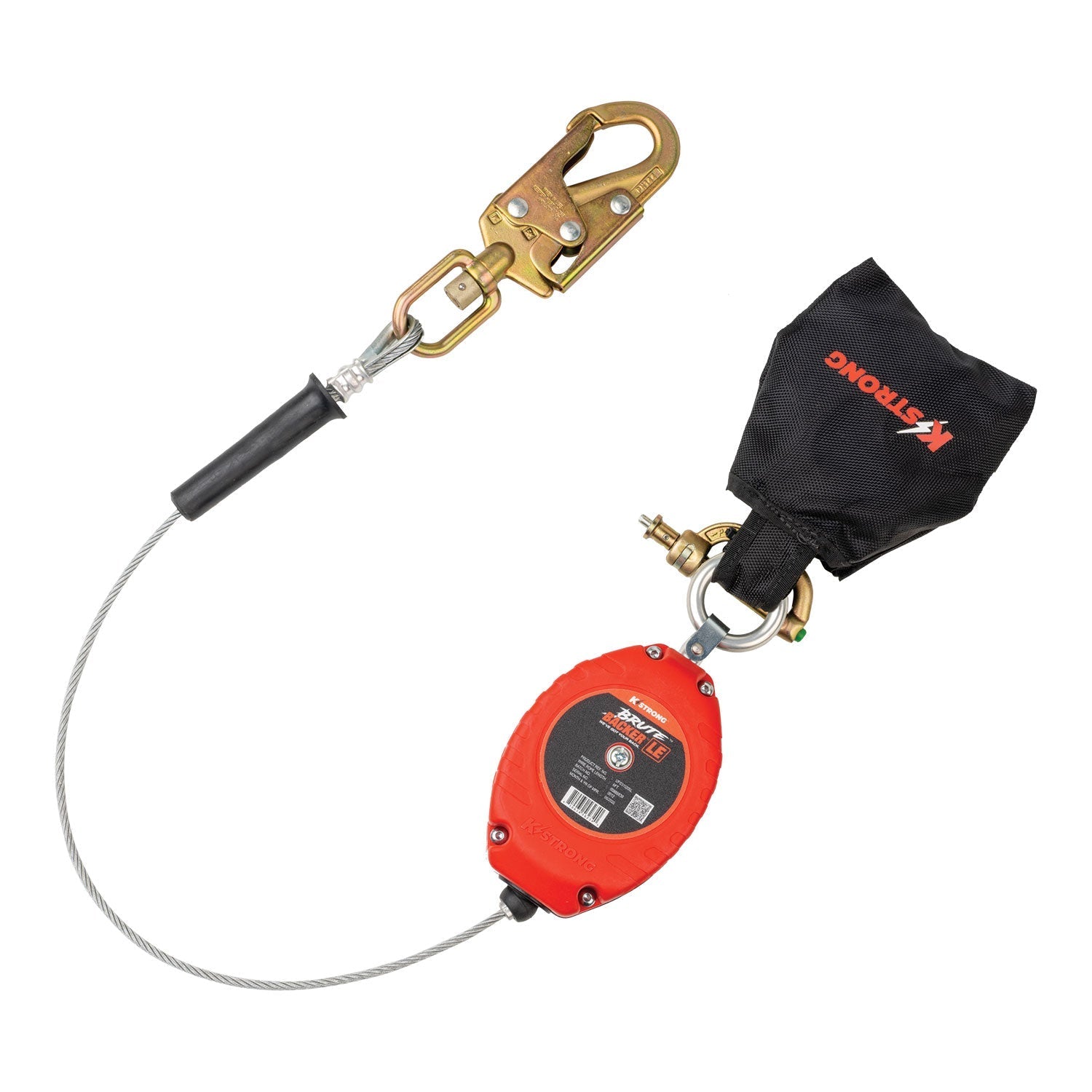
Connectors join the harness to the anchorage and manage the fall's energy. A shock-absorbing lanyard has an energy absorber that deploys to reduce arrest forces, but it allows more fall distance and needs substantial clearance below. A self-retracting lifeline (SRL) keeps the line taut and locks like a seatbelt on a sudden pull, arresting the fall in a much shorter distance. Choosing between them, covered in shock-absorbing lanyard vs SRL, depends heavily on the fall clearance available. The connector is where the system limits the forces on the body, so it must be matched to the situation.
Anchorage: the 5,000 lb rule (and its alternative)
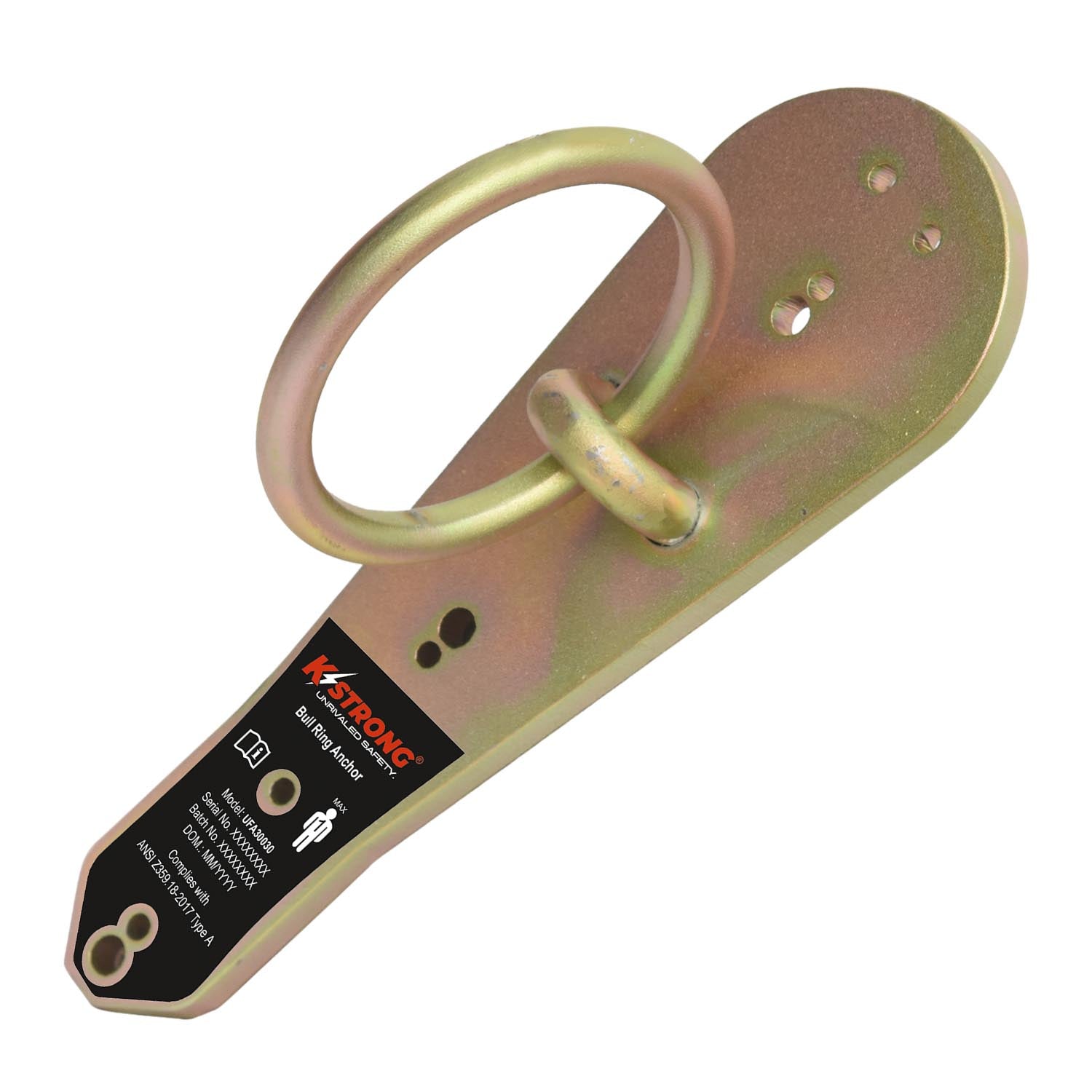
The system is only as strong as its anchorage. OSHA requires each anchorage used for fall arrest to support at least 5,000 lb per attached worker, OR be designed, installed, and used under the supervision of a qualified person as part of a system with a safety factor of at least two. That second part matters: the widespread belief that every anchor must be 5,000 lb is a myth, an engineered 2-to-1 system is equally valid. Either way, you must tie off only to a rated anchor, never to a guardrail, conduit, or unrated structure. Choosing and rating the anchor correctly is fundamental.
Fall clearance: the calculation that saves lives
A tragically common fatal mistake is arresting a fall but still hitting the ground, because there wasn't enough clearance below. Fall clearance is the minimum vertical distance needed for the system to stop the worker before they reach a lower level, and it must be calculated, not guessed. It sums the free-fall distance, deceleration distance, harness stretch, the worker's height below the D-ring, and a safety factor, a 6-foot shock-absorbing lanyard can need roughly 18 feet of clearance. An SRL needs far less. Calculating clearance for your specific setup is one of the most important steps in using fall protection safely.
Inspection and training
Fall protection only works if it's maintained and used correctly. Every component, harness, lanyard, SRL, anchor, must be inspected before each use and retired if damaged, since a single compromised part can let a fall become a fatality. And workers must be trained: to select the right system, wear and adjust the harness, calculate clearance, tie off to rated anchors, and be rescued if they fall. Equipment alone isn't protection, correct selection, inspection, and use are. Treat training and inspection as non-negotiable parts of any work at height, alongside the gear itself.
The bottom line
Fall protection prevents or safely arrests falls from height, and its core is the PFAS, an anchorage, a full-body harness, and a connector, summarized as the ABCD. OSHA requires it at 4 feet (general industry) or 6 feet (construction), with strict limits on arrest forces and mandatory rated anchors (5,000 lb per worker, or an engineered 2-to-1 system). Calculate your fall clearance, inspect every component, and train your people. Explore the specifics through the guides linked above, compare gear in our best safety harnesses guide, or browse the full fall protection range.