Confined Space Tripod
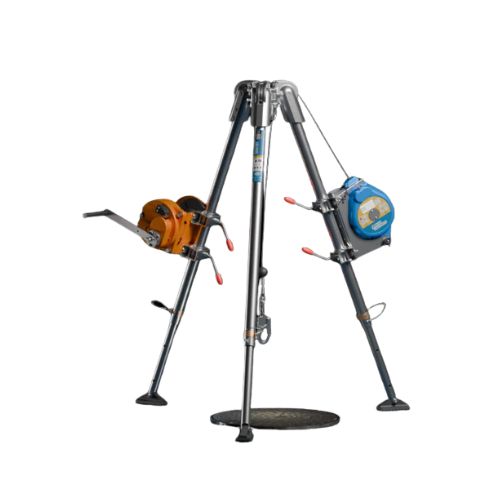
A confined space tripod is the three-legged anchor that sets a pulley directly over a manhole, tank hatch, or vault opening so a worker can be lowered in and pulled straight back out. It is the frame the rest of the rescue rig hangs from, and OSHA treats that rig as compliance hardware: 29 CFR 1910.146(k)(3)(ii) requires a mechanical retrieval device for any vertical permit space deeper than 5 ft. This collection is built around the Globestock SENTRY tripod, sold as a complete kit with the mounting bracket and a personnel-rated SAVER retracting lifeline, priced from roughly $4,059 to $5,563 depending on head height and cable. Around it sit the parts that finish the setup: the SAVER/STOP mounting bracket, KStrong Megadavit column mast receivers for davit-style anchoring, and the storage bags and chain links that keep a tripod ready for the field. The sections below cover how to size a tripod, what standard it has to meet, and which accessory does what.
Compare Confined Space Accessories
| Model | Price | Type | |
|---|---|---|---|
| Globestock Confined Space Tripod Kits | $4,059 | — | View → |
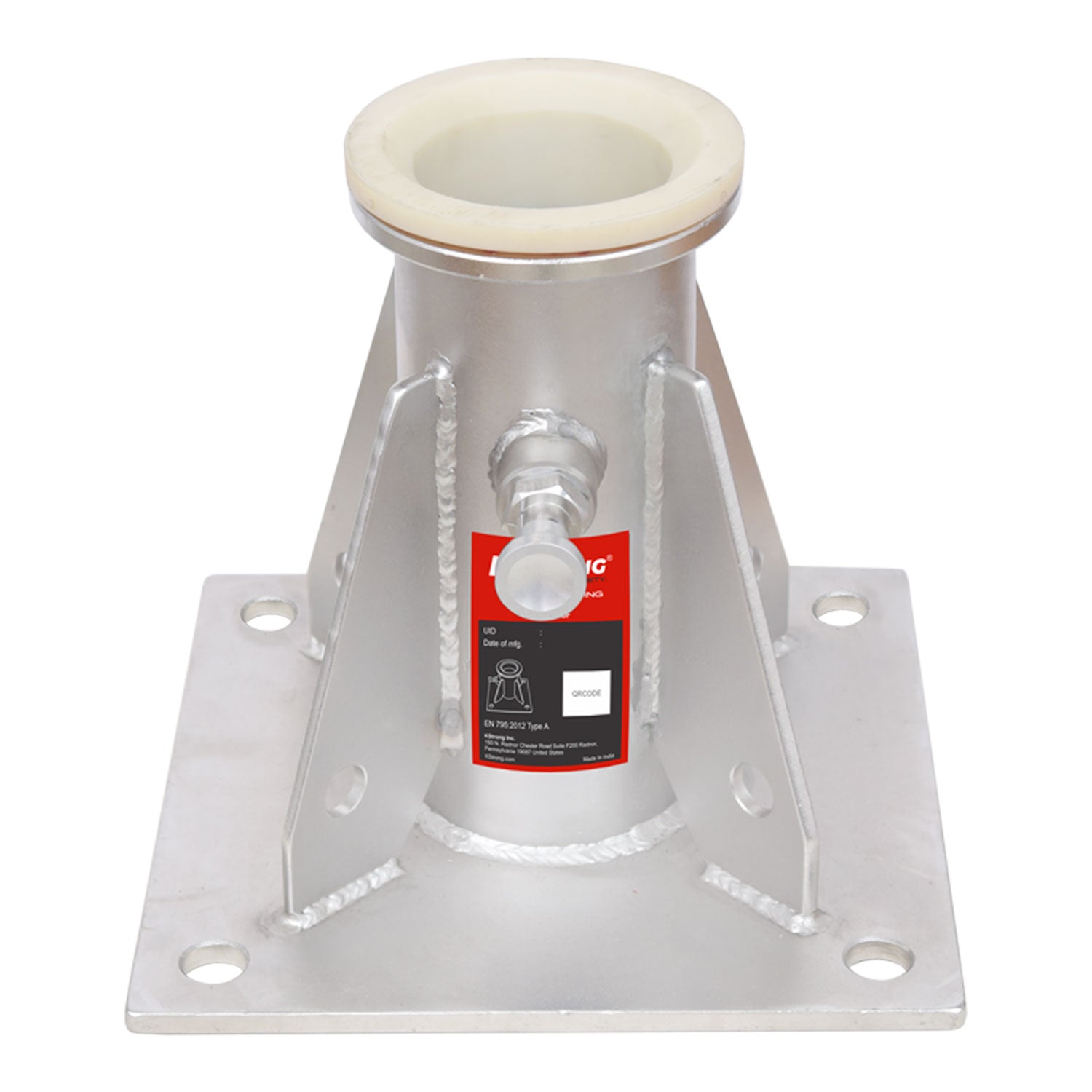
| KStrong® Megadavit™ Floor Mount Column Mast Receiver (SS316) | $1,012 | — | View → |
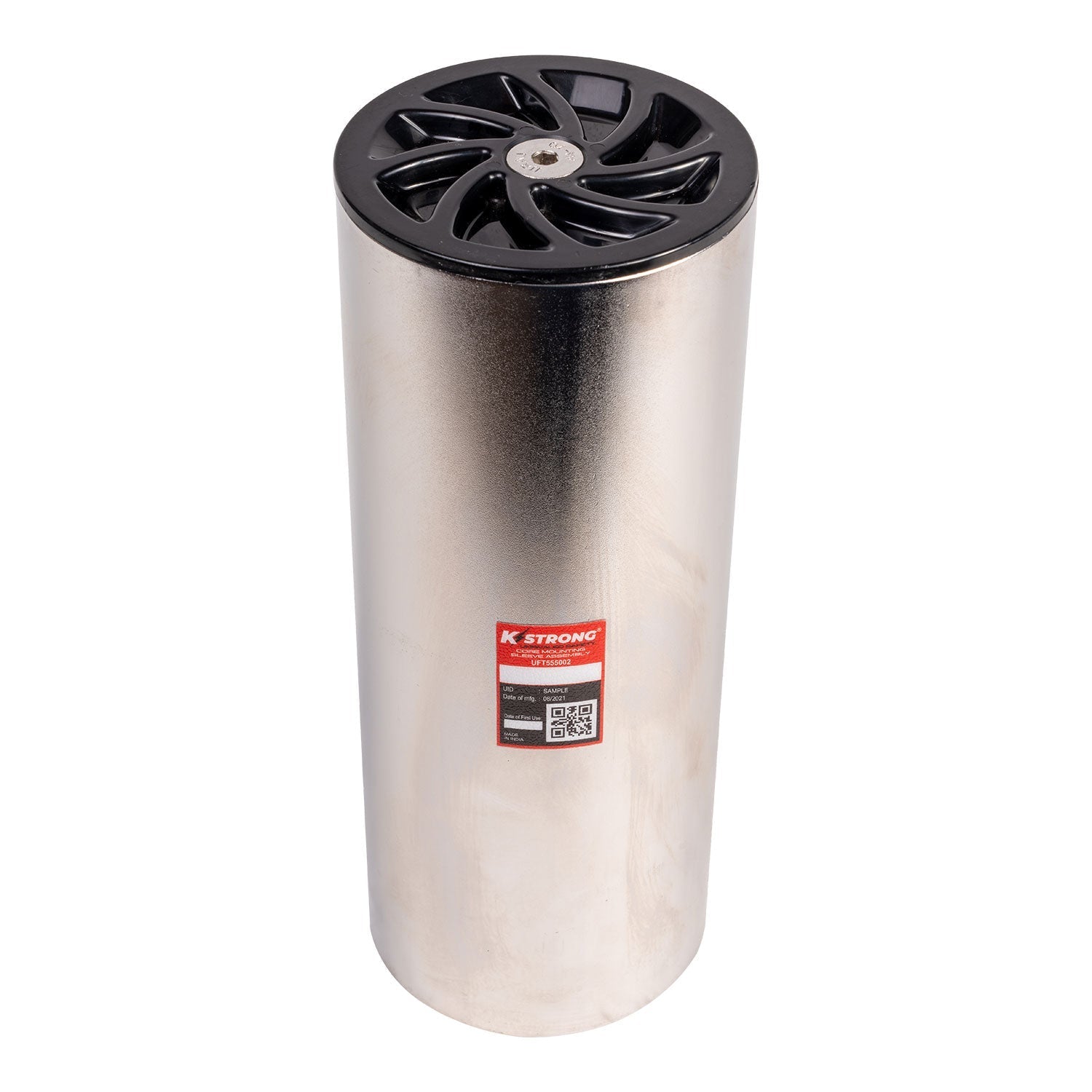
| KStrong® Megadavit™ Concrete Embed Column Mast Receiver (SS316) | $532 | Megadavit Concrete Embed Column Mast Receiver | View → |
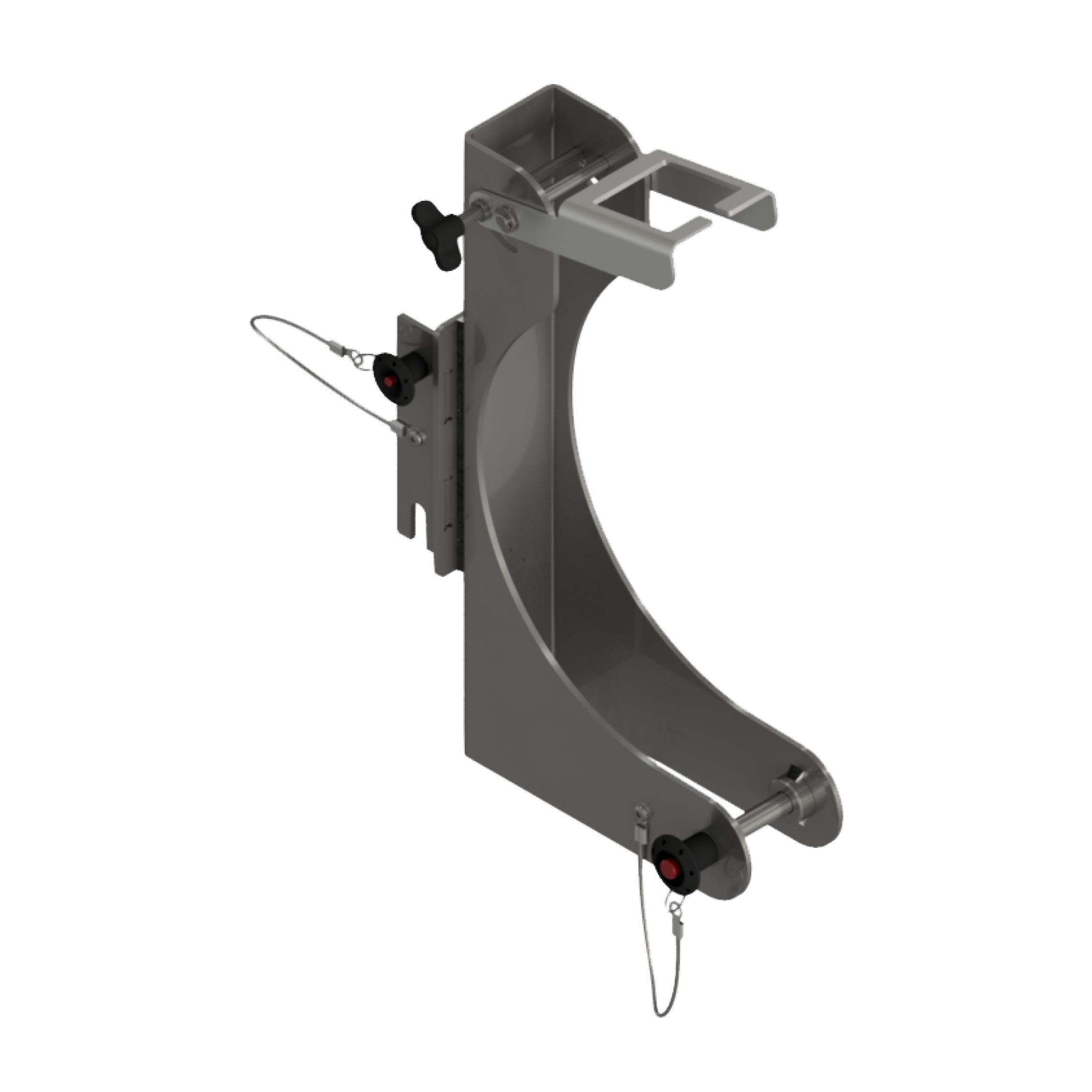
| Globestock SAVER/STOP One-Piece Mounting Bracket for SENTRY Tripod | $424 | — | View → |
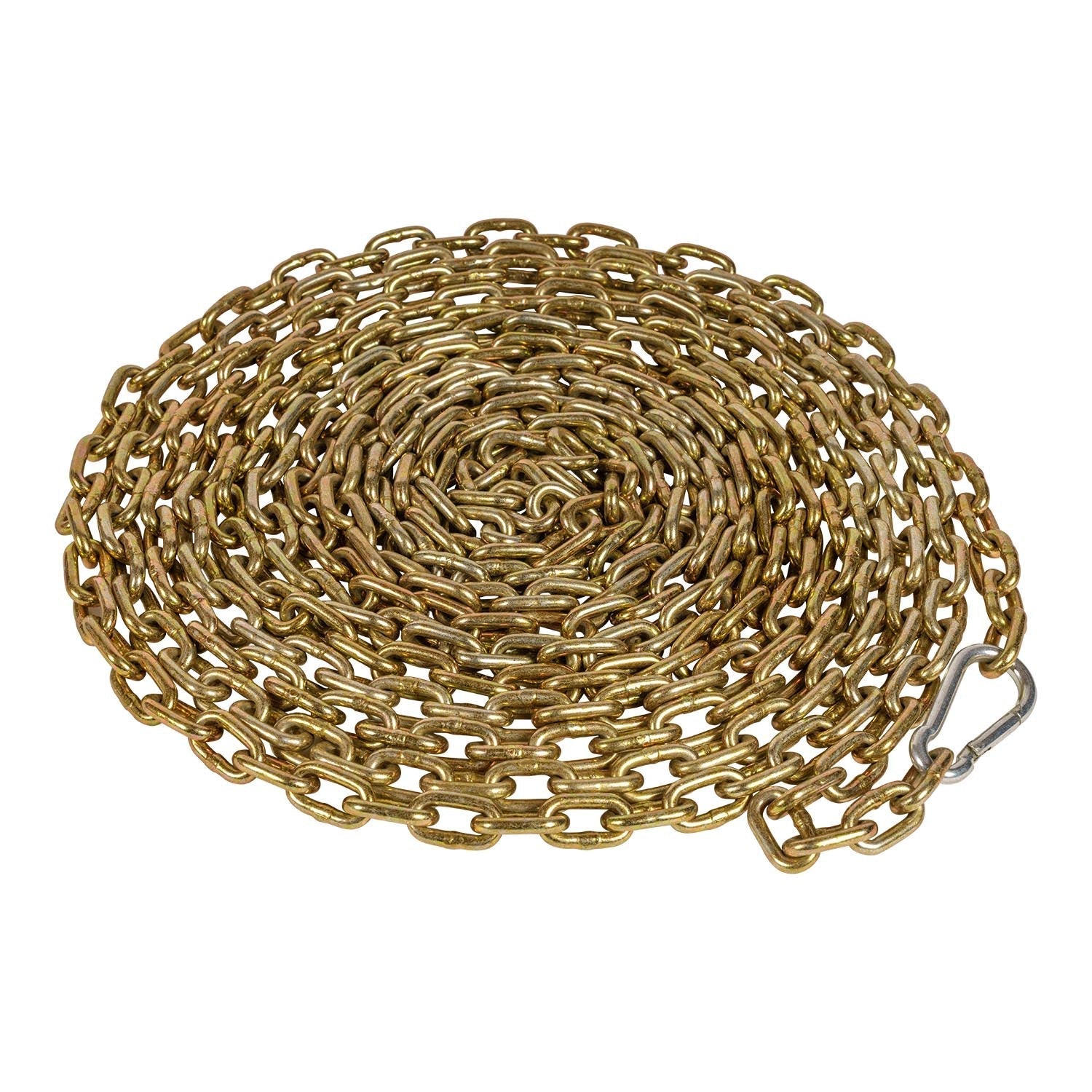
| KStrong Megapod™ Chain Link Assembly | $213 | Megapod Chain Link Assembly | View → |
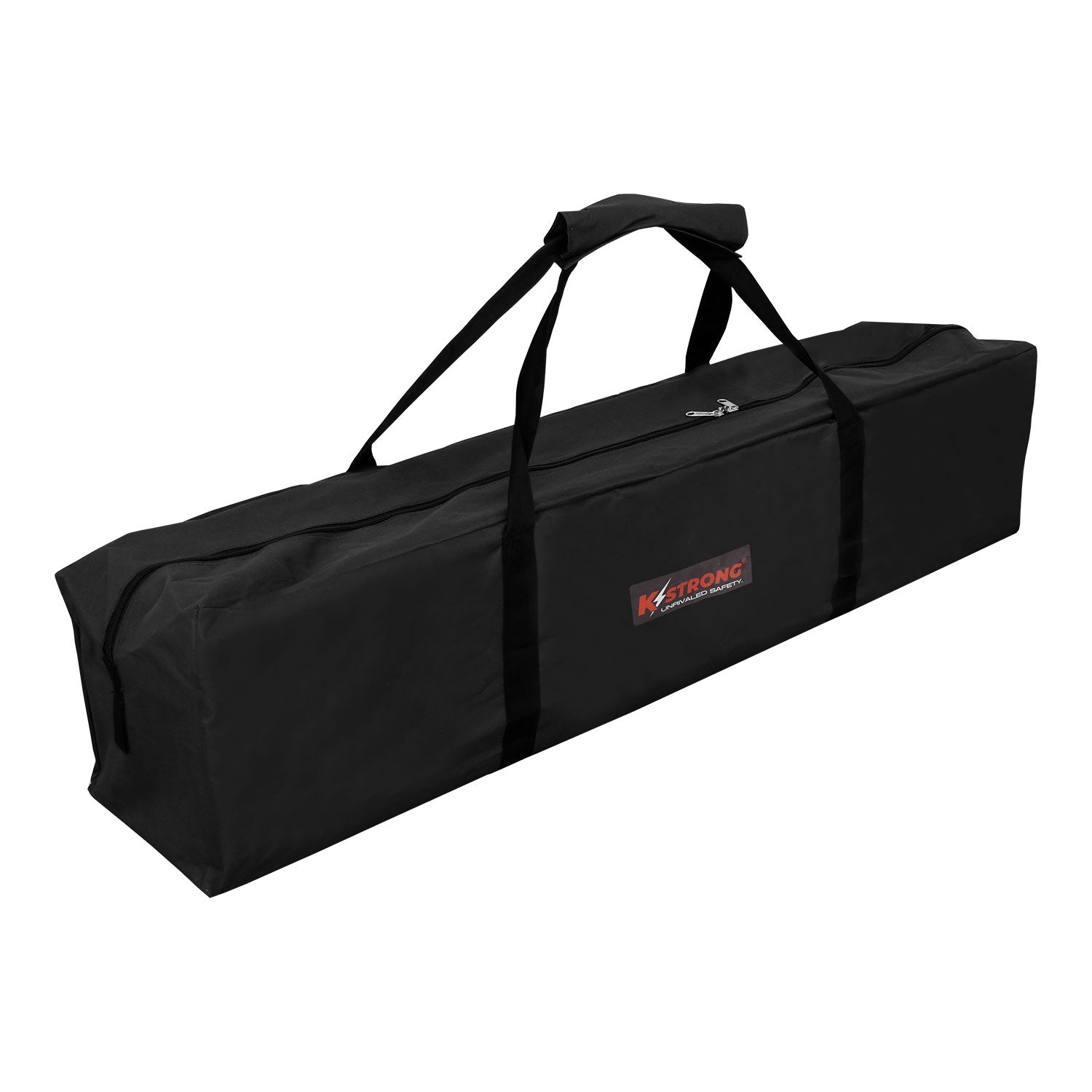
| KStrong® Megapod™ Storage Bag | $144 | Megapod Storage Bag | View → |
 In Stock
 In Stock
 In Stock
 In Stock
 In Stock
 In Stock
 In Stock
Confined Space Accessories Buying Guide
What a confined space tripod does, and why it is an anchor first. A tripod is an anchorage connector before it is anything else: its whole job is to hold a pulley over the center of the opening so the retrieval line pulls a worker vertically instead of dragging them against the shaft wall. The Globestock SENTRY is certified to EN 795:2012 Type B and CEN/TS 16415 in Europe and to ANSI/ASSP Z359.18-2017 Type A in the US, and a Type A anchorage connector is tested to a 5,000 lb static load. That rating is the reason a purpose-built tripod goes over the hole rather than a scaffold pole or a length of angle iron. The tripod is one piece of a larger entry program, and the full picture, from atmospheric testing to the attendant at the opening, lives in the confined space rescue equipment hub.
Buy the SENTRY as a kit, not as loose parts. The tripod, the bracket, and the lifeline are tested as a system, so the Globestock SENTRY here ships as a complete kit: the SENTRY tripod, a one-piece mounting bracket, and a SAVER self-retracting lifeline rated to 310 lb, from about $4,059 to $5,563. The choice inside that range is head height and cable. The SAVER comes in galvanized steel for general work, stainless steel for wet, corrosive, or wash-down spaces like wastewater vaults, and a synthetic web version, with cable lengths matched to the bracket so the drop reaches the bottom of the space. A kit settles the compatibility questions before delivery, which matters most on the parts nobody double-checks, the bracket that has to fit the leg and the receiver the device bolts into.
Compact or standard: the head height decides the reach. The SENTRY comes in two models. The Compact (GSE230C) packs down shorter for tight setups and transport, while the Standard (GSE230S) reaches about 2,307 mm, roughly 7.6 ft, at its highest setting, which raises the pulley higher over the opening and gives a recovered worker more clearance to clear the lip. Both use two-part telescopic aluminum legs pinned to length, a collapsible head, and auto-leveling feet with a spiked edge for soft ground and rubber pads for hard floors. Eyebolts in the lower legs take a safety chain that stops the legs from splaying under load, which is the failure a tripod has to be set up to prevent. The SENTRY carries 250 kg for loads and 200 kg for personnel and is rated for two people at once.
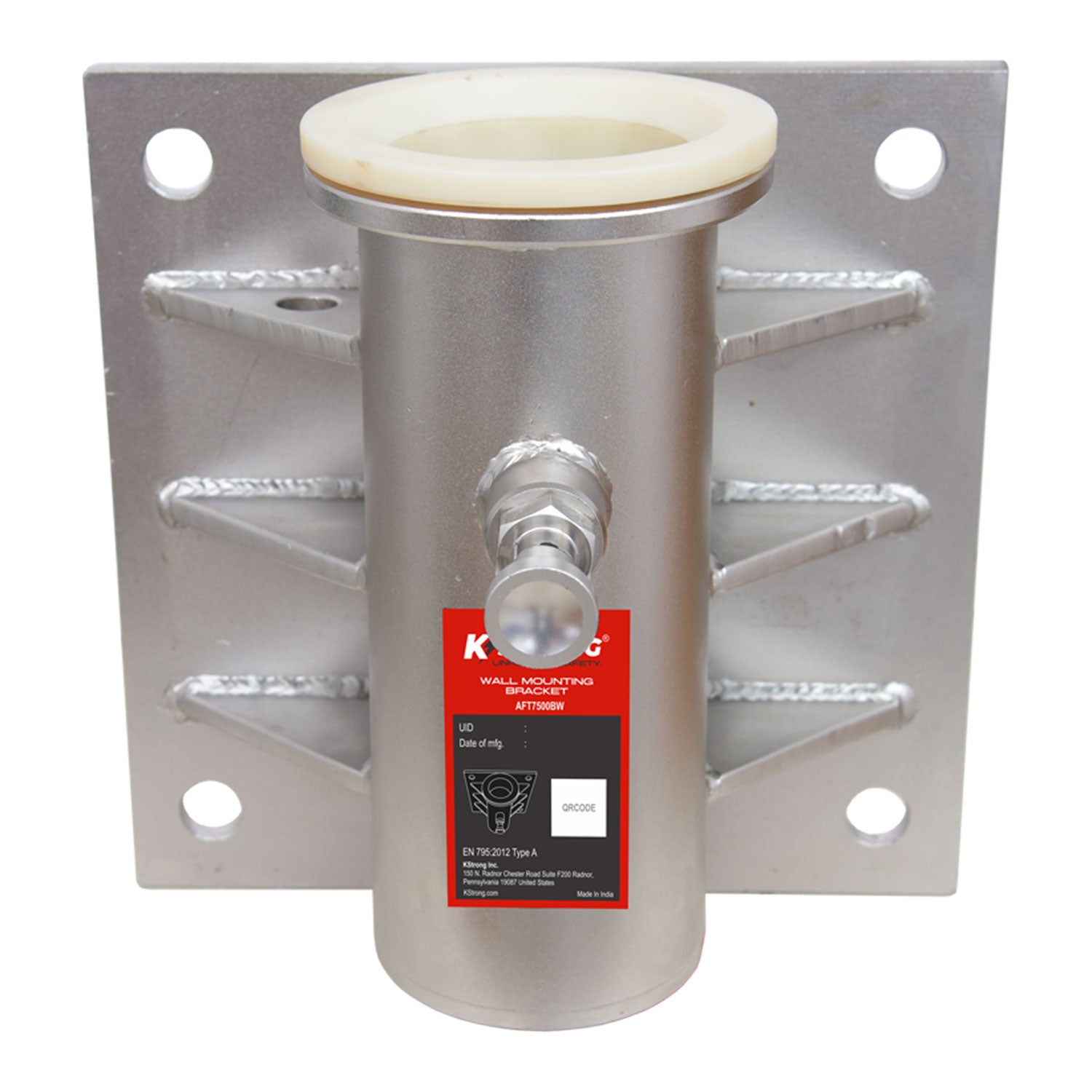
The mounting bracket is what the device bolts to. A tripod does nothing until the retrieval device is fixed to it, and the SAVER/STOP one-piece mounting bracket for the SENTRY tripod, from $424 to $545, is that link. It clamps to a tripod leg and gives the SAVER lifeline a tested seat, in lengths matched to the cable, 33 to 46 ft or 82 to 112 ft. Buy the bracket built for your device rather than the one that looks close, because a mismatched bracket is where an otherwise sound rig fails. When the entry calls for a controlled crank-down instead of a retracting line, the confined space winches go on the same frame, and for fall arrest with integral rescue in one housing, the 3-way SRL-R units live in rescue lifelines.
Davit receivers for openings a tripod cannot straddle. When the opening sits against a wall, offset from a clear floor, or too wide for three legs to bracket it, a davit arm reaches over the edge instead, and the davit needs a receiver bolted to the structure to drop into. The KStrong Megadavit column mast receivers here are SS316 stainless for concrete embed, floor mount, and wall mount, from about $532, so the anchor point matches whatever surface the job gives you. The receiver is the cheapest part of a davit rig and the one that has to be installed correctly, because everything above it depends on that seat. The complete Megapod tripod and Megadavit davit kits, basic through deluxe, are in rescue and recovery kits; the receivers here are the foundations those davit systems land on.
Accessories that keep a tripod ready to deploy. A confined space rig that lives in a truck and gets set up in a hurry needs the small parts that protect it and speed the setup. The KStrong Megapod storage bag, around $144 for the 7 ft and 10 ft models, keeps the tripod and its head clean and together between entries, and the Megapod chain link assembly, from about $213, is the leg-restraint hardware that holds the spread. Whatever the accessory, the same inspection discipline applies as the rest of the fall protection program: check the legs, feet, head pulley, bracket, and lifeline before every use, pull anything that has arrested a fall, and log the periodic competent-person inspection. The tripod is only as trustworthy as the last time someone looked at it closely.
Frequently Asked Questions
It is the overhead anchor for entering and rescuing a worker from a vertical confined space such as a manhole, tank, vault, or sewer. The tripod straddles the opening and sets a pulley directly over it, so a personnel-rated winch or self-retracting lifeline can lower a worker in and pull them straight back out without a second person entering the space. OSHA 1910.146(k)(3)(ii) requires a mechanical retrieval device for any vertical permit space deeper than 5 ft, and the tripod is the frame that device hangs from.
The Globestock SENTRY tripod is certified to EN 795:2012 Type B and CEN/TS 16415 in Europe and to ANSI/ASSP Z359.18-2017 Type A in the US. A Type A anchorage connector under ANSI Z359.18 is tested to a 5,000 lb static load, which is the strength a purpose-built tripod brings that improvised anchors do not. Buying a certified tripod is how you know the anchor over the hole can hold an arrested fall, not merely the slow lift of a controlled descent.
The Globestock SENTRY kits here ship with the mounting bracket and a SAVER self-retracting lifeline rated to 310 lb, in galvanized, stainless, or synthetic, with the cable length matched to the setup. That covers retracting fall arrest and retrieval. If you need a hand-cranked winch for controlled lowering and raising, those are in the confined space winches collection, and a 3-way SRL-R that combines fall arrest with rescue is in rescue lifelines. Many entries carry both a winch and an SRL device on the same tripod.
Both are telescopic aluminum tripods with the same certifications and the same 250 kg load and 200 kg personnel ratings. The Compact (GSE230C) packs down smaller for transport and tight setups, while the Standard (GSE230S) reaches about 2,307 mm, roughly 7.6 ft, at its highest setting. The taller head raises the pulley higher over the opening, which gives a recovered worker more clearance to clear the lip. Pick the Standard when headroom allows and the Compact when storage, transport, or a low overhead is the constraint.
Yes. The SENTRY tripod is rated for two persons simultaneously, with a working capacity of 250 kg for loads and 200 kg for personnel. That said, each person still needs their own retrieval line and device on the tripod, and the anchorage, bracket, and attachment points all have to be rated for the combined use. Confirm the personnel rating on every device that goes on the frame before an entry, and never put a materials-only winch on a line that will carry a worker.
Set all three legs to equal length on firm footing, use the spiked feet on soft ground and the rubber pads on hard floors, and fit the leg safety chain through the lower-leg eyebolts so the legs cannot splay outward under load. The SENTRY's auto-leveling feet help on uneven surfaces, but the chain is what holds the spread. Then confirm the pulley sits over the center of the opening so the pull stays vertical, and inspect the legs, feet, head, and bracket before the worker goes over the edge.