Corner & Edge Guards
Edge protectors are the cheapest layer of impact protection in a building: a strip of foam, PVC, rubber, or steel clamped onto the corners and edges that machinery, pallets, and forklift forks keep finding. This collection is Vestil almost end to end, with Valley Craft on the freestanding post side, and the range runs from a molded PVC corner protector around $23 to a formed steel corner guard near $180. The organizing question is simple: what gets hit, how hard, and does anything else care what it looks like. A column in a wash-down kitchen wants stainless; a rack upright at the end of an aisle wants steel anchored to the slab; a drywall corner in an office fit-out wants beige PVC that disappears. Slip-over foam and PVC molding guard the low-speed edges people and carts brush past, while heavier steel and rubber guards take the forklift strikes. The guide below sorts the collection by that impact question.
Compare Corner & Edge Guards
| Model | Price | Material | Mounting | |
|---|---|---|---|---|
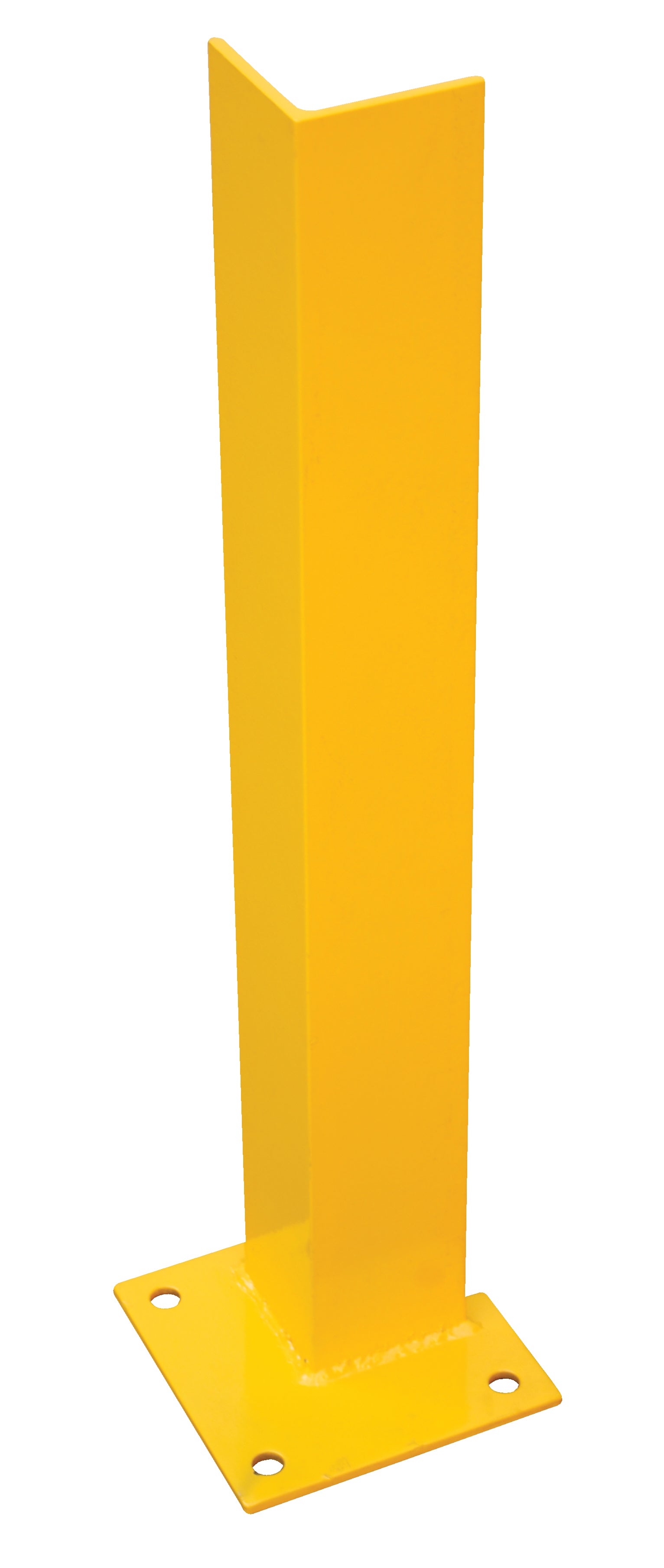
| Vestil Corner Guards | $133 | Steel, powder coat yellow | — | View → |
| Vestil Stainless Steel Corner Guards | $87 | — | Glue/construction adhesive (hardware not included) | View → |
| Vestil Polyethylene Wall Protector | $73 | Polyethylene | — | View → |
| Valley Craft Post Protectors | $49 | 1/4" (3-gauge) steel, powder coat finish | Predrilled holes, hardware kit included | View → |
| Vestil Overhead Door Track Protectors | $46 | Steel, powder coat safety yellow | — | View → |
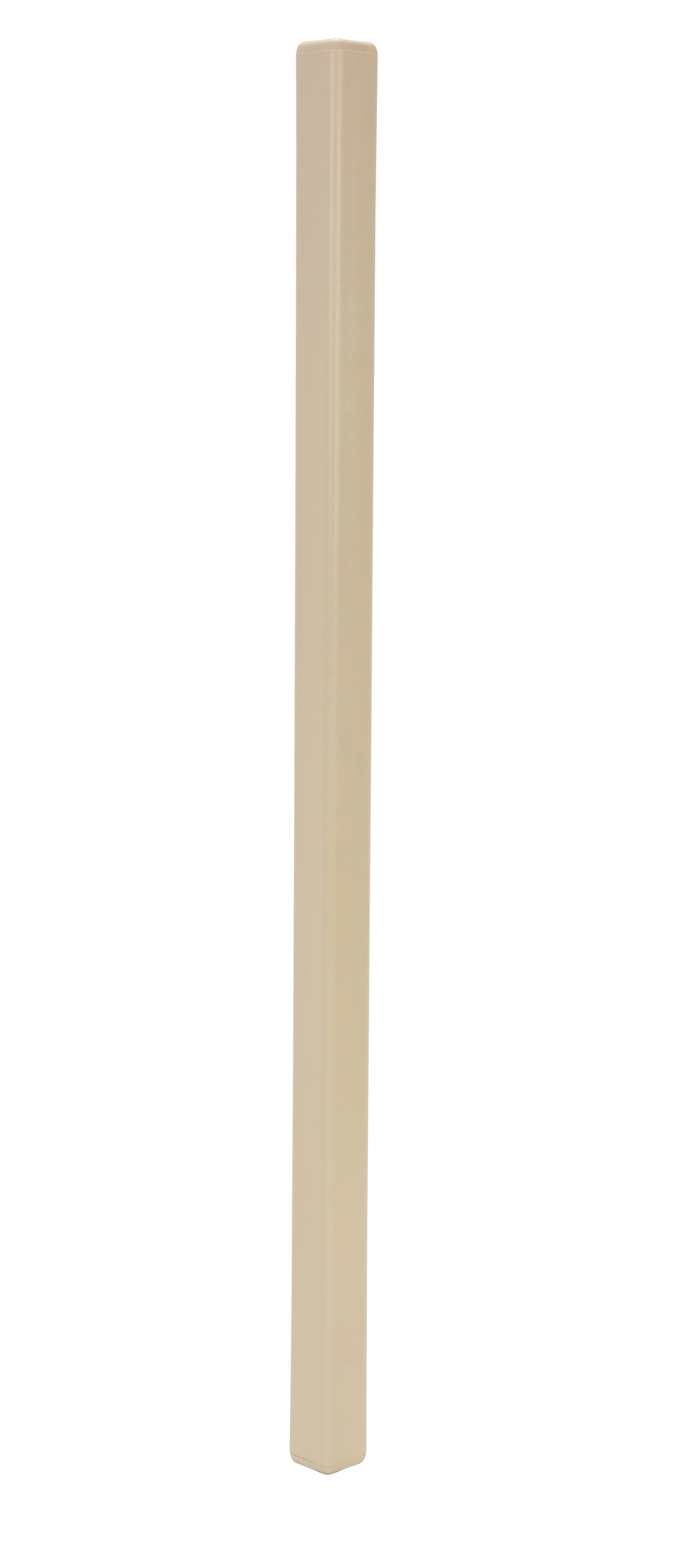
| Vestil PVC Plastic Corner Protectors With Aluminum Insert | $38 | — | Installation hardware not included (pre-drilled) | View → |
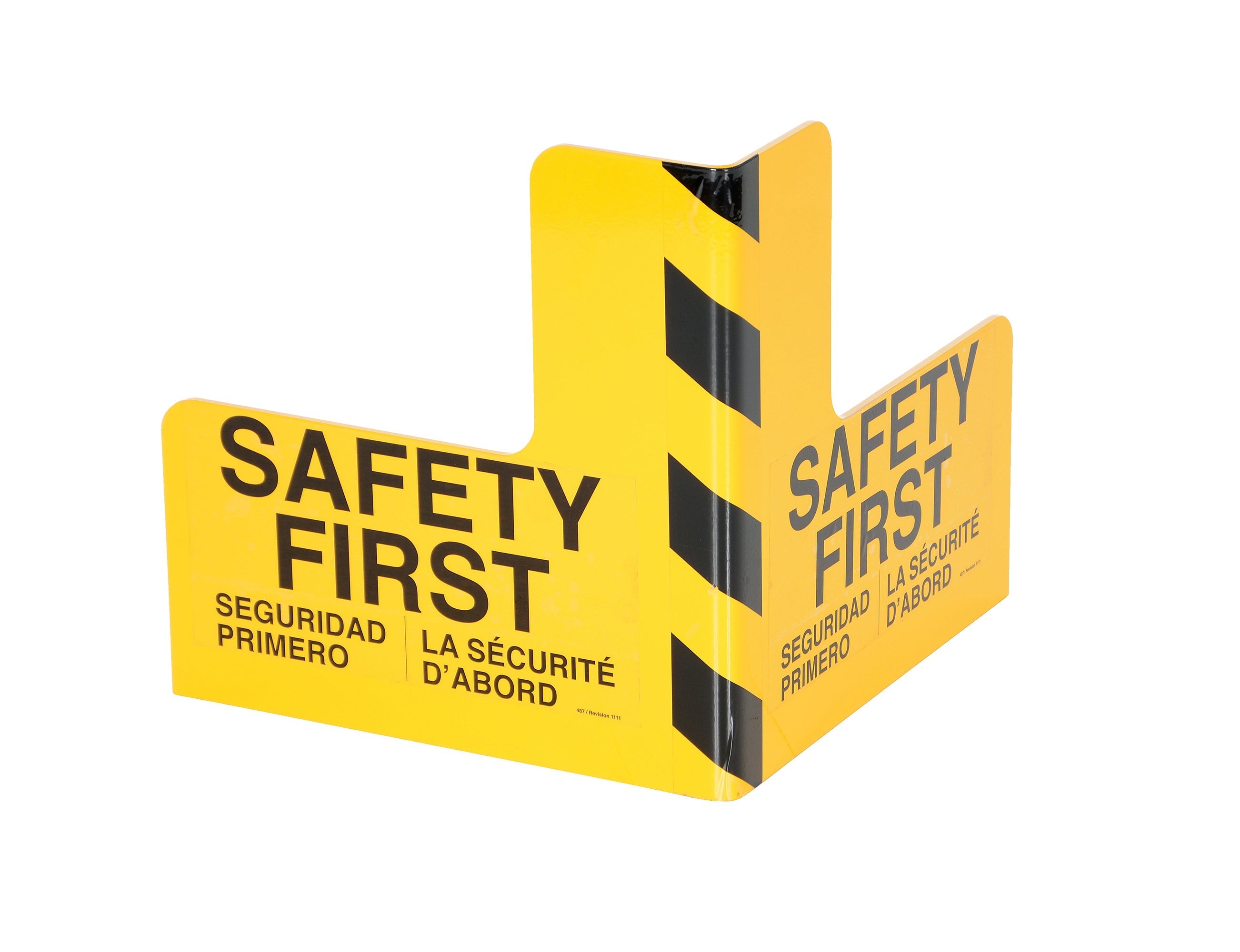 In Stock
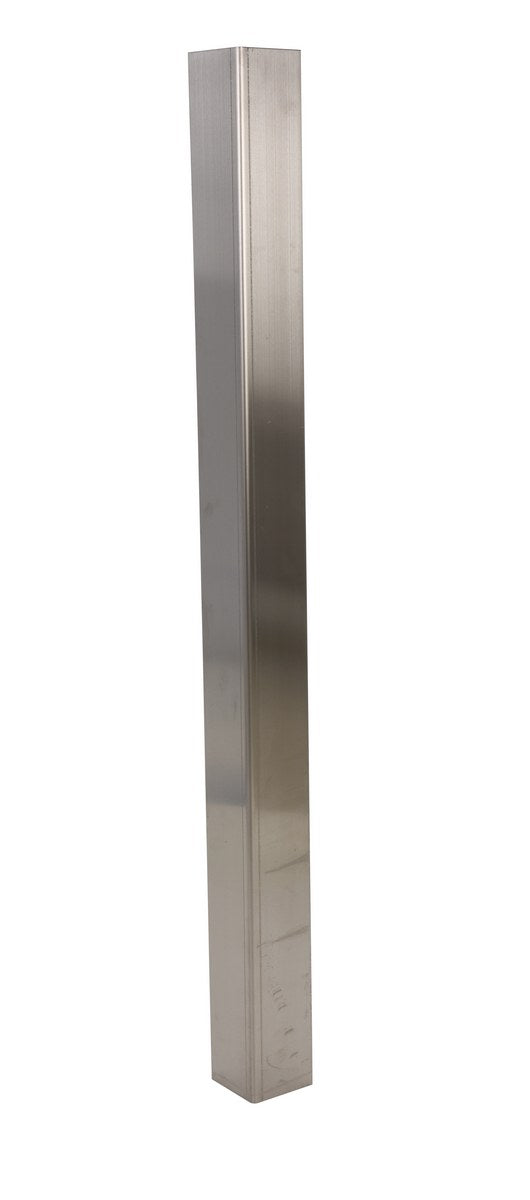 In Stock
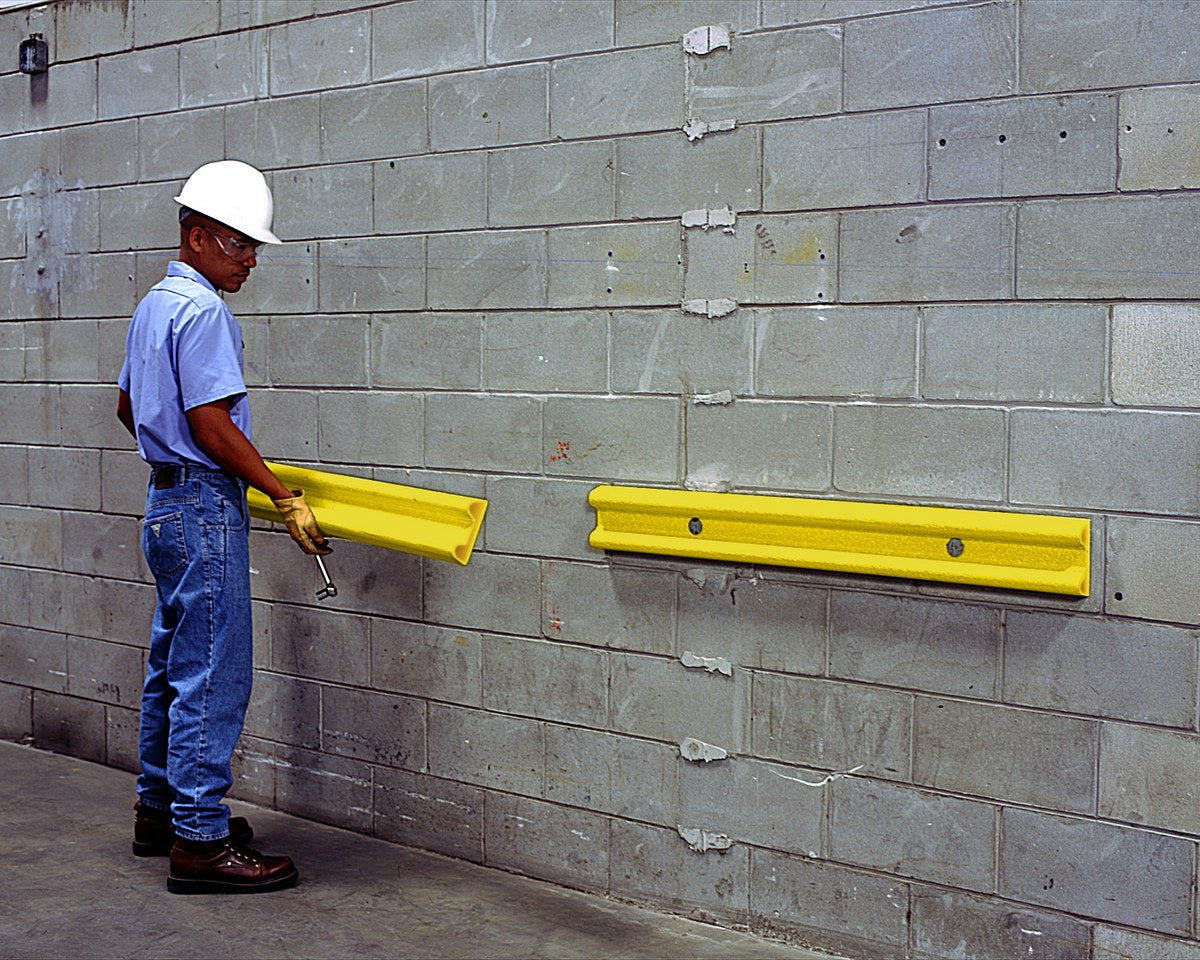 In Stock
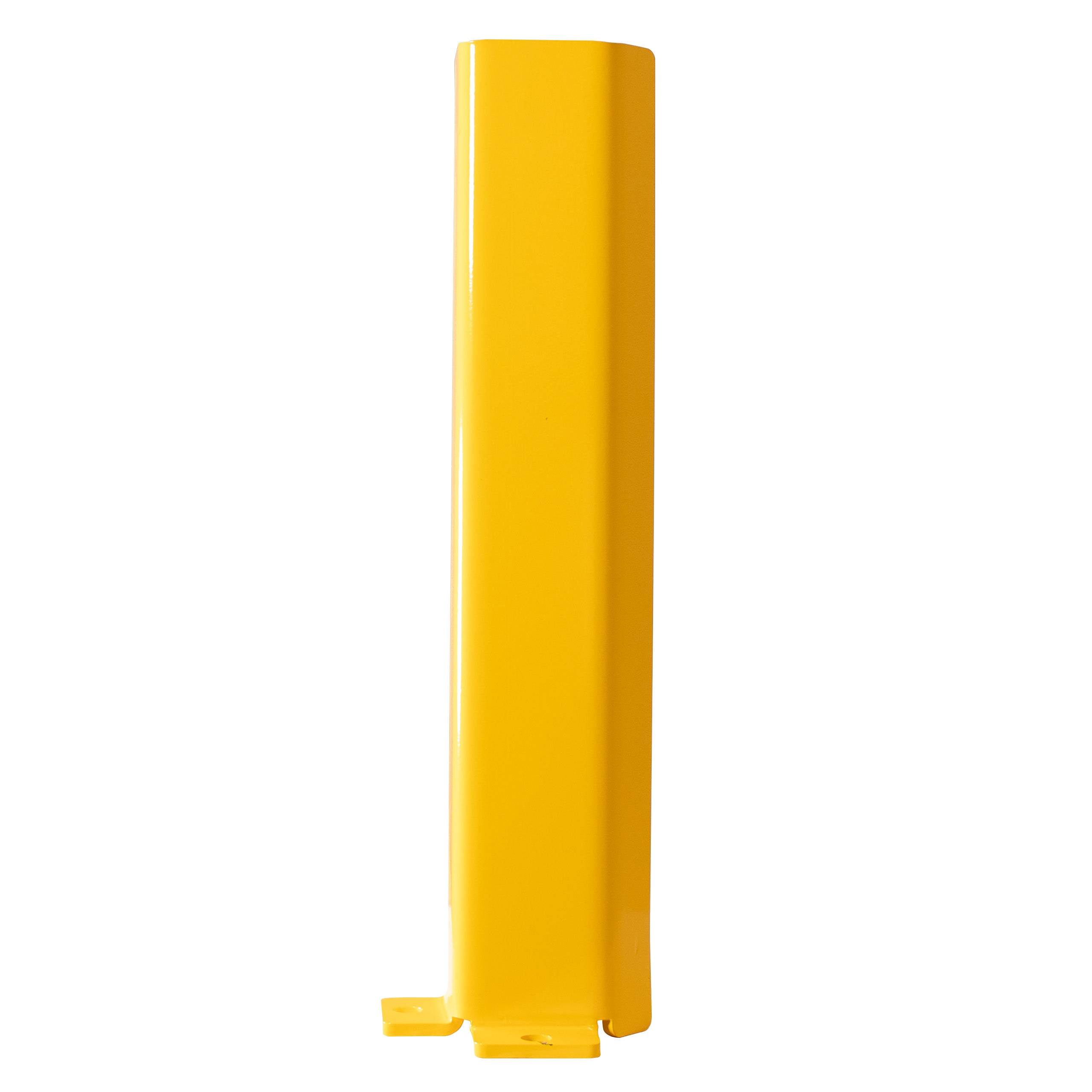 In Stock
 In Stock
 In Stock
 In Stock
 In Stock
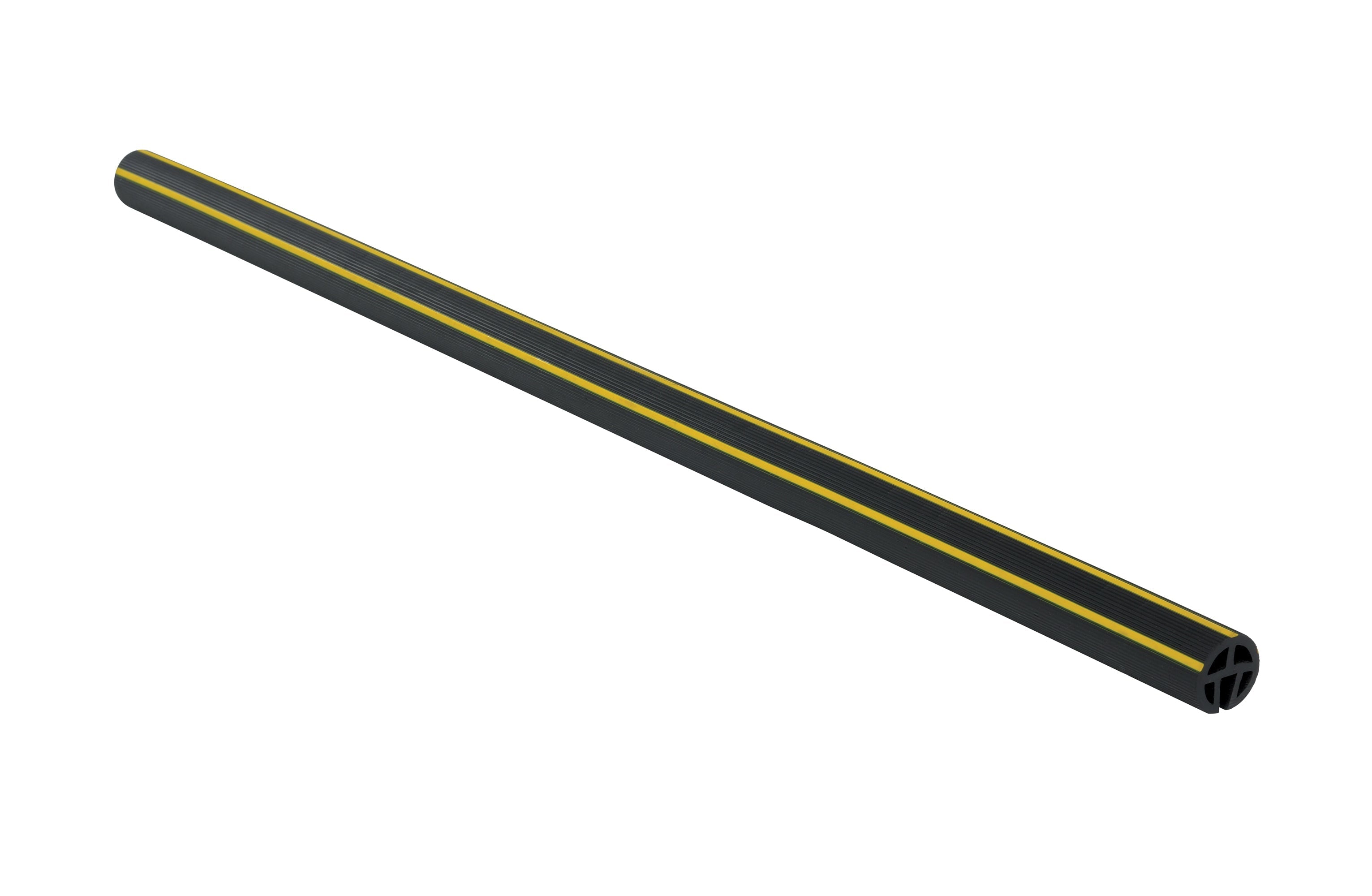 In Stock
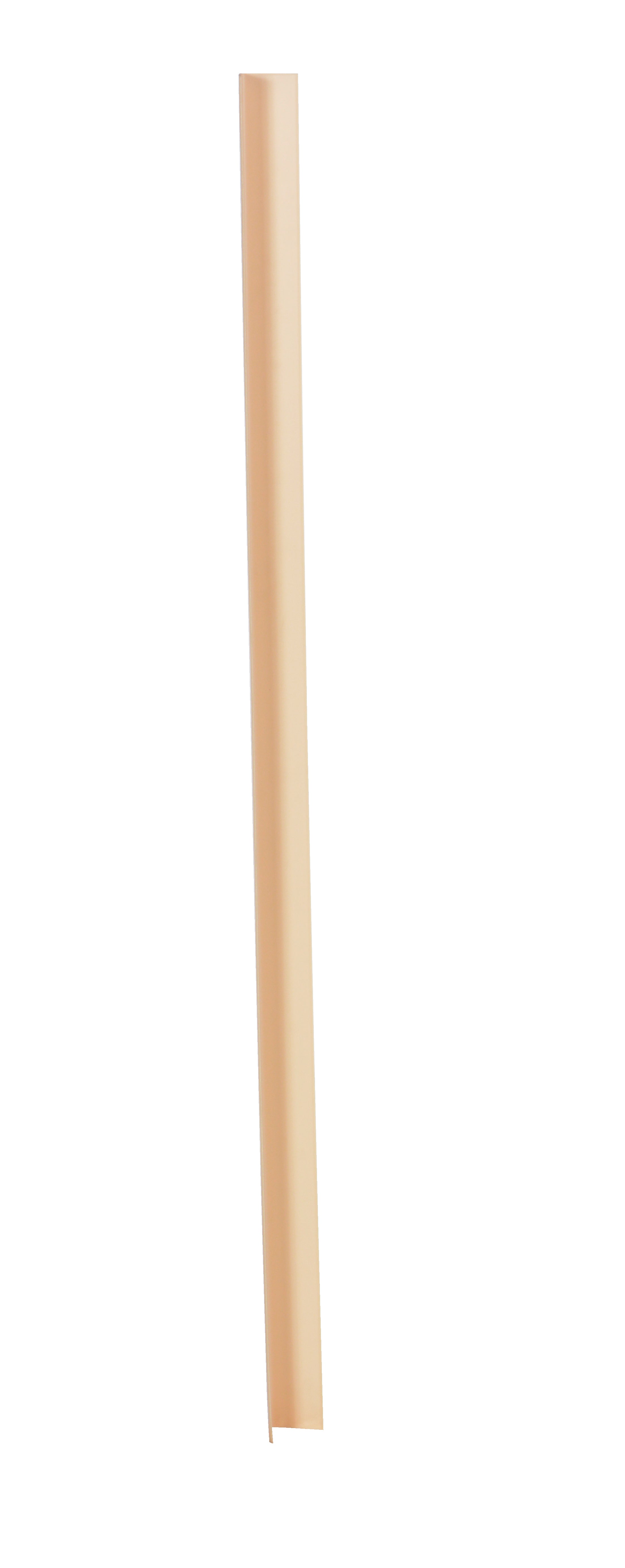 In Stock
Corner & Edge Guards Buying Guide
Match the guard to the impact, not merely the corner. Everything here protects a corner or an edge, so the real sort is by how hard the thing gets hit and by what. Low-speed contact, a hand truck, a pallet jack, a shoulder in a narrow doorway, wants light slip-over molding: foam and PVC that cushion the edge and mark it. Forklift traffic is a different order of energy, and the heavy corner guards, rubber column protectors, and floor-anchored steel here take those strikes. OSHA 1910.176(a) calls for sufficient safe clearances through doorways and wherever turns or passage must be made, which is exactly where a mast clips a corner. Where the hit lands on a rack upright or a machine base rather than a wall return, the purpose-built answers live in rack guards and machinery guards; this collection covers the corners and edges those two miss.
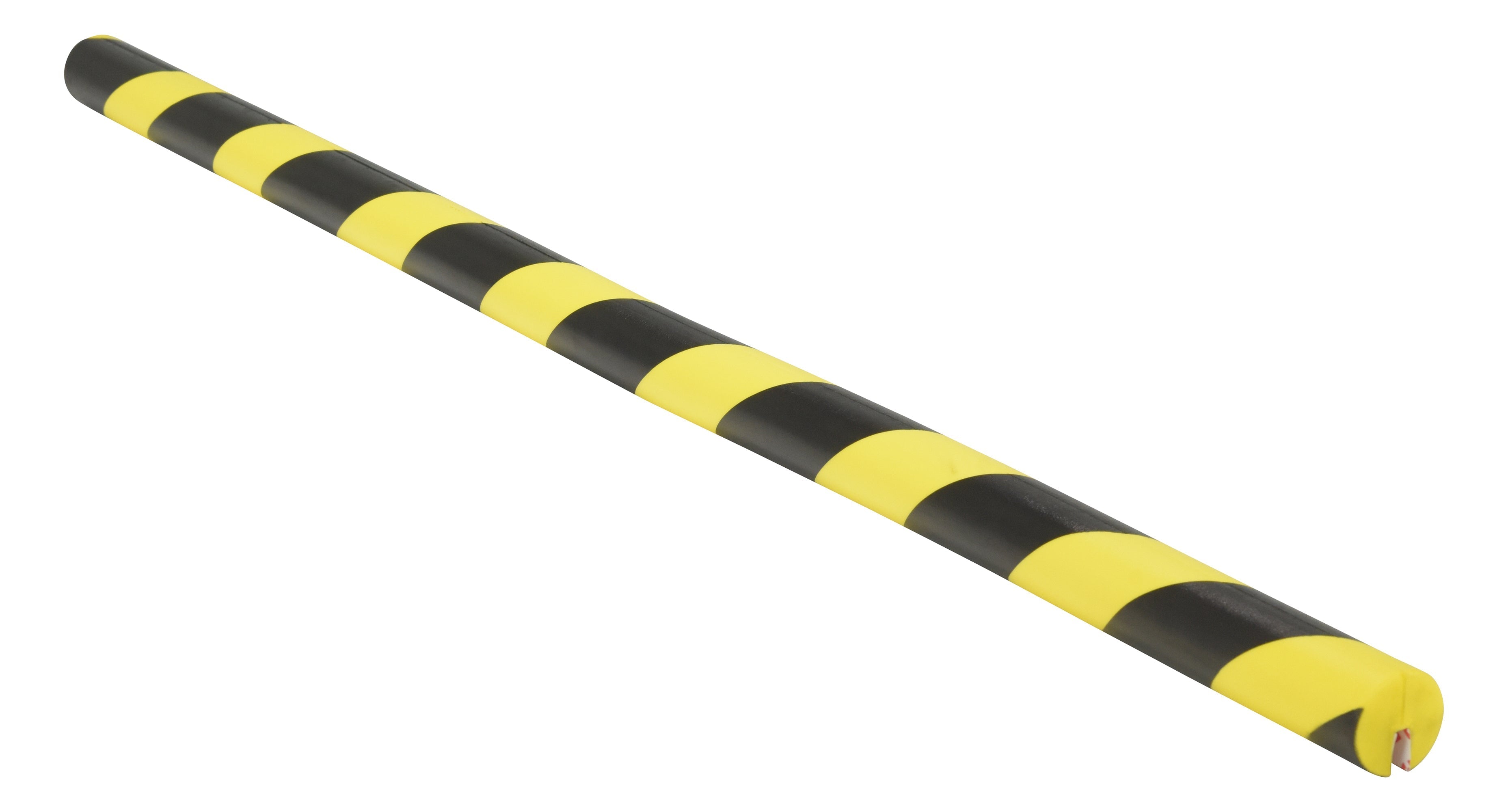
Slip-over edge molding: measure the edge it clamps. The lightest products are extruded molding that slides over an existing edge, and they are specified by the slot, not the height. The Vestil foam edge guards run about $27 with slot widths of 5/16, 3/4, and 1 inch and matching slot depths, so the guard grips the panel, shelf lip, or low beam it wraps; a flat version pads a face that has no edge to hook. The PVC edge guards cover the same job in a harder wearing plastic, 5/8 and 2 inch slots from about $26, for edges that meet carts and knuckles rather than steel. Match the slot width to the actual thickness of the edge before you order: too wide and it slips off, too narrow and it will not seat. These are the guards that make a low doorway header or a protruding shelf corner visible before someone finds it with their head.
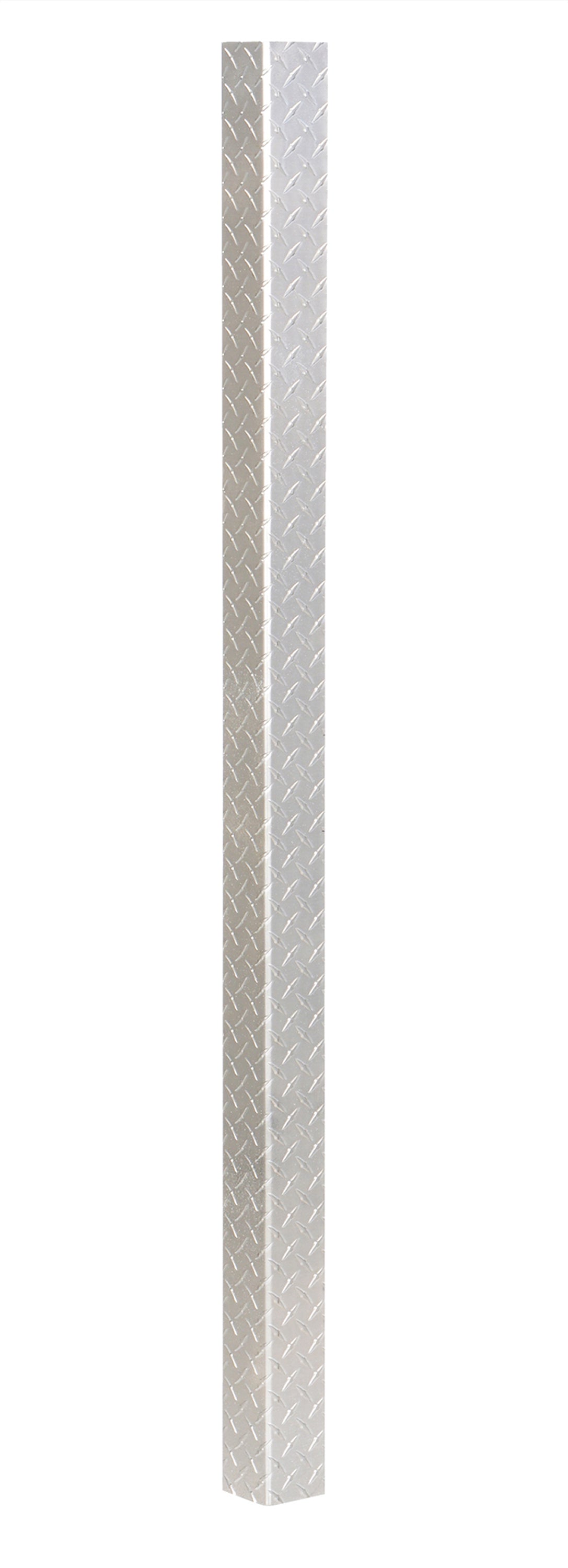
Corner protectors for columns and machine corners. Step up from molding to the protectors that wrap a column or machine corner top to bottom. Vestil corner protectors come in molded rubber, aluminum tread plate, and polyethylene from 20 to 60 inches tall, roughly $31 to $99, so you can cushion a support post, armor it, or just mark it in high-visibility poly. The formed steel corner guards are the heavy end, 16 or 24 inch legs with an optional handle on the portable version, up to about $180, for the corner a loaded truck actually reaches. On a freestanding column rather than a wall return, the Valley Craft post protectors wrap standalone posts in 12, 18, and 24 inch heights from about $39. When the corner belongs to a pallet rack upright, guard it at the source instead: the floor-anchored rack guards and structural guard rail systems stop the fork wheels before the mast ever reaches the steel.
Stainless and finish: when the room cares how it looks. Some corners sit in front of customers or under a wash-down hose, and there the guard has a second job. The Vestil stainless steel corner guards, about $87 in square or round edge, protect column and wall corners in kitchens, food plants, and hospital corridors where painted steel would rust and rubber would look wrong; stainless wipes clean and takes sanitizing chemicals. The PVC plastic corner protectors go the quiet route for fit-outs, square or round edge in beige, gray, or white from about $23, so a drywall corner in an office or retail space gets protected without an industrial look. When that trim needs to survive real contact, the aluminum-insert version stiffens a 48 inch PVC corner with a metal core, around $37 to $48, splitting the difference between soft trim and a hard guard.
Doors, walls, and the edges that are not corners. Two products here guard flat runs rather than corners. The Vestil overhead door track protectors, about $46 to $177, bolt at the base of a rolling door's vertical track in floor-only or wall-and-floor sets, left, right, or pair, because a forklift that clips the track bends the very rail the door rides on, and a door that will not close is an open building overnight. The polyethylene wall protector, about $73, is a molded panel for the wall stretches that take cart and pallet rub, the loading corridor or the back-of-house wall that scuffs to gray over a season. Both protect the building itself rather than a machine, the same reason the heavier safety bollards stand in front of the door frames and panel boxes a facility cannot afford to lose.
Fasten it, size the height, use the color OSHA wants. Two details decide whether a guard does its job. First, fastening has to match the hit: slip-over foam and PVC handle brush contact on their own, but any guard expected to stop a forklift needs the floor or wall anchors it ships with, torqued into sound concrete or block rather than stuck on with adhesive. Second, height and slot have to match the object, so measure the corner or edge, its width, its height off the floor, and the thickness the molding clamps, before ordering instead of after. Color is the free win. OSHA 1910.144 makes yellow the basic color for marking physical hazards, striking against, stumbling, and caught in between among them, so a high-visibility guard on a low beam or a blind corner is compliance and prevention in one part. The rest of the impact-protection layer, from bollards to structural rail, sits in protective barriers.
Frequently Asked Questions
An edge guard is molding that runs along a straight edge, a shelf lip, a low beam, a panel edge, and is specified by the slot that clamps it. A corner guard wraps an outside corner, a column, a machine housing, or a wall return, and is specified by leg size and height. This collection carries both because a doorway usually needs each: molding down the jambs and a guard on the corners the forks turn past.
No. Foam and PVC molding cushions and marks low-speed contact from carts, pallet jacks, and people; it does nothing against a loaded lift truck. For forklift-height strikes, use the formed steel corner guards or rubber column protectors here, anchored to the slab, and for rack uprights step over to floor-anchored rack guards and guard rail. Match the guard to the energy of the hit, not the shape of the corner.
Measure the thickness of the edge the guard slides over, then match it to the slot width. Vestil foam guards come in 5/16, 3/4, and 1 inch, and the PVC guards in 5/8 and 2 inch. Too wide and the guard slips off, too narrow and it will not seat over the edge. Flat versions exist for padding a face that has no edge to grip at all.
Stainless steel. Vestil's stainless corner guards wipe clean, take sanitizing chemicals, and will not rust the way painted steel does or discolor the way rubber can, which is why they go in food plants, commercial kitchens, and hospital corridors. Where appearance matters more than impact, the PVC corner protectors in beige, gray, or white keep a finished space looking clean without the industrial look.
Yellow where you want it seen. OSHA 1910.144 makes yellow the basic color for marking physical hazards such as striking against, stumbling, and caught in between, so a yellow guard on a blind corner or a low header does double duty as a warning. In finished spaces a beige, gray, white, or stainless guard blends in on purpose, since the hazard there is scuffing rather than a struck head.