Pallet Rack Protectors
Pallet rack protectors put a sacrificial layer of steel or molded plastic between a moving forklift and the upright column that holds your racking up. This collection covers the guards that soak up the low speed strikes at the base of a frame: floor-anchored steel column guards, bolt-on upright guards, molded polyethylene sleeves, end-of-aisle guards, and continuous floor curbs that run the length of a row. Almost everything here is Vestil, in formed and structural steel, high impact plastic, and rubber-faced designs, with Valley Craft post protectors filling out the plastic end. Prices run from slip-on rack shields under twenty dollars to a portable adjustable-width guard past three hundred, so the choice is rarely about budget and almost always about how hard the hit is, where it lands, and how your uprights are built. The guide below works through mounting style, material, height, and fit so you buy the guard your traffic actually calls for.
Compare Rack Guards
| Model | Price | Material | |
|---|---|---|---|
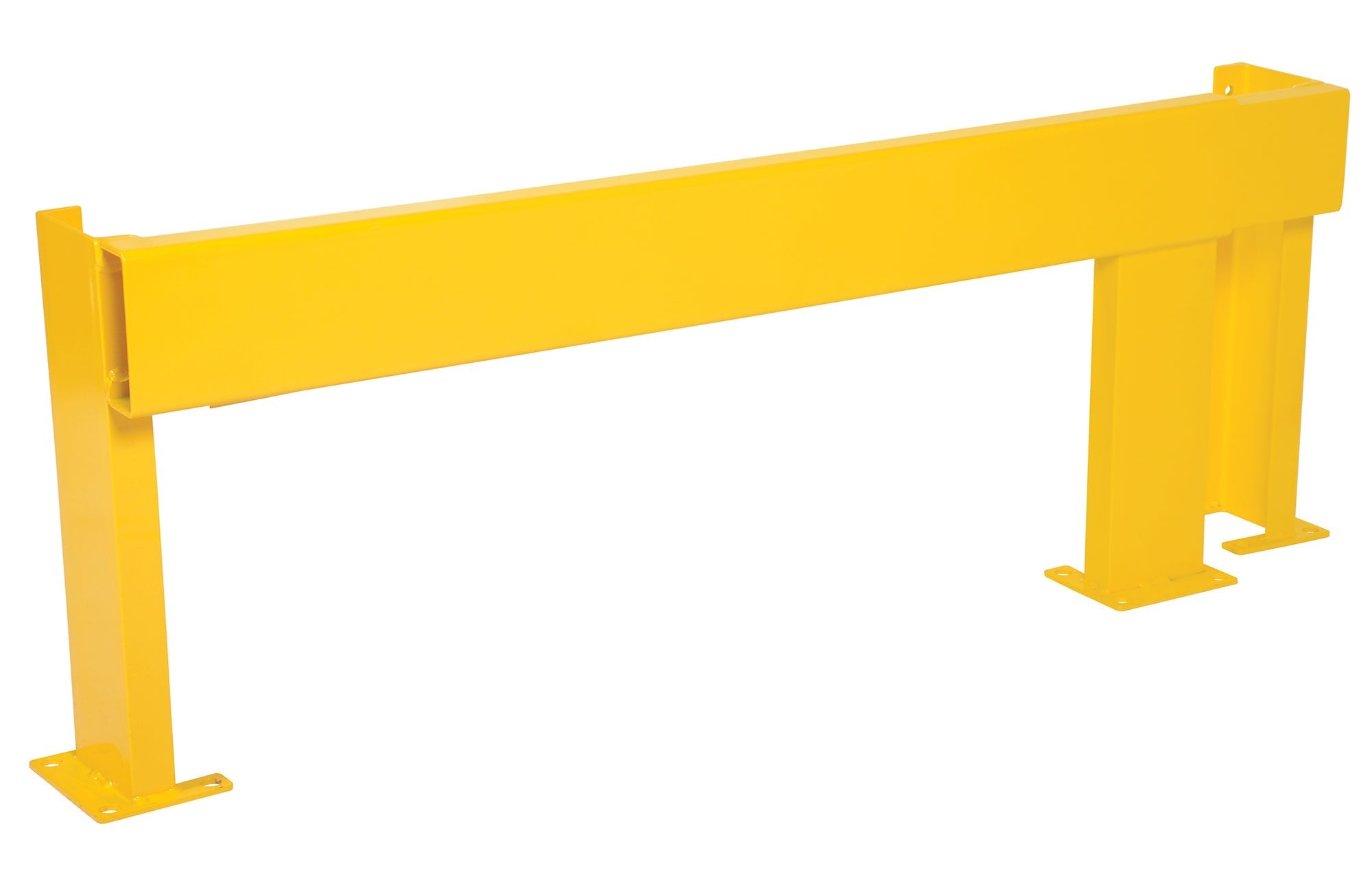
| Vestil Adjustable Width Rack Guard | $329 | Welded steel, powder coat yellow | View → |
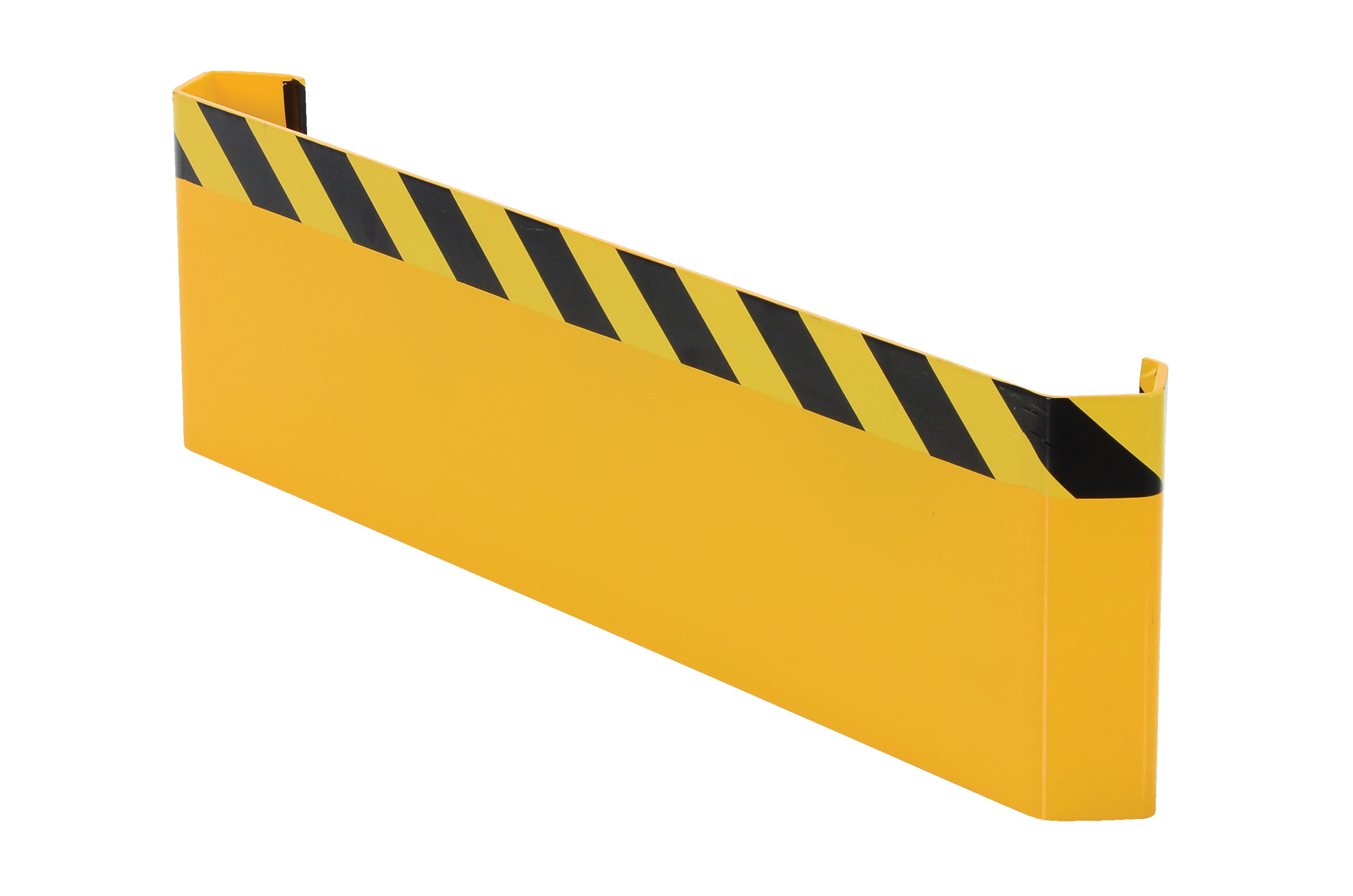
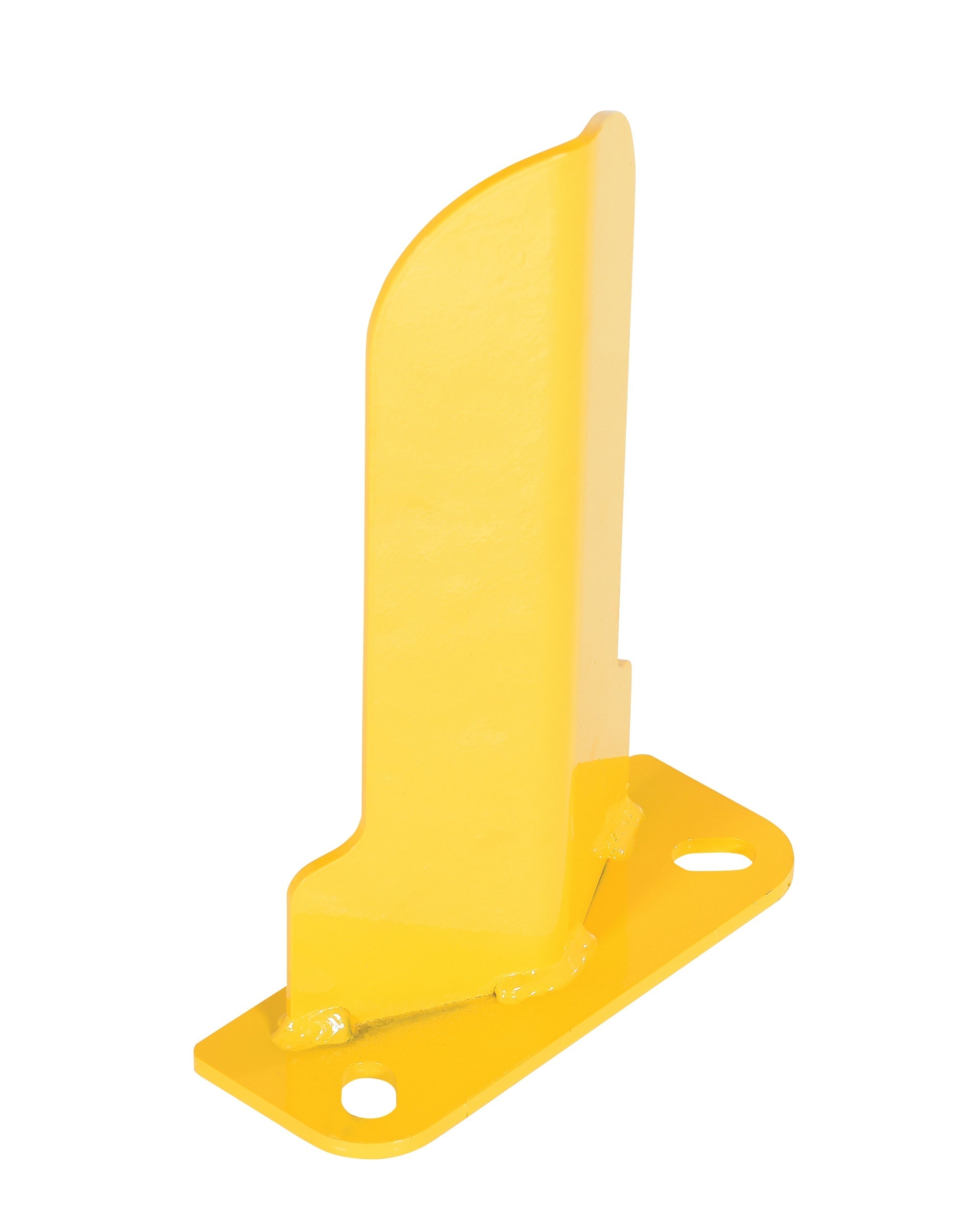
| Vestil Pallet Rack End Guard | $229 | — | View → |
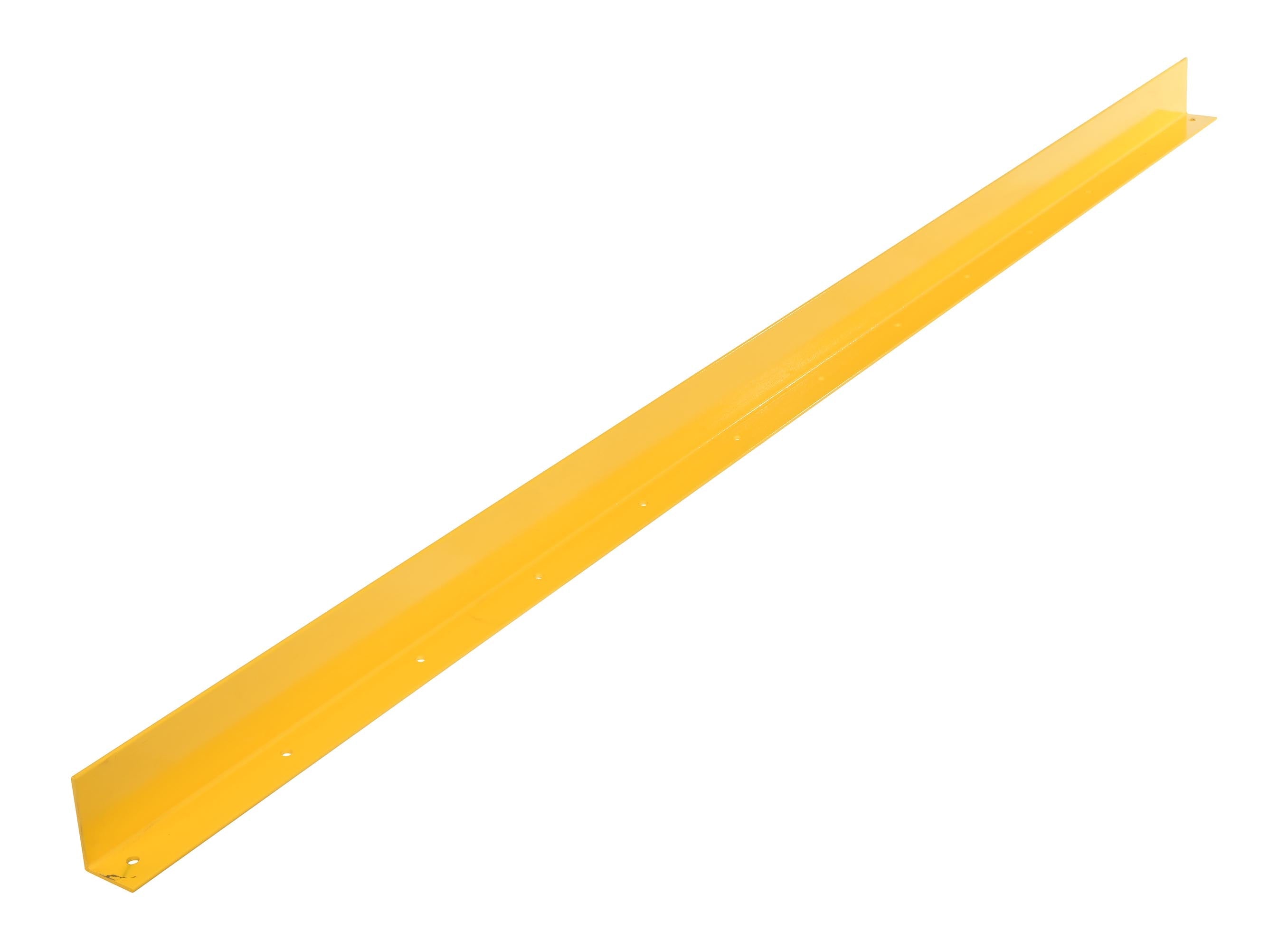
| Vestil Inline Safety Guard Floor Curb | $171 | — | View → |
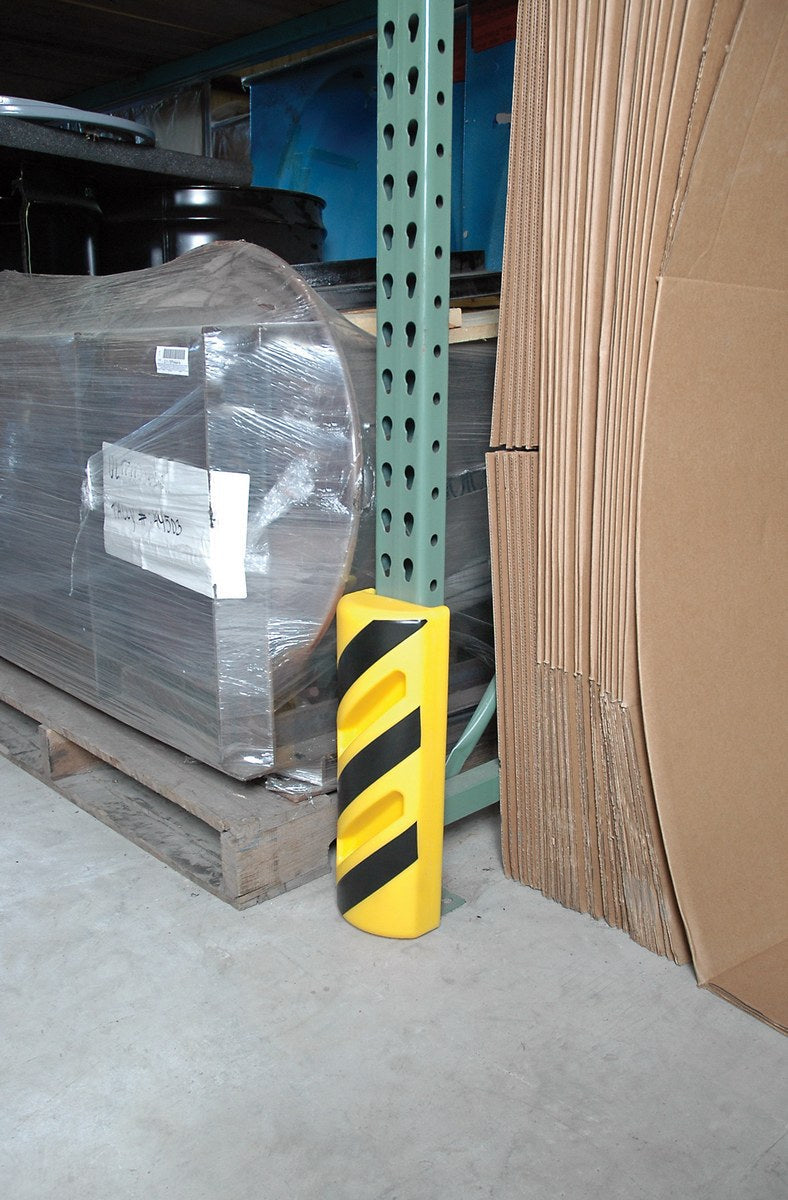
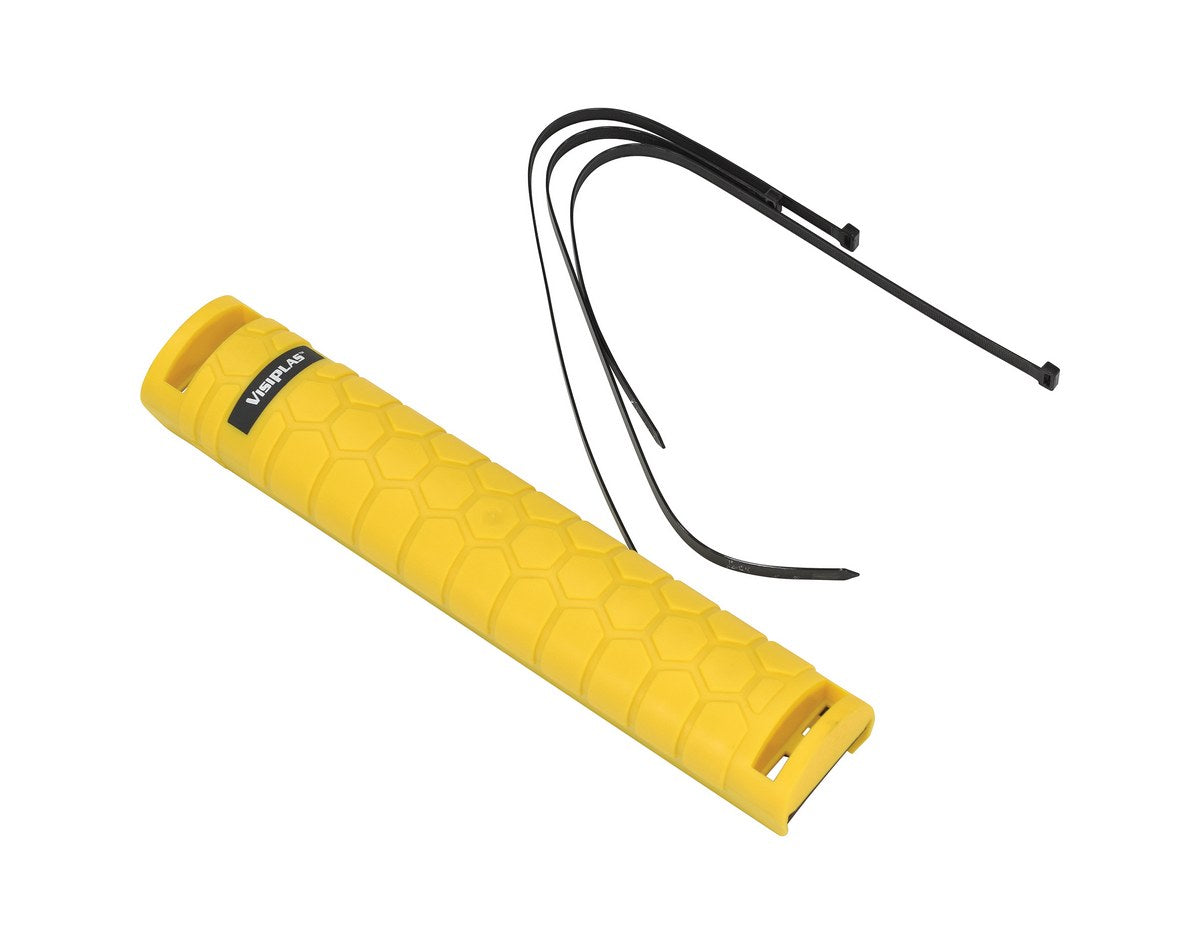
| Vestil Polyethylene Rack Protector | $51 | Polyethylene | View → |
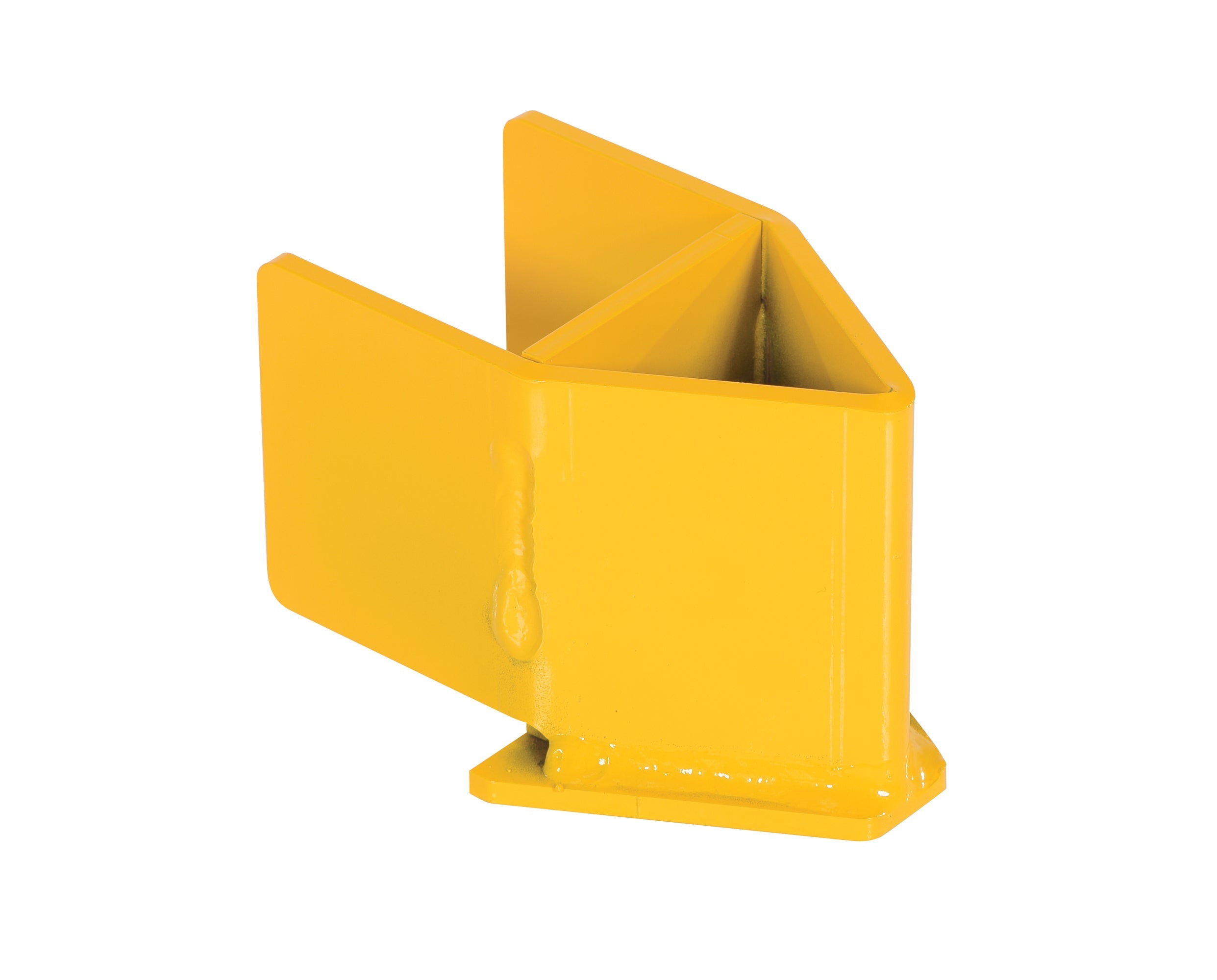
| Vestil Rounded Rack Guards | $50 | Steel, Schedule 10, yellow powder coat | View → |
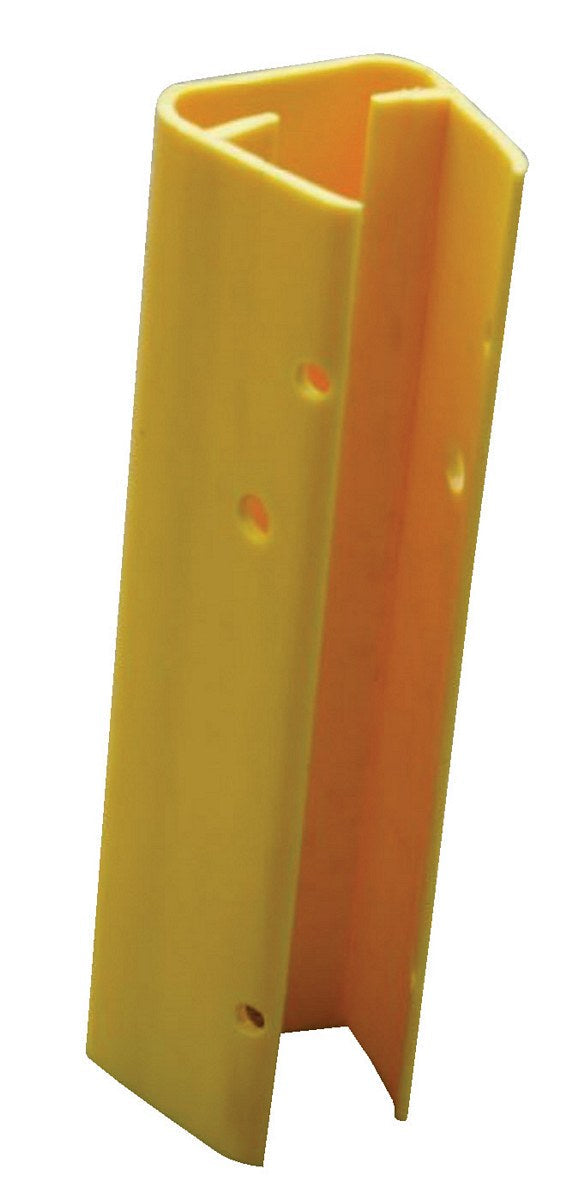
| Valley Craft Post Protectors | $49 | 1/4" (3-gauge) steel, powder coat finish | View → |
 In Stock
 In Stock
 In Stock
 In Stock
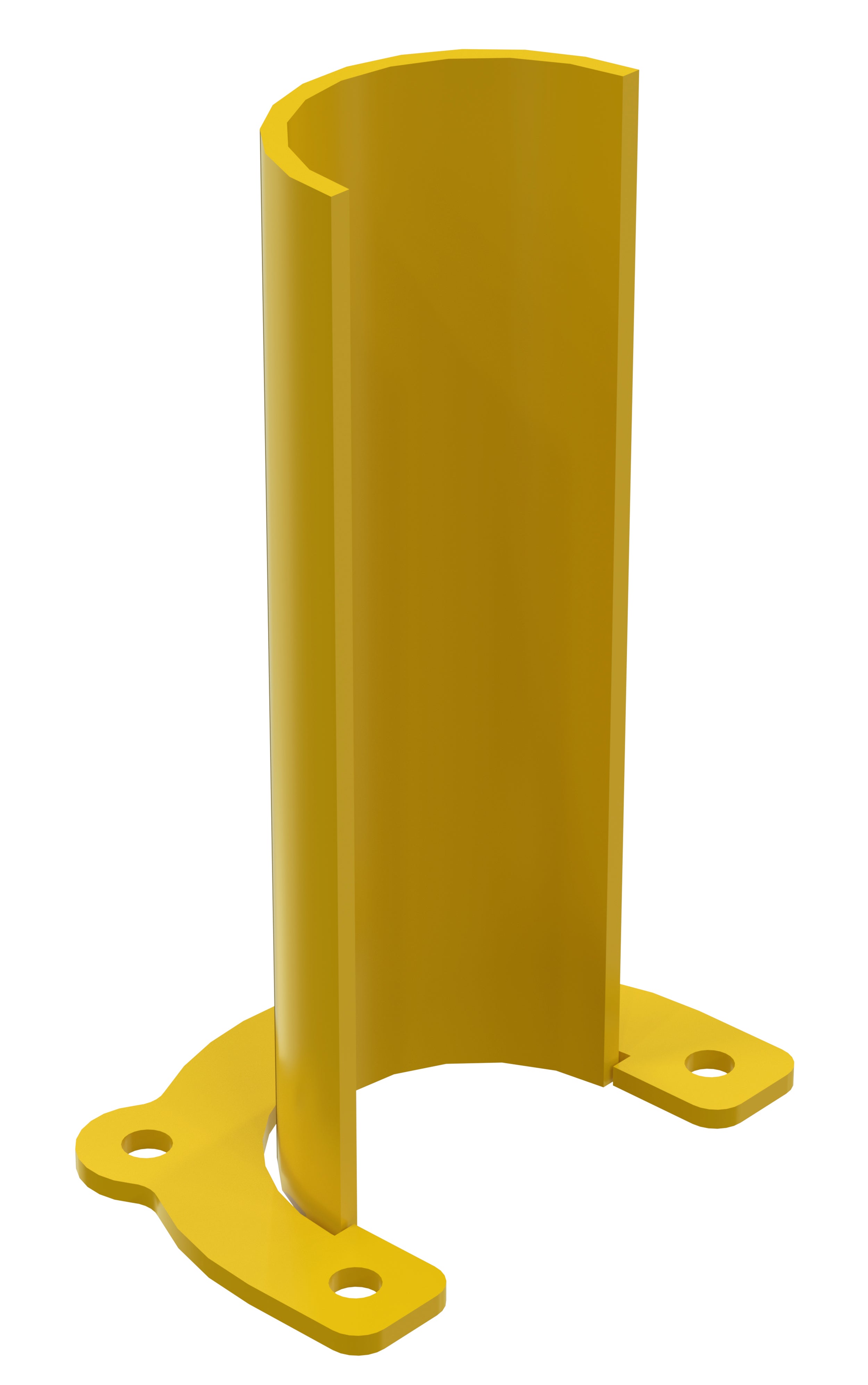 In Stock
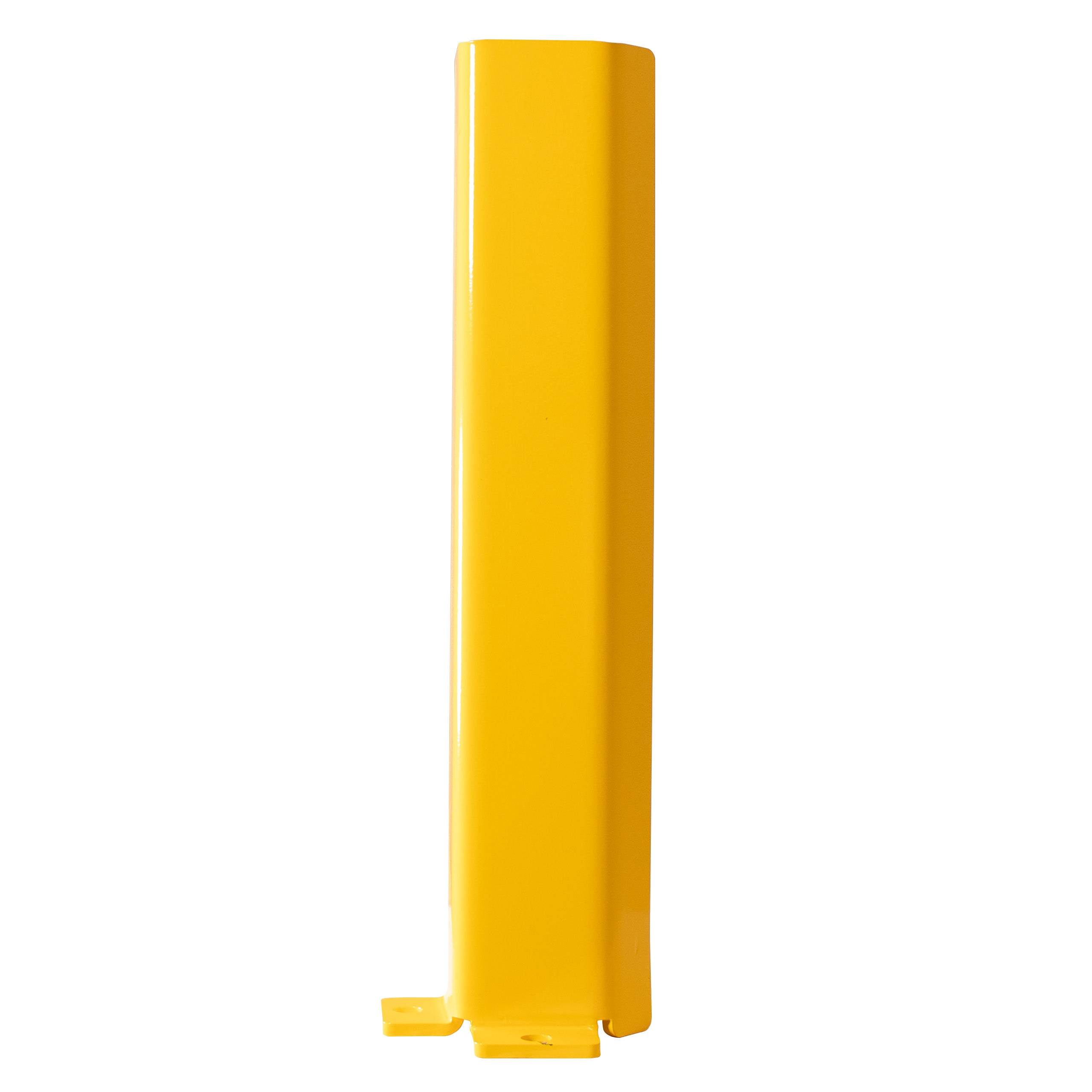 In Stock
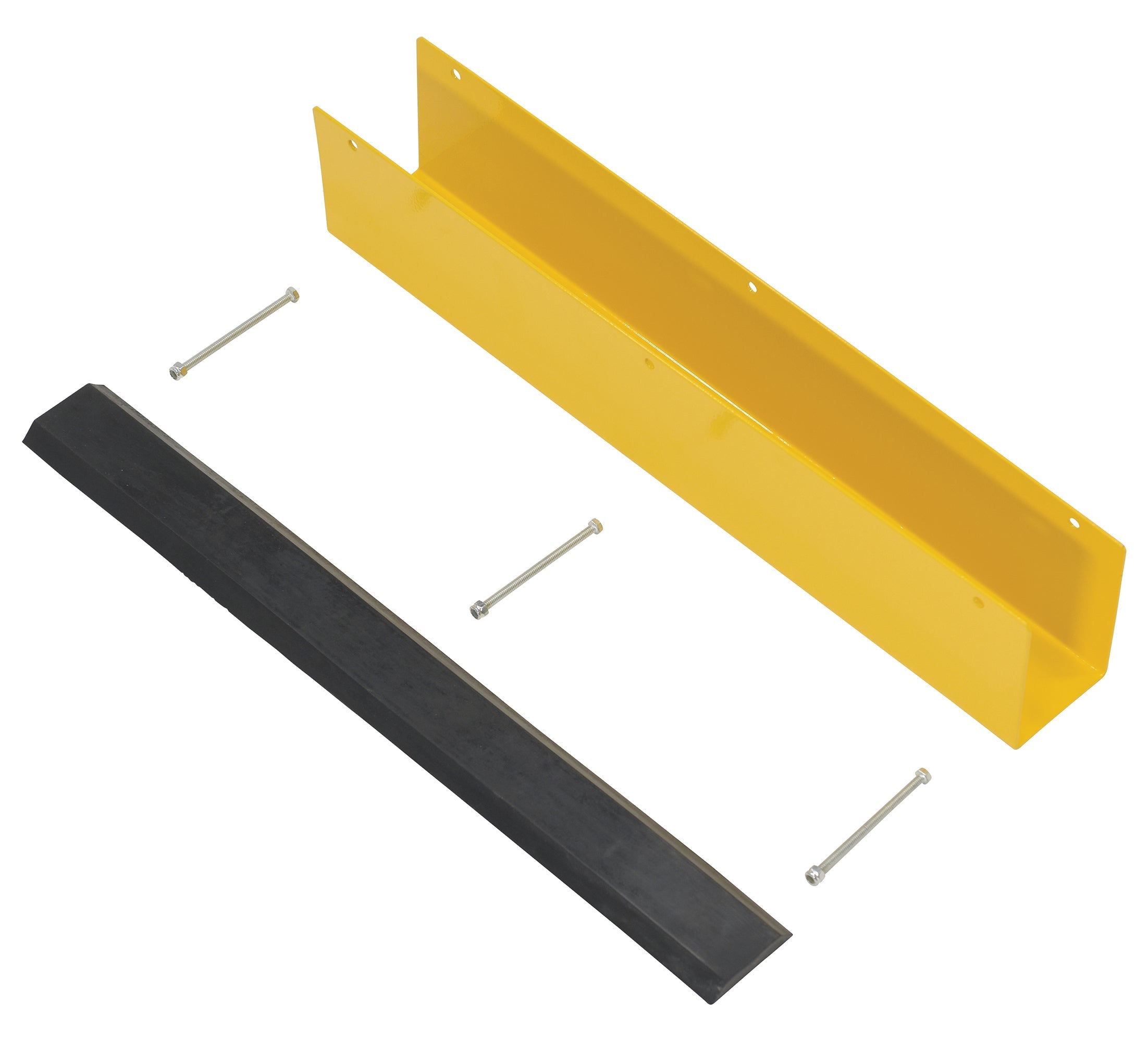 In Stock
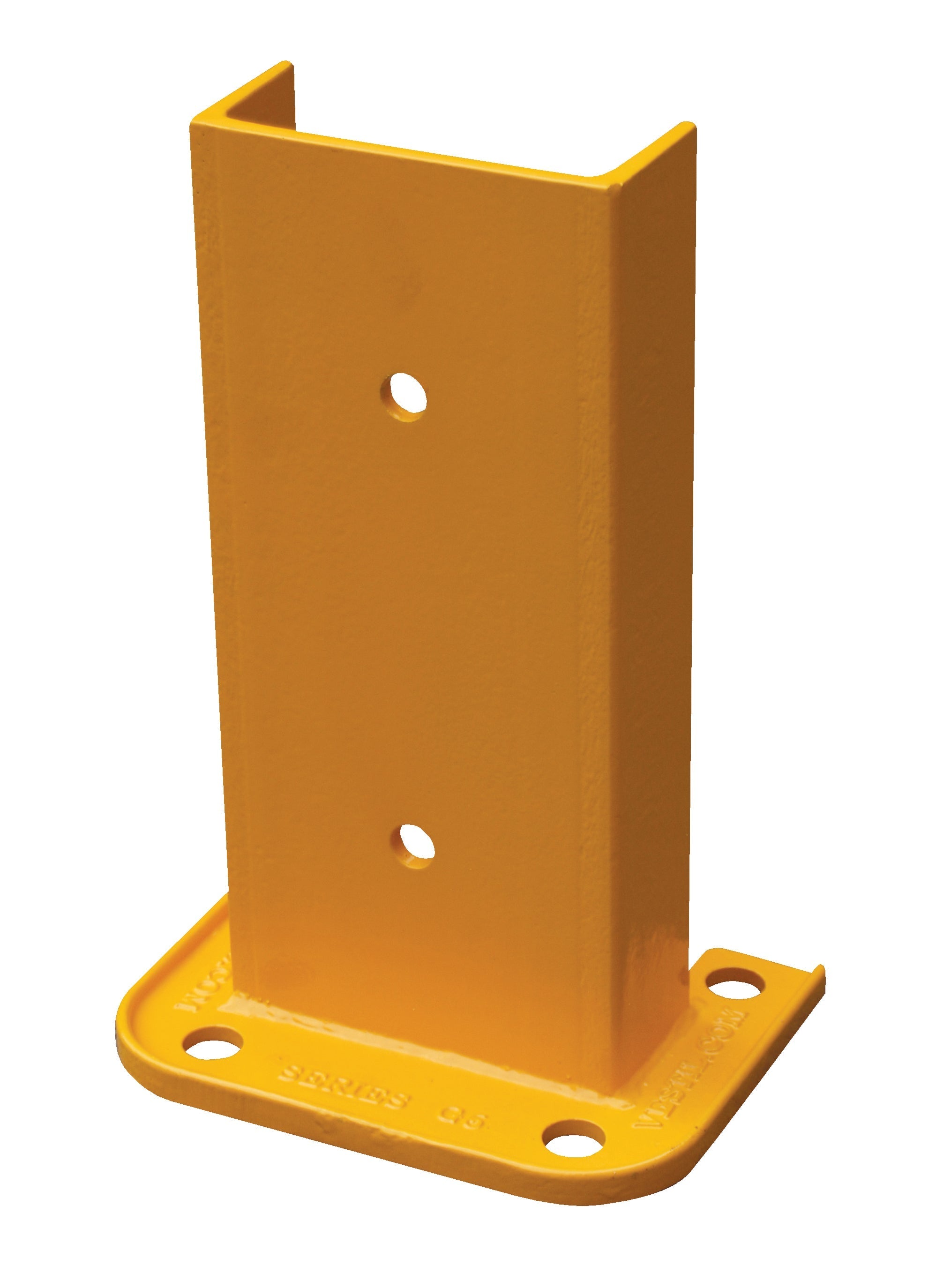 In Stock
 In Stock
 In Stock
 In Stock
 In Stock
Rack Guards Buying Guide
A bent upright is a capacity problem, not a cosmetic one. A pallet rack upright is a highly loaded, thin-walled steel column, and it does not fail gracefully. A single forklift strike can cut an upright's rated capacity by half or more with no visible crack, no torn steel, and no warning before the day it lets go. That is what makes a rack guard the cheapest structural insurance in the building: a guard that costs less than a tank of fuel keeps a strike from ever reaching the column that carries tons of product. Guards do not repair damage, they prevent it, so the honest way to read this category is as risk reduction on the uprights that get hit most. When a frame is already dented or leaning, no guard fixes it; the Rack Manufacturers Institute guidance is to immediately unload the bays adjacent to the damaged frame and tape off the area until a rack professional repairs or replaces the column.
Floor-anchored or bolt-on: the mounting decides where the force goes. This is the first real decision, and it changes what the guard actually does. A free-standing steel guard is anchored to the concrete floor and does not connect to the rack, so a strike is absorbed into the slab and never reaches the column. The Vestil Structural Rack Guards and the surface-mounted removable guards work this way, bolting through pre-punched base legs into the floor. A bolt-on guard instead attaches to the sides of the upright itself, which is faster to install and needs no floor holes, but the tradeoff is that the strike force transfers into the column, often damaging the upright right where the bolts connect. That is the design behind the lighter Rack Upright Guards and the High Impact Plastic Upright Rack Guard. If a frame has no floor room or you cannot drill the slab, the Adjustable Width Rack Guard is the portable answer, spanning across the aisle face without permanent anchors.
Steel or plastic: deflect the hit or flex with it. Steel and molded plastic protect in opposite ways, and both are right for different traffic. Formed and structural steel guards deflect the impact, standing the abuse of repeated hard hits, which is why the heavier Structural Rack Guards carry the highest capacity in the group and are the pick for high-throughput aisles and heavier lift trucks. Molded polyethylene and high impact plastic guards do the opposite: they flex on contact and rebound to shape, so a low speed nudge that would dent steel leaves the plastic guard unmarked and the forks ungouged. The Polyethylene Rack Protector, the plastic upright guard, the low-cost Rack Shields that slip over the column, and the Valley Craft Post Protectors all work by flexing. A middle option adds a rubber bumper face to a steel body: the Rack Guards with Rubber Bumper Insert and the Rounded Rack Guards cushion the first contact while steel carries the load behind it.
Match the height and depth to the strike and the column. Buy the height that covers where the truck actually hits. Guard heights in this collection run from about 9 inches up to 36 inches, and the rule is to clear the strike zone of the forks, mast, and counterweight rather than default to the tallest. Where overhead beams or low pallets limit clearance, the Low Profile Rack Guards give protection in a shorter, tighter footprint. Depth and fit matter just as much as height: uprights come in different column widths, so guards list a usable width, commonly around 4 inches or 6 inches, and the Rounded Rack Guards specify a 4 or 6 inch guard opening to seat over the column. Measure your upright's face and depth before ordering, and confirm the guard clears the footplate, because a guard that will not sit flat over the base is a guard that never gets installed.
Protect the end of the aisle and the whole row, not merely one post. The end-of-aisle frame takes the most hits in almost every warehouse, because every truck turning into or out of the aisle passes it. That single frame is worth its own dedicated protection, and the Pallet Rack End Guard wraps the whole end column in a heavier assembly built for that exposure. For the rest of the row, a continuous barrier beats picking off one post at a time: the Inline Safety Guard Floor Curb runs along the base of a rack line in 1/4 inch or 3/8 inch steel, in straight sections plus 45 and 90 degree corners, steering pallet jacks and fork tips away from every upright behind it. Think of the end guard and floor curb as the perimeter and the individual column guards as the last line, and protect the high-consequence positions, aisle ends and key uprights, first.
The standard behind the guard, and what to do when a frame is already hit. OSHA does not publish a rule written specifically for pallet rack column protection. It cites rack hazards under the General Duty Clause, section 5(a)(1) of the OSH Act, and under 1910.176(b) for secure storage, and it references the national consensus standard ANSI/RMI MH16.1, developed by the Rack Manufacturers Institute, for the design and safe use of industrial steel storage racks. Column guards support that discipline by reducing both the frequency and the severity of forklift impacts, but they do not substitute for inspection. Keep walking the floor for bent uprights, scraped paint, and out-of-plumb frames, mark rated capacities on the rack, and when you find real damage follow the RMI guidance above: unload the adjacent bays right away and tape off the area until a qualified rack professional restores the frame to its original design capacity. A guard buys time and prevents the next hit; it never certifies a column that has already been struck.
Frequently Asked Questions
Match the material to the traffic. Steel guards deflect the hit and take repeated hard strikes, so the structural steel guards are the pick for busy aisles and heavier forklifts. Molded polyethylene and high impact plastic guards flex on contact and rebound to shape, which suits lighter, lower speed nudges, costs less, and will not gouge your forks. A rubber-bumper-faced steel guard splits the difference, cushioning the first contact while steel carries the load behind it.
Both designs exist and they behave differently. A floor-anchored guard bolts into the concrete and does not touch the column, so a strike is absorbed into the slab instead of the upright. A bolt-on guard attaches to the sides of the upright, which installs faster and needs no floor holes, but the strike force transfers into the column and can damage it at the bolt connection. If you cannot drill the floor, the portable adjustable-width guard protects without permanent anchors.
Pick the height that covers where the truck actually strikes the frame, usually the fork, mast, and counterweight zone near the base. Heights here run from about 9 inches up to 36 inches. Go taller for tall counterweights and heavier lift trucks, and use a low profile guard where overhead beams or low pallets limit clearance. Also confirm the guard's usable width, commonly 4 or 6 inches, fits your upright's column depth before ordering.
OSHA has no rule written specifically for column guards. It cites rack hazards under the General Duty Clause, section 5(a)(1), and under 1910.176(b) for secure storage, and it references the ANSI/RMI MH16.1 consensus standard for rack design and use. Guards are a recognized way to reduce forklift impact damage and support that standard, but they do not replace regular inspection and proper load rating.
The end-of-aisle frame gets hit most because every turning truck passes it, so give it dedicated protection with a heavier end guard that wraps the whole end column. To protect the rest of the row, run a continuous floor curb along the base of the rack line in straight and cornered sections; it steers pallet jacks and fork tips away from every upright behind it. Protect aisle ends and key uprights first.