Safety Railing
A safety railing is the guardrail that stands between a person and the edge they could fall from: the perimeter of a mezzanine, the lip of a loading dock, the open side of an elevated platform or a floor pit. Everything in this collection is Vestil, built in bolt-down steel, welded-baseplate steel, and aluminum, with modular square handrail systems and self-closing gates for the openings a solid run cannot cover. Prices range from a few dollars for a single connector or plastic cap up to roughly $3,700 for a stainless mezzanine gate, so most of the decision is matching the material and the mounting to the surface you are guarding. OSHA treats a fixed railing as one of the accepted ways to protect an elevated edge, which means the geometry is not a styling choice: the top rail height, the midrail, and the toe board all have numbers attached to them. The guide below walks the selection in the order the job asks it.
 In Stock
 In Stock
 In Stock
 In Stock
 In Stock
 In Stock
 In Stock
 In Stock
 In Stock
 In Stock
 In Stock
 In Stock
 In Stock
 In Stock
 In Stock
 In Stock
Safety Railings Buying Guide
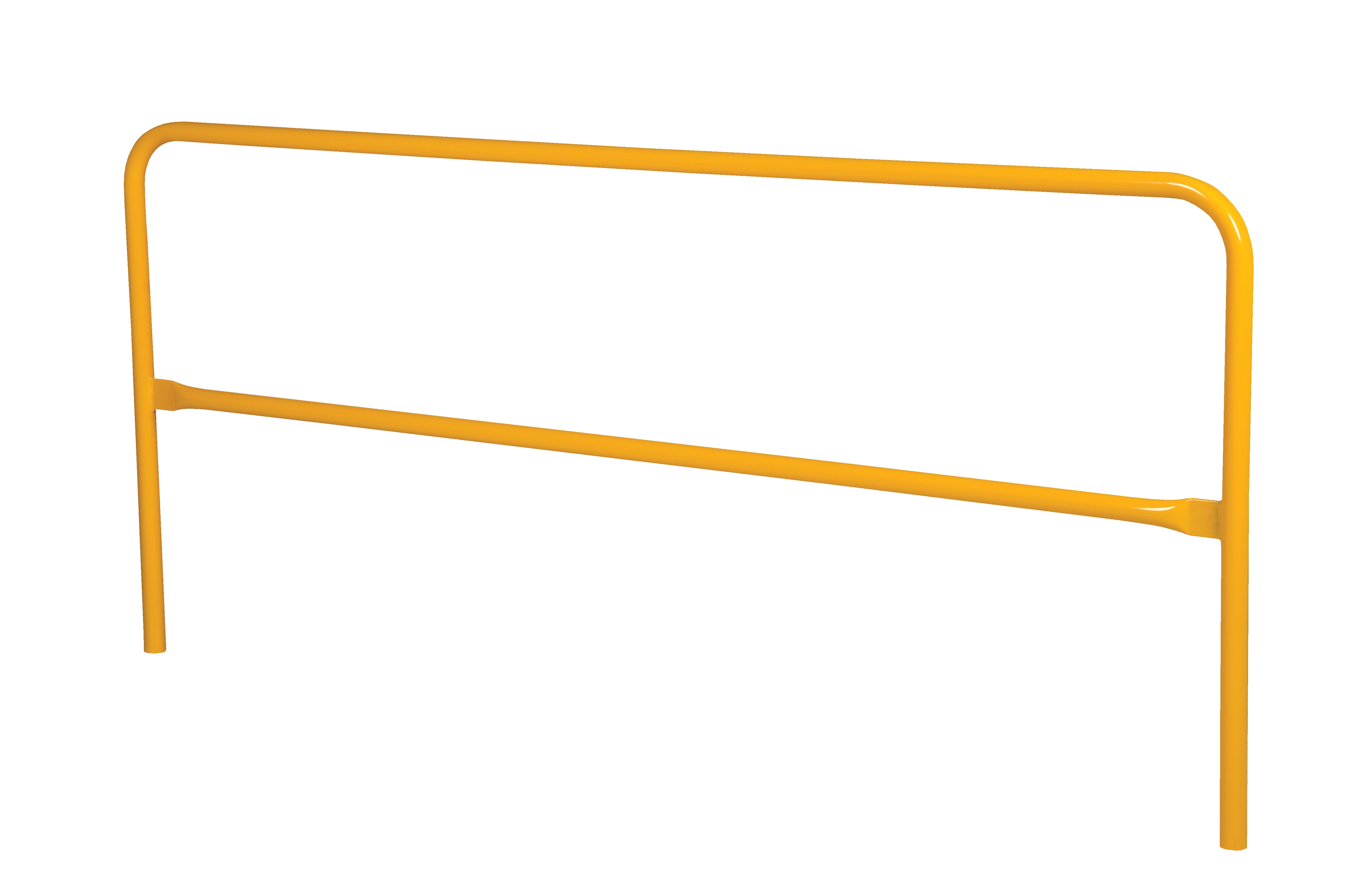
The numbers that make a railing compliant. OSHA 1910.28(b)(1) requires fall protection at any unprotected side or edge 4 ft or more above a lower level in general industry, and a guardrail system is the first method listed. OSHA 1910.29(b) then sets the geometry. The top rail sits 42 inches above the walking surface, plus or minus 3 inches, which puts a compliant rail between 39 and 45 inches. It has to withstand a 200 lb force applied in a downward or outward direction within 2 inches of the top edge, at any point, without failing. Where there is no wall or parapet at least 21 inches high, a midrail, mesh, screen, or equivalent intermediate member goes in midway between the surface and the top rail. Add a toe board, at least 3.5 inches tall with 4 inches the common size, wherever people or equipment pass below and a dropped tool would land on them. Buy a railing that already meets those numbers rather than field-modifying one that does not.
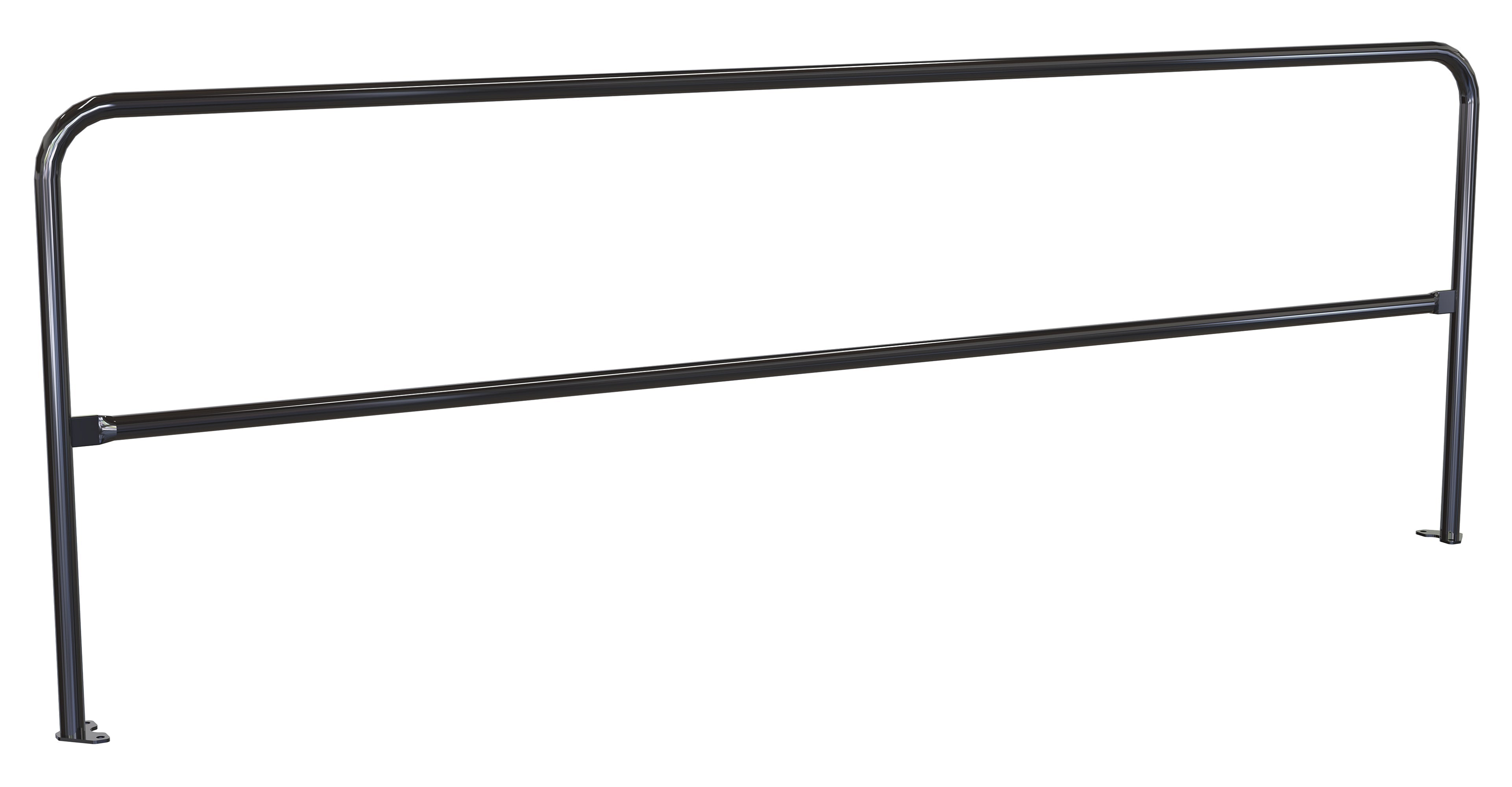
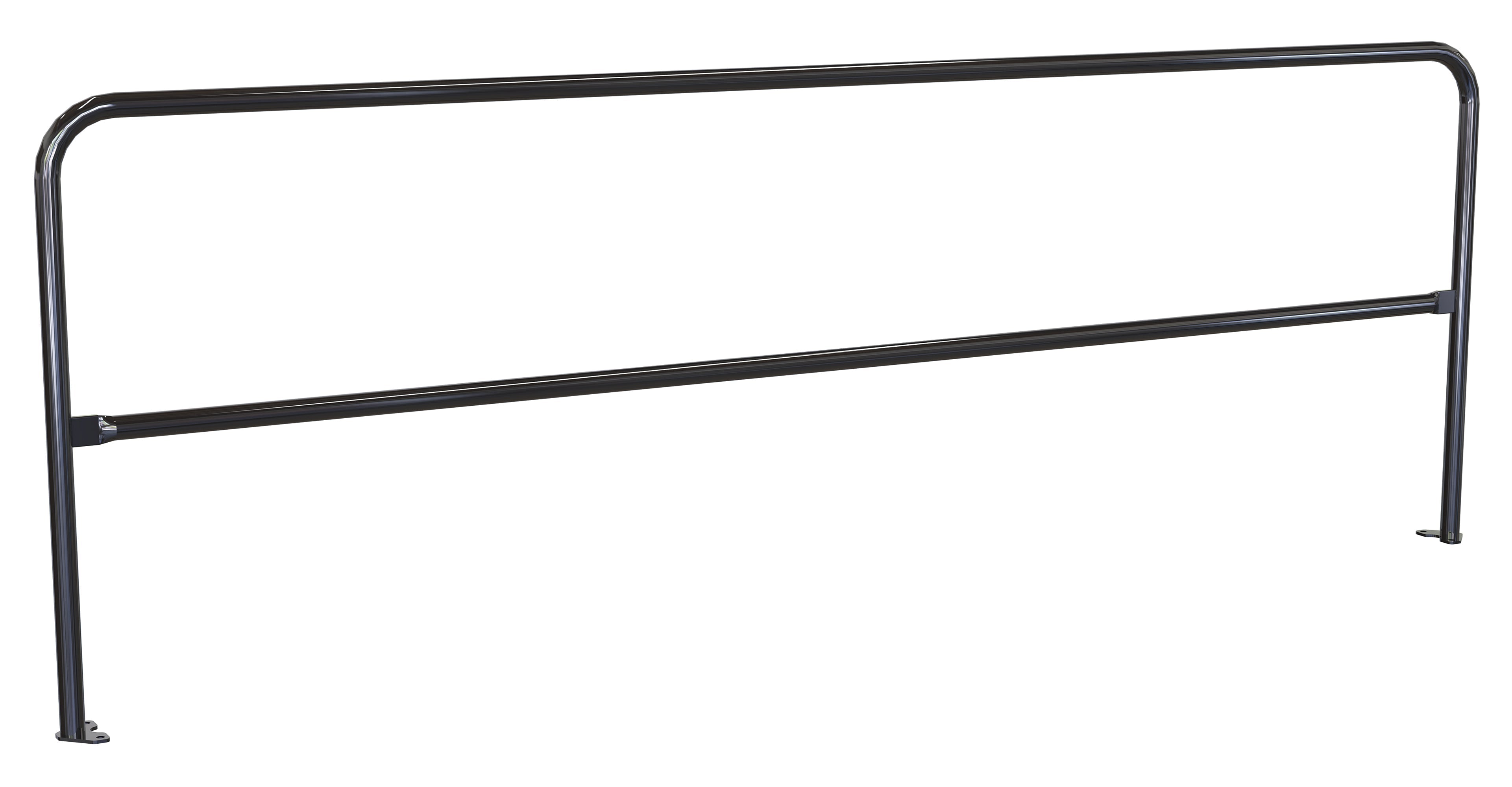
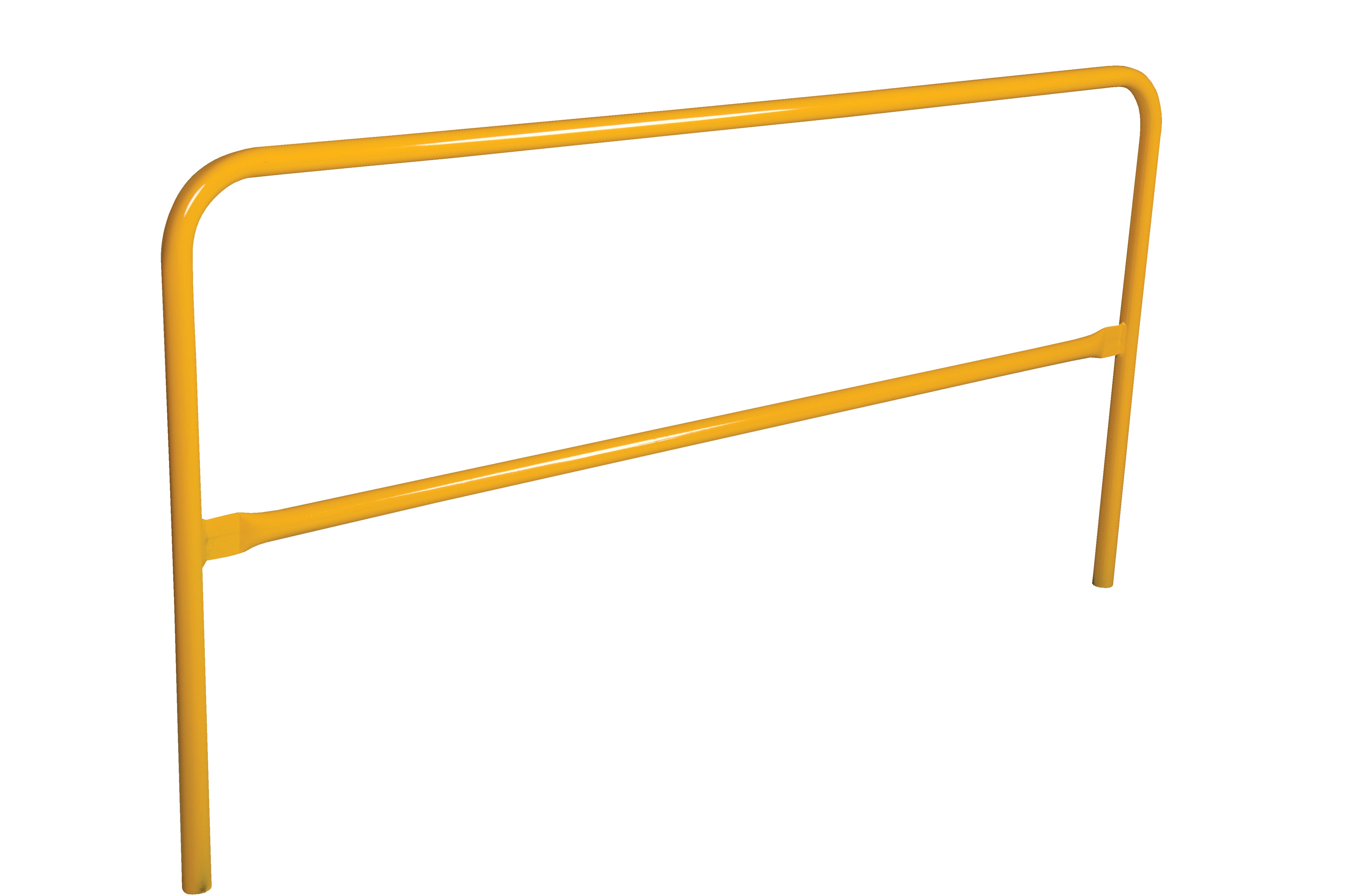
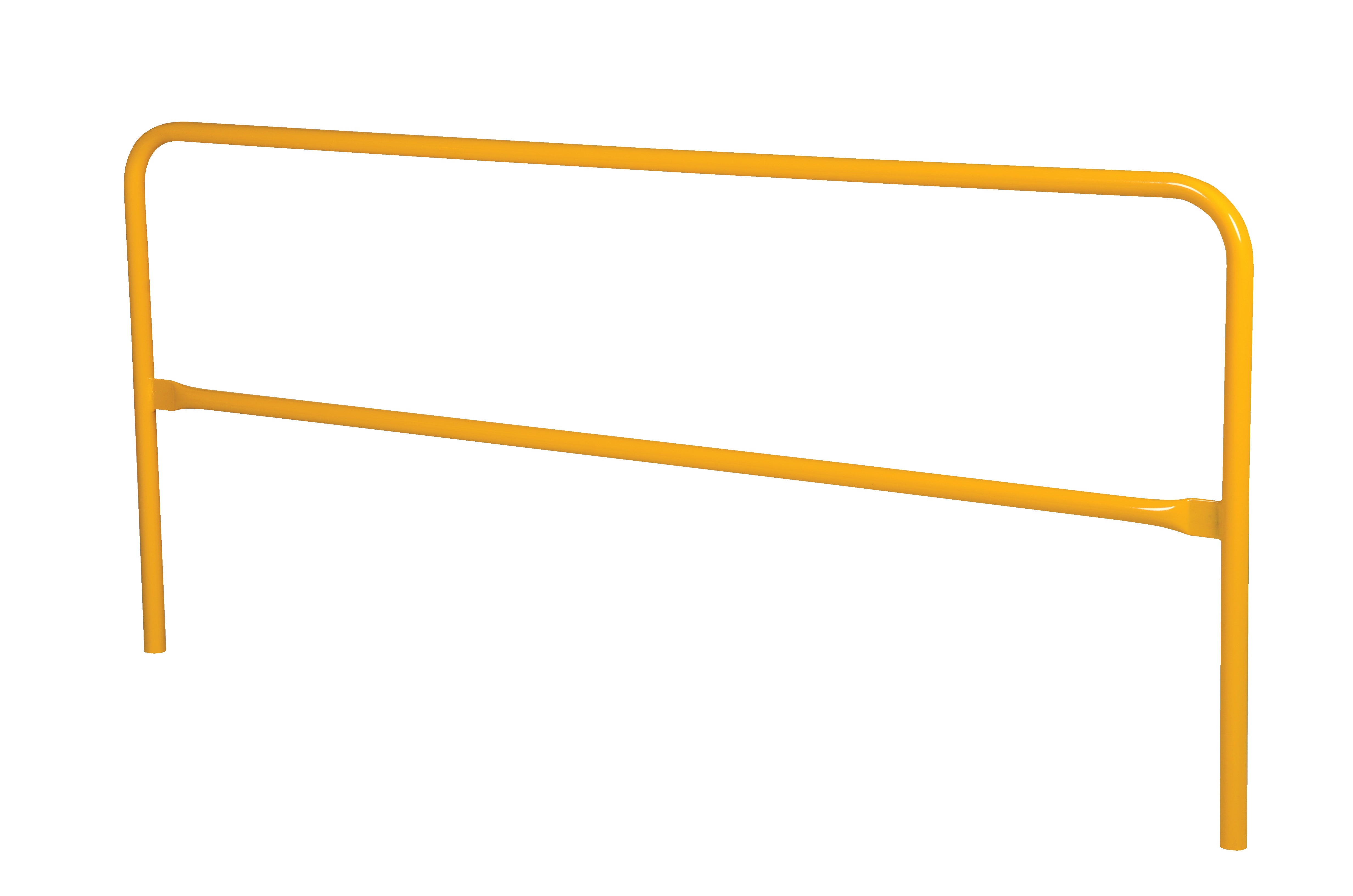
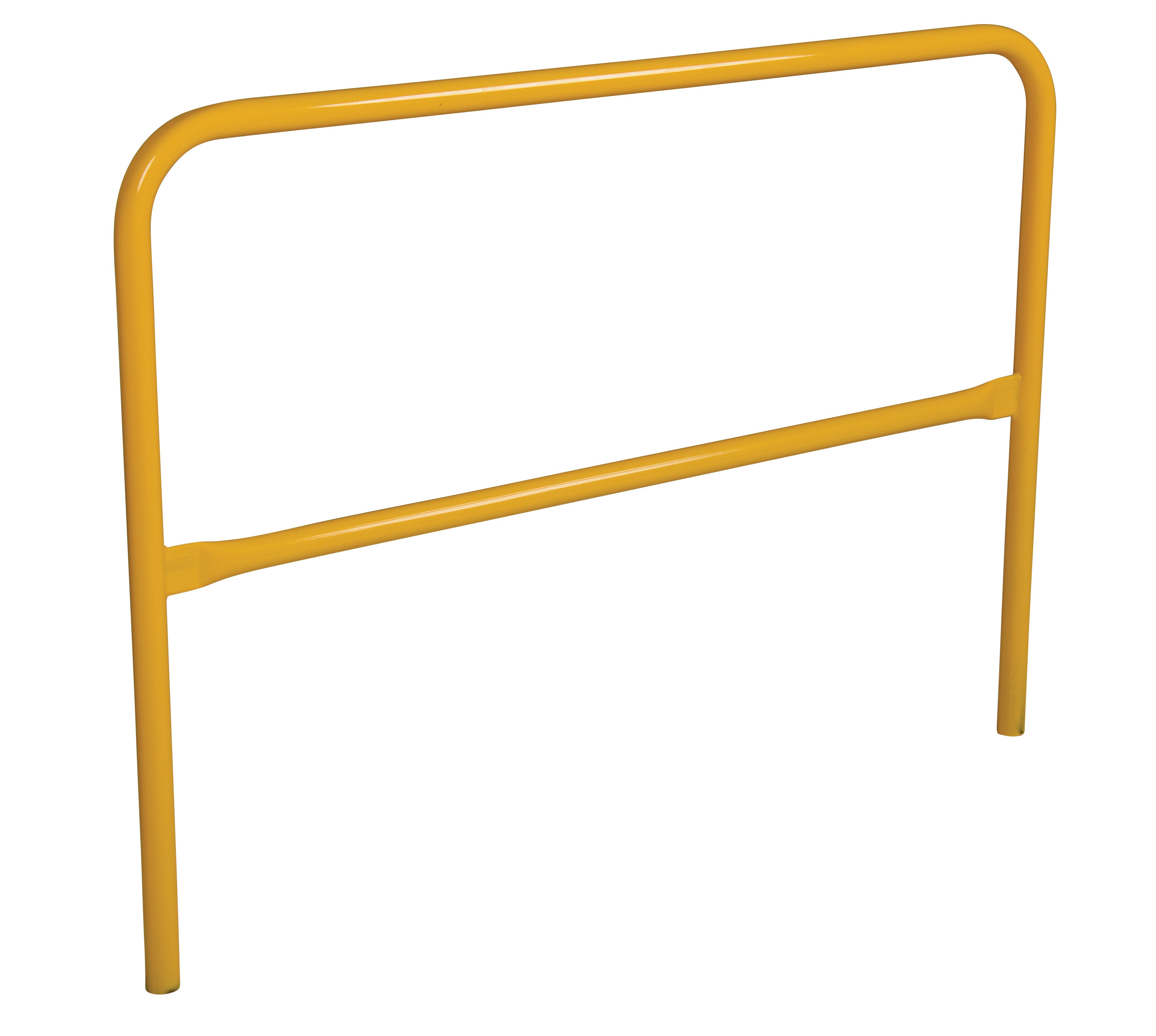
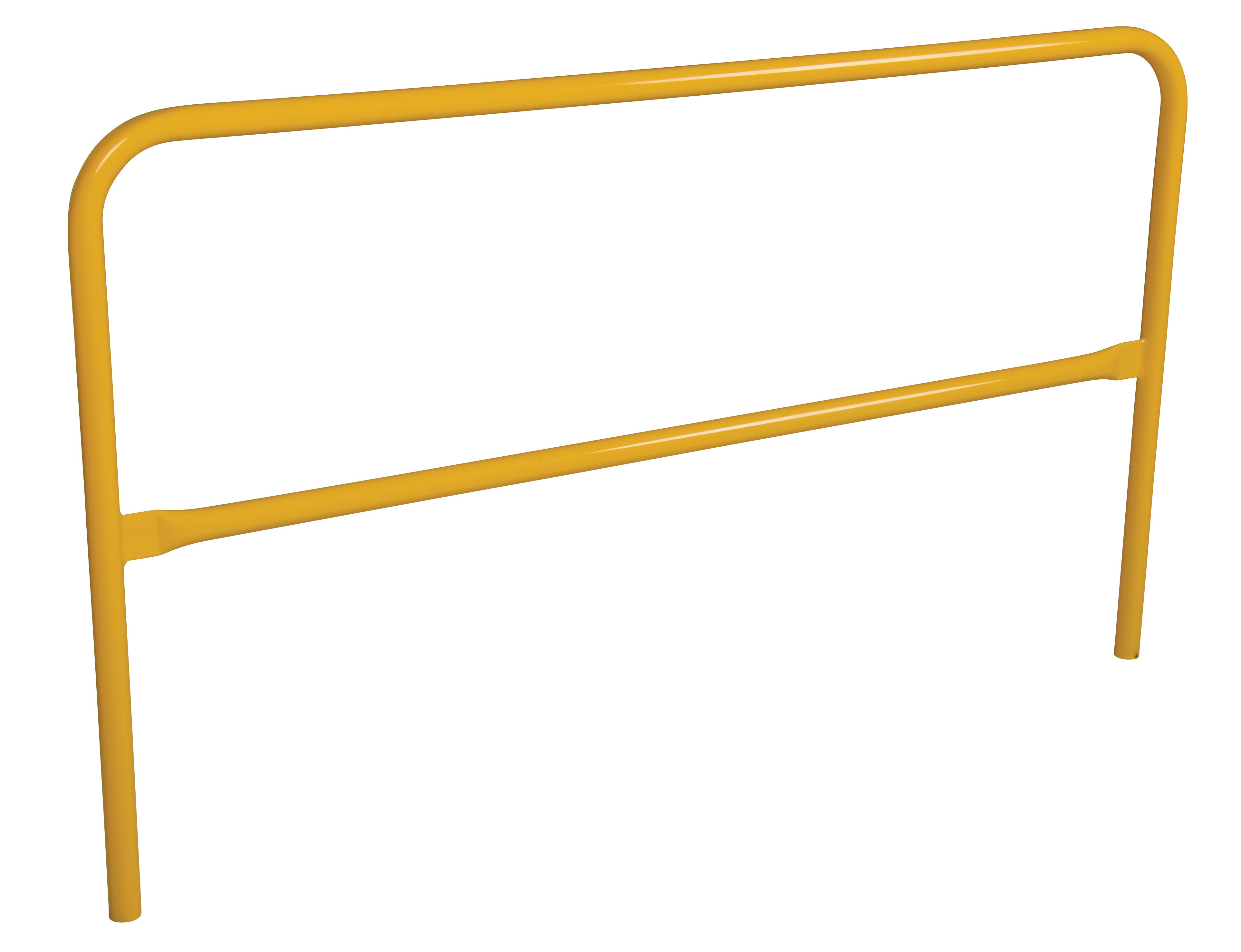
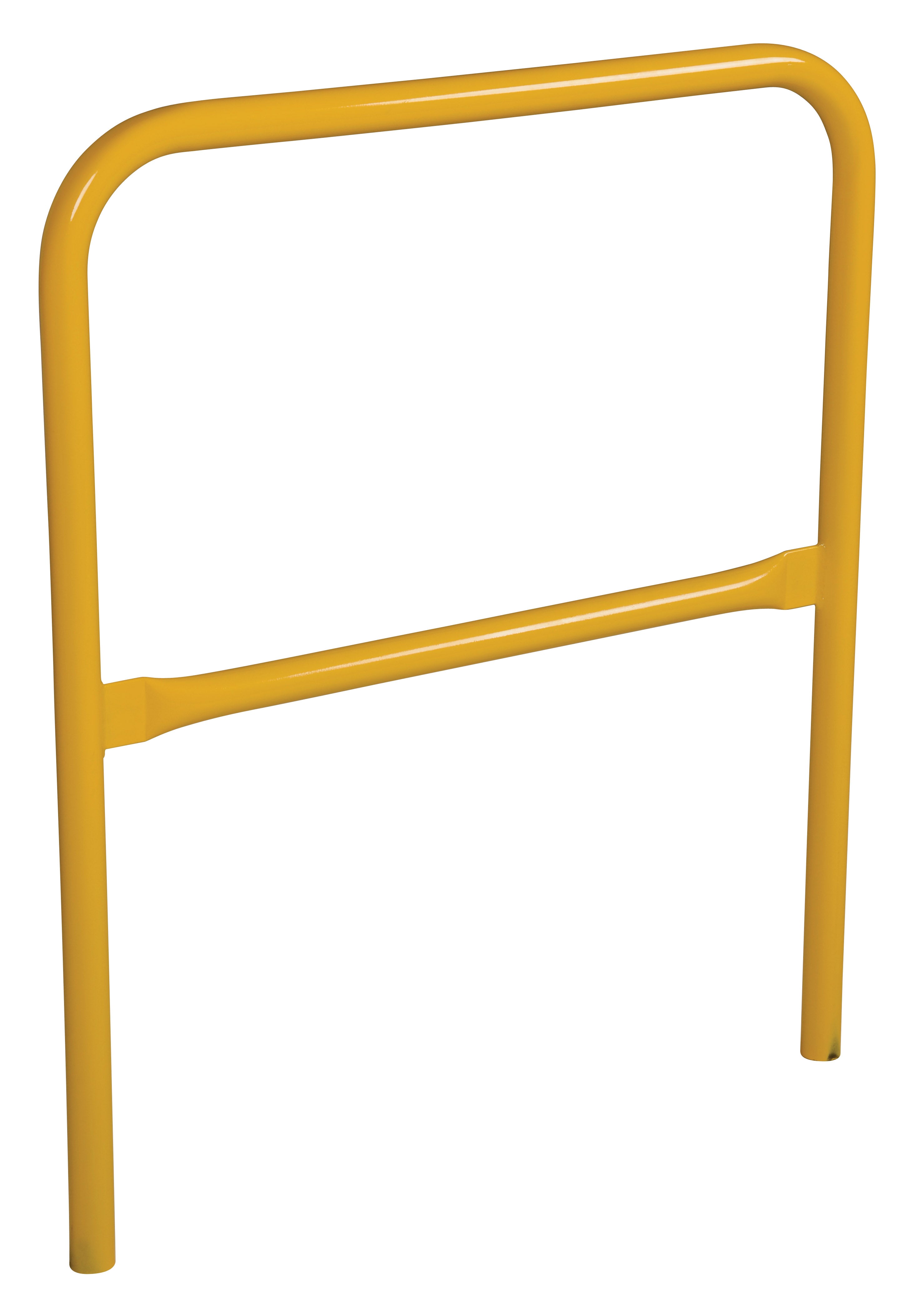
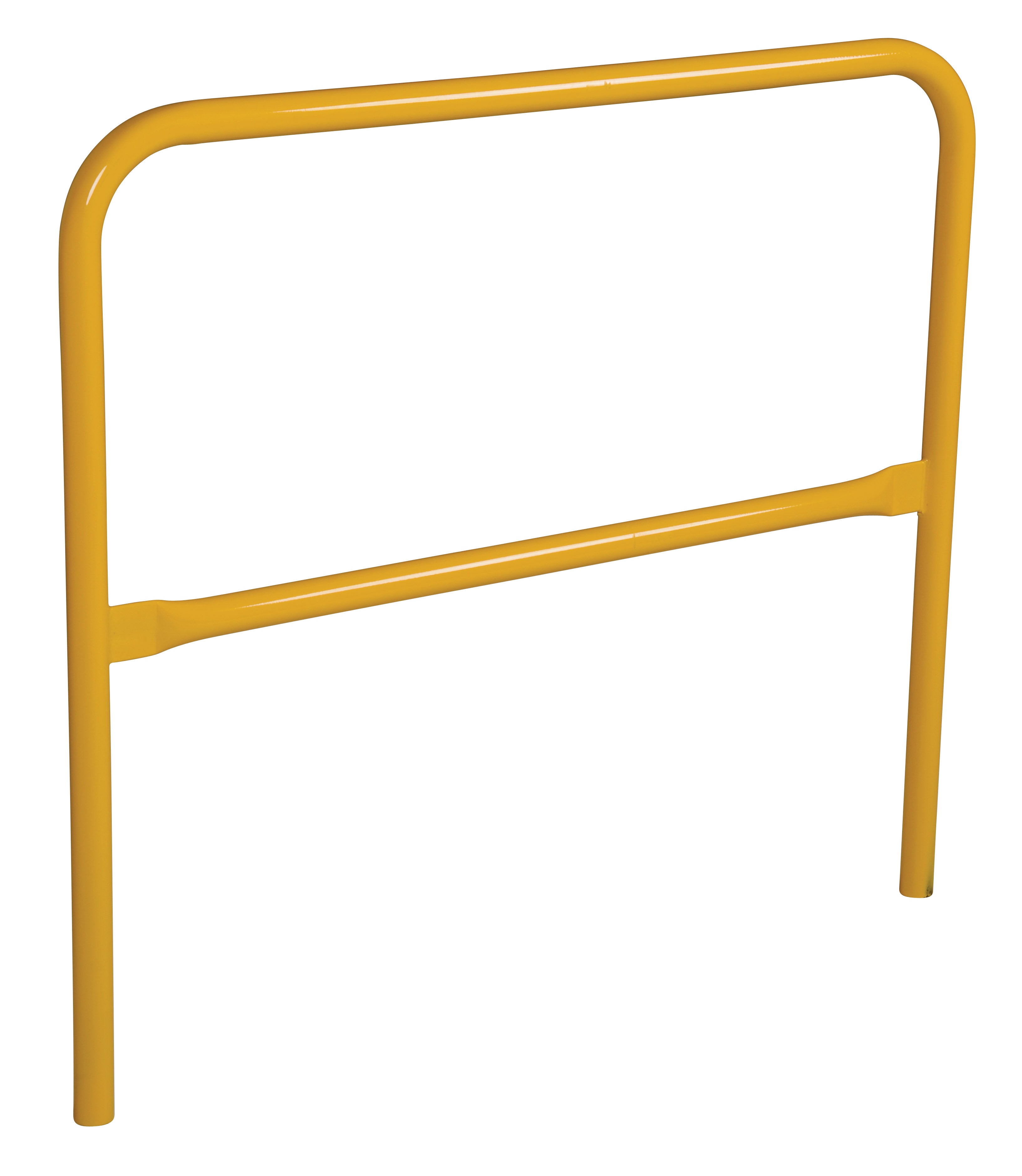
Steel bolt-down railings: the workhorse of the run. The steel safety railings are the default for a straight perimeter along a platform edge, a pit, or an aisle. They come as rail sections in stock lengths from 2 ft up to 10 ft, roughly $68 for a 2 ft section and about $165 for a 10 ft one, sold separately from the matching toe boards so you build the length you need and pay for falling-object protection only where it is actually required. Powder-coat colors run from safety yellow through black, gray, blue, orange, and red, which lets you code a run by hazard or department. The posts carry base flanges that bolt to concrete, the setup you want for a fixed perimeter that will not move. Plan the section lengths so post centers land on solid slab, not over an expansion joint or a floor drain.
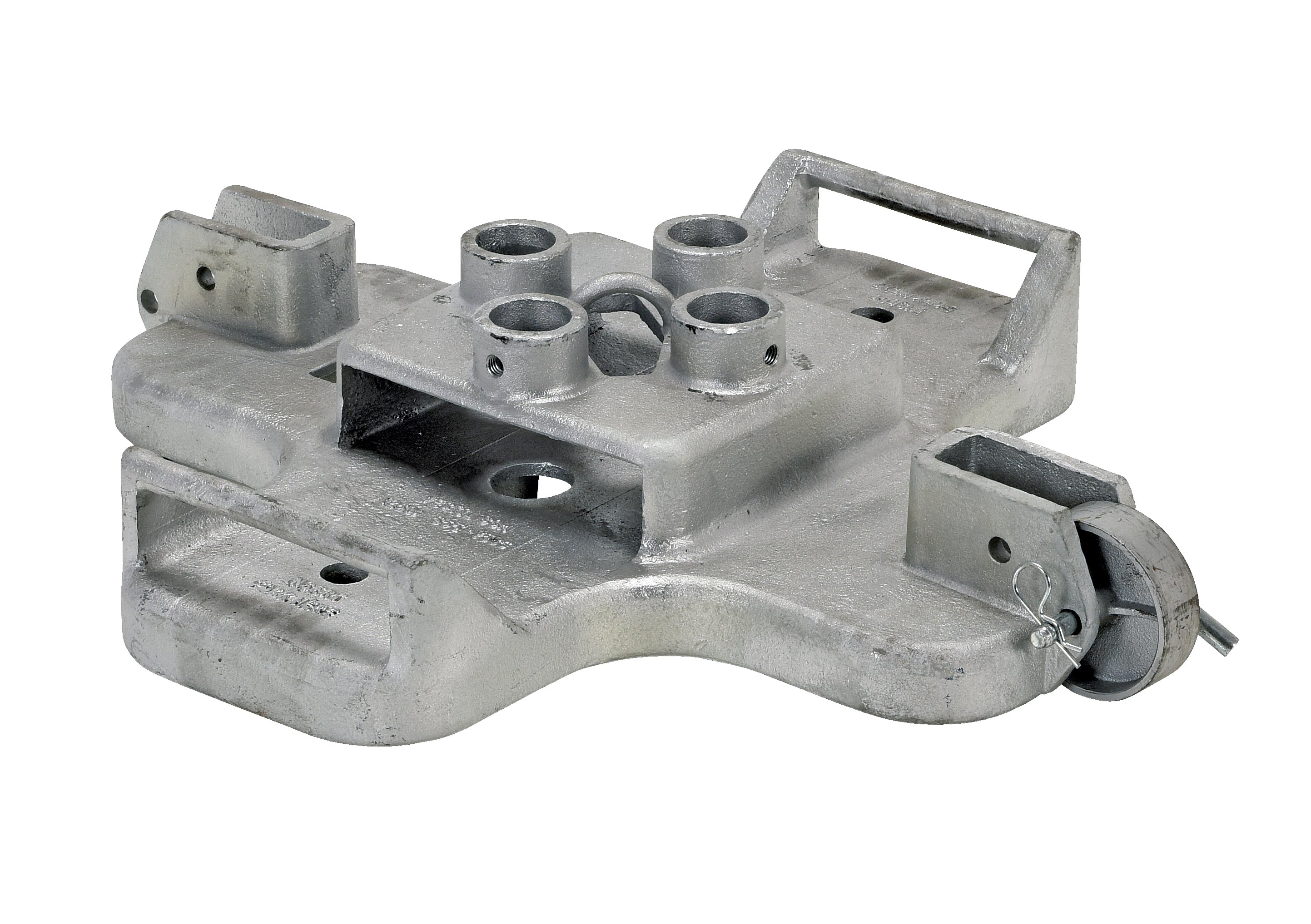
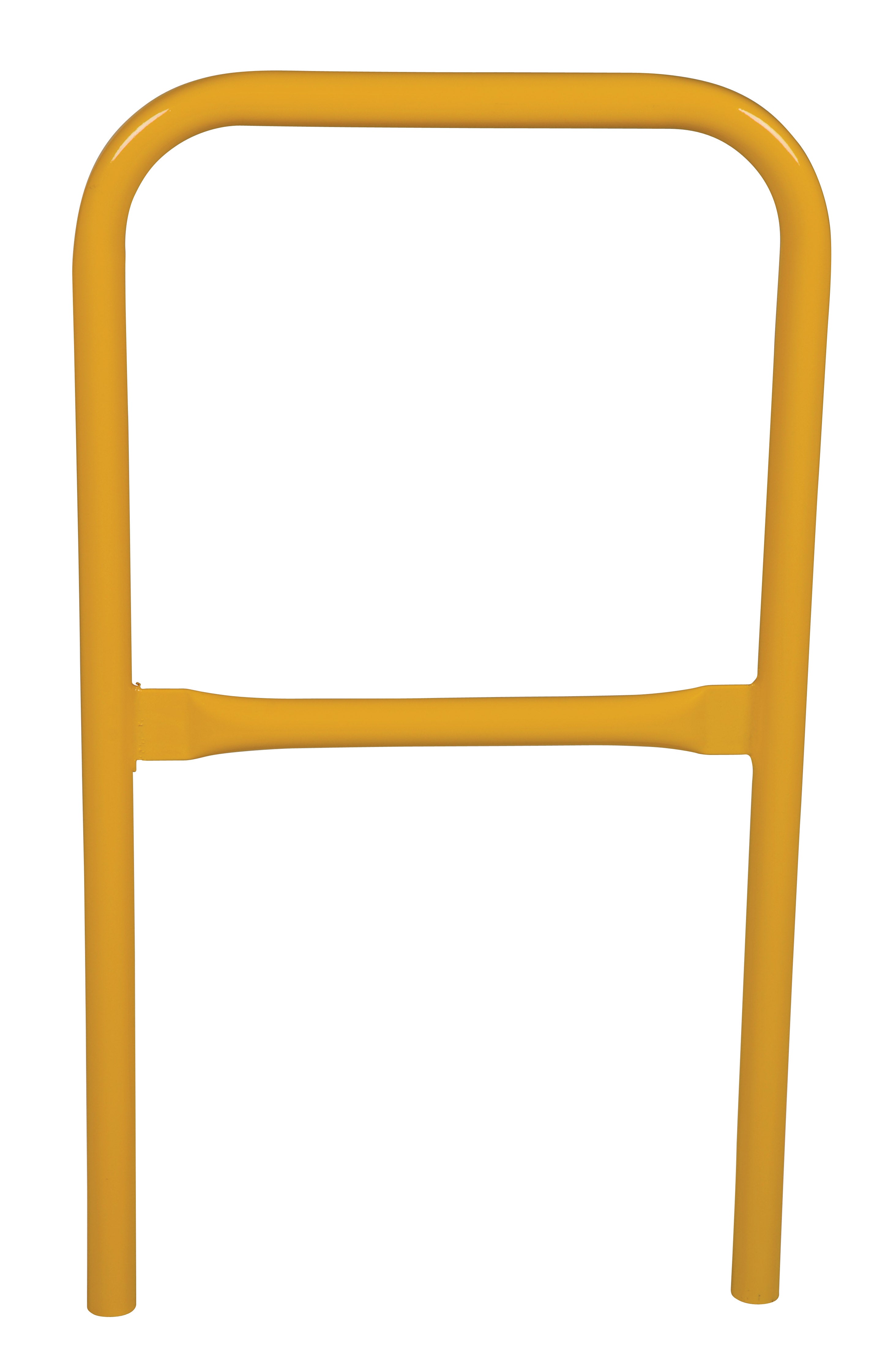
Welded baseplate or field-anchored. The welded-baseplate railings put the post and its mounting plate together as one piece, in lengths from 24 to 120 inches, which removes a step from installation and gives a stiffer, cleaner foot than a bolted-on flange. That matters where the railing takes regular contact, at the head of a stair or the edge of a pick module, because a welded foot has no bolted joint to work loose over time. The trade is flexibility. A field-anchored socket or bolt-on system can be pulled and relocated when the layout changes, while a welded baseplate is committed to the holes you drilled for it. Match the base to the surface as well: the accessories line carries cast iron and galvanized steel bases, barricade bases with feet or with wheels, and hinged connectors for turning a corner or following an angled edge.
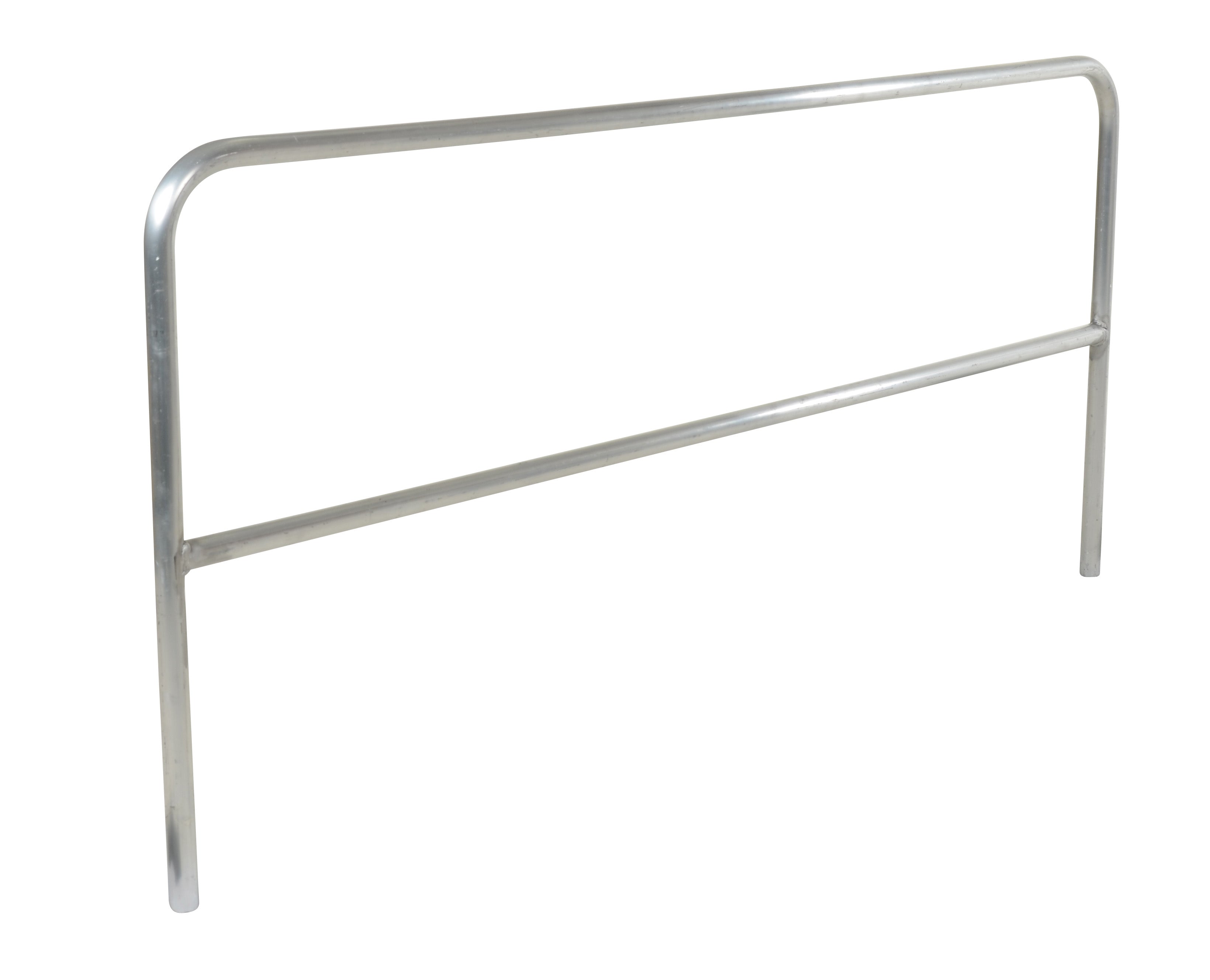
Aluminum where weight or corrosion is the problem. Aluminum safety railings cost more than steel at the same length, and you buy them for two specific reasons. The first is weight. An aluminum section is light enough for one person to carry and reposition, which is the railing to specify on a rooftop, a mezzanine you cannot crane steel onto, or any run that gets reconfigured. The second is corrosion. Aluminum does not rust, so it earns its price outdoors, on a wash-down line, or around chemicals that would strip the powder coat off steel inside a season. It comes in the same 24 to 120 inch length spread with a range of colors for visibility. Where the environment is neutral and the railing stays put, steel is the cheaper and the stiffer buy, so reserve aluminum for the jobs that genuinely need it.
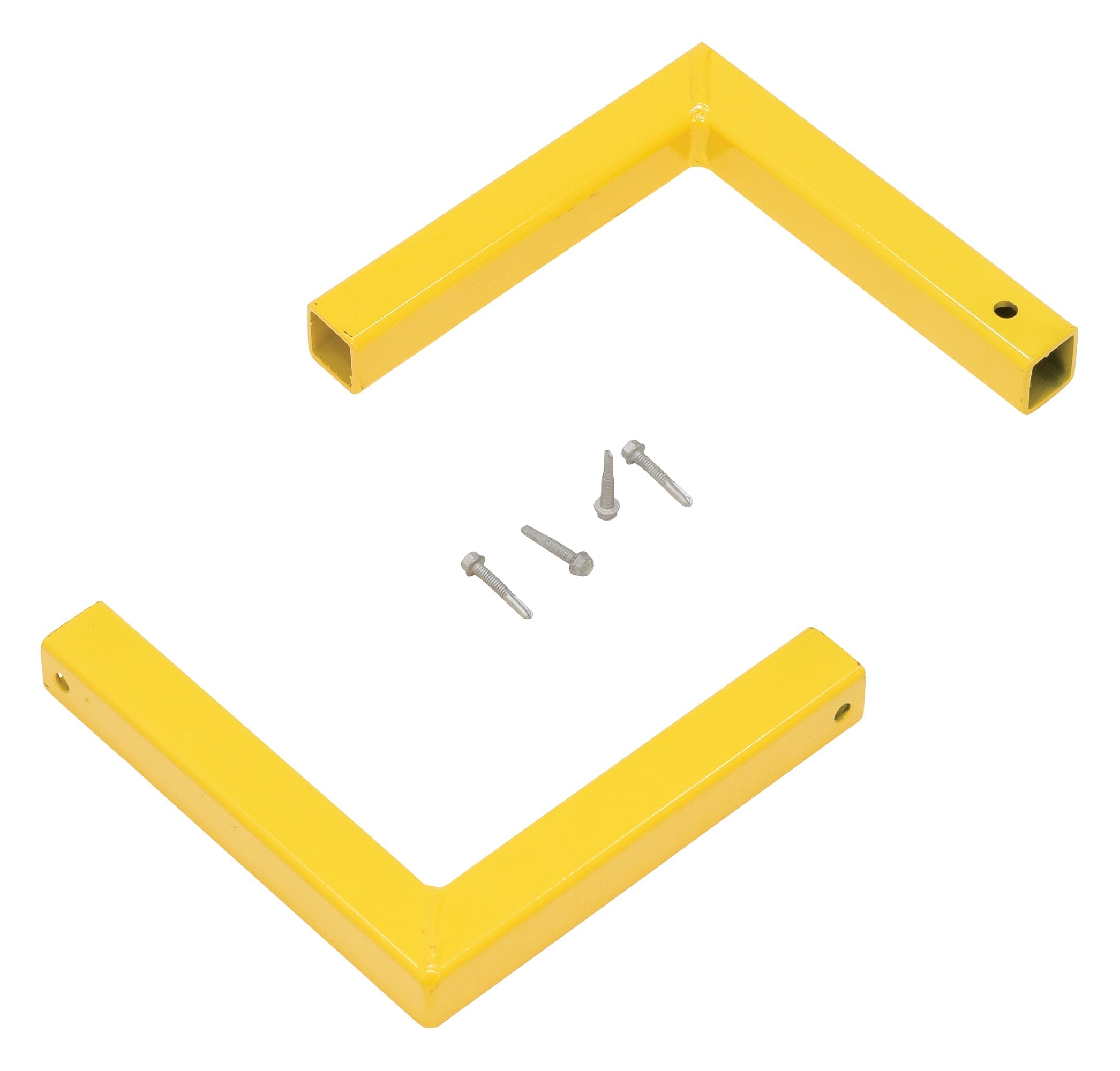
Modular square handrails for shapes a straight section cannot follow. Not every edge is a straight line meeting at a right angle. The square safety handrails are a kit of parts, rail and connection tubing, corner connectors, toe boards, bolt-on wire mesh infill, plastic caps, and a sliding handrail gate, that you assemble to fit stairs, angled platforms, machine perimeters, and openings a stock section will not close. Build a two-rail guard to the compliant heights, add mesh where a single midrail leaves too large a gap for the setting, and drop the sliding gate in at the access point. This is the system to reach for when the geometry is irregular or you expect to change it later, because it comes apart and rebuilds with hand tools instead of a cutting torch and a welder.
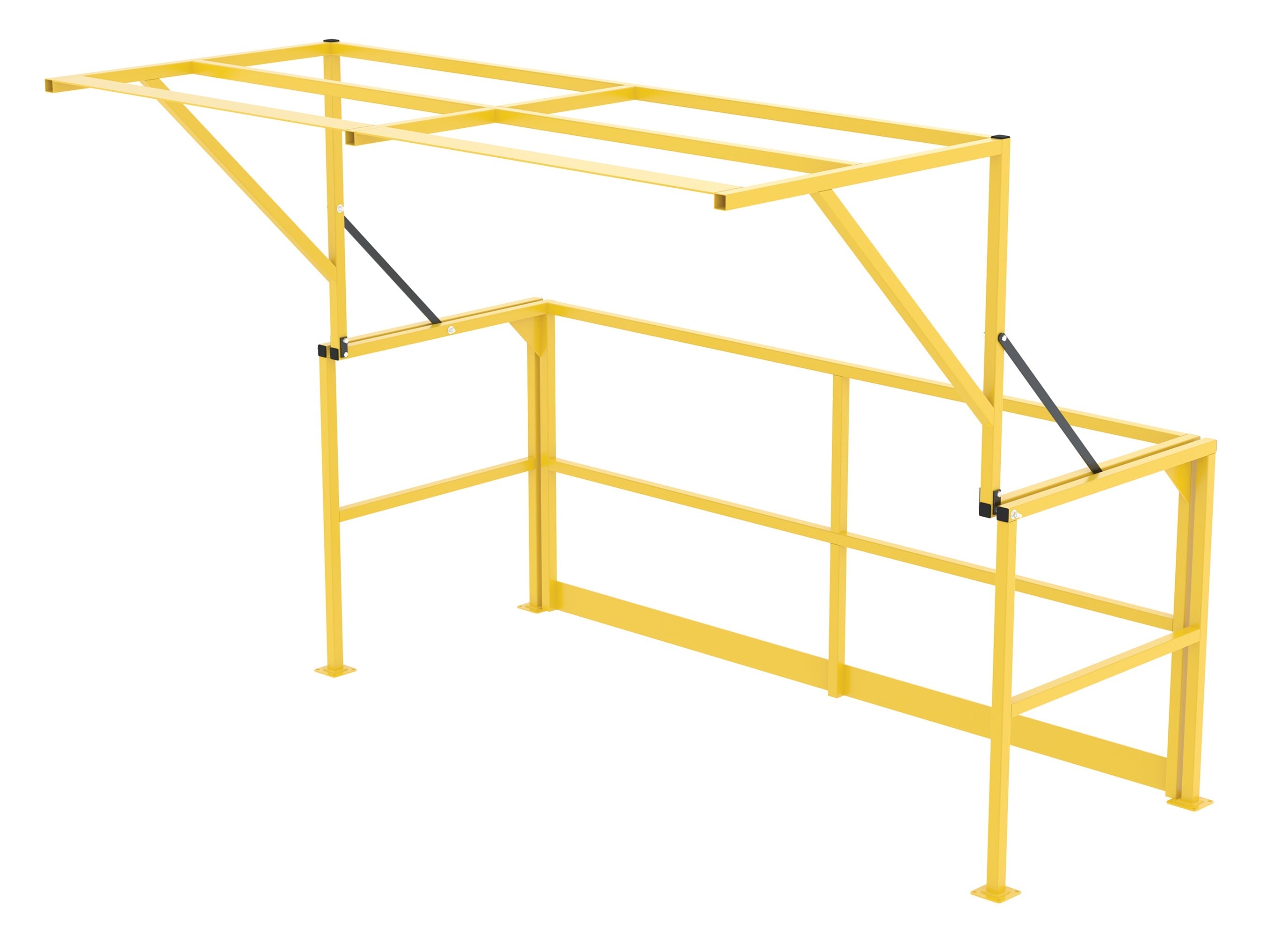
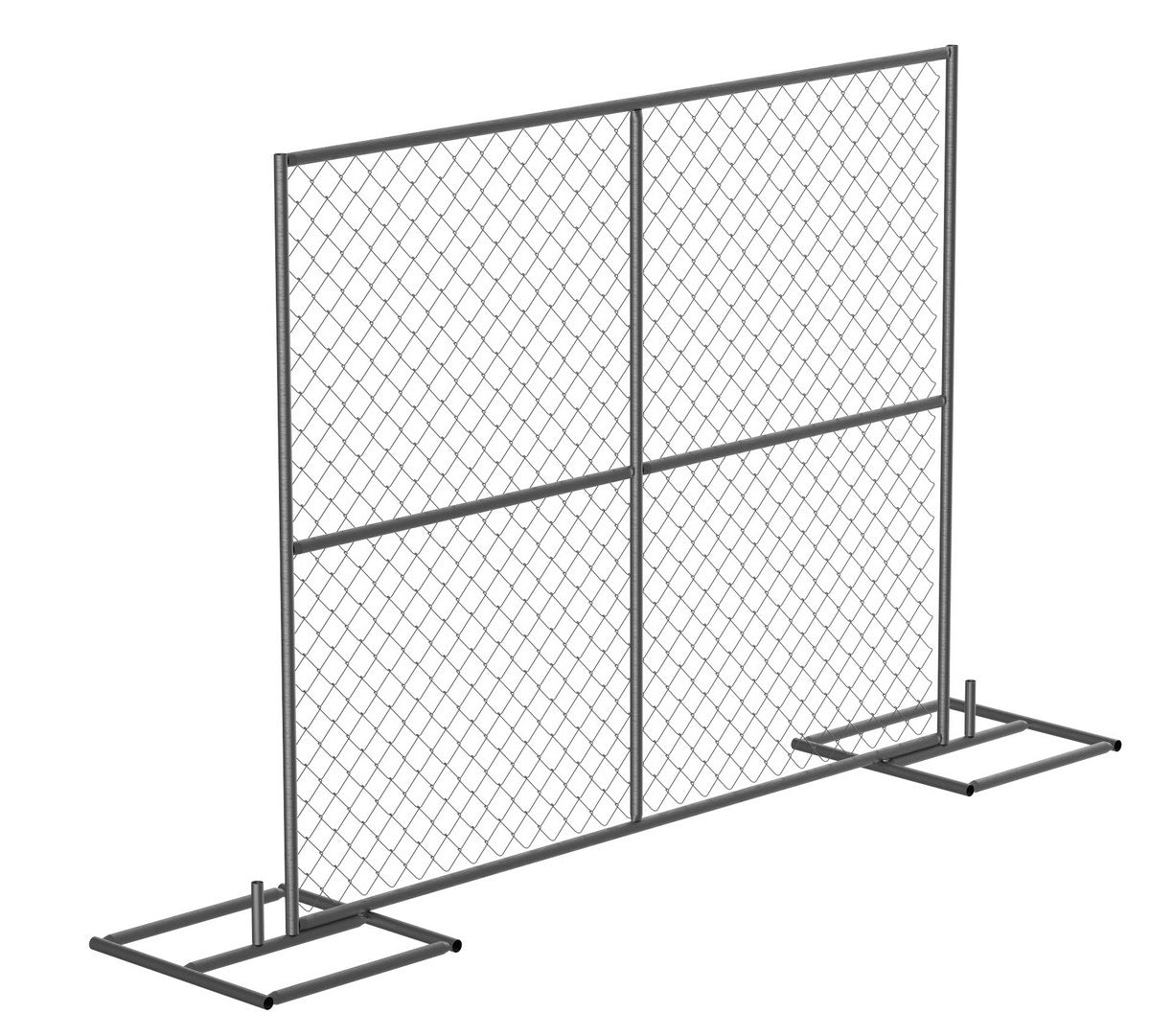
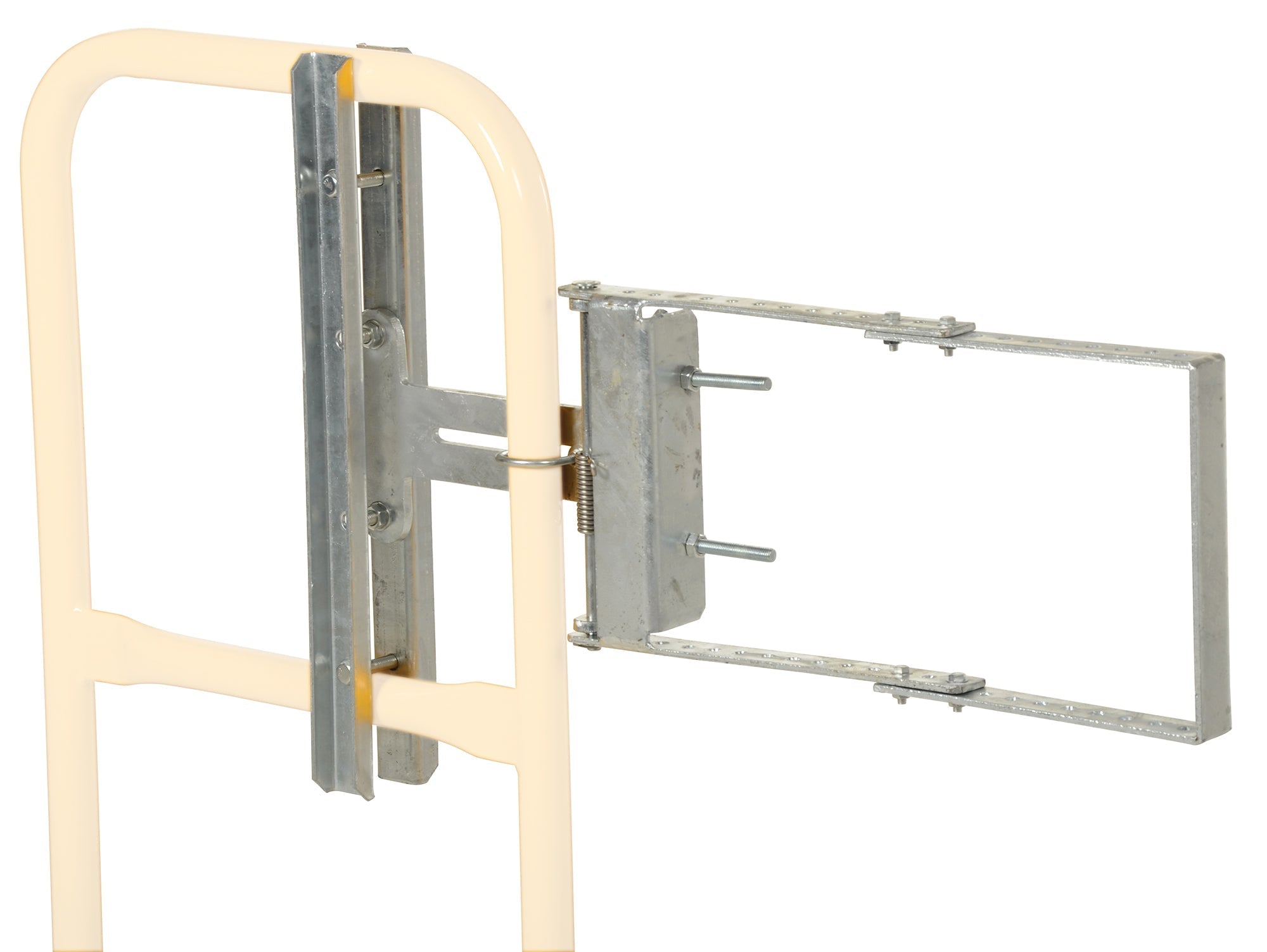
The opening is where railings fail: gates. A perfect run of railing is undone by the gap you leave to walk through it, which is why OSHA handles openings as their own requirement. At a ladderway or platform entrance, 1910.28 calls for a self-closing gate or an offset, not an open passage or a chain someone forgets to re-hang. The adjustable width self-closing steel gates spring shut behind whoever passes and adjust to openings from about 16 up to 40 inches, in galvanized or safety-yellow finish. At a mezzanine or elevated pick face where a forklift sets down pallets, the mezzanine safety gates keep the drop zone guarded while material is staged in it, offered in steel, aluminum, bolt-together steel, and stainless, in widths from 56 to about 108 inches and prices from roughly $694. For work zones that will move next month, the galvanized construction barrier systems fence an area with panels, bases, and connectors you set up and strike without tools.
Frequently Asked Questions
OSHA 1910.29(b) puts the top rail at 42 inches above the walking surface, plus or minus 3 inches, so a compliant rail measures between 39 and 45 inches. It also has to hold a 200 lb force applied in a downward or outward direction within 2 inches of the top edge without failing. Every steel, welded-baseplate, and aluminum railing here is built to those figures.
Usually yes. Where there is no wall or parapet at least 21 inches high, OSHA requires a midrail, mesh, or equivalent member midway between the surface and the top rail. A toe board, at least 3.5 inches tall with 4 inches common, is required wherever people or equipment work below the edge and something could fall on them. The steel and welded-baseplate lines sell toe boards as separate pieces so you add them only where needed.
Buy steel when the railing stays put in a normal indoor environment: it costs less at the same length and it is stiffer. Buy aluminum when weight or corrosion is the deciding factor, so a rooftop, a mezzanine you cannot lift steel onto, an outdoor run, or a wash-down area where steel's finish would not last. Aluminum does not rust and one person can carry a section, which is what you pay the premium for.
The steel safety railings run in stock lengths from 2 ft up to 10 ft, and the aluminum and welded-baseplate railings come from 24 to 120 inches. Rails and toe boards are sold separately, so you build the exact length the edge needs. For stairs, corners, and irregular layouts a straight section cannot follow, the modular square safety handrail kit assembles to any shape.
An opening needs a self-closing gate or an offset under OSHA 1910.28, never an open gap or a removable chain. Use the adjustable width self-closing steel gates, which fit openings from about 16 to 40 inches and spring shut on their own, at a walk-through or ladderway entrance. At a mezzanine or elevated dock where a forklift lands pallets, a mezzanine safety gate keeps the drop zone guarded while material is staged.
In general industry, OSHA 1910.28(b)(1) requires fall protection on any unprotected side or edge that is 4 ft or more above a lower level, and a compliant guardrail system is the first accepted method. Guards are also required around dangerous equipment and floor holes regardless of height. Construction work under 1926 uses a 6 ft trigger, so confirm which standard applies to your site.