Crowd Control Barriers
Crowd control barriers steer people and light traffic through a space by making the safe path obvious, using visibility and geometry rather than mass. Everything in this collection is Vestil, molded in high visibility polyethylene or built in galvanized steel, and the range runs from an $11 traffic cone up to wide galvanized folding gates near $2,300. One idea separates this catalog from the steel one bay over: these products communicate a boundary, they do not resist a determined forklift. Belt posts and stanchions form a queue, folding and expandable gates close a doorway or aisle, interlocking plastic barricades wall off a wet floor or a work zone, and chain, web, and cone systems mark a line across open ground. A second group guards the fixed things traffic brushes past, light pole bases, downspouts, and open manholes. The guide below works through each family and the detail that decides between a $30 marker and a $300 one.
Compare Guidance Barriers
| Model | Price | Material | Feature | Assembled Weight (lb) | Overall Size (in.) | |
|---|---|---|---|---|---|---|
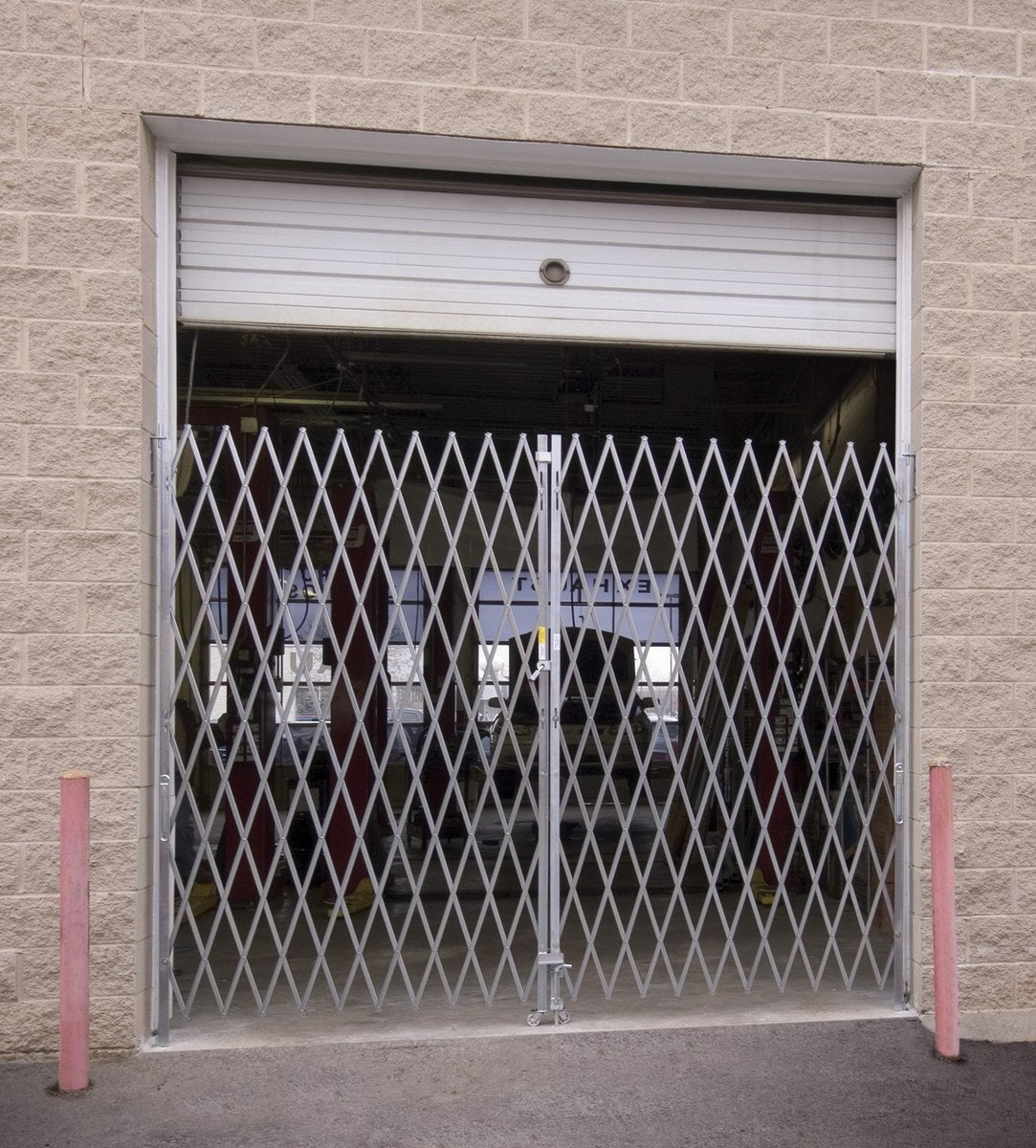
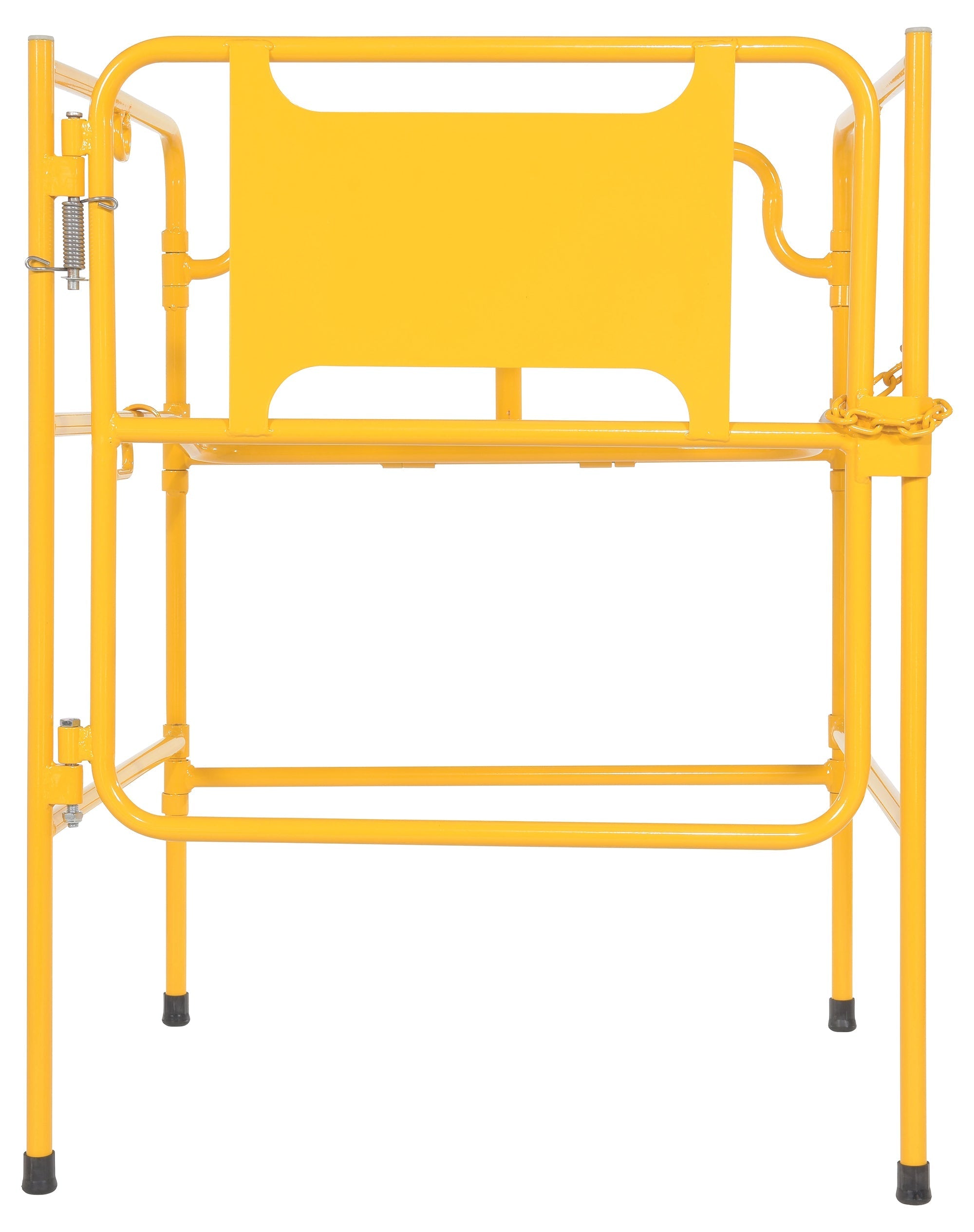
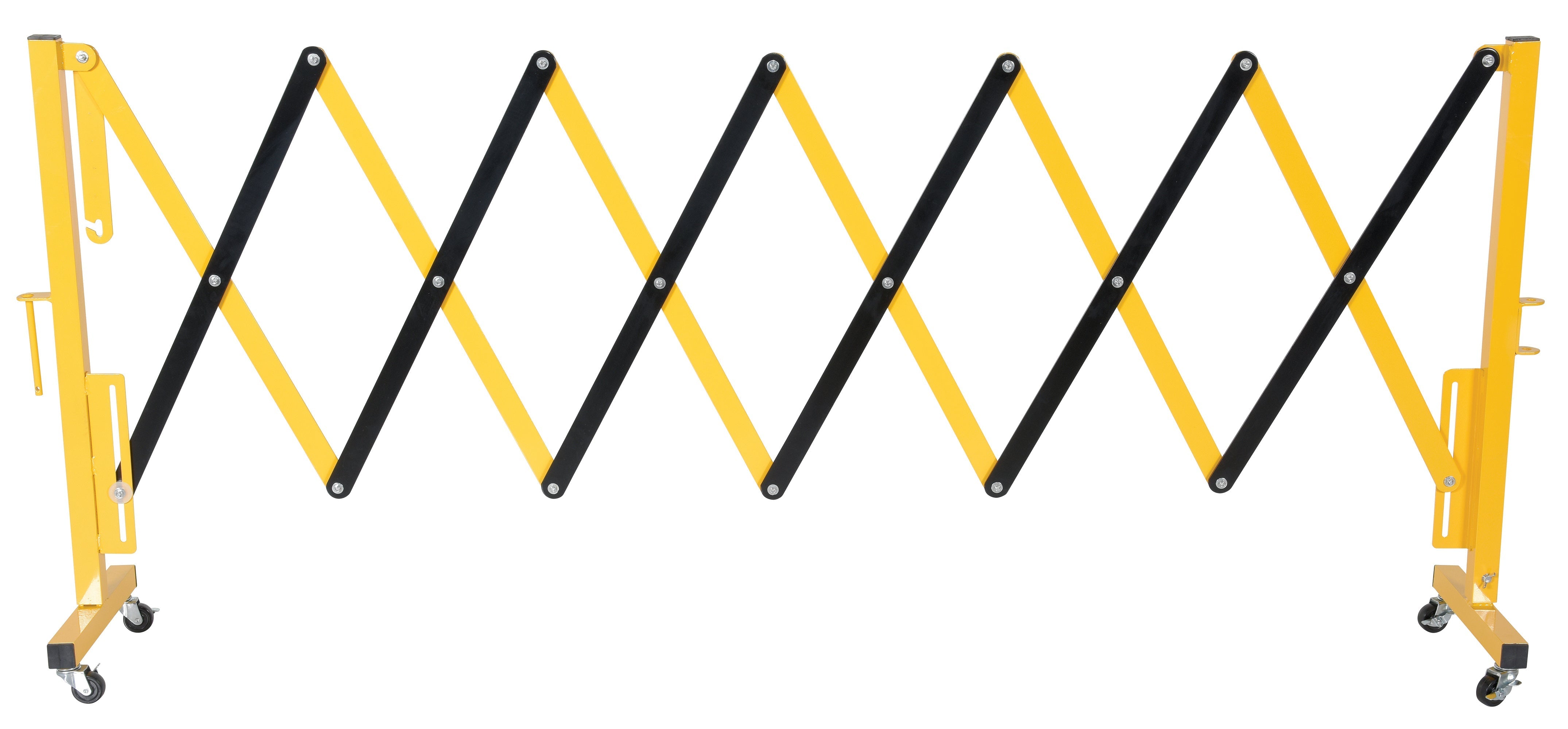
| Vestil Galvanized Folding Gates | $638 | Galvanized steel, 14 gauge | Center drop pin secures gate when extended; 'L' mounting brackets + hardware included | — | — | View → |
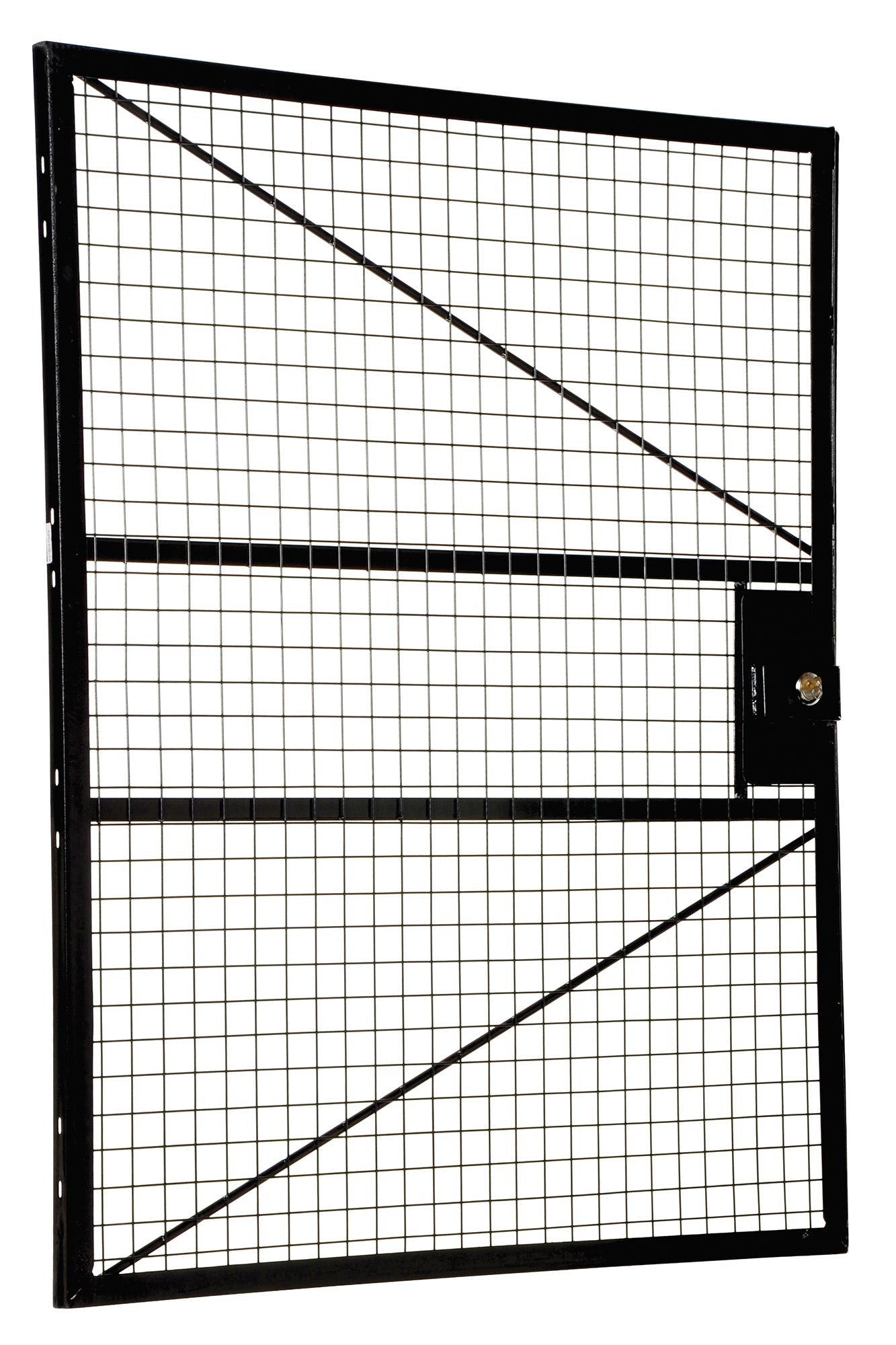
| Vestil Adjustable Perimeter Guard Systems | $443 | — | — | — | — | View → |
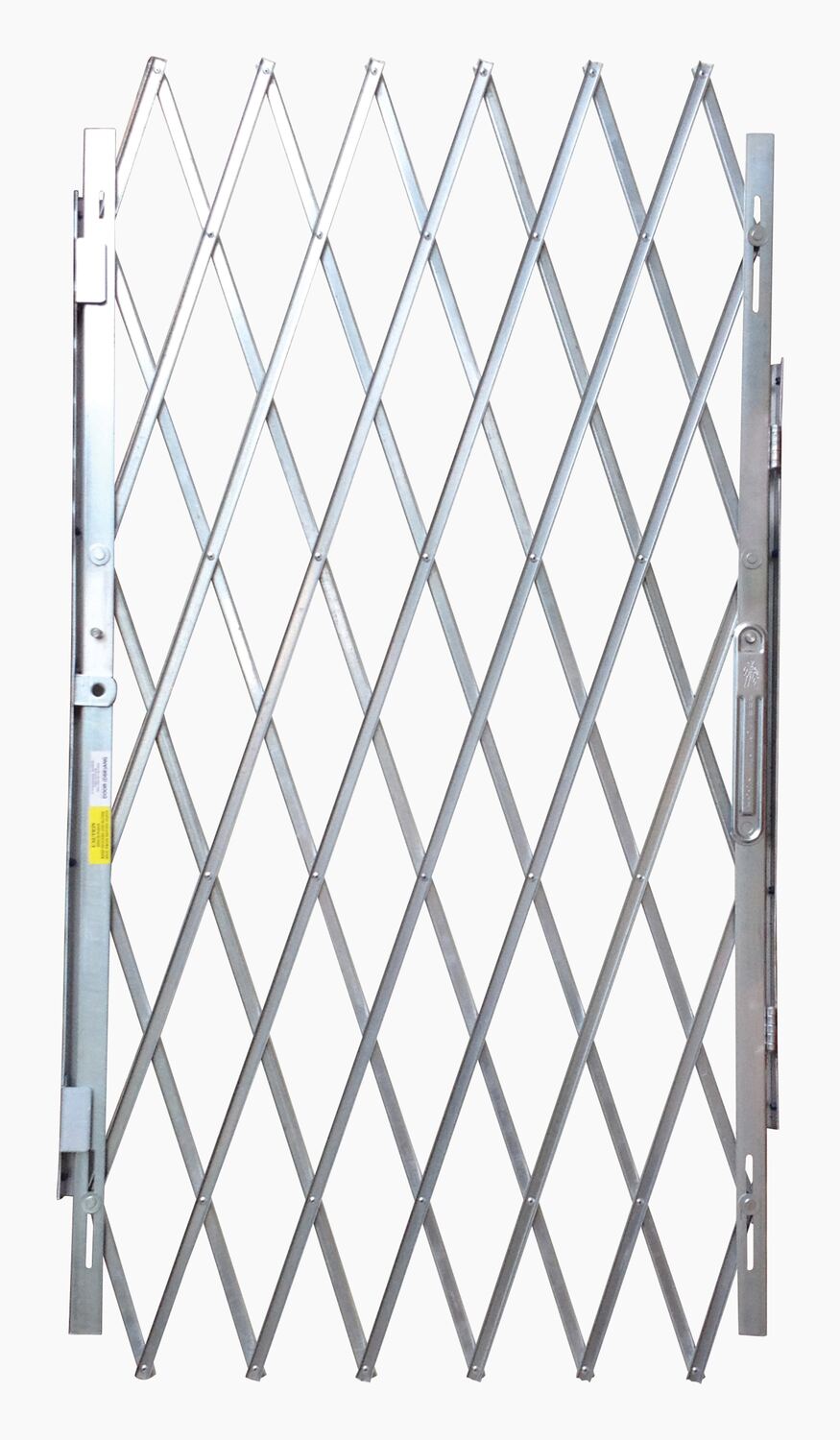
| Vestil Galvanized Door Scissor Gates | $411 | Galvanized steel | Pre-drilled padlock tab (padlock not included); scissor design | 32 (57 in. model; heavier on taller models) | — | View → |
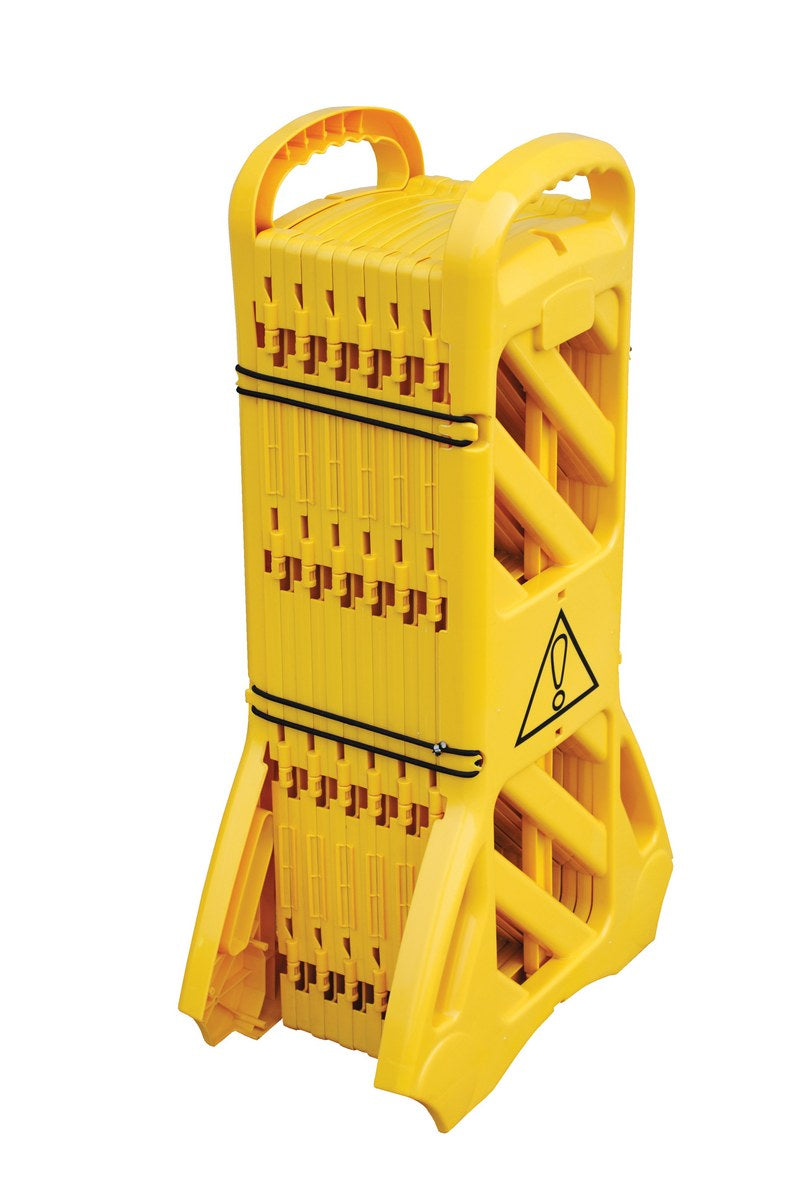
| Vestil Mobile Safety Barrier | $367 | Molded high-visibility yellow plastic, black elastic cords | — | 36 | 23 x 13 x 40 | View → |
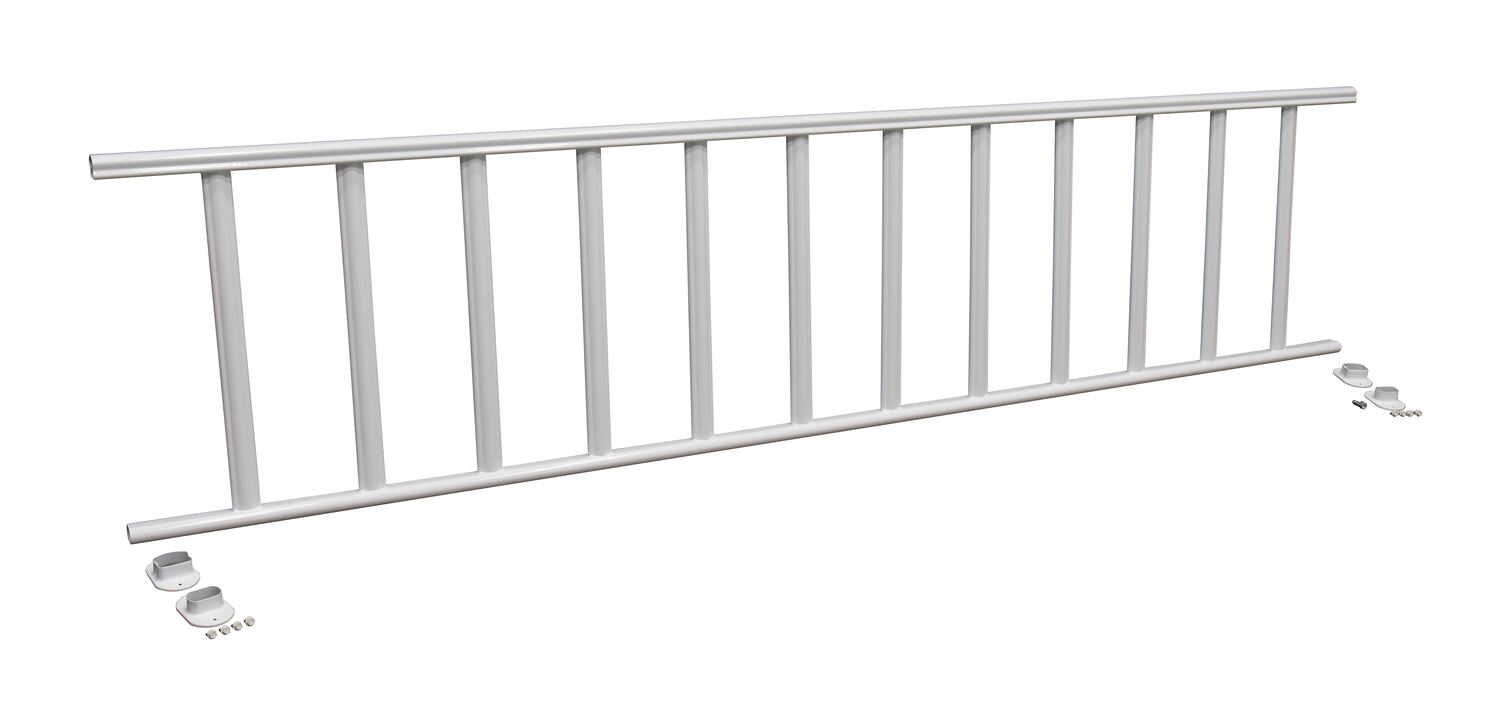
| Vestil Manhole Guard Rails | $297 | Steel, powder coat yellow | Foldable for storage, front gate entrance, attaching chain | 106 | 32-5/8 x 33-5/8 x 44-1/8 | View → |
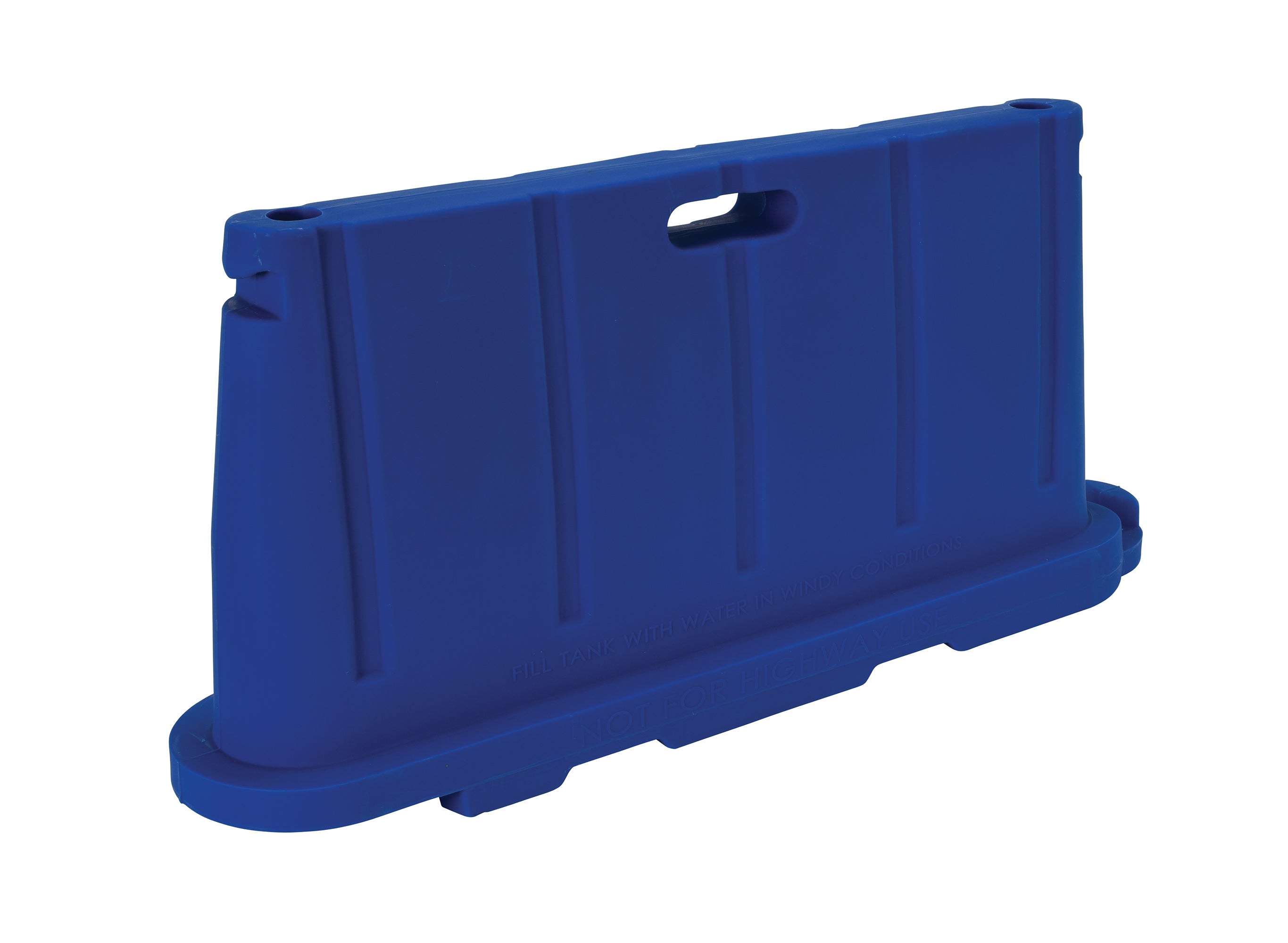
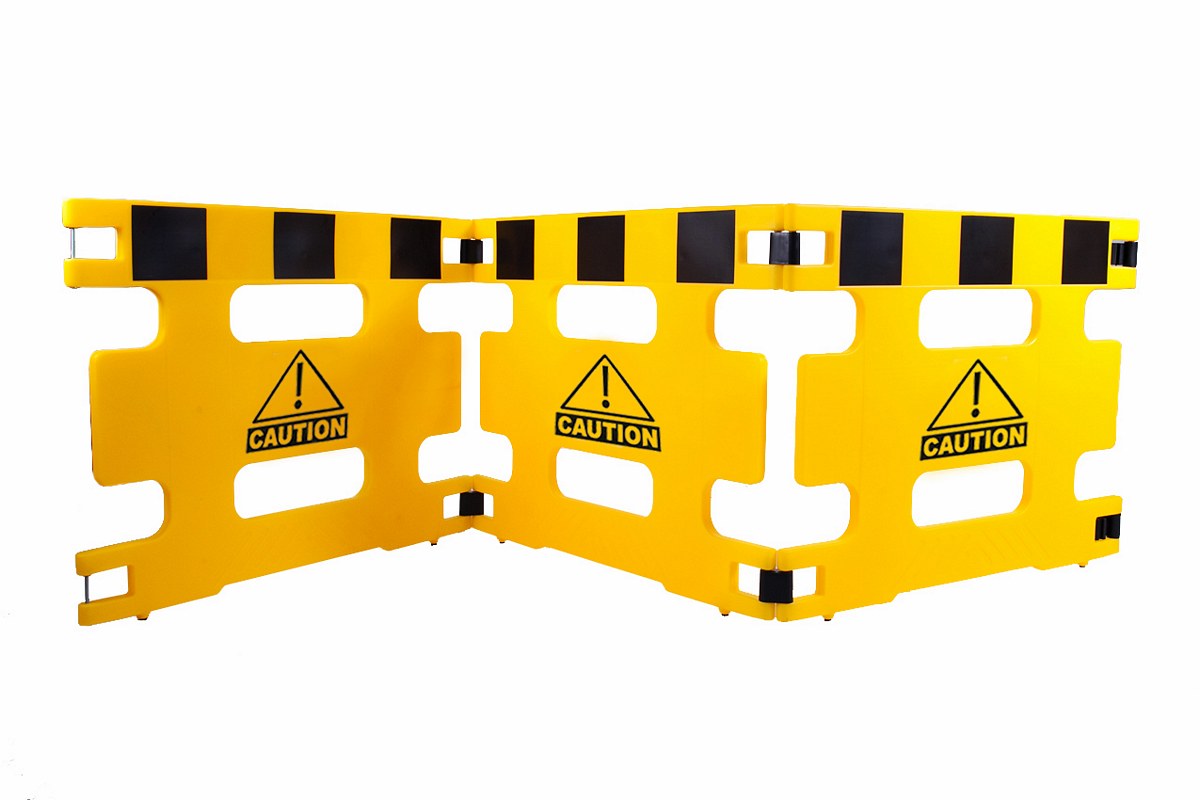
| Vestil Stackable Poly Barricades | $251 | — | — | 37 | 76-1/2 x 16 x 36 | View → |
 In Stock
 In Stock
 In Stock
 In Stock
 In Stock
 In Stock
 In Stock
 In Stock
 In Stock
 In Stock
 In Stock
 In Stock
 In Stock
 In Stock
 In Stock
 In Stock
 In Stock
 In Stock
 In Stock
 In Stock
 In Stock
Guidance Barriers Buying Guide
Guidance, not impact: what these barriers actually do. Every product here works on attention and psychology, not on stopping power. A molded barricade or a belt post reroutes a pedestrian all day and does nothing to a moving truck, so the buying rule is simple: use this collection to organize people and light foot or cart traffic, and use steel to stop machines. Anything a loaded lift truck can reach needs safety bollards or guard rail systems, both filled and anchored to the slab. OSHA 1910.176(a) requires sufficient safe clearances for aisles, loading docks, doorways, and wherever a turn or passage must be made, and it wants aisles kept clear, so the barrier that defines a walking lane is doing compliance work even when it is only plastic. A bright color and a clean line are the marking that still reads after floor paint wears off.
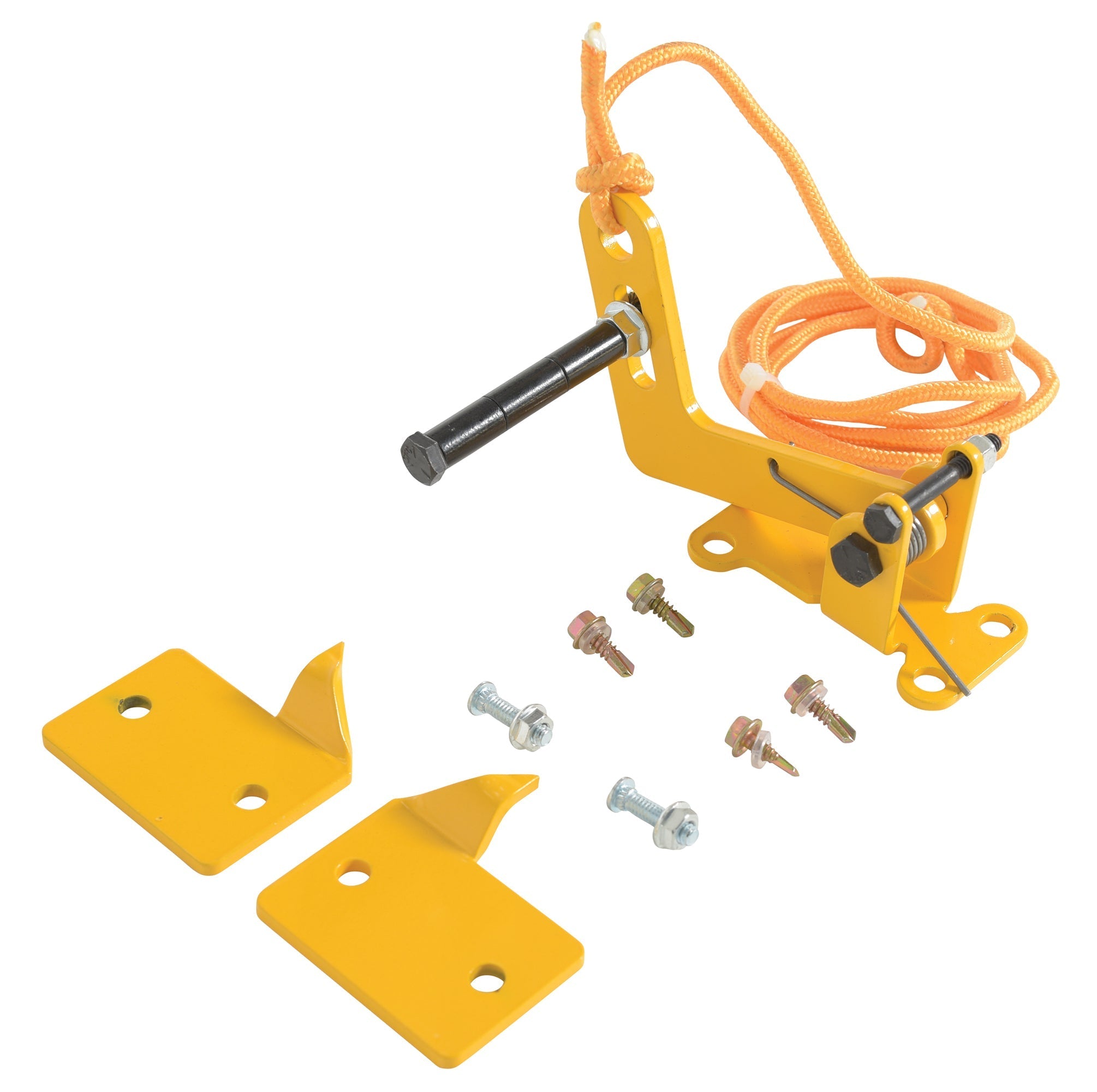
Gates that close a doorway, aisle, or opening. When the gap is a doorway or the mouth of an aisle, a gate does the job a loose barricade cannot. Vestil Expand-A-Gates, from about $151, pull accordion style across an opening and lock at width, right for blocking a corridor or a stairwell during maintenance. Galvanized folding gates scale the same idea up to freight and dock openings, running from about $299 to near $2,300 for the widest single and double door versions, and galvanized door scissor gates from about $286 add a security screen over an entry that stays visible and ventilated. For a movable line rather than a fixed one, the mobile safety barrier at about $367 rolls into place and parks, and the automatic overhead door lock secures a sectional door against being lifted from outside. Size any gate to the clear opening, not the frame, so it seats without forcing.
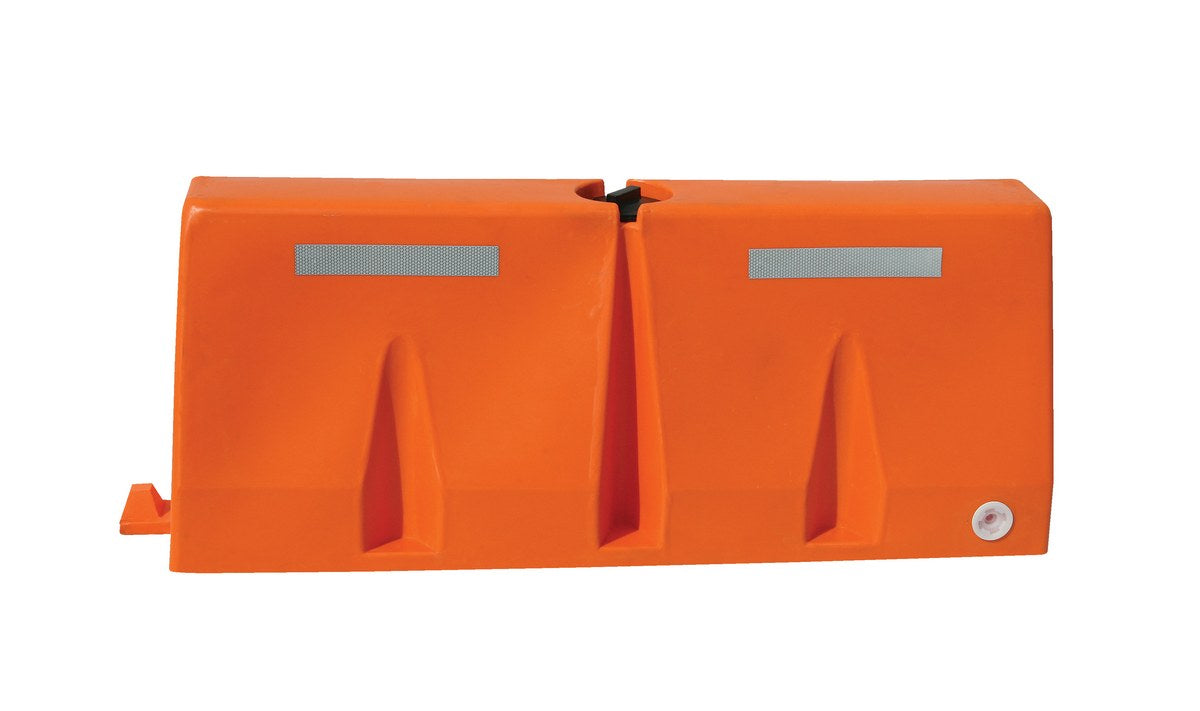
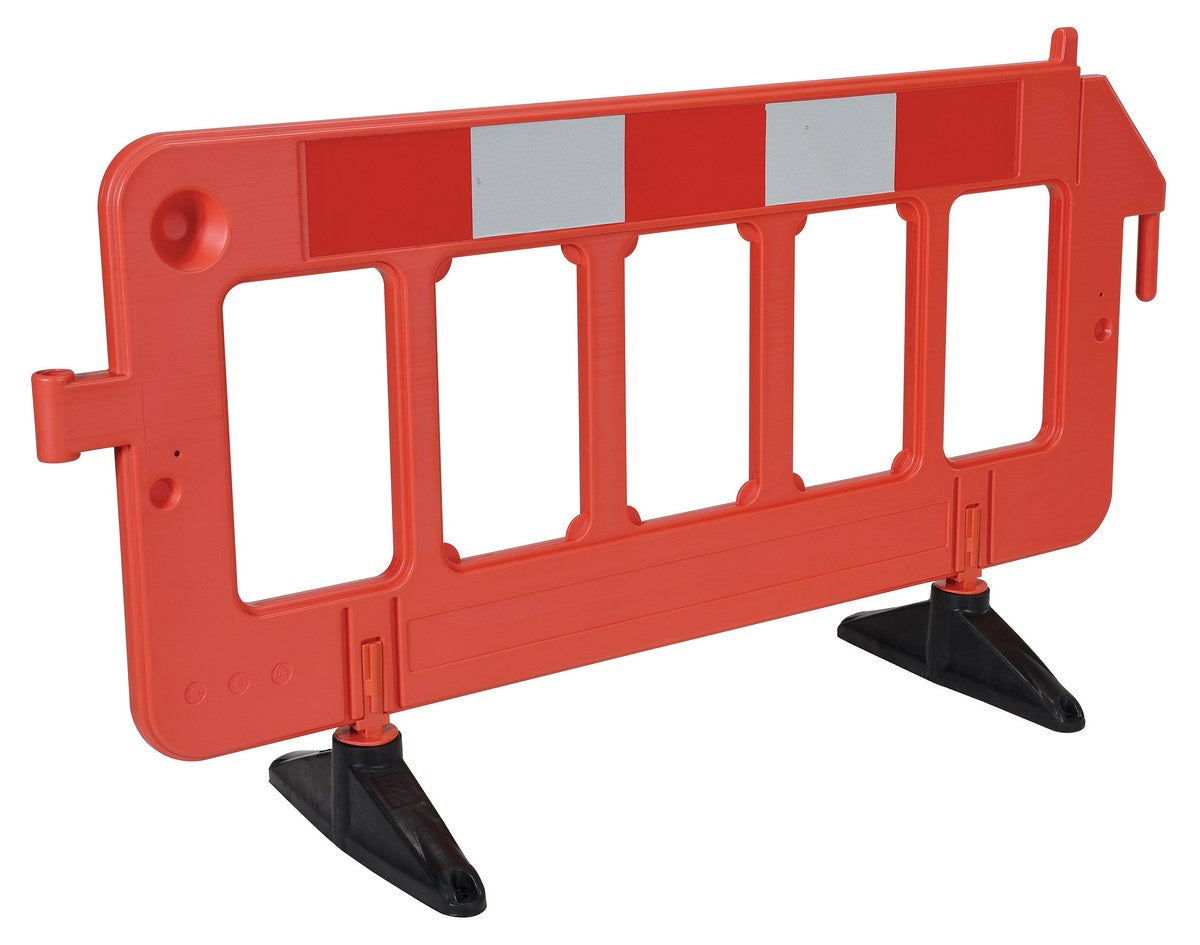
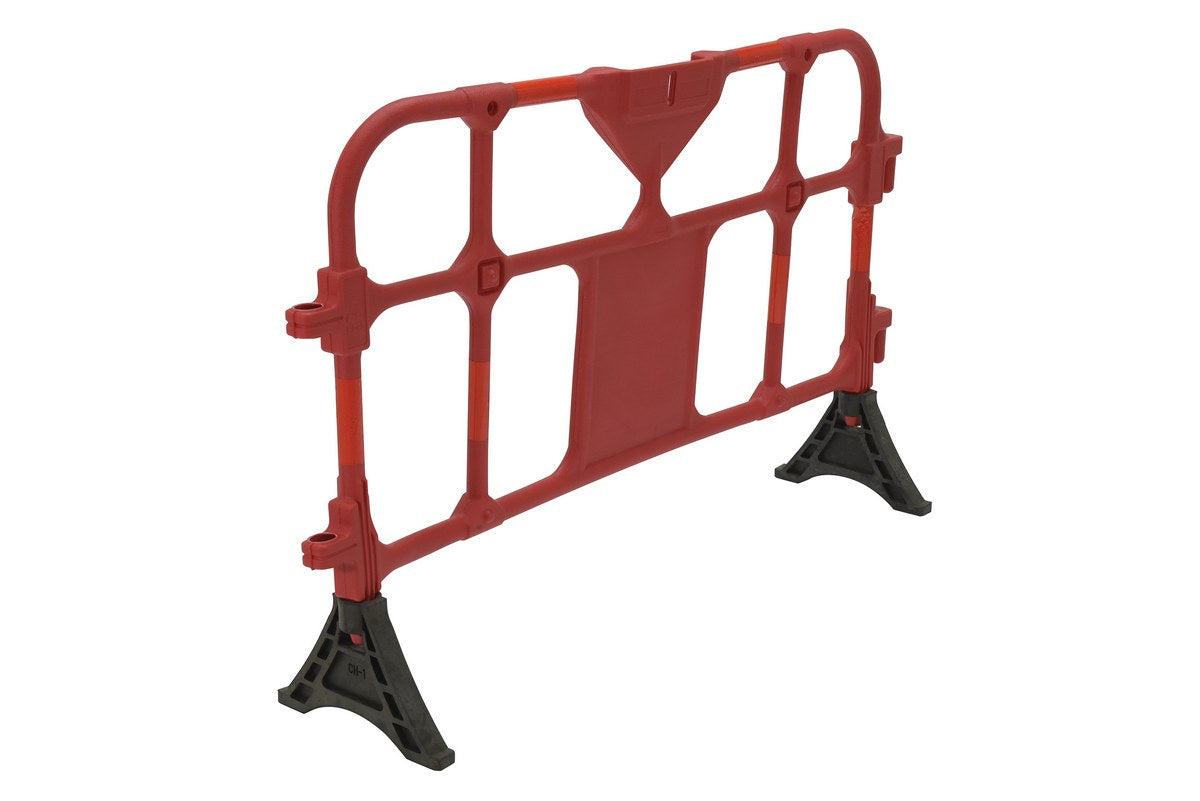
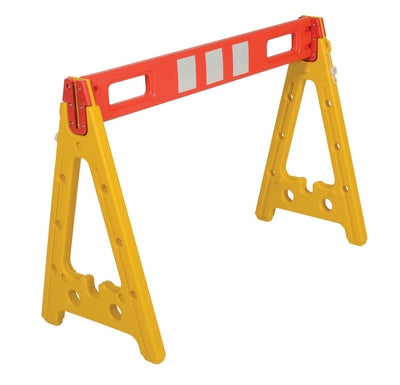
Plastic barricades: interlocking, stackable, and fillable. For walling off a length of floor, a wet aisle, a spill, or a work zone, molded polyethylene is the workhorse. The base $59 barricade and the plastic interlocking barriers from about $98 clip end to end so a two person crew can lay out any length by hand, and the heavier interlocking traffic barriers from about $245 give a taller, more visible wall for outdoor lanes. Most of these units are hollow with fill ports: leave them empty and they stay light enough to reposition, add water or sand and they hold a line against wind and casual bumps. Stackable poly barricades from about $246 nest for storage between events, multi-purpose barricades from about $187 carry printed warning panels, and semi-permanent barriers from about $118 suit a boundary that stays put for weeks. Match color to the message, orange and red for keep out, yellow for caution.
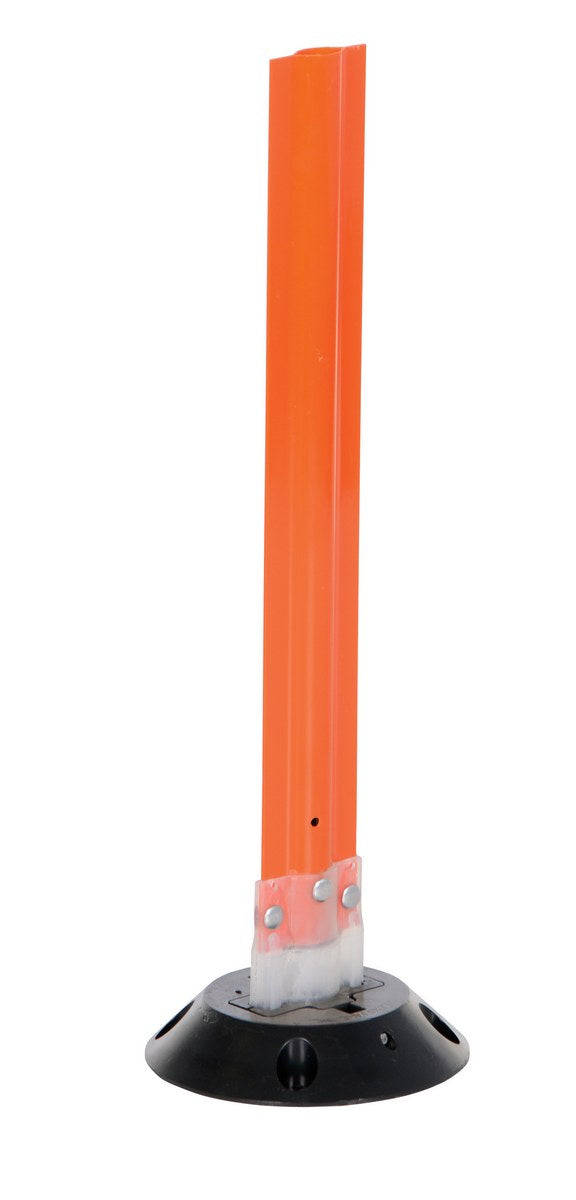
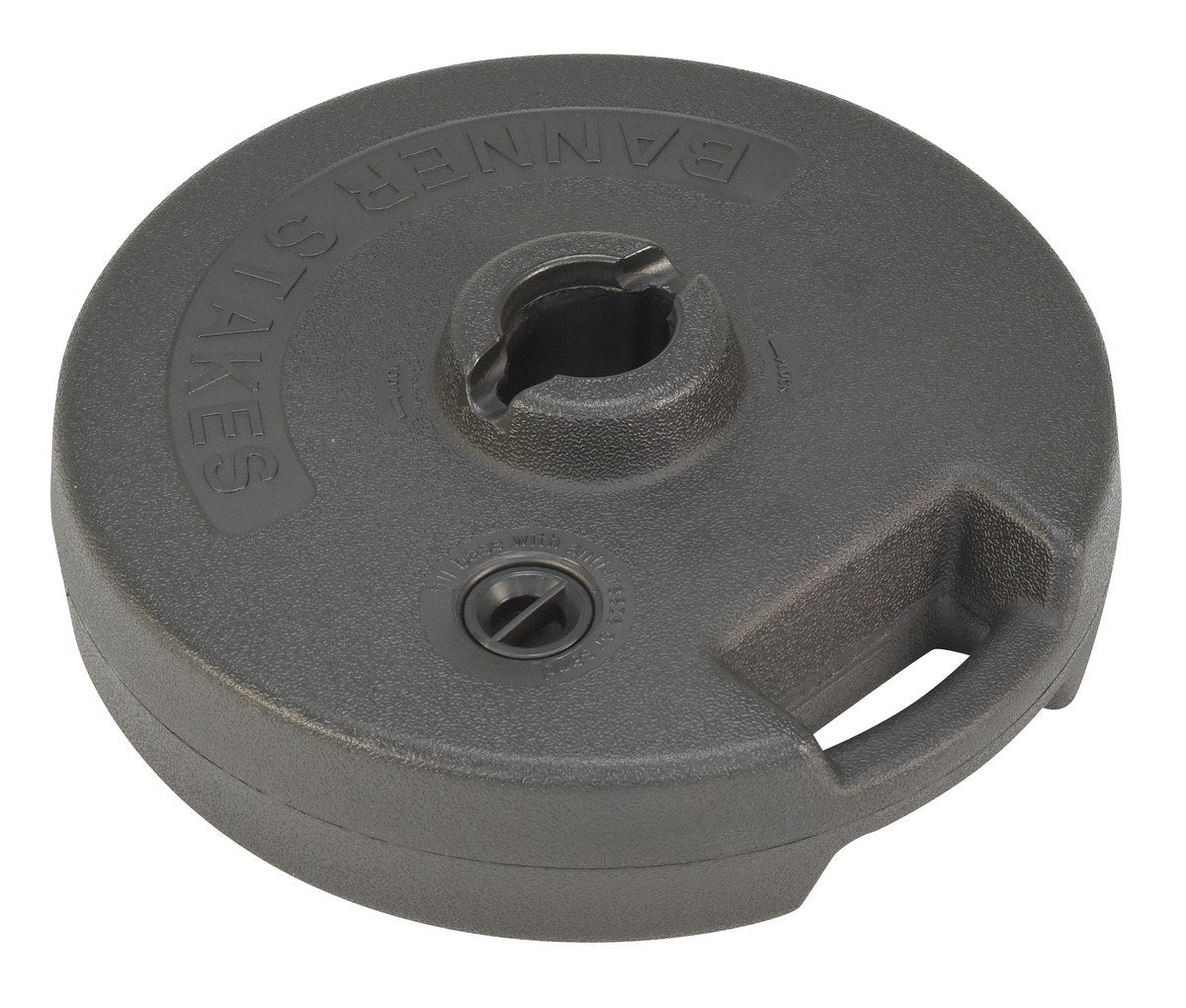
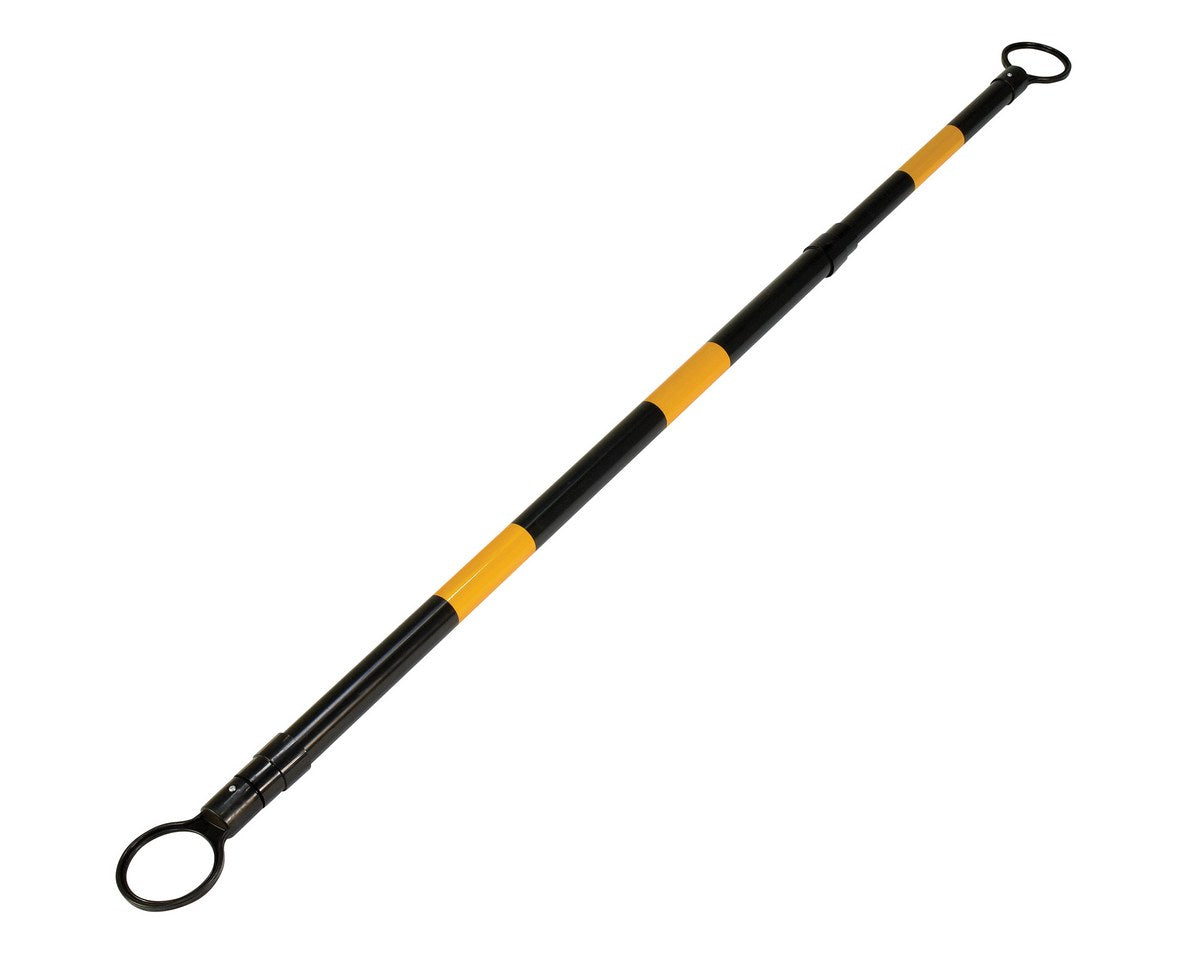
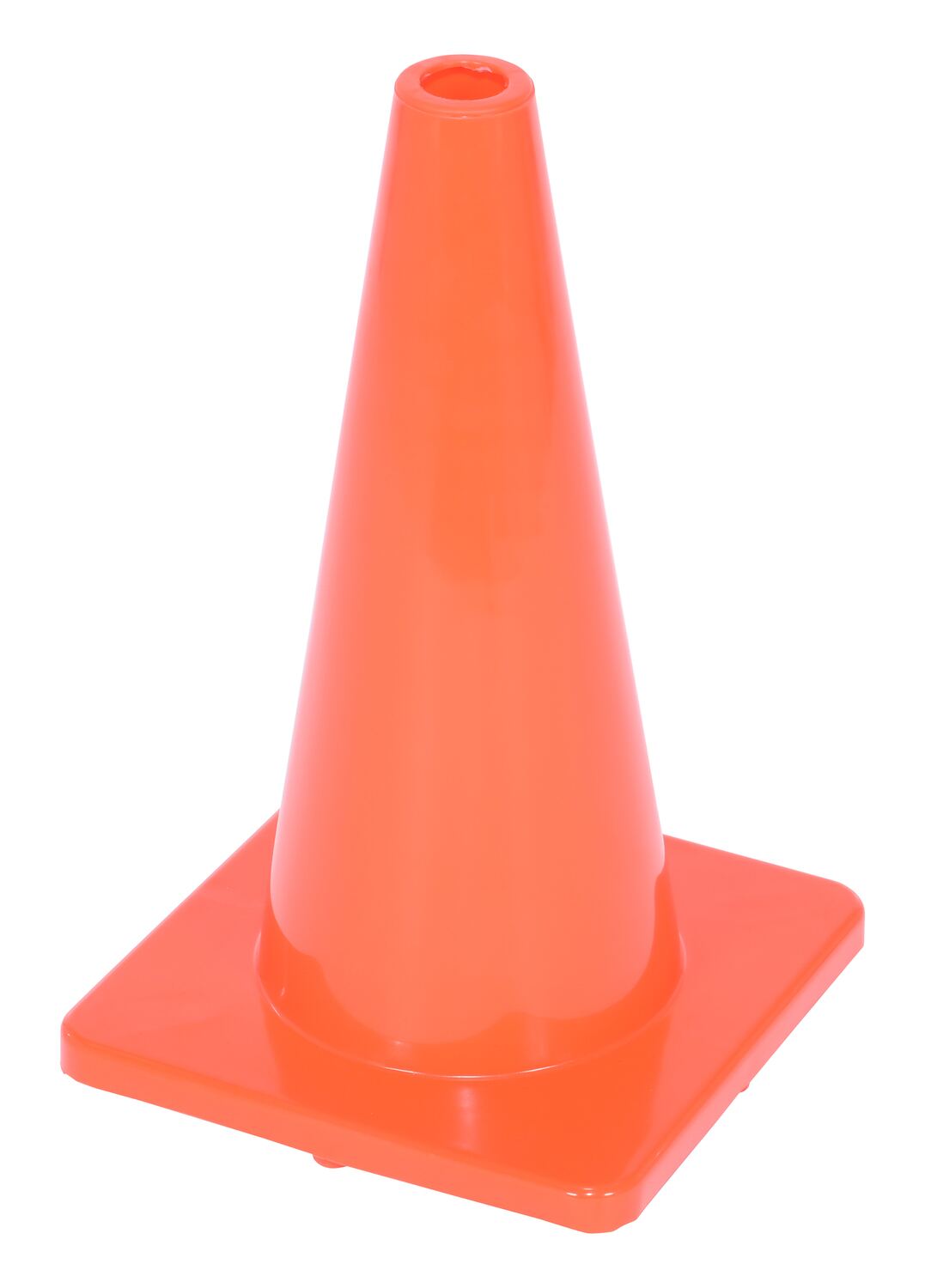
Chain, web, and cones for marking an open line. Across open ground where a solid wall is overkill, the light kit marks the line for a fraction of the cost. Plastic chain barricades from about $59 hang high visibility chain between posts to close a lot or a row, web barrier stakes from about $37 pull a retractable webbing across a gap, and surface mount flexible stakes from under $10 bolt down as a bendable post that springs back after a tire clips it. Traffic cones from about $11 remain the fastest boundary anyone can deploy, and outdoors their height is a code question: the MUTCD sets an 18 inch minimum for daytime low speed work and a 28 inch minimum on freeways, other high speed roads, or any nighttime use, with retroreflective collars on the taller cones. The traffic cone barrier at about $21 links cones with a rail so a gust does not scatter the line.
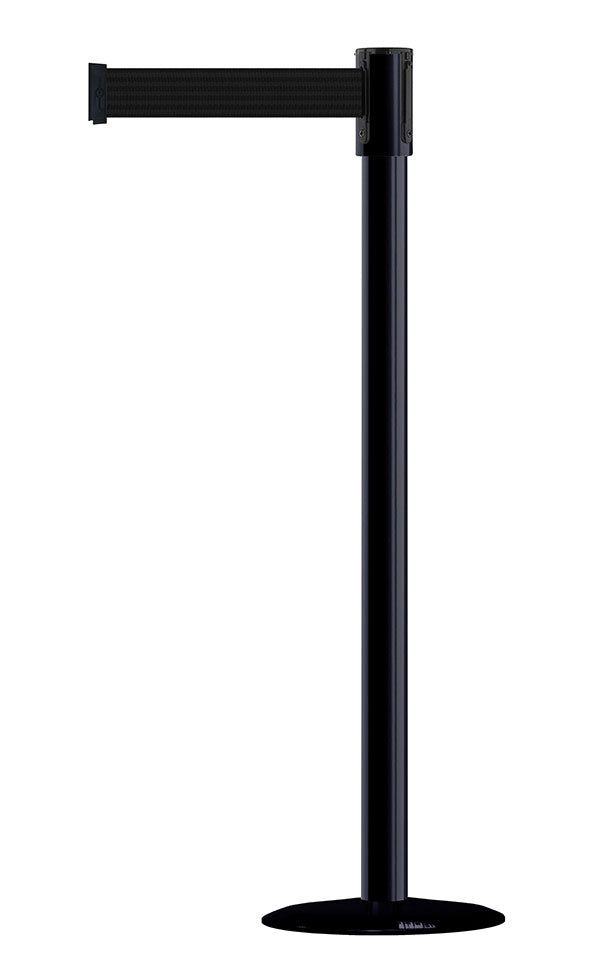
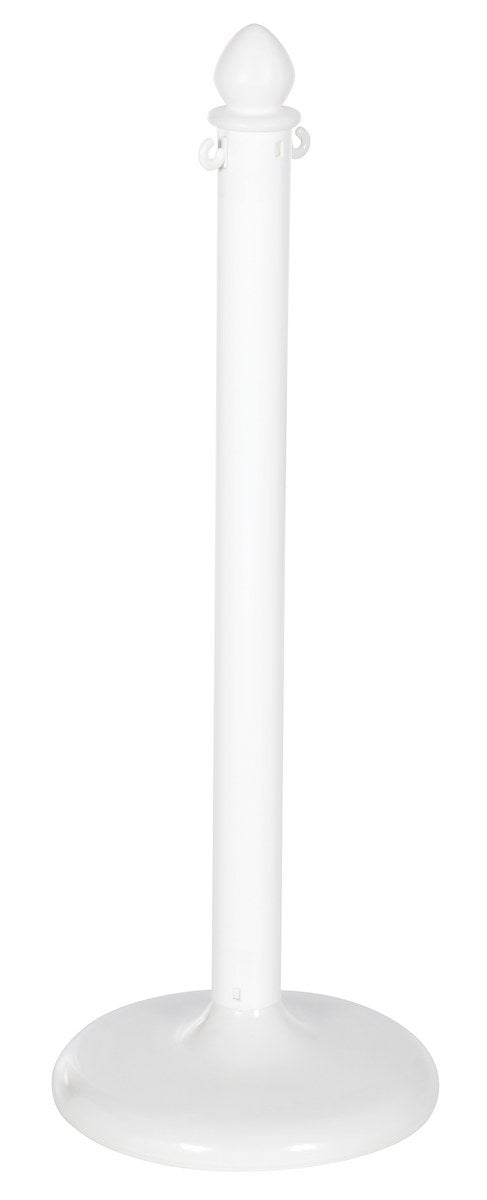
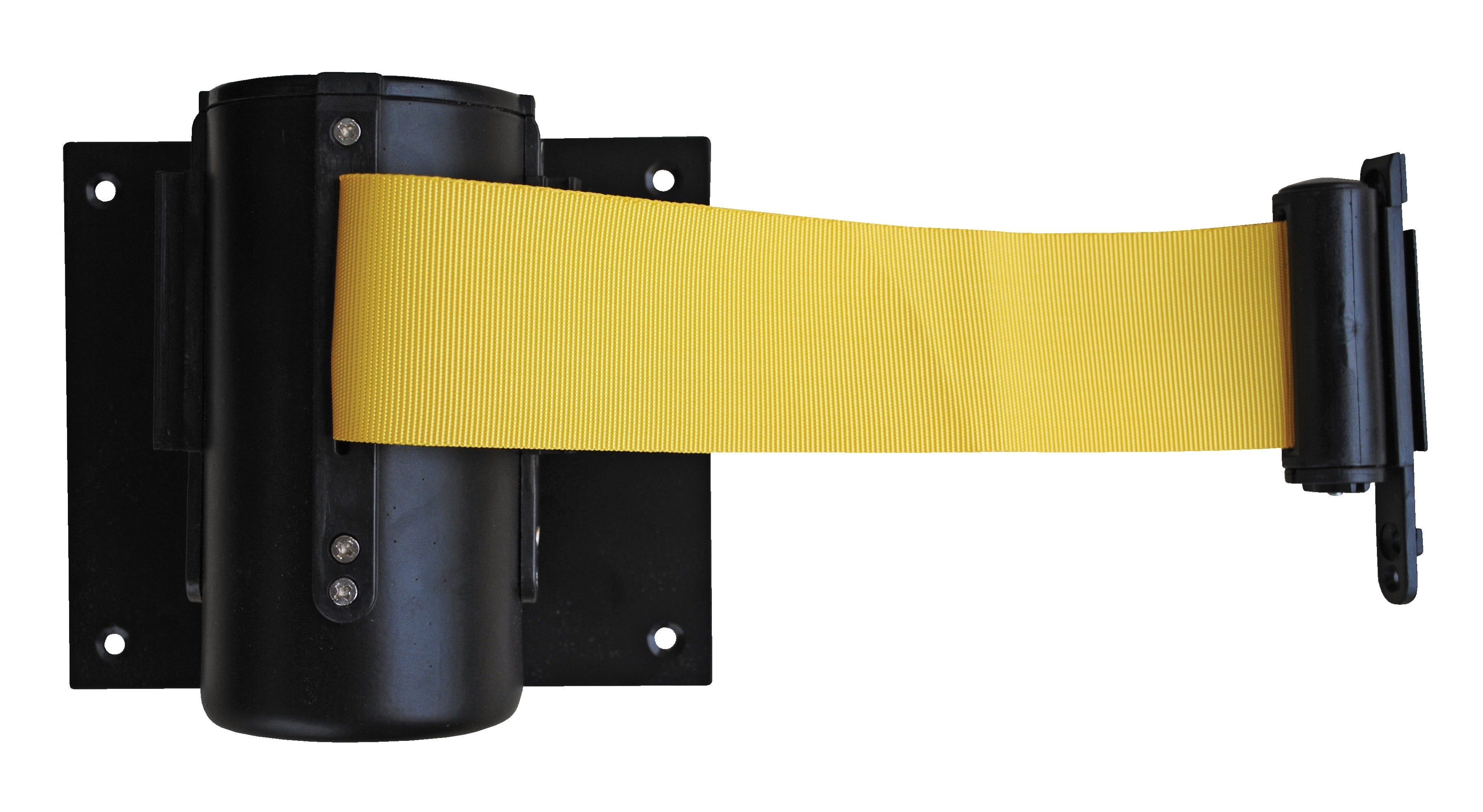
Belt posts and stanchions for queues. Indoors, a queue is a psychology problem, and a retractable belt post solves it cleanly. Vestil Tensabarrier belt stanchions from about $191 pay out a webbing belt, typically 7.5 to 13 feet, that clicks into the next post to route a line without a fixed rail, and the lighter indoor personnel guidance barriers from about $69 cover the same duty in reception areas and shops. Two numbers govern the layout. Keep at least 36 inches of clear width between belts so the run stays ADA compliant for a wheelchair, and set post spacing under the belt length so the belt pulls taut with no sag a cart can catch. Belt posts also stage well: several define a temporary path in minutes and break down into a stack when the event ends, which is why they earn their keep in mixed use lobbies and dock offices.
Guarding the fixed things traffic passes. The last group in this collection protects assets that sit in the traffic path and cannot move. Light pole base protectors from about $302 ring a parking lot pole so a clipped bumper does not shear the base, the pipe and downspout protector at about $99 wraps a downspout or riser where carts pass, and manhole guard rails from about $297 fence an open manhole or floor opening during entry work, pairing with confined space procedures. Bolt covers from about $13 cap exposed anchor studs so nobody catches a shin on them. These sit alongside the corner and edge guards in the wider protective barriers line, and the logic is the same: put a cheap, visible, replaceable part where the hit lands so the expensive fixed thing behind it stays intact.
Frequently Asked Questions
Crowd control barriers steer people and light traffic with color and visibility; they communicate a boundary. Safety bollards and structural guard rail are steel and mass that physically stop a vehicle. If a loaded truck can reach the spot, spec the anchored steel. If you are organizing pedestrians, carts, or a queue, the plastic, belt, and cone gear in this collection is the right and much cheaper call.
No. Every item here is guidance, not armor. Filling a hollow barricade with water or sand keeps it from being shoved aside or blown over, but it still yields to a moving vehicle. Only anchored steel bollards or structural guard rail resist real impact, so keep the two jobs separate when you buy.
Outdoors it depends on the road. The MUTCD sets an 18 inch minimum for daytime, low speed work, and a 28 inch minimum on freeways, other high speed highways, or any nighttime use, with white retroreflective collars on the taller cones for conspicuity. Indoor and warehouse use is about being seen rather than meeting a road code, so a shorter cone is usually fine.
Set post spacing under the belt length, which typically runs 7.5 to 13 feet, so the belt pulls taut instead of sagging where a cart can snag it. For accessibility, keep at least 36 inches of clear width between belts along the queue, which is the ADA minimum clear width for an accessible route.
Fill them when the boundary has to hold against wind, bumps, or time, which is most outdoor and multi day setups. Leave them empty when you reposition the line often, since an empty unit is light enough for one person to move. Remember that fill buys stability, not impact resistance; it will not turn a barricade into a vehicle stop.
It provides a visible security screen that deters and slows entry while keeping the opening ventilated and easy to inspect, which is why galvanized folding and scissor gates suit storefronts, service counters, and interior openings. For a door that must resist a determined breach, pair the gate with a solid door or the automatic overhead door lock rather than relying on the screen alone.