Shoring Beams
Shoring beams are the adjustable load bars that turn the empty space inside a van or trailer into a working securement system: a beam braces between two walls, clicks into E-track, A-track, or F-track, and holds freight where straps alone cannot reach. This collection runs the Kinedyne logistic bar program end to end, from a steel Saf-T-Lok friction bar for trailers with no track, through Series E or A aluminum and steel decking beams rated from 1,350 lb up to 4,000 lb, to Series F round and square shoring bars and the collapsible Retract-A-Bar. Vestil cargo bars and an E-track assist tool round out the range. Most bars here run under $150, with the heaviest extruded-aluminum decking beams and the multi-bar Vestil kits reaching higher. Two jobs drive every choice below, shoring a load against shift and decking a second freight level, so the guide starts there and works out to track profile, capacity, and how to size a bar to the trailer you already run.
Compare Decking/Shoring Beams
| Model | Price | Capacity | |
|---|---|---|---|
| Kinedyne 92" - 102" Extra Heavy-Duty Series E or A Aluminum Decking/Shoring Beam | $261 | 4,000 lb | View → |
| Kinedyne 88" - 97" Extra Heavy-Duty Series E or A Aluminum Decking/Shoring Beam | $248 | 4,000 lb | View → |
| Kinedyne 96" - 106" Heavy-Duty Series E or A Aluminum Decking/Shoring Beam | $149 | 3,000 lb | View → |
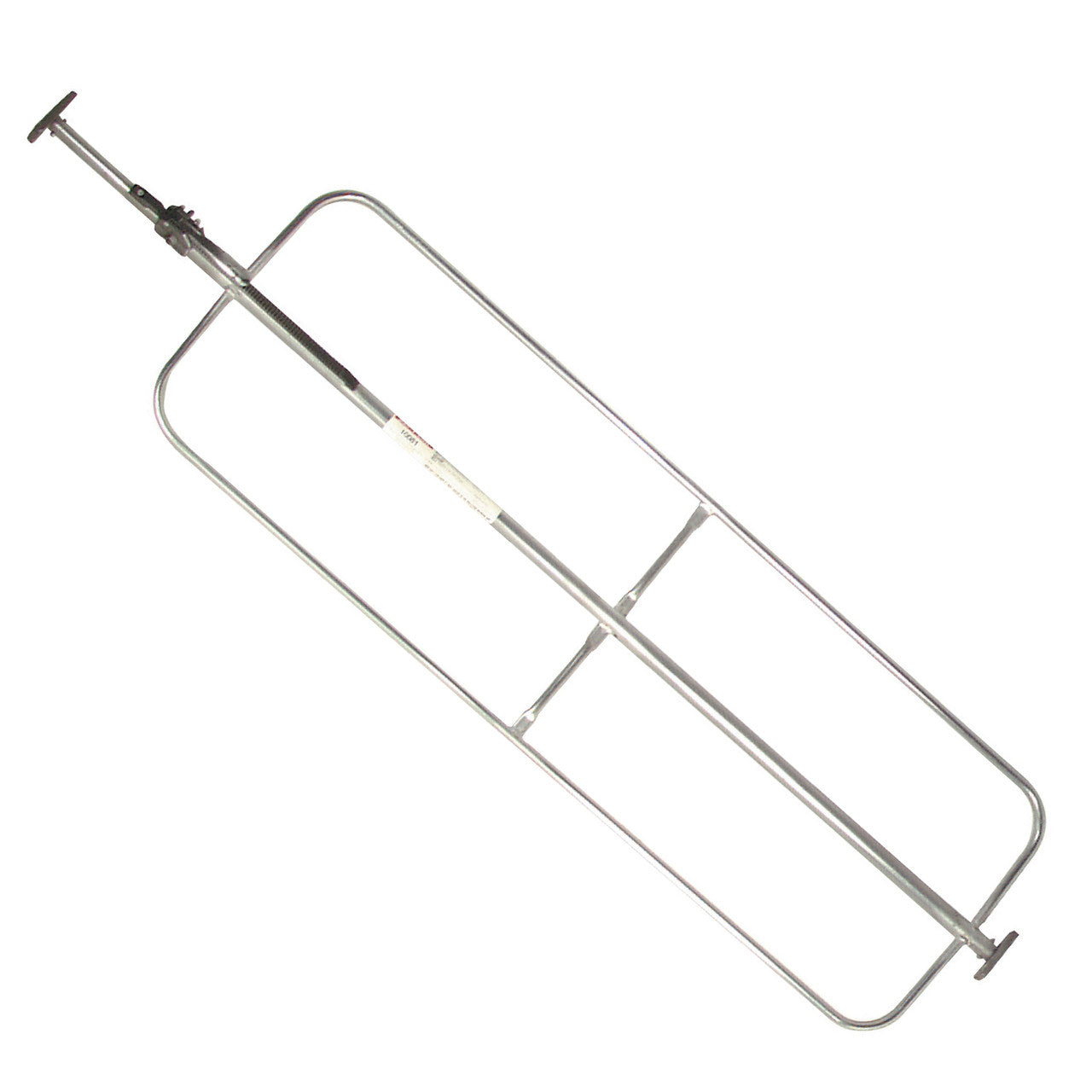
| Kinedyne 86" - 114" Extra Long Galvanized Square Steel Jack Bar w/ Hoop Set | $148 | — | View → |
| Kinedyne 88" - 104" Heavy-Duty Series F 1" Square Shoring Bar | $139 | 1,000 lb | View → |
| Kinedyne 86" - 116" Series F 3/4" Square Vertical Shoring Bar | $137 | 750 lb | View → |
 In Stock
 In Stock
 In Stock
 In Stock
 In Stock
 In Stock
 In Stock
 In Stock
 In Stock
 In Stock
 In Stock
 In Stock
 In Stock
 In Stock
 In Stock
 In Stock
 In Stock
 In Stock
 In Stock
 In Stock
 In Stock
 In Stock
 In Stock
 In Stock
 In Stock
 In Stock
 In Stock
Decking/Shoring Beams Buying Guide
Shore or deck: the two jobs, and what the DOT counts. Federal rule 49 CFR 393.106(b) names shoring bars directly, requiring cargo to be firmly immobilized by structures of adequate strength, dunnage, shoring bars, tiedowns, or a combination of these. That puts a bar on equal footing with a strap for blocking and bracing, and it is why these beams belong in the same Cargo Control and Tie-Downs system as the webbing. The first job is shoring: set a bar across the trailer to brace a load against forward or rearward shift, or to split a partial load into sections so it cannot run when the truck brakes. The second job is decking: lay two or more beams at a matched height, cover them with plywood, and you have a second freight level over the load below. Shoring bars handle blocking and bracing, but they do not replace the tie-down math on the parent ratchet straps page. A non-blocked load still needs the aggregate working load limit and tiedown count the FMCSA sets, and a beam is one tool inside that plan.
Match the bar to your track: Series E, A, and F. The single most important choice here is the track profile, because a beam only fits the track it was built for. Series E and Series A share the same slotted rail family used throughout enclosed vans, and the same rows of logistic tracks that receive logistics straps also seat these beams, so one wall system runs both. Series F is a separate round-pin profile, common in Canadian applications, with a push-button mechanism instead of a spring-loaded beam head. E, A, and F hardware do not interchange, so confirm which rail is installed in your trailer before you order, and if you are running mixed equipment, buy the beam that matches each specific trailer rather than assuming they are all the same. Galvanized track and beam heads are the buy for trailers that live outdoors, where a plated finish keeps the latch working season after season.
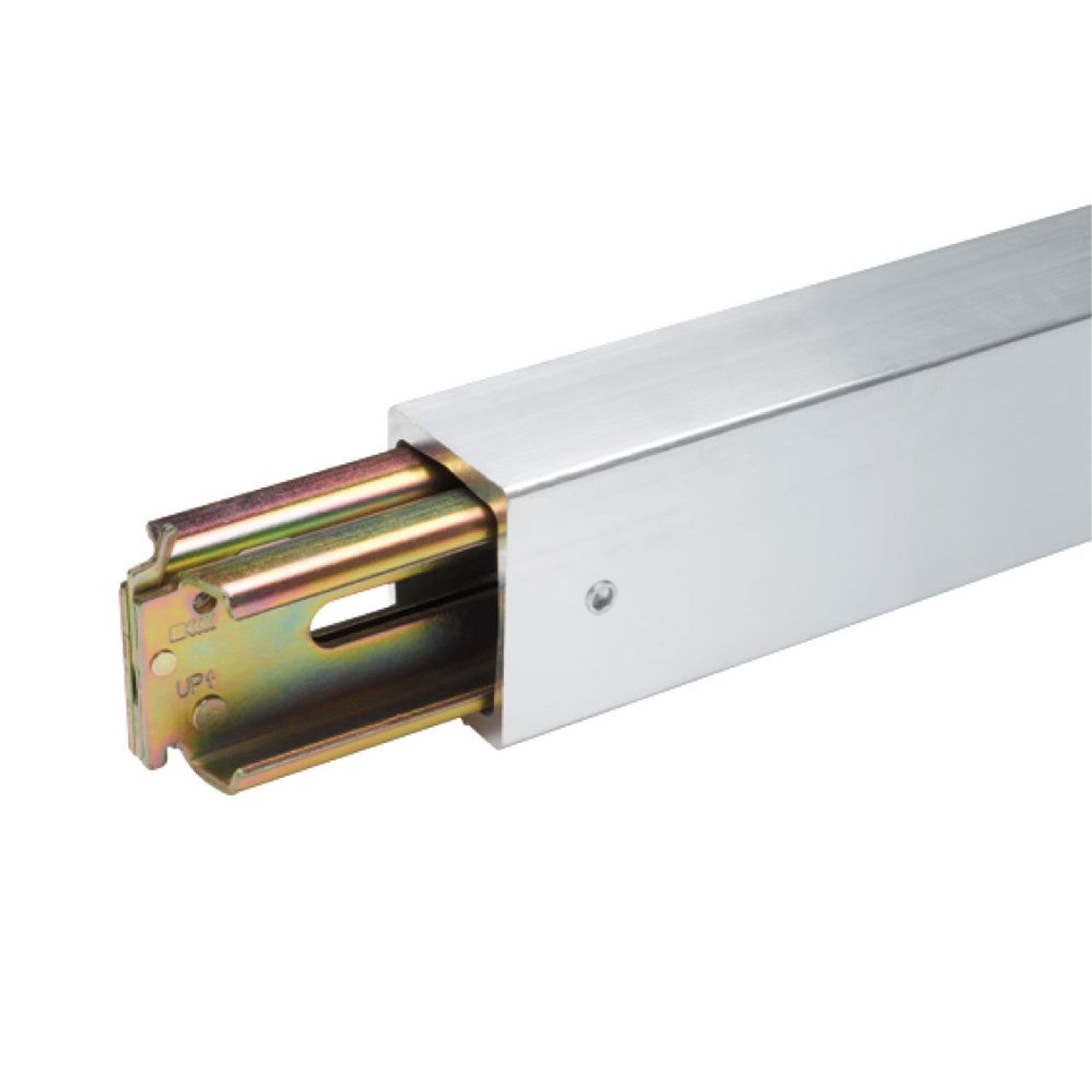
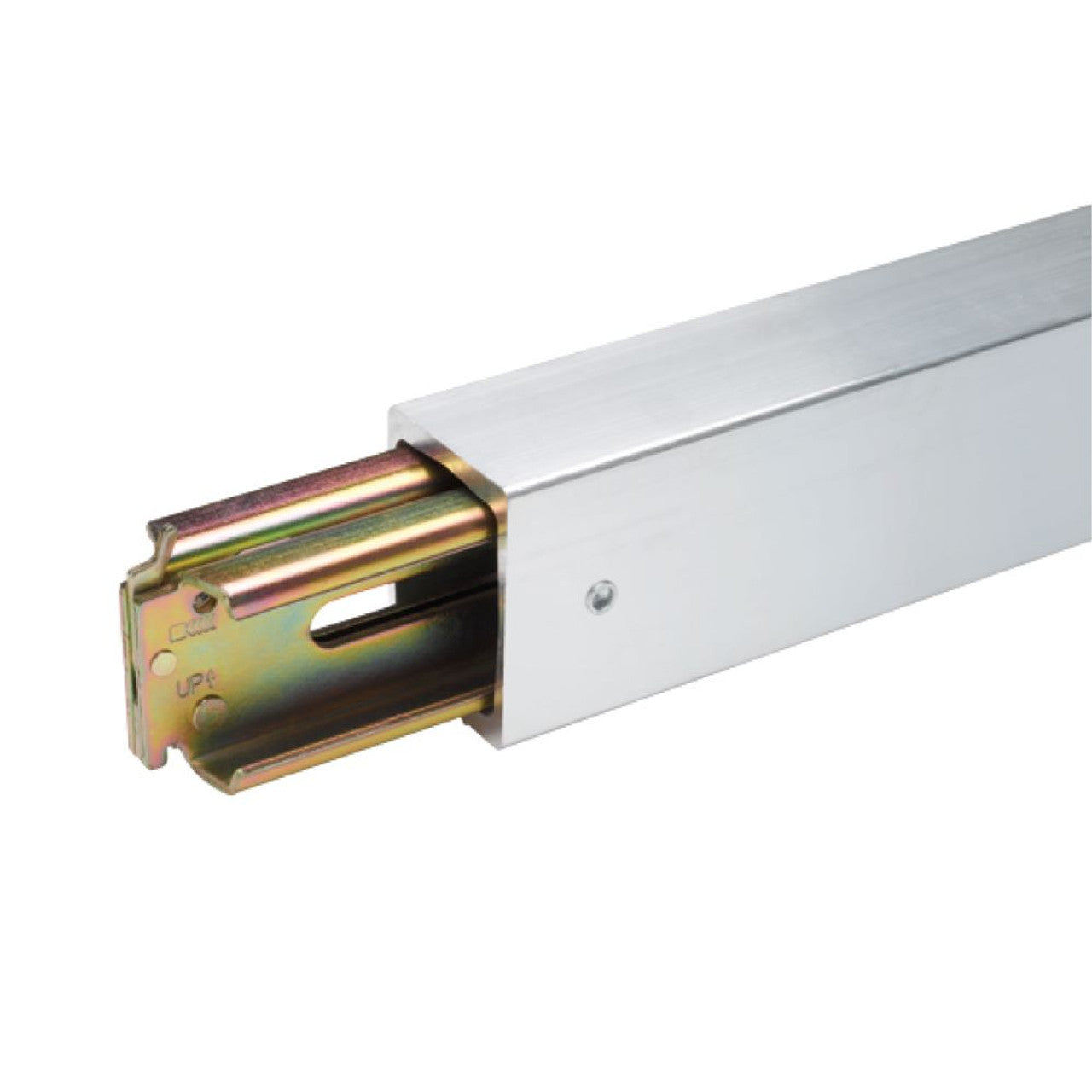
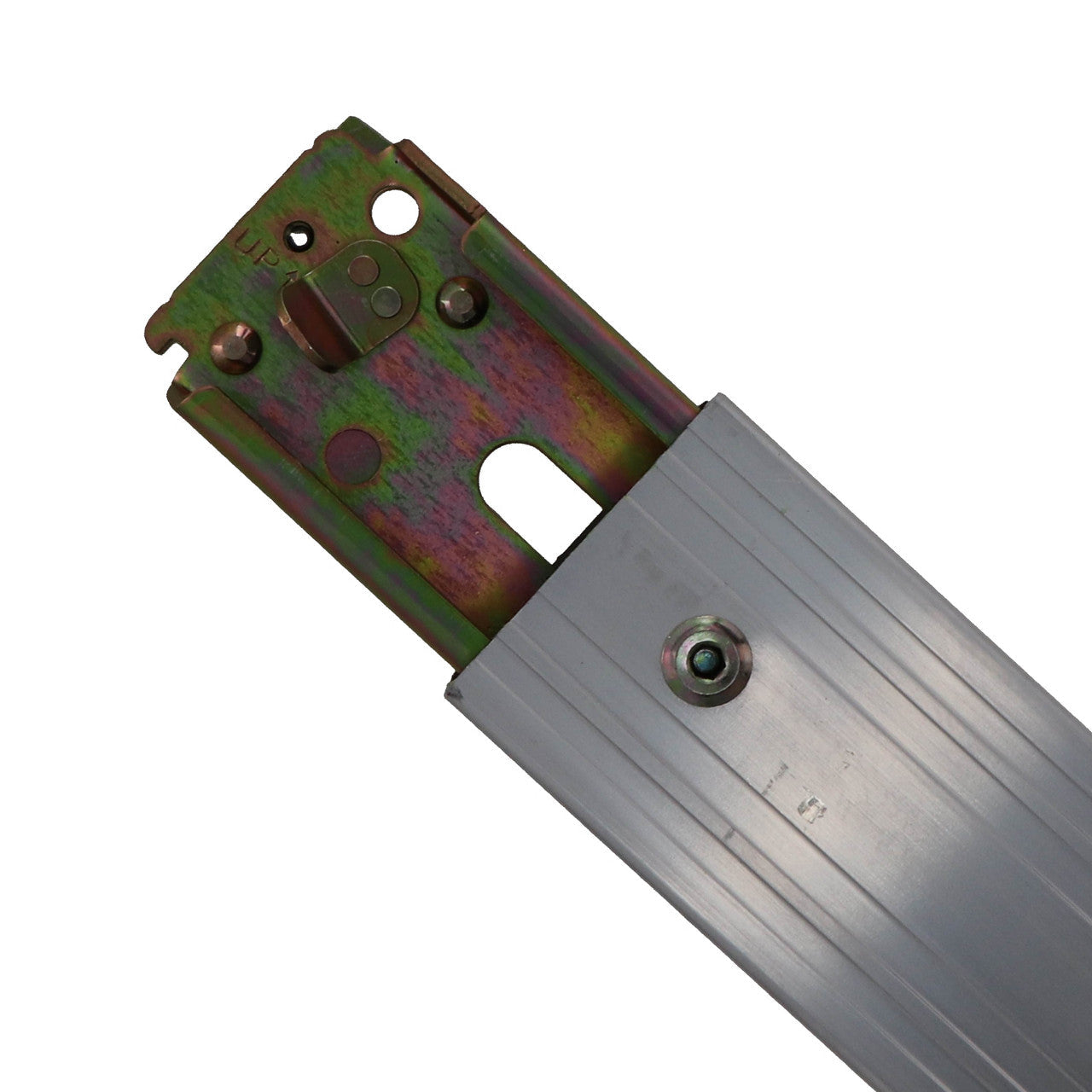
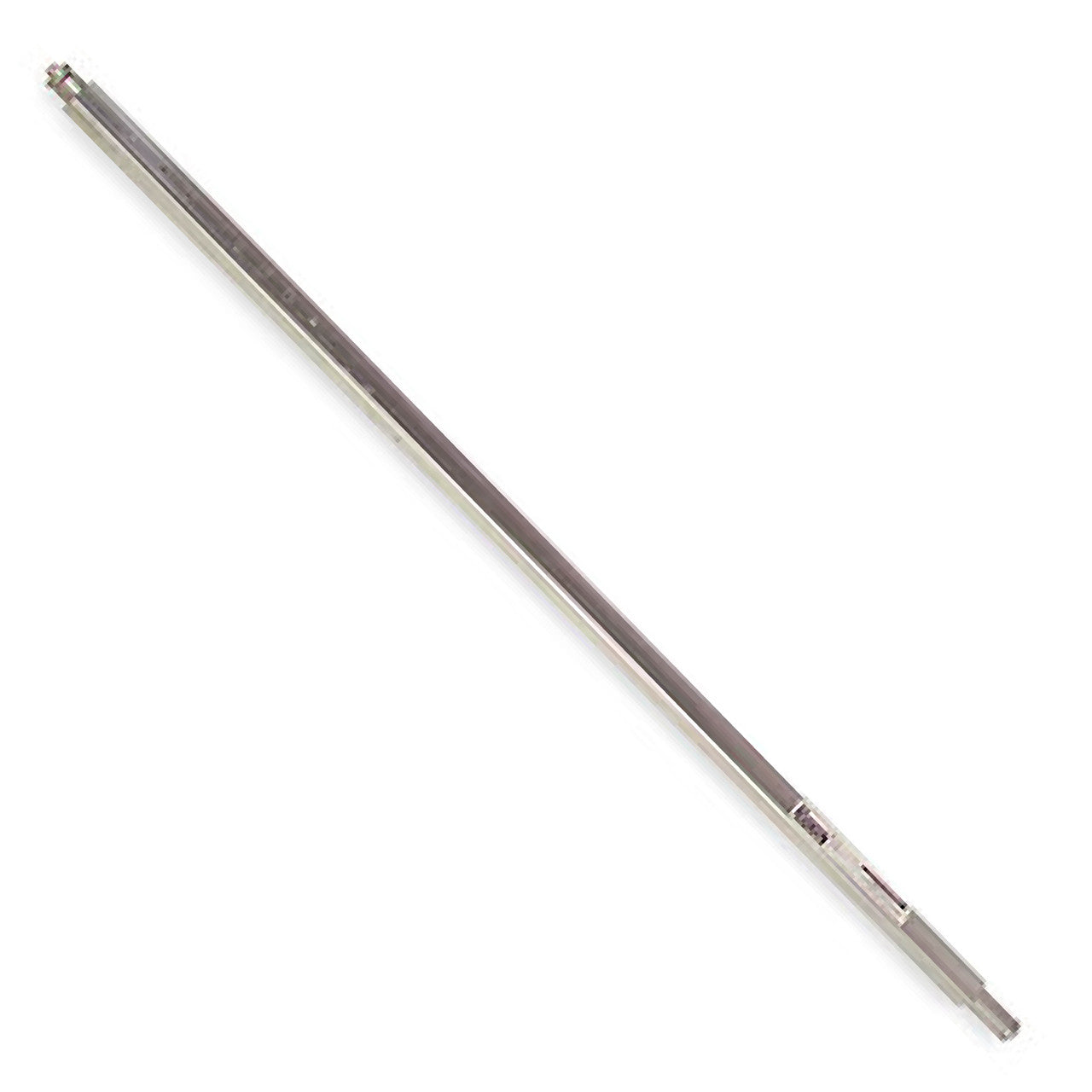
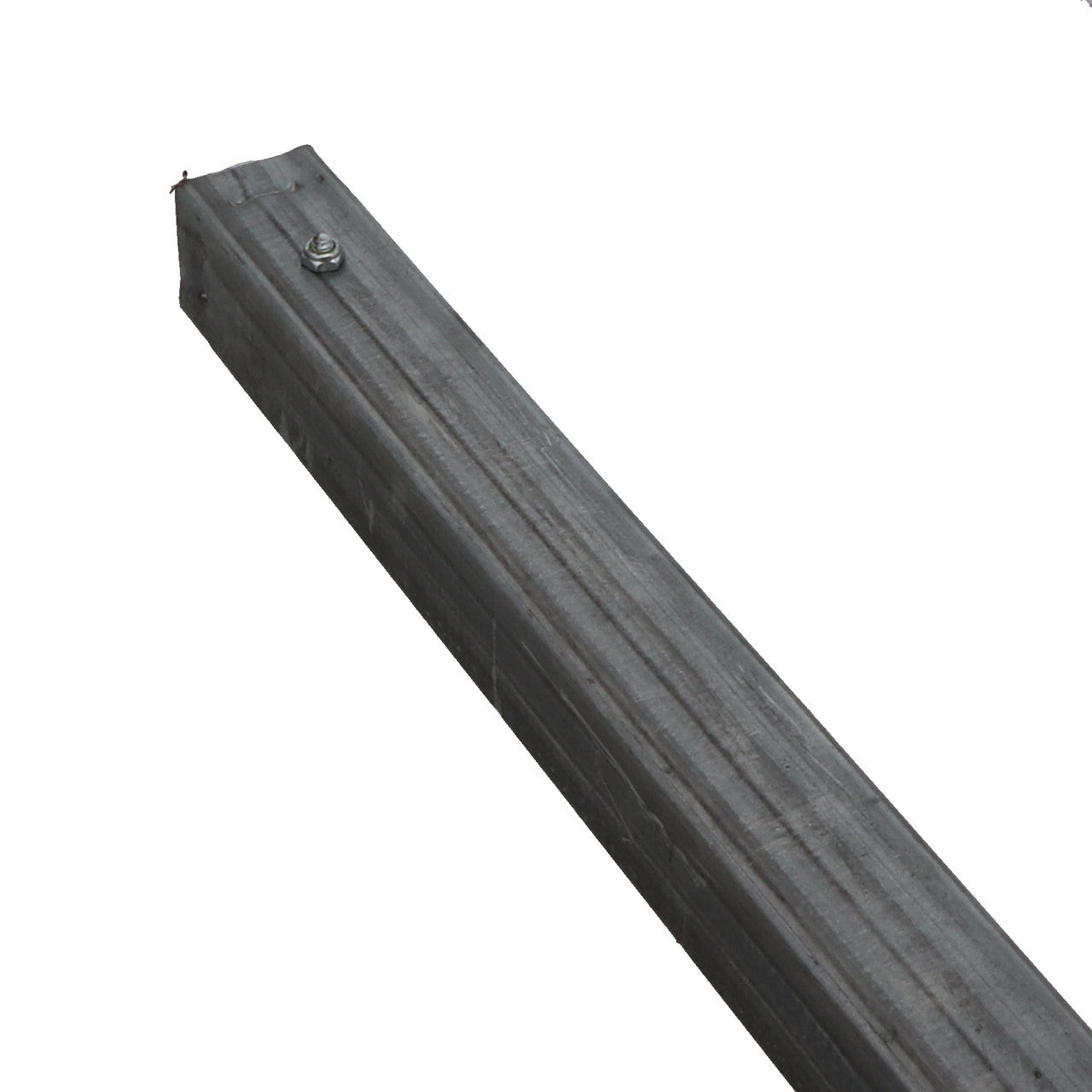
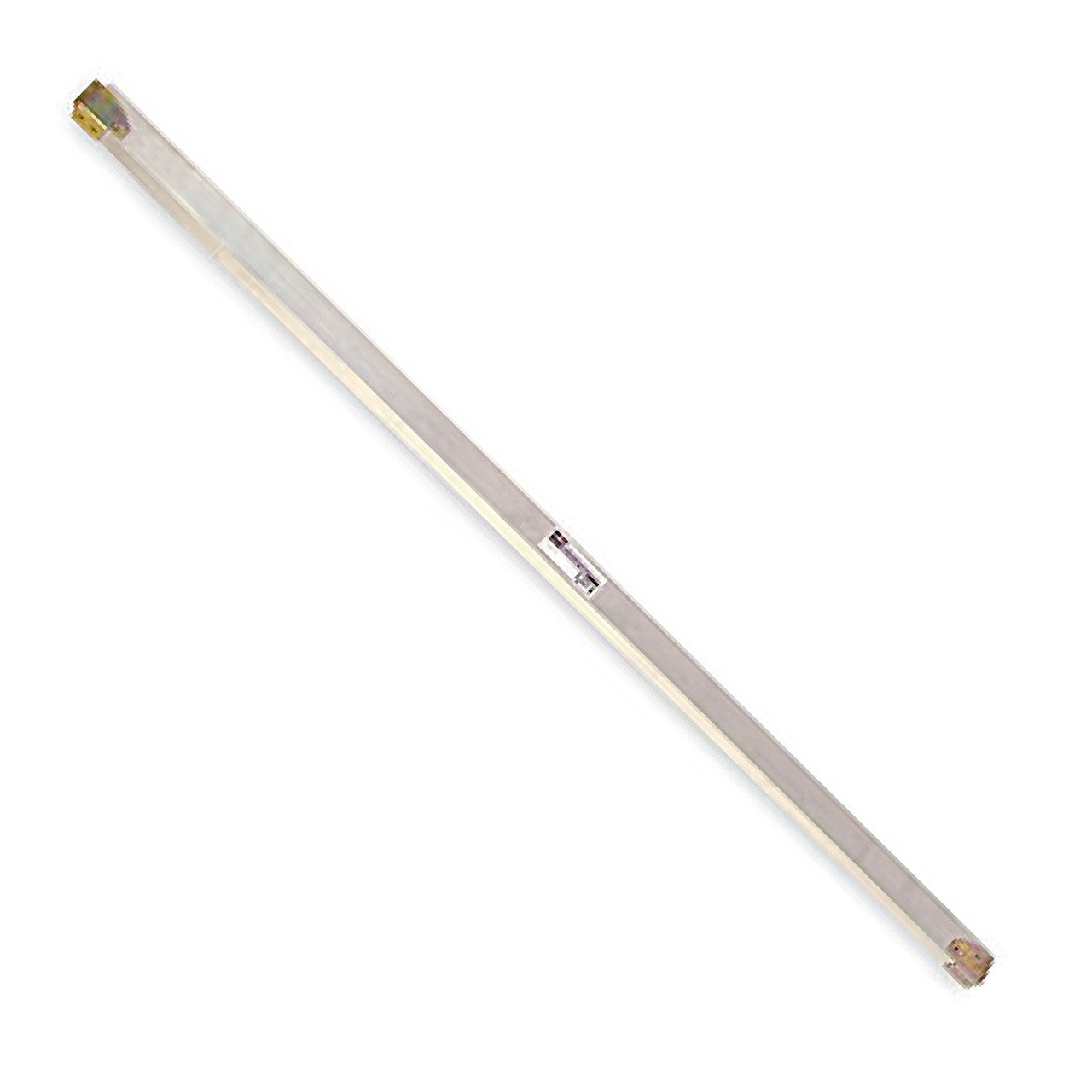
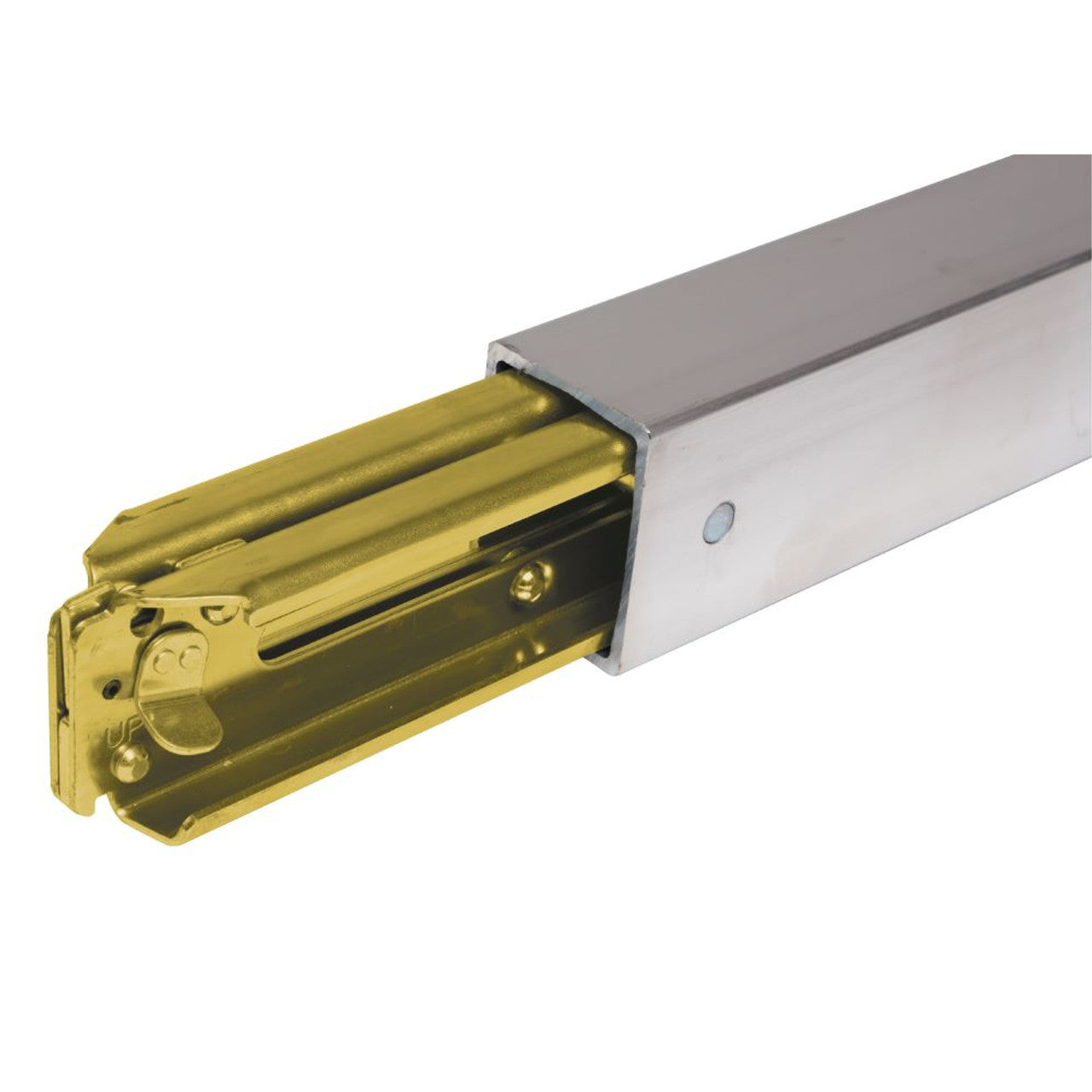
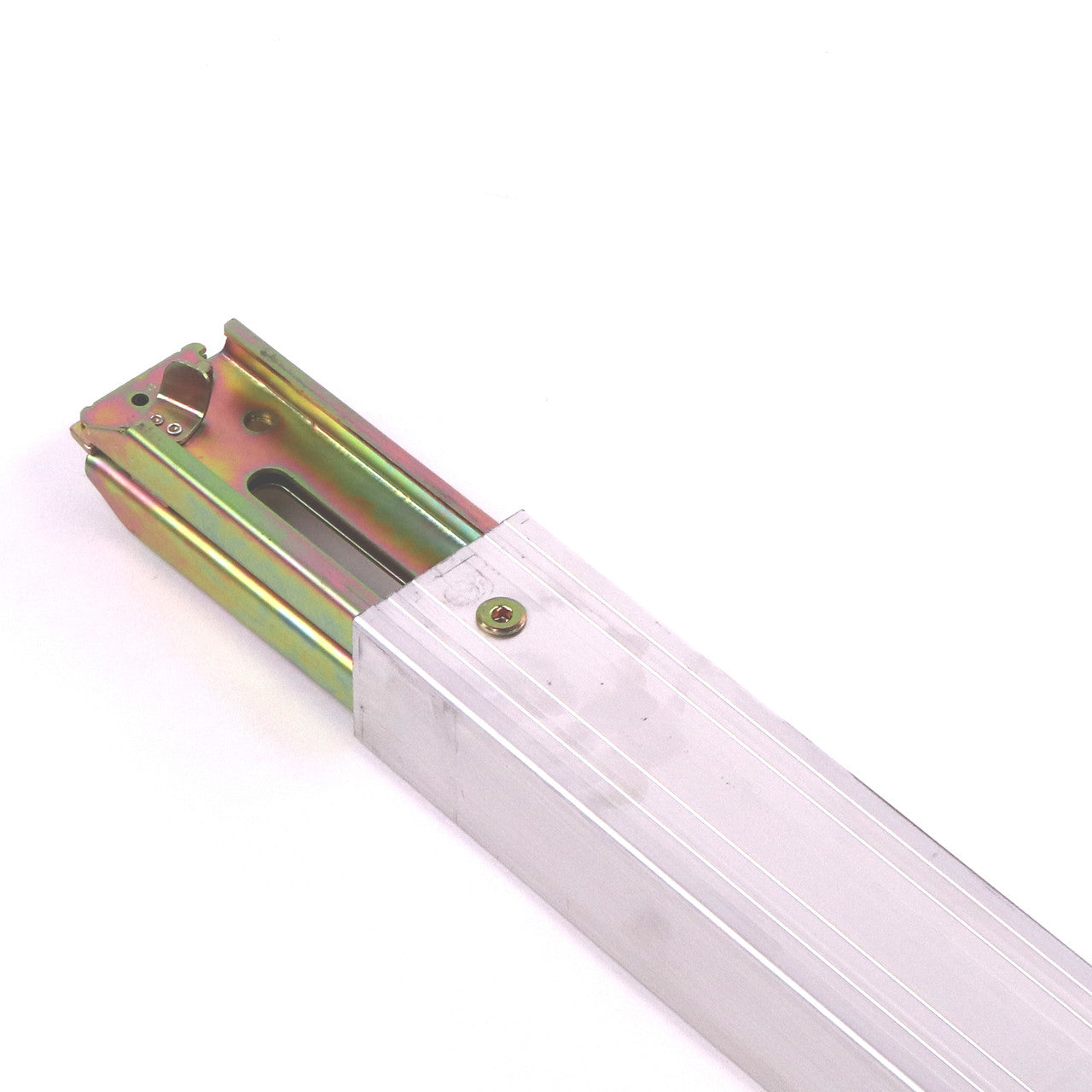
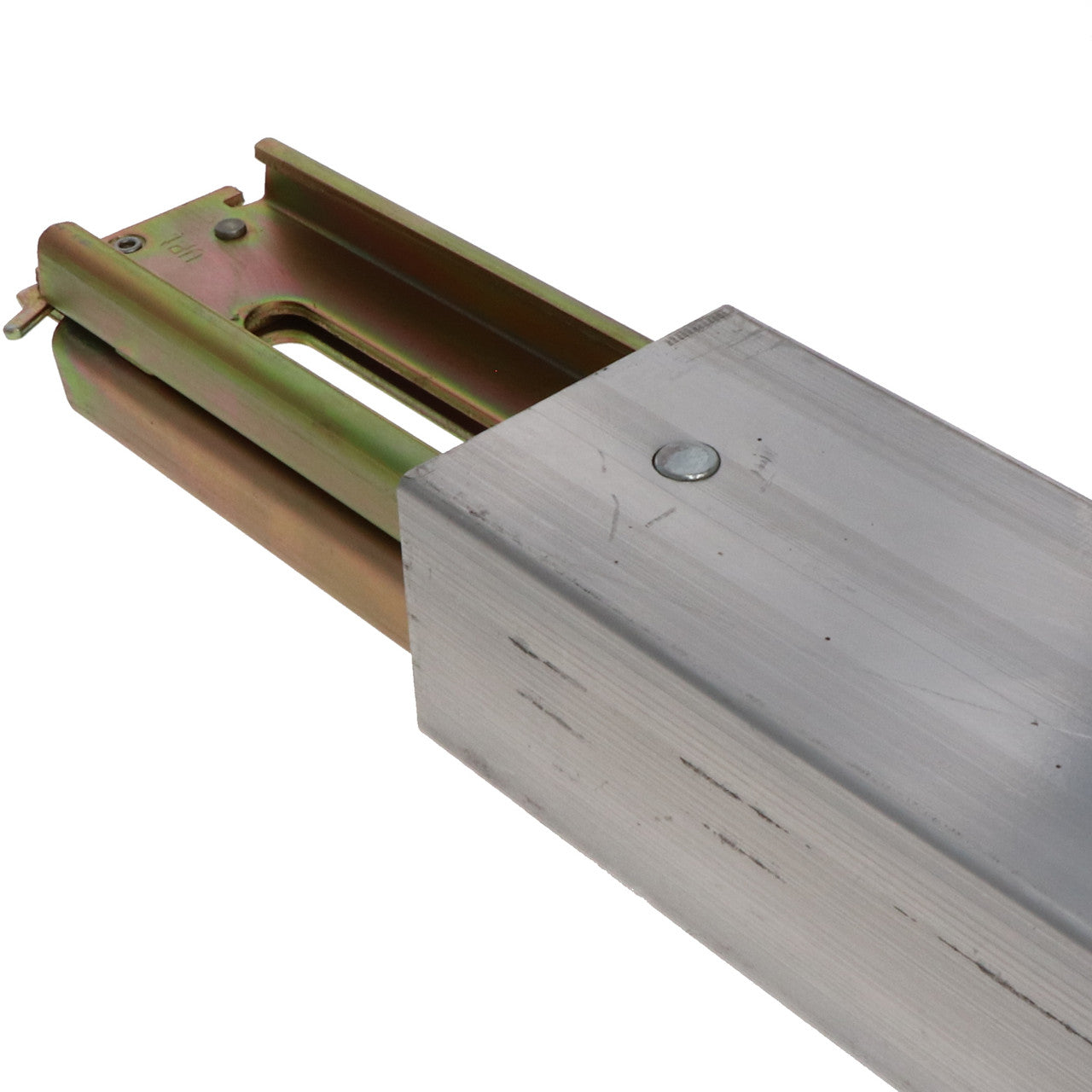
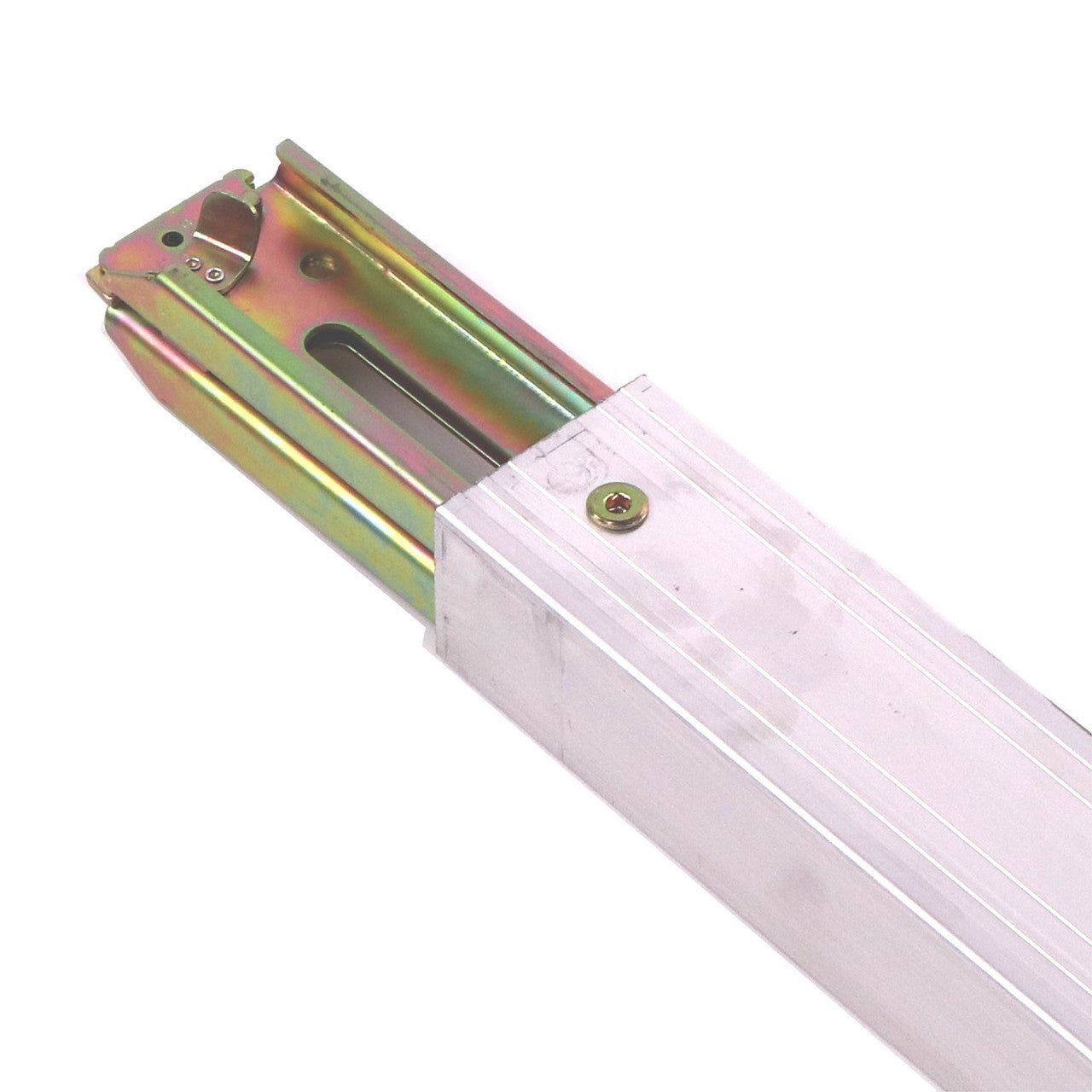
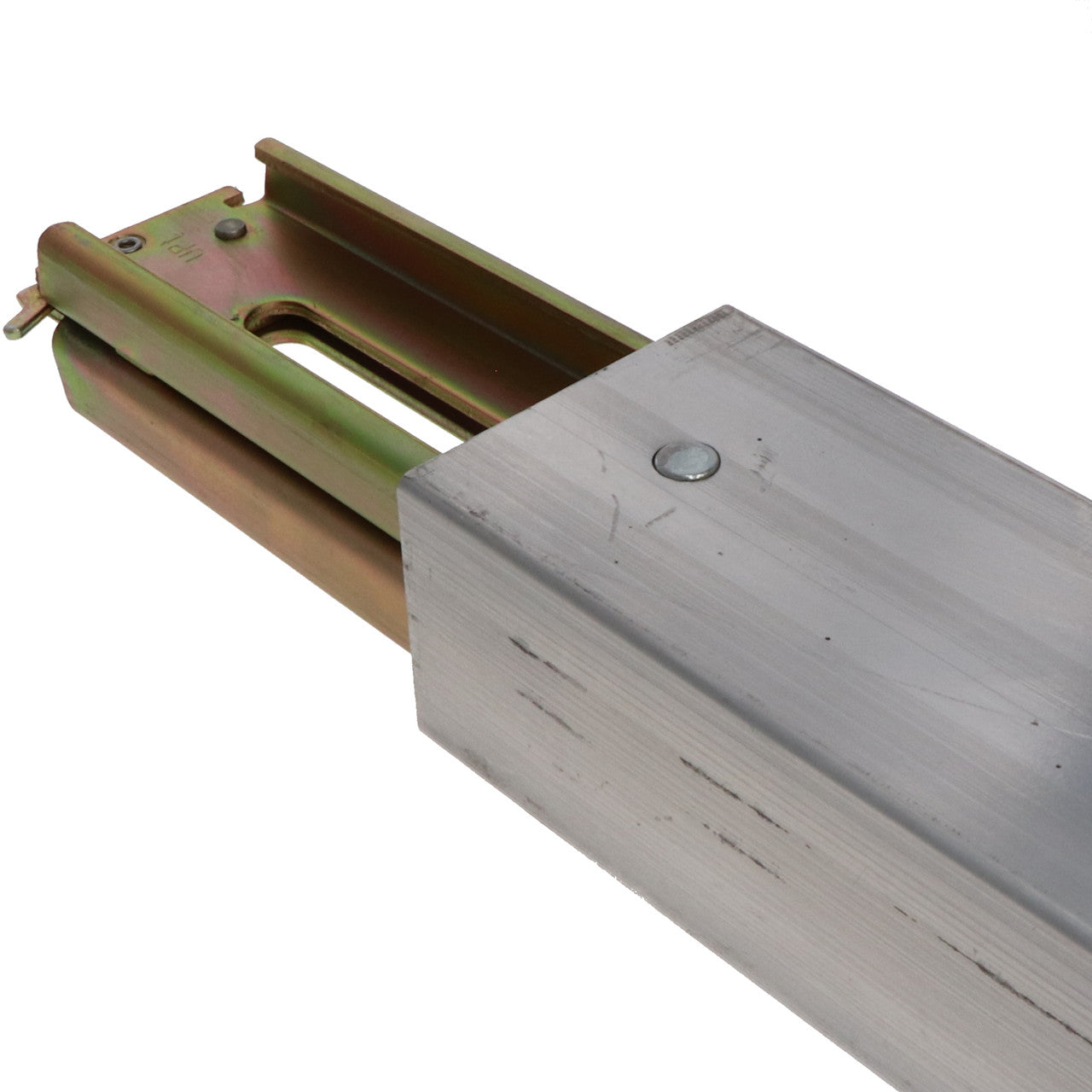
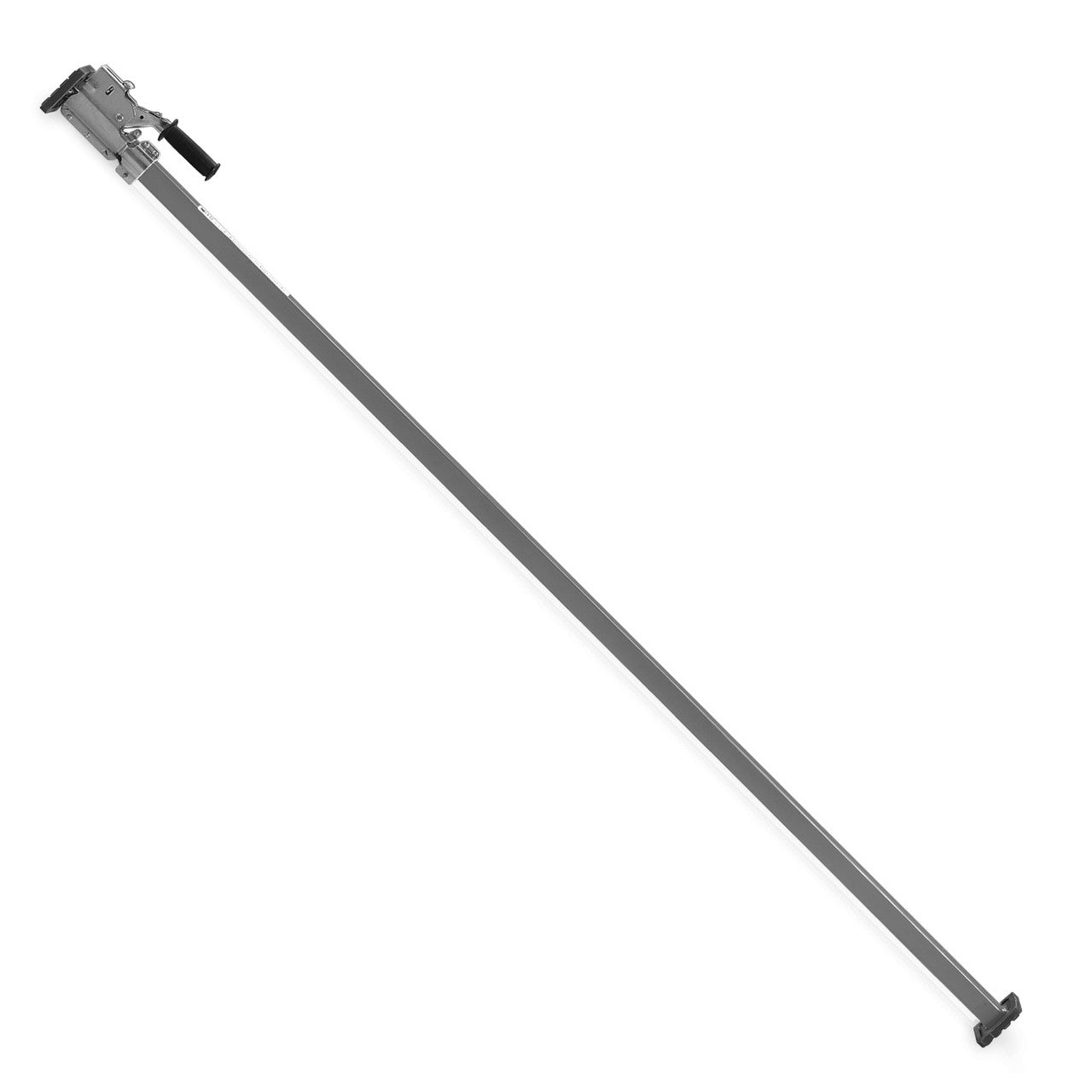
Decking beams: aluminum, steel, and the capacity ladder. The Series E or A decking beams climb a clear capacity ladder. The steel beam, built from 2 by 3 inch galvanized rectangular tubing, carries a 1,350 lb shoring working load limit at about $95 and is the pick when you want weight and rigidity over portability. Standard extruded-aluminum beams rate 2,200 lb and run roughly $102 to $119, the everyday workhorse. Heavy-duty aluminum steps to 2,500 and 3,000 lb near $129 and $149, and the extra heavy-duty beams pack about 70 percent more aluminum for a 4,000 lb rating between $248 and $261. Every one uses a hardened steel beam head with a spring trigger and a KwikLatch-style release that clicks in and out of the track by hand. For a second level, set two or more beams at the same height at points along the trailer, then lay plywood or a flat deck across them and load the upper tier. Buy the capacity the load needs, then step up if the deck will carry rolling stacks or ride in daily service.
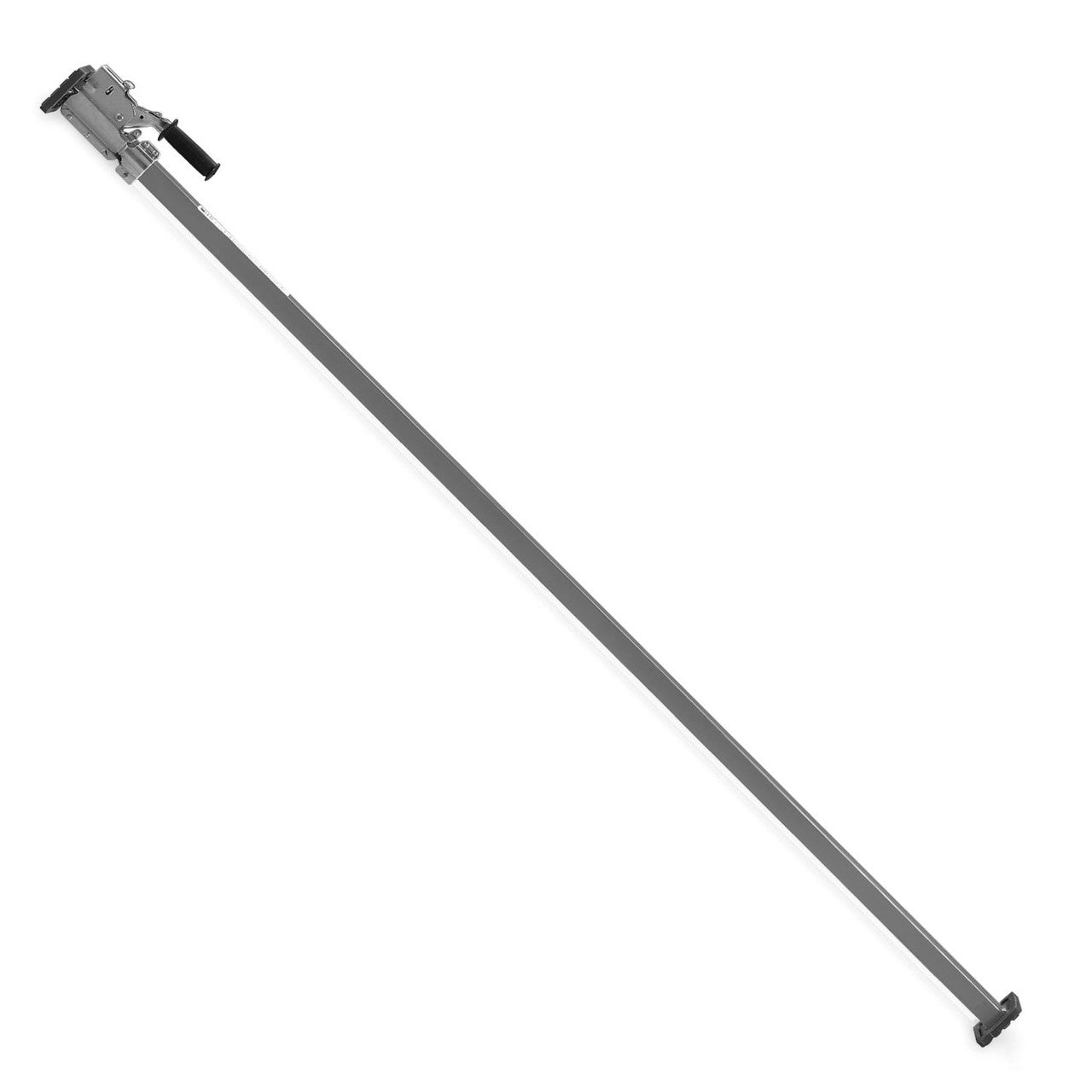
Shoring and vertical bars: Series F and the lighter picks. The Series F bars trade the beam head for a round-pin fitting and cover the lighter bracing work. The 1 inch round shoring bar rates 500 lb near $116, the heavy-duty 1 inch square bar reaches 1,000 lb around $134, and a 1 inch square shoring bar sits near $124. Two of these are built for vertical work: the 3/4 inch round and square vertical shoring bars, roughly $121 and $137, stand up in the back of the trailer to secure doors, gates, and windows rather than bracing across the width. Run a vertical bar with the spring end up so it cannot bounce out of the track over rough road. These bars section light freight, hold a bulkhead, or pin a rear opening, and their adjustment holes take a 2 inch step when you pull the roll pin and reset it.
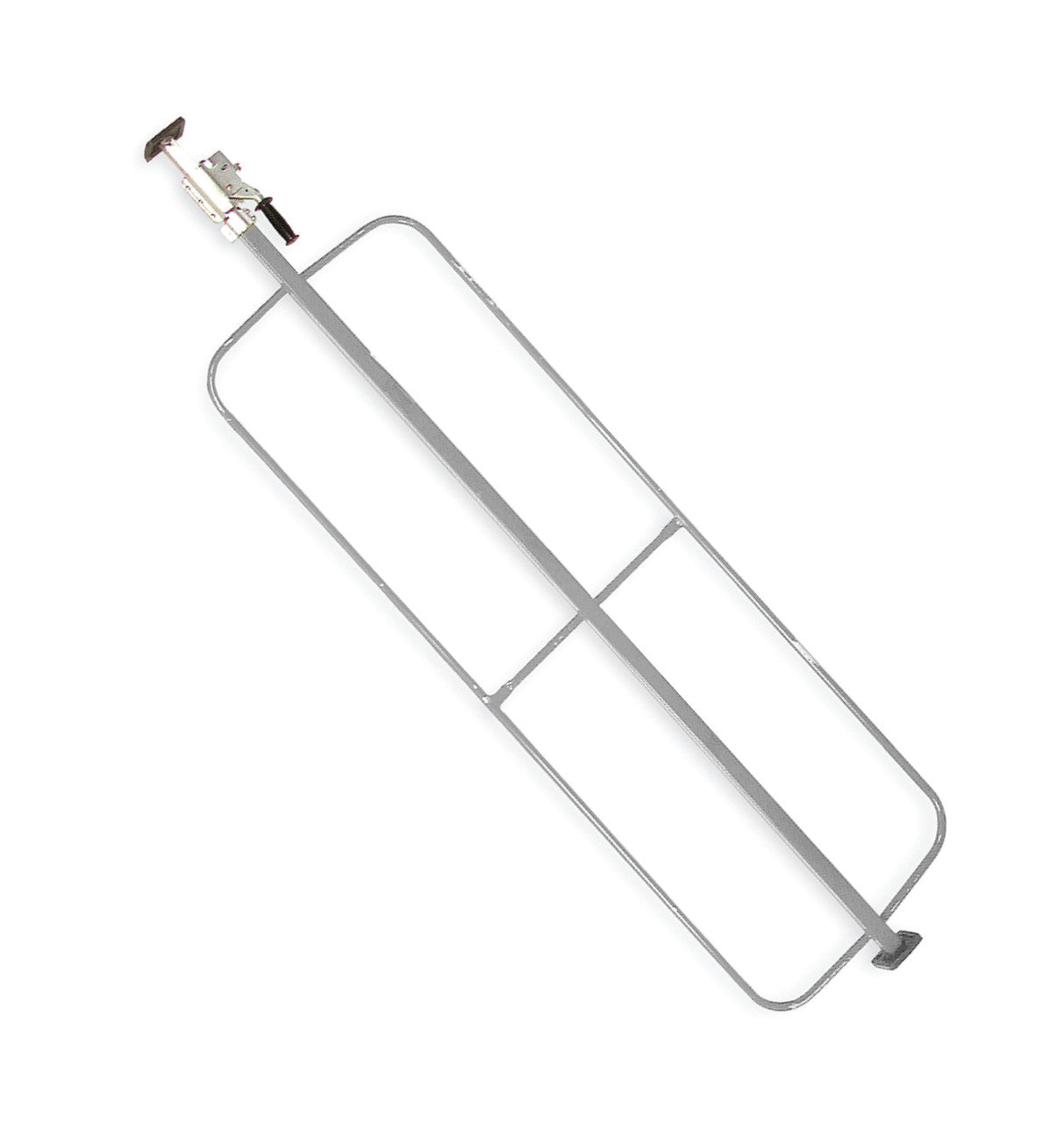
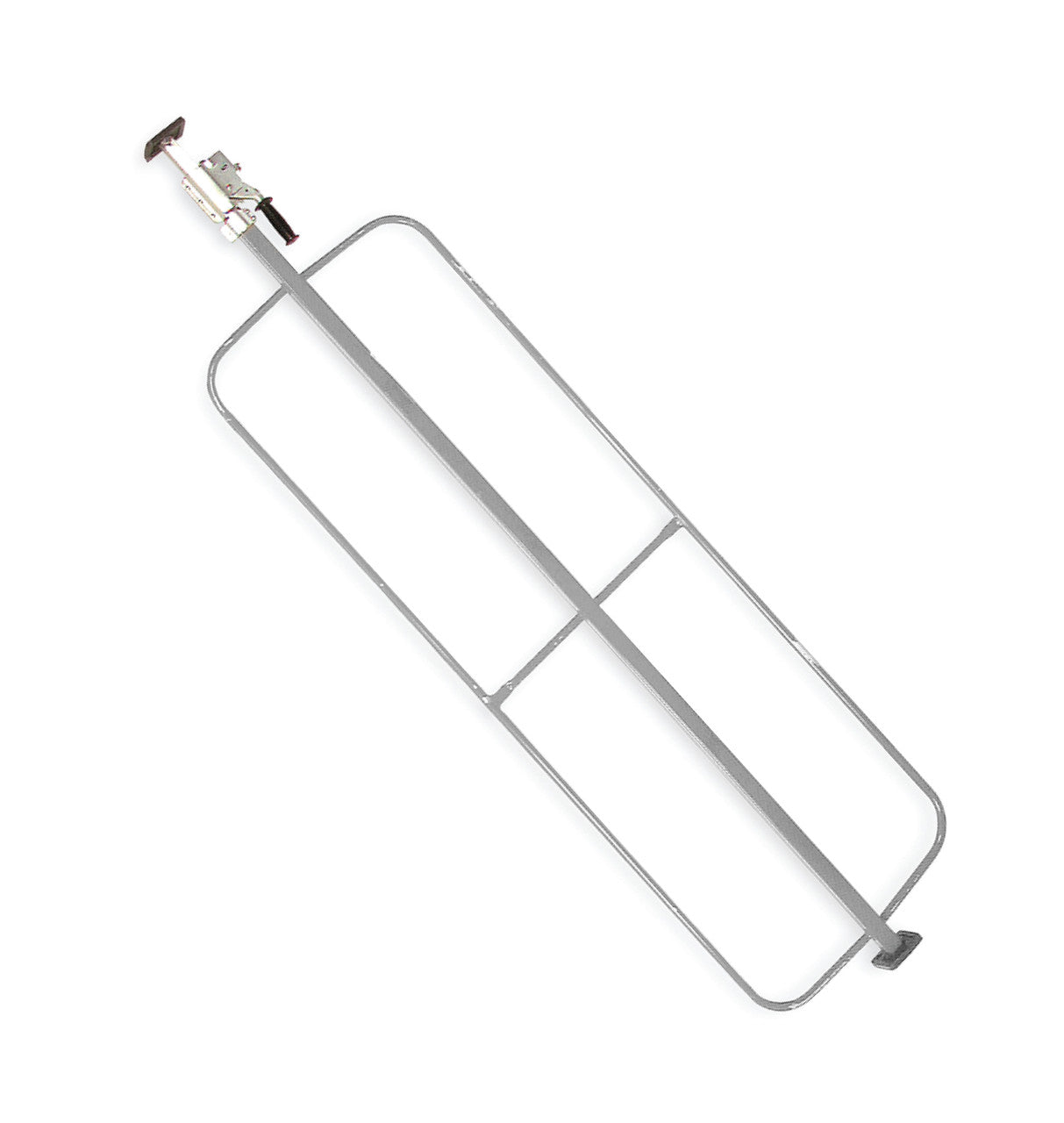
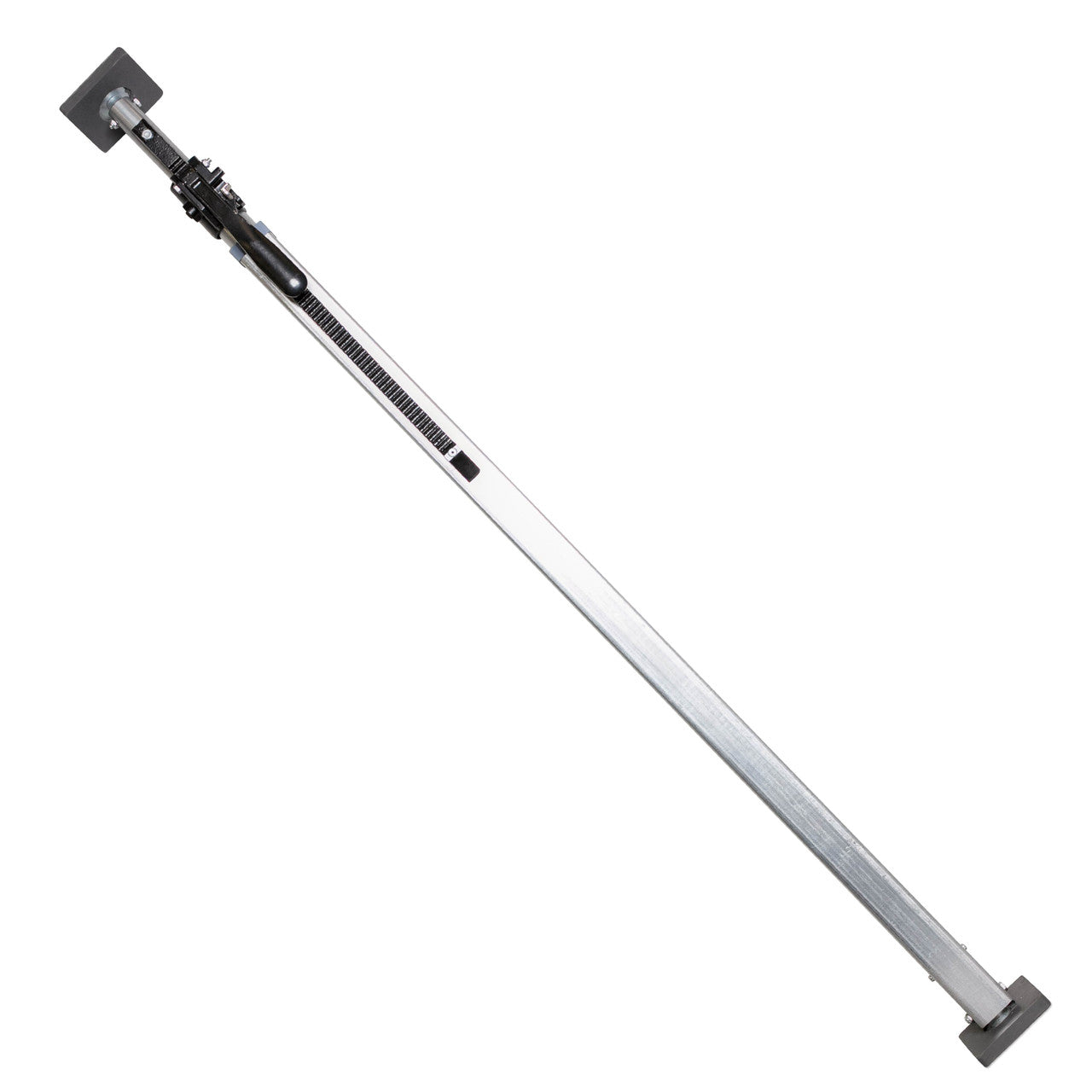
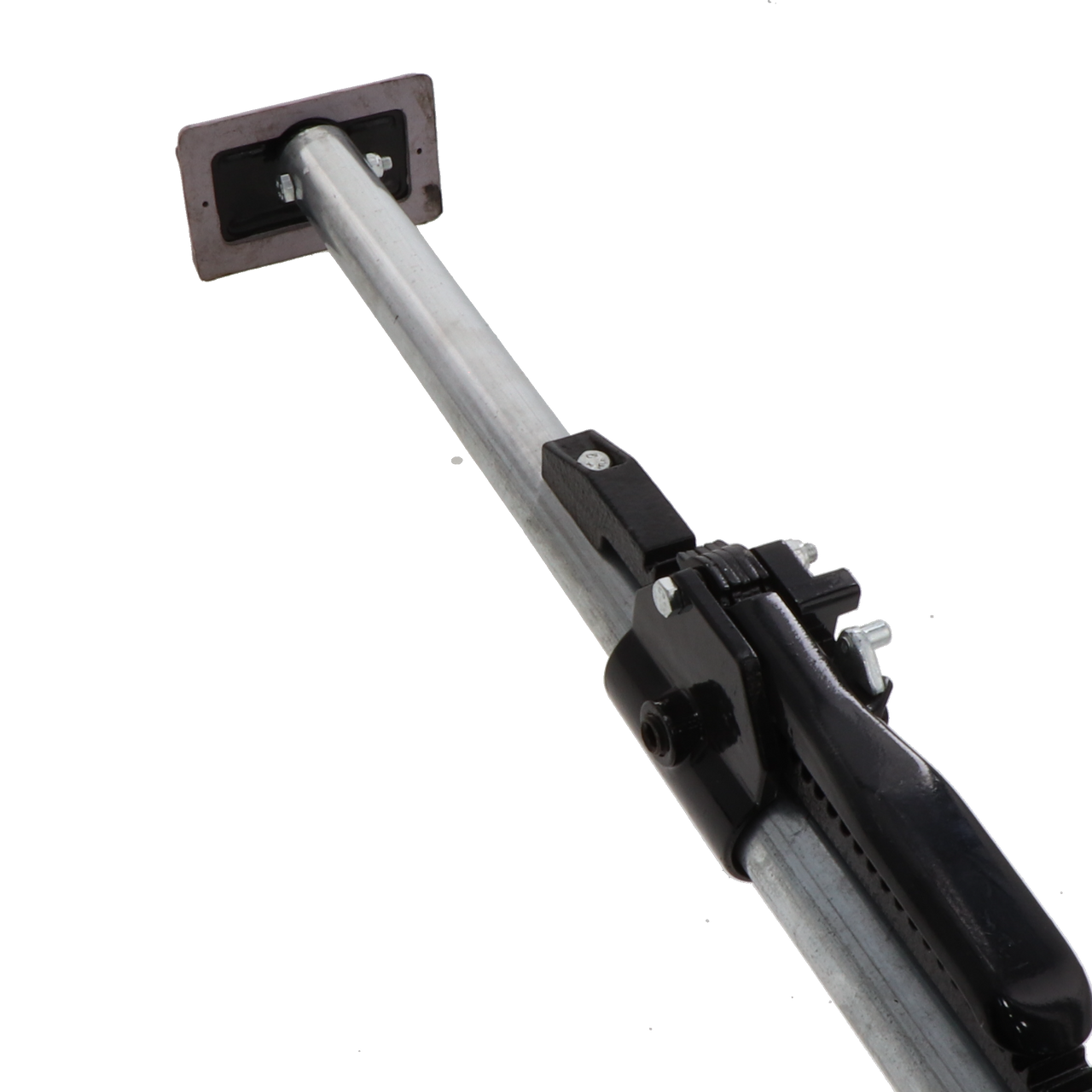
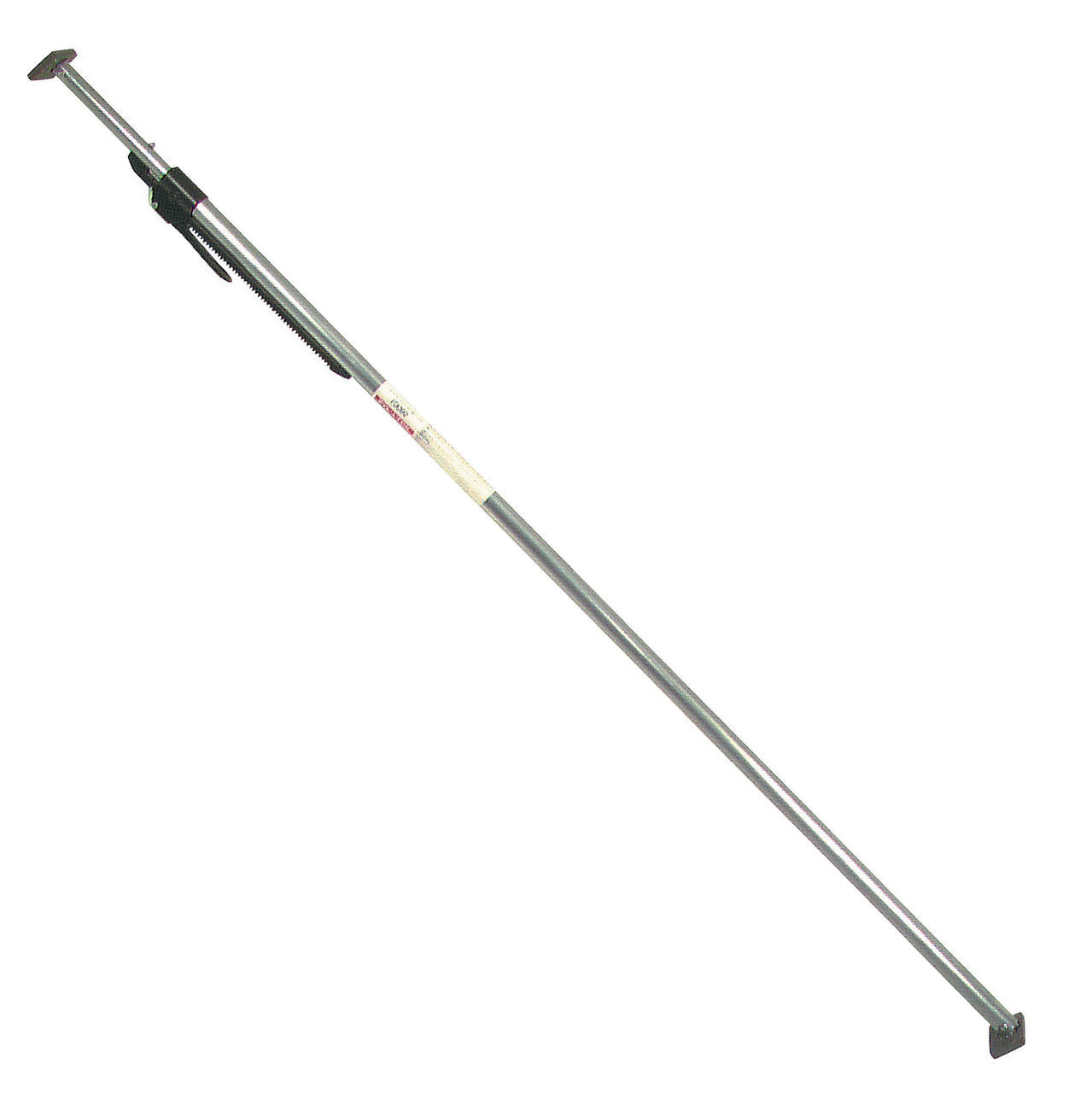
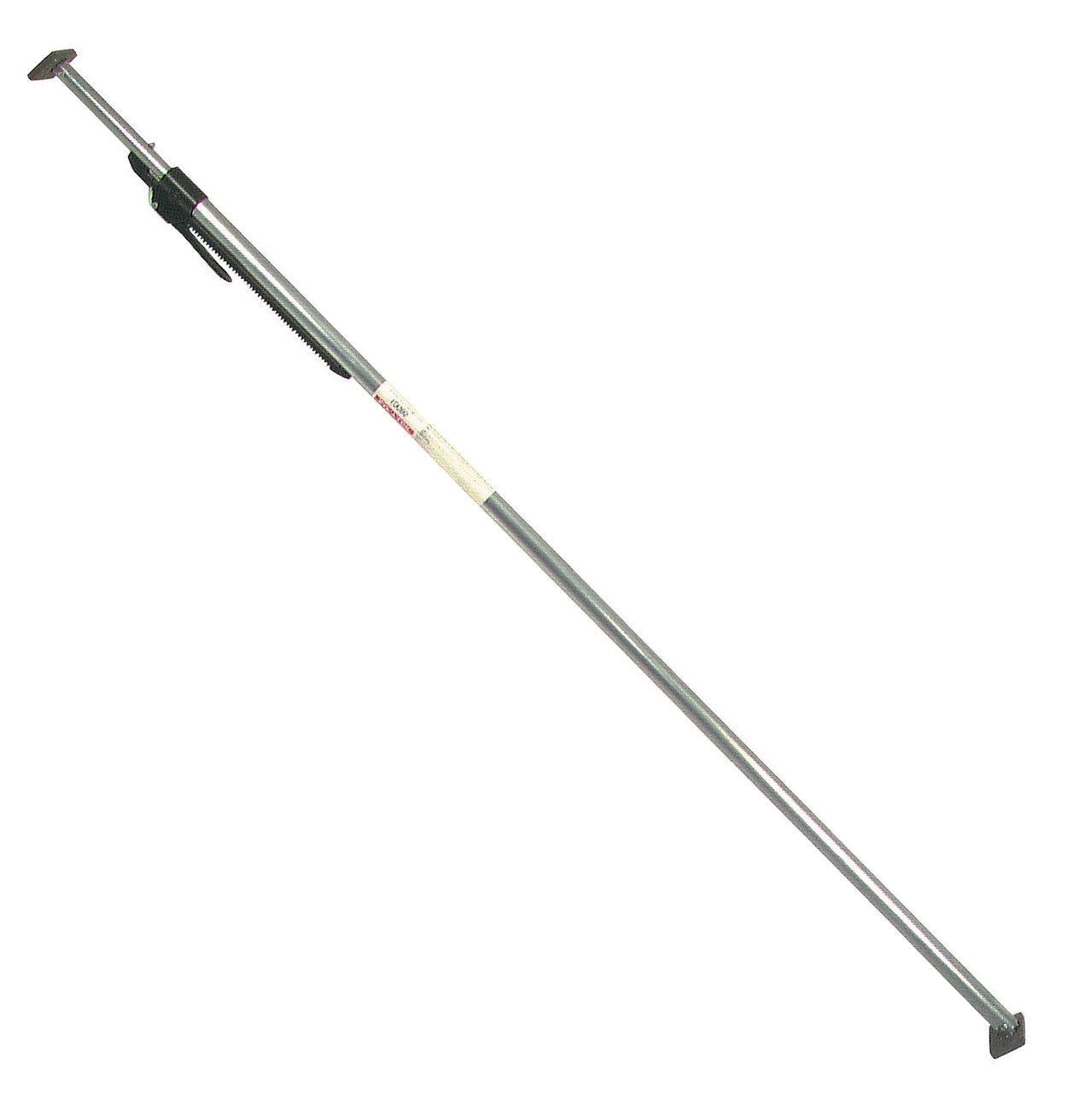
No track in the trailer: friction bars, jack bars, and Retract-A-Bar. When a trailer has no logistic track at all, the bar has to grip the walls on its own. The steel Saf-T-Lok friction bar does exactly that from about $35, with an aluminum version near $51, an extra-long steel model around $52, and a steel bar with a hoop set near $115. Pivoting rubber feet bite the trailer walls for a non-slip, non-scuff hold that stays pliable in the cold. A one-piece galvanized steel jack bar runs about $82 for a heavier trackless option, and the collapsible Retract-A-Bar, near $79, retracts from 107 down to 54 inches and stows lighter than a traditional jack bar. One safety line matters here: friction and jack bars are not rated for cargo on wheels, because a wheeled load throws more force when it shifts and can pop a friction bar loose, and a friction or logistic bar is never a substitute for a real decking beam in a decking application. For those jobs, go back to the track-mounted beams above.
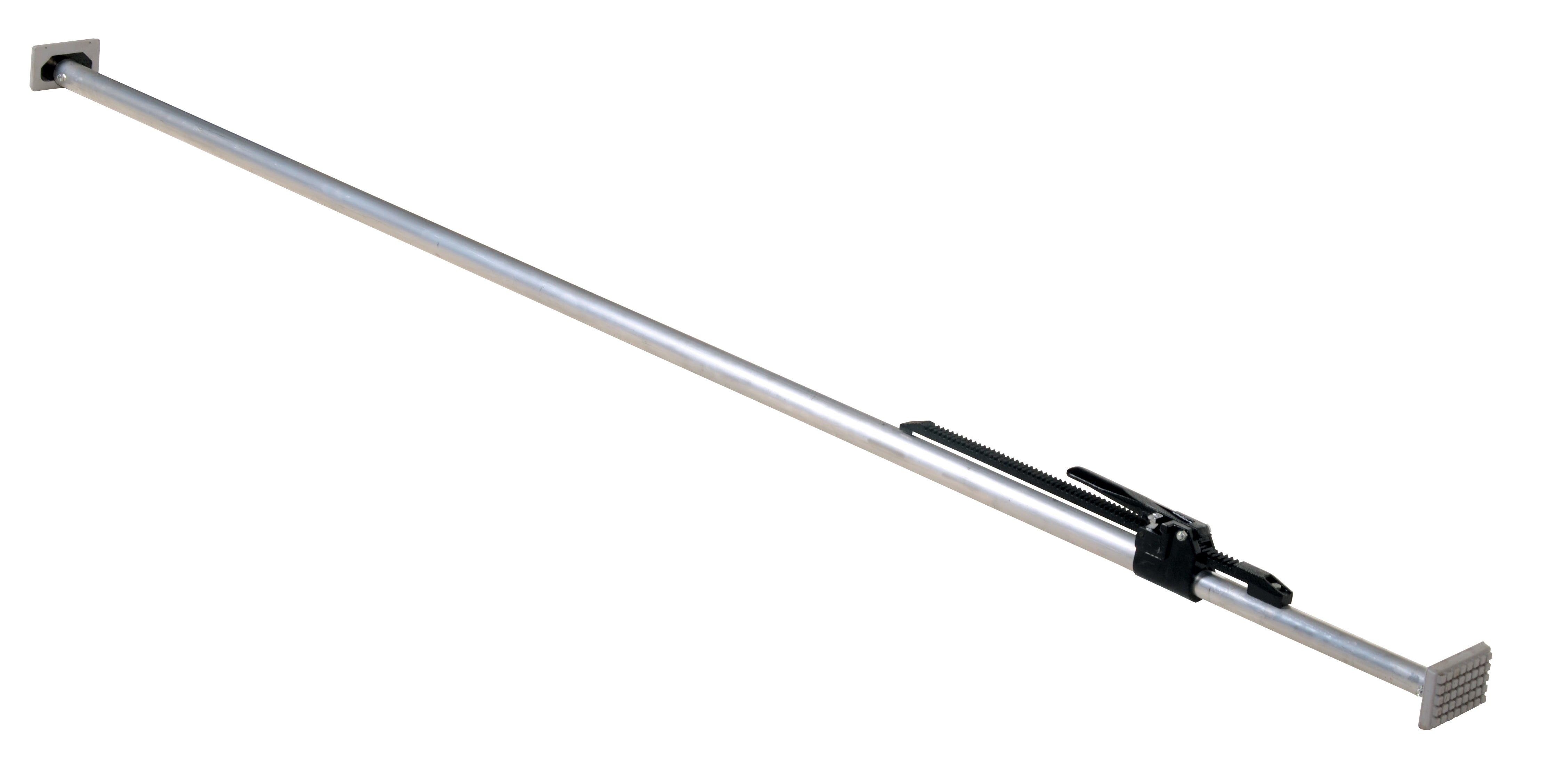
Specialty bars and the Vestil range. A few bars serve narrow jobs well. The Series E or A garment bar, a 2,000 lb bar near $111, holds hang-and-transport freight off the floor so garments ride on the hanger rather than folded in a box. On the Vestil side, the cargo bars line spans single bars and multi-bar kits from about $48 up to $625, so a small van and a full fleet trailer can both buy to fit. The Vestil E-track cargo bar assist tool, near $45, is the cheap add that makes seating and releasing a bar overhead a one-hand job instead of a two-person reach, worth it on any trailer where bars go in above shoulder height every day.
Sizing, ordering, and inspection. Order by the extended length range printed on each bar, matched to your interior width so the beam lands mid-adjustment rather than at either stop. Most bars offer a 2 inch reset by moving the roll pin, which covers small differences between trailers. Keep decking beams level and flat when you build a second tier, because an uneven beam loads the plywood at a point instead of across the span. Where cargo rides directly against a bar or a wrapped load crosses its edge, add guards from corner and web protection so the contact point does not chew webbing or mar finish. Inspect before every trip and retire any bar with a bent tube, a cracked beam head, a sprung trigger, or a foot that will not pivot, since a bar that will not lock has no honest hold at any price.
Frequently Asked Questions
They are usually the same bar doing two different jobs. Used as a shoring bar, the beam braces across the trailer to stop a load from shifting or to divide a partial load into sections. Used as a decking beam, two or more bars set at a matched height and covered with plywood create a second load level over the freight below. The Kinedyne Series E or A beams here are rated and marketed for both roles.
No. Series E and Series A share the same slotted rail family and seat the same beams and logistic straps, but Series F is a separate round-pin profile with a push-button mechanism. A beam only fits the track it was built for, so confirm which rail is installed in your trailer before ordering, and match each trailer individually if you run mixed equipment.
It depends on the beam. The Series E or A steel decking beam carries a 1,350 lb shoring working load limit, standard aluminum beams rate 2,200 lb, heavy-duty aluminum reaches 2,500 to 3,000 lb, and the extra heavy-duty aluminum beams rate 4,000 lb. The lighter Series F round and square shoring bars run 500 to 1,000 lb. Each bar's rating is printed on it, and the weakest point sets the number.
Yes. The Saf-T-Lok friction bars, the one-piece steel jack bar, and the collapsible Retract-A-Bar all grip the trailer walls with pivoting feet and need no installed track. One limit applies: friction and jack bars are not rated for cargo on wheels, which throws more force when it shifts and can knock a friction bar loose, and they are not a substitute for a track-mounted decking beam when you are building a second level.
Federal rule 49 CFR 393.106(b) lists shoring bars, alongside dunnage, structures of adequate strength, and tiedowns, as an approved way to immobilize cargo, so a bar of adequate strength counts as legitimate blocking and bracing. It does not remove the tiedown obligations for a load that is not blocked against forward movement, where the FMCSA still sets a minimum tiedown count and an aggregate working load limit. Treat the bar as one part of the securement plan, not the whole of it.
Set two or more Series E or A decking beams at the same height at points along the trailer, seating each beam head into the track on both walls until it locks. Lay plywood or another flat deck across the beams, then load the upper tier within the combined capacity of the beams you used. Keep every beam level so the deck loads across the span rather than at a single point.