Self-Dumping Hoppers
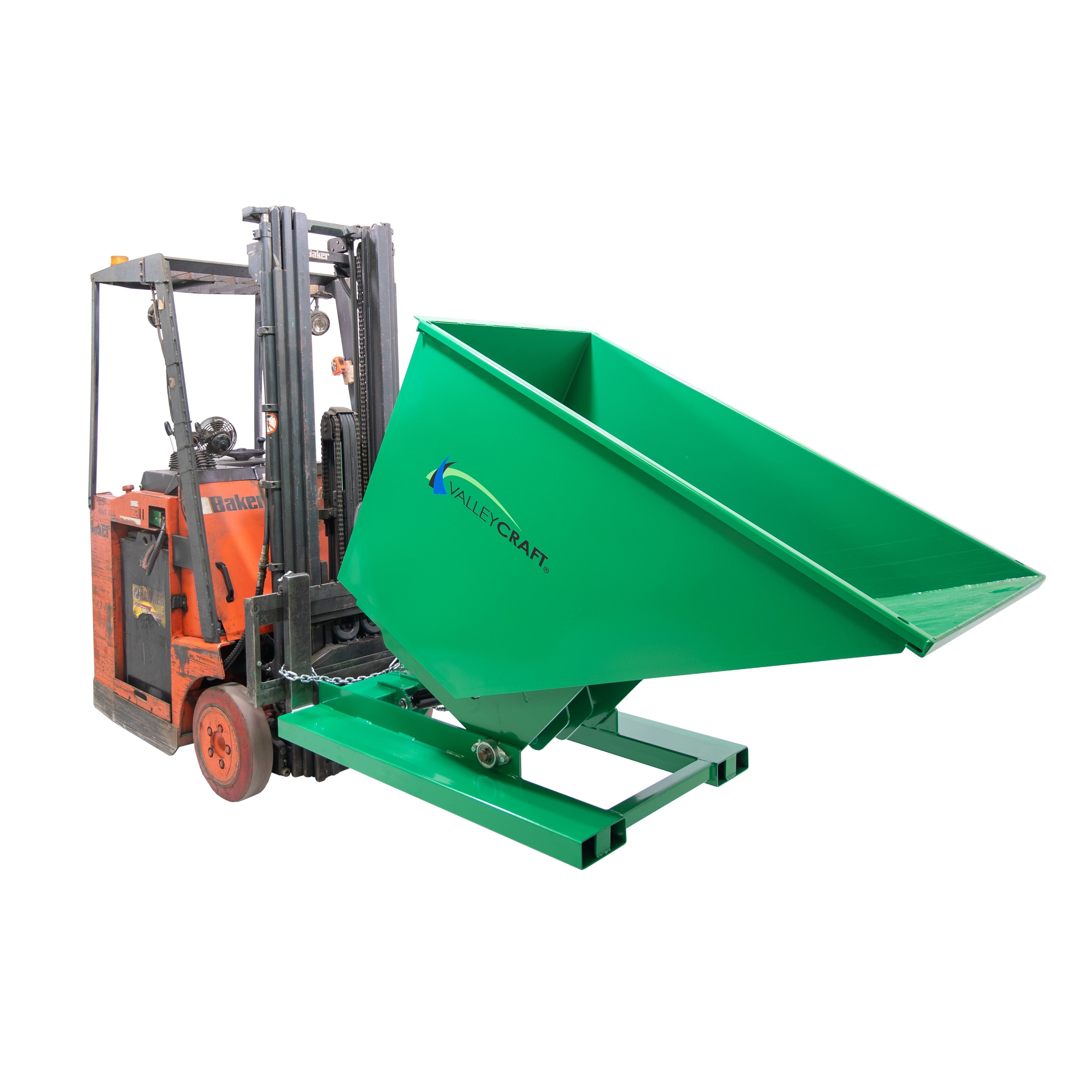
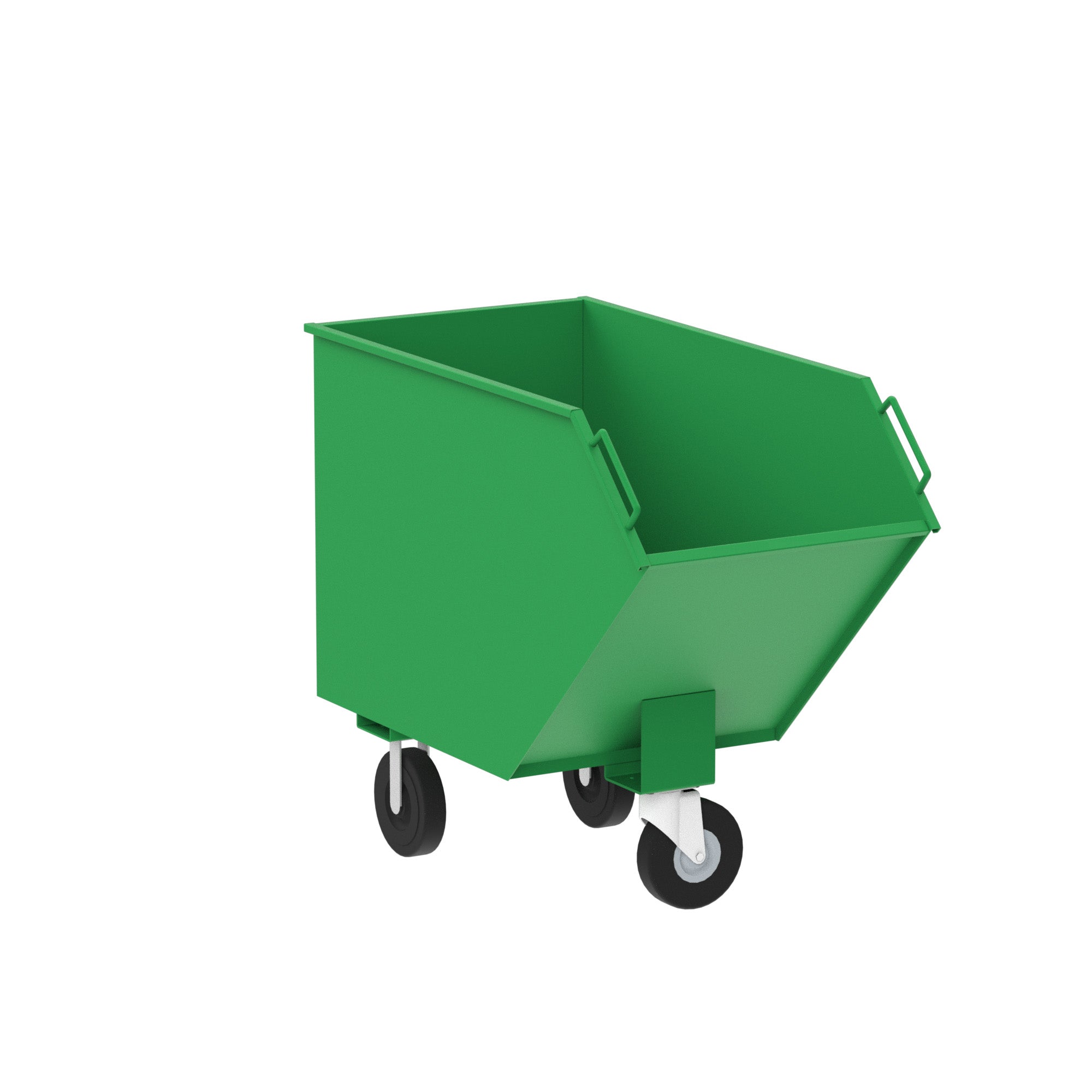
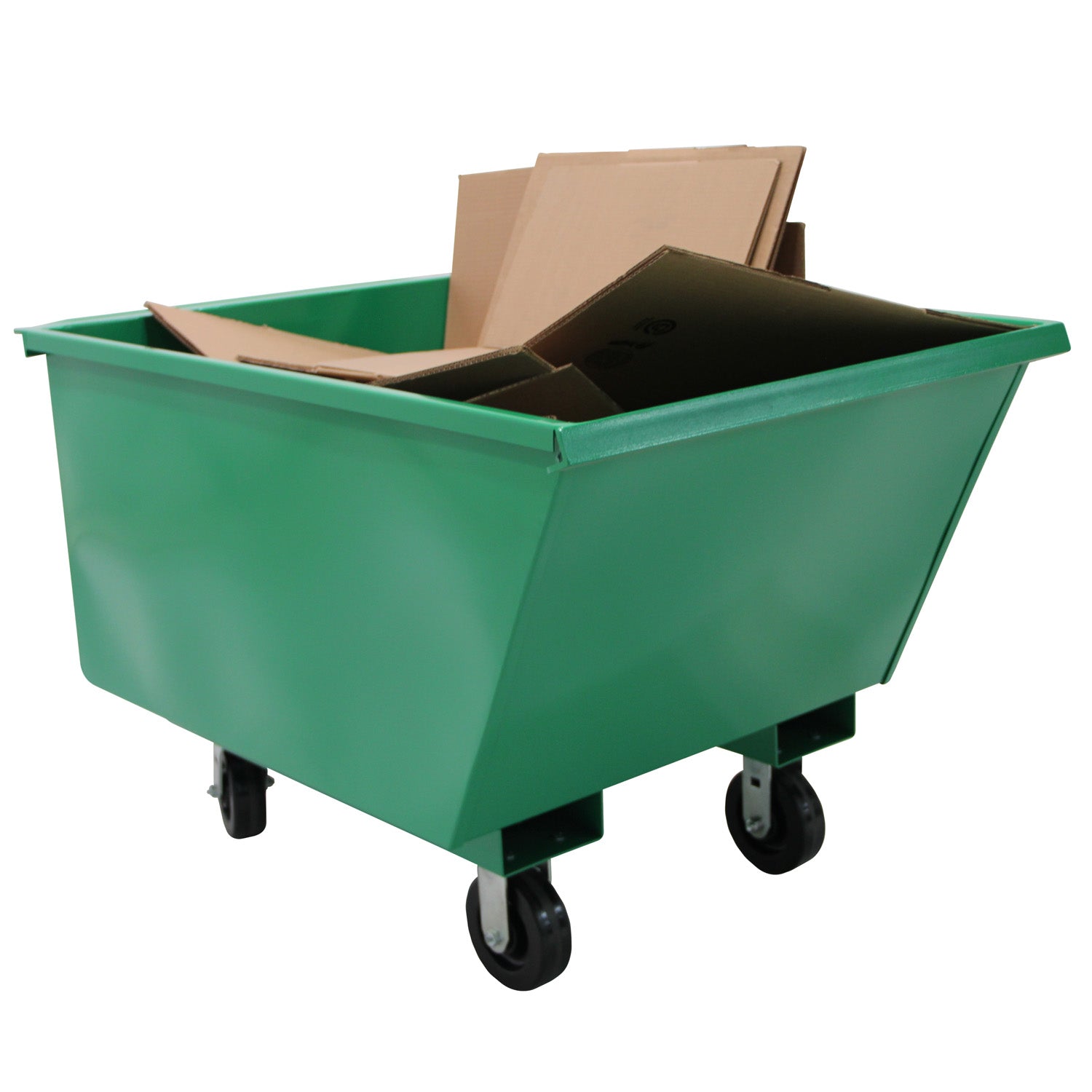
A self-dumping hopper is the steel tub that lets a forklift empty scrap, chips, or trash into a dumpster with nobody climbing a wall or hand-lifting a loaded container. It rides on the forks, holds its load upright on a spring-loaded latch while you fill it, and releases to dump when the operator trips it, then swings back to upright and re-latches on its own. This collection is built on Valley Craft, which makes both the mechanical forkliftable hoppers and a hydraulic powered line, alongside Vestil for the box, tote, and trash-can dumpers that do the same job for other container shapes. Prices run from mobile forkliftable hoppers near $679 up past $12,000 for a large powered box dumper. The choices that decide the buy are the same few every time: how the tip is triggered, load capacity, hopper volume, and dump height. The guide below walks them in that order, because getting them right is the difference between a hopper that empties on schedule and one that sits full in a corner.
Compare Dumpers
| Model | Price | Power | Capacity | |
|---|---|---|---|---|
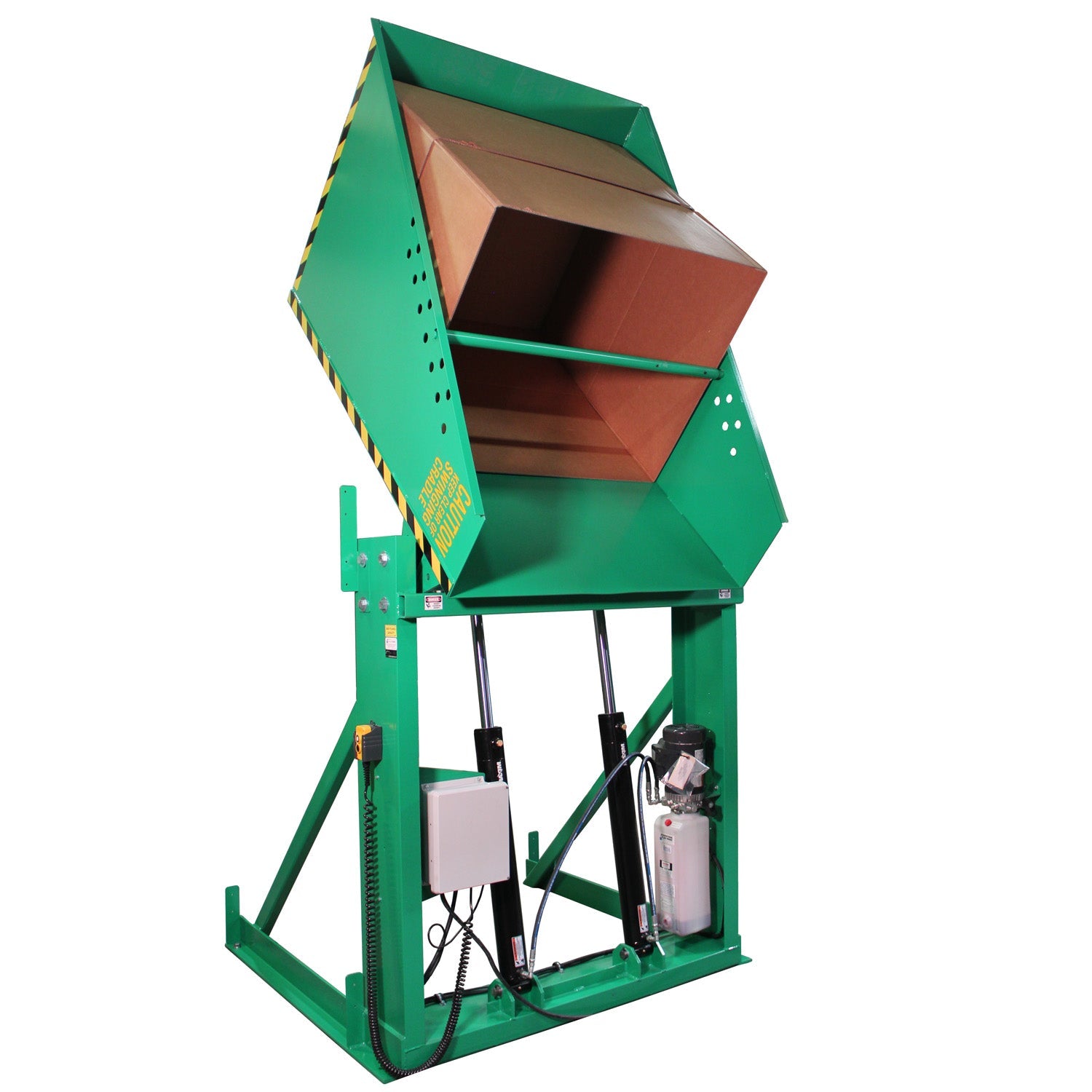
| Valley Craft Box Dumpers | $8,395 | 230V/460V | 2,000-6,000 lb | View → |
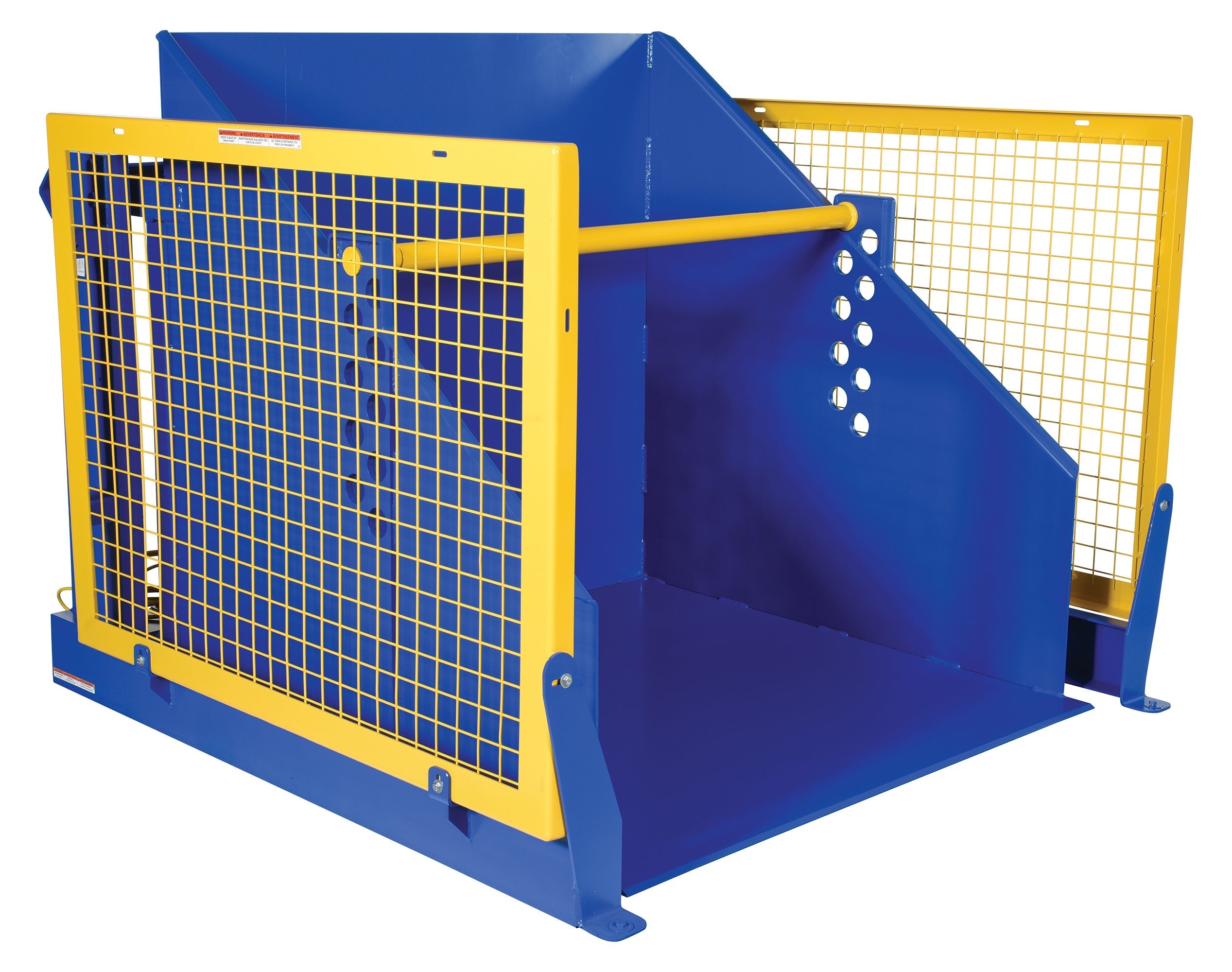
| Vestil Electric/Hydraulic Box Dumpers | $6,278 | — | 2,000-6,000 lb | View → |
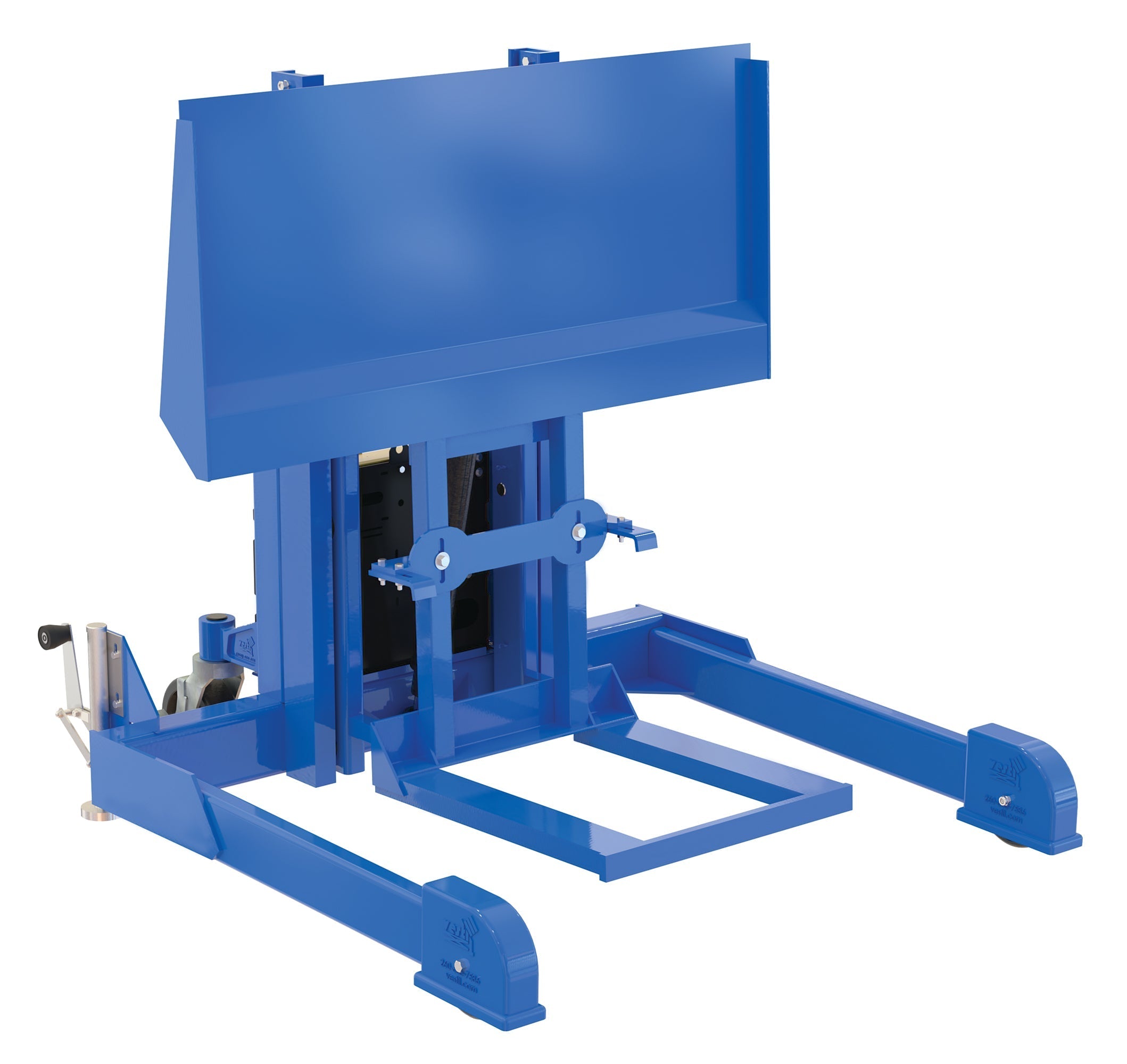
| Vestil Multi-Purpose Tote Dumpers | $6,007 | — | 600 lb | View → |
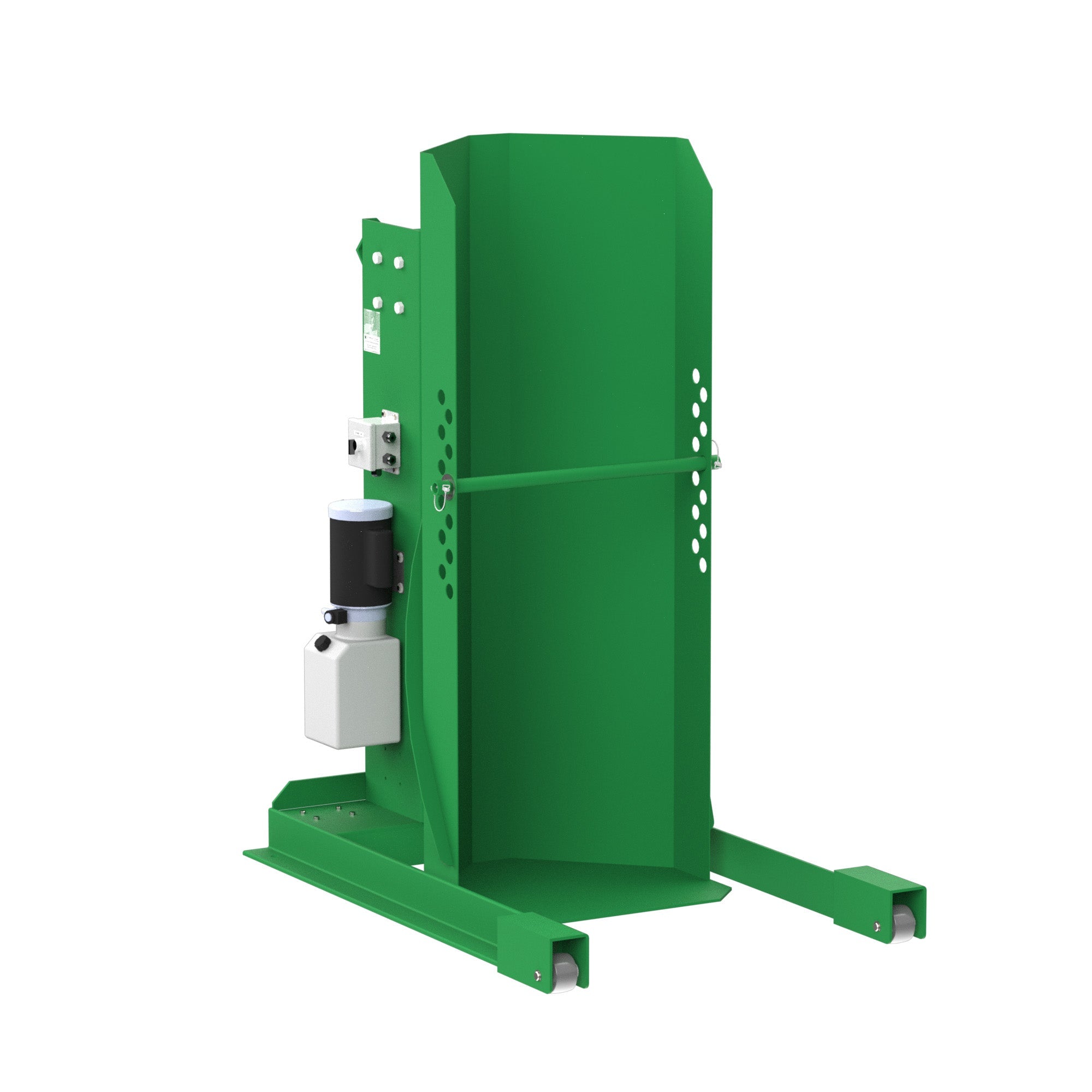
| Valley Craft Drum Dumpers | $5,595 | 110V | 1,500 lb | View → |
| Valley Craft Powered Self-Dumping Hoppers | $4,495 | — | 2,000-6,000 lb | View → |
| Vestil Electric Hydraulic Trash Can Dumpers | $4,343 | 12V | 400 lb | View → |
 In Stock
 In Stock
 In Stock
 In Stock
 In Stock
 In Stock
 In Stock
 In Stock
 In Stock
 In Stock
 In Stock
Dumpers Buying Guide
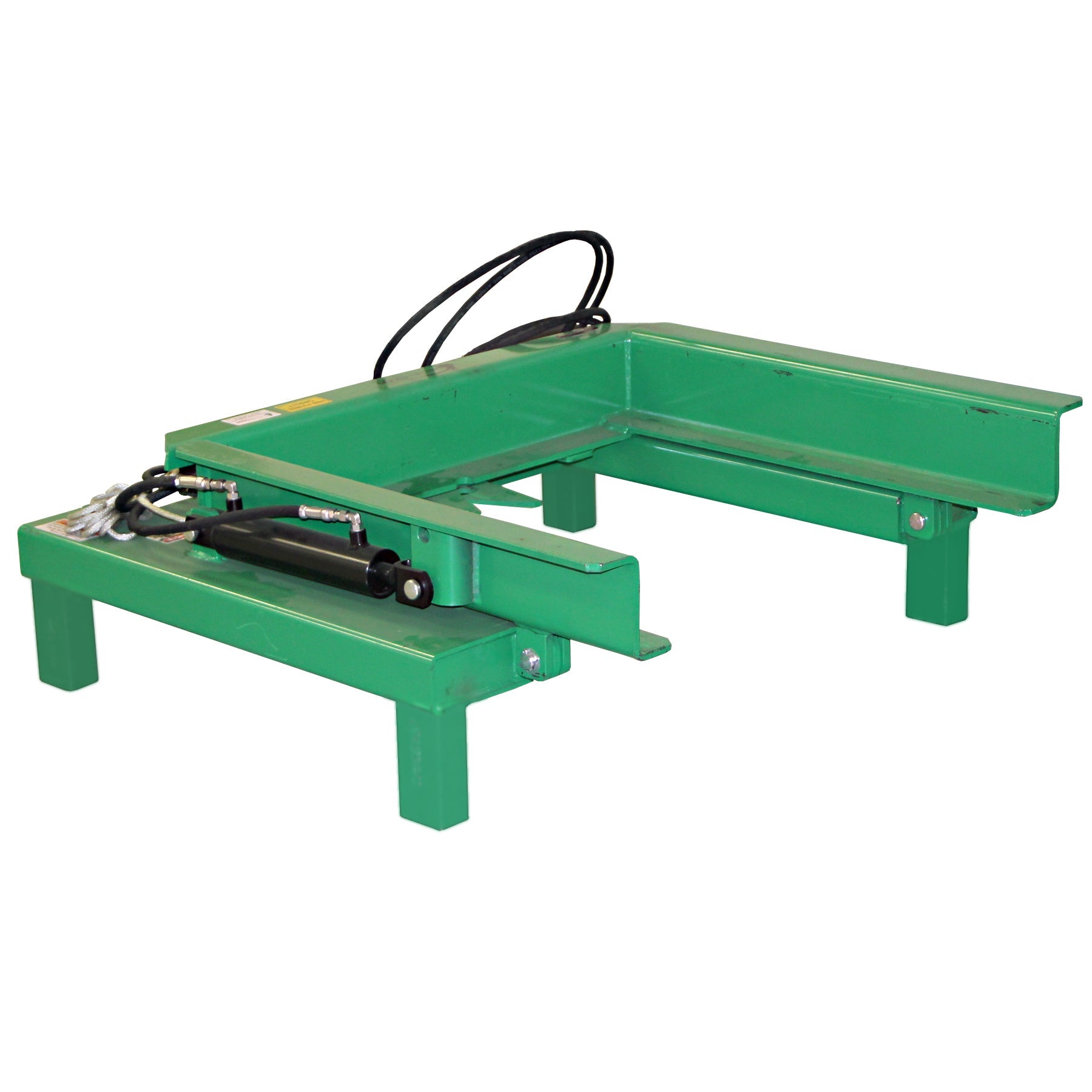
Mechanical or powered, that choice comes first. The classic self-dumping hopper is mechanical. The forkliftable mobile hoppers, offered at half and one cubic yard around $679, carry their load on a spring-loaded latch that holds the tub upright until the operator trips a release, by pulling a cable from the seat or bumping the hopper against the dumpster wall. Gravity does the dumping, and a counterweight returns the empty tub to upright where it re-latches on its own. No power, no wiring, nothing to maintain but the latch. The powered self-dumping hoppers, one and two cubic yard units from about $4,095, replace that gravity tip with a hydraulic actuator driven off the forklift's auxiliary circuit through the forklift attachment for the powered system, so the operator controls the whole dump and retract from the cab and the cycle runs in a few seconds. One attachment services a fleet of hoppers, which is where a powered setup earns its price: a plant that dumps all shift buys the attachment once and keeps mechanical-simple tubs everywhere. If dumping is occasional, a mechanical hopper is cheaper and does the same job.
Rate capacity to the heaviest full load, not the volume. Capacity and volume are two different numbers, and confusing them is the common mistake here. Volume is the cubic-yard size of the tub; capacity is the weight the frame and latch are rated to tip. The powered hoppers and box dumpers step through 2,000, 4,000, and 6,000 pound ratings, so the question is what your fullest load actually weighs. Dense scrap settles this fast: a half-yard tub of steel turnings, castings, or wet material can hit its weight rating before it looks full, while cardboard, foam, and light plastic fill the volume long before the weight. Weigh a representative full load if you can, and rate the hopper against the heaviest one it will ever carry with margin to spare. An underbought hopper is the unit that bends a latch or refuses to re-seat, and it gets replaced inside a year.
Dump height has to clear the receiving container. Dump height is the elevation the tub tips at, and across this collection it is offered from 36 up to 72 inches. It has to clear the top edge of whatever you empty into. A low roll-off box takes a short dump height; a tall compactor charge hopper or a raised dumpster needs the 60 or 72 inch models, and buying short there means scrap that lands on the rim instead of inside. Measure the wall of the actual receiving container before you order, at the point where the forklift will present the hopper, and remember the forklift adds its own lift on top of the hopper's rated dump height. Order once against the real number and the hopper empties clean every time.
The hopper is a forklift attachment, so mind the plate. Every hopper here is carried and, on the powered units, driven by your forklift, which pulls the load into the truck's own rules. A self-dumping hopper is a front-end load, not a factory attachment, and under OSHA 29 CFR 1910.178(a)(5) a truck fitted with attachments other than factory-installed ones has to be marked to identify the attachment and show the weight of the truck-and-attachment combination at maximum elevation with the load centered. Paragraph (a)(4) goes further: a truck's rated lifting capacity cannot be changed without the manufacturer's prior written approval. In practice that means a loaded hopper counts against your forklift's capacity at its load center, and a heavy powered hopper on a light truck can put you over the plate before the tub is even full. Check the hopper's full weight against your truck's derated capacity, and if the powered system taps the auxiliary hydraulics, confirm your forklift actually has that circuit. The forklift attachments collection covers the fork-mounted side more broadly.
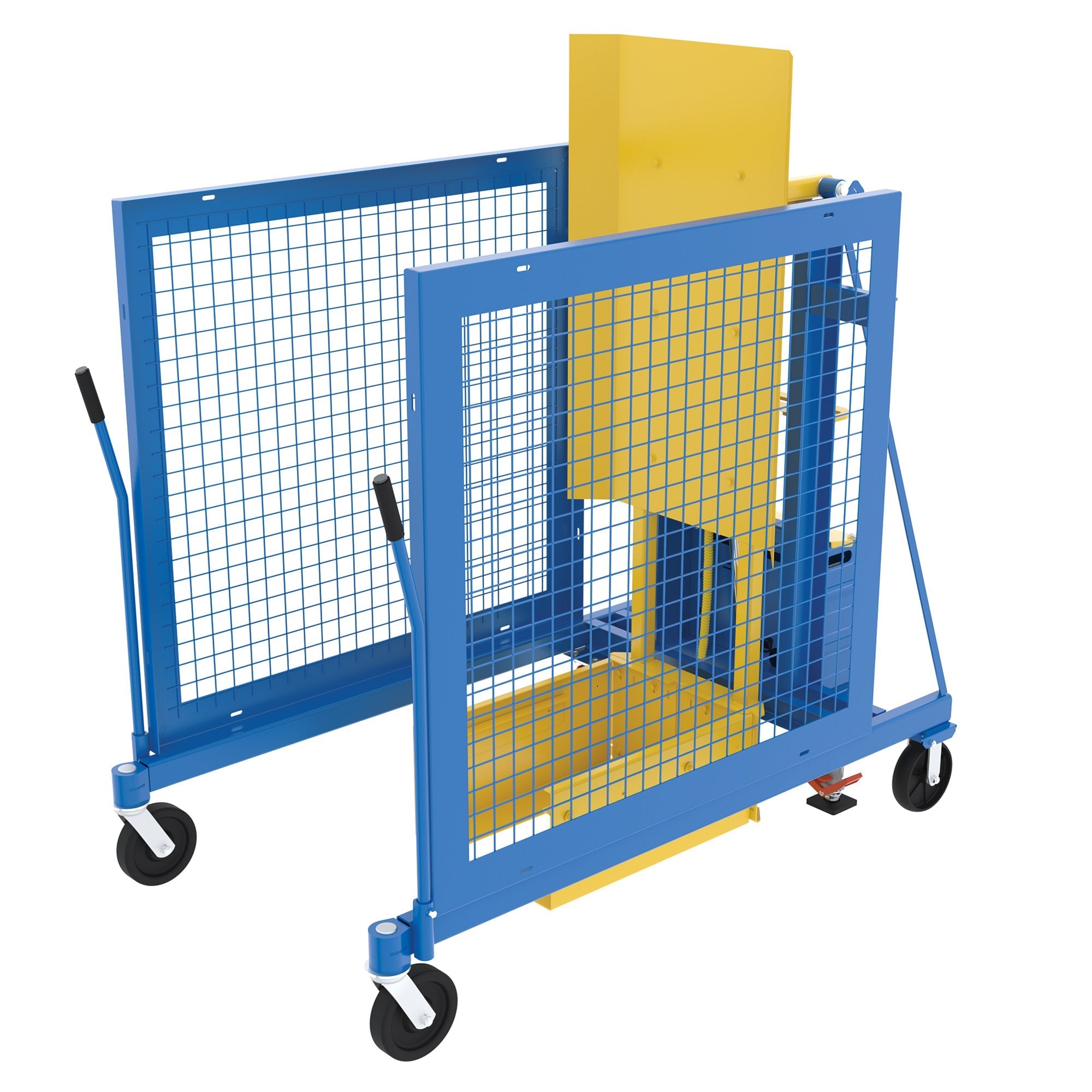
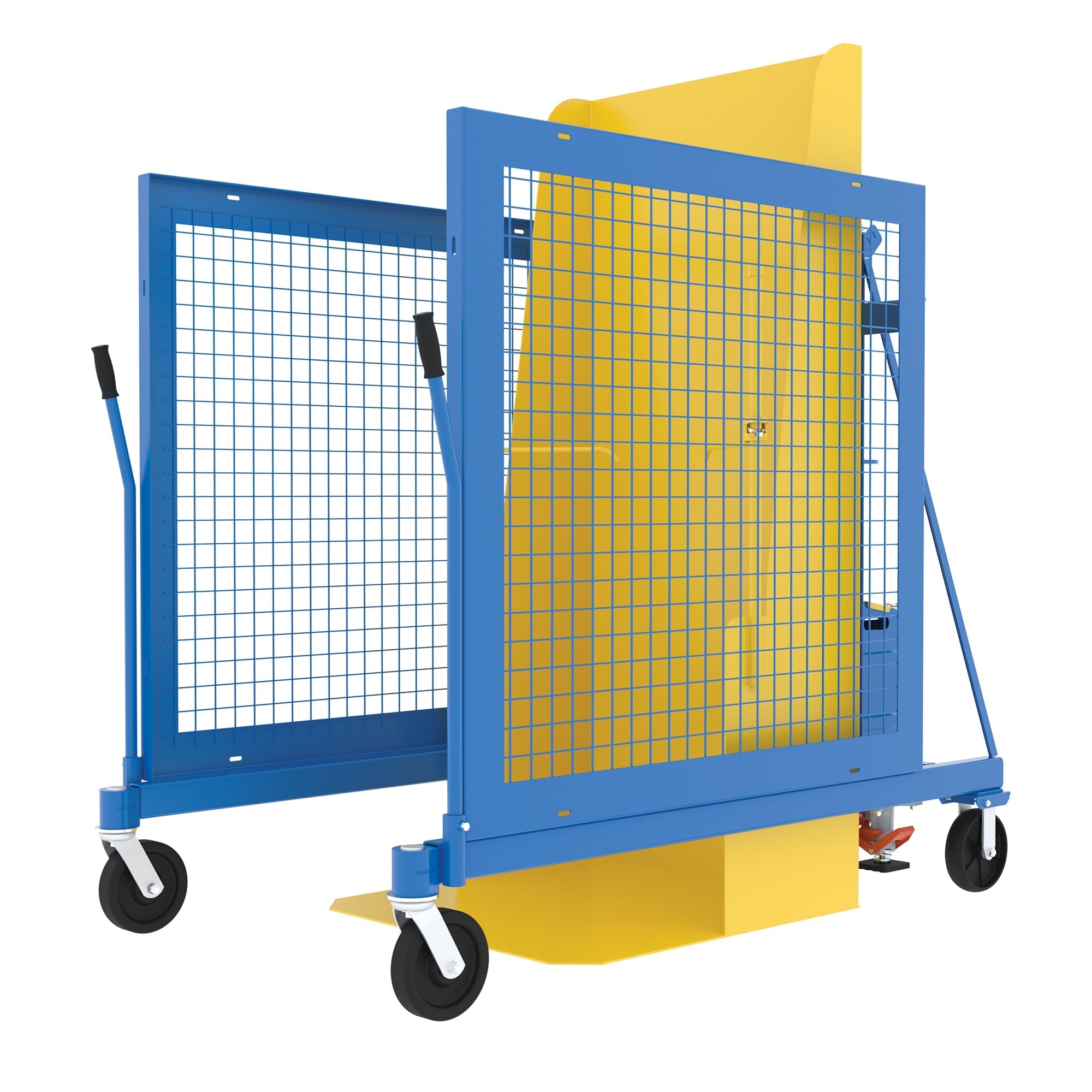
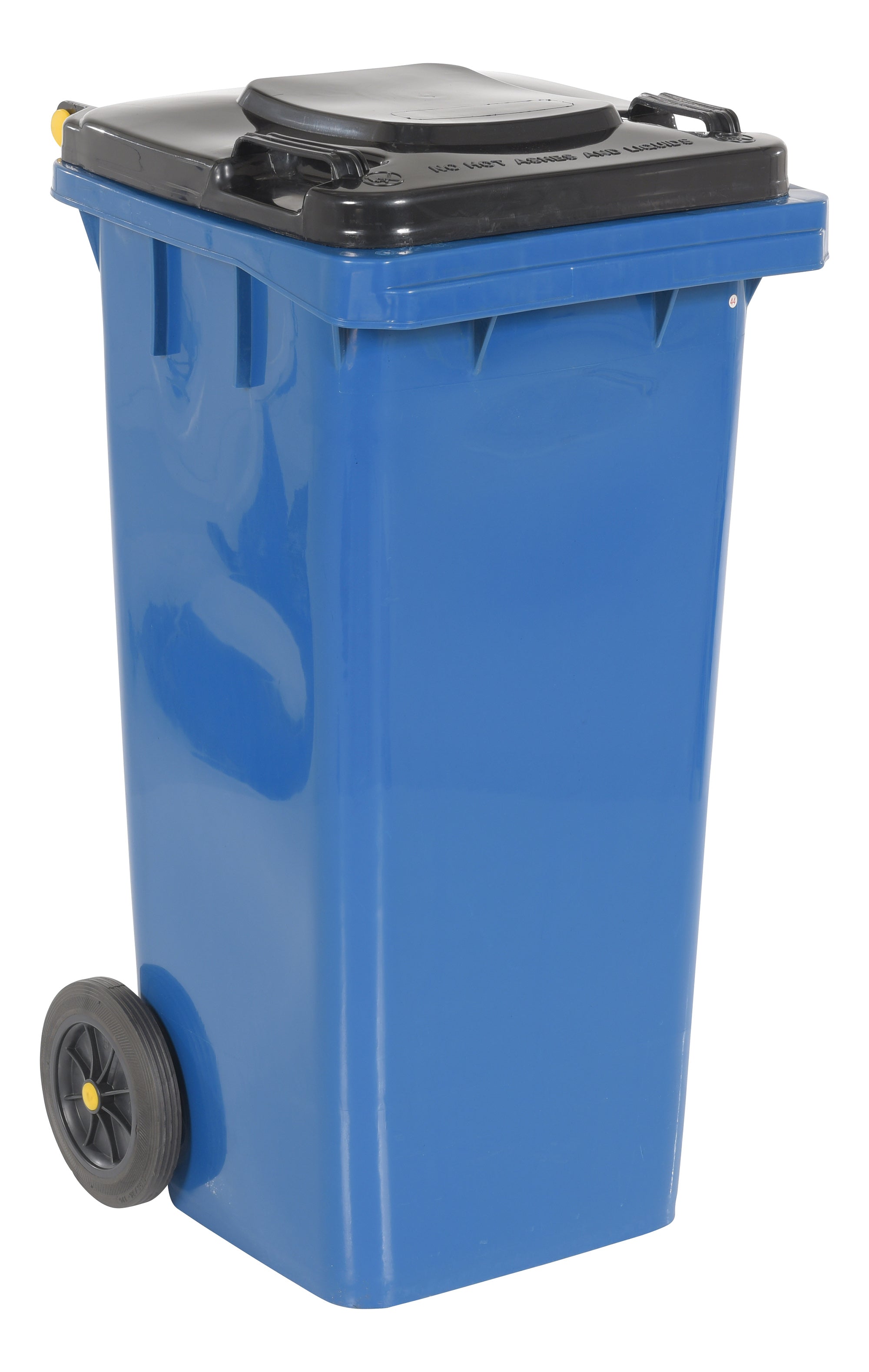
Beyond the open hopper: boxes, totes, drums, and cans. The open self-dumping hopper suits loose bulk scrap, but a lot of waste arrives in a fixed container, and this collection carries a dumper for each shape. Box dumpers invert a bin or gaylord over a chute, with 36 by 36 and 48 by 51 inch chute options, 2,000 to 6,000 pound ratings, and 230 or 460 volt power on the Valley Craft line. Multi-purpose tote dumpers and universal trash-can dumpers do the same for totes and wheeled cans, and the can dumpers come in universal and can-specific styles feeding standard 32, 64, and 95 gallon Vestil trash cans. Machine shops have their own version in the chip trucks, steel tubs from 9 to 17 cubic feet that park beside a lathe or mill and roll turnings to the scrap bin. Drum work crosses over into drum handling, where the drum dumpers here invert a 55 gallon drum at 36 to 60 inch dump heights for controlled discharge.
Power source and where the dump point sits. How a powered dumper gets its energy decides where it can work. The electric and hydraulic box, tote, and trash-can dumpers list AC and DC options: AC units plug into a wall circuit, DC units run off an onboard battery so you can dump at a loading dock or yard with no outlet in reach. The powered self-dumping hoppers sidestep the question by drawing from the forklift's own hydraulics, so the power travels with the truck. Mechanical forkliftable hoppers need no power at all, which is exactly why they stay the default for most plants. The reason to power any of it is the manual tip you are removing: NIOSH puts the recommended weight limit for a two-handed lift near 51 pounds under ideal conditions, and a loaded scrap tub is far past that, so the machine exists to keep a back out of the job. This is the deep end of the waste handling hub; the lighter jobs live over in balers and sweepers.
Frequently Asked Questions
The tub rides on a forklift's forks and sits on a spring-loaded latch that holds it upright while you load it. When the operator trips the release, by pulling a cable from the cab or bumping the hopper against the dumpster wall, the tub tips forward and empties by gravity, then a counterweight returns it to upright where the latch re-seats on its own. Powered versions replace the gravity tip with a hydraulic actuator run off the forklift's auxiliary circuit, so the operator controls the dump and the return from the seat.
A mechanical hopper needs no power: it dumps by gravity when you trip the latch and re-latches by counterweight, which makes it simple, cheap, and near maintenance-free. A powered hopper uses a hydraulic actuator driven by the forklift's auxiliary hydraulics through a fork-mounted attachment, giving controlled dumping and retraction in a few seconds from the cab. One attachment can service many hoppers, so powered pays off in plants that dump often; occasional dumping is better served by a mechanical unit.
Rate it to the heaviest full load it will ever carry, not the average. The powered hoppers and box dumpers step through 2,000, 4,000, and 6,000 pound capacities. Dense scrap like metal turnings, castings, or wet material can reach the weight rating before the tub looks full, while light waste fills the volume first. Weigh a representative full load if you can and pick the next rating up so you keep margin over your worst case.
Mechanical forkliftable hoppers work with any forklift whose forks fit the tub's pockets, with no attachment required. Powered self-dumping hoppers need the forklift attachment that ties into the truck's auxiliary hydraulic circuit, so confirm your forklift has that circuit before ordering. Either way, a loaded hopper counts against your forklift's rated capacity at its load center. OSHA 1910.178(a)(5) also requires a truck carrying non-factory front-end attachments to be marked with the combined weight at maximum elevation, and (a)(4) bars changing a truck's rated capacity without the manufacturer's written approval.
Match it to the container you empty into. Dump heights here run from 36 to 72 inches, and the tub has to clear the top edge of the receiving container at the point the forklift presents it. A low roll-off takes a short dump height; a tall compactor charge hopper or raised dumpster needs a 60 or 72 inch model. Measure the actual receiving wall before ordering, since a hopper that dumps short leaves scrap on the rim.
Chip trucks are the machine-shop version of this category: steel tubs from 9 to 17 cubic feet that park beside a lathe or mill, collect turnings and swarf, and roll to the scrap bin. They are rated to 2,000 pounds because metal fills the weight before the volume. For higher throughput, a self-dumping hopper or a box dumper lets a forklift tip the collected chips into a container without hand-lifting the load.