Cargo Corner Protectors
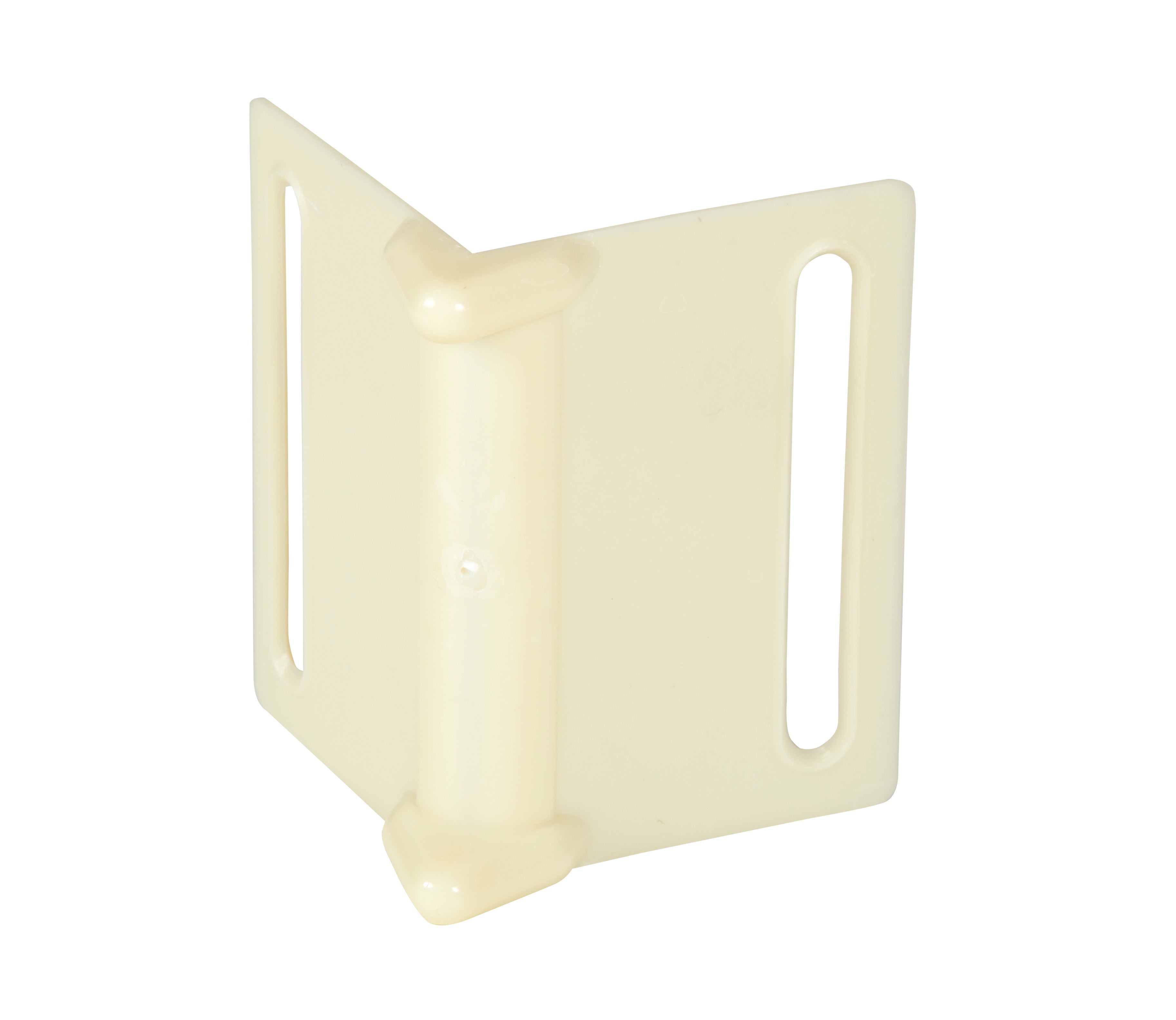
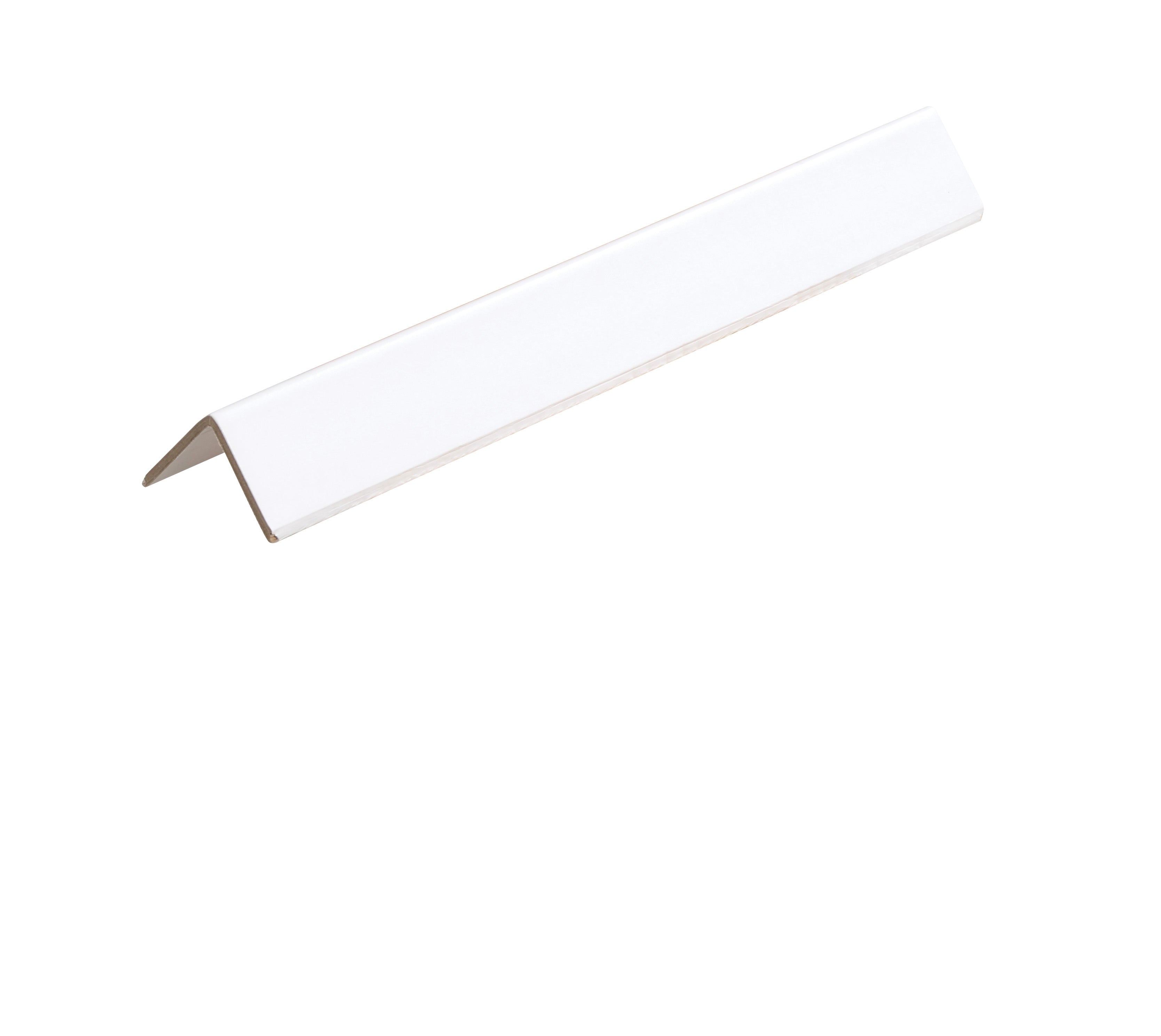
Cargo corner protectors sit between a tie-down strap and the load it holds, spreading the strap's pressure across a sharp edge so neither the webbing nor the cargo is damaged on the road. Federal rule 49 CFR 393.104 requires edge protection anywhere a tiedown would be abraded or cut where it touches an article of cargo, which makes this one of the few securement items the law names outright. This collection carries two Vestil lines: plastic cargo protectors that ride under flatbed and trailer straps, and edge guards in nylon, plastic, rubber, and steel for banded and strapped pallet loads. Both come in bulk packs at working-supply prices, from a couple dozen dollars a box up to a little over two hundred for the heavier reusable styles.
Compare Edge & Cargo Protectors
| Model | Price | Brand | Overall Width | |
|---|---|---|---|---|
| Vestil Edge Guards | $111 | Vestil | — | View → |
| Vestil Cargo Protectors | $61 | — | 2-48 in | View → |
Edge & Cargo Protectors Buying Guide
Two jobs hide under one name. Everything here protects an edge, but the two Vestil lines answer different problems. The plastic cargo protectors are transport hardware: V-shaped and flat pieces that ride under the straps on a flatbed or trailer, which is why the securement math in ratchet straps and the wider truck and tow hardware sits right next to them. The edge guards are packaging hardware, the small corner pieces that slip under the banding or strapping on a palletized load before it ships. If your strap crosses a steel plate, a crate corner, or a stack of pipe on a truck, you want the cargo protectors. If you are strapping product to a pallet in the warehouse, you want the edge guards. Many operations run both.
Why the law names edge protection. A tie-down under tension bites hardest right at the corner it bends over. Left bare, that corner does two things: it cuts into the webbing until the strap loses working load and can fail, and it takes the full line pressure into one thin line of the load, denting or crushing it. An edge protector spreads that pressure over a wider footprint and gives the strap a smooth radius to turn on. That is the abrasion-and-cutting case 393.104 was written for, so on a DOT-regulated load these are compliance items, not merely insurance.
Material is the real choice on the edge guards. The Vestil edge guards come in four materials, and the pick follows the strap and the surface. Plastic and nylon are the light, low-cost options for poly and cord strapping on ordinary freight, sold by the hundred or thousand for lines that treat them as single-trip. Rubber cushions a finished or coated surface where a hard guard would leave a mark. Steel is the heavy-duty, reusable answer for high-tension steel strapping, where a plastic guard would simply crush; it costs more per piece and ships in smaller packs because it is built to come back. Cargo protectors are plastic throughout, which is all a webbing strap on a truck needs.
Size it to the strap width and the edge. Corner protectors are cheap, so the only mistake is buying the wrong shape. The cargo protectors come in a corner style and in edge lengths from a few inches up to 48 inches wide, so a wide strap or a long exposed edge stays covered end to end rather than pinching past the guard. Read the pack quantity before you buy, because these are sold in boxes of 50, 200, and 300 for the cargo protectors and up to 1,000 for the smaller plastic edge guards. Buy the shape and length your load actually presents, in the count your throughput burns through, and keep spares in the truck.
Frequently Asked Questions
On DOT-regulated transport, effectively yes. 49 CFR 393.104 requires edge protection whenever a tiedown would be subject to abrasion or cutting at the point where it touches the cargo. Any load where a strap bends over a hard or sharp edge falls under that rule, and a corner protector is the standard way to satisfy it.
The Vestil cargo protectors are plastic pieces made to ride under flatbed and trailer tie-down straps in transit. The edge guards are corner pieces for banded and strapped pallet loads, and they come in nylon, plastic, rubber, and steel for different strapping types. Transport securement uses the cargo protectors; warehouse strapping uses the edge guards.
Match it to the strap and the surface. Plastic or nylon for poly and cord strapping on ordinary freight. Rubber where the load has a finished surface that a hard guard would mark. Steel for high-tension steel strapping, where anything softer gets crushed. Steel also holds up to repeated reuse.
The steel edge guards are built to be reused and come back with the load. The plastic and nylon guards and the plastic cargo protectors are inexpensive enough that many operations treat them as single-trip, though nothing stops you from recovering and reusing ones that come off clean.
Use the steel edge guards for steel strapping. Steel band runs at tensions that flatten a plastic or nylon guard, so the reusable steel corners are the right match. Save the plastic and nylon guards for poly and cord strapping and the plastic cargo protectors for webbing straps on a truck.