Horizontal Plate Clamps
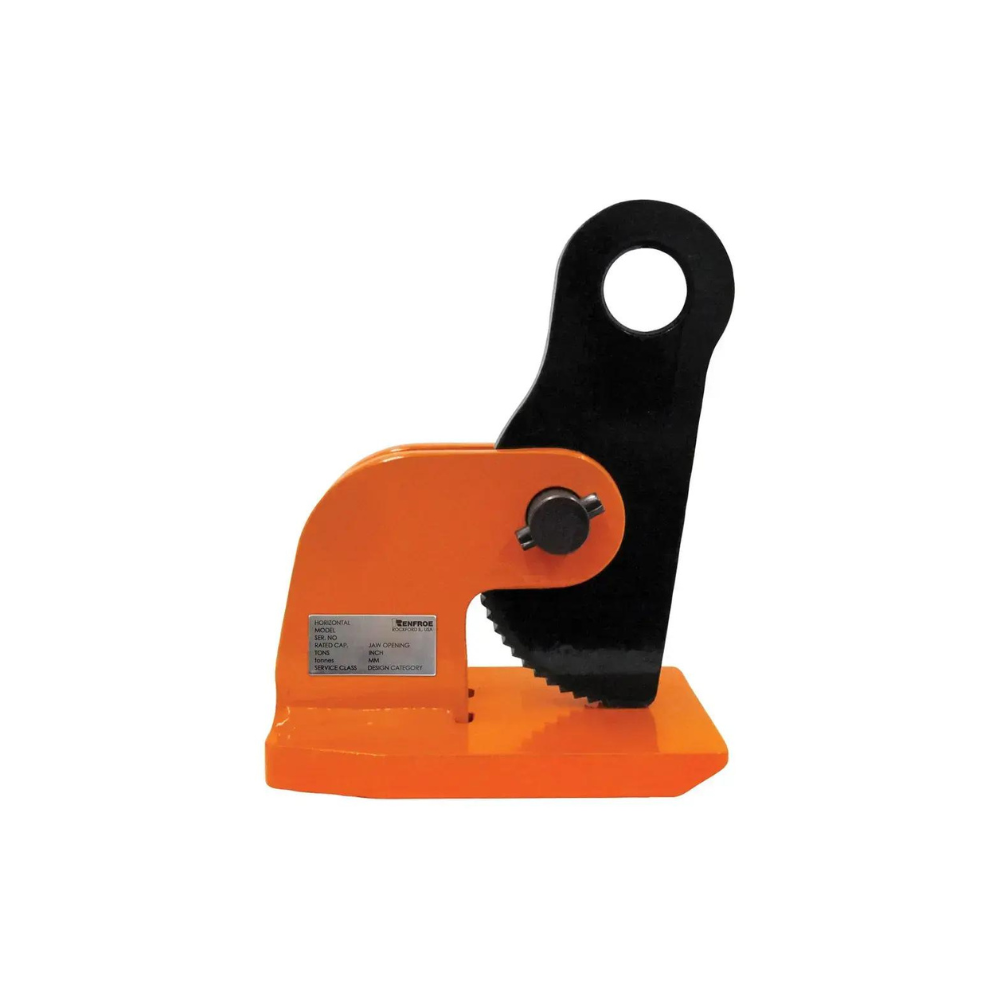
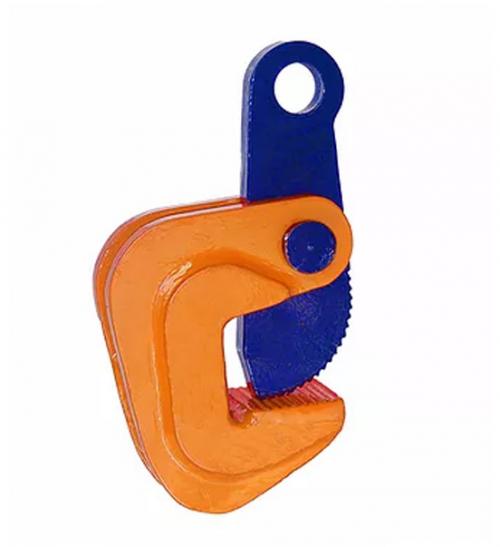
Horizontal plate clamps grip a steel plate on opposite edges and carry it flat, so a plate travels from rack to table to machine without ever standing on end. They always work in matched sets, a pair across a short plate or four on a long one, hung from a bridle or a spreader so the load stays level and no single jaw takes more than its share. This collection runs from Bison's HPG clamps at 2 to 5 tons starting around $153 and the Renfroe LHC set from 500 to 8,000 lb, up through Camlok's CH plate patterns to 8,000 kg and the wide-jaw Renfroe WHSR built for thick plate and bundles. Locking and non-locking builds both live here, along with Camlok girder stacking clamps for structural steel. Every clamp is a below-the-hook lifting device under ASME B30.20, and the guide below covers the rules that keep a flat pick flat: pairing, jaw range, minimum load, and sling angle.
Compare Horizontal Lifting Clamps
| Model | Price | Capacity | |
|---|---|---|---|
| Caldwell Lifting Solutions Renfroe NMA Locking Type Non-Marring Lifting Clamps | $5,716 | 1/2-4 ton | View → |
| Caldwell Lifting Solutions Renfroe NM Locking Screw Type Non-Marring Lifting Clamps | $3,665 | 1-12 ton | View → |
| Camlok Horizontal Girder Clamp | $2,601 | 200-16,500 lb | View → |
| Camlok TTG Girder Stacking Clamps | $2,601 | 3,300-16,500 lb | View → |
| Camlok THS Horizontal Plate Clamps | $2,593 | 1,600 lb | View → |
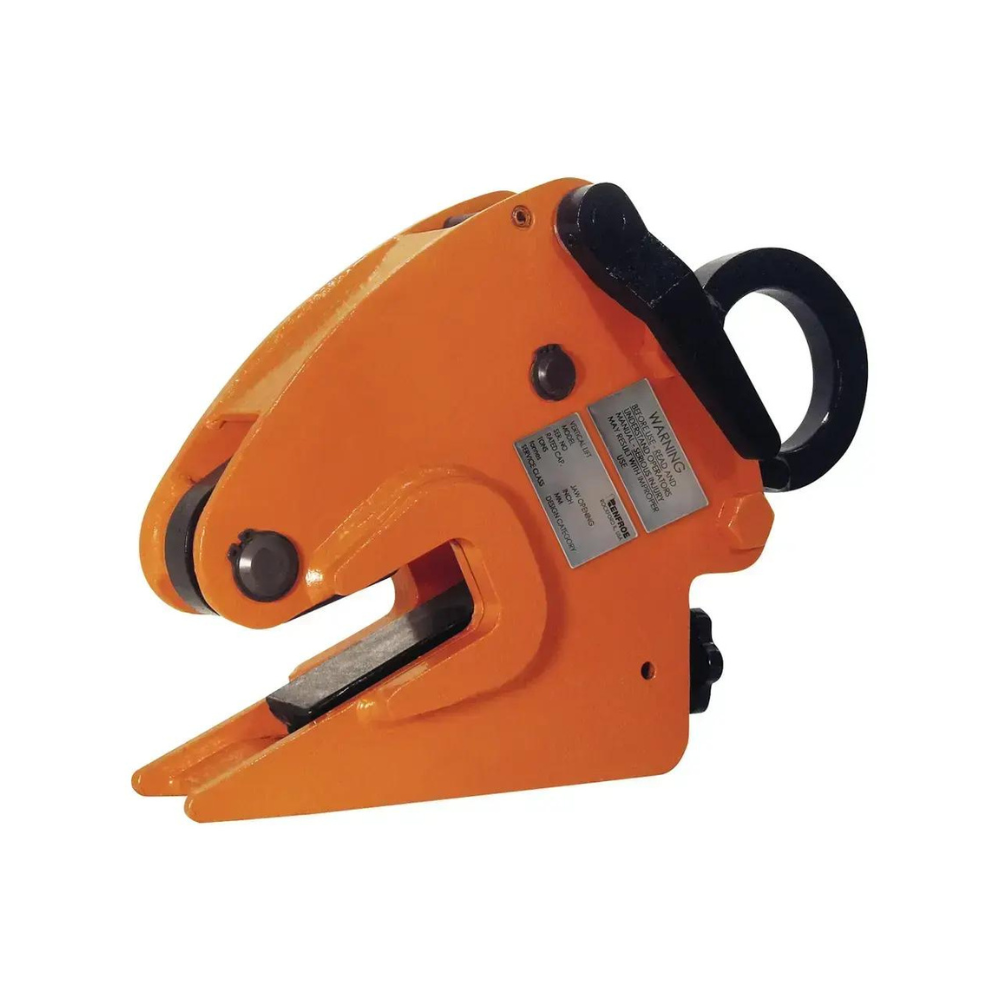
| Caldwell Lifting Solutions Renfroe WHSR Non-Locking Type Horizontal Lifting Clamps | $1,690 | 1/2-8 ton | View → |
 In Stock
 In Stock
 In Stock
 In Stock
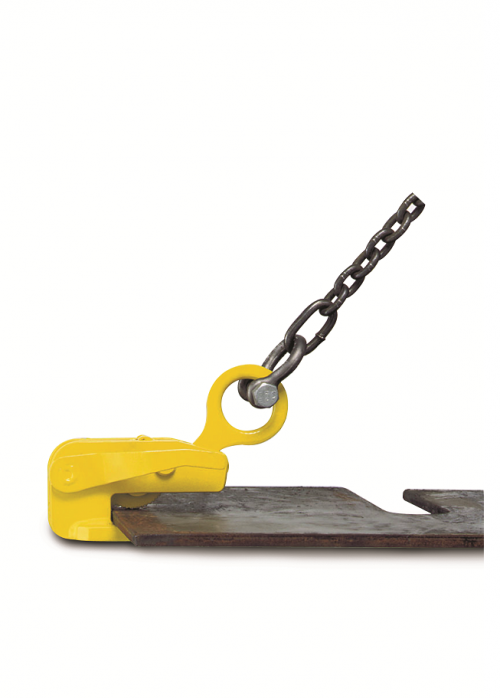 In Stock
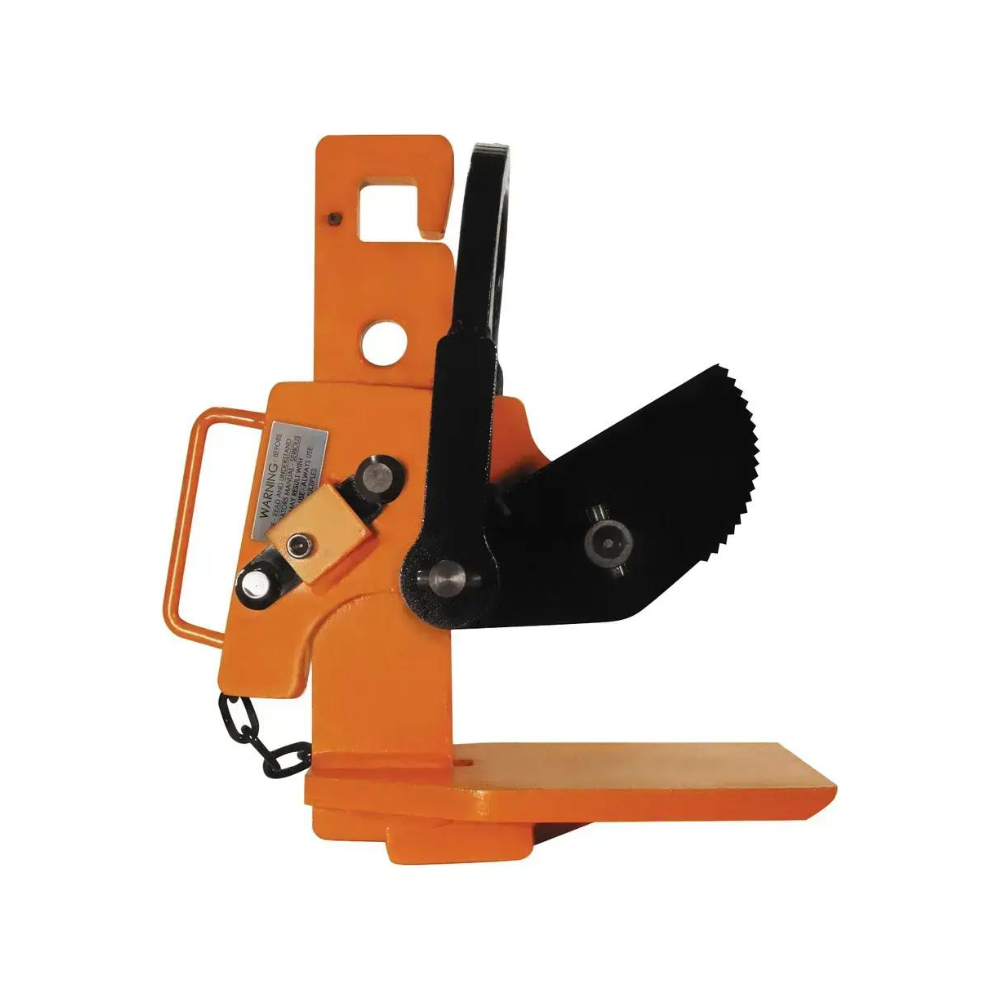 In Stock
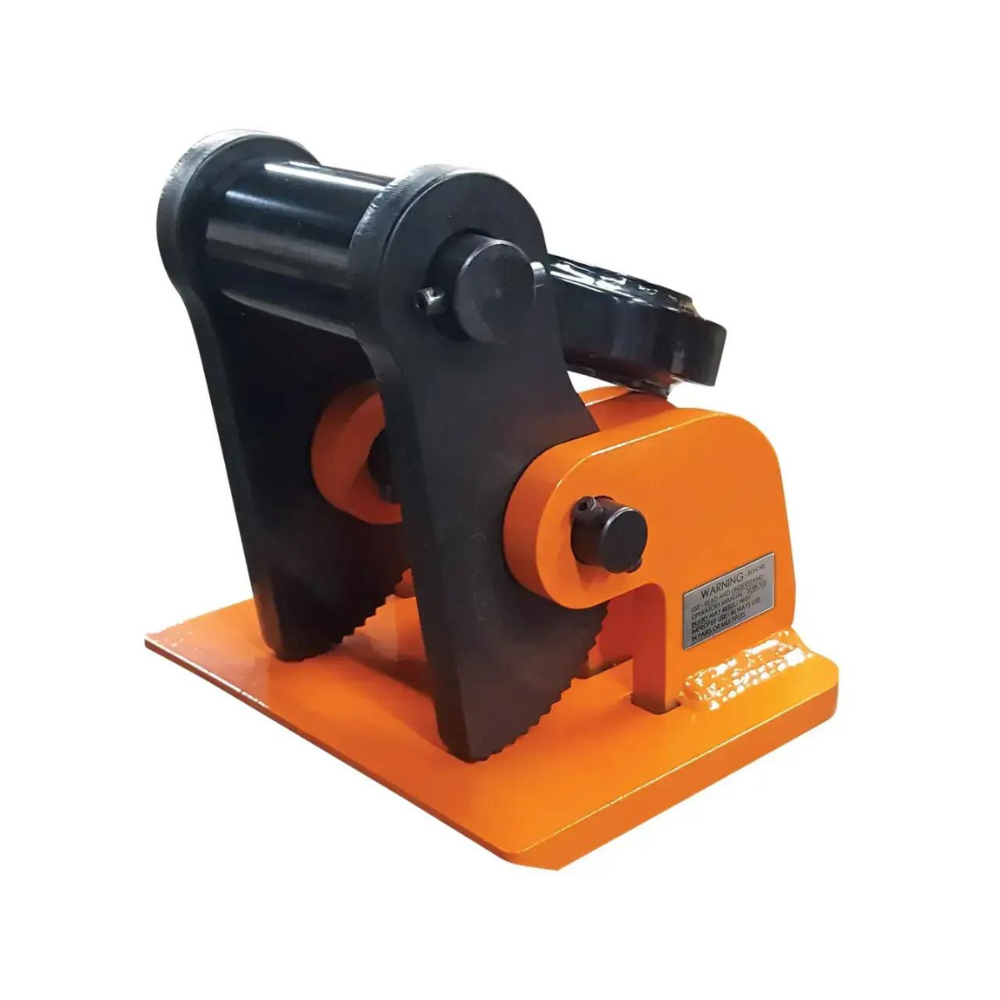 In Stock
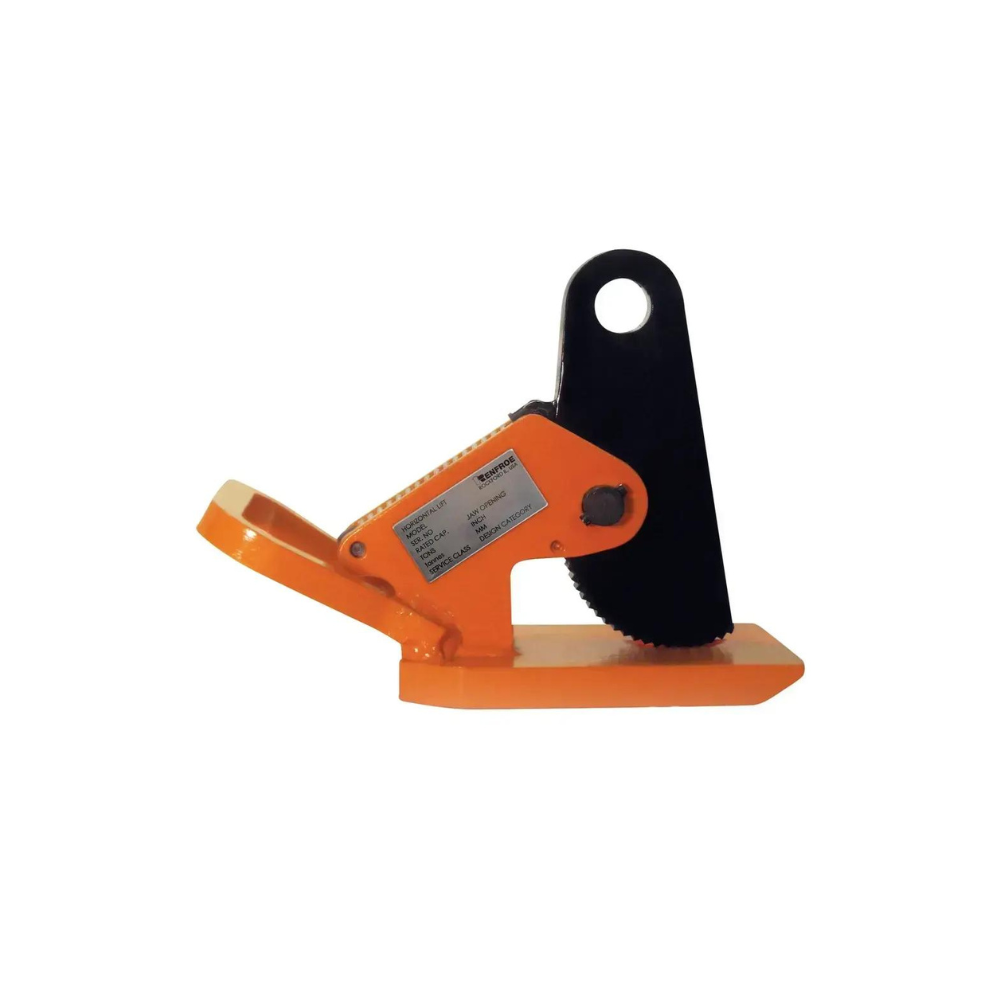 In Stock
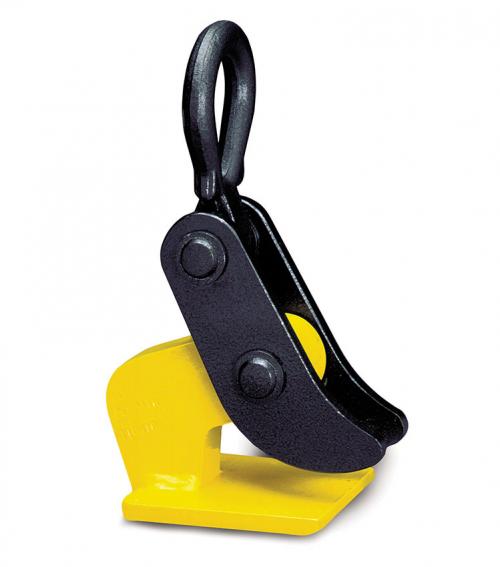 In Stock
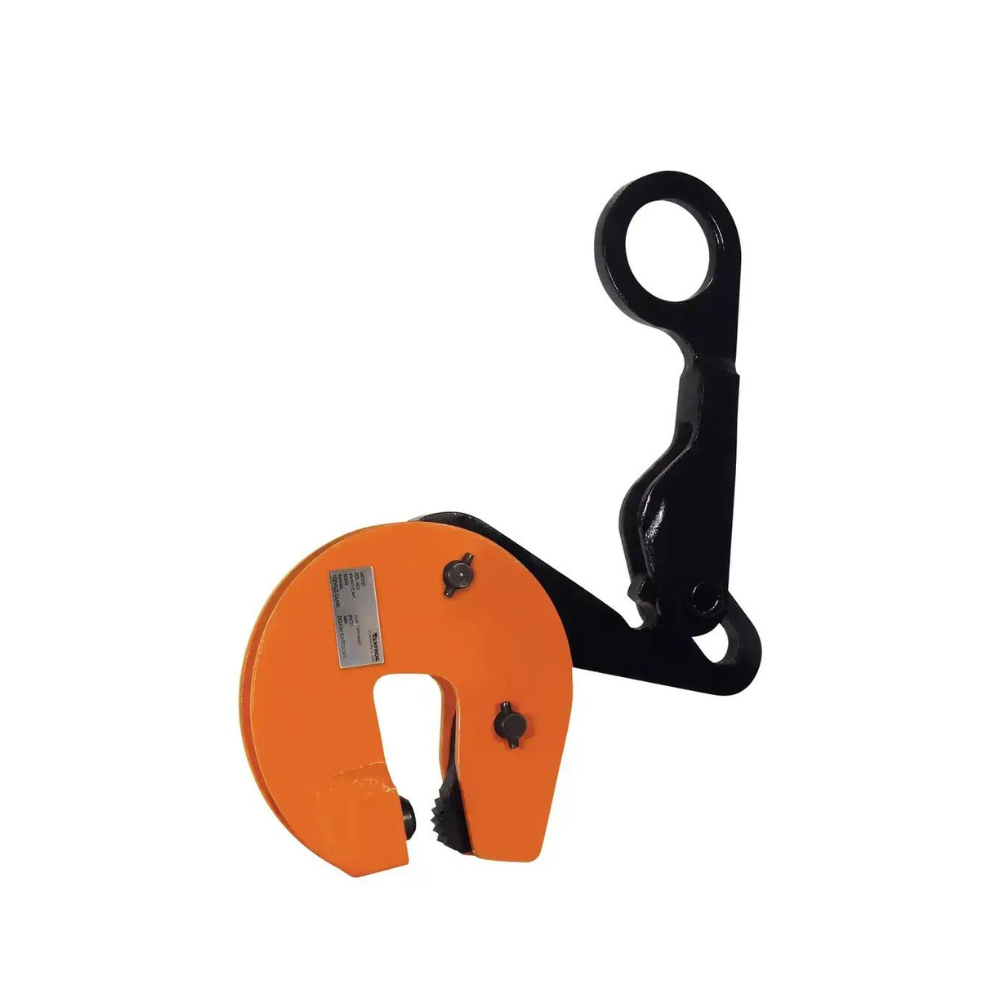 In Stock
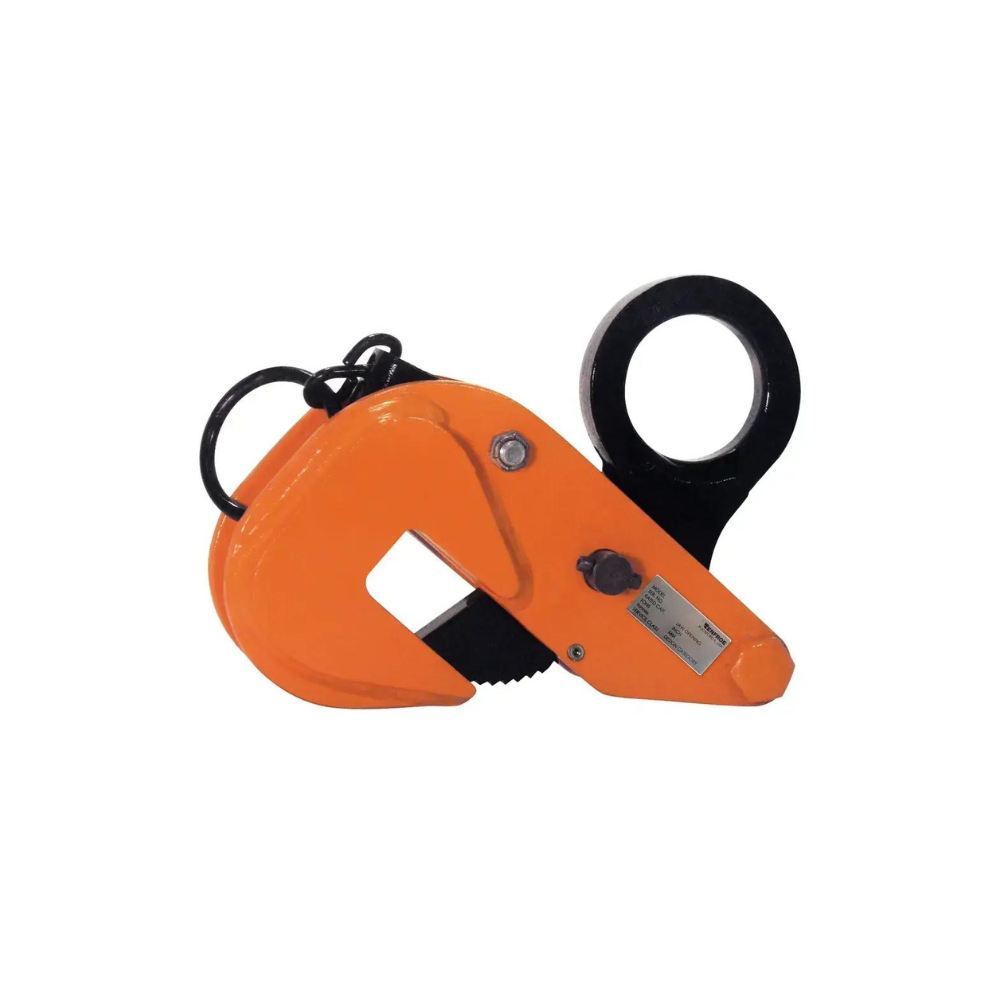 In Stock
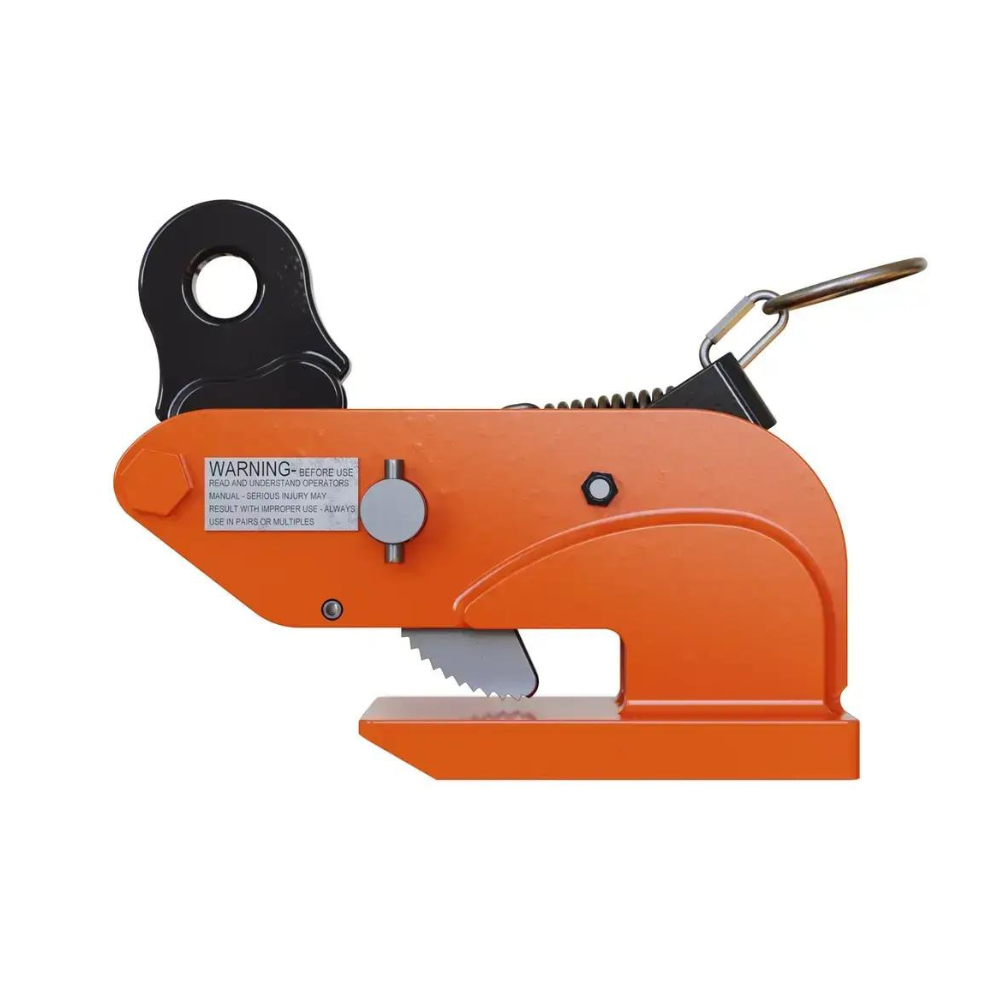 In Stock
 In Stock
 In Stock
Horizontal Lifting Clamps Buying Guide
Why horizontal clamps come in pairs, never one. A horizontal plate clamp grips one edge of the plate, and that is the whole reason it can never lift alone: a single edge grip on a flat plate has nothing holding the far side up, so the plate pitches and slides straight out of the jaw. Horizontal clamps work in opposed sets, two clamps facing each other across a short plate, four on a long one, hung from a multi-leg lifting sling or a spreader so the pull on each clamp runs vertical. Size every clamp in the set for its share of the load with the sling angle figured in, not the total weight, and confirm the clamps sit truly opposed before the pick so the plate cannot walk out sideways. This is the rule that separates horizontal from vertical lifting clamps, which grip a top edge and lift one at a time.
Non-sagging is the word that matters. Horizontal clamps are rated to carry non-sagging material, plate stiff enough to stay flat between the grip points, or bundles of it. A plate that sags in the middle of a two-point pick unloads the jaws exactly when the plate starts to move, and a slack jaw drops its edge. The fix is more support, not a bigger clamp: long or thin plate wants four clamps and a spreader bar that keeps every leg vertical, rather than a heavier pair spanning a longer gap. Measure the plate against the clamp maker's span guidance before you rig, and treat any plate that flexes under its own weight as a four-point lift from the start.
Jaw range is set by plate thickness, and bundles need the wide jaw. Two numbers size a horizontal clamp, and both have to fit the plate: the working load limit for the weight, and the jaw opening for the thickness. The Renfroe WHSR set carries this the furthest, offered in 6, 12, and 16 inch jaw openings from half a ton to 8 tons, because a 16 inch jaw is there to swallow a stacked bundle rather than a single sheet. Camlok's CH line splits the same way, standard patterns gripping thin plate from 5 mm and the L variants opening to 100 and 125 mm for heavy plate. Match the jaw to the actual plate or bundle: a plate thinner than the jaw's low limit is not gripped as designed, and one thicker than the high limit will not enter the throat at all.
Locking or non-locking on a flat pick. Locking and non-locking builds both sit in the set. The Renfroe HRS and DWS locking clamps add a spring mechanism that keeps jaw pressure on with the tension off, holding the plate through a pause or a set-down; the LHD and WHSR non-locking patterns rely on load tension alone. A flat pick is where the difference bites, because a horizontal set naturally goes slack the instant the plate touches down or the crane creeps, and a non-locking jaw relaxes in that moment. Buy locking for general handling and staging, where the plate stops and starts. Keep non-locking for controlled, repetitive transfer that never lets a clamp go slack.
Minimum load: the cam still has to bite. A spring or cam clamp needs weight on it to drive the teeth into the steel, so every horizontal clamp carries a minimum load as well as a maximum. Manufacturers commonly set that floor near 20% of the safe working load, and a plate lighter than it lets the jaw ride without biting, which is how a light sheet slips out of an oversized clamp. Bigger is not safer here. Size the set to the plates you actually move, keep the plate faces clean so the teeth can reach bare steel, and check plate hardness against the clamp's limit before gripping abrasion-resistant stock, since teeth that cannot bite cannot hold.
Girders, and the ASME B30.20 duties. For structural steel rather than plate, the Camlok girder stacking clamps grip the flange of a beam laid flat and stack or transfer it in matched pairs, rated from 3,300 to 16,500 lb. Loads with no edge to grip at all, machined blocks or clean sheet stacks, belong to the lifting magnets instead, and odd shapes to the specialist lifting clamps. Whatever the pick, every clamp here is a below-the-hook lifting device under ASME B30.20: rated load marked and legible, a check before each use, documented periodic inspections kept on record, and repairs left to the manufacturer or a qualified person. Inspect the jaw teeth and pivot for wear at every check, because a rounded tooth is the first thing to let a flat plate go.
Frequently Asked Questions
Each clamp grips only one edge, so a single clamp on a flat plate has nothing holding the opposite side up and the plate pitches out of the jaw. Two opposed clamps, or four on a long plate, grip both sides and keep the load level. Rate each clamp in the set for its share of the weight with the sling angle included, never the total.
Four, hung from a spreader or a four-leg bridle. Long thin plate sags between two grip points, and sag unloads the jaws just as the plate starts to move. Four clamps and a spreader keep every leg vertical and every jaw loaded. A short, stiff plate that stays flat between the grips is fine on a matched pair.
The plate thickness, or the height of a plate bundle, that the clamp can grip. The Renfroe WHSR comes in 6, 12, and 16 inch jaws so a wide opening can take a stacked bundle, and Camlok's CH L variants open to 125 mm for heavy plate. A plate thinner than the jaw's low limit will not grip as designed, and one thicker than the high limit will not fit the throat.
Yes. The teeth need weight to bite, so manufacturers set a floor commonly near 20% of the safe working load. A plate lighter than that lets the jaw ride without penetrating and can slip. Size the clamp to the plates you actually lift rather than the heaviest one in the yard, and keep the plate faces clean so the teeth reach bare steel.
Locking for most work. A horizontal set goes slack the moment the plate sets down or the crane creeps, and the spring in a Renfroe HRS or DWS locking clamp holds jaw pressure through that slack. Non-locking clamps like the LHD and WHSR suit fast, repetitive transfer that keeps tension on the clamp every second it is rigged.