Plate Lifting Clamps
Plate lifting clamps grip a steel plate by its edge and hang it from a hook, and for bare mild steel a standard vertical or horizontal cam clamp does the whole job. This collection is the specialist end of that idea: the clamps and grabs for the plates and loads a toothed cam clamp cannot handle. That covers non-marring clamps that grip polished, stainless, and coated plate through smooth pads, Camlok's hinged universal clamp that turns a plate flat to vertical and back, structural-shape clamps that lift and stack beams and angles, girder and pitching clamps for erection work, and load-specific grabs for coils, pipe, concrete barriers, containers, pallets, and bulk bags. Brands run from Caldwell's Renfroe line and Camlok through Tandemloc and Vestil, with prices from a few hundred dollars for a bag frame into five figures for a heavy coil C-hook. Every device here is a below-the-hook lifting device under ASME B30.20.
Compare Specialist Lifting Clamps
| Model | Price | Capacity | |
|---|---|---|---|
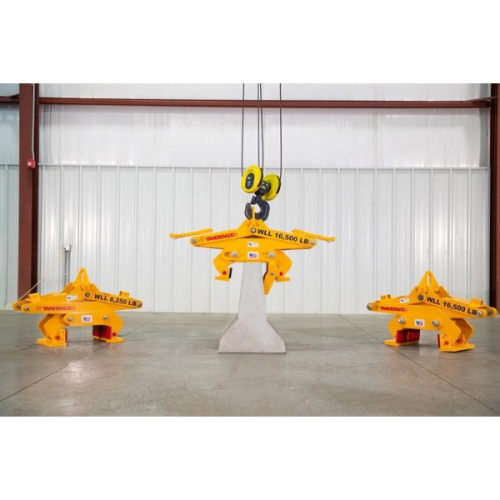
| Tandemloc Concrete Barrier Grabs | $7,604 | 8,200-16,500 lb | View → |
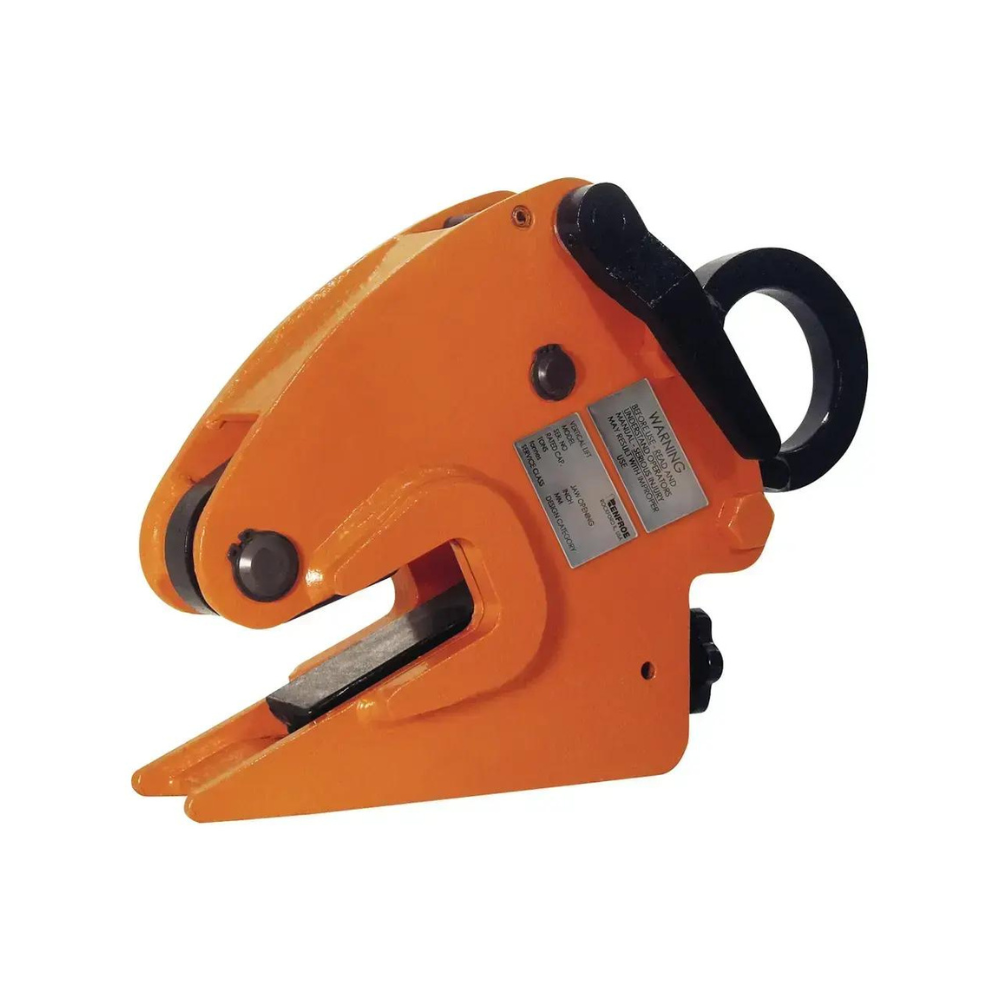
| Caldwell Lifting Solutions Renfroe NMA Locking Type Non-Marring Lifting Clamps | $5,716 | 1/2-4 ton | View → |
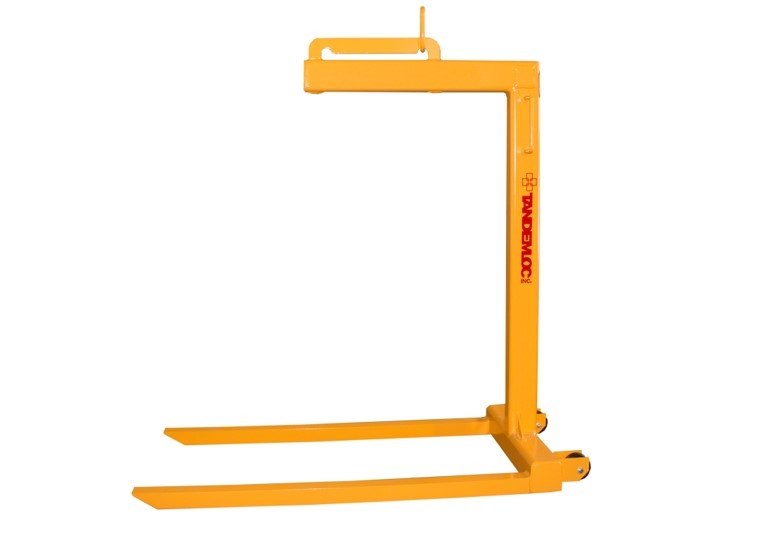
| Tandemloc AN17W Wheeled Lightweight Pallet Lifters | $3,865 | 2,000-4,000 lb | View → |
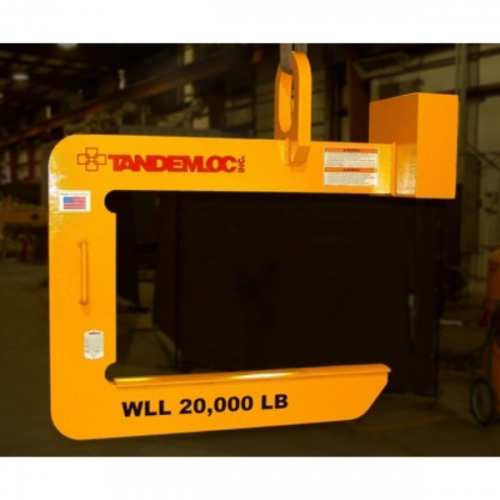
| Tandemloc Heavy-Duty Coil Lifters | $3,778 | 10,000-100,000 lb | View → |
| Caldwell Lifting Solutions Renfroe NM Locking Screw Type Non-Marring Lifting Clamps | $3,665 | 1-12 ton | View → |
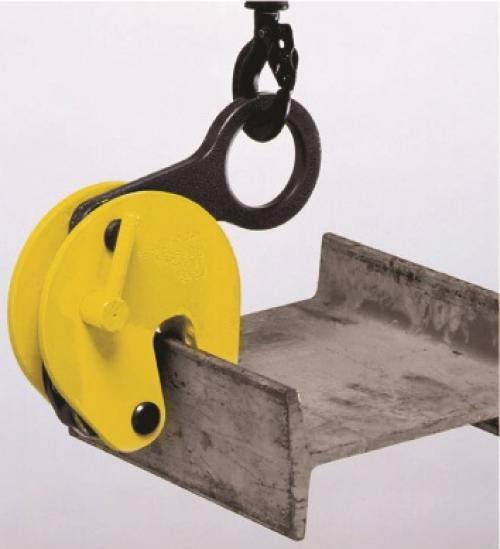
| Camlok CX Heavy-Duty Hinged Universal Plate Clamp | $3,511 | 2,200-22,000 lb | View → |
 In Stock
 In Stock
 In Stock
 In Stock
 In Stock
 In Stock
 In Stock
 In Stock
 In Stock
 In Stock
 In Stock
 In Stock
 In Stock
 In Stock
 In Stock
 In Stock
 In Stock
 In Stock
 In Stock
Specialist Lifting Clamps Buying Guide
When a toothed cam clamp is the wrong tool. A standard plate clamp holds by driving hardened teeth into the plate, and that works up to a point. Manufacturers rate those teeth against surface hardness, commonly up to 300 Brinell, roughly 32 HRC, on hot-rolled structural steel. Push past that hardness and the teeth cannot bite. Grip a finished surface and the teeth leave marks that ruin the part. And a plate clamp assumes a plate, a flat edge for the jaw to close on, which coils, pipe, barriers, and shipping containers do not offer at all. Every item in this collection answers one of those limits: a clamp that grips without marring, a clamp built to turn or handle heavier and harder plate, a clamp shaped for structural sections, or a grab designed around a load that has no plate edge to take. The buying question is which limit you are up against.
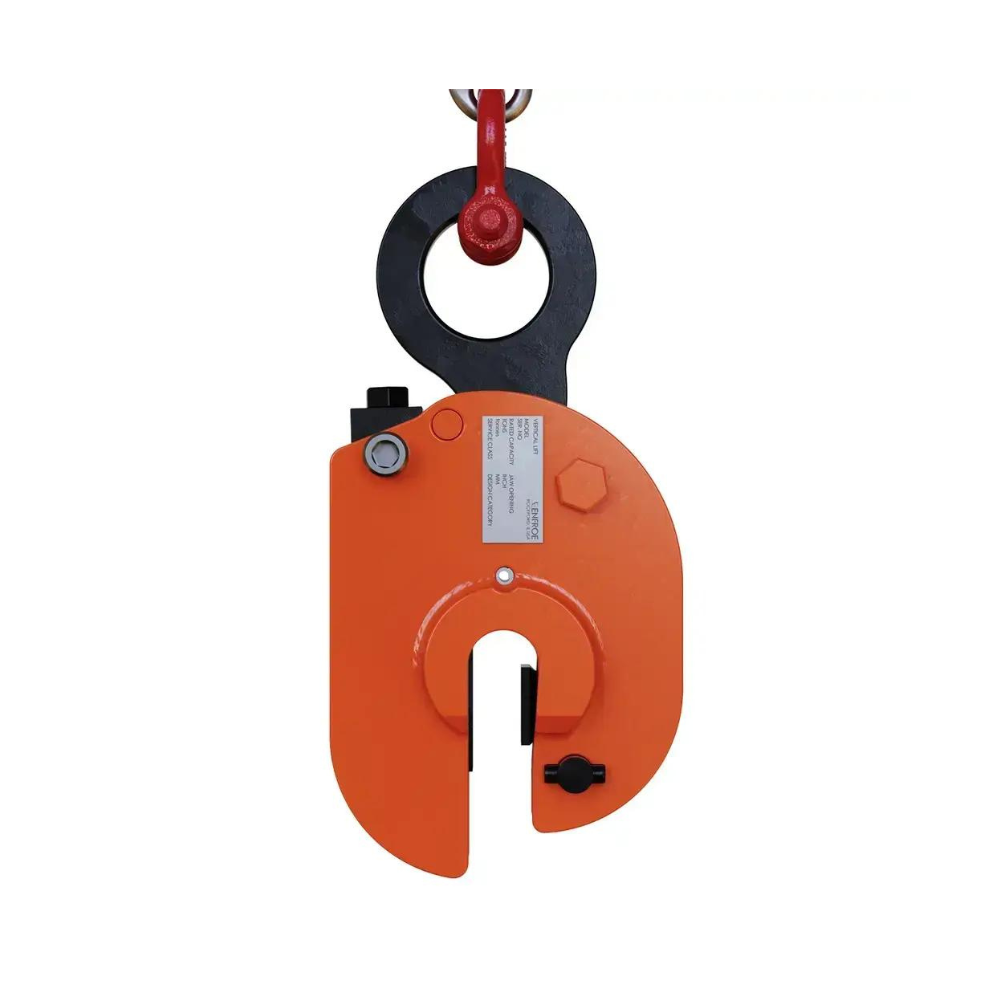
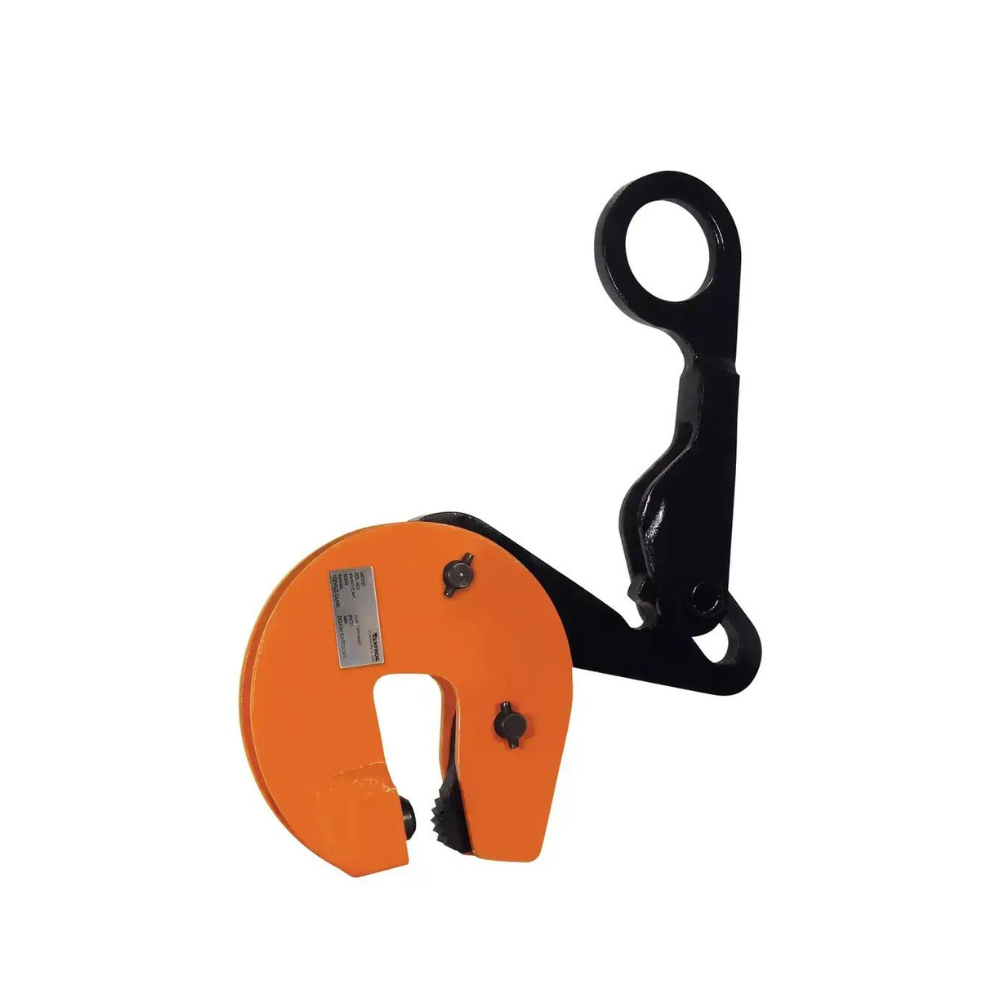
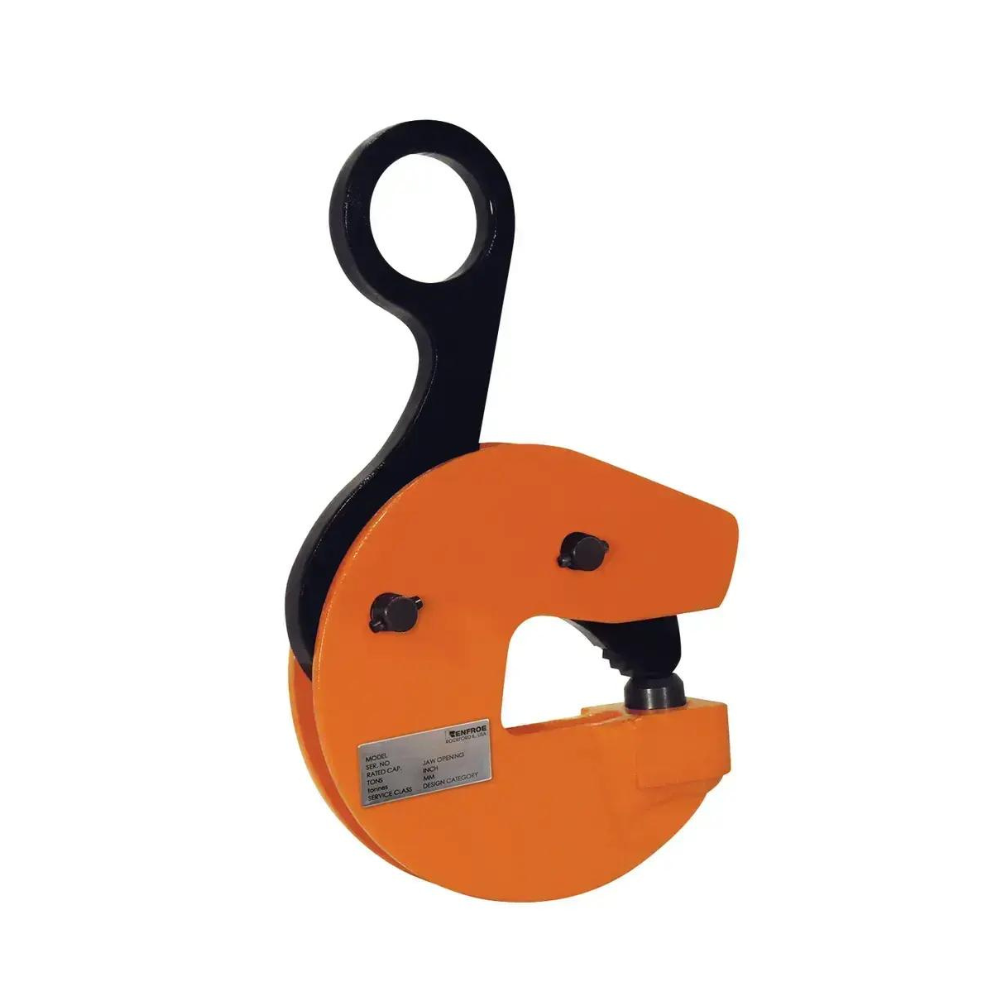
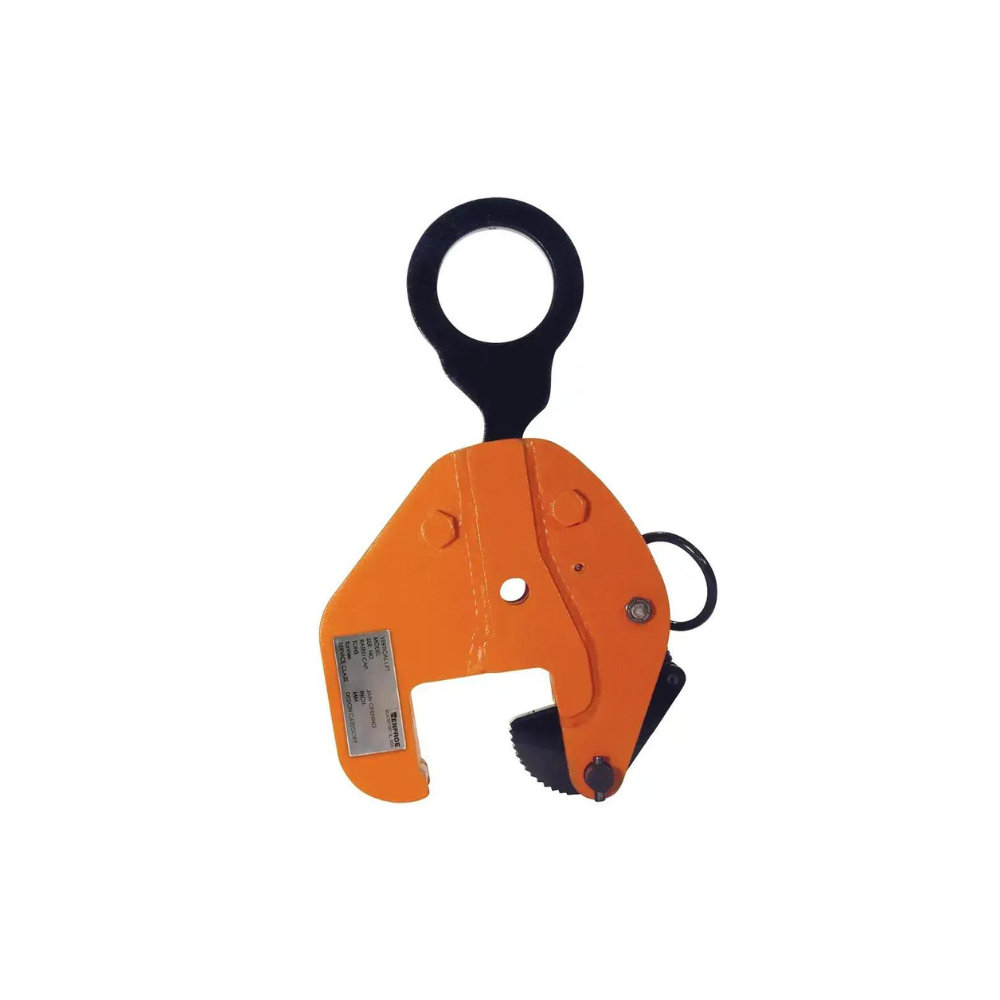
Non-marring clamps for finished and coated plate. When the plate is stainless, aluminum, copper, painted, or polished, teeth are out. The Renfroe non-marring clamps from Caldwell grip through smooth hardened pads instead, holding the surface without leaving a signature. The NM locking screw-type clamps start around $3,665 at 1 ton and run to nearly $11,900 in the larger builds, and the NMA locking clamps start around $5,716. Both carry a lock that keeps pad pressure on with the load tension off, which matters more on expensive stock where a slip is a scrapped part, not merely a dropped one. The trade is real: smooth pads hold by friction rather than a mechanical bite, so non-marring clamps cost more and rate lower than a toothed clamp of the same size. Match the clamp to the plate finish first, then to weight and thickness.
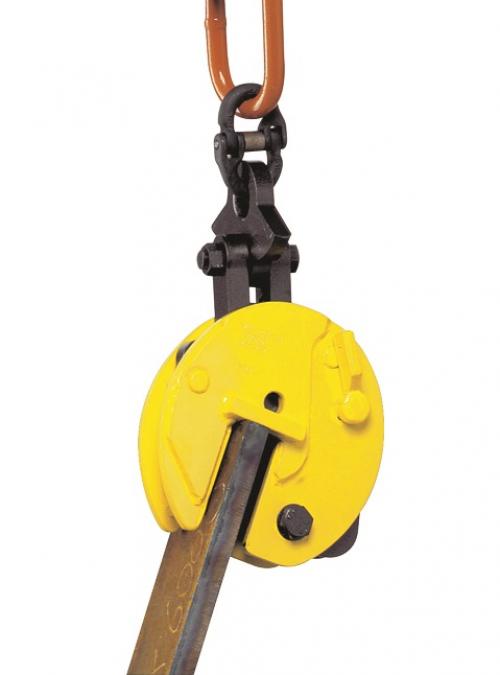
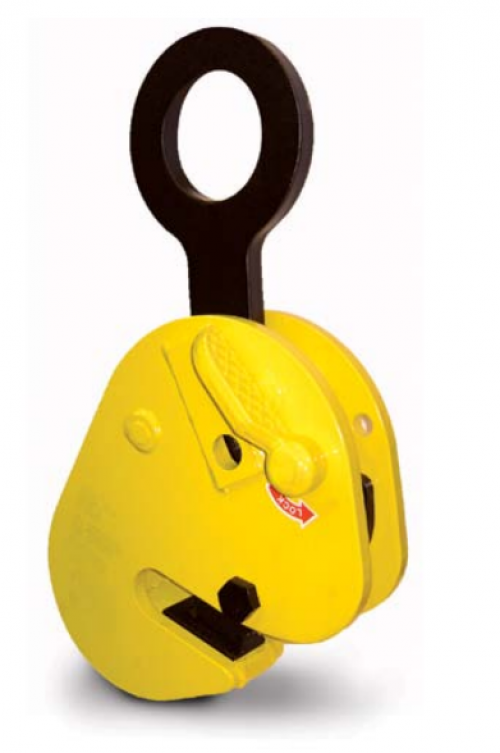
Turning plate and lifting structural shapes. Two jobs sit between plain plate clamps and the load-specific grabs. The first is turning heavy plate: the Camlok CX heavy-duty hinged universal plate clamp, a 6,600 lb build from about $2,746 with larger builds into five figures, lifts a plate from horizontal to vertical through 180 degrees and back, and turns vertically racked plate, all on structural steel up to 300 Brinell. The second is lifting the steel sections themselves. The Renfroe structural-shape clamps grip beams and structural shapes rather than plate: the non-locking AST from $877 and ASTL from $1,129 for lifting, turning, and stacking lightweight sections under constant tension, and the locking DG from $728 for the same work with a mechanism that holds jaw pressure when a lift pauses. The shackle sits over the web, between the flanges, so the section hangs the way the clamp was designed to carry it.
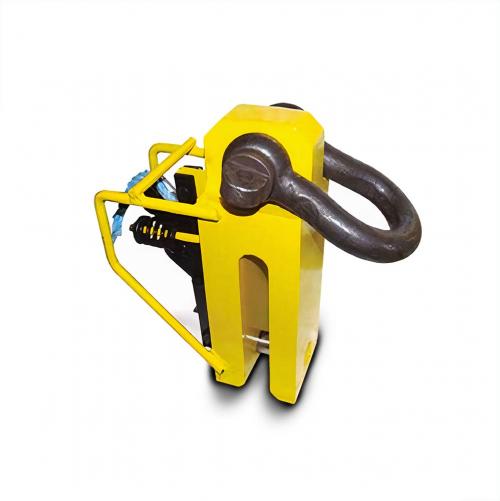
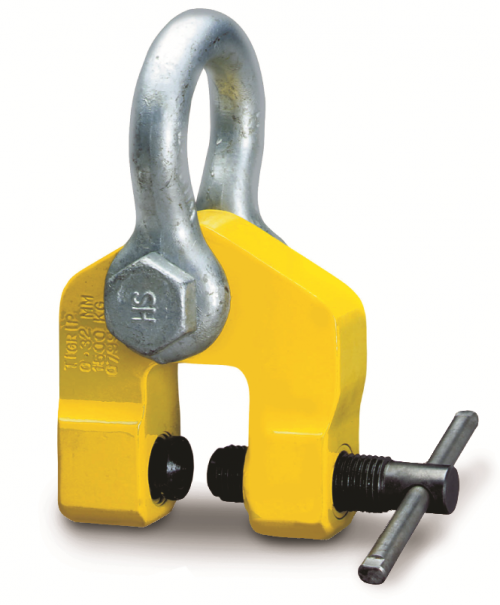
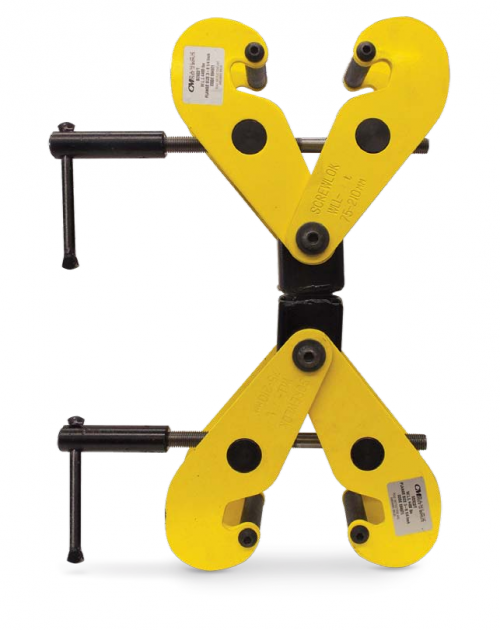
Girder, pitching, and beam clamps for erection. Structural erection has its own hardware. The Camlok CG girder turning clamps, a 2,200 lb build from about $1,795 and built to a 4:1 design factor, turn a steel girder through 90 degrees to land it vertical or horizontal, used singly or in pairs on a spreader for long beams. The TTR vertical girder clamp, from about $2,812, grips a beam for vertical lifting. The CP pitching clamp, from about $2,800, is made for pitching sheet steel piling on construction sites and carries a rope so the crew can release it from the ground; it is a pitching tool, not a pile extractor. Camlok twin beam clamps rate 11,000 lb from $1,900 for handling paired sections, and the Camlok screw clamp from $2,260 rounds out the range where a screw-adjusted jaw suits the work. All of it is heavy-construction gear, priced accordingly.
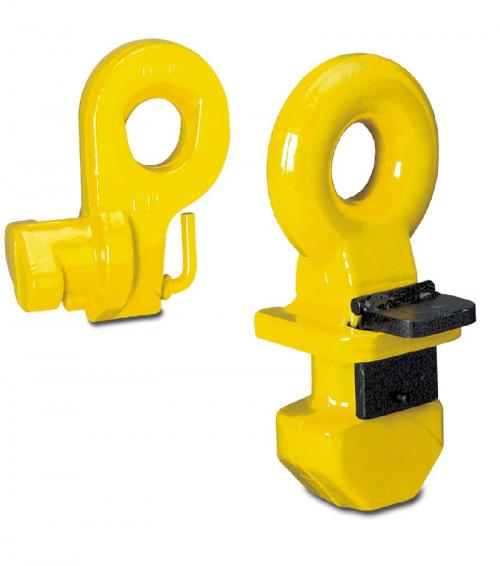
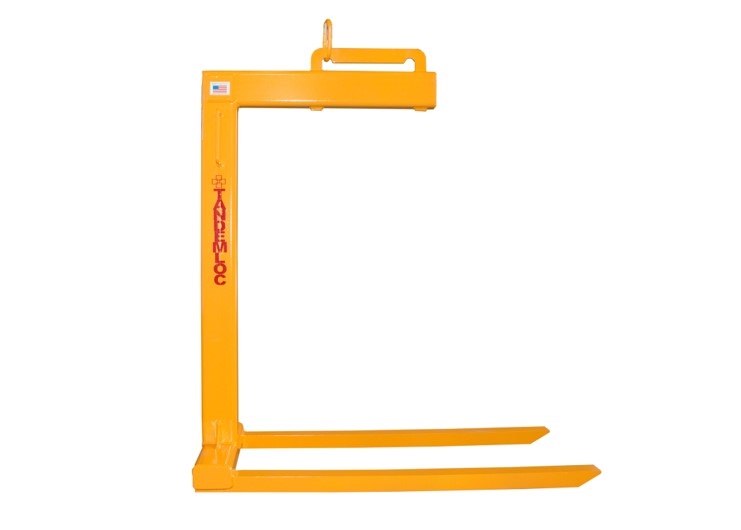
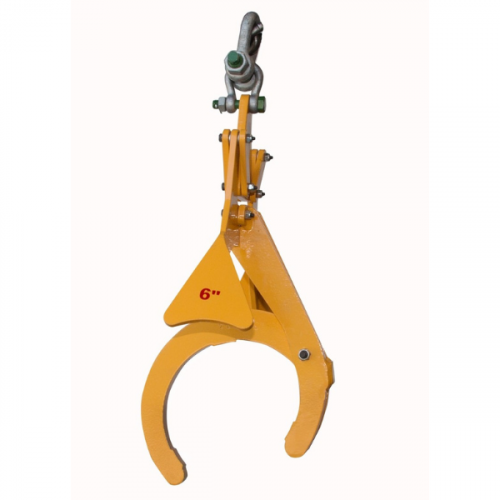
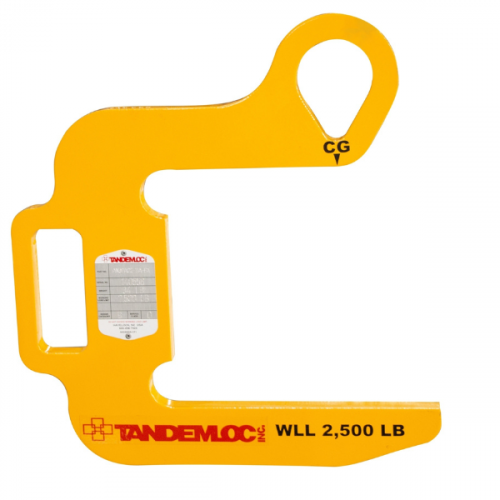
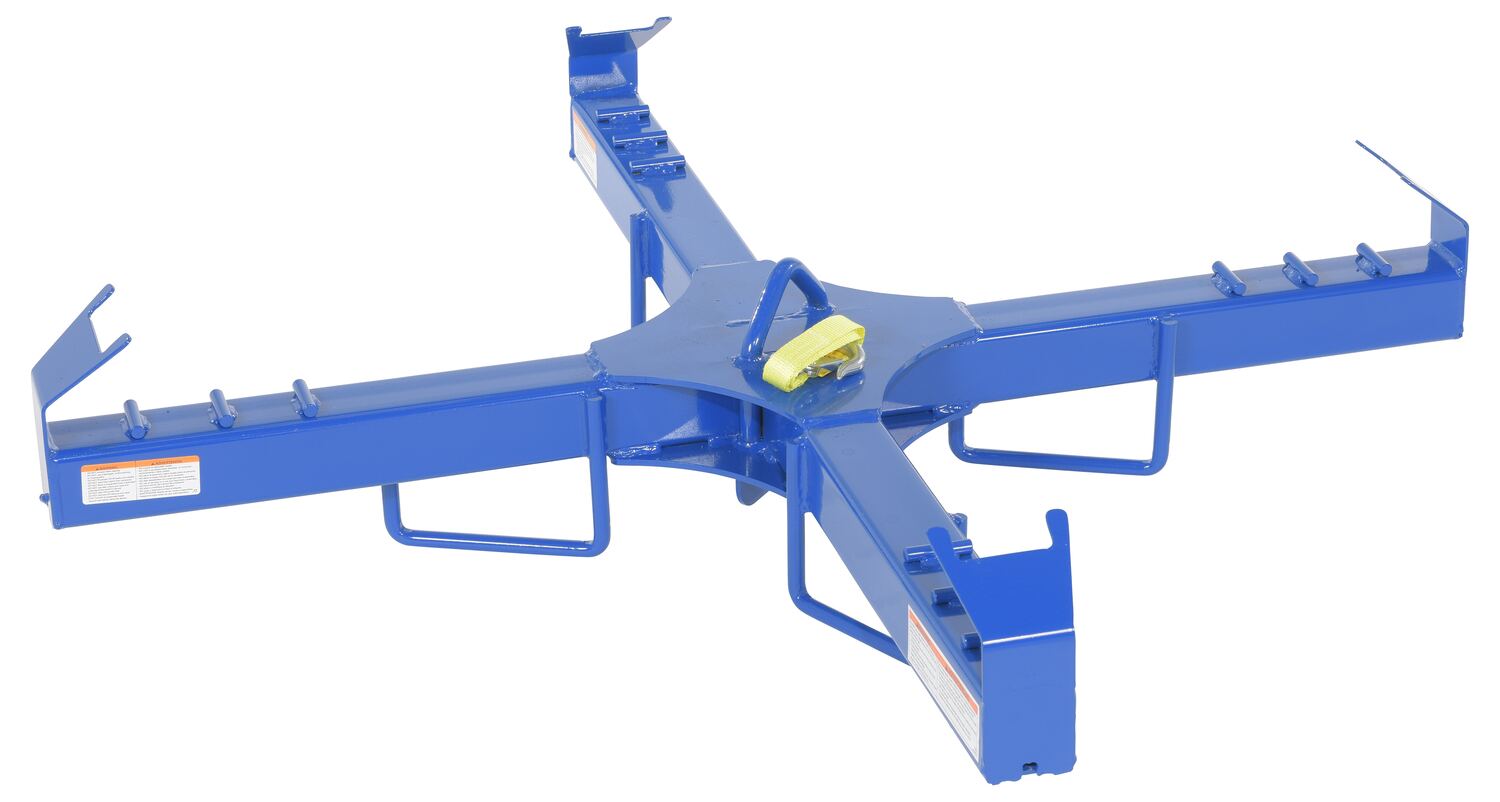
Grabs for loads with no plate edge. When the load is not a plate, a clamp gives way to a grab shaped around the stock. Tandemloc coil lifters are C-hooks that reach through the eye of a steel coil and hang it level, with edge chamfers to protect the bore, from about $602 at 5 ton and up through heavy-duty C-hooks to 50 ton for coil yards, all proof tested to 125 percent of rated load. Tandemloc pipe lifting grabs, from about $916, cradle pipe and tube, and the concrete barrier grabs handle 16,500 lb of precast from about $7,604. Shipping containers get the Camlok container lifting lugs, a set of four that insert into the ISO corner fittings and turn 90 degrees, rated 123,480 lb per set and meant to be used in fours with a spreader. On the pallet side, Tandemloc's AN17A lightweight pallet lifter carries 6,000 lb on crane forks from about $2,569, the wheeled AN17W handles 2,000 lb, and Vestil's bulk bag lifter frame picks a 4,000 lb FIBC under a hook from about $413.
ASME B30.20: all of it is a below-the-hook lifter. Clamp, grab, C-hook, or lug, everything in this collection is a below-the-hook lifting device under ASME B30.20, with design rules in ASME BTH-1, and the duties follow: rated load marked and legible, a check before every use, documented periodic inspections on intervals that tighten with heavier service, and repairs left to the manufacturer or a qualified person. The specialist items each have their own failure points to watch. Non-marring pads wear smooth and stop holding. Structural and girder clamp jaws take abuse from side loads they were never rated for. Coil C-hooks and container lugs get checked for cracks and deformation at the throat and the twist fittings. The lug sets and matched clamp pairs only carry their rating as complete sets, so keep them together and inspect them together. And the rule that costs nothing on any of them: nobody stands or walks under a suspended load.
Frequently Asked Questions
The vertical and horizontal collections hold the standard toothed cam clamps that handle bare mild-steel plate, which is most plate work. This collection is the specialist end: non-marring clamps for finished and coated plate, the hinged universal clamp for turning heavier and harder plate, structural-shape clamps for beams and angles, girder and pitching clamps for erection, and grabs for coil, pipe, barrier, container, pallet, and bag. Reach for these when a standard plate clamp is the wrong tool.
A non-marring clamp. The Renfroe NM and NMA clamps grip through smooth hardened pads instead of teeth, so they hold polished, stainless, aluminum, copper, painted, and coated plate without leaving a mark. Both are locking types that keep pad pressure on with the load tension off. They cost more and rate lower than a toothed clamp of the same size, which is the price of holding by friction rather than a mechanical bite.
Yes, with the right tool. The Camlok CX hinged universal plate clamp lifts a plate from flat to vertical through 180 degrees and turns racked plate, and the Camlok CG girder turning clamps rotate a steel girder through 90 degrees to land it vertical or horizontal. A standard vertical plate clamp is rated only for its designed lifting arc, so turning work belongs to these purpose-built clamps, not to a general plate clamp pulled off angle.
The Camlok lugs insert into the ISO corner fittings of a shipping container and turn 90 degrees to lock, which is how container corners are designed to be loaded. They come as a set of four rated 123,480 lb for the set, and they are meant to be used in fours with a spreader beam so the pull stays vertical at each corner. That replaces the unsafe practice of hooking slings straight into the castings.
Yes. Every clamp, grab, C-hook, and lug here is a below-the-hook lifting device under ASME B30.20: marked rated load, a check before use, and documented periodic inspections by a qualified person, more often as service gets heavier. Watch the failure points specific to each type, worn non-marring pads, side-loaded jaws, cracks at a C-hook throat or a container lug, and keep matched sets together since they only carry their rating complete.