Ladder Safety Systems
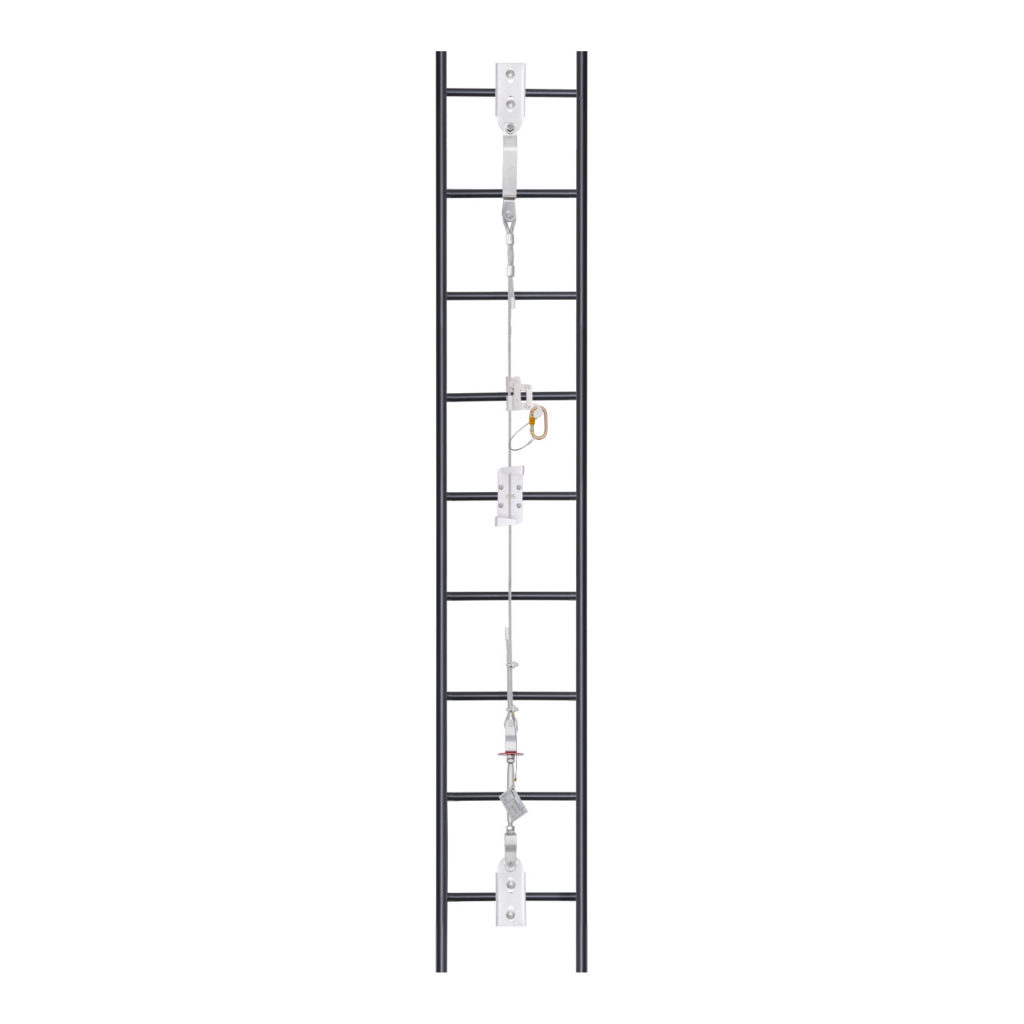
A ladder safety system is the vertical fall protection built onto a fixed ladder: a single cable running the height of the climb, a sleeve that travels with the worker and locks the instant it feels a fall, and the brackets, tensioner, and end fittings that hold the line taut top to bottom. This collection is the KStrong vertical line, an 8mm 7x19 wire rope carrier from $52.50, a stainless cable grab, SS316 mounting brackets, a bottom tensioner, aluminum wire rope caps, and a ladder extension davit kit for the transition at the top. OSHA has spent years retiring the old caged fixed ladder, and a cable system is what replaces it, so most of what sells here is a fixed ladder over 24 feet being brought up to code. The sections below assemble the system one component at a time and flag the OSHA and ANSI numbers to confirm before anyone clips on.
Compare Ladder Climbing Equipment
| Model | Price | Model | Type | Material | |
|---|---|---|---|---|---|
| KStrong® Ladder Climbing Cable | $1,071 | — | — | — | View → |
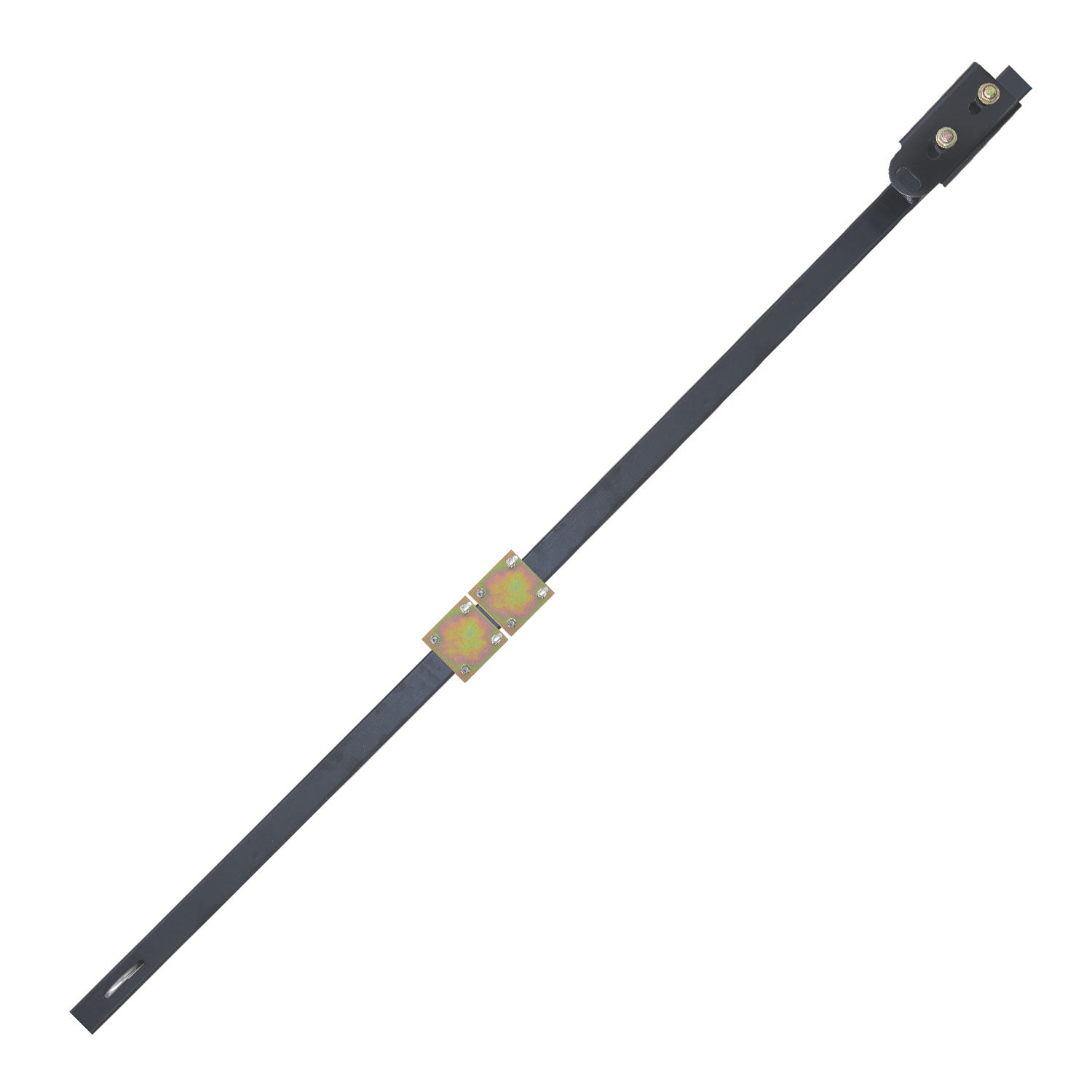
| KStrong® Ladder Extension Davit Kit for Fixed Ladders | $464 | UFF516000 | Ladder Extension Davit Kit for Fixed Ladders | — | View → |
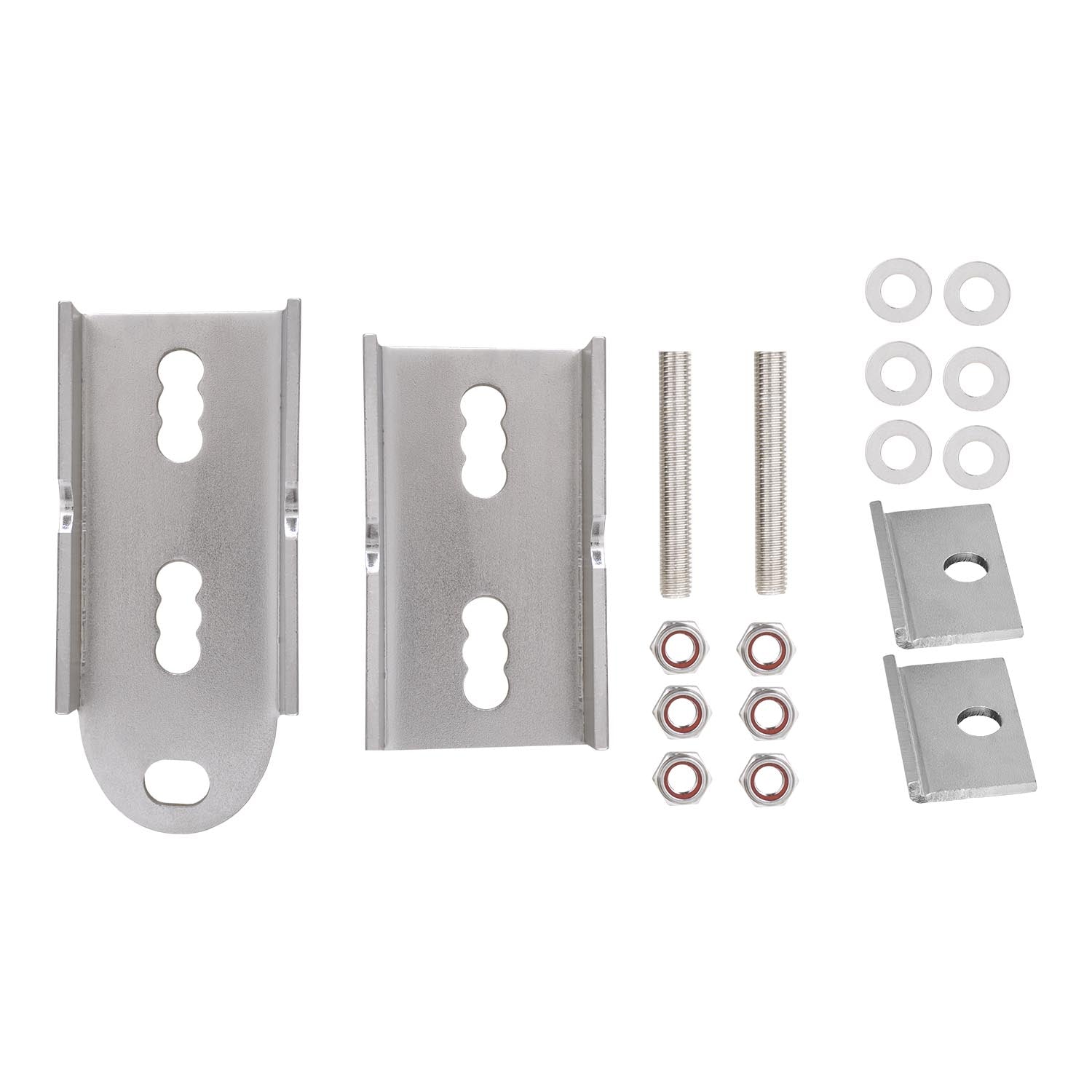
| KStrong® Mounting Bracket Including Plates, Studs, and Nuts (SS316) | $248 | — | — | SS316 (stainless steel 316) | View → |
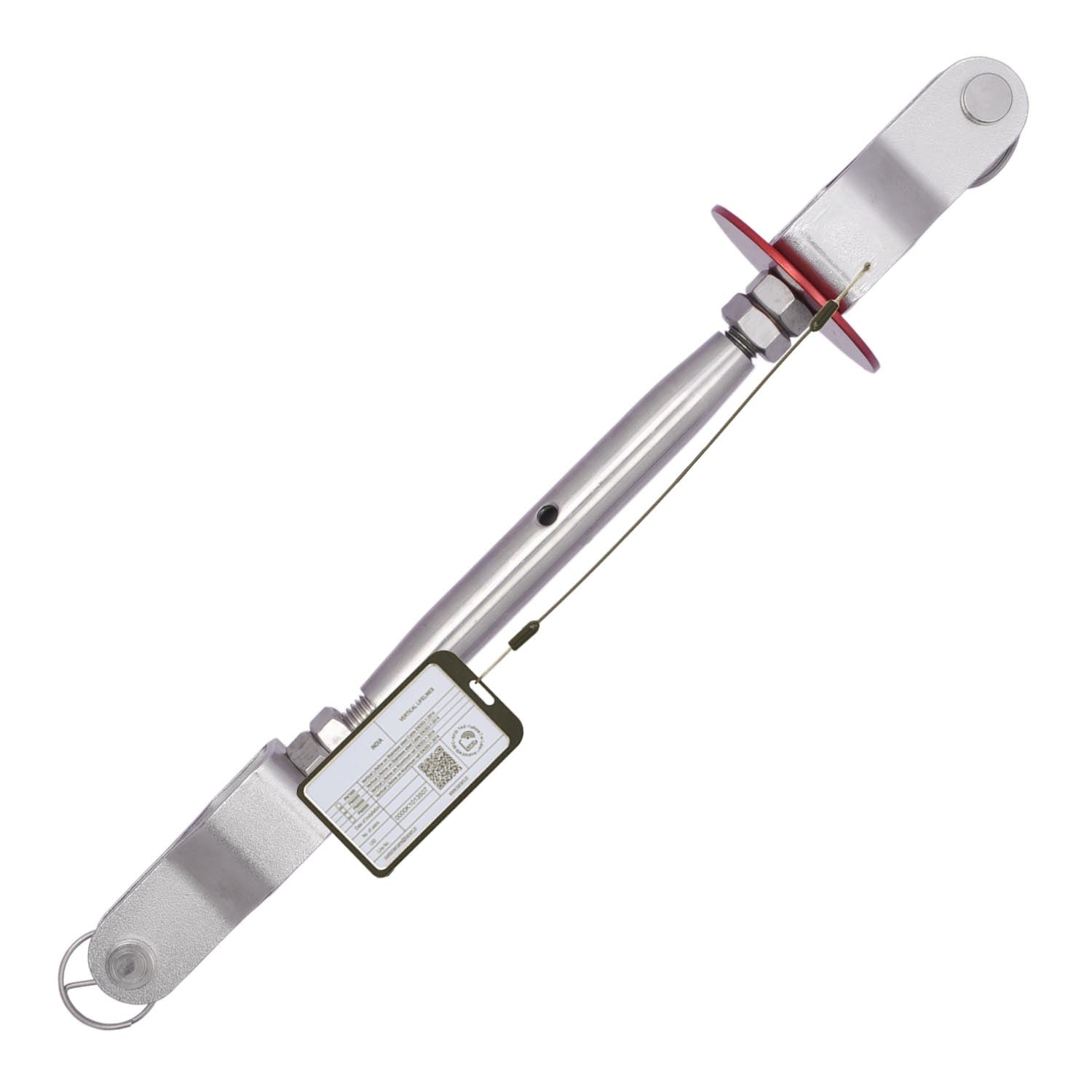
| KStrong Tensioner for KStrong® HLL and VLL Systems | $162 | UFF514000 | Tensioner for Ladder Climbing (VLL) / HLL Systems | — | View → |
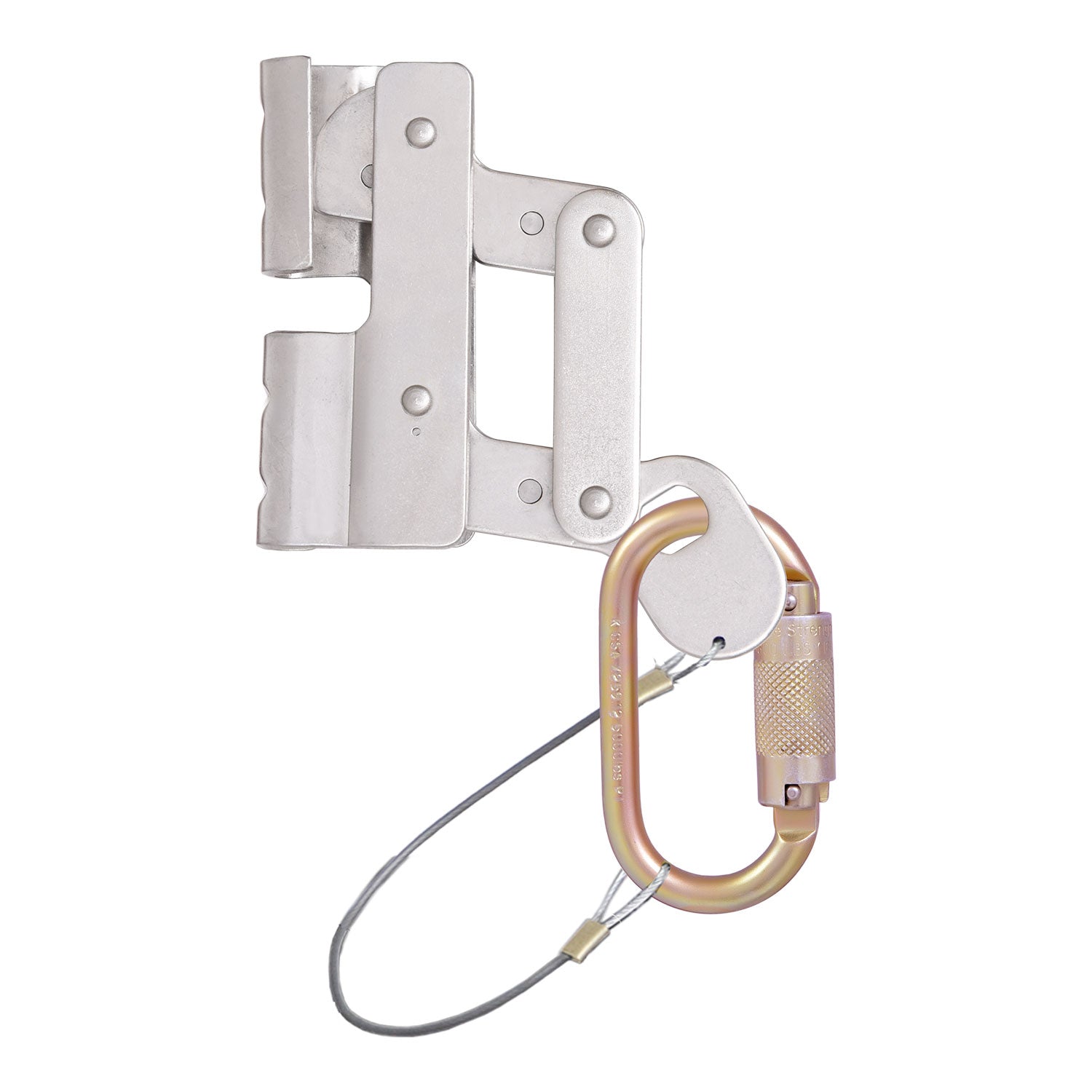
| KStrong® Stainless Steel Cable Grab for 8mm Wire Rope with 7x19 Construction (ANSI) | $71 | UFG602050 | Cable Grab | Stainless Steel | View → |
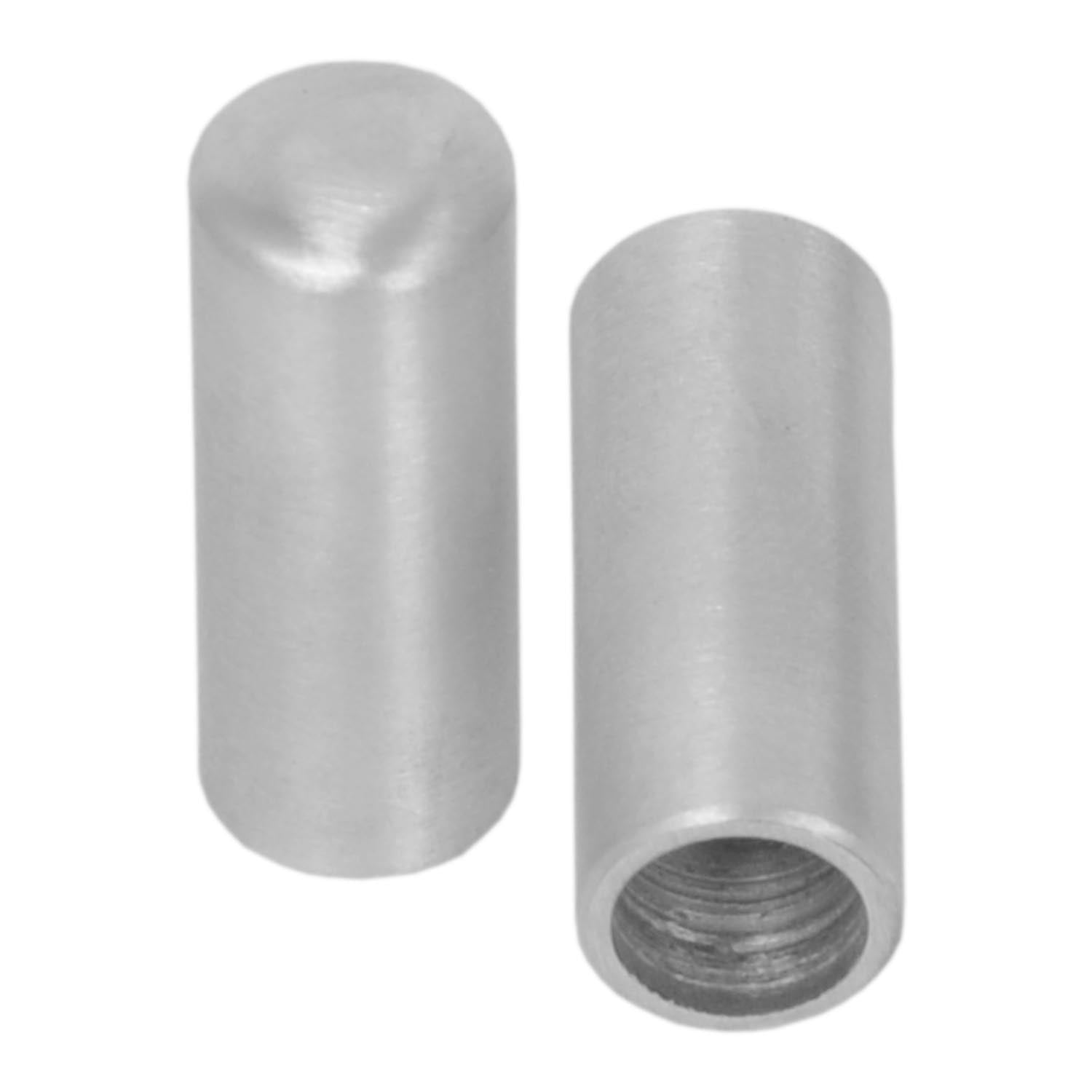
| KStrong® Aluminum Wire Rope Cap | $2 | UFF513100 | Wire Rope Cap for Ladder Climbing System | Aluminum | View → |
 In Stock
 In Stock
 In Stock
 In Stock
 In Stock
 In Stock
Ladder Climbing Equipment Buying Guide
Why the caged fixed ladder is on a countdown. OSHA 1910.28(b)(9) governs fixed ladders that extend more than 24 feet above a lower level, and it changed what a compliant ladder looks like. Every fixed ladder installed on or after November 19, 2018 has to carry a personal fall arrest system or a ladder safety system; a cage no longer satisfies the rule for new work. On and after November 18, 2036 the deadline goes absolute: every fixed ladder over 24 feet has to have one of those two systems regardless of age. OSHA 1910.21 defines the ladder safety system as a carrier, a safety sleeve, a lanyard, connectors, and a body harness, which is the exact parts list this collection builds. If you are still assembling the harness and connecting hardware that clip into it, the rest of the fall arrest and restraint gear family covers those. A cage never slowed a fall; it guarded against peeling off backward, and OSHA's rulemaking concluded that a cable arrests the fall the cage could not.
The carrier cable is the spine of the whole system. Everything else on this page hangs off the carrier, the wire rope that runs the full height of the ladder. The KStrong ladder climbing cable is 8mm rope in 7x19 construction, priced from $52.50 and cut to the run you need, in galvanized steel for interior and sheltered ladders or stainless where salt air and washdown would eat plain wire. The rope has to be continuous from the top anchor to the bottom tensioner with no splices in the climbing zone, and each end is terminated rather than left raw: the aluminum wire rope cap, at $1.60, closes off the cut end so a frayed strand never catches a glove or the sleeve. Measure the ladder from the top step-off point down to a comfortable connect height at the base, then add the length the tensioner and top bracket consume, and buy the cable to that total.
The cable grab locks the instant you load it. The traveling part of the system is the sleeve, and here it is the stainless steel cable grab built for 8mm 7x19 rope, an ANSI rated unit at $71.43. It rides up and down the cable freely while you climb, following your hands without any manipulation, and it clamps the rope the moment a fall accelerates it, so the arrest happens within inches instead of after a free fall. The grab connects to the front sternal D-ring on the chest of the harness, not the dorsal ring behind the shoulders, which keeps a caught climber upright and facing the ladder rather than spun backward. That front connection is why a dedicated climbing harness matters; the front D-ring models in safety harnesses are the ones rated for this. Both hands stay on the rungs the entire climb, which is the point of the design.
Tension it top and bottom, or the sleeve chatters. A carrier cable only arrests cleanly when it is held taut, and that takes anchoring at both ends. The SS316 mounting bracket kit, at $247.67 with its plates, studs, and nuts, fixes the cable to the ladder structure at the top and at intermediate points on tall runs, in 316 stainless so the fasteners outlast the ladder. At the base, the tensioner for KStrong HLL and VLL systems, $162.28, pulls the rope tight and holds a consistent load so the grab tracks smoothly instead of snatching on a slack line. This is the hardware the standards actually test: ANSI/ASSP Z359.16 sets the performance requirements for climbing ladder fall arrest systems end to end, and ANSI A14.3 covers the fixed ladder the system mounts to. Anchor and connector questions beyond the ladder itself live in connectors and accessories.
The top step-off is where climbers actually fall. The most exposed moment on any fixed ladder is not the climb, it is the transition at the top, the reach over a parapet or platform edge where a worker has to let go of the ladder to step off. The ladder extension davit kit for fixed ladders, at $464.37, addresses that gap: it extends a handhold above the top rung so the climber stays clipped to the carrier and has something rated to hold through the step over and back. Skipping it leaves a compliant system with an uncontrolled last three feet, which is the span the incident reports keep pointing at. Spec the extension to the height above the top landing and confirm it clears whatever guardrail or coping sits at the edge.
Buy it as a matched set, and inspect it on a schedule. The six parts here are engineered and tested as one system, and that is not a sales line. A generic sleeve dropped onto this cable, or a mismatched bracket, voids the rating the whole assembly was certified to, and nobody discovers the mismatch until the fall. Buy the carrier, grab, brackets, tensioner, caps, and top extension together for a given ladder. Then inspect on a routine: the cable for broken wires, kinks, and corrosion, the grab for smooth travel and positive lockup, the brackets and tensioner for loosened fasteners and rust. A grab that has arrested a fall retires immediately, same as any energy-absorbing component. Crews who also run rope-and-anchor protection on roofs will find that side in roofers kits, and the retractable option for open structural work in lifelines.
Frequently Asked Questions
No. Under OSHA 1910.28(b)(9), a personal fall arrest system or a ladder safety system replaces the cage on fixed ladders over 24 feet; a cage does not satisfy the rule for ladders installed on or after November 19, 2018, and by November 18, 2036 every such ladder has to have one of the two systems regardless of when it was built. A cable carrier is the standard answer, and it is what this collection assembles.
On the front sternal D-ring, the one on the center of the chest, not the dorsal D-ring behind the shoulders. The front connection keeps a caught climber upright and facing the ladder instead of spun backward, and it puts the grab where your hands are during the climb. That is why a climbing-rated front D-ring harness pairs with this system rather than an arrest-only harness.
Galvanized 8mm 7x19 rope is the economical choice for interior ladders and sheltered outdoor runs. Stainless is worth the premium anywhere salt air, chemical exposure, or frequent washdown would corrode plain steel, such as coastal sites, wastewater plants, and food processing. The cable grab and the SS316 mounting bracket in this collection are already stainless, so matching a stainless cable keeps the whole run corrosion-matched.
Yes. The cable grab travels freely up and down the carrier as you climb or descend, following your movement without any lever to work, and it only engages when a fall speeds it up. You clip on at the bottom, climb with both hands on the rungs, and unclip at the top after you have stepped off, so you are never detached at height.
OSHA 1910.28(b)(9) sets when a system is required and 1910.21 defines its parts as a carrier, safety sleeve, lanyard, connectors, and harness. ANSI/ASSP Z359.16 is the performance standard for climbing ladder fall arrest systems, and ANSI A14.3 governs the fixed ladder the carrier mounts to. Buying a certified system and installing it per those documents is what keeps the ladder compliant.