Tool Lanyards
A tool lanyard is the tether that keeps a wrench, drill, or tape measure from becoming a projectile the moment it leaves your hand at height. Every product here is the KStrong Kaptor line, a dropped object system built around ANSI/ISEA 121, the standard that treats tethering the way Z359 treats fall arrest. The range runs from a $5.85 elasticated hard hat lanyard up past $100 tethering kits, and it splits into the pieces that make a complete tethered connection: tool cinches and tool tails that give a bare tool an attachment point, coiled and web tool lanyards rated from 2 lb to 80 lb, wrist and belt anchor points, plus tape measure traps, radio holsters, and detachable loop accessory packs. Harnesses, lanyards for the worker, and anchor hardware sit in their own collections; this one is about keeping the tools themselves from falling, where a mismatch between the tool weight and the weakest link in the tether is exactly what fails at the wrong height.
Compare Tool Lanyards & Kits
| Model | Price | Capacity | |
|---|---|---|---|
| KStrong® Tool Tethering Kits | $112 | — | View → |
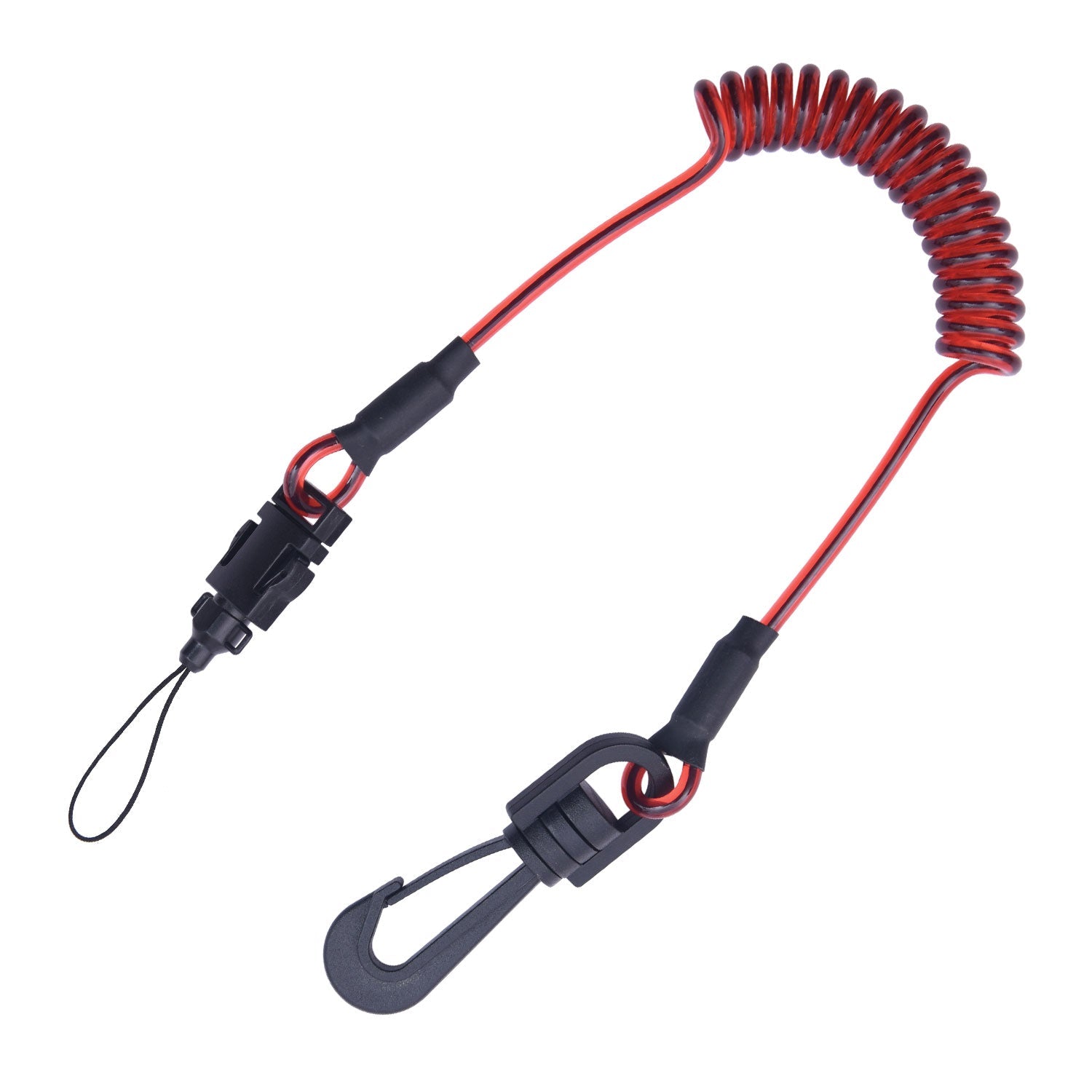
| KStrong® Kaptor™ Clip2Loop Coil Tether, 10 Pack | $99 | 2.2 lb | View → |
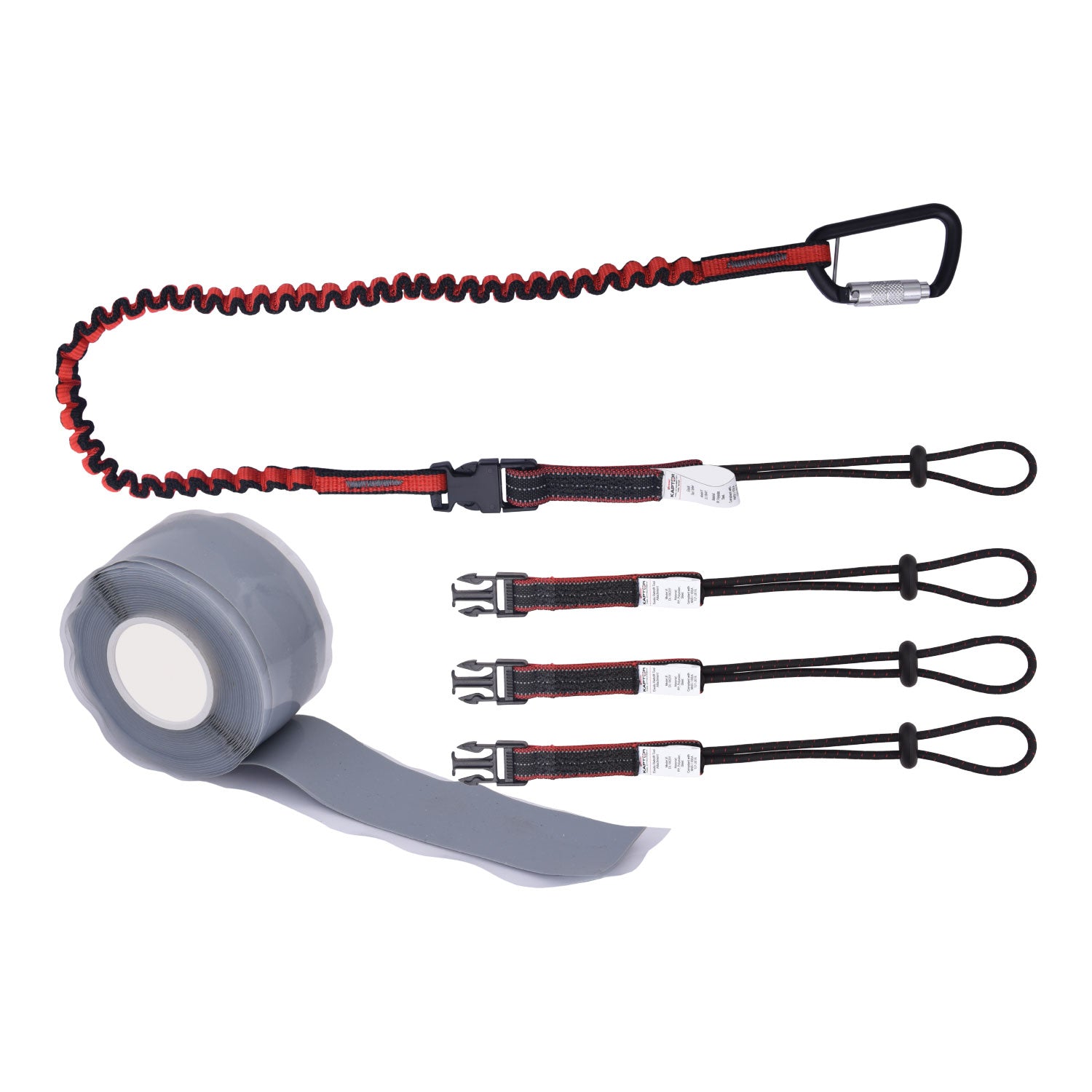
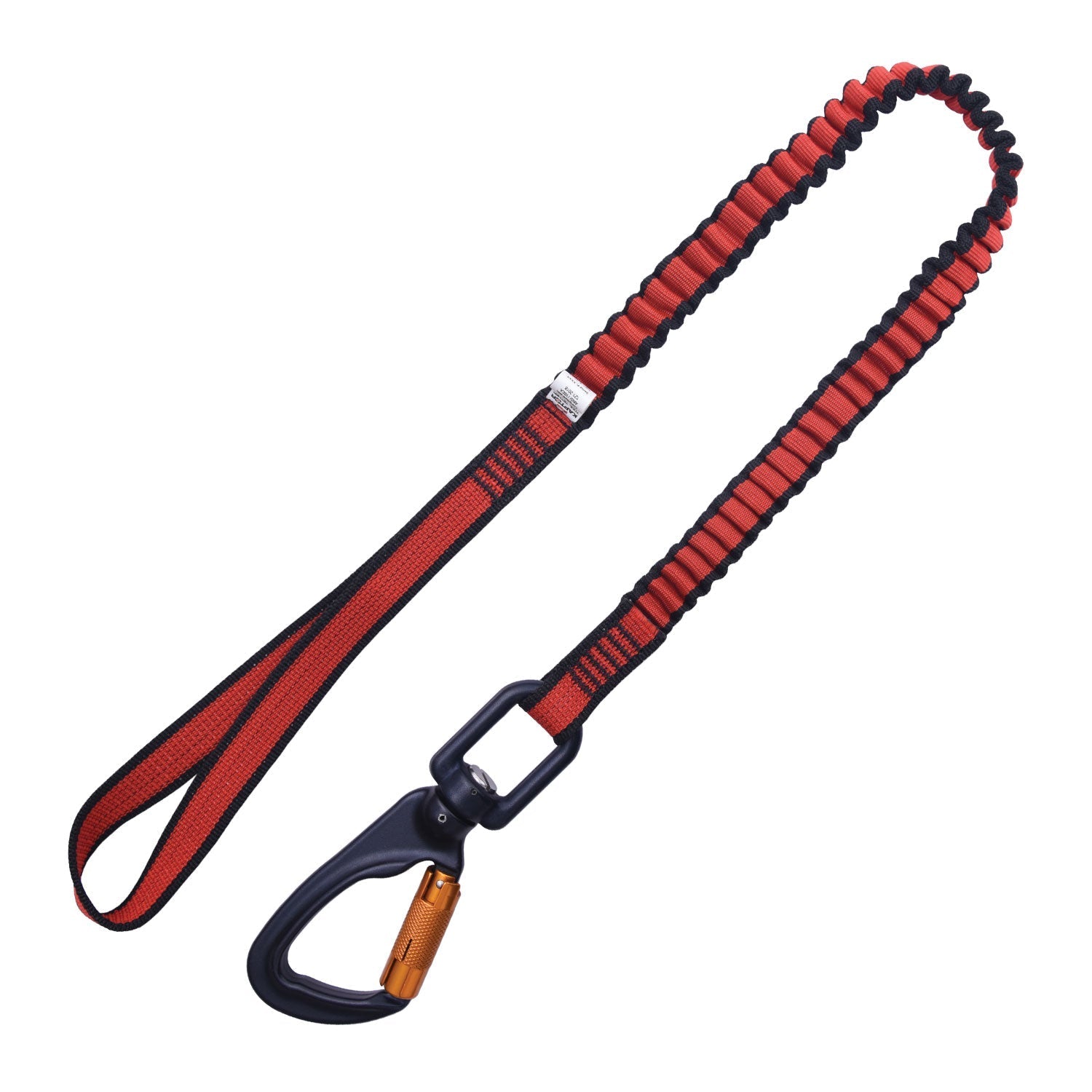
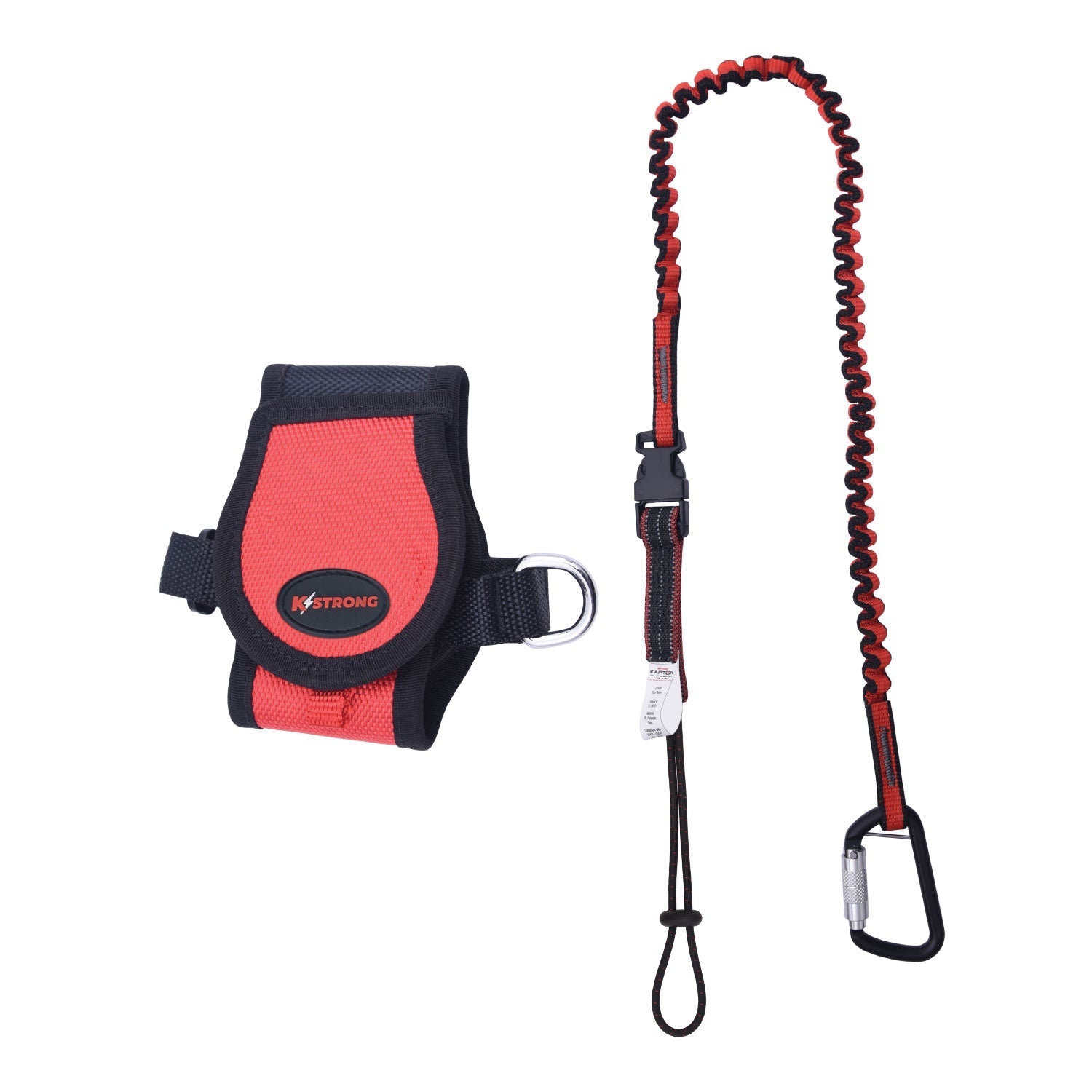
| KStrong® Kaptor™ Detachable Elastic Lanyard Kit | $72 | 5 lb | View → |
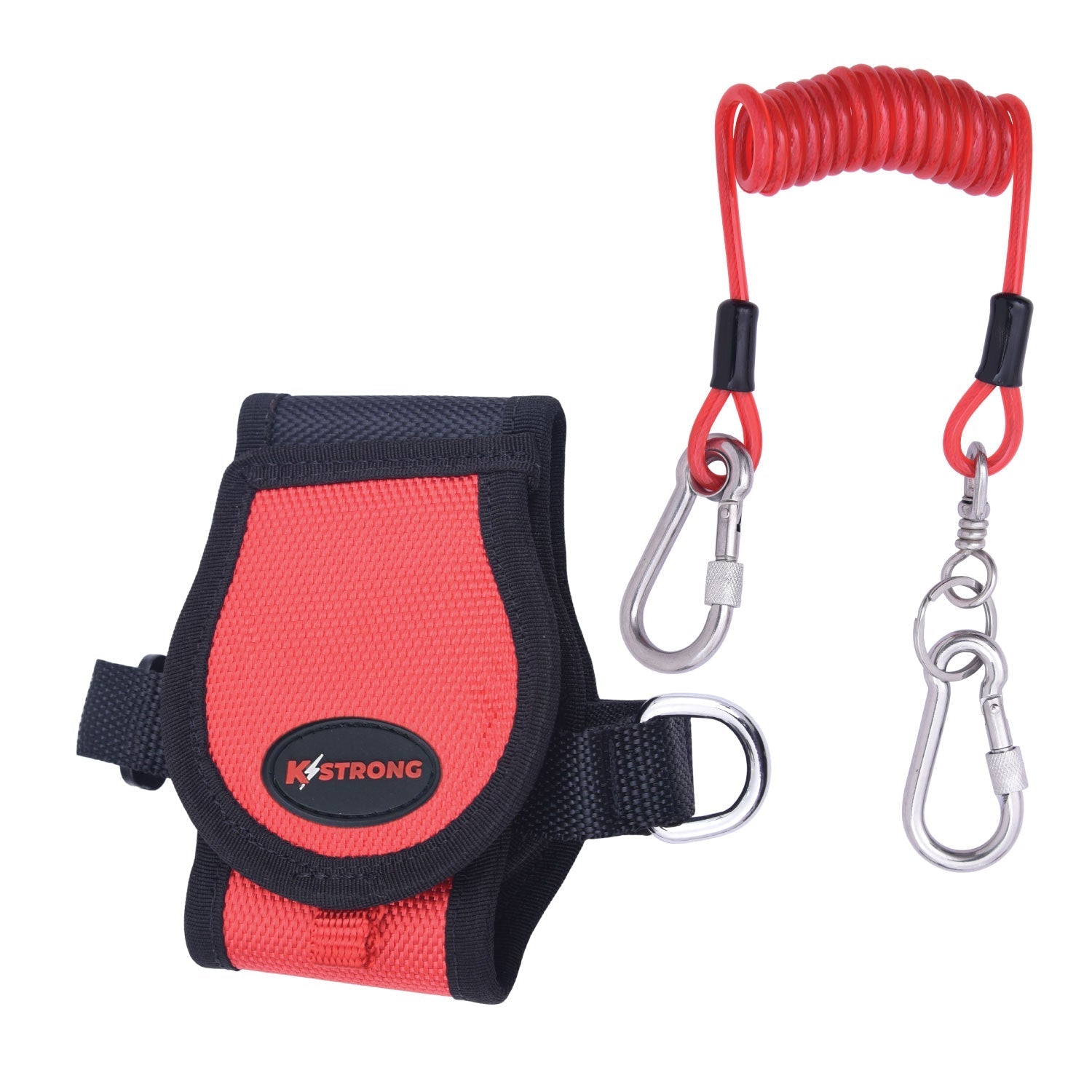
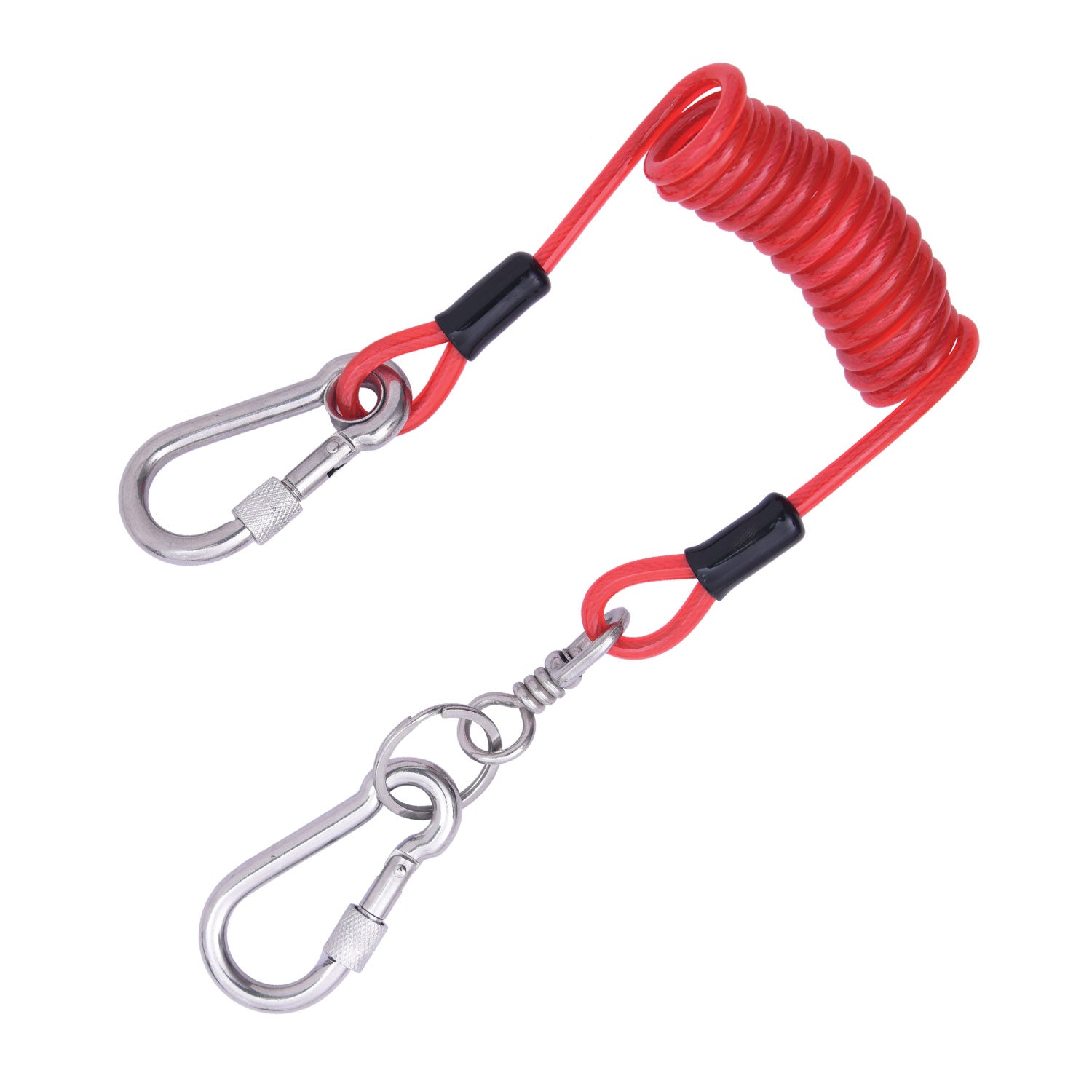
| KStrong® Kaptor™ Coiled Cable Lanyard - 2 lbs. | $63 | 2 lb | View → |
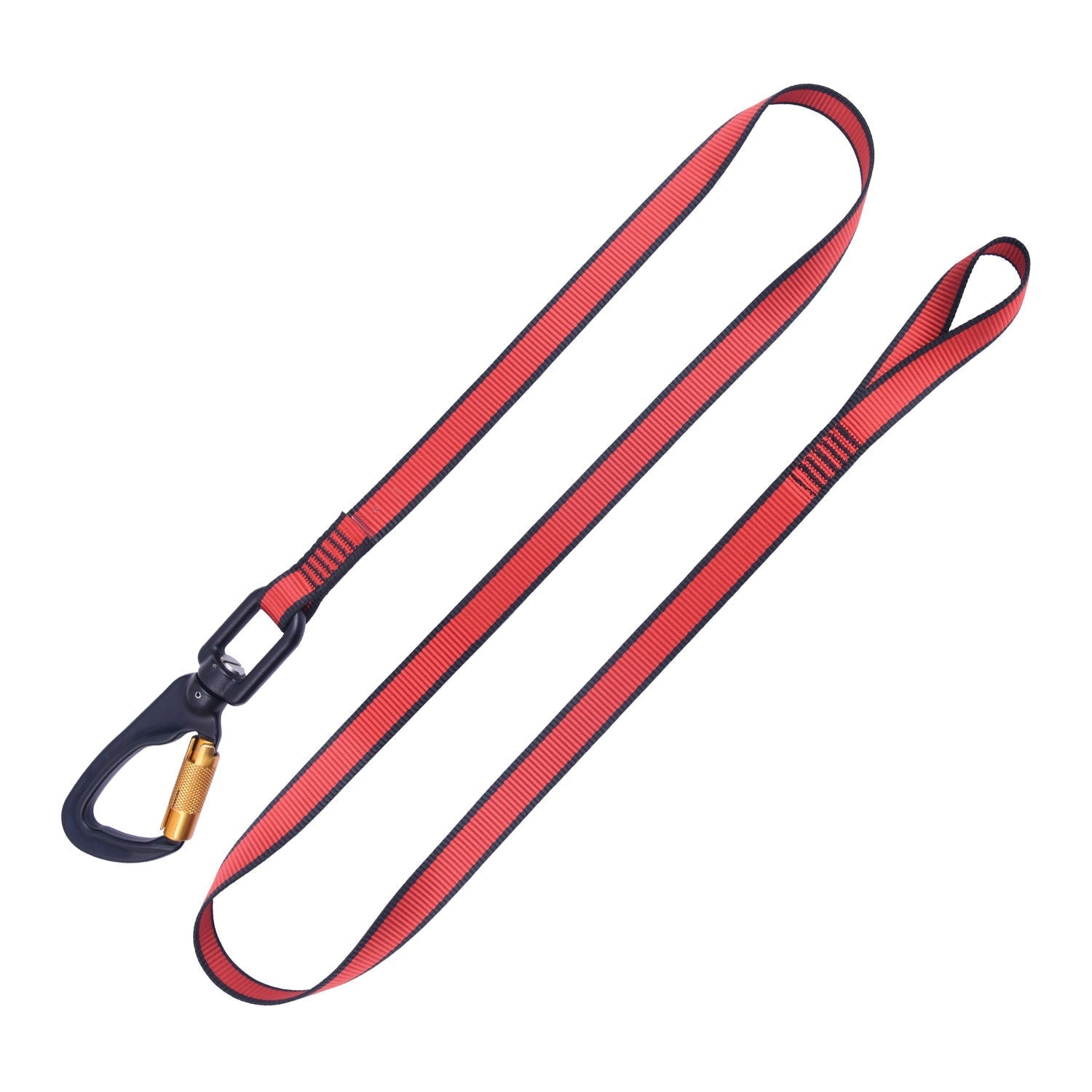
| KStrong® Kaptor™ Hook to Loop Tool Tether, Heavy Duty, 80 lbs. (ANSI) | $47 | 80 lb | View → |
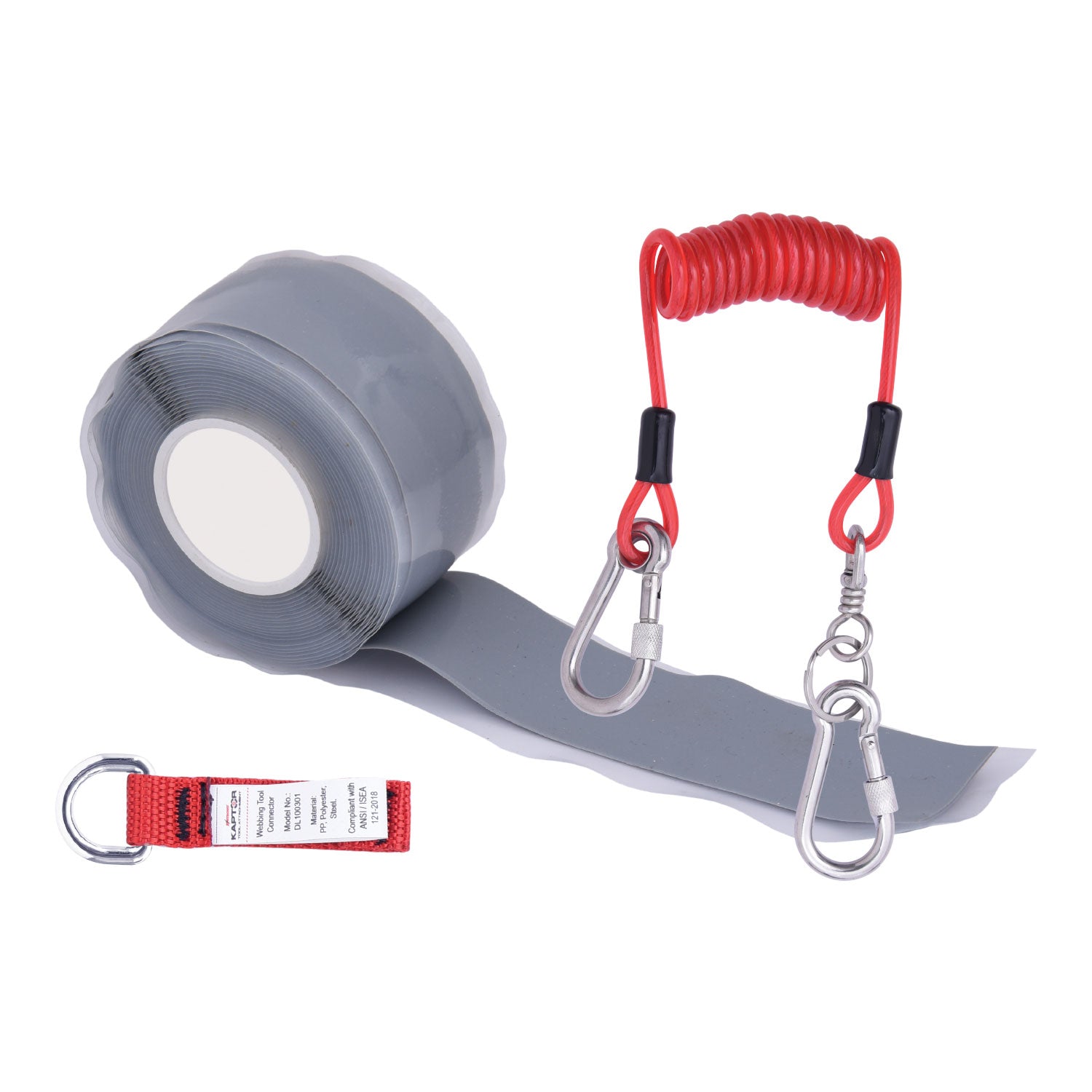
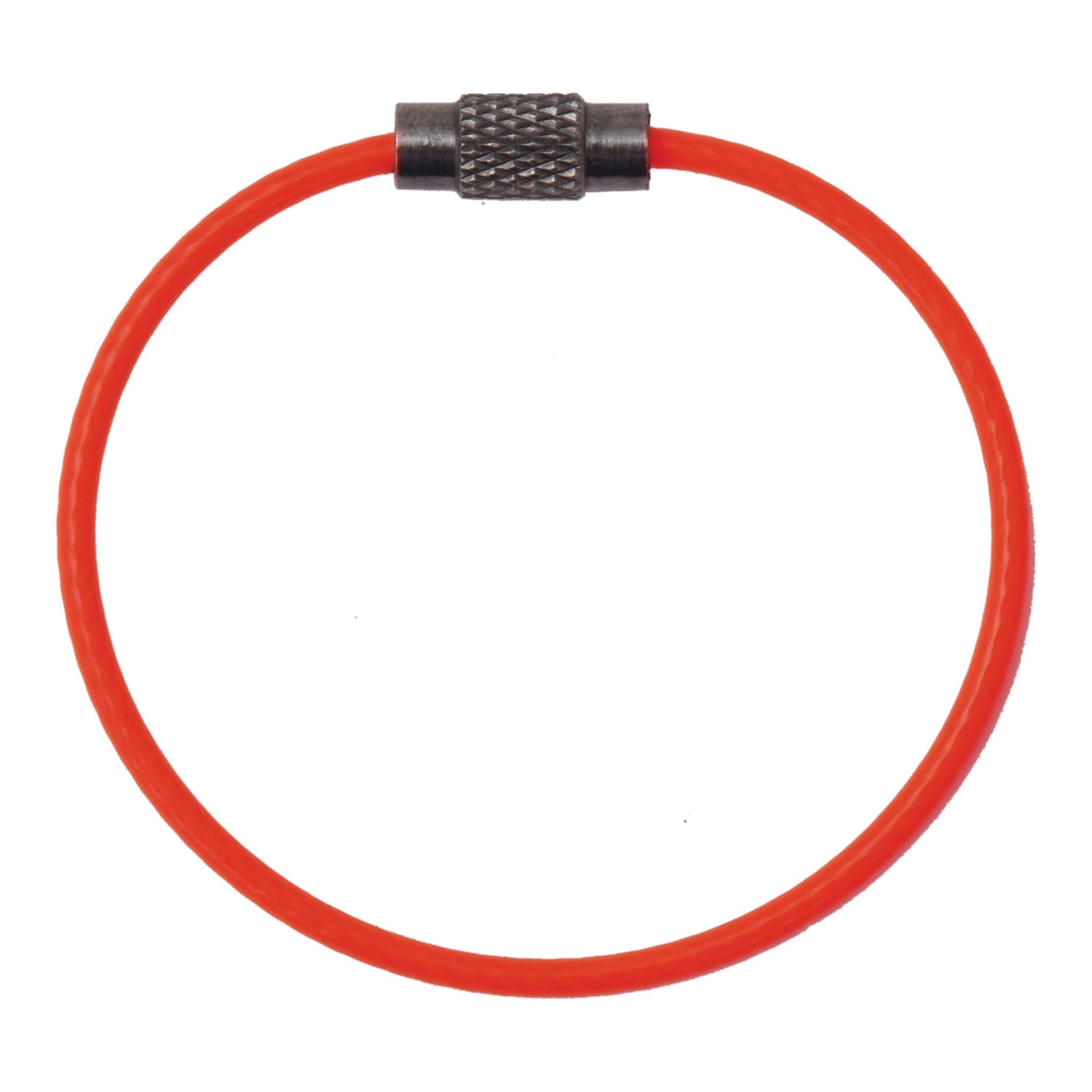
| KStrong® Kaptor™ Wire Screw Gate Tool Tail - 3 lbs. (6-Pack) | $45 | 3 lb | View → |
 In Stock
 In Stock
 In Stock
 In Stock
 In Stock
 In Stock
 In Stock
 In Stock
 In Stock
 In Stock
 In Stock
 In Stock
 In Stock
 In Stock
 In Stock
 In Stock
 In Stock
 In Stock
 In Stock
 In Stock
 In Stock
 In Stock
 In Stock
 In Stock
 In Stock
 In Stock
 In Stock
 In Stock
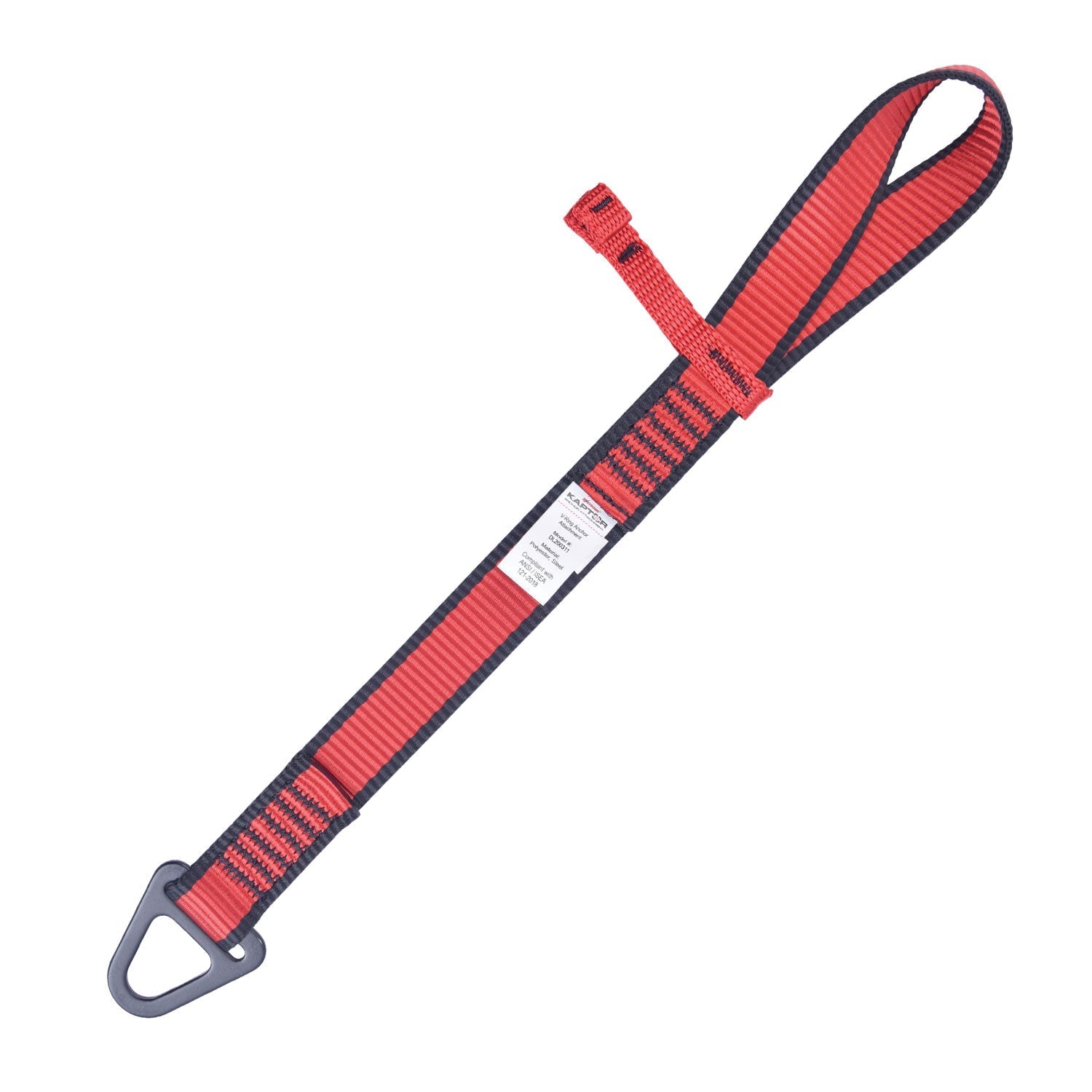 In Stock
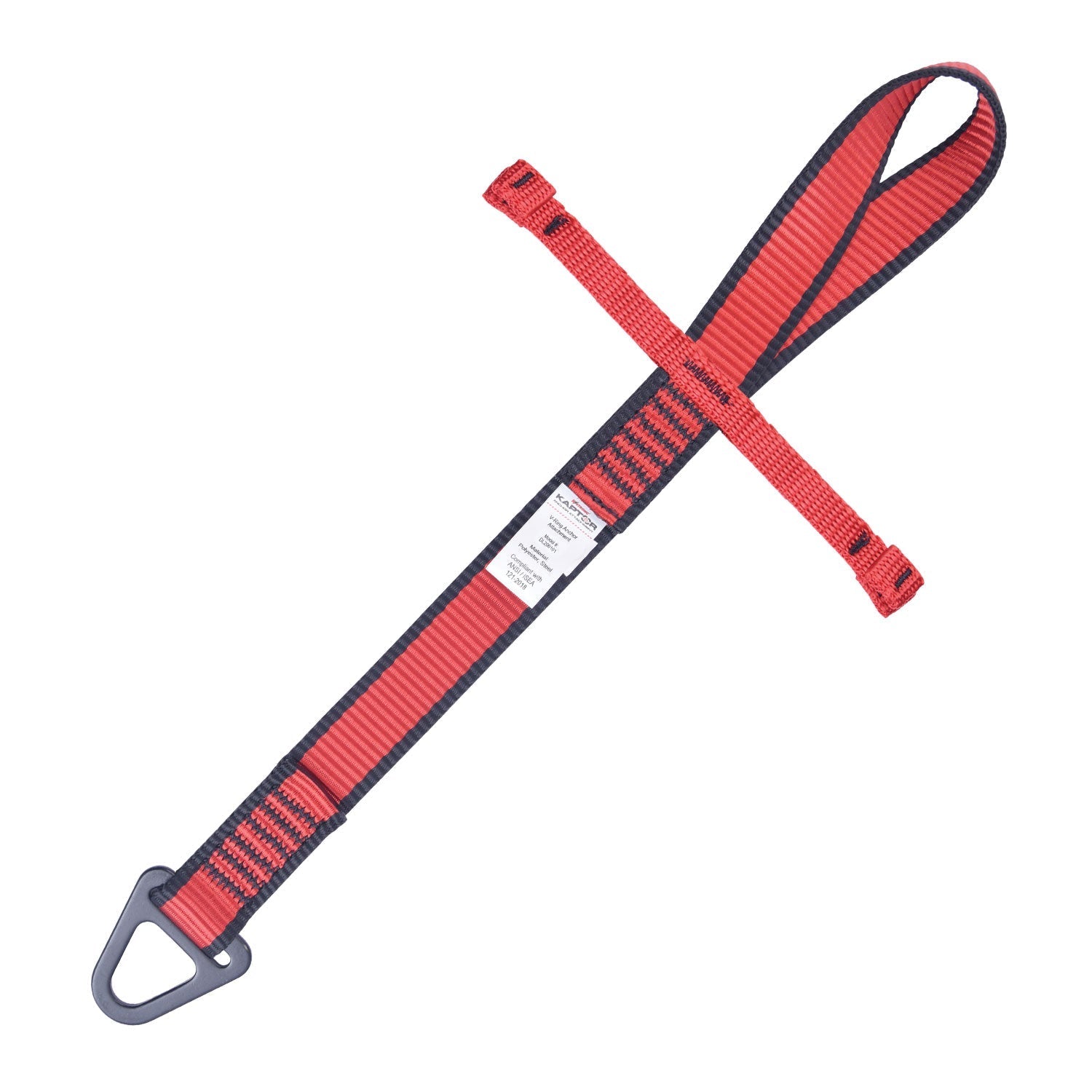 In Stock
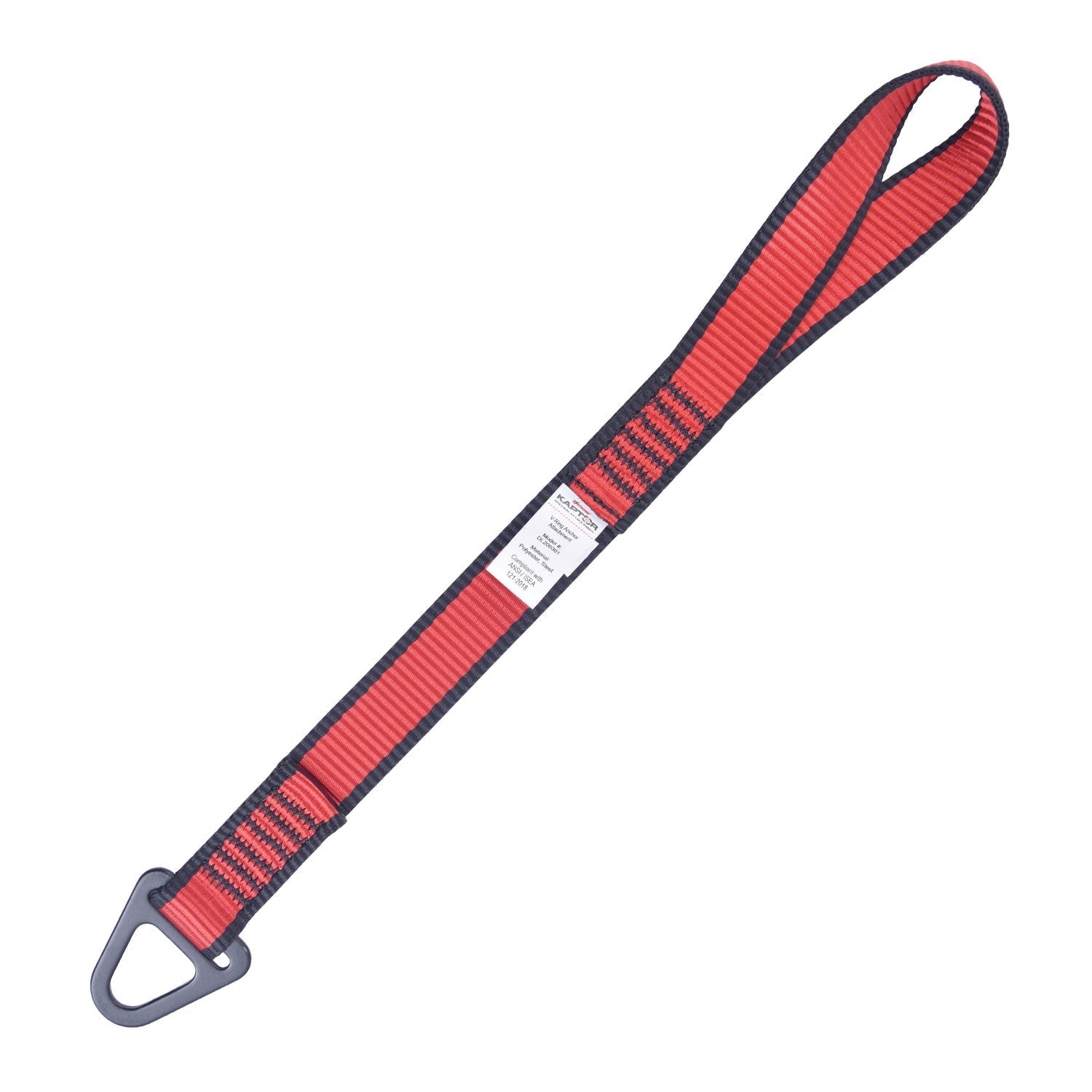 In Stock
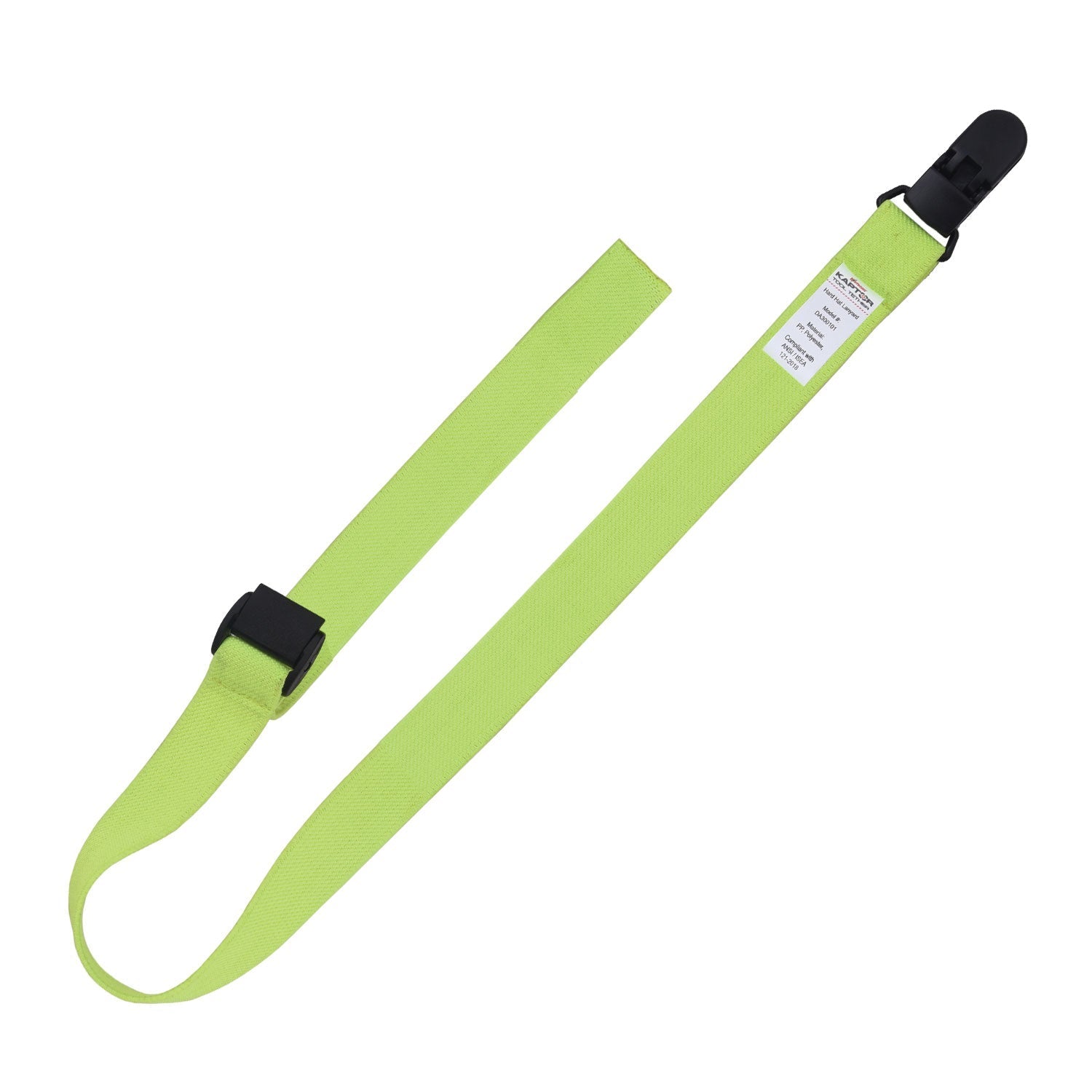 In Stock
Tool Lanyards & Kits Buying Guide
The three-part connection, not one strap. ANSI/ISEA 121, the American standard for dropped object prevention, splits a tethering system into four equipment categories: anchor attachments, tool attachments, tool tethers, and containers. A tool lanyard is the tether, the flexible link in the middle, and it only works if the other two pieces are there. The tool needs an attachment point built onto it, since almost no hand tool ships with a tie-off ring. The worker or the structure needs an anchor point for the far end. Buy a lanyard alone and you have a strap with nothing rated to hold either end. The sections below follow that chain: attach the tool, choose the tether, then decide where the anchor lives. Getting the order right is what separates a compliant connection from three parts that happen to share a tool bag.
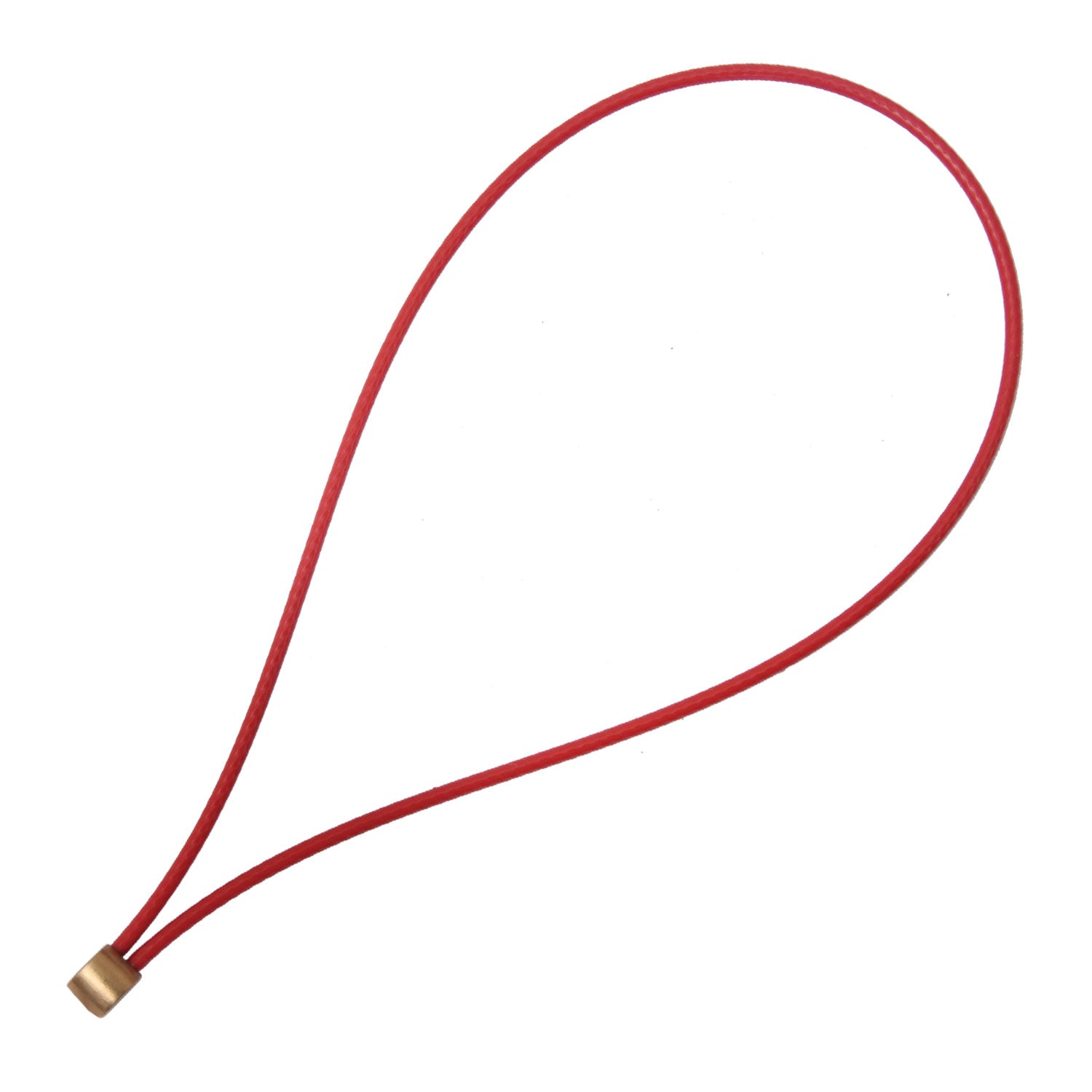
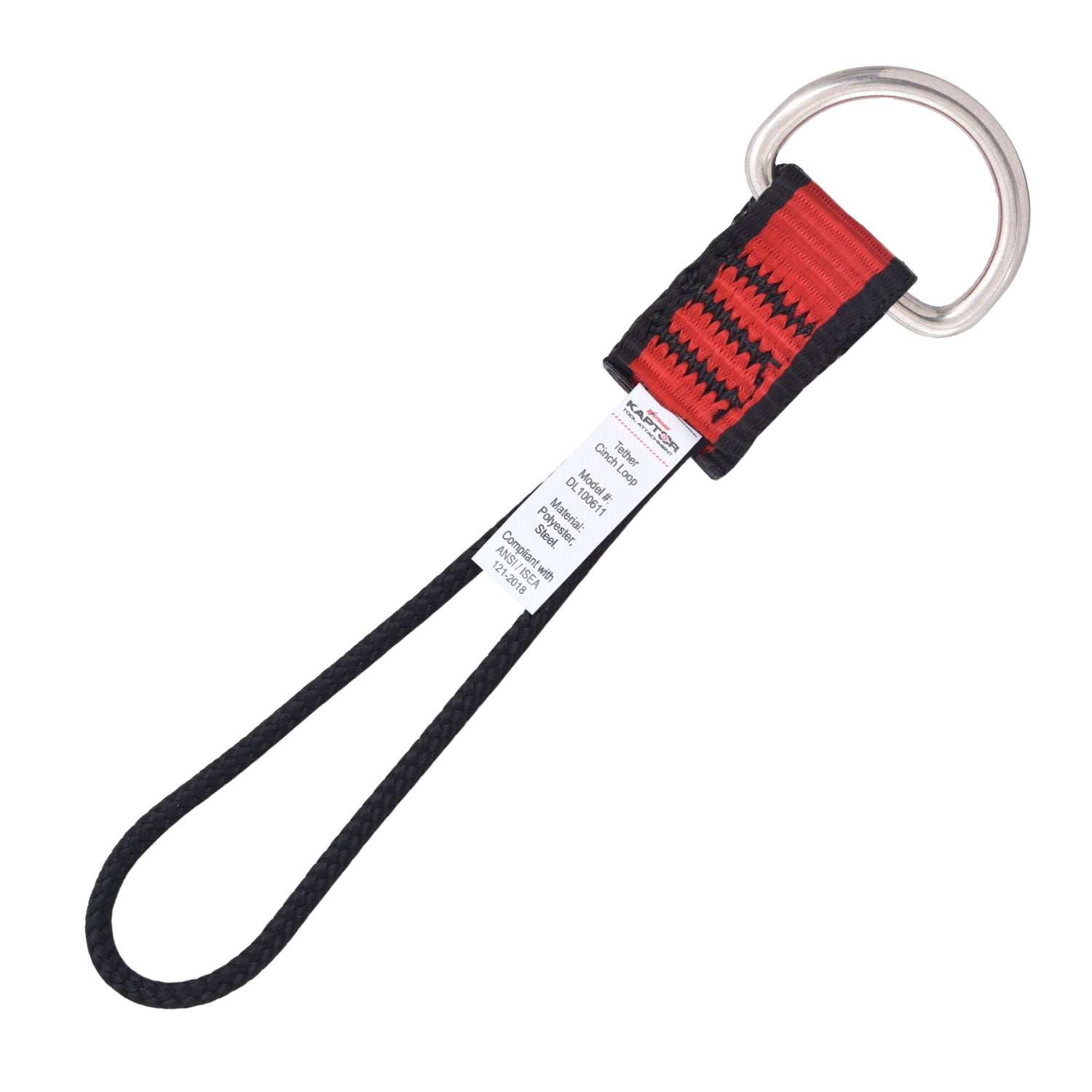
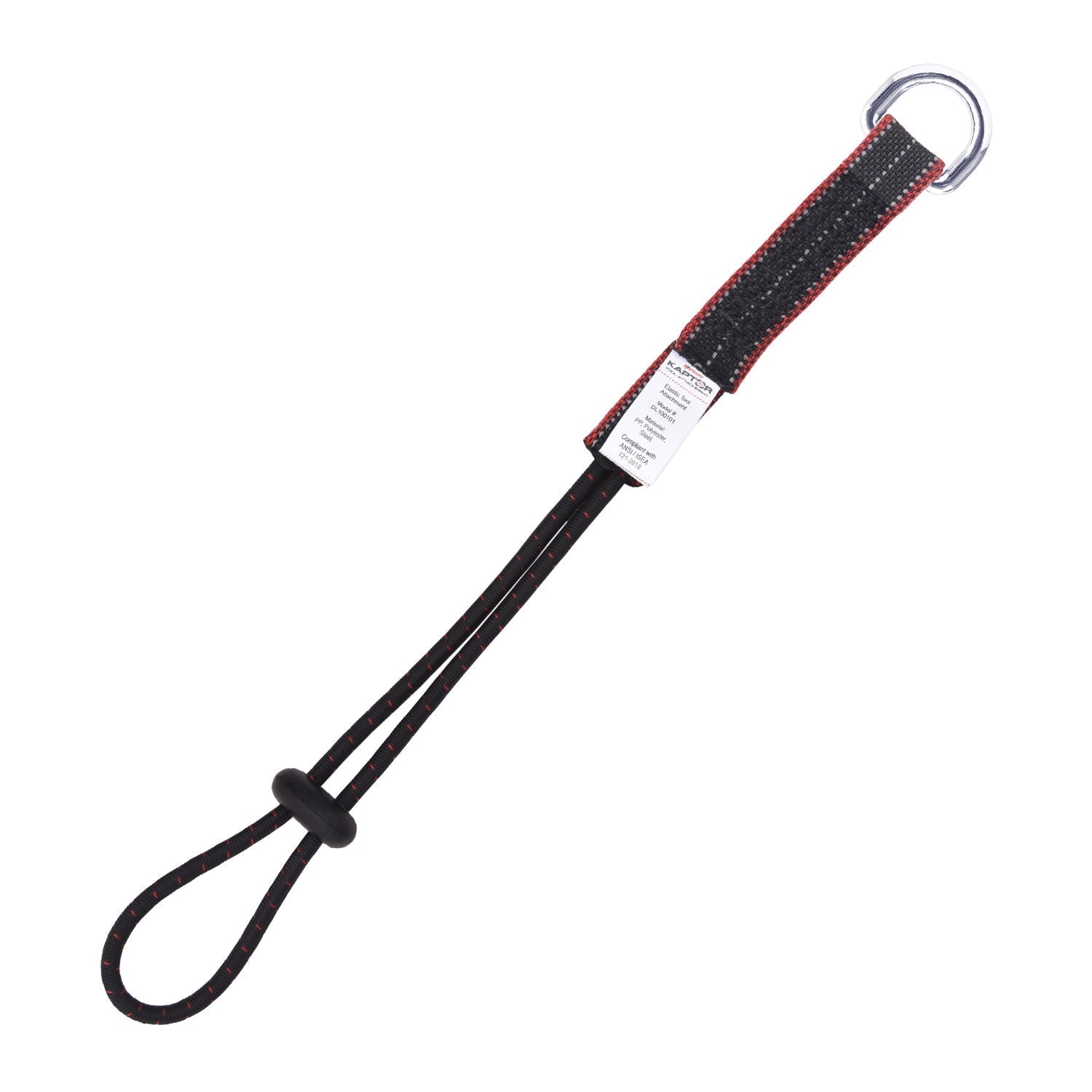
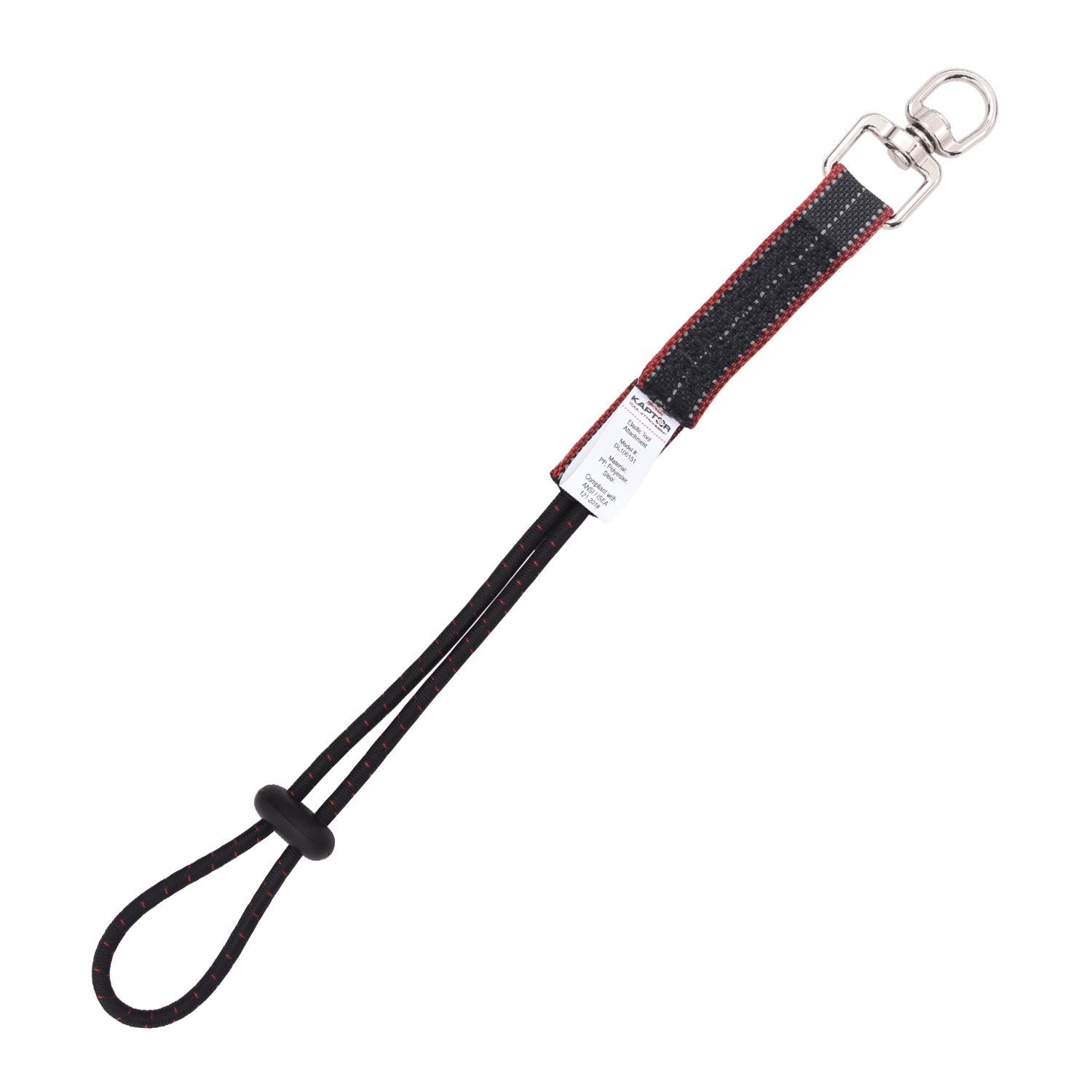
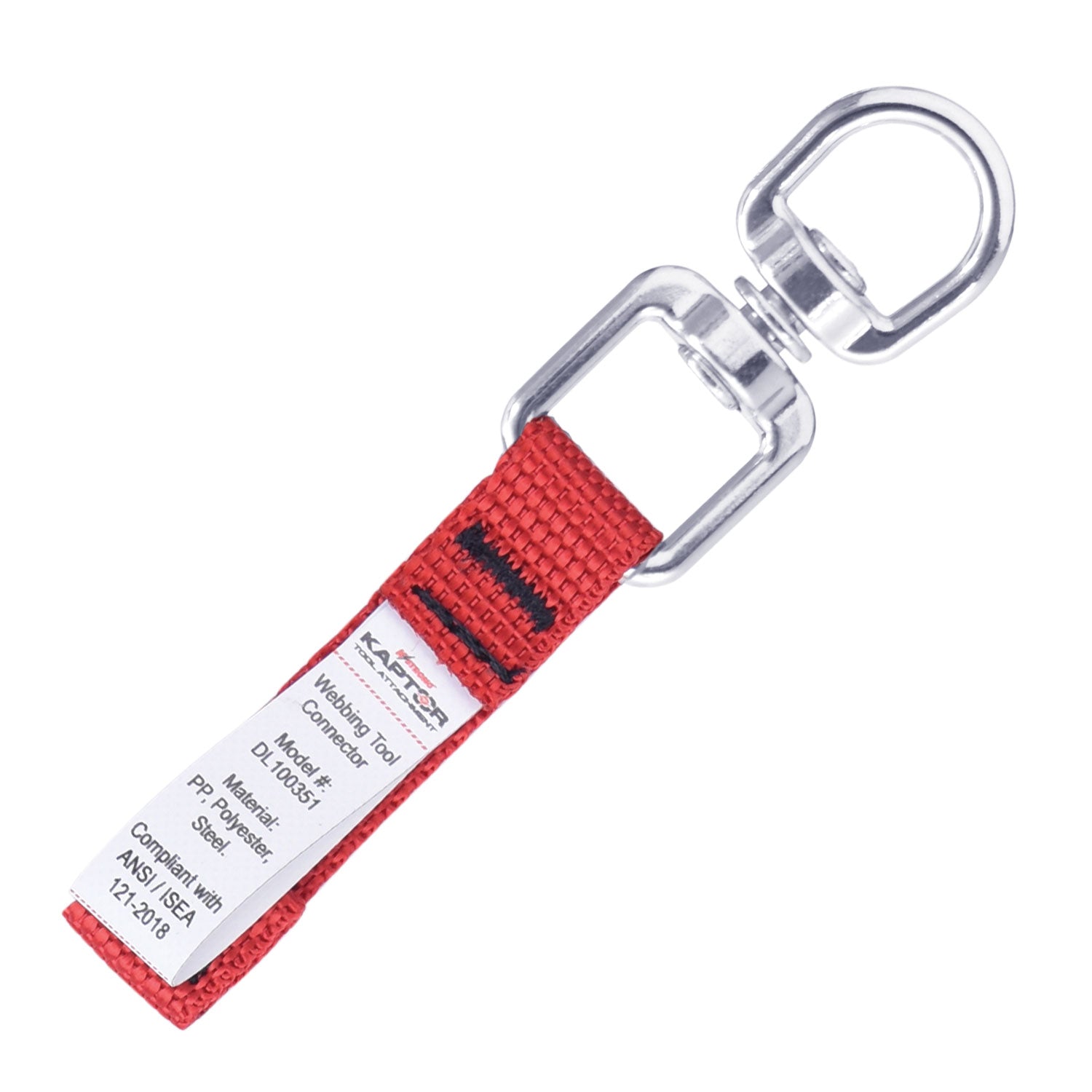
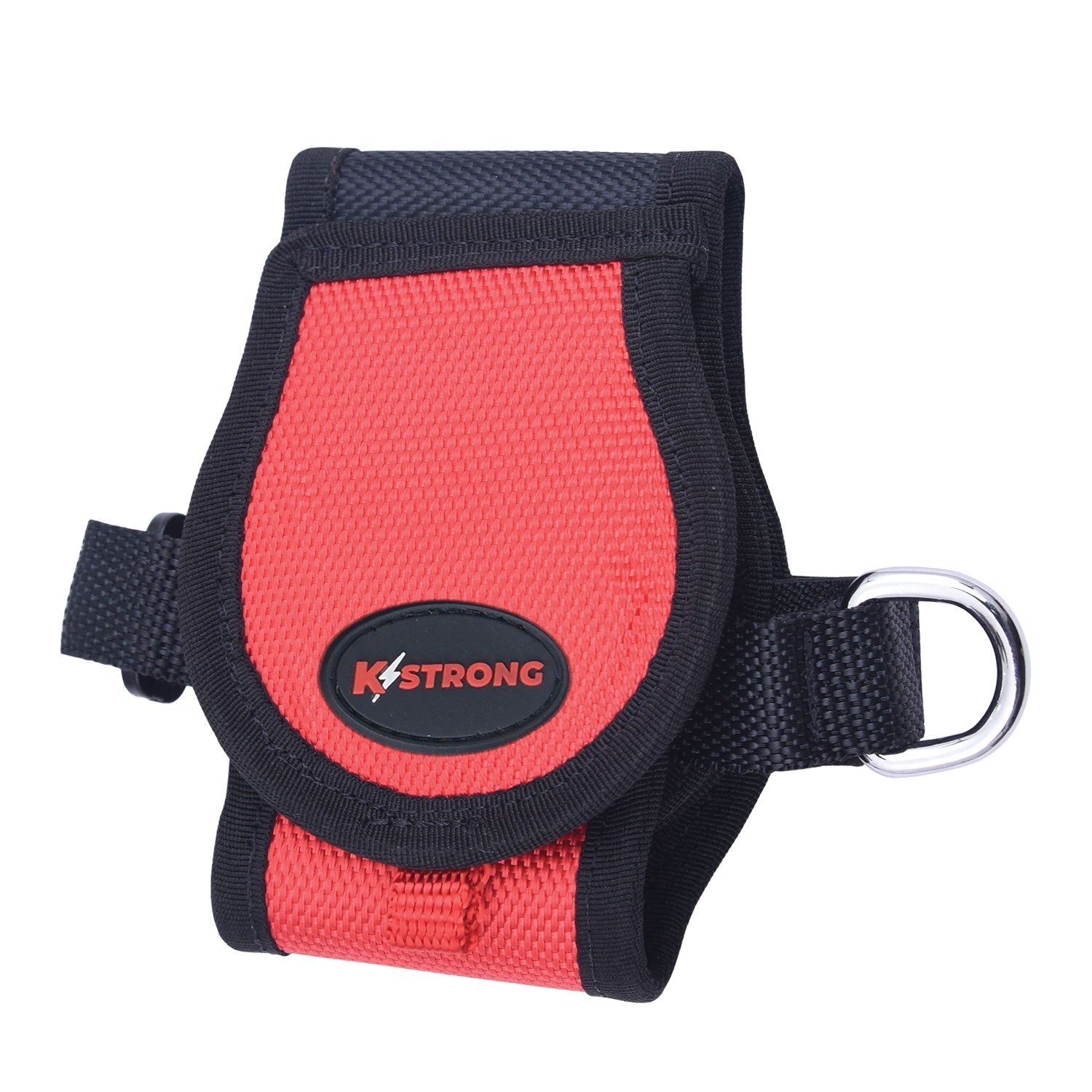
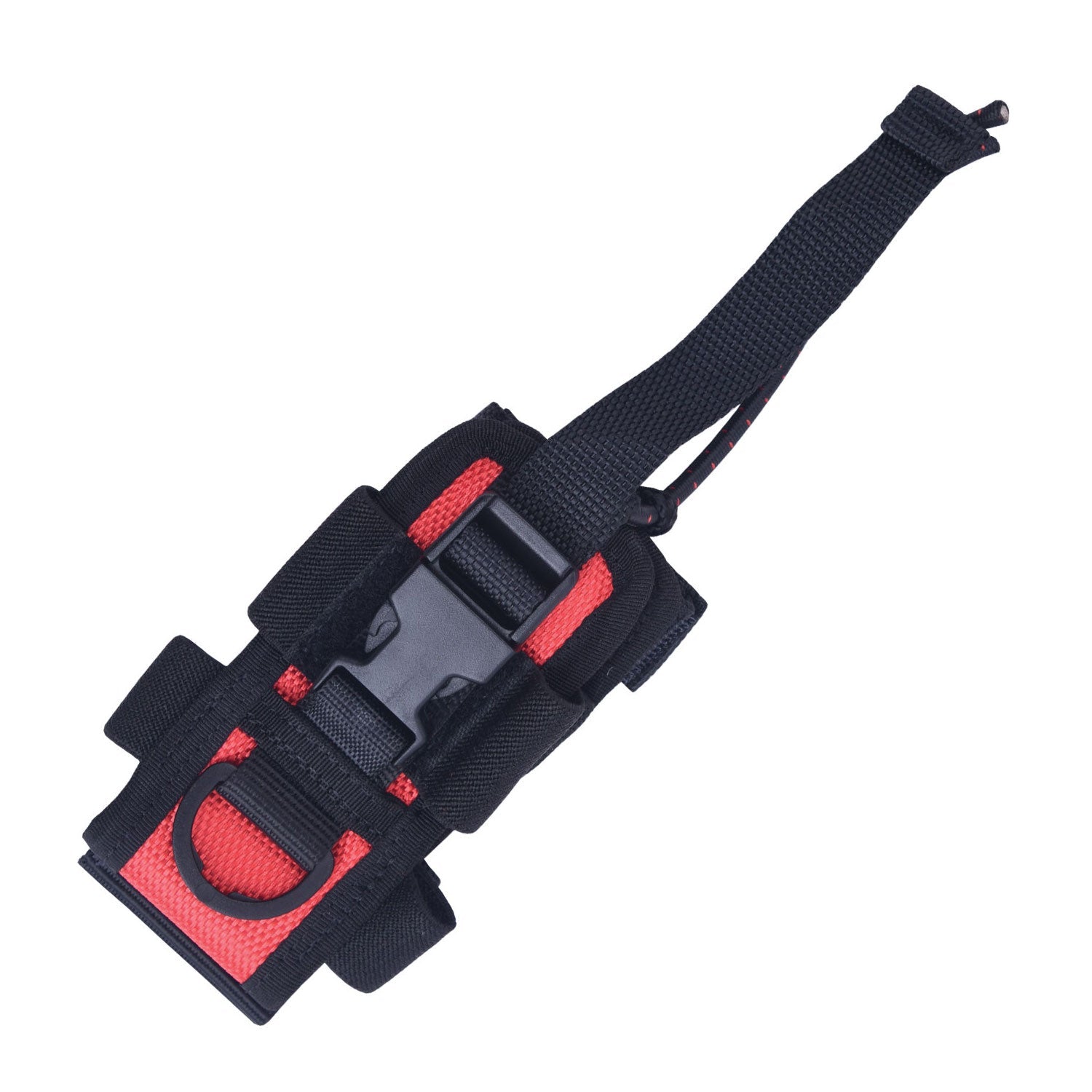
Give the tool an attachment point: cinches, tails, and traps. A bare wrench or drill has nowhere to clip, so the first job is building an attachment point onto the tool. Tool cinches wrap the handle or frame and cinch down to create a loop; the Kaptor cinches come single wing and dual wing, rated 35 lb and 80 lb, at around $6.50 to $7 each, and they suit anything from a hammer to a large pipe wrench. Tool tails do the same for smaller items, a short web or wire loop girth-hitched on and sold in 6-packs at 2 lb and 3 lb ratings. Tape measures get a dedicated trap that grips the case, and a radio rides in a small holster. Whatever you pick has to be rated at or above the tool weight, because this is the link the whole tether hangs from.
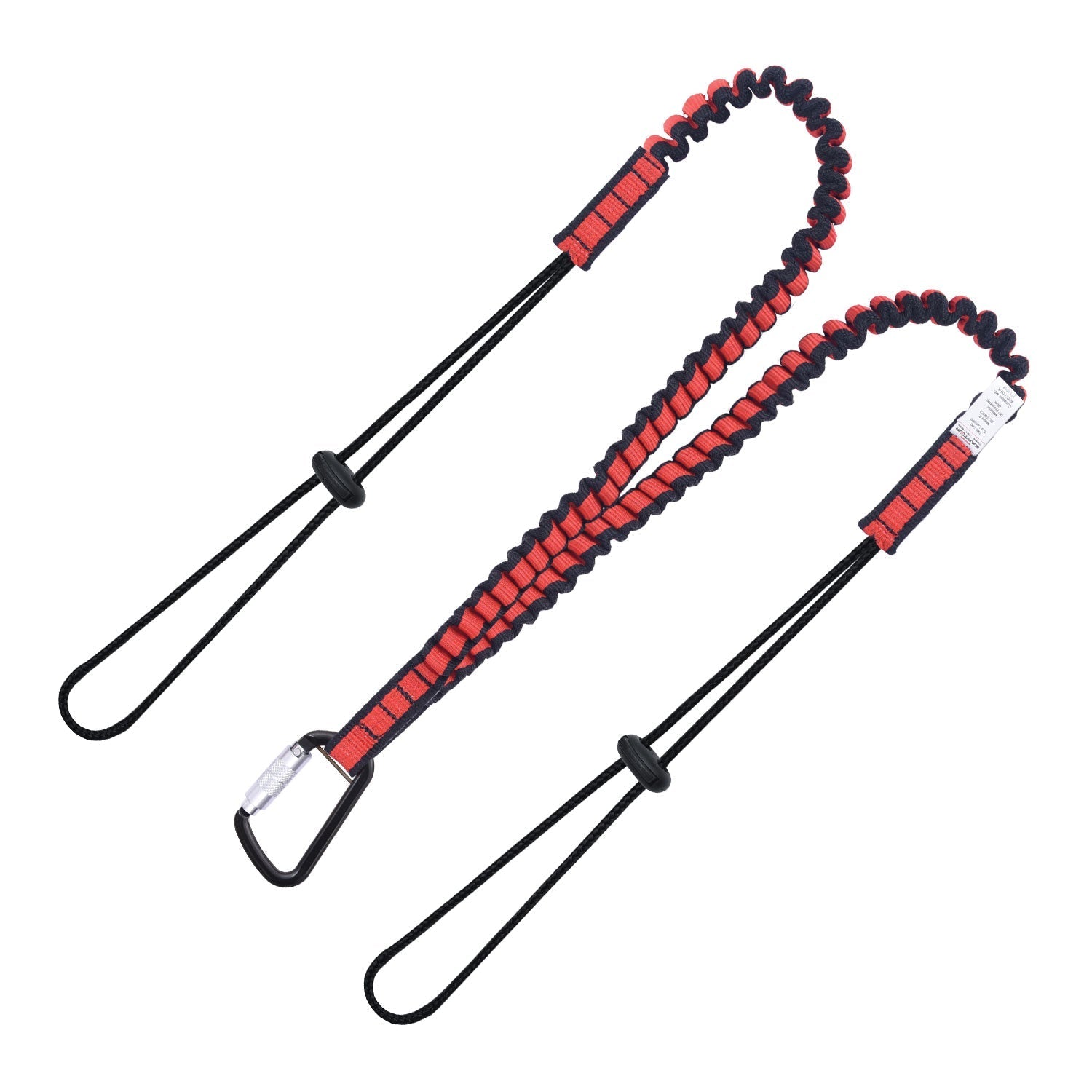
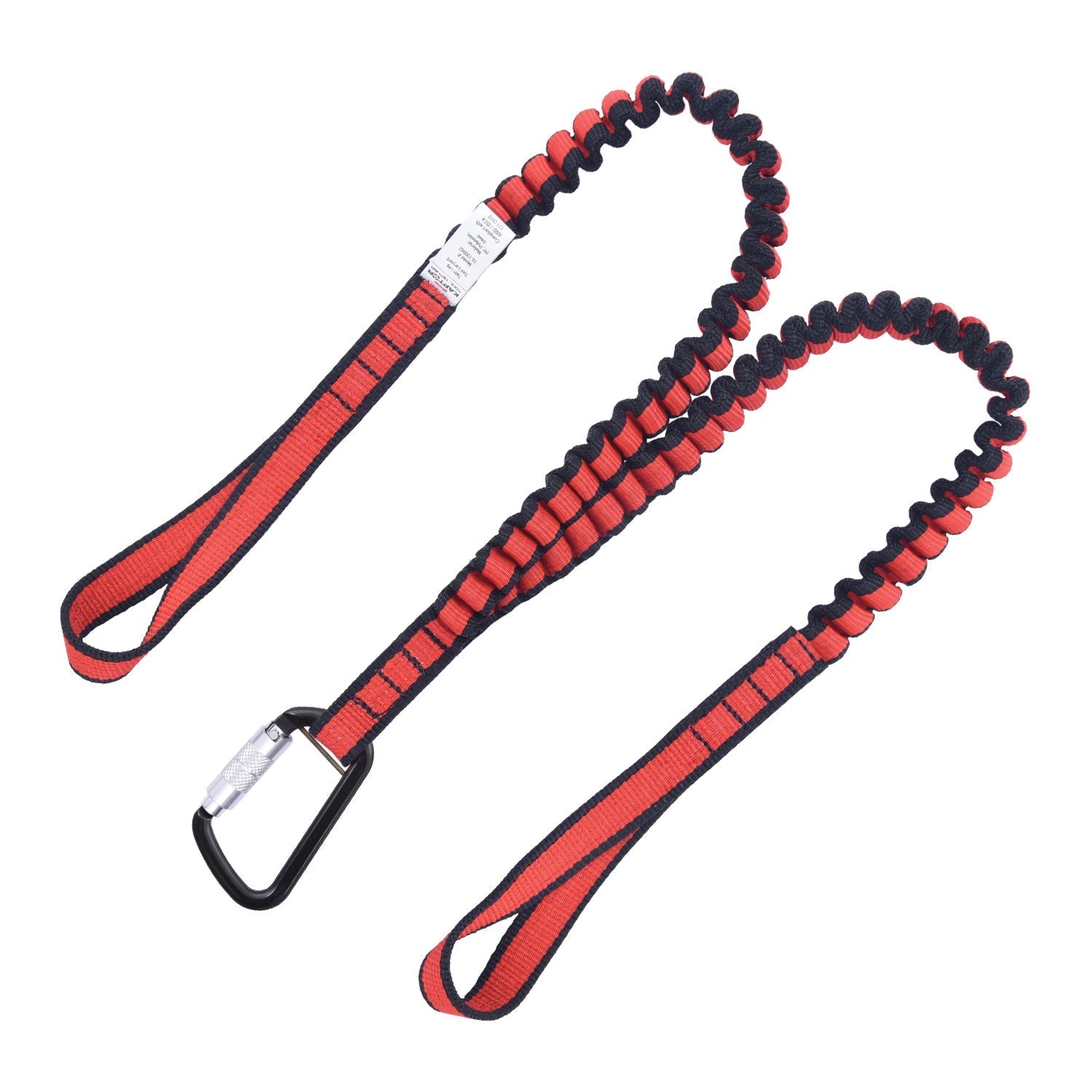
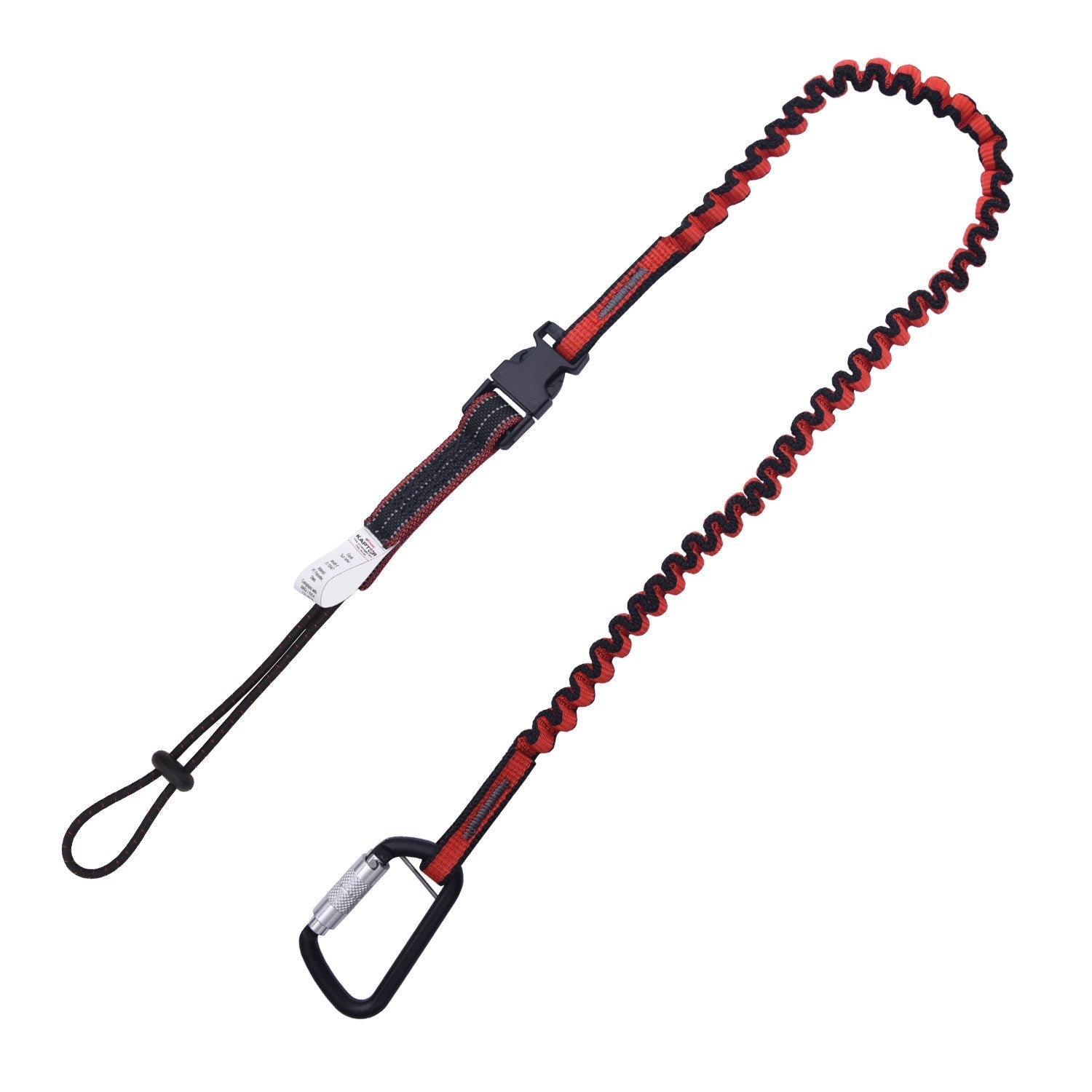
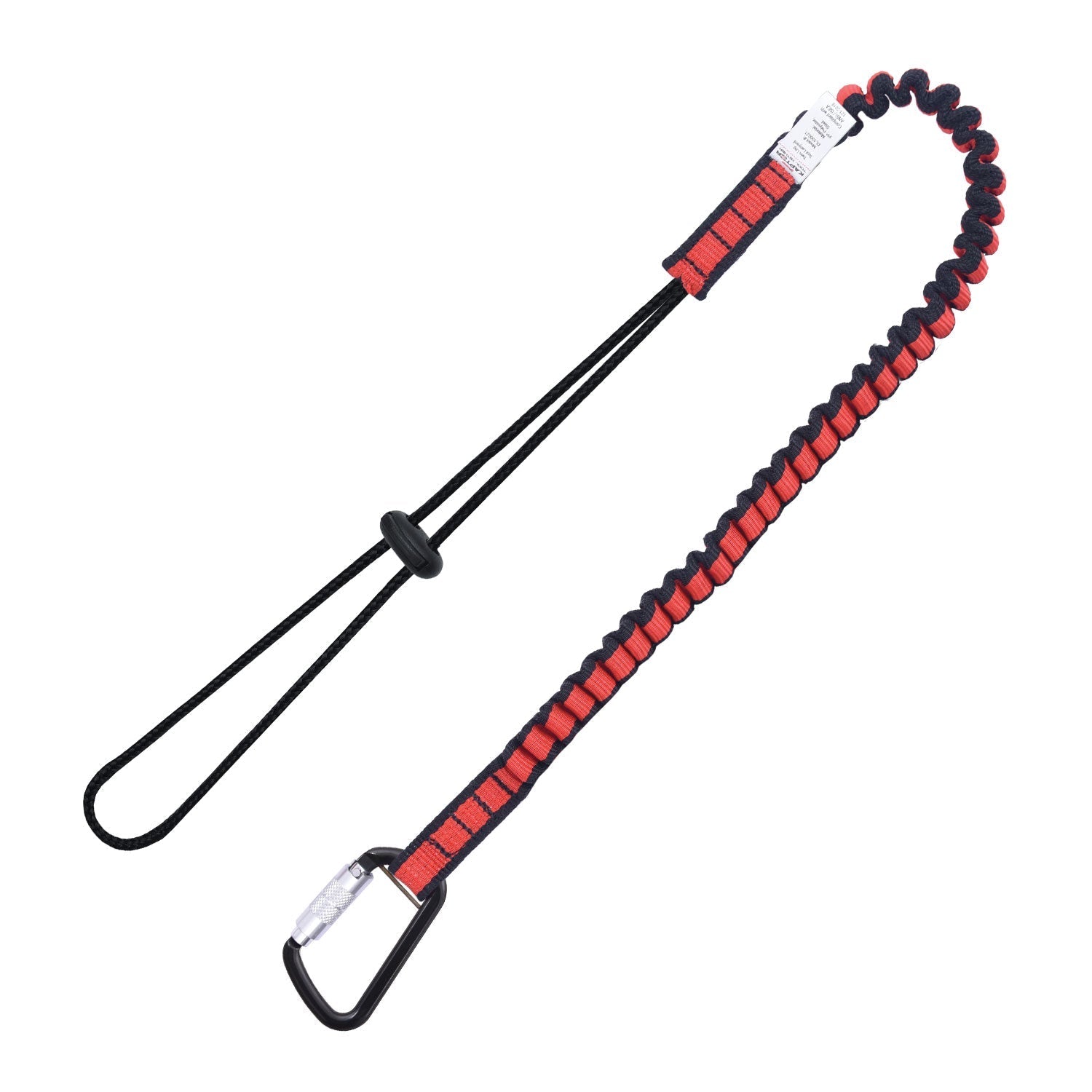
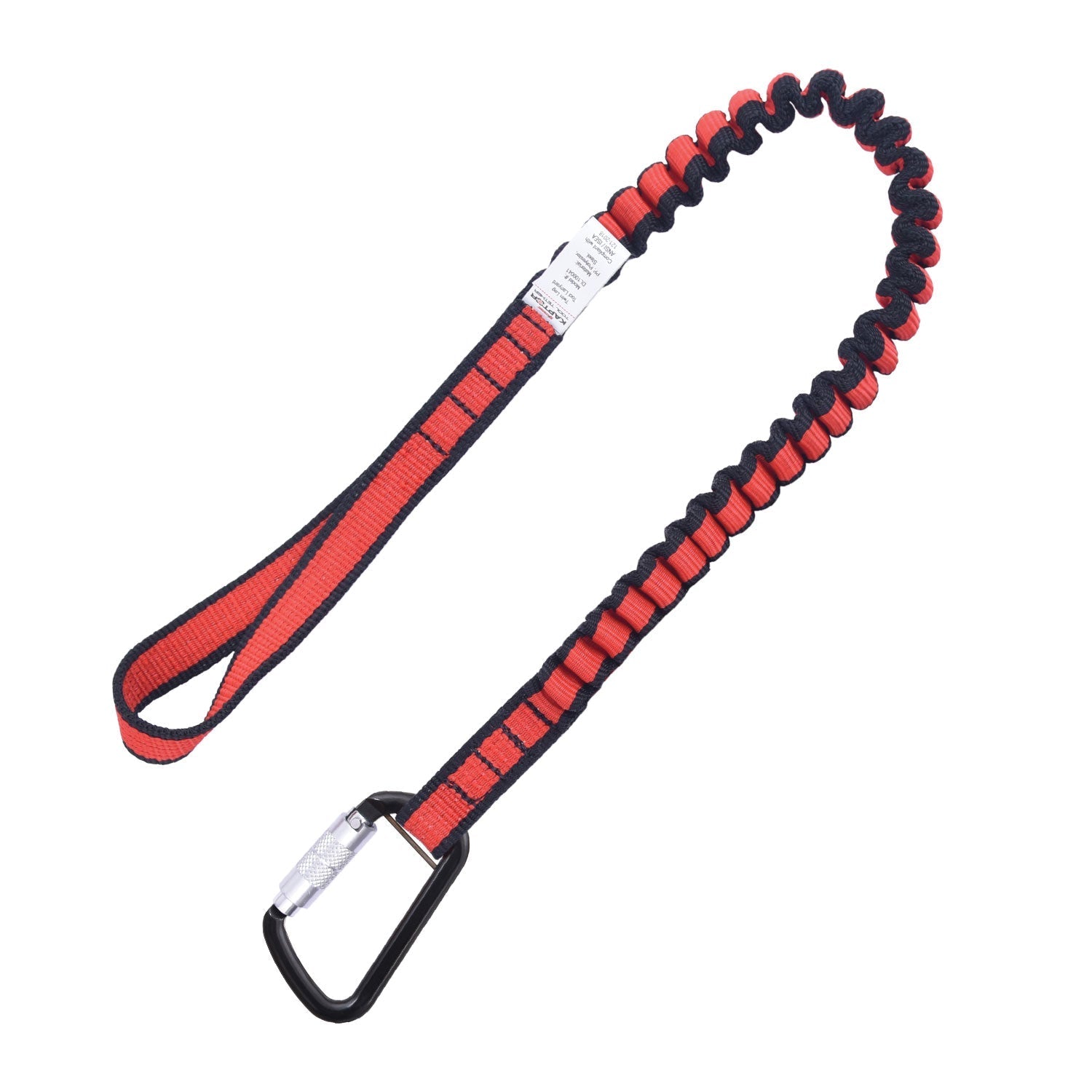
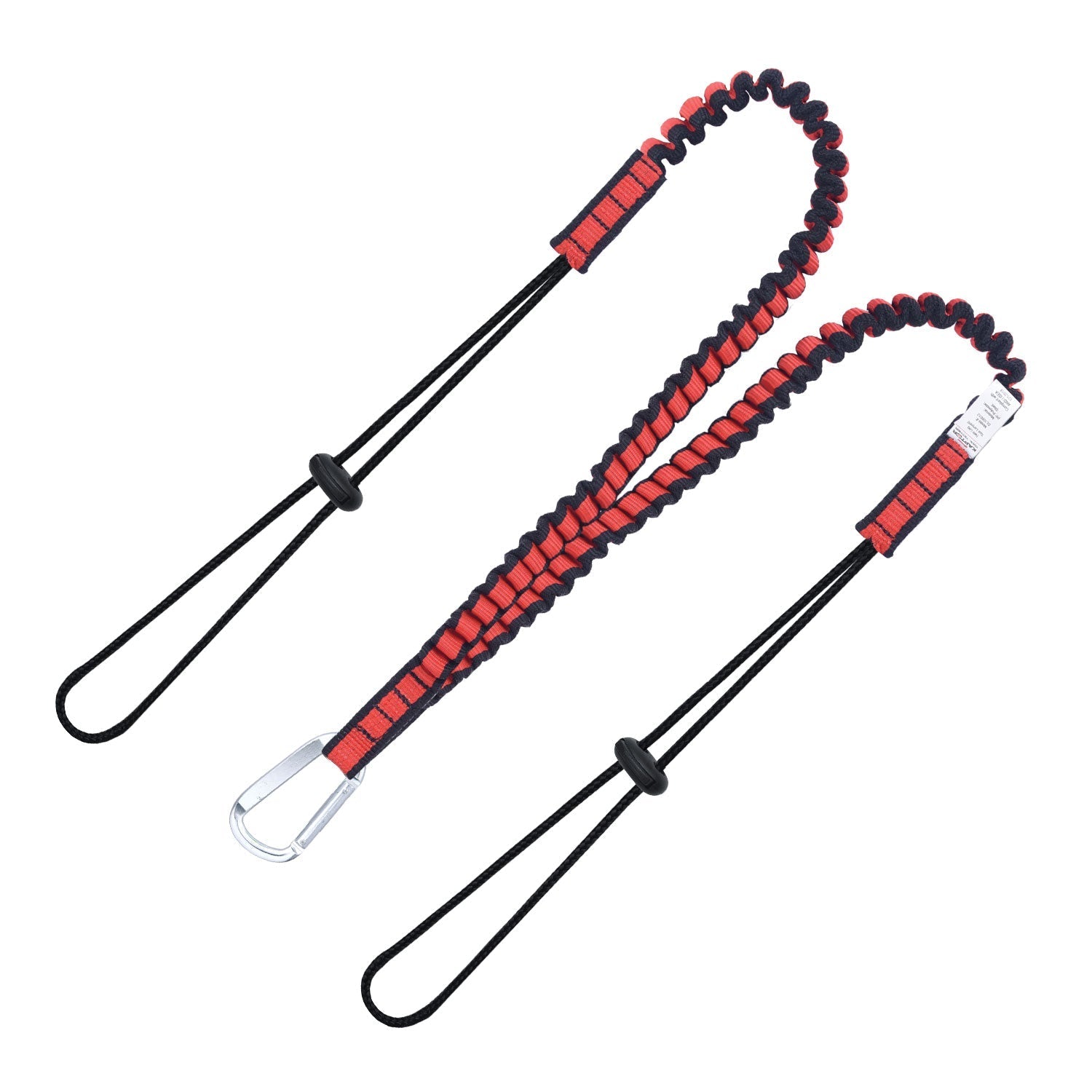
The lanyard itself: coiled, web, single or dual leg. With an attachment point on the tool, the lanyard is the tether that connects it to the anchor. Coiled cable lanyards retract out of the way and stretch when the tool is in use, which keeps loose slack from snagging; the 2 lb coiled cable model runs about $63. Web and elastic tethers come in single leg and dual leg forms, the dual leg letting you stay connected to one tool while you hand off or swap another without ever going untethered. Ratings climb from 2 lb wrist tethers through 22 lb single and dual leg lanyards to the 80 lb hook-to-loop heavy duty tether near $47. Elasticated designs with a drawstring cord and screwgate carabiner keep the retracted length short and the working length long, which matters on a ladder or in a lift bucket where a fixed strap fights you.
Read the weakest link, and the 5 lb rule. The rule that governs the whole assembly is simple: the tool must weigh less than the lowest-rated component in the chain, whether that is the tool attachment, the tether, or the anchor point. An 80 lb tether behind a 35 lb cinch is a 35 lb system, no more. The second rule is about where the anchor goes. Industry guidance under ANSI/ISEA 121 is that tools over 5 lb should be tethered to a fixed structure or a dedicated anchor point rather than to the worker, because a heavy tool arrested off your belt can pull you off balance or injure you as it swings. Light tools can ride on the worker; heavier ones want an independent anchor. Match every rating first, then place the far end second.
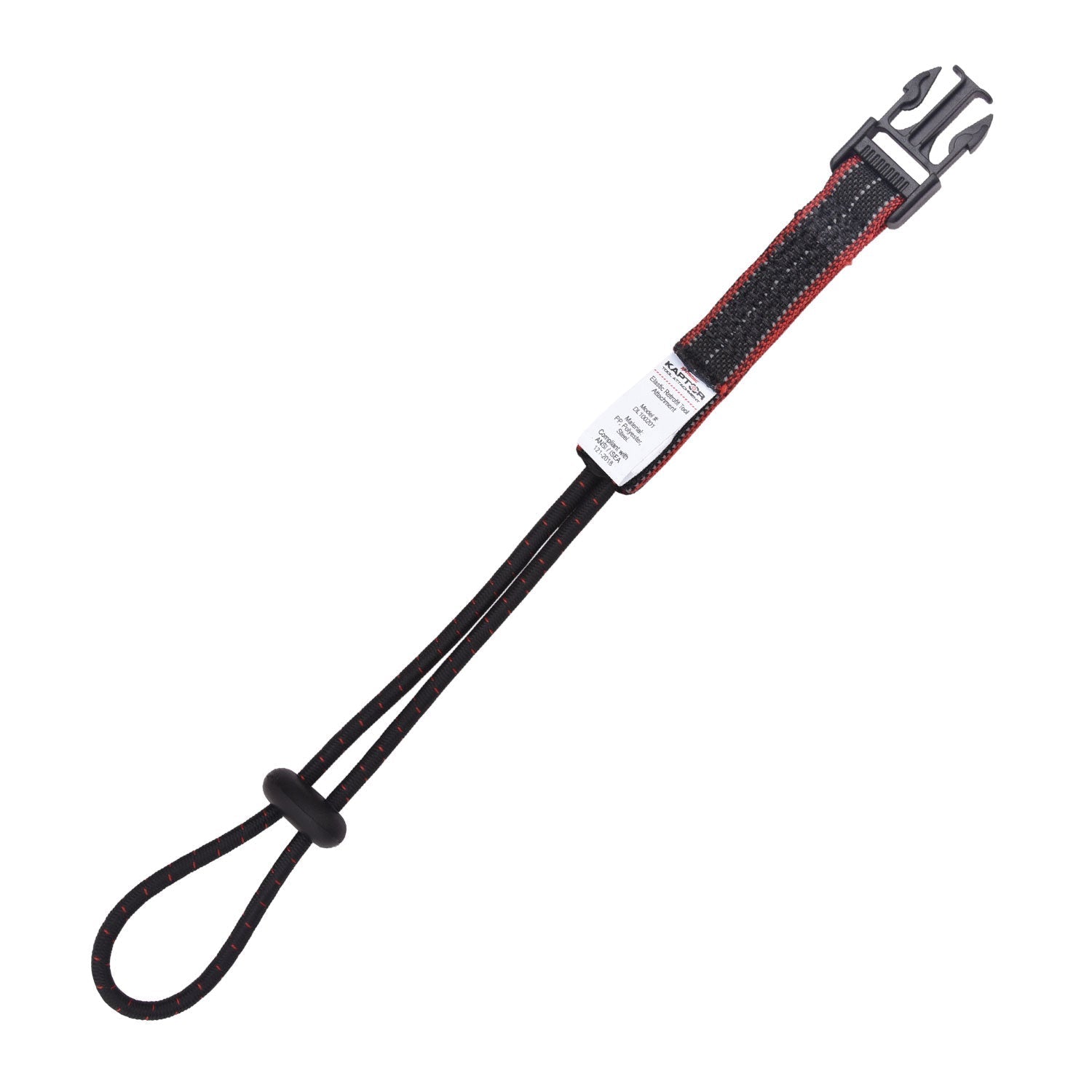
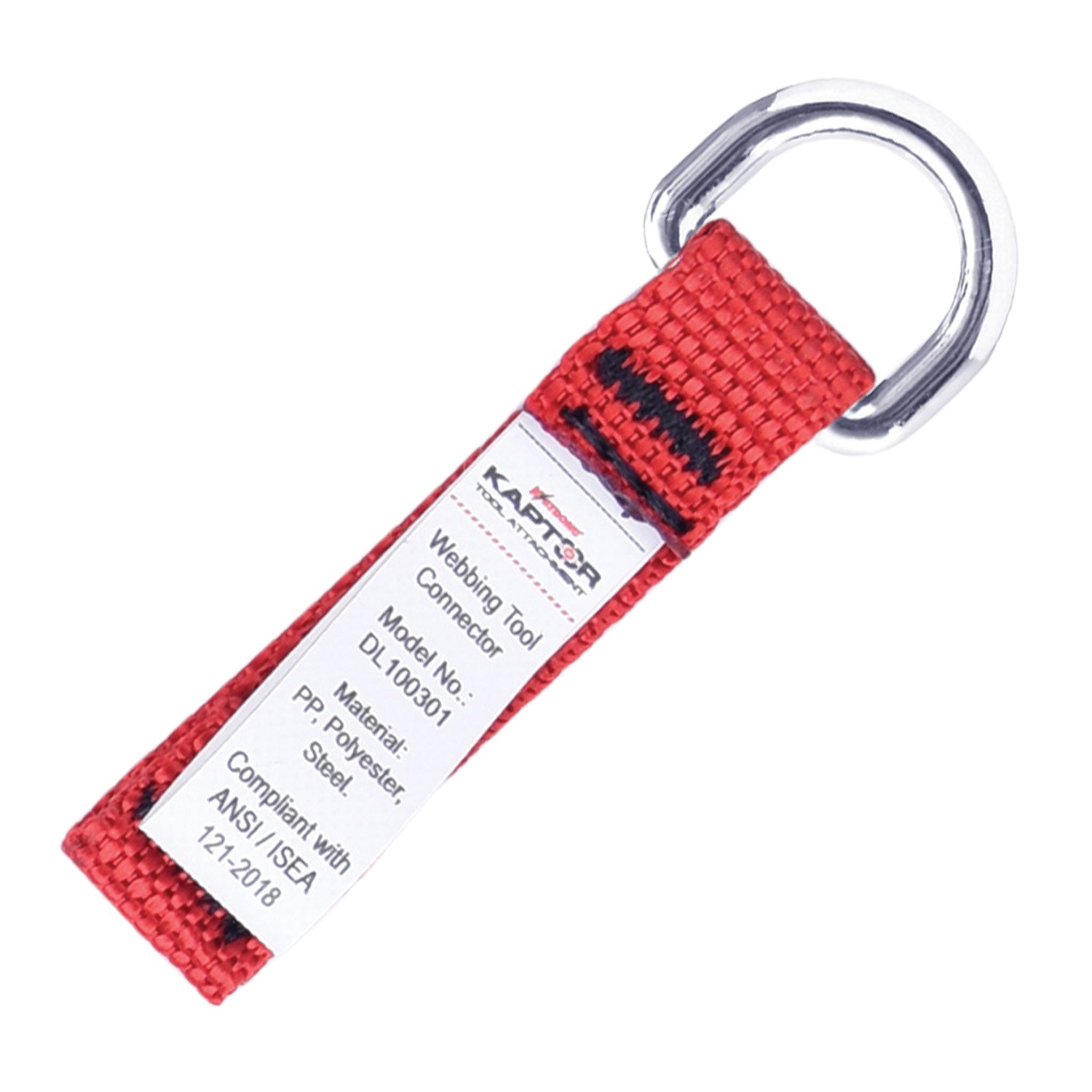
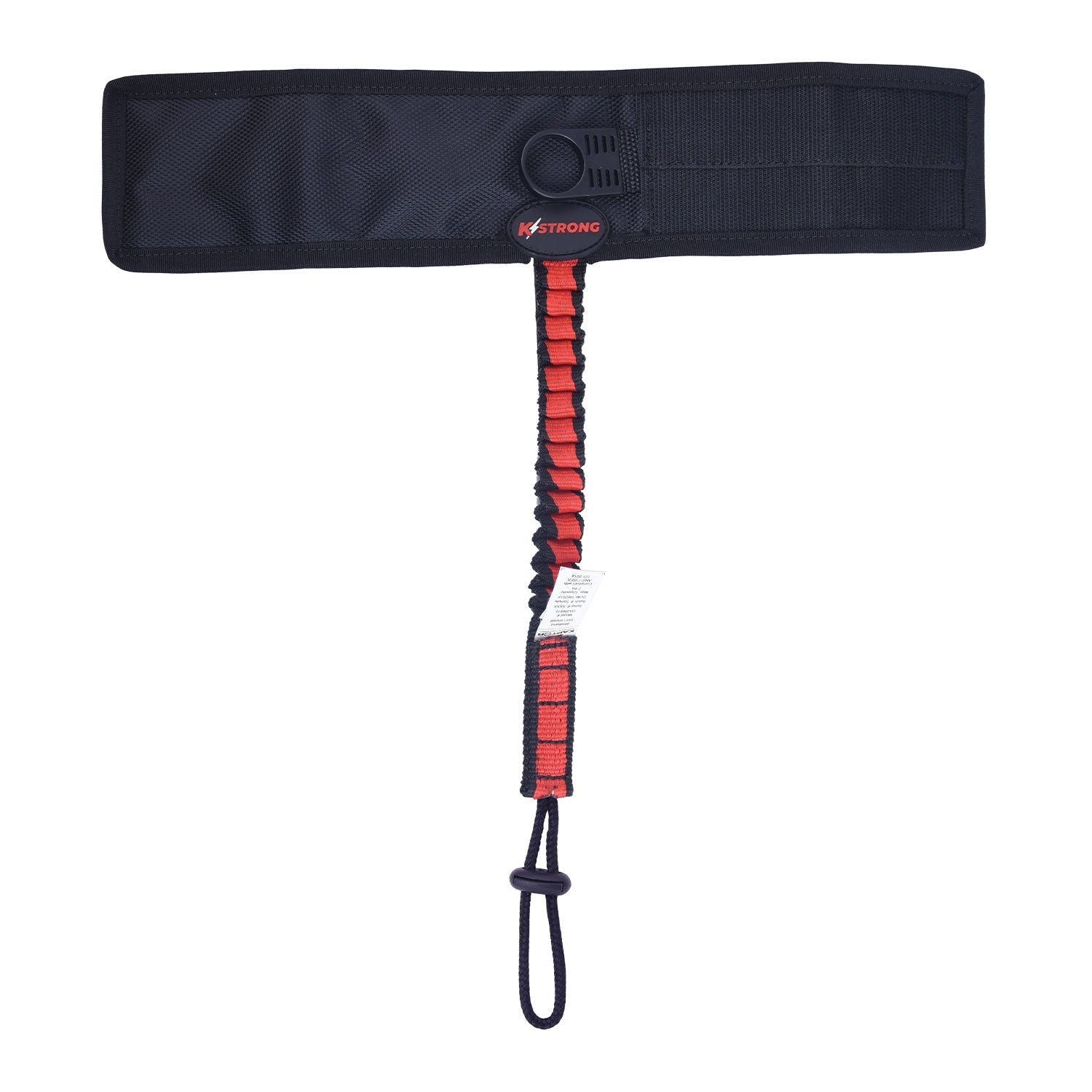
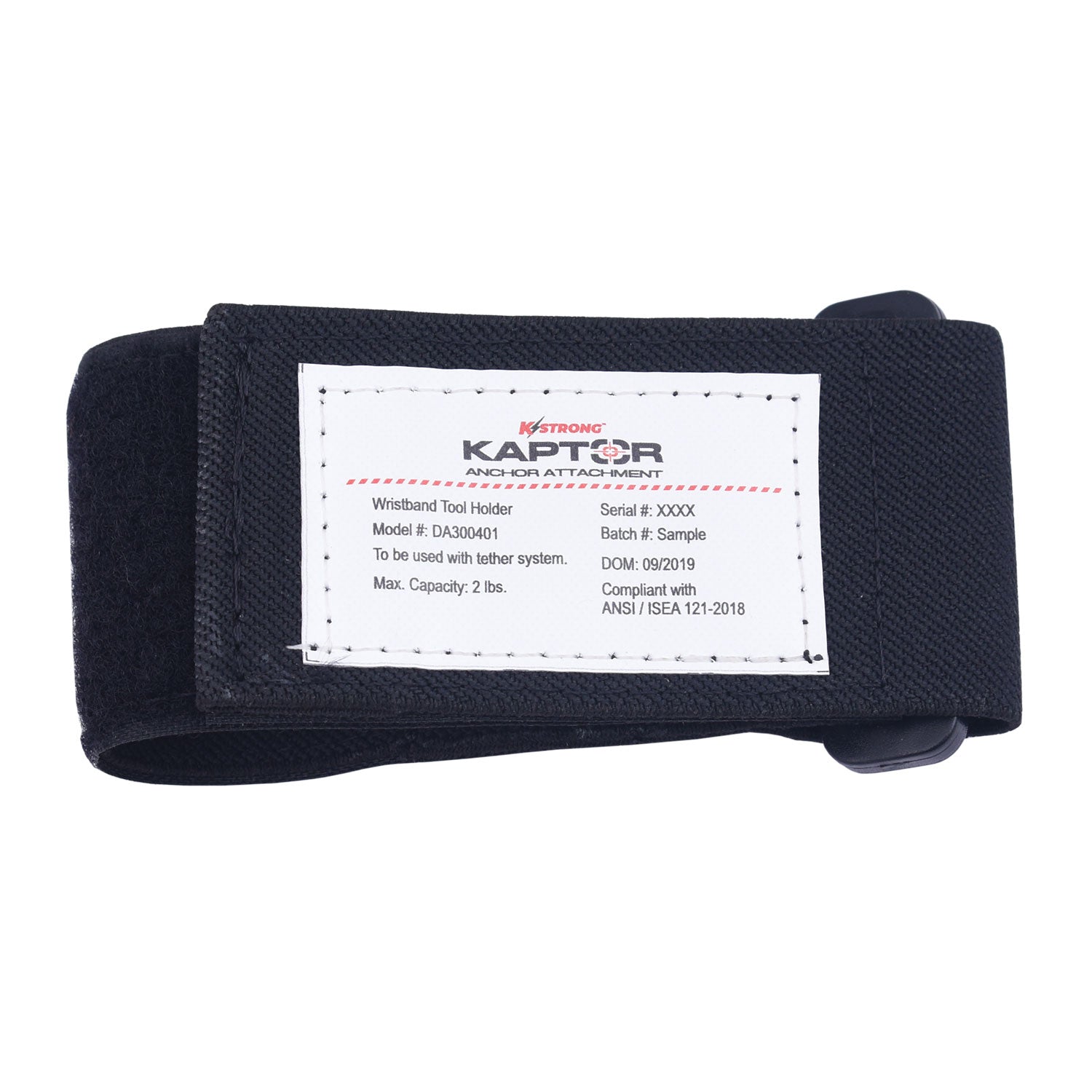
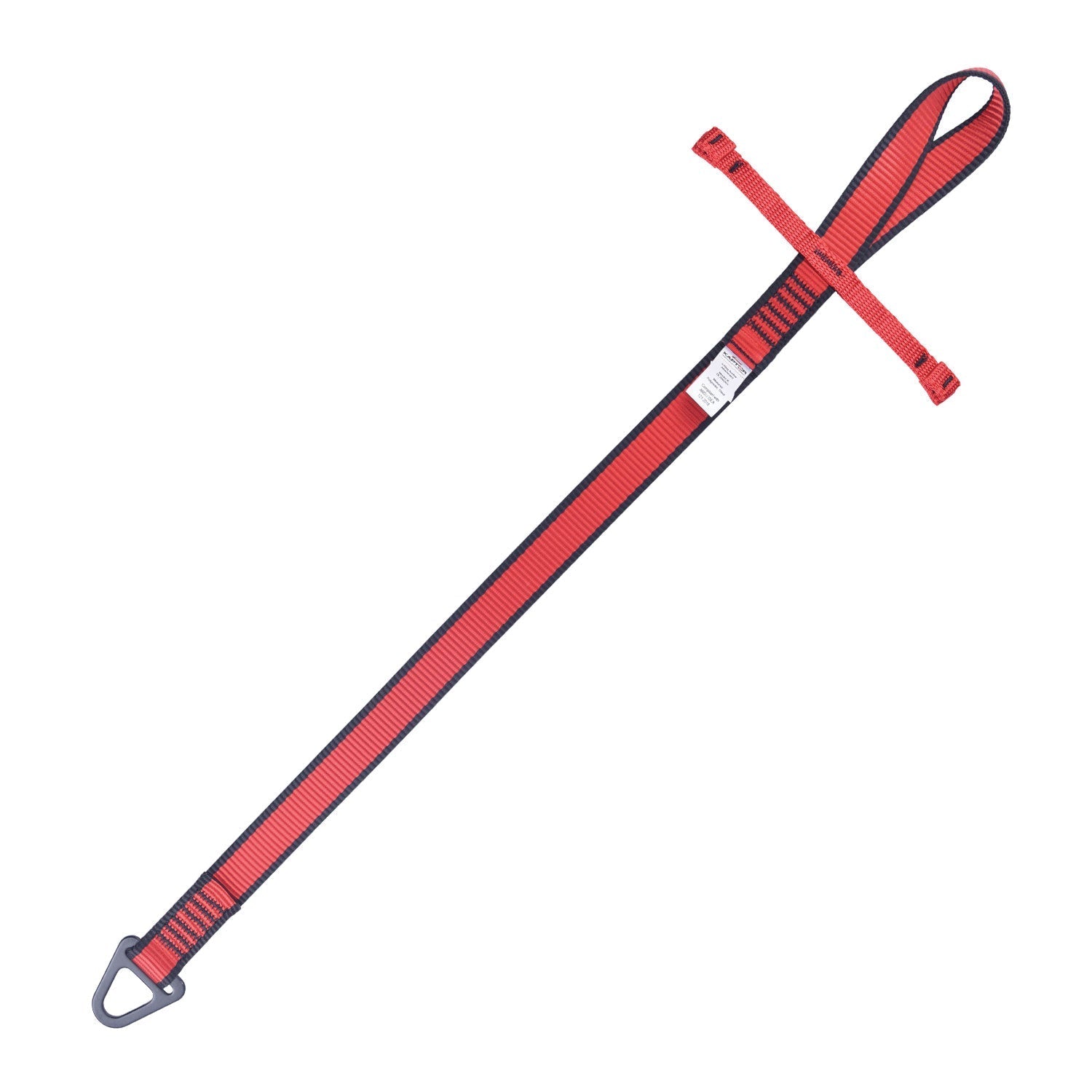
Where the far end lands: wrist, belt, or structure. The far end of a light-tool lanyard goes to one of a few places. Kaptor pull-on and buckle wrist lanyards, rated 2 lb, sit right on the worker for small items like a marker or a scribe. A D-ring with a tether cinch cord loop, rated 5 lb, adds fixed attachment points to a belt or full body harness, giving you a spot to clip several tethers at once. For anything heavier, or wherever the guidance says structure over worker, you anchor to the surrounding steel or a dedicated point; the same anchor connectors that serve personal fall arrest give you rated tie-off for tools too. Detachable loop accessory kits and Clip2Loop coil packs let you pre-rig a set of tools once and clip in fast at the start of each shift.
Kits, packs, and why tethering is a program. No OSHA standard names tool tethering directly, but struck-by is one of the agency's Fatal Four, and BLS counts more than 42,000 struck-by falling object recordable incidents a year. On scaffolds, OSHA 1926.451 already requires toeboards, screens, or nets to contain falling hand tools; tethering is the active control that works above and beyond a barrier. That is why the Kaptor line sells as kits, from the tape measure and coiled cable kit around $78 to the full tool tethering kit near $112, and in accessory packs of loops and tails: a real dropped object program tethers everything overhead, not one favorite tool. This collection is the tool side of Fall Arrest & Restraint Gear; the harness, lanyard, and anchor that protect the worker are the other half, and both belong on the same job at height.
Frequently Asked Questions
It depends on the rating printed on the specific component, and on the rest of the chain. The Kaptor tethers here run from 2 lb wrist models up to an 80 lb heavy duty hook-to-loop tether, with 22 lb single and dual leg lanyards in the middle. The governing rule is that the tool must weigh less than the lowest-rated part of the system, so a lanyard rated for 80 lb still only protects a 35 lb tool if the cinch attaching it is rated 35 lb.
Yes. Almost no hand tool ships with a tie-off ring, so you build an attachment point onto each one with a tool cinch that wraps the handle or a tool tail girth-hitched to a smaller item. That attachment point is a rated part of the system, so it has to hold the tool weight on its own before the lanyard behind it matters. Tape measures and radios use their own dedicated trap and holster rather than a general cinch.
Guidance under ANSI/ISEA 121 is that tools weighing more than 5 lb should be tethered to a fixed structure or a dedicated anchor point, not to the worker. A heavy tool arrested off your belt can pull you off balance or hit you as it swings. Light tools like a marker or small hand tool can ride on a wrist lanyard or a belt D-ring; anything heavier wants an independent anchor on the surrounding steel.
No OSHA standard requires tools to be tethered by name. Falling objects are covered instead through struck-by protection: OSHA 1926.451 requires toeboards, screens, or nets on scaffolds to contain falling hand tools, and struck-by is one of OSHA's Fatal Four hazards. Tethering is an active control that goes beyond a barrier, and ANSI/ISEA 121 is the standard that defines what qualifies as a proper tethering system.
Both create an attachment point on a tool, but they suit different sizes. A tool cinch wraps around a handle or frame and cinches down, coming in single wing and dual wing versions rated 35 lb and 80 lb for larger tools like wrenches and hammers. A tool tail is a short web or wire loop, sold in 6-packs at 2 lb and 3 lb ratings, that girth-hitches onto smaller items with a fixed loop or eye. Cinch the big stuff, tail the small stuff.