Propane Forklifts
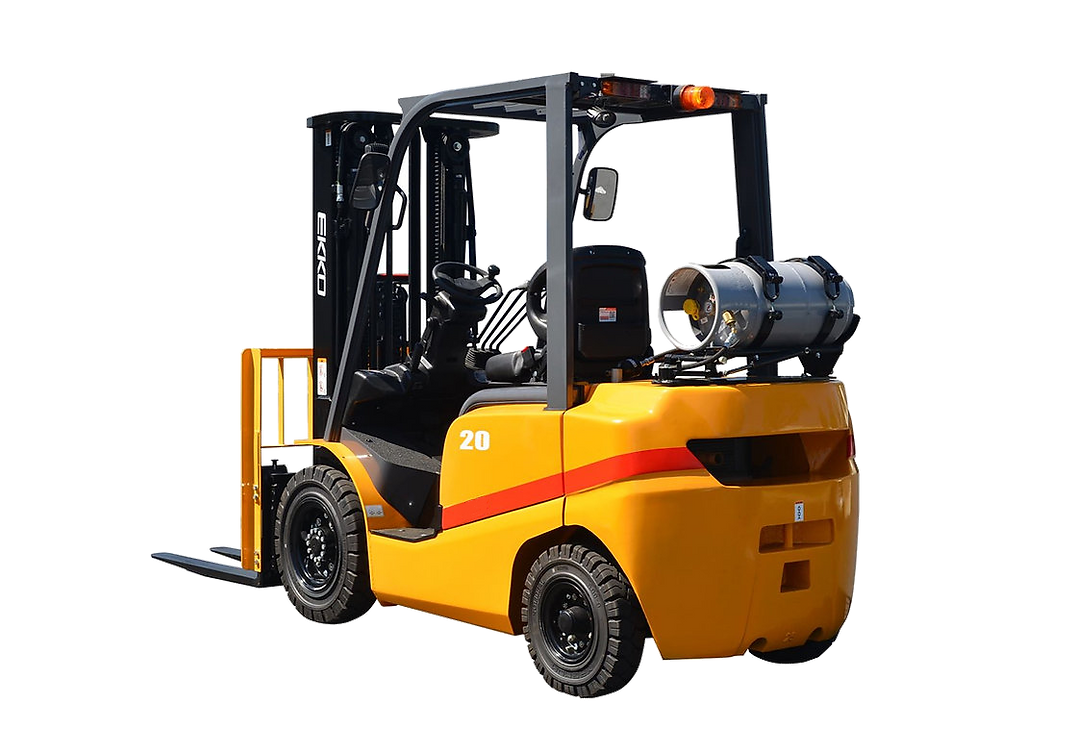
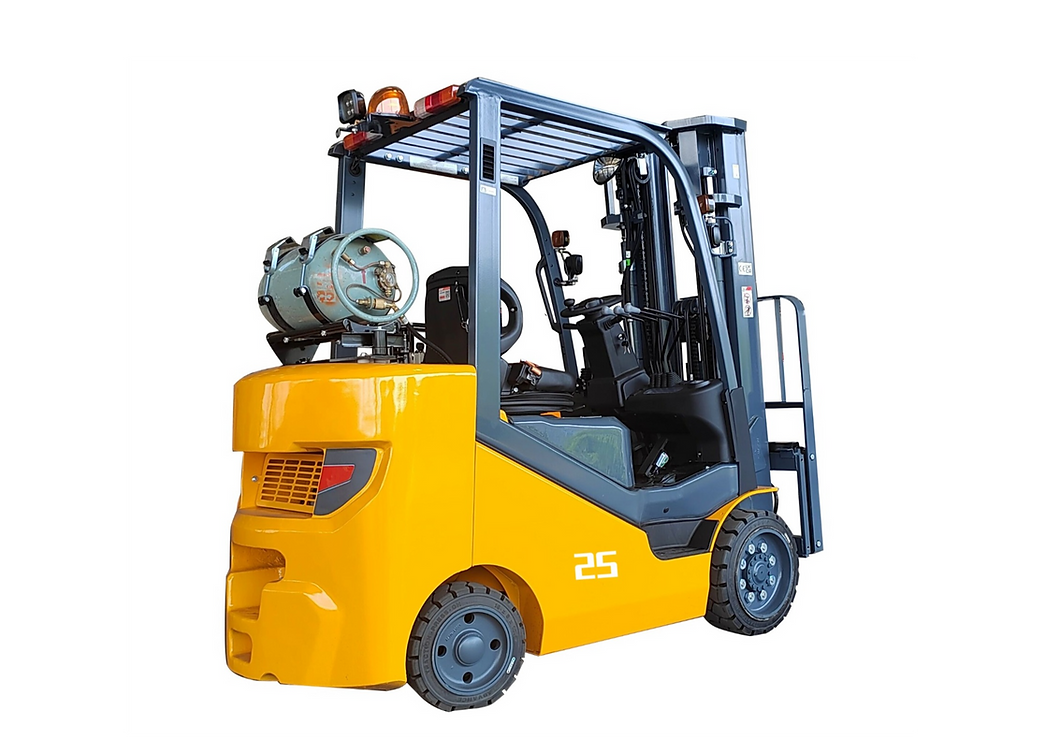
A propane forklift is the truck to buy when one machine has to work both sides of the dock door, moving pallets inside in the morning and loading trucks out in the yard by afternoon. This page is the EKKO LPG range, sorted so you match the truck to your loads and your floor. Capacities run from a 4,000 lb model for standard warehouse pallet work up to a 10,000 lb truck for heavy stock, steel, and machined parts, with cushion-tire builds for smooth sealed concrete and pneumatic-tire builds for gravel and broken asphalt. Prices land roughly between $32,000 and $63,000 depending on capacity, mast, and tire. What propane buys you over a battery-electric truck is a tank you swap in a couple of minutes instead of a charge you wait hours for, plus steady power in cold and wet outdoor conditions where a battery's range falls off. Use the sizing below, then open the models to compare the exact trucks.
Compare LPG Forklifts
| Model | Price | Load Center | Lift Height | Wheelbase | Service Weight | |
|---|---|---|---|---|---|---|
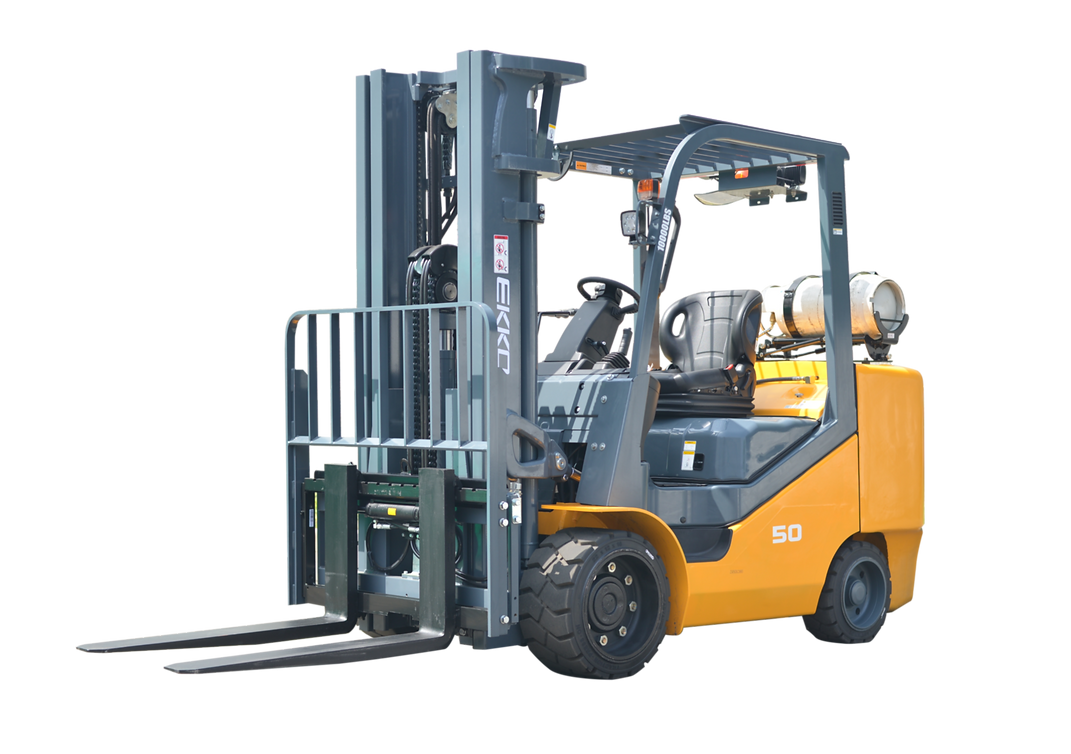
| EKKO EK50LP 10000lbs LPG Forklift | $62,999 | 24 in | 185 in | 62 in | 16,250 lb | View → |
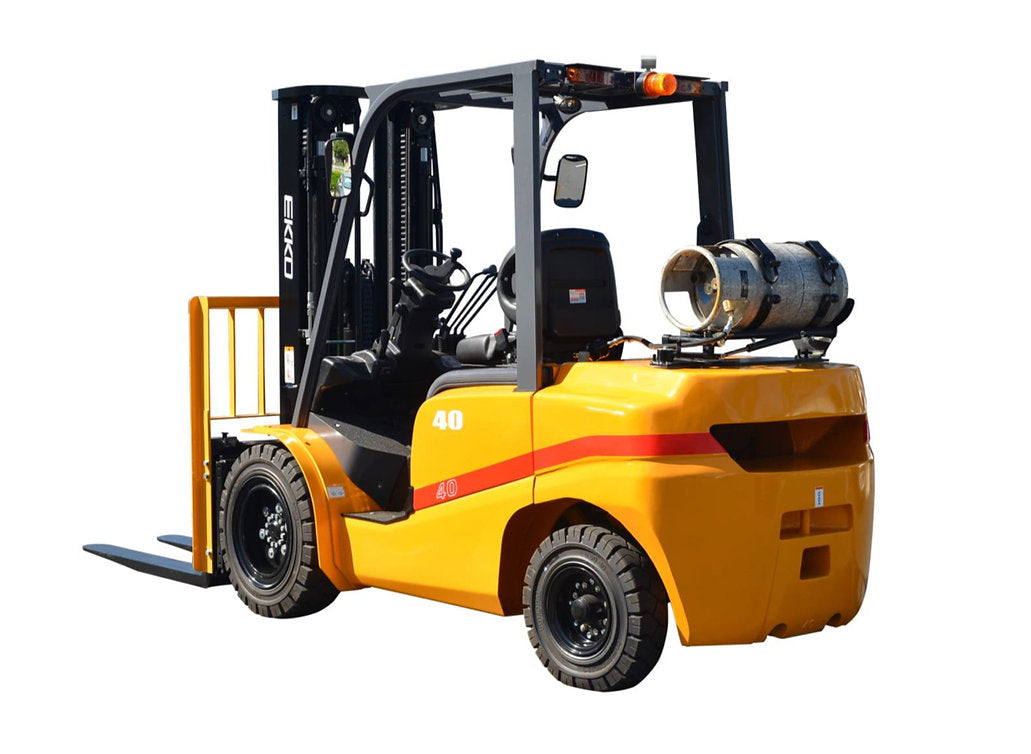
| EKKO EK40TLP 8500lbs LPG Forklift | $46,199 | 24 in | 185 in | 71 in | 11,519 lb | View → |
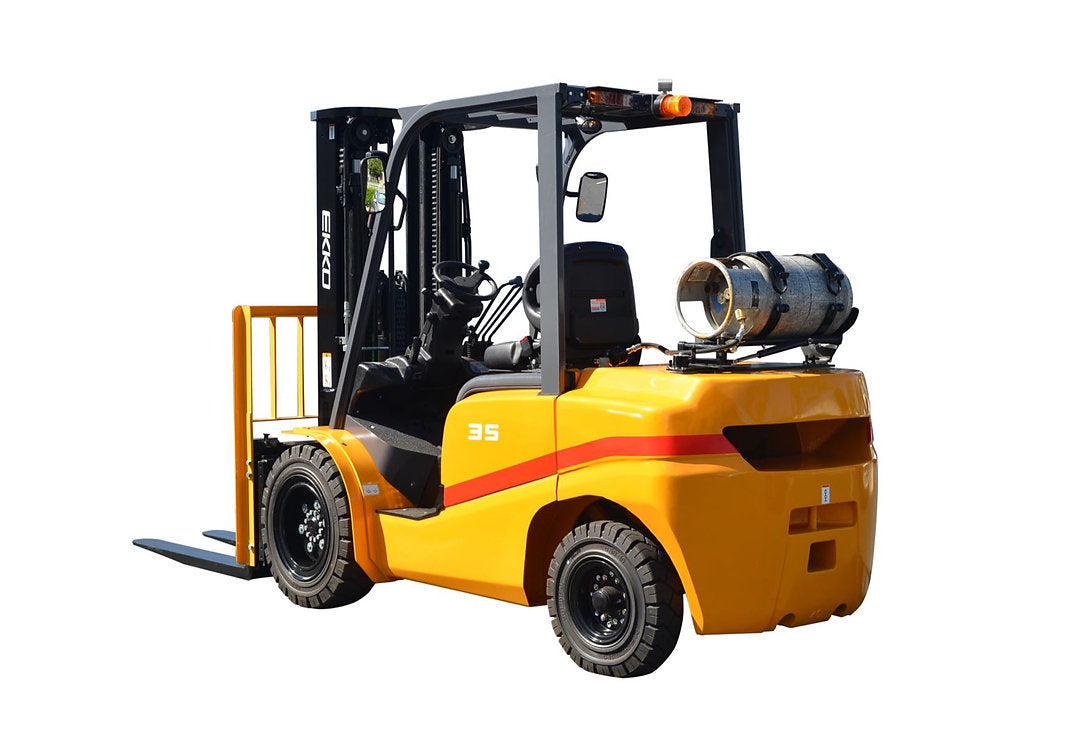
| EKKO EK35LP 7000lbs LPG Forklift | $36,399 | — | 189" lift height | — | — | View → |
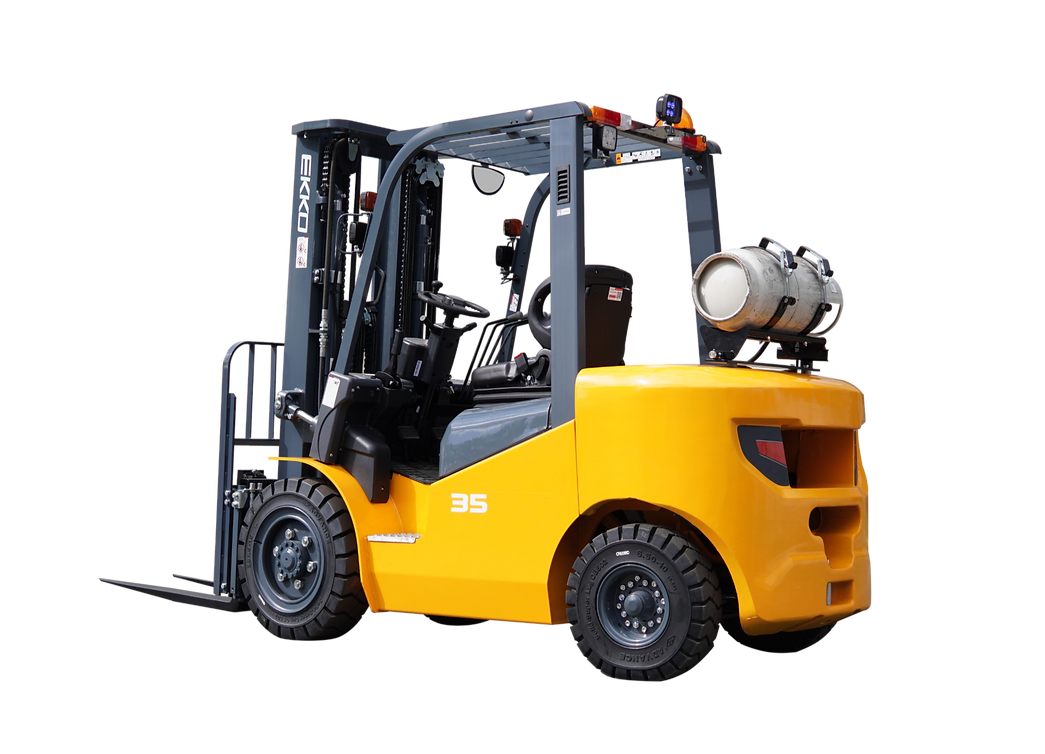
| EKKO EK35TLP 7000lbs LPG Forklift | $36,399 | 24 in | 185 in | 67 in | 10,967 lb | View → |
| EKKO EK30LP 6000lbs LPG Forklift | $34,999 | 24 in | 189 in | 69 in | 10,320 lb | View → |
| EKKO EK30TLP 6000lbs LPG Forklift | $34,999 | 24 in | 185 in | 67 in | 10,108 lb | View → |
 In Stock
 In Stock
 In Stock
 In Stock
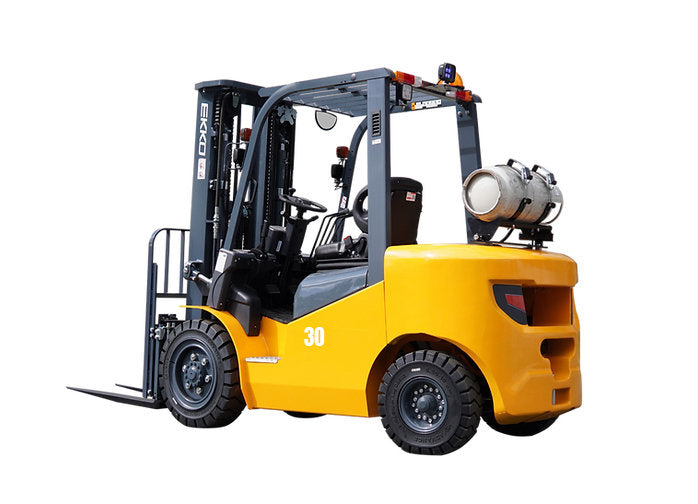 In Stock
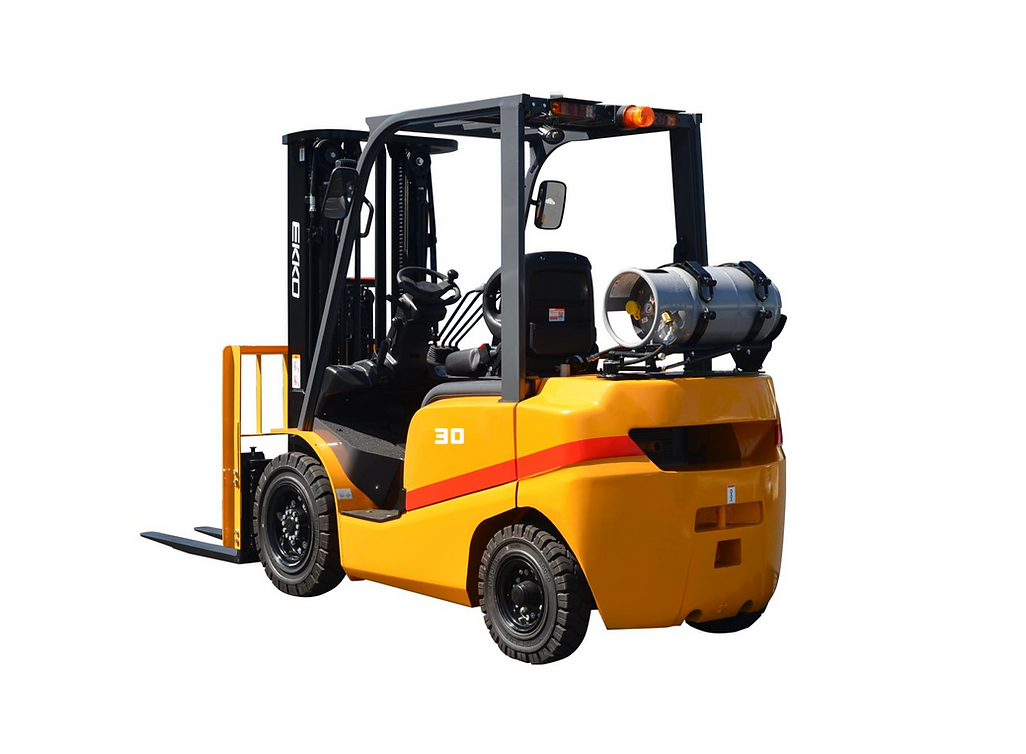 In Stock
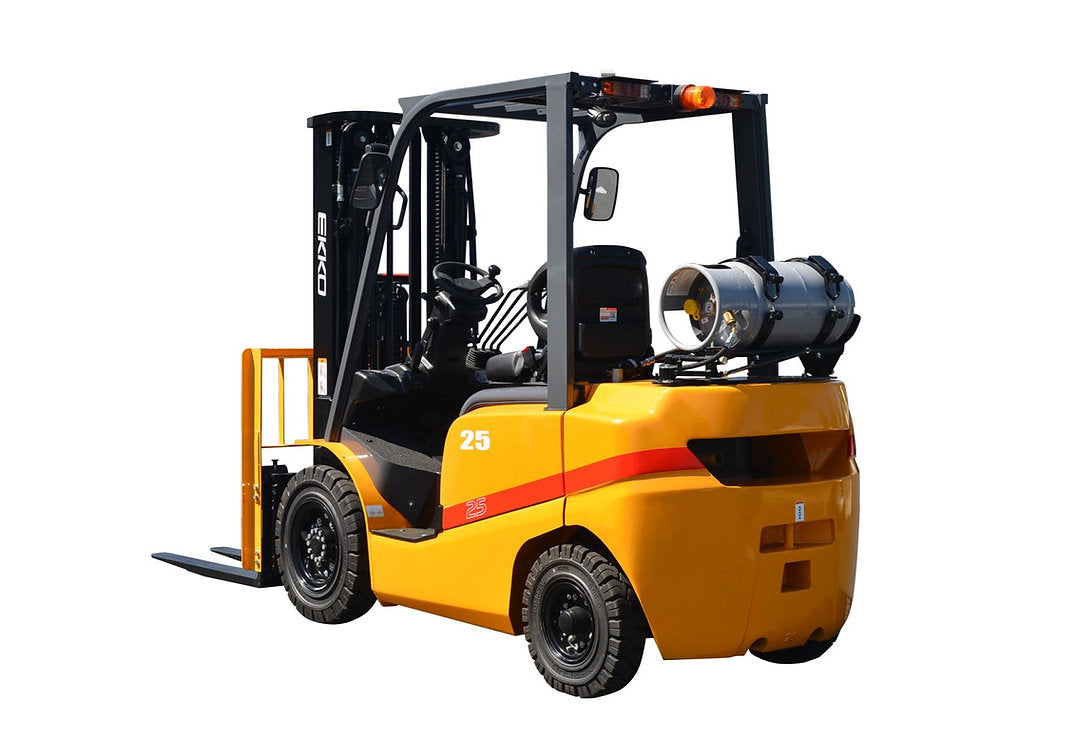 In Stock
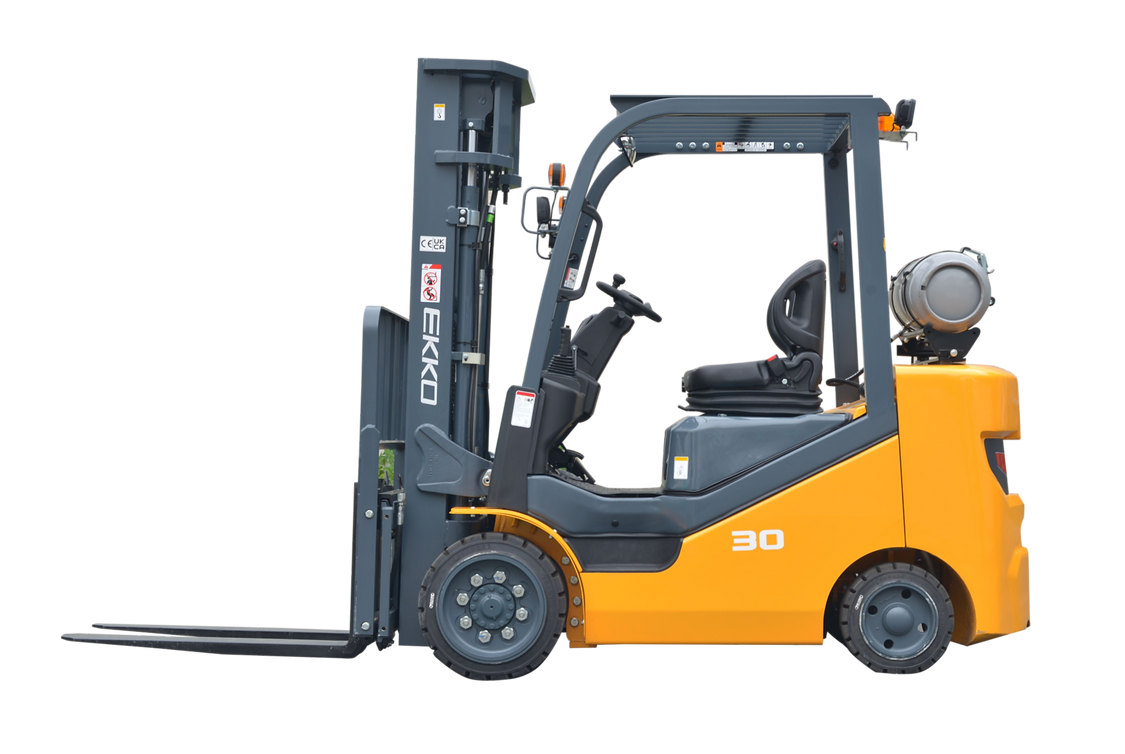 In Stock
 In Stock
 In Stock
LPG Forklifts Buying Guide
Where propane fits, and where it does not. Propane sits in the middle of the power lineup for a reason. A battery-electric truck is cleaner and quieter but tied to a charger and a battery whose usable range drops in the cold. A diesel makes more torque for heavy yard work, but its exhaust builds up fast enough indoors that it belongs outside. Propane covers the ground between them. It runs indoors when ventilation keeps exhaust in check and outdoors in any weather, and when the tank runs low an operator swaps a fresh cylinder in a couple of minutes and keeps working, with no charging window to schedule around a shift. If your trucks live either strictly indoors in clean air or strictly out on rough ground all day, the electric and diesel options are the sharper tools. If they cross the dock door both directions, propane is the flexible buy.
Read the EKKO range by capacity. EKKO builds the LPG line as counterbalance trucks across a wide capacity band. The lighter end, around 4,000 to 5,000 lb, handles standard palletized freight in a warehouse or on a mixed dock and yard route, and its shorter wheelbase turns in tighter bays. The middle, 6,000 to 7,000 lb, is the general-duty workhorse for heavier pallets, drums, and stacked stock. The top of the range, an 8,500 lb truck and a 10,000 lb truck, is built for dense loads: steel, coils, block, machined parts, and full pallets of liquid. Rate the truck to your heaviest real load with margin rather than your average, because an underbought forklift bottlenecks the whole operation and gets traded inside a year. Read the capacity plate, not the model name, since rated capacity drops as the mast rises and as the load center moves out from the backrest.
Cushion or pneumatic: the tire decides the floor. Every truck here is offered in cushion and pneumatic builds, and the tire, not the engine, decides where it can run. Cushion tires are solid rubber pressed onto the wheel. They sit low, turn tight, and grip smooth sealed concrete, which makes them the pick for indoor warehouse floors and clean docks. Pneumatic tires are taller and air- or foam-filled. They roll over gravel, broken asphalt, dock plates, and uneven yard surfaces without beating up the load or the operator. A cushion truck on a gravel lot digs in and struggles, while a pneumatic truck indoors wastes turning radius you may not have. Match the tire to the worst surface the truck crosses on a normal day, and if that surface is the yard, buy pneumatic even though most of the shift is inside.
The propane cylinder: 33 lb, eight hours, and NFPA 58. The fuel is a removable cylinder, and most propane forklifts run the industry-standard 33 lb tank, roughly 8 gallons, which lasts about an eight-hour shift on typical duty. Larger engines on the heavier trucks may take a 43 lb, 10-gallon cylinder for longer runtime. The cylinder mounts horizontally in a bracket with a locating pin that seats a notch on the tank collar, which sets the pressure relief valve to point up at the correct angle and keeps the liquid withdrawal tube submerged. Spare and stored cylinders fall under NFPA 58, the Liquefied Petroleum Gas Code, which governs how full cylinders are stored, secured, and kept away from ignition sources and exits, usually in a ventilated outdoor cage. Budget for a small bank of spare cylinders so a truck swaps and keeps moving instead of waiting on a refill.
Running propane indoors: ventilation and carbon monoxide. Running propane indoors is allowed, with conditions. Under OSHA 29 CFR 1910.178 an internal combustion truck can work inside as long as ventilation keeps carbon monoxide below the limit in 1910.1000, which is 50 parts per million averaged over an eight-hour shift, measured in the building air rather than at the tailpipe. Propane burns cleaner than diesel and produces far less particulate, which is why it is the common indoor-outdoor choice, but it still makes carbon monoxide, so it is not a drop-in replacement for a battery-electric truck in a small, tightly sealed room. Size ventilation to the number of trucks and the volume of the space, and in enclosed areas keep a carbon monoxide monitor running as cheap insurance.
Size to the capacity plate, then to the standard. Two numbers govern the buy after capacity. The truck is a powered industrial truck under OSHA 1910.178, so 1910.178(l) requires every operator to be trained and evaluated on that truck type before running it, with a re-evaluation at least every three years, and the certification is specific to the sit-down LPG truck rather than transferable from a reach truck or a pallet jack. The design side is ANSI/ITSDF B56.1, the Safety Standard for Low Lift and High Lift Trucks, which sets how the truck is built, rated, and maintained, including the data plate you read for derated capacity at height. Check aisle width and turning radius against your layout, measure door and ceiling clearance against both the lowered and the raised mast, and confirm the floor can carry the wheel loads before the truck arrives.
Frequently Asked Questions
Yes, with ventilation. OSHA 29 CFR 1910.178 permits internal combustion trucks, propane included, to work indoors as long as ventilation keeps carbon monoxide below the 1910.1000 limit of 50 parts per million averaged over an eight-hour shift, measured in the building air. Propane burns much cleaner than diesel, which is why it is the standard indoor-outdoor forklift, but it still produces carbon monoxide, so a tightly sealed space with several trucks running needs real ventilation and ideally a carbon monoxide monitor.
The industry-standard cylinder is a 33 lb tank, about 8 gallons, and it runs roughly an eight-hour shift on typical duty. Heavier trucks with larger engines may use a 43 lb, 10-gallon cylinder for longer runtime. Refueling is a cylinder swap that takes a couple of minutes, so a small bank of spare tanks keeps a truck working across back-to-back shifts without a charging window.
Match the power to the environment. A battery-electric truck is cleaner and quieter for enclosed indoor work but is tied to a charger and loses range in the cold. Propane runs indoors with ventilation and outdoors in any weather, swaps its tank in minutes, and holds power across a full shift, which makes it the choice when one truck has to cover both the warehouse and the yard. If the work is strictly indoors in clean air, look at battery-electric. If it is heavy and strictly outdoors on rough ground, look at diesel.
Cushion tires are solid rubber that sits low and turns tight on smooth sealed concrete, the right choice for indoor warehouse floors and clean docks. Pneumatic tires are taller and air- or foam-filled and roll over gravel, broken asphalt, and rough yard surfaces. Match the tire to the worst surface the truck crosses on a normal day. If any part of the route is the yard, buy pneumatic even if most of the shift is inside.
Spare and stored cylinders fall under NFPA 58, the Liquefied Petroleum Gas Code. In practice that means keeping full cylinders secured in their designed orientation inside a ventilated cage, sited outdoors and away from ignition sources, building exits, and high-traffic paths. Keep only the tanks you need on hand, and train the crew on the swap so the pressure relief valve and the bracket locating pin seat correctly every time.