All Terrain Pallet Truck
An all terrain pallet truck puts large pneumatic tires under a loaded pallet so it can cross gravel, packed dirt, grass, and broken asphalt where a standard warehouse jack digs in and stalls. This collection gathers the pallet trucks that step outside the ordinary run of smooth-concrete work: off-road models built for yards and job sites, powered rough terrain units for sites that are big as well as rough, stainless trucks for washdown rooms, low-profile and single-fork trucks for pallets a standard truck cannot enter, and crane-mounted pallet lifters that pick a whole pallet off the floor with a hoist. Prices run from a few hundred dollars for a single-fork or low-profile truck to well past ten thousand for a gas or electric rough terrain machine. The right pick starts with the surface and the pallet, not the price tag. The guide below sorts the collection by the job each truck solves, and flags the OSHA training that arrives with anything powered.
Compare Specialist Pallet Trucks
| Model | Price | Capacity | Fork Length | |
|---|---|---|---|---|
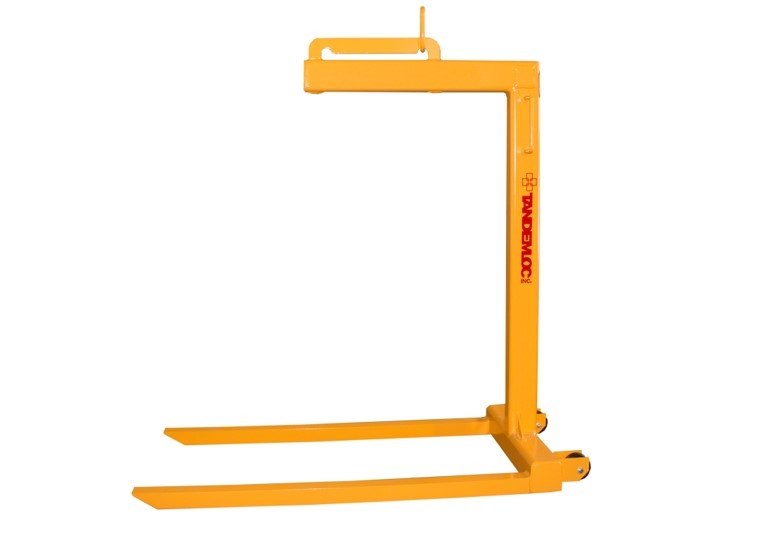
| Tandemloc AN17W Wheeled Lightweight Pallet Lifters | $3,865 | 2,000-4,000 lb | 36-48 in | View → |
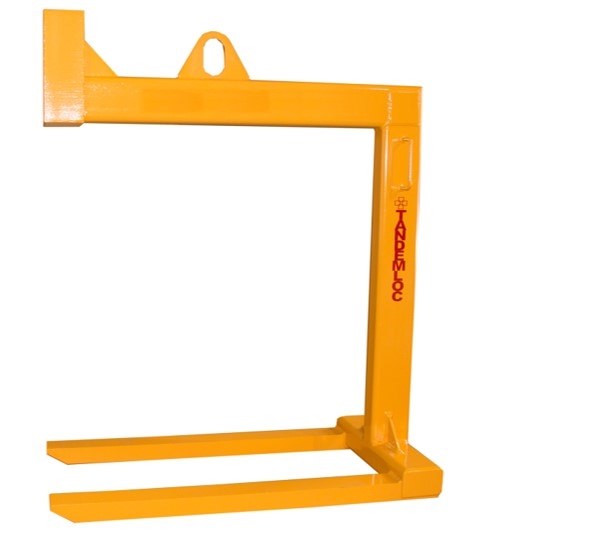
| Tandemloc AN18A Standard Fixed Fork Pallet Lifters | $3,061 | 2,000-6,000 lb | 36-48 in | View → |
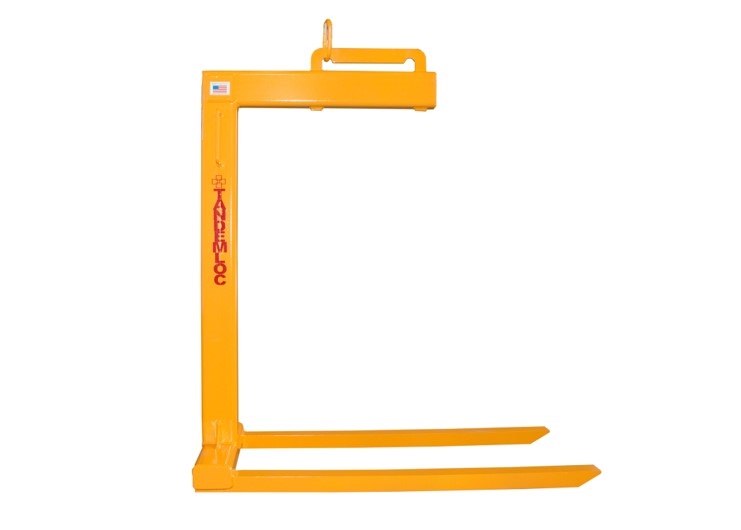
| Tandemloc AN17A Lightweight Pallet Lifter | $2,682 | 2,000-6,000 lb | — | View → |
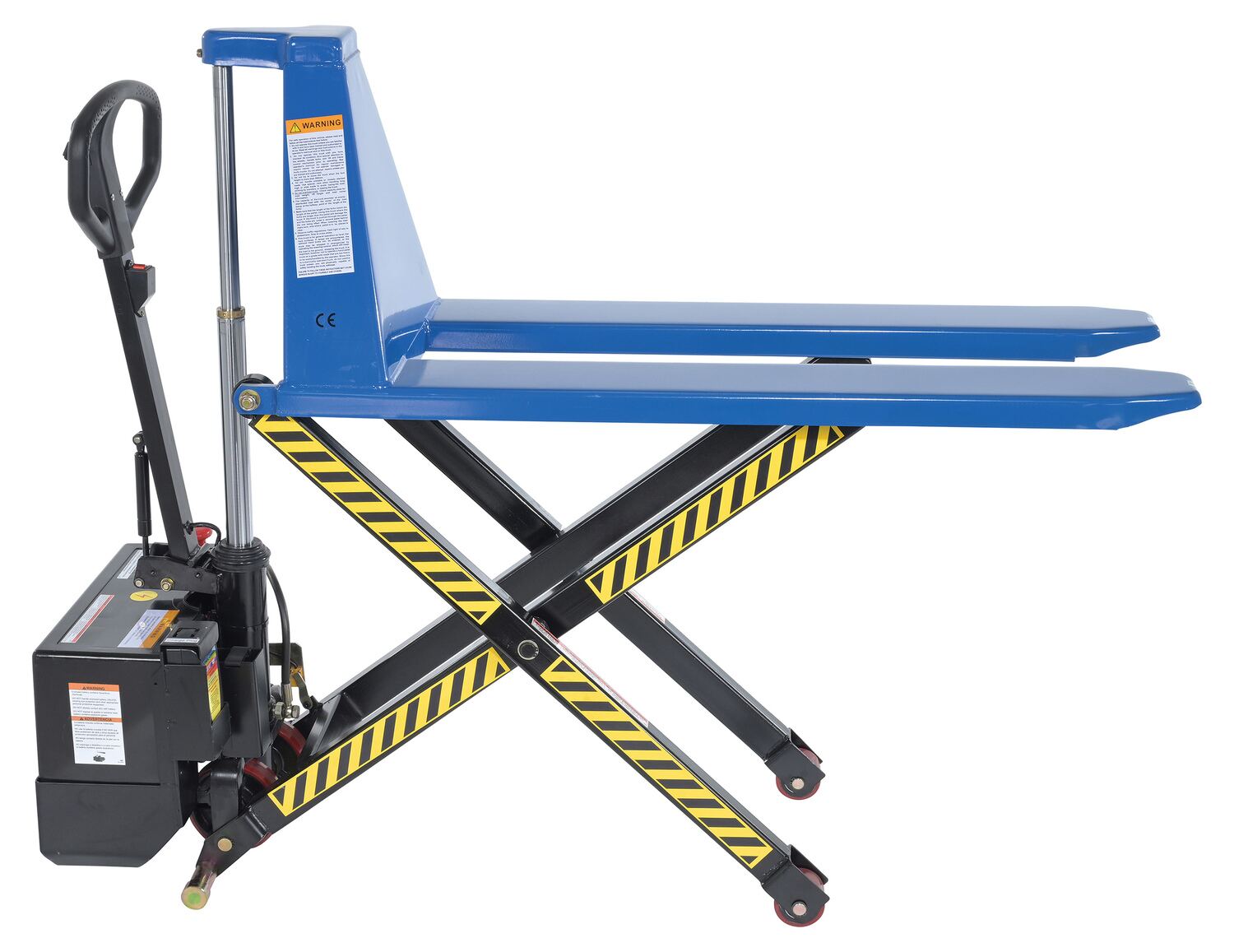
| Vestil Tote Lifter | $1,076 | 2,000-3,000 lb | — | View → |
 In Stock
 In Stock
 In Stock
 In Stock
Specialist Pallet Trucks Buying Guide
Off the concrete: the all terrain pallet truck. Every pallet truck rating assumes smooth, level concrete, and the small hard rollers under a standard jack prove it the moment they meet gravel or a rutted yard. The all terrain build answers that with large pneumatic tires that absorb the shock of uneven ground and float over loose surfaces instead of sinking in. Vestil's manual all terrain truck starts around $1,665, carries up to 4,400 lb, lifts 7.9 in, and takes the same 27 x 48 in forks as an indoor truck, so nothing about your pallets changes when you move outside. It is the standard buy for construction sites, nurseries, gravel yards, farms, and any load that has to travel between a trailer and a building over dirt. For occasional smooth-floor work the ordinary hand operated pallet jacks under the pallet jacks hub are cheaper and lighter, so buy all terrain only where the ground actually demands it.
Powered rough terrain: gas or electric, and the training that comes with it. When the site is big as well as rough, muscle stops being enough and the truck has to drive itself. Vestil's gas powered all terrain trucks and stackers start near $10,000 and come in 1,000, 2,000, and 4,000 lb capacities with 190CC or 344CC engines, raising loads as high as 48 in so they double as yard stackers. The electric powered rough terrain trucks run from about $8,300 on a 12V system in 2,000 and 3,000 lb ratings, and a tilting rough terrain model tops the range near $13,300. Any of them is a powered industrial truck under OSHA 29 CFR 1910.178, the same rule that governs forklifts, so 1910.178(l) requires documented operator training and evaluation before use, with a re-evaluation at least once every three years. Manual all terrain trucks carry no such requirement. The rest of the powered walkie line lives in electric pallet jacks.
Washdown and corrosion: stainless steel trucks. Food plants, pharmaceutical rooms, and chemical areas hose down their equipment, and a carbon steel frame rusts from the inside out once water finds the welds and the hydraulic cylinder. Vestil's stainless steel pallet trucks answer that from about $5,300, in 3,300 and 4,500 lb capacities with 20 x 45 or 27 x 45 in forks. The stainless frame and cylinder shrug off daily washdown and the mild acids and salts that eat a painted truck, which is why the premium over a standard truck is the cost of not replacing a corroded jack every year. If your area is wet or sanitary rather than simply outdoor, this is the specialist truck to weigh, and the broader galvanized and zinc-coated options in the specialized truck line cover the middle ground between painted steel and full stainless.
Pallets a standard truck cannot enter: low profile, single fork, roll, and side winder. Some pallets defeat a standard truck on shape alone. Low profile trucks drop the fork height to 5.1 in and start around $590 at 4,000 lb on 21 x 45 in forks, sliding into skids and closed-bottom pallets a 7.9 in truck rides over, with super low profile models from about $960 for the tightest openings. A single fork Pallet Master, from roughly $399, runs one center fork into pallets with a solid or blocked bottom that will not accept two tines. Roll pallet trucks, from about $1,030, replace flat forks with a V-shaped cradle and sloped ends that let paper, film, and textile rolls be walked into position and held from rolling. And the side winder truck, at $679, adds lateral movement so a long load can be threaded down a narrow aisle sideways rather than swung end to end.
Lifting the whole pallet: crane pallet lifters and the tote lifter. When a pallet has to go up rather than across, a truck on the floor is the wrong tool and a crane fork is the right one. The Tandemloc pallet lifters hang from a hoist or crane hook and cradle a full pallet for a vertical lift: the AN17A carries up to 6,000 lb on fixed forks from about $2,570, the AN18A fixed-fork model and the AN17W wheeled version handle 2,000 lb. Each is a below-the-hook lifting device under ASME B30.20, so it gets the same inspect-before-use discipline as your slings and shackles. For containers and skids that need lifting rather than dragging, the 12V Vestil tote lifter, from about $1,076, raises a tote to bench height so nobody unloads parts off the floor; the fuller range of that gear sits in tote and skid lifters.
Frequently Asked Questions
It is a pallet truck built with large pneumatic tires instead of the small hard rollers on a standard jack, so it can move loaded pallets across gravel, dirt, grass, and uneven or outdoor ground where a warehouse truck stalls. Vestil's manual all terrain model starts around $1,665 and carries up to 4,400 lb on standard 27 x 48 in forks, which makes it the usual choice for construction sites, nurseries, gravel yards, and farms.
Yes. Gas and electric rough terrain trucks are powered industrial trucks under OSHA 29 CFR 1910.178, the same classification as forklifts. Section 1910.178(l) requires documented training and evaluation before anyone operates one, plus a re-evaluation of each operator at least once every three years. Manual all terrain trucks carry no certification requirement, so if you can move the load by hand, the manual model skips the paperwork.
Gas powered all terrain trucks, from about $10,000, refuel in seconds and run all day in remote yards with no charging infrastructure, and they reach the highest capacities and lift heights in the range. Electric rough terrain trucks, from about $8,300 on 12V, run quiet and clean with no exhaust, which suits mixed indoor and outdoor sites, but they need a charging plan and downtime to cycle the battery. Match the choice to whether power is available where the truck lives.
No. A standard truck's small polyurethane or nylon load rollers are sized for smooth concrete and drop into ruts, sink in loose gravel, and jam on stones, which strains the operator and the hydraulics. Any surface rougher than a dock plate calls for the pneumatic tires of an all terrain model. Buying the wrong truck for the ground is the most common reason a jack gets replaced early.
Use a crane pallet lifter, a set of forks that hangs from a hoist or crane hook and cradles the pallet for a vertical lift. The Tandemloc AN17A handles up to 6,000 lb and the AN17W and AN18A models 2,000 lb. Because it hangs below the hook, it is a below-the-hook lifting device under ASME B30.20 and gets a documented inspection before each use, the same as your slings.