Skid Steer Attachments
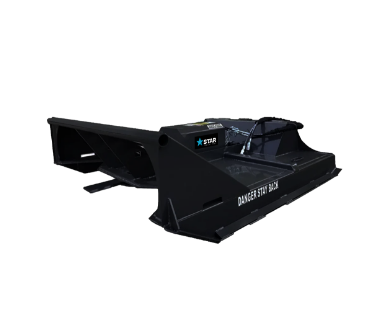
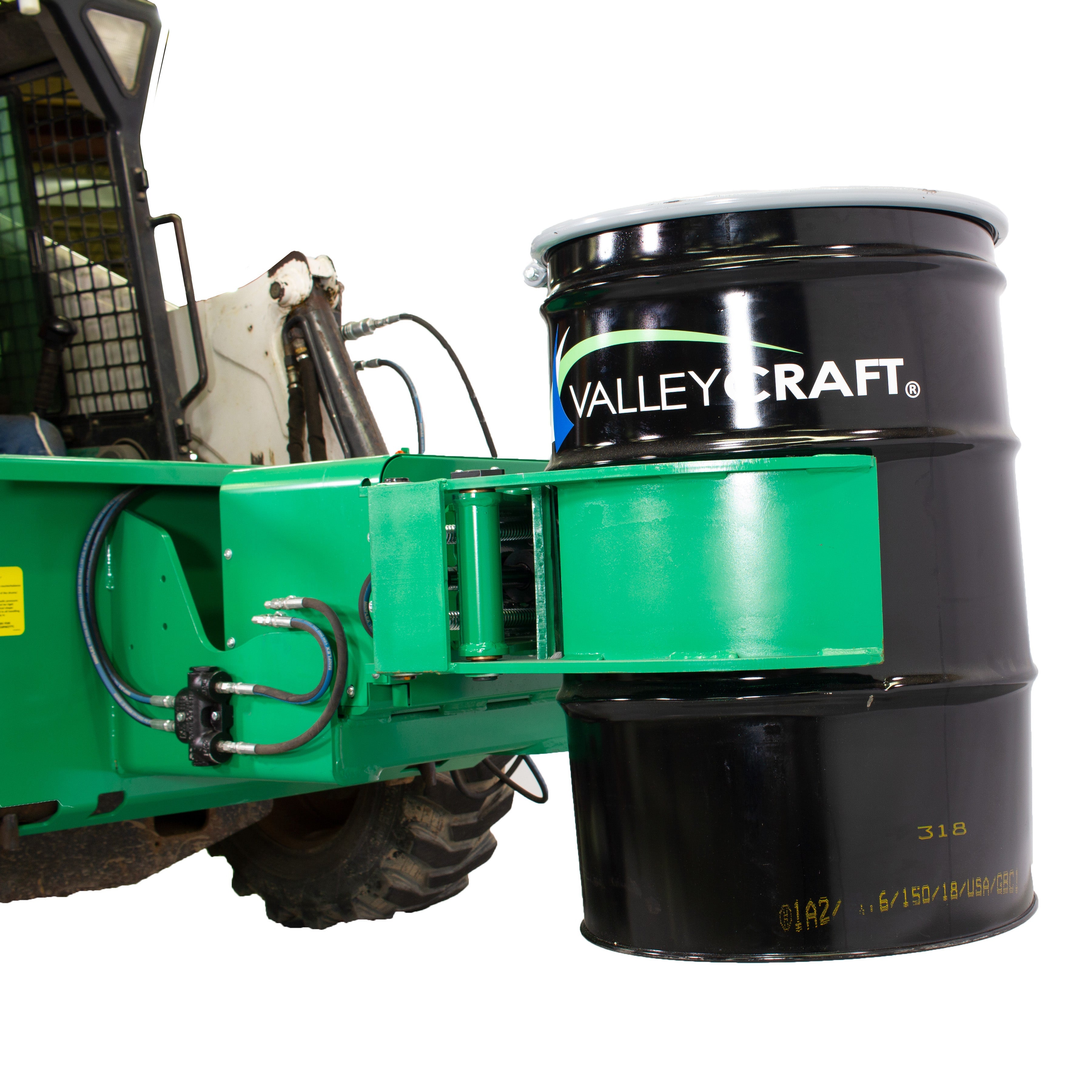
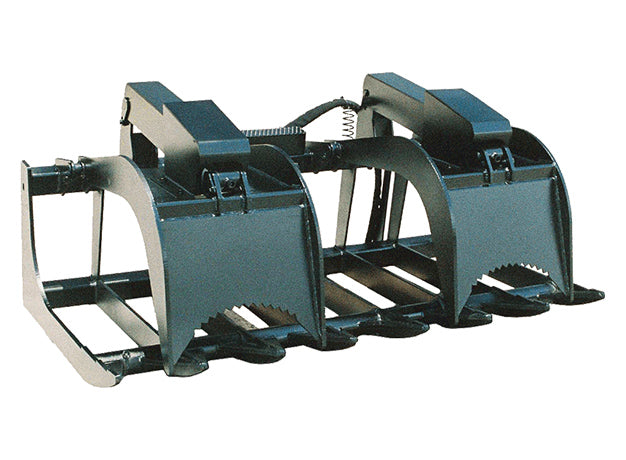
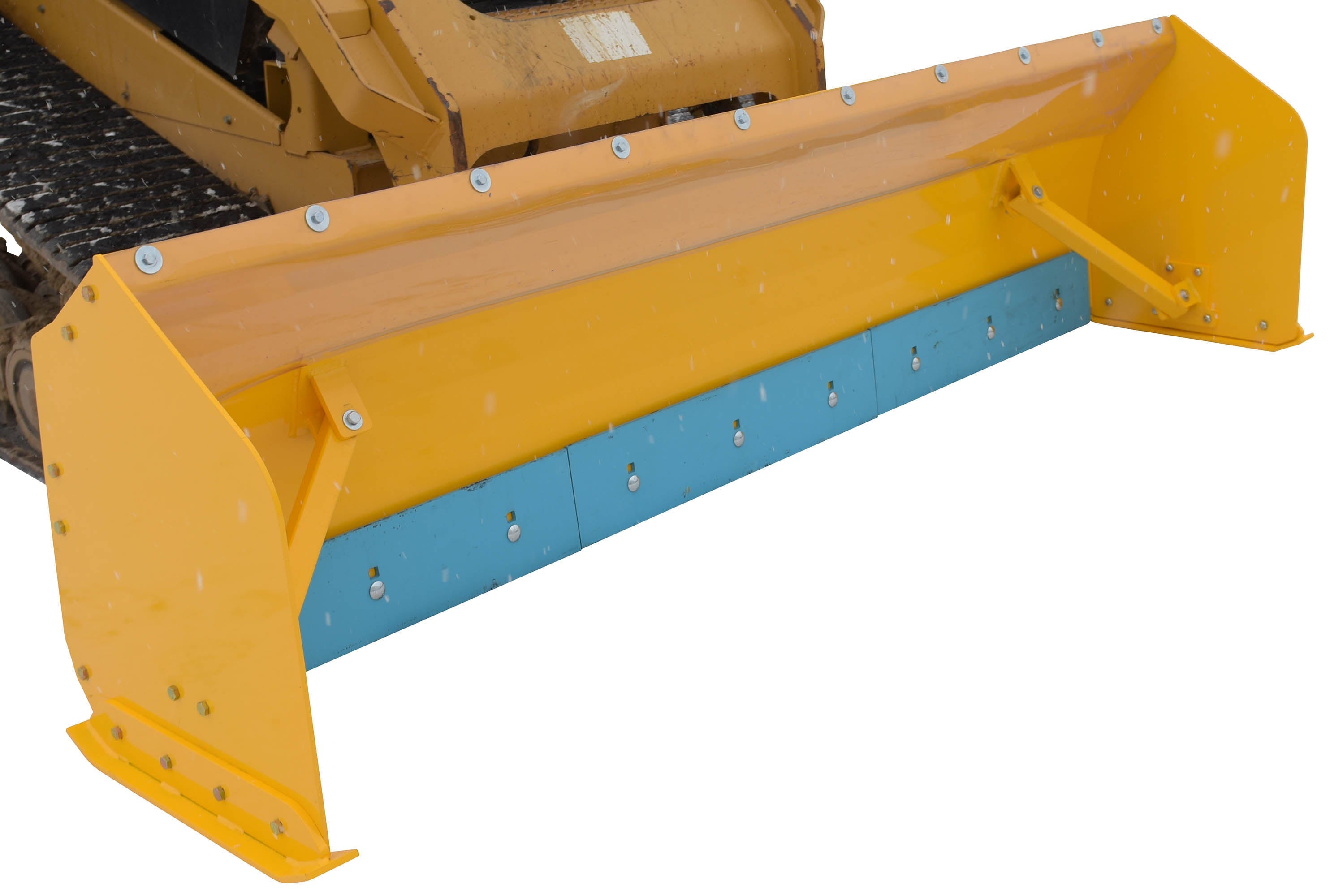
Skid steer attachments turn one loader into a yard full of machines, swapping a bucket for a grapple, a grader, a brush cutter, or a snow pusher in about a minute at the coupler. This collection pulls the skid steer and compact utility loader tools out of the wider forklift attachment line, because they mount to a different machine on a different interface. We carry Star Industries and Vestil across the working range: general-purpose and heavy-duty buckets from about $835, root grapples and grapple buckets, skeleton and grab buckets, rock graders, hoppers, snow pushers, and Star's powered brush cutter, power rake, and trencher heads, plus a Valley Craft drum clamp and rotate unit that handles barrels off the loader arms. Two things decide what actually bolts up and runs on your machine: the quick-attach plate it carries, and how much hydraulic flow it can send to a powered tool. The guide below settles both before it reaches the hardware.
 In Stock
 In Stock
 In Stock
 In Stock
 In Stock
 In Stock
 In Stock
 In Stock
 In Stock
 In Stock
 In StockIn Stock
 In Stock
Skid Steer Attachments Buying Guide
The coupler is the first compatibility question. Full-size skid steers built since the early 2000s share the universal quick-attach interface defined by ISO 24410, which fixes the dimensions of the mounting frame so attachments swap across brands without an adapter. That is why a Vestil bucket or a Star grapple bolts onto a Bobcat, a Cat, a Case, or a John Deere the same way. Compact utility loaders are the exception. The mini machines, Toro Dingo, Ditch Witch, Vermeer, Boxer, and Ramrod, run a smaller plate on their own pattern, and even among them a Dingo-style hitch and a Bobcat-style mini hitch are not identical, which is why Star's mini root grapple and its 44 inch brush cutter both ship in a Dingo-style and a Bobcat-style version. Confirm which plate your machine wears before ordering, and once the attachment is on, seat both quick-attach locking pins fully home. A pin left half-engaged is the single most common way a bucket walks off the loader.
Standard flow or high flow decides which powered tools run. Mechanical attachments, the buckets, grapple buckets, graders, and forks, need nothing from the machine beyond the tilt cylinders it already has, so any loader that accepts the plate can run them. Powered attachments are different. A brush cutter, power rake, trencher, or the Valley Craft drum rotator draws oil from the loader's auxiliary hydraulic circuit, and the tool only reaches full speed and torque if the machine supplies the flow it was designed for. Standard flow skid steers deliver roughly 17 to 25 gallons per minute; high flow machines push 30 gallons per minute and up. Star's 72 inch X-Treme brush cutter is specified at 16 to 26 GPM, which puts it inside standard flow reach, while heavier forestry and cutting heads want the high flow circuit. Read the GPM rating on any powered attachment against your machine's auxiliary output. Undersupply it and the tool bogs; oversupply without a case-drain line and you can cook a motor.
Rated operating capacity, and the attachment's own weight. A skid steer's rated operating capacity is set at 50 percent of its tipping load under the SAE J818 and ISO 14397 method, so a machine listed at 2,000 lb ROC will actually tip somewhere near 4,000 lb at the pins. The attachment attacks that number the same way a forklift attachment attacks a truck's data plate. Its own weight comes straight off what the loader can carry, and a bucket or grapple full of material sits well forward of the axle, which lengthens the lever arm and cuts capacity again. Star's root grapple buckets carry a 3,500 lb structural rating, but the loader under them decides how much of that you can safely pick up and travel with. Match the attachment to a machine with ROC headroom over your real loads, keep the load low and tucked against the arms while driving, and treat the attachment's rating as a ceiling the machine has to earn, never a promise.
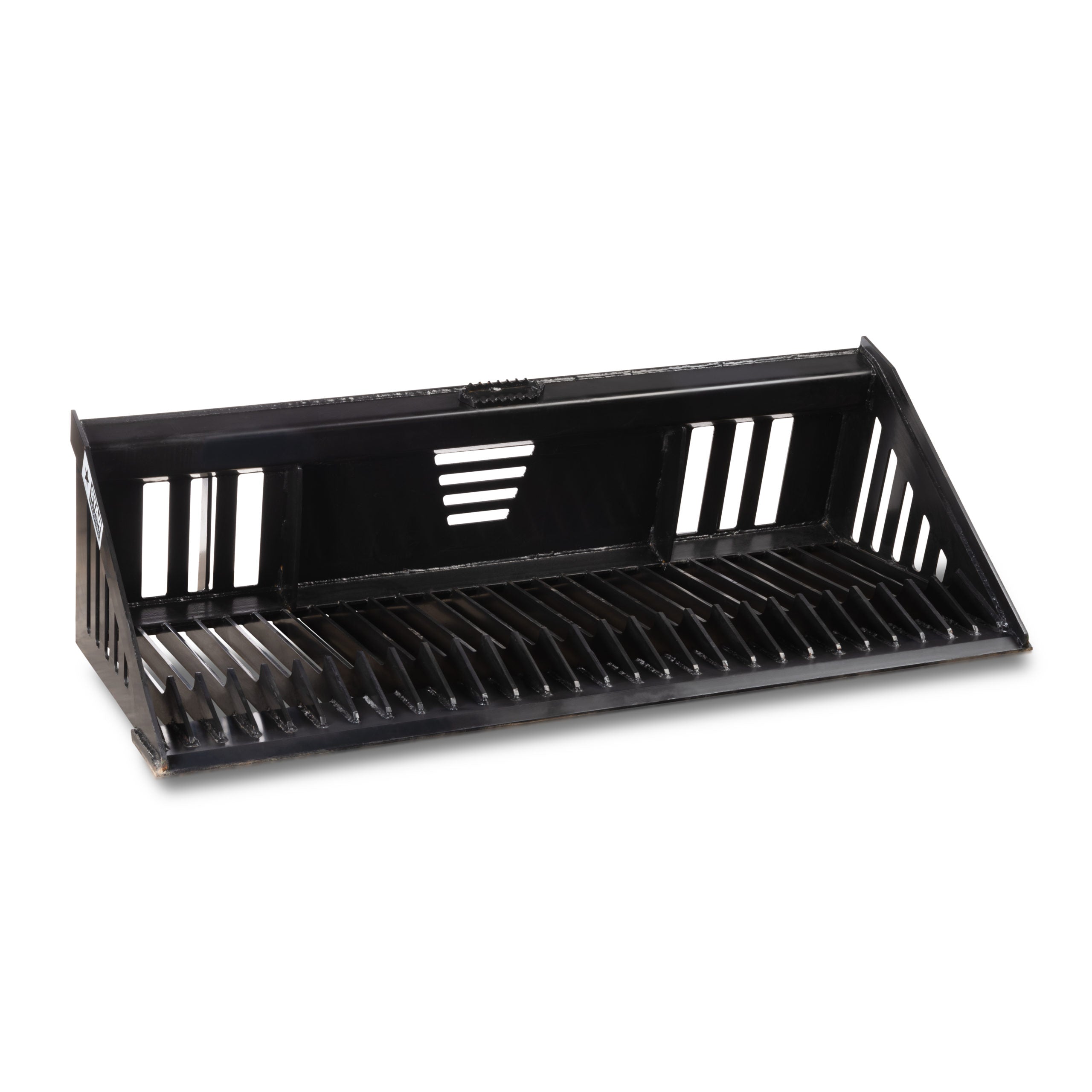
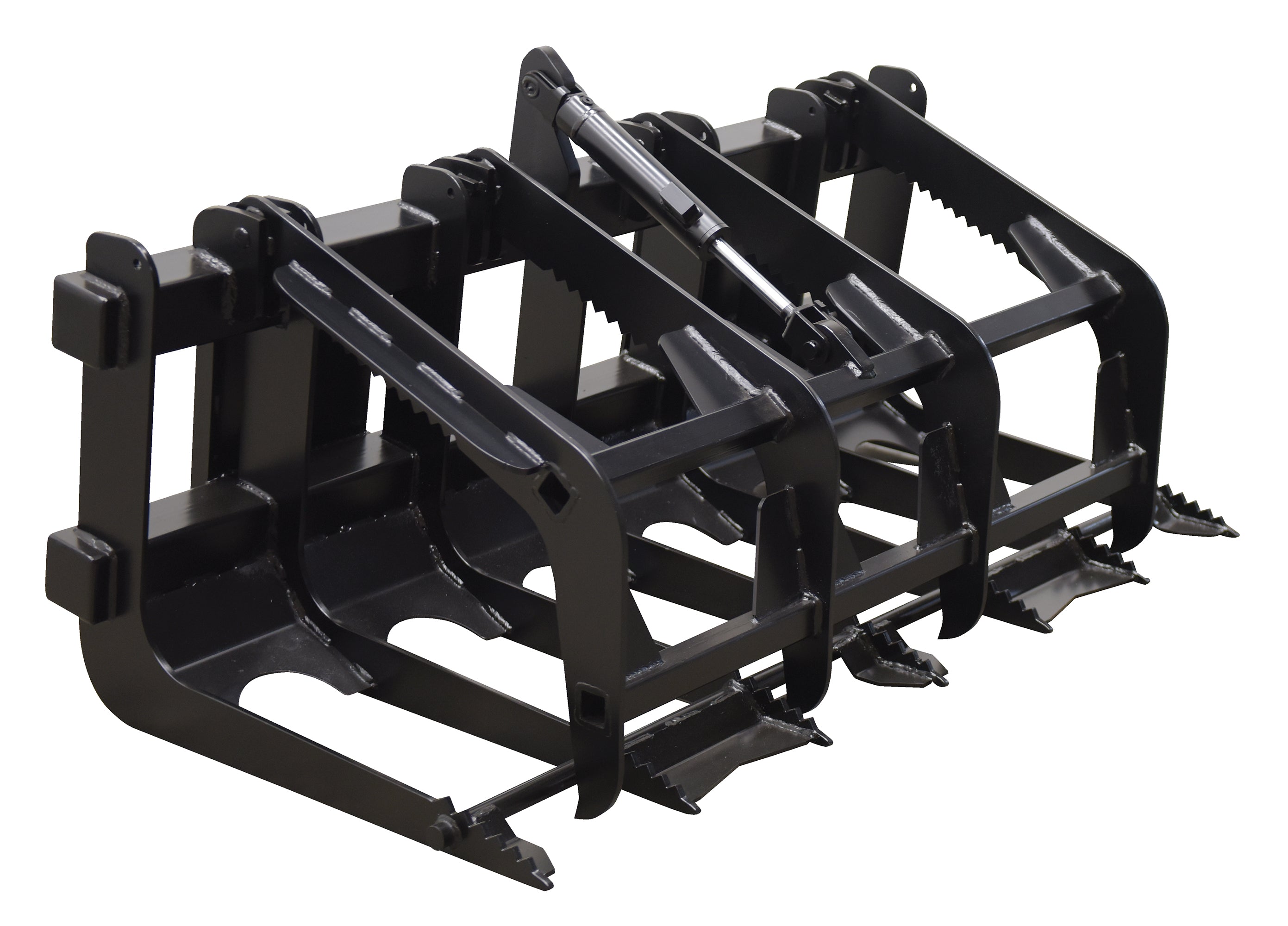
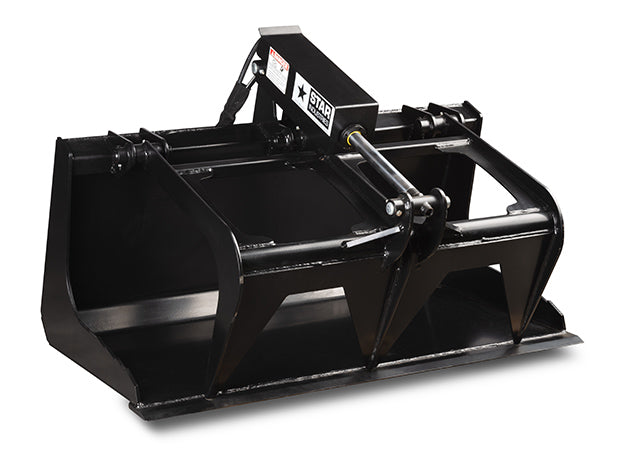
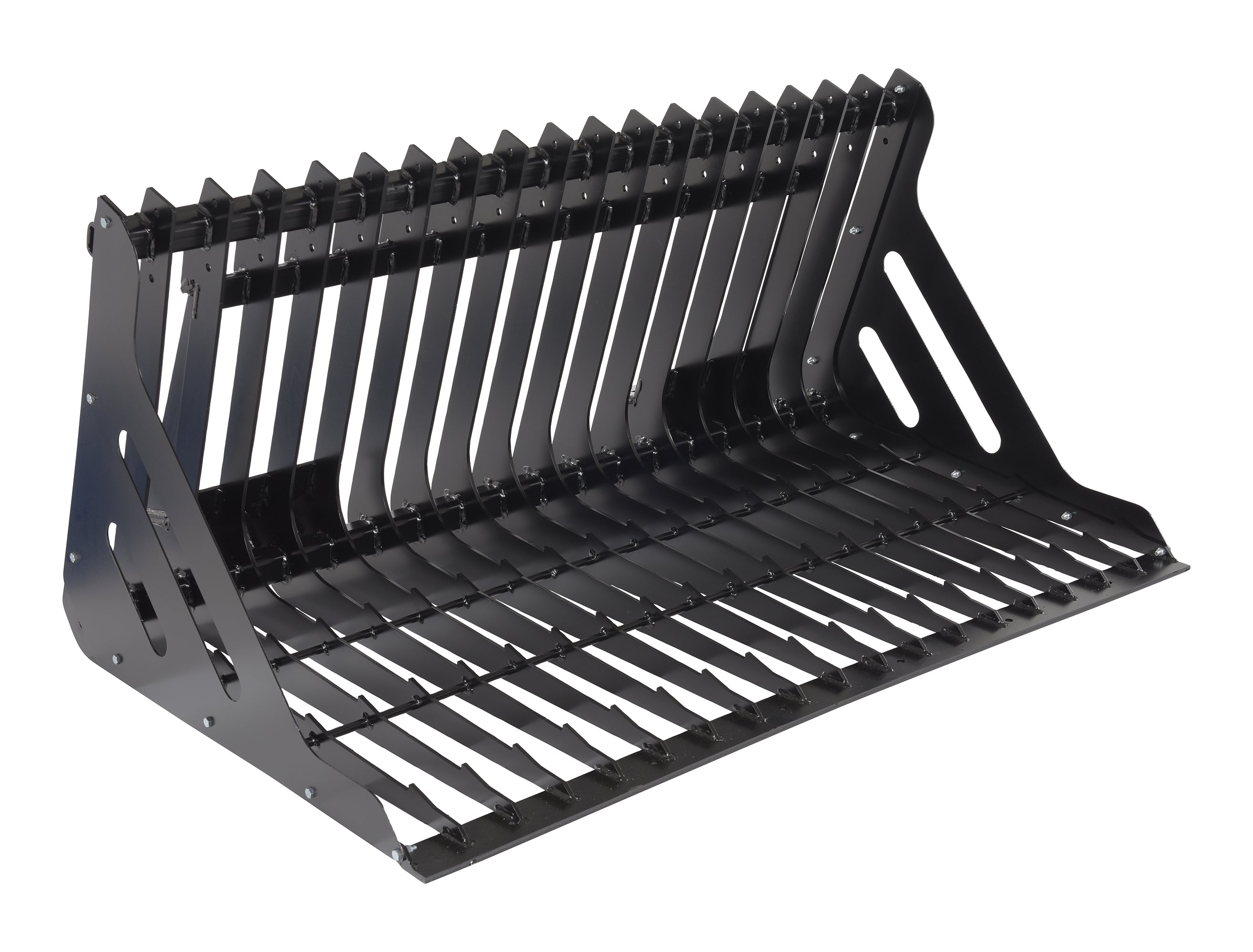
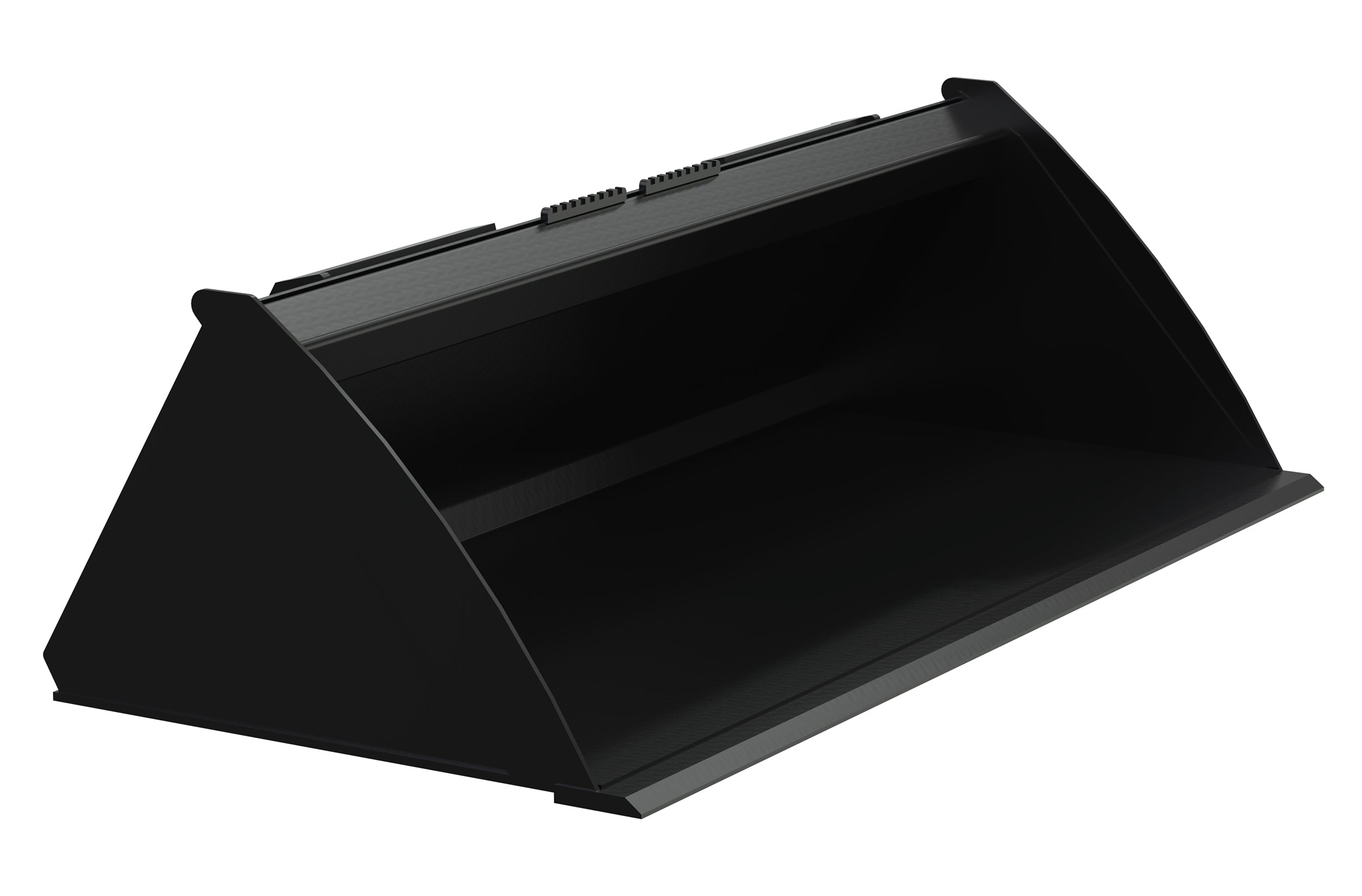
Ground-engaging tools: buckets, grapples, and graders. The unpowered end of the collection covers most daily work. Vestil's skid steer buckets run from about $835 in the low profile style up to roughly $1,879 heavy duty, in widths from 60 to 76 inches, for dirt, gravel, and general loading. When the load is loose, bulky, or awkward, a clamshell grab bucket, from about $2,121, closes a top jaw over it so brush, demolition debris, and rock ride secure instead of rolling out. Star's root grapple buckets, from about $3,780, add open tines and a hydraulic top grapple that pins brush, stumps, and rock against the floor of the bucket while soil sifts through, and the skeleton buckets, in heaped sizes from 7.2 to 18.5 cubic feet, do the sifting job on its own, separating rock and root from dirt. For driveways and lots, Vestil's rock graders, from about $1,150 in 60, 66, and 72 inch widths, level and windrow loose stone in a pass or two.
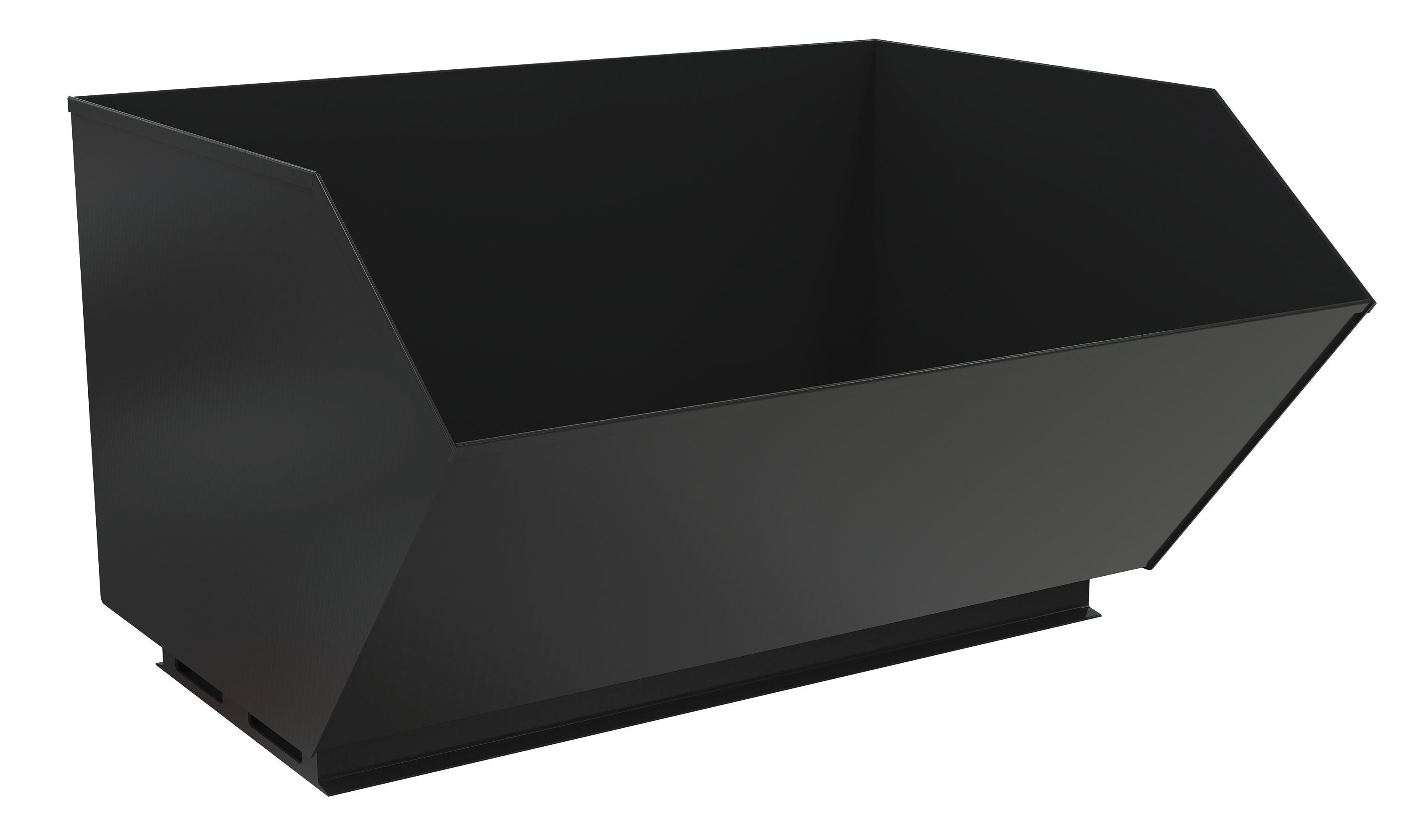
Powered heads and specialty work. The powered lineup is where the loader stops being a scoop and starts being a tool carrier. Star's skid steer attachment group, from about $5,069 up to roughly $13,458, covers 72 inch X-Treme and 44 inch mini brush cutters for clearing overgrowth, X-Treme power rakes that pulverize and grade seedbeds, and trenchers offered with combo, dirt, or rock-and-frost chain to match the ground. For winter and cleanup, a Vestil snow pusher, about $3,138, and a Vestil skid steer hopper, about $1,410, keep the same machine working through the off-season. The Valley Craft drum clamp and rotate unit, about $7,745 at 2,000 lb, lets the loader grab a 55 gallon drum, lift it, and invert it to pour without a second machine. Whatever the tool, the operator protection stays with the cab: skid steer ROPS and FOPS structures are built and tested to ISO 3471 and ISO 3449, and they only protect an operator who keeps arms, hands, and head inside the machine while it works.
Frequently Asked Questions
If your machine is a full-size skid steer built in the last two decades, almost certainly. Full-size loaders share the universal quick-attach interface standardized as ISO 24410, so buckets, grapples, and graders swap across Bobcat, Cat, Case, Deere, and the rest without an adapter. Compact utility loaders are the catch. The mini machines use a smaller plate on their own pattern, and a Dingo-style hitch differs from a Bobcat-style mini hitch, so order the mini version that matches your plate. Star lists its mini root grapple and 44 inch brush cutter in both styles for that reason.
Not for the mechanical tools. Buckets, grapple buckets, skeleton buckets, grab buckets, and rock graders work off the loader's tilt cylinders and run on any machine that accepts the plate. You need auxiliary hydraulics for the powered heads, the brush cutter, power rake, trencher, and the drum rotator, and you need to match the tool's flow rating to your machine. Standard flow skid steers supply about 17 to 25 GPM; high flow machines deliver 30 GPM and up. Star's 72 inch brush cutter is rated 16 to 26 GPM, inside standard flow reach, while heavier cutting heads call for the high flow circuit.
Start from the machine's rated operating capacity, which is set at 50 percent of its tipping load under SAE J818 and ISO 14397, then subtract the attachment's own weight and account for the load sitting forward of the axle. An attachment's structural rating, like the 3,500 lb on Star's root grapple buckets, is what the steel can hold, not what your loader can pick up and drive with. Size the tool to a machine with ROC to spare, keep the load low and tight to the arms, and never work at the attachment's number on the assumption the loader can match it.
A root grapple bucket has open tines with gaps that let dirt and fines fall through while a hydraulic top grapple pins brush, stumps, and rock against the bucket floor, which suits land clearing and debris cleanup where you want the material and not the soil. A grab bucket, or clamshell, is a solid bucket with a top jaw that closes over the load to hold loose or bulky material, brush, rubble, and rock, so it does not spill on the drive to the pile. Choose the grapple to separate and carry rough material, the grab bucket to scoop and contain it.
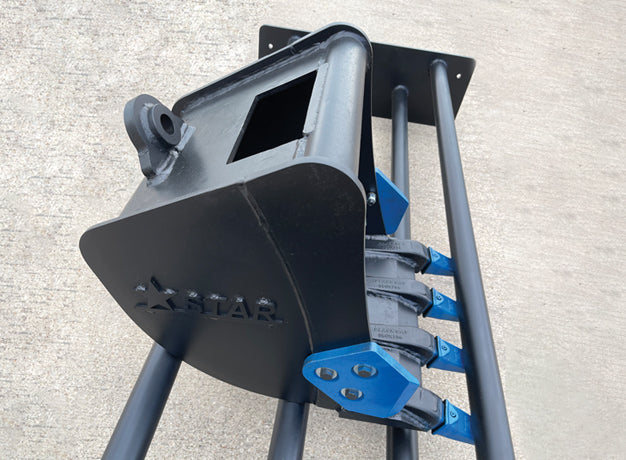
Yes, several are built for the compact machines. Star's mini skid steer root grapple fits Dingo, Ditch Witch, Vermeer, Boxer, and Ramrod loaders, and its 44 inch brush cutter and power rake come sized for them. The one thing to confirm is the plate: mini loaders use a smaller quick-attach than full-size skid steers, and the Dingo-style and Bobcat-style mini patterns are not interchangeable, so order the version that matches the hitch your machine carries.