Weld-On Lifting Lugs
A weld-on lifting lug earns its rating from a weld bead rather than a threaded hole, and it is the right connection whenever there is no boss to tap, the wall is too thin to hold threads, or the part will be lifted the same way for its whole service life. This collection covers RUD's engineered weld-on system, an alternative to the shop-cut plate lug: forged suspension rings and points sitting on easy-to-weld blocks, from the VRBS weld-on block starting near $28 through the W-ABA lifting point and heavier VRBS load rings, plus specialized profiles for corners, round sections, and cold-weather service. Working load limits run from a few hundred kilograms into the tens of tons, and because each ring articulates on its block, it reaches its full rating in any pull direction once the weld is laid. The guide below works through when to weld rather than bolt, how the profiles differ, what the welding procedure demands, and how these points are inspected in service.
Compare Weld On Lifting Points
| Model | Price | Capacity | |
|---|---|---|---|
| RUD VRBK-FIX/VRBK Load Ring for Welding 90° Corners | $12,710 | 8,820-110,230 lb | View → |
| RUD VCGH-S Excavator Hooks, Ready for Welding | $1,486 | 22,040-44,090 lb | View → |
| RUD VABH-W Excavator Hook, Ready for Welding | $656 | 1.5-6.7 ton | View → |
| RUD VLBS-U-LT Load Ring for Welding in Low Temperatures | $588 | 2.5-10 ton | View → |
| RUD VRBS-FIX Ring | $510 | 16-31.5 ton | View → |
| RUD WPP-S Powerpoint Universal Connection | $340 | 1,390-17,630 lb | View → |
 In Stock
 In Stock
 In Stock
 In Stock
 In Stock
 In Stock
 In Stock
 In Stock
 In Stock
 In Stock
 In Stock
 In Stock
 In Stock
 In Stock
 In Stock
 In Stock
Weld On Lifting Points Buying Guide
Weld-on versus a bolt-on point, and versus a shop-cut lug. Two facts push a job toward welding. Either there is nowhere to put a threaded point, a plate or tube with no boss to drill and tap or a wall too thin to hold minimum thread engagement, or the part gets lifted the same way for its whole service life and a permanent attachment beats a fastener that can vibrate loose. The traditional answer is a shop-cut plate lug, a slab of steel with a pin hole burned through it, and it works, but every one has to be engineered from scratch against five failure modes: net-section tension, shear-out at the hole, bearing, pin shear, and the fillet weld itself, the workflow ASME BTH-1 lays out. An engineered weld-on point skips that. It arrives forged, rated, and crack- and load-tested to EN 1677, so you are welding a known part to a known load limit instead of designing a lug and hoping the math held. When the mounting surface is instead a machined boss you can tap, the screw-in eyebolts and screw type lifting points are the cleaner route.
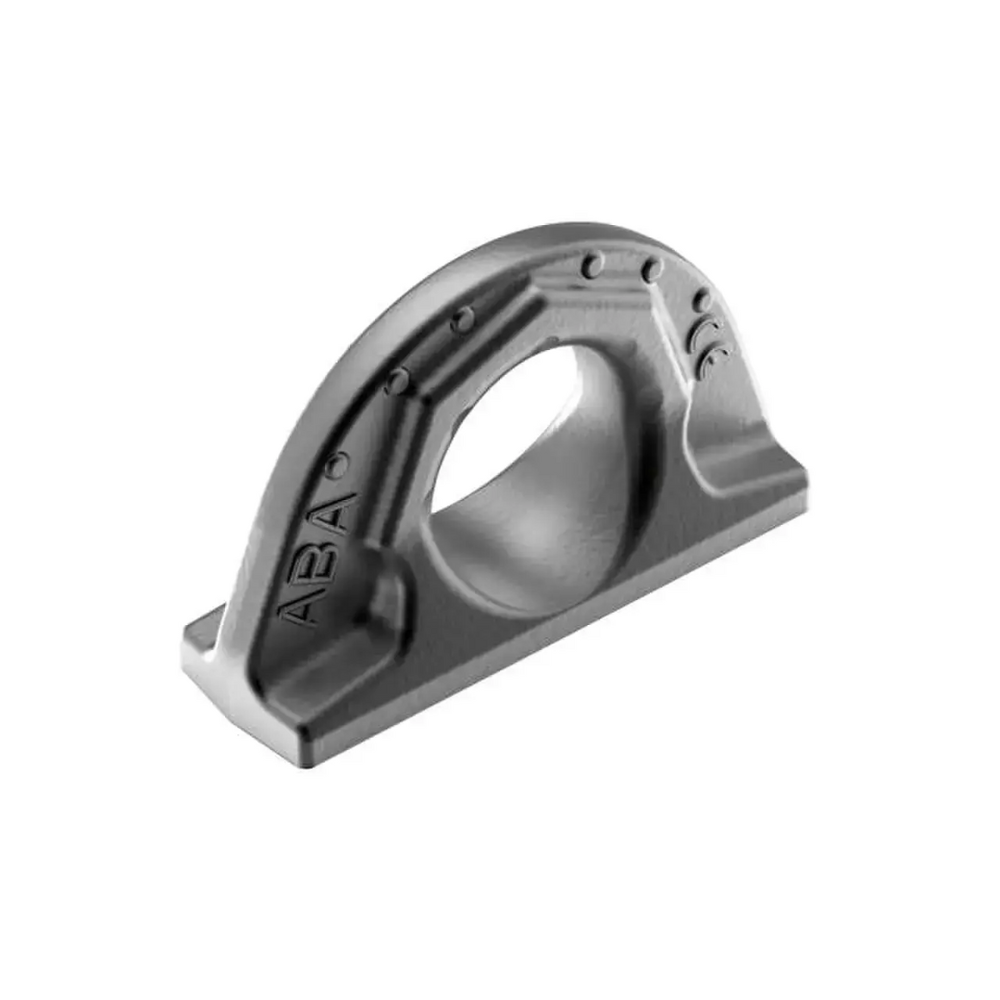
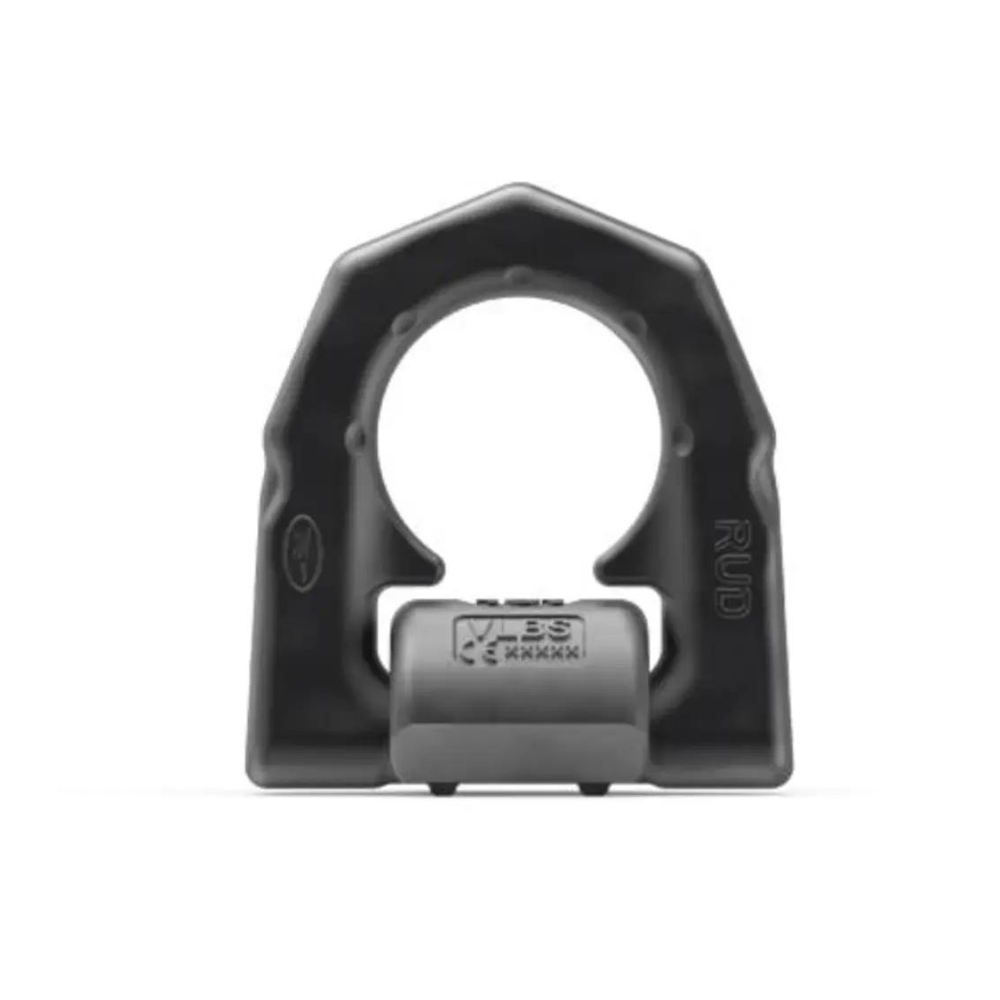
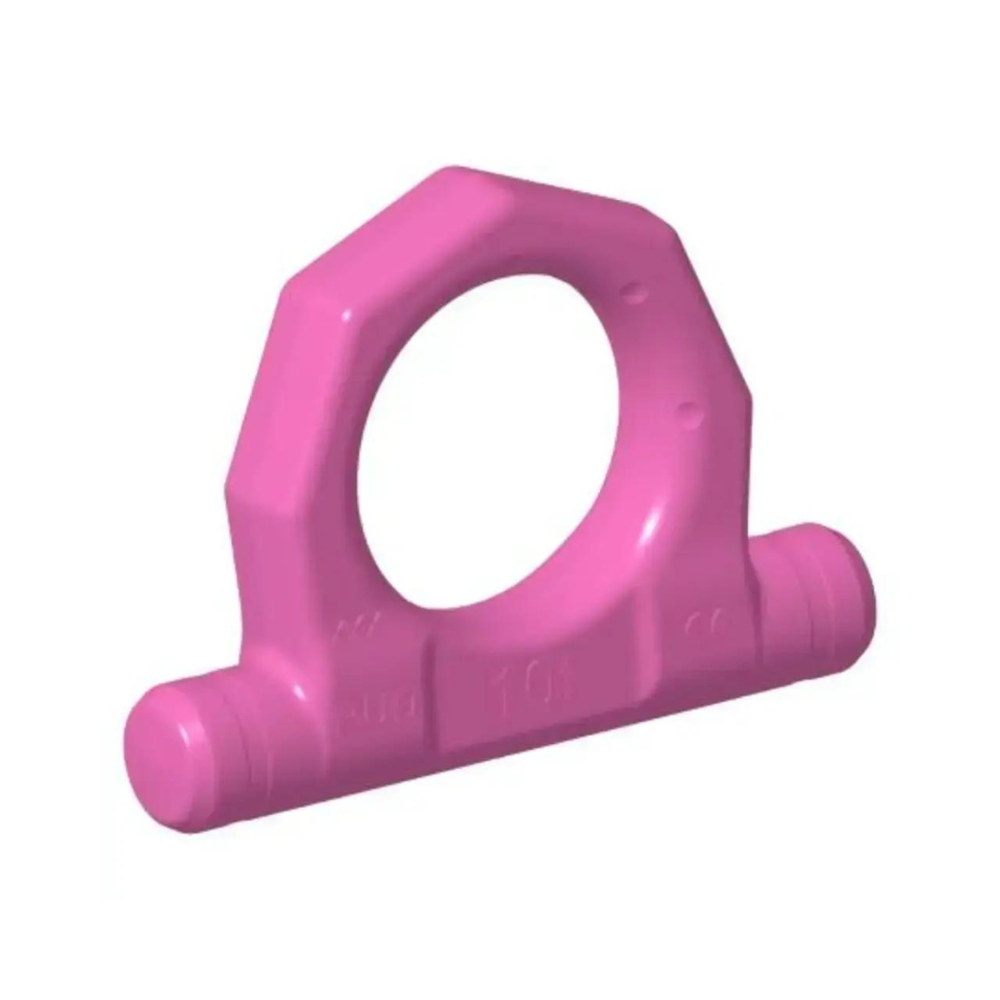
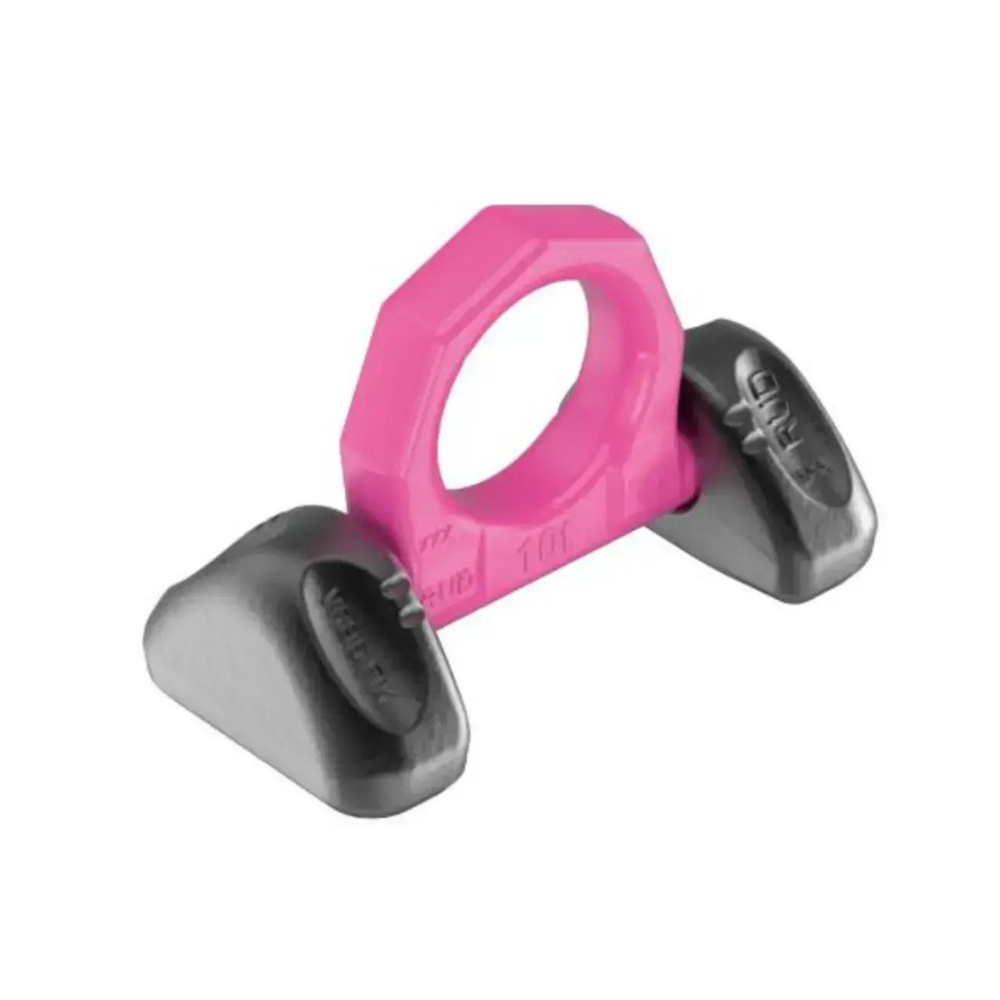
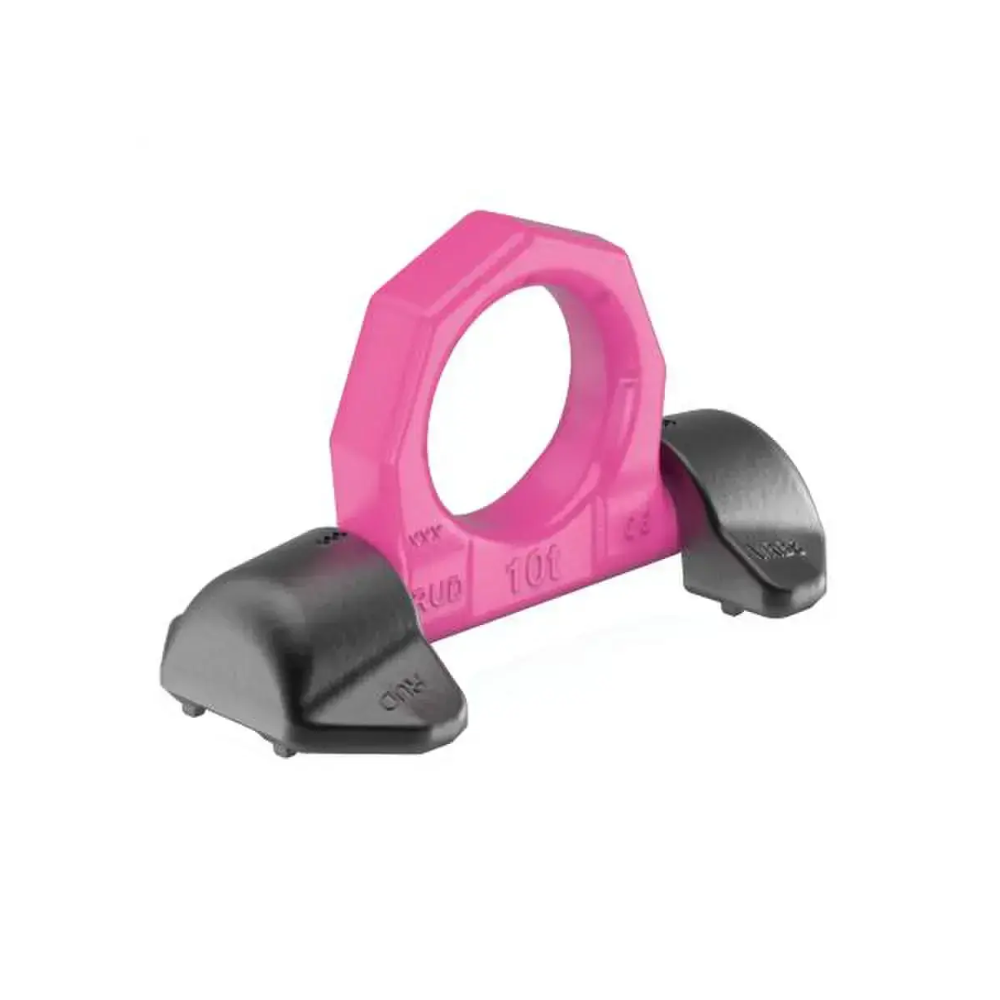
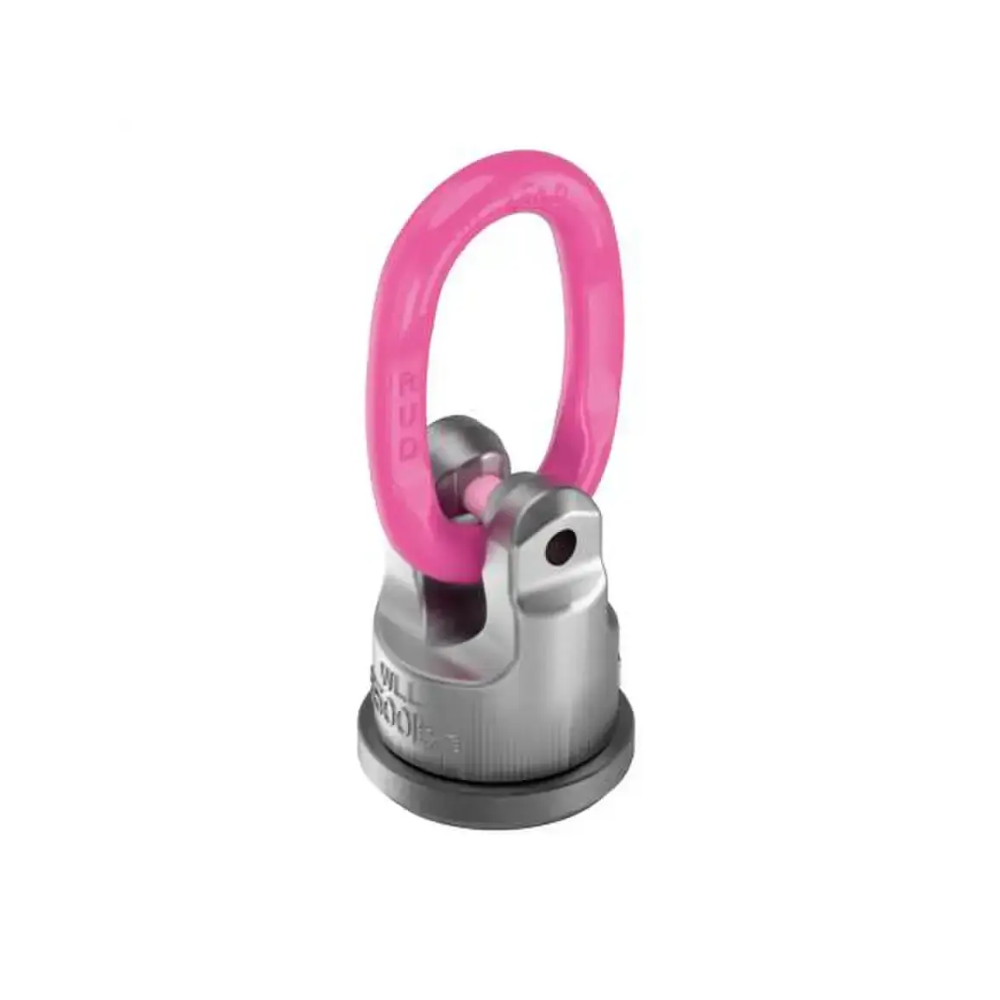
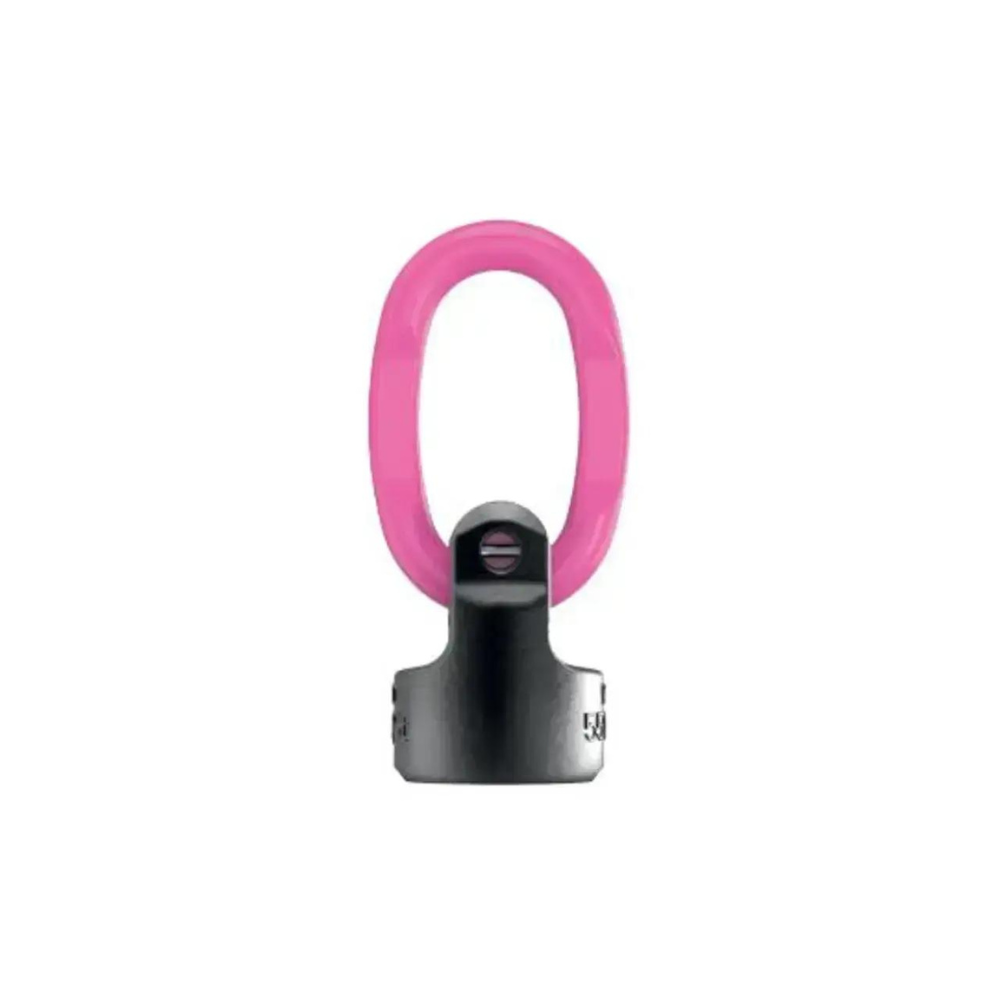
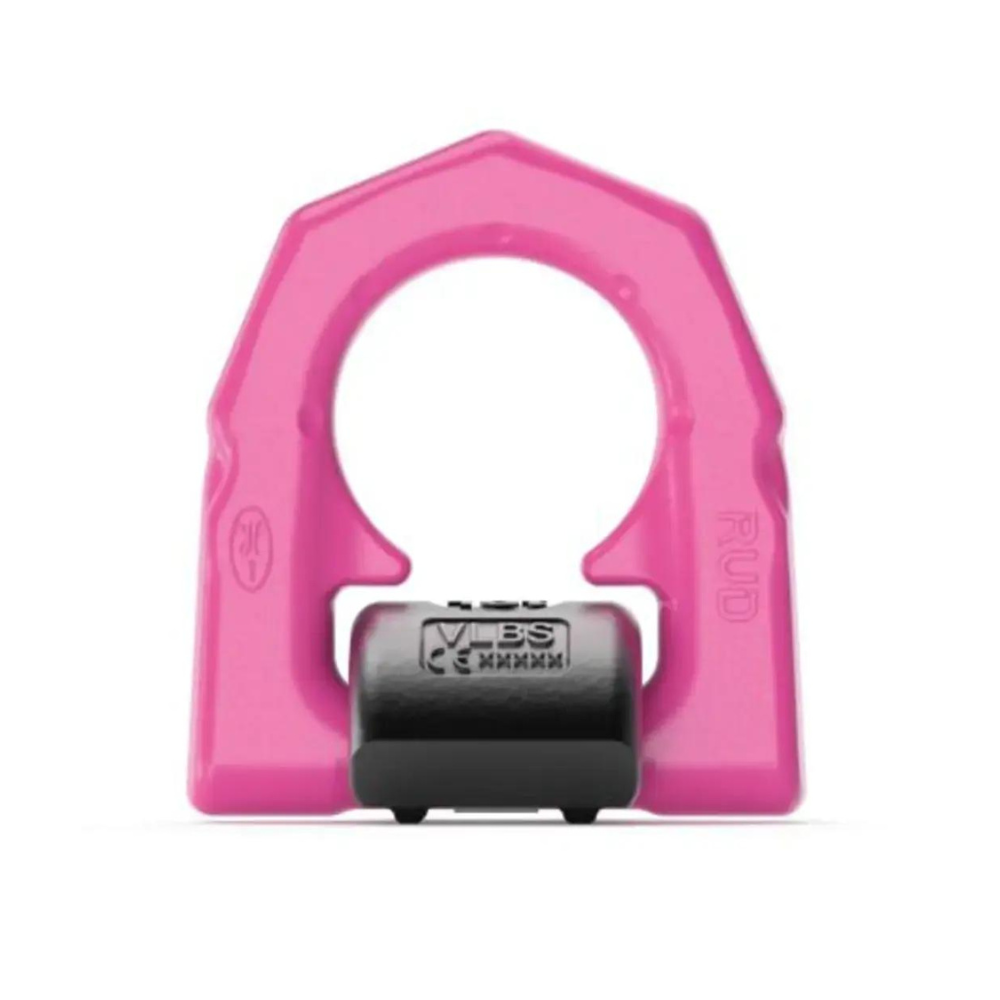
The RUD weld-on lineup, block to load ring. The RUD system starts small and cheap. The VRBS Weld-On Block from $28 is the entry point, a bare rated block you weld down where a full ring would be overkill, offered from 8,820 lb up to 69,440 lb. Add the ring and you get the VLBS Load Ring for Welding from $82, 1.5 to 16 metric tons, with a spring version that holds the ring standing upright so a rigger can hook it one-handed, and the fixed VLBS Ring at $68 for a straight 5,500 lb point. The VRBS Load Ring for Welding from $116 carries the heavier metric end on the same weld-block footprint. The W-ABA Lifting Point from $50 spans 0.8 to 31.5 tons and is the general-purpose workhorse of the line. Across the family the working load limits reach from around 600 kilograms to 100 tons, and because the ring articulates on the block, each one delivers its full rating in any pull direction instead of losing capacity off axis the way a fixed eyebolt does.
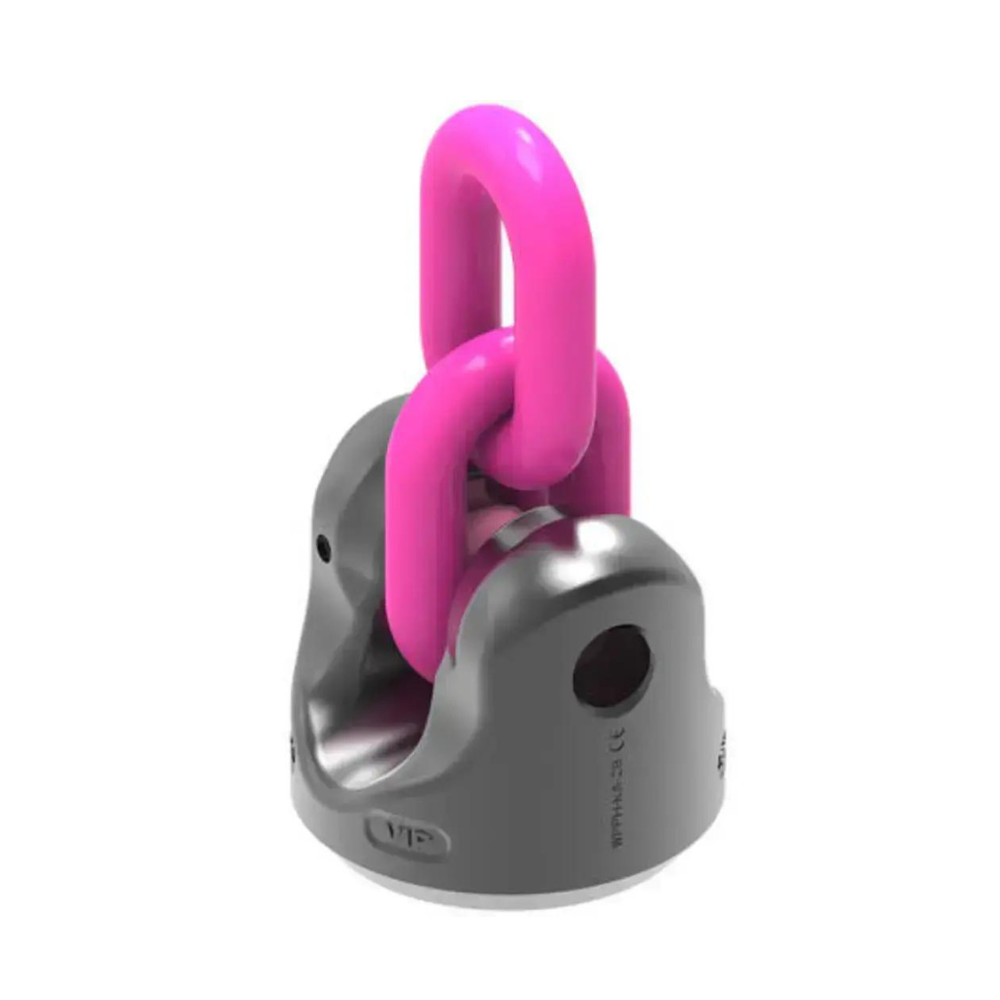
Chain-direct Powerpoint weld-on connections. When the load will be rigged with chain, the Powerpoint weld-on connections remove the shackle you would otherwise hang between point and chain. The WPPH-VIP Powerpoint from $98 couples RUD's VIP grade 100 chain straight to a welded base, 0.63 to 16.8 tons, so a chain-sling leg lands on the part with no intermediate link to wear or inspect. The WPPH-B and WPPH-S from $162 and $191 give ring and universal weld-on bases for general chain and sling work, and the larger WPP-B and WPP-S from $284 and $340 carry the same idea into higher loads. Pairing these with a matched chain slings and lifting chains assembly keeps the whole leg inside one grade and one maker's ratings, which is what a documented lift wants.
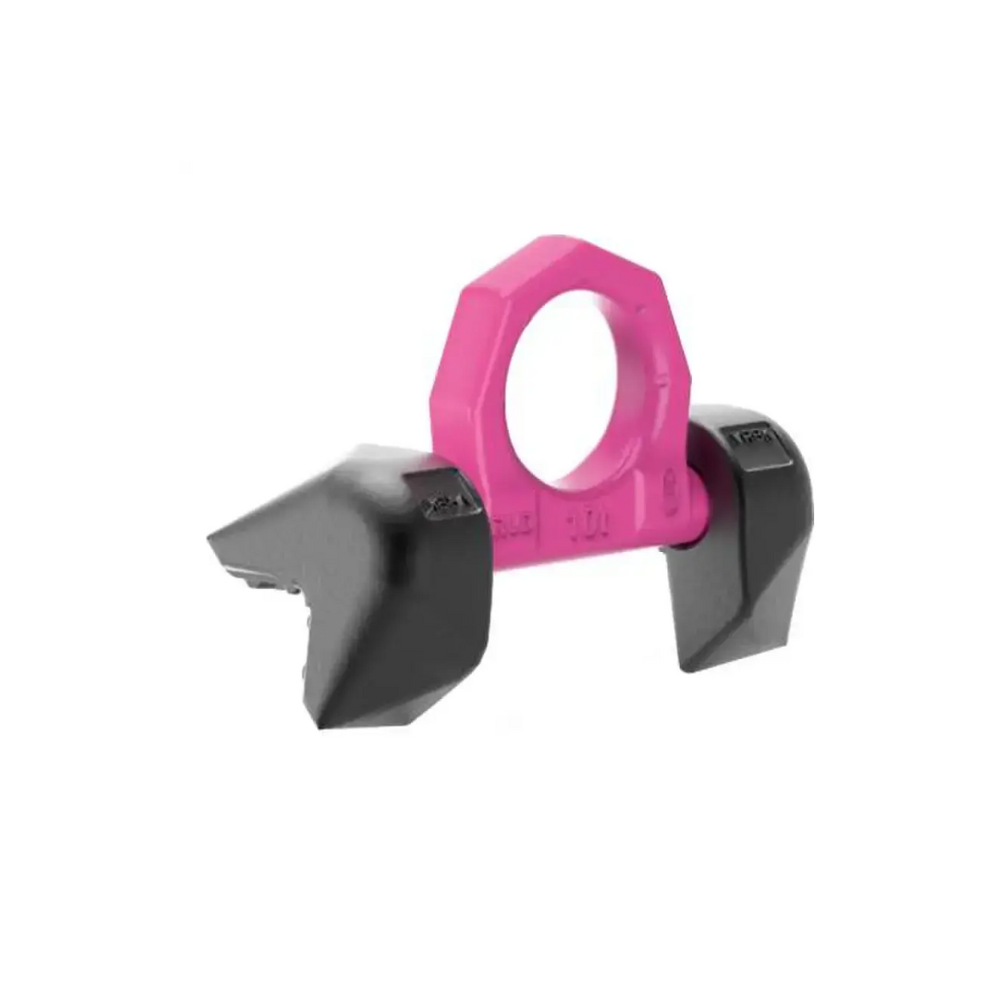
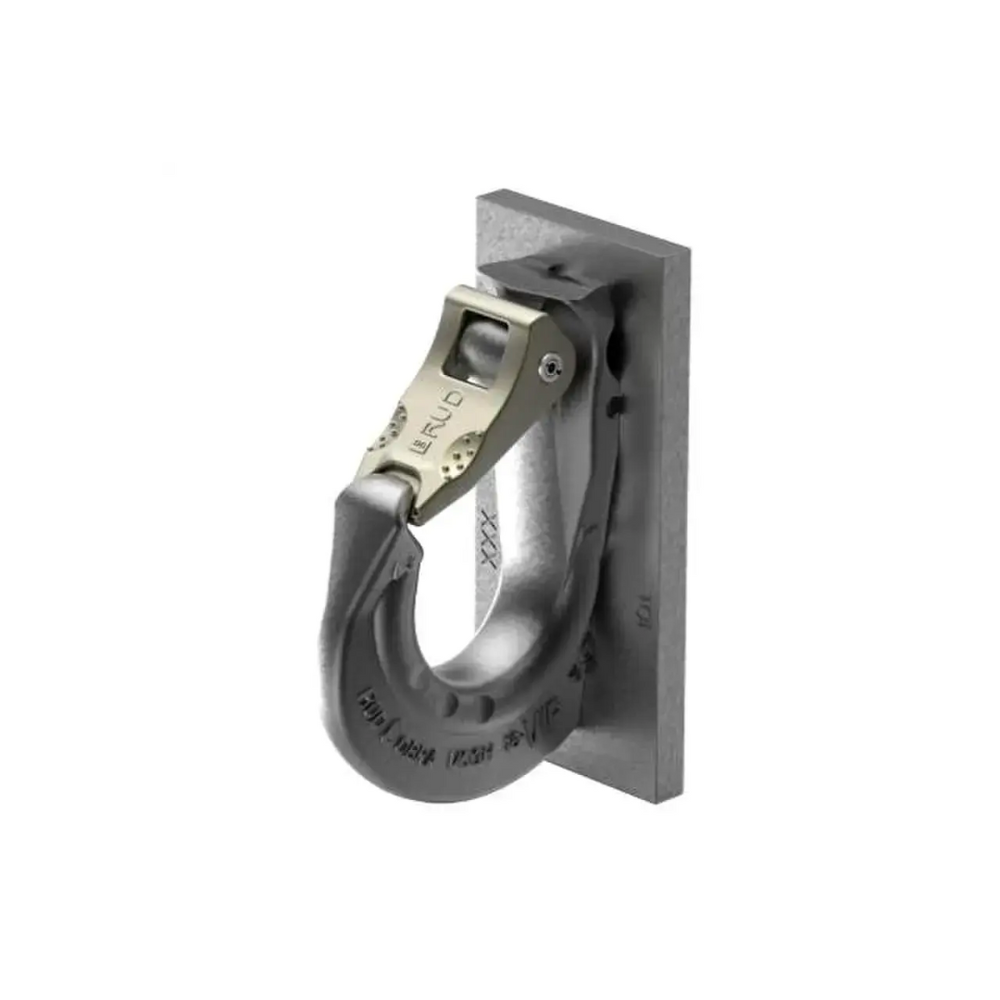
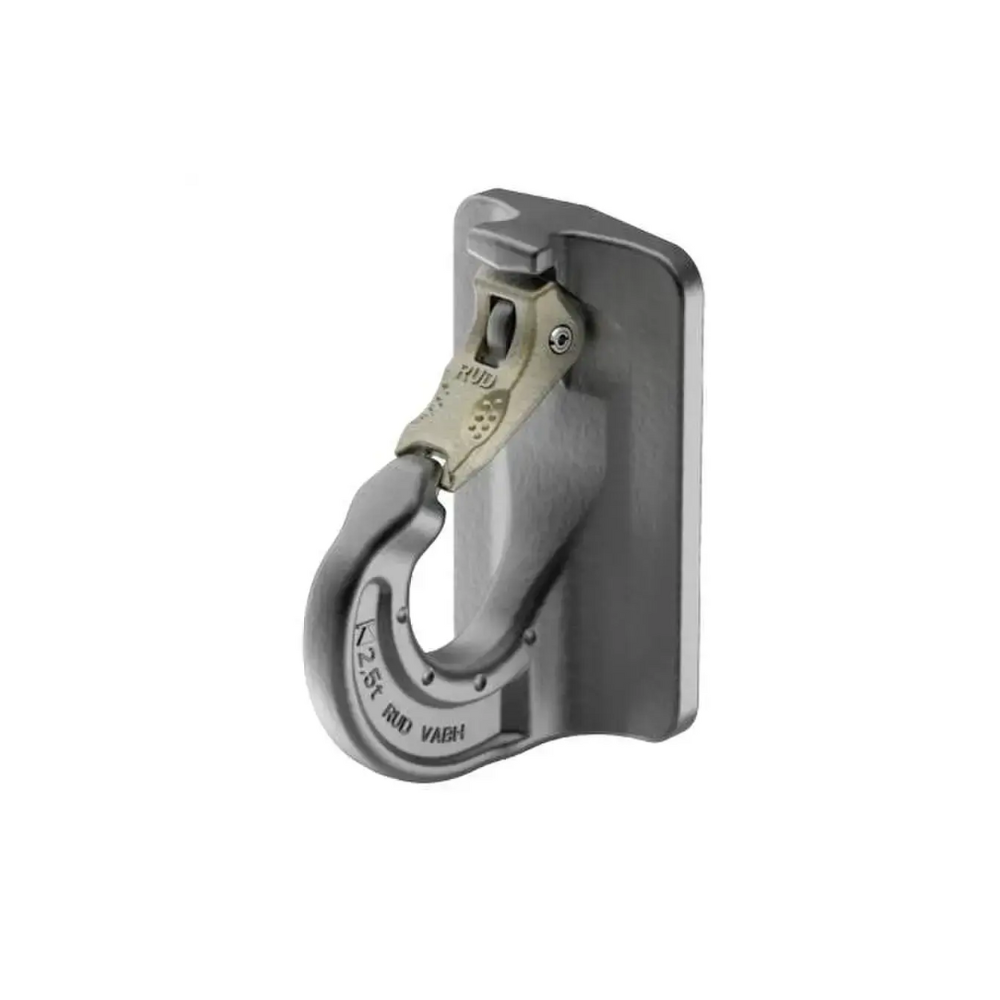
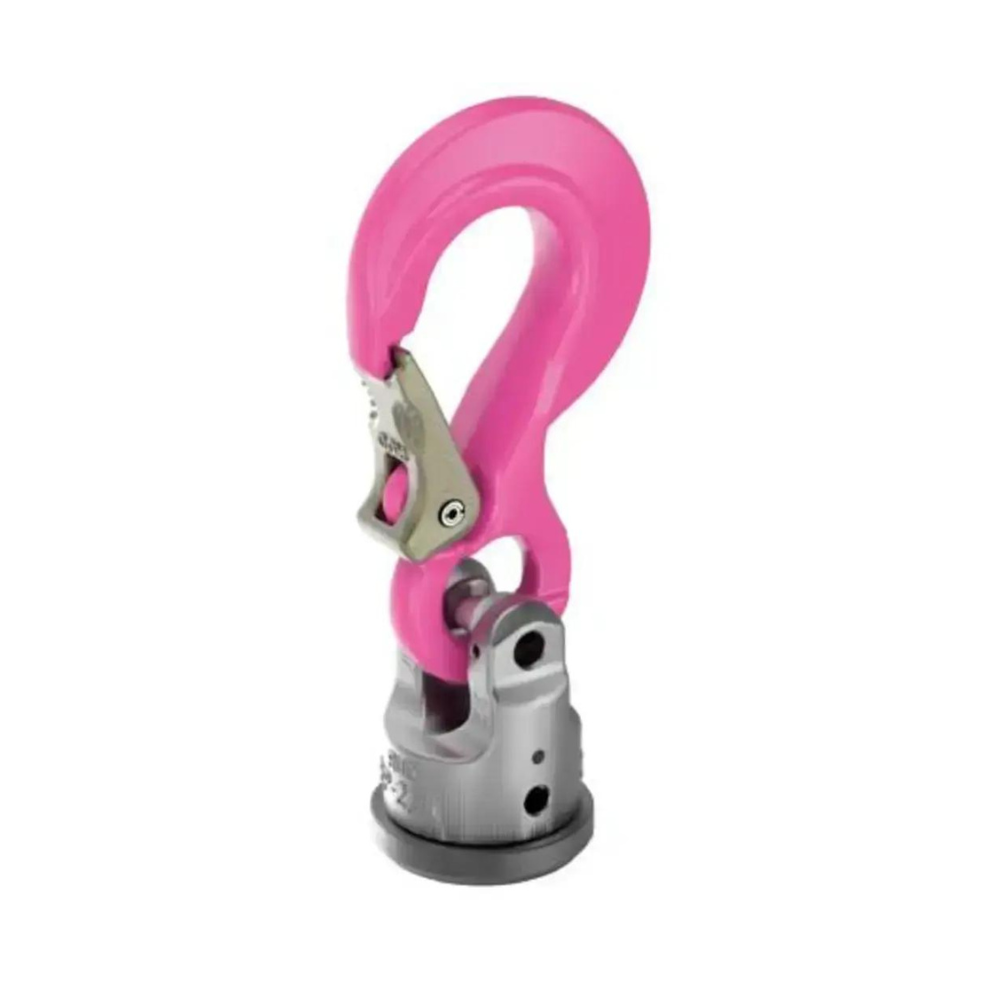
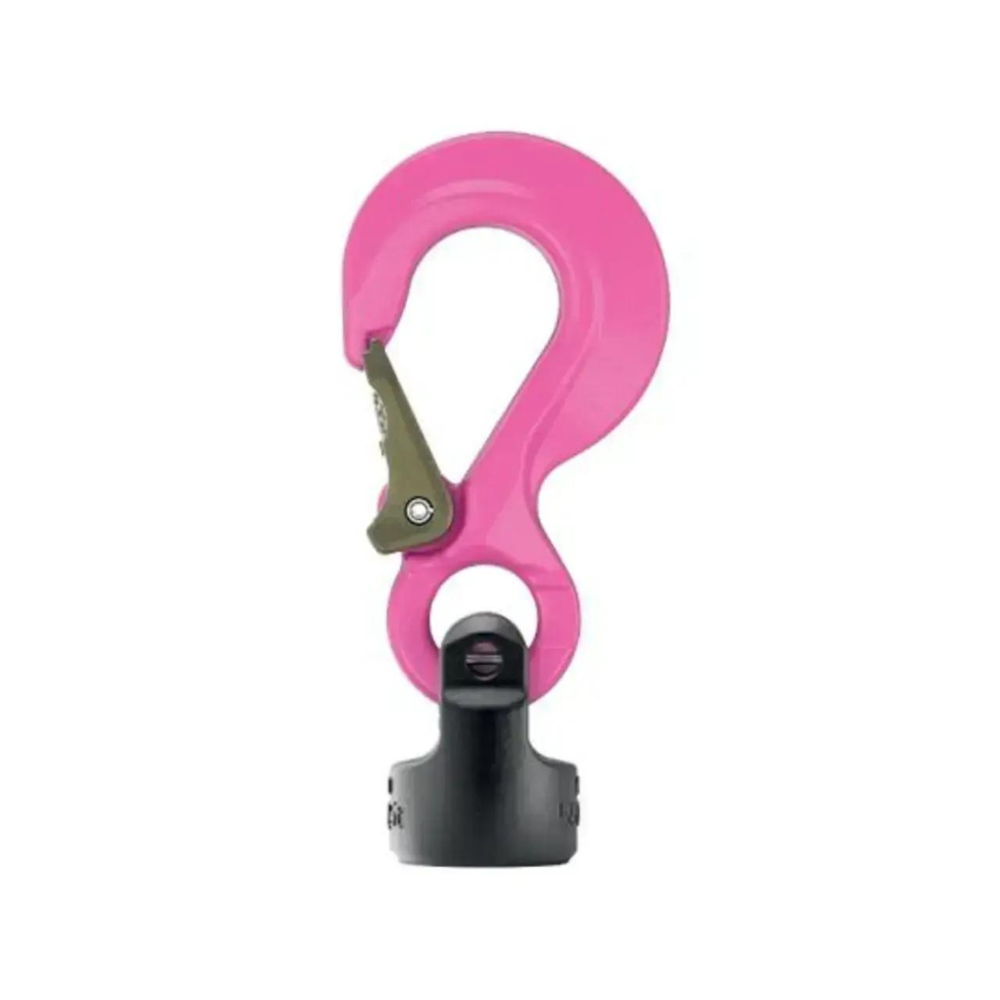
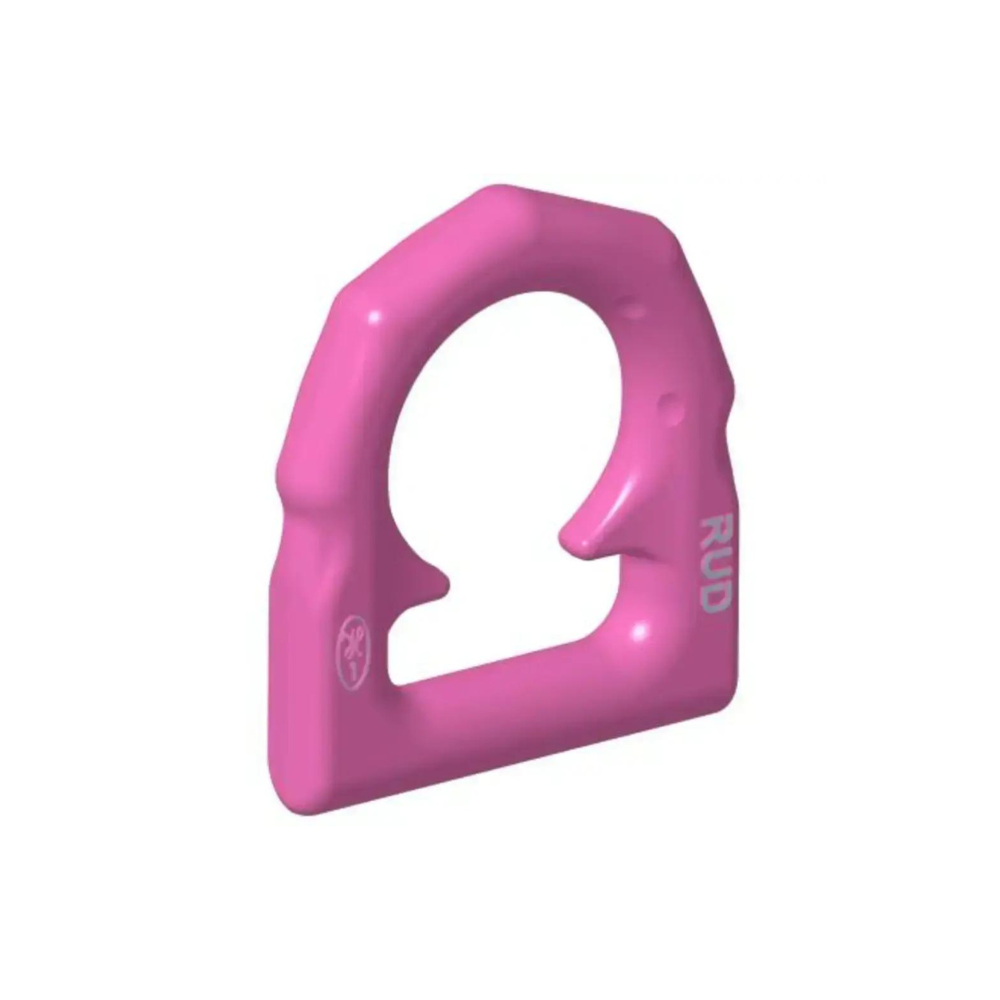
Specialized profiles: corners, seams, and cold service. Three profiles exist because a flat weld-on block does not fit every surface. The VRBK-FIX and VRBK Load Ring for Welding from $224 is shaped to weld into a 90 degree inside corner, where a standard block would sit proud, and it runs up to 110,230 lb. The VRBS-FIX Load Ring for Welding from $162 is built for circumferential seams on round sections, pipe, drums, and rollers, from 4 up to 50 tons. For cold-weather work the VLBS-U-LT from $170 is qualified down to minus 45 degrees Celsius, holds 27 joules of impact energy at that temperature, carries a low-temperature mark on the block, and ships 100 percent electromagnetically crack-inspected, in 2.5 to 10 ton sizes. Two weld-ready excavator hooks round out the range, the VABH-W from $368 and the heavier VCGH-S from $1,486 at up to 44,090 lb, for bucket, boom, and attachment fabrication.
The weld is the product: procedure, base metal, and inspection. The rating on any of these assumes the weld the manufacturer specifies, which makes the welding instruction part of the product rather than paperwork to skim. The weld-on block is an easy-to-weld grade and the suspension eye is drop-forged tempered steel, but the part you are attaching to has to be weldable structural steel as well, so unknown alloys, high-carbon steel, and cast iron are out unless a welding engineer signs off. RUD calls for an authorized welder working to AWS D1.1 or ISO 9606-1, a preheat set by the base-metal thickness, and a welding sequence that starts by tacking at the center of the block. Once installed and in service, treat the point as rigging hardware under ASME B30.26: a glance before every use and a documented periodic inspection at least yearly, pulling any point with an illegible mark, a bent or gouged ring, or a spring that no longer stands the ring up. The weld earns its own look, a visual check for cracks and undercut, with magnetic-particle inspection on the welds that matter. For the shackle that connects the point out to the sling, lifting shackles sit one collection over.
Frequently Asked Questions
Yes. RUD qualifies these points for a weld laid by an authorized welder working to AWS D1.1 or ISO 9606-1, with a preheat set by the base-metal thickness and the welding sequence the product instruction spells out, which begins by tacking at the center of the weld block. The published rating is only valid when that procedure is followed, so the welding instruction shipped with the part is a load-bearing document, not a formality.
No. The weld-on block is an easy-to-weld grade, but the base material it attaches to has to be weldable structural steel of adequate thickness. High-carbon steel, unknown alloys, and cast iron are not suitable without a welding engineer qualifying the joint, and thin or curved sections may need a profile built for them, such as the VRBS-FIX for round sections or the VRBK-FIX for 90 degree corners.
Weld on when there is no boss to drill and tap, when the wall is too thin to hold minimum thread engagement, or when the part is lifted the same way permanently and you want no fastener that can loosen. Choose a screw-in point when the surface is a machined boss you can thread and you may want to remove the point later; those live in the [eyebolts and screw type lifting points](/collections/eyebolts-screw-type-lifting-points) collection.
Yes. The suspension ring articulates on the welded block, pivoting and aligning with the load, so it reaches its full working load limit in any pull direction. That is the advantage over a fixed eyebolt, which is rated for a straight vertical pull and derates sharply once the sling leg leans off axis.
As rigging hardware under ASME B30.26, they get a visual glance before every use and a documented periodic inspection at least yearly in normal service, removing any point with an illegible marking, a bent, elongated, or gouged ring, or a spring that no longer holds the ring upright. The weld itself earns a separate look for cracks and undercut, with magnetic-particle inspection on critical welds. The VLBS-U-LT ships 100 percent electromagnetically crack-inspected for low-temperature service.
The VRBS Weld-On Block from $28 is the entry point, a bare rated block you weld down for the lightest general fabrication, in working load limits from 8,820 lb upward. The VLBS Ring at $68 and the W-ABA Lifting Point from $50 are the next steps up when you want a full articulating ring rather than a bare block.