Lifting Eye Bolts
Lifting eye bolts turn a threaded hole into a rated hook connection, and this collection covers the screw-in half of the lifting point world: fixed rated eyebolts, articulating load rings, and swivel hoist rings that thread straight into a machined boss. The lineup runs on RUD's engineered system, from the VRS Starpoint eyebolt at $58 through the VLBG and VWBG load rings and the ACP-Turnado line built to rotate a load in the rig, alongside Codipro DSR swivel hoist rings from $104 and SEB swivel eye bolts from $77, plus William Hackett HA lifting points from $58 and their HA swivel hoist rings. Threads span M6 to M100 metric with UNC, UNF, and pipe options, and working load limits from a tenth of a ton up past 20 metric tons. The whole page turns on one decision the guide walks through first: whether the pull is straight up or arrives at an angle, because that single fact decides fixed eyebolt, articulating ring, or full swivel.
Compare Eyebolts & Screw Type Lifting Points
| Model | Price | Capacity | |
|---|---|---|---|
| RUD VWBG load Ring, UNC Thread with Variable Length | $12,783 | 15-50 ton | View → |
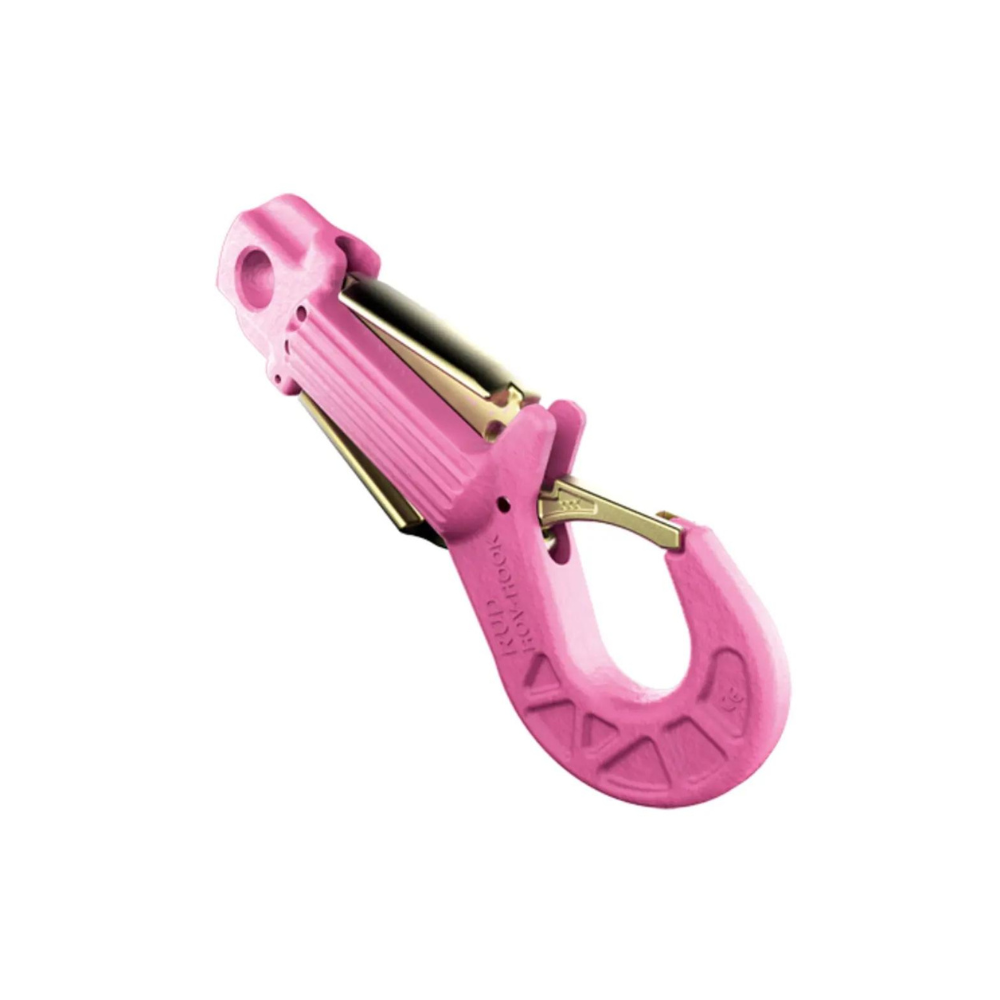
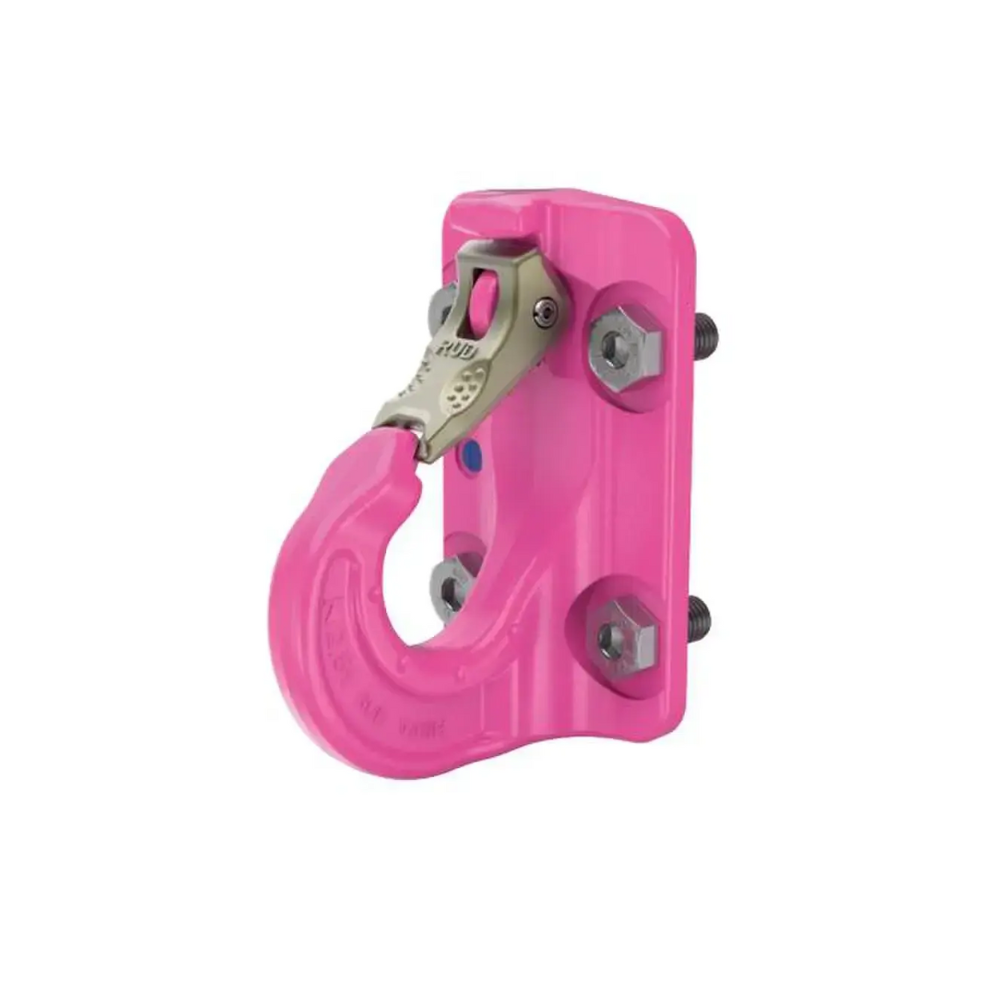
| RUD ROV-Hooks | $9,222 | 10-25 ton | View → |
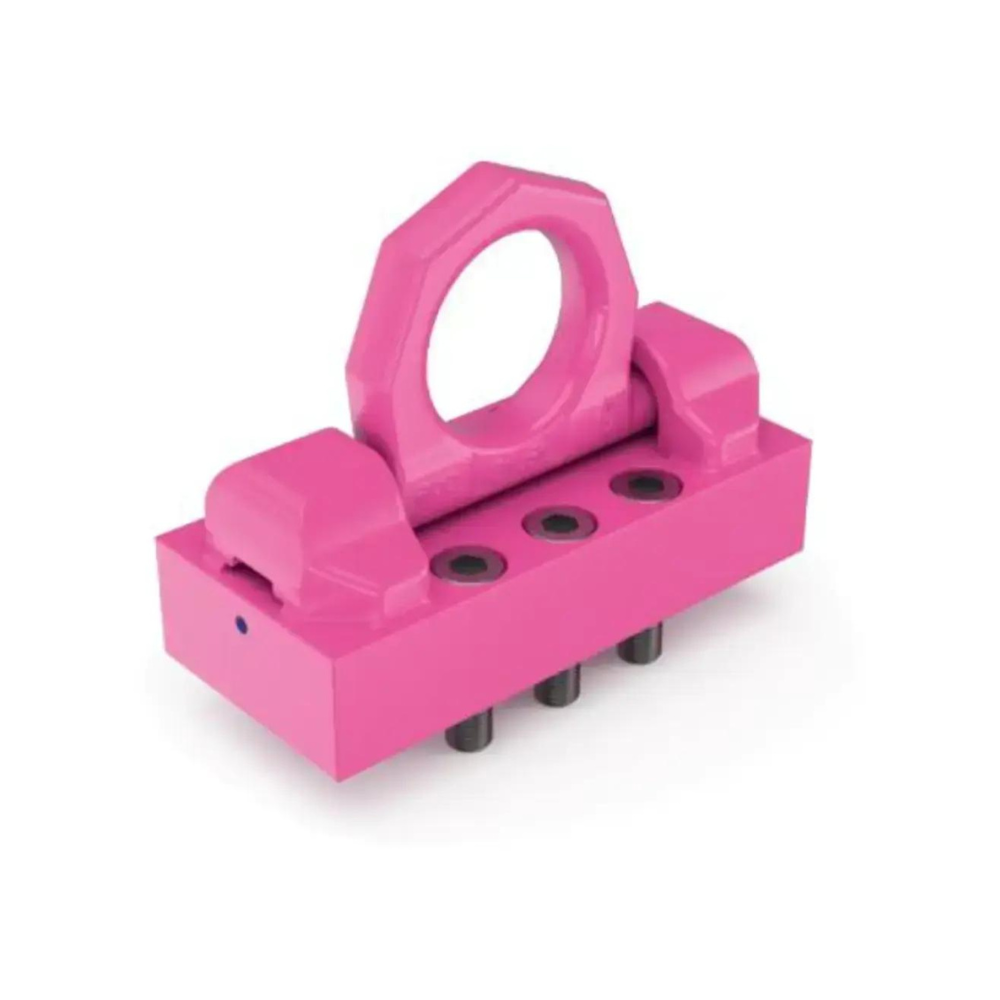
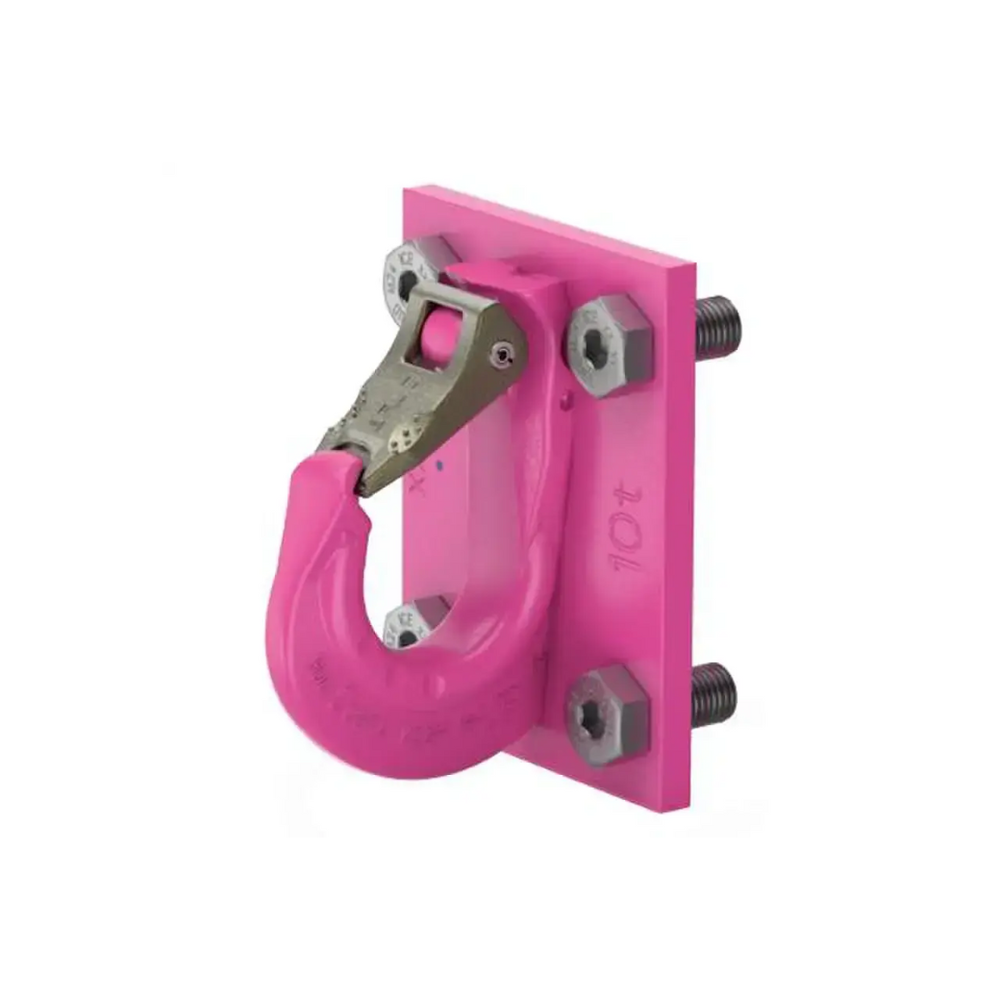
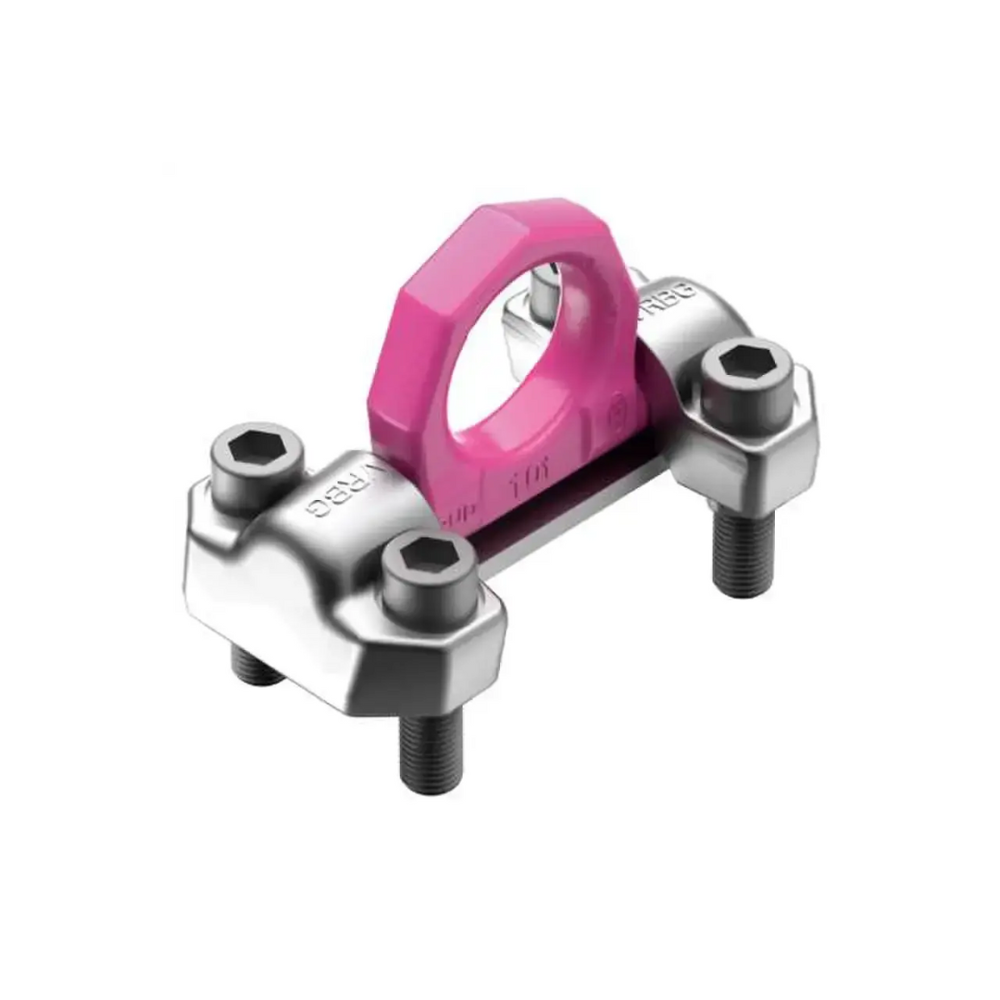
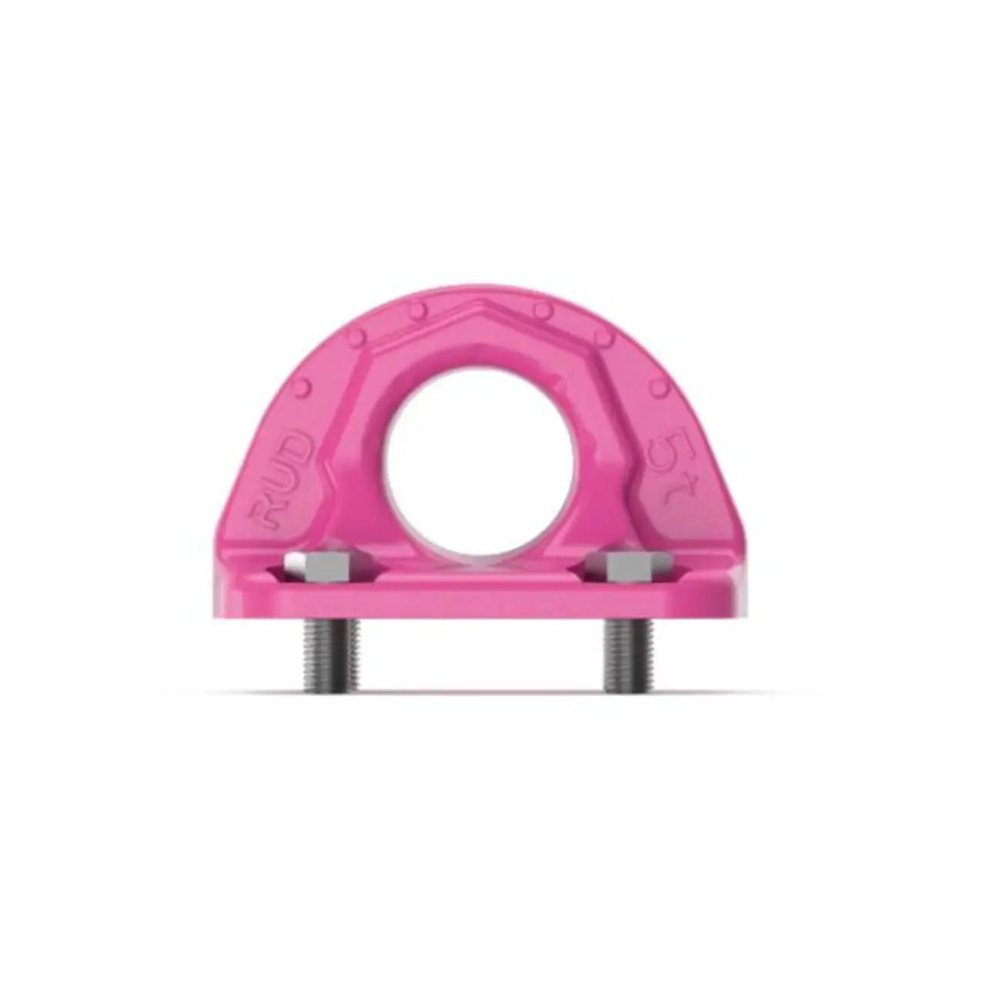
| RUD VRBG 31.5 and 50 Load Ring on Plate for Bolting | $8,186 | 69,440-110,230 lb | View → |
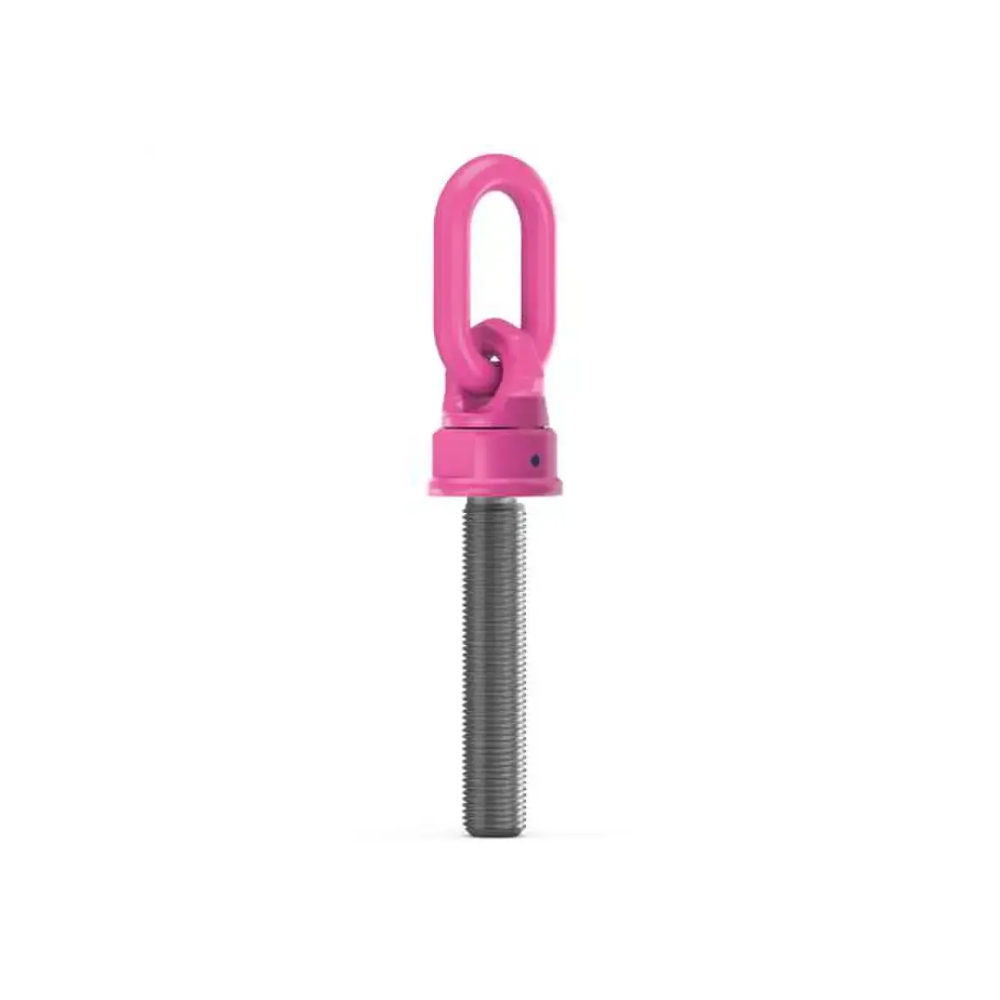
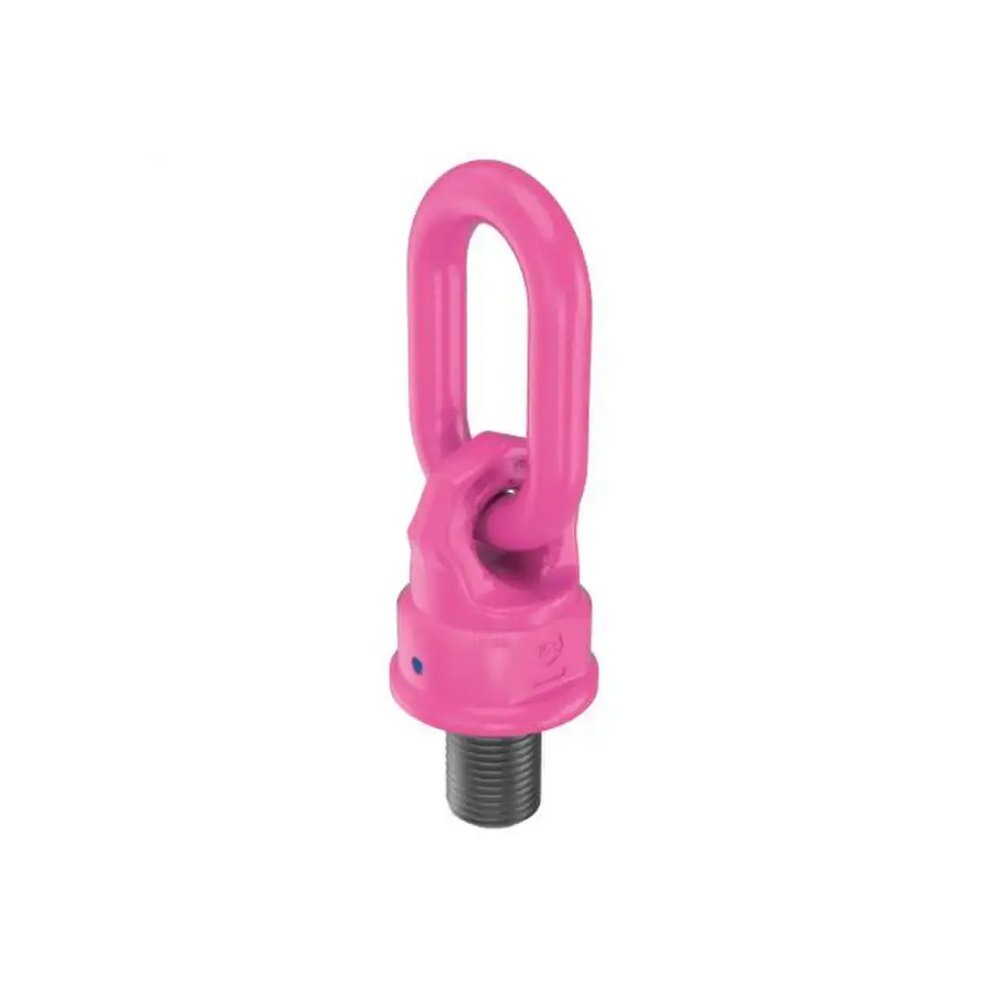
| RUD ACP-Turnado Supermax, Metric Thread | $4,980 | 57,320 lb | View → |
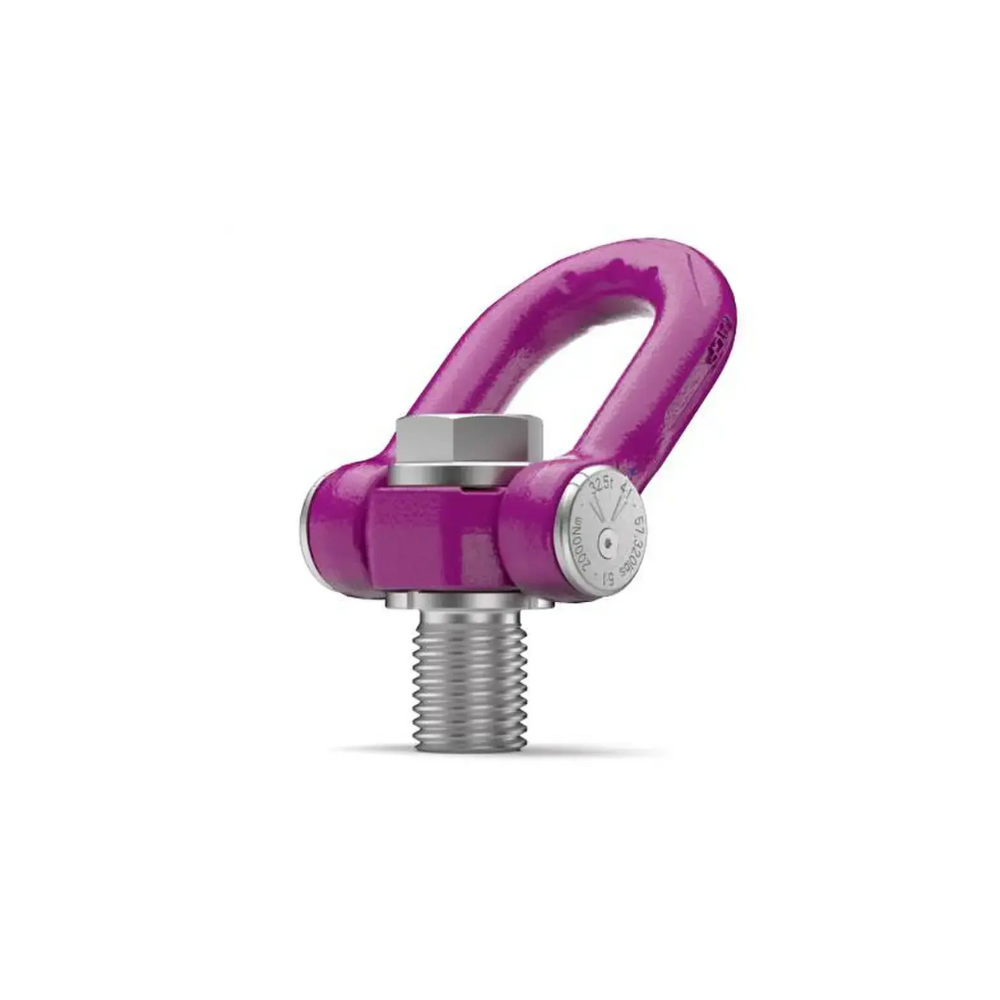
| RUD VWBG Load Ring, Metric Fine Thread with Variable Length | $3,607 | 15-28 ton | View → |
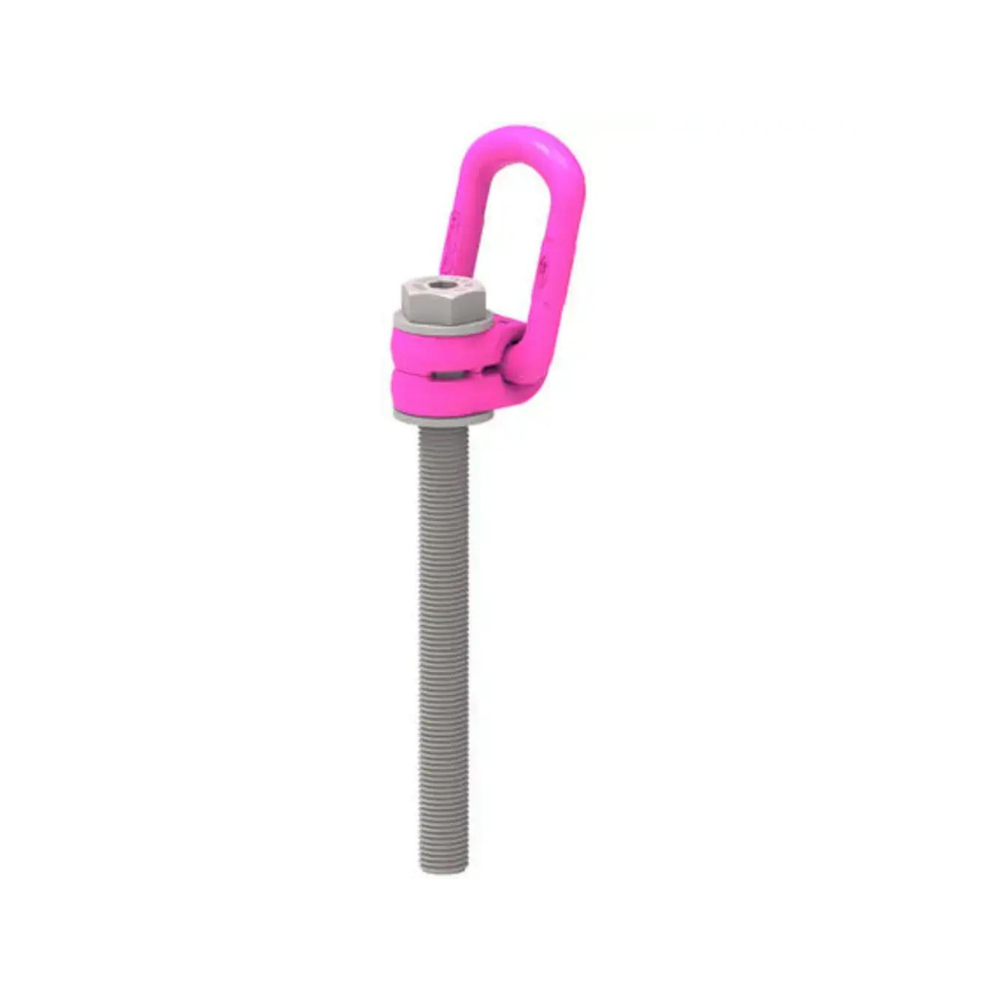
| RUD SO-PP-VIP, Metric Thread with Max. Length | $2,844 | 4,400-17,630 lb | View → |
 In Stock
 In Stock
 In Stock
 In Stock
 In Stock
 In Stock
 In Stock
 In Stock
 In Stock
 In Stock
 In Stock
 In Stock
 In Stock
 In Stock
 In Stock
 In Stock
 In Stock
 In Stock
 In Stock
 In Stock
 In Stock
 In Stock
 In Stock
 In Stock
 In Stock
 In Stock
 In Stock
 In Stock
 In Stock
 In Stock
 In Stock
 In Stock
 In Stock
 In Stock
 In Stock
 In Stock
 In Stock
 In Stock
 In Stock
 In Stock
 In Stock
 In Stock
 In Stock
 In Stock
 In Stock
 In Stock
 In Stock
 In Stock
 In Stock
 In Stock
 In Stock
 In Stock
 In Stock
 In Stock
 In Stock
 In Stock
 In Stock
 In Stock
 In Stock
 In Stock
 In Stock
 In Stock
 In Stock
 In Stock
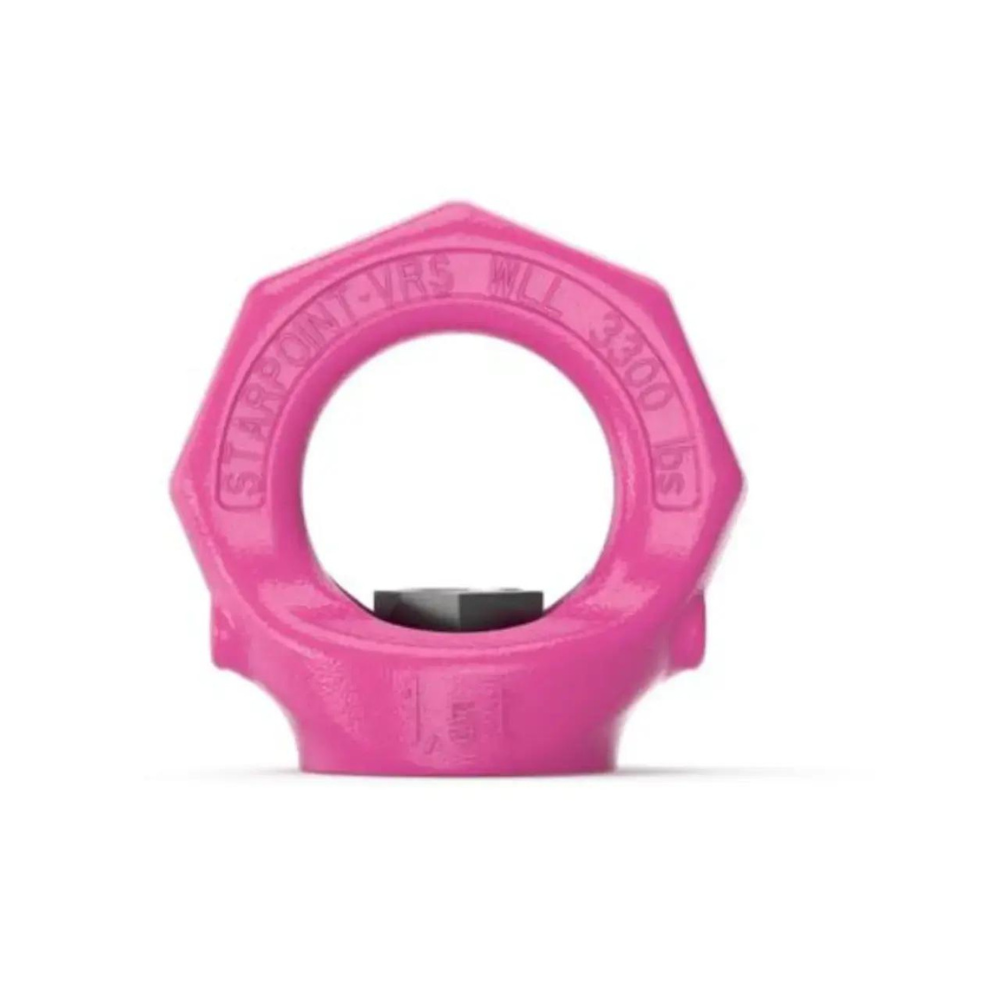 In Stock
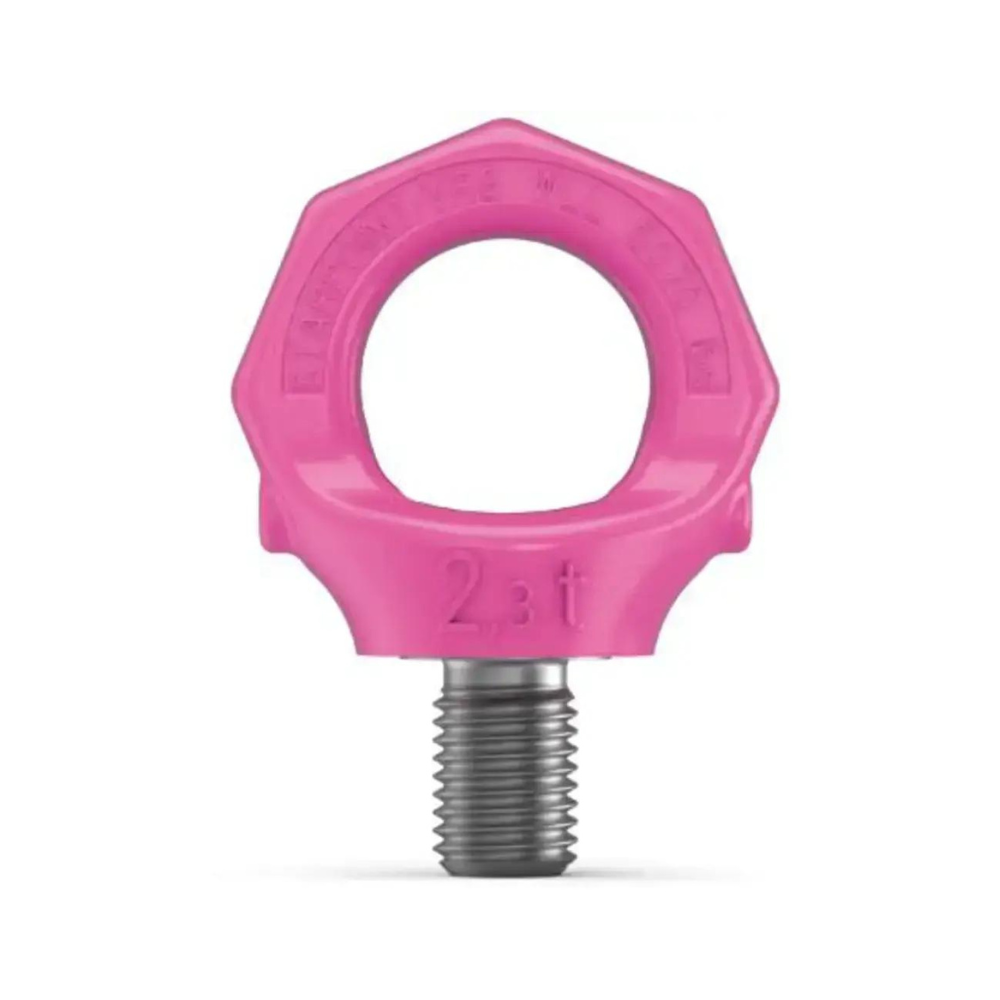 In Stock
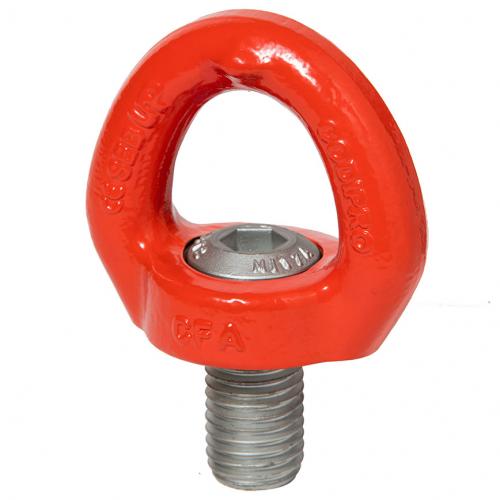 In Stock
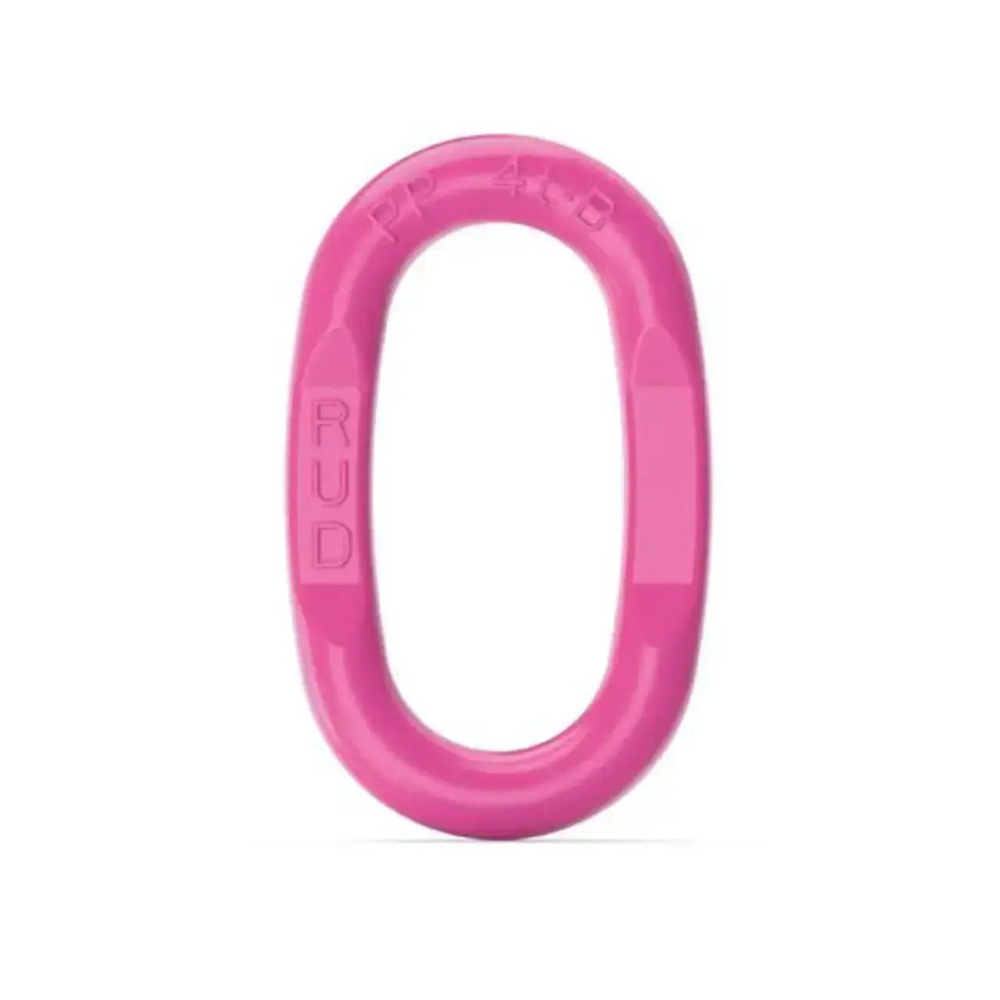 In Stock
Eyebolts & Screw Type Lifting Points Buying Guide
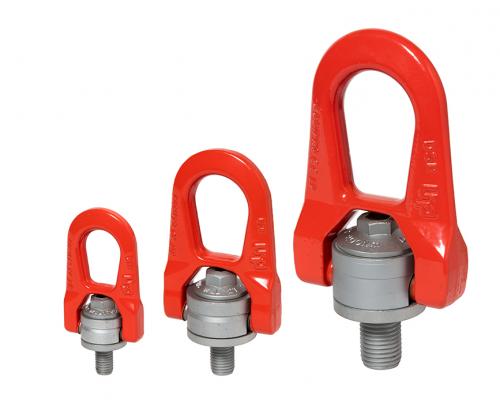
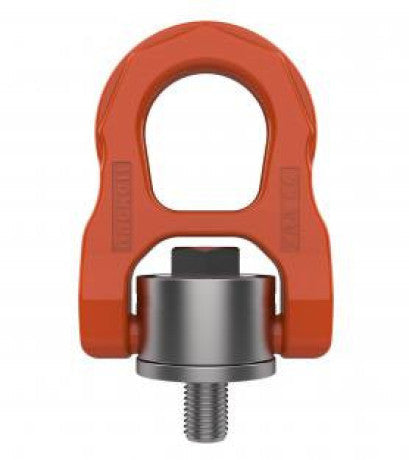
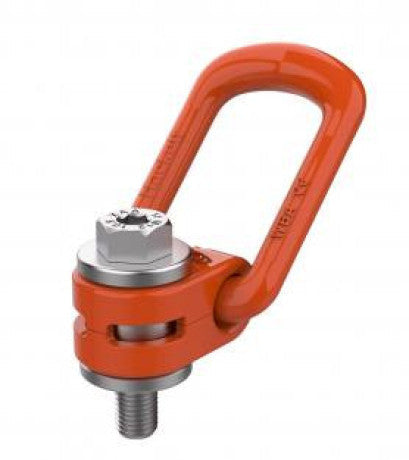
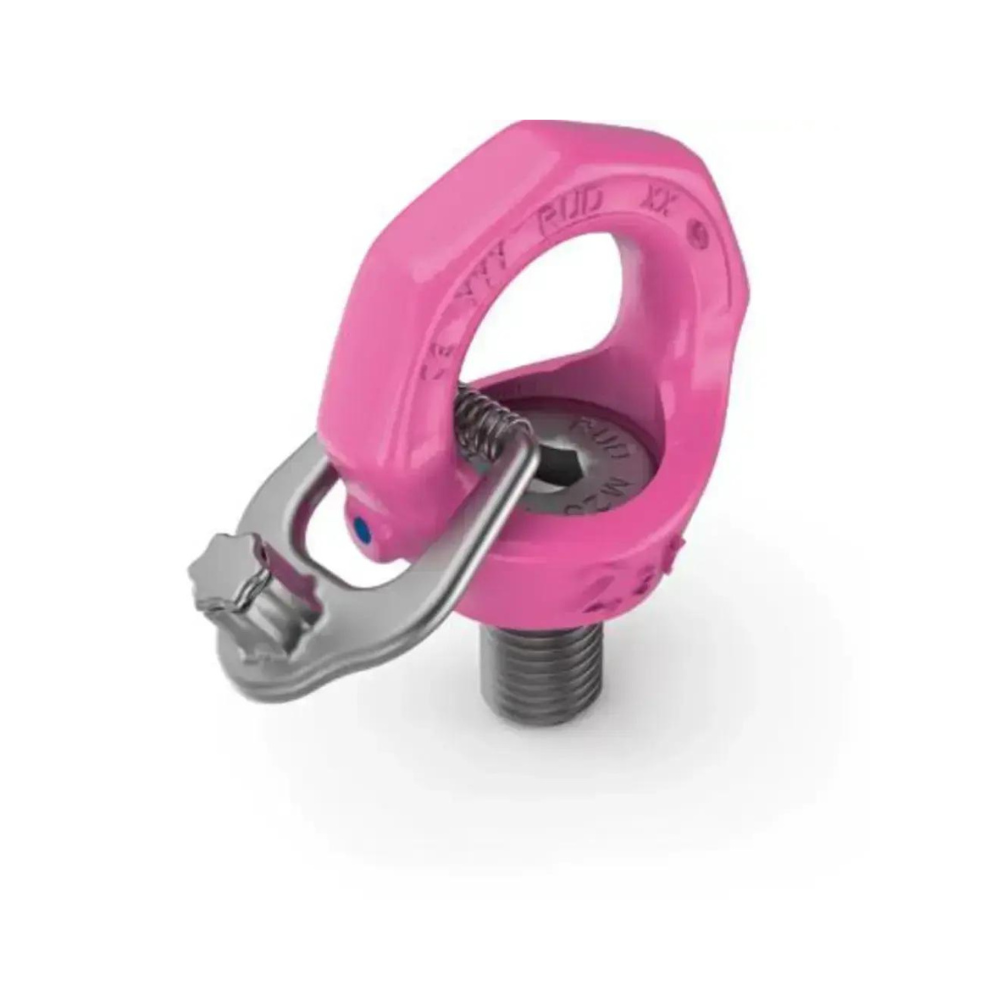
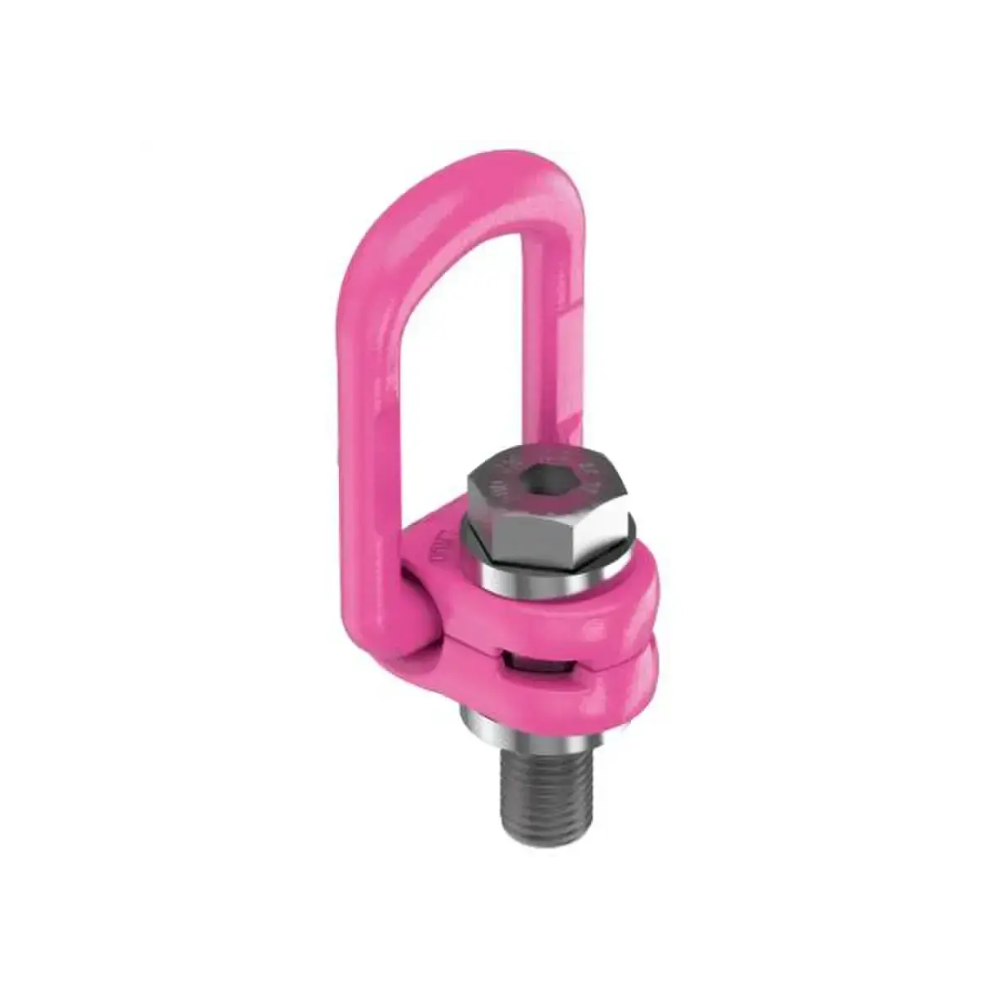
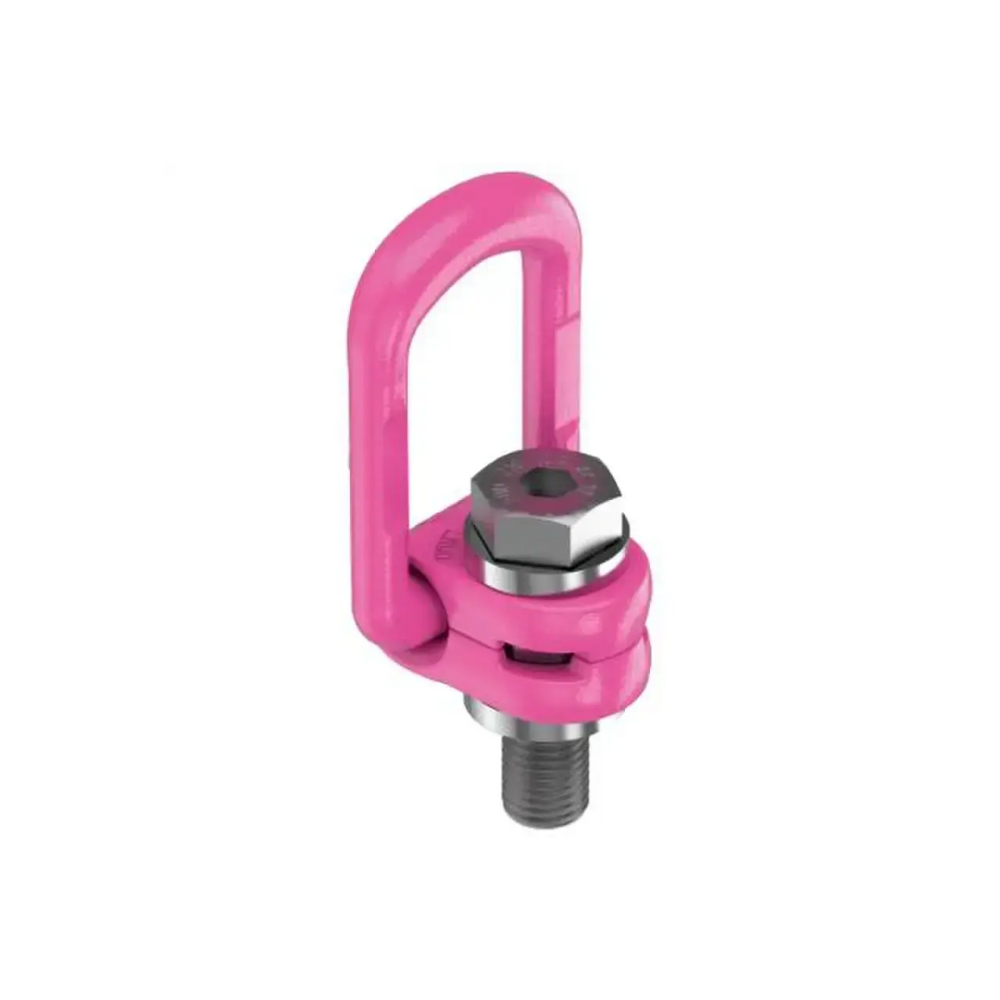
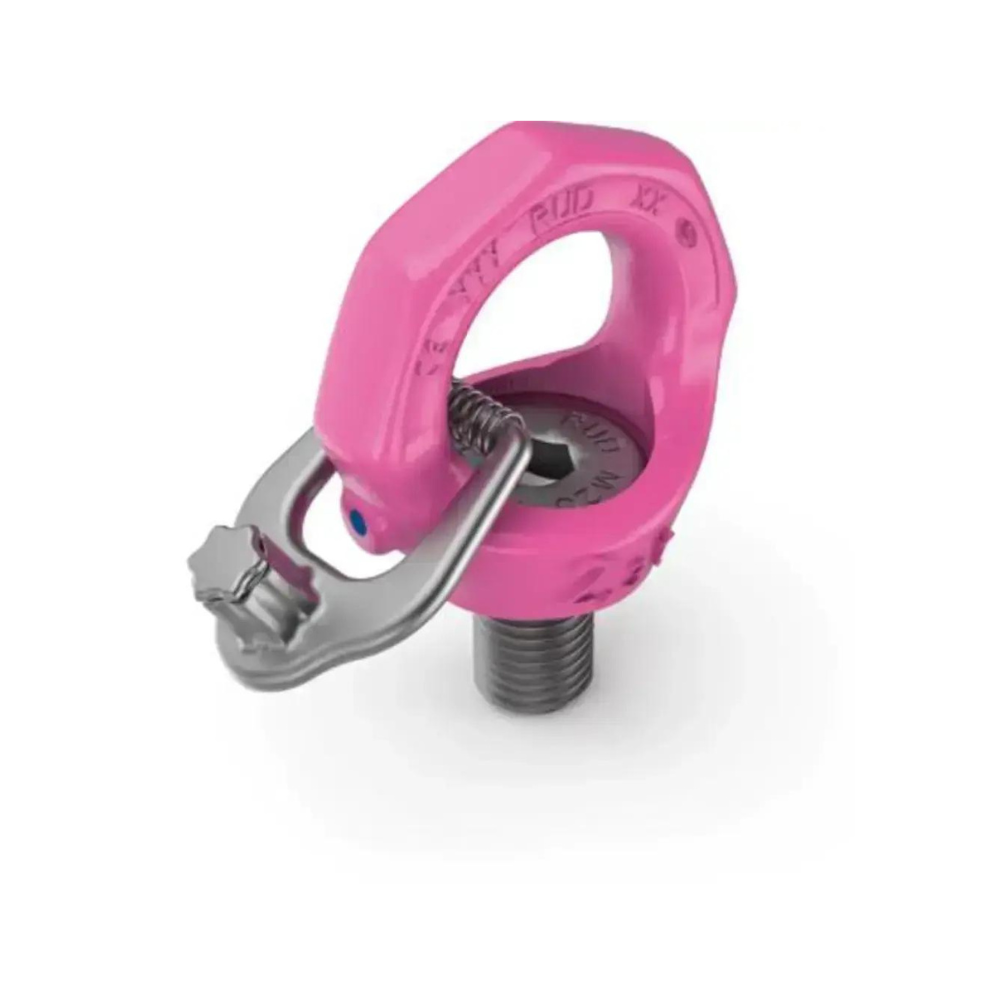
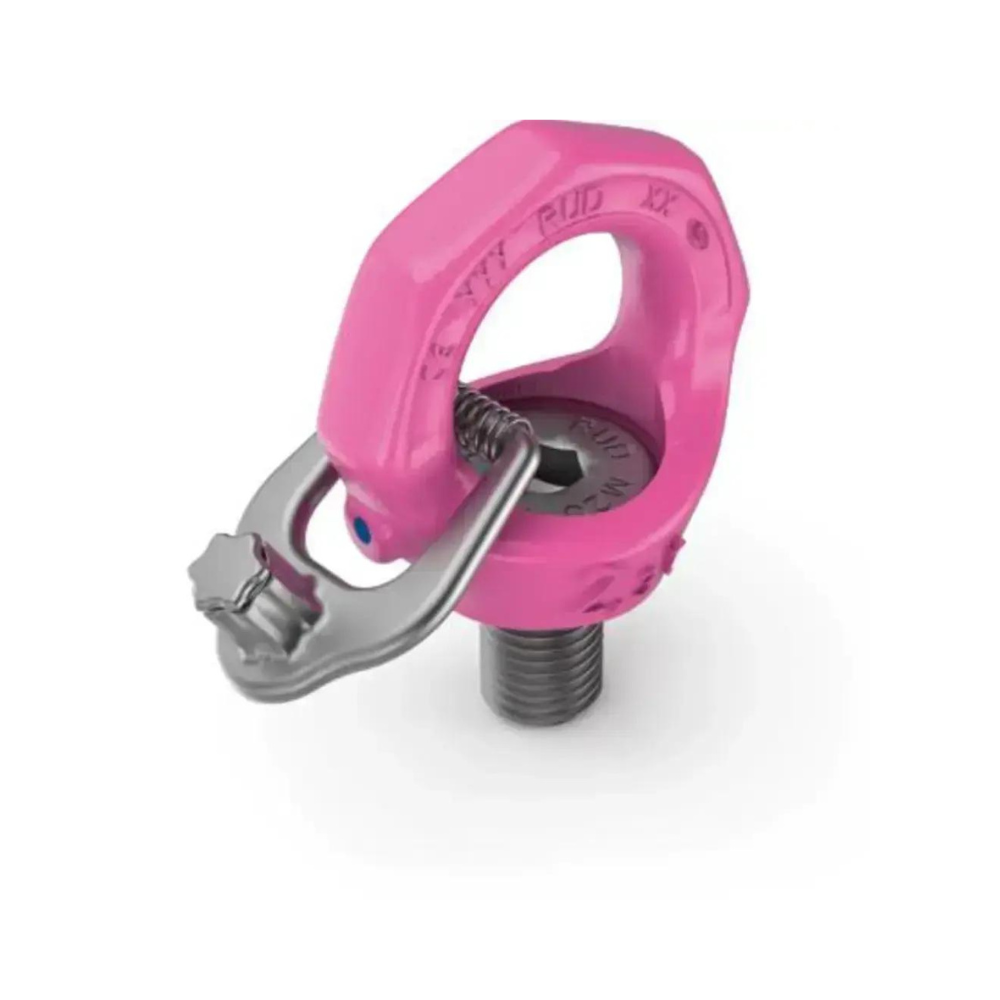
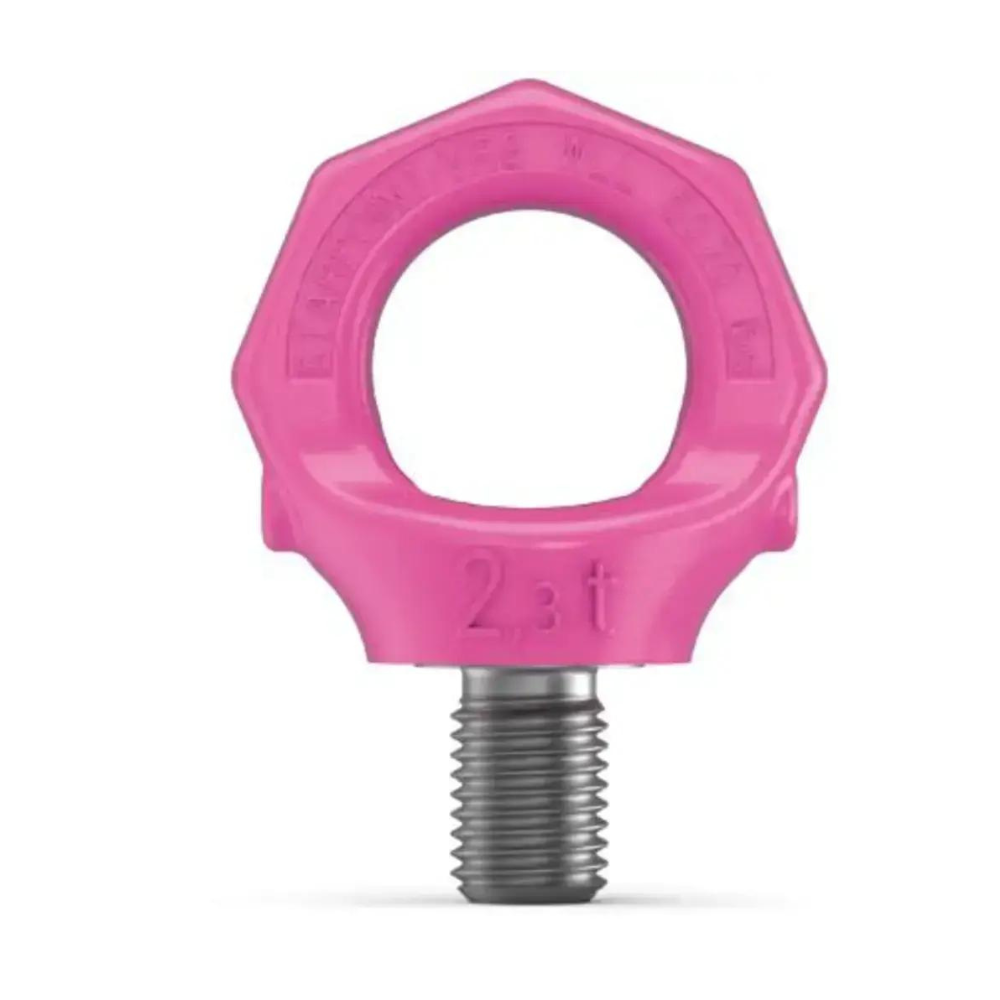
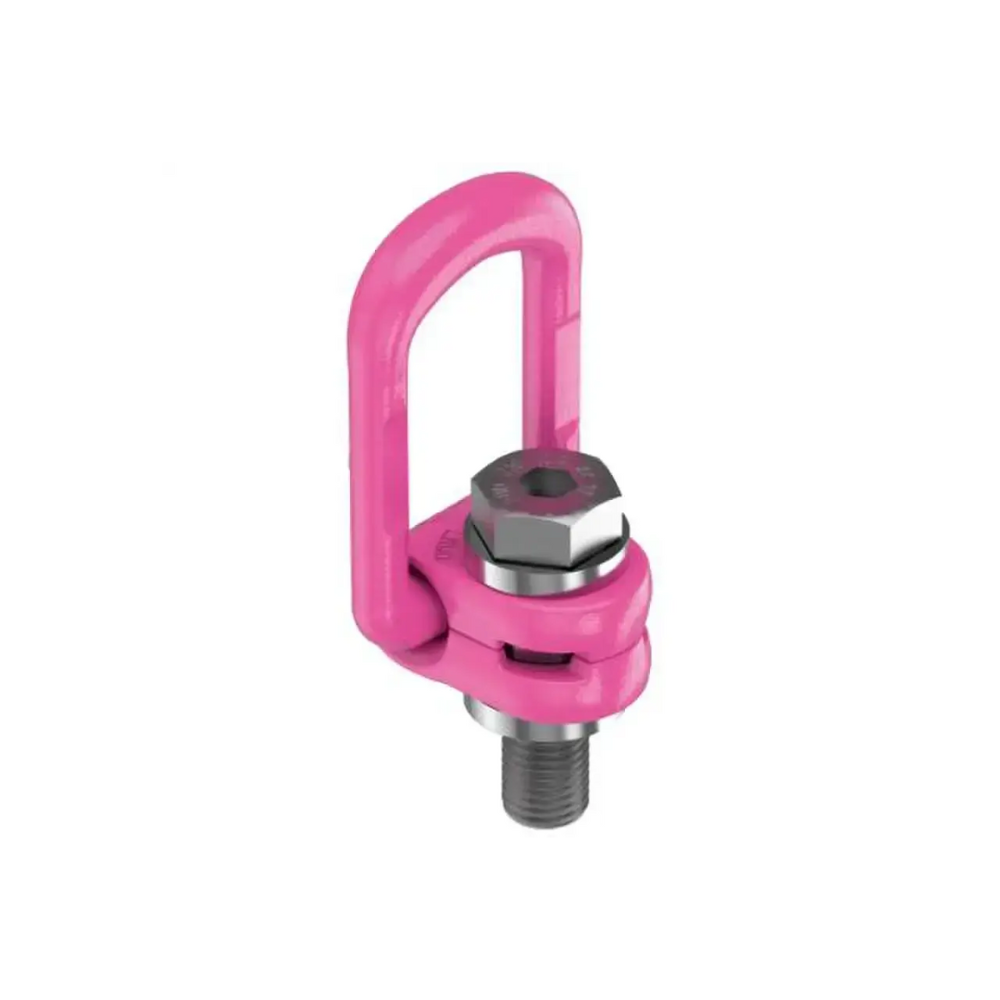
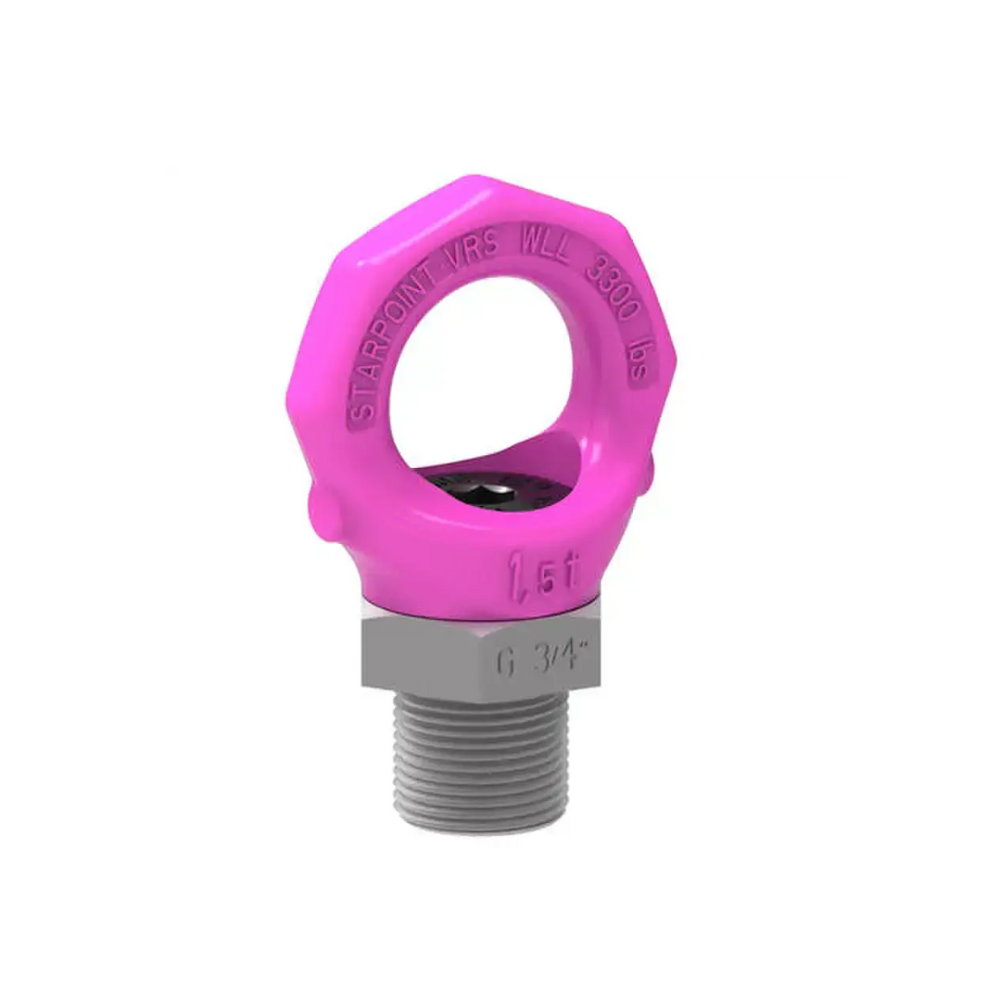
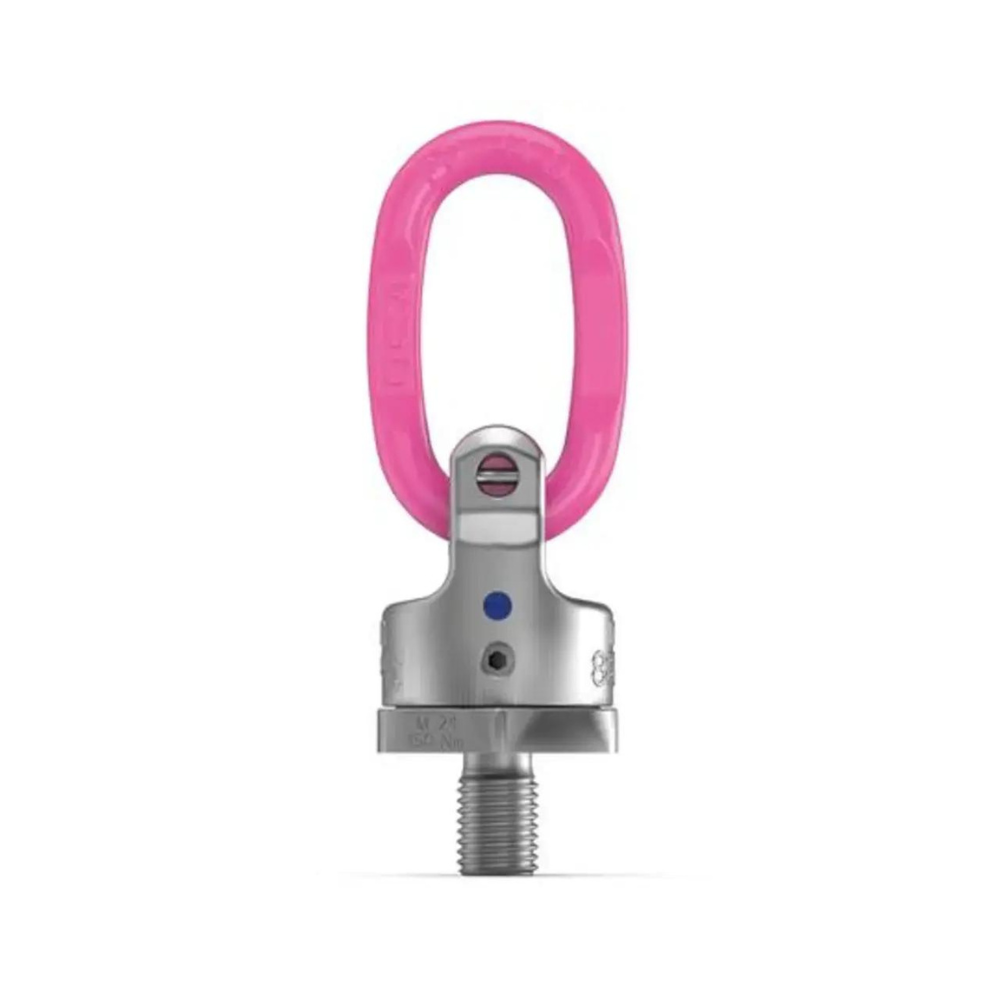
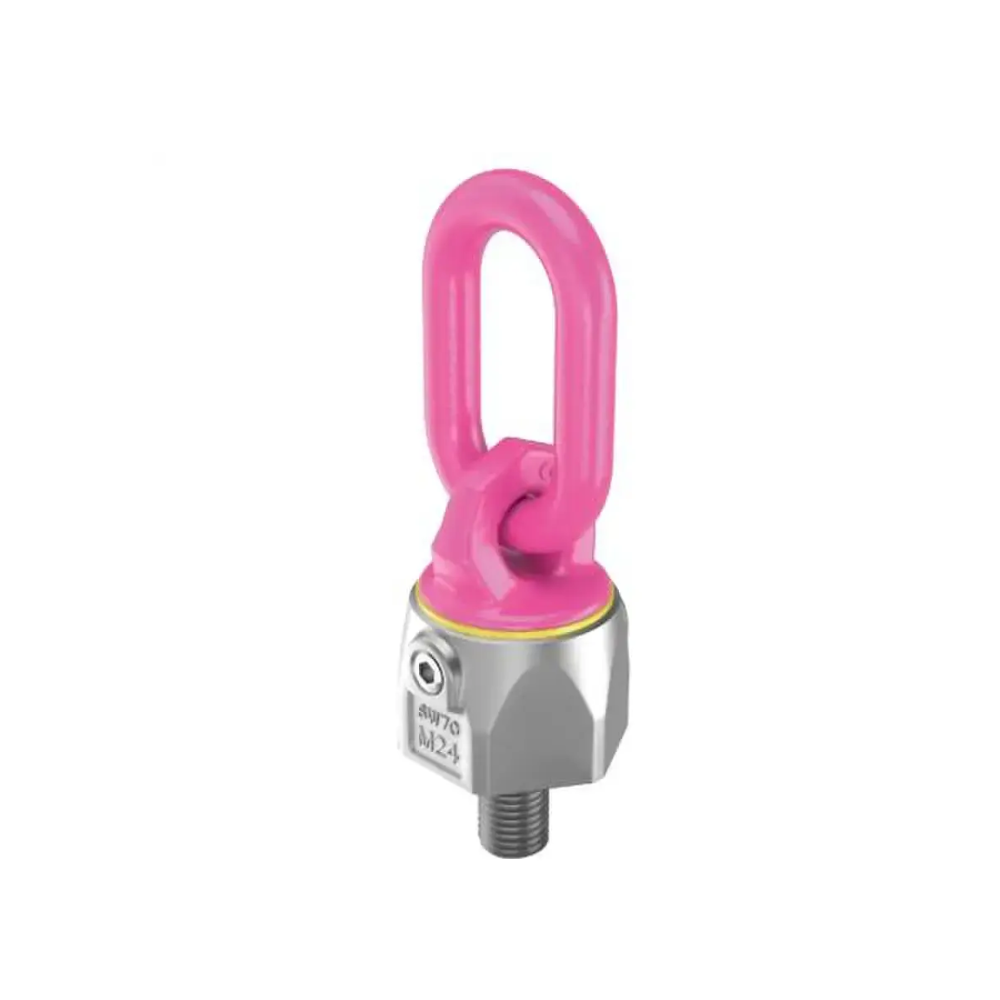
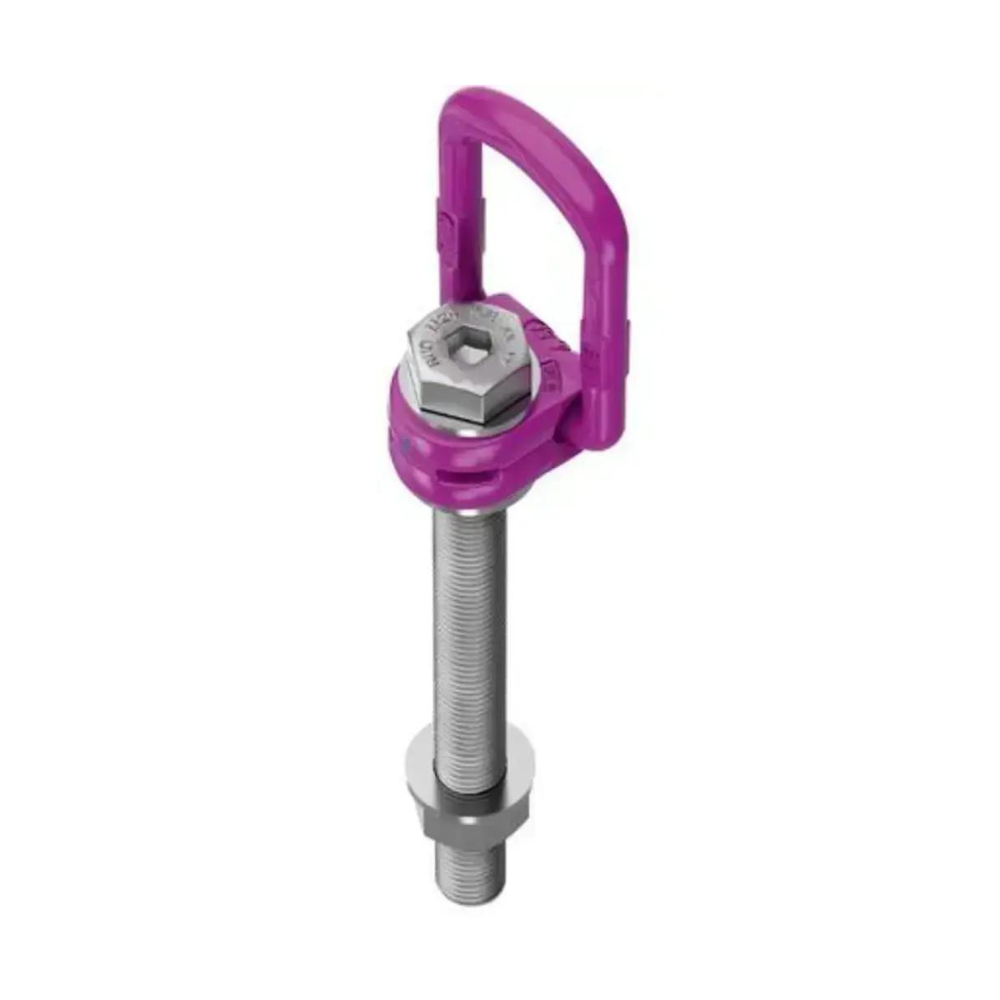
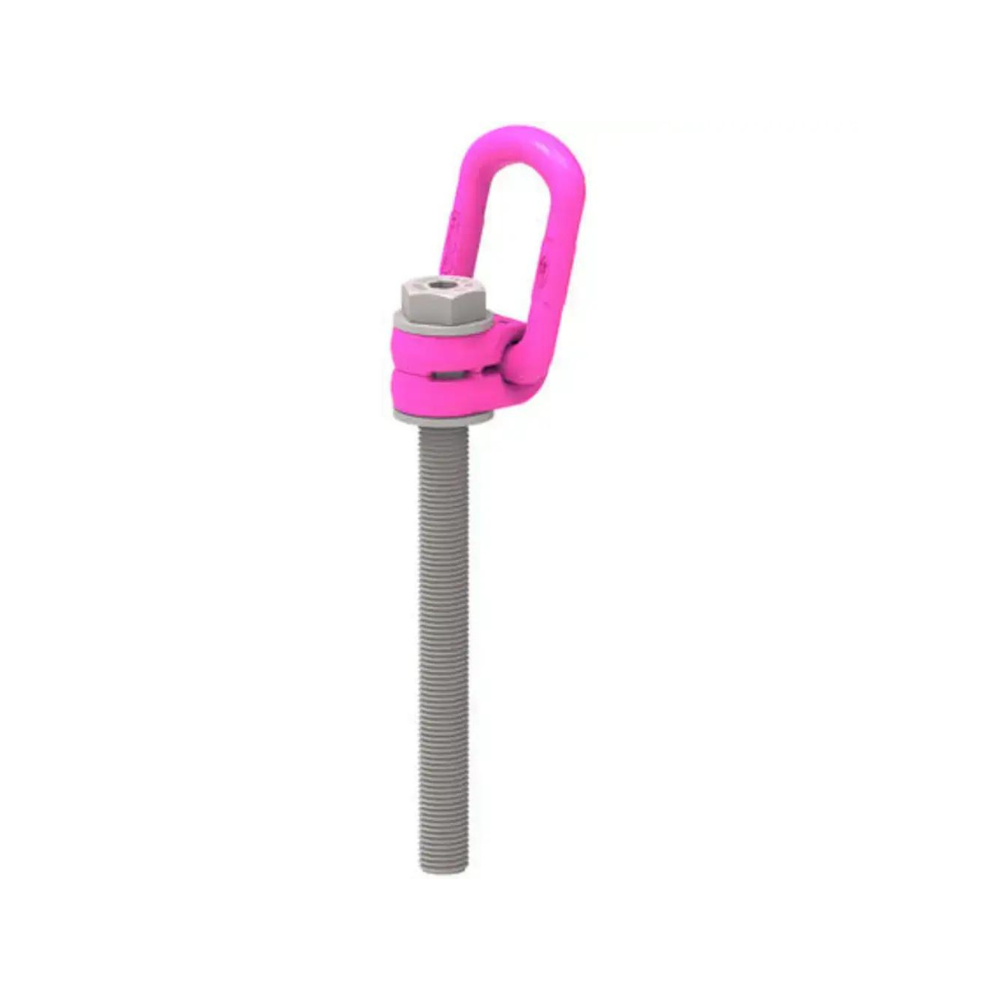
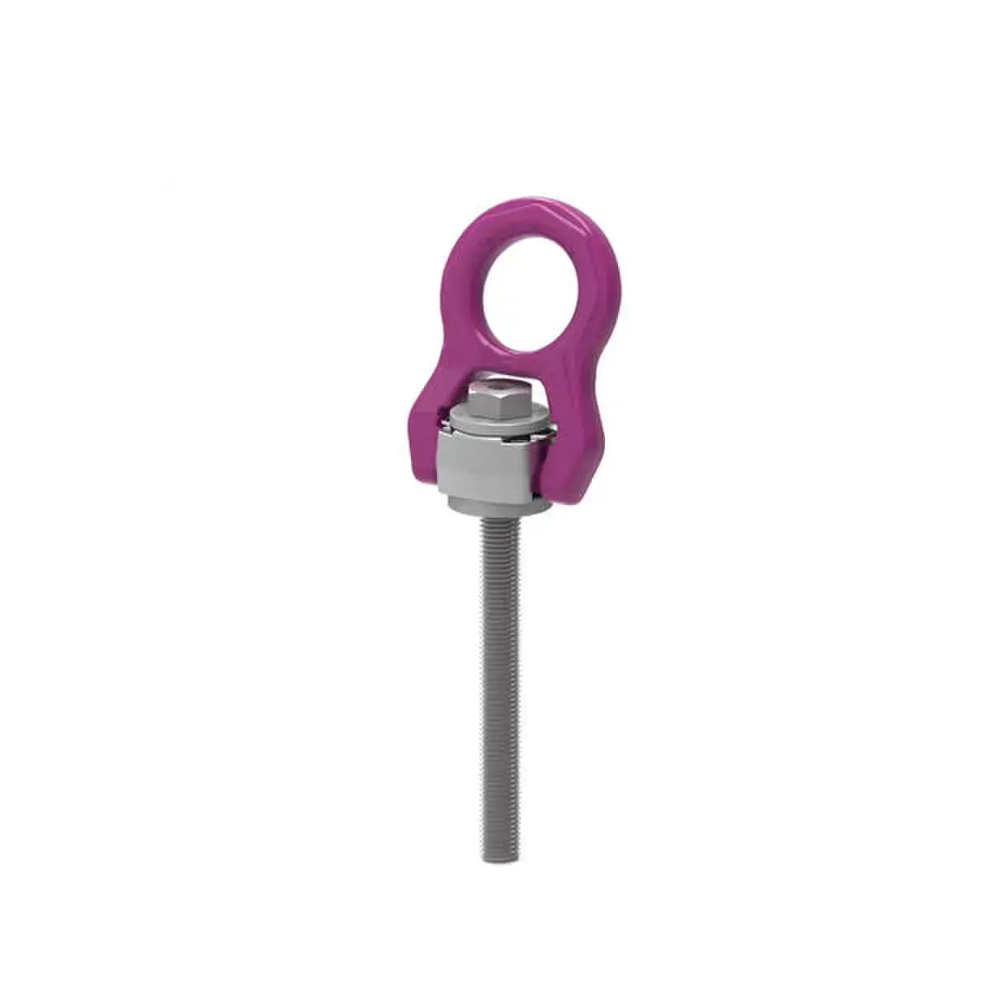
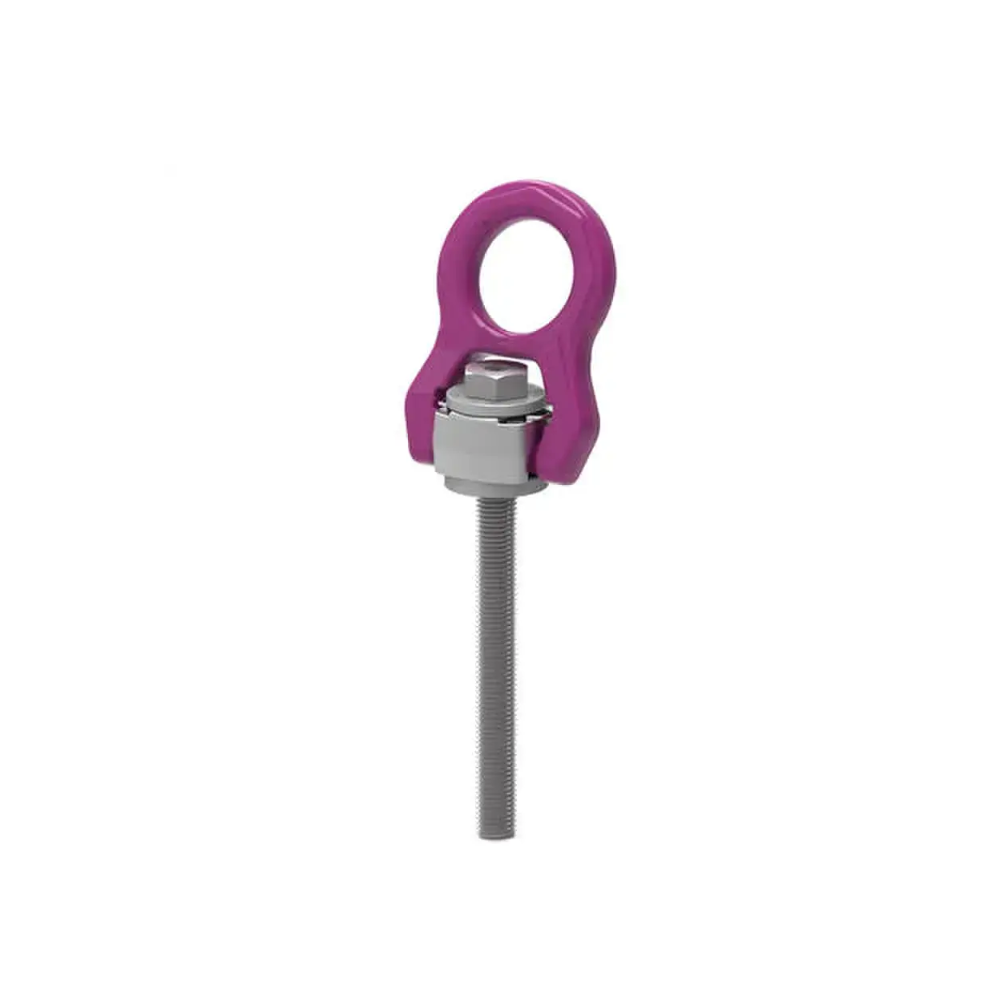
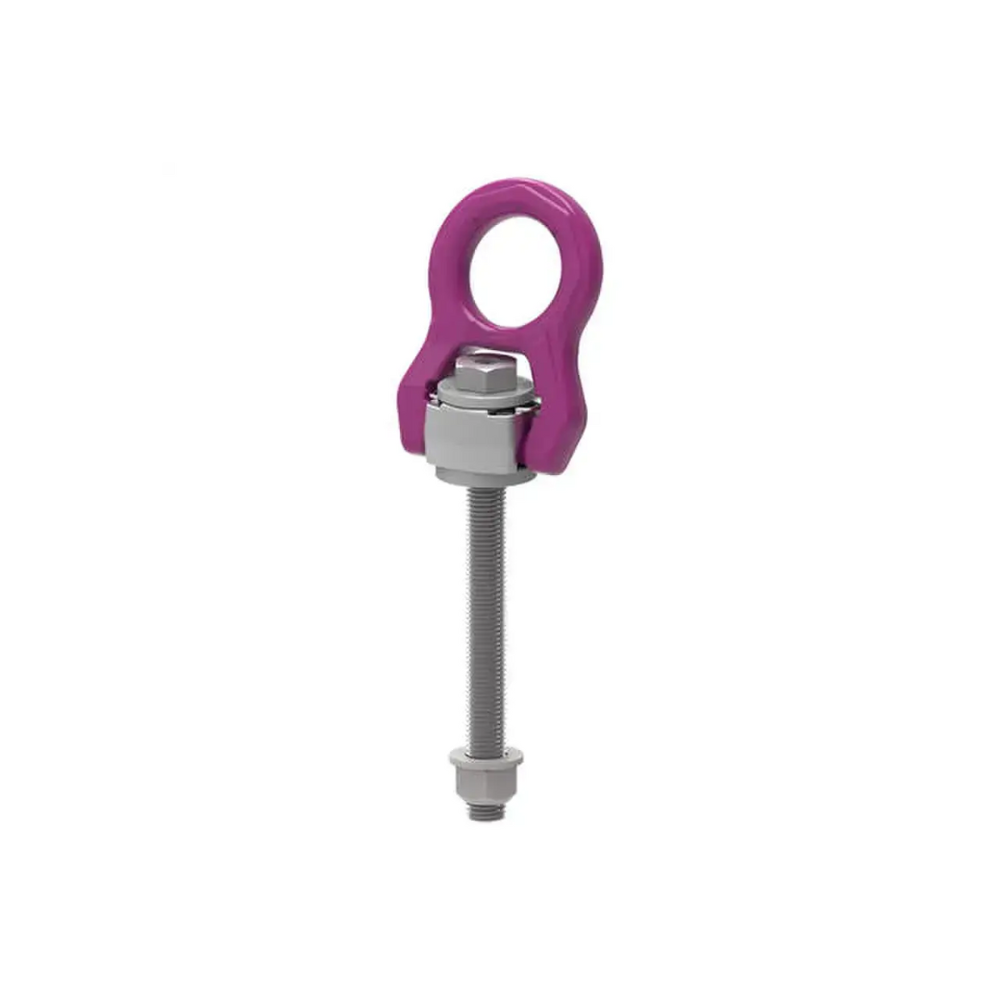
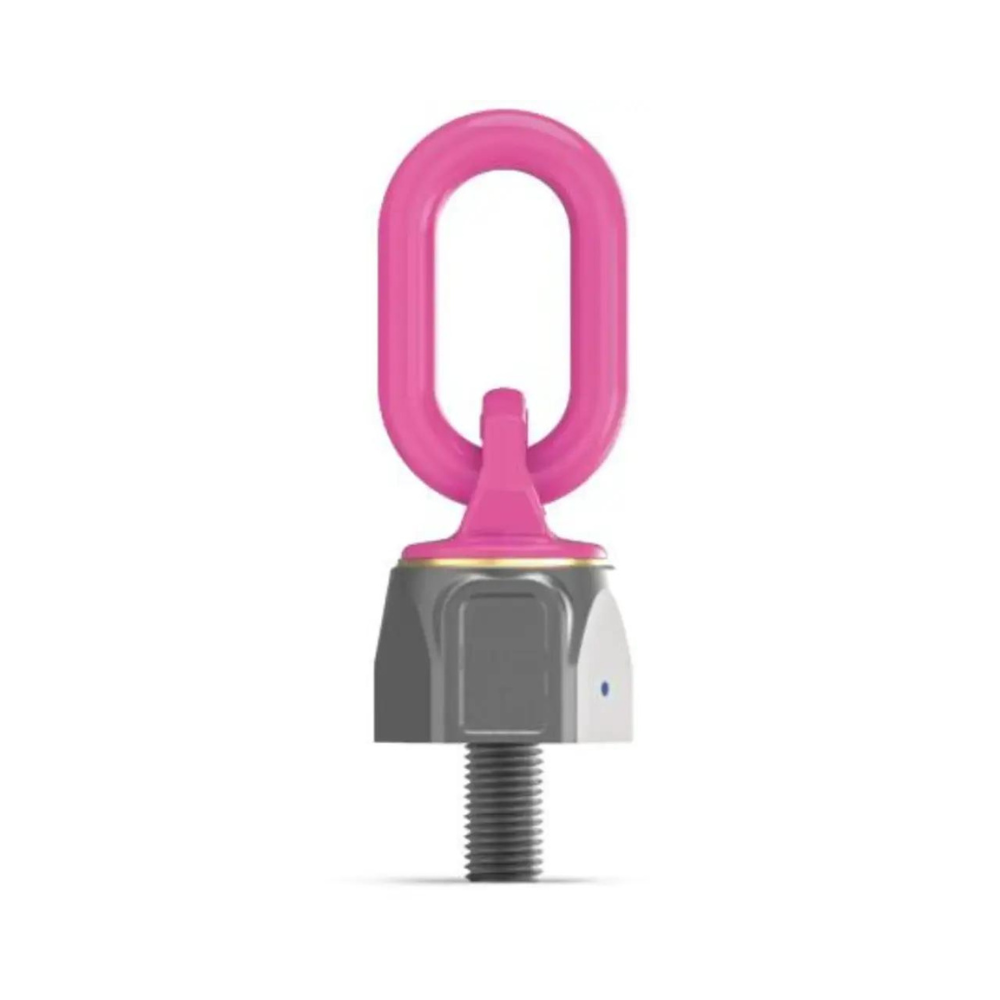
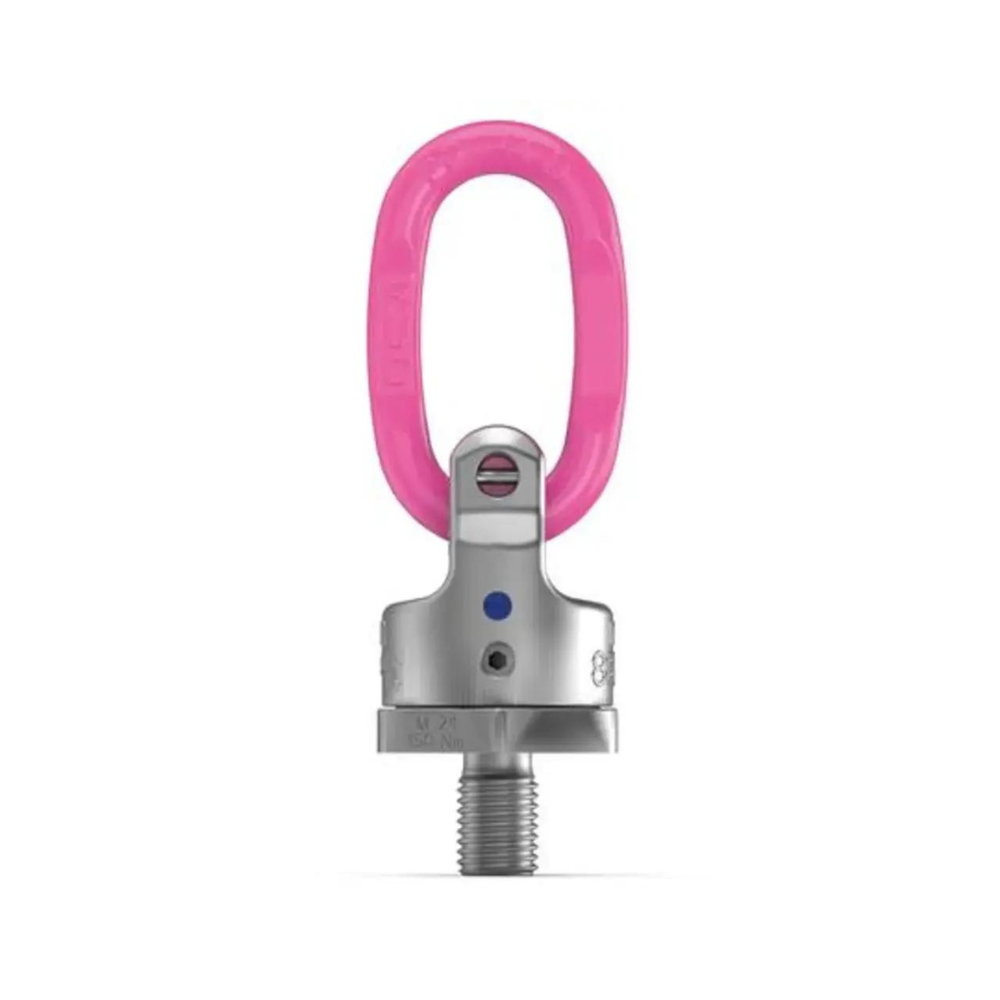
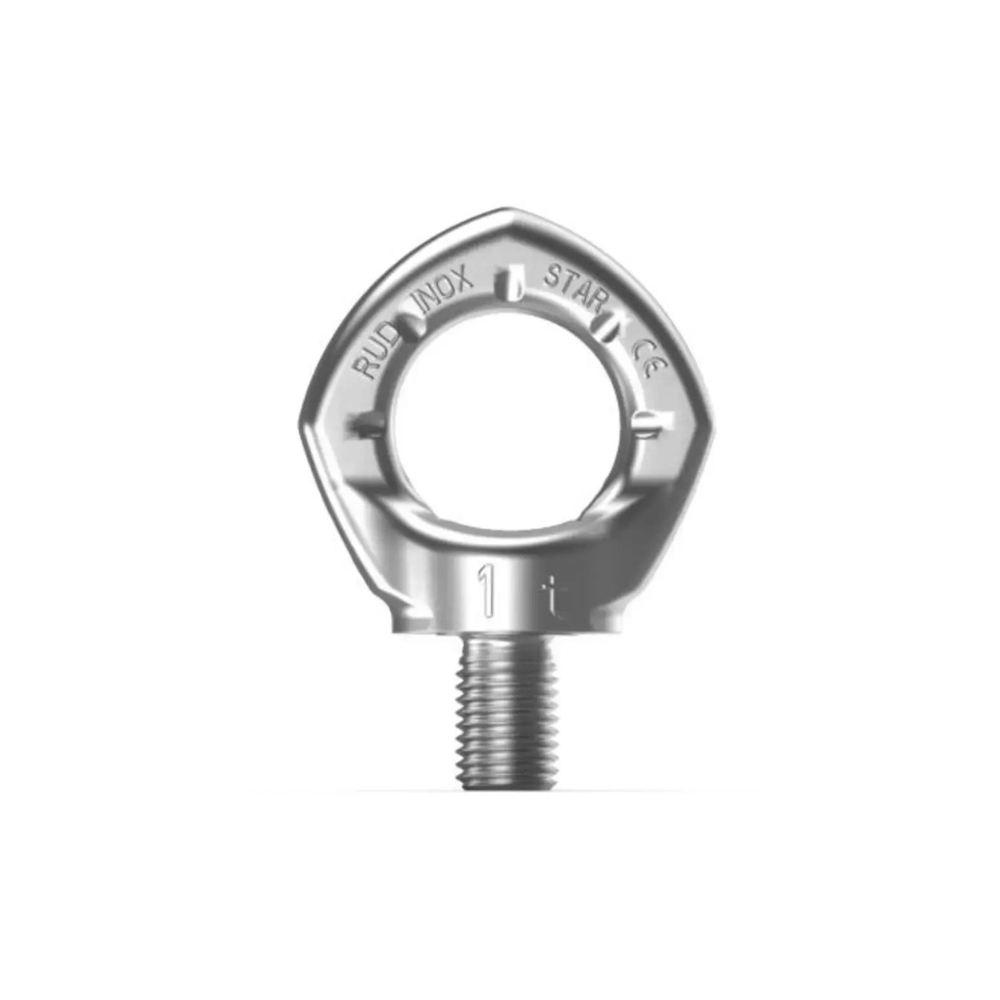
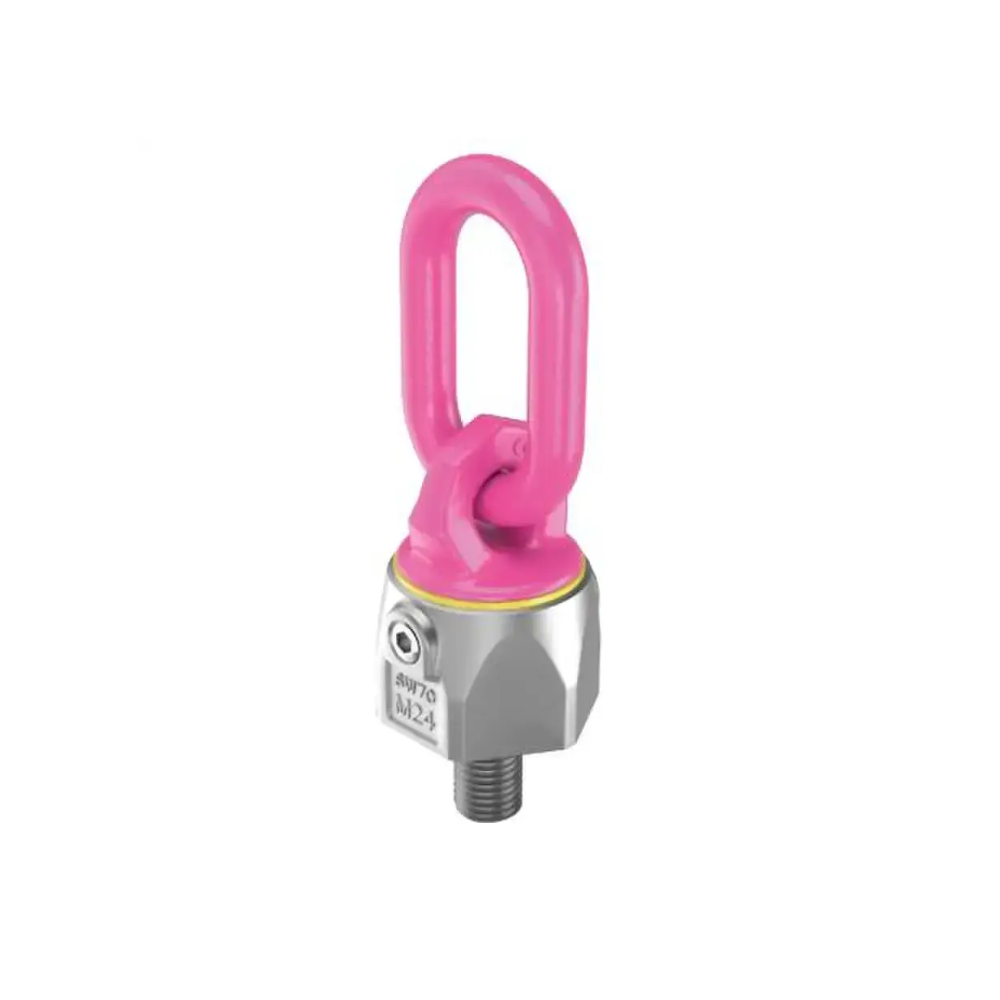
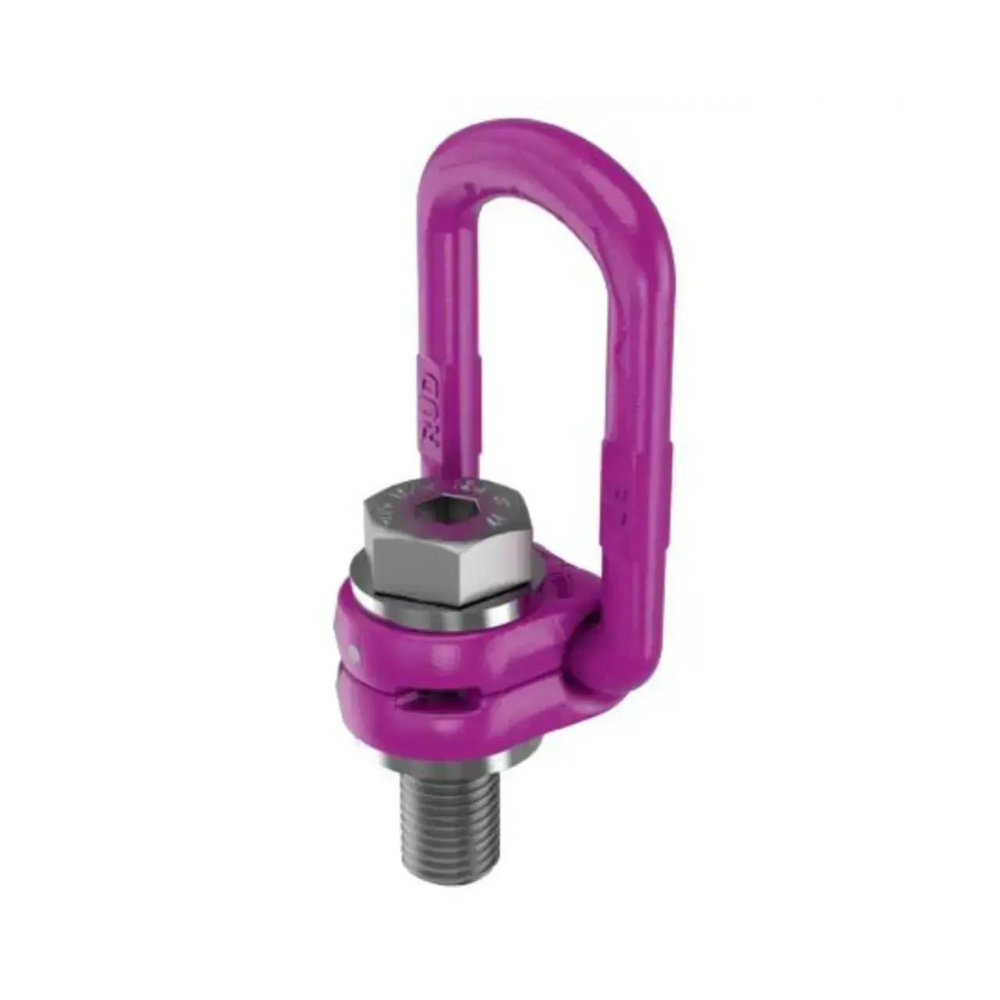
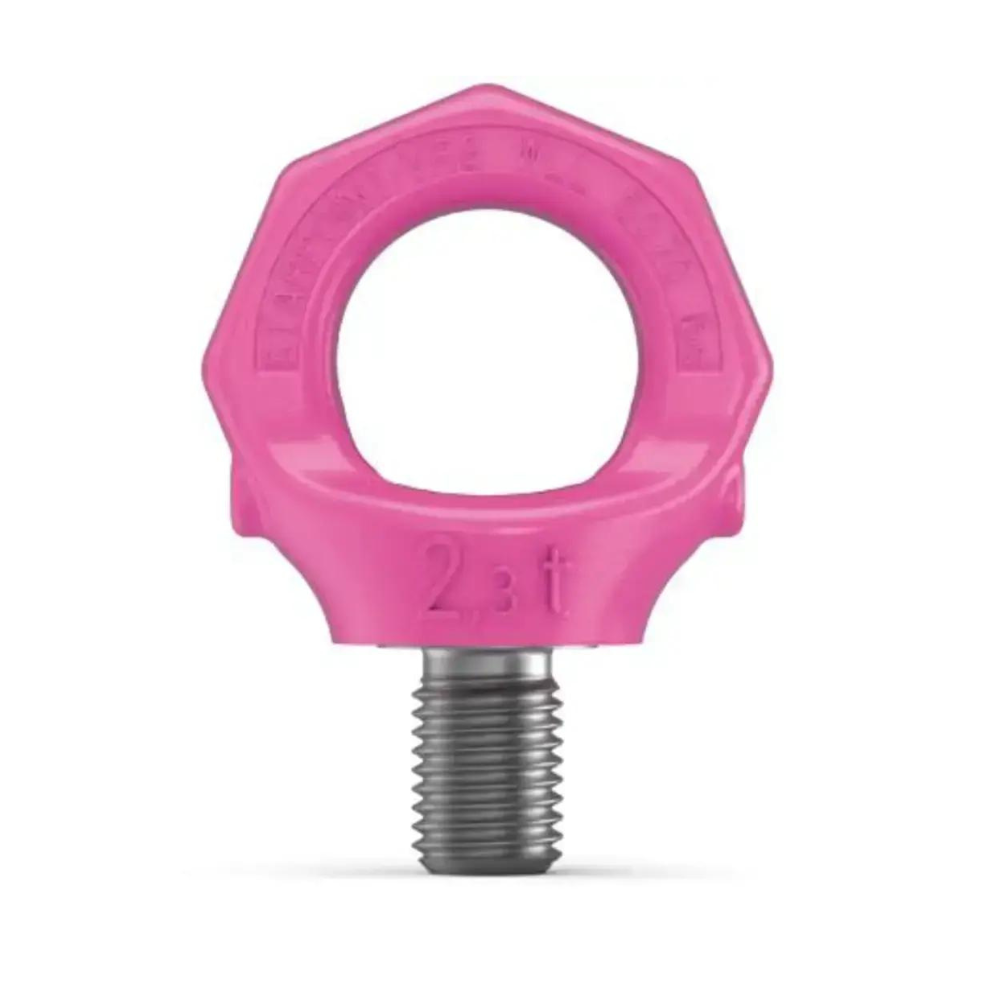
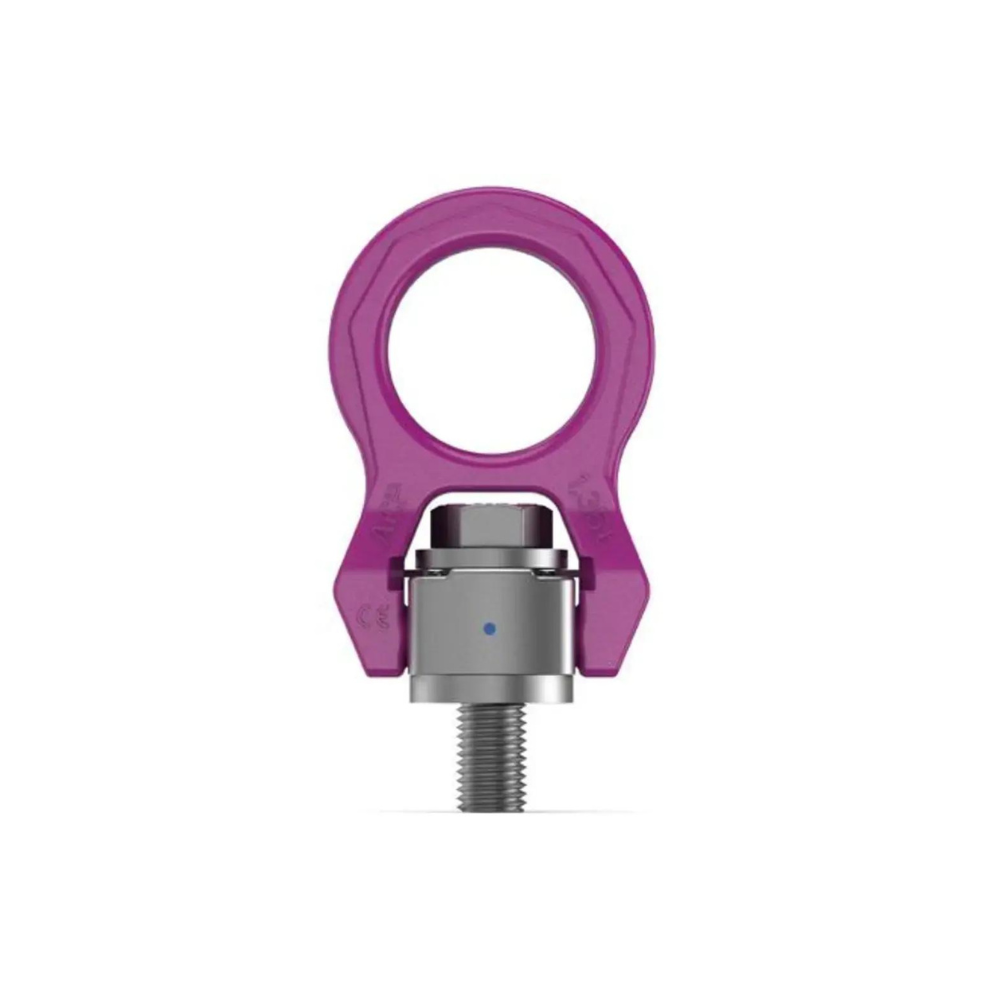
Three shapes of screw-in point, and how to tell them apart. Every product here threads into a tapped hole, but they solve the angle problem three different ways, and mixing them up is how loads get side-loaded. A fixed rated eyebolt, the VRS Starpoint, the VRM Starpoint eye nut, and the William Hackett HA lifting point, gives you a rated eye that seats and, in RUD's case, turns to face the pull once tightened, but a plain shoulder eyebolt still loses capacity fast off axis: figure 100% straight vertical, 80% at 15 degrees, 65% at 30 degrees, 30% at 45 degrees, and nothing past 45. An articulating load ring, the RUD VLBG and VWBG families, adds a captive bolt the ring swivels 360 degrees and pivots 180 degrees around, so it reaches full working load limit in any direction. A swivel hoist ring, Codipro DSR or the William Hackett HA swivel, does the same with a bail that rotates and pivots so the pull always lands in line. If your sling legs come in at an angle, which describes most multi-leg lifts, buy the ring or the swivel, not the fixed eyebolt.
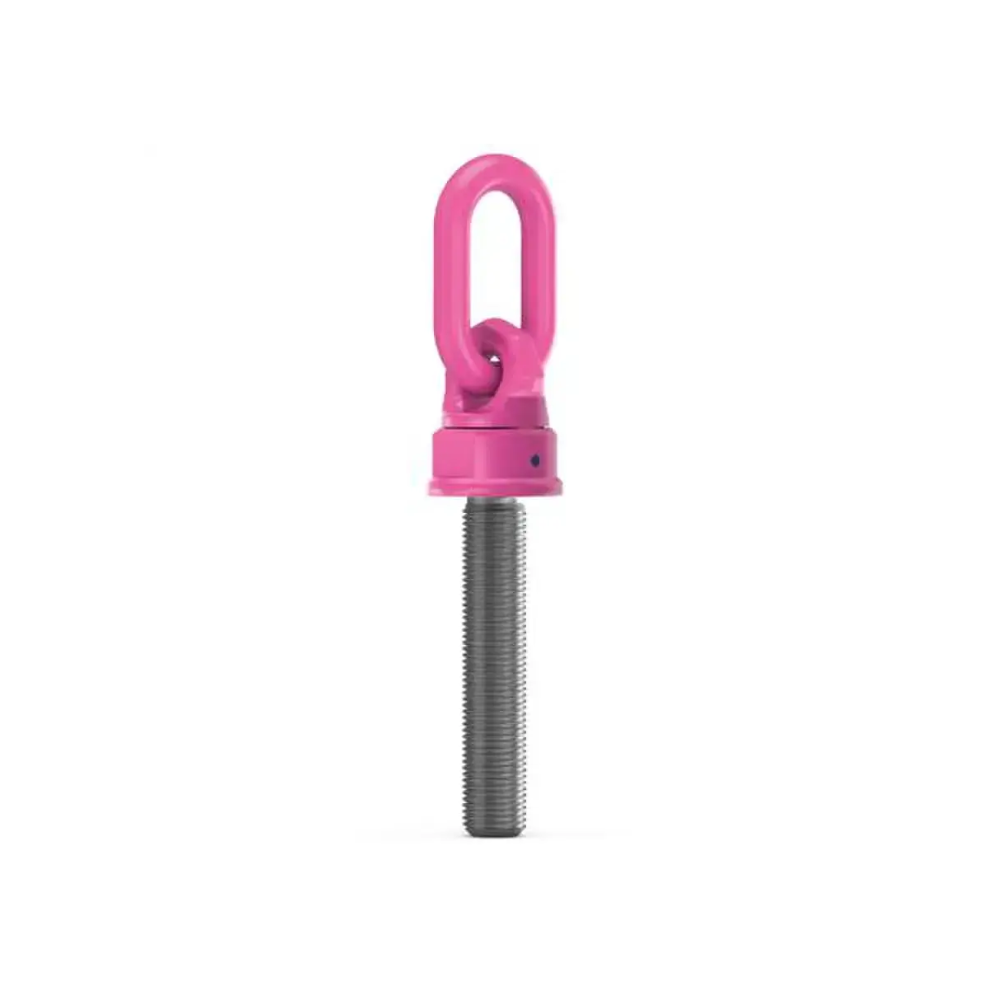
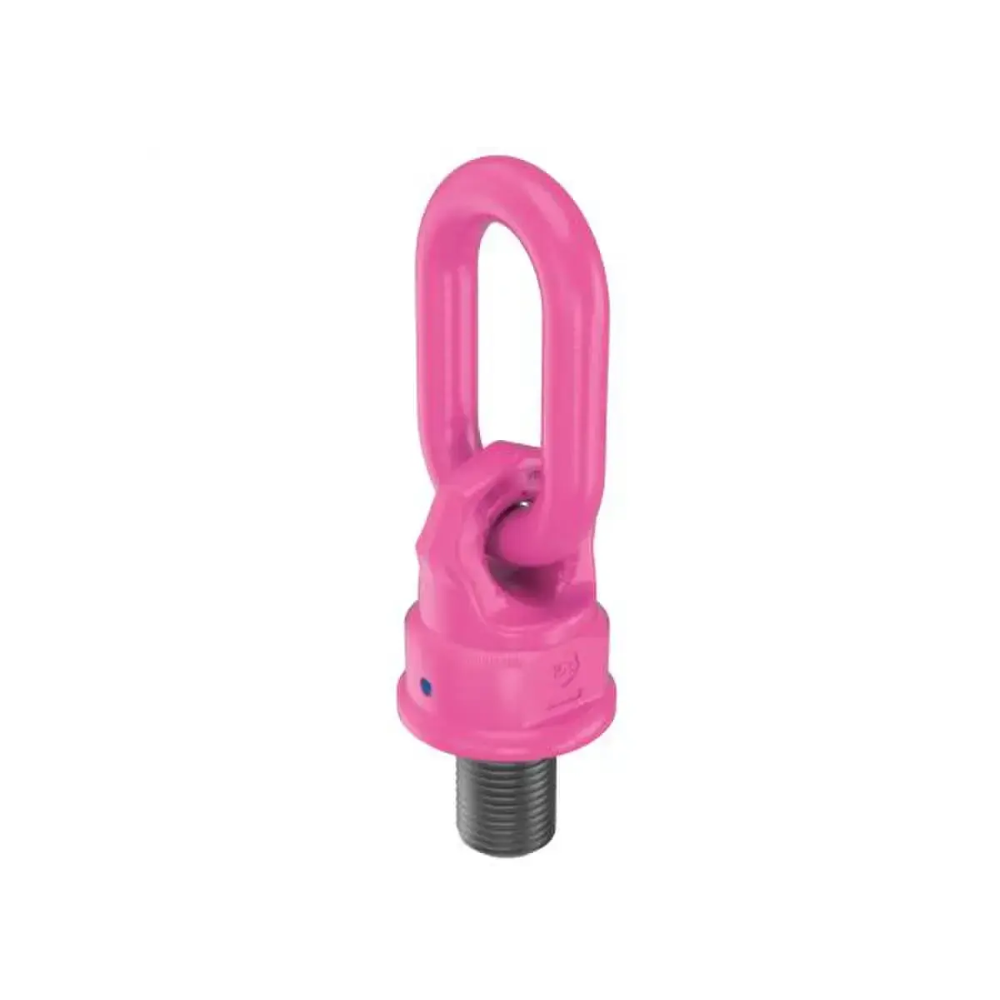
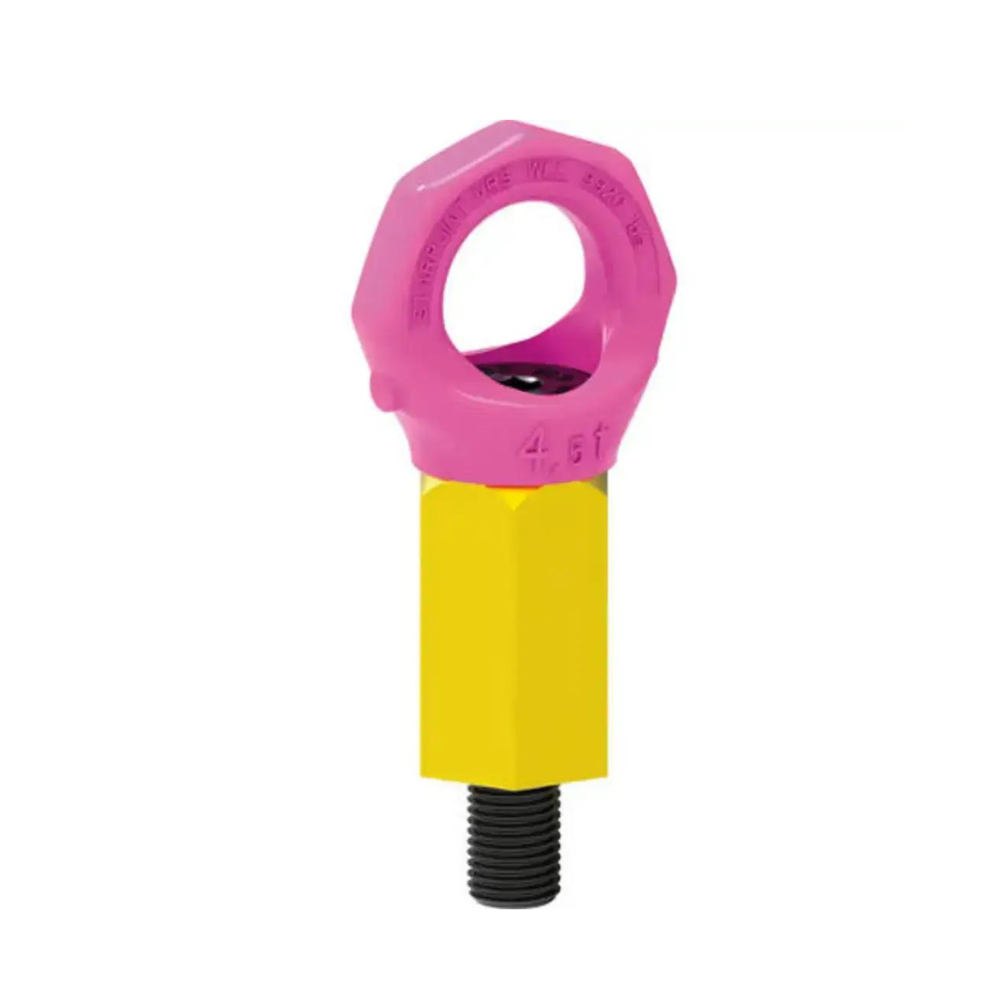
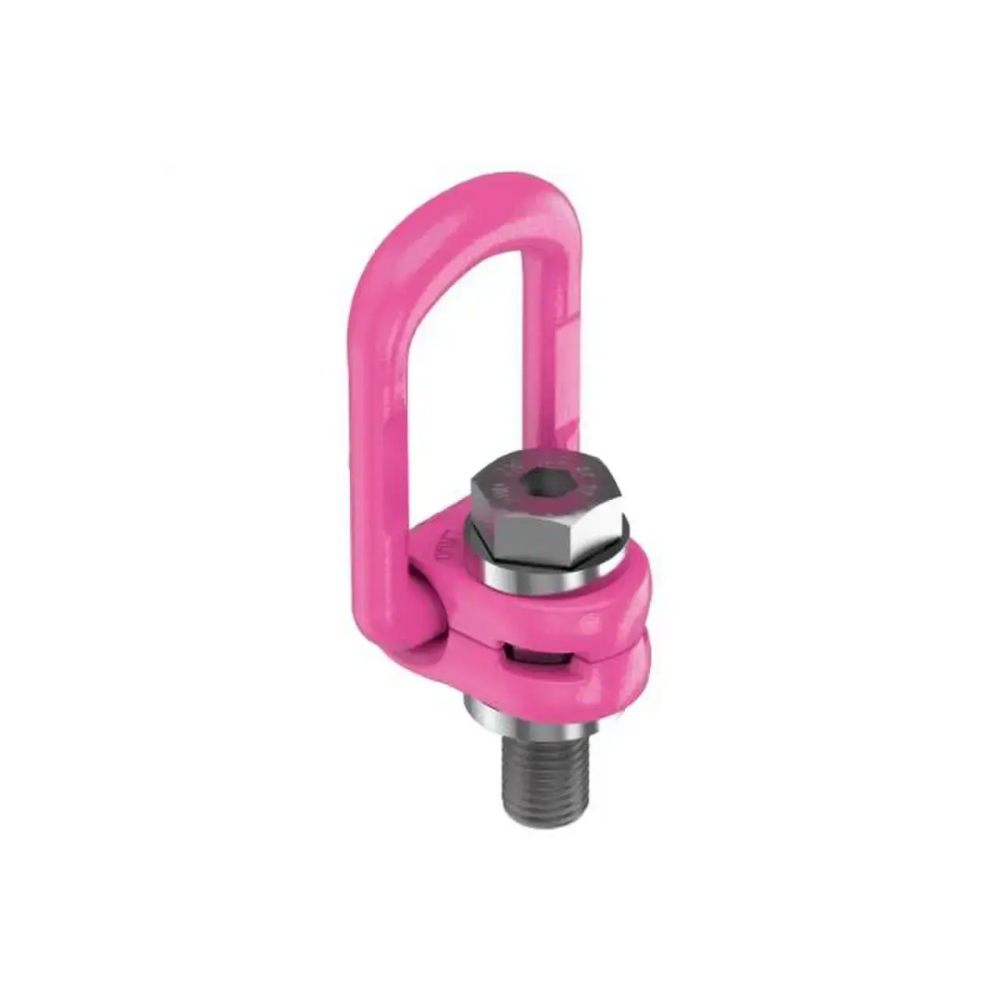
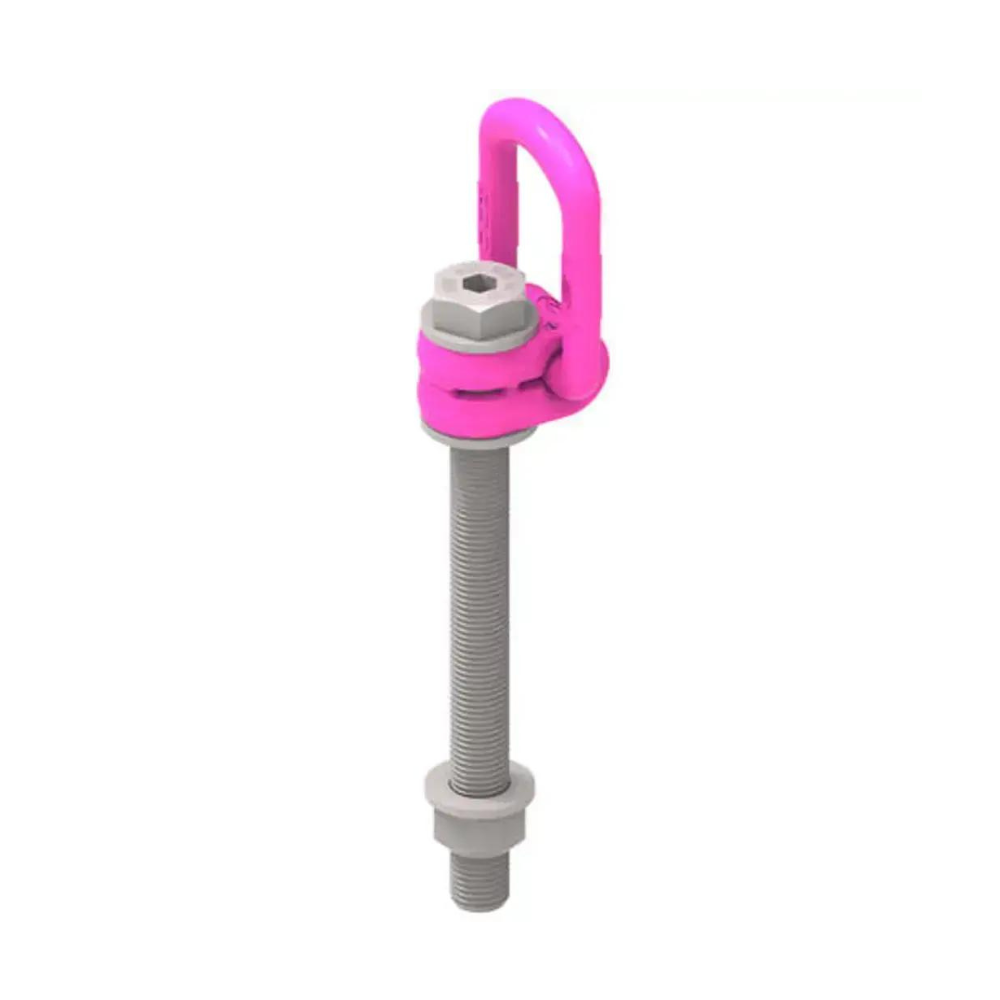
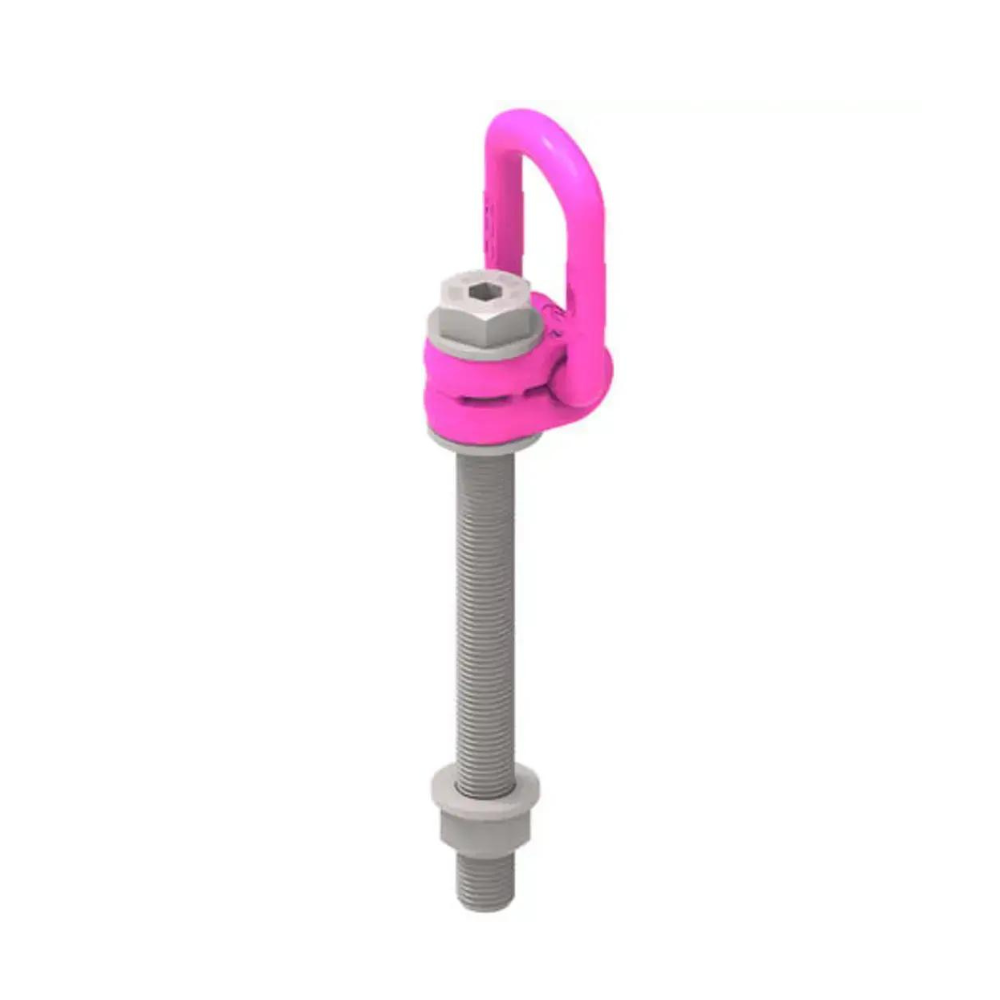
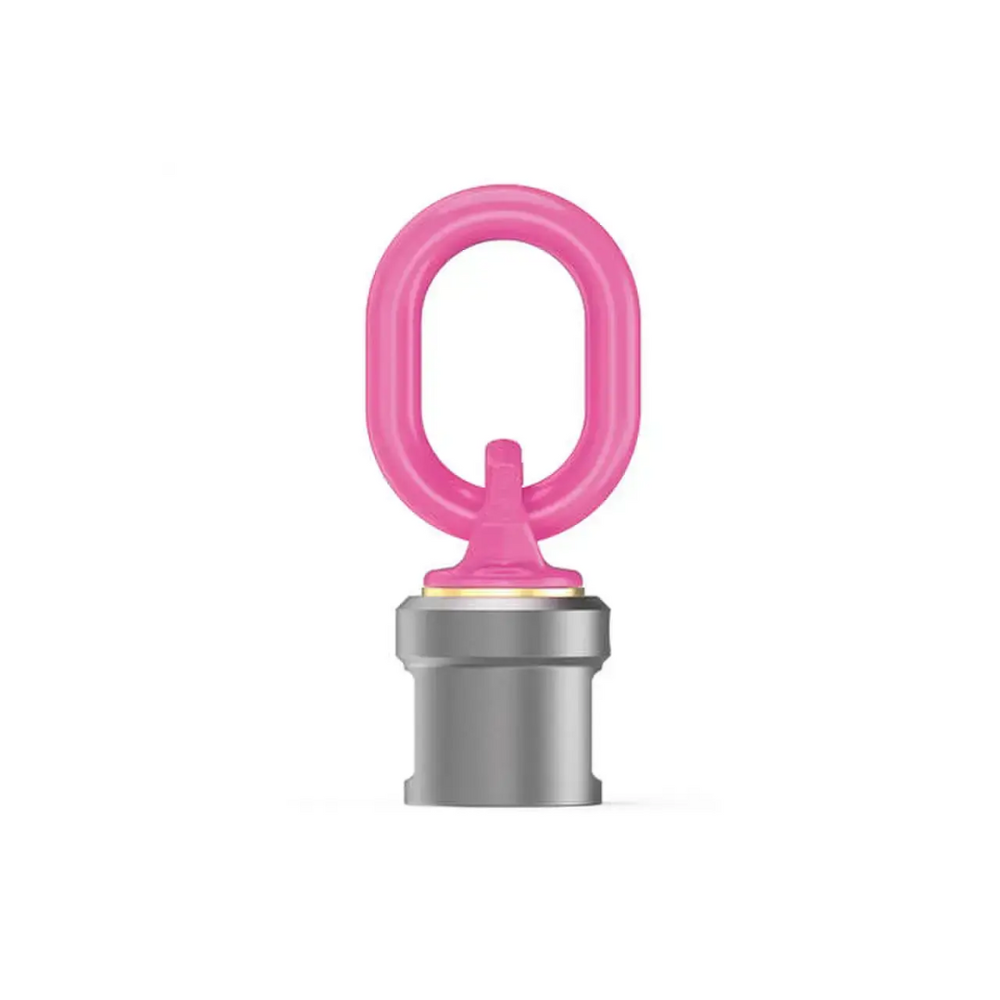
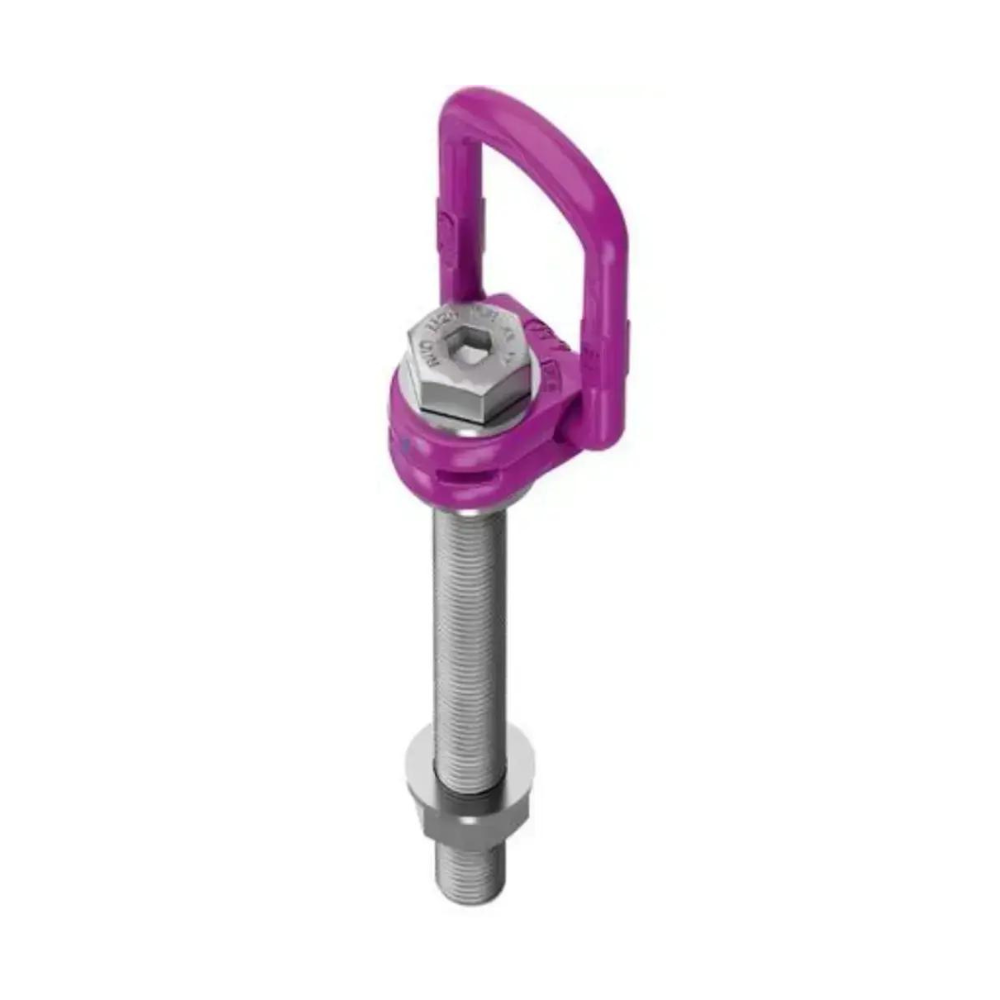
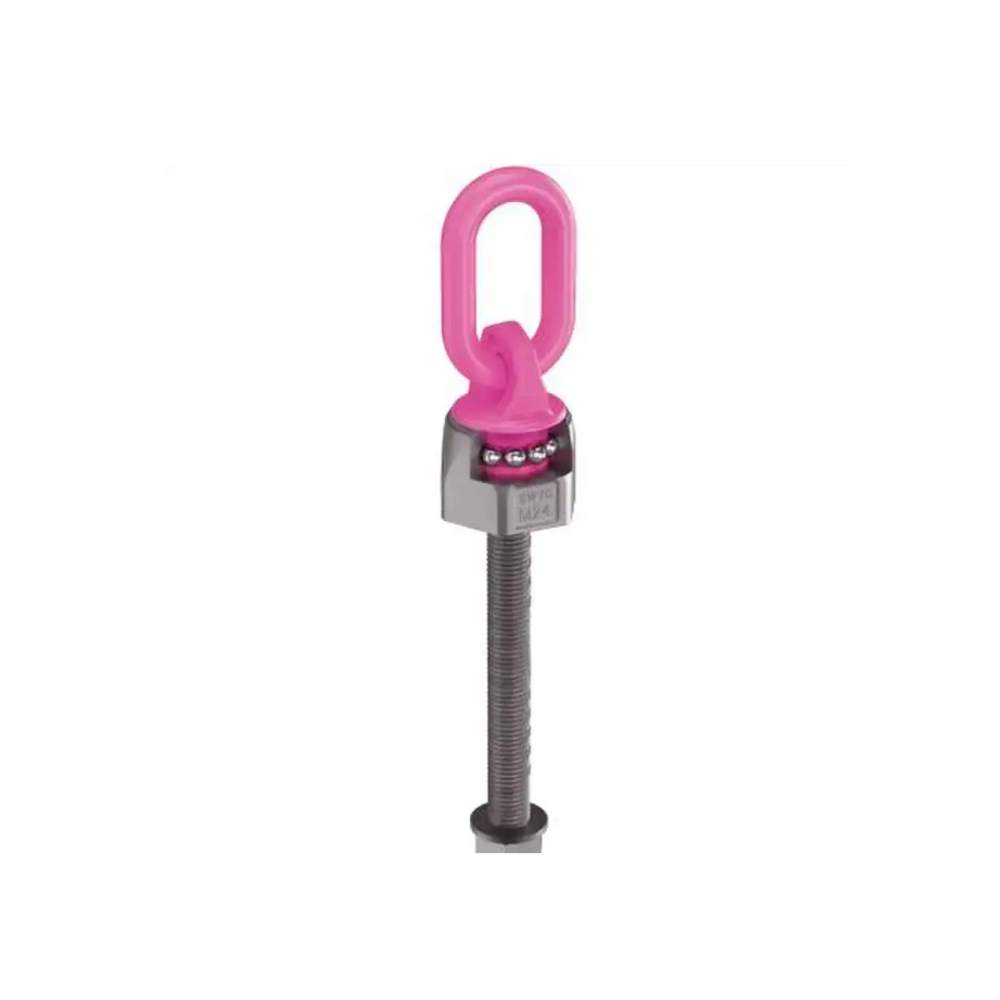
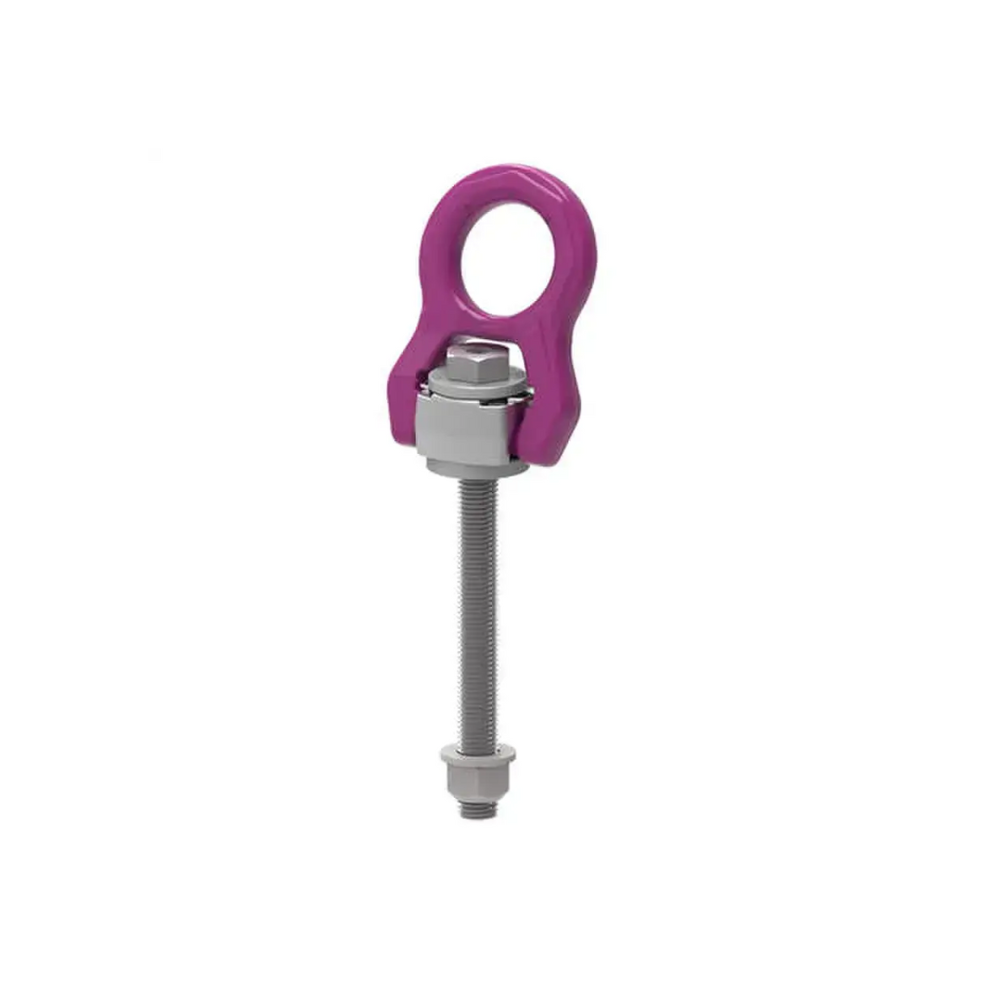
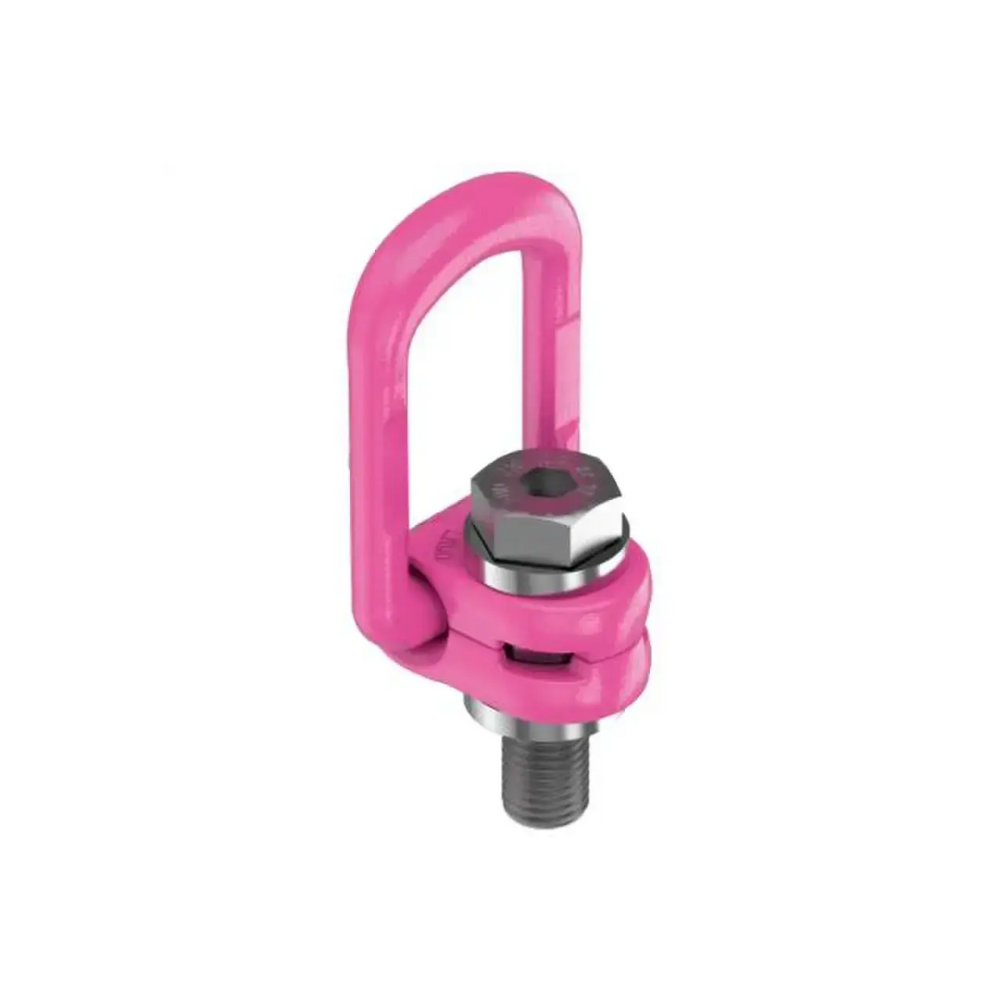
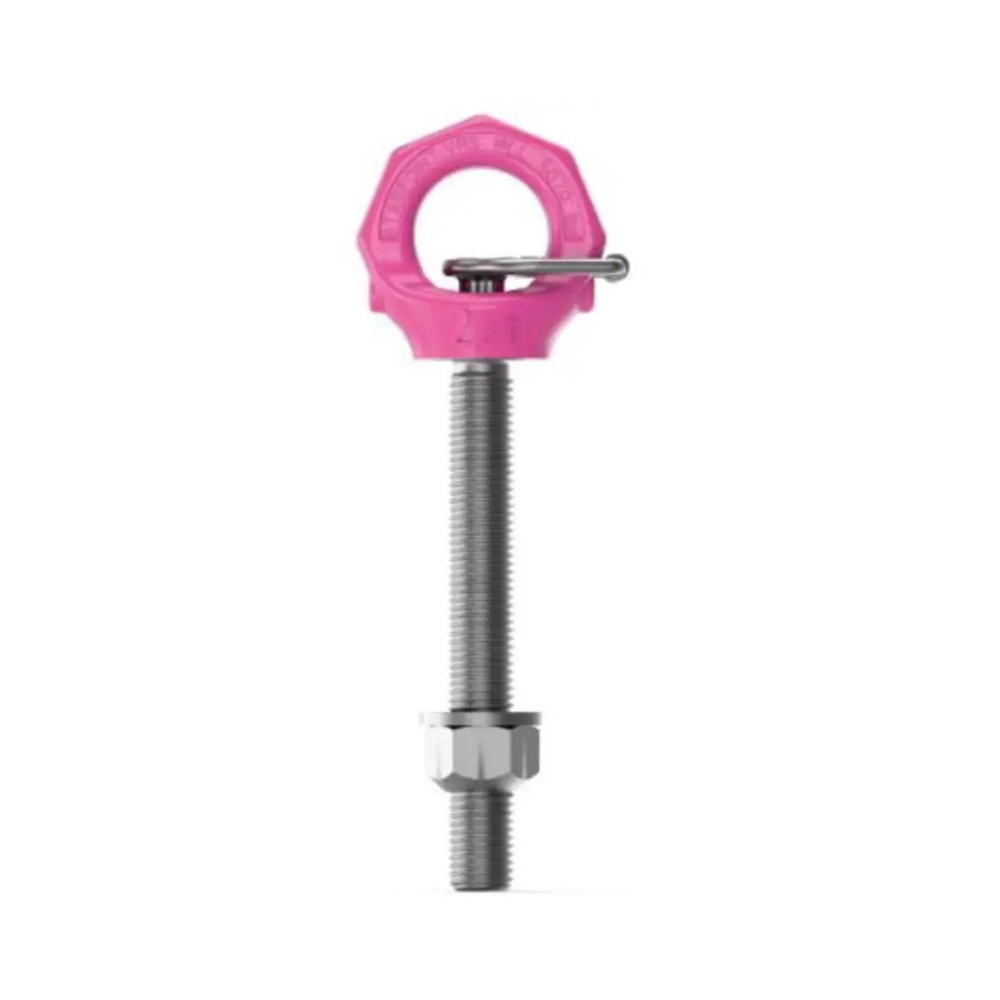
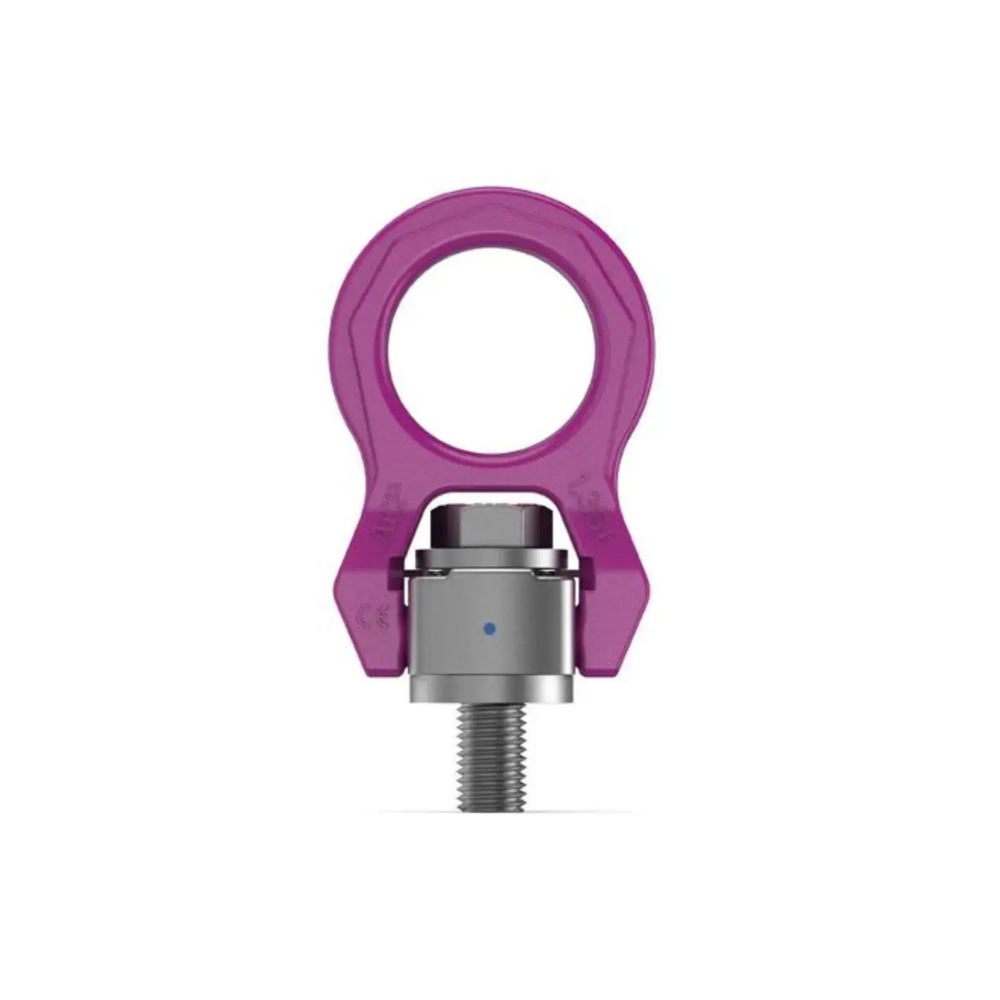
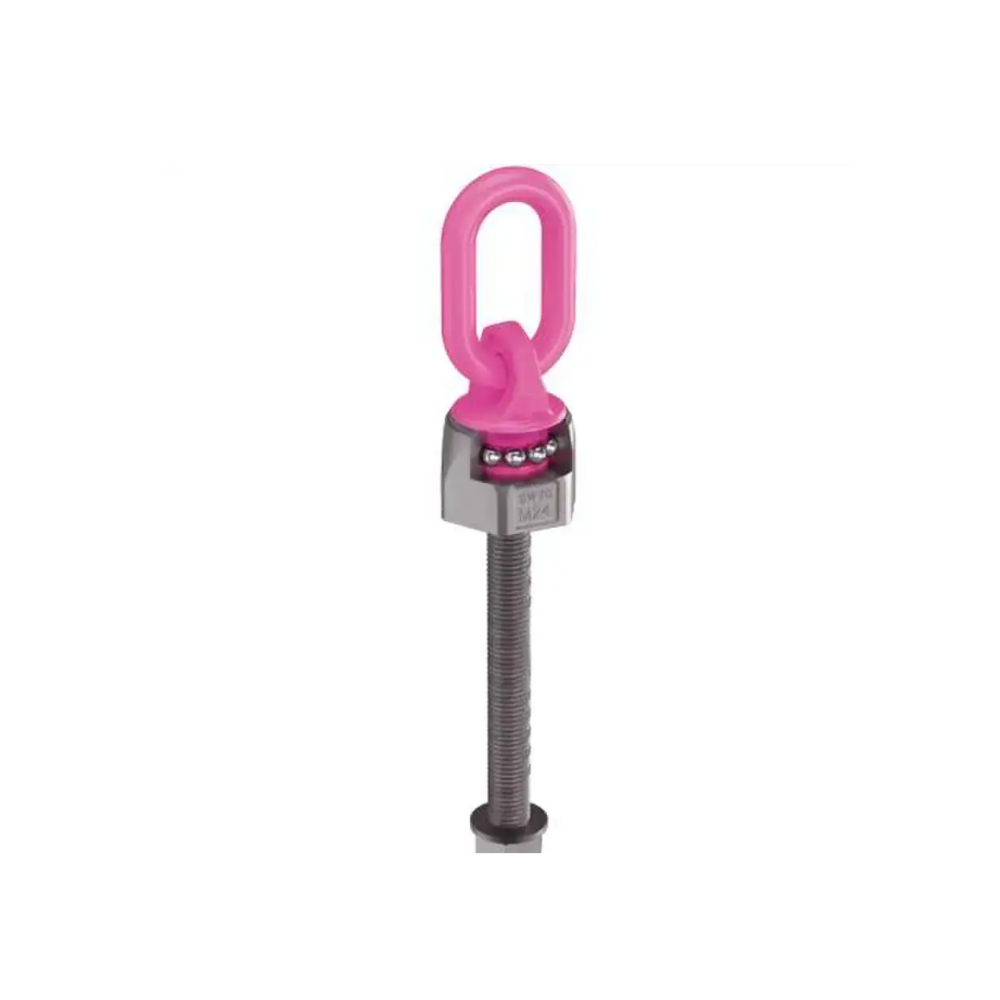
The RUD Starpoint and load-ring system, size by size. RUD builds the deepest range on this page and it is worth knowing where each part fits. The VRM Starpoint eye nut, $144 and up, threads onto a stud from M6 x 0.1t through M30 x 4.5t for the light and mid end. The VRS Starpoint eyebolt from $58 is the workhorse, offered M6 through M64 in metric plus UNC from $128, UNF at $240, and ISO 228 pipe thread from $334, with a ring that rotates to align with the load. Step up to the articulating rings when the pull moves around: the VLBG Load Ring covers 1.2 to 4t from $600, the VLBG-Plus stretches 0.63t to 20t (M8 to M48) from $246 on RUD's exchangeable ICE-Bolt, and the VWBG Load Ring carries the heavy metric end, M33 through M90, into four figures. For bolt-through mounting rather than a tapped blind hole, the VRBG load rings sit on a plate for bolting at 10, 16, 31.5, and 50t. All of the ring versions achieve full WLL in every direction, which is the reason to pay the premium over a fixed eye.
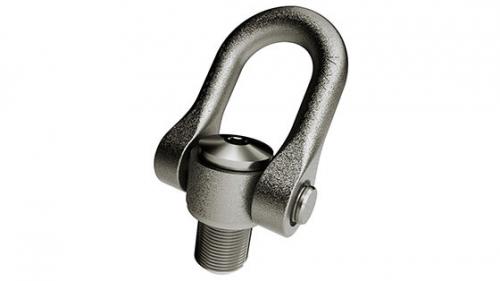
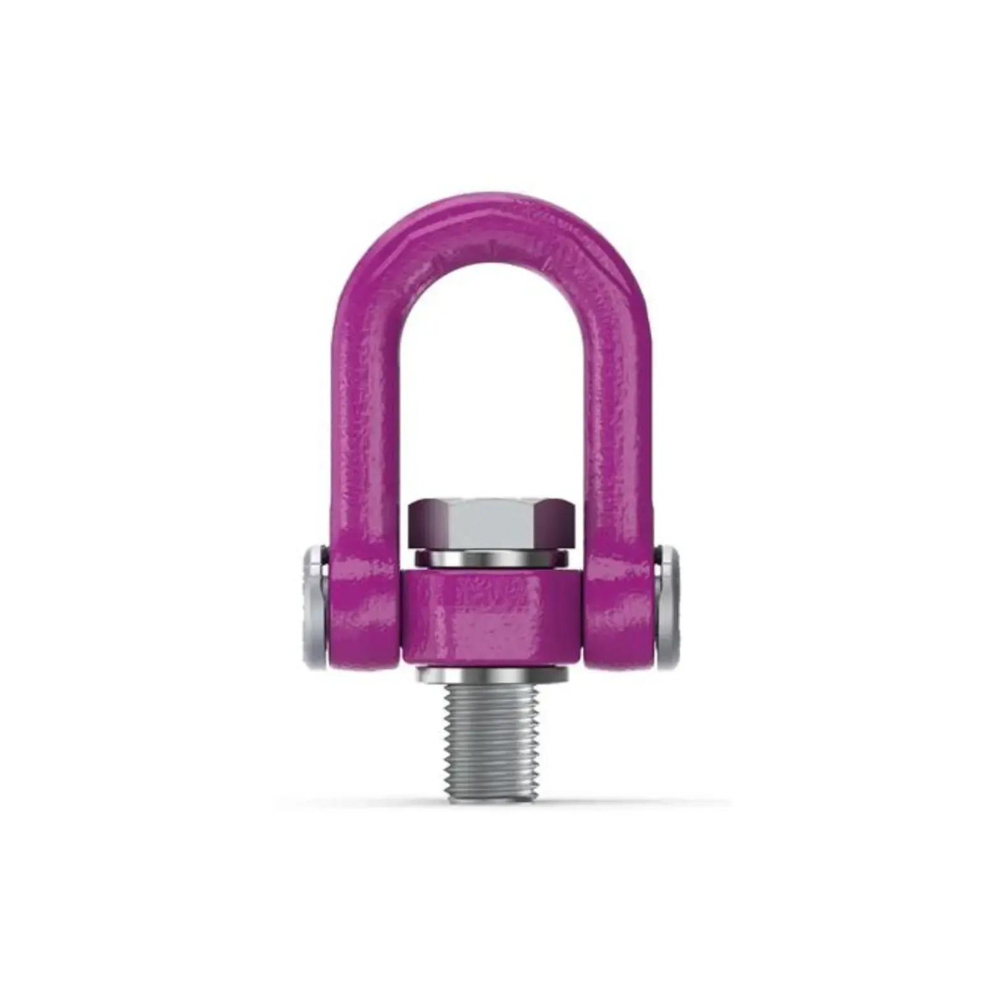
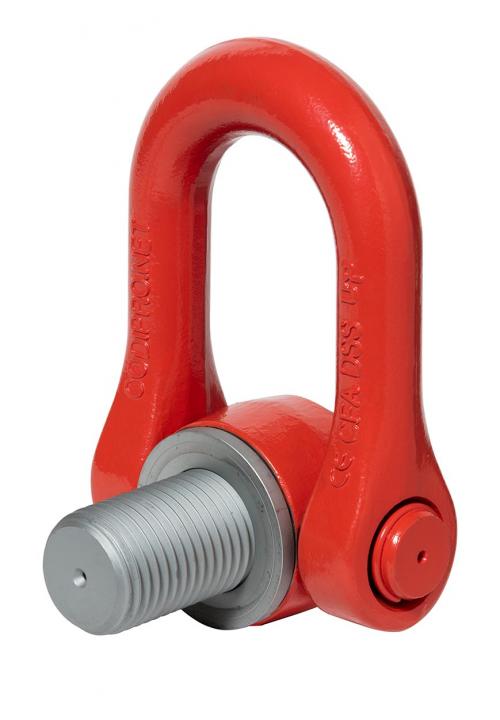
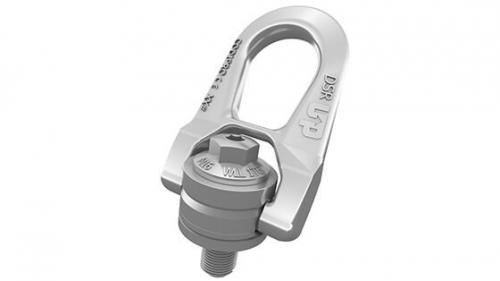
Codipro and William Hackett swivels for angled lifts. When the job is nothing but angled pulls, a dedicated swivel is the clean answer. The Codipro DSR Swivel Hoist Ring, from $104, threads M8 to M42 metric plus UNC 1/4 inch to 1-1/4 inch, and its bail carries the rated load through the full swivel and pivot range. The Codipro SEB Swivel Eye Bolt from $77 gives the same freedom in an eye-bolt profile, and the DSS swivel lifting shackle adds a shackle mouth for looping a sling or chain directly. William Hackett's HA line pairs a fixed HA lifting point, 0.63t to 4t from $58, with an HA swivel hoist ring from $77 that runs 2,200 lb at 1/2 inch UNC up to 11,000 lb at 1 inch. The swivel premium over the fixed point is small, and on any lift where the legs are not vertical it pays for itself the first time. The lifting shackles that connect these points out to the sling live one collection over.
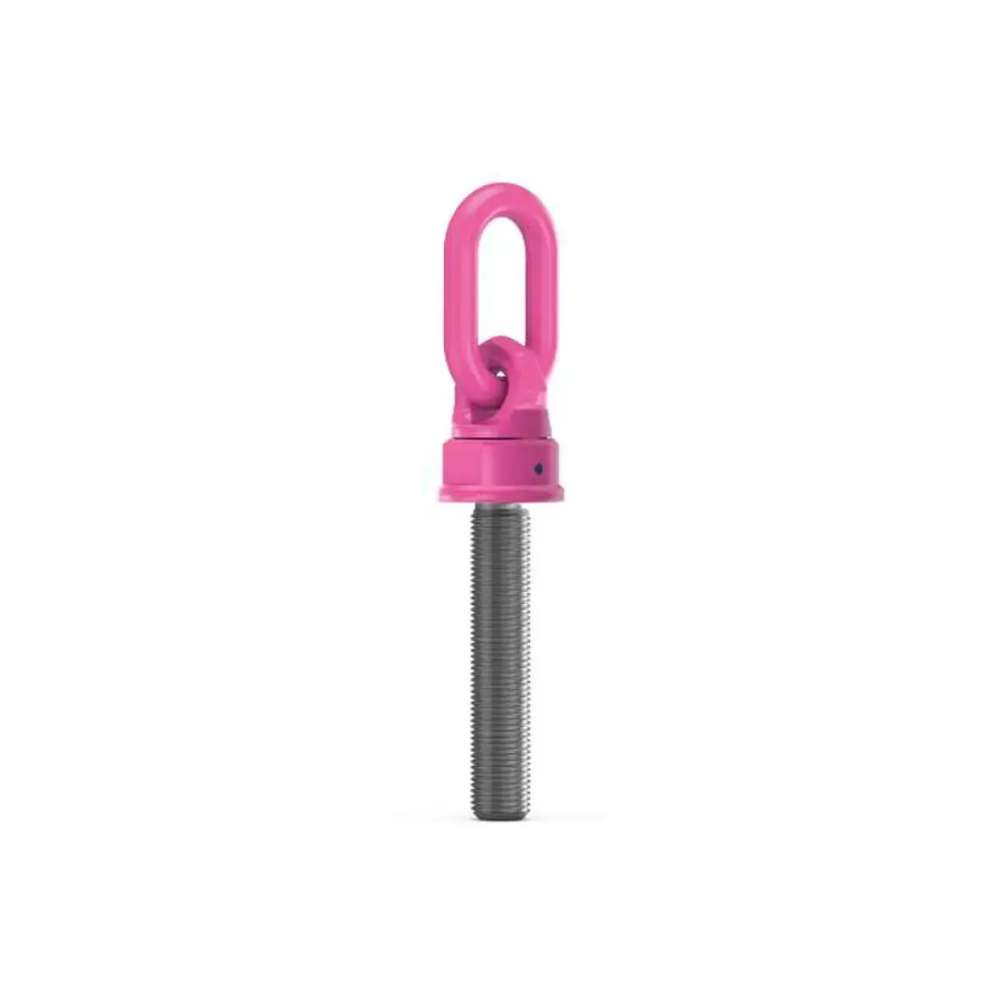
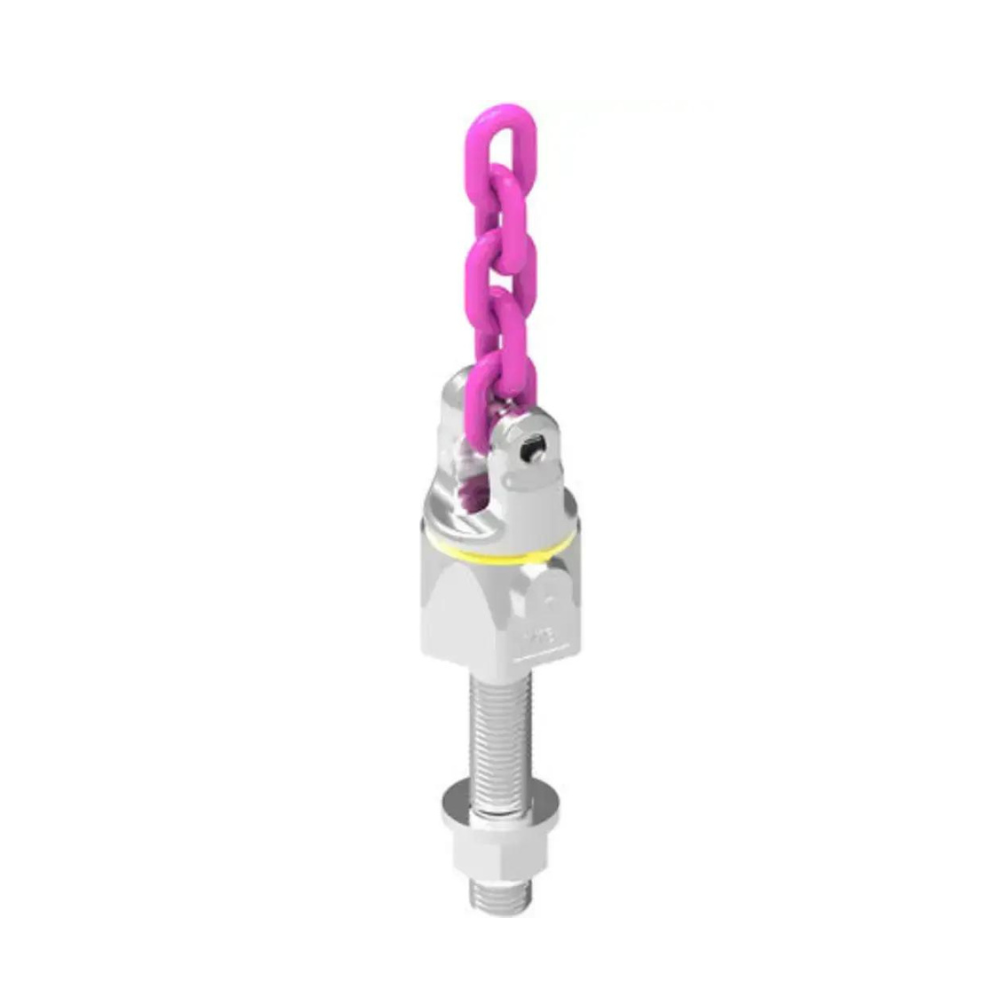
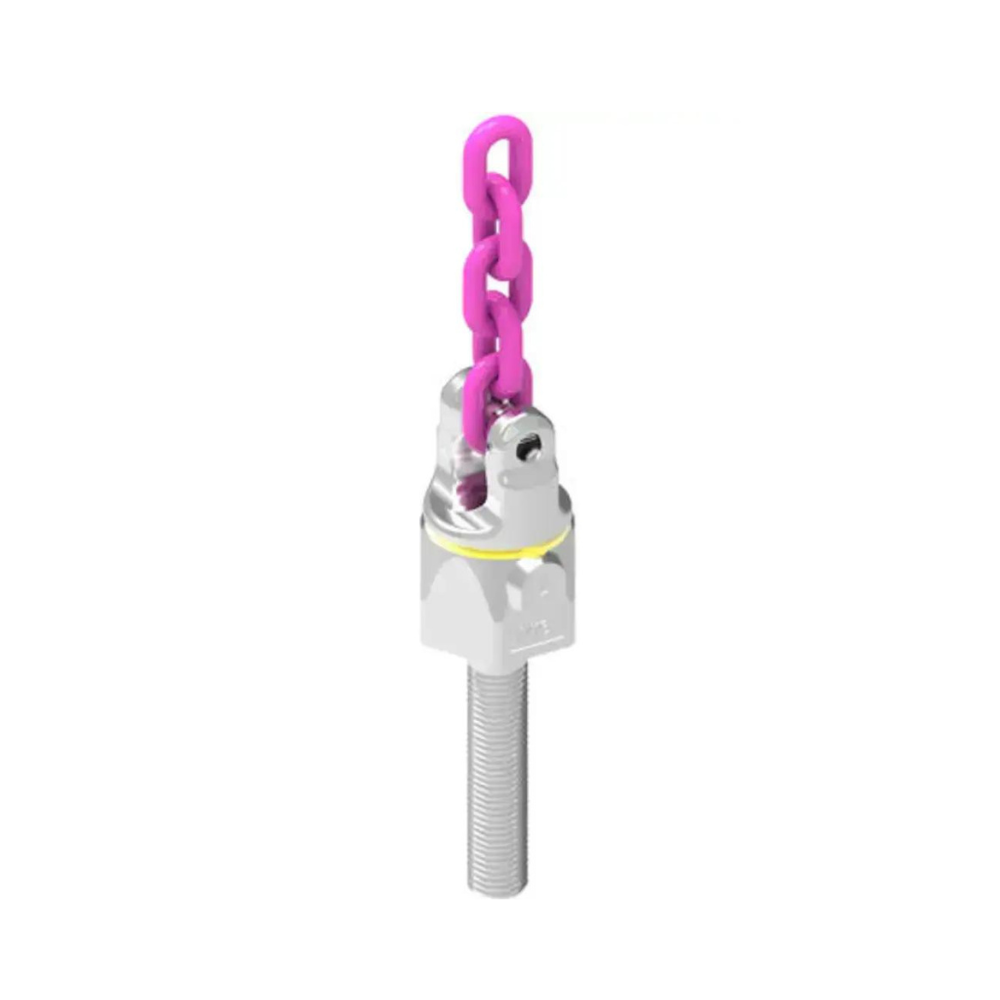
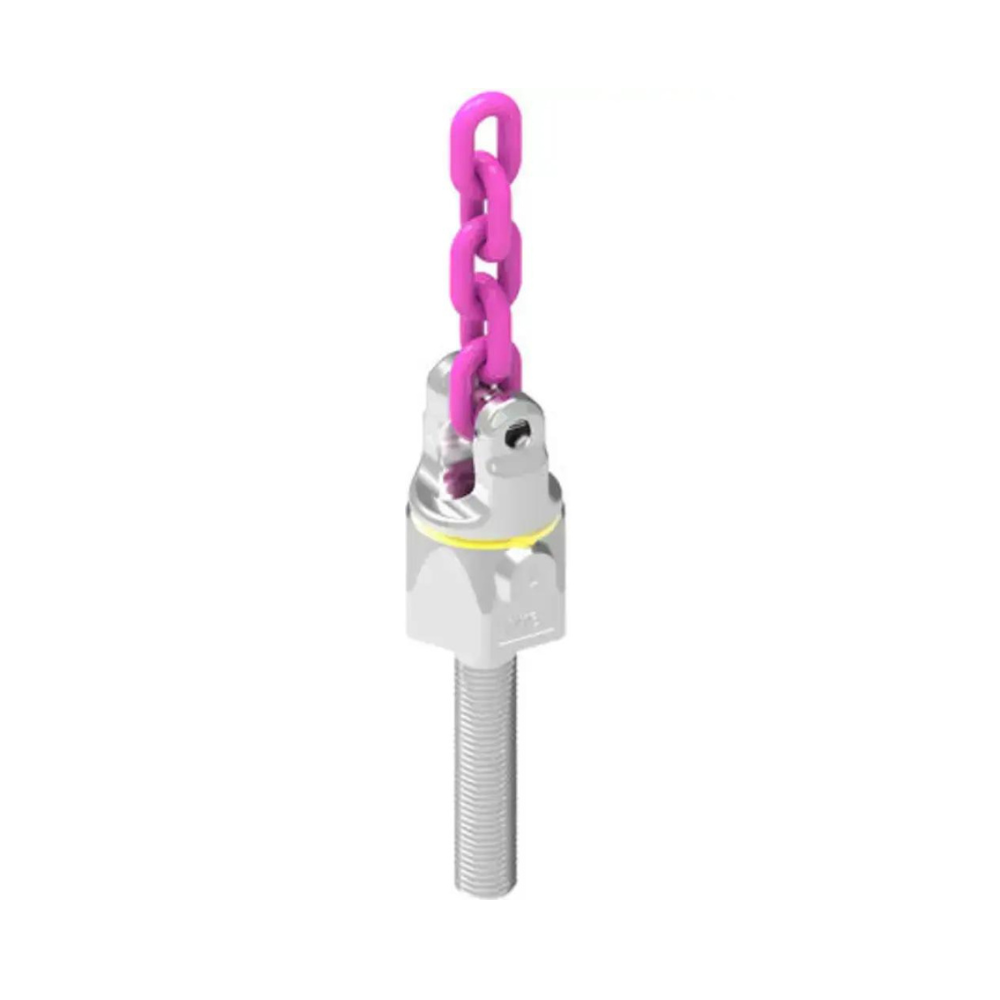
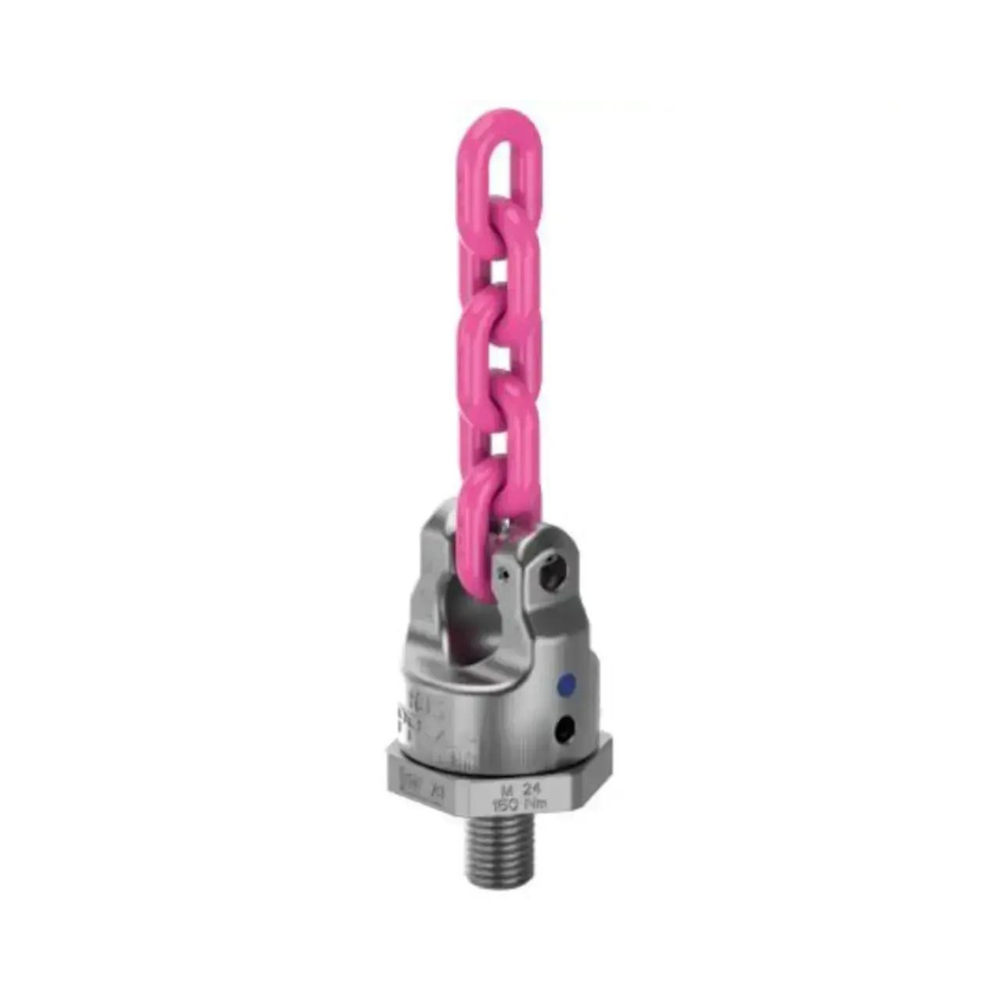
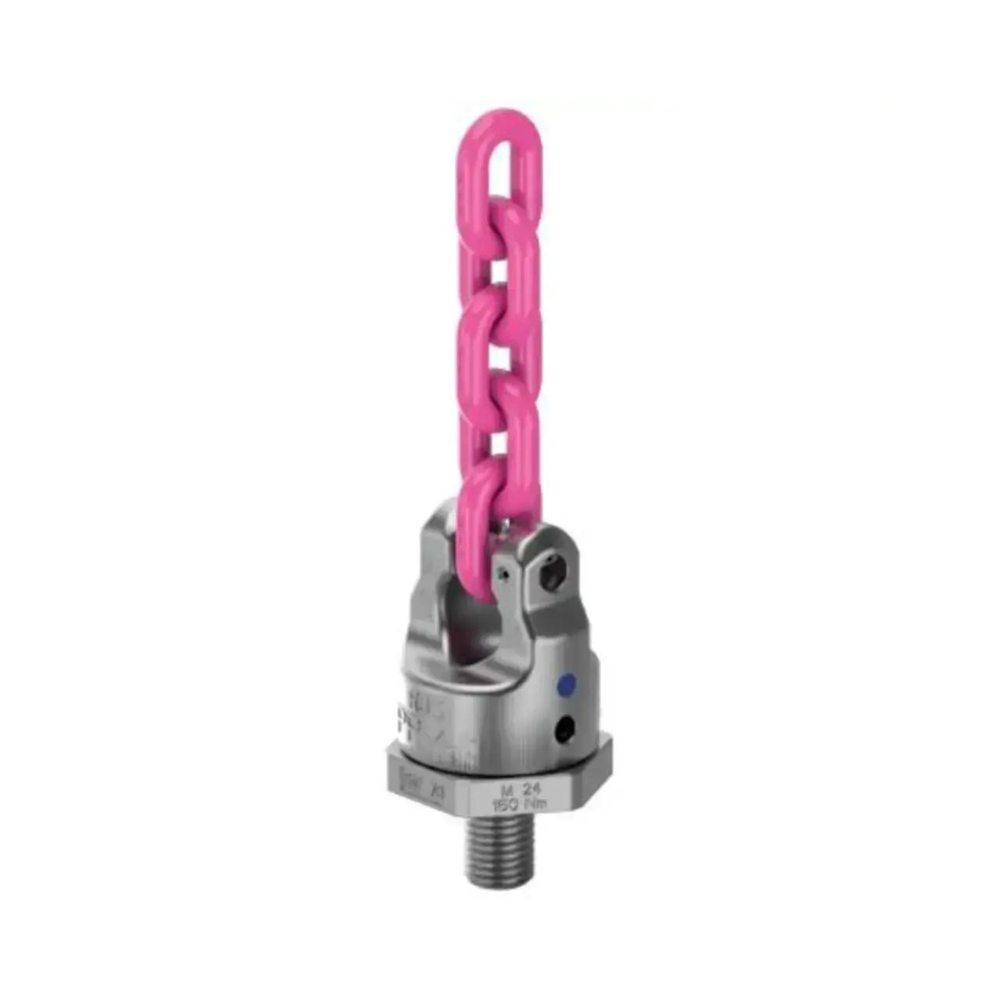
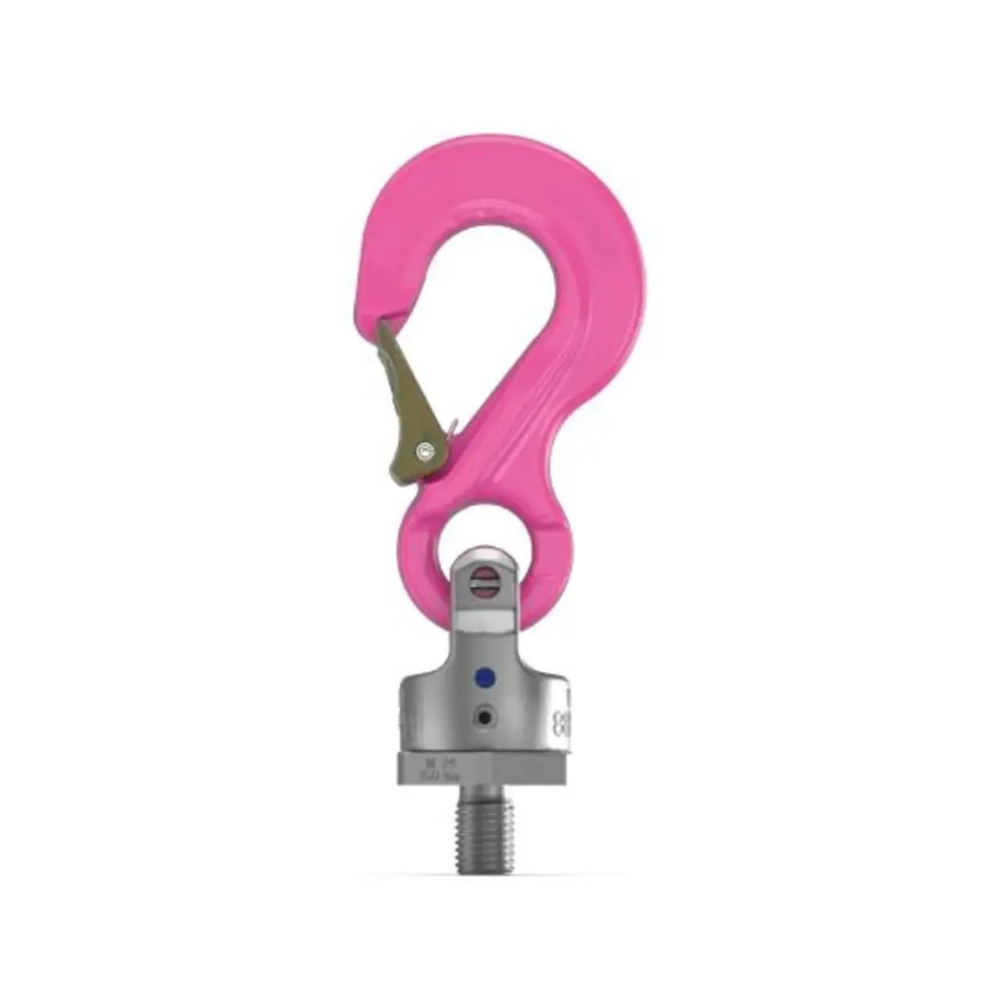
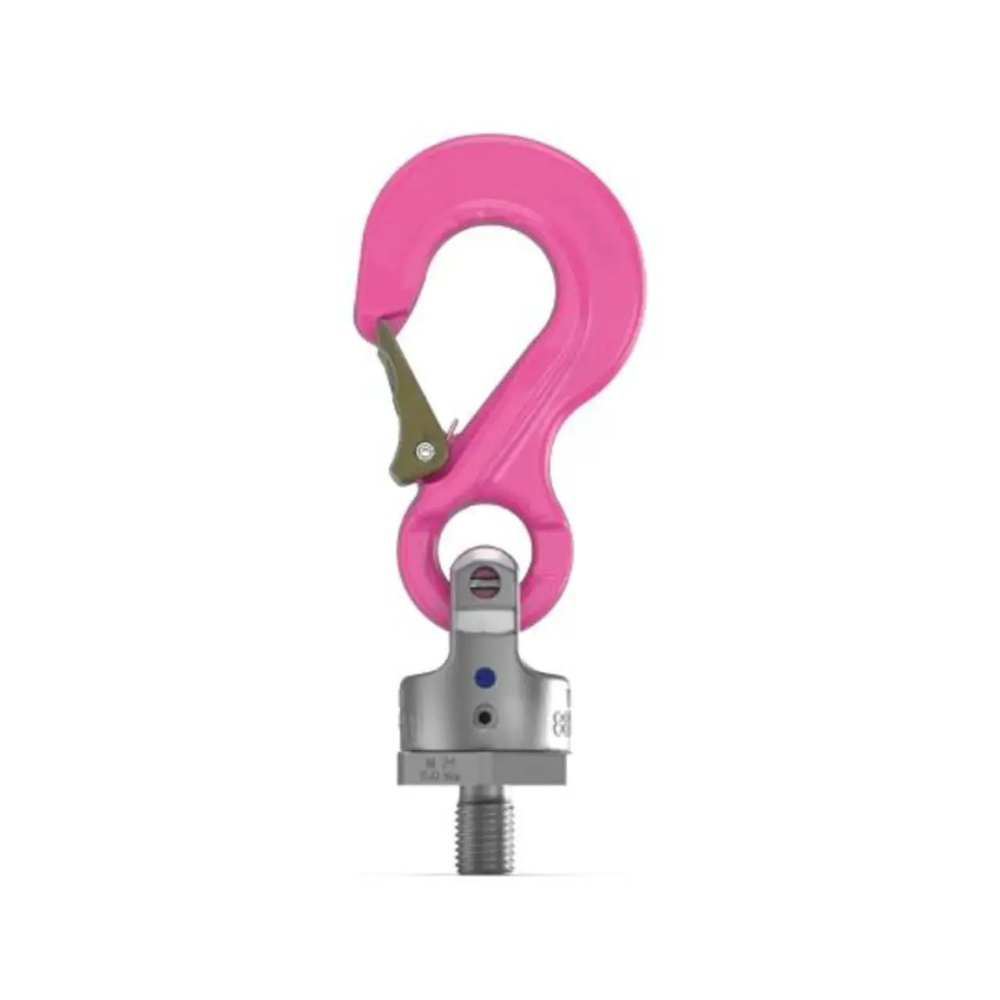
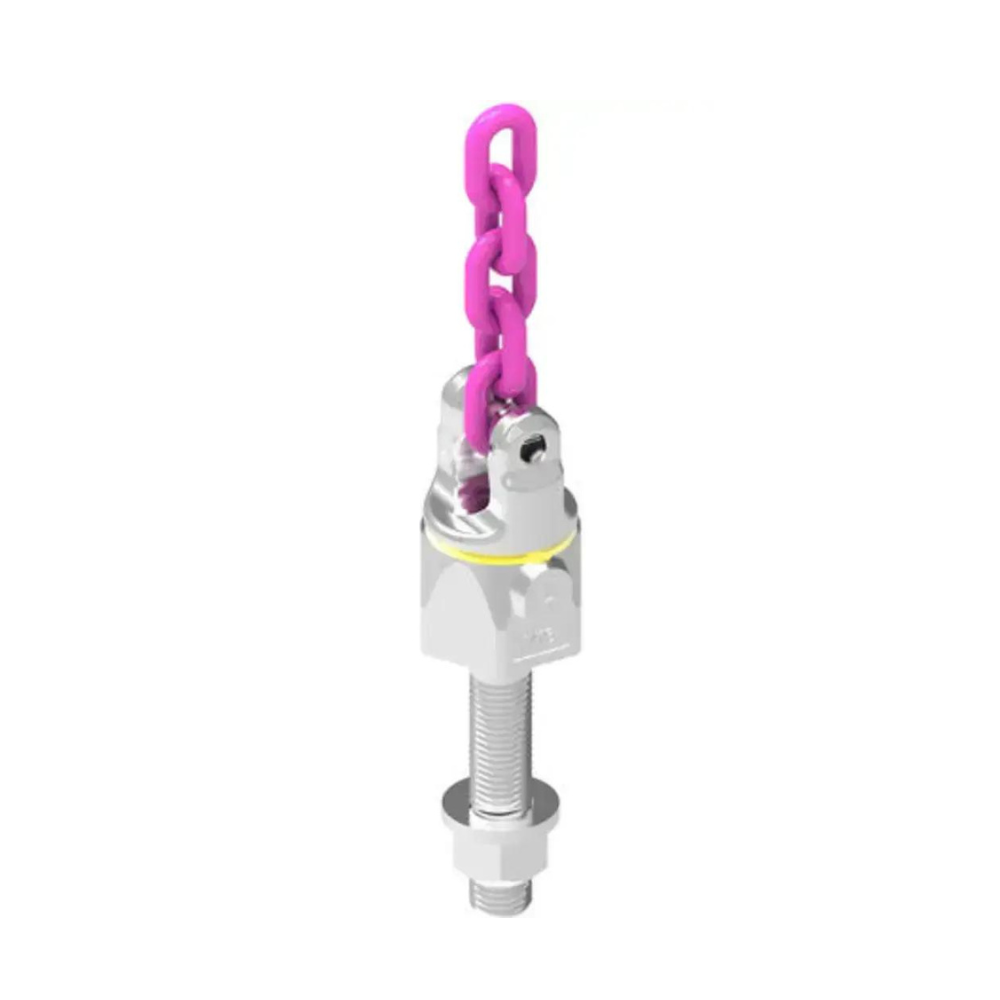
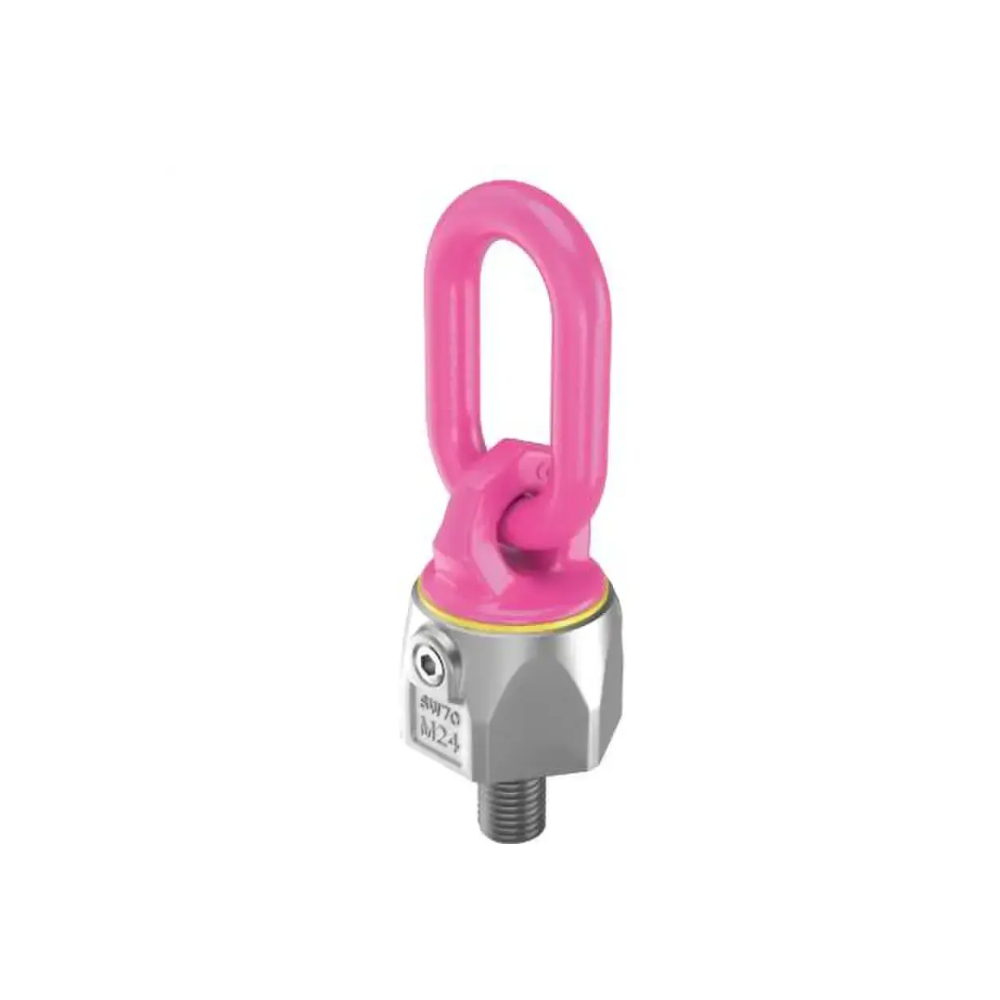
The Turnado and Powerpoint lines for rotating and chain-direct rigs. Two RUD families exist for jobs a plain eye cannot do. The ACP-Turnado is the one to spec when a load has to be turned while it hangs: the standard version runs 0.7 to 8t from $226, the ACP-Turnado Max from $1,290 takes it higher, and the Supermax reaches M64 through M100 at roughly 57,000 lb from $2,820. Because the point is engineered to rotate under load, you can flip or index a casting in the rig without unhooking. The Powerpoint family answers a different problem, the shackle you would otherwise add between point and chain. The PP-VIP Powerpoint from $250 couples RUD's VIP grade 100 chain straight to the lifting point with no intermediate hardware, in metric, metric fine, and UNC threads, which removes a wear part and a failure point from a chain-sling rig. Both lines assume the same careful installation the rest of the page does.
Thread, engagement, seat, and torque decide the rating. A screw-in point is only rated if it is installed the way the maker qualified it. Match the thread system exactly, metric to metric and UNC to UNC, which is why the RUD, Codipro, and William Hackett lines here carry both rather than asking anyone to adapt. Depth matters as much as diameter: minimum thread engagement in steel is about 1.5 times the bolt diameter, and in aluminum or other soft base metal you want 2 to 2.5 times to keep the threads from stripping under load. RUD's variable-length and max-length Starpoints and rings exist for exactly the sections where a standard bolt runs short or a spacer would otherwise creep in. Seat the contact face flush on flat, clean material, never on paint, spatter, or a curved surface, then torque to the published figure with a calibrated wrench so the pull loads the bolt in tension. When there is no boss to tap or the wall is too thin to thread, the connection belongs on a weld bead instead, which is what weld on lifting points are for.
Frequently Asked Questions
A fixed lifting eye bolt gives you a rated eye that seats in a tapped hole and, on the better designs, turns to face the pull, but a plain shoulder eyebolt loses capacity fast off axis, down to 30% at 45 degrees and nothing beyond. A swivel hoist ring adds a bail that rotates 360 degrees and pivots 180 degrees so the pull always arrives in line, letting it carry full working load limit at any angle. Use the eye bolt for straight vertical picks and the swivel for anything with angled sling legs.
The articulating load rings and swivel hoist rings can, through their rated swivel and pivot range, because the bail or ring aligns to the pull and loads the bolt in tension rather than bending. RUD's VLBG and VWBG rings swivel 360 degrees and pivot 180 degrees to full WLL in any direction, and Codipro and William Hackett swivels do the same. The conditions are real: the bolt torqued to spec, the ring free to rotate, and the mounting face flat and clean. A fixed eyebolt does not get this and must be derated for angle.
Match the thread and give it enough engagement to develop the rating. In steel, plan on a minimum thread engagement of about 1.5 times the bolt diameter; in aluminum or other soft base material, increase that to 2 to 2.5 times to keep the threads from pulling out under load. When a standard-length bolt runs short in a thick section, RUD's variable-length and max-length versions cover it without stacking washers or spacers, which are not allowed under the mounting face.
Match the hole, never adapt. Imported machinery and tooling are usually metric; domestic fabrications and fixtures are usually UNC. The RUD, Codipro, and William Hackett lines here come in both systems, and RUD adds UNF and ISO 228 pipe-thread Starpoints for the odd cases, so the correct thread is a stocking question rather than a compromise. Forcing the wrong thread or using an adapter defeats the engineered engagement the rating depends on.
They are rigging hardware under ASME B30.26, so give them a look before every use and a documented periodic inspection at least annually, more often in severe service. Retire anything with illegible markings, since an unmarked point cannot be tied to a rating, plus bent or elongated eyes, damaged or corroded threads, and any swivel that binds or wobbles on its bearing. Points that stay installed on a fixture earn a scheduled torque check too, because vibration backs fasteners off long before anything looks wrong.