What a winch is
A winch is a mechanical device that winds a wire rope or synthetic line onto a drum to move a load, pulling it, tensioning it, or positioning it. Power comes from an electric motor, an engine, a hydraulic system, or a hand crank, and the drum's mechanical advantage lets a winch move loads far heavier than the effort applied. Winches are everywhere heavy things need to be dragged, hauled, or held: recovery, material handling, marine, construction, and industrial positioning. Our winches cover manual and electric models for lifting and pulling in the light-to-moderate range.
The critical safety point: pulling versus lifting
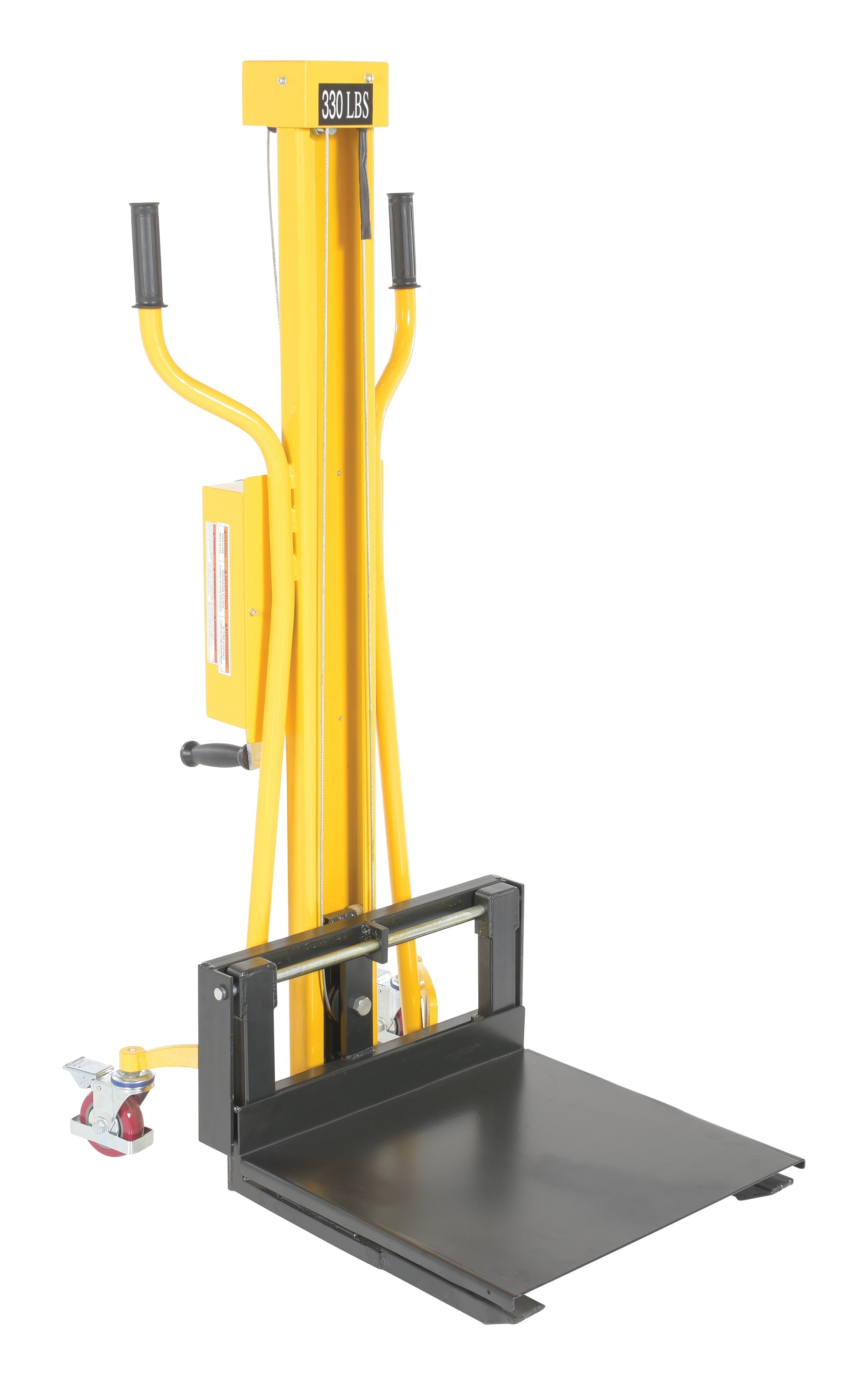
Before anything else, understand this: a winch designed for horizontal pulling is not automatically safe for overhead lifting. Standard pulling winches are engineered for dragging loads along the ground, often with a lower safety factor and without the redundant, automatic load-holding brake that overhead lifting demands. Using a pulling-only winch to lift a load overhead is dangerous. For any vertical or overhead lift, you must use equipment specifically rated for lifting, a hoist, or a purpose-built lifting winch with the proper brake and design factor. We cover this in depth in lifting vs pulling winch; it's the single most important winch safety rule.
Electric winches
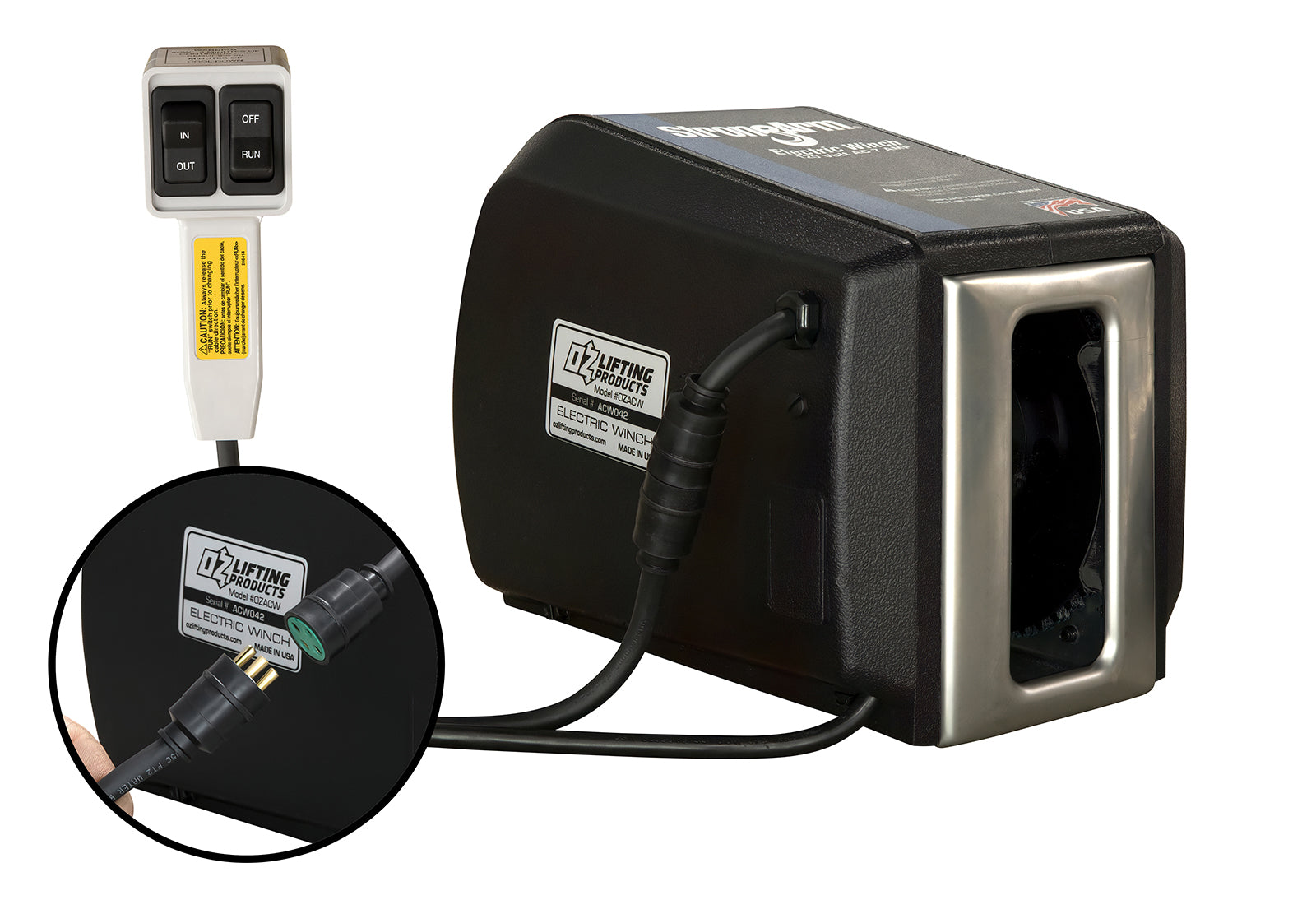
An electric winch uses a motor, powered by a battery or an electrical supply, to spool the line at the push of a button. It's fast, low-effort, and well-suited to heavy or frequent work, which makes it the popular choice for vehicle recovery, repetitive pulling, and powered positioning. The trade-offs are the need for power and attention to the winch's duty cycle, run it beyond its rated duty and the motor overheats. Electric winches span a huge capacity range, from small units to industrial winches pulling tens of thousands of pounds. Where power is available and pulls are heavy or repeated, electric is the go-to.
Hand (manual) winches
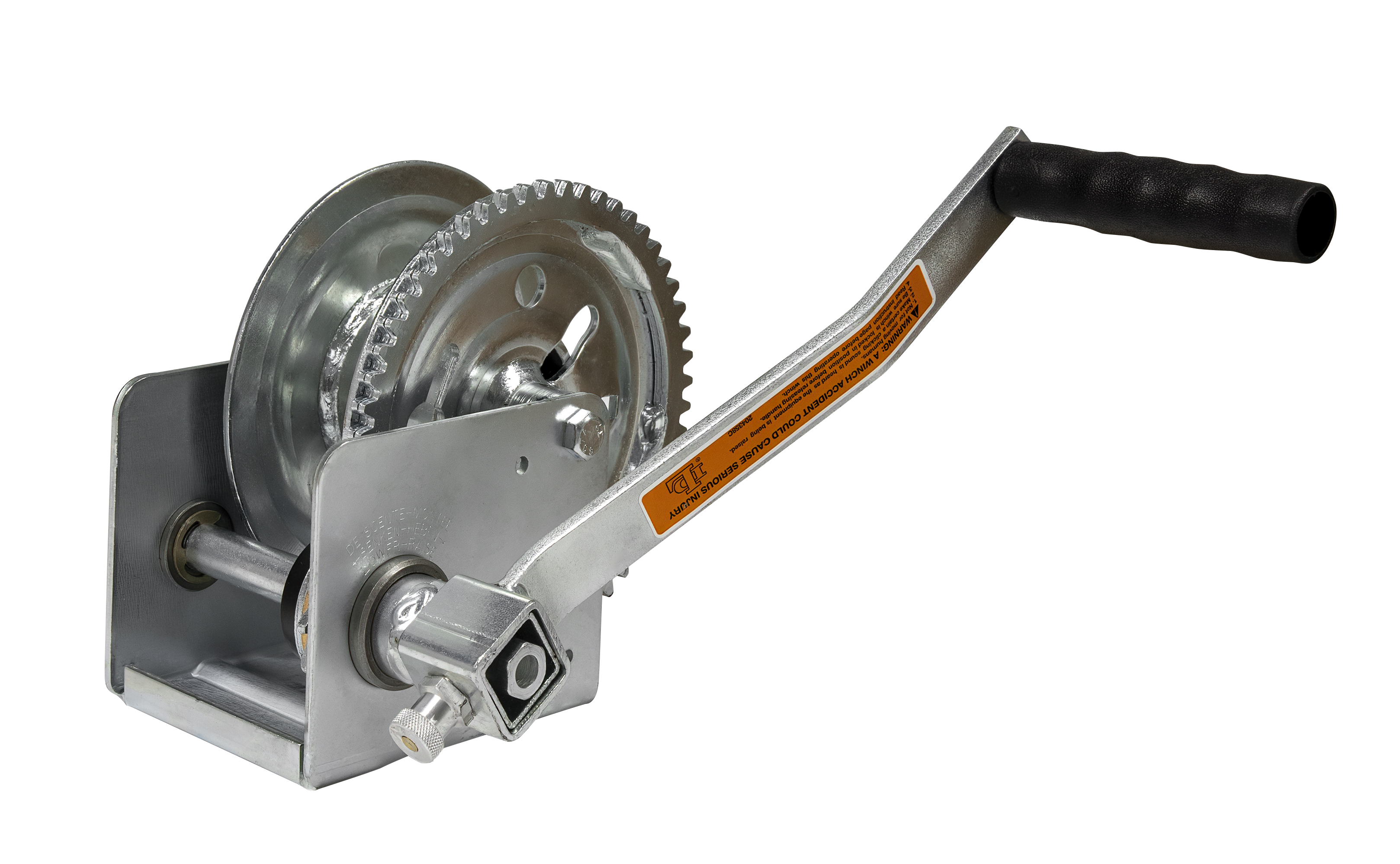
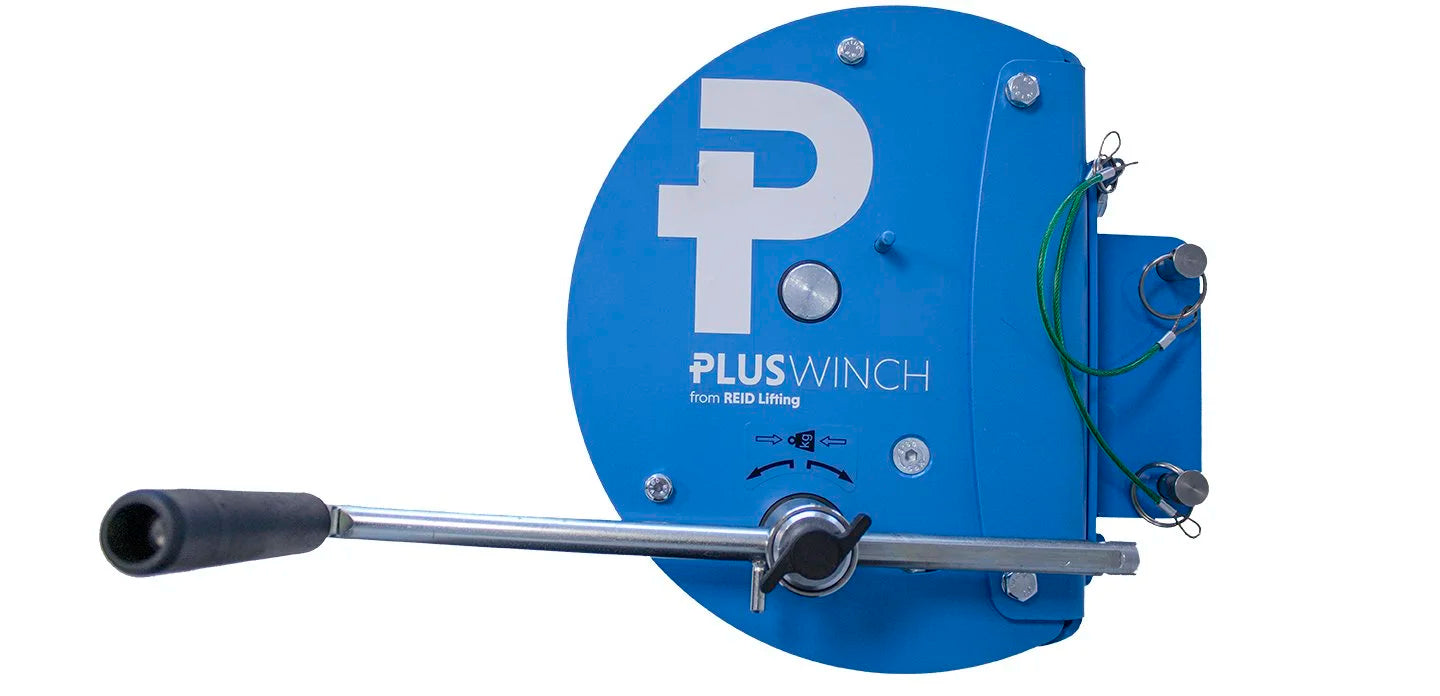
A hand winch is cranked by hand through a ratcheting gear mechanism, needing no power at all. It's simple, portable, inexpensive, and dependable, ideal for light-to-moderate loads, remote or off-grid sites, emergency and backup use, and low-frequency work. The cost is effort and speed: cranking a heavy load is slow and tiring. Capacities typically run from a few hundred kilograms up to a couple of tons, with heavy spur-gear models reaching around 10,000 lb. When lifting or pulling is occasional and power isn't handy, the hand winch is the economical, reliable tool, and lifting-rated hand winches exist for controlled vertical work.
Hydraulic winches
A hydraulic winch is driven by a hydraulic power source rather than an electric motor, which gives it two big strengths: high, sustained pulling force and the ability to run continuously without overheating, since it isn't limited by an electric motor's duty cycle. That makes hydraulic winches the choice for heavy-duty, continuous, high-force jobs, marine, oilfield, recovery, and applications like bridge launching. The trade-off is that they need a hydraulic supply (a pump and lines), so they're typically used where hydraulic power already exists or on purpose-built rigs. For the heaviest continuous pulling, hydraulic winches deliver where electric units would overheat.
Air (pneumatic) tugger winches
An air winch, or tugger, runs on compressed air, and it fills a specific niche. Because it has no electrical ignition source, it's inherently spark-free, making it the standard for hazardous and explosion-prone environments like oil and gas, chemical plants, and mining. Air winches are also self-cooling, so they can run at high duty cycles continuously, and some are rated for man-riding (raising and lowering personnel) with the appropriate certification. The trade-off is the need for a compressed-air supply, typically around 90 to 100 psi. Where the atmosphere is hazardous or the duty is continuous, the air tugger earns its place.
How to choose a winch
Selecting a winch comes down to a few specs, covered fully in our how to choose a winch guide. In brief: pick a line pull (capacity) that comfortably exceeds your maximum load, including friction and slope, with margin; choose the right rope and length; account for the drum-layer effect (capacity is highest on the bare drum and falls as line builds up); match the duty cycle to your usage; plan the mounting; and, above all, confirm the winch is rated for your application, pulling or lifting. Getting the capacity, duty, and application right is what makes a winch safe and effective.
Line pull, rope, and the drum-layer effect
Two winch specifics catch people out. First, the rope: the winch line's breaking strength should be well above the winch's rated pull (commonly 1.5 to 2 times), so the line is never the weak link. Second, the drum-layer effect: a winch's rated maximum pull is measured on the first, bare layer of rope on the drum, and as more rope spools on, the effective pull drops, roughly 10 to 20 percent per added layer, because the leverage changes. So a winch pulls hardest with little rope out and weakest with the drum full. Size your winch for the pull you need at the outer layer, not just the headline rating.
Winches versus hoists
A winch and a hoist are related but distinct. A hoist is purpose-built for overhead lifting, with a load-holding brake and a high design factor, it's the correct tool for raising loads vertically. A winch is primarily a pulling device; only winches specifically rated and equipped for lifting should ever raise a load overhead. This is the crux of the pulling-versus-lifting distinction. If your task is to lift a load straight up, start with a hoist or a lifting-rated winch, not a general pulling winch. Choosing the right category for the job is a safety decision, not just a convenience.
The bottom line
A winch spools a line on a drum to pull, tension, or position loads, and it comes in electric, hand, hydraulic, and air types, each suited to different power, duty, and environments. The one rule that governs all of them: a pulling winch is not automatically a lifting winch, use only lifting-rated equipment overhead. Choose by line pull, rope, drum-layer effect, duty, and application. Explore the specifics in our electric vs hand winch, lifting vs pulling winch, and how to choose a winch guides, or browse the full winch range.