What Grade 70 transport chain is
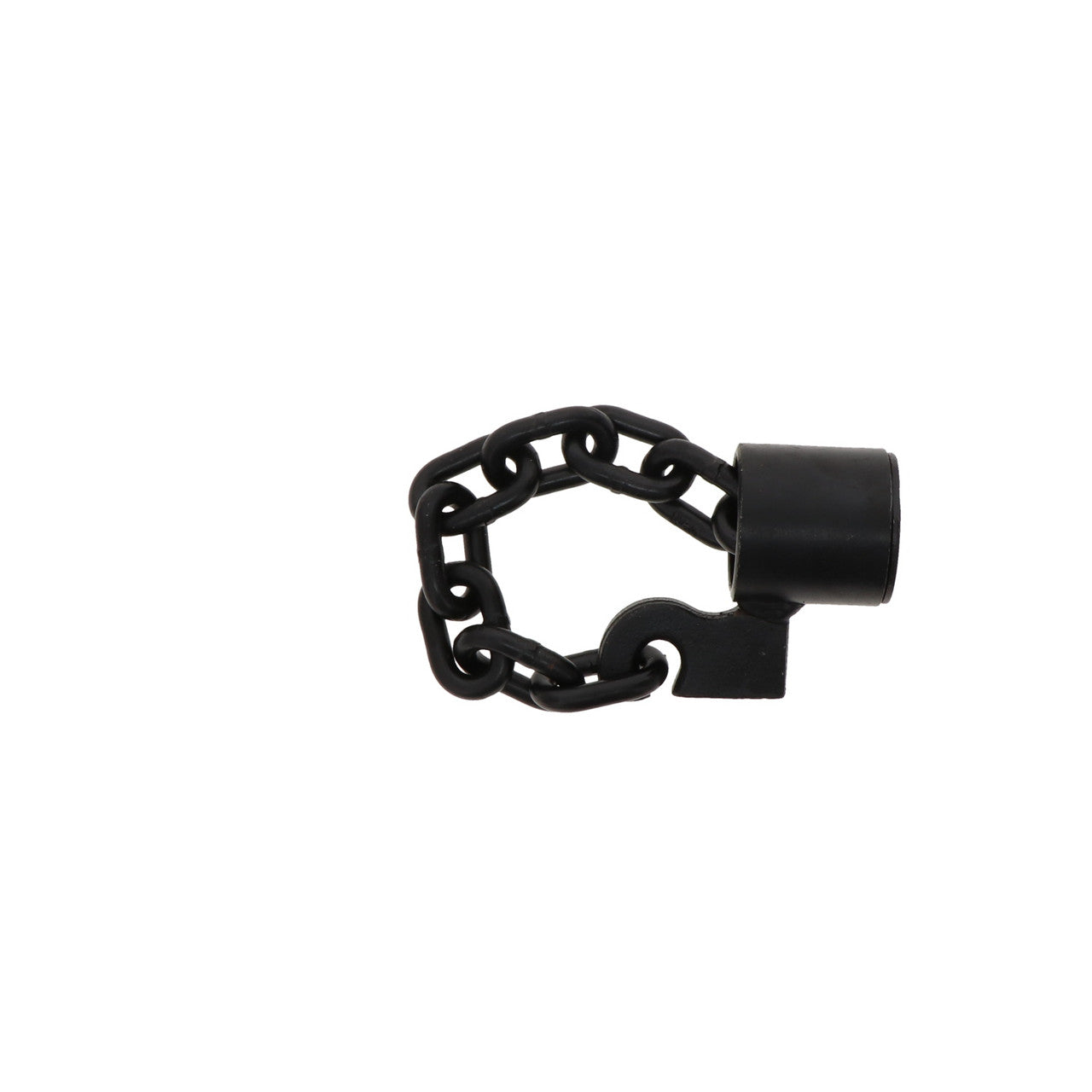
Grade 70 chain, widely known as transport chain or trucker's chain, is a heat-treated, high-strength carbon-steel chain designed specifically for securing and towing loads on trucks and trailers. It's the workhorse of chain tie-downs: strong, durable, and resistant to the abrasion, heat, and sharp edges that would destroy a webbing strap. Tensioned with a chain binder, Grade 70 chain locks heavy machinery, steel, and rough loads firmly to the deck. It's the industry-standard tie-down chain, and our Grade 70 floor chain tie-down is a typical example built for load securement.
How to identify Grade 70
Grade 70 chain is easy to spot, by design, so it can be identified roadside during an inspection. It typically has a distinctive gold or yellow chromate finish, and, importantly, the grade is embossed right on the links, usually marked 7, 70, or 700. That marking lets an inspector (and you) confirm the chain's grade and rating at a glance, which matters because using the correct grade for tie-down is a compliance requirement. If a chain has no grade markings, you can't verify its rating, and unmarked chain is assigned a low default value. Always use marked, identifiable chain for load securement.
Grade 70 versus Grade 43
Grade 43, or High-Test chain, is another carbon-steel chain used for tie-down and towing, but it's about 20 percent weaker than Grade 70 for a given size. Grade 70's heat treatment gives it higher strength, which is why it's the preferred, industry-standard tie-down chain despite Grade 43 also being usable. For serious load securement, especially heavy machinery, Grade 70 is the go-to. Grade 43 shows up in lighter tie-down and general utility roles. If you're buying chain to secure loads on a truck or trailer, Grade 70 is the standard choice, stronger and purpose-built for the job.
The critical rule: transport chain is not for lifting
This is the most important safety point about chain grades, and it's non-negotiable: carbon-steel chains, Grades 30, 43, and 70, are for tie-down and towing only, never for overhead lifting. Only alloy chain, Grade 80, 100, or 120, is rated and legally approved to lift loads overhead. Grade 70 transport chain, despite its strength, lacks the ductility and safety characteristics required for overhead lifting, and using it to lift a load is dangerous and against the rules. If you need to lift, use an alloy chain sling. Never repurpose transport chain as lifting chain, this mistake can be fatal.
Alloy chain (Grade 80+) for lifting
To be clear about the other side: overhead lifting requires alloy chain, Grade 80 and higher. Grade 80, 100, and 120 alloy chains are heat-treated alloy steel engineered for the demands of lifting, with the strength and ductility to handle suspended loads safely, and they're used to build chain slings for cranes and hoists. They're typically self-colored or painted, not the gold of transport chain. So the chain world splits cleanly: carbon-steel Grades 30 to 70 for tie-down and towing, alloy Grades 80 and up for lifting. Knowing which is which, and never crossing them, is fundamental chain safety.
Working Load Limit and sizing
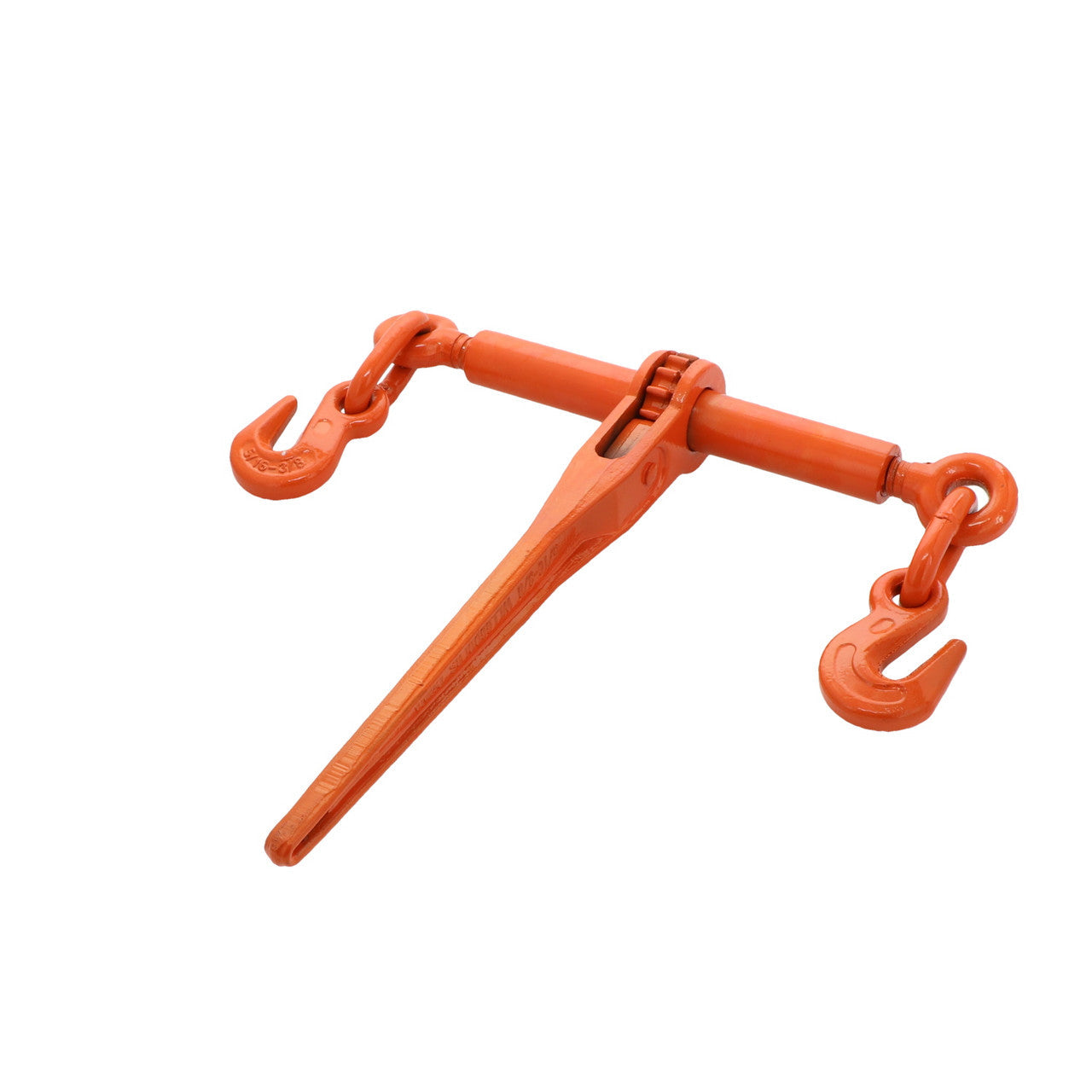
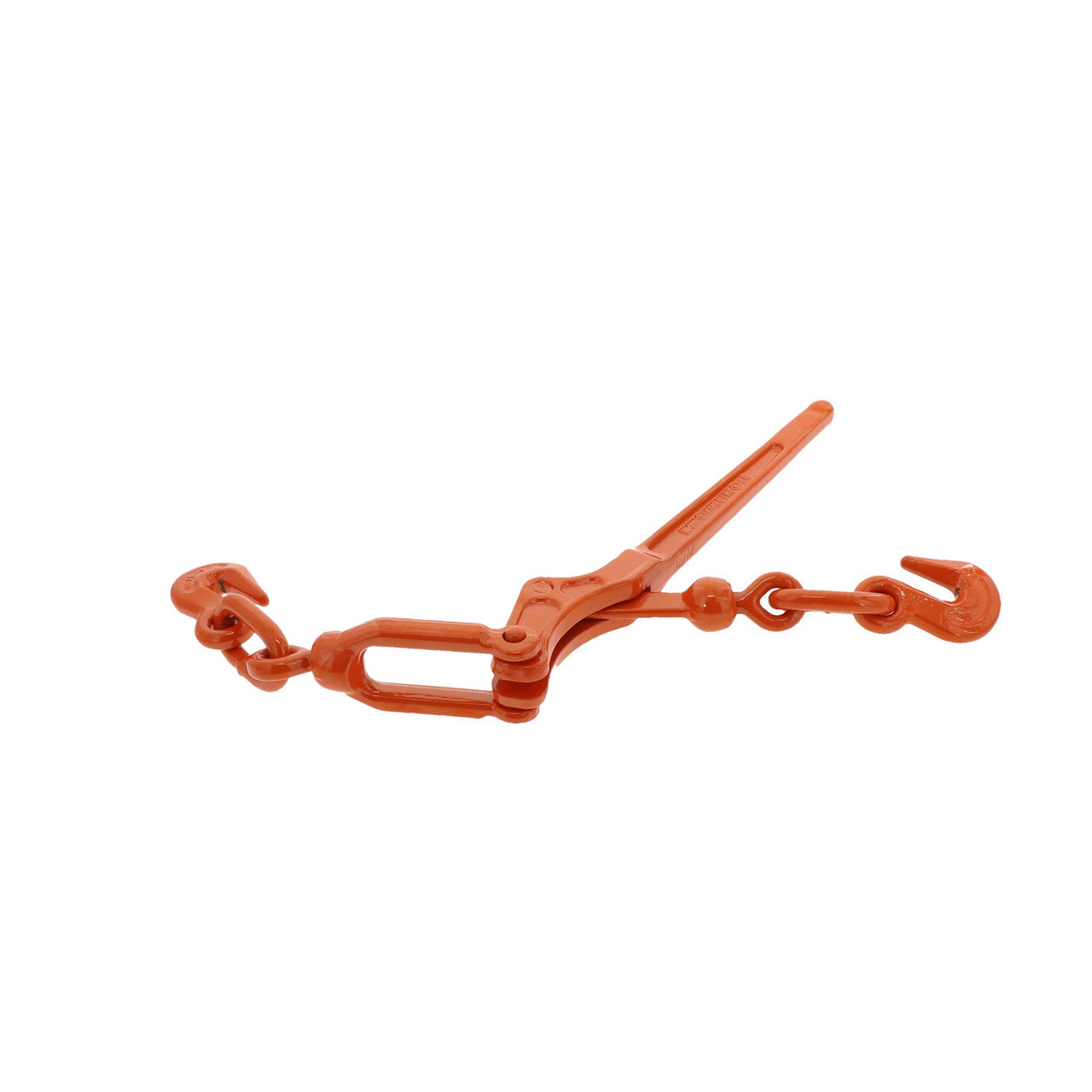
Like all securement gear, transport chain is rated by its Working Load Limit, marked for its size and grade, and you secure to the WLL, never the break strength. Chain size (the link diameter, 1/4, 5/16, 3/8, 1/2 inch, and up) determines capacity along with grade, so a 3/8-inch Grade 70 chain carries a specific WLL you match to your load and the FMCSA 50 percent rule. And remember the weakest-link principle: pair the chain with a binder rated at or above the chain's WLL, or the binder caps the line's strength. Size the chain to your load, and match the binder to the chain.
Caring for transport chain
Chain is durable but not indestructible, so inspect it. Look for cracked, bent, stretched, gouged, or heavily worn links, and for damage at the hooks, and retire any chain that's compromised, since a failed link means a lost load. Stretch in particular signals overload, a stretched chain has been loaded beyond its limit and must be removed from service. Keep chain reasonably clean and stored so it doesn't kink or corrode heavily. Well-maintained transport chain lasts a long time under hard use, which is part of why it's the choice for heavy, rough securement, but inspection is still essential before every load.
The bottom line
Grade 70 transport chain is the heat-treated, gold-finished, 7/70/700-marked carbon-steel chain that's the industry standard for tie-down and towing, about 20 percent stronger than Grade 43. Its defining rule: carbon-steel transport chain (Grade 30, 43, 70) is never for overhead lifting, only alloy chain (Grade 80+) may lift. Secure to the Working Load Limit, match the binder to the chain, and inspect for wear and stretch. See our what is a chain binder and cargo securement rules guides, and browse our transport chain and binders.
Chain hooks and fittings
Transport chain works with matched hooks and fittings, and these must be rated too. Grab hooks, slip hooks, and clevis hooks let you shorten the chain and attach it to anchor points, and each carries its own Working Load Limit that has to be compatible with the chain's grade and size. A mismatched or unrated hook becomes the weak link, just like an undersized binder. So when you assemble a chain tie-down, the chain, the hooks, and the binder should all be rated at or above your required WLL. Buy chain assemblies and fittings designed to work together, and confirm the ratings match across the whole line.