The height triggers
OSHA sets the heights at which fall protection becomes mandatory, and they differ by industry. In general industry, under 29 CFR 1910.28, fall protection is required at 4 feet above a lower level. In construction, under 29 CFR 1926.501, it's required at 6 feet. Regardless of height, protection is also required whenever a worker works above dangerous equipment. And where no specific standard addresses a fall hazard, OSHA can still cite it under the General Duty Clause. Knowing which trigger applies to your work, 4 feet for general industry, 6 feet for construction, is the starting point for compliance, and the heights are minimums, not targets.
What counts as fall protection
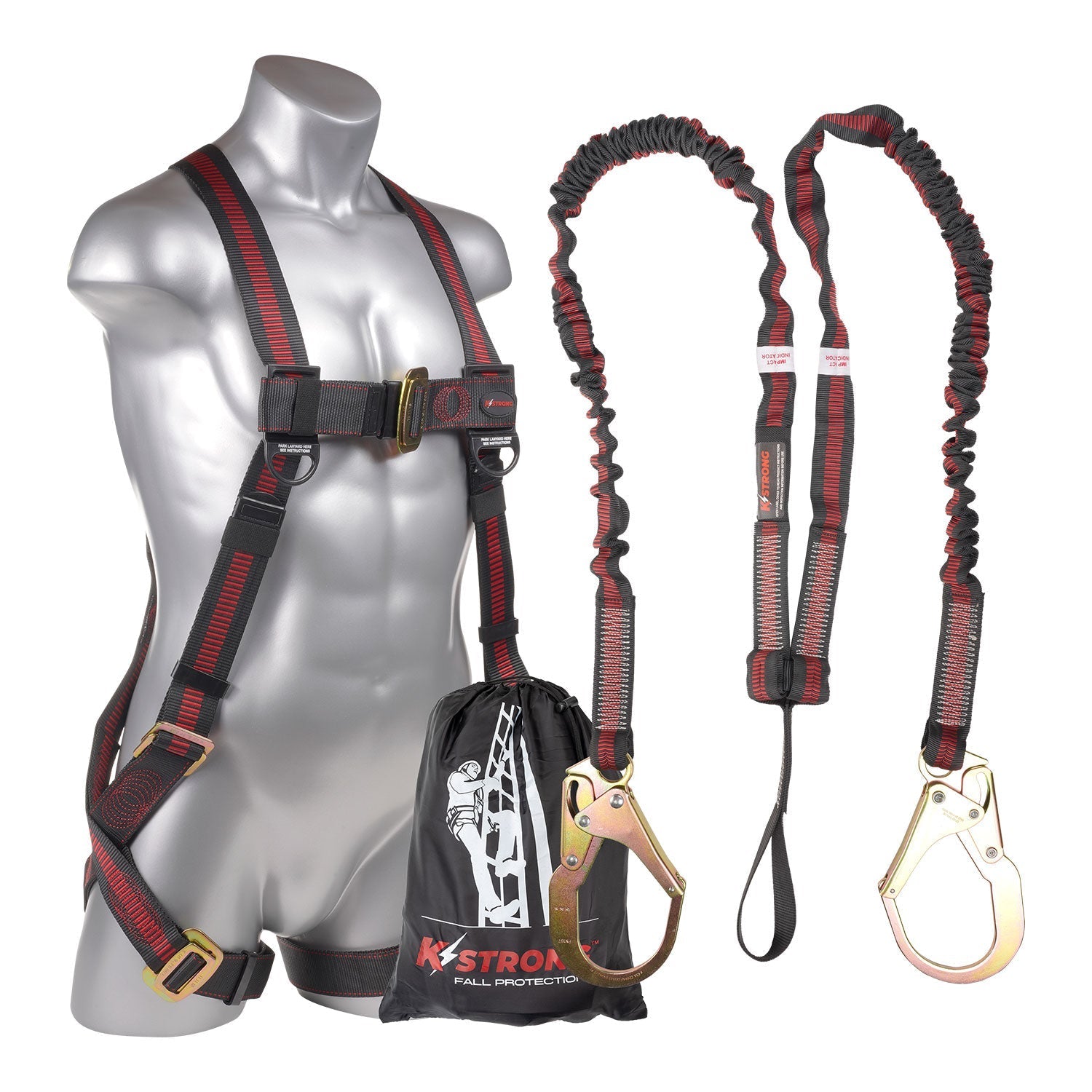
OSHA recognizes several forms of protection, and the preferred order generally favors eliminating the hazard or using passive systems first. Guardrails and safety nets are passive systems that protect without worker action. A Personal Fall Arrest System (PFAS), an anchorage, a full-body harness, and a connector, protects individual workers who could reach an edge. Positioning and restraint systems serve specific purposes. Where feasible, guardrails and other passive protection are preferred because they don't depend on a worker wearing and using gear correctly, but PFAS is essential where passive systems aren't practical. Choose the appropriate protection for the work.
PFAS performance limits
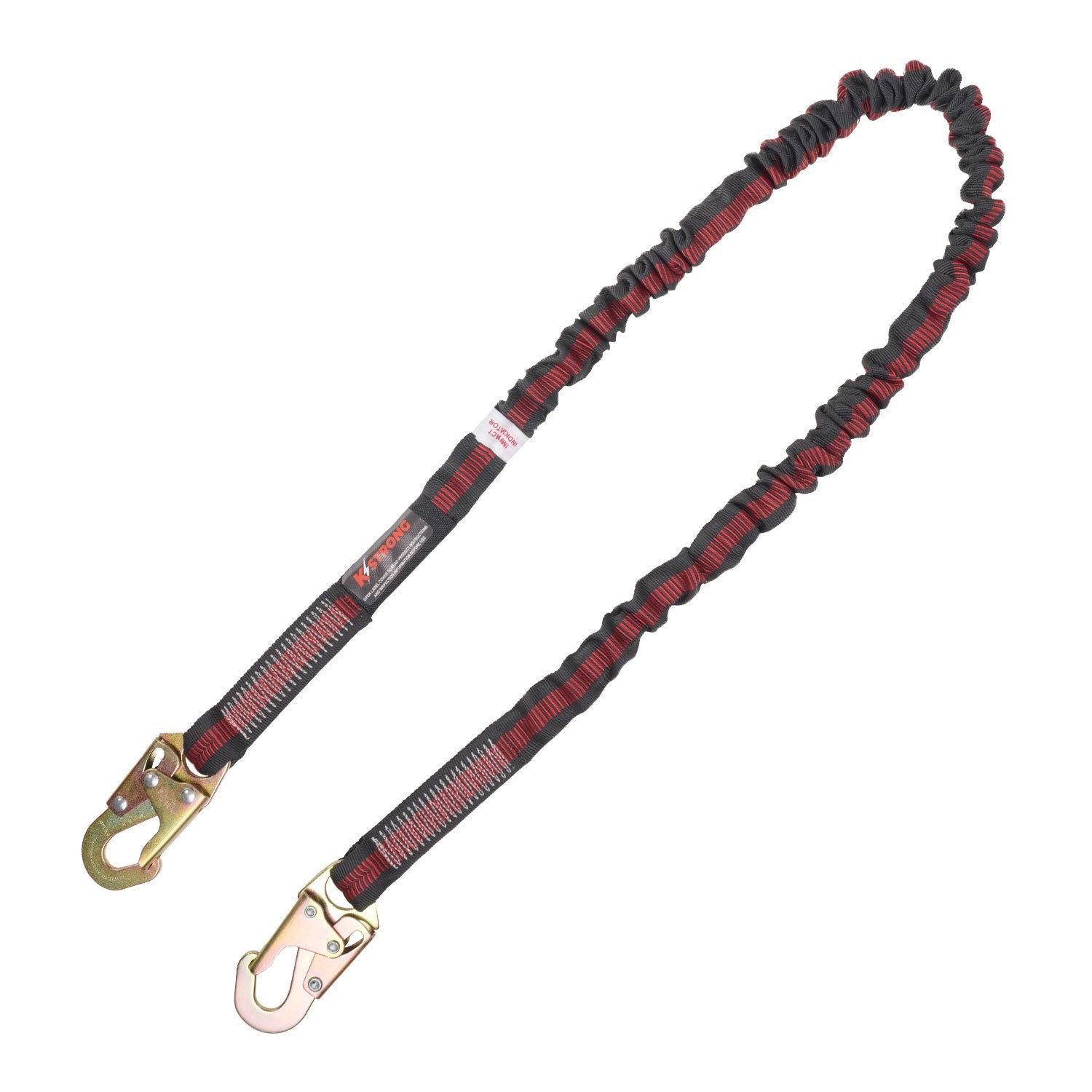
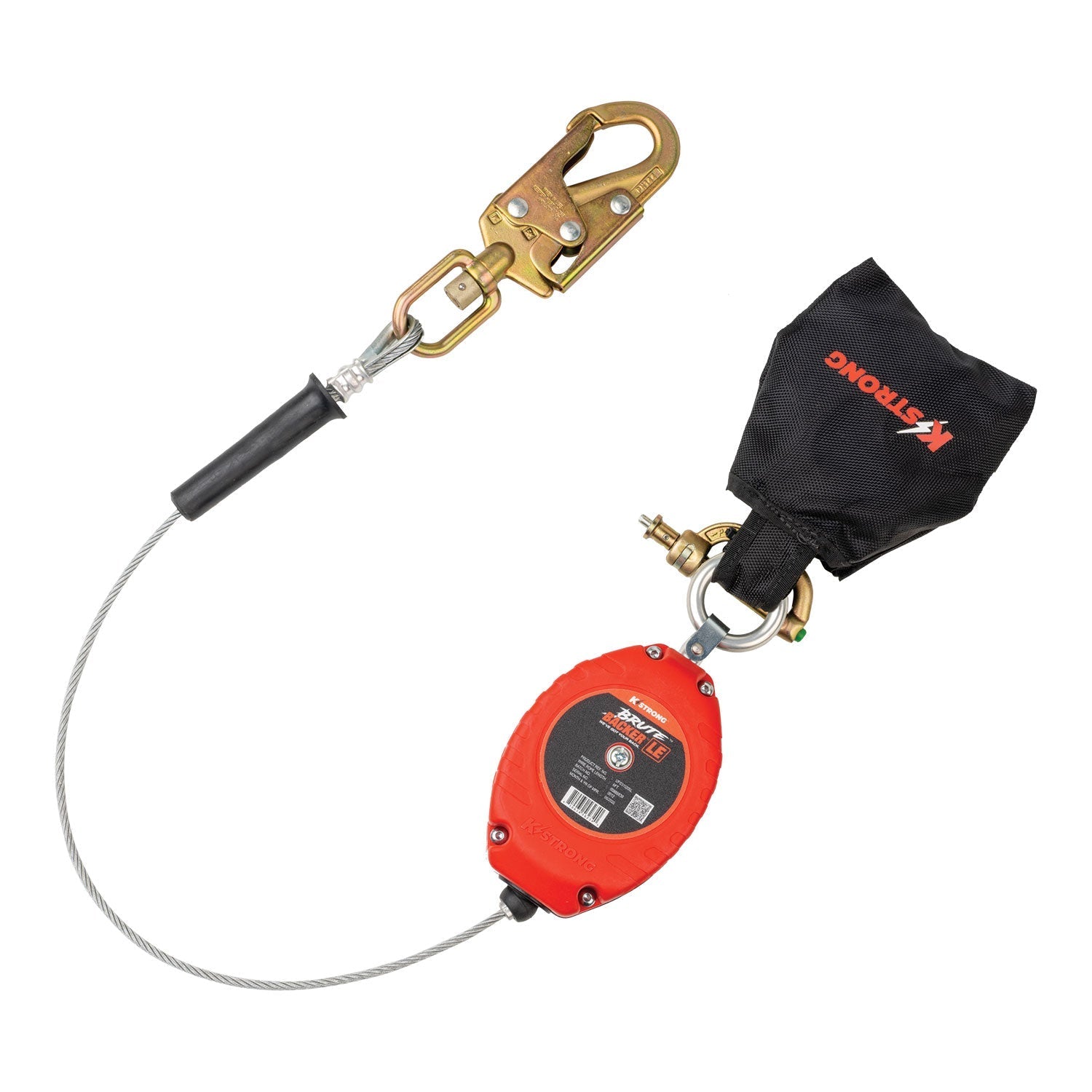
When a PFAS is used, OSHA sets strict performance requirements it must meet. The system must limit free fall to no more than 6 feet (and prevent contact with any lower level), cap the maximum arresting force on the body at 1,800 lb when used with a full-body harness, and limit the deceleration distance to no more than 3.5 feet. These numbers are why the equipment is engineered the way it is, why you need an energy-absorbing connector, a full-body harness (not a belt), and correct clearance. A system that doesn't meet these limits isn't compliant, and, more importantly, may not keep the worker alive.
The anchorage requirement
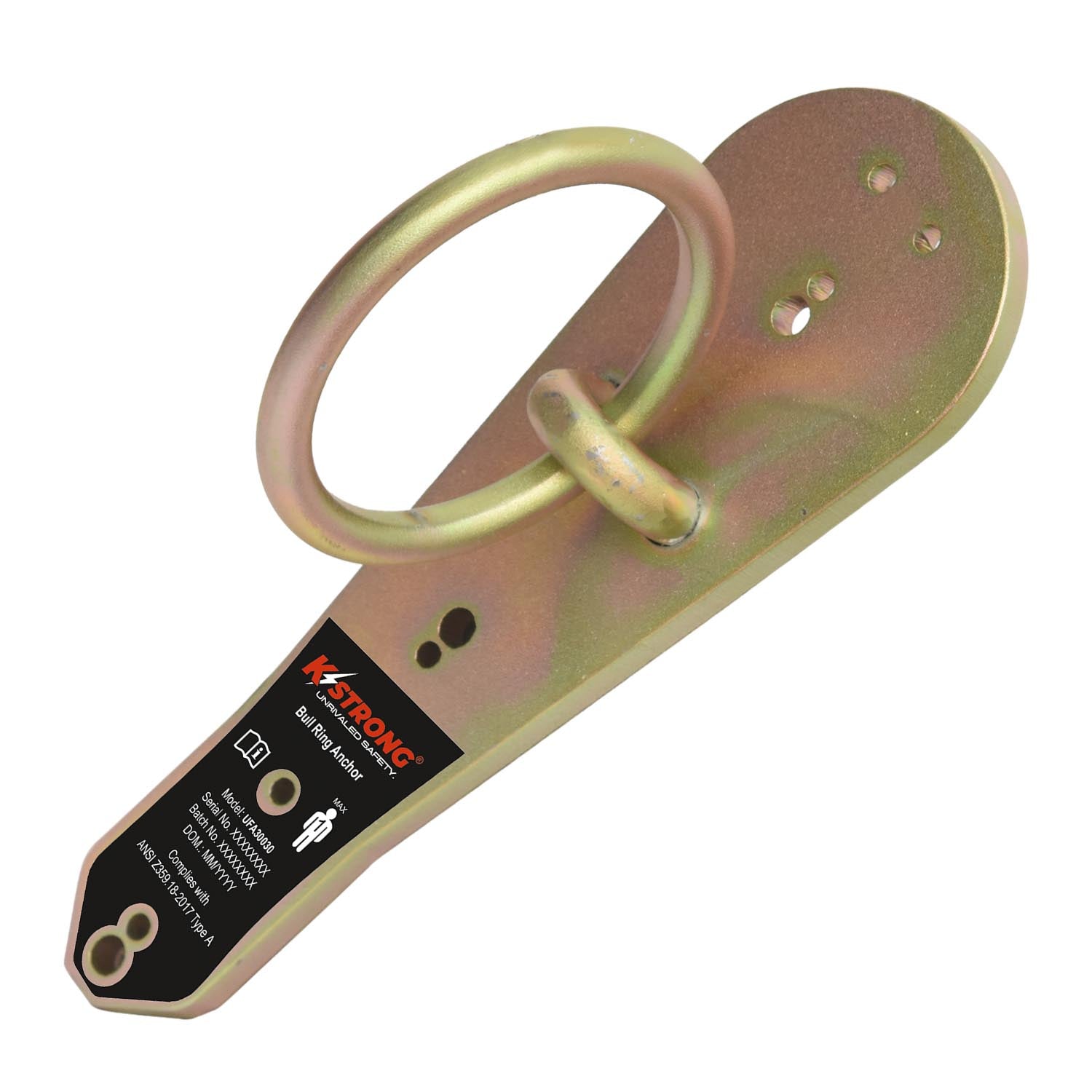
OSHA requires each anchorage used for fall arrest to support at least 5,000 lb per attached worker, or to be designed, installed, and used under a qualified person's supervision as part of a system with a safety factor of at least two. As our fall protection anchor points guide explains, the common belief that every anchor must be 5,000 lb is a myth, the engineered 2-to-1 alternative is equally valid. Either way, you must tie off only to a rated anchor, never to guardrails, conduit, or unrated structure. The anchorage requirement is one of the most important, and most misunderstood, parts of the rules.
Full-body harness, not a body belt
OSHA's PFAS standards require a full-body harness for fall arrest, body belts are prohibited. A body belt concentrates arrest force on the waist, risking severe internal injury, while a full-body harness distributes it across the shoulders, chest, and thighs and keeps the worker upright. The fall-arrest connector must attach to the harness's dorsal (back) D-ring. This is a firm requirement, not a preference: using a body belt for fall arrest is both non-compliant and dangerous. If your fall-arrest body wear is anything other than a full-body harness, it doesn't meet OSHA's rules.
Training, inspection, and rescue
Beyond equipment, OSHA requires that workers be trained and that a rescue plan exist. Workers exposed to fall hazards must be trained by a competent person to recognize the hazards and to use the protection correctly, selecting, inspecting, fitting, and using the gear. Equipment must be inspected, and damaged gear removed from service. And employers must provide for prompt rescue of a fallen worker, since hanging in a harness after a fall (suspension trauma) is itself dangerous, so a plan to retrieve a suspended worker quickly is required, not optional. Compliance is about the whole program, training, inspection, and rescue, not just owning the gear.
Meeting the rules in practice
Putting it together, compliant fall protection means: identify fall hazards at or above the trigger height (4 feet general industry, 6 feet construction); provide appropriate protection, guardrails where feasible, or a compliant PFAS; ensure the PFAS meets the force and distance limits with adequate clearance; use rated anchors and full-body harnesses; train workers; inspect equipment; and have a rescue plan. Each piece is required, and each protects the worker. Our fall protection guide ties the equipment and rules together. Meeting OSHA's requirements isn't just avoiding citations, it's the framework that actually keeps people from dying in falls.
The bottom line
OSHA requires fall protection at 4 feet (general industry) and 6 feet (construction), and above dangerous equipment. A PFAS must limit free fall to 6 feet, arrest force to 1,800 lb with a full-body harness, and deceleration to 3.5 feet, with anchors rated at 5,000 lb per worker or an engineered 2-to-1 system, and it requires training, inspection, and a rescue plan. Use full-body harnesses (not belts), rated anchors, and calculated clearance. This is general information, not legal advice, consult the current OSHA standards. See our full fall protection guide.
Employer and worker responsibilities
OSHA's rules assign responsibilities to both employer and worker. The employer must assess fall hazards, provide compliant protection and rated equipment, train workers through a competent person, ensure inspection, and have a rescue plan, fall protection is fundamentally an employer obligation. The worker's role is to use the provided protection correctly: wear and adjust the harness, tie off to rated anchors, inspect gear before use, and follow the training. Compliance is a shared effort, but the employer carries the duty to provide a safe system. Understanding both sides helps ensure the rules translate into actual protection on the job, not just paperwork.