Loading Dock Safety Equipment
Loading dock safety equipment is the layer of guarding that sits on top of the levelers and dockboards and stops the two accidents a busy dock produces most: a fall through an open door and a strike from equipment that got too close to the edge. Everything on this page is Vestil, the material handling manufacturer that builds a dock's safety hardware as a matched family. Barrier nets and chain systems close an open bay, swing and lift gates guard the pit and the openings people walk through, guard posts and dock guards armor the structure against impact, and wheel locks, clearance bars, alignment curbs, and guide lights get a trailer parked square and hold it there. Prices run from around a hundred dollars for a dock safety guide to several thousand for a powered barricade. The sections below sort the gear by the specific job it does at the edge, and flag the OSHA numbers that make each piece a requirement rather than an upgrade.
Compare Dock Safety
| Model | Price | Overall Width | |
|---|---|---|---|
| Vestil Dock Barricades | $4,603 | 8-10 ft | View → |
| Vestil Swivel Dock Gates | $799 | 8-10 ft | View → |
| Vestil Loading Dock Guard | $506 | — | View → |
| Vestil Safety Lift Gates | $448 | 6-10 ft | View → |
| Vestil Economical Safety Swing Gates | $430 | 2-11 ft | View → |
| Vestil Wheel Alignment Curbs | $372 | — | View → |
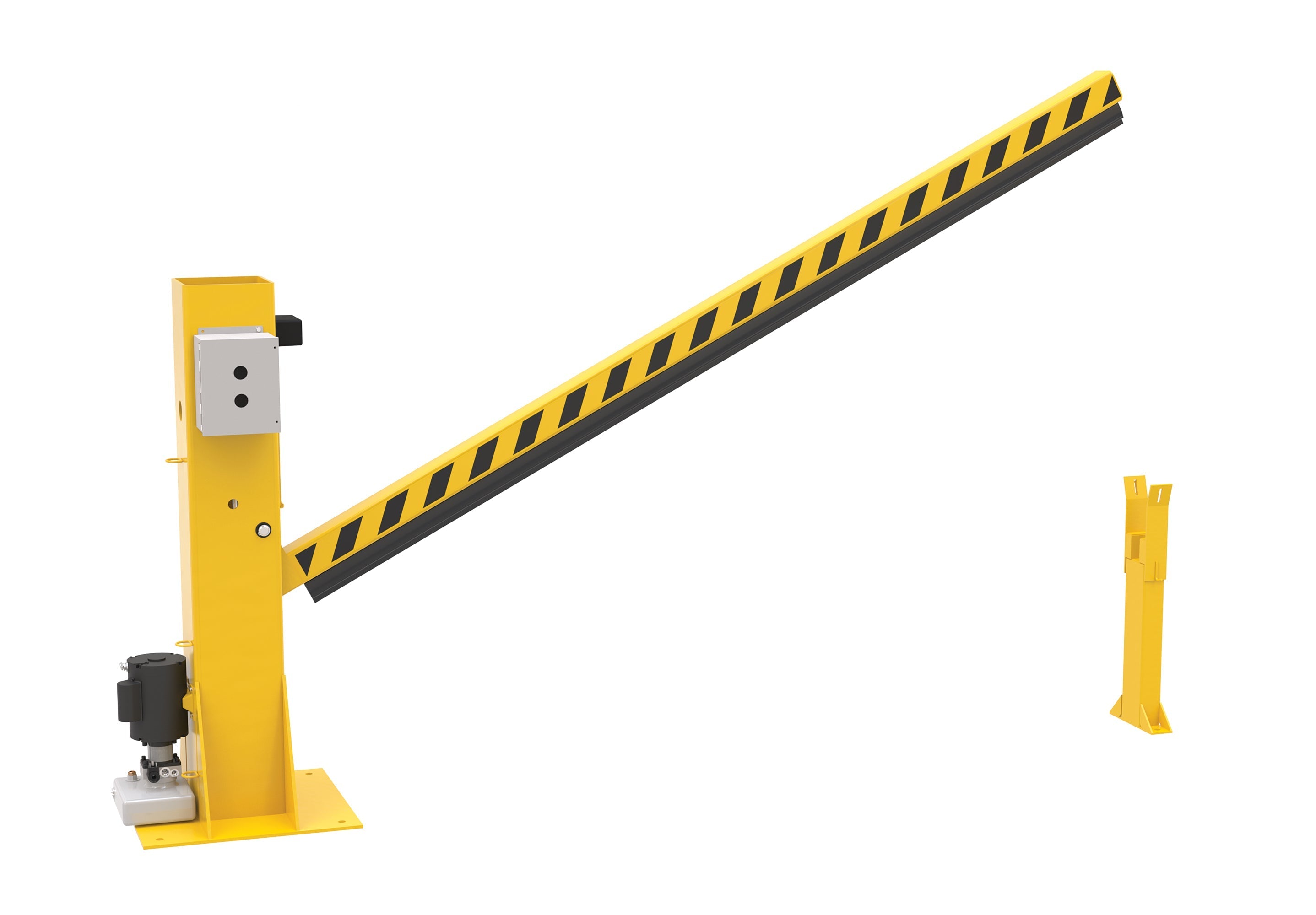 In Stock
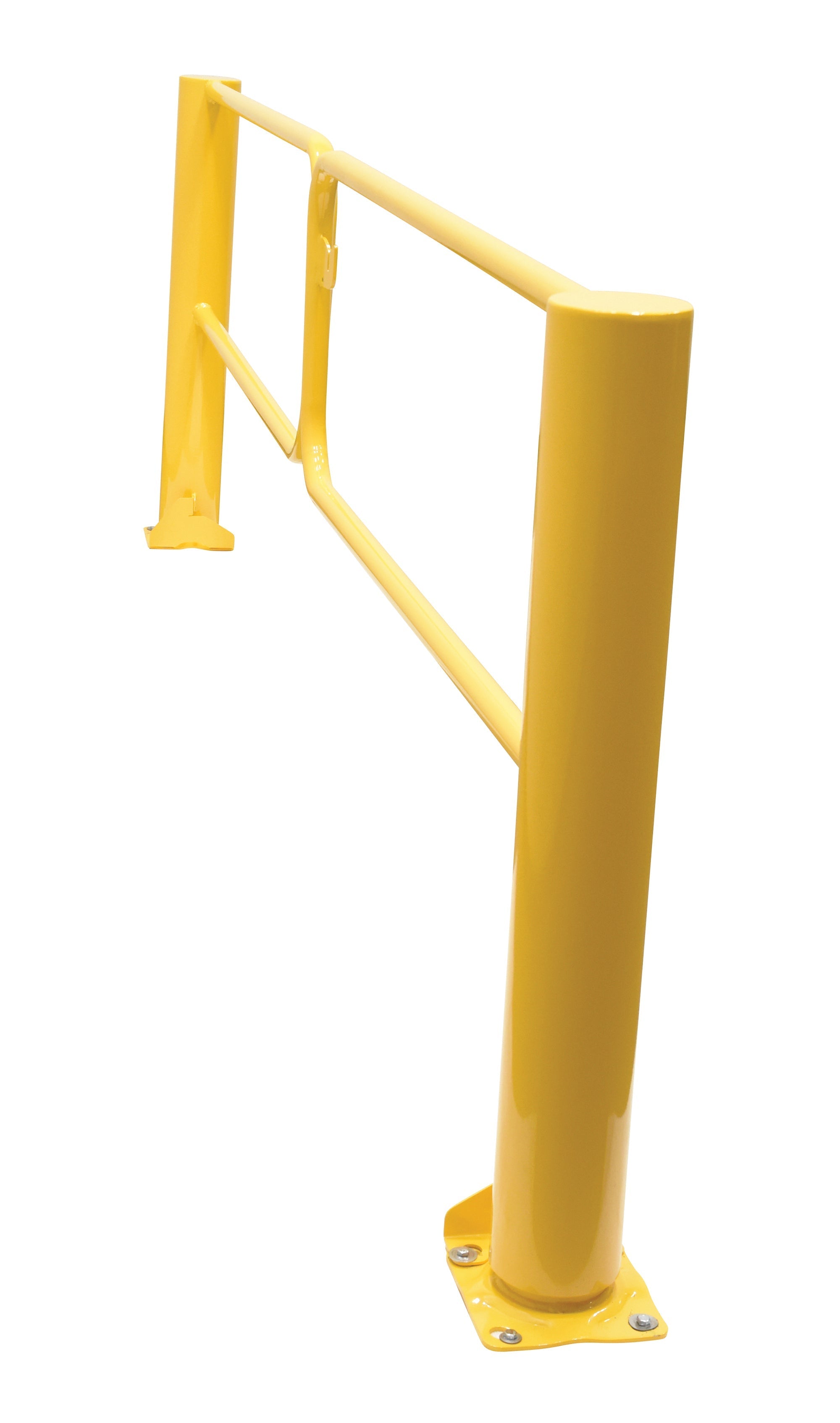 In Stock
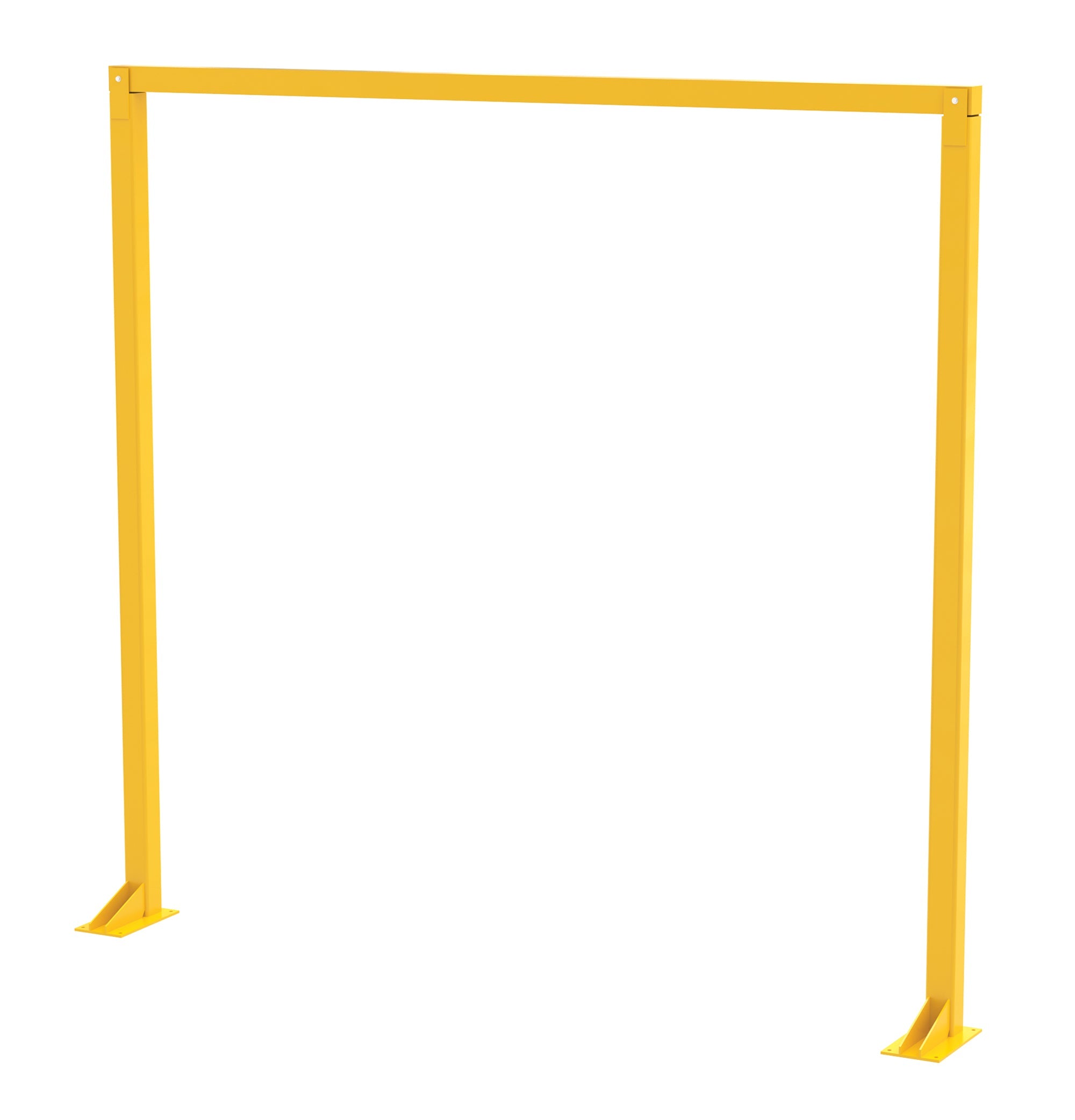 In Stock
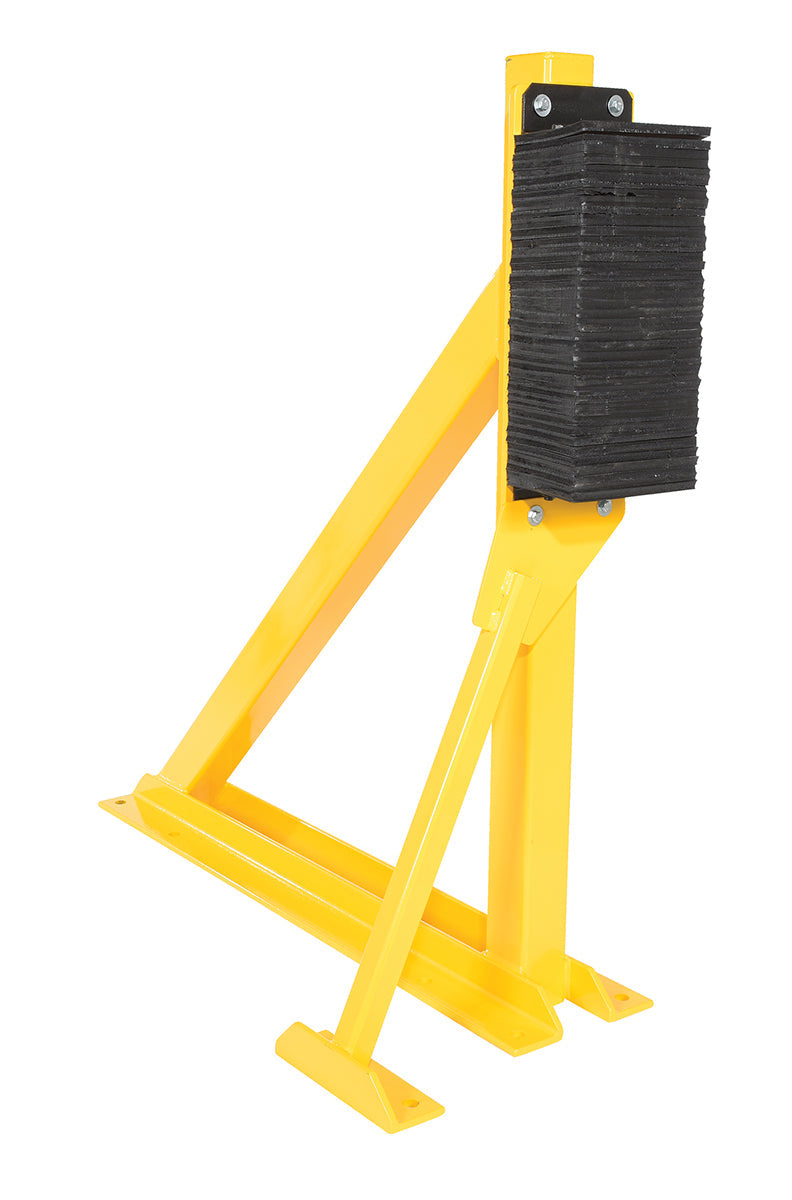 In Stock
 In Stock
 In Stock
 In Stock
 In Stock
 In Stock
 In Stock
 In Stock
 In Stock
 In Stock
Dock Safety Buying Guide
The open dock edge is a 4 foot fall, and OSHA treats it like one. An open dock door with no trailer against it is an unprotected edge above a lower level, and OSHA 1910.28(b)(1) requires fall protection wherever that edge runs 4 feet or more above the ground. The same rule requires anyone working on a dockboard to be protected from a 4 foot fall. That is the reason dock safety gear exists as a separate purchase from the equipment that bridges the gap. The dock levelers and dockplates and dockboards do their job only while a trailer is parked against the bumpers; the moment the trailer pulls away, the door becomes the hazard, and the equipment on this page is what stands in for the missing trailer. Sort your dock by which openings go unguarded when trucks are not docked, and buy to close those first.
Barriers that close an open bay. Three products close an empty door, and the right one follows the traffic that passes it. The Vestil Dock Barricades run on 115V power and raise a rated barrier net across the full opening, built to physically catch a forklift that runs at the edge, which is why they carry the highest price on the page at roughly three to five thousand dollars. The Economical Overhead Door Warning Barriers hang a spring-tensioned bar or net in the opening at chest height as a physical and visual stop that a walking worker or slow truck meets before the drop, priced from about $679. For pedestrian lanes and light equipment, the Dock Chain Bollard Barrier Systems set posts and a drop chain across an aisle from around $246, controlling foot traffic rather than arresting a lift truck. Match the barrier to the worst thing that can hit it: a powered net for forklift bays, a warning barrier for mixed traffic, a chain system for people.
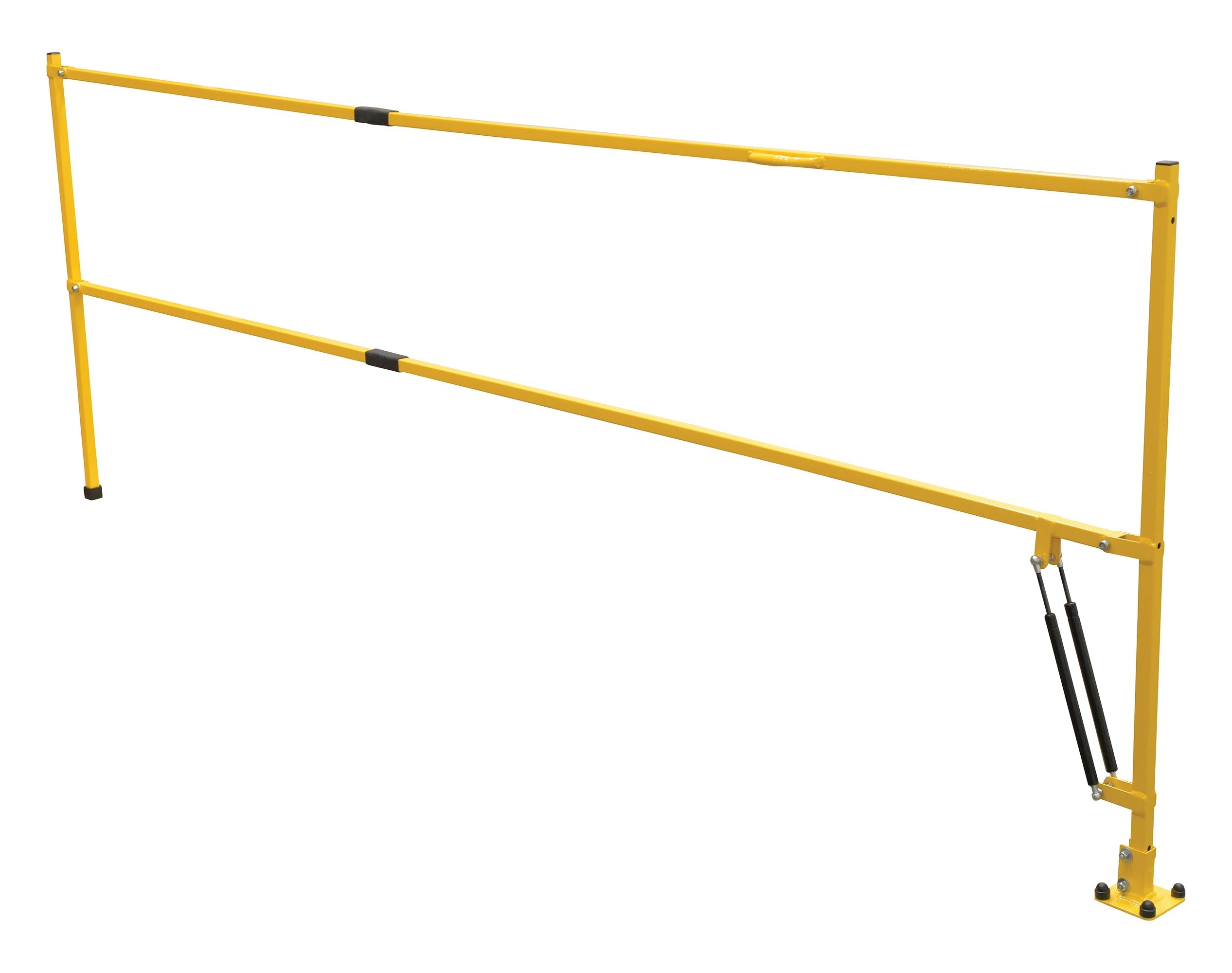
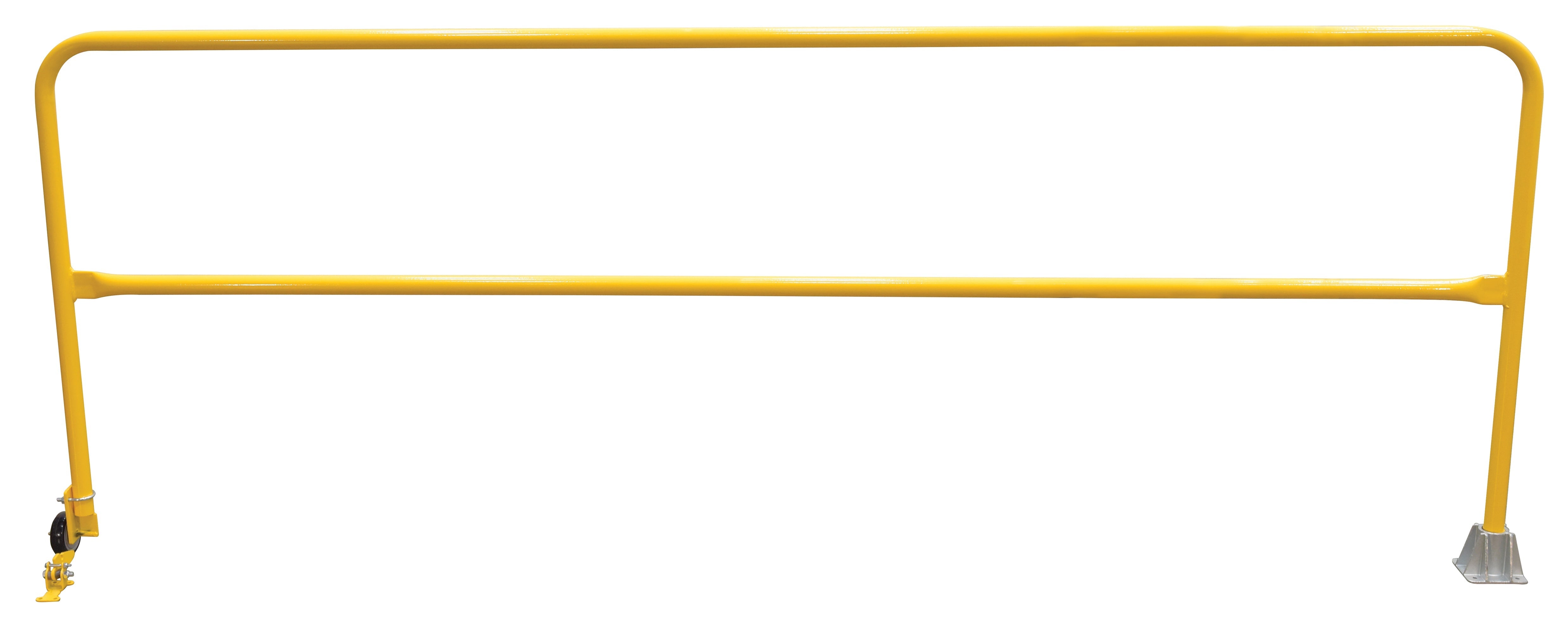
Gates for the openings people move through. Where a worker has to pass through the guarding, a barrier becomes a gate, and OSHA sets the geometry. A standard railing under 1910.29(b)(1) stands 42 inches high give or take 3 inches, and since the 2017 rule update a ladderway or platform opening must be closed by a self-closing gate or an offset, not by a chain. The Economical Safety Swing Gates, from about $257, spring closed across a mezzanine or ladder opening so it is never left open behind someone. The Safety Lift Gates, from about $385, raise vertically instead of swinging, which suits tight openings where a side-swinging gate has no room to clear. The Swivel Dock Gates, from about $685, pivot on a post to guard a pit edge or dock corner and fold back out of the traffic path when the bay is in use. Spec the gate to the swing room you actually have, and confirm the closed height clears 42 inches.
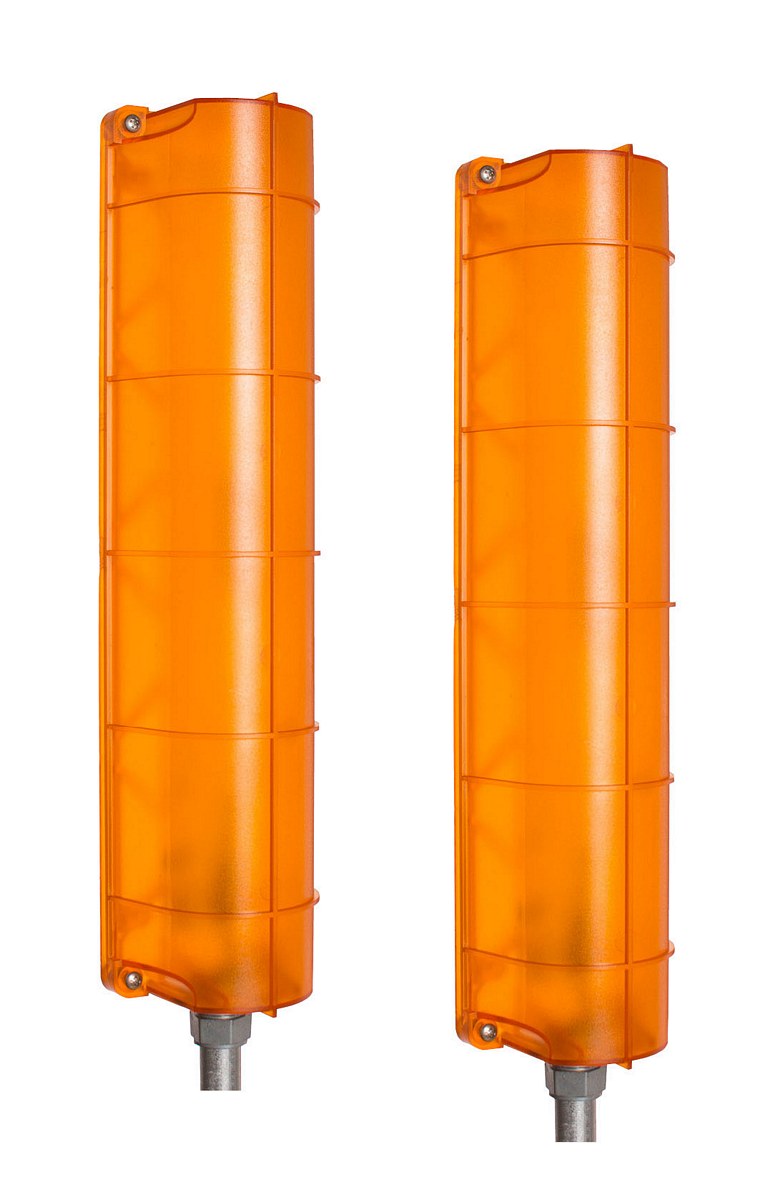
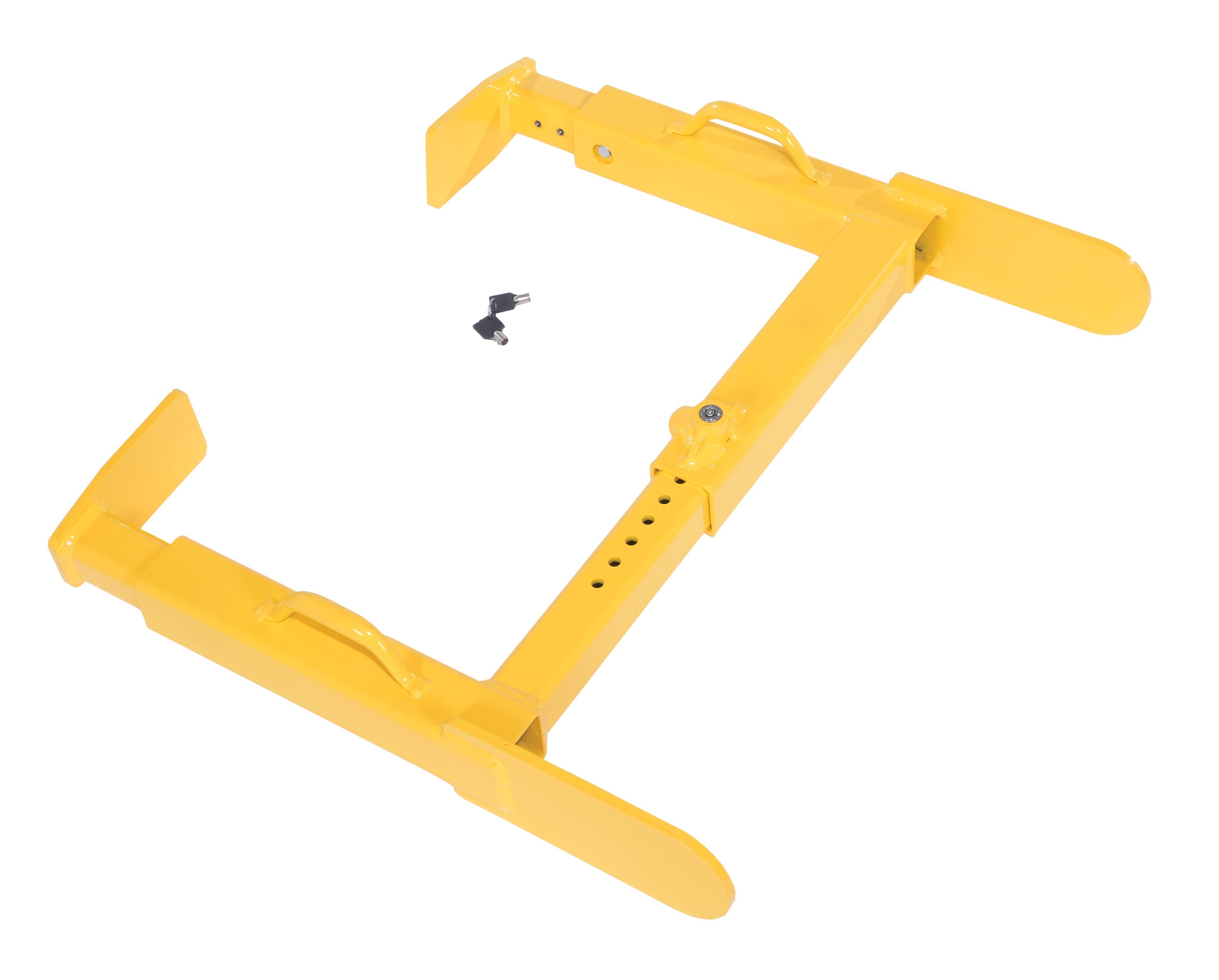
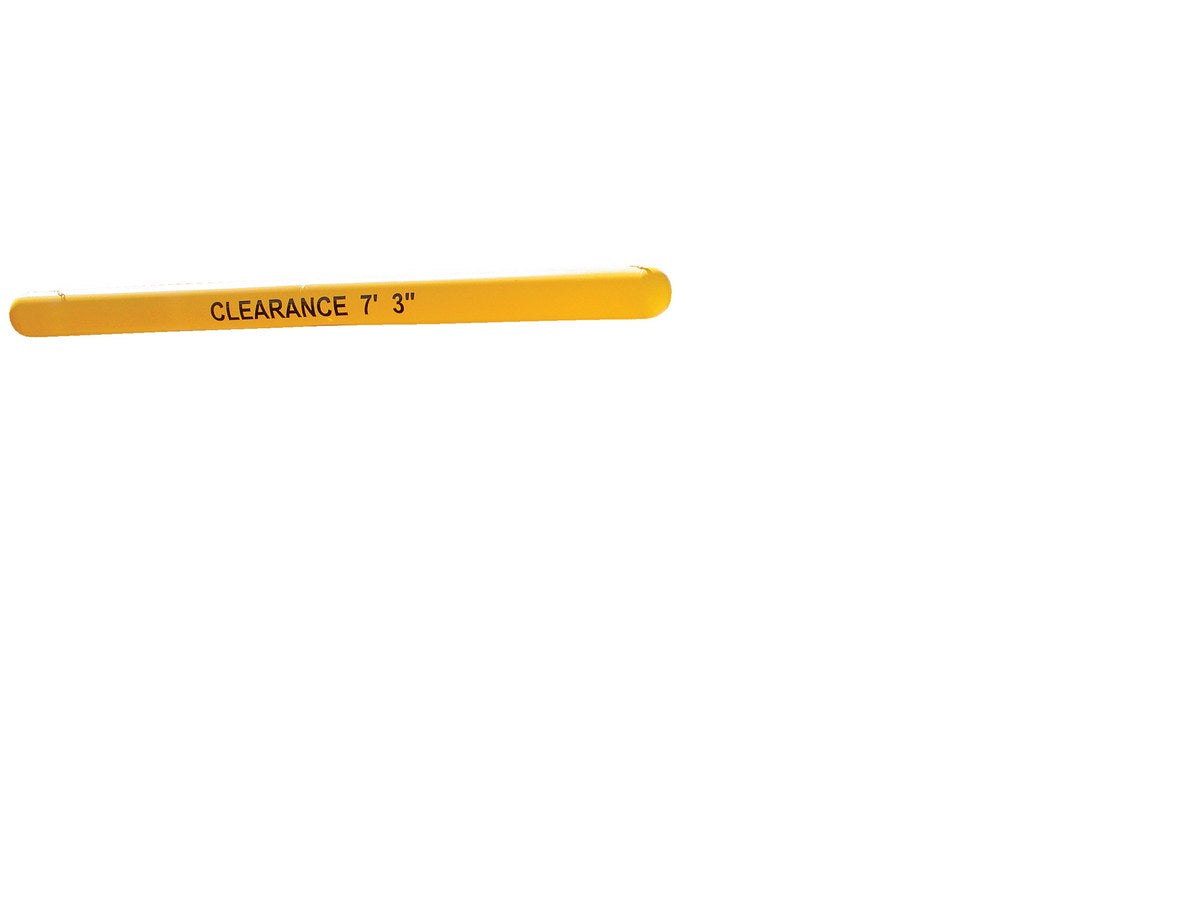
Get the trailer parked square, then lock it in place. A trailer that is parked crooked or that rolls during loading is the dock's signature accident, and OSHA 1910.178(k)(1) addresses the rolling half directly: highway truck brakes must be set and wheel chocks placed under the rear wheels before any powered industrial truck boards the trailer. The Trailer Wheel Locks, from about $240, are the restraint upgrade over loose rubber wheel chocks, clamping the trailer wheel so early departure and trailer creep, the slow walk a trailer takes away from the dock under repeated forklift loads, cannot pull the bed out from under a lift truck. The parking half is guidance gear: Clearance Bars from about $144 warn a driver of the door header height, Wheel Alignment Curbs from about $340 and Dock Safety Guides from about $106 steer the wheels straight into the bay, and the LED Loading Dock Guide Light Sets from about $307 give the driver a lit reference to back against in a dim yard. Together they get the trailer square on the first attempt, which is where every other piece of dock equipment starts working correctly.
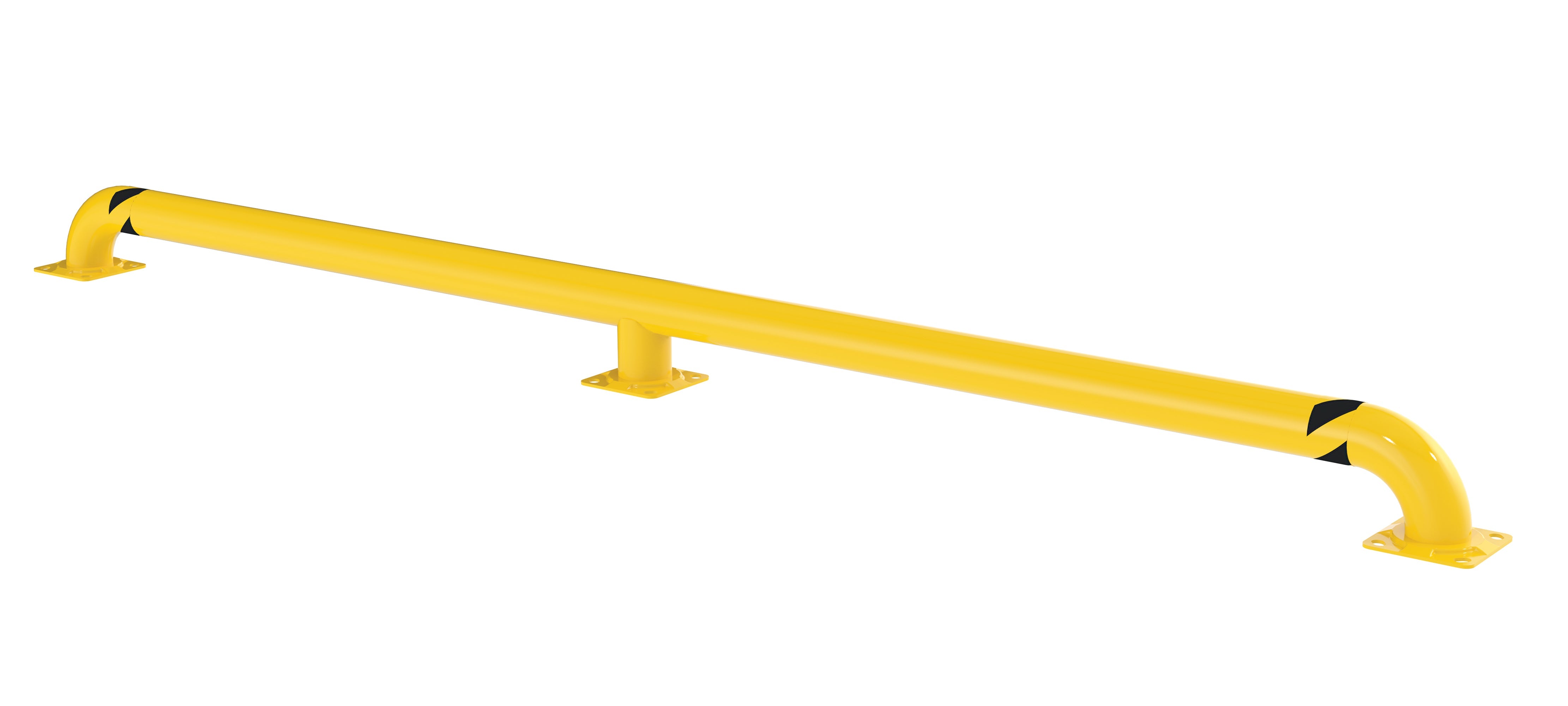
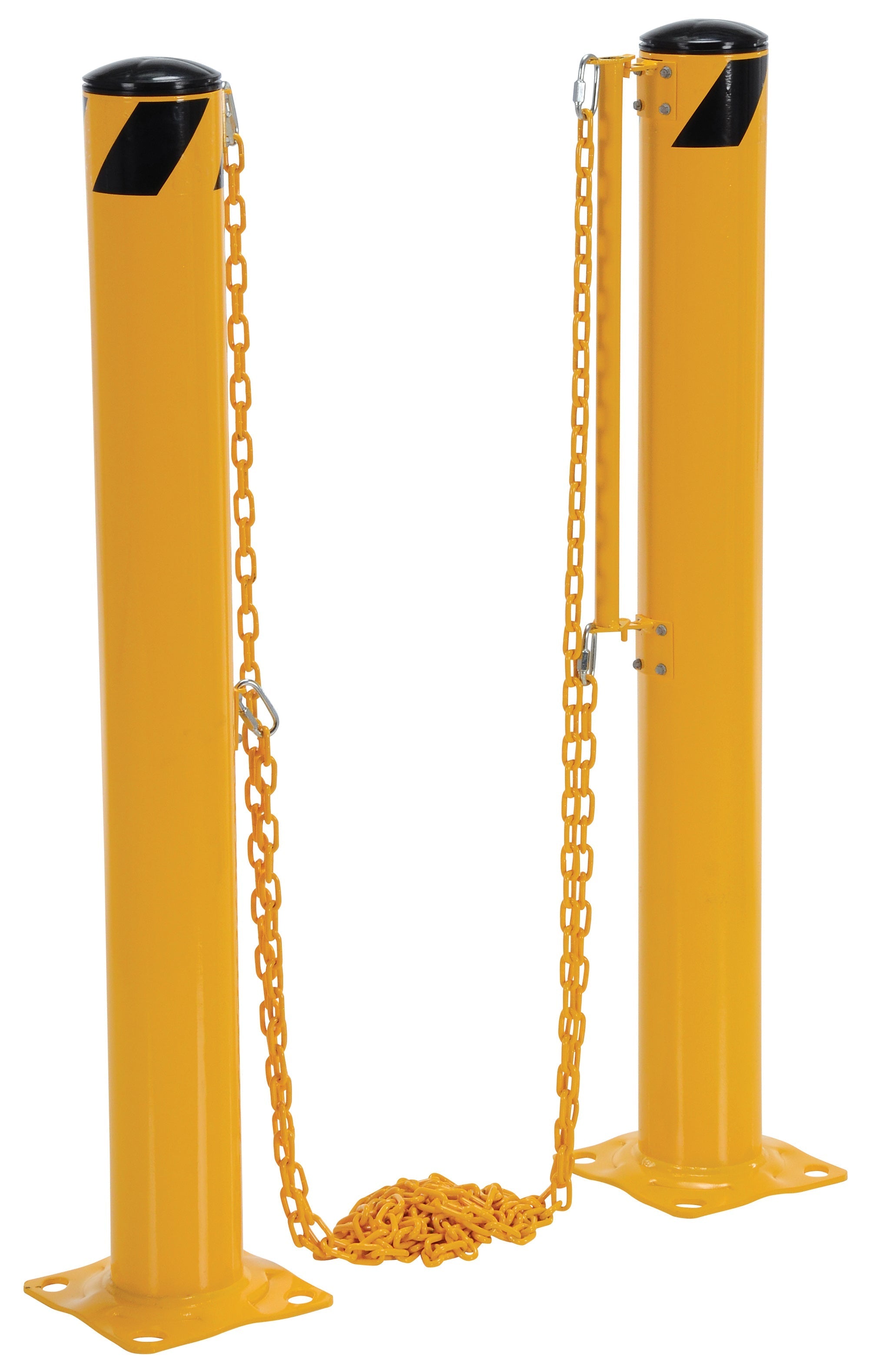
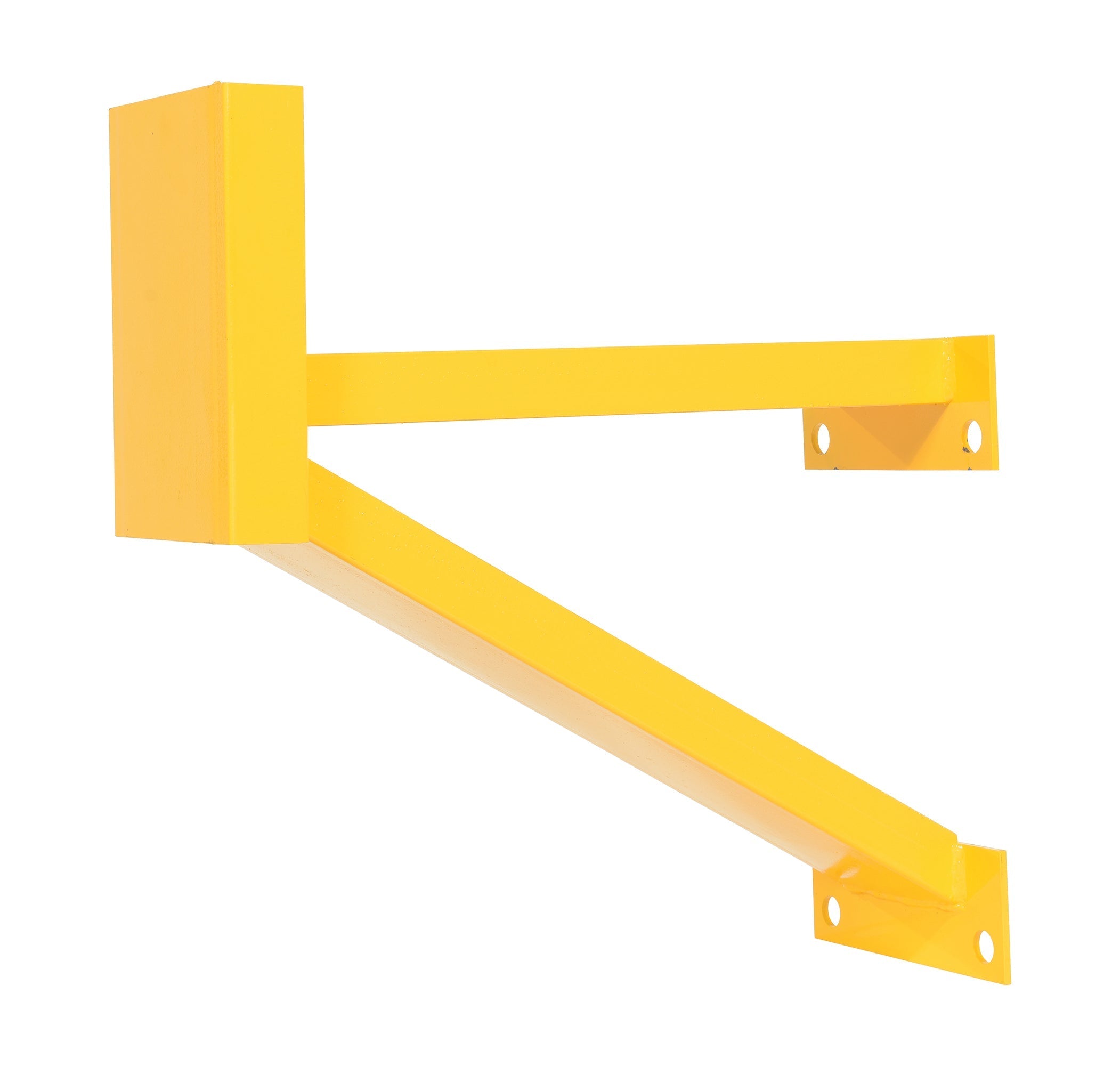
Armor the structure that takes the hits. Forklift and trailer impact eventually finds the soft parts of a dock, the shelter, the seal, and the door track, and replacing those costs far more than guarding them. Shelter Guard Posts, from about $232, are bollard-style steel posts set on each side of the opening to take a glancing trailer or forklift hit before it reaches the dock seal or shelter fabric. The Loading Dock Guard, at about $506, protects the dock face and leveler lip from the repeated backing impact that otherwise cracks concrete and bends steel over a few seasons. This is inexpensive insurance against the kind of damage that pulls a bay out of service for days. If a bay runs every shift, budget the guard posts and dock guard alongside the leveler rather than after the first collision.
Where dock safety fits in the dock build. Dock safety gear is one spoke of a working dock, and it does its job best when the rest is specced with it. The full picture, from the levelers and bumpers to the seals, shelters, and lights, lives in the parent loading dock equipment collection, and the traffic that all of this guarding exists to control runs on the forklift attachments that cross the edge every hour. Start with the barriers and gates that close your open doors, add the trailer positioning and restraint gear for the bays that load daily, then protect the structure that takes the impact, and the dock stops generating the two accidents it is most prone to.
Frequently Asked Questions
Yes. OSHA 1910.28(b)(1) requires fall protection at any unprotected side or edge that is 4 feet or more above a lower level, and an open dock door with no trailer against it is exactly that edge. A dock barricade net, an overhead door warning barrier, or a self-closing gate satisfies the rule; the right choice depends on whether forklifts, light equipment, or foot traffic use the bay.
Rubber or urethane wheel chocks are wedges placed by hand under the rear wheels, the minimum OSHA 1910.178(k)(1) calls for before a forklift boards a trailer. Trailer wheel locks clamp the wheel mechanically for a firmer hold that resists early departure and trailer creep, the slow walk a trailer takes away from the dock under repeated loading. Docks with heavy forklift traffic in and out of trailers usually step up from chocks to a wheel lock.
The Dock Barricade runs on 115V because it raises and lowers a rated barrier net across the full door opening at the press of a button, and the net is engineered to physically stop a forklift that reaches the edge, not merely to warn a driver. That arresting capability is why it sits at the top of the price range on this page, from roughly three to five thousand dollars, and why it belongs on bays where lift trucks work at open doors.
A standard guardrail under OSHA 1910.29(b)(1) stands 42 inches high, plus or minus 3 inches, measured from the walking surface to the top rail. Any swing, lift, or swivel gate guarding a pit, ladderway, or mezzanine opening should close to that height. Since the 2017 rule update, a self-closing gate or an offset, not a chain, is required to close a ladderway or platform opening.
Yes, because they do different jobs. A leveler bridges the gap only while a trailer is parked against the bumpers. The barriers, gates, and guard posts on this page protect the opening and the people around it when no trailer is present and when equipment moves near the edge, which is when most dock falls and impacts happen. The two are complementary purchases, not substitutes.